Ask ChatGPT

 The Game Business Show
22 Oct 2026 · 58m · 28 chapters
The episode of The Game Business Show covers three main business topics: EA’s closure of BioWare and what it means for Mass Effect, Ken Kutaragi’s concerns about the future of consoles, and the rise of web-based games (with a deep dive into Poki). It also discusses how video games are priced and why pricing feels confusing.
Written by AI. May contain mistakes.
Overview of the week in gaming, highlighting key topics.
“We dive into the world of web-based video games.”
Announcement of new awards celebrating innovative marketing campaigns.
“And we'll be doing loads of stuff over the show.”
Encouragement for listeners to support the publication as paid subscribers.
“So if you have a campaign that started this year but your game's out next year, that's not eligible.”
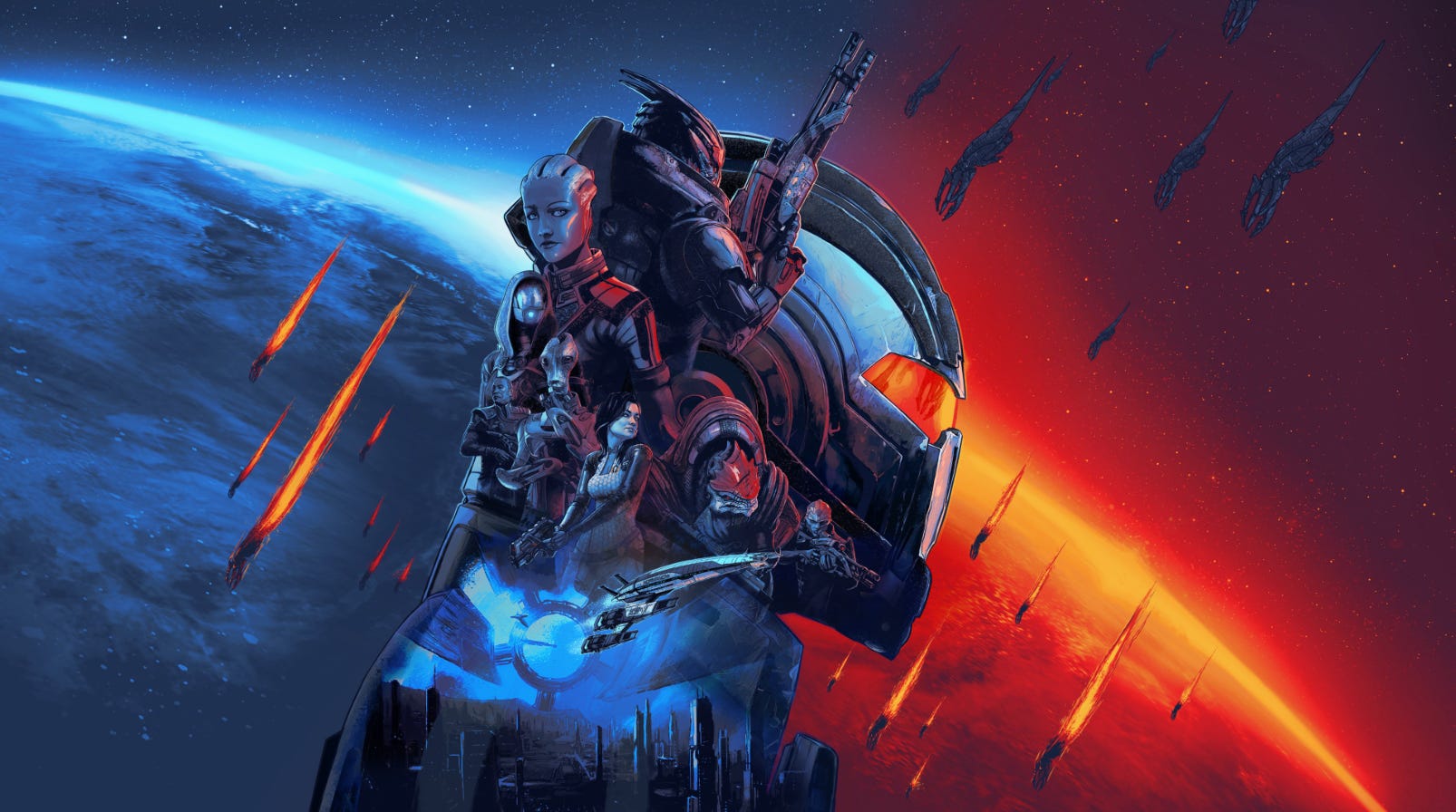
Discussion about Bioware's closure and EA's job cuts affecting iconic franchises.
“you can find out how on thegamebusiness.com.”
Exploring Bioware's impact on the RPG genre and its recent struggles.
“It's cancelling its planned Mass Effect project as part of the closure and also pausing a Sims title as well.”
EA's business strategy focusing on major franchises and profitability.
Discussion about Ken Kutaragi's views on the future of game consoles.
“And you could argue that that was, you know, an EA thing more than a Bioware thing, or at least maybe a bit of both.”
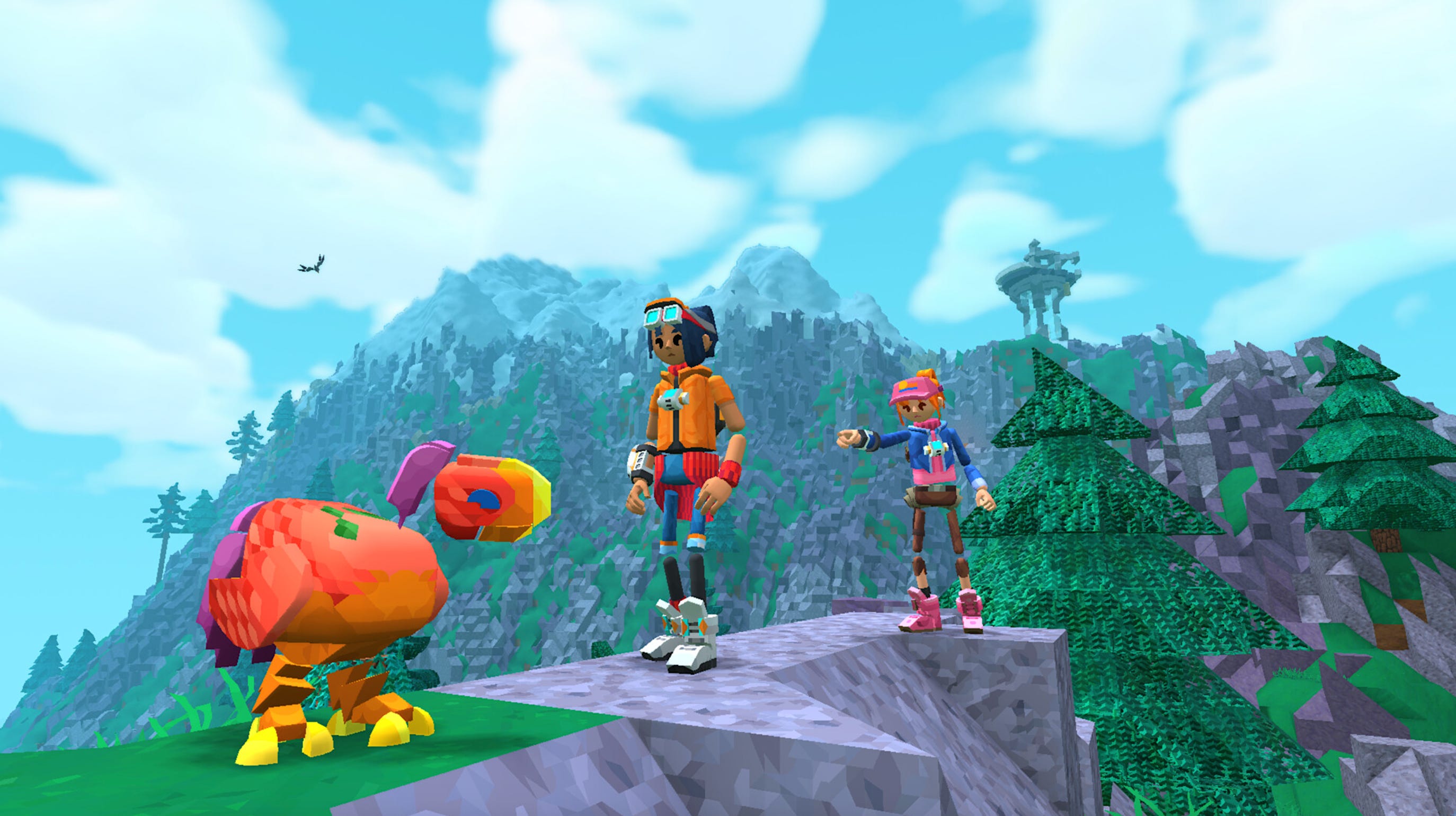
Exploring the growth of web-based gaming platforms like Pokey.
“One of the intentions behind why the PlayStation 4 architecture changed from console-based to PC-based was to make it easier to create for the platform.”
Conversation with Pokey's Romi Halfway about the success of browser games.
“Now, one area of the video game business that I haven't really covered at all is the rise of web-based video games.”
Learn about the demographic and behavioral traits of web game players, especially pre-teens.
“And then also the audience on web has been pretty young always.”
Discover what it takes for developers to succeed in creating web games.
“And usually what we see is that you build it up over the years.”
Explore the monetization strategies and challenges facing web game developers today.
“But the scope is also a lot, a lot, a lot smaller than what you would do for any of those platforms.”
Understand how discoverability works for web games on curated platforms like Poki.
“Of course, we see also the highs and lows.”
Discuss the challenges and opportunities AI presents to the game industry.
“How to deal with it, what to do with it, how to deal with the insane amount of pitches coming in every day now.”
Analyze the earnings potential for developers creating games on web platforms.
“But it's like no one's watching a PewDiePie Let's Play cinema.”
Learn about the potential of developing small web games and their profitability.
“But also for some it easily pays for their living and they can grow their studio on it.”
Discover where browser-based gaming might head in the next five years.
“So I hope that more people will come to the web and start playing some of these just really nice web games and that we can all be more online.”
Understand the advantages of web games and their evolution over time.
Delve into the complexities of video game pricing and market expectations.
Learn how AI tools can assist developers in determining game prices.
“we're going to be talking about video game pricing uh this was stemmed from me being a little bit surprised by the price of Star Wars Galactic Race.”
Explore Nintendo's approach to pricing their games over the years.
“And then I applied a model to it, which means that it could figure out whether reviews thought a game was underpriced or whether it was overpriced.”
Analyze how gamers perceive pricing and the strategies developers use.
“So I went on Amazon and the first thing that popped up was the game for£65.”
Understand the impact of discounts and sales on video game value perception.
“The$30 to$50 price band is the fastest-growing tier across PC, PlayStation, and Xbox.”
Discusses the complexities of pricing games and consumer expectations.
“because they like games to keep their value.”
Explores pricing decisions for indie games in a competitive landscape.
“It's so hard to give a right price and it's just really like, guess.”
Examines how different age groups approach game pricing and playtime.
“They're great because they can, you know, people can take hundreds of hours into them theoretically.”
Covers recent developments and challenges in the gaming industry.
“Do they want to play games they play when they were younger?”
Explore recent announcements in the gaming industry, including new events and services.
“which, of course, has called for a boycott of Microsoft.”

Get the gist, explore an idea or ask about something said.
 Claude
On The Game Business Show, what are the key points of this episode?
Searching your listeningAutomatic transcript. May contain errors.
0:00Cassia Curran: This week, a gaming icon is closing. We dive into the world of web-based video games. We try to make sense of video game pricing. And Ken Kutaragi, the father of PlayStation, fears for the future of consoles.
0:14Cassia Curran: Hello and welcome to The Game Business Show. It's a busy week for us at The Game Business. We're actually out at Comic-Con this week in London doing loads of panels and interviews, including one we're releasing as an episode of The Game Business Show. hopefully at least, assuming it's good. It's with John Romero, the creator of Doom, one of the heads of Romero Games. If you're in London on Friday, October 23rd, you can catch the interview live at Comic-Con, although I think tickets are gone, so you have to actually have already got tickets if you want to see us there. Alternatively, you can just wait for us to release the full thing, assuming it's good enough.
0:44Cassia Curran: And we'll be doing loads of stuff over the show. We're doing 20 years of a Wii panel. We've got Silent Hill devs. We've got the Star Wars devs, the Tomb Raider devs as well. That stuff's not being recorded, but the John Romero one is. we're also today announcing new awards it's called the game business marketing awards we're keeping it nice and simple for year one we're just looking to celebrate the campaigns doing new and innovative things that delivered impressive cut through in a competitive year for video games uh you can submit campaigns via our online form there's a link in the newsletter attached with this show and on our website and we will be announcing our winners on the same day as the game awards which of course are sort of a sister event of ours that's on thursday december 10th and these are the games that will release this year.
1:23Cassia Curran: So if you have a campaign that started this year but your game's out next year, that's not eligible. That's for next year if we do one next year. However, if you have a game come out this year and your campaign started in 2025 or 2024, whatever, you can include all of that. All the details are on the form and on the gamebusiness.com and all those sort of things. Good luck for those that want to enter. And one more note from us, just a reminder, The Game Business is a reader-supported publication and we do get the occasional sponsor, which is fantastic. But really, we're about being funded by our readers, listeners and viewers.
1:53Cassia Curran: Now, things have slowed down a bit for us in that regard over the last couple of months. So I'm using this moment to say, hey, if you're a fan of the show, if you like the show, if you want to keep it going, do consider becoming a paid subscriber to The Game Business. We do obviously put these podcasts out for free, but we do have a bonus podcast and newsletter we do on a Monday called Here's The Drink. It's me giving an opinion on the news from the last week. Of course, if you're already a paid subscriber, thank you so much. It really makes all the difference. But if you'd like to become a paid subscriber, you can find out how on thegamebusiness.com.
2:21Cassia Curran: Right. In today's episode, we're going to explore lots of different topics. In a moment, I'm going to be joined by Romy Halfway, who's the business development manager at Pokey. That's the browser-based games platform. It's doing incredibly well. It's a remarkable world, this sort of space. We've not really talked about it yet, and we're going to be talking about it at length in just a little while. We're also going to welcome back Cassia Curran. Cassia has launched a web app that helps people work out what they should be charging for their video games. and I thought maybe we should use this opportunity to dive into this complicated and confusing world of video game pricing, which we'll do in the second half of the show.
2:52Cassia Curran: Now, before I get to that, though, let's talk about this shocking news that's just come out from Electronic Arts over the closure of the iconic game developer, Bioware, and plans to cut jobs across its studio's business. It's cutting 3 % of staff, which is roughly 400 employees. It's cancelling its planned Mass Effect project as part of the closure and also pausing a Sims title as well. Bioware is, of course, an iconic RPG developer. Founded in 1995 by Dr. Ray Mizuki and Dr. Greg Zeschuk, it's famous for renowned RPGs like Baldur's Gate, Neverwinter Nights, Star Wars Knights of the Republic, Dragon Age and Mass Effect.
3:24Cassia Curran: EA bought the studio in 2007, but it's really suffered a turndown in form over the last sort of 10 years. 2019's Anthem, an attempt at a live service game, sort of became a high-profile misfire. Meanwhile, 2024's Dragon Age The Veil Guard, it had a troubled development, and although the game sort of was okay when it came out at least according to the critics fan reaction was poor and sales were low it was below EA's expectations the next Mass Effect was actually announced back in 2020 but little has been heard about it since outside of reassurances that it is still in development Wizards of the Coast actually has attempted to take on Mass Effect with a game called Exodus which is due next year early next year in fact the game is made by former Bioware veterans but there is no Mass Effect coming now in August EA went private following the completion of its sale to a consortium of investors led by the Saudi Arabia Public Investment Fund.
4:10Cassia Curran: It was a$55 billion leveraged buyout which has placed the company in around$18 billion in debt. Earlier this year EA said it would save$700 million via cuts. This is part of that. In a post on Total Media the company wrote, for more than 30 years, Bioware has been more than a studio. It has been a home for storytellers, developers and the players who brought our world to life. Baldur's Gate, Neverwinter Nights, Star Wars Knights, The Old Republic, Dragon Age, mass effect anthem now after more than three decades of shared adventures bioware is closing and early development on the mass effect project is ending there is nothing easy about writing those words our focus right now is on our incredibly talented team who put their hearts into these games and supporting one another through this transition and what generations of bioware built together is something to celebrate and remember these games became so much more because you played them debated your choices fell in love with the characters and made these worlds your own from all of us at Bioware thank you for being the most meaningful part of our story um on one hand this is a shocker they're an icon of the business one that has defined the RPG genre and was once one of the industry's most acclaimed game makers but as I said over the last decade it's had a rough run it's had a lot of staff departures it's met there's been some unpopular creative decisions the question of course and this is a legitimate one was this is the result of the studio or the publisher the EA does like to chase trends sometimes it sees something goes If that's popular, The Division is popular, maybe we'll put Bioware on something like Anthem.
5:30Cassia Curran: And you could argue that that was, you know, an EA thing more than a Bioware thing, or at least maybe a bit of both. These things are complicated. Now, EA, like a lot of big publishers, are mostly focused on building major AAA franchises and the big brands, the ones that are delivering the big numbers for them. So that's Apex Legends. It is Battlefield. It's obviously sports games like Madden and EA Sports FC. It is The Sims, which is a big opportunity for it. It's got a Sims movie coming out. although it has paused development on one synth title called Project Loftus. It is still making action adventure games.
5:59Cassia Curran: They've got an Iron Man game coming out and a Star Wars title to come but it's going to focus on fewer of those going forward to make sure they sort of deliver in what is actually a very competitive and quite costly space even though the turns aren't normally that high. It's also continuing to support Skate which is a live service sports game that released last year although it's doing that with a smaller team they want to focus in on keeping players because a lot of players are churning out of that game. obviously this leaves a lot of famous ea franchises on the cutting floor a situation that's impacting a number of triple a studios you know mass effect isn't being made dragon age isn't being made command and conga isn't being made these games they're just not frankly big enough for a company like ea however we've seen a rising number of independent studios pitch big companies on saying hey what if we made that ip made what if we developed a title based on that game some larger studios are even willing to put money behind these projects actually co-fund them i'd be interested to see if ea might consider for example an independently made mass effect game that's co-financed by an independent studio maybe an independent studio set up by some of the people um that are leaving bioware ultimately look staff cuts are always tough when things don't work out it's often number of factors in play it won't be the fault of every it will be the fault of a multitude of things and sometimes the fault of nobody at all the market sometimes just works against you but although this news may have come as an initial shock when you look at what ea is shifting away from and towards it's not really that shocking it's actually it makes a lot of sense from a business point of view even if it does hurt to fans of games like like mass effect and dragon age and stuff like that you know when you look at the marking conditions in the area in which ea are currently enjoying most success it makes sense what they're doing they need to cut costs and titles like mass effects don't kind of fit with that and we'll obviously keep on the eye eye on the development there and good luck to the folks seeking opportunities it's certainly a tough time and obviously you hate to report on it and later on when i do the news roundup there's even more layoffs going on it's just never ending it really is moving on um before we welcome our guest today i wanted to relay a chat i had last week with a video game legend ken kutaragi the father of playstation so i went to game republic's new horizons event in middlesbrough i had the privilege of talking to kutaragi live on stage now ken is a japanese man and he was speaking in English and it was a little hard to follow so we are at the moment going through the process of trying to do the subtitles and so you can if you watch it on YouTube or watch it on our videos you can sort of follow along with what he's actually saying um how we do that when the podcast is a good question and we're going to work that out as well we're taking a bit of time on it so you know bear with us but I did want to share one of the things he said because I asked Ken what you think about the future of game consoles particularly given the precarious nature they're in right now you know numbers are falling player numbers are falling and prices are rising it's it's a difficult spot for PlayStation and Xbox in particular and this is what he said to me when we released PlayStation 2 we would get asked what's next at the time I'd say merging into the network that was my answer when I released PS1 I'd get asked what would be the next PlayStation I replied the same thing everything merging into the network and right now AI is merging into the network But currently the machines are super expensive.
9:06Cassia Curran: It's not a healthy situation. One of the intentions behind why the PlayStation 4 architecture changed from console-based to PC-based was to make it easier to create for the platform. It worked! But right now, PC is so expensive. It's the price of a car. It's not healthy. Why do we continue to seek on this direction? Google Gemini and many AI platforms do not run edge-side but server-side, network-side. Those could be evolving to allow for much more elegant things. The age may be coming where we don't need any console. It's a very real danger. He predicts there will be a lightweight system in the future that may not be a console, may not even be a smartphone in which we play our games.
9:42Cassia Curran: Now, he also stressed that there's not an official comment from Sony Interactive Entertainment. He doesn't work for Sony anymore. Now, of course, Ken has been doing a lot of work in AI lately, and he's been working for AI companies, and its potential impact upon the world has been something he's been talking about a lot, particularly in Japan. So, he's bound to feel this way. We will have the full interview with Ken where he reminisces on the creation of PS1, PS2 and PS3 in the coming weeks and as well as talking about the future of the video game business. Now, one area of the video game business that I haven't really covered at all is the rise of web-based video games.
10:16Cassia Curran: This is a truly fascinating area. The video game platform Pokey, which is entirely web-based, has grown from 10 million monthly users in 2020 to over 100 million monthly users today. Another web-based platform, Crazy Games, now boasts over 50 million monthly active users is a fascinating and rapidly growing area of the business and these web-based games are not the ones you might remember from the flash area they actually look pretty impressive probably about games from about 15 years ago i'd say console games so where is this growth coming from is it is it games tapping into that tiktok generation who want quick easily accessible things to play and if it is that is it actually a valuable and viable business for people can companies and developers actually make money building web-based games to answer these questions i managed to chat with romi half week who is the business development manager at pokey in the netherlands and i know a lot from this and i'm sure you will too so here it is check out my chat with romi hello romi welcome to the show thank you i actually had people message me again you need to have pokey on the show because yeah but you could have said no so no but i was but i was like browser-based games is that is that is that is it still a thing oh yeah very much is don't really just gone from like 10 million monthly players to 100 million players
11:24Romy Halfweeg: in like five years yeah yeah that's right so 2020 was 10 million and 2025 was 100 million yes it's
11:33Cassia Curran: still a really big number to wrap my head around sometimes yeah i well i i know this is maybe an obvious question to any to a lot of people listening but it isn't to me what how what's
11:43Romy Halfweeg: caused that so i don't know for sure right we have our own speculations i hope it's because we're doing a good job of course also. Poké has been around since 2014 but we've recently seen a lot of growth in player numbers and a lot of traction and interest as well so that's also why we're very happy to talk about it since there seems to be a lot of people with questions that want to know more and know if it's something for them or something that they could explore so yeah I'm happy to talk about that. And the growth I just mentioned that was specifically on poké.com so that's our website where we release all the games it's kind of like a storefront I guess with it's all free games because it's all ad based.
12:22Romy Halfweeg: And so there we saw that growth going from 10 million players monthly to 100 million players monthly. But obviously that's not just bokeh. The web ecosystem is not just bokeh. There's also other players, other companies, there are other websites, and they also seen quite some growth. So it seems like the web industry sector as a whole is growing, which is nice.
12:40Cassia Curran: You've got theories, but you don't necessarily know why.
12:42Romy Halfweeg: Right. Yes. Well, I think the main theory or like we do a lot of user interviews, so So it's not just theories. We also get this confirmation, but we don't do like large scale quantitative interviews. We mostly have these qualitative interviews with like a focus group. And it seems like there's a lot of mobile game store, mobile play store fatigue. Just really hard to find anything new. Discoverability is difficult. A lot of ads that are very in your face. Of course, we are also ad based games. and I don't think anybody really loves ads, right? We are also not like, whoa, ads are amazing, but it is paying for these games and thanks to the ads, we have the game.
13:24Romy Halfweeg: So we do appreciate them, but we are also very careful with them. So we don't do pre-roll ads, for example. So there's no two minutes playable ads before you can actually play the actual game that you wanted to play or anything like that. They're very, they're way less frequent and way, way shorter. So it's a bit less aggressive in that way. So we think that's also why more players are looking at the web as a way to play games just for a short while, just to have some fun without having to waste a lot of time watching ads or playing playable ads that they weren't that interested in. And then also the audience on web has been pretty young always.
14:05Romy Halfweeg: Like when I was playing web games as a child, I did that a lot. I played a lot of Flash games. and we see that that age group is still very similar. It's not just that age group, but it's a very large part of the audience on web. So really the pre-teens age group, kind of like the same players that you can expect playing Minecraft and playing Roblox. And they're very used to short form content. And you can almost kind of say that web games are the short form content of video games in a way. And this is just like a way that they interact with media that's very familiar to them. So it's really about discoverability, just quick jumping in and out.
14:45You know how you're scrolling on TikTok and you're just, you scroll, scroll, scroll, then you pause
14:50Romy Halfweeg: because it looks kind of interesting. You watch it for a bit. Maybe you don't even finish the reel. You scroll to the next one. You watch the full reel. The players interact kind of the same way with web games where they are just like hopping very quickly through 20 games or so. And maybe out of those 20 they play a couple for a few minutes and they play one for 10 minutes so the way they interact with them it's very similar to these other media that uh that they're familiar with and we think that's also why we have seen a lot of growth because it's just like we're meeting
15:23Cassia Curran: their expectations it's like the opposite to live service games really they try to keep people for months and years and engagement and retention and your well i mean i guess your platform does that but your individual games are more the opposite to that. It's okay then in that case, how viable is it as a sort of platform for game developers, like from a business point of view? How viable is it if that's the way people play?
15:46Romy Halfweeg: I think it really depends on the developer and what their needs are and their expectations are, and what they want to make also. It's for sure viable for a group of developers. We have like multiple developers that have just make games for pokey full-time and that makes them a living or much better even than a living in some cases so yes it's for sure viable but it's also a specific audience that you want to make it like you want you need to want to make a game for that audience i think it's not as simple as being like oh i already have a game that did quite well on steam let's just board it and see how it does then it won't work i can almost guarantee it because the same way you don't put a game that was mobile first on Steam just like that without any changes, that's not what the audience is expecting on that platform.
16:36Romy Halfweeg: And the same for bogey players. They want to play games that make sense for them and for what they are looking for in that moment. So if you really want to have success on web, you also need to be ready to make a web game that is specifically for players on the web and that is like aligned with what they're looking for in that moment when they want to play a game. But then it can be very viable. And usually what we see is that you build it up over the years. Like I would not go all in on web games as a solo dev or as a small team from the start. I would start maybe one day a week. You can try it out, make some games, try out some different things, see how it works, see how you like it and release one or two or three games and like build a steady passive income stream from those and then scale up.
17:25Romy Halfweeg: So I would see it as a slower approach. And also at the start, it's usually more of a secondary income stream than like your main source of income. Of course, there's always the exceptions, right? Like just as on Steam, just as on mobile or any other store, there's always the firewall hits that have overnight success. That also happens. But like if you want to build sustainable business, you shouldn't bet on becoming an overnight hit ever.
17:49Cassia Curran: Usually that's not a business strategy.
17:51Romy Halfweeg: No, that's not a business strategy. It's also not on web, so it's similar in that way. But the income is smaller. I don't want to add that before we continue. So you will earn a lot less money from a web game than from a game on Steam or a game on mobile that has equal success in terms of amounts of plays or players or sales. But the scope is also a lot, a lot, a lot smaller than what you would do for any of those platforms. So you should be able to make a web game in a month.
18:18Cassia Curran: I'm interested to know what it is that people are going, oh, I'm not sure about this. Is it that? Is it the monetization element that sort of puts people off?
18:25Romy Halfweeg: Yeah, for sure. I think so. That's fair, right? I mean, there's people that don't want to do ad games, so then don't do it if you're really against that. That's also valid, I think. There are some platforms that offer in-app purchases as well on web. We don't really do it yet because we just don't think it's the right time. like we have done some research but it doesn't seem to be that viable but I can see that it might become a bigger thing and we are looking into it but right now it's not a model we offer but there are other platforms that do so if that's like a very important part of going to the web for you you can still do it but then not on Pokey you can look into other platforms like Crazy Games I think offers it I don't think YouTube Playables does but I don't know look it up I guess um so there is that and then also it's really short form it's really short games right so if you want to make a game that has very in in-depth story with lots of narrative and lots of character building or that is very puzzly with a lot of explanation and onboarding needed then don't make it for the web because that's not the kind of game that the audience wants to play in that moment if they want to play a game like that they go to another platform that monetization model how
19:36Cassia Curran: How resilient is it during times when maybe the ad market might be dipping or does that affect things in a substantial way?
19:43Romy Halfweeg: Yeah, yeah. Of course, we see also the highs and lows. And we also have noticed that it has become a bit more difficult in the last year or two or so compared to before with getting good ad rates. But that is like part of what we offer to developers, right, that they don't have to worry too much about that. We have a big team that is purely doing ad sales and trying to get the best possible deals in. And we also have a lot of like these direct ad sales. I'm not on the ad team, so I don't know the specific details. But for example, let's say Nintendo might come to us and be like, oh, we have this new booster pack coming out for Pokemon cards.
20:21Romy Halfweeg: Can we do ads for it on poke.com? And we sell those ad spaces directly to companies like this. so that gives you better ad rates than if you would just use like I don't know the Google ad stack or the Yahoo ad stack or something like that we use those two it's like a an X basket right you don't put multiple baskets that's the point but yeah we work very hard to try to get the best ad rates possible for our developers what's discoverability like in this space is it as challenging as it is everywhere else depends where you go I would say it's a little less challenging specifically on bogey because we we are a curated platform so we release one game a day at most um so at most 365 a year a little less because we don't work every day um and that means that every game at least has a few days of visibility on the home page to be picked up by the algorithm but after that um uh it's really up to to the players uh um how much they like it what they do if the players really like it and they keep playing it then we have our own algorithm that picks it up and uh and keeps pushing it to other players or sometimes an uh a game can really find finds it niche within the pokey ecosystem and it's just marketed towards those players and that is uh still very uh can still be very successful as well um but there is at least like it's pretty easy to get a million players like out of the the two thousand or so games we have on the platform it's a little less i think it's between 1500 and 1900 at any given time because they we also take games away after like agreements are done or games want to go elsewhere or you know um we curate it so um out of those i think over a thousand got over a million game plays last year wow
22:14Cassia Curran: meta's just announced it's it's ai you know you can put in a thing and make a game google is about to do the same thing is those ai made games is that something yes chat it's challenging right
22:24Romy Halfweeg: I think it's challenging for everybody in the industry right now. How to deal with it, what to do with it, how to deal with the insane amount of pitches coming in every day now.
22:35Cassia Curran: Oh, wow.
22:36Romy Halfweeg: It's not been easy. I'm not going to lie.
22:38Cassia Curran: Oh, no.
22:38Romy Halfweeg: And we are actively thinking about what we want to do with it, how we want to approach this. But it's definitely a new kind of era. Yeah, there's a difference, right? There's like your kids that are making games with AI that you can also argue almost that it is user-generated content. And I think there's always going to be a place for UGC. UGC is fun. It makes games. You can play a game longer. You can make more levels. You can share with your friends. It's nice. You very rarely see UGC that becomes its own full game or experience.
23:17Cassia Curran: Yeah. Maybe I think this, I don't know. I'm sort of testing it, is that with these AI platforms that are emerging that allow people to make games, to me it's like the YouTube-ification of, you know, it's a way for people to express themselves and stuff. But it's like no one's watching a PewDiePie Let's Play cinema. But it's definitely an industry and it's definitely having an impact on attention and it's significant, but it's different. But at the same time, I'm aware that a lot of these platforms are just going to be swamped with people's projects people's personal projects people things people are doing for fun i'm not going to you know i could use the word slop or rubbish but it's not necessarily that it's just what people are doing you know it's just a way of expressing themselves right but i guess because you've got this curated approach you can't avoid you can you can avoid that maybe yeah um there is a middle ground i guess it's not black and white it's not all ai
24:10Romy Halfweeg: games are bad and all non-ai games are good there's a lot of non-ai human-made games that are utterly rubbish, unfortunately. And there's also some AI games that are actually kind of fun. There is something there. So yeah, we are curated. So that means that for every game we sign, we don't sign another game kind of, right? Because there's way more games that we get sent in than that we can actually release. So if we do decide to sign a game that we expect is largely made with AI, you can never say for sure, but you can kind of say.
24:43Cassia Curran: It sounds to me it comes down to whether the game's any good or not.
24:46Romy Halfweeg: Yeah, exactly. If we look at like, is the game any good? It's like they're an original core idea. And is it like, is AI like used to explore that and to basically make just a very quick kind of polished prototype to explore that idea? And is there potential for this to become like an actual more, like can it grow into something more human made, something more of an IP? Or is it just a copy of a copy? because then we are not so interested even if it has really good stats like yes obviously your rocket league ai clone is going to have really good stats if you test play test it early because it's rocket league and it's a proven game concept and people know it so yeah it's going to have good stats but like then it's not interesting for us right because that's that's not not an original another original idea idea or an original game and we can like in we one we don't want to release games like that but even if we would want it then why would we share revenue over it yeah and not just prompt it ourselves if it's just something that is not that has no original thoughts behind it so that's kind of how we see it now but this is an evolving topic that we are continuing continuously talking about because things change so so fast but basically yes we we do sometimes sign games that are heavily ai assisted but then we always put requirements in the contract to change it so that there is an original visual style and that you have unique looking UI elements.
26:14Romy Halfweeg: We also want to see more of a roadmap from the developer on what they plan to add or what they plan to change or how are they going to move it forward. Because yes, like you said, it's more of a, it's not so retention focused as mobile games where it's really about keeping the player in for as long as possible in terms of day after day after day we more so look at keeping players in for as long as possible in session zero but we do like players to come back so retention is somewhat important it's just not as important of a metric but ideally they come back every now and then like we just need some games on pokey that are a reason for players to come back to then discover new games because they're like oh i want to play this game again let's go to pokey then they play that game and then they play two or three newer games So it is important to us to also have those games that keep players, you know, like remind them of, right, I can also play games on Poké and I want to continue this game.
27:06Cassia Curran: You said to me at the start, you have lots of people have lots of questions about Poké.
27:11Romy Halfweeg: Yeah, or web in general, I think.
27:13Cassia Curran: What are those questions?
27:14Romy Halfweeg: I think most frequent question obviously is how much money can you make on Poké? And I understand that you asked that question. It's just really, yeah, you can make a million euros a year or you can make 10 euros a year. like it is very it's very difficult to answer that it's like how many money can you make on steam yeah same i don't know if you do you have a good game yeah you can make money for sure uh i do i can answer that right i can say well like for the the top top top performers or poky like the very best games they can earn up to a million a year so then i know that's kind of like the upper range if they are interested in that which is more so interesting for really big ip companies but i would say for those there is even a higher limit honestly because um of the uh just your like the organic traffic that they can generate has also a lot of value to us so for those i would say with existing really big ip games just contact me and then we can look into it and then for for a lot of devs like that are just that just have a successful game but you say it's not a viral hit it's not a breakout hit but it's a pretty successful game it's anywhere honestly from like a thousand to fifteen thousand a month but that can be pretty good yeah especially if you consider the scope because sometimes people kind of lose sight of that but we're talking about really small games they should they should not take you that long to develop they should not have a huge investment up front uh you don't need to pitch us your your 500k or a million gay a million dollar investment needed for the prototype game that's that's not web games we're talking about games that should cost you like 10k or so to develop so if you then earn a couple of thousands a month for multiple years it's an easy win honestly yeah and then of course there's a whole whole slew of like long-term games long tail games that are maybe not that successful but do well enough like my own games for example i had three games on pokey before i worked for pokey um like they make a couple of hundred euros a month which is not a lot but also i only worked for two months on them and they still pay me for my vacations years later so i'm not yeah i'm not complaining yeah but it's not my full-time job it's my side hustle so then it's nice
29:19Cassia Curran: yeah my boss used to say when we back in the old days on his magazines and um they they launched ipad magazines and i said to him once do you make any money from those ipad magazines and he went yeah it pays for the milk i quite like that but yeah for a lot of deficit stats
29:36Romy Halfweeg: i guess it pays for the groceries or whatever i wish by the way groceries in the nellons are super expensive. But also for some it easily pays for their living and they can grow their studio on it. Like we have some studios that like most people in Poké are solo devs or maybe two or three people. But there is also some like actual studios that have like five to 10, even 15 people working on Poké games. It also depends on your region, of course. Like if you're in Sweden, that's going to be more difficult than when you are based in in Turkey. you.
30:06Cassia Curran: Well I'm conscious of the time and you've taken up plenty of it and I think I've got a good overview here but where would you like to see Poki or maybe browser-based gaming in general in like five years where do you where do you see it heading?
30:18Romy Halfweeg: Yeah I personally really hope that we you're gonna see the player growth continue and also reach different more different audiences they're already kind of there but I feel like there's not really a good home base for them on the web like like like for for you know female 30 plus let's go i think there's so much more opportunities there and there are so many really cool web games that people kind of overlook i've started this series on linkedin where i post like my favorite web games every couple of days i'm on game nine now i think and i got a lot of like good reactions from that from people like oh i actually didn't realize this is such a good game i had so much fun with this and like yeah there's a lot of these games out there that people are just not playing and they don't they don't see.
31:01Romy Halfweeg: So I hope that more people will come to the web and start playing some of these just really nice web games and that we can all be more online. Because I really think that there is something about, like we didn't really talk about this, but like the strongest reason why I am a very much a web games advocate is because they are so accessible. They are very, very small, which is also technically challenging. So if you are considering developing for web, please do check out the guides we have on it, developer.pokey.com and there's like dev guides on optimization and engines and stuff which is all very valid information if you're going to make a web game whether it's for poke or anywhere else but in any case because they are so small and they just you you load them basically instantly like within a few seconds you load the game and you can play the game and try out the game and that's just a really nice way of of discovering games and exploring games and seeing what you like i think there's a lot of power in that yeah it's much nicer than downloading an
31:56Cassia Curran: app also i think these games perhaps people listen to this who maybe don't familiar with web games is like that they're more advanced i think people i know they're just talking about them being small and stuff i think that perhaps everyone's got an image of what flash games used to be in there and
32:09Romy Halfweeg: that kind of stuff oh yeah now it's much bigger than that yeah yeah yeah there's also a question i get a lot or that conversation that comes up a lot like oh will web games ever be as good as console games like yes obviously the answer is yes but console games are also continuously getting better and pc games as well yes right now web games are as good as console games as they were 20 years ago you know yeah but they are as good as console games were back then i guess but there's always they're never gonna catch up right because technology is always evolving but it doesn't mean that web games are staying still they are also evolving yeah um romi thank you so much for your
32:42Cassia Curran: time thank you too and i really enjoyed learning about this yeah very welcome thank you for having me thank you to romi there certainly a promising new direction for video game industry or at least an alternative location for smaller developers to perhaps build a business or earn some money on the side i'm not quite sure it's ready for top end games just yet i know a lot of people talking about ai and whether that can sort of allow big games to work in browsers you've already got ken kudaragi maybe he was hinting at that in the quote earlier but i'm not quite sure the business model is there to sort of back that up we'll certainly see what happens now for our second topic today we're going to be talking about video game pricing uh this was stemmed from me being a little bit surprised by the price of Star Wars Galactic Race.
33:20Cassia Curran: I was expecting it to be more than it was. I was also surprised by the fact that Nintendo went lower on the price of Star Fox. And that might be my age that thinks that as we'll come on to in a moment. Now we've had pricing come up a few times on the show, but we've not really focused on it specifically. We've not had a full on conversation about it. It does seem more confusing as ever. What do you set your price of a game at? And whether you're a AAA developer or an indie developer, it seems to be quite a minefield. Now, Cassia Curran, video game analyst and expert and investor, came on the show earlier this year talk about VR and after that coming on the show she actually launched a tool where you can put in your game or list your competitors games and it will help you work out what you might want to do with the price of your video game so I thought Cassia might be able to shed some light onto this enormously complicated subject maybe so here it is here's my chat with Cassia hello Cassia welcome to the show hello hi you've got like a um is it like a tool that people put in details and pretty much to spit out a price i've not actually tried it i was tempted to
34:20Romy Halfweeg: yeah i mean basically uh earlier this year i was really just trying to check out what could be done with ai coding tools primarily because they've gotten really good roughly 10 months ago um and i was a bit like let's do a project and see how far we can push it and i was a bit like what do is one the actually been useful and i had the idea of yeah essentially a pricing tool what i did is I downloaded 2 million Steam releases for pretty much all the non-slop games, non-shubberware games out there on Steam. And then I applied a model to it, which means that it could figure out whether reviews thought a game was underpriced or whether it was overpriced.
35:04Romy Halfweeg: And yeah, it turns out, like, if there's not much talk about your game, whether it's overpriced or whether it's really good value, then it's probably good priced as well priced.
35:16Cassia Curran: Lack of comments means you got it right.
35:18Romy Halfweeg: Yeah, lack of comments means that people, no one, it's kind of an expected amount in life. Yeah. If everyone's praising your game for being really, you know, good value, you've probably left quite a lot of revenue on the table. But then if a lot of people complaining that it's not worth money, then yeah, you should appreciate it. Maybe a bit cheaper.
35:35Cassia Curran: I was fascinated by how confusing this has become because it's obviously, I get it's already confusing for independent developers that make smaller games, but obviously I'm a bit of a Nintendo fan, right? So, and in 2011, Nintendo released Star Fox 64 remake of that for the 3DS and it was priced at£40. And then that same year, coincidentally, they did Ocarina of Time 3D, which is£40 or$40. It's the exact same price between the two. This year, they've done the exact same thing for Switch 2. They've got remakes of the same two games, but the Star Fox remake is£42 or$50 and the Ocarina of Time is£50 or£60.
36:12Cassia Curran: So they've changed the prices there. Nintendo is all over them. This is obviously, this is 15 years ago, right? So it's completely, it upsets me a great deal. So things have changed a lot. But then you've got things like Mario Kart World is$80. But basically no other game Nintendo have put out since then is$80. They've done a few Switch 2 editions that come out at that price. Not Donkey Kong, not Pokemon Pocopia, none of that stuff. So that's just Nintendo. That's obviously a big company. and even they've gone into this variable pricing um strategy that doesn't seem to make there doesn't seem to be a coherent sense i mean i understand why starfox is cheaper than ocarina of time it's a short game i can get why it would go down that route it's it's an excellent game but you can smash through it in a few hours so i can sort of see where it's come from but that wasn't the case 15 years ago people were like we'll charge the same yeah so that's complicated i bought i had star wars galactic racer on recently and um i bought that game i looked at it and it's a star Wars game, big IP, and I was going to buy it.
37:08Cassia Curran: So I went on Amazon and the first thing that popped up was the game for£65. And I thought, AAA Star Wars racing game, yeah, okay. And I bought it. And then it came and it was actually the deluxe edition and all the fancy bits. And I was like, oh, did I buy the, did they send me the wrong thing? No, I bought the deluxe edition. The actual price of the game was£50,£45. It was actually a lot less. And I was surprised by that because I expected it to be more. And then I asked them on the i said you know um why was it priced that that and he said we want as many people to try and get into the game as we possibly can and that felt like a right value proposition for achieving that aim we've got an incredible amount of scope and quality and the experience is terrific value for money but the bit that caught me i think the word there is it felt like the right value proposition it does seem like we're in the uh realm of what does does it feel like a good price as opposed to is there like a there's an algorithm that can help tell you whether it is or isn't
38:00Romy Halfweeg: Oh, I wish there was. I spent a lot of time actually trying to figure out whether there was an algorithm and there really, there's actually not enough data. And I think a major problem recently as well is that there's all these different factors pushing both ways. Like there's some factors that are pushing games maybe to be more expensive and some game factors are pushing games to be priced cheaper. and it's a bit like, which do you lean into? It depends a lot upon your game. So I think definitely for any multiplayer game, really depending upon multiplayer, you really need to be super thoughtful about price because you need the network effect to happen.
38:41Romy Halfweeg: You can be low enough that lots of people come into your game at the same time and there's people to play with. If you press too high so that only core gamers or core fans buy it initially, then they won't have enough people to play and it will die a quick death. But then if it's like a single player, more like a simulation game or strategy game, you can afford to price it higher. With the Galactic Race, it's a case you've got the IP attached, which generally, just getting a license for that would be expensive. And of course it pushes up higher in terms of costs.
39:17Cassia Curran: Yeah, I thought it was low. I think this says more about me. But then obviously we compare it to like 4 to Horizon 6. I guess it isn't as big a game.
39:25Romy Halfweeg: No, it's not. Yeah, there's like an expectation for a high price game that is going to be like many hours, many, many, many hours of gameplay. And that's often with like open world RPGs. So if you have something which a bit more rounds based, which I think Galactic Racer is, I think there was even like some suggestions that should be more like around the$40 sort of price, because similar games that way are$40.
39:49Cassia Curran: I think that just goes to show how it can vary by person. I remember the first Podracer game, and that was a full-priced release. You know, New Zoo put some stats out. Apparently, games that cost more than$50 still represent nearly 80 % of the total premium revenues on console, but lower-priced titles are increasingly popular. The$30 to$50 price band is the fastest-growing tier across PC, PlayStation, and Xbox. but toy 26 games priced below 30 generated more than five million dollars in revenue last year which is up from 17 in 2024 so the middle tier and the lower tier seem to be where a lot of the growth is um uh at least the newsy stats um earlier this year but again i don't know if this tells you very much um we we had lyrical games on recently and they were actually used this show to announce the price point for valamortis which is an rpg that's just come out they give huge answers to why they went for 40 and actually one of their biggest concerns was they didn't want the perception from fans thinking because it's 40 it's somehow it's an action rpg it's somehow it's a lesser product and they were really concerned about this and it reminded me of them in 2020 when um all the big triple a games on playstation xbox went up to 70 and one company that waited a bit longer was capcom they put out resident evil village i think they put it out at 60 and the capcom marketing guy i was spoken to at the time was really worried about that they didn't want people to think the game was somehow lesser than the other games in its field so it's a minefield oh totally yeah
41:25Romy Halfweeg: so in some pieces you're just really trying to anchor the of the price to the value the quality of the game and yeah sometimes players think their price means lower quality and a lot of studios these days and publishers are often pricing their games maybe a bit higher but then doing like quite aggressive discounts so you kind of have the best of both worlds yeah in that case all really common these days is having that you know multiple tiers of like standard edition or
41:53Cassia Curran: deluxe edition where gta is just done yeah well but that's what's going to ask about that because one of the things that Nintendo never do is discount because they like games to keep their value. But are we not? Is that still a model and people come in and sort of, you know, obviously it doesn't work for multiplayer games as you already pointed out because you do need people to come in on day one. But on other titles, is it okay to go on a high price knowing that you can be in a Steam sale in a few months and bring that down again? Does that risk devaluing the premium price or it makes people wary of that initial price point?
42:26Romy Halfweeg: Well, I think what it has done is that now there's a whole cohort of gamers, they call themselves patient gamers, who wait around for the sales. They probably expect that the games will go on sale for quite a significant amount. We definitely have noticed that generally players look at the percentage decrease, like the percentage discount, rather than the absolute value. So they care about whether the game is like 50 % off, rather than whether it's like, you know ten dollars off or something like that so yeah it's just generally from a psychological perspective it's a good idea to price it relatively high and then yeah like yes you can go lower you can't go higher yeah um well it just gives you that room yeah to you know
43:14Cassia Curran: discount a lot if you need to you want to you also you have to bear in mind similar games
43:20Romy Halfweeg: the price of them. So, for example, I think Hollow Knight Silksong very famous is at$20. And it's like a really good title that gives, you know, 20, 30 hours of gameplay was in development for seven years and all that sort of thing. So, yeah, if you've got a similar sort of roguelike, then you need to be thinking about, like, is it going to price it more than Silksong? That's tricky, right? And then you've got games like Ark Raiders, Helldivers, which I think were$40. dollars so if they're similar games to those are you going to price them more than like you have to be able to you know give a good reason for players if you're feeling priceable in that
44:00Cassia Curran: valamortis thing one of the reasons they went 40 by the way is because of gta 6 and they're a new ip coming out in the shadow of gta 6 alongside other big branded licensed games and they felt oh not licensed games so big branded sequels and stuff like that like control and silent hill and they felt they had to go 40 to compete in that sort of space. And then they pointed this out. I was going to point it out to them. Blood of the Dawnwalker, which is another RPG, came out earlier in the window, came out at 70. And it was, I'm not saying they're the same games, but they're in sort of similar-ish genres and they're both, you know, there's new IP coming out in this sort of competitive window.
44:42Cassia Curran: And obviously it worked for Blood of the Dawnwalker. but it's about that feeling because you go to blood of the dawn walker and it's made by former developers of the witcher so it has a certain cachet to it already that's right well this is from the witcher devs it's not it's a smaller game it's not a smaller game but it doesn't have the scale of cd project but that's what they're looking at and that's what they want people to think about their game and so when they went out there you go at that price point you're in the you're that's the conversation you end up being part of which i guess is what they wanted and that's what i mean when you sort of when you sort of don't feel like the right price i mean my feeling is there's no exact science but if you're i guess that's not very helpful if you're an independent developer and you're going right what should i set my game price at if anyone asks you that if people do ask you that what is where do you what do you suggest it really uh it's yeah
45:29Romy Halfweeg: it depends on the game um if it's a game which is really like unique or unusual in a certain way it's So hard. It's so hard to give a right price and it's just really like, guess. But then if it's more in an established genre, like action or advice, and you're like, oh, well, you know, Silksong was this price, so, you know, that's your anchor kind of thing. And the pricing tool just, you know, does your research for you and it shows you, like, you know, what your other similar titles are priced at and all the medium wars and then,
46:04Cassia Curran: like how do they sort of cluster yeah just silk song i was going to ask if there's like a hard ceiling on indie game pricing or can smaller titles push into that that sort of 30 to 50 threshold that new zeal was talking about or even 20 to 30 threshold but i guess games like hollow nuts does that make that really difficult really the hollow night one kind of annoyed me
46:24Romy Halfweeg: i was a bit like oh god it's like please price it higher so you know just that a 24.99 it made like a big difference to a lot of studios you know that has similar games and then yeah it's it's a bit that's a bit annoying yeah there i would tell you there's actually quite a lot downward price seeing pressure especially with friend's lock these days like the peak developers have some very meeting things to say about their price uh which is eight dollars which is basically five
46:54Cassia Curran: dollars is what they said yeah yeah yeah when he when he said it i was like you said it on stephen's I was like, oh, Steven's newsletter. I was like, yep, that's exactly true. If it's$9, it's basically$10. But if it's$8, yeah, it's$5. It's like, I don't know. Yeah.
47:12Romy Halfweeg: So, yeah, those kind of big, you know, those really popular games that pop off, you have to look into that and then you're kind of like sort of stuck at the same price point at best. And also I'm just seeing with like AI coding tools, like I think costs are lowering for for the developers that want to use those and they're coming faster into the market when there's the we already had a bit of had an oversupply of games and now it's kind of hypercharged yeah so like how do you compete how do you stand out how do you make any money yeah very challenging i guess
47:47Cassia Curran: we are looking into a future where there's even more competition and standing out and being noticed and price i guess is one of the few things people actually have control over when it comes to the like you can you can choose your release window but ultimately you're you know you could release your game um I think I won't release it alongside GTL I'll release it another time and then something something like I don't know war dogs happens or or something comes out of the blue and does extremely well you can almost never predict it there's always something to compete with you and whereas at least with price you've you know where you're you're sitting you're sitting at I'm always thinking about time because I mentioned Star Fox at the beginning and of course that's a game that is short there's a lot of replayability on it it's got multiplayer bits in it but I think Nintendo probably went less on that price because it's not a very big game.
48:28Cassia Curran: My feeling on this, and something Simon Carles actually said to me, is he says, you know, for players, it's the idea that they could play it for a long time is what they want to know rather than whether or not they would or not. It doesn't, they don't need to know the story costs a hundred hours. They just want to know that they could, if they wanted to play it for that amount of time.
48:45Romy Halfweeg: Yeah. Players definitely They expect to spend about one to three dollars per hour of gameplay. And this makes it really interesting as to what kind of games are there for, like, really economical to make. So, for example, like Vogue Likes, because there's lots of replayability, but they don't take so long to build. They're great because they can, you know, people can take hundreds of hours into them theoretically. And you could have a reasonable team. This is why you've seen a bit of drop-off of, say, like, really polished platformers or puzzle games, because they cost a lot to make, and then you don't end up with that many hours of gameplay.
49:31Romy Halfweeg: You know, the players consume the content and it's finished. Yeah, then you end up with, like, really quite high, like, dollar per hour ratio, and... Yeah, it's just not attractive to a lot of players.
49:44Cassia Curran: Oh, wow.
49:45Romy Halfweeg: Even if it's more fun. but yeah that's a shame yeah it really is a shame i'm of an age if you tell me the game is short i'm more likely to buy it i know do do investors and publishers when they're in sort of the early
49:59Cassia Curran: stages of like funding a project does pricing come into the conversation then i get the impression it
50:03Romy Halfweeg: doesn't but it does um often studios will have their own idea about how much um a game will cost and I'll put it in the pitch deck. And it kind of can tell you a lot as to what they think of their production quality.
50:18Cassia Curran: I see.
50:19Romy Halfweeg: But ultimately it is the publisher who decides in the vast majority of cases
50:25Cassia Curran: or is like in negotiation or a ton of things. Well, it certainly seems like a very complicated situation, but you seem to be, you're assisting, if you look at games, comparable games, because people will compare it. Yeah. And the other piece of advice seem to be that if your game isn't a multiplayer game, you can go higher because you can always come down if it proves too high and there are these moments in the yellow but even like steam sales the amount of games yeah being shown in these
50:52Romy Halfweeg: things is just yeah it's just so that's also like maybe it's like that tactic is no longer that new song yeah i think it's if you are going towards more artistically meaningful games you will be be able to command a higher price, is my sense.
51:10Cassia Curran: Also, maybe the type of audiences, because I think to the fact that, you know, I think if you're targeting maybe a nostalgic audience, an older gamer, they've probably got more disposable income. They probably even think twice about the price of things, unless, you know, the people my age are buying ridiculously priced versions of the Commodore 64, because, you know, they've got, they're older, they've got disposable income and they've got...
51:30Romy Halfweeg: 100%. There's definitely a generational divide. I mean I think the Roblox generation are just really nice to free games free multiplayer games that's like what they and they're the ones buying peak which is cheap and make a communion very cheap so yeah and of course like the older generation is slowly shrinking I will argue
51:51Cassia Curran: that in games it's getting bigger they have less time I think that's the problem so they've got they've got far more um well maybe at one point when we get to the retired gamers maybe things will change but um you know people in their 30s and 40s they might have families they might you know they've got busy careers and that kind of stuff they have less time to sit around and play a game um and therefore though they might still want to do it that's a good point actually yeah
52:15Romy Halfweeg: so i think like the sort of upper age of like committed hardcore gamers it's like what 50s 60s now yeah yeah and so they're sort of starting to go into retirement maybe we haven't really hit the retirement age period of, you know. No.
52:34Cassia Curran: And what will that do to things? I don't know. It's something we had, there's a chap who did a talk at a conference, an epic conference I went to recently, and that was his big thing. Like we've got that moment is coming.
52:45Romy Halfweeg: Let's get ready.
52:46Cassia Curran: It's all get ready for suddenly loads of people with lots of time and money. That's the dream. There's no middle ground for them. But what will they want to play? Do they want to play games they play when they were younger? Do they want to play new things? That's It's a future. That's a 20, 20, 35, 20, 40 edition of the Game Business Show. Cassia, I've taken up too much of your time. Is there anything else in terms of the pricing that comes up when people come and ask you stuff?
53:13Romy Halfweeg: I mean, I think it's just a really, really big, complicated topic because there's so many different areas of the games market and it just so much depends on what your game is and what other similar games and how they're in price. so it's it's very complicated to cut off it they probably talk on for a very long time um and still not reach the conclusion yes exactly right well good luck to everybody that is probably not as
53:39Cassia Curran: helpful as you know it's not helpful at all use cassia's pricing tool to maybe start the conversation and see where it goes from there um thank you cassia so much um um and yeah thank you for joining us oh it's my pleasure right that's it for our conversation today thank you to romi and cassia for joining us all that's left for me to do is run through the news and one new story that's happening in europe is peggy has started increasing the age ratings of games that feature loot boxes so if you heard games a loot box you have to be ranked peggy 16 in europe that includes ea sports fc includes pokemon go the updates to age ratings are happening now continuing until the end of october gdc tough times over at gdc i think it's shifted to a four-day format for its 2027 edition it used to be five days now taking place monday through thursday march 1st to march 4th the goal to deliver a higher quality more focused and valuable experience that's what the organizers said it is still trying to find its feet it did really sort of boot itself this year as the festival of gaming i thought it was pretty good event but it's got a lot of challenges including of course the challenges facing the californian games industry now liquid swords um they're a game developer that made a game called samson ceo christopher uh sunberg came on our show earlier this year to talk about sort of the challenging launch it had for that game it's got a bit of a buggy experience but unfortunately liquid swords has filed bankruptcy sunberg said on linkedin the studio struggled due to bad business decisions and tough market conditions uh the bad news continues well some of this is bad news some of it is just news and wizards the coast is refusing to grant voluntary recognition to a union drive by its dungeons and dragons and studio x team staff will instead vote on joining in a secret ballot election overseen by the national labor relations board ubisoft has proposed closing finish studio finish studio led links famous for the trial series effective 52 employees it's also cutting 70 roles skull and bones developer ubisoft singapore i talked about that last week meanwhile it's running a voluntary redundancy scheme in germany aimed at reducing headcount by 100 people across its dusseldorf berlin and main studios sticking with cuts developer funcom is restructuring and cutting staff to focus on live service support for Conan Exiles and Dune Awakening.
55:40Cassia Curran: Meanwhile, CEO Rui Kaseyas will step down at the end of the year. Funcom, of course, was acquired by Tencent in 2020. And there's also unspecified job cuts also happening at German studio Fish Labs and scum developer GamePyres. Elsewhere, Melbourne-based developer Househouse will not release its co-op title Big Walk on Xbox, citing alignment with the Palestinian-led Boycott Divestment Sanctions campaign, the BDS campaign, which, of course, has called for a boycott of Microsoft. Amazon has rolled out its ability for people to access Lunar Games via Prime Video on Fire TV to more locations. They did this in the UK and US in July.
56:16Cassia Curran: We did a big interview about it. It's now coming to Canada, France, Italy and Spain. Well, now you can get that now. And eight more European countries will follow next month, namely Austria, Belgium, Germany, Luxembourg, Netherlands, Poland, Portugal and Sweden. US retail giant Best Buy has launched Best Buy Gamers which is a gaming hub that will feature reviews, features and videos alongside trailers, polls, sweepstakes, pre-orders, all sorts of things how to find a store event the content is supplied by IGN and the first event will be the midnight launch for The Legend of Zelda Ocarina of Time Remake and finally PR platform Press Engine has announced a new event called The Pre-Show which is a new physical event taking place in London that will debut games due for release over the next 12 months the event focuses on hands-on discovery over digital game reveals that's it for today's episode of the game business show thank you for sticking through it for us as i say if you want to make sure you don't miss an episode of our show you can subscribe to us at thegamebusiness.com you can also become a paid subscriber which genuinely means the world to us if you want to become a paid subscriber that'd be amazing next week we've gotten into a meta particularly the horizons uh team around their new prompt based gaming stuff that they're talking about it's it's a good chat that one it's not a long episode but it'll be out on tuesday and yeah we've got a lot coming in next week where hopefully i'm still waiting on some information i can dive into what's going on in the world of video game piracy but that's it for me today until next time thank you for tuning in
It’s a jam-packed edition once again. On the Show, we’re joined by Poki’s Romy Halfweeg to discuss the rapid rise of web-based game platforms, and consultant Cassia Curran comes on to chat video game pricing.
Plus, we discuss the shock closure of BioWare, and tease a bit of our upcoming interview with ‘father of PlayStation’ Ken Kutaragi. Enjoy!
Fan of The Game Business? Why not consider becoming a paid subscriber. Find out more here.