 Ask ChatGPT
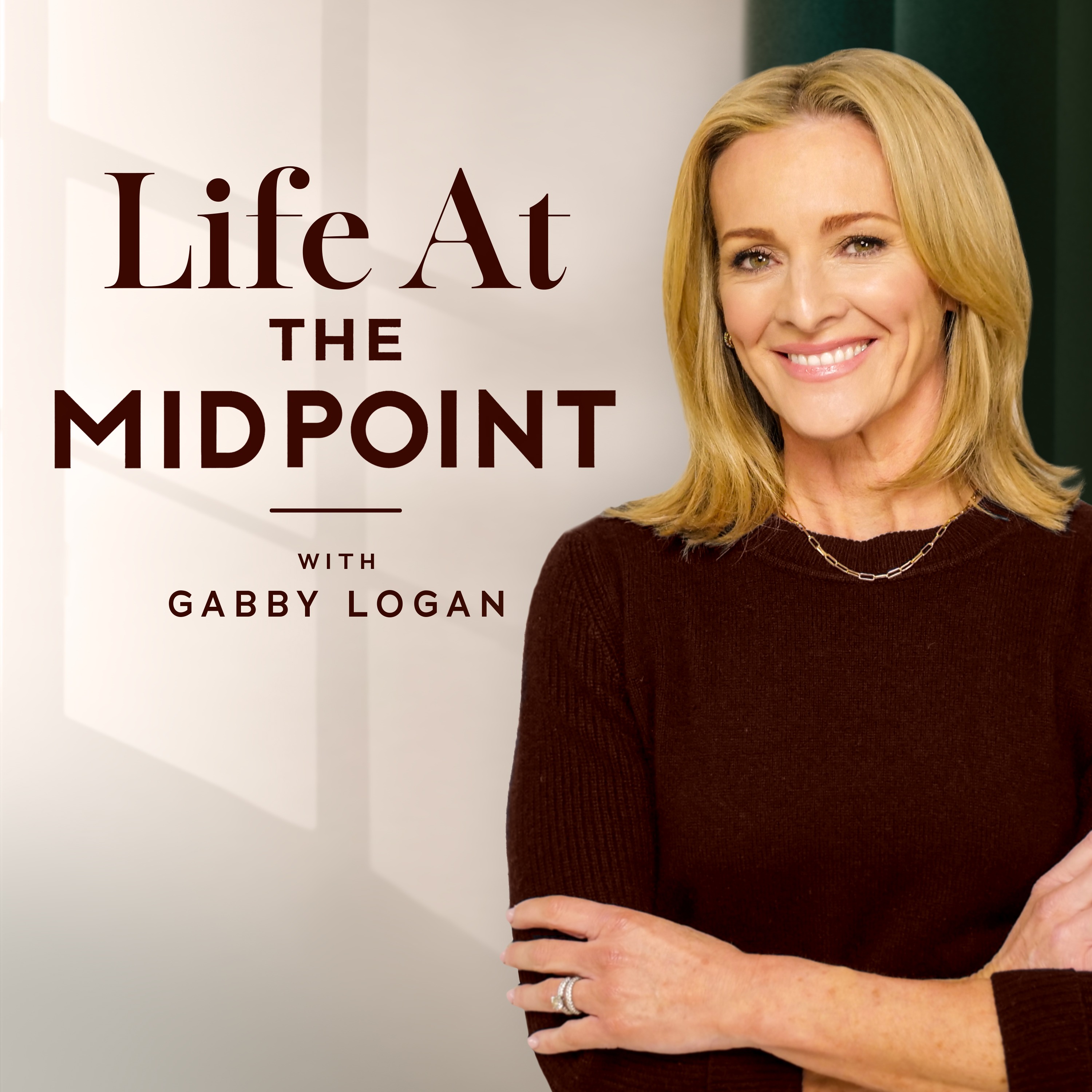

Cathy Newman discusses her career shift from Channel 4 to Sky’s 7pm daily politics show, how women’s visibility (especially over 50) has changed, and how modern politics and social media affect journalism, trust, and resilience. She also reflects on online misogyny, interviewing people who lie, and the need for “human” political coverage with more time for interviews.
Cathy Newman is a British investigative journalist and TV presenter. She studied at Oxford, worked at The Guardian, The Independent, and the Financial Times, became a political correspondent at 23, joined Channel 4 in 2006, and wrote Bloody Brilliant Women. She’s leaving Channel 4 for Sky.
Women over 50 are now more visible; online abuse becomes easier to ignore with experience; “gotcha” interviewing is outdated; social media moments can still reveal bigger truths; resilience comes from preparation and support networks.
Twitter misogynistic abuse after her first maternity leave; a viral “cake” explanation interview with Conor Burns about Partygate; emotional Downing Street departures (Gordon Brown, Theresa May); her new show’s sofa-based, more informal studio approach.
Written by AI. May contain mistakes.
Discussion on Cathy's career change from Channel 4 to Sky and the evolving visibility of women in media.
“Well, you've got a lot going on at the moment.”
Cathy reflects on midlife, career contentment, and personal happiness in her 50s.
Cathy discusses her new show on Sky, her creative vision, and the excitement of new opportunities.
“You think the thing about the Sky News show that I'm launching is that it's going to feel really different.”
Exploration of how Cathy has built resilience while dealing with online abuse and tough interviews.
“They've got this brand-new documentaries team, which is absolutely fantastic, actually run by someone from Channel 4.”
Cathy shares her strategies for conducting tough interviews and dealing with dishonesty.
“It's easy to say it to somebody who's a lot younger, actually younger colleagues, female colleagues of mine who've received some horrible abuse online.”
Learn about the emotional dynamics of conducting challenging interviews.
“And, you know, she starts off about experience.”
Discuss the changing nature of politics and the impact on journalism.
Explore the importance of showing the humanity of politicians.
Understand the emotional reactions to politicians' vulnerability.
“You know, a lot of people increasingly don't see politicians as sort of human beings like any other.”
Discover the importance of establishing rapport with interview subjects.
“And I think that's what we want to get across in my new show is the sort of humanity of it, the kind of what's really going on there.”
Understand how modern media influences news and interview styles.
Learn about the impact of a busy lifestyle on health and relaxation.
“But that's not a good thing, I don't think.”
Discover the vision for the new show and the breadth of potential topics.
“Yes, we were saying we need another Bond.”
Explore the evolution of women's roles in politics and society.
“people like that, Ian Hislop, you know, people who have something to say about contemporary Britain and politics will have the odd film star on, I hope.”
Discuss the current challenges women face regarding safety and rights.
Learn about the traits required for success in demanding careers.
“I think that's where you see the kind of real inequalities.”
Understand the significance of mentorship and female networks in journalism.
“And when you look at female MPs as well, the abuse that they get, and, you know, particularly women of colour, it's off the scale.”
Analyze the intersection of gender and professional success in media.
“Julie Etchigan, my very good friend, Julie Etchigan.”
Discuss the rising awareness and challenges of menopause in women's lives.
“through your industrial kind of journey and this career that you've had, It's never been about being a woman per se, because you've written bloody brilliant women.”
Discussion about personal insights on aging, health, and lifestyle choices.
“had that's what my mum said extra bacardi and cokes and dark chocolate she said that's what her recipe.”
Exploration of how news coverage represents the whole nation amidst chaos.
The need for uplifting news and humor in contemporary reporting.
The significance of sharing interesting animal stories to lighten the mood.
“Sometimes it's about how seahorses copulate or...”
Final reflections on the conversation and an invitation for future engagement.
“I can't wait to watch the show and hear the podcast and see you again at some point because Cathy you're a ray of hope and light in the darkness that is our current news landscape I think.”

Get the gist, explore an idea or ask about something said.
 Claude
On Life At The Midpoint with Gabby Logan, what are the key points of this episode?
Searching your listeningAutomatic transcript. May contain errors.
0:01You stopped waiting for permission and started building yourself, your dreams, your credit. Experian Boost could turn your on-time payments into instant FICO score gains. Every bill you paid could become proof of your power. Self-made? Absolutely. Self-funded? Experian could help you get there. Download the Experian app today. Results will vary. Not all payments are Boost eligible. Some may not see improved scores or approval odds. Not all lenders use credit information impacted by Experian Boost. See Experian.com for details. Experian.
0:36Hello and welcome to The Midpoint. My guest today is a serious news broadcaster, but I met her for the first time on Have I Got News For You last year, so I know she's also got a very healthy funny bone too. A teenage Cathy Newman was on her way to becoming a violinist or a lawyer until she was inspired by the incredible broadcaster Kate Aidy, synonymous with war zones and disaster reporting in the 80s and 90s. And then Cathy decided she too wanted to become a journalist. She graduated from Oxford University and worked her way up through newspapers at first, The Guardian, The Independent, and then The FT.
1:10And at just 23 years old, she was a political correspondent. She began her TV career in 2000 and in 2006 joined Channel 4, where she has been for the last two decades, at the heart of many important campaigns, showing her skills as an investigative journalist time and time again on stories about political impropriety, sexism in the corridors of power and paedophilia to name a few. She shone a light on so many important topics and has carried on writing as well. Her book, Bloody Brilliant Women, was highly acclaimed and is well worth a read. In January, it was announced she's leaving Channel 4 and heading to Sky to be the host of their 7 o 'clock daily politics show, taking on new podcasts and leading more special investigations for them.
1:50And I'm really excited about chatting to Cathy. There are so many things I want to talk about, but particularly taking on a huge challenge like this and a big career change in the period of life that only a couple of decades ago, we'd got used to seeing women disappear completely from our screens. Let's meet Cathy. Cathy, welcome to The Midpoint. Thank you. Great to be here. Well, you've got a lot going on at the moment. You're a very busy woman. And in your introduction, I talked about the fact that actually a couple of generations ago, this move, this huge career move that you're making right now in this week.
2:25I know you've already left Channel 4 and you're about to start your show on Sky. In fact, this might be going out just after you've started. Yeah. Might not have happened because you probably would have been off the screen. The visibility of women over the age of 50 has increased dramatically. last couple of days. No, it's really heartening actually because when I first started as a TV presenter everybody was sort of like oh, do you think you'll be able to carry on broadcasting into your 50s? And I was like, well yeah, why not? You know, all the men do. But yeah, funnily enough in the last few years no one asks that question anymore, which is great.
2:56You know, that is something to celebrate, isn't it? It is. But it still feels lovely that we are lucky enough to be in the generation that are here. Yeah, and I suppose you're always pinching yourself thinking well, maybe this is my last gig and then I'll get shuffled off. But no, I mean, I feel now. And also, I always think that I feel like I'm in my 20s still, you know, mentally or whatever. I was Jon Snow, my presenting colleague at Channel 4 News for many years, always used to say, you know, that he felt like a teenager and behaved like one. He didn't quite. But, you know, I sort of always feel mentally that I'm still young and, you know, running around.
3:32I've got loads of energy and everything. And I feel that now when you look at women in their 50s, you know, several decades ago, our mother's generation, they kind of behaved older at 50, 51 I am. You know, and I feel now that there is this expectation that 51, you're just beginning to get into your stride and, you know, you're having all this fun and you've got all this experience and you care less about things. And it's it's very energizing. and your kids are older so the responsibility of that day-to-day parenting which tends to still fall on women's shoulders even if you do split it completely evenly somebody's got to be the kind of orchestrator of the boss the the choreographer of the family diary in the house as well it seems to matter less and less doesn't it so you've got a freedom but you should have been equipped for this period of life because in looking at various things to do with your kind of family life and past your husband wrote the manual literally the midlife yeah oh he had forgotten about that 20 years forgotten about that he wrote it when he was nowhere near midlife that's what i was going to ask you i mean this is a guy who was preparing for the future because um he was it must have been in his 30s when he wrote this so yeah was that kind of something that was concerning you quite a lot in your 30s how midlife was going to he also wrote a book about hypochondria as well and i remember the daily mail trying to interview us as a couple about what was it like to live with someone with hypochondria and i was like well he's not really that bad i really killed the interview to be honest but um so you know i i it's funny because he's never been a kind of like old fogey or young fogey or whatever so i think he just got a bit confused that midlife he thought oh well i must be in my 30s and i'm like no you know now we're in our prime now anyway yeah but um well midlife means different things to different people and i think you know there's an official i think it's 38 the economic and social research council say 38 to about 58 but it's shifting all the time because it's not actually to do with lifespan necessarily it's this age of potentially reaching a period that you think you should have contentment and you're not quite sure what that means and and there's a lot of kind of philosophical questions going around your mind does that resonate at all and did that come into your thinking about your shift when you think you have contentment that's i always think sometimes because sometimes i say to my husband oh god i wish i just did 20 less and then i'd be much happier because i'm always busy i'm always late and you know I was late here today and that was probably my fall though I did blame the tube strike but yeah so I always think oh I'll be happier if I just go a bit slower and my husband says you really don't know yourself because you will only be happy if you're manically busy so what is contentment and I suppose I did think you know when I'd been on Channel 4 News 20 years I suppose for the last few years of that I did begin to think right what do I do next what does the next chapter of my life look like you know how do I take control of that and and I suppose how do I how am I the author of my own destiny because otherwise you can just sort of almost especially I think as a woman you sort of get shoehorned into a way of life that perhaps you haven't really decided whether you want that you might want something different so I did take a few years just to think about well what do I do next and what would make me happy and you know I do You think the thing about the Sky News show that I'm launching is that it's going to feel really different.
6:51It's going to feel really there's going to be a lot of personality in there. You know, there's going to be a sort of energy and informality. It's going to be it's built very much for YouTube as well as the Sky News channel. So there's that feeling of doing something different, which is very bracing, very energizing. And I think that makes me happy. A bit scary. Oh, God, yeah. I mean, yeah, and there have been times when I wake up in the middle of the night and think, what the hell am I doing? You know, I've had this very stable, very contented professional life and I've just thrown it up in the air.
7:27But you need to live a bit. You need to go, let's do something that does make me a bit fearful. I'm mostly excited. I'm just a tiny percentage fearful. So do you think you sent out the kind of message subliminally that you needed this opportunity? or did you pick the phone up or somebody else put the phone up and say, we've had a call. You're getting down to the nitty gritty now. I think I had, I knew the team at Sky over many years. You know what it's like in the industry. You sort of get to know people, don't you? So I'd had a sort of initial contact, initial breakfast meeting, and then things sort of picked up over the summer, last summer.
8:06My agent got a call and then we sort of... Things don't work quickly in TV, do they? I quite like that though. I knew that Match of the Day was going to change a long time before it was announced and everything. And it feels sometimes like you kind of go, oh, come on, why does this have to take so long? But it does take time to make big decisions and this is a big show. Well, I think I also needed time to get my head around a big shift. And, you know, I kept on sort of trying it out in my head. You know, what would this feel like? Having my own show, you know, doing it in a very different way.
8:37Your name. Yeah, my name. Success or failure. my name's on the tin and I just had to sort of roll that around a bit and see what that would feel like but you know in the end the offer from Sky of my own programme 7pm so you know the same time slot as my old show so not too much change all at once politics, I love politics I've always loved politics it's returning to Westminster for me 15 years after I left it as a correspondent and so all of that plus the investigations that I'll be doing, which I love doing at Channel 4. And, you know, I'll be doing the same sort of hard-hitting investigations at Sky.
9:16They've got this brand-new documentaries team, which is absolutely fantastic, actually run by someone from Channel 4. And I'll be doing a podcast, which I'll launch in the autumn. So all of that put together, it was kind of impossible to say no, really. And you have that wealth of experience, that wisdom, and that sense of confidence that comes, I think, with turning 50 and getting into, you know, that decade, I think, brings with it it's now or never really in professional terms and that's for men as well I think isn't it in our industry I think in the sense that you're not going to necessarily get those opportunities when you turn 70.
9:49But I wonder in some ways if women get more confident as they age and maybe well I suppose it's hard to generalize isn't it maybe some men lose a bit of confidence maybe some men get more and more confident as well so maybe it's hard to generalize but I think you're still there as a woman that's true but you probably do feel more confident because you've had to ride through a few storms well and storms I mean you know in my must have been my 30s I guess was when I really I remember I'd just come back from um now let me get this right yeah I'd just come back from my first maternity leave and Twitter had just hit and I remember the first like Twitter storm I was involved in and the sort of horrendous abuse and very misogynistic abuse aimed at me.
10:34And I remember just feeling completely, you know, decent. It's sort of like I was a piece of meat being kicked around in the street. Like I wasn't a human being. And I remember the shock of that. Like I really felt like I was in shock. There were moments when I didn't, I couldn't remember what I was doing because I was so, you know, it just swamped me. And then now I just think I don't even look at it anymore. I don't look at all that stuff coming my way. and I don't care and I said that to one of my male presenting colleagues not so long ago and they said oh but you do really care I was like do you know what I really don't care what someone with an egg on their head you know an egg for their identity their handle on Twitter or probably a bot I don't care what they're saying I care what I care about doing journalistically the stories I'm bringing to the screen the people that I'm platforming who wouldn't otherwise get heard.
11:30Those are the things that matter. Absolutely. I mean, I completely agree with you. And it takes time. It's easy to say it to somebody who's a lot younger, actually younger colleagues, female colleagues of mine who've received some horrible abuse online. And you've been there and you know how, you know, that first time you opened the Pandora's box almost and you read stuff, it can feel awful. But actually through your longevity of career And also the people who really matter, I think, in your world, whether it's an editor you trust the opinion of or, you know, your husband who you might seek counsel with.
12:04You know, those people are the ones who are going to tell you the truth, aren't they? Yeah. And people who you've obviously your family, you know, you've known for a long time, some of them forever. But, you know, it is the people that you've worked with for many years. the old colleagues like old colleagues from newspapers who I consulted about this big shift privately you know old colleagues at work I've worked with for 20 years at Channel 4 you know my agent who I've worked with for many many years you know there's all these people who build up a kind of team a network a supportive group around you and I think yeah listening to what they say is really important.
12:42Going back to abuse online and things that have been thrown at you you have taken on some really tough subjects some tough interview you easy sat in front of you and and have given you a hard time um and i know what it can be like when somebody throws something back at you that you weren't expecting how have you built the resilience to to deal with that professionally i'm not talking about people you don't know kind of in the twitter sphere but when somebody's sitting in front of you and they tell a blatant lie or they come back at you with a falsehood well i think you know i always find it very frustrating um interviewing for example um you know russian politicians because you know that they're lying about the war or some particular casualties that they're saying is you know fake news or whatever and and the best how do you deal with someone who really doesn't care about lying that's the first thing who hasn't got any kind of moral compass about lying so it's very frustrating and i feel that we've all in our different ways tried different things haven't we you know whether you show them the pictures of casualties um that you're seeing or whether you just calmly set out the facts as you understand and know them um i mean it's the same with people i haven't ever been able to interview donald trump but i'd love to but it's how do you do that when there's you know people now and and we've done it on sky you know he he picks up the phone and you get a sort of impromptu interview um that wasn't actually the answer to your question though was it but how do you're in that moment and you know your heart starts beating a bit faster or you you feel a slight kind of physical shift in your body because the person has just said something that's so outrageous or he's he or she has accused you of you know manipulating the truth because modern kind of journalism especially television journalism where you can see the the whites of somebody's eyes but you know we sit there night after night you know i can hear my husband now going how can they get away with that you know and it is so hard for credible interviewers the way to come out of that situation feeling i put them to the sword i gave them everything i had there yeah i feel always and this is quite a sort of female response i think is that i will feel happy if i know i've prepared as hard as i can and i've done my homework and i've got all the ammunition i i'll feel happy about that as long as I've deployed that ammunition in the interview of course um but yeah but the thing is not all interviews go according to plan and you know that that's the other thing about longevity is that you know that that you do hundreds of interviews a year they're not all going to be the ones that you want to be in your after showroom yeah exactly and you just I think you you just have to sort of deal with that and that is all I mean I don't want to be too pretentious but you know I sometimes I think of, I love one of my favourite texts in English is The Wife of Bath by Chaucer.
15:32And, you know, she starts off about experience. And I think that is you over a period of your whole professional lifespan, there will be things that go well and there'll be things that don't. And you just have to look at it in the round and feel whether you're happy doing what you've done and you've done what you set out to do. Does it feel, though, this current kind of political landscape that we're in over the last few years it feels almost post-covid actually that things have have changed in the way that politicians and leaders and people that we trust are delivering in a way that we've never seen before you know we don't we don't know who to trust we don't know and yet we've got more visibility than ever before because of social media well it's one of the things i've been reflecting on a lot because it is 15 years since i last worked in westminster and the whole political landscape has been turned upside down you know the two-party system of old that you know we grew up with really that's all gone um and so it has been and and it's got much shoutier and i think we have to we broadcasters have to adjust to that so the whole kind of four minute interview round where you know they try and get their points across you try and interrupt them because you haven't got time you've only got four minutes and you want to get across a lot of subjects that's just feels increasingly pointless to me you don't learn anything the audience doesn't learn anything the politicians get cross because they haven't got across what they wanted to say I get cross because I haven't got everything asked that I wanted to ask so we're trying as much as possible in this new show to give more time to the interviews that matter to do fewer bigger interviews and to let things breathe and unfold and and to sort of also show our own homework like you know how do people come into the studio what's that initial exchange of of you know how do people look when they come in after a heavy day and they sink onto the sofa my new velvet sofa which I'm very it's very comfortable have you had anything to do with the tension of the springs or um well it's I all I mean I did right from the start I said the problem with a lot of tv furniture is it's made for men and it's too big the chairs are too big and you're just sort of like you can't reach the floor on some of them I'm very small so I sort of let my views be known and the team does an amazing job picking a chair that I can reach the floor and and it's very comfortable and very relaxed and that's the point to have a sort of slightly more informal chattier and therefore more revealing conversation so people coming into the studio we've got this this gimbal camera you know it's very nimble and we'll film those initial exchanges you know if it's been a particularly heavy day in Westminster and you know a minister sinks into the sofa and is looking sort of sweaty and shattered um that's important to know equally if it's someone who's looking um emotional i mean one of my first interviewees we had to send out for a box of tissues you know it's like those are human moments that everybody relates to you know everybody has a bad day occasionally and we need to know what that feels like these are i suppose the other thing about the the political scene at the moment is that
18:45you stopped waiting for permission and started building yourself your dreams your credit experian boost could turn your on-time payments into instant fico score gains every bill you paid could become proof of your power self-made absolutely self-funded experian could help you get there download the experian app today results will vary not all payments are boost eligible some may not see improved scores or approval odds not all lenders who's credit information impacted by Experian Boost. See Experian.com for details.
19:16You know, a lot of people increasingly don't see politicians as sort of human beings like any other. And they are. And, you know, they get horrendous abuse themselves. And that social media shoutiness and division is very corrosive to democracy, really. It is. And I always think back to when Gordon Brown left Number 10. And he had not shown us much of his personality, really, in that short period of time he was prime minister. And suddenly he was walking out with his boys, who we had not really seen before, and his wife, obviously, who we had. And it was very emotional. I was quite surprised how emotional I was about that.
19:58And how I wished he'd given people a bit more of himself. And you don't want it to be inauthentic. You don't want people to kind of do a schmaltzy, you know, this is my family. That's genuine, isn't it? Yeah. You know, I always think that when you see prime ministers leaving, you know, we've seen quite a few of them leaving Downing Street recently. And, you know, I've had the privilege of being there in the street, you know, metres away from them when that at that most, you know, vulnerable moment in their lives, really. And I think you do. I find it very emotional. Theresa May's voice breaking, telling us how this was the honour of her life.
20:32Yeah. It doesn't matter what your political persuasion, when you see the vulnerability and the human... Do you know there's one person I can't imagine ever Donald Trump delivering a moment like that where I feel remotely connected to him as a human being? Maybe he'll surprise us all. But even people you've not necessarily admired as politicians or you've not particularly warmed to... Yeah, I feel emotional whatever party is, by the way. I'm not making a party political point of it. No, I've just given you two different... Exactly. ...of the end of the spectrum there and how they both gave me a different insight into them as people.
21:02And I think that's what we want to get across in my new show is the sort of humanity of it, the kind of what's really going on there. You know, let's not do the lines to take and the sort of, you know, it's just cutting through that cacophony and getting to the heart of it. Do you feel like they need to like you to come on? I think personally, I think it's about liking. It's a really good question. I think it's you've got to have a rapport with people. you know you've got to be interested in people as human beings as i am and i i'm fascinated by politics anyway so you know but if it was someone from business come because we're going to be ranging beyond westminster in in this new show you know you've got to be interested in what people are doing and what they want to talk about you know that's that's decent and polite and i am interested in people and what they do and so i think that's what matters is that people know that and they also know that you're going to be fair you're not going to you know the gotcha questioning that's had its day you know if you're trying to get you know the education minister to do the times tables or whatever i mean you know i i'd struggle under pressure to do my times tables i'm afraid um i own up to that and it you know let's not let's not make them performing seals you know these are human beings and you want to establish that rapport so i think establishing a rapport is important rather than a friendship it's funny because i agree the got the got you is tired and but there's still this clickbait thing that drives a lot of moments yeah a lot of tv you know that something is being kind of engineered towards a click and digital and you know kind of moments that are you you referred to it earlier on just so fleeting really quick and they don't tell you anything about the bigger picture do you resist and push back on that kind of narrative i suppose one of the things that i'm really impressed with at sky is just how impactful they are across multiple different social media platforms and that needs to happen because that is how people are consuming their news you know you need to you know sky's got 11 million followers on tiktok for example you know i don't get my news by tiktok but our kids they do yeah and so you've got to lean into that that that's the first thing but you know it's there are moments and there are moments you know for example one of the interviews i did with conor Burns who was one of the staunch loyalists of Boris Johnson when the whole party gate thing was going on and he was trying to explain how this birthday party against Covid rules happened and he said to me I suppose in a sense you know he was ambushed with a cake and I was like but that's ridiculous and the whole thing went viral because it spoke volumes about the contortions that everyone around Boris Johnson were making to try and explain away his behaviour so yeah you could say was that clickbait was that a you know a viral moment it was a viral moment but it also told you something bigger and I think that's where those kind of social media moments are really important it's if they speak to a sort of higher truth so you've talked about your energy and your desire to be well you think you want to be less busy but you you've patently don't because you've just taken on this enormous challenge and you you are very good at being busy and spinning lots of plates where does the energy come from do you make time for kind of exercise or lifestyle kind of um hacks that give you yeah i think actually it probably comes to the point that i've never been very good at sleeping so so it's actually not necessarily a good thing i think no even right from being a baby i was never um you know my kids always yeah what are we talking about how many hours well you know if it's an election night i don't feel tired when i've done on an election night.
24:47I don't feel like... You push on through. Yeah, I could just push on through. But that's not a good thing, I don't think. So for me... I have to say, Cathy, it goes against most of the experts we have on the podcast who talk about sleep and being this very important tenant of your health and wellbeing. Well, except that I've just read a book about sleep because I was worrying that... You found your sleep guru who says you don't need to sleep. Well, no, the good thing about this book, and I can't remember, so I can't name check it, it probably would be product placement anyway, but it's very good because she just says you've got to worry less about sleep, which was really refreshing to hear because I'd be lying there awake at three in the morning thinking, oh my God, I've only got, you know, three hours more to sleep.
25:27I've only had, yeah, I've only had two hours sleep. And that really stressed me out. And then of course you don't go back to sleep. So the good thing about this book is it says you'll trust your body to know when it will take the sleep. You know, empty your mind, which is hard for me to do because there's always stuff spinning around my mind. Is that stuff you've just taken out of an interview or is it something that you... I think, well, at the moment, you know, there's a lot going on with launching the new show. So, you know, that's always in my mind. I am not too bad at switching off after.
25:56My husband will probably... I'm hearing him go, yeah, you're terrible at switching off after a busy day. But I'm not too bad at the sort of separating work and home. Like when I put the key in the front door, I'm like, okay, here I'm home. This is a different space. That's great. Here's my family, you know, and I feel relaxed and that's all brilliant. But I think I'm quite bad at, if it's been a particularly busy, adrenalised day, you know, everything's so exciting in politics at the moment, I think it's hard to empty my mind of like, oh, I need to get this and the other guest or interview on or I must chase that story.
26:32So do you, would you go for a run to release that? I do. I did run actually quite a lot in my old job because I used to run along the canal in Leeds. um I'd more do exercise bike twice a week I walk everywhere um I mean we got a cab here which is literally because um my colleague here insisted we get a cab but I would otherwise have walked um so I like walking because it gives me thinking time and it does help me sort of cleanse my brain and process yeah um but in terms I think the key thing for me is like relaxing with a nice meal with my husband, my family, watching, I've been watching some old Bond films to just try and switch off.
27:14Who's your favourite? Who's your favourite Bond? Well, I'm in the middle of Skyfall at the moment and that's going well. Okay. Yeah, Daniel Craig is hard to beat, I think. I mean, it's been a long time since we've had a Bond. Yes, we were saying we need another Bond. Yeah, you might, your show might actually get to interview whoever the next Bond is could come on. Well, I have bid for some of the candidates. Would you be going that kind of, the breadth of the show be going that wide? Yeah, absolutely. So it's British politics at its heart, but also American politics, European politics. But then beyond that, my own original journalism.
27:44So, you know, I've done a lot on church abuse, for example. There'll be other stories that come to me or that I come to them and we'll work them up in investigations. We've got a few things on the go at the moment. But then we'll also do key cultural figures. and, you know, for example, Armando Iannucci, people like that, Ian Hislop, you know, people who have something to say about contemporary Britain and politics will have the odd film star on, I hope. Writers, actors. Yeah, pretty much anyone you find interesting who's got a story to tell. Anyone who's interested. And by the way, most people have a story to tell.
28:23They certainly do. And you've experienced and written and talked about sexism in the early part of your career and the kind of bare pit of being in kind of parliament, working around those corridors of power. And you said at the very beginning, going back in that environment, it's almost got worse in the sense of kind of how noisy and shouty the whole thing is. Has it got better, though, for women in that environment? I mean, I've only been back down there for a few days, so I'll have to come back to you on that one. But my sense is that it has, but I'm not sure that society as a whole is necessarily treating women better and the polarisation particularly if you look at what's happening in America you look at birth control across the world those rights that we perhaps took for granted are sort of being peeled back and that's quite shocking that you think things that you took for granted as you were growing up the whole trad wife movement I find quite interesting you know everybody's got a choice with what they do with their life that's great but I feel as if yes some of the things that when I was in my 20s and 30s some of the things we argued for and felt that we'd won that's going backwards so for example as we've touched on before in the online space I think all women are asking for is to feel as safe in the online space as they are in the real world and that currently is not the case and that that astonishes me not that safe in the real world is it it doesn't feel that women are at a place where now where it's not walking down the street from a night out is no better than it was 40 or 50 years ago and you know if you look at the rape figures you know there are some improvements being made in certain police forces but you know there are parts of the country where people MPs have said and I think it's true that rape is effectively decriminalized and that is shocking in this day and age and you know I've had my own experience of of dealing with um offenses going to the police and the the the sort of length of time and the effort you have to put in as a victim of abuse to it's astonishing how long it takes and how many hoops you have to jump through i can't believe i even had to ask you that question in 2026 because it was a question the very beginning of my career when i started at sky 30 years ago i for the first 10 years kept thinking oh this question will stop being asked you know and in some ways it has stopped being asked about this particular job that I do and the area I work in because there's much more visibility of women but it is the overall kind of position of women in society which feels to have perversely got worse and the possibilities for women as you point to America if those trends kind of come across here are insidious and worrying for our daughters and their futures exactly and I do think that you know we're in a position of immense privilege and if you're a woman from a less well-off background, you're struggling to make ends meet, particularly at the moment in a cost-of-living crisis, you've got this economic crisis that has been sort of inflicted on everyone.
31:25I think that's where you see the kind of real inequalities. So, yeah, it's important to sort of recognise that, yeah, great battles have been won in the field of TV presenting, but there are many more issues that, you know, affecting women from all sorts of different fields. Yeah, I mean, I always talk about the importance of seeing women playing sport at top level is because then it gives young girls and young boys the idea that women can actually do anything they like and they can enter spheres that they previously thought weren't for them, whether that is top careers in science or the arts.
31:59And we saw with the astronauts, obviously, how many women were kind of working in top positions recently for Artemis II. And those things, I think, are really powerful, those visible. Well, a hard-hitting TV journalism because, you know, I didn't get a TV until I was 16. And when I did, I saw Kate Adie standing in a flak jacket reporting from a war zone. And I genuinely didn't realise that those kind of jobs were open to women. So, you know, those kind of really tough TV jobs. So, yeah, you've got to see the change, haven't you? Yeah, I said that in your introduction, actually, because I'd read that you were on your way to becoming either a violinist or something in the law.
32:35Yeah, I thought about, I loved playing the violin. And so I thought about being a violin teacher. Both my parents were teachers. And I remember one of their friends, who was also a teacher, said to me, oh, it's a dog's life being a teacher. I was like, all right then. So anyway, then I thought about being a lawyer. And then I just, it was C &K 80 that sort of changed my mind. Have you had the opportunity in your career to tell that? Yes, she interviewed me about my book, Bloody Brilliant Women. So that was a real pinch of me moment. Which she's won? Yes, exactly. She certainly is. You know, a real trailblazer.
33:07And she's fought some battles over her time in journalism. Yeah. So it feels like it's better at the moment. It feels like the kind of corridors of power anyway, the attitudes there, because they're not tolerated, but not necessarily overall for women. Are these stories that you'll... And when you look at female MPs as well, the abuse that they get, and, you know, particularly women of colour, it's off the scale. but I think MPs of all genders and all parties suffer from that too. And then you think why would I do that? Why would I put myself in the line of fire like that when you hear those stories being reported?
33:42Yeah, I thought about being an MP once and then, yeah, and to be honest it was exactly that, that I just thought, you know, in the job that we do we can, you know, get change in the way that many very diligent backbench MPs try to and achieve. and yeah I just think with the amount of vitriol you get you've got to be a very very resilient person I feel I'm resilient but I was going to ask you about resilience because to get to where you are in your career and to have this platform you're going to have now is is grit it's determination it's it's hours and hours of work doing the shifts at times that you didn't want to do that might have kind of taken you away from your family and and you have to keep doing and in so many careers that is the way you get to the top um is it something that is innate in you do you think or did you learn by looking around think this is the only way i'm going to i think there's a difference between determination and resilience i think i've always been very determined i've always been quite stubborn um i've always been an incredibly hard worker you know that's i think that is innate probably um you know both my parents were very hard workers and i think you see that I've always been very competitive my older sister how does that manifest itself?
34:56I just always want to win it's not necessarily a nice quality but yeah I'm just very do you think it's an insult to women? well I get accused of being ambitious competitive oh you're so competitive and it always comes out as an insult never a compliment well also you've spent a lot of time in the sporting world I feel that to be competitive as a man is seen as a bonus That's an attribute. Yeah, but if you're a competitive woman, then it shades into that, oh, she's very ambitious, and that's seen as an insult. I think it can be. Even now, in 2026? Yeah, I think a little bit, but I feel proud to be competitive, but sometimes I suppose it comes back to that thing about contentment, doesn't it?
35:36Sometimes I wish I wasn't quite so competitive. You know, that phrase, don't let the best be the enemy of the good. Sometimes I wish I could just be happy with good. You know, that would make me happier. Are you competitive with Cathy? Are they, you know, internal problems? Or do you go for, I'm going to have that job and that person or I'm going to do that. And that is it more about how far you can push yourself? Weirdly, you know, unlike Michael Heseltine, although he always disputes this story, you know, that he had his career mapped out on the back of the envelope, culminating in prime minister.
36:09I don't feel I've ever planned my career like that. but what I where I am competitive with myself is that I always want to get the best story or the best exclusive or the best interview you know that is so it's not you know oh I want that job it's like I want to do this job to the best of my ability so that I feel happy with myself and are there is there a kind of group of you in those top jobs women who are kind of do you support each other I mean that's what has changed dramatically in the 15 years since I was last in Westminster Did you get a well done message from Maitlis? Yeah, well, yeah, all of that.
36:45And Susanna Reid and, you know, there's a lovely group. And Beth Rigby, our own Beth from Sky. I mean, you know, that and... Sorry, I need to name check her. Julie Etchigan, my very good friend, Julie Etchigan. And we'll put a ticker across the bottom of the screen here. Exactly. Let's just make sure we've missed no one off. But what is lovely is that there is now that network of women who support each other. When I was first on newspapers, there was one female newspaper editor who shall remain nameless who was not known for sending the elevator back down as the saying goes and now I just feel that you know the women in journalism is such a great charity that really supports other women and applauds them and we're there for each other and I think that makes the whole thing a very different proposition you know men always had those networks and they you know there was the whole old school tie of like the public schools and the clubs and all of that and they looked out for each other and they did it was a sort of unspoken code now i think that exists for women and that's brilliant but alongside that those male allies i'm sure that you've had along the way through your career have been have been vital because those men and they're often unheralded i think and i always try and kind of name check and give those people credit because i you know if they hadn't supported at the very beginning then those doors wouldn't have been open well there is a chapter in my third book the ladder on male allies um and i think that is really important to recognize because you know i had a mentor at the independent a guy called matthew horseman who was an incredible scoop getter um and he gave me brilliant advice which was you know never take a never take a lunch break just to have lunch you know always take someone out for lunch and get the story um he also said um go if you get a good story at lunch go into the loo write it down in your hand so you know that you're going to remember it because in those days people used to expect to have a drink over lunch you know your contacts would expect to be bought a drink so um you know you would sip a little bit but um you'd have to check yourself exactly not as much as them um but so he was brilliant at telling me showing me the ropes when i was first on newspapers at the independent um and just you know right away from what jim gray my old boss at channel 4 news who's now at the BBC, you know, people who, yeah, show you how it's done, I suppose, and show you the ropes.
39:07Matt Fry, my old colleague from Channel 4 News, was always a great friend and supporter. Yeah, oh, God, now I'm going to have to name-check all the men. We'll be here all night. So would you say that through your kind of industry, through your industrial kind of journey and this career that you've had, It's never been about being a woman per se, because you've written bloody brilliant women. You mean I haven't got where I've got because I'm a woman? Yeah, you've never felt, oh, this is fortuitous that I'm here right now. Well, I have felt that occasionally right at the start, because, for example, I was a media correspondent on the FT, and I always remember in a press conference I would quite often be the only woman, and someone like Sam Chisholm, who actually ironically used to run Sky, and Rupert Murdoch you know they used to pick me out because they I stood out because I was the only woman and that was quite helpful um but yeah have I ever got anywhere because of being a woman I don't really feel that no I you know the diversity hire thing is is maddening really because I think very few women have got where they've got because they just ticked a box you know most women have got to the top of their fields because they work incredibly hard and they you know they do they do well I don't want to sound arrogant or boastful but you know that that's you work and you and you succeed and that that's good.
40:33I started the chat talking about the visibility of women in their 50s on screen how important that is and the conversation around menopause has become so much louder over the last few years and and people understand the challenges that that brings and for a lot of women um it's it's brain fog and it's all those the mental kind of challenges that they face as well as the physical ones. Have you ever had those doubts about a name that you're about to say or on air? People always ask me this question about being on air, going, struggling for it. I've definitely had that. I mean, it's why I usually have notes there, just to reassure myself.
41:10But I've never really, I've always been bad at names. So I've kind of always had that. so glad you reminded me you know so i've always had the sort of safety net of my notes because that's my kind of you know knowing that i've done my prep and i've got it all there it just makes me feel even if you never look at them it's the safety net it's like carrying an umbrella around london on a sunny day doing it for everybody else um uh so those those things uh don't worry you so much you're not no i mean i don't feel like you know we know i never talked about menopause with my mum no i had i mean i i went on hrt just because all my friends were doing it and i thought well i don't want to miss out you know maybe i'll end up getting sort of older and wrinklier and more forgetful and i won't even know i don't even know whether i've had menopause symptoms um you know you're riding through it maybe your mum didn't talk to you about it because she didn't really have yeah because my mum maintains that she's she said i had that's what my mum said extra bacardi and cokes and dark chocolate she said that's what her recipe.
42:12The new HRT. Well, the old HRT. Let's bring it back. She had this conversation at my 50th birthday party with Denise Lewis and she said, I don't know why she's going on about the menopause all the time. I just had an extra vacation cook and a square of dark chocolate and she won't mind me saying that because she's quite proud of it. That's what my kids would say, queen. Or slay. Yeah, and she's from Leeds, but you might recognize the accent because you've lived in Leeds. so well yeah i didn't actually live there broadcast from there but you know the family was all in london i was gonna say you must have spent a bit of time yeah yeah absolutely yeah love the city you know but um don't love the lner sorry no it doesn't always work but is your show um you don't want to be london centric you're based in the south how are you going to represent the whole nation well i mean it is at its heart it's westminster but obviously westminster affects everybody's lives so yeah of course we'll be you know we won't always be broadcasting from my velvet sofa which I was calling an orange velvet sofa and then we realized it's more sort of dusty pink oh okay so you know we will be getting out and about um we will be doing ob's outside broadcasts you know as the news justifies so you know if something big happens elsewhere in the UK which it frequently does you know and it's got a political angle to it or it's an investigation I've been doing and there are various investigations I've got potentially which could take me overseas um so yeah you know the world is your oyster and finally in a world of chaos and you know we lurch from one disaster and one war to the next and every time you know we kind of wake up in the morning and what's happened overnight now for a lot of people it's turning the news off is the answer they don't want to hear any more bad news i think most of us want to feel informed and we want to feel that we we have an idea of what's going on but it's still even if you try and be kind of resilient and put a coat of armor there it can get to you how does it yeah you're so right I mean so many people say that to me oh I don't watch the news anymore it's too depressing and I really feel that and I really understand that so you the new show is energetic and uplifting and it's finding humor in in where you can uh we're every day we will have some sort of uplift in the program absolutely and I've got a new podcast launching which will lean into this very theme as well that won't launch till the autumn but it's just the idea of finding the joy and the inspiration and the uplift in life because it's there but we've just got to excavate it it just walking around town today because i did some other podcasts for a sports podcast i do and walking through there were some lovely scenes in the street you know and it's so easy to ignore those things isn't it or to not to not see them anymore because we're told to look out for somebody nicking our phone or we're told to look out for somebody coming up behind us and you know grabbing our bag and you know my kids don't live in london and they've got this terrible impression of what life is like in london when they see all these stories on tiktok and things yeah i must say i'm always walking around with my phone and i've got a bit i shouldn't have advertised that she's got very curly blonde hair she'll probably be wearing a lovely suit target yeah um i mean the thing we do every week on times radio because i've got a show on times radio we have an animal story every week and that's my instigation and it's not just something about a fluffy cat or a dog or whatever.
45:26Sometimes it's about how seahorses copulate or... How? It's an interesting story. It's very interesting. You should look it up. Okay, we'll do. Or maybe it's about some dinosaur that's just been rediscovered after however many centuries to see. Slightly brain-talking that one. Oh yeah, that one. So we'll have some sort of fascinating funny, uplifting, intriguing story and that you've got to have that, you've got to leaven the load of this grim time that we're living through. I can't wait to watch the show and hear the podcast and see you again at some point because Cathy you're a ray of hope and light in the darkness that is our current news landscape I think.
46:09And you must come on the show yourself. I'd love to, but yeah I don't know what I'm going to be able to talk about at the moment but something will come up. We'll find something. Yeah, yeah. Thank you so much for coming on. Thank you for having me.
46:33You stopped waiting for permission and started building yourself, your dreams, your credit. Experian Boost could turn your on-time payments into instant FICO score gains. Every bill you paid could become proof of your power. Self-made? Absolutely. Self-funded? Experian could help you get there. Download the Experian app today. Results will vary. Not all payments are boost eligible. Some may not see improved scores or approval odds. Not all lenders use credit information impacted by Experian Boost. See Experian.com for details. Experian. The savings are stacked at Mattress Warehouse. Right now, save up to$800 warehouse-wide on top brands you know and trust.
47:09Plus, buy one, get one free deals so you can upgrade sleep for your entire family and get a free adjustable base with select mattress purchases. With 0 % interest financing and free delivery available, getting better sleep has never been easier. And with our exclusive lifetime price guarantee, you'll always know you got the best deal. Save big today at Mattress Warehouse. We're more than a mattress store. We're Mattress Warehouse.
My guest this week is one of Britain's most respected and fearless journalists.
Cathy Newman spent twenty years at Channel 4 News, interviewed eight Prime Ministers, and broke some of the biggest stories of the last decade — including the investigation that led to the Archbishop of Canterbury resigning for the first time in history. She's just been named Journalist of the Year and Interviewer of the Year, and she's now embarking on an exciting new chapter at Sky News fronting her own show.
But away from the headlines and the political interviews, who is Cathy Newman? What drives her, what has she sacrificed, and what does it feel like to be at this particular midpoint — leaving somewhere you've called home for two decades and stepping into something completely new? This is a really honest and fascinating conversation and I think you're going to enjoy it.
Hosted on Acast. See acast.com/privacy for more information.