Ask ChatGPT
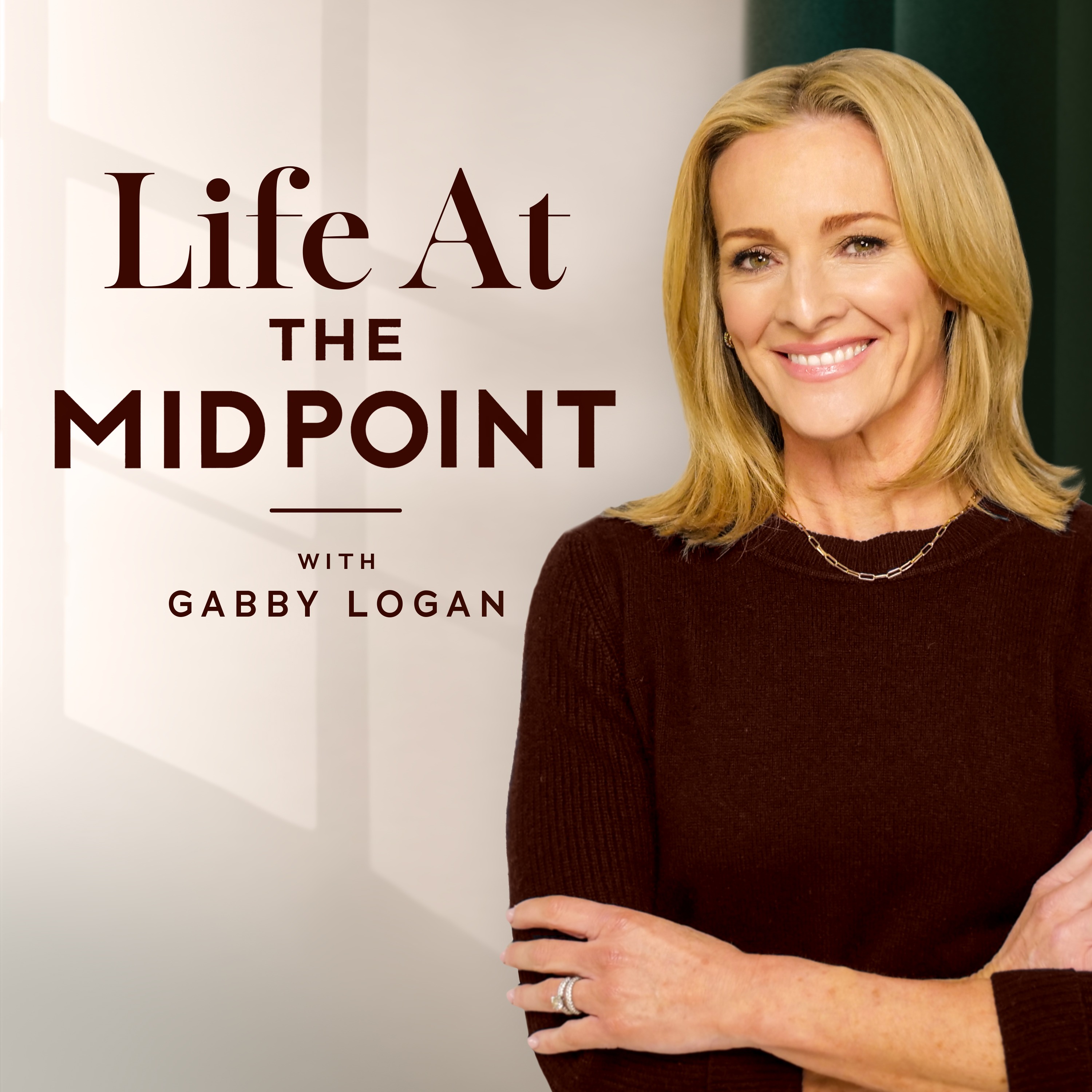

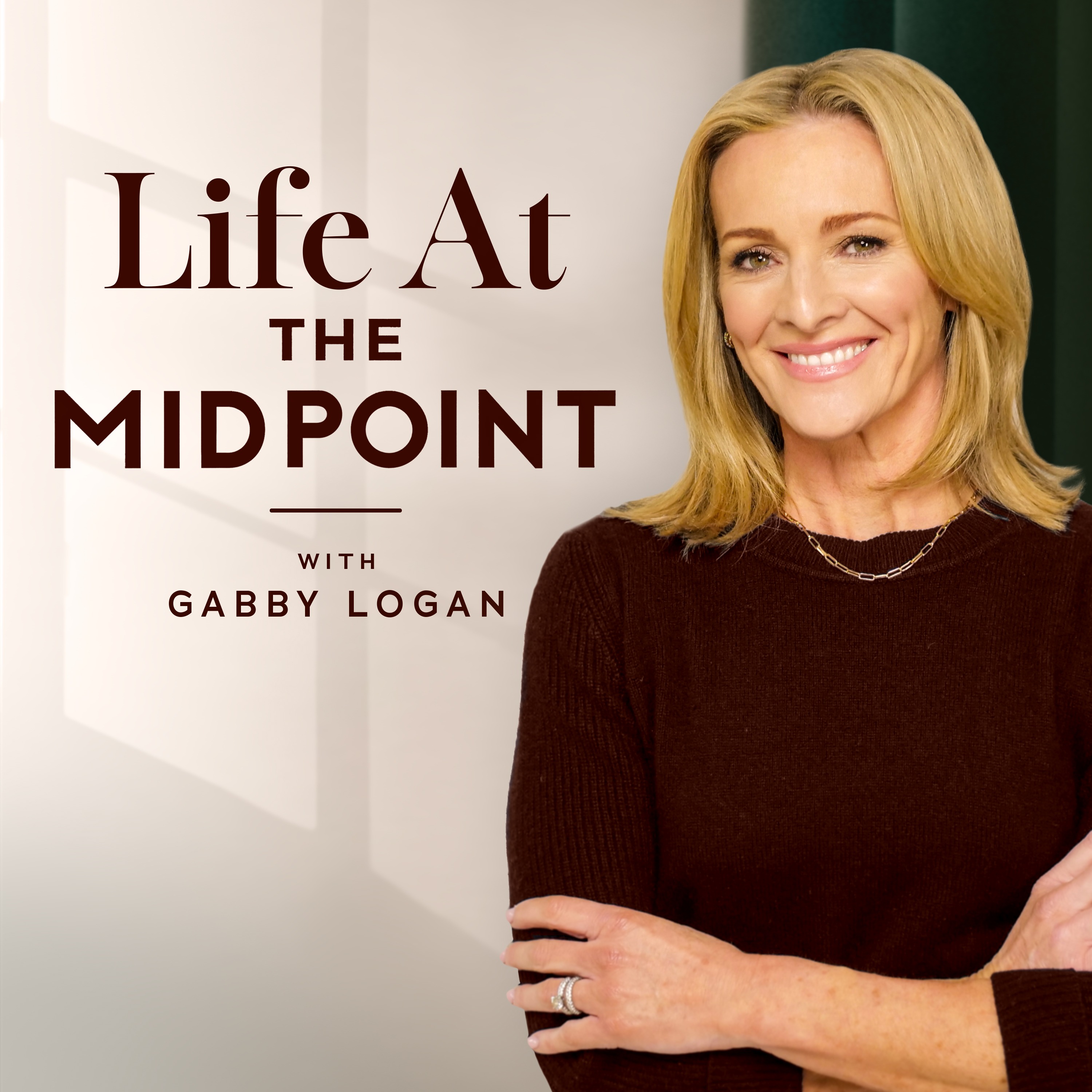
In this special episode of The Mid•Point, host Gabby Logan revisits memorable comedic conversations from various guests on the podcast, highlighting how humor can help navigate the complexities and challenges of midlife. The episode captures the resilience, reinvention, and identity exploration that comedians experience in their careers and how these themes resonate with listeners facing their own midlife challenges.
Written by AI. May contain mistakes.

Get the gist, explore an idea or ask about something said.
 Claude
On Life At The Midpoint with Gabby Logan, what are the key points of this episode?
Searching your listeningAutomatic transcript. May contain errors.
0:04Hello and welcome to this special episode of The Midpoint. Over the years, I've spoken with so many fascinating people about the changes and challenges that midlife brings. But some of my favourite conversations have been with comedians. Because if there's one thing that can help us make sense of life's twists and turns, it's humour. So in this episode, I've gathered some of the funniest, most insightful and most memorable moments from comedians who've joined me on the podcast. We'll hear about resilience, reinvention, identity and why laughter really does help carry us through the midlife. Okay, let's start with Ramesh Ranganathan, who told me the agonising rite of passage that he believes makes someone a true comedian.
0:43You know, when you start doing stand-up comedy, they say that the first time that you have a terrible, terrible gig, like a terrible, like, death on stage, and you walk off stage, one of two things can happen. One, you go, that was horrible, I'm never doing that again. And the other one is, I need to get back on stage at some point soon and correct that. then you're supposed to be a comic. You know, anybody can have a load of good gigs and feel great about it. It's when you've absolutely tanked to the point where you go, you say, thank you, I've been, and they don't applaud. You actually had that?
1:17I had that once. I did have that once, yeah. I was doing a gig in, I don't remember it vividly, it was Hornchurch.
1:2512th of December? It was actually a gig for the agents that I'm with now. It was like a 20-minute set and I walked on and I made, first of all, I made a joke, because it was in a theatre, but the gig wasn't in the theatre, it was in the foyer of the theatre. So I thought, oh, that's funny. So I went on stage and I sort of took the piss out of the foyer. Anyway, it turns out they really like that foyer because the start of the set was really bad. That went for nothing. And then the rest of the set, I was struggling. And the problem with stand-up comedy is if nobody's laughing, it isn't stand-up comedy anymore.
2:01It's like... Just talking. It's just an address, isn't it? And so I got to the end of the set and I said, I've been Rommershwang and Nathan. And I think maybe a couple of people applauded, but I remember hearing the sound of the mic click back into the stand. And I got back in, I walked off stage. The other two acts who were on were trying to console me, but I could tell that they knew that that had gone, everybody knew that it had gone terribly. And I got in my car and I listened to Huey Lewis and the news, the power of love over and over again the whole way home because it was like a comfort song because I love Back to the Future so much.
2:37So I needed to go to like my safe place and it turns out my safe place is listening to that song over and over again. I love how honest Ramesh is and those moments when it all goes wrong on stage and how that in many ways is the test of a real comedian. That grit, that need to get back up and try again is something so many of us can relate to in midlife too. From the resilience it takes to survive the comedy circuit then to the resilience women had needed to thrive in it. Jessica Knappett joined me to talk about her journey as a female comedian and writer and how the industry has changed since she started out.
3:10I find it fascinating interviewing female comedy writers, comedians, actresses, because it's a space that feels a bit like women's sport kind of over the last 20 years. It's starting to really flourish and you can see more and more opportunities and so much of this space is filled with such talented people who you feel 20, 30 years ago might not have got a look in. So much. So true. It's changing. I think when I started out in comedy, it was definitely extremely unusual, although I had a lot of female role models. There were so many, you know, French and Saunders and Victoria Wood and Julia Davis and Sharon Morgan.
3:49Getting like 18 million for BBC One shows as well. Yeah. Oh, my God, yeah. And so it wasn't as if I was short of role models and they were all incredible and unique in their own way. And I used to watch The Fast Show and I've said this to Arabella Weir's face. I wanted to be her, wanted to be the woman in The Fast Show, wanted to be her and Caroline Hearn. And then it was only when I entered into the comedy industry that I realised, because people kept asking me questions, it hadn't occurred to me that it was incredibly difficult for a woman to break into the comedy industry until people started asking me, how does it feel to be a woman in the comedy industry and i was like i don't know it just i did i hadn't really thought about it and then i over time i started to feel the pressures of um you know the it is and and remains quite patriarchal it is it's run by men at the top but there are more women coming in and it feels good to be part of that scene yeah and i do know what the thing is it's interesting there's so many questions in my mind coming from what you just said but what one of the things that used to really frustrate me and still does when I read it is this idea that women can't be funny and that women aren't as funny as men you know this and that seemed to be the reticence about allowing women into this space oh no they can't they're not as funny as men does that feel to you like a terrible opinion that's disappeared now well I mean I think statistically if there are more men out there trying to be funny than women then there are more unfunny men aren't there so I don't know the numbers don't matter to me but you obviously though knew instinctively growing up that you could be funny and that people enjoyed it when you were funny take us back to you being a kid and how you got laughs definitely by accident which still happens today unfortunately I try so hard to be funny on purpose and I always end up being funnier by accident which is really upsetting but I yeah I can remember the first time I ever got a laugh was just coming out on stage to play a cell to play my cello and um it was for a music concert and the theme of the music concert was um superheroes so I was dressed as superwoman but sort of like a shoddy version that my mum had put together with sort of charity shop items and I was in kind of like stripy tights and some sort of thing, costume that she'd made for me.
6:18I must have been 11 and just walking out onto the stage with my cello and just everyone just roaring with laughter at the sight of me. Just at the sight of me. And I didn't, and then I had to play this terrible, I was really quite bad on the cello, but it was the reason I got into my school. So I got to go to the posh school on a music scholarship. So I had to play the cello and I had to constantly go to all of these orchestra practices and string group and God knows what. All the while now hating the cello. Well, I didn't hate it. I just wasn't naturally gifted at it, really. I just worked really hard, which is sort of the story of my life.
7:07I think I just, I always work too hard. I just overdo it. And actually, speaking of midlife, that is something that I'm starting to realise. I can kind of take my foot off the gas a little bit. Jessica's story really captures how much has shifted for women in comedy and also how much further there is to go. I loved how she talked about finding humour by accident. Sometimes that's the most authentic kind. Next up, George Lewis, who many of you will know from his genius online sketches is about the everyday challenges of parenting young children, a subject he was actually advised to avoid. He opened up about how his career only really took off in midlife, although I'm not sure he was completely comfortable with that term.
7:50But it feels like your career has exploded in midlife. Yeah, I'm also adjusting to the term midlife as well. I bet you have this quite a bit of people defensively arriving. Yeah, you are. You and Jessica Ennis-Hill, you believe it or not, have got a lot in common because she sat in the chair, kind of, She's actually nearly 40, but she was 38 and kept saying, can you tell people how old I am? So yeah, you're very much on the entry level of the podcast. That's what I needed to hear going in. This is funny enough, actually, it was my 38th birthday when I got, I'd just come to terms. I was sort of saying to myself, 38 is like, it's still on the fringes of mid-30s, which is still pretty young.
8:26And then I got a call saying, do you want to go on Gabby Logan's podcast? I was like, oh, come on. But do you find yourself looking at other people at 38 and seeing what they've done and trying to kind of go, okay, I'm ahead or behind the curve here. And especially in your profession, young comedians, young comedians must really annoy you. Well, yes. Yeah, of course they do. But yeah, I think for me, because you're right, it's only really over the last couple of years that things changed a lot for me. So I started doing comedy maybe 12, 13, maybe even 14 years ago or something and you get you kind of gradually progress in the way that you always did so you you work on the circuit and then you get better gigs and then you support people and you might get the odd tv thing and you're sort of waiting for the next step and the next step and the next step and i remember getting to a point where i've got a really nice career and it was it became my full-time job like when we had our first kid that's when i went full-time so it's about seven years ago but i've got to a point where you feel like you've plateaued a little bit and I was doing like the same level gigs and they were nice and I was supporting like bigger comedians and really good friends.
9:40And making a living. And making a living. So it was like, this is brilliant. This might be all it ever will be, but that's, you know, that's fine. But then I think having kids and lockdown and stuff and then you go back out and you're on the road again and you're doing the same gigs that you were doing five years ago. And because I'm sure every career feels like it, but in comedy you always feel like if you're not progressing then you're moving backwards because everyone around you. Because somebody else is coming up behind you. Exactly that, yeah. And there's always newer people. And I don't know, I wasn't loving it as much anymore and I felt like I was happy enough.
10:21But then everyone started doing online stuff and again I felt like I'd missed the boat with it because everyone did it in lockdown and I just thought, oh, that was the point to do it and I've not done it and I've got to this point where I'm like, I've not got many followers online and most of them are either people I know or other comedians. And then you just, the risk of humiliation of like you deciding, I think this is funny because in the past, someone else decides for you and they go, are you ready to go on this TV show or something? So it's their decision. But when it's your own, you feel so vulnerable and so like - It's exposing, isn't it?
10:55It really is. Yeah. And you just think I'm going to put something out there and then it's going to get no likes and shared in every comedian's WhatsApp group and they're going to say, this guy is terrible. But luckily, there was a couple of people who'd encouraged me to just, they basically said, no one cares, mate. Like, you put stuff out, if it doesn't go well, you do another thing, it doesn't really. So I think at the time, and also I was thinking to myself, if you can make this work for you, you can stay at home more because I just love being at home. I love not going anywhere. So then I just, I thought to myself, I'll do three months, do a video a week.
11:30Just a week, just one a week. Yeah, that was the plan. But you were writing this. It was a sketch, wasn't it? It wasn't like you were just musing your thoughts. No, absolutely not. And that's something I don't ever really do too much that's just me as myself as much. It's usually a sketch. And the other thing is as well, you sort of worry that the things you think funny, people might not think are funny. And then you really... But yeah, so I thought I'll do one a week for three months. and in the end I did two a week for three months and I thought just forget about the numbers but it went well enough for me to carry on and luckily enough like people I know non-comedy people who I think have got taste that I like but then other comedians I always Josh Whittaker I mean he's helped me throughout my whole career so much Josh's been on the podcast he's amazing isn't he yeah he's just brilliant and I was speaking to him yesterday because I'd heard his episode and I'd said I was coming on and he said how nice he was and I loved his episode by the way but he has always because I supported him on tour and he's always helped me career-wise that way.
12:30But also in those early days where I'm doing videos and you feel like so vulnerable, he'd like them and share them and stuff. That's so nice. And it meant so much at the time. How lovely. And then once it starts going well, then it gets easier. So was the one video in particular that kind of got a lot of traction? Yeah, I think early ones that might have done well was, I did one about, I mean, it sounds terrible, just about air fryers. but then that that gets because that's what everyone was buying a lot of your material was about being a parent yes effectively that's what you've become known as and actually i've read that you said previous to kind of going for it as you've described there you were always a bit nervous about that as a topic because it was frowned upon in the comedy community exactly to use your kids and parenting as well i just remember early on i think when i'd had the first one someone an industry person who shall remain nameless yeah yeah but basically said avoid doing dad stuff mate you know no one wants to hear dad stuff and and it was at the time it was like you've got to appear younger than you are and cooler than you are and which is a lot of like pressure so I was thinking oh god that that sort of added to the thing in my head of like oh I'm a dad now maybe my career reached the point that it was ever going to reach and and But that's such naive advice because there are millions and millions of dads, literally.
13:51And you look at something like Josh's podcast, Parenting Hell with Rob, you know, how incredibly successful that's been. And it's an absolute kind of well of material, isn't it, being a parent? Oh, it completely is. And I think now it's been completely proven wrong. And I think now that's the thing, the change in the industry, where in the past it was, I guess, like gatekeepers deciding what to put on TV. So they're probably looking for the next fresh, cool thing. whereas now you just go directly to the audience and as I've realised, the audience of parents is enormous. And they'll tell you whether they want to hear more of it.
14:25And they did, clearly, because you continued with it and obviously you've got sell-out tours, we've described in the intro with some extra dates coming. Now you're out doing the thing that you were trying to stay at home and avoid doing away. George's honesty about the ups and downs of building a career in comedy really struck me. That feeling of plateau, of wondering if the best is behind you, is something many of us recognise in midlife. His story shows how change can come when you least expect it. Another comedian who's found her voice through challenge is Susie Ruffell. Susie shared with me her experiences of facing hecklers, homophobia and finding pride and identity in midlife.
15:03What about in the comedy circuit? How did you, when you first started getting into comedy? Yeah, I mean I've had TV producers say to me, we've got Sue Perkins, I don't know what to do with you. when you go, well, like, what, there's only one? There's only one. Like, I mean, and I'm so different to Sue. Like, I really like Sue. I think she's brilliant. But, I mean, I'm more of a stand-up. I don't, like, you know. Yeah, and, like, I had producers say to me, oh, can't you wear something other than a suit? And I prefer to just wear my clothes, what I feel comfortable in. But I found audiences have never had an issue with my sexuality.
15:40I mean, I've been heckled a lot for my sexuality. and that would be the thing that... Have you got really good put-downs? Oh, I mean, I've got bags of them now because I had to. I mean, I remember, oh God, I remember one, this is sort of probably the meanest I've ever been on stage. I was at a gig in Cardiff and before I'd even got to the mic, a guy shouted at me, what you need is a big cock, before I'd even got to the mic. So he'd like sort of outed me in a way. And I said, sorry, what? And he said, I can fix you. That was the heck or I can fix you. And I've actually had quite a few people use that sort of terminology, like fixing you or changing you or whatever.
16:21And I asked the venue to put the lights up. And I asked him to stand up. And I just did in a very drag queen way. A drag queen would say I read him. I explained all the reasons why this not super attractive, not in good shape, man wouldn't be the one that would fix me. and by the end of it, he looked utterly ashamed. So he should. And I thought, great, you're never going to do that to a woman again. No, no. And so that sort of thing, I mean... And did that elicit a big round of applause? Oh, people loved it. It was great. I smashed it. But I did come off stage and then I felt sort of up for a bit and then on the way home I did have a bit of a cry because I was like, I wish that I could just do my comedy.
17:05I just want to tell my stories. I just want to make people laugh. and the fact that like in order to get, then I just had to be a bitch on stage for the whole 20 minutes because then I'm sort of playing that role. Yeah. So then I'm like, oh, right, who else has got something, you know. And so then it's very difficult to sort of really be, sort of dress down someone like that and then go, well, you wouldn't. So my mum does this weird thing, like you can't change. I think it's also misogynistic because I don't think anybody would shout to Tom. No. You know, you need a good vagina to sort you out, would they?
17:35Someone shout that to Tom Allen. And I would die with laughter. But then I know that he received quite a lot of sort of homophobic heckling in the early days. I mean, this is Tom Allen, who's like a brilliant stand-up and one of my best friends who I work with a lot. I mean, part of the reason that we are so close is because we used to call each other after we'd been really horribly heckled. You know, we'd be coming home and going, oh, God, this prick shouted this out at me tonight. Oh, God, this gig was, you know, as soon as I said I was gay, you could feel like a chill go over the audience. But then I think, like, that changed really quickly, it seemed.
18:06Like, I'm sure it was different for sort of women that came before me, like Rona Cameron or Donna McVale, women that were sort of around sort of more in the 90s doing stand-up or the early 2000s. And by the way, these weren't in northern working men's clubs or anything. No, they weren't. They were just in clubs anywhere. You weren't going hunting out the most alpha males you could. No, but then also there's, like, there were a lot, I know comics that would refuse to play those rough clubs, but if you're, because I'm not from money, I had to play wherever I went. so I had to learn how to play those clubs that were tougher I had to go and actually as horrible as some of those experiences would have been I imagine that's been unbelievable for your comedy chops and your resilience and you know weirdly it wouldn't be in the rough northern working men's clubs that people would heckle quite often it would be in you know you'd get something in like an art centre where someone would say something like you know a posh girl don't want to hear about this you know it's not always in scenarios where you think Yeah, where you'd think it to be.
19:06And so, although it's something I'm sort of talking about on stage a little bit at the moment, but, you know, and I guess this sort of links to the midpoint, as that's sort of what we're talking about today, but it's only been very recently that I've used the word lesbian. For a long time I would only use, I'd say I'm a gay woman. What's the difference in the use? Well, I think lesbian was something that I was frightened of being called for a long time, and something that people have shouted at me. So then there's like a, oh God, I don't want to be that kind of, And I think there's also a prejudice there of me being like, I don't want to be that sort of lesbian.
19:41I don't want to be that sort of gay person, which is horrible that I would ever think something like that. But I wanted to be sort of an acceptable version. And I don't even know who I was trying to be acceptable to. But I assume that there's an amount of internalised homophobia within that. That there was for a long time a lot of shame around what I was and so I had to be really careful in how I sort of marketed my sexuality to make it palatable. Going back to almost one of the first things you said then in terms of being more comfortable. Yeah. Do you think now, I think all those things are informative, whatever your sexuality almost.
20:16Yes, I think so. Lots of different things and experiences you've gone to count for who you are today, whatever age you are. And I think going through all of that really gives you a strong sense of identity. Yeah, I think that's true. But I know, like, lots of my really good friends are straight women in their 40s. I think that there's just a moment where you sort of go, well, this is me. I found Susie's reflections incredibly powerful. The way she turned hostility into humour and ultimately into a stronger sense of identity felt both inspiring and very relevant to midlife, when so many of us become more comfortable in our own skin.
20:50From Susie's resilience to Julian Clary's wonderfully dry yet optimistic take on midlife itself, Julian reminded me that sometimes the best way to face the big questions is simply to laugh at them. You know, of the many guests we've had, we've had people who are in all kinds of different relationships, you know, men who live with men, women who live with women, heterosexual relationships. But actually, I think perhaps the gay men on the midpoint have different midlife experiences. Maybe the midlife crisis comes in a different way, a different time, because if they haven't had family, it's I don't know maybe maybe it's not the same kind of experience is that this what is this podcast it's all about this is definitely the clip this is definitely the clip we're going to use on social media what is this podcast I'm on um no this is not uh radio force book review show sorry uh no this is so the midpoint is uh was started looking at kind of midlife and you know things that happen to us in midlife lots of physical changes it's why i asked us can you be about exercise and how we how our bodies change how our lives change and obviously for a lot of people who have kids there's the empty nest thing happening because their kids are leaving home suddenly they look at the person they've lived with for a long time and they either go oh gosh i'm not sure i still like you or they work out that they do like each other and they've got to kind of because you get a lot of divorces happen in midlife you know okay um and so it's kind of Ruminating all the stuff that happens.
22:17You mustn't assume there's been a crisis. No, you mustn't. There is actually an academic who wrote about the midlife crisis in the 60s, and that's how it all kind of was. It came from there. The term came by this guy called Elliot Jacques. And it was actually, when you look at his paper, it was much more about kind of affluent middle-class men. Because at the time, the pill hadn't been invented for women. They were still kind of struggling to have a career and a family and all that kind of thing. So it was these men who got to 50 and were kind of going, Well, I've worked for 30 years. Now what?
22:46And so you know that kind of sitcom version of a midlife crisis, which is man gets Ferrari, runs off with the office secretary or something like that. So that was kind of the early iteration. But of course, it happens to everybody that they might have questions to ask. And that might be pondering what is the meaning of it all. Oh, blimey. As no one pointed out to you, but you tend to get happier as you get older. Yes. Isn't that the compensation? Yes, and also you don't give a shit. You don't care so much. You don't have... I love that. As nobody pointed out, you miserable old cow. But that's the case for me.
23:26I don't think I've had a crisis. No, no. This is not about Midland. The whole show isn't about that. But some people would not call it a crisis. Nobody actually has come on here and said they've had a crisis. Actually, Josh Whittacombe, the comedian, came on, talked about kind of having a bit of a breakdown in lockdown and having a life kind of reassessment, stop drinking, you know, other things that kind of... Oh, is he all right now? Yeah, he's great. He's great. But I think people do change their habits. You know, you talked about being a younger man and indulging. Oh, yes. You don't indulge now.
23:56I don't indulge now. No, it's very unseemly when you get to a certain age. But in the 90s, everyone had a little, all my friends anyway, everyone had a little tin about their person. And in that tin was anything you might need. You know, if you need a bit of a pick-me-up right i've got just the thing chop this up you're feeling you know anxious have a pill that's how we carried on right and uh i don't think where are they now all those people oh they're all around yeah um are they well no some of them aren't but um but they're not doing that anymore for their pick-me-ups no all i would say that in our defense the quality of the cocaine in the early 90s was of such high caliber that it was practically a health supplement.
24:46Did you need help stopping? No. What did you do? One day wake up and think? I think my dealer moved and I didn't bother. Julian has such a unique perspective. I laughed so much in this episode. He plays it down, but he really is a trailblazer and I loved his reminder that happiness often increases with age and that you care less about what others think. A gift of midlife that we often reflect on here as it seems to be almost universal. And sticking with a theme of changing self-destructive habits that maybe we could get away with in our 20s and 30s, another guest who really brought that theme home was the lovely Josh Whittacombe, who spoke to me about the changes he made as he turned 40, including the life-changing decision to stop drinking and how it shifted his whole outlook.
25:32I feel so much more relaxed with who I am than I ever did in my 20s and 30s. And that's not a number thing. It just happens that around the time I turned 40, I changed a lot of things and a lot of outlook in life. And I quite like neat numbers. So it's quite useful. Was it a coincidence then that you changed those things? It was, I think. Maybe not. I mean, certainly consciously it was a coincidence. You stopped drinking? I stopped drinking four days before my 40th, which is a mad decision. Had you not got a party planned? I did have a party and I didn't drink. Most people would say, I think I might do this, but I'll wait till after the party.
26:15So what precipitated? I've read that you weren't, can I call it a successful drinker? I was a very successful drinker in one way. So my history of drinking was, I was incredibly into it as a student, but everyone was. and I had brilliant, brilliant times. I don't begrudge any of those times. And then I kind of think I got into comedy partly because I loved comedy, partly because I could never handle working for anyone else. I always really struggled with that. And not in a way where I'm not like someone who's... Anti-establishment. Anti-establishment, you know me. They call me the Johnny Rotten of stand-up comedy.
27:00No, it's more that, I know this sounds weird, but when I worked in Waterstones, I could never deal with that thing that if I did my job well or if I did my job badly, it didn't really make any difference to me, if that makes sense. Right. I really wanted something where what I put in, I got out. Well, surely you're just looking for performance-related pay. Yeah. Because you want to sell more books. I'd have been a disaster in the Soviet Union. No, I wanted to work for myself. I wanted to, what I put in, I got out. So you needed to be self-employed, whatever you did. I needed to be self-employed.
27:37And so, and comedy, I was obsessed with comedy from being a kid. But I think the other thing is, I got into stand-up comedy because it allowed me the lifestyle that I had as a student, or as close as I could have to the lifestyle I had as a student without being 19 and going to uni at a time when you could kind of go to uni on a bit of a free hit, if you know what I mean. And so then I got into an industry where you could just drink and drink and drink, and it was brilliant. Well, you didn't have to get up in the morning. Didn't have to get up. But I did get up in the morning because the other key thing was I'd never got hangovers for about 15 years until I was mid-30s.
28:19And so it was like... Why? Have they looked into you? What is that gene? I don't know. I was just like, fine. Were you just topping up? No, no, no, I wasn't. As soon as I drank the first bottle of vodka in the morning, I was fine again. So you'd go days without drinking? Yeah, fine. Totally. I was a binge drinker. Blackout drinker? Certainly by the end. Bad behaviour? Not illegal. Ruining family parties, that kind of thing? Arguments at the end of the evening? I didn't go to enough family parties, but ruining events for, not for everyone, but like my wife. Well, it usually is the person who's in charge of you if you're effectively that evening.
29:00And no adult really wants to be in charge of another adult at a social gathering, do they? No, it's incredibly selfish. And you can be incredibly selfish in your 20s. And I don't think, and it took me a long while to realise how it wasn't working for me anymore. So had you got very drunk those four days before the 40th? So it was an incident that you just thought? It was a string of... No, it was the knowledge that every time I get drunk now, I'm not upsetting people, but I'm regretting it hugely. So even like... I remember we had Pete Doherty on the last leg. Good booking. Was this prior to you?
29:40This was about three months before me stopping drinking. Okay. You thought, oh, I can go toe-to-toe here. Well, he was sober. But I was like, I'd kind of... This was where I was trying to stop drinking, not trying to stop drinking, trying to stop drinking, not trying to stop drinking. And I had to perform a song with him, like a little song. It was like three lines or something. And I was like, well, if you're with Pete Doherty, you've got to have a few... Tonight's a free hit because I'm with... He's not drinking. I'm drinking. You're like, this is mad. And then I just remember, like, getting home.
30:14I only remember, like, falling out of the cab, throwing up, like, on my street. And you're like, that was what would often happen by the end. It was just, and I wonder... It's full of shame, that kind of thing. Total. It's all about shame. There's so much shame associated with it. I wonder whether I got worse at it or whether the context changed. I admired Josh's honesty about drinking and how midlife gave him the chance to make real changes. His story shows that the midpoint isn't an ending. It's a chance to reset. Finally to Russell Kane, who reflected on lying about his age and the pressure to stay young in comedy and how he's embraced midlife in his own unique way, which doesn't involve giving up the party lifestyle like Josh, but does involve a lifelong love of dancing.
31:05So I got to 30 years old. When you're that working class, it takes 30 to work out what you're going to do because you're not exposed to ballet and fencing and French when you're 11. So you don't, you know, I'm not on the middle class yo sushi of cultural pursuits where I can taste little things. Hey, I'm 18 now. Let's begin. So I got to 30 and I was like, Oh my God, I've been making people laugh my whole life. I'm supposed to do this. Oh sugar. I'm 30. What am I going to do? Everyone like Jack Whitehall's about 12, Russell Howard's two. I'm screwed here. So I, and this is a young person's business.
31:39Youth is valued. Men are under a lot more pressure now than they were 30. That's the irony. of what's happened. If only feminism had equalised women, instead it seems men have gone, I fancy some of that body fascism. Do you mind if we come and join you? So men have sunk to liposuction, steroids, eating disorders, and physical suicide based on their appearance and hair transplant. So we're just as messed up now. And I was like, I need to stay young here. And then because I already had a youthful energy, the channels that were coming for me were like teenagers TV. And I never lied. What happened was people would be like, how old year you got to be?
32:16And they were estimating like 10, 15 years younger than my age. So I would go five years younger and they'd still be like, really? Are you that old? My God. And then, of course, once you start the lie, you can't get out of it. But backstage, I was saying to the comedians, well, this is my real age. I'll just say that for work. So you weren't really kind of, it wasn't there. Not backstage. Sarah Millican and everything. We put on my 30th birthday party in Edinburgh. I invited Terry. I had a big 30th birthday for my real 30th. but for the TV people I was so naive of course about that went on for about six months they'd like a shiny new young thing don't they so you were the shiny new young thing and I got away with it it was in the Daily Mail within six months of telling that lie it was in the Daily Mail I was an idiot I just I didn't realise how cruel and cynical people are and just went and sold someone went and sold it but I was glad I was like yeah I am this age then I wrote a show about why I'd done it and the male experience of beauty and toured it called it Right Man Wrong Age Now I've gone the other way.
33:15I can't wait to be a 50. I love watching people's jaws on the floor. Yeah, I was going to say, because people go, no way. I've got no Botox. For legally, because of my other business, I can't use anything. I put Botox here because I've got a scar in my neck and an issue here. What does that do? It lifts the scar away on the neck. So you see these muscles. So these muscles are called, oh, what are they called? I forget what they're called, right? Neck muscles. yeah no they've got they've got a special name and if you relax them it helped i've got a scar here where i took stitches out early for filming and a bit of what i call me noel edmunds and for that but all my i have all of my lines i've got no filler no botox and the reason is i want to be able to say this is say that i'm doing this naturally so 50 comes i think in the summertime time august time august the 19th i'll be on the dance floor in amnesia and 50 is a different as you've said i've read in many articles 50 is and middle life is is not what it was anyway and you are kind of an example of that but it was interesting last night or yesterday i was dropping my son up at the airport i was listening to some evil geniuses to to kind of get your voice firmly planted in my head which i love it's a great idea of a podcast and reuben said to me he's 19 he said rossle kane just does not look his age does he he looks so young and which i thought for a 19 year old boy to say that was quite interesting because like we we kind of look at each other in midlife don't we go oh they're looking well they're looking well yeah um you don't think you think kids think that everybody kind of looks old you know when you're 19 everybody very true yeah but this but this stuff works as well as the basic pillars of wellness which we've already discussed sleep stress i don't like the word diet and exercise food movement relationships evidence-based supplementation if you're doing all of those it will turbo charge you to another level that's what that now what brian johnson does the crazy guy on extremists i salute him because he's given up his life for science to teach amateurs like me so i don't judge him he's like someone that fires themselves into space to never come back to teach us about interstellar travel the geyser has no life basically but it but he the stuff the data he's yielding is very useful for people like me that want to still uh get wonky all year four times on an ibiza and go and party in the middle of the week.
35:28So you have some balance then. You're not Brian Johnson because you do kind of go on. I party a lot more than people my age. I wouldn't say I have balance. I probably am a little bit still imbalanced in the going out and having it direction. Because your wife's so much younger than you, do you think? I just love, I love dancing. But is that a factor? Do you think because she's... No, I think it's the other way around. I just love, I was born, I was born dancing. I love dancing. I love Ibiza. I love club I love R &B I love expressing myself with my body I just love dancing Do you think there's an age where that might get a bit awkward?
36:05Brucie is on my wall for a reason Okay
36:11Russell's energy is infectious and of course I wholeheartedly approve of Bruce Forsyth being an inspiration to us all because he's right there should be no age limit on dancing or doing any of the things you love that bring you joy that feels like the perfect place to end this special episode. Comedy has a way of holding up a mirror to our lives, sometimes harsh, sometimes playful, but always with truth at its heart. I've learned so much from speaking with these brilliant comedians, and I hope you've enjoyed revisiting these conversations with me. Thanks for listening to The Midpoint. If you've enjoyed this special, please do share it.
36:44And as always, you can find more episodes wherever you get your podcasts. Until next time, keep laughing and dancing. Take care.
36:58Thank you.
37:28We'll be right back.
This week on The Midpoint, we’re switching things up with a special episode dedicated entirely to comedy. Over the years, we’ve welcomed a brilliant mix of comedians, writers, and performers who have brought humor, sharp insight, and plenty of laughter to the show. In this collection, we revisit some of the funniest and most memorable moments from those conversations—celebrating the wit, creativity, and storytelling that make comedy such a vital way to navigate midlife!
It’s a chance to relive the punchlines, the anecdotes, and the unexpected turns that only our comedy guests bring.
Hosted on Acast. See acast.com/privacy for more information.