Ask ChatGPT
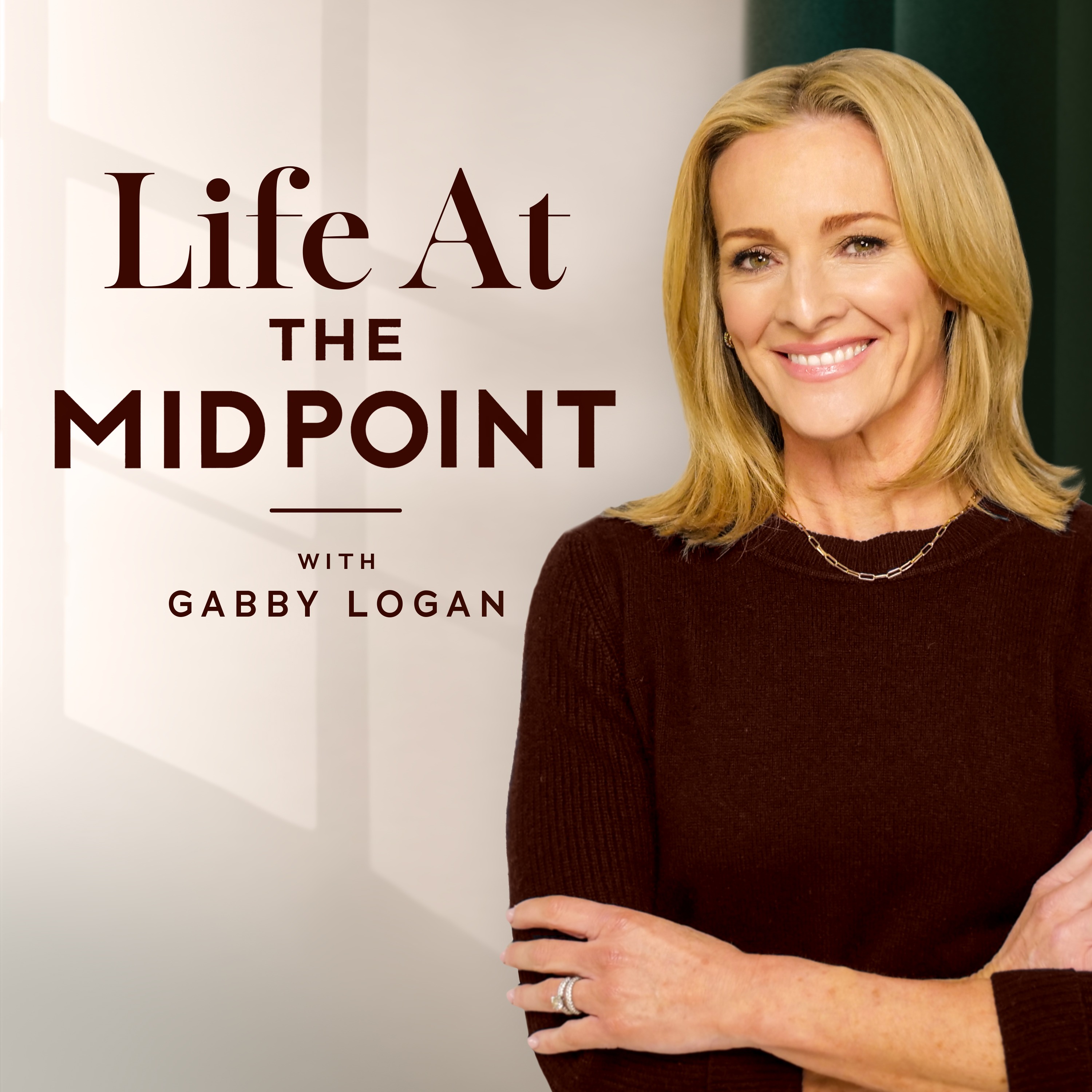

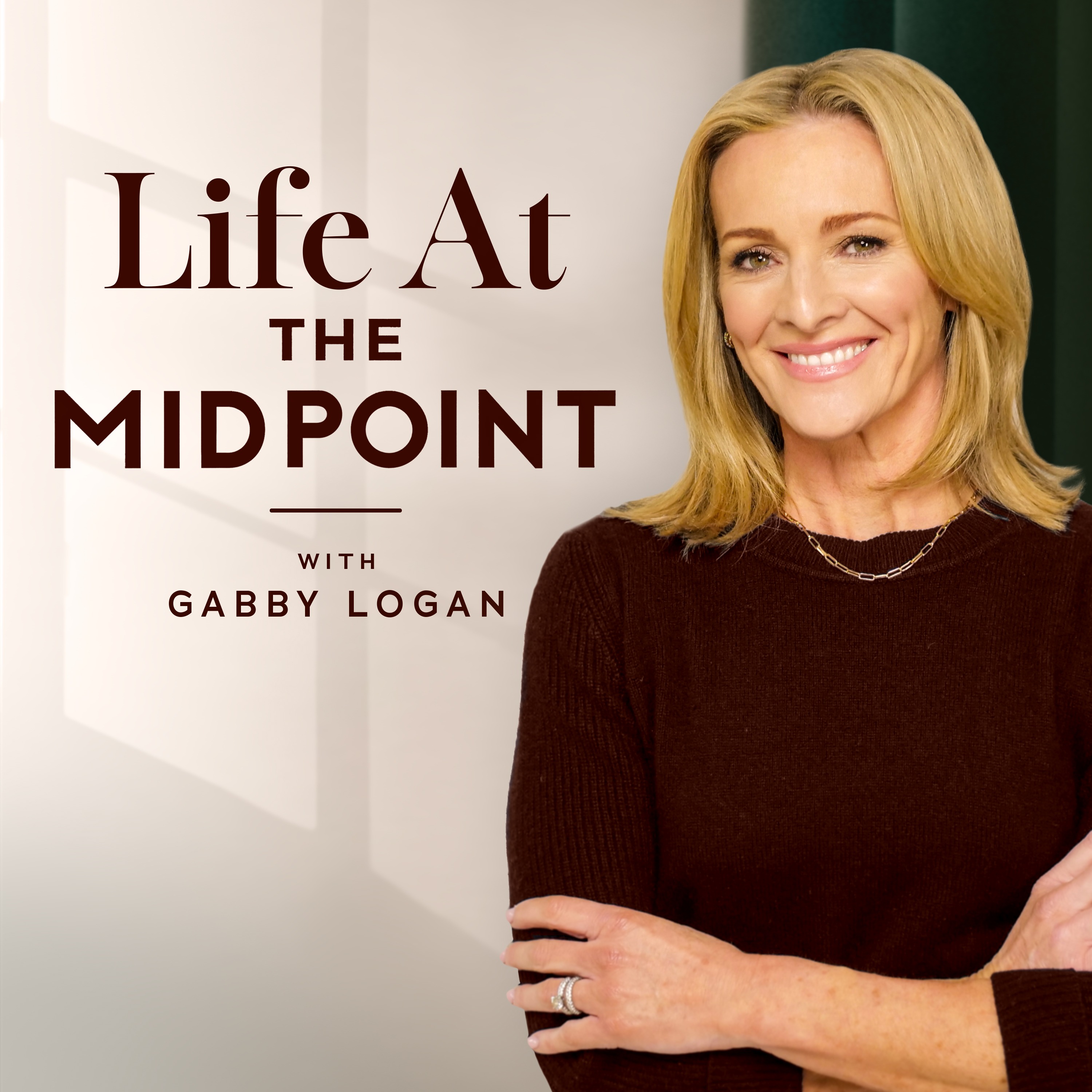
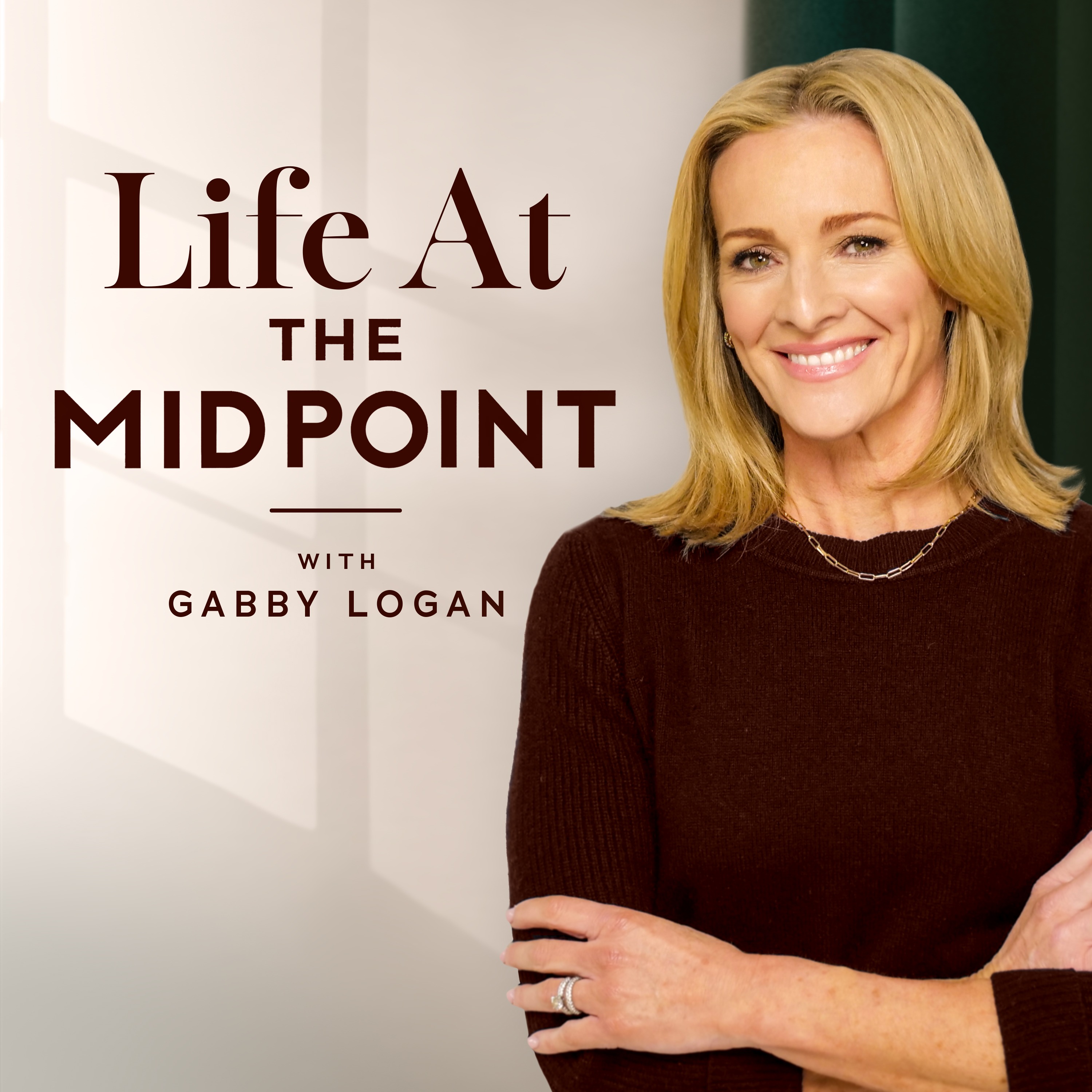
Host: Gabby Logan
Dr. Sally Harris
Midlife challenges, health, and well-being
Insights from Dr. Sally Harris, a medical doctor with 30 years of experience, focusing on health and stress management, especially in high-pressure environments like sports.
Written by AI. May contain mistakes.

Get the gist, explore an idea or ask about something said.
 Claude
On Life At The Midpoint with Gabby Logan, what are the key points of this episode?
Searching your listeningAutomatic transcript. May contain errors.
0:04Hi, Gabby here. Welcome back to The Midpoint. My guest today is maybe not someone you've heard of, and she claims that she's not an expert on anything. But I beg to differ, and I'm excited to introduce you to Dr Sally Harris. I became aware of Sally through her work with the League Managers Association. This is the professional body that represents all football managers in the English leagues. Sally has been an advising doctor to the LMA for the last nine years, and in that time she's worked closely with high-profile football managers and their partners. One of those is previous podcast guest, former Chelsea manager Emma Hayes, who you may remember credited Sally with helping her recover from an emergency hysterectomy.
0:42Sally works for HCA with what she describes as highly motivated and often highly stressed patients. And she helps them build the right team around them to address and manage any health and lifestyle concerns that they have. She believes that more people should be thinking about succession plans as not something purely financial, but to start making succession plans for their health and the health of their families. So longevity really is at the heart of what she does. Sally's career has taken her to many interesting places and delivered many fascinating insights when it comes to well-being. Not to mention the fact she's also a middle-aged mum of two and passionate about women's health.
1:18So she's the perfect guest for The Midpoint. Let's hear from her.
1:26Sally, welcome to The Midpoint. Dr Sally, Sally Harris, how would you like to be? Any of the above. Sally, really. Sally, okay. Now, Sally, you came to my attention through a really good mutual friend of mine, Mel Chappell, who knows you. I give Mel a name check. And she was raving about it. You've got to get her on The Midpoint. And then Emma Hayes, who was on The Midpoint, mentioned you when she was telling her story of her gynecological issues and her emergency hysterectomy. And so I thought, oh, this is interesting. When the universe does that, you know, and it kind of like plonks people kind of into your attention a few times, you kind of do take note.
2:00And a force of nature is how other people have described you. And I like women who are a force of nature. But I know this is not your comfy space, is it? This is absolutely not my comfortable space. And I hope you've not mentioned my only two fans in the first one sentence. No, this isn't my sort of social media, PR, whatever, is not my area in any way at all. but I have fantastic patients and friends who always say you should do these things and I'm not good at keeping a secret. So between you and Kelly Cates, I have two girl crushes in the world and you two are them and so if anyone can get me out of my comfort zone, it is you two.
2:36Going back to, somebody said recently, whatever you go and see Sally Harris for, it's not for stroking. And I think that's probably true and Emma would say that but sometimes we all need somebody just to take control and say, you know, we can talk about it, we can do it, but let's just make a plan and let's just make it happen. You are a medical doctor. You started life as a GP and through, from what I understand, your husband's career kind of went around the world and eventually you've come back and you've got this incredible position now, as I said in your introduction, working with the League Managers Association.
3:08And that in itself is really interesting that they decided their managers needed somebody. So when they reached out to you, what was their pitch? I think you get many things in luck, don't you? and I am proud to be a doctor and I've been a doctor for 32 years and I never knew which part of medicine was going to be for me. So I knew I didn't want to be or wasn't able to be an expert in anything, but I just loved people and I loved the whole part of the journey. But what really interested me was sort of stress and the effect that stress had on your body, the stress of being in a family, the stress of being successful.
3:43Richard Bevan, who I don't know if you've met personally, but he had a long career in cricket and working football And he sort of realised that probably football managers were one of the few groups of people that didn't have a corporation or a society or a cohort. So he set up the League Managers Association and he put various people in places. Very early on, he realised that, you know, they needed legal advice. They've got a fantastic female lawyer called Lindsay Gordon. And I think what we both have in common is we probably see the managers at their times of stress. She sees them when they're being hired or fired.
4:17and I see them when they are really fit and well and want to come and show me their new slim waistline or when they again are struggling or a member of their family is struggling and you know stress does all sorts of different things to us and I think having been an expat and having moved around the world a bit with my husband that's a minority compared to most managers you know they've moved as a player the huge majority of them but their children were little and then they have that nice bit in the middle where they sort of retire and then they're not quite sure what they want to do then they discover they love management and and I suppose where my expertise came in it was that ability to be able to move your family do your job but still keep everybody happy and I guess that's the same if you're a doctor you know you could have been a registrar somewhere and then a senior registrar and you've had to move you don't have that luxury of being able to plant your roots and then and then have your group around you.
5:06Football managers certainly don't get that luxury do they it's very very rare that they they get to manage in the place where they grew up and you know so their friendships change and and obviously i think as well as friendships your your players are changing all the time and you know it's who do you get close to so i imagine your role is is rather different to say the club doctor you know if they had they needed antibiotics or something they might speak to the club doctor they come to you for much more personal mental health physical health kind of reasons absolutely i mean the club doctors these days are sports and medicine doctors that's their area of expertise they should be looking i I know your son's an athlete.
5:41My God, son's a rugby player. He needs somebody who does his injury. He needs somebody who's going to get him back on the pitch. It's a very, very different type of medicine. They need somebody who will be with them in their rehabilitation journey. I'm older, obviously, than most of the players and really interested in their transiency of sort of management in the footballing world or the cricket world or the golf world or the CEO world that you do. People change. You know, you might build your own team and then, you know, you might be a manager and loving your job and then your second in command wants to go and work somewhere else or your star player is injured.
6:17And it's who do you put around you as that person to look after you? That's the bit I'm really interested in. And through that journey, you have discovered ways of helping people to deal with stress in a very unique kind of job, isn't it? You know, it is a unique job. And maybe it's somebody listening thinking, well, how's that relevant to me? But I think the chat we had ahead of this, it was clear to me that a lot of what you've learned could be applied to a lot of women in midlife in terms of the juggle and things going on and the changes that are happening, as well as men. Obviously, you deal now, I imagine, with more women in management roles than you did before, because the League Managers Association covers the female managers in the game as well.
6:55Do you notice a difference in what they come to you for, the men and women? No, I think people in positions, I think it is, everybody feels they're failing at everything, don't they? I think men are better at realising if they're surviving at work, that if they've got a good set-up at home, they feel less guilty, I think, about that than women. That's interesting. I think we very easily feel like we're failing at everything. You go to parents' evening, you haven't made the best costume, you go to work, you're not going on an away tour, or you go to your exercise group and then exercise number two you can't do, or the class number two you've let your friends down because of your work, because of your children.
7:34So I think we feel, I think men are much better at a whole at saying, no, I cannot do that because I am working. I think the managers and most successful people are wired in a different way and they are driven in that way that they are able to compartmentalise, they're able to put things first for work or for family. what everybody puts probably to the back of the pile surprisingly is themselves and I think that you know I'm not sure I've got to my midpoint yet I'm only 56 but I think as you as you get old you gather more people in your crowd and you have to perhaps to succeed really look at that crowd whether it be your friendship crowd your family crowd your work but who's around there for you and who can you bring on your journey because it gets heavier and heavier and In order to succeed, you have to shed some and keep some.
8:25Oh, that's interesting because people find that really tough. I mean, the family crowd, that's interesting. The idea that there are certain members of your family that you just can't spend some time with. So how do you, when you advise that, how do people react to that kind of advice? You said before, you don't get Sally into stroke. So I imagine you do give quite... I think everybody needs advice. I think you need to look after yourself. It's the old thing on the aeroplane, isn't it? Put your oxygen on first. I'm amazed how people can be brilliant in the workplace and terrible at home or brilliant at home, not so good in the workplace, but terrible about themselves.
9:00And it's, you know, I'm very comfortable in the middle lane. I've spent my life in the middle lane, but what I am is consistent. And I'll say to people, you've got to have consistency because consistency allows you time to breathe. Consistency allows you to have to spec up, but then also to spec down. If you're running the whole time at, in fifth gear, that there is no capacity. There's no capacity for that swerve ball, whether it be a bereavement or a child that's project hasn't done according to plan or a failed driving test or your father falling over and fracturing his hip. You've got to be able to have that ability because all those things are what make you you and also all those things are what allow you to be a leader and to carry on and people to admire you.
9:40If you don't have the capacity, you end up failing at the small task and nobody remembers all the good that you've done. That's interesting. having this idea that we can't be on peak performance all the time because around us there's this noise isn't there that you know comes through social media I mean how to perform at high level all the time and what are those habits of people who are constantly you know kind of succeeding and achieving and the reality is nobody's achieving all the time nobody's succeeding all the time and you really must see that that people who are brilliant at their jobs have got to allow themselves decompression.
10:18But with football managers in particular, when, how do they do that? Because it's, I mean, my dad was a football manager, right? So I know it is a 24-7 job because when you're not at a match and you're not at training, you're thinking about the next match or the next training session. So are some better than others at taking your advice about kind of giving themselves time? Yeah, I think so. I think it's, I mean, I would say I think about my job all the time and you probably think about your job all the time. There is a cohort of people, You are either born, I think, with drive or not. You can be competitive.
10:50I'm not competitive. I was very lucky that my passion for being a doctor and my drive coincided. So I think the majority of my highly successful managers, they've got that. They're driven people. They're probably a little bit more competitive than me because a lot of them, like yourself, have been sports people. And sports people do have that drive and that competition. And that's fantastic. I think it is all encompassing because it is. and, you know, I think everyone talks about the Premier League managers, but the championship, it's Tuesday, Saturday, Tuesday, Saturday. It is relentless and it's the travel.
11:20But then, you know, if you're in Division 2, some of the managers are driving the bus virtually, they're loading the bus, they're packing the kit, they're looking at the training, where are they going to be training? The field's soggy. So it is absolutely constant. And what's really depressing, the higher you get, the joy of winning becomes shorter and the sort of fear of losing and the doom of losing becomes longer. And so I think the people who succeed are able to say it is a job. They are often in a really good, stable relationship at home, where home is you are dad or you are a husband, and they have other interests.
11:58They have interests in music or other sports, so they don't just come home the whole time and watch football. They don't really like to tell us about those hobbies, do they? No, because they want to keep them to themselves. I remember interviewing Eddie Howe when he was at Bournemouth and I'd heard he was into jazz piano or jazz music. I can't remember exactly what it was, but trying to ask him about it, he wasn't letting me in at all. I think it's a safe space. So they don't want us to know what it is they do, which are the bits that make them even more interesting, aren't they? And the bits that we'd be fascinating to learn because we also don't like to think of our sports stars and sporting heroes as being kind of one-dimensional characters.
12:36And I guess younger sports people realise that because they share more, don't they, on social media, which actually, when you think about it, is quite healthy in a way, isn't it? To give us that kind of idea that, yeah, I do have a private life and this is what I'm doing. But then we could be on a Friday night, so delighted that they've gone to the theatre or the cinema and then they lose on a Saturday and nobody would be delighted, does it, but the team lost. And maybe if he hadn't been at the cinema, he'd been thinking of selection or if he hadn't been playing golf, he wouldn't have been so tired and he'd have scored a hat-trick.
13:03So that's why they don't tell us. So I think that's the downside. I mean, I don't invest much time in social media, but when I'm talking to people about what's really caused some stress, it's often a backlash from social media and they may have lost their guard for a second. And it's like being interviewed, isn't it? Some people are absolutely fantastic at giving the interviews at the end of the game. And some give that one little sentence, which then haunts them for the rest of the week. Often say, you know, it's like people who are doing well look good. They look fit and healthy. They're wearing the clothes they want to.
13:34They're shiny. They're smiling. You can see when people are stressed, they're perhaps a little bit chubbier because the first thing that goes is everybody's exercise. You're tired. So you've had an awful day. Come home, pour me, pour me a glass of wine. You know, so maybe you have an extra glass. You don't sleep as well. Have another coffee. So can you see this when you watch them? 100%. You can see it when you watch them. I can see it when people are selling their business. You know, you meet this person in the middle of their journey and they're going really well. Then they have private equity or they are talking about selling and the pressure's on.
14:05it's about them they've got to perform all the time and they're perhaps doing the parts of the job that they don't really like as much yeah but in order to sell they're needed and they're tired and so you know i'm an anti-social exerciser i like getting up in the morning and it's done but if you know if you're exercising in the evening and some people want you then all of a sudden that's the first thing to go so then you don't eat as well because you haven't exercised you haven't got the energy levels you don't and you can just see that in the whole way people carry themselves and and then it's a vicious cycle isn't it because everything else becomes harder doesn't it and becomes more stressful so you advise them obviously in this and these are people working in if we're talking about football managers they're working in really healthy environments and the and the people that they work with day to day are very very fit and healthy and I definitely could see managers now look better you know they look healthier than they did say 20 30 years ago I remember the documentary where Sam Allardyce wore a stress monitor and and his heart rate was through the roof wasn't it and and he admitted that you know his diet could be better and i mean i think son was really forward thinking wasn't he back in the day you know he he did a lot of work about sort of mental health and and diet and and you think about arson wenger when he came in it was what people telling people to eat things they were like that's not the way we're going to eat but that's sort of also a reflection on society isn't it it's involved if you look at the i don't often go to a gym in the evening but i happen to go not so long ago on a friday night because i was away thinking I'd be the only person in there actually and it was full of people in their 20s and I was thinking gosh when we were in our 20s nobody went to the gym and so on a Friday night I think you know medics definitely so do you think younger people are better at dealing with stress no no because I think they might think they are I think they're less resilient I think it's that balance isn't it between stress and resilience I think it's that it's you know they talk about stress a lot you know they they talk about i'm stressed i'm anxious and i'll say but you should be every day i'm also stressed and anxious every day and that's because i want to be the best i want to see we need a certain level we absolutely need a certain number and i think that's where covid was hard for this crowd because it took away the stress of getting up and having to leave on time and coping has me today with the transport being late and all the things that we face day to day standing in a queue so you say we that was taken away because we were at home you were not going to be late you were walking downstairs but what stress does that uncomfortable feeling is it builds up your own resilience I remember somebody saying to me once resilience is like a big ball of edam cheese and and you know if it's in the fridge people are eating away at it so you've got to keep putting more and more in the top and your resilience is your own diet it's your own mantra it's your own sleep it's your own exercise it's it's your own moral compass it's that ability to say at seven o 'clock I'm never going to be able to get all my work done but in order for me to have more chance tomorrow I've got to switch off and and I think young people I think it is really hard for them because people talk about stress and then but they don't talk about how you have to work hard to not be stressed how you have to work hard for your resilience they don't this working hard bit seems to have disappeared a little bit that's really interesting that actually building resilience in itself is a journey that takes effort and all those things you point to there young people do talk about mental health a lot and they talk about stress a lot but it goes back to what you're saying about always working at the top you know every exercise session doesn't have to be yeah the top of the pops you can you can exercise because it's a thursday night you've had a busy week and actually for your cortisol and for your skin and for your sleep into the night 30 or 40 minutes of mild to moderate exercise is fantastic for you going to a high intensity class where you're going to find it too hard you're not going to enjoy it that in itself is pumping out cortisol and adrenaline it's probably not going to make you feel any better so the next time you go to exercise all you can remember is that that bit was really hard it's about feeling comfortable with things being comfortable so that you can grow we've got to keep that ability in every aspect of our life to be able to to grow and and to harbour the hard times to harbour the losses to harbour the having to make somebody redundant to harbour the child's expectation that they're going to play for united and actually they're not or whatever it is in our life you know it's being able to have the balance of enjoying the good times and if you're so full in your brain and so out of control on many levels you are then not able to enjoy the highs and naturally we focus on the lows and in terms of the managers and other very high performing people that you speak to ceos um on the whole do you notice a change kind of over time in terms of how people are approaching that because the traditional kind of like even the ceo was kind of the fat cat that they were called fat cats weren't they you know big lunches deals over lunch all that kind of thing the workplace has changed so much that that that just doesn't seem to be i think i'm noticing my husband's kind of working life it doesn't seem to be a thing anymore i don't i don't think or not nearly as much no i don't think it is and i think actually what happens is that fat cat was if we're really honest was probably the person in the middle management because the people that rise to the top were always the ones that held themselves accountable so you know their their exercise class was non-negotiable now when you are I remember the first time my husband became the boss you know he turned up for two or three Wednesday afternoon cricket matches for the boys and I was like are you sure you haven't been made redundant and then suddenly I realized that actually he's in control of the diary now so somebody else with young children you know are thinking oh gosh I hope Adrian you know doesn't want to have that meeting on Friday because I need and so actually I think you really have to sort of look at who rises to the top and the people that rise to the top look after themselves first and in a slightly selfish way because they're the person that we're all going to follow into the burning building aren't we and hope that they come out the other side as well so it's that fine line about I think I remember having a colleague years ago who was very overweight and he was I was working in the city in medicine and he was working finance and he went for a job and he the the person and i've been saying to him for ages you've got to lose weight and he went and this american company said well we'll never employ you because looking like you do is career limiting now he'd been to cambridge he was and and and he said what do they mean and i said i think they mean visually looking at you they don't think you would be somebody that people would admire or aspire to well five stone later he went to an american bank and you know has now been highly successful but it was that one thing and his health is He's still alive.
20:31But it was interesting that they took, I mean, he had, he was that person that had everything, a personal trainer and a chef, but because he was also surrounded by people that said yes, this was the first time that somebody said to him, actually no. No.
20:47I hope you're enjoying this episode of The Midpoint. If you are, it would be amazing if you could give us a review and subscribe. It really helps. I'll be back in a moment.
21:00with regard to the women's kind of side of things and the female managers obviously spoken about emma and her journey she's she's been so open and so brilliant about talking in such candid terms as she does about so many things i think that was really important because a lot of women who just sat where you are alison lomax who's the ceo of youtube was on the podcast recently you know and a similar kind of age to us and all the different stresses of life and she was very open as well about how she had to take a bit of time out where she wasn't very well at one point and I think there is um a bit more candidness about about kind of female leaders sometimes and they you know especially those who've got to those very top positions do say you can't have it all you can't do everything and I needed to just take my foot off I don't think you can have it all I think you can have it all over a lifetime but I don't think you can have it all at any one moment um I mean I was very lucky I qualified as a doctor and and I've just slowly slowly slowly only gone up the career ladder but there was no rush because I wasn't sure what I wanted to be so therefore there was no no real targets and so I worked part-time when my children were younger and I've been allowed to sort of increase in size and sorry in have increased in size but increase in in in working hours I think you know there is always a certain amount of guilt that at the beginning when we are young in our career that we we have time off maternity leave and and that's the bad thing and and a lot of the research shows that in that time off of maternity leave your male colleagues get promoted so maybe that's part of the thing with health as well maybe we always think well I you know I took that time off of maternity leave so I certainly I'm going to limp in with my ACL or I'm going to I mean is in Emma's case I mean she she's talked about it more than I never would but you know she'd put up with all this signs and symptoms of endometriosis just to get to the next game or to get to the next final and you know and she'd had she'd had Harry and and there would have been a certain amount of time being involved in in conceiving and delivering harry and so i think we feel slightly yeah i've done that i've done that i've had my time off that's what we're allowed and so therefore i think we are and also we might have taken the odd day off if our children have been unwell or we tend to be the carers so even as a ceo we are this sandwich generation you know i'm very lucky i've still got my mom and dad together but living but they are two people virtually working as one at the moment because they're 85 and it's fantastic but you know as the females we're more likely to be the carers for up and down.
23:21So we're sort of banking our goodwill days with our companies or our staff, our employees for those that maybe our own health, we don't feel that it's the right thing to do to take time off for ourselves. So you said before that the managers who are happiest and succeed, you know, quite often the most are those with quite a good home life or a good home life and feel kind of secure. Does it work the same way with the women? Do you see that as well? Or because of the kind of the newness of it all being a manager at the top in the women's game i think we can't really say can we because because emma is she's just the goat isn't she she's the greatest and she makes things look easy but she has a fantastic family support around her and you know i'm going to take credit for this one she's got the wonderful nicky who works with her but when she came to me she had no pa she had nothing so did you did you get nicky for absolutely yeah because I got her to find because I said you know Emmy you are managing Chelsea ladies with nobody you know and and to get to some of my other managers I have to go through three or four people so I don't understand why I can get straight to you why I've got you on speed dial other than you're my friend um so I think it's again it's that because we don't ask and because we have we're used to multitasking and you know sometimes we go home because it's the right thing to do for our family and then we log on again in the evening where and then we're more conscious about not sending emails at night because so I think we probably don't ask and work more as lone workers as leaders I think the next generation of football managers are younger and hopefully they will be following in Emma's footsteps so by this you know she will have left and the expectation of the new new person following into her shoes will have the setup that she put in place over 10 years of being the manager yeah yeah and and that obviously for the men is probably a norm isn't it in the Premier League that they wouldn't have you know I mean although I remember Jürgen talking at the league manager's lunch thing when he first came when he was first saying he was only when he'd come to England that he'd had a PA and Liverpool had given him a PA so I don't think it's worldwide within the managers I think it's I think we're aware that the Premier League and the English Football League is so in demand and again I think that's probably credit to Richard that he's developed an association for the managers where they can sit and meet and say well actually I have this or you have that or that you know there's education that that, you know, it is helpful if you have a person on your team who might do this or that, and you're getting all these things for the players, but who's guiding you?
25:43And I think, you know, also the sad reality and the rapid turnover of managers, the PAs and the executive assistants probably stay with the club and then they help. There's a continuity there. Yeah, and the culture of the club as well. You mentioned, I think, in passing that, is it Ula Jürgen's wife? Because he was amazing on the podcast talking about her. and we got talking about women in their 50s and he said, if I'd known how amazing women in their 50s were, I would have started there, which of course got a big round of applause from the midpoint. And obviously the wives are part of the team, aren't they?
26:18And the families behind those managers are part of the team. So you also deal with families as well. Yeah. So, I mean, I'm really lucky being based in Manchester. If you cut me in half, it says Manchester. I'm going to be honest in small rights, it says United as well. But based where we are, we look after all the wives and families of the clubs, which is everything that the club doctor shouldn't do of course the club doctor should look after the players where the lma have been fantastic the premier league managers and actually quite a lot of big corporate companies now when i do the health screenings i have the privilege of looking after the manager and the wife and there is something really powerful about having husband and wife on the same day for the health screening because they both have an hour with me to start off with they both have their various investigations then we come back together and it is like therapy And, you know, some people now I'm looking after them for the sixth or seventh year.
27:04So I know about their medication, but it's a real touch base of where you're up to this year. You know, no, I don't think doing that marathon is a good idea because you haven't got time. So why don't we do a half marathon and you won't get injured? Yeah, I know that you're, you know, on this bandwagon now of having three green tablets, but let's just go back to food. You know, let's just get it back to basics. And also as a family, you know, we all know if you're talking about somebody else in the room saying, actually you know what we really need this holiday i know you need a new player but as a family and sometimes when it's a bit jokey when we're all in the room right come on i can say where are we going on holiday and there's that silence i'll say you know where are we going on holiday and actually so there is more to it than both of them feeling physically well it's that mental sort of it's a team behind the team isn't it it is and you know it's um it's the wives of all the partners so it could be of anybody in any business it's the person is allowed to thrive because everything us at home is settled the children the in-laws the parents whatever it is you know that somebody else is doing all that part and so often as well what you're dealing with and you know in the case of Jürgen somebody who comes into this country doesn't have that kind of you know background here in terms of the medical system and all those things and the families coming in as well that's that's quite you know quite an unusual situation to be in isn't it so you are you are that kind of point of contact that's consistent and if you've moved from Brazil you don't know what a general practitioner is you know you have a paediatrician so it's as basic as that and it's about everything in life isn't it it's about looking up the full picture it is it's about and obviously that takes up the majority of your working life but i know from the conversations that i've had with our mutual friend mel that women's health is is something that's a real passion of yours and um as we speak this this week's episode is nagam and chetty's conversation talking about her book which looks into really some of some of miscarriages of justice kind of historically in terms of women's health and where do you think the kind of you know the future of women's health is going and are these conversations helpful it feels like we should have them but is anything changing in terms of recognition for women i think education is power isn't it so the more in fact as i was driving to the station i was listening to her this morning on the radio and a lady was saying i just want to thank you for writing your book it made me realize it wasn't just me.
29:22Education is out there. We are evolving. The difficulty I think at the moment is that perhaps we are educating and arming women, but maybe the NHS doesn't then have the capacity to be able to pick it up. So I think there will be a discord in diagnosis and treatment. We're all living longer. So there are lots of things that we haven't seen previously. I think that it can only be a good thing. The more things that we talk about can only be a good thing, but things are changing research is changing thoughts on medicine is changing the way we treat things it's just constantly changing the whole time i was at an event for google the other day who have unfolded something like three million proteins through this whatever it is they do in google which they're giving that information to basically researchers and scientists to come up with cures and they reckon that within 20 years they will have cures for every disease we know about right now which is you know mind-blowing but it also that that leads to to other issues doesn't it and to you know because obviously if we cure everybody of everything, then the planet's going to be even more full.
30:24And obviously people have got to look after their own health, haven't they? And they've got to be responsible to an extent for their own health. I think that very strongly that we are probably the guinea pig generation for genetics and sort of manipulating health moving forward. So really all we can do is keep ourselves as fit and healthy so that if some new drug comes onto the market, we're fit and healthy. I'll often say to people, you know, I'd really like you to not drink for three nights a week. and they're sort of looking at me and I'll think right how am I going and I'll say well you know what we all know I love a glass of wine and I'd love to have a glass of wine every night but I know that one in two of us are going to get cancer and you know when you listen to your midpoint that's something that comes up in virtually every conversation whatever because we're all affected by it and you know I live in Manchester for many reasons but one is the Christie Hospital which is fantastic and and I want to if I am the one of the two of us that get diagnosed with cancer I want to say to them right okay I know Gabby says at 56 I'm at the midpoint but I've got definitely more than 56 more years to go so i want to go on every trial and have every treatment now those trials and treatments are normally involve you having healthy liver and healthy kidneys so actually when on a monday night i'd quite like a glass of wine i think no because four nights a week if i can really protect my liver what i'm actually doing is when i have that conversation i can i can treat my body with whatever is available so i think what we can do now is there is a lot of money that can be spent on genetic testing and this and that we don't know the answers yet so keep ourselves fit and healthy so that when those answers in 20 years are available we have great kidneys we have low cholesterol we've got we haven't had a heart attack we don't have anything that's going to exclude us from the availability of those new drugs and i think really that's all we can do at the moment and it is it's that taking accountability of getting enough sleep eating well exercising consistently it doesn't always have to be top of the box but just consistently laughing being joyous doing something you like if you really don't like your job see what changes you can make i'm not going to sit here and say everybody loves their job every minute of every day because i spend a lot of time saying to young people that's not true we all have parts of the day but but you know is there a way that you could change it slightly is there anything that you could do to make life a bit more joyous do you could you have a few more interactions with people because we're pack animals and if you look at people that really live long and well they have interactions every single day so it's trying to put that into your day-to-day in preparation for these amazing changes that that the experts of which I am not one are going to do I mean I pride myself in being like the fat controller at cruise station I I love people I love listening and I've got a phone book full of really amazing people and my job really as a sort of health screening general physician person who is in part of somebody's team is to help put that team around them so I can gather the data I can really think about what that information means and if I was seeing you and it might be that you say to me actually who's the best person I can just do to tweak my you know I get recurrent backache actually I've got this brilliant female sports medicine doctor she might be good for you or actually I've got a really good family therapist for all of you to talk about something that happened many years ago might be the right thing or could just be a good old cardiologist your cholesterol is too high you've not responded to a statin let's just do a CT angiogram and actually I'll find you the best person who will do that so I think we we need to find somebody in all of our lives who will help us put that team around us to keep us fit ready for when the real experts and the google proteins and the and the john shots of this world who will find the cure for dementia can say to us actually now now we've got this and we want to be ready to be able to utilize it and people listening might say well it's all right for you because you know you're working with these people at the high end they're earning a lot of money they can afford access to private health care so to try and kind of replicate that within the NHS and with your GP how would you advise people to kind of build that team around them I think it's looking at your day you know your day tells you a lot about yourself as well so people will tell me they exercise and they do this and they don't so I say right just tell me about your day and then they get up at nine and they do this and then they perhaps have not had a good lunch and they've gone to bed and I'll say oh gosh that must be the one day that you've told me about you don't exercise so and then you sort of catch them out so I think we can all take that and think about what is our ideal day what is our worst day and what are we doing and just make small changes each day in that day and and again listening to the radio and reading things about health because then you become aware of your own body and your own symptoms and then it's easier for you to access and not be fobbed off because if you think well actually you know what I did listen to Naga or I have listened to somebody else and they're telling me I should eat this or my bowel should do that or my period should do this if you're feeling like you're not being listened to you can sit down and say actually you know I've thought about this and I've learned about this and then you'll have a much better 15 minutes with your doctor and who will hopefully help you and if you aren't somebody who has to frequent the doctor regularly which is great I think it's really important isn't it to remind people what they can get from their doctors I recently realized that I had my cholesterol done for like years and years and years and years and just thought I want to know what it is.
35:25And while I was there, can you do my blood pressure? And while I'm here, you might as well weigh me and put that on my... And you can just, even if you're not somebody who's banging on the doctor's door all the time and on regular medication, those markers are really important, aren't they? We do a fantastic job in this country. We have the best cervical screening. It's important that you go and have your smear tests. We offer regular mammography. We offer for men PSA tests, not quite early enough at the moment, but PSA tests are offered regularly. Are bowel cancer packed through the day? Yeah, it's all glamorous.
35:51I got a thing today reminding me that there was a dementia choir not far from where I live I was thinking gosh that's not the text I was expecting Why did I get that by the way just after my 52nd birthday? Is that when it's sent out? Well I think that's very good I mean the age is lowering down and you know the whole stool test things have changed so again it is if you have a positive stool test and no symptoms you really do need a colonoscopy and you want somebody to have a look in your bowel and it's not great but it's not the worst thing that ever happens to me So does the age vary through the country then when you're sent those tests?
36:22No, the age generally for the NHS is lowering. But if you have some form of health screening or if you've had symptoms, obviously there will be too much. Yeah, so mine came from the NHS. Surprise, it was a surprise. I didn't know I was due there. It was 55. I think they're lowering it down. I think there's a lot of research. Certainly if we were in America, you'd be having it at 40. Really? And, you know, these tests aren't that expensive to buy as well. So some people, I know not everybody has money, but we all have choice. And so if you have a strong family history, it is probably better spending the money on the actual test than the genetics that may or may not tell you.
36:51So again... So the tests that you talk about, there's all kinds of tests out there now and there's more and more coming onto the market. Where would you advise people to go if they wanted to pay for a test for something that they're worried about? I think poor health screening is worse than no health screening. I think it's thinking about your age and your family. So if you had the privilege and you came to me, I'd be really interested in you and your own medical history up until this point. And then I'd want to know about your parents and your grandparents. And we can all think, and that's good advice to ask our parents.
37:20You know, it's not something we tend to ask. Mum, how old were you when you went through the menopause? Dad, did you ever have a prostate check? And I remember grandpa dying early. What was it that he died of? Because it's actually quite important. If he had a heart attack at the train station at 48, highly likely, I mean, there probably were smokers in that generation, but he might have had a high cholesterol. And then at that point, you know, you can think, well, actually, that's my family history. That's my history. Then you have to look at your own age. So the risk of everything increases.
37:47But, you know, if you're in your 20s and 30s and as a male, your most likely cancer is testicular cancer. So it's important that you have a good old grope of your balls. And I often say to people, you know, you're coming into your mid 40s. Well, great. You're less likely to get testicular cancer, but you're now moving into prostate. At our age, our most likely cancer is a breast cancer and bowel cancer. If we had a male friend here, it would be prostate and bowel cancer. So it's just being aware and just really looking at the symptoms that are out there. And as you say, you know, you can go to your GP and they will, you can ask for regular health surveillance.
38:17You want to just look at your kidney function and your liver function and your lipid profile, your cholesterol, the good fats and the bad fats. You want a stool test over 50. It's not glamorous, but you're pooing into a pot. Although somebody did say to me recently, and I've done this for so long, somebody said to me, oh, gosh. And I said, what are you worrying about? And he said, well, you know, you said to poo into a yogurt pot. And I said, yeah, yes. And I'm thinking, I don't know. He said, I don't know that mine will fit in. I was like, right, okay, I'm not going to be able to unsee that. I don't need a huge amount.
38:46You just need to dip it in. There's those giant Greek yoghurt pots. Family yoghurt pots. Lots of petty for Lou. And it's getting over that embarrassment as well of thinking, oh, I'll put it off. I don't really want to poo in a pot. Women, again, are better than that because we've had babies. We've had smear tests. We've had our boobs squoze. We're kind of used to people running a poker. Well, sports people are quite good at that as well, I think. Oh, sports people like an investigation and a test. And often my job is, you know, I have people who have sold out for lots and lots of money, lots of things, and then they get on to health.
39:18And then they'll say, I want everything. And I'll say, well, what do you mean everything? Oh, I need an all-body scan and this and that. And I'll say, well, you've not come to the right person for that because I'm not interested. You can have every part of your body and we'll find something that will be completely benign and you'll over-investigate. And then it'll, because I know you because you're highly successful, then we'll take out something. There'll be lots of worry. We'll have the best person do it and it'll be a benign lump. and then you'll say oh that was a waste of time and then you won't come back to see me because also that test has told you and you think well box ticked I've had that so it's about consistency it's about coming every year it's about doing these things on a regular basis and it's about thinking um what's somebody's job what's their stress levels what's their age and then put in place the right structure of because nobody needs everything all the time no I mean the people you see are too busy perhaps to be in this category but across kind of and it's definitely a more affluent kind of section of society there is a worried well yeah um and people are so kind of in tune with what could be wrong and and how they're feeling that they're almost creating stress about being well um and i think that's possibly the over data of there are a lot of people around who become experts in a very small thing oh if i see another ring or watch that tells me that some you You know, the amount of course, I was awake 27 times last night, right?
40:37No, no, no, Sally, I'm phoning you to tell you what I was. And I'll say, are you tired? And I'll go, no, not really. I'll say, well, could we take the watch off tonight? So, I mean, I think you can gather too much data. I think it's interesting. If you are an addictive personality, it is a disaster. But if you are looking at it for a short period of time, if you want to remind yourself that if you have three glasses of wine and two coffees, your heart rate goes up at night and you don't sleep as well, that's absolutely fantastic. but you probably don't need a£250 watch to tell you that. We could probably guarantee that that would affect your sleep.
41:09And if it doesn't, I'd take the watch back. So I think it's being kind to yourself, it's being honest, but it's being aware of your own risk factors.
41:34And women's health in particular and women of our age, you've talked about things that can go wrong in terms of cancers. A conversation we have kind of regularly here with a lot of women is to do with their menopause, perimenopause and what to do about it. And for many, it's a very personal choice whether they go down an HRT route or whether they decide it's not for them. If you don't want to go down an HRT route, what are the kind of things? Because we don't discuss that enough, I don't think, perhaps on the midpoint. What are the things that you would... I mean, I'm so old now, you have to remember that in the 90s, 1990s, we were all going to have HRT.
42:06We were going to look like Bridget Bardot. We were going to have sex every night. Life was going to be fantastic. And the very same drug two or three years later was going to kill us all. So I think we have got that balance. HRT isn't for everybody. And some people absolutely sail through it. I think some people, if I'm really honest, miss it because everybody still thinks that the menopause is associated with hot sweats, but that's probably symptom number eight. I think most people that are in good sexual relationships would rather have a little bit of topical estrogen and at the bare minimum because we know that vaginal dryness is a real thing and that's and you know that's probably the first sign that most people have honestly I think the best way to get through the menopause is to exercise is to exercise well eat well and sleep well now I take HRT because it's worked for me but it's not for everybody I'm not a massive pill popper or despite being called the dealer by some of my friends I think you take the bare minimum of what you need at the time I think there are lots of natural things that work for some people don't work for some people there is no right or wrong the menopause is not an illness the menopause is a phase of life the menopause isn't awful for everybody some people don't give it a second thought for other people it's absolutely crippling but it's fluid and it changes and I think that's for a long time why it's been difficult because even within me what symptoms I've had have changed over a period of time every female that comes through my door is going to describe it in a different way Some people are dreading it because they actually haven't completed their family.
43:32Some people want it because they've had polycystic ovaries and it's been awful. Some people have horrendous periods. So actually the menopause is absolutely joyous. Some people actually, their real worry is they've got a family history of osteoporosis and of breast cancer. So they're in this conundrum of, I perhaps wouldn't want to take estrogen. But actually I know that my bones are, you know, and we worry about cancer. but actually if you fall over and fracture a hip in later life, the prognosis of that is far worse than most cancers. So I think we are in danger of making people feel that they have to have HRT and that it's a failure if they can't or that they should.
44:07I think people do at that period of time. It is a fluid period of about 10 years and what you do in one year is not going to be the same. The 10 years that people talk about, most of the guests that have come on here have kind of not reached that 10-year period. So that's 10 years after you've last had a period, effectively. I think probably 10 years from the beginning. Beginning of perimenopause. Yeah, all the way through. And then you're through it, effectively. Is that the... Well, I mean, at that point, you are no longer producing natural estrogen. So that doesn't mean you are losing your symptoms, because actually, if your symptoms was anxiety due to lack of estrogen, you might still be anxious.
44:44If you have awful vaginal atrophy and dryness, it's not going to suddenly come back, because, ching, we've gone through the time. So as I say, it's an evolving feast. So some of those symptoms could stay with you forever. Yeah, I've got a fantastic female lady, female and lady, she's both, who takes HRT at 85. Now, every time she comes in, she'll say to me, I know, and I'll say I know, but I just have to remind you that there is a risk of breast cancer. And she will say to me, yes, as you said last time, at 85, I will die with breast cancer or not. And she said, and actually one year you said to me, I'm more likely to die by tripping over my dog.
45:16I think, I don't know I did say that, but it's choice, isn't it? It's choice. So the balance of things always changes. So, you know, HRC... She's presumably doing that because for her, life is better with it and she would rather just carry on. Absolutely. But also she's educated and she works out the risk and we have an honest conversation. It's like when people come and say to me, oh, I don't want to take a statin. And it's like, well, that's absolutely fine. As long as you understand, first of all, why somebody's recommended it to you and what is your risk of not taking it. Nobody has to do anything.
45:46Statins are probably going to kind of become more and more common from what I've spoken to experts recently. I think probably because we're living longer and longer as well. So actually, if you've got a furring of your coronary arteries or the arteries in your neck, which increases your risk of having a heart attack or a stroke, age is the biggest risk factor for all of these things. And we have to remember that we are an aged population. So more of us will probably be in old age on medication than because we're moving into our 90s more frequently. Absolutely. And actually, if you look at a lot of medication is guideline led.
46:18So there's a criteria. So you might meet a criteria. But if age is the biggest risk factor for that, it's a bit like fertility, isn't it? And people will say, they'll go for fertility testing and they'll sell my AMA. It's really, AMA is really low. But actually, the biggest percentage of that is often age. So we have to, you can't, all this data, you have to really look at the data and then say, well, what are the parts of it? And then let's define that for you and your individually. because nobody, no 55-year-old female is exactly the same as another 55-year-old female. But if we're just tapping things in, so that's where having a good relationship with your doctor or a good team around you allows the person to get to know you and your family.
46:57So therefore, these decisions are more soft, I think, as in that you can make them based on more facts. And in terms of the message that you've talked about consistency, that consistently comes through, everybody who sits in front of me on this podcast, who's in the health-related profession, or as a nutritionist or, you know, works somewhere within the medical profession, talks about three things, really. It's exercise, it's diet, and it's sleep. And sleep by sleep, I kind of incorporate stress. Those three things, would you say, the pillars in terms of health? Yeah, I mean, I'm not a sleeper.
47:28It's one thing that I always wish I would sleep. And probably of everybody that's sat on opposite you, their biggest risk factor is probably cortisol and stress. And I think that's what I'm really aware of, is that we, you know, know we thrive on a high level and it's that work hard play hard and i think we are more aware now that you can't do it all the time but if somebody asked me to go to something tonight and and you know i'd probably say yes even you know what i mean so quite evening yeah we do have that sort of tie we do have that ability to be able to fit things in and that's so i think sleep and stress are slightly different things because sleep could be affected by depression and by so you would add managing stress into those pillars.
48:08Absolutely. It's a table then, it's four legs. It feels more firm actually. Exactly. It's a health programme. I love that actually. And they all have to be equal. And at times one is going to perhaps move more centrally and be a little bit stronger. And they'll all have to move. Yes, sleep is important. The people that say to me, oh, I only have three or four hours sleep. I'd say, well, imagine how good you'd be if you had five hours. But then equally, some people just don't sleep. and then it's about how you manage that sort of lack of sleep and taking medication isn't always the answer for that.
48:41Again, it's routine, it's going to bed at the same time. It's like when your children don't sleep, you go back to basics, put them to bed at the same time, wake them up at the same time. Yeah, in fact, one of the best sleep experts and advice we've had on, I think, was the new kind of wisdom in sleep is the waking up time is the crucial thing, trying to make sure you don't overcompensate on a Tuesday because you didn't sleep on a Monday because otherwise you then start kind of going into this jet lag type state. And a lot of that work was done initially on nurses and shift workers and there was an increased risk and there is known to be in the occupational health world an increased risk of cancer in people who work shifts.
49:11And the risk factor really has probably got to be the sleep. So, you know, you come home and certainly again in women with breast cancer. Well, it plays with your eating and your exercising as well, doesn't it? Of course, all the other things. And, you know, you don't have that nice central time to lay things down. And if you're up, you know, you're sleeping in the day for three days and then you're, you know, it's the same as the weekend, isn't it? You have a lie-in on a Saturday morning and a Sunday morning and you wonder on a Sunday night why you can't go to bed early for the early morning meeting on a Monday.
49:34Well, that is what match the day is for on a Sunday night. I'm not saying they're boring. No, no, no. I clearly wasn't. But it's interesting that's about television scheduling, isn't it? If you look about what comes on after, you know, if you're still downstairs in the evening when the news at 10's come on and you're sort of slightly dozing and then the local news comes on and then the weather and, you know, if you can be in bed for 10, you have a much better night's sleep but because at 20 to 11 there's always some film that you've seen before and then that's lovely and that's gorgeous but if you were in bed for that and you watch the television which some people do and some people don't you would fall asleep in that lovely safe space I mean my best thing for people going to sleep I think have a book by the side that you've read a million times before so you can pick it up mine's Pride and Prejudice I can pick it up anywhere in in in the and I read for a bit and it's not threatening and you put it down and there's more on research about smell as well so I have a little thing that I just print and it smells nicely wherever I am.
50:32You associate that smell with sleep. With sleep and it turns itself off and then if in the night I wake up I can just press it again. I've got a very weird sleep thing probably the last six months or so. I love Gogglebox for about ten minutes before I go to bed and I just have ten minutes of it and I love it so it's sending me to sleep because I associate it with sleep rather than it being boring. But it's formulaic. They're not telling you something you don't know. You like the people. It's joyous. it's uplifting it's not you don't have to think about it because they're giving you their decisions so you're not going away thinking well what do I think about that I'm not watching anything too heavy or deep but when's it put on it's put on at 11 10.40 isn't it well then I was chatting to a couple of girlfriends and bizarrely they were oh yeah I like to watch Gogglebox before sleep too so they don't realise what they've got on their hands there yeah I mean exactly they should be marketing that but again it's joyous isn't it it's nice they're lovely people and they're sitting with their friends and it's that just yeah and it's not at all challenging no yeah Yeah, it's been really lovely to chat for the last hour.
51:28We've covered quite a lot there and tapped into your experiences. So thank you so much for sharing all of that. And good luck continuing. I mean, 112, is it your living till at least? At the very least. And I also will be one of those people who, there'll be some that's saying, Britain's oldest doctor and we're trying to get rid of her. What my next problem is, is knowing when to leave the party. But thank you very much. Britain's oldest doctor. It's been a joy. it's great to speak to Britain's oldest doctor halfway through her career not quite Sally thank you so much thank you very much thank you
52:08well I hope you found that chat as interesting as I did and we finished there I think with quite an interesting analogy the table the four legs the pillars of health sleep stress food and exercise it's a mantra and I'll keep on repeating it and Sally of course gave us a real peek didn't she behind the curtain as to what she's learned in her journey in medicine but working particularly with people who potentially could be very stressed and are high achieving but we can apply all the things she's learned to our lives so please leave a comment if you did enjoy this episode so I can get an idea of the kinds of episodes you want to hear more of and a big thanks again to Spiritland Creative for producing this episode to Dr Sally Harris and to you for keeping me company.
52:51I'll catch you next Wednesday. Bye-bye for now.
Hosted on Acast. See acast.com/privacy for more information.