Ask ChatGPT


Written by AI. May contain mistakes.

Get the gist, explore an idea or ask about something said.
 Claude
On Life At The Midpoint with Gabby Logan, what are the key points of this episode?
Searching your listeningAutomatic transcript. May contain errors.
0:04Hello and welcome back to The Midpoint. Today I'm sitting down for a chat with comedian George Lewis. George worked in pubs and clubs on the comedy circuit for over a decade, supporting many household names along the way, like Josh Whittacombe and Russell Kane. But when he became a father, he felt something shift. He no longer wanted to be away from home as much, so he took his comedy to social media and started producing his own mini-sketches. And boy, did people like them, especially the ones about parenting. Needless to say, George fully embraced the role of dad comic, and from there, a book was born, Don't Panic, Everything the Expectant Dad Needs to Know.
0:39Now, 300 million views later, he's touring his sold-out debut UK tour called The Best Thing You'll Ever Do. Full disclosure, George is at the younger end of the midlife bracket. But I want to hear more about what it's like entering a new phase of his career at the midpoint. And I'm also intrigued to know how he's finding marathon training with three children under 10. He's raising funds for Autistica, a charity he and his wife are both ambassadors for. And we'll talk more about why that is so important to them a little bit later in the episode.
1:15George! I got distracted by some numbers. Welcome to The Midpoint. It's good to have you here. It's good to be here. Yeah, it's very good to be here. Now, you're interesting because the very first Midpoint we did, I did, I'll make it sound like there's a big team, was with John Bishop, who's a good friend of mine. And I wanted the initial premise of The Midpoint was trying to find things that people in midlife that made changes done something different in their life had maybe done something they'd always wanted to do career wise and you're not dissimilar in the sense that you've always been doing comedy and john was doing it holding down a kind of regular job before he got his first paid gig at 40 but it feels like your career has exploded in midlife yeah i'm also adjusting to the term midlife as well because i bet you have this quite a bit of people you are defensively arriving yeah you are you and jessica ennis hill you believe it or not I've got a lot in common because she sat in the chair kind of, she's actually nearly 40, but she was 38 and kept saying, can you tell people how old I am?
2:13So yeah, you're very much on the entry level of the podcast. That's what I needed to hear going in. This is funny enough, actually, it was my 38th birthday when I got, I'd just come to terms. I was sort of saying to myself, 38 is like, it's still on the fringes of mid thirties, which is still pretty young. And then I got a call saying, do you want to go on Gabby Logan's podcast? I was like, oh, come on. But do you find yourself looking at other people at 38 and seeing what they've done and trying to kind of go, okay, I'm ahead or behind the curve here? And especially in your profession, young comedians, young comedians must really annoy you.
2:52Well, yes, yeah, of course they do, yeah. But yeah, I think for me, because you're right, it's only really over the last couple of years that things changed a lot for me. So I started doing comedy maybe 12, 13, maybe even 14 years ago or something. And you kind of gradually progress in the way that you always did. So you work on the circuit and then you get better gigs and then you support people and then you might get the odd TV thing. And you're sort of waiting for the next step and the next step and the next step. And I remember getting to a point where I've got a really nice career and it became my full time job.
3:29Like when we had our first kid, that's when I went full time. So it's about seven years ago. But I'd got to a point where you feel like you've plateaued a little bit. And I was doing like the same level gigs and they were nice. And I was supporting like bigger comedians and really good friends. And making a living. And making a living. So it was like, this is brilliant. This is, this is, might be all it ever will be, but that's, you know, that's fine. But then I think having kids and lockdown and stuff, and then you go back out and you're on the road again, and you're doing the same gigs that you were doing five years ago.
4:03And because I'm sure every career feels like it, but in comedy you always feel like if you're not progressing, then you're moving backwards because everyone around you. Because somebody else is coming up behind you. Exactly that, yeah. And there's always newer people. And I don't know. I wasn't loving it as much anymore and I felt like I was. But, you know, I was happy enough. But then everyone started doing online stuff. And again, I felt like I'd missed the boat with it because everyone did it in lockdown. And I just thought, oh, that was the point to do it. And I've not done it. And I've got to this point where I'm like, I've not got many followers online.
4:39And most of them are either people I know or other comedians. And then you just, the risk of humiliation of like you, you deciding, I think this is funny because in the past someone else decides for you and they go, are you ready to go on this TV show or something? So it's their decision. But when it's your own, you feel so vulnerable. And so like. It's exposing, isn't it? It really is, yeah. And you just think I'm going to put something out there and then it's going to get no likes and shared in every comedian's WhatsApp group and they're going to say this guy is terrible. But luckily there was a couple of people who'd encouraged me to just, they basically said, no one cares, mate.
5:15Like you put stuff out, if it doesn't go well, you do another thing, it doesn't really. So I think at the time, and also I was thinking to myself, if you can make this work for you, you can stay at home more because I just love being at home. I love not going anywhere. so then I just I thought to myself I'll do three months do a video a week and just a week just one a week yeah that was the plan but you were writing this it was it was a sketch yeah it wasn't like you were just musing your thoughts no absolutely not and that's something I don't ever really do too much that's just me as myself as much it's usually a sketch and the other thing is as well you sort of worry that the things you think funny people might not think of fun and then you really um but yeah so i i thought i'll do one a week for three months and in the end i did two a week for three months and i thought just forget about the numbers just but um it went well enough for me to carry on and luckily enough like people are no non-comedy people who i think have got taste that i like but then other comedians i always josh widdekop i mean he's helped me throughout my whole career so josh has been on the podcast he's amazing yeah he's just brilliant and i was speaking to him yesterday because i'd heard his episode and and i'd said i was coming on and he said how nice it was and and i loved his episode by the way but he has always because i supported him on tour and he's always he's always helped me career-wise that way but also in those early days where i'm doing videos and you feel like so vulnerable he'd like them and share them and stuff and it meant so much at the time how lovely and then it just and then and then once it starts going well then it's so was the one video in particular that kind of well got a lot of traction yeah i think early ones that might have done well was it was i did one about i mean it sounds terrible just about air fryers but then that that gets because that's what everyone was buying a lot of your material was about being a parent yes effectively that's what you've become known as and actually i've read that you said previous to kind of going for it as you've described there you were always a bit nervous about that as a topic because it was frowned upon in the comedy community exactly to use your kids and parenting as well i just remember early on i think when i'd had the first one someone an industry person who shall remain nameless yeah yeah yeah but basically said avoid doing dad stuff mate you know no one wants to hear dad stuff and and it was at the time it was like you've got to appear younger than you are and cooler than you are and which is a lot of like pressure so I was thinking oh god that that sort of added to the thing in my head of like oh I'm a dad now maybe my career reached the point that it was ever going to reach and and But that's such naive advice because there are millions and millions of dads, literally.
7:55And you look at something like Josh's podcast, Parenting Hell with Rob, you know, how incredibly successful that's been. And it's an absolute kind of well of material, isn't it, being a parent? Oh, it completely is. And I think now it's been completely proven wrong. And I think now that's the thing, the change in the industry where in the past it was, I guess, like gatekeepers are deciding what to put on TV. So they're probably looking for the next fresh, cool thing. whereas now you just go directly to the audience and as I've realised the audience of parents is enormous and they'll tell you whether they they want to hear more of it so and they did clearly because you you continued with it and obviously you've got a sellout tour as we've described in the intro with some extra dates coming um now you're out doing the thing that you were trying to stay at home and avoid doing away and when you go back out on the road and you and you go to bigger venues and more places around the country.
8:48What's it like going out and seeing the people who are the ones who've been giving you the likes? It's mad. That is exactly what it is. It's those people. Because when I was reluctant to do it, my agent was like, you know, the following's growing. We should try and sell a few tickets. And I was like, oh, I don't know, man, like, pretty happy at home. And it was when I did the first warm up show for this tour. So it must have about a year ago or something, that I went out and I realised, and it was just in this tiny village in Wales because I wanted to do it out the way where no one would be looking.
9:21And I realised that all the people that turned up were exactly those lovely people that had been commenting on my videos for the last couple of years and sharing them and stuff. And it was the warmest audience I've ever had. What is it, do you think, George, that you have hit and you describe a lovely sounding audience there? Yeah. What do you think it is? Was it the time was right for something that was warm and something that was relatable in comedy? Because there are trends, aren't there, in comedy in terms of styles? Yes. And you just hit upon... I think the Instagram is like a place to put out that type of comedy is perfect because I've noticed on mine, and you can see obviously, you see on your insights who your audience are.
10:06and my audience is it's 80 % women, mainly between 30 and 45. So it's mums. And I think I get the impression it's a lot of, from what people tell me at shows and stuff and messages that I get, it's a lot of parents who are at home with the kids, not really got any, you know, not a lot of adult concept. You're telling it kind of how it is as well. Yeah, and I think I've said this before, but I think because of my job, It meant I was at home probably more than most dads end up being at home for the early bits. So I maybe got some of the feelings and nowhere near all of them. But I got some of the feelings that a mum might get.
10:45You got that insight maybe a bit more. Yeah, possibly. So I like to, I think that maybe. You're one of the lasses. Yeah, yeah, I'm one of the girls. That's my point.
11:12so you now have three kids um you're not just producing children for more material are you well well that was it we because we were we were well we always wanted three and then you have two and so we decided not to not to have a third but then we just had one uh so yeah but we're done now we're definitely done medically we're done all right thanks for that thanks for that so does it feel like a good time to have this level of success in your life yeah it's really nice it a good age i mean you know because you're more mature you can kind of handle things and a lot of comedians experience that level of kind of notoriety and fame when they don't have a partner and they haven't got kids and and i imagine there's some skepticism and cynicism about why people want to hang out with them and why they you know maybe want to be in their in their circle that's not yeah obviously you've got all that yeah exactly you've got to a place that you're comfortable with and i know what is like important in my life and i'm not going to a lot of parties and things like that so it's i do sometimes think because obviously when you're younger you think i want i want it all now and i want it all but i think this the way it's worked out it's been perfect and you know i i think as well i always think i might go away tomorrow as well but it's just so right now it's so nice and i really do appreciate it and i i think as well like for years you do gigs as a comedian and you think oh this is tough and you're playing to drunk people and you're trying to win them over and stuff and if you think this might be all it ever is it's it doesn't feel great but now looking back at that i'm so glad that i went through that because one One, I appreciate it more.
12:53But two, I think it means I'm well equipped to do all these gigs now because, you know, I've done the hard yards. And do you feel as well like you've earned it, haven't you? You've put that groundwork in. Yeah. And you say it might all go away. It might, but I feel like because you've done all the groundwork, it's less likely to because you've been through the hard yards. I think you can apply that to any career, really. Yeah, I think so. I do reassure myself with that sometimes. And I think, yeah, that's, I feel very prepared to be at this point now. And it just feels like it's things, because someone asked me the other day in a meeting of like, what do you want next?
13:33What we build? And I was thinking, this is, this is what, like, I don't really want anything. And I've never really been like that. Do you feel content then? Yeah, I do. I feel really content. But I've also, I've never been someone who like has goals. Like, I mean, I have things I want to do. but then I'll just do them. I don't mean it's easy. I just do it. I wanted a BBC One primetime show. I just went and got one. I suppose. I mean, like, if I want to write a book, I think, well, just write the book then. You know, it's up to you. But I've never had goals of like, oh, I want to get on this TV program or, you know, something that someone else has decided because I think it's so easy to fall into the trap of like, if I get that thing, then I'll be happy.
14:14And you see it, everyone, so many people think that and then you see them get that thing. And ironically, the vehicle that's kind of led your conduit that's led to kind of greater success, Instagram, can be the thief of so much joy for people because of that comparison, can't it? And people thinking that they want to be somewhere. But actually your philosophy, if you like, which obviously comes through in your comedy, is the opposite to that. Yeah, I think so. And you're right with Instagram, because I think before I'd started doing videos, and I do hear this back from other parents as well, is you can, if you get a certain set of videos on Instagram, it can make you feel worse about your life and it can make you feel like, oh, everyone's doing well and I'm not and everyone's got something and I'm not.
14:54So what hopefully I'll do in the videos that I do is like they are a bit more honest. Always done with love, but they're a bit more honest. I'm not saying I'm a perfect parent, you know, and I think it's nice to, I think you want to see people that are doing a similar thing to you, don't you? And is your wife, does she have any, Harriet, have any kind of borders, any kind of boundaries that she doesn't want you to transgress? Well, she's a mate. I mean, she is incredible with, you know, everything. And I don't usually, I think if it got to the point where I thought, oh, I'll have to ask her about this one, then I'd think, yeah.
15:34There was one, in fact, the only one I thought that about was one about two or three months ago. I did one about how your partner loads the dishwasher and I thought is this the ultimate act of passive aggression that I am instead of taking it up with her I'm making this video and showing it to the world and luckily she found it funny but that I think that was the only one oh that's pretty tame that's pretty yeah well exactly yeah you have both and and she's also an ambassador as you are I mentioned this again in the introduction of Autistica yeah and because you have three children and as far as you know two of them only one has a formal diagnosis you were saying earlier but the second one showing some signs of autism and and there's autism in the family yes yes exactly yeah so you've shared quite a lot there yeah and that was I was really reluctant to share any of that stuff for years because for a start it felt too raw and personal and also I thought I don't have a clue what's going on and I don't know how I feel and it's different every day and when you're in that which is the thing that so many people are struggling with when you're in that limbo period which is years long between someone saying to you we think your child might be autistic and eventually getting a diagnosis you feel like you're going crazy you don't want to talk to people about it because you think it's hard for me to explain what's going on because i'll i'll go from one meeting where they've gone uh yeah we think we're looking at autism with with your daughter to another one where they go oh i don't know about that we don't really see anything well and then you find yourself having to prove how bad your child is which is horrible because it's you don't want to be focusing because you want to get a diagnosis for the reason of more support no not well i mean a lot of people that would be the reason for us it's like we'd already put everything in place to and we'd done all the research we possibly could to help the kids as being autistic because we'd accepted that.
17:34I mean, we did have to fight for the EHCP to get their support in schools. That's what I meant, the support in school that you're looking for. But after that, so they'd got them. After that, it wasn't really... Basically, we noticed the change from when our eldest got his official diagnosis. It just takes away any of the... you don't have to have those discussions where you're trying to explain to people and you go oh yeah what we think is this i mean i'm not quite sure and then you're thinking do they think that he is and now he's just autistic that's like the base we start the conversation there and then we can just focus on all of the brilliant things because in the past when you're waiting for a diagnosis or not you even the successors you sort of think to yourself oh but then are they doing too well now which means that when it comes to a diagnosis they're not going to get that and i think ultimately if you are autistic but you don't get a diagnosis of it it just denies you who you are um and i feel like it's so important for people to to know who they are and you see it with that's the thing that we've always worried so much with our daughter is you see it so much especially with girls that they the masking it they mask um they force themselves to be someone that they're not and then later on teenage years they might get diagnosed with something else eating disorders mental health things and eventually they'll go oh no they're autistic so is there evidence that um because there's a lot of later life diagnosis going on isn't there in terms of adhd and various other things we've touched on it on the podcast before is there now a link or is there evidence that if you're diagnosed at a younger age your outcomes are more positive in terms of not experiencing those other yeah yeah and i think that's the thing with it that's the danger of under diagnosis is one it's misdiagnosis somewhere else and two it's not it's it's both the world not accepting you for who you are but you're not accepting yourself who you are and not knowing there are so many stories that i hear of it is it is usually well not usually but especially women who find out later in life and they go oh that's the reason for all of that stuff that's the reason all those things were difficult and I never felt like I could do those things or relationships didn't work in that and I think a lot of people think if only I'd have known because then I could have worked with it and the thing that we get to now is we've learned so much about autism and it's amazing in so many ways and it can be so positive and we love and we didn't feel this at the start because you don't it's not the thing that you necessarily i think the thing as a parent i can imagine you know been through various different things that you feel i don't want something to happen to my child's gonna make life more difficult exactly you know whatever that is you you want them to have as kind of hurdle free yeah life and so i suppose that's the initial feeling until you learn more about it absolutely that and it's just because that's what we we're in a world where hearing that is just not something parents want to hear but i think i do think it we'll get to a point where you don't have those feelings as a parent.
20:41So with our third child now, like he was developing typically for like the first 18 months and we did think, oh, this is easy. This is how everyone told us it would be. And it felt like you feel even guilty saying it felt like a relief, but it did because we thought it's going to be a lot simpler. We don't have to have those fights and things. But then recently he's started regressing and he's lost all his language. And this is the same pattern that we saw with our daughter and just losing everything that they'd learned so far. And when it happened with her, we didn't know what was going on. Why would that happen with an autistic child?
21:20Well, we didn't know. So when it first happened with our daughter, we'd never heard about this. We didn't know what was going on. It was almost as if overnight she lost everything that she'd learned so far, her words but also which was like the most upsetting thing was like she sort of it was like she didn't even realize we're in the room with her like she didn't sorry but um yeah it was like she just it was she just completely gone into her own world she lost her connection completely yeah and we were terrified because we were asking people what was going no one could tell us what was going on so then my wife is thinking has she got like tumors on her brain or something or you You know, you're spiralling because no one can give you an explanation.
22:06And it's only quite a while later that people had gone, yeah, we thought with the regression that can be an early indicator of autism. And it's like, well, no one told. Why did no one tell us that? So we were so relieved when we found out that that's likely what it was. Now, the reason for a regression, I'm not sure. But it comes back, the language and the... Well, you relearn it. So that was the thing. So basically she had loads of other tests and loads of scans and things, ruled out everything else so as it stands that i think that is the only explanation um but yeah that was the unusual thing it's not like oh it's all come back she relearned things in a different way so it was like the way she clapped and waved before it's not like that came back she just learned it new which is such an unusual thing i guess we're learning more and more all the time am I about autism?
22:57Because it's such a huge label covering such a wide range of symptoms and ways of living and coping and understanding. Absolutely. And to conclude the thing about my youngest before, now with him that this is happening, we don't feel those ways. So I suppose we're at a point now where, I mean, we might be thinking, oh, God, here we go again. but we're not thinking, oh, no, we've got a child with autism, because we've done it when we know that there are really tough parts, but there are amazing parts as well. So we're so much more... You're ready for it. Yeah, I'm positive about it. You're trained.
23:37Exactly, yeah. You're fit. You can do this. Yeah, exactly. We really are much fit. We've been every day for seven years. And I guess as a partnership with you and your wife, it tests the relationship. Yeah. And I imagine if your relationship has got weaknesses, then they would, and you hear it with any struggle with it, they would grow. But I mean, I feel like we're so lucky to have found each other because I only feel that it's made us stronger. Like she is just incredible with the kids and fights for them constantly and does everything to support them And just like, and I realise how lucky we are to be in this situation.
24:24But I feel like, yeah, we're way closer now than we've ever been. She sounds amazing. Yeah, she is. But you wouldn't want to do this with anybody else. And that's such a beautiful thing to realise in your relationship. And I think also as well, when things like that come along, it's hard to see at the time, but you kind of think, well, this has been sent for me because I can deal with this. And we can do this, you know. And these kids are really lucky that actually they've got us in this situation rather than a couple that perhaps wouldn't know how to deal with this situation. And you've given them the very best platform to be the best people they can be.
25:05Yeah, and obviously you always doubt yourself and you always think, oh, maybe I'm not doing it well enough and stuff. But I think just because of the way we feel about the kids and how grateful we are for them and how much we love them, I think, well, you know, things will always be okay because we feel like that. And they've given you something as well. They're correct. They've given you, you said it, they've given you an income. Let's not beat about the bush. And so that's obviously really important and I feel like that's going to be something that you continue to talk about because of the raising awareness and you've said, which I thought was really interesting, which you've beautifully articulated there that actually there's this kind of I think for those people who don't know anything about this thing, well why do you need a label?
25:50You're just labelling people and you've explained brilliantly why why you need to know. So I think we can put that argument to bed and that's why it's so important.
26:01I hope you're enjoying this episode of The Midpoint. If you are it would be amazing if you could give us a review and subscribe, it really helps. I'll be back in a moment.
26:14And so in terms of being, you know, because you've mentioned yourself, you are entering into this period of life now where things will start to change. And just tonight, you're going to have an Oasis pre-gig party at your house. And you're actually a bit young for kind of, most of the people there will be kind of my age who are reliving their youth. Because you must have been about five when Oasis were at their kind of... Yeah, well, I was seven in 94. Right, okay. So, yeah, I only know a world with Oasis. Right, okay, fair enough. But at seven, you're not walking around with a bucket hat on, are you, and kind of swaggering down?
26:51Oh, were you, maybe? Well, I'd be looking at people doing that thinking, I want to be that. Now you can be. Yeah, yeah. But when you, and you're already excited before we start recording, slightly worried, it's a warm day, and you're kind of slightly worried that it could all go a bit Pete Tong tonight. Nice, yes. Can you party like you used to? I was going to say 94, but at seven you're like... Yeah, fruit shoots all over the place. Yeah, I would tell myself that I can, but obviously not. Obviously I can't. I don't do it regularly enough. It's more like wine at home these days, but it's hard.
27:32I'm going with like a big group of mates. I think that the key is, and we've all been saying this, we've just got to keep it calm. Is this the WhatsApp group saying? Yeah, yeah, yeah. Pacing ourselves. We're taking all these measures to protect us from ourselves. So I've been getting these, do you know what a Rattler is, which is like a lower percent, it's like a Shandy, but they have it on the continent. It's like a lower percent beer. So I'm like, we're only allowed Rattlers till this time. And then because it's happened before, like Stone Rose's reunion gig went along to that. None of us remember it because you're just, you're just too excited.
28:08You drink too much. Oh, there's a queue for the bar, so let's get four each for this round. And then, you know, so I think tonight is all about just remembering the whole thing, experiencing it, because it's such a, obviously it's such a huge... Yeah, probably once in a lifetime, until they decide they've made enough money that they really like this and they want to go back on tour next. I know, yeah. We'll be sick of them, won't we? Is there a, because I think 40 is often the big kind of moment for a lot of people, isn't it? When they really do feel like they're entering a different phase of life.
28:36um do you are you kind of prepared for for that are you looking forwards to i think i am i think weirdly for as long as i can remember and i don't know why i do this but i always do this thing where i imagine myself in the future and then look back and appreciate being younger so i even did it as a kid i would imagine being an old man and thinking mom i'm happy with the things that i did and did i do enough and i've always done it which has meant that i've i think i've never really wasted time doing things that i don't like that much and i've i've always like kind of done a stock check to make sure i'm happy so i've already born 58 well yeah because that's so wise it's so well it's maybe wise it's a bit odd when you're a kid doing that i guess but i don't know when you're 12 did you say yeah would my 60 year old self be proud of this moment i'm not going to nick these sweets Yeah, yeah, yeah, yeah.
29:34Or maybe I should because I'll regret not living a little when I was 12. And yeah, it's a strange thing to do, but I do actually see more of that stuff now though because for a while I'd do things like that or I imagine myself, I suppose it's a simple way of just like counting your blessings and make sure you're happy in the moment and stuff. But I remember as a kid, like I'd lie in bed and then I'd think, oh, imagine being locked out of your house right now and you're cold and in the rain. And I'd really convince myself I was there. and then I'd go, bam, you're in your bed. And it's so lovely.
30:05And I just appreciate that thing. But I did that. You've got innate gratitude. Maybe. But yeah, I do it with getting old. And there's this, I don't know if you've seen this video on Instagram. I've seen it a few times and I can never watch it without crying, but it's a similar thing. It's a piece of writing. I don't know where it's come from. Is it the Aussie woman? Yes, exactly. Yeah, it just popped up last night on my algorithm, actually. It's a poem, essentially, isn't it? Yeah. She's reading of an 80-year-old woman looking back on her life. Yeah. Go on, go on. Pick it up without crying. Yeah, I mean, I don't know off my heart, but it starts off as you're 85 years old, but you've woken up and you're 38, and your kids are running around on the floor and they're making a mess, but you don't mind it.
30:53And you look over at your partner and they're young and they're strong and they're happy. and it's basically i won't go any further because i just i find it so emotional but i do always try and do that i think all these things which are a little bit annoying today you'd long for them crave for them yeah and you notice it with kids like more than anything else in your life time is such a cliche but it go you feel like it goes by so fast and i i can't now like i struggle to look at pictures of the kids when they're younger because i'm like i've lost those versions of my kids well it's that thing as well you'll never know the last time you pick your child oh gosh no nobody will say this was the last you know and uh and that kind of i heard it when my son was already six foot two yeah i was gonna say he's six five now i'm not doing that again yeah so that's that moment six years old yeah and there's a similar thing um jimmy cards uh in a podcast talking about a clip that comes up on mine where he says you know you're you're 60 year old self will look at you now and think, oh my God, I was, I was so much better looking than I thought.
31:59I was so much, I know I'm never going to be healthier. I'm never going to be, you know, all those things that, well, actually I'm not, I don't necessarily agree with that because I think, and I'm always banging the drum on this podcast that you can change unhealthy habits and become healthier and we can keep being healthy. But I think being in the moment and being content is oozing out of you actually. It's such a positive kind of vibe that you're sending out. And I was realize this but most of them look at your life through contentment rather than happiness and there is this chase for happiness this kind of you know what does that mean you know and actually it's about contentment as opposed to these ecstatic highs that you know we're supposed to be looking for which you know on on balance sounds like well contentment that sounds a bit yeah a bit lame yeah yeah but actually it's bloody brilliant isn't it if you can be content that's amazing absolutely and just thinking yeah if you can do it in that day because it's hard to ever talk about this stuff without it sounding like you know some cliche that you see on like a quote on some mountains and but it's it's just being happy like today and thinking because there's no i just think there's no point in having and i think maybe it's from like like an early age i always put it down to like a few things well there's probably three things that i think one is just like i remember growing up and just seeing around like it didn't feel like a place where people went off and followed the dreams or did the thing that they want you were just in a life and you had to do you do what you do and you work a job that you probably don't like and that's just that's what you got to do and i just remember thinking i don't want to do and obviously no one wants to But people don't.
33:43And obviously you've got to. People have to. But I just remember thinking I can't be in that situation. I'd hate to be in a situation where most of my week is doing something that I don't want to do. Another thing was when I was like 17 I had like a bad car crash and the car flipped over on the motorway and it landed on its roof and I'd come out unscathed and I'd found out afterwards that what had happened just by pure luck was like the back of the chair had broken as on the first impact so I was laid down so when it landed on its roof and the roof kind of crushed in it come towards me as opposed to and then so after that was obviously a horrific experience and it took me a bit to get over but I also made me think everything's a bonus like everything is you might not not I don't I'm not like I'll live every day as if it was your last because I'm not, it's not like I go and do crazy stuff, but it makes me, I think, be happy every day.
34:44And the third, probably the biggest thing, was as a kid, my best friend died. So when I was 12, he died of cancer. And it just, it sort of, it makes you realise how valuable life is, but also how things don't really, like, there is no risk really. I think with, you know, if you want to go and do something, there is no risk because what's the worst that can, you know, if you've got a life just to do the thing that makes you happy and just try things and have fun and experiment. And I mean, I'd have to remind myself, I'm not doing this constantly, I'd have to remind myself. But I think those things like as a context to everything just make me, yeah, probably grateful for it.
35:33Yeah, grateful is probably the main thing. And at 12 years old, you're quite sentient and quite present in yourself, aren't you? To really think about that and experience that loss, enormous loss at such a young age. Yeah. And take that forwards in such a positive way. Because it could have been a real kind of negative swing in your life. Oh, yeah. Because you could have seen life as something that actually, well, why should I bother? Yeah, what's the point? What's the point? And I think that, you know, I always, because I experienced a very big loss at 19 and had a similar mindset to you. And I'm grateful that I did as opposed to feeling, well, because I've seen it both ways.
36:10Yeah. You know, what's the point? And that makes you feel that there must be something innate in nature, you know, and you see that with your kids, nature nurture. Yeah. That there are people who are just naturally more positive. Yeah. And those that have to try at being positive. Yeah. Yeah. And, you know, we're not all the same, are we? And it's a challenge for some people to wake up in the morning and find that positivity. Yeah. And you totally get that. And like you can, you're right, having kids, you sort of realise how much is just already there in a person, isn't it? And how much like you see how different your kids are to one another.
36:42And you think a lot of it is just what you're born as. And again, yeah, it's just. But environment does play a big factor, obviously, in kind of, you know, moving certain traits, kind of amplifying them, if you like. and helping to kind of, you know, dampen down other traits which might not be so socially acceptable in the world. So, yeah, and therein lies the job of a parent, which you have, I think, articulated brilliantly, George. It's been so lovely to chat to you and hear your life philosophies as well. I wasn't expecting to share all that. As well as your comedy stories. And, yeah, I'm really excited about your tour.
37:19Obviously, I mentioned at the very top that there are some extra dates going out there. I know you said you don't do goals, but would there be a moment where you thought, yeah, I have made it now? Well, this, doing... Selling out the O2, selling out the Apollo, is that on the bucket list? No. No? I think this tour has just been incredible. It's been more like, it's been way bigger than I thought it was going to be. I think I want to do 15 days, it'll be like 120 by the end. And it's each gig has been just so nice. And it's like each time I've just thought, oh, this is lovely. I don't necessarily think, God, I want to play that.
38:00I mean, I am looking forward to the point of like going home again. So it's not so much a bucket list, I think, as a bucket hat and an Oasis concert. I feel like that is for you, satisfaction. action. George, your breath of fresh air. Thank you so much for giving those of us at the other kind of stage of the midpoint a lovely kind of look into, you know, your life and what it might be like. Thank you. Thanks for having me.
38:30Well, that was fun. Thank you so much to George for being such lovely company and for giving us plenty of laughs. And if you want more laughs, check out George's Instagram. And if you're very lucky, you might still be able to get hold of a ticket to see him live later in 2025. They've extended the tour dates so there may still be some tickets available. I'll be back again next Wednesday with more from the Midpoint. Hope you can join me then.
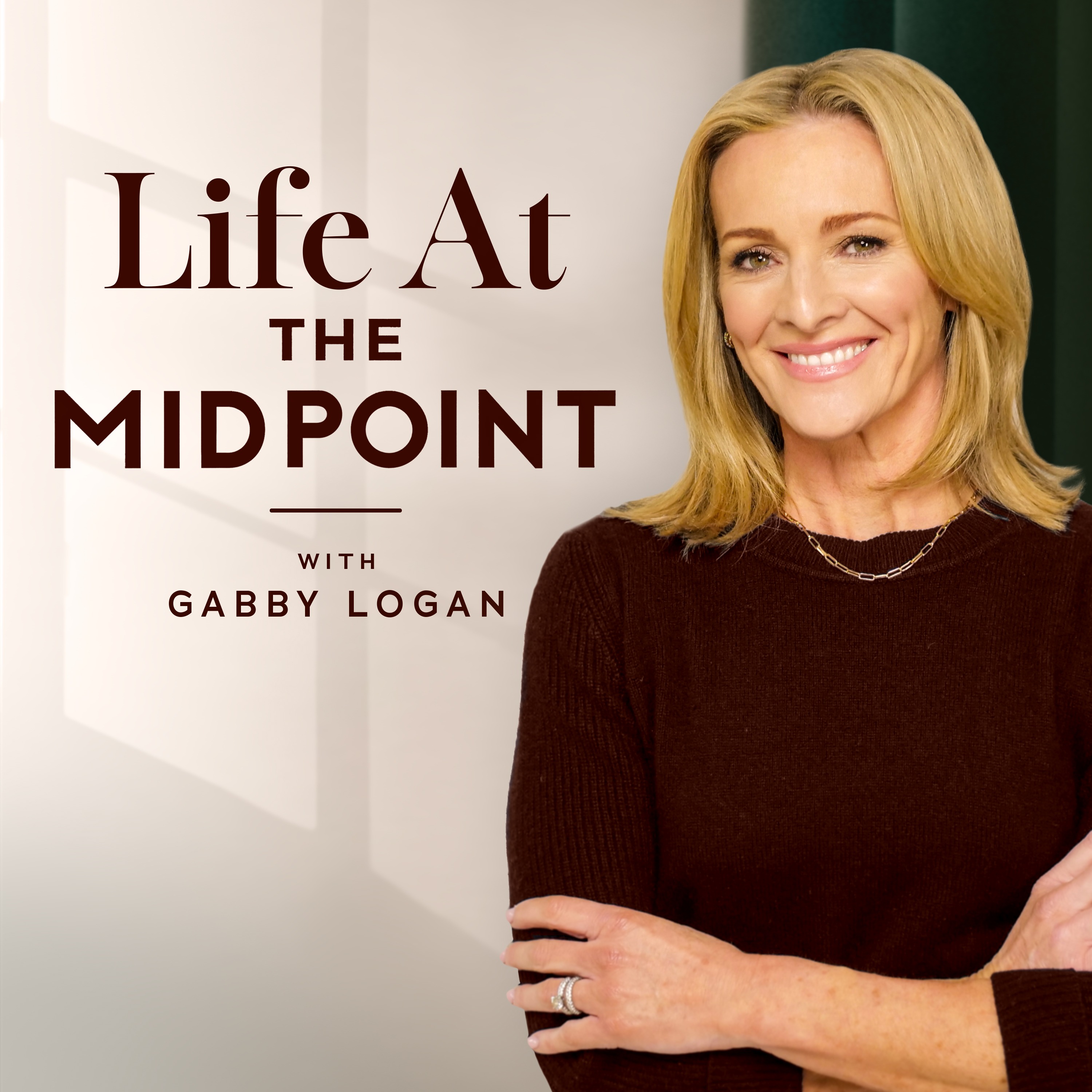
Comedian and writer, George Lewis, sits down with Gabby to speak about what it feels like to be reaching new heights in his career on the cusp of midlife! They chat about George’s journey through comedy and how relatability is not something to be underestimated - he’s proved that dad jokes are in fact very funny! He also gives a deeply emotional account of what it’s like going through the process of having your child assessed for autism, and why he feels a diagnosis is important for both children and parents. George also talks about the innate gratitude he’s had since he was young, and why it’s more bucket hats than bucket lists for him! This is an unexpectedly philosophical chat, packed full of warmth and joy.
George is running the 2026 London Marathon in aid of Autistica - the charity he is an ambassador for - and you can find out more about the charity at www.autistica.org.uk
George’s tour Best Thing You’ll Ever Do continues from 3rd September 2025, and tickets are available at www.georgelewiscomedian.com
Hosted on Acast. See acast.com/privacy for more information.