Ask ChatGPT


In this episode of "The Mid•Point," Gabby Logan engages in a candid conversation with comedian, writer, and actor Jessica Knappett. They explore Knappett's journey into comedy, her experiences at the Edinburgh Fringe, the challenges of being a working parent, and the darker realities of the entertainment industry. The episode is infused with humor and insights, touching on various topics from parenting hacks to the importance of finding one’s voice in a competitive field.
Written by AI. May contain mistakes.

Get the gist, explore an idea or ask about something said.
 Claude
On Life At The Midpoint with Gabby Logan, what are the key points of this episode?
Searching your listeningAutomatic transcript. May contain errors.
0:04Hello, Gabby here. Welcome back to The Midpoint. Today I'm looking forward to meeting the very funny Jessica Knappitz. Now you might know her as the brilliant mind behind Channel 4's sitcom Drifters, or as the actress who played Lisa in the Inbetweeners movie, or simply as herself on all the British comedy stables like 8 Out of 10 Cats Does Countdown and Taskmaster. Jessica is a proud Yorkshire lass and brings her very honest brand of northern wit and warmth to everything she does. Her career began with Lady Garden, an all-woman comedy sketch group that toured extensively to rave reviews and since then she's gone on to write, produce and star in so many things including the brilliant Avoidance alongside one of my previous guests, Ramesh Ranganathan.
0:44Away from the stage and screen Jessica fell in love with a world champion air guitarist who lived in LA and today they're married and raising two small humans together. Last year Jessica turned 40 and she said she was looking forward to what her midlife crisis was going to look like. So let's find out how it's all coming along.
1:06Jessica, Jess, Jess, Jessie. I answer to both. Probably not Jessie. But that is, my dad calls me Jess. Actually, my dad calls me Jessie and Jessa. Okay, so that's reserved for him. That's kind of just unique to him. Yeah, that's, yeah. Okay, Jess. I'll answer to either, yeah. Jess is shorter. Welcome to the midpoint. Thank you so much. Thanks for having me. It's great to have you here. I'm a big fan of your work. And it's always, I find it fascinating interviewing, female comedy writers, comedians, actresses, because it's a space that feels a bit like women's sport, kind of, over the last 20 years, is starting to really flourish and you can see more and more opportunities.
1:47And so much of this space is filled with such talented people who you feel 20, 30 years ago might not have got a look in. So much, so true. It's changing. I think when I started out in comedy, it was definitely extremely unusual, although I had a lot of female role models. There were so many, you know, French and Saunders and Victoria Wood and Julia Davis and Sharon Morgan. Getting like 18 million for BBC One shows as well. Oh, my God, yeah. And so it wasn't as if I was short of role models and they were all incredible and unique in their own way. And I used to watch The Fast Show and I've said this to Arabella Weir's face.
2:28I wanted to be her, wanted to be the woman in The Fast Show, I wanted to be her and Caroline Hearn. And then it was only when I entered into the comedy industry that I realised, because people kept asking me questions, it hadn't occurred to me that it was incredibly difficult for a woman to break into the comedy industry until people started asking me, how does it feel to be a woman in the comedy industry? And I was like, I don't know. I hadn't really thought about it. And then over time I started to feel the pressures of, you know, it is and remains quite patriarchal. It is. It's run by men at the top, but there are more women coming in and it feels good to be part of that scene.
3:11Yeah. And do you know what? The thing is, it's interesting. There's so many questions in my mind coming from what you just said, but one of the things that used to really frustrate me and still does when I read it is this idea that women can't be funny and that women aren't as funny as men. And that seemed to be the reticence about allowing women into this space. Oh, no, they're not as funny as men. Does that feel to you like a terrible opinion that's disappeared now? Well, I mean, I think statistically, if there are more men out there trying to be funny than women, then there are more unfunny men, aren't there?
3:46So, I don't know, the numbers don't add up to me. You obviously, though, knew instinctively growing up that you could be funny and that people enjoyed it when you were funny. Take us back to you being a kid and how you got laughs? Definitely by accident, which still happens today, unfortunately. I try so hard to be funny on purpose and I always end up being funnier by accident, which is really upsetting. But, yeah, I can remember the first time I ever got a laugh was just coming out on stage to play my cello. And it was for a music concert and the theme of the music concert was superheroes. so I was dressed as Superwoman but sort of like a shoddy version that my mum had put together with sort of charity shop items and I was in kind of like stripy tights and some sort of costume that she'd made for me.
4:40I must have been 11 and just walking out onto the stage with my cello and everyone just roaring with laughter at the sight of me. Just at the sight of me. and I didn't and then I had to play this terrible I was really quite bad on the cello but it was the reason I got into my school that I so I was I was I went I got to go to the posh school on a music scholarship so I had to play the cello and I had to constantly go to all of these orchestra practices and string group and god knows what all the while now hating the cello well I didn't hate it I just wasn't I just wasn't naturally gifted at it really I just worked really hard which is sort of the story of my life I think I just I always work too hard I just overdo it and actually speaking of midlife that is something that I'm starting to realize I can kind of take take my foot off the gas a little bit well you can when you get to a stage where you feel a bit more confident about maybe where you are and that will get to that in terms of how you've got to that position and often that coincides with midlife doesn't it there are very few 24 year olds who feel so self-assured about the world and where their place in it that they if they've got that natural instinct to work they can suddenly say i'm just going to chill out now oh god and see how this career pans out no no especially i think women as well yeah i think maybe it does have an impact doesn't it because i think you unfortunately fire osmosis when you look around and realize that you are the only woman on a panel show or, you know, that there are only a few slots and they let you in.
6:26They let sort of a one-in-one-out policy, it feels like in television sometimes. A bit like queuing up for a nightclub in Leeds. I just, I don't know, I just kind of, yeah, I've completely lost my track. But you were saying you feel you've got to a place where you don't feel you have to quite work as hard. But let's go back to the very hard-working kid who was playing the cello because I imagine that kind of experience and doing something that you're performing but not necessarily the kind of stuff you want that's all really good bread and butter good foundations isn't it yeah coming out on stage and doing what you do now yeah and I I definitely I loved performing when I as soon as I found it and I realized that I just could be someone else or something else I loved plays I loved getting lost in it I think I'm a bit of a daydreamer and I kind of have always enjoyed just taking inhabiting another world really I suppose and my parents were extremely busy people they both worked in the NHS and you know wonderful people always felt very loved by them but I think to an extent they forgot to raise me I think there was a point where they were so busy where they I think they just kind of they thought you were going to do it yourself I think they just kind of left me to get on with it and I did but but in order to get their attention and I know this now from you know years of therapy but what I had to do was perform and entertain and there was a lot of stress in my house.
8:04Would they not say? Because we're both born in West Yorkshire. Yes, I know, you're from Leeds. Yeah, and... You don't sound like me, though. But we moved away loads. We can get to that, but I moved away for the first time when I was four. Right. Moved south, then moved to Canada, then moved back to Leeds when I was 12. So for about five years, my kids tease me, I had a very strong Leeds accent. Did you? Oh, yeah. Does it ever slip out? It doesn't, which for me is good because I feel like, oh, well, I'm being authentic. I'm not, although when I'm with my cousins, I do loosen the vowels a little bit.
8:35Just make sure that that's loosen the vowels. Loosen the vowels. Not the vowels. And because all my family in Leeds are proper Leeds. So, yeah. And you're Ilkley. I am now. Right. I've moved up in the world. I was Bingley. I was Bradford, born in the BRI. That's the song, isn't it? Right, right. So you're at Bradford. Yeah, I was at Bradford. But not really. And I think this is the thing. You know, my mum was solidly working class. But my dad's a doctor, you know, and I went to a posh school. See, I didn't go to the posh school. No. Went to the comp. But my mum would say, well, it's true, her cot was the bottom drawer of a chest of drawers.
9:16Wow, you need. But then my kids tease me and go, you're not working class. Yeah, exactly. So it's interesting. This is probably for another podcast. but where does that line come where you're no longer the product of your past? I know. Does it pass down the maternal line, I wonder? You know, like a nice recipe. Oh, my dad's family, even more working class in Cardiff. So, you know, that's, yeah, they would win. If there was a battle between my mum and dad's family, a big working class arm wrestle, they would win. But the Yorkshire thing, I was about to say, as a Yorkshire kind of born lass of Yorkshire family, I imagine they'd say you were showing off.
9:49What's she showing off for again? Oh, right, right, yeah. Were you showing off? No, because, yeah, yeah, she's tired, she's showing off. Yeah, no, I am totally aware of that attitude, but actually my mum was sort of repressed all of her desires to be an actor, so it was about me. Ah, so she was quite happy for you to be doing Lambda and all those exams and everything. And the interesting thing, although she grew up sort of pudsy, you know, solace, she'd probably hate me saying she's working class because she managed to sort of shake it all off. But in her family, there was always this lineage.
10:29She, her father was a cousin of the film director, David Lean. And so this was... The family link to showbiz. The family link to showbiz. And that was reinforced. That was, I was told that, I reckon, two or three times a day. You are related to David Lean. And so, I mean... So give us a bit of David Lean's back catalogue. Oh, Lawrence of Arabia, Great Expectations, Brief Encounter, you know, incredible, massive... Never turned up to family parties, though, David, did he? Didn't ever meet him, didn't come and watch the cello concerts, unfortunately, David. All him, him, him. But, yeah, it was...
11:10That was sort of part of the family story, in a way. And I think, yeah, my mum, you know, I wanted to do it, but she was a stage mum. Yeah, and presumably then also, not only did she believe you could, she knew you would if you wanted to. She gave you that sense of belief and empowerment? Yeah, or just, you know, there was just no other choice really. I think she believed in me and I did have some talent. It wasn't like the cello. I think I actually was quite good at drama and comedy. and yeah, that stuff did come naturally to me. So this was always what you were going to do? Yeah, I guess so.
11:53It was quite predetermined but only in retrospect now do I see how much I was encouraged to do that. At what point did you get a break that you now look back and realise was a sliding doors moment? Because there must have been times as every actress and every performer has where you start to think, is this actually a career if I'm not earning any money? How am I going to get there? Oh my God, yeah. Well, I was resigned to the fact that I might just work behind the scenes. I was going to be happy if I worked in comedy television. And so I'd sort of started to get jobs as a runner and script reader and I was kind of doing that alongside my acting.
12:34And it was definitely the Inbetweeners movie that was a sliding doors moment. How did you get onto that? How did you get into the... Well, that was from, I was in a sketch group. So at university, I suppose it would have been the equivalent of the Cambridge Footlights at Manchester. There was a sort of a bit of a comedy scene at Manchester University where I went to study English and drama. And there was lots of comedians there, Jack Whitehall, Jo Lycett, and I was in a sketch group with five other women called Lady Garden. And, you know, after university, we just went off and went up to the Edinburgh Fringe and did our show that we thought was great and we were doing it purely for our own amusement, not as any kind of career move whatsoever.
13:19I hadn't even really heard of the Edinburgh Fringe. I didn't really know what people meant when they said, let's go to Edinburgh. I sort of thought that it was like, what, for the weekend, just go up and have a nice time. And then it was like, oh no, there's this festival that you go and you perform the same show every day for a month and people come and watch it. And if you're lucky, you get a review in The Scotsman and then your career can take off. Yeah, and I just really didn't fully understand what that was. So I think that, you know, meeting those women, that was a real, that really changed my life.
13:55One of them in particular who really understood, Eleanor Tom, who really understood how we do this. She sort of, she had an older brother who was a street performer and it's like, this is the map. Which theatre were you in, do you remember? We were in the Gilded Balloon. Right. In the nightclub of the Gilded Balloon. I did a play at the Bedlam when I was at university. Really? Yeah, it was an adult version of James and the Giant Peach. Oh, wow. I played a nymphomaniac spider. Oh, right. So the spider had problems. And then I think the cricket was a heroin addict. This is the thing about Edinburgh.
14:29You know, you're just free to do whatever you want. It's just full of... Every night we had to take our giant peach down and remove the set. We were all staying in an apartment which had about... It was over the road. It was a good location. But I think there were about 18 of us in a three-bedroom department. Wow, yeah, yeah. It's character building. Yeah, you don't want to be doing it at 40. I mean, you could do Edinburgh at 40, but you don't want to be one of 18 people. I used to have to walk over to the university to get a shower because there was only one shower between 18 of us. So you don't want to.
14:59But at that age, that's the beauty of the Edinburgh Fringe. If you've got any inkling that this might be something you want to do, to go there and, as you say, to do something every day for a month and to get your kind of performing chops in that environment, which is, on the one hand, very competitive, isn't it? But also encouraging. There's a lot of people around. I imagine you met a lot of people who became friends for life in that. Oh, yeah. Yeah, we met a lot of people. You know, it was a big year, actually, and everyone's gone on to do, you know, sort of interesting things. And, yeah, I mean, I suppose I sort of look back on it and think it was definitely a break because we got signed to an agency and we met some producers.
15:43I mean, that side of the story then unfortunately got a bit dark because as it is sometimes the way, there are also predatory producers out there who will, you know, see a group of young women and think, oh, this is an opportunity in a unfortunately very dark way. but other than that had an incredible time. We were taken on a slight detour. Was that one of the worst experiences you've had? No. No, really? I think because we found out, we actually found out in 2020 that this producer that we'd worked with for years and years and years had been assaulting women and had been assaulting women after our gigs and things like that.
16:33So in a way, what was so damaging about that was that, I can't believe I'm talking about this, but just that it made me think, is that why people work with us? Is it nothing to do with the talent? It played a trick on me. Obviously, the crime itself was monstrous, but then it also did this thing to my self-esteem and all of the women, I think, that were affected, where you go, oh, is it not, was it never anything to do with the talent? And is that you referred to therapy? You had to speak to people to work. Oh, God, I've been in and out of therapy all my life, yeah. But that was a particular trauma because I think there was a collective dealing with a wound, you know, post-Me Too, and I think we were all kind of looking around and I think it was just a sort of bleak realisation that we hadn't got away with it in our little corner of the comedy industry either.
17:35Yeah. So, you know, yeah, I think that's one of the difficult things about being a woman in the industry is that even when you break in, you're not necessarily safe. Yeah, it's just, I mean, I could... Yeah, it feels like another... Talking about it, it does feel... Because you were mentioning Me Too and everything that came from that period. Do you feel now, you know, if you have a daughter who wants to go into the industry, do you feel it's a different place to enter? I still, in all honesty, I still don't think it's safe. And actually, I was thinking about it the other day, that I really worry about podcasting now.
18:21Because I think a man can just say, come and record my podcast with me. and you can turn up and it can just be you and him. That's happened to me, not in a violent way, but, you know, for instance, I recorded someone's podcast the other day. He was recording it in his flat, and it was just me and him. And I thought, well, if you're a predator, this isn't a safe space for women, you know, and it's the Wild West, isn't it? And it is this, you know, in the TV and film industry, it's just the boundaries are so blurred, between what's work and not. But it's also that thing, isn't it, of feeling you have to, and it doesn't just pertain to entertainment and showbiz and television, you have to sell yourself, you have to be charming, you have to network.
19:09Oh, yeah. And how, for some men, that can be perceived to be flirtatious behaviour. Or it can be something they see as you finding them in some way, you know, delightful and being enamoured by them when actually you're just being your charming self. Yeah, and what a nice little bonus it would be for them if you also liked them on top of the fact that you could maybe do some work together. Yeah, and it's really difficult to understand and navigate all of that when you're young and you just don't know what's normal and what's not. And if a producer's asking you to come and meet them for a drink because he likes your script, then you're going to go, probably.
19:52and I mean now I would say that that's of course I would tell let's do a zoom exactly now I know that that's not normal and I know that the good men that I work with work within working hours work within working hours and don't go out don't meet young girls and it should be say as well I'm sure you would want to say there are plenty of great men that you work with tons thank god yes and I have found them and I am working with them and a lot of them, you know, and the good ones just feel really uncomfortable about it and there has been a shift and they don't want you to feel uncomfortable and they're scared.
20:31They don't want to be accused of anything. So it is, I mean, now that has changed. So, yes, in some ways, you know, the predators are easier to spot. How do we get out of male predatory behaviour? I don't know. I would like to promote my comedy podcast. Let's talk about your owning so much of what you do. And that's really important as well, because you've obviously from the very beginning written. And that is the thing that can really make you kind of stand apart from the rest of the industry. It's the same for men as well. When you write material that gets used, whether it's in films or TV shows, it gives you some kind of, I imagine, intellectual security and feeling, well, I've got this.
21:16It doesn't always have to be about this and me standing on a stage. I can do this stuff. I can pop babies out or I can, you know, I can have some time out because I can carry on writing really funny stuff. Yeah, I mean, you have a certain amount of agency when you're writing. I mean, I like to write for myself to perform, but it's a, you know, that's also just a very niche corner of the industry. There's not a lot of work available to me. So if what I want to do is create my own show and act my own words, then I have to get my own TV shows away, which takes an enormous amount of work. But it's so rewarding and I have so enjoyed doing that.
22:00And when, you know, I got Drifters, which was my, the sitcom that I got, you know, sort of by hanging onto the coattails of the men who made The Inbetweeners. That was just a really great experience being able to say what I wanted to say to an extent. You've always got other voices, you know, towards the end of it, I really felt like I was able to. How much of you do you put in Drifters, for example? How much of you goes into? oh I mean at first it was so much so much of it was was autobiographical and I mean almost the point where where it was like there were days like whole days of my actual lived life just going into episodes you know but but then times were different then it was much easier for me to just be like oh well I'll just write a whole episode about the time I got scabies or whatever you know um because that was ridiculous or the time I went on this date and then I was trying to break up with him and then it was a 10 course meal so I couldn't break up you know it's like there was so much going on and I think to an extent I probably was also then living my life in quite a wild way in order to do you think it's um that becomes almost self-fulfilling yeah so So, oh, I'll say yes to this ridiculous thing because that is content.
23:23Definitely. Definitely felt that I was always sort of seeking fuel and going out and deliberately getting myself into trouble, which was, you know, probably not a very healthy way to live, but it was fun. And then you're married to Dan. Yes. Who my wonderful producer discovered you met, was he a world champion air guitarist at the time? um yeah did you meet at an air guitar convention no no no no no but um that yes that is one of the ridiculous things that he does as well yeah as well as sort of but you met him in LA yeah no we met in London through my producer on drifters Ian Morris who was one of the writers on the in betweeners I was living in his flat while he was in LA because he married an American woman and he said, my friend Dan's in town, can he stay in the spare room?
24:20Oh, wow. And, you know, I just had to kind of oblige and he turned up on my doorstep and I married him. That's how it works, isn't it? Someone turns up on your doorstep, you marry them. How quickly did it become him moving out the spare room? Oh, no, I mean, he didn't need to stay in the spare room long, let's put it that way. Was it love at first sight? It was a bit, yeah. We literally opened the door like a Richard Curtis movie. Yeah, because he's really hot. He's so fit that people say to me, honestly, people see pictures of him and go, that's your husband. That, your husband. And it's really hard not to be insulted by that.
25:06But we actually put it in, I told Romesh, we actually put that in avoidance. Avoidance. Yeah, that I had a hot, that I get a hot boyfriend. I was going, that's your boyfriend? I love avoidance. Oh, thank you. It was great. It was really, yeah. It's finished now, hasn't it? It has finished, yeah. Romesh has been on the podcast. I know he has. I've listened to that episode. I found it very, like one of those things that you just have to consume almost immediately every episode. It was such a lovely story and just really true to life. It felt... Yeah, it was a nice, I enjoyed, I liked the tone of it.
25:39It was, you know, I think Ramesh is so talented and he can pretty much just do anything. He can just turn his hand to anything annoying, annoying, annoying man. But yeah, it was so fun and I wrote on that as well because I kind of wormed my way into the writer's room after series one because I'd improvised so much of the first series they sort of had to let me into the writer's room on second series. But yeah, I think it was just, I think it was bad timing in a way because I don't think it was ever going to be one of those shows that ran and ran because it's not going out or whatever. It was always going to have an ending.
26:15But I think it was possibly quite bad timing with Ron getting the old BBC Radio 2 gig. You know, there's just, he's so busy. And it takes so much work to write a sitcom. And really that kind of has to be your only job, I think.
26:36I hope you're enjoying this episode of The Midpoint. If you are, it would be amazing if you could give us a review and subscribe. It really helps. I'll be back in a moment.
26:49You said at the very beginning of our chat that you feel you can now not work as hard. Maybe pull back slightly. What does that feel like? How is it manifesting itself in reality? I think that there's just been a shift towards acceptance in a way for me in that I am, you know, I'm a working mum of two young kids. How old are your kids? Seven and three. And the seven-year-old, she can... Drive. Drive. She can drive. She's doing a GCSE. She can fend for herself to an extent. But, um... You know, I know you were brought up quite laissez-faire, but she's not really independent yet. No, oh, my God.
27:34Just in case there are any social workers. She's not, but yesterday, oh, my God, I did this amazing thing yesterday. I got it off Instagram. I can't believe that this actually worked. But you know how sometimes you see a clip on Instagram and it's like, I have a hack for you. And I was like, as if any of these things work. But this woman on Instagram said, you take$10, I did it with a fiver. And you say to the children at the beginning of the day, this is your money unless you don't behave throughout the day. You can have this£5 at the end of the day. If there's no fighting, if you behave yourselves, it worked.
28:15I mean, it's bribery, of course. It's bribery. But I cannot tell you. My daughter, she was hoovering. She loaded the dishwasher. And I just kept saying, I just kept reminding, every time there was a raised voice, I'd go, guys, just remember the£5. And they'd be like, sorry, mum. And then it honestly, it's terrible that we live in such a, like a monstrously capitalist society now that£5 will do so much for these children. But it worked. Anyway, why am I talking about that? What do they, just briefly, what do they want to spend£5 on? They don't know that they can get barely anything. I was about to say, if you have watermelons, which I think is about like£3.50.
28:58You can get a punnet of blueberries in M &S. If you can get it in M &S as we're recording. No, I mean, when she finds out that she's going to need seven of those£5 notes to buy a small box of Lego, maybe that will be a motivator. I don't know. So, by the way, I love it how there's about a decade between us, but I love it how that's being called a hack now. Oh, right, as opposed to a cheat. It's just general parenting kind of cheats. Okay, so bribery. Just bribery, yeah. Yeah, we just call it bribery then. But I like the idea that you held it up at the beginning of the day. And it also gives you an indication, if you've got a couple of children of similar age, who's more motivated by cash?
29:39Who's not so bothered? What their values are? Where are they, you know? There's that test you do, isn't there, with children that you put some sweets on the table. Oh, yes. You leave the room and you say, yeah, yeah. And I've got twins, so it's a great human experiment. And one classically ate them all. No. The other waited because they were going to get more. Yeah, and it wasn't the way round I was expecting it to be. That's so interesting, isn't it? Yeah. But then are they the same? They're obviously not the same, but do you think you've raised them differently? No, well, it depends who you listen to on these child-rearing matters.
30:11They're a boy and a girl. Right. So do we treat them differently, you know, subconsciously, even though, you know, we obviously try and be fair from the beginning. You do the same thing, you give them the same food, they go to bed at the same time, they've got the same values coming at them, all that stuff. But are you subliminally doing things differently for a boy and a girl? You know, and are they watching you then? Yeah. And aping your behaviours. Yeah. I mean, they are totally different characters. Which one ate? Funnily enough, it was my daughter who ate the sweets, but she's got a really sweet tooth and my son's a bit more like me.
30:46So I just wonder if that actually wasn't that interesting to him. You know, he wasn't that bothered about it. Yeah, not bothered. And they're similarly with money really interestingly different. If you give them 50 quid, like when they were little, they got some money for a birthday, we were in the airport going skiing or something, they wanted to buy headphones. He went and looked, headphones, oh, those are 49.99, I've got 50 quid, I'll buy those. She went, oh, I can get these ones for 5.99, that means I'm going to have 46 pounds, 44 pounds left to spend for later. He was just like, I'm not bothered, I don't need any money for anything else.
31:15Oh, my God. So he was just like, okay, I'll... Did her headphones break, though? You know, you buy cheap, you buy twice. I thought that was such an interesting thing yeah and then she could buy Mentos for the plane she could do you know a magazine he's just walking around with these great big headphones that he didn't really have anything to listen to anyway because you know they didn't have phones so it was like what are you listening anyway we digress we're talking about you having time now to go right I'm a bit more interested in this I want to do this I've got to carve out time for my family and that comes with we often discuss with guests when you're in midlife that security that you feel about yourself as a person are you recognizing that that you feel more assured about who you are i definitely feel like i'm getting there with it it's it's a constant battle because i i know i know i know that on paper there aren't many women like me in the industry actually there aren't many women who can write a sitcom forgive me three days I'll write I can write you a pilot like I can it'll be funny it'll be fine I know how to do that and I can also I can write jokes I can do I can present I can act I do a lot of stuff and I know that that that's you know that's rare and and not it's not that I'm special but that those qualities are unusual So in a way, I kind of, you know, I can tell myself that on paper.
32:51But then there is the reality of the fact that I work in incredibly competitive industry. And that gives me always a sense of I'm not doing enough. Yeah. And also because I do so many things, I'm never doing one of them properly. And I love doing all of the things. so I do I just find it incredibly difficult to navigate all of that stuff on top of being a parent but what I've realized in the last few years is that if I just accept that then it becomes a lot easier because I can accept that there's only a few hours in the day for me to work if I'm picking my kids up at 3 30 which I usually am and I can say no to things that don't excite me and don't interest me and I can just do the things that I love.
33:44And that's because I'm now in a privileged position where I've earned that place to be able and earned that right to be able to turn things down. And I am currently practising that. And it's hard because I feel like if I say no, then they're never going to ask me again. That is the freelancer's curse, isn't it? and it's the curse of our industry that you feel that kind of sense. But do ask me again next time. I'm not going to do it this time. And also, it's that thing where people say to me, oh, you're so busy, you're never off the telly. And that makes me feel bad because I feel like in the sense, oh, no, no, I say no to loads of stuff.
34:24And then you feel like, oh, I'm not bragging. They're repeats anyway. The other day, a guy I work with a lot in sport texted me. He said, when did you record The Edge? And I went, 10 years ago. I don't know why they're repeating it. They're putting it out every day and I didn't. But you feel, there's part of me, you know, and my agent's always saying to me, this is the year of saying no, remember, Gabby, where you say no to things. But I want to do that. Oh, that's exciting. Oh, that's quite a nice thing to be asked to do. And I always feel grateful that people want you to be involved in something.
34:52But sometimes I don't. Sometimes I think, and also because I've moved back to Yorkshire now as well, and a lot of the work is still in London. Even though you're trying to make that sitcom about the cow and calf. well funnily enough yeah i'm trying so hard to set i have set everything nothing's been set in well for a long time great um creatures great old all creatures all creatures great yeah yeah that was around there wasn't it that's still going there's a lot there are a lot of things um so they're always filming up there and um wuthering heights of course next year yeah i'm trying to i'm trying to set everything in yorkshire everything i've written is why did you why did you decide to move back home?
35:33I think there was a spiritual pull and I think it was because we moved to Los Angeles when my first daughter was one a really stupid thing to do actually in hindsight I would say don't have a baby and then cut off your support system like your entire support network and also the sort of I felt incredibly guilty because my mum felt that I'd just ripped away her granddaughter, which I had. And also Los Angeles, an amazing place, but just so competitive, just full of workaholics, full of people at the top of their game, which is amazing, but also a really uncomfortable position to be in when you're holding a baby and you're trying to do so much.
36:27and also to talk about acceptance, I was utterly in denial and have been for about seven years when it came to what was possible as a working parent. And I think I just thought I'll carry on my life. The baby can fit around me. I'm not changing anything. I'm not changing anything about my life. I'm not going to stop going out I'm not going to stop going on girls holidays I'm not going to stop seeing all my friends I'm certainly not going to stop working I'm going to work in fact probably harder than I've ever worked before to prove the point that this is possible and it was just a nightmare and what happened was my husband who had been working as a journalist was kind of making a transition out of that he now works in documentaries but he hadn't quite got there yet and it just made sense for him to be at home with the baby and for me to be at work and so I just slogged and slogged away in Hollywood I was writing a Hollywood franchise movie it was a total disaster and I was writing a pilot about a real thing that happened to me a true story which was that my therapist um had a nervous breakdown on me and um so I was really working through some stuff that was a comedy by the way um there was just a lot going on and and I was the breadwinner and it was just really oh I just wouldn't recommend I just wouldn't recommend it but that but again it was the freelancer's curse and it was this desperation to not be left behind So you came back to Yorkshire to get some sense of...
38:20To answer the question, why did you move to Yorkshire? That basically was... There was so much pressure. But then I was also... I kept coming back to the UK to do panel shows and quiz shows and whatever else came up. And every time I'd come back to the UK, I'd just... Oh, my shoulders would just drop and I'd feel like a normal person again. And I'd see my family and I'd see my friends and I just was so, so homesick. I was so homesick. and I was trying so hard to make it work. And eventually the pandemic happened and we kind of didn't have a choice. I mean, America made such an appalling case for itself.
39:01So did you get on a plane and just... Yeah, I mean, basically what happened was I'd made a friend in our neighbourhood and she had come back in the week that it was all happening. She'd come back from the supermarket and she said, that's it, we're going to buy a gun. Because she said it had been such carnage in the supermarket that she just decided they were going to buy a gun. Oh, my gosh. And I was like, this is, this is a lot. And then I phoned my friend back home and I was like, what's the vibe in England? Because people are buying toilet rolls. People are buying guns. And she went, well, my mum's just started growing cress.
39:38So I was like, come on, let's go back to the land of cress now. and so we did we went and we we went to my mum and dad's house in yorkshire guns versus cress and i was like lovely england and and mum said come home because this is where you belong and you're safe here and so my mum picked us up from the airport at leeds bradford Yedon International and she said you can't stay with us we want you home but not here we've decided this lockdown, me and your father we've been talking about it, we think this lockdown's going to go on a while, not this lockdown we didn't call it that then but we think this is going to go on a while and we think you're better off getting your own place I was like they just cancelled all the flights so in the middle of a pandemic I had to find somewhere to live with a toddler, a husband.
40:36And thank God we found this amazing, speaking of all creatures great and small, it was the most idyllic little cottage next to a farmhouse. So you were renting this? Yeah, we just rented it for three days. Oh, so she wasn't even having you like literally for a night? Oh, no, get it. I mean, you're on your own, like classic, just, just, oh, mum, it's just like when I was seven. and then and off we went to this farmhouse and then um three days later the whole country went into lockdown oh we stayed there for five months no we didn't have anything we only had our suitcases but it was kind of amazing because it was we were really lucky it was one of the best places we could have been in the world really yeah it was beautiful and no you know obviously lockdown yeah i mean where you ended up predicated how you found that experience didn't it and yeah and we had and And, you know, it was people who obviously have very sad memories of it as well, but it was also for some people, there were things about it that were quite pleasurable and it was sunny.
41:38And my husband was like, this is really, I really like England, actually. And I was like, yes, it's like this all the time. It's quiet and sunny. And so Yorkshire's been home ever since. Yeah, we just stayed. Yeah, no, kind of determined to make it work, really. And so what it means for me is that I can compartmentalise work and home life quite nicely. So when I'm away, I'm away.
42:20Your podcast. Yes. Which is all about your perfect day. Yes. A perfect day. of the guests. Their perfect day, yes. Well, I'm going to ask you about your perfect day because you must have had lots of ideas that have come your way from your guests. Yeah. Have you had your perfect day? I haven't. No, I haven't had... You mean, have I had it in life? Yeah. Do you ever go, that was a perfect... Yeah, I do sometimes. I think getting to this age and it sounds very woo-woo but I think gratitude just feels like a much more prevalent emotion in midlife because you... And I don't mean because you're counting down towards the end or you're getting closer to the end than you were to the beginning but it's that just taking in the moment you know i feel like you have somehow more time to do that even though there's no more time in the day and you're as busy as ever yeah i definitely think i prioritize that i think if i bother to reflect on what i'm grateful for it changes my mood almost immediately but it is a real mood shift to that oh yeah i think if you and anybody listening who feels like they might just need a hack i think that is one of those things that can really lift you out of a little slump i'm not talking about being severely depressed but if you're feeling a bit of a slump just taking a moment to say what am i what am i really grateful for today it can lift yeah and i did you know you said i don't mean to be woo woo but i mean i am just so woo woo now i don't you can't be too woo woo for me i i just love it and i'm a big meditator and i yeah i mean I probably, I mean, I meditate every day and there is a type of meditation where you ask yourself some questions.
44:00I really like those guided meditations where it's like, and there's one where the questions are, who am I? What am I grateful for? Who am I grateful for? And now I've forgotten the last one, but there's another one. And are you still awake? But in terms of my perfect day, I don't know. I just, a perfect day for me is a day off, I think. A rare day off. I want to be able to stay in bed and have breakfast brought to me. My husband is so unbelievably caring. You know, you talk about, you know, the whole thing about love languages. His love language is food. I mean, he is a feeder. But it's so lovely.
44:53I mean, sometimes I prefer if you just could actually say I love you, but a croissant will do. So is he the maleficant of Gwyneth Paltrow's boyfriend breakfast? Does he do really interesting breakfast? No, so this is the thing, like, despite the fact that he... I don't know what that is. So Gwyneth Paltrow does this thing when she... Her boyfriend, who's now her husband, is it Brad Fall? I don't know. He was a producer on... I lost track after Chris Martin. You lost interest after Chris Martin. But the guy she's married to now, when she was going out with him on Saturday mornings in her Montecito mansion, she would knock up some interesting breakfast.
45:31And they are interesting breakfasts. They're not just kind of egg and bacon, you know. Right. And she's carried it on and calls it boyfriend breakfast. Oh, cute. So, yeah. So cute. So you could, obviously, he's the male equivalent of that. He's doing... Yeah, I want the wife breakfast. No, that's what he's doing on my perfect day. Oh, so he's not doing that on a daily basis. I don't get it. He is a feeder, but for some reason, I think he thinks eating breakfast in bed is a bit gross. I'm kind of with him. Are you with him? Yeah. He won't even bring a coffee. No. He's just like, let's get up, let's get out, and the kitchen is for eating.
46:07But your perfect day would be eating in bed. My perfect day is bring it to me. Right. Bring it to me. Cuddles with the kids, and then they get taken off to do something that they love. and this comes up a lot with people because they because they love their kids but but it goes without saying but we have to say it a lot and that's that's the whole thing but yeah is there is there a pattern for people's perfect days does it do they tend to kind of there's a lot of synergy it's really interesting because it is a lot of i thought when i started the show that we would get a lot of really extravagant then i'd go on a private jet to thailand and then they go you know And it's really surprising how sort of domestic it is and how it's used.
46:50And that's what's so lovely. It's sort of become this kind of meditation on the small, you know, the beauty of the small things in life, the little things and the things that people are missing from their lives. You know, a thing that comes up a lot is waking up in a house full of your friends, which I think we miss because we're not students anymore or we're not in house shares anymore. or we don't have those sorts of weekends away like we used to. And the collective hangover. See, we're moving back towards that because there's a group of friends that we've all decided in about 10 to 15 years' time we're looking for a commune.
47:27You're not doing it really. So we're going to buy somewhere. I keep sending kind of old monasteries and things like that to the group and there's about five couples and we're all going to have our own pods. Well, nobody's put the money in yet, but we're the second eldest of the group. We've got to do things like strategy, what happens if one couple dies? What happens if one half of that couple dies? You know, who moves in? And then we're going to have a central barn, which is the fun barn. And you just sign it out and you go, oh, the Logan's grandchildren are coming that day. So they want the central barn.
47:56And then on site will be a nurse. She'll be invisible. She's not going to kind of interfere daily, but she's there. Is this a retirement plan? Kind of. But I'd like to think that we can also, and there's going to be a mini bus and you go, who wants to go to the West End because so-and-so's playing. We're all going on Tuesday. oh, does anybody want to go to football on Saturday? And they'll be like, you know, but we're in and we're out. Do you know what I mean? It's not kind of like, because you can't be on top of each other, we've decided. The plans get more and more elaborate every time we have a dinner kind of together or we go away somewhere together.
48:27So this is basically your own private, I'm not going to say care home, but it's a facility, isn't it? Facility. I don't want any cords. I don't want any cords. It's just, I mean, yeah, I don't want to go bleak, but it is, the options are, you know, because I'm at that age now where I'm, like, my parents, I'm looking at that, you know, they're not quite that old. My mum's kind of creating this for herself because she's knocked the family house down in Leeds and she's building apartments and she's having what will be the penthouse, right? And she's selling off these apartments and she's almost like...
49:00She's a genius. So the people that are coming in, I think she's going, do I want to, you know, I'm going to live out my days with these people so there's two couples are in at the moment and then she's quite like some younger people. She's putting vegetable patches out at the back and there's an outdoor gym and things like that. So she's kind of creating her own space for that, which I'm delighted about, obviously, because she's forward thinking. She's got that kind of sorted. So it makes you then think about your own plan for this and where are you going. So I'll keep you posted because I am, as I said before, that decade ahead of you.
49:29So I'll see how it's going. Please. There might be space there. You never know. Sign me up. It's been an absolute joy chatting to you. Is that it? I know. No, we've done an hour. Oh, God, I do waffle. I just feel like we didn't actually ever get to the crux of it, did we? But thank you. I think that's probably indicative of why you do what you do, because you can go on these tangents and come back and be in control of everything you're doing right now, I think, leading us back to the start almost. You're in a space where you're owning it, so congratulations. Thank you. See you in the commu.
50:14Well, I loved chatting to Jess, getting her honest take on the world of comedy and hearing about the acceptance and bribery she's leaning into now that she's in her 40s. And I'll be chuckling at Guns vs. Cress for quite a long time. For more from Jess and all her very funny friends, do check out her podcast, Perfect Day. But for more from this podcast, simply hit follow or subscribe wherever you listen so you're the first to know whenever I publish a brand new episode. And I love to see your comments and reviews, so please keep them coming in. This episode was produced by Spiritland Creative, and I'll be back next Wednesday with another guest at The Midpoint.
50:48Catch you then.
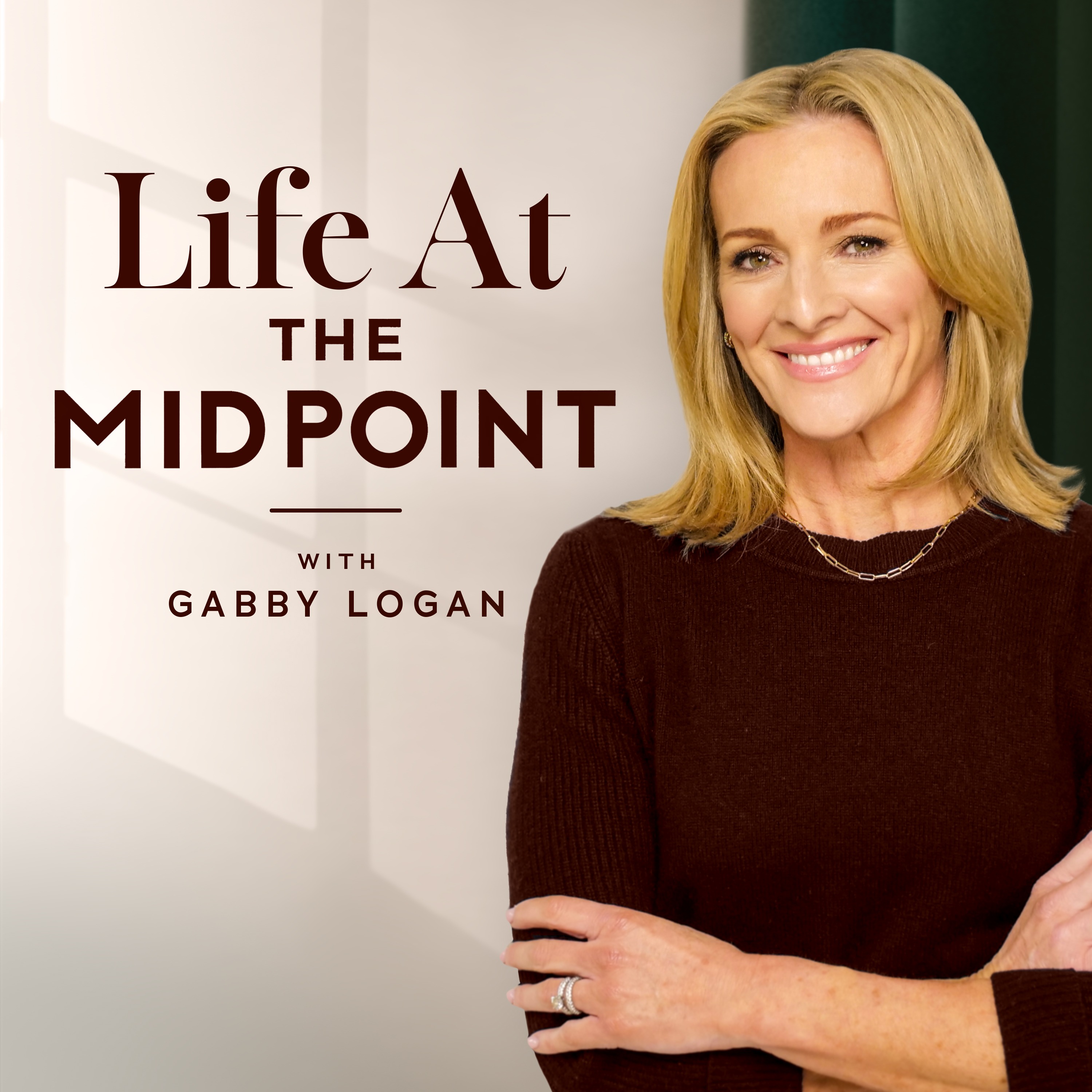
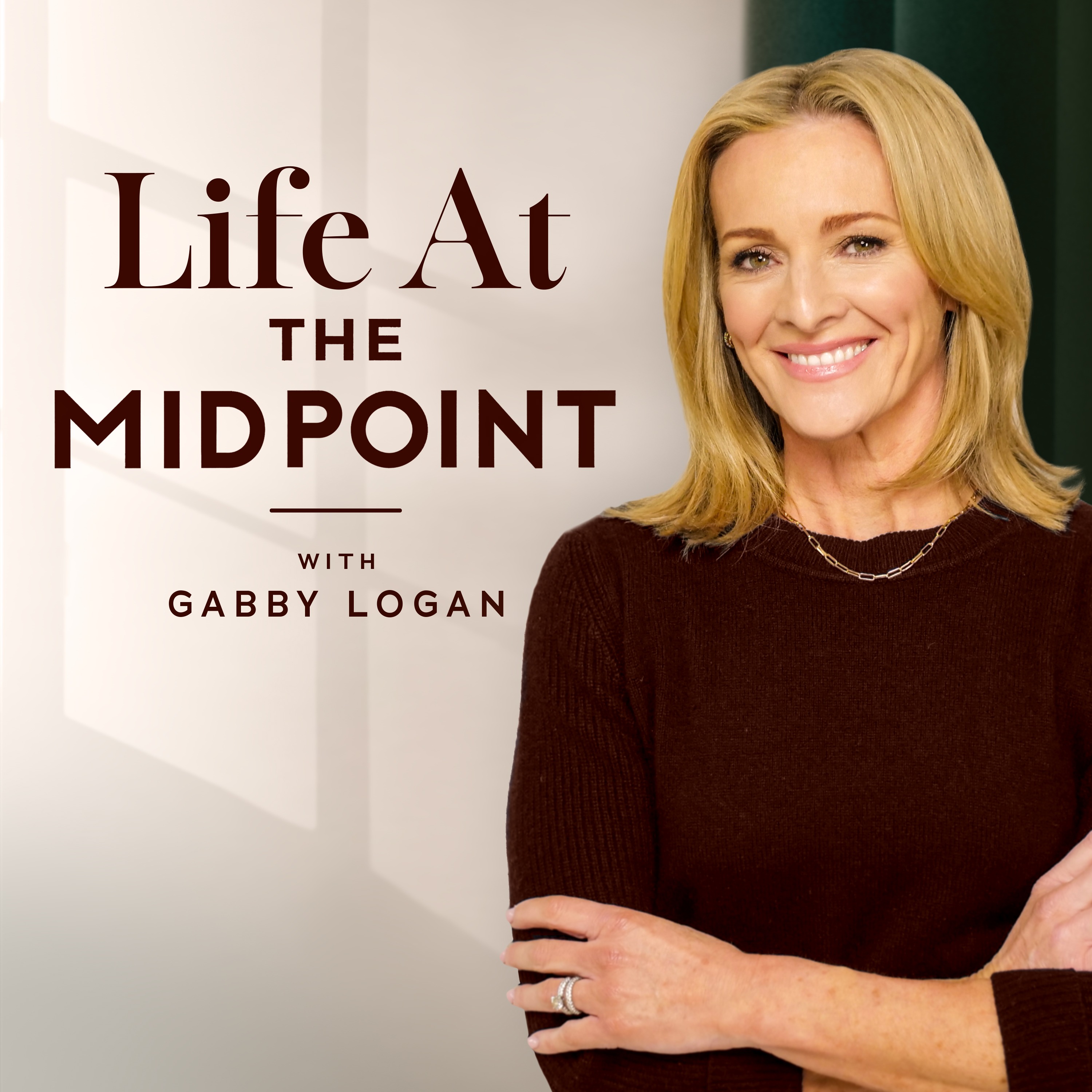
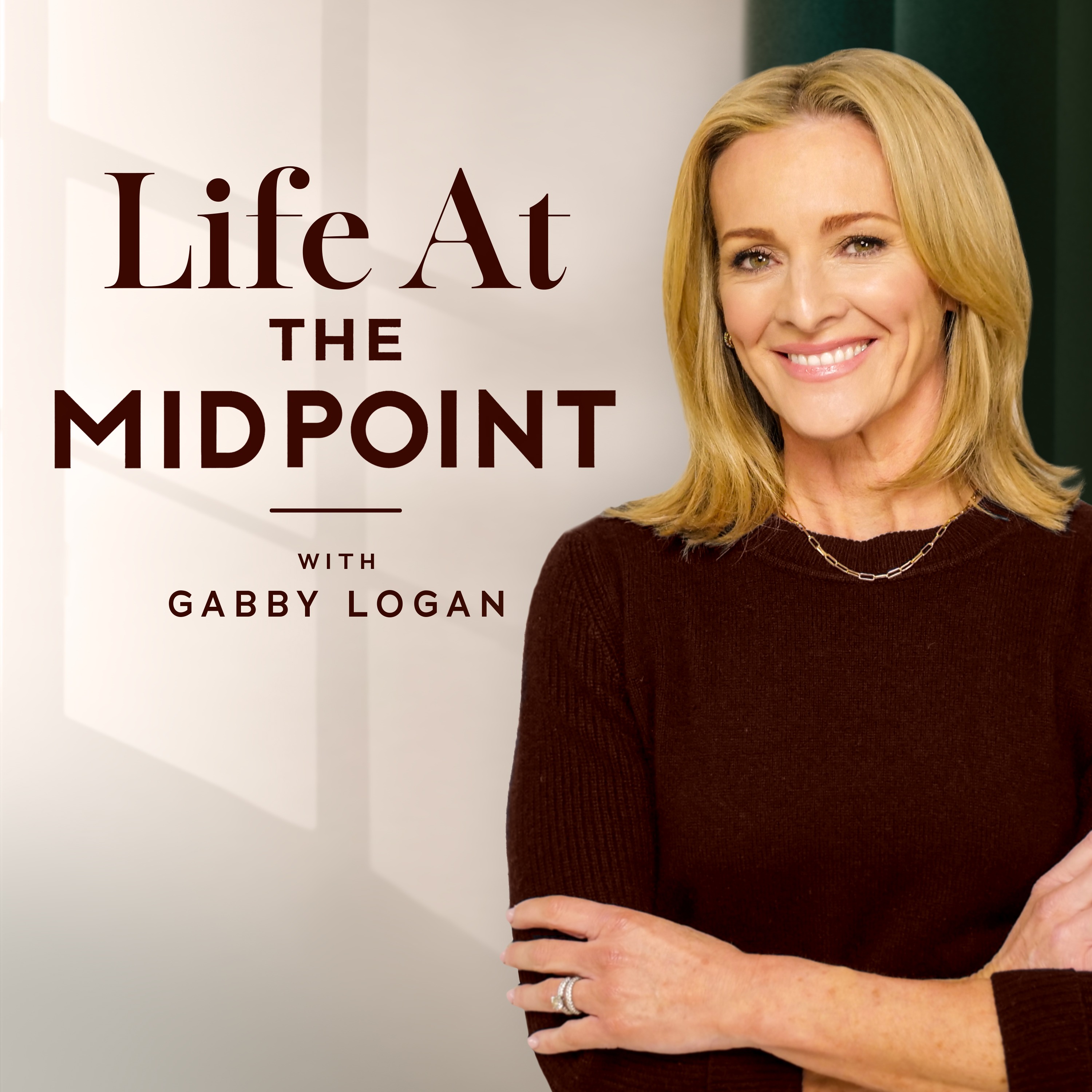
Comedian, writer, and actor, Jessica Knappett, talks to Gabby about how making people laugh by accident at a school cello recital was her first foray into comedy, and they swap stories from performing at the Edinburgh Fringe in their student days. Jessica is also very honest about some of the darker realities she has had to confront over the course of her career in comedy. She also chats about living in Los Angeles and her decision to move back to West Yorkshire, as well as accepting the realities of being a working parent - it’s a work in progress! As you'd expect, this episode is full of laughs about everything from communes to perfect days, growing cress to parenting hacks.
Warning: There are some references to sexual assault in this episode.
Hosted on Acast. See acast.com/privacy for more information.