Ask ChatGPT
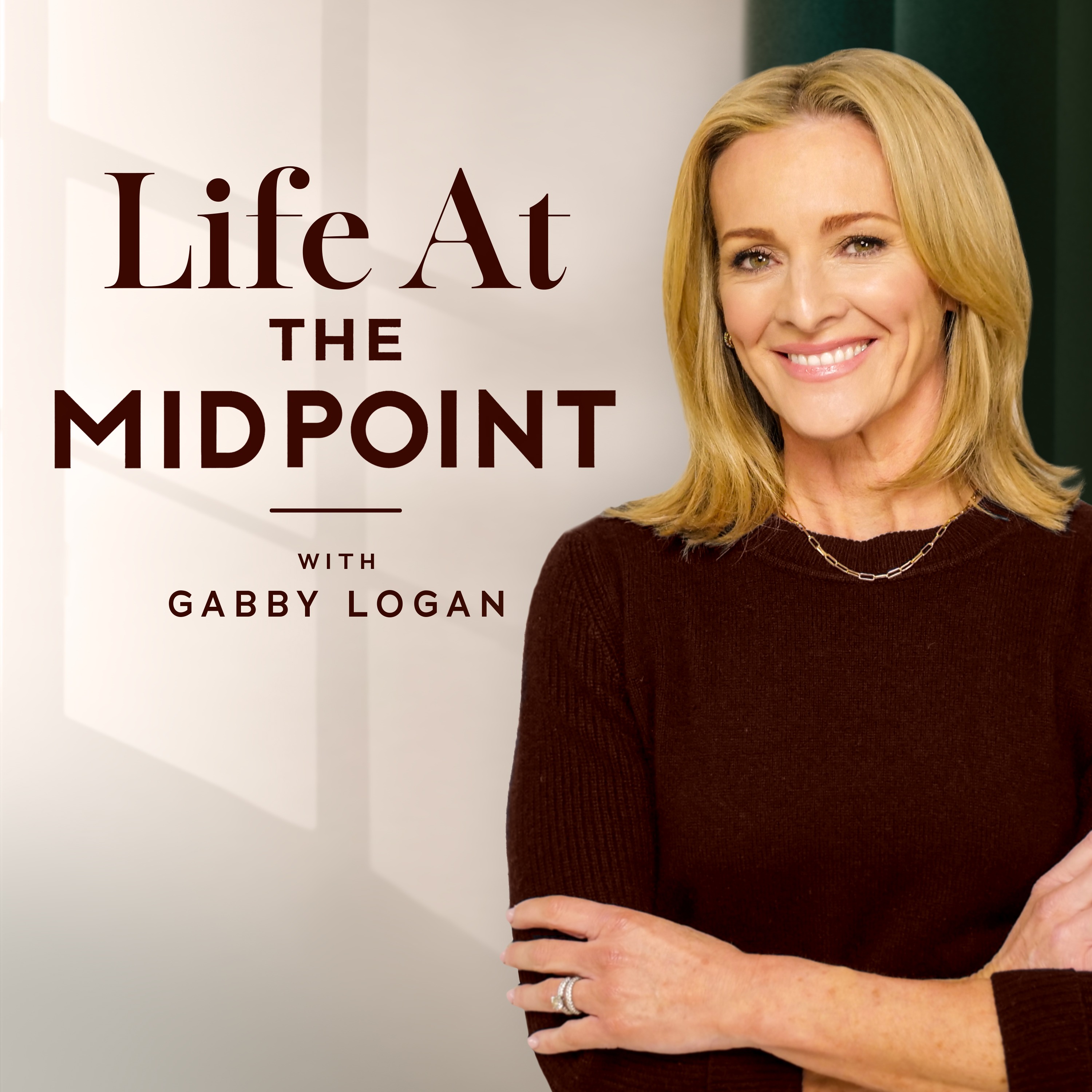
 Life At The Midpoint with Gabby Logan
13 Oct 2026 · 44m · 19 chapters
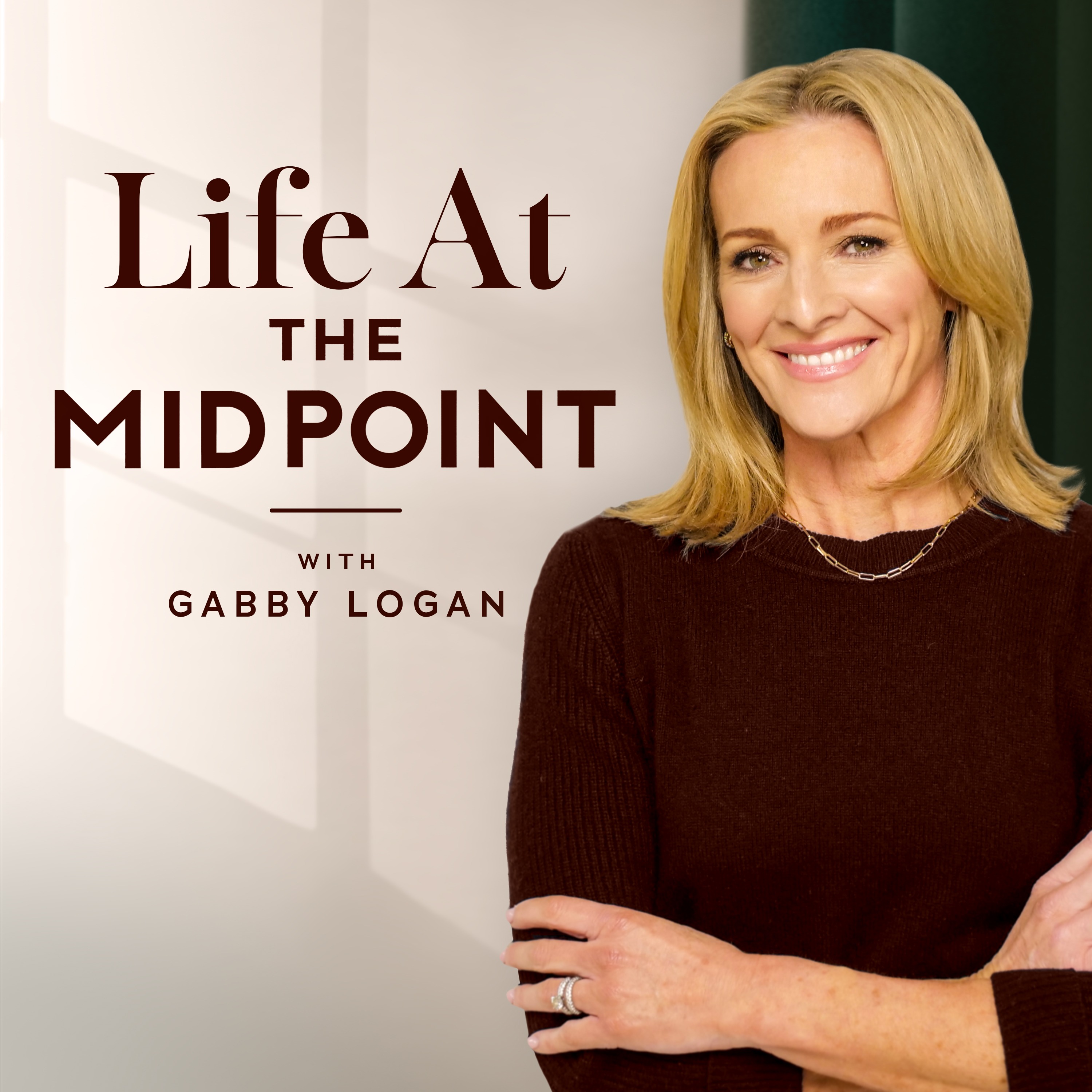
Joe Wicks discusses “Health or Hype” with Bupa—testing health advice through experiments on sleep, movement, nutrition, anxiety, and nature—plus how his childhood shaped his parenting and motivation. He argues therapy and change happen in small moments, and that exercise, structure, and nature can improve mood, stress, and eating choices. He also addresses backlash over ultra-processed foods, the role of government and supermarkets in making whole foods affordable, and why schools should prioritize PE, cooking, and growing vegetables.
Joe Wicks (fitness coach, author of Lean in 15; founder of PE with Joe; UK schools tour; dad of four; previously a teaching assistant). Host: Gabby Logan.
Exercise is his “therapy”; sleep deprivation quickly worsens mood/appetite; nature lowers stress (measured via brain/cortisol claims); reduce ultra-processed foods rather than demonize; early childhood is key for shaping habits.
PE with Joe lockdown workouts; “Killer” vs “health warnings” ultra-processed campaign; Liverpool FC nutrition/growing carrots; Walthamstow wetlands and a Cornwall rainforest sleep/nature experiment.
Written by AI. May contain mistakes.
Explore Joe's experiences and transformation during lockdown.
“movement to the whole country during lockdown with PE with Joe, he's gone from helping a handful of clients to get fitter to becoming a familiar face in millions of homes.”
Discuss the success and significance of the PE With Joe initiative.
“stuff, reminding myself about the timeframe here.”
Joe reflects on his challenging childhood and its influence on his career.
“And I think people that navigated that period of life with some kind of structure came out of it probably with healthier livers and seemingly mentally a little bit more kind of sorted.”
Learn how Joe aims to inspire children through movement and fitness.
“So kids and being connected to children has been something that has been a life's work for you.”
Joe discusses overcoming familial patterns of addiction and creating a better life.
Discover how Joe's career evolved from personal training to a public figure.
“And I got a gym membership at Holmes Place in Epsom.”
Discover Joe Wicks' transformation from a personal trainer to a fitness brand creator.
Joe discusses his experiences with parenting, homeschooling, and the challenges he faces.
“Did, did you ever worry because of your kind of modeling at home and what a relationship looked like in your household that you would, you would be able to achieve what in your mind was a successful relationship?”
Joe shares his experiences and struggles with promoting healthy eating and combating processed food.
“Your life is living all the things that you talk about and espouse.”
Learn about the importance of teaching children where food comes from and healthy eating habits.
“That's so lovely from a football coach to do that.”
Discover how early investment in children's health can lead to long-term benefits for society.
“I see that it only takes one person within the school to sort of create change.”
Explore the collaboration with Bupa to distinguish between health facts and hype.
“it's really more of like a, like a TV documentary type show.”
Understand how sleep and nature impact mental health and overall wellbeing.
“And the obverse of that, of course, is if you're spending time in a really kind of bustling, busy urban environment all the time, you're kind of feeling wired all the time, aren't you?”
Learn how fitness routines can evolve through midlife and the importance of strength training.
Discover the psychological aspects of motivation in maintaining a consistent exercise routine.
Explore the benefits of social connections in fitness environments and their impact on motivation.
“And it makes me more likely to eat better as well if I, if I'm exercising.”
Explore how personal history influences fitness choices and preferences.
“because he really likes to work out on his own because he says if he goes into an environment like that, he'll break his body because he'll get so competitive that he'll just do his backing or he'll do something.”
Discuss the competitiveness of parent races at school sports days.
“Because I imagine you would be a target on sports day.”
Learn about simple, accessible health tips that can improve well-being.

Get the gist, explore an idea or ask about something said.
 Claude
On Life At The Midpoint with Gabby Logan, what are the key points of this episode?
Searching your listeningAutomatic transcript. May contain errors.
0:00Therapy's biggest impact doesn't show up in some dramatic breakthrough. It shows up in the smallest moments. You bite your tongue instead of escalating. You put your phone down instead of firing off that text. You say what you actually mean instead of what would hurt someone else the most. Nobody applauds those moments, but they quietly change your life. That's what growing feels like. And that's exactly what Grow Therapy is here for. Grow is therapy that works, covered by insurance. Sessions average$21 with insurance, and some pay as little as$0, depending on their plan. There are no subscriptions, no long-term commitments.
0:37You just pay per session. Grow connects you with thousands of high-quality, licensed therapists across the U.S., offering both virtual and in-person sessions, nights and weekends. You can search by what matters, like insurance, specialty, identity, or availability. And you can book a therapy session in minutes and begin in as little as two days, not the national 48-day average. See if you could pay as little as$0 for therapy in seconds at growtherapy.com slash start now. That's growtherapy.com slash start now. growtherapy.com slash start now. Availability and coverage vary by state and insurance plan.
1:20Hello and welcome to Life at the Midpoint with me, Gabby Logan. So what do you get if you take a fitness coach, lock him in a box, deprive him of sleep, send him into a rainforest and then tell him he's only allowed 2 ,000 steps a day? Well, apparently it unlocks some of the secrets to staying healthy. My guest today is Joe Wicks, who's spent the last decade telling millions of us to move more, eat better and make healthy choices. But in his new Health or Hype series with Bupa, he's turned the tables on himself. He's testing the advice, putting his own body and mind through the experiments and in the process, discovering that health isn't always quite as simple as a workout and agreed smoothie.
2:01But there's much more to Joe's story than burpees and broccoli. He grew up in Ewell, in a home shaped by his father's substance addiction and his mother's struggles with mental health. Now he's a dad himself, something that has made him re-examine his own childhood and parenting. From personal trainer to lean in 15 and bringing movement to the whole country during lockdown with PE with Joe, he's gone from helping a handful of clients to get fitter to becoming a familiar face in millions of homes. But with that success has come a very different kind of responsibility. When millions of people listen to what you say about their health, what happens when you get things wrong?
2:40How do you respond when your advice is perhaps challenged or criticised? And can you keep health digestible when science, the internet and our own lives make it anything but? That's what I want to talk to Jo about today.
2:59Welcome, Jo. Thank you so much. So the opening question for every episode, when in your life did you experience the most dramatic change? wow the most dramatic change well I'm gonna have to take myself back to probably to pee with Joe in lockdown you know that first day when I went live on that YouTube workout not really knowing what was going to happen and then I remember thinking a couple of days later I walked out of my house on Sheen Road in Richmond and there was paparazzi and it's really weird so I hadn't ever had that level of like attention and I was thinking why are they there like what I'm with my little kid and I felt a bit weird and I was like what's all the attention for but also I realized at that moment I was probably the most viewed person on their television screens.
3:37But yeah, I'm glad that's kind of passed now. So things have calmed down, but it was definitely a shift and a moment where I thought actually like now I'm really recognisable and it kind of like, you know, made me want to sort of move out a little bit further into Surrey and get more privacy. Yeah, that changed a lot for you. It changed in terms of your business and the growth that you're about to experience, but as you say, your visibility as well. And when I was reading up on stuff, reminding myself about the timeframe here. I was trying to think how well known were you pre-COVID? Because obviously, you know, it does seem like a before and after, but you had a lot going on pre-COVID and you'd already started to really dive into nutrition.
4:12You were published, you know, you had a really good business, right? Yeah. I think a lot of people that hadn't heard of me sort of, I got thrust into their lives on this screen and that who's this guy out of nowhere. But, you know, I had seven years from that point. So building up to that with the Lean in 15 cookbook, which was like a very successful book. So there was things happening, but then I think that was the moment where people go I didn't know who you were but I just started with your videos and now you know me and my teenagers go to the gym together and it's like I do love the impact it had even though I didn't know at the time what it meant it was like a real pivotal moment because it definitely like amplified everything I was trying to achieve which is really I want to get people moving and eating well and so all the messages I really believed and I was able to sort of broadcast for that 18 weeks you know and yeah it's just like my proudest achievement really.
4:52There was an enormous I think sense of authenticity about you straight away and the people really believed that this was how you lived your life as well this wasn't something you were just kind of putting on for a youtube hour and then going off and doing something different and and i think that really kind of allowed people to connect with you as well as dealing with young children at home in lockdown which i think anybody who did that you know they all deserve medals and badges and you were you were one of those right so you had two at the start of lockdown yeah so my little girl indy who was 18 months and my little boy had just been born like that this is december before so yeah two young kids and that that is you know that is i was trying to suppose to show people that actually even though we're having a difficult time right now we can forget about that for a moment we can move our bodies in a tiny space we can exercise together have a bit of fun and you know I really wanted people just to just to like have something positive to focus on and it helped me too like you know because I obviously I'm very close to my family and friends and the fact that I couldn't see them I was also affected by that but by me having to wake up at 9am and just be in front of that camera and be positive and energetic it it helped me because I always felt a lot better afterwards so it was kind of my gift to the world but also for me was like my therapy every day just to get it done, pee with you out the way and I could relax for the rest of the day.
5:59You had a commitment to those people at a certain time and it was like turning up, showing up, right? And I think people that navigated that period of life with some kind of structure came out of it probably with healthier livers and seemingly mentally a little bit more kind of sorted. I think you had to create some kind of framework, didn't you? But that actually feeds into your life as a whole, it would seem to me, because you had a really challenging early life and having a framework of some sort and having a structure was something that was was clearly important to you from an early age creating that where there was chaos yeah I think um exercise has always been like my therapy and my kind of if you like my medicine and my self-medication in terms of like dealing with the feelings I had going on because I did live in a quite challenging environment my mum and dad both had mental health issues my dad was an addict as well so these are quite difficult characters to live with so I I always remember just from a very young age like if I did any form of exercise or movement or or play or pee that I could just deal with the emotions I had and sort of release some of the anxiety so yeah like when I think about why did I go live every day I was thinking about myself as a child and imagine if I was living in a council flat still and I didn't have my friends and I couldn't be out at school because school for me was a safe place it was like the best place for me to be and so for kids that didn't have that I thought if I can do something get these children moving and obviously in the end it was like probably the parents doing it and the kids were just sitting there watching tv but you know it was it's a big driver my childhood experience is a big driver of who i am and why i care so deeply about you know even now i've just been on the uk schools tour all around the country for five days and i visited 12 schools and i i go to the most deprived areas and i get the kids moving because i know that one of those kids will go oh this makes sense i do feel better i do feel happy and so it's a big driving like force in everything i do really and you you were a teaching assistant before you went full time as a trainer.
7:50So kids and being connected to children has been something that has been a life's work for you. But I imagine, you know, when you were a child yourself and you were living in that chaotic household and things, you know, weren't kind of, you talked about your diet being very poor and, you know, although you did exercise at school, it wasn't like you were from this really sporty family where you had parents dragging you down to matches at the weekend. So you could have completely gone the other way and really resented the missed childhood that you had I think yeah I think I'm just really blessed that like I was I wasn't encouraged to like be active and I wasn't I didn't have parents that were like yeah you said taking me to sport and park runs it was like my PE teachers my first positive male role model so my aspiration was to become a school PE teacher but I thought just before I go into that maybe work as a teaching assistant for a year I did that for a year in a school in Kingston I was like I can't do it I just didn't have I thought I'd be more patient I just I just couldn't handle it so I thought look this isn't for me in the long run but I'm going to go away and you know take what I love which is obviously fitness and became a personal trainer and the rest is history but when I'm at schools doing these workouts I'm on stage there's like a thousand kids and I'm there doing it is the most joyful thing for me because we're singing songs together we're dancing and the children are going from this journey of like sort of not too sure at the first but by the end of it they're all doing the star jumps they're all running on the spot and they all leave with a massive smile on their face and that's really the message I'm trying to promote with these young children that we have to move more and when we do we feel happy out we feel energized and so that's a really kind of simple message that I share every day.
9:19So your childhood it feels to me like everything you've done since in terms of movement and moving with kids is in some way a cathartic or kind of healing process for your own experiences. Have you kind of been able to almost forgive the environment that you were in and you don't seem to have any blame in that sense where a lot of people might carry that kind of bitterness that you know you didn't get that full experience almost as a child I think I think as a parent now I'm really aware of like what I missed out on and what my dad missed out on and I'm like oh I'm so present I love my kids like why couldn't he had those memories and experiences but it's not in like anger or resentment it's more just a bit of sadness so I'm a really present dad and I want to be with my kids and I want to be supportive and stable and I want to be in their life but I also care deeply about other children's wealth sorry health and other other children's you know mood and energy and stuff so i think about kids in general and i know that in in this country and all around the world children are moving less than ever they are eating a very unhealthy diet high in ultra processed food which is affecting their mental health as well so when you sort of know this you understand what's going on you can't help but like want to make an impact and so i can't visit every school in the uk but i do these tours hoping that it's going to inspire other people and other schools to kind of maybe do some of my videos online and sort of get the kids moving but yeah I think I just have an affection and love for younger children because I know that when you're in that environment as a young kid you think that is your life and it's fixed and it's never going to change and you know I'm going to be an addict and I'm going to repeat my dad's behaviors and I will be you know if I smoke or do drugs I'm going to be in go down that path and so I was really scared of that and instead of like leaning into that I was like joined the gym at 15 went straight to the gym you know my mom as well like she was very manic and very up and down but she had real boundaries like if she said to me you need to be home at eight o 'clock we were home at eight o 'clock and if i was out she'd drive down the park grab me in the car put me like she'd take me home whereas a lot of other children that age had no boundaries they were just out till midnight and all the i always knew that most of the troubles happened between like say 9 p.m and midnight and people are drinking and smoking so i really made a decision myself but also my mum had real strict boundaries and we respected that so she kept us really I think on the right path even though everything else is mad she really kept us like in line in that respect I think it's really hard isn't it to to say what it actually is but so many people listening will think oh well I know a lot of people who went the other way or maybe they themselves instead of leaning into a healthier life lent into the thing that their father was doing and felt like that was a pattern they were inevitably going to have to to go down that road and you see it kind of I'm sure you've seen it with friends and you see it with with people where those patterns of addiction get repeated if there was one thing that you could say that would give somebody hope what what was it do you think that took you into a different direction I've never had therapy but I think the exercise was my therapy but the one thing I thought about and I talked about this with Rosie and my wife and my brother and that like because we had neighbors we lived on a council estate and there's a lot of addiction lots of um you know like trouble please come in around and raids and that and like some of the children that live next door to us ended up as addicts and we me and nick used to see them on serbenton high street like begging and you know out out on the streets and it really would upset we just think why did we not end up that way like when our home was just as dysfunctional as theirs but it's because we had stability and we had like we still had love we felt like we weren't like we weren't ever like neglected and i mean even though my mom and dad mad mad stuff going on and the addiction was there we felt safe and loved And I think it's when you don't have that feeling of love and self-worth, that's when you really end up, I think, maybe self-medicating with drugs and addiction and alcohol.
13:00But for me, it was just exercise and movement. Maybe for my brother, Nick, it was like music and sport and stuff. And, you know, we just made a decision. But ultimately, you do make a choice. You choose your friends and you decide who you're going to hang out with and what they're doing and who you're influenced by. So when I was 15, I got a job in Epsom at Wilkinson's, you know, and I took my money. And I got a gym membership at Holmes Place in Epsom. And I used to go every day after school. Like I just knew like I was going to be happy if I did that. You realised, maybe not even putting the science behind it at the time or understanding what was going on with you hormonally, but you realised exercise made you feel good.
13:34But you weren't doing it because I was when I first saw you, I thought maybe you'd come from some sporting background somewhere or you've been, you know. And I was like, oh, this person just does exercise because he loves exercise. Right. Which from somebody who's done sport for quite a long time is a serious thing. it took me a while to get my head around just doing exercise for the sake of doing exercise because obviously I was always hitting a goal you know yeah there was a competition coming up and you know so it took a while to realize I could just enjoy it so when you were a trainer early on how did you how did you motivate clients what was your because you you seemed so relaxed and laid back I can't imagine you getting cross with them if they started kind of like cutting their crunchies down yeah no I was just a really I was very energetic and I've always loved the transformation of helping someone that doesn't like exercise like enjoy it and go on a transformation so you know I'd be very active like I wouldn't be this sort of person that would like stand there counting reps and say right you're going to run out to that cone and back I'd be with you every single sprint and I'd be like come on and I'd use all my energy and I'd you know do six or seven clients back to back sometime but I just had this like love for it and so yeah it was just like fun and I really enjoyed it in the early days I did my boot camps in Richmond and Surbiton but obviously with social media when that came along then I got a chance to sort of like share my videos and really reach a bigger audience but it was never intentional to like build a brand and have all this success and books and things i i had no self-belief that i could be bigger than a personal train in the park i have a couple of boot camps you know but when i started to build the audience obviously then opportunities came from that but not the strategic like i know what i'm doing kind of thing it was like i just love sharing silly recipes on instagram i got a book deal love sharing my youtube videos p with joe happened i now got an app you know so it's all evolved over time but yeah I just I'm really blessed I got to I suppose make a career out of things I love which is basically cooking and eating and exercising so at the beginning it was a genuine wanting to share wanting to make people live healthier lives but kind of coinciding with this explosion of social media and you were very natural on it and and utilized it really well at what point did you start to get ambitious and think I could do really well here I don't know I mean it all happened quite organically like you know if you think about the recipes when I started sharing those recipes I was just there was other people doing videos but I made them a bit funnier with a you know with a Lucy B and Lean in 15 and all that sort of stuff I just made it fun but I didn't know I was building an audience to like build a brand and a business and same with YouTube you know I just thought this would be fun if I share a video from my little flat in Surbiton and maybe it goes online someone in Australia or America might see it and that's what happened it just but it took you know you're talking like a 13 14 year journey so I think people that saw me in lockdown thought oh he's just come out of nowhere and he's just like blown up but there was seven years of sort of brand building and really try building trust before that moment um and yeah I'm still so driven I love it you know I really love what I'm doing because people do find exercise hard people find cooking hard and I try to I suppose I've always tried to simplify it you know 15 minute meals 50 minute workout it's enough to make a difference um and I've never deviated from that message really I've always been quite true to that mission and keeping it simple like home workouts home cooking keep it basic and you can actually make some changes and along the way there of course you you meet the love of your life.
16:38And, and so you're starting a family with the person that you want to share everything with. Did, did you ever worry because of your kind of modeling at home and what a relationship looked like in your household that you would, you would be able to achieve what in your mind was a successful relationship? Yeah. I mean, I didn't have any kind of positive, like role modeling around parenting really, and commitment and loyalty and relationship. because when my dad you know when things were tough like he was gone and he was it wasn't just abandoning us it's more like his addiction was taken over and he'd be in rehab for months and my mum always accepted him and took him back but the second he was using he was out the door she wouldn't have him do it around us so very like unstable but I know now as a dad like all children really need is like love and stability and a little bit of consistency so I'm not perfect and I still have moments where I shout and I feel terrible and I've got that kind of that child experience of being shouted at a lot it's in me you know but I challenge it and I think why do I react that way why can't i be calm like rosie why is she so naturally calm but i'm not always calm like nine times out of ten she's calm she seems very yeah whereas i'm like i don't know what do you reckon um so she does lose it slightly a little bit yeah you know it's a big and i notice it because she still doesn't do it very often but yeah so i you know i have to work on these things i want to be a calm dad i want to be patient and tolerant but there's sometimes you know it's difficult but i do have four kids and we homeschool them so i have to think hang on a minute you're with them all the time don't be so hard on yourself like most of the time you're you're good tell me how homeschooling works then well we you know we just basically we have a place in Santa Monica and we like to spend a couple of months there each year so we put them into school we did put my little girl into school for the year but we thought if we continue that we we have to sort of let go of that life and that sort of time in America which I love being out there so we unsubscribed her from school and we've been doing it about two or three years now and yeah like I'm like you know splitting we split the sort of topics if you like so I do things like cooking and languages and sport and a lot of music, creative stuff, story writing.
18:35And then Rosie's more like history, geography, takes them to museums and all that sort of stuff. So together, we both give them an education, which I think is really fun. But I don't know if it's a forever thing. Obviously, they're very little now. But we love it. And we always say we're so lucky that we get to do it because, like you said, your kids are 21, right? But you just wake up one day and are like, oh, my God, they're adults. Yeah, yeah. So I'm really conscious of how precious this time is sort of thing with them. So, yeah, but it's really tough. Well, it sounds like because you've got to, you're being challenged, you're having to challenge them.
19:05Do you have to also reach certain benchmarks? Are you tested by anybody to make sure that they're at the right level? No, so anyone can unsubscribe their children from the system, but they can come and check on you to make sure you're doing, you know, giving them an education. So they do come, I think, once a year, every six months and we let them in because we're quite good at documenting all our work and we have like a history of our learning. But, you know, yeah, it's just like a really wonderful thing to do. But obviously you've got to have patience because they love me and respect me as a dad.
19:29But as a teacher, like it's much harder getting them to do things. But again, yeah, it's just like for now it suits us. Do you have anybody else come and do any kind of peripatetic teaching? No, they have a music teacher once a week, does piano. But I think for me, it's like for now it suits us. But at the same time, if I felt like they weren't getting an education or I wasn't giving them a proper knowledge base, I think I'd probably put them into school. But yeah, we don't know. What time does the school day start? I mean, the thing when you homeschool, every day is a school day. So weekends, summer holidays, there's no, it's just like every day you're trying to learn, you know.
20:02So of everything, obviously life is great and I love working and I love what I'm achieving in my career, but I just really just want to be a good dad. Like, I just think for me, it's like the meaning of like my life is to raise kind children. And so I like being an influence on them. But yeah, there's times when I'm like, oh, this is really stressful, Rosie, but we still, you know, we still get it done. And we're in a bit of a groove of it now. And as you say, you are in a privileged position where your work can fit around what you're doing as well as a parent, as a kind of leader in the field that you're in.
20:35Therapy's biggest impact doesn't show up in some dramatic breakthrough. It shows up in the smallest moments. You bite your tongue instead of escalating. You put your phone down instead of firing off that text. You say what you actually mean instead of what would hurt someone else the most. Nobody applauds those moments, but they quietly change your life. That's what growing feels like. And that's exactly what Grow Therapy is here for. Grow is therapy that works, covered by insurance. Sessions average$21 with insurance and some pay as little as$0 depending on their plan. There are no subscriptions, no long-term commitments.
21:12You just pay per session. Grow connects you with thousands of high-quality, licensed therapists across the U.S., offering both virtual and in-person sessions, nights and weekends. You can search by what matters, like insurance, specialty, identity, or availability. And you can book a therapy session in minutes and begin in as little as two days, not the national 48-day average. See if you could pay as little as$0 for therapy in seconds at growtherapy.com. slash start now. That's growtherapy.com slash start now. growtherapy.com slash start now. Availability and coverage vary by state and insurance plan.
21:57Your life is living all the things that you talk about and espouse. You eat the food that you write about and you do the exercise that you talk about. And you kind of took it one step further when you did the program with Chris Van Tiliken about processed food and about the nasties in food. And I think that was probably the first time that there was any kind of negativity around certain reactions were maybe surprising to you. Certainly, I think surprising to me if you're somebody who has, you know, read around this area for a long time. Not everybody feels the same way about those kinds of foods.
22:32Was that for you difficult and the most challenging thing perhaps to deal with in your career today? Yeah, that was a really tough moment because I actually like, you know, it was the first time I've sort of done a campaign, if you like, and tried to raise awareness. But I basically read Ultra Process People by Chris Van Tilik and was super inspired. I was like, wow, like things I've been eating and things I've been consuming and giving the kids and stuff like it all adds up over time. And it's shown that it's not really good for our health. So I kind of took that book, if you like, and made it into like a Channel 4 type documentary, you know, a bit provocative, obviously making an actual bar on one side.
23:04Which is called Killer. the killer bar yeah and one side there was like health claims on the other side there was like the health warnings and it was really to try and sort of push governments put like because in certain countries in south america they have these warnings you know and he was on the podcast and that was one of the things i think it's in chile where there's these huge colors on on food yeah yeah yeah it's interesting because i was on the train the other day and i saw someone they obviously came from like latin america and they had biscuits they were hanging out of their bag and they had this big black logo it was obviously a warning that basically saying if you eat too many of these and it's not good for your health.
23:35But the pushback and the backlash was really, really upsetting because it was compared to Jamie Oliver and Chicken Nuggets, wasn't it? It felt like that, yeah, and it felt so intense and so like the whole world's against me. And all I'm trying to do is promote healthy eating and be aware of the ingredients and think about the foods we're consuming. But you were fighting against a machine, you know, and that's what you start to realise, isn't it? That obviously there's an industry behind all of this and all your thoughts and all your beliefs, which came from the science of Chris Van Tilken. Suddenly you're up against something completely different.
24:07Yeah. Yeah, it was tough. And I'm sensitive. So I found it emotional. My brother, Nicky, was really upset by it all. We had to deal with it. You know, it passes and stuff, but people still hold these things against you because they think you're demonizing food, you're stigmatizing low-income families. And I'm like, I was a very low-income family. I grew up on, I can't tell you how ultra processed my diet was. It was very, very unhealthy. But, you know, because I eat differently now doesn't mean I don't relate to what it feels like to be living off those foods we didn't have much choice at the time we were living on benefits so i think it's just that thing of what's my intention i knew in my heart like i'm trying to help people so although there's people like criticizing what i'm saying even now there's art there's there's there's documents and there's research in all kinds of papers saying actually there is a big link between the food we're eating and we're seeing now food prices going up and in terms of the relationship with health there is definitely you know an argument that it is a lot easier for people to reach for those cheaper high processed options because they're there for them on the shelves what's what's your answer to that in terms if you are you know listening to this and putting together a healthy staple diet is really hard for you it's expensive you've I know you take that into account with your recipes but what do you think the answer is for low-income families then it's so tough the marketing is so powerful isn't it and you know the foods are aimed at children and they're very hyper palatable and tasty and addictive in nature so it's really hard to put these foods down but you know i always just try to come back to that thing of just if you can just have a little bit more home cooking i don't overthink it too much and sort of say you need to ban these foods but can you reduce them because you know i think 80 percent of a child's diet in the uk is coming from ultra processed foods you know up to 80 so if only it's the other way around if it was like 20 upf and 80 whole foods then we wouldn't have the issues we've got i think with our health but yeah it's a very tough situation because nowadays the cost of food is going up and up and up it feels like people have no choice and that's where I think government needs to step in and help supermarkets promote whole foods get the cost of things down a little bit so it's not just like the only thing on offer is these foods that that are obviously cheaper and convenient and education and that is an area that you're very much involved with is so important isn't it because if you can persuade children that this is the way to eat then they're going to bring that back maybe to the home and wonder why they're I mean Chris talked about this on the podcast wonder why they're eating what they're eating and raise those questions with parents because it's very hard to influence a teenager isn't it when you get to that age you know you're already probably steeped in that diet it's very hard to kind of break in so those primary school those early years are seemingly where it's the most important yeah I've visited some secondary schools but the children in the primary schools are so excited they're so you know open to kind of ideas and they're easily influence right so if you can get a young child thinking about the food they're eating thinking about the exercise and how it makes them feel then you're going to create a real shift in their in their kind of view towards exercise but it's a challenge I've just been to like 12 schools you know they're very deprived areas and I don't really lecture them on the food it's more about the exercise and the movement I want them to know that no matter what's going on in your mind and in your surroundings that you can change how you feel through movement and exercise and so that's kind of the key take home I once went and spent a day at Liverpool football club training ground when Jürgen Klopp was manager.
27:19And the person he wanted to introduce me to the most at the start of the day was his head nutritionist who he'd actually nicked from Bayern Munich. She was a German lady called Mona. And he said, I want you to spend some time with her. And she took me into the kitchens to meet the chef, the head chef. And he in turn wanted to take me out, show me where they take the young apprentices to grow their own vegetables. He said, because so many of the young players come in here, 14, 15, 16, and they don't really know where carrots come from. They don't really know where. That's so interesting. And so they started allotments and started getting these young players to grow vegetables so that they understood why they were nutritionists, what was in the soil, where they were getting the minerals from.
27:55And it was this fantastic cycle. I mean, there was loads of other stuff I loved about that day in terms of how everybody sits anywhere and they all, you know, so they all understand each other's jobs. That's so lovely from a football coach to do that. It was very rare in a football ground to have that kind of sense of democracy, you know, where Mo Salah would have sat next to the person that put the white lines on the training pitch. So they all got a sense of how they contribute to. but I'll never forget that because I thought well that's you know that's such a forward way of kind of teaching nutrition to almost to those young guys you know this is why you're eating this carrot because it comes from here and this is the stuff that's in it so I think my point being maybe kids at school it would be great if part of the curriculum was actually growing some vegetables yeah some schools do and you just love it when you see like a little allotment and they're growing tomatoes and stuff and it is a beautiful thing to nurture something isn't it and most kids don't know where food's coming from there's no connection to it and you know they're sitting in front of screens and they're not really sort of consciously seeing what the food is or how it's being made so one of the things i really love doing is getting my kids cooking with me i want i want to i want them to learn like it's a really important life skill but yeah you know there's so many things i wish i could just wave magic wand and fix this and have a p.e teacher in every school and have more p.e lessons and you know cooking and home economics and like you said growing vegetables and things but it all seems to come down to budget doesn't it and there's not enough budgets in schools and there's not enough emphasis on it.
29:13I'm sure you've come across this in all the kind of the work you've done. Of course, if you go in at that early stage, you're going to save money at the back end, aren't you? When you haven't got the health issues that you've got to deal with as a national health service. So it feels like that investment was at the front end. It would save so many problems at the back end. You need like a 10 year vision, don't you need like a long horizon to think about the impact that maybe investing today won't happen overnight, but over five, 10 years, you'll start to see a healthier population of children coming through school.
29:38But yeah, it upsets me. I'm trying to stay positive. But when I go to the schools and there's a teacher in the school who really values exercise and who really like, you know, is putting on after school clubs, getting dance teachers in and doing what they can at break time. I see that it only takes one person within the school to sort of create change. And you will inspire that just making those visits, I'm sure. So have any of your children kind of surprised you for, you know, a real appetite for a bit of processed food? You know, when you go to a party or something and they're snaffling the sweets.
30:07they love it and i i love it and i have an issue with it i i had a cupboard full of ultra processed food and sugar and sweets so now as an adult when i consume it i can't just have a tiny bit i'm all or nothing you know and so i give my kids these things it's not in the house it's not in their lunch boxes we don't have it every day but at parties where it's you know out on a weekend like in a hotel buffet they fill their boots and they love it but i'm trying to teach someone like how do you feel now after having two ice creams listen to your body like how you're feeling do you really need more haribo sweets or whatever it might be and and they are like listening to their body a little bit and sort of saying i've had enough now daddy and so they're making their own choice on that you know now we are bombarded with all kinds of messages um about health everywhere and and it's a huge huge business isn't it and some of the um people peddling things aren't as scrupulous as others we know that and to navigate your way through these waters sometimes can be quite challenging and you you've been looking at not necessarily things that are unscrupulous but some of the kind of central tenants of health and seeing whether they are indeed health or whether they are hype.
31:05You've been working with Bupa on this. So tell us a bit about that and what led you to, I mean, it's clear what led you to want to do it because just hearing your passion to kind of make the nation healthier is clearly one of the reasons. It's been fun, yeah. So we partnered up to sort of create, it's like an original series, although it's audio, it's really more of like a, like a TV documentary type show. So I'm taking five episodes, the first five topics, so sleep, movement, nutrition anxiety and nature and sort of saying what is health and what is hype what actually makes a difference so taking myself through some experiments um one of them was on that sort of sleep deprivation how that affects us have you done that yet i did three days yeah five hours sleep a night which for me is just not enough and i you're normally uh like seven or eight broken like because of the kids but you know i felt an instant change in my mood my food my appetite screen time went up you know so feeling more stressed more anxious craving the kind of foods that you try to avoid craving so much sugar and yeah like massive shift in my mood and my sort of energy levels and you know it was just really it's something i already knew but it's just nice to sort of see and then speaking to an expert and going into a student saying right like a sleep expert called sophie bostock she said look this is how important sleep is and sort of we sort of backed it up with science almost so again it's just practical advice it's not like we're sort of trying to sell or push or promote anything and say you need this to be healthy or that if you're not doing this right you're failing it's really about sort of coming together these concepts of like small daily daily wins and just you know again like is it more fiber is it going to bed earlier is it doing a workout and having a little movement break throughout the day and it's really really but it's been fun to film but i learned a lot what is the thing that you realized out of those experiences that you well sleep is one but anything else that you really kind of value more almost than than you realized before was important to your health i think it's the sleep episode was really really interesting and the second thing was about nature like how do we feel and why does nature affect us and so I went into this beautiful um well went into a place called um it's Walthamstow wetlands did some bird watching which is like amazing and really chilled me out then I went to a like it's a temperate rainforest in Cornwall where I was immersed in nature I left my phone was put in this little cabin for the night and just completely like calmed me down and I I don't have a brain that calms down it's thinking it's moving and i distract myself and pick up my phone and stuff so just that thing of like sometime you just got to like detach and disconnect and be present in nature and the effect of my brain it's so incredible what it does even like 20 minutes of being in nature like it calms down your stress levels and were you able to monitor and measure that yeah they had like a thing on my head that scanned me and of course everyone knows i feel better when i walk around richard parker when i go to you know the part of my kids i feel calmer and happier but you don't sort of understand why and we really sort of explain in scientific terms why we need to be connected to nature.
33:52And the obverse of that, of course, is if you're spending time in a really kind of bustling, busy urban environment all the time, you're kind of feeling wired all the time, aren't you? And even if you don't feel like you're in a hurry to get somewhere, everybody else is. So you're taken along with their energy. You start to understand like collective energy almost. We compared both of them. They put me in central London, like we're in a busy part of London. Yeah, like your stress levels, your cortisol levels go up and all the brainwaves that they sort of measure. that just kind of go through the roof but then when you're in nature it calms down and in terms of rosie and your um movement kind of relationship if you like you've talked a bit on your social media about what you do with with her in terms of her training and what she's particularly at this stage of her life what she needs more and less of so you're you're kind of heading into the the period of life or she will certainly be soon where hormones start changing and she'll you know really need to make sure she's she's doing the lifting and she's she's using some kind of weight how how aware of have you have been of that necessary kind of change to what she needs and what you need as well so i'm i'm 41 rosie's 36 she's a bit younger than me she's way younger than you but she she's started making like a bit of a a cameo on some of my workouts so we did a thing called joe and rosie strength challenge and she's like alongside me we're training and what i like about that is it's showing you know women and and guys like you can be strong and you can lift heavy weights and you can look fantastic and you can enjoy that process and so I might be there lifting like a 12 kilograms and she's got tens and she's like and some most exercises to be honest she's like the same as me she's really strong so it's been nice to sort of share that from a female perspective and lots of people now stop me and say I don't want to see you I want to speak to Rosie about her workouts and stuff so but she's quite shy she's not someone who would actively want to do that but I'm like do you mind coming on she's sort of helping me out a little bit but people really enjoy those videos so yeah we're doing a couple of series together and she's kind of coming out of a shell a little bit that message of you know it's never too late to start as well is really important especially kind of in midlife people who haven't exercised for 20 years but you know thinking they want to start again it's consistency above all isn't it so what do you say to someone who struggles a bit with the consistency you know they go for it for two weeks yeah and then life gets in the way again well that's the common you know the most common thing is that people they want results straight away when they don't see it they get really upset or stressed out and have a little blowout and you know they get back to square one but i have done a lot more work in this field around like the perimenopause and the menopause understanding like the shifts in people's bodies hormonally but also how that affects motivation and how it affects their kind of yeah their ability to wake up energize and exercise so i've definitely shifted a lot from doing hip workouts especially on my app like some more strength-based workouts because people can sort of get into that a little bit easier as opposed to like running up and down and doing squat jumps and burpees and things a bit intense so yeah and that's been a really really really popular thing because now people are going right i want to build strength i'm not really ready to go to the gym i might try joe's home workouts and it's like an entry point to them and then before you know it maybe they're in the gym they're doing classes and stuff but you know i think consistency comes from just like having the ability just to take the first step and just like do the workout and know that at the end of it you're going to feel better do you ever have a day where you think oh i really can't be able to put my trainers on i'm just yeah of course i do like i don't love exercise i love how it makes me feel so if i want to feel good i have to do it i have to get up and do the workout i've got to you know push myself for that physically because i know that when i do it i'm in a better mood all day i'm happier with the kids i'm like more productive i'm more ambitious just it just affects me in so many ways and when I have that three-day fast like I was so irritable and I was grumpy and I wasn't patient with the kids it affects me a lot you know so for me it's like I know that if I do any form of exercise my day goes better I'm happier I'm better to be around and that's my main driver really to get me moving it's deferred gratification isn't it and it's remembering that when you feel a little bit like it's not for you today it's gonna you're gonna that whole thing about you never feel worse for having a run for example you know that never regret a workout exactly you know regardless of your what exercise you do you know for a fact you do feel a bit more positive you feel less stressed so it's trying to tap into those things if that's your motivation you'll do it consistently if it's just to lose weight on the scales it's not going to motivate you enough you know it's not enough of a driver to get you moving no no and you're interestingly I think quite you know you applied this to your marathon because you didn't go for like a lot of kind of well-known people that we you know we see going for like sub fours or I'm gonna run three and a half hour you're just like no I'm gonna finish this and I think that was quite refreshing for a lot of people that you didn't mind kind of coming in a bit longer than yeah I love a slow plod I've done I've done my half marathon I've done a you know fast half-mouth and I've I've ran a sub 20 minute 5k it just hurts and I don't enjoy it so I'm really happy plodding along you know 5k in 40 minutes and 10k in an hour and 20 I'm done I'm chilled you think back to things where you know oh my gosh yeah I did that and I did and you know because that's what your body's there for isn't it to you at the time yeah use it or lose it right so what motivates you now is it like is it to look a certain way or is it still more mental and managing stuff no it's not to look a certain way it is although I know that you know my skin feels better and I sleep better if I exercise.
39:13So there's a byproduct, right? Of exercising. And it makes me more likely to eat better as well if I, if I'm exercising. So, so that's all a byproduct, but it is that just that great feeling when you're finished that you've got more energy perversely, you know, once you've kind of got rid of the sweat and you've had a shower, you just feel so invigorated. And, and also there's another thing I think as I've hit kind of deeper into midlife it is that feeling of just challenging yourself with something you know like i agree i want to feel like my resilience needs to be topped up a little bit you know and i think resilience is such an important thing for us to all kind of nurture and look after because you need it in life generally don't you when you're out and about in daily life you're going to need a bit of resilience you're going to need a bit you know to be tough in certain situations and that's what it gives me i think and we're processing so much information all the time like especially with social media like the emotions you go through, like just watching half an hour on reels or whatever, it gets you into quite a tense state of mind.
40:08So the exercise, I think, is a great release of that, like releasing some stress and tension and feeling more positive about the world and stuff. So yeah, I think it's an essential part of our health and happiness. And something I've not really experienced until recently, actually, because I've always been quite a solo trainer because of my lifestyle being a bit all over the place. I've always had to kind of go on my own somewhere or I've used to PT and then maybe online and then done my workouts at home. And we just moved and I decided to join because a friend told me I had to because she lives nearby, joins CrossFit as well as the Pilates, which I love.
40:38And actually, although I really loved it, what I found interesting is these are new people I've never met before and we're all training together. And I realised when I was looking around the room, kind of everybody from like, say, 30 up to 60, once your kids leave school and stuff and besides people you work with, where do you meet new people? Right. Because you're you're not the school gate anymore and you're not the school gate at all, but you're not the school gate. So you haven't got kind of those adults that you interact with and you work with the same people. So you're meeting them. And then suddenly I'm meeting new people, which is actually a really lovely thing, because I think the more people, you know, that you kind of cross paths within your life, you just get a wider scope of experience, don't you?
41:14So I would say, you know, if you're in that phase of life where you're thinking about it, actually motivating yourself to go somewhere and train with other people is a really lovely thing to do because you have that camaraderie as well and that encouragement. Well, one of the great things about, yeah, like CrossFit and that sort of high rocks thing is it's the social element of the connection of like a shared goal. I'm not going to compete, by the way. You're not. Well, but you must train hard because no one walks into a CrossFit gym and does a lazy workout. You just can't. It's wads. It's high intensity.
41:40And it's like trying to get heavier and lift. So you're progressively lifting and getting stronger. So, you know, it's great. My friend has a CrossFit gym and I've always been amazed at the community. The members are like members like 10 years because they are part of something. It's a family. They do events and competitions and things. So yeah, totally get that. And if you can do it on your own and you feel good, but if you feel with other people like - See my husband, he's the complete opposite because he really likes to work out on his own because he says if he goes into an environment like that, he'll break his body because he'll get so competitive that he'll just do his backing or he'll do something.
42:10Yeah, he'll do it. You'll try and keep up with the 18 year olds. Yeah, so he likes to work out on it. It's the same reason why he won't run with me or anything. He likes to work out on his own. But when he goes out on a bike and he'll cycle a hundred miles with somebody, he'll race them up a hill. That's fine. But I think it's the whole, because his whole life in rugby was smashing other people, you know, and breaking his body the whole time. He's like, I've done that now. I've done that bit. I don't need to do it again. So I think that's also important to understand what you need, isn't it, at the stage of life that you're in, that, you know, it's not always going to be about kind of doing something like CrossFit.
42:39It's not always going to be yoga or Pilates. It's what your body needs. Well, I used to do like so many HIIT workouts. You think like thousands of lunge jumps, squat jumps, burpees, running on the spot, you know, plyometric stuff. So I always felt quite stiff. And now I'm doing like, I stretch on the reform. I love it. Doing slow, controlled strength training. My body just feels good. And I feel stronger than I've ever felt because I'm actually doing, I'm progressively like, I'm keeping a track of like the weights I'm lifting and stuff. And so, yeah, like I'm just in this, I'm in the season of strength and I love it.
43:08The season of strength. I like that. Yeah. And every now and then I'll do a HIIT session, but I still get a lot more kind of joy now from just like slowing it down, going for a nice slow 5K. And another thing you're avoiding, actually, not having your children at school, is the father's race on sports day. Oh, yeah. That is a shame, isn't it? I would love to do the father's race. Maybe I can, like, go to my... Can I do an uncle? Like, can you do an uncle one? Just turn up and adopt a child. My nephew's going to a school. I could maybe get in as an uncle. Because I imagine you would be a target on sports day.
43:38Does it get very competitive? Oh, does it? Does it ever? Yeah. When Kenny and I were kind of moving along for about seven, sports day, two parents turned up and the dad had spikes. On grass? Yeah. And Kenny was like, okay, this is, and we found out later that he like sprinted for Canada or something. And Kenny almost did himself a serious injury getting to that line first because he just thought, I can't be beaten. And Kenny had jeans on. He was just like, but he was so intent that he wasn't. That's great. And then I can say this now because it's like 14 years later. I think there is a picture of me actually dipping for the line.
44:16So competitive you couldn't bear the idea. And they couldn't separate me and the mum who'd also been a very good athlete in her youth. Not also meaning me as in also compared to her husband. Some schools now have taken the parents race away because there were literally so many injuries as well for the parents. You know, pulling hamstrings. Yeah, like you sort of think like my kids say to me, like, can you sprint after? and I can still beat all my kids, but there's going to be in a year or two, my little boy is going to beat me in a sprint and he's only seven. I'm like, oh, this is, I am getting old now.
44:43I can feel it, but I still beat him now. I need to, I need to know his boss, but I reckon in a year or so, he's going to do me. Yeah, it is. It is definitely a thing. It's that moment of kind of that alpha, the handing over of, you know, you're the silver back in the house now. So on you go. Well, it sounds like you're doing everything brilliantly with those kids and amazing role models, so many people as well and keep doing all the great stuff you're doing in this space, thank you so much it's it's so accessible for people and i think that's the really important thing we talk a lot about things on here that are easy and kind of free to access and you know whether that is something that makes you feel good in nature having a cold shower did you do cold therapy yeah i've done a little bit of that yeah i love that i mean just it's a simple win is in the winter as well in the summer it doesn't feel much but when you start getting december january time and you start the day of a 30 second ice shower like it hits and it again it's just a a way of boosting your sort of dopamine clearing your mind a bit but it's not for everyone but i do rate it yeah but it's a bit hardcore for some people isn't it yeah but just like even 15 seconds start off or 10 seconds you start off with a short period of time and build up and you're amazed how your body can start to adapt can't it yeah those things i just think you've got to keep it simple you know you can't get everything right every day like you're gonna have nights where you start up late or you get sucked into your phone or you're gonna have an unhealthy day of eating but don't beat yourself up about it just know that if you just keep coming back to these things like that's the five principles of the podcast it's like sleep movement food you know anxiety and breath work and obviously like nature these are things you can kind of access really easily if you just remind yourself like these things will make a difference it's not hype it's health you know it's what a way to finish there we go joe thanks thank you so much for coming thank you so much thank you and that was the ever inspiring joe wicks thank you so much for listening to life at the midpoint If you've got any questions or thoughts about what being at the midpoint means to you, then I'd love to hear from you.
46:32You can email me at hello at midpointlife.com or find us on social media at Midpoint Life. And we'll see you next week. Bye bye.
46:46Hi, everyone. It's Katie Couric. And on my podcast, Next Question, we love stories about how women are taking control of their lives. They are increasingly leading financial decisions in their households, yet many say they don't feel fully prepared for the long-term financial choices ahead. Real confidence comes from knowing your financial future is protected whatever happens. Pacific Life has helped generations protect what matters today and prepare for tomorrow with life insurance and lifetime income solutions. It's a promise Pacific Life has kept for nearly 160 years so its customers can keep theirs.
47:28Ask a financial professional about how Pacific Life can help you create a more confident financial future. Pacific Life Insurance Company, Omaha, Nebraska, and in New York, Pacific Life and Annuity, Phoenix, Arizona.
If you’ve spent all your adult life teaching people how to get fit, what else is there left to learn about staying healthy? Fitness coach and presenter Joe Wicks found out…lots! Joe chats to Gabby about his new project testing his own body and mind and discovering what it really takes to be healthy.
He also explores how he approached parenting after his own childhood was shaped by his father’s addiction problems and mother’s struggle with mental health. What it was like getting famous during lockdown and why he won’t run a fast marathon anymore.
You can send in your thoughts and reflections to [email protected].
Watch and subscribe on YouTube @midpointlife
Follow the show on Instagram, TikTok and Facebook @midpointlife.
Hosted on Acast. See acast.com/privacy for more information.