Ask ChatGPT
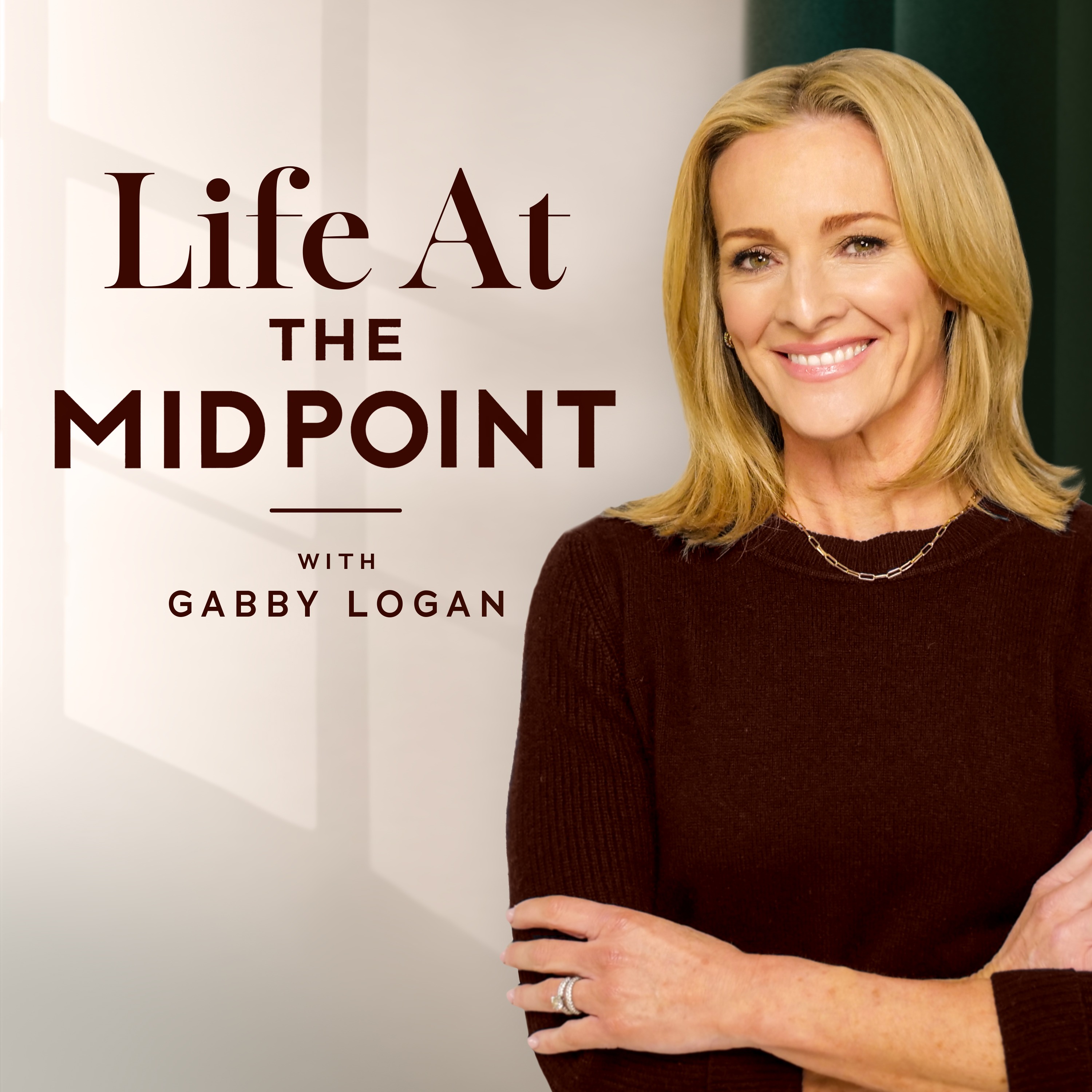

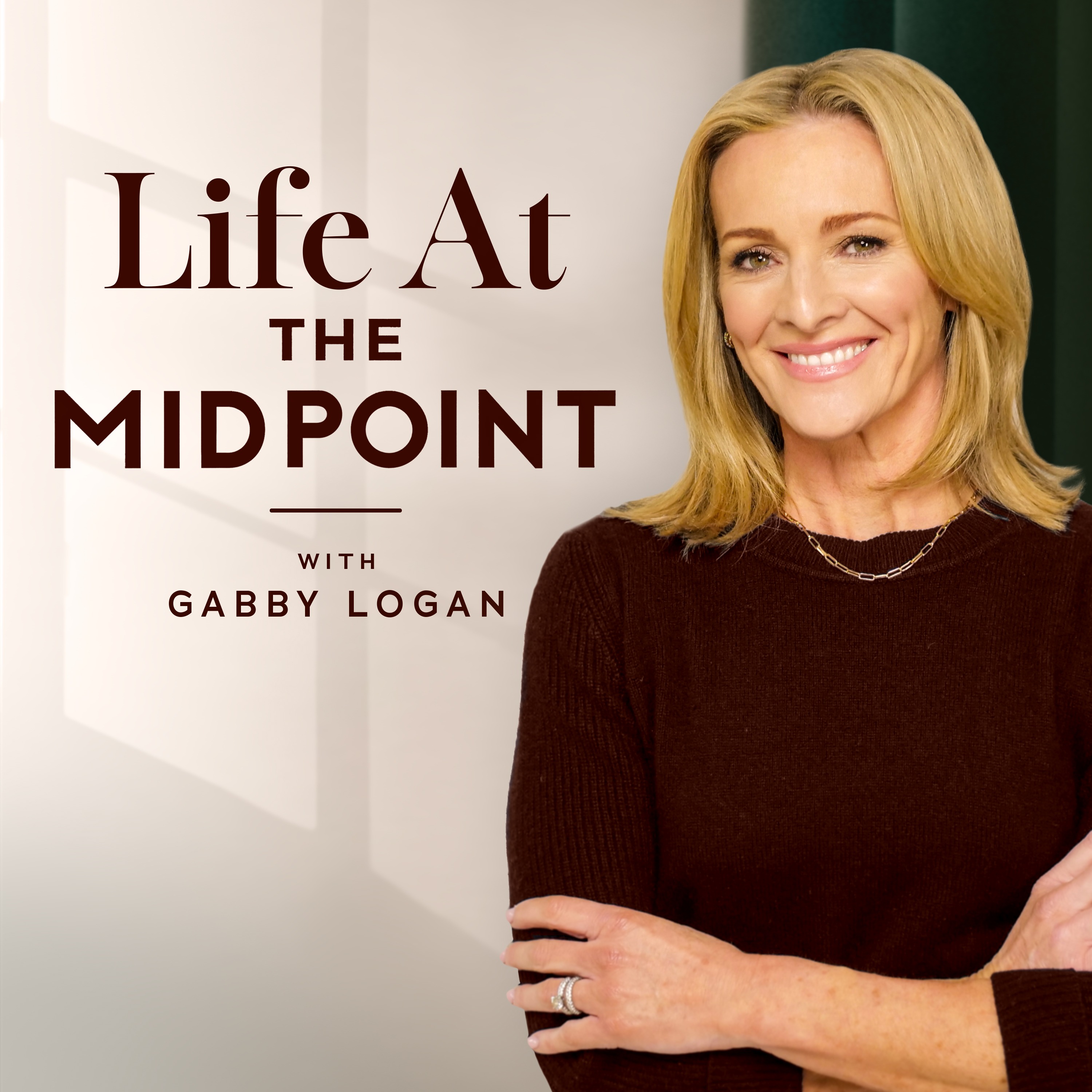
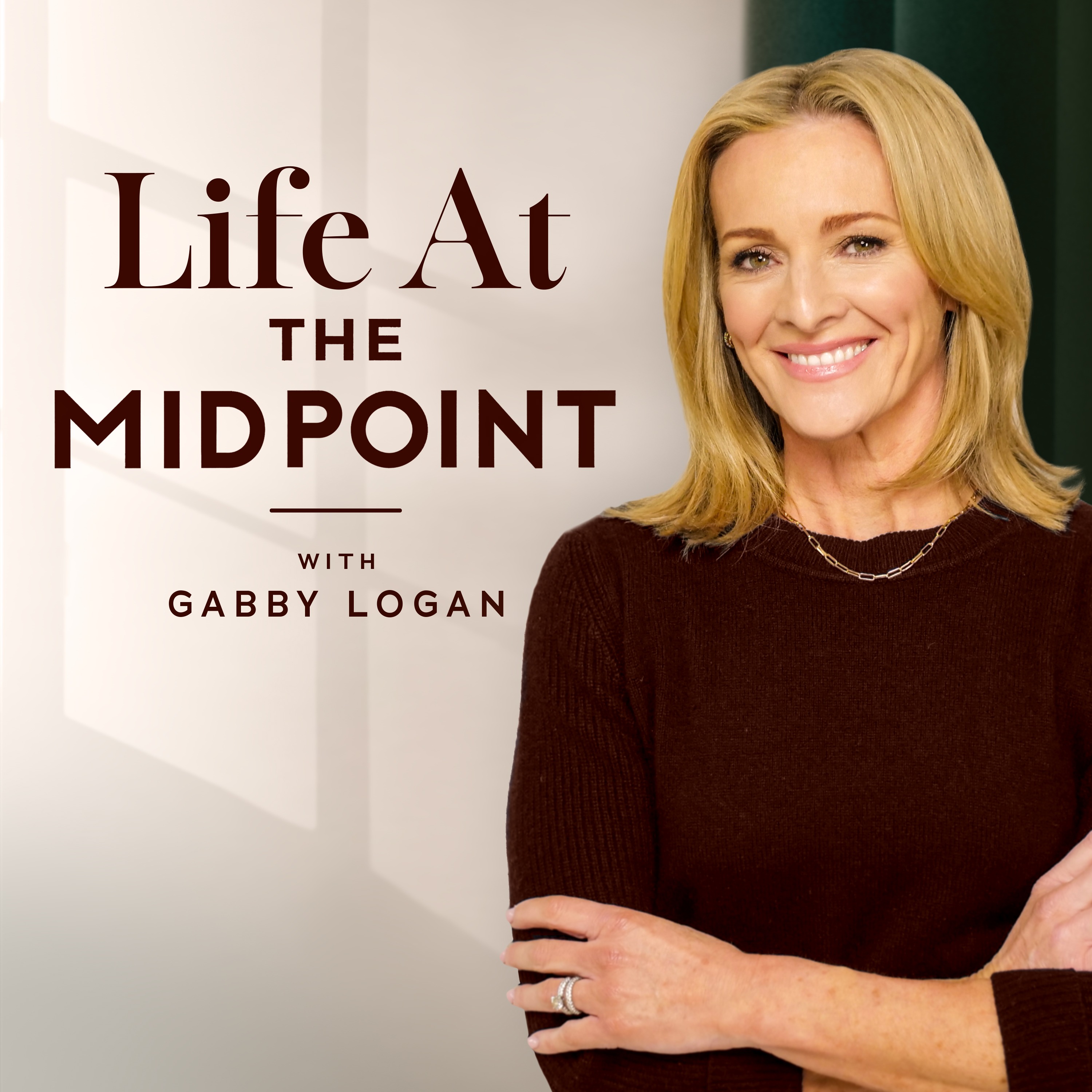
In this episode of The Mid•Point, hosted by Gabby Logan, the guest is Kat Wong, a creative innovator and founder of the platform Oh Yeah. The discussion focuses on navigating midlife transitions, overcoming feelings of being "stuck," and exploring personal growth through reflection and decision-making.
Written by AI. May contain mistakes.

Get the gist, explore an idea or ask about something said.
 Claude
On Life At The Midpoint with Gabby Logan, what are the key points of this episode?
Searching your listeningAutomatic transcript. May contain errors.
0:04Hello and welcome to The Midpoint. My guest today is going to help you stop being stuck. Kat Wong Wong says her platform, Oh Yeah, is a framework to help you make better decisions and feel good about your next chapter. So without further ado, let's meet Kat.
0:22Kat Wong, welcome to The Midpoint. I've described in your introduction how you're going to help our listeners who might be feeling a bit stuck. And actually, you don't have to be majorly stuck. There can be all kinds of reasons that you think you need a little shove and a nudge on. But I think it's important to know why you got to the situation that you were in that decided, you know, you came up with this whole thing. Oh, yeah. And this platform. So take us back to your career. You started in radio. Correct. Yeah. Started in radio, live radio, been there for, you know, 30 years ago. And then I worked across the BBC and Apple as well.
0:56And in the last 10 years, I had three different leadership roles over a decade, which was quite a lot. So definitely had the corporate and creative life. Were you an exec? Yes. So I headed up a few campaigns there. So a global campaign, including Creative Studios, which provides career mentoring and creative resources and industry skills to underrepresented communities around the world. So I built that and delivered that in Tokyo, in L.A., in London, in Milan as well. And then I moved over to head up to that Apple, which is another incredible global program that really provides, you know, learning opportunities to get hands on with creating things.
1:37But it was coming up to the 10 year mark. And I think for anyone who comes up with a 10 year mark of working at a corporation, no matter how big or small, you get that kind of natural reflection point. We go, OK, what is next? And I had previously worked at the BBC for eight years. So I kind of knew this was the time to explore and think about. But how it came about was this kind of feeling, and it was round about wintertime, where I was feeling, hmm, there must be something more, or is this it? And I started just writing on Substack two years ago when it was at its infancy. And I recognised after four or five posts over a course of a year or so, that it really reflected my mood and my energy of wanting to move on.
2:23So it really came up with a kind of seasonal approach. Anybody who doesn't know what Substack is, just explain what it is. So Substack is a platform which allows writers, budding writers, to create, publish and post. And so it was a real sort of turning point of writing and putting yourself out there. Did you consider yourself a writer when you did that? I didn't at that point, but when I started writing and my friends started following me, they realised how soulful it was. And I realised, obviously, I'd been writing scripts for such a long time in radio and broadcasting. So there was a bit of a knack there.
2:54But I think with many people who have a sort of creative outlet and allow themselves to have a creative outlet, it was it brought me a lot of joy and it was began to be in my flow state. And so there was something there in terms of I need to follow this. And so what I really noticed was this feeling of like, I'm not sure if this is quite right, if I should stay around at Apple. and then I noticed the kind of energies of going, okay, in the winter and in January where you're far more reflective and you gave that space to rethink about it. And then came the kind of Easter season where your energy is like, okay, I think I know where I want to go, but you feel really stuck and you're kind of afraid to sort of move on financially and emotionally.
3:35And then really the summer climes is where you get more confident and find your people in order to go, actually, I think I can move on. So that was the kind of real cancer. And this is what you noticed through your own writings. Absolutely. That it was definitely a seasonal thing. It definitely was a seasonal thing, which doesn't sound like, oh, my God, it's the seasons, of course. But coming from radio, what was mirrored back to me was almost like a format. And anyone who works in radio and programming is obsessed with formats. And so that was what I was going through. But also, when you quietly think about moving on, it brings, you know, whether it's relationships or situations, it brings on a whole state of emotions.
4:14And for me, when I was looking at general career advice online and with friends as well, I felt that a lot of the mainstream careers advice out there was very one voice. It was very corporate in its tone. And it didn't represent me, my journey. And it was, and if you look at the podcast landscape, very dominated by a lot of alpha talk, a lot of men and business as well. And so what I wanted to do was really create a really relatable platform that gave greater access to lived experiences. That was really important to understand the emotions behind moving on from something and to really support people with the tools and, you know, really leverage life experiences to help people think about it quietly and privately from their own sofa.
5:00So it's called Oh Yeah. Why? Light bulb moment. Right. total light bulb moment it's that switch of you can do this and oh yeah oh yeah or oh yeah you can do that so it's whatever you know exclamation mark or whatever the punctuation we're going to put whatever your inner voice sounds like yeah but I think also what's important we mold these things in our head for such a long time and it was only when I went out with my friends Megan and Anna and I was just sort of sharing oh this is how I feel and they kind of called it in terms of my emotions and they just went you sound bored and you sound unchallenged and that was my oh yeah moment it was like you've called it because I was with my friends and they it was I felt safe to talk about it so that's how I really arrived at my point several different you know that kind of emotional support that space to think about it by I deliberately paused and slowed down to go actually what is of meaning and purpose to me at this point you can now see maybe the wood for the trees a little bit and you've got a bit more clarity but you've still got to come away I'm thinking about other people as well you've still got to wrench yourself from something and we can think about this in terms of jobs careers families relationships whatever it is that's the thing that you're feeling stuck with yeah and that's the big bold move isn't it that is the big bold move and if we're being really honest it's finance and I think a lot of people listening to this conversation who are so experienced and have a certain lifestyle that they have become accustomed to and a pay packet and all the benefits, and I'm talking about the corporate world, that can be paralysing.
6:38And it suddenly stops you just going, I can't leave because what about my family? And that was my immediate reaction. And so what I talk about in the toolkit and the seasonal guide is you actually have to face your fears, both emotionally and financially. And so what I do is bring in experts like Claire Barrett, Martin Lewis in terms of kind of annual planning. And how do you actually face that and actually get really clear on the actual risk that you're taking? And often we know there is a lot of fears about financial planning. the stats say you know one in two Britons you know that's 24 million people just absolutely do not want to do annual planning and they don't feel comfortable with day-to-day finances and that's not even looking at retirement planning or you know pension planning as well so there is absolute data out there that says there is absolute fear there and so I think once I kind of faced it and I worked out my finances it was actually this is not as bad as I think so it's really doing that due diligence of going what is it that I actually need so how long did that take you personally to do it took me about sort of three months and this is why what I label as the liminal season right because you got to face that fear but also emotionally I was really afraid to talk to my husband about it as soon as I said it he was like we've got you of course we have but it's you've really got to figure out in terms of what is really important to me and you know to what end And do you want to earn that sort of money?
8:12And so I think in different situations, and when you're talking about that kind of financial help and that kind of emotional help, it's really sitting down and going, what is it that I actually need and will make me happy? And what is that tipping point? Because it's also so entwined with your identity or what you think your identity is. Yeah, and I think certainly, particularly when you are established in your career, status says a lot, right? But then we become really obsessed with status. And so you've got a particular title, you've got a particular level you've reached. And so you think, I've worked for so many years getting to that level, is that all been for a waste of time?
8:49And so that's the kind of sunk cost fallacy approach where it's like you can switch. And I often think, you know, with actors and musicians, the whole entire career is based on changing identities. And so we, as ordinary folk, should have that privilege of actually switching. and I think I really took that from my radio career when I went from music to Woman's Hour and that's where I really wanted to go and we should, if we're in that position to really treat our career as almost like a portfolio of where do you want to go? And bring the skill set that you have accrued to that point. Absolutely and I think when we reach a certain stage at our midpoint we have so much lived experiences that we can leverage but often we get in our own way.
9:36It's like, oh can I do that? Should I do that? Because of that sunk cost fallacy. And it takes that kind of real talk from your friends first. And this is not like go to Goa and do a two-week retreat and find yourself. This is about speaking to your mates who know you, who care about you, who love you, and know what you're capable of. And sometimes it's just that conversation on the phone, having a coffee, just go, you can explore. and some people listening will be not wanting to leave one high you know high kind of profile stroke uh high net worth career they'll be wanting to get back into doing something they feel is useful because they might have taken a step back and they might have now kind of released their kids into the you know into the world and they've got an empty nest and they've realized gosh i i actually stopped that career to do all this and you know the empty nest is very apparent but i really need to get back and feel useful so can they benefit from the tools as well yeah absolutely and what the approach for Oya is really a real personal approach and it's not like here's do a do a 12 module course this is about actually can you remember what really ignited you when you were younger and when you were in your flow state and that's when when I was writing Substack or writing just my own posts and where I was at, that kind of started or lit a fire where I could just be in my flow state creatively.
10:58And so it's really looking back at, you know, when you were 17 or 18, when you were about to fly the nest of your own parents or you did your A-levels, it's like, OK, where did it take you? And it's really unpacking what was it that ignited you back in that day. How easy is it just to tap back into that person in that state? Yeah. Do you know what it is? It's slowing down. It's really slowing down and pausing, which sounds like I can't slow down because I'm too busy. I'm in back-to-back meetings. But it's really taking a moment. And that moment could be when you put the kettle on, when you're commuting to work, and just going, actually, if I'm not feeling great of where I am or I feel I'm dreading going to work, what is it that has given me joy?
11:40But also it's about what nourishes me. And it's really asking those questions, what is nourishing me at the beginning of the day and the end of the day? And when you do that, you create a really great canvas in terms of, OK, now I'm in a better set of mind where I can really explore what that looks like. You've touched on the seasons in your own personal journey. Can you just describe how they play into the programme? Yeah. So, oh, yes, four seasons. It starts with the meh season. So it's when you are feeling, is this it? Or you're even feeling annoyed, a bit bored, maybe even frustrated. And you can recognise that when you're in a meeting, just going, no, that's not right.
12:19Or you're just getting a little bit tetchy about things. And that's what I call the mare season. And that's when you kind of start thinking and labelling, all right, there's something here that I need to explore. The second season is the reflective season, which tends to be in the colder climes, where everyone has given themselves permission to kind of be more introvert, to really slow down and to really think back on the year and to really go, okay, what are my guiding principles and what are my values? And the season of the idea talks about that. Sorry to interrupt before we get into the next two seasons.
12:50Yeah. Is there a time, I mean, the seasons we know, you know, last. Of course. Well, they don't last, but four seasons through the year would be three months each, right? Do these seasons in a year have a time limit on them? No, they don't because you can literally hit at any point where you hit the Mayer season. So it doesn't have to be in September when everyone's back at school. So it's really agnostic like that. So there is some sort of references to it, but it is designed to literally hit you where you are. So your mare season could last two months. Yeah, absolutely. Or could last six months.
13:20It really is very individual. It's an individual experience. So it's designed for that. It's really clear in terms of like, if you're feeling this, you're in the mare season. If you're feeling like that, this is the reflective season. So we've gone from mare to reflective. And then the liminal season. And that's the point where you're feeling, okay I've got an idea where I want to go but I am I'm feeling very stuck in terms I can't move forward because of the amount of self-doubt that I have to move forward so that's the emotional side that's also the finance side can I do it I don't know I I feel that I need to carry on just you're getting quite practical now I'm getting really practical here so it's about getting clear on the risk and again doing your due diligence in terms of what do I need to bring home in order to have the life that I'm happy with, but do those tiny little experiments where I can explore further.
14:07So the liminal season really tackles the self-doubt. And then finally working through that and getting through all the foundational exercises and the personal insight and reflection, you then get to your playful rising season. And that is when you are feeling much more confident about that because you have the people who are really helping you emotionally through that journey as well. but it's when you start and this is because I bring in the somatic coaches and the holistic approach to career change this is where you start trusting yourself and trusting your inner wisdom in order to make better quality decisions in order to move forward to the career that you want that's key isn't it listening to yourself because I think in back in the first season of the mass season you might not be anywhere near connected to your inner voice at that point yeah and right At the beginning of the mare season, the first thing I ask people to do is notice your feelings and your emotions and label it, which is why bringing the friends through and going, actually calling it, just going, you're not in a great place right now.
15:09You need to, you are bored. And so, which is why the holistic and somatic approach to career change is really important because we have stored in our bodies two or three decades of lived experiences. and this is where in terms of interconnecting mind and body is really important in terms of the somatic approach as well but also a certain stage for women as well in terms of the hormonal changes as well and it's really documenting how have you shifted through that time as well but you know I speak to Amy Thompson who's part of the OYE crew so 12 wonderful humans who have met in my career or have inspired me so I bring their expertise in so they're the somatic coaches they're the purpose-driven founders they're the the writers and they are the artists as well and so they all share their lived experiences and Amy Thompson talks about you know that hormonal balance and really understanding when is the right time to make a decision because there will be times of the month where you are at your optimum in terms of being more in tune with your body And there are other times where you're less receptive and more anxious.
16:17And therefore, this is probably not the right time to make a decision. So it really brings in that understanding where you have to slow down and really understand the emotions that you're going in, as well as the practical tips as well. And I don't think really career advice out there really is anchored in the emotions or threads in how the body is feeling. And the body is, and the physiological side of things, you know, those things are signals. and so many people when they're in the state of being in a really busy job high up in their organizations don't stop they don't stop they know theoretically i need more sleep i need to slow down i need to eat well but half of them just don't do it because they just think they've got to do this and i think that's really about the reactive state that we have been trained to do in our professions and we know that you know when looking after teens or looking after the big pay master it is about reacting all the time so how do you move from that state of reactivity to slowing down actually going what is actually of meaning and purpose to me and that is quite a frightening prospect for as you say people who they might not have control but they appear to think they have control of everything in their life and it's losing some of that control isn't it yeah which is why the approach for oh yeah is really gentle in its explorations and it's quite private as well where you can do it from the comfort of your own sofa because often people think i've got to achieve more in order to move forward and so what i'm saying you know yeah it's like ditch that idea that you've got to achieve more and cram in more things in the day to move forward you're going to stop wasting your time and money like searching for the right advice because it's all in one space and you're going to start giving yourself permission to explore in the first place.
18:05So many people stop themselves doing that because of the fear, because of the liminal season they're in, but because they just think, I just can't do it because I've got so many responsibilities. And you talked about the 12 people who are there, 12 apostles, on the platform to help. Is it all women? Are they all women? No, it's mixed genders. And it's not just four women? It's not just four women. And it was something that I was asked when I was going through beta testing when I was building. Oh, yeah. You know, should it be exclusively for women? But you know what? On reflection, I have not been inspired just by women.
18:39I've been inspired by all different backgrounds. And it was really important to make the platform really inclusive to represent different backgrounds and different cultures and different lives. So I think similarly to fitness places where, you know, 85 % of their demographic is probably women, there will be some men who will recognise my journey as well. And I've looked after teams where have been predominantly men and where they've been first-time fathers. You know, in my job as the leader of Beats 1 Radio, now Apple Music Radio, five of them started having babies and they were all men. So it's like I'm drawing in the experience that I've had working with a mix of people.
19:19So I think that's really important to not just be just women because there is enough platforms out there here. So which is why, you know, some of the somatic coaches are men as well. So yes, so mixed. Do you think it's the need for Oye is also partly a product of our age and that we are experiencing portfolio careers? We are experiencing changing landscapes with, you know, with the tech and everything else that means jobs become redundant as well as people feeling stuck. You know, there is there is also this kind of very moving kind of picture that's going on. And people don't just start a job at 21 and finish it at 60.
19:53No, not at all. And ironically, you know, last month, Employment Hero just came out with some stats that 33 percent of workers, 45 plus years old, want to change in their career. And so that's quite a startling piece of data there. And so it goes back to wanting to call the shots, you know, and again, goes back to someone's built their career. over two or three decades and they're getting tired now and they're becoming more curious of what could be. So, yeah, the data is out there from Employment Hero and from Money and Pensions as well in terms of just the finance, the kind of like the blocker there.
20:30So there's enough stuff out there to go, actually, there is a huge shift, as you say, in the landscape and people wanting more control in terms of the choices they make in terms of their career and knowing, actually, I have something to give back and also paying it forward. So similarly to Midpoint and so many other organisations who just want to share that mission of actually, I've got all these learns. Here's how I'm going to give back. And that's really, really important. That really is very fulfilling. Because we've had people on who've talked about repotting your life. And if you've read the book, Repotting Your Life, about how to kind of maybe shift and do something a bit different.
21:07But it's more about examples of what they've done rather than kind of ways of practical ways of actually, as you say, the finances, the logistics of all of this stuff is quite daunting. And so you feel like actually we've never really been taught this before. We've never had this before. This is very new. Almost COVID might have a part to play in this as well. I think in terms of how people have started working is very different. It's made them think differently. So, oh, yeah, probably wouldn't have been needed 25, 30 years ago, maybe. Probably not. And I think we were probably of a generation where it was, OK, if you complete this thing, you get to the next stage.
21:45Right. And we are in a very many of us all have been working in a very hierarchical way of working, very linear. but life is just not like that. And self-doubt, and particularly when we get to a particular point of our life, runs really deep. And I think also, when we get to the middle season of our lives, that weight of responsibility is so much because we've got pressures at work, we've got multiple deadlines, we've got people wanting things now, that reactivity mode. But we've also got really big caring responsibilities that are unique to each of our lives. And so when you put that all together, of course, that sense of fear and risk is far greater when you're even thinking about change.
22:30And so this is why the gentle approach is really important in terms of just like you've been on this trajectory thinking I've got to finish school, uni, this, tick in the boxes. And so that linear way of working just doesn't work. And so career advice has got to respond in kind where it's like this. I think people you know there's there's this idea that I'll get to 50 and I've done what I need to do and then I can retire but actually what people are realizing is I don't really want to retire I might actually have financial security but I'm being told we're living longer than ever and I would like to live for as long as I can so what am I going to do I think is another thing that has has not really necessarily been on maybe two generations ago women in particular wouldn't have had that luxury almost of thinking about what they're going to do yeah and I think for those who are listening to this who are in jobs right now you actually have a luxury of being in a full-time job so this is where the tiny experiments really come in and it's really experimenting with that with kind of the low with a low risk in what that could be and so this the seasonal guide talks you through okay what are your values what are your guiding principles and so it's starting with that in terms of okay what is actually of meaning for you so it's those practical little exercises which cost nothing in terms of the time you you do it privately from your own sofa as well but yeah just going back to your point we were never giving ourselves permission to think like that in the first place and I think now certainly you know as we become more aware of our health and our mental state and slowing down particularly at the stage of our lives we probably give ourselves a bit more permission to explore that and in terms of how people can access it's very easy go online go to the oh yeah website exactly and sign up there's a free membership just to work it out just to see what you like and then obviously you can pay up for full membership as well and you must have already had some lovely kind of feedback of people who have experienced the seasons yeah absolutely every single person has resonated with God this is a light bulb moment if I just allowing themselves to slow down of course why wouldn't I look at my career or look at the stage that I'm in seasonally in terms of what the mood and energy I'm in and it's been really resonating with a lot of people and I think for me also the greater mission of OYE was to really increase the kind of access to really good career wisdom valuable deep knowledge and expertise from the 12 OYE crew but also that space to feel really safe to return back to what actually matters in life.
25:11Kat Wong, thank you so much for coming on The Midpoint. Oh, thanks so much for having me. Thank you so much to Kat Wong for coming on to tell us all about Oh Yeah! And the good news is for Midpoint listeners, there's a special discount code offering 30 % off which you can find in the description on my Instagram page. Thanks so much for listening. I hope you really enjoyed that episode.
Welcome back to the Midpoint. Today, Gabby is joined by someone who embodies curiosity, resilience, and creative reinvention: Kat Wong.
In this midpoint episode, Kat helps us reflect on where we’ve been and where we’re heading next. Whether she’s unpacking personal turning points, sharing stories from behind the scenes, or offering insights that challenge the way we think, Kat brings an energy that pushes the conversation forward.
Kat has kindly offered a special discount for one year's membership to Oh Yeah for Midpoint listeners. Use the discount code MIDPOINTOY for 30% discount for a full one-year plan, applicable on all payment plans. Valid until December 31st 2025.
So settle in as we take stock, look ahead, and explore what it really means to grow through the middle of the story.
Hosted on Acast. See acast.com/privacy for more information.