 Ask ChatGPT
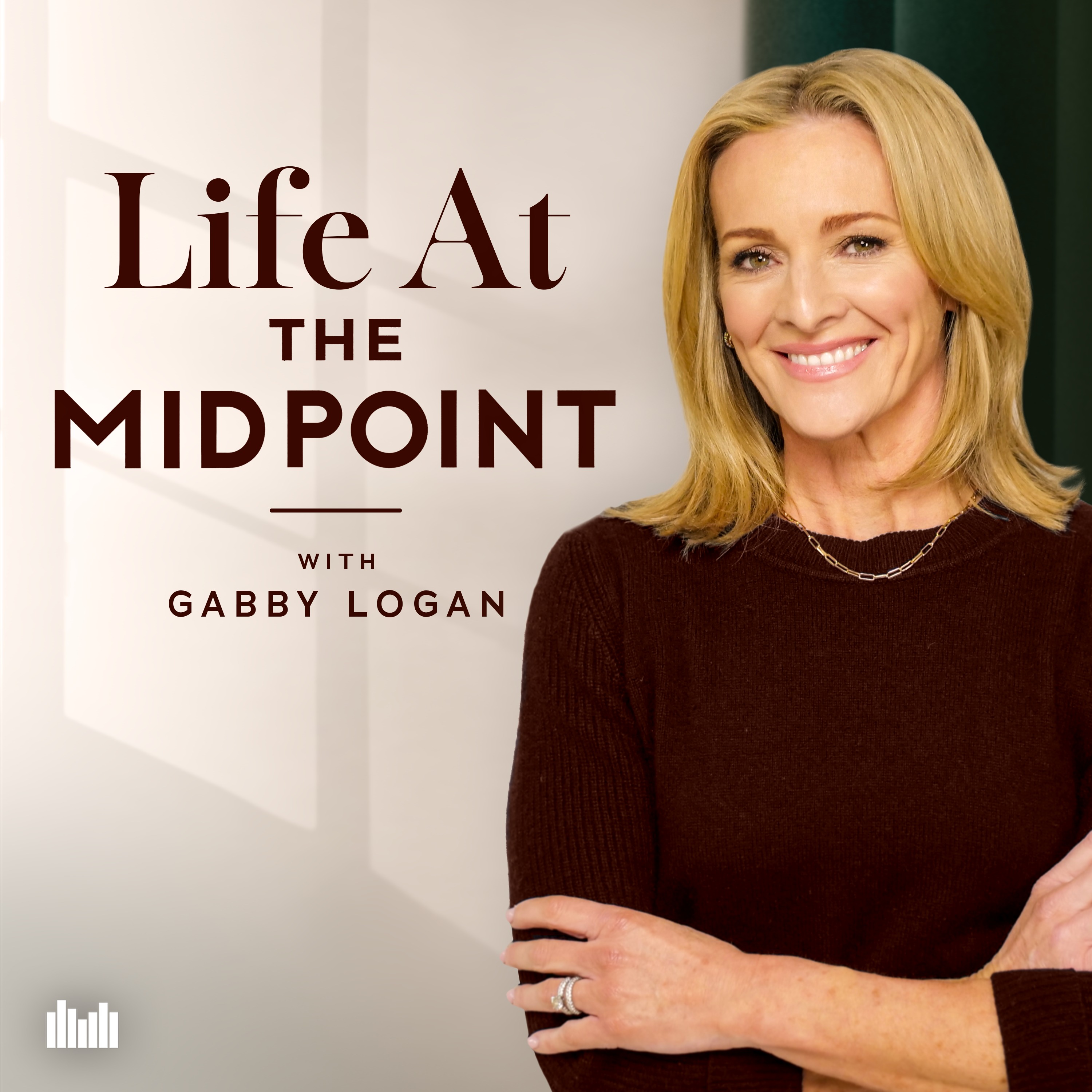

Katie Brindle explains Chinese five-element medicine and “yang sheng” (nurture life/wellness), focusing on midlife and menopause as “second spring.” She argues symptoms can be addressed alongside Western care using simple daily practices: keep circulation moving, purge/nourish continuously, and balance/strengthen five key organs (heart, lungs, liver, kidney, spleen). She links menopause burden to depleted “kidney” energy and recommends sleep timing, deep breathing, micro-exercises (especially shaking), and foot bathing; she also discusses the “energy clock” (lungs 3–5am) and emotional organ links (worry to spleen).
No co-guests. Guest is Katie Brindle, a Chinese five-element medicine specialist/practitioner and yang sheng wellness educator (Forbes-described wellness expert). Background: entered Chinese medicine after a debilitating car accident in her early 20s; studied acupuncture at university; later focused on yang sheng.
“Second spring” reframes menopause positively; Western labels can be negative. Example tools: Himalayan salt pipe/halotherapy before bed; chrysanthemum + goji tea; Himalayan salt pipe for lungs/gratitude/letting go; bedtime by 10:30 and nap 3–5; Mindfulness Bell app reminders; Himalayan salt pipe halotherapy inspired by Polish salt-mine workers’ longevity.
Written by AI. May contain mistakes.
Katie shares her personal journey from desperation to discovering Chinese medicine.
“Katie, thank you so much for coming on The Midpoint.”
Katie explains the concept of Yang Sheng and its importance for wellness.
“The three things basically are, one is you have to keep your circulation moving at all times.”
Discover the three essential principles for maintaining health in midlife.
“Well, it's actually really easy when you know how.”
Katie discusses easy exercises to incorporate into daily life for better health.
“It'll feel lovely because life's hard enough.”
Learn about the benefits of Himalayan salt pipes and their impact on lung health.
“And I really didn't think anyone would, because in those days, no one was remotely interested in Chinese medicine in the mainstream.”
Katie highlights the connection between sleep patterns and Chinese medicine.
“I said, OK, how many cigarettes do you smoke a day?”
Learn why establishing a bedtime routine without screens can enhance sleep quality.
“So one of my another one of my key lifestyle things is just please put your phone down at nine o 'clock at night.”
Discover how Chinese medicine views sleep disturbances and their connection to organ energy.
“There's loads of sleep content we could talk about, but waking up in the night is a big one.”
Understand the historical changes in Chinese medicine, including its ban and reinstatement.
“OK, there's a few answers to the question, if you don't mind.”
Explore the cultural differences in understanding menopause and the concept of 'Second Spring'.
“which is the Barsi reading, which is incredible.”
Learn about the optimistic view of menopause in Chinese medicine and its implications.
“They've got a culture that goes with it.”
Get practical advice on managing menopause symptoms effectively alongside traditional treatments.
“We've got life experience to see how much it's sped up and the reality is that suddenly we can wake up to the fact that Chinese medicine will offer us all sorts of wonderful solutions to the menopause.”
Learn about the connection between menopause symptoms and societal expectations.
“We just got married young and had children.”
Explore how kidney health impacts menopausal symptoms and overall well-being.
“In the interest of having these opportunities, we are basically doing all of it.”
Discover practical lifestyle changes to support kidney health and alleviate symptoms.
“And do we even, goodness me, write in our rest times during the course of the day?”
Find out about free remedies and techniques for managing menopause symptoms.
“And everyone's like, I need to eat this.”
Learn about accessible healing tools and where to find more information on Chinese medicine.
“So the baseline of what I talk about is the free stuff.”
Discover the foundational concepts and personal insights into Chinese medicine.
“But for me, my clinic is the very last thing I offer, which is, and now you can pay me.”
Explore how alternative health approaches can empower women during transitions.
“I think probably if you're going to follow anyone on social media, apart from you, please, is probably Grandmaster Mantak Chia.”
Discuss the transformative potential of women in shaping health narratives and practices.
“What's step one for you in that thousand step journey?”
Examine cultural differences in the perception of menopause and women's roles.
“You can take the thing off and you can laugh and you can celebrate life and you can celebrate all of the wonderful things that we've all achieved in our lives thus far.”
Discuss how societal perceptions of aging and femininity are evolving.
“Did the way the Chinese approach this change that dynamic?”
Learn about the body's ability to regenerate and thrive regardless of age.
“Now the liver is the organ that houses the blueprint of your soul.”
Learn about the concept of the healing pivot and the importance of balance in health.
“And all we need to do is just a bit like Percy Thorey.”

Get the gist, explore an idea or ask about something said.
 Claude
On Life At The Midpoint with Gabby Logan, what are the key points of this episode?
Searching your listeningAutomatic transcript. May contain errors.
0:00Monday AI agents took over my work and I absolutely love it. Chasing deadlines, writing status reports, updating stakeholders. Agents handle the daily grind now. They live inside Monday.com. So they see the full picture. My work, my team, the whole company. And I don't have to worry about the data. It's safe, which means I'm free to focus on the big stuff, knowing everything runs smoothly in the background. It's completely shifted the way we work. Create your own AI agent in minutes on Monday.com.
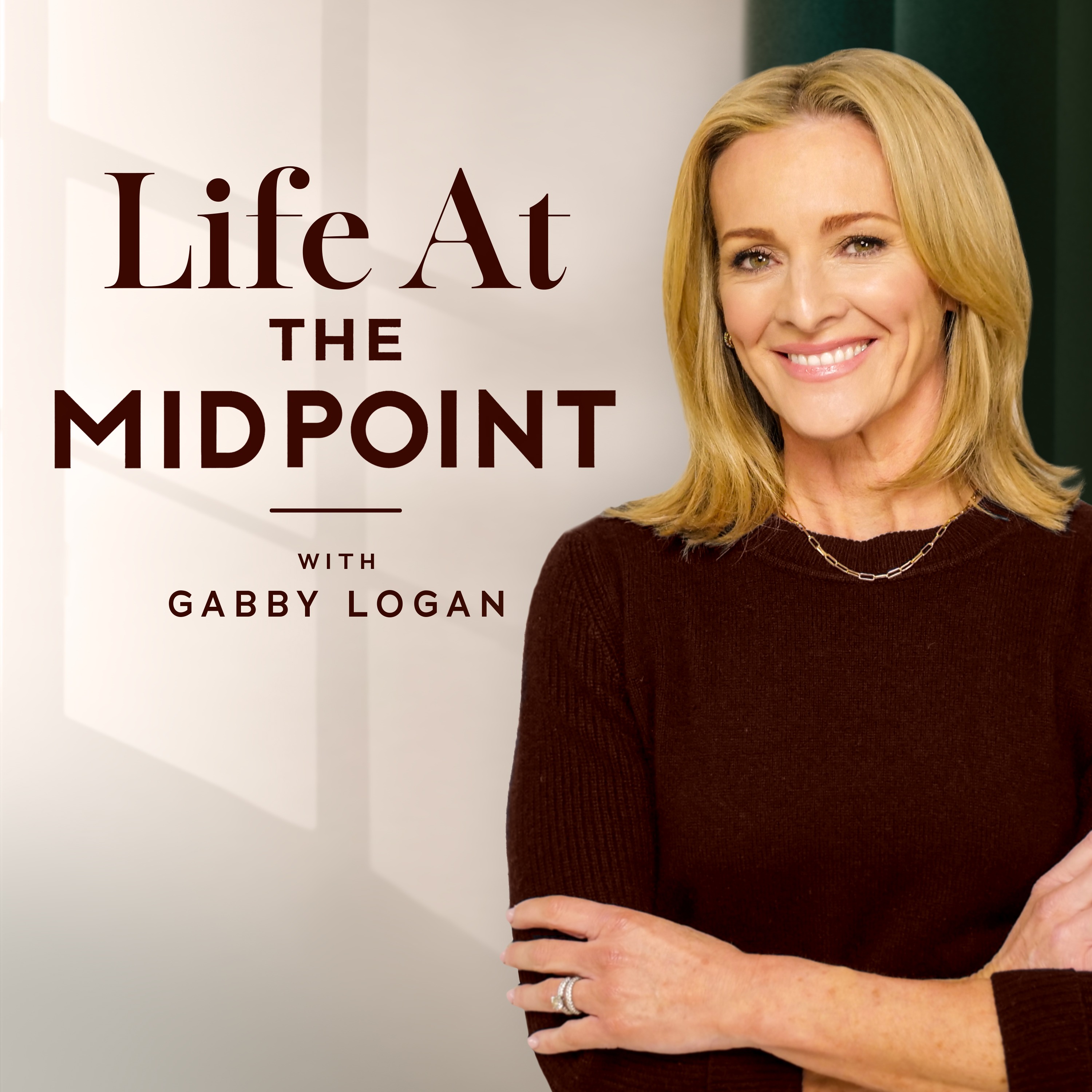
0:36hello and welcome to the midpoint today we're going to talk about something a little different my expert guest in the studio katie brindle is a chinese five element medicine specialist and practitioner she believes that the chinese framing of the menopause as second spring leads to a better understanding of what is actually happening in our bodies and how to treat the symptoms in a way that can sit alongside western medicine along the way we chat about a lot of things, in particular the positivity of the matriarch phase and how to unlock the creativity that's inside of us all, especially for those who in midlife seem to have a particularly heavy load and her belief that it is the middle-aged woman who ultimately is going to save the world.
1:16Forbes called her the wellness expert we all need to know. So let's go meet Katie Brindle. Katie, thank you so much for coming on The Midpoint. You're so welcome, it's a pleasure to be here. Now it feels to me like you're a specialist in midlife because of the things I've listened to you and seen you talk about but actually you probably talk about all kinds of periods of life but I just have honed in my algorithm has sent me you in that period so tell us a little bit about how you came to be the the wellness expert that Forbes has told everybody they need in their lives. They need to know yes well um I came into Chinese medicine through desperation um I've since discovered that people access this incredible sort of medical legacy that we have thanks to China from either inspiration, which is hopefully what I'm going to give you today, or desperation.
2:02Mine was desperation. I had a car accident in my early 20s. And that just led to me going for what many people do where you move from one expert to another trying to solve the problem. And I couldn't solve it until one day, I discovered Chinese medicine and it fixed it literally in a matter of minutes. And I couldn't believe that something that had been so debilitating could be fixed so quickly. So I had a bit of a eureka moment at that moment in time. It was sort of tears of happiness, tears of joy. And I left the clinic thinking, right, that's it. I want to learn this and I want to practice it and I want to sort of understand more about this incredible medical system.
2:36So that was the beginning in my late 20s at this point of my entry into this incredible world. And it went from there all the way through to studying acupuncture at university. So I went back to university and did a second degree and then focused in on the bit that I now really talk about, which is what's called yang sheng which means nurture life or kind of wellness so luckily for me the whole sort of wellness movement has sort of absolutely exploded whilst i've been talking about the yang sheng message which is kind of quite handy and i think the thing that people don't really understand and it's good to impress upon people is that yang sheng or wellness in chinese medicine is the most incredibly complicated and comprehensive system of self-care that the world has access to we just didn't really know it was there so I then set about unlocking this system by understanding and distilling it down into three simple things that I can explain to people because people like three they seem to be able to remember three things which will kind of enable them to look after themselves and at that point anyone can look after themselves so you can look after yourself in midlife you can look after your aging parents your younger children three And the three things?
3:47The three things basically are, one is you have to keep your circulation moving at all times. That sounds obvious, but modern life disrupts that from happening constantly. The second is that the body is like a kind of giant, great sort of smelter, and you need to purge and nourish all the time. You're constantly letting go of what needs to go out and bringing in what needs to come in. Now, again, that sounds very obvious, but we don't do it. Modern life gets in the way of even breathing, which is the most obvious one. And then the third thing, which people don't really know so much about, is you need to balance and strengthen the five key organs.
4:20Now, that's suddenly where people go, ooh, what's that? Because we kind of know about the organs and we understand we've got, you know, hearts and livers and lungs and things. But understanding how to balance and nurture them is not something which is entrenched in our medical system or even in our wellness narrative that's going on right now. It aligns to the five elements in Chinese medicine. And the five key organs are the heart, lungs, liver, kidney and spleen. And the minute you understand that, you can unlock your health. So that last one is probably the one that it sounds the most challenging.
4:53OK, yeah, I can move. I can eat well. How do I look after my organs? Well, it's actually really easy when you know how. And that's the thing. So having kind of unlocked these kind of three simple principles, then the next thing really is just teaching people some really basic self-care that you just do for yourself every day, a bit like brushing your teeth. So when you know what to do, it's actually incredibly simple. So looking after your five key organs is as simple as making sure that you're eating the correct flavours. So eating well, yes, but eating locally, eating seasonally, but actually making sure that you have the five flavours on your plate at every meal, the five tastes on your plate at every meal, that you're doing simple things like tapping the body, which will strengthen the organs, or understanding that they have a slightly deeper remit in Chinese medicine than we perhaps understand from the West.
5:47So our organs have physical functions, yes. We also understand that the heart has an emotional function, but so do the other organs. So, for example, worry attributes to the spleen. Now, we have language which relates to that. It used to be in our heritage. we will say you'll worry yourself sick. We say that to people. But why? Like, why are you going to worry? How? How? Well, the answer is because the energy of the spleen connects to the earth and it goes round in circles. So when you worry, you go round and round in circles and the Chinese understand that that's what we call knotting the energy of the body, knotting the qi.
6:21And that creates knots. It creates anxiety in the stomach. It literally creates physical pain. So understanding how to transcend emotions and how to understand how to manage something like worry, for example is really important for the response to for example that the spleen and what you described there might be that you partake in something that is like tai chi or something that that what creates better energy or allows you to not worry do you have specific things related to so what we do is again we just keep it super simple so yes tai chi is great okay um but having spent years in practice and clinic and now uh a virtual clinic where i talk to lots of people and listen to them and they message in all the time.
7:02People don't, some people have time to do Tai Chi, but lots of people don't. And often you find that people who even are doing it don't do it on the days that they need it the most. So on the day that the train gets cancelled and you're sat down all day and then you've got to get to a meeting and you've got to work late, you tend to skip the Tai Chi class because you haven't got time to go. So what I've done is distilled things down into super simple exercises, which you can do in tiny micro moments of pleasure because everything I teach is nice. Everything's nice. Everything's nice to do. It'll feel lovely because life's hard enough.
7:35So things like shaking. Shaking is a really simple thing to do that gets the circulation moving. It allows the body to start purging things it doesn't want and in turn strengthens the organs as well because all of the flow of the body is working. So recently I've seen this thing on social media and it was like 10 exercises. So you know what I mean? Yeah, the Chinese exercises. Shaking your arms, tapping your body. so there's lots of like cross-body movement would that tie in to to this yes yeah so those sorts of exercises isn't it interesting because since i've been in this space suddenly being a chinese baddie or what your chinese grandmother would say all these chinese exercises it's all blowing up and everyone's talking about it but interestingly i started doing those exercises i mean i did them years and years ago because i was doing them for myself but when lockdown started I started to broadcast them on my Instagram to just sort of see if anyone wanted to sort of join in.
8:29And I really didn't think anyone would, because in those days, no one was remotely interested in Chinese medicine in the mainstream. And then suddenly everybody was. I mean, there was a whole gang of us every morning doing these exercises. And to be honest, those 10 exercises are great. But even that often is just nine too many. I mean, it's great when you've got time. But I mean, I'm sort of in the firing line of people's self-care and trying to distill it down to, like, toothbrushing, so that we all know that you have to, every day, twice a day, you pick up your toothbrush and your toothpaste and you brush your teeth for two minutes and that's what you do.
9:02If you then go on and do all the other things you're supposed to do, like flossing and all the other bits, great. Sometimes we should do it, but we don't always. It's the same thing with these exercises. So you distill it down to the absolute bare bones of what's absolutely going to work, and you do it when the kettle's boiling. Or, for example, when you pop to the loo, It's that moment of break from the everyday. It's making something a habit, as you point to, with brushing your teeth, isn't it? And for lots of people, exercise can become a habit. And then this, for me, I was like, oh, this is another thing.
9:33I've got to fit in. I can understand why it works, but I've got to fit that in. And I think that's often a barrier to change for people, isn't it? Yes, absolutely, because we're already overloaded. So the idea is really leaning into a sort of habit stacking concept where when I start to hopefully inspire people to understand that this health system, the rewards are there for you. So the reason why I've distilled it down to such a simple thing like shaking and you're going, well, yeah, but there's all these 10 exercises. Yeah, there are. But let's just start with the shake and just do that consistently for seven days.
10:06A minute? Sorry? Do you do a minute or two minutes? One minute. One minute. Always just one minute to start with because people have a minute. It's a concept. You've got a minute. Yeah, I have actually. and we do have minutes. I mean, when I was kind of working all this out, it took a long time to make it all sound so simple because there's a lot to kind of get your head around, really, I guess. And when I was kind of talking to people about it, what I learned was that people don't necessarily want to get rid of their bad habits, fair enough. You know, I was, funnily enough, my husband works in the insurance industry, so I spend a lot of time with people in the insurance industry and they do tend to do quite a lot of lunchtime drinking, quite a lot of lunchtime smoking, they're quite old school.
10:43And they're like, I don't feel very well, Kate. OK, but I don't want to give up booze or fags. OK, not that I'm suggesting for a minute you should be smoking, you should not. But, you know, you've got to lean into what people actually want to do. So you've got to give them something that's going to offset all of the things that we do that we don't necessarily want to give up and get in there with something that's so powerful and pleasurable that you think, well, actually, I feel good for doing that. One minute later, I feel better. OK, right. You've got me. And then they might start to kind of open the door on further wellness.
11:11Yes, and then they go, actually, I do feel better, but I'm a bit out of breath. I said, OK, how many cigarettes do you smoke a day? 20. OK, shall we try and use a Himalayan salt pipe instead to counterbalance? So, you know, all the other things recommended as well, but Himalayan salt pipes are incredibly beneficial to the lungs and are quite clever at mimicking the feeling of what cigarette smoking can do to the body, for example. Never heard of a Himalayan salt pipe. And here's the inspiration, because the thing is, when you know what to do, These things are, most of the things I talk about are completely free.
11:45Some things I talk about are really cheap, but you do have to buy them. So you have to buy a Himalayan salt pipe, but they're only about seven quid. And if you look after it, it'll last you donkeys years. And it's an extremely beneficial tool for strengthening the lung energy. So here we go again with strengthening the five key organs. So often our lungs are under siege because we have got, especially in London, a relatively polluted, it's not that bad, but it's not great, polluted atmosphere. lungs are also the organ of gratitude and letting go so if somebody's grief stricken for example or they're trying to let go of a period of their life which is very relevant for midlife because we're dealing with bereavements but also letting go of our youth letting go letting go of empty nesting for example perhaps life not being the way it used to be because things have changed that all sits with the lung energy so then what can often happen is that the lungs start to breathe more shallowly.
12:36In turn, a lesser known fact is that the large intestine is connected to the lungs in Chinese medicine and the peristalsis, which is the movement of the gut, is dictated by the movement of the diaphragm, which is the movement of the breath. So if you're sat at an office desk, like really stressed and busy and doing shallow breathing, and then you're breathing in polluted air, the reality is, is that you could be compromising the gut and the movement of the food as it goes through the system um and making yourself toxic and therefore the purge and nourish kicks in so can you see how it all kind of intertwines suddenly you bring in a salt pipe before bed and you just breathe in it for a couple of minutes it's deeply relaxing to the body and supports sleep and does it look like a pipe um it's like a little clay i should have brought it with me actually i didn't think i bought some stuff but i thought i was going to have a suitcase if i didn't bring everything but uh it's like a ceramic pipe sort of like a big sort of bottom bit here.
13:31And you put this Himalayan salt here and you just profoundly breathe it slowly in and slowly out. And they discovered it's called halotherapy. Something that was discovered in Poland, interestingly, from the Western perspective, because they had coal mines and salt mines. And they noticed that the guys working in the salt mines lived on the whole very long, healthy lives versus the people in the coal mines. And they realised it's because they were inhaling salt fumes all day long. So do you daily partake? Oh my God, it's so good. Yeah, every single night before bed. It's the best. So one of my another one of my key lifestyle things is just please put your phone down at nine o 'clock at night.
14:10Just switch it off and do not charge it next to the bed. And instead, the old school, you know, reading a book and I'm reading my book. I've got my salt pipe in my mouth. I mean, I know I look really old. But that's the joy of midlife is that it doesn't matter anymore. And it really supports my sleep. So it's not just helping your lungs. It's helping your sleep as well. because that is, I can almost see people listening to this perking up. Yeah, go, hang on, they said sleep. Sleep, did she say sleep? Let's just quickly just touch on sleep, if I may, that one of the key things to sleep is waking up in the night.
14:42There's loads of sleep content we could talk about, but waking up in the night is a big one. And if people wake up between 3am and 5am, which is a very common time for waking up, we have this thing in Chinese medicine called the energy clock. It's called the ZIWU clock. And it understands that the 12 organs of the body, because there's five of the big ones, there's 12 in total for our medicine system. Each organ has a two-hour window in this 24-hour clock where the energy goes into the organ and stuff happens. And for the lungs, it's between three and five. So if you're waking between three and five, it's likely to be because you're not letting go of something.
15:15And because the energy has gone into the organ, the organ wants to do something, it wants to process, and it either hasn't got enough energy to do it or it's overburdened. So when you're giving the lungs something that it wants, like deep breathing with salt which is deeply nourishing for the organ it will support the sleep process so on chinese medicine in particular i actually had quite a lot of five element acupuncture in my 20s which i found enormously beneficial um and you say it's kind of coming more and more into them but i don't think it's not really a conversation that i have very often with people i don't think they really do understand kind of what chinese medicine because and you say this on podcasts i've heard you say look this is not kind of saying we have to forego Western medicine.
15:58No, not at all. This is about incorporating the principles of Chinese medicine. So is modern Chinese medicine, if I was sick in Shanghai tomorrow, would I be given some kind of treatment that looks the same as a doctor in the West, or would they still be incorporating these five element Chinese medicine principles? Right, okay. Can I just cough on your side? Sorry. Okay. OK, there's a few answers to the question, if you don't mind. First of all, modern China is changing arguably even faster than modern London. So if anyone's living in a modern city in the UK, they know how fast it is here. The difference is that the Shanghai equivalent of, say, us living over there has got access to just about everything that they could wish for.
16:48So you have modern Western medicine to the nth degree. absolutely clinics like to die for you have hospitals which align chinese medicine alongside western medicine as well to offset so for example cancer treatment in china is almost always supported by chinese medicine whilst you're having for example chemotherapy so they will do the western stuff but add the chinese medicine with it that is also though changing rapidly as well and now there are exclusive hospitals where you can just go down the chinese route but that's only just happening because Chinese medicine has been through its own fascinating journey as well I mean it was banned in the early 20th century in China they considered it shamanic and it was reinstated in the early 1950s by Chairman Mao who decreed it a national treasure but changed it it was a slightly it was a much more systemized approach to something which was very much nuanced in in the ancient times.
17:43So it made it more accessible for people in a way did it or did it lose the spirituality of it yes okay so the other thing to say is that five elements was something that was stripped out of chinese medicine in mainland china as a result of the cultural revolution so lots of babies went out with the bath water as he it's a bit like the language he did the same thing you know he basically just systemized everything it's a huge great country he was trying to create massive social change and indeed did so um and the the reality is is that chinese medicine on on underwent yes underwent uh a phenomenal shift and was kind of institutionalised and sort of homogenised to a certain extent, systemised, there's the word, it was systemised, and it was then named traditional Chinese medicine, which is really confusing to us because the word traditional makes it sound like it's really old.
18:29Obviously, Chinese medicine is really old, it's thousands and thousands of years old, but what was then reformatted, should I say, in the 1950s was a version of it that was aiming to address huge, great swathes of disease that was going on in China at that moment in time. they were going through this huge revolution. It was insane. So what's then happened is lots of things that were sort of stripped out, we don't need this, we don't need that, it's almost like the pastry cuttings that were just stripped off to the end and here's the cake. And the cake is still absolutely phenomenally brilliant, especially in China, are now coming back in.
19:00So things like, for example, Chinese cosmology was one of the things that was stripped out, which is one of the things that I practice, which is the Barsi reading, which is incredible. But that bit was stripped out because that was considered quite bourgeois because that would be looking at the particular moment of your birth and looking at your soul purpose and your past lives and your ancestors and the meaning of your life and the blueprint of your soul. You don't need that in 1950s China. You needed to roll up your sleeves and crack on. It was a job to be done. And the job to be done was what they told you to do.
19:27So they didn't really want you to decide that. Questioning your own fate. I'm not doing that. That's not my soul purpose. We don't care. And they had a country to set up and they did. So it's moving rapidly. And now the reality is that everything is available. So you could go and have Botox in the morning and then go off and have your ancestors cleared in the afternoon. And people do, and they do. So it is appreciated, which is, I suppose, the kind of beautiful thing, that they've come back to appreciating their history of medicine. Well, it is and it isn't. So, you know, they is a little bit leading because we're talking about billions of people.
20:00So, you know, it is and it isn't. You, as a mainstream, a lot of the Chinese medicine is now becoming more sophisticated in terms of its presentation and its sort of the clinics and things. But I was just in Hong Kong literally six weeks ago and I was doing a real tour of all sorts of amazing healers and acupuncturists and therapists and all sorts of interesting things. And the general standard of therapy in Hong Kong is a bit like going to France. You're just going to get a good meal wherever you go because it's just part of the culture. As in England, you kind of have to slightly know where you're going.
20:34But so anywhere it's going to be good. But the reality is that the top end Western clinics are still all shiny and gorgeous and fabulous. And often the acupuncturists are sort of third floor up on a bit of a dingy building and you have to know where you're going. But that is also changing fast, too, because they're realising how much there is. So one of the concepts I've heard you talk about, Second Spring, that comes from Chinese medicine. Yes. So explain Second Spring. So also, I think we think we say Chinese medicine and it is part of Chinese medicine. but also medicine is part of culture when it's this deeply...
21:10Because, you see, Western medicine kind of started in the 1750s, so it's relatively new. It's amazing. But, you know, we kind of burnt all the witches and then sort of started up again and went, OK, well, you know, medicine started in 1750. Well, it didn't really. I mean, we were kind of healing people before then, but it was... Hit and miss. Well, so we're told, but actually, if we'd let the healers live, then maybe it would be a slightly different story. I digress. Yeah, she says getting on her soapbox, but anyway. So the reality is, is that Chinese culture and kind of inherited how we look after ourselves is also embedded into itself.
21:43And people understand how to look after themselves. Just how, e.g. in France, people understood how to feed themselves. It's just you know how to cook. You're French. They've got a culture that goes with it. The second spring is something which I really love talking about. So it's basically the Chinese medicine version of the menopause. Now, this is really good news because one of the problems with sort of Western medicine is that we have labels for things. Now, that's great for many reasons. It's fantastic. But often those labels can become a little bit negative. So, you know, I say menopause and, you know, millions of women will listen in and go, oh, God, here we go, because it's a rather depressing concept.
22:19Apparently sort of everything's over. Everything's going to start getting dried and saggy and baggy. And it's all just a bit of a no. It's sort of a one stop shop to death is the next exciting part that's going to happen or not. So, but from Chinese perspective, the second spring already sounds moist, fertile, exciting, optimistic. It's a really good expression. It's a period of growth. Right. And it's a period of who knows what's coming next. Immediately, your eyes start shining. You have this sense of sort of limitless possibilities, which is indeed what it is. And I'll explain why. Because Chinese medicine really understands the female body.
22:54I mean, it really, really does. It celebrates the female's body, and the female body has three archetypes, back to three. The maiden, the sort of patriarchal system is quite keen on that, because that's kind of, you know, young, ripe off the vine, ladies all ready and ready to get fertilised. That's great. Then we get the motherhood. They like that too, preferably sons, but, you know, babies generally, that's OK. Then there's this third one, which is the matriarch. And they're like, oh, what's that? OK, she's been slightly obliterated out of the narrative, to be honest with you. There are not many examples of it, even to this day.
23:23But the second spring understands that when the lady exits motherhood position and enters the matriarch position, she stops producing X. So therefore, the cycle that has been up to this point linked to the movement of the moon on a 28 day cycle there or thereabouts. And it's kind of undulating on a hormonal basis every single day on a slightly different thing. when you start to realise that that suddenly ceases all of that energy which is going into creating this cycle of eggs which every single month is this incredible potential for life which if you think about it, this egg is going to create a human so imagine the amount of focus that the body has got because bodies are designed to do two things one live and two procreate, that's it when that procreation moment has ceased because the body is deemed no longer relevant to that and you enter into this matriarch position And suddenly all of the energy of the body, all of that creative energy goes back to number one, life.
24:20So in comes the second spring. So all of that creativity goes into yourself. Now, the fact that this has been stripped out of the kind of patriarchal narrative and we didn't even realise, it doesn't matter. It's fine. I'm not sitting here moaning about it, although perhaps I'm sounding like I'm a little bit, but I'm not. Because the point is we're here in this terribly exciting 21st century. We're now in the second quarter of the 21st century. and arguably this is the fastest moving century in history since records began. I mean, we were born in the 20th century. We've got life experience to see how much it's sped up and the reality is that suddenly we can wake up to the fact that Chinese medicine will offer us all sorts of wonderful solutions to the menopause.
25:01Obviously, consult your Western doctor, blah, blah, blah. Yes, do all of that, but this is stuff you can do easily alongside. Everything I teach is free or cheap and it can be done alongside your Western doctor and it sits within the, I don't see that's going to do any harm. That's where I live, OK? And I always say, go speak to your doctor. And I want them to say, oh, that's not going to do any harm. Great, there we go, we're off. But the point is, is that that second spring gives you this huge opportunity to invest in yourself. And is it therefore seen in Chinese culture as a much more positive period of life then?
25:33Yes. Interestingly, Chinese culture has modernised so quickly that they are also, the modern Chinese female is inheriting a lot of the things that we've inherited too. I don't want to say the wrong thing, especially on air, but nevertheless it needs to be said. For example, women can't really go into politics in China, for example. I mean, you're not going to get a female president any time soon. So it's not perfect by any means, but one advantage would be that the single-child policy that used to exist, it's no longer, but it historically has been there. since the mid-20th century, has liberated the female into the workforce to a certain extent, because obviously one child is a little bit easier to manage than three or four, which perhaps we were having in the West.
26:19So, but it is...
26:41So you don't have the matriarch position perhaps pushed through the narrative in the same way. I suppose what I'm trying to get at is what would you like to see us in the West take from the second spring? Is it purely treatment of symptoms or is it something slightly less tangible? Oh no, it's both. So the first thing that I love to say about the second spring is a message of hope where so many women will be listening to this and their partners listening to this who are suffering with their menopause and their perimenopause. There's a lot of suffering. And I really hear that. And there's a lot of really good Western medicine solutions for that suffering, which is also fantastic.
27:19But there is also a lot of things that you can do for yourself that your average British woman is completely unaware of. For example, foot bathing, for example. People don't realise that that's a thing. Just putting your feet in water. In water before bed is massive for night sweats. What does the temperature have to be? Warm. and ideally even better with anything in it ideally mugwort and if people start thinking what's she talking about sounds like something from harry potter uh well actually actually if anybody has watched hamlet which i think a lot of people have she does the mugwort oh yeah she talks to the mugwort it is a weed that grows as much as dandelion does in in in the countryside here don't worry about going out and picking weeds unless anyone's interested in foraging particularly but you can just buy it online on amazon it's as cheap as chips and you just sprinkle some in so you just bathe your feet for how long ideally 10 minutes okay but it feels absolutely amazing and then that is for you something that has helped or not you personally but you've seen results with night oh my gosh the results are amazing now the thing about menopause if we just touch on symptoms first before i then go into the back into the message of hope and optimism off the back of it because the point is once you've got your symptoms under control you can then roll up your sleeves and get to the good bit which is well i feel really well because the point of the second spring is you can feel really well and I think one of the reasons the menopause symptoms are so catastrophically bad at this exact moment in time is a lot to do with the equalization of the genders that's been going on for the last hundred years is something that I'll come back to symptoms in two takes let me just contextualize well why we're in the mess we're in um there's something I call the 20th century lies which sounds very dramatic but it's true is that um when we were born in the latter half of the 20th century we were lied to we were told we were equal female queen female our prime minister, our mum's going, oh, it wasn't like that for us in our day.
29:03We just got married young and had children. You've got all these opportunities. You've got equality. And we went, oh, great, we've got equality. Well, we didn't. It's not true. The truth is we are still equalising. And I would like to offer that the menopause symptoms that we're undergoing as women is because in the process of equalising, we're kind of having to do everything. In the interest of having these opportunities, we are basically doing all of it. We're having the children. We're doing still, this is factually correct, doing the lion's share of the domestic work. We are carrying our ageing parents happy to do so, but life expectancy is getting a lot older now, which we carry the burden, our husbands, our partners, our children, and we're supposed to look 35 permanently whilst we're doing it.
29:40So all of this costs energy and sort of battery life of the body, and all of that sits within the kidneys. Remember I talk about the five key elements, and the kidneys is one. The kidneys are the battery, and the kidneys are the organ that suffers when we burn the candle at both ends. So when we go through life in our earlier years and people go, well, I don't know how you do all this, how are you managing to fit it all in? oh well you know I just kind of do and you do just kind of do but what you're actually doing is draining your kidneys like a mobile phone and then they go into low power mode and then all of a sudden the body starts going through its natural change and the kidneys are already depleted so they don't have the energy reserves to kind of navigate this change easily all you have to do is strengthen them back up and you strengthen up those kidneys and the chances are your menopausal symptoms how do you strengthen your kidneys well really simple things so the first thing is um making sure that you are in bed by 10 30 at night simple that's like a really basic thing if you can't say you have to work or you do something that takes you over midnight and you just can't be in bed for that time is it the amount of time you're in bed is that well there's a few things so the first thing is know what you should do and then be aware of it so knowledge is power i always say 50 of the solution is understanding the problem so now we already understand that the reason we're feeling like we are is because our kidneys are tired all right so what's the solution strengthen the kidneys great okay how do i do that well kidneys like rest everyone always goes oh i need to drink more water and okay kidneys are the water element that is true but we don't need to flood our bodies with water kidneys want rest and one of the things that we don't get much of in the modern world is rest because you should be in bed by 10 30 because back to this energy clock i'm talking about the energy of the body needs to be in deep rest by the most yin time of day or night in this case which is 11 p.m till 1 a.m that is the most yin which is the deepest rest okay and that's when the kidneys are going to get their deepest nourishment so first of all know that so we need our bedtimes reinstated do you remember bedtime we have them for the children do we have them for ourselves so the first thing is know that now if the answer is well i can't do that that's okay too then it's going okay well my body nevertheless needs to be in bed by 10 30 because it needs its rest otherwise my kidneys will deplete and i will get symptoms some people may not but this is what will happen the body will show that it's imbalanced so then what you have to do is compensate and go okay body i understand uh you need rest and i'm not giving it to you because i have a work schedule i work shifts or i i whatever the reason is i can't be in bed by 10 30 at night so then what we have to do is one of the simple things that i talk to my audience about which is scheduling your self-care which we don't do either most people have phones most people have google calendars or similar and what we tend to do is pack our days with all the things we have to do.
32:22But do we write in our bedtime? Do we write in our mealtimes? And do we even, goodness me, write in our rest times during the course of the day? If you think of your children, they do. If they're at school, they have a calendar and they have lunchtime and break time and they have break time so that they can switch off. We go into adult life and we don't get it. So the first thing to do is just start scheduling things. Notice the patterns of what your life is doing and notice where you're not able to give your body what it biologically needs and then give it something in return. So, for example, if you know that you can't get to bed till midnight for whatever reason, then you need to schedule a rest.
32:58In the other key time for the kidney is the middle of the afternoon. Now, that makes me terribly unpopular because one of the best things that you can ever do for your kidneys is have a mid-afternoon nap. Around? Roughly, ideally, between 3 and 5 o 'clock. So we're recording this at 20 to 3, so in 20 minutes we're going to nap. We need to just chill out. Now, I understand that I sound, at this point, the listeners will part company and the viewers will part company go this woman's nuts she's completely impractical i have to do the school run i've got blah blah whatever we're doing okay um but the reality is is first of all know what you should do and then work around it okay and most people have got the opportunity to even switch off for even five minutes just to put an eye mask on you can buy really brilliant disposable eye masks now i mean obviously a non-disposable five minutes would be as beneficial it's literally better than nothing I mean and I mean that seriously I mean ideally you need 20 minutes ideally especially if you're going to bed at midnight because what we're looking to do is offset your symptoms so um if I'm going to give you the right advice I need to tell you what you should be doing first so what are the symptoms that you would particularly feel as a midlife menopausal perimenopausal woman if your kidneys are depleted literally all of the symptoms that everyone talks about so night sweats day sweats brain fog um uh emotions hormones hormone imbalancing palpitations anxiety i mean just the perimenopausal symptoms everything that we talk about everything that everyone talks about and the root is the first organ that we look to heal is the kidney the second one is then the kidney with the heart but there's other simple things that we can do so for example back to foot bathing because one thing that you can always do is be in your bathroom before bed so i do a lot of work in my bathroom talking to people what you can do in your bathroom because you're there anyway um other things just like there's some really really simple qigong exercises like shaking the body gently before bed um well before bed slightly less so because you don't want to invigorate the body too much but i was just thinking more about if you can't rest in the middle of the afternoon because you literally physically can't you can go to a loo i mean i'm not suggesting you should really do exercise in the loo it's not ideal but this is all else fails.
35:06You are allowed to go to the loo. So off you go to the loo and just sort of stand as far away from the loo as you can possibly be. But just swaying the body like this or shaking the body or doing a really really simple all over body tap just to get the circulation moving and breathing deeply will support the body. Another really simple thing, and that's actually easier now in the summertime, is getting up with the morning light. We have in the summertime, we need less sleep in the summer. Right, so even if you've managed to get into bed at 10 30 still waking up around five o 'clock 4 30 with that's ideally yeah you want that morning light um funnily enough i i was talking to lizell with her brilliant new book and she talks a lot about this too from a different angle but from a chinese perspective the yang energy yang is the rising active energy you need for the day ahead it's literally like an oxygen breakfast i mean literally that is what it is so never mind going downstairs and making a coffee and having some whatever it is you want to get yourself outside because the energy is rising and your body just soaks it up and it gives you the most amazing energy all day long i mean it just massively helps um there is also a deep relationship in the body between the lungs and the kidneys it's a little bit lengthy to go into just trust me okay there is okay the lungs feed the kidneys so the breath feeds the kidney so as you breathe in the kidneys will be benefiting from the lungs before you even start using your greatest healing tool which is your mind and then I can start giving you visualizations to actually amplify that fact but just just going outside and breathing will strengthen the kidneys back up deep breathing is a really easy way to strengthen the kidneys because one of the big issues that we also have apart from the fact we're all totally overburdened and overwhelmed is we're all very stressed and this overwhelming stress response that's going on multiple times a day I mean hundreds of times a day in some people's cases that has a massive effect on the kidneys as well because it's instigating the fight or flight and that sits within the adrenal gland which in chinese medicine sits within the kidney cortex itself so it's all kind of connected to one for us um and deep breathing is a very very simple way to offset most of the things you've talked about there in fact i think all of them went with regard to perimenopause and midlife women are not ingesting anything you're talking about doing things for yourself that will help the kidneys and rather than taking particular chinese medicine or taking on board yes well this is kind of herbs and well Thank you for the question, because this is exactly why I spent so many years kind of trying to kind of unlock something to make it super simple so I can go one, two, three.
37:33Because what I've seen in the market since I've been doing all that, that the wellness market has completely exploded. And that's great in some respects, but it's also terribly confusing in others because you're now bombarded with all this stuff. And everyone's like, I need to eat this. I need to supplement with that. I need to do this and do that. and the answer is actually before you start spending any money you just need to do some basic things to get your body just get the baseline ready for the body first and then what you do it's it's a system of adding because what you need to do is see where your healing pivot is it's like well it the chances are we can capture your menopause symptoms with some really simple lifestyle advice just basic know-how which is what's been lost over the over the centuries you know we're really pretty much in the last century so let's just get the baseline done first let's do the free things first.
38:17Let's do some simple stuff and let's see if that works. So for example, there's a really good, there's several apps, but I like Mindfulness Bell. I think it's good and it's free. And there's a gong on it. It's a gong. It's called Mindfulness. Mindfulness Bell. They don't pay me to say that, by the way. I just like it. And you can set the gong to go up to every 15 minutes a day. And all it's going to do is gong on your phone and remind you to take a lovely deep breath. So breathe slowly in linger at the top of the breath breathe slowly out linger at the bottom of the breath okay so if the listeners and viewers want to just do that two or three times whilst i carry on talking that immediately just gets the body into a nice relaxed yet energized state and it's taken it away from exhausted yet restless and it was just a simple reminder and then you just do it you're breathing anyway it's the basic habit stack um and let's see if that does the job if that improves things or doesn't then you say okay let's add a little bit of water bathing before bed let's do some foot bathing let's see if that works um and then you can add to that you can do something called healing sounds there's a sound for the kidneys you do that one first then you can add in the heart do that one second you will sleep better probably the better sleep will improve things anyway because we all benefit from a good night's sleep then we start adding in these little minutes of shaking and breathing throughout the day add to that see where that gets you and the chances are that's done the trick now if it hasn't then we just keep layering until eventually we get to the immortal healer as we call it of food and supplementation it's not the first one the first immortal healer is breath the second immortal healer is water okay the third immortal healer is movement once you've done those free free free yeah three three here we go again yeah exactly Free, free, free.
40:05And free, free. All free. I mean, I have the worst business model in the world because basically, like, I think I basically pay to work, which is really stupid, so don't listen to me about your business. But nevertheless, before you start spending money and all this sort of the science kicks in and then all the mistrust comes in because then, you know, suddenly we're all investing in, I don't know, LED lights and then suddenly a new science comes out and goes, oh, actually, they're really bad for you. Oh, my God, I've just bought all this stuff. So, and it costs money. And lots of people don't have money to buy with this stuff.
40:31Actually, a lot of people that I treat in my clinic don't have any money at all. And often the people with no money are the people most affected because they can't work because they're too ill. And that was me when I entered into my desperation position where I couldn't work either because I had too much pain in my body. I couldn't sit up. So it's really nice to be able to help people with the free stuff first. And then you start with cheap, cheap stuff. like for example another really simple remedy for the menopause is chrysanthemum tea clears heat out the body and heat is one of the key issues of pre-bedtime all day right yeah i mean you can have it pre-bedtime but it's and is that again available on online website yes just amazon yeah i mean there are specialist ones like all things there's cheap ones and expensive ones always by organic because if it's slathered in pesticides that's not going to do you any good um the simplest of teas that i really like for menopause and prescribe all the time is chrysanthemum with goji berry and again goji you can buy it sounds a bit exotic it's not the little red berries they're cheap um you can buy little i used to always have goji berries in my morning drink and i've not had them for why why was i having goji berries remind me what would they what was i well they're they're considered a power of power food but a superfood sorry but also they're very good because they're very full of antioxidants and vitamin c which is probably the reason that bags of them and then just put them in the blender and i you just reminded me that i haven't used They're so good.
41:54In Chinese medicine, they're very good for nurturing the heart and nurturing the blood. And they go very, very well with chrysanthemum, especially in the summer. So it's things like that. It's just these are just simple tricks. So the baseline of what I talk about is the free stuff. Yes, because everyone wants the free stuff first. Then if you are going to start spending money, you need to buy cheap stuff, which hopefully will take you to your healing pivot. If that still hasn't worked because your symptoms are so bad that that's improving things, but it's still bad. then we need to start getting a little bit further down the line then we start um bringing in perhaps some tools which is rather than spending money on lots of expensive well not all supplements are expensive but you know often they they add up at the end of the day um one tool by one tool which will last your lifetime for example a gua sha tool incredibly good it's a little copper tool with some oil most people have oil kicking around the house somewhere um and you press stroke over the chest because it clears the heat before so you get the heat out of the body through the excretory function of the skin rather than leaving it trapped inside the body with the body kind of like a kettle going ah i feel and your delivery is amazing because obviously you've got so much to impart and so much to share i feel like i need to direct people to somewhere they can learn more just generally about chinese medicine and what you do yeah so where where should people go do you think i mean obviously that you want them to come and see you obviously my website actually i I don't want them to come and see me in my clinic.
43:15I mean, please feel free to do so. But for me, my clinic is the very last thing I offer, which is, and now you can pay me. Because up until that point, everything's free. So I've obviously done a podcast on menopause. I've got a fact sheet on menopause. I have got loads of content on my social media feed about it. I mean, I'm not such a huge player, you know, so I answer all the messages. So if you've got a real problem, just message me and I'll answer you, it's fine. And in terms of outside of your stuff, is there a kind of compendium of Chinese medicine that you would advise? If people want to just learn more about Chinese medicine, because you've probably piqued the interest in a lot of people.
43:54I hope so. I mean, obviously, I've written a book which is called Yangsheng, which is so that book for me was about having spent years. And I still spend I spend my life studying this. It's so amazing. I'm so grateful. but I kind of realised, I thought gosh okay, you kind of need to know what you're talking about before it's quite complicated unless someone's explained it in the first place so I think I've got a bit of a gift to the gab so I can I can sort of explain I feel like I've unlocked it, I've spent a long time doing so so my book is a really good intro because it's everything I've been sort of jumping around talking to you about sort of put into a sort of beginning, middle and an end and it makes sense and then there's a reading list at the back which is also really good.
44:33I think probably if you're going to follow anyone on social media, apart from you, please, is probably Grandmaster Mantak Chia. I think he's absolutely amazing and he lives and breathes out. He comes to Europe a lot. He comes to London a lot. He does seminars and he teaches a lot of stuff for free. And he is alive and kicking in North Thailand. Like a lot of the Grandmasters, they slightly left China at key moments of the history and now they sort of live in South East Asia or America or other places. But he's amazing as well. but there is a reading list. Good okay because I think it's absolutely fascinating and there's so many things that you've said there that I can imagine people just kind of pausing and writing down and we'll try and put a lot of that detail into your introduction.
45:17No because it's I mean we're talking thousands of years of medicine right? Yes we're talking thousands of years treating billions of people so it's quite a lot but I think the most important thing is that you know Lao Tzu said that the journey of 10 ,000 miles starts with a single step and if possibly this this session has been that simple step to go. Actually, there's a different way of approaching things. And as long as your consultant or doctor has said, I can't see that's going to do any harm, then you don't then have to start reinventing the wheel or spending lots of money on an acupuncturist or buying lots of expensive products.
45:50You can just start really simply with your self-care and incorporating it into your everyday life in simple ways, simple little minutes, simple, just even a mindset shift. Just knowing that there's another option out there is already going to unlock this treasure trove of health, which is what I believe it to be. And I know you've spoken about kind of how difficult it can be for women in particular when they get stuck and they feel, you know, all these things are flying at them and physically, you know, they're not feeling at their very best and just life is, you know, is coming fast. What's step one for you in that thousand step journey?
46:28What is the first thing that you would say to somebody that they should do? So the first thing is know that there's an alternative. We talk about alternative health. It's a term. And it's a little bit of a smorgasbord of lots of stuff being bombarded at you. What I love about Chinese medicine is it's a system. So there's an option. And it doesn't have to be like this. And I think the reality is just if I go back to the whole Second Spring matriarch conversation we were talking about, is that we are the pioneers of the matriarch position. So I urge you to embrace the solution to the symptoms in whichever format you wish, Eastern, Western, both.
47:07It doesn't matter. Just like, let's just roll up our sleeve, ladies, and embrace the potential, the really exciting moment, which, although it's really tough, you know, when the going gets tough, the tough get going. And we're women and women are strong. OK, that's why it's called labor, having childbirth, because it's tough. If anyone's ever been through it, you know, it's really hard. And we have this incredible capability to generate life and change. And if ever there was a moment when the world needed women of our age group to step into our matriarch position and support one another and actually embrace the full potential of what our bodies offer us, now is that moment.
47:41And there is a moment of deep excitement that we can harness and activate. and I think that's the thing I've taken from the podcast I've heard you talk on as well is and it's something I hopefully have talked about a lot on this podcast for women in particular is that excitement and the creativity that is then released because that will be the solution to all kinds of you know problems but also creativity that can can deliver prosperity it can deliver a new way of living it can deliver something that you've always wanted to do but just not had the time and it's it's unlocking that which i think is really exciting yes and and it is there to be unlocked and in this instance don't look back into the 20th century okay we are the pioneers of the 21st century and honestly if it's not now i don't really know when it's going to be and it is our turn okay don't don't believe the lies that we were equal we were not we are equalizing and it's our job for future generations of our our children and our friends children to step into our power right now, despite the fact that we're suffering, despite the fact that we've got what I call the rucksack of responsibility, like every year another brick goes in and you're lugging it around.
48:47But you know what? You can take the thing off and you can laugh and you can celebrate life and you can celebrate all of the wonderful things that we've all achieved in our lives thus far. Because of that second spring phenomena, if you like, and that feeling that the ancient Chinese medicine understood the woman's body better, did that affect the way men kind of approached women in that stage of life because i still think there's a lot of you touched on the beginning there's certainly a generation of women probably my mum's age really who don't really like hearing about the word menopause they don't you know because for them that was a sign that perhaps they weren't as attractive to to the opposite sex and you know they weren't ready to say well you know i don't care they want they wanted to care did Did the way the Chinese approach this change that dynamic?
49:36I mean, obviously, Chinese men go through their own midlife changes, right? Yes. But because of this understanding, it seems more equitable, I suppose. OK, so it's such a good question. You need to get Ron Amita on your show. He's like the world's leading expert on Chinese history. He's the head of oriental studies at Harvard University. So he's going to be much better equipped to explain this to me. One thing I can say is that, broad brush, by the way, any Chinese historians out there, please forgive me, China has been through a massive revolution in the last hundred years, similar to our industrial revolution that happened a couple of centuries sooner.
50:12So it's gone from a largely agricultural society where men were men and women were women and everyone had their jobs to do and that was kind of that. And then it's completely mobilised since the 1950s into a very, very different culture. and it's mobilising so quickly that it's hard for me. By the time this broadcast, it's probably changed anyway. So the reality is that I really actually think it's more about the matriarchal position that no one in the world had recognised because we've been in a patriarchal society. So it's culturally similar in that respect. It is, yes, because we as women, once we were on what I refer to as the slag heap of our fertility, which is how we were made to feel, we're no longer sort of fit for purpose and then sort of get traded in for a younger model and so we sort of lied about our age and, you know, husbands sort of, you know, went off and had affairs with secretaries and things like that.
51:02Now, that's all completely transformed. I mean, in Britain, for sure. Luckily, a judge in the year 2000 decreed that the homemaker's job was as valuable as the breadwinner's and with that moment in divorce history, everything changed because suddenly there's equality right there because then we don't have to put up with it. It's like, well, if you're going to do that, then I'll take my share because I've done just as much as you, thank you very much. that's shifted now people perhaps don't even realize that was a fact but it's like these some suddenly a law changes or an academic paper is released and then all of a sudden huge great social change comes off the back of it so certainly from a british point of view this matriarchal position at that moment in time unlocks no i now actively want to tell people my age i'm not going to lie about my age what is your age i'm 53 you look amazing and so do you and we look great.
51:48Why? Well, because A, I practice what I preach and I do all the things I tell everyone to, otherwise I'd be totally inauthentic. But also, there are the most amazing things out there now. There's all sorts of amazing sort of people who can do all sorts of crazy things to us and take blood out of here and stick it in my face and in my hair and do all sorts of amazing things, which means my biological clock has gone back 20 years in about the last three. It's fantastic. So my second spring energy is second to none because I embrace all of it. I'll embrace the good stuff coming at me left, right and centre, as long as it's using energy frequency or blood which is my baseline because that's chinese medicine the fact it's coming at me in a very sophisticated high-tech machine on harley street that's fine by me if i can have it i want it but the things that i talk about are the free baseline of care followed by some simple tools that you can buy one off like kitchen saucepans last your lifetime if you look after them and then and then some cheap stuff and then and only then do we start adding in the more expensive things it's like a pyramid of health and then you can unlock and then we can harness our power because the thing is is that we are by talking about the negative aspect of the symptoms which i understand needs to be discussed but i think it's now had its moment i think it's time for us to now say actually you can sort this out where are the solutions there are solutions chinese medicine like every solution it's all i talk about there's free fact sheets free podcasts it's free everything literally phone me i'll talk to you for nothing literally it's free free free and the reality is is that you can harness there is this kind of oil sitting underneath everything that once your heart is inspired and you think actually there's more to life than this, then you unlock back to the five elements of the organs, the liver.
53:23Now the liver is the organ that houses the blueprint of your soul. And that is the meaning of your life. And that is your life purpose. And obviously now I'm sort of slightly teetering into spiritual belief systems, but the belief system that would attach itself to that is there is more to your life than coming into this world, having babies, being somebody's wife, lying about your age and feeling like it's all over when you suddenly get to this incredible moment in your biological clock, which is when everything transforms and it's all about you. I mean, you know, and I talk to women about this all the time and I see them sort of looking at me, what, me?
53:55Yes, yes, it's not just about your husband and your parents and your children or partner, whatever it is. It's actually about what you're here to do. And being born at this moment in time with the world, which arguably has gone completely mad, But, you know, it's about time that we do just... My opinion is the world will be saved by the middle-aged women. I mean, because I genuinely think we have done everything else. So really, what is stopping us? Because we literally do... Everyone listening or watching is going to get... Actually, she's right. We do everything else. So why can't we? And the thing is, I don't believe that the world can be changed by yet more patriarchal systems fighting existing patriarchal systems because it's just like loggerheads, OK?
54:31What you do is grassroots. Because it ain't worked. I mean... If it was going to work, it would have worked. But what has not yet been harnessed is our power. And the thing about the female yin energy frequency is it connects, it has longevity. So we've talked a lot about the sort of the burning of the kidneys, which is this yin energy in the body. But yin has longevity. You know, women tend to live longer than men. OK, once we tap into our energy, we know how to look after our bodies correctly. And once you start to realize it does indeed work, because these things I'm talking about are time tested solutions.
55:05These aren't the latest tech which then in a month's time someone's going to criticise. If people are listening and they think, oh, but I've just, I've not done any of this and I'm 50, how easy is it to kind of reverse or to bring back the energy into these organs in the right way? It's amazing. OK, because the great thing about this is that bodies are designed to live. And you just tap into that innate fact. And if you consider your body a bit like a garden, anyone that's interested in gardening or has ever done gardening, Just imagine that if you've never done anything and you're absolutely exhausted, you've got loads of symptoms and you've got this rucksack of responsibility and everything sucks, imagine that it's just like we're looking at a beautiful garden in the back of our property and it's just really run down and no one's looked after it properly.
55:47But you could see the potential and all you need to do is do the right thing at the right time and it will come back to life because nature does, it regenerates. And we are Mother Earth. I mean, this is a yin physical body. The female body is the earth energy frequency. And it is like a garden. And all we need to do is just a bit like Percy Thorey. You know, you just need to give yourself the right thing at the right time. And it can regenerate. The key is the further down the line you've gone into heavier symptoms, the more we have to do to get it back. So if you think of this as like, to those watching, I'm sort of like in a prayer position.
56:20That's your body balanced and pivoted. If you've gone too far down the right hand side, you've just got to do a little bit more than, say, someone that's just a little bit off. That's all. And that's what I call your healing pivot. I think that's a really positive way to finish our chat because there's so much to take away from it. But I also think it's really important to know that it's never too late to try and regenerate and to help yourself get back to balance. Thank you. Thank you so much. Thank you. Such a pleasure. Thank you.
57:00This Monday.com ad was created by a team of people and AI agents. Reese, our content agent, wrote the copy based on our best practices, like mentioning Monday.com three times. That was the second. Johnny, our coordination agent, built the timeline and kept everyone aligned. Olivia, our human creative director, stayed in the loop. Because agents are great, but they don't always know when a joke lands. She had one note. Tell listeners it only takes minutes to build an agent. So, minutes. Create your own AI agent today on Monday.com. Hannah, I just Venmo'd you for dinner. Obsessed. I'm spending it right now on the lip gloss that's been sitting in my cart.
57:36What do you mean spending it right now? You can instantly spend your balance with the Venmo debit card or when you pay with Venmo at checkout. Stop. Say more. More exactly. The more you do with Venmo, the more you get. Like earning up to 5 % cash back with Venmo Stash. Get the Venmo debit card or checkout online. Venmo Stash bundle terms and exclusions apply. max$100 per month see terms at venmo.me slash stash terms venmo checkout not available at all merchants the venmo mastercard is issued by the bank corp bank n a
Menopause is something most women know is coming — but for many it still arrives as a shock. Hot flushes, night sweats, brain fog, anxiety, exhaustion — the symptoms are so common they have almost become expected.
But Katie Brindle, one of the UK's leading Chinese medicine practitioners and founder of The Hayo'u Method, has a very different take. After more than twenty years in clinic she doesn't believe women are failing at menopause — she believes modern life is failing women.
In Chinese medicine, menopause is known as the Second Spring — not a decline but a transition into a new chapter marked by wisdom, confidence and renewed purpose. In this episode of Midpoint, Gabby talks to Katie about what that reframe can mean in practice, and how ancient wisdom might offer something that modern medicine hasn't always managed to.
Hosted on Acast. See acast.com/privacy for more information.