Ask ChatGPT
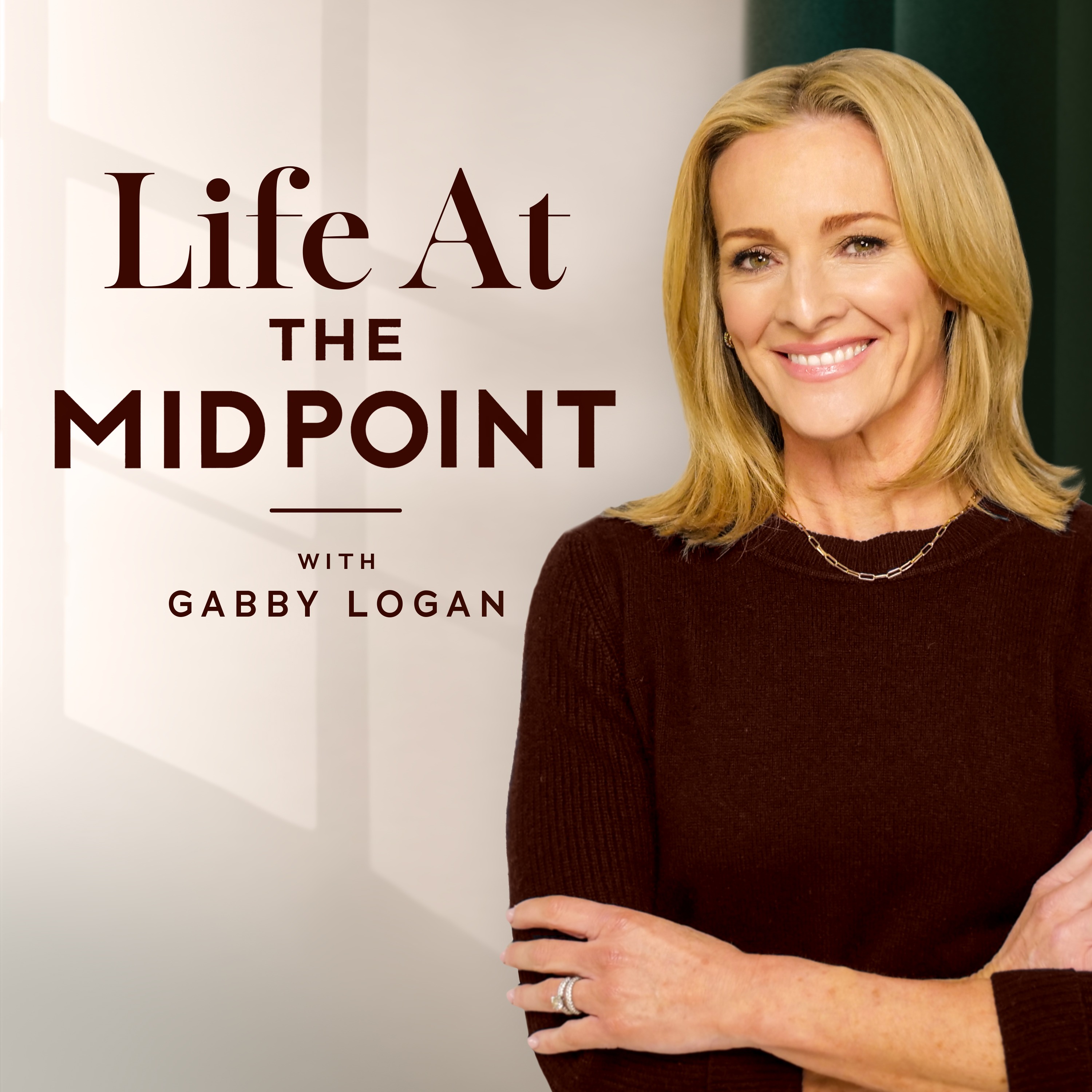
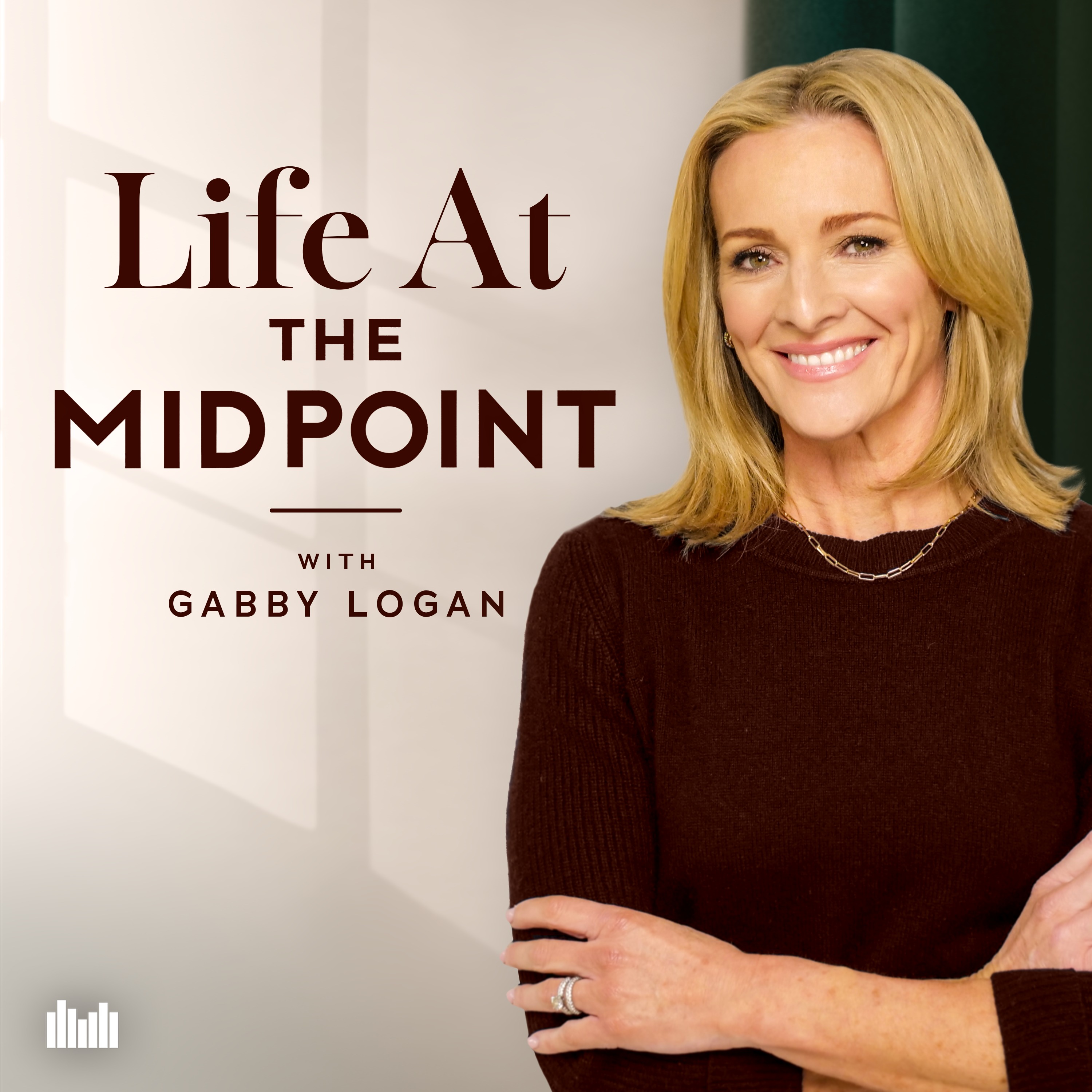
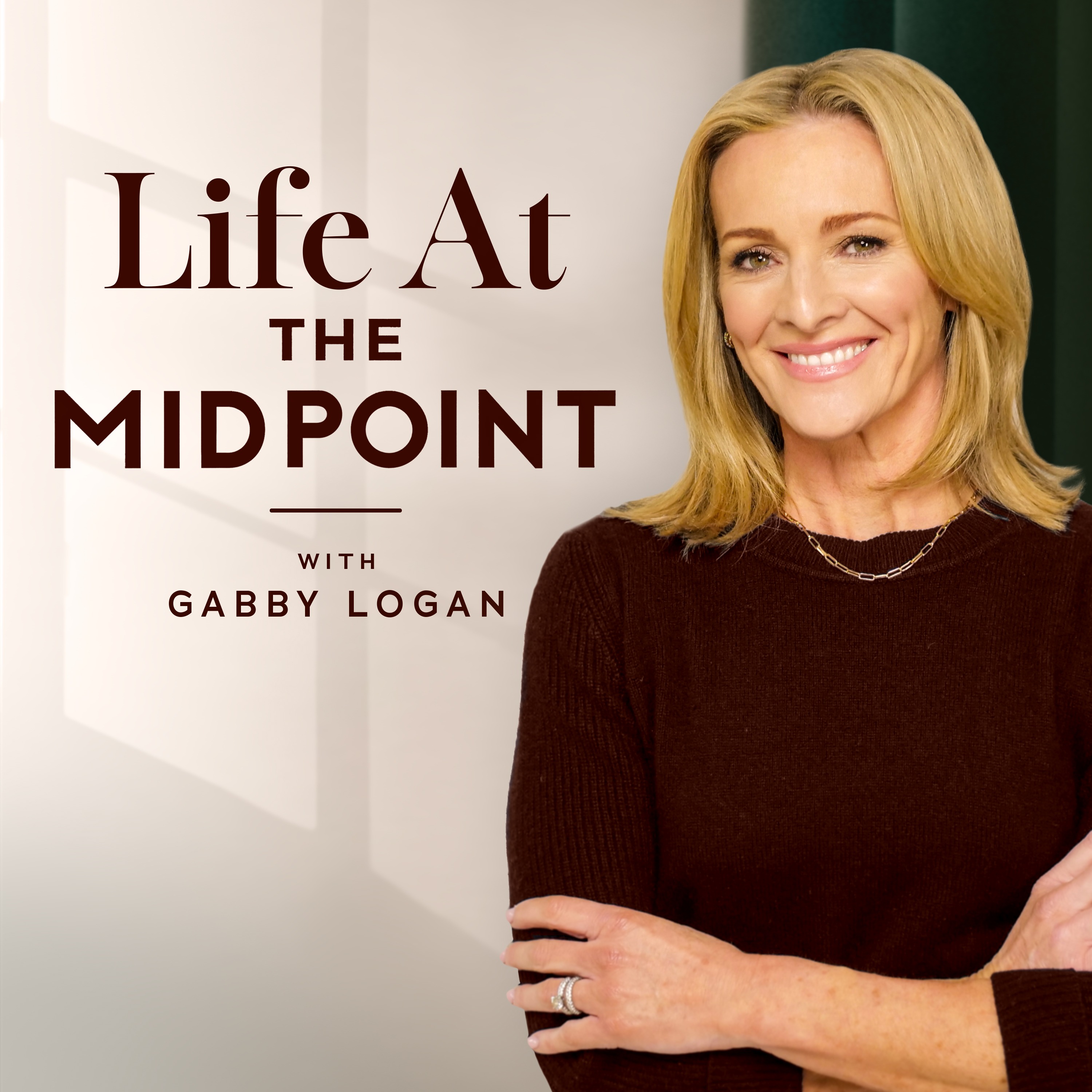
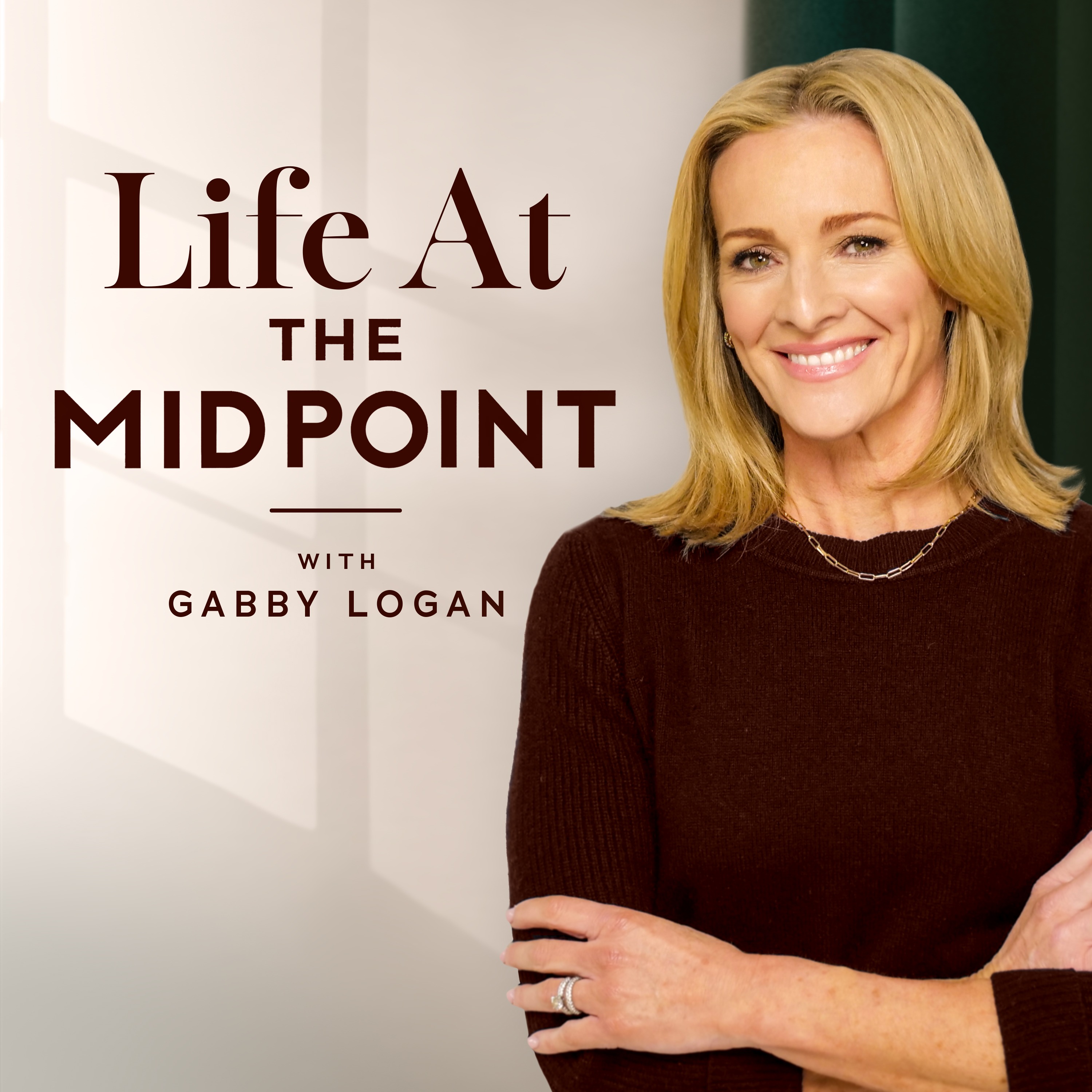
 Life At The Midpoint with Gabby Logan
14 Mar 2025 · 47m

In this episode of The Mid•Point, hosted by Gabby Logan, the focus is on midlife transformations in health and wellness. The episode features celebrity chef and TV presenter Matt Tebbutt, discussing how he is adjusting his lifestyle and eating habits in midlife with insights from nutritionist Sophie Bertrand, who is associated with Abbott's Lingo.
Written by AI. May contain mistakes.

Get the gist, explore an idea or ask about something said.
 Claude
On Life At The Midpoint with Gabby Logan, what are the key points of this episode?
Searching your listeningAutomatic transcript. May contain errors.
0:04Hello and welcome to this episode of The Midpoint which is brought to you by Lingo by Abbott. Now, before we welcome today's guest, I wanted to share a little bit about what you might expect in this episode. Many of you will have listened to a series I released last year called The Midpoint's Guide to Hitting Your Health Goal, where with the help of Lingo, I hit a personal health goal of mine. I learned so much from the experts I chatted to, and there was such a great reaction to the series that I thought we should do more. The difference this time is that I'm helping a fellow midpointer to hit their health goal.
0:37So expect the usual conversation plus a few tips and tricks from our expert guest, Lingo nutritionist Sophie Bertrand. She's going to help us all, but more importantly, my guests today get on top of their health and wellness. And because we're focusing on food, glorious food and the ways what we eat impacts our health, I've lined up a celebrity guest who's as passionate about food as you can possibly get. Not only has it shaped his career, but he brings the joys of it to life on our screens every weekend. Matt Tebbett is a chef, an author and a TV presenter who's always had a real love for food.
1:10He gained a diploma at Leith's School of Food and Wine before working at some of London's most prestigious restaurants under the likes of Marco Pia White and Alistair Little. Since then, he's taken on the mammoth challenge of owning and running his own restaurant, The Fox Hunter, which won several awards under his leadership. And as well as publishing mouthwatering cookbooks, he's also hosted TV shows on the BBC, Channel 4 and ITV. Away from work, Matt lives in the Welsh countryside with his wife and two children. So let's find out how midlife is treating him.
1:45Matt Tebbett, welcome to The Midpoint. And we should say before we get into this, Matt, you have been working yourself with Lingo recently. So that paired with the fact that you're a chef means I am expecting some great tips for healthy meals a little bit later on that also taste great. But welcome. And it's great to see you. Thanks very much. Nice to be here. Nice to be here. Healthy meals, really. I mean, I have to say you look like the picture of health. I'm sure you look after yourself, Gabby. Well, I do, but I love eating healthily, but it's not about me today, Matt. Stop getting into work mode and asking questions.
2:19You're going to be asked the questions today. Now, I greet you on a Monday morning and everybody knows you for the work you do over the weekends on TV, which is live and exciting and I've been fortunate enough to to be on your show before as a guest and I think the important thing that people at home need to know is it's almost exactly how it looks on the telly everything is there it's frantic it's it's live there's not kind of here's one we made earlier when you get home on a Saturday evening and and kind of prepare to try and chill out for the weekend are you totally exhausted does it take a lot out of you okay so this is where things have changed recently so so I've been doing that show for about uh it's almost 10 years now and for the large part of that we go to the pub we finish the show go to the pub with the crew I come home and in the past I've just nipped off to the pub I've met some friends met family and we just carry on and it becomes a bit of a party and so Saturdays historically have always been quite a big day for me because Fridays I'm literally like I'm like a monk I'm in I'm in bed at nine o 'clock there's no I generally don't eat uh much on a Friday I don't drink at all and so Saturday is my kind of release but that's kind of yeah it is totally but I'm slowly changing that because I got fed up of sort of waking up a bit shabby on a Sunday and losing sort of you lose days don't you So nowadays I come back and just kind of just slide into Saturday night.
3:54I'm still very reticent to watch, sit on the sofa and watch a load of TV. That kind of, that doesn't really do it for me. So I try to sort of keep busy, but it doesn't involve having a big party, should we say, every Saturday night. But then that's maybe because I'm 51 now and I sort of, I'm trying to check myself. Yeah, we're both babies of 1973. we're kind of in that period of life almost exactly the same age where you start to notice the energy levels change from things that you used to do as a youth my son was he plays rugby and he was home and he kind of planned to have a bit of a blowout because it's another week off for the Six Nations and he got in at five o 'clock in the morning brilliant I love this I don't know how you do that how do you do that anymore and actually function I think we both know that's not really possible but your industry is very much about that isn't it you know the hospitality industry i imagine as a young man yeah it's all about burning the candle at both ends 100 yeah see it absolutely is and that's part and parcel of and that's part of the fun of it you know um you know back in the kitchen days you used to work very long hours and then you want some semblance of a social life so you'd go out with the guys and the girls that you worked with and it wasn't until days later that you kind of you felt it these days Wow, that's, you know, that takes it out of you.
5:17The other thing I could throw in the mix is that, you know, and you'll know this, the adrenaline you get from doing live telly, it's pretty addictive. Yeah, the adrenaline is interesting, isn't it? Because I do a lot of late night TV with school, you know, things that happen kind of into the kind of almost midnight, I guess, when I do things like the Champions League highlights. And you can't get to sleep straight away. You can't just lie in bed at that time. Because you do have that adrenaline pumping around your body. And I guess that is also quite similar to a kitchen, you know, a service that finishes at 11 midnight.
5:49Totally. The chef and his kitchener or her kitchen aren't going to be able to just switch off straight away. As a young man, you went to Brewleeths and you trained and then you started working in all these quite high profile kitchens through your younger years, learning a lot, I'm sure. Do you think the chemistry and the atmosphere in those kitchens has changed a lot from the days when you started out in your 20s? I think it's changed dramatically. I think it's not at all. I mean, that said, there's always exceptions. On the whole, it's changed dramatically. I mean, back in the 90s, kitchens were pretty dark, brutal places.
6:29It was a bit like going into the army at 16 years old. I mean, it was, you know, it was full on, should we say. A lot of shouting, a lot of screaming, long hours, tough conditions in terms of, I mean, it was hot. I mean, there was people that didn't eat. I met people on the circuit who would, they just wouldn't eat at all. They were, a couple of them were actually diagnosed with malnutrition. And for a chef, you think, you know, what is that all about? What is going on there? Because they just weren't stopping. Because you wouldn't stop. I mean, I remember every now and again, you'd get a cup of tea.
7:07in a soup mug, in a soup terrine, and you'd put it on the side, and then you'd forget about it. And then hours later, you'd come back to it, and it's stone cold. There just wasn't any time, and it was a tough environment. But fortunately, things have changed a lot. Have they? Because it was interesting. It was Jason Atherton who said recently that he didn't feel like there was... He'd never seen sexism in the kitchen, and a lot of women came out and said, oh, hang on a second, it's not always a great place for... You know, there are only, I think, 17 % of top chefs are women and it still feels like there's a bit of work to do in terms of but actually it's interesting the parallels with the military what you just said there you know it's like regimented that you know the barking of orders all that kind of stuff I guess might have put women off being traditionally in those environments I mean it put a lot of people off for sure but yeah I mean no not just women no not at all uh it put a lot of people off I mean we used to There used to be chefs coming through the doors all the time, and that's changed, obviously, because you just can't get in staff anymore.
8:09And so the nature of a kitchen and the nature of a chef at the time was to act in any way he or she wanted. Generally, it was a he. And you could bark orders, you could call anyone, whatever you wanted, shout, scream, abuse in whatever way you want, because then, invariably, some people would leave and there was always somebody coming through the door. So that has changed, fortunately, because of the fact there is now a very small labour pool and I think chefs have woken up to the fact that you can't treat people like that, otherwise you're going to be working a lot harder yourself. Interestingly, at the time, the one person who never got as much abuse as people in the kitchens were the pot washers because nobody wanted to wash up at the end of the night.
8:59so I mean they they got a lot less um shouting at than anyone else it's interesting kitchens where you can see the chefs uh we go to uh we live quite close to one of Tom Kerridge's restaurants and you can see everybody in the kitchen yeah and it's very quiet you know because obviously the public can see into that kitchen and they almost work in silence and in isolation? It was, so I, so back in the late 90s, I went from the busy kitchens that you couldn't see. And then I went to work for this lady called Sally Clark, who had an open kitchen downstairs in her restaurant. And that was a huge jump to go from that sort of, that kind of almost brutal environment to one that was very calm.
9:48You're on display, your whites have got to be white, your apron's got to be clean. your knives have got to be sort of clean and sharp and there was nowhere to hide. And that was a huge leap for any chef because suddenly you're doing those hours and you're doing the prep with the care and the attention that you would anywhere else, but now you're on display. And that took a bit of adjusting to because you couldn't say, you couldn't act in the way that you had, but you couldn't swear for one because, you know, there's the counter and there are the diners and they're looking back at you. And it was a bit strange.
10:26But I think that's, it's like theatre though, isn't it? I think as a diner in those restaurants, especially the ones where the chef's name is above the door. And you can understand if the chef's name is above the door, they're on even, you know, the tension and the stress is higher. But actually then it's like, it is like a theatre, watching those people work and such expertise and such, you know, precision. It's almost part of the dining experience then. Totally. And it's a hugely popular thing now, to the point where they've actually sort of taken wall. There's some restaurants you go to now, they've taken the walls down, that physical wall between the kitchen and the dining room.
11:00And it's totally like the theatre. And it's kind of why I fell in love with restaurants, because I wanted to go into the Air Force. But then I remember I go to London, and you watch a restaurant in full display, and you see the waiters glide between each other without saying a word. And the way the service runs is beautiful. It really is beautiful. and then you know in the back of your head you know in there's the kind of the workhorse and the workroom of the kitchen that's going on and all hell's sort of breaking loose in there but then you've got the calm and the glamour uh of the front of house and it is it's like it's sitting back and you watch a restaurant in full swing it's a beautiful thing to watch and it's really quite addictive yeah and i guess in a way is is good training for live tv isn't it you know when you've got your earpiece in and things are going wrong and there's you know the timings are all over the place you know you have to retain that kind of fun calm air for the viewer well I guess so I mean yeah that was another thing to get used to but I mean it I just love it I mean it's it's it's great to learn I mean I sort of stepped into that world around 40 um I've been doing tv before that but but that whole sort of live thing it was around about that and i just loved learning uh a new skill i suppose uh and having that kind of that that other career and i absolutely love it because yeah things go wrong all the time water cue drops out earpieces go people say the wrong thing but then you know it's it's the i like that sort of quick uh witted nature of of live telly and and you know the adrenaline you get you don't get that with with recorded tv in any small way so so that's the thing that's that really sort of drives you i love it and you're asking really informed questions of guests because they're not just sat there although coming on your experience the show is is like i feel like it's like sitting in a set that you know you get to enjoy the hospitality you're being interviewed but you kind of don't feel it because you're actually drinking wine at nine o 'clock in the morning which is a new experience for a lot of people but but you you're asking really good questions as well you're not just there kind of you know talk about the food you're asking about their lives and their careers and as somebody who loves cooking but cannot even talk to her best mate when she's preparing a dinner party you know when people come in the kitchen and say can i help i please just go and enjoy your cocktails you know don't don't come anywhere near me well i'm the same i so the studio is a very different beast but at home when I'm cooking.
13:37Invariably everyone congregates in the kitchen because that's the natural kind of hub. And I can't bear it. It drives me insane. If you're trying to cook for friends and you're rushing around, you're trying to do stuff because you haven't got a team of home ex behind you backing you up, it's really distracting and it's really annoying. And so I always like to sort of just send them off and I get quite sort of gnarky about it as well. But in a studio environment where things are very meticulously planned and you've got the home ex to back you up. And it's a very different situation. But then I, I mean, I'm genuinely interested in people.
14:14I love, you know, it doesn't matter whether you've met them before, you haven't met them, you have any knowledge of their discipline and what they do. Once you sort of, you know, on a Friday night when I sit in my room and I do my sort of research, invariably there's lots of interesting things you can find out on people. and you want to know those things. So there's always these questions that you have sort of mapped out. But if they say something interesting, you want to follow that up. You know, and that's where the conversation goes. And then you've got the issue... You always follow it up, but then you've got your eye on your souffle.
14:48Well, you try not to do a souffle on live telly. That's what you do. But yeah, I mean, and that's where it always slightly goes awry and we always kind of overrun because I want to know. I mean, if somebody says something interesting, I want to know. And they're telling me in my, you know, you've got one minute and, you know, tell us about this. Tell us what you just put in a pan. And I look at it and sometimes you go, I just put some garlic in a pan. Nobody cares. I'd rather talk about, you know, what that comments that this person has just said. So there's that kind of that balancing act between sort of being informative about the food because obviously it's a food show.
15:26But then you've got this great guest done and you want to know more about them. so I tend to sort of go that way and go oh and by the way I chuck some garlic in here and the recipe's on the website if you really want it so so you you had this um interesting midlife at 40 that kind of career shift where you and you've gradually put more and more emphasis into tv because your restaurant the fox hunter which was award-winning you kind of scaled back slightly in terms of um how much involvement you had you were working with your wife initially on the Fox Hunter, weren't you? I was. And that was all-consuming because that's pride, isn't it?
16:02That's your baby. It was... What was it? It was a lot, is what it was. We did it for 14 years. And it was kind of this dream. I left London. I wanted my own restaurant. The only way at the time, and this was sort of 1999, 2000, wasn't. The only way to do it without any backers was to buy an old pub. So we did that, moved out London, bought an old pub in Wales, did it up, lived upstairs. And I wanted that European, it felt like a European dream where you've got, you lived upstairs, come down, you make the bread, kids are running around. My wife was out the front, I was in the kitchen. And we got it and it was great.
16:49But to create that little kind of lovely little sort of hub or bubble that you can find in the countryside takes an awful lot of work. And it was. And it was, you know, there were times it was brutal. It was relentless. Those little family run restaurants are relentless. You know, you've got a day off on a Monday. That's when you do your orders and your washing. And if you've got any time, you go and have lunch. And then at the end of the day, you get back in and you get ready for, you know, getting back in on Tuesday. And that's it. You get we used to have two weeks off a year. And you didn't want to speak to me on the plane on the way home on a, you know, when I knew that I'd have to wait a year for another holiday.
17:31And you turn parties down and your mates are getting married. And because everything happens on a Saturday night and the night you're off is a Sunday night on a Monday. nobody wants to go drinking with you on a on a sunday night on a monday so it was um it was it was you have to be very good friends with your wife yeah you absolutely because you're the you're the source of each other's work life and friendship and camaraderie yeah and of course of course you know you have you have regular blow-ups when you're working so closely but then the important thing is that the end of the service that's it it's done uh and it's no biggie and you know whatever happened on table six it doesn't really matter it's just food you know what I mean and then that that whole pattern shifted because I got involved in telly from what you know one way or another um and then I was out the equation and then I was dropping back in so Lisa was doing all the donkey work and I was coming in doing a couple of services on a Friday Saturday glory hunter not the taking taking all the glory and then clearing off again so so the whole kind of um the whole pattern shifted a lot and then we reached the and i did that for quite some time we did about for about eight years and then we reached the age i reached the age of 40 and i thought you know what i got offered something else and i thought i'm gonna take this and we took that leap into i said let's let's walk away from this now um and i think and unfortunately it's turned out well but that was that was quite a leap of faith right then but i think you know that's what makes life interesting doing those things and do you think with hindsight that leap of faith which people often want to do in their midlife do you think it's always a risk isn't it but i think confidence increases in in what we're doing with more time the hours that you put in so in terms of your feeling that this is going to work were you pretty confident that i thought i think it was a it was kind of twofold.
19:31I mean, we'd reached a point with a restaurant that we thought, we're doing an awful lot of work here to stand still. We made a living, but it was enormously hard work to get by. So there was that. And then there was this offer of this lovely TV gig of going around the world for six months and going to fantastic places. And I thought, I'm really going to do it. And Lisa thought, yeah, well, let's give it a go. and it was a great thing to do and I think throughout my career I can look back and look at things and go yeah, you have to take those kind of leaps and you have to have a bit of faith a bit of naivety is always a good thing I think if I knew what I was jumping into invariably you probably wouldn't do it but once you're in it you get on with it and try and make it work really but yeah, that was a big turning point for us and in terms of your relationship do you think it was vital to have a shift in terms of a hundred percent I mean we've both talked about this now and that's why I mean you know couples in the industry break up all the time because it is so intense and we've both spoken about that you I'm not sure whether we would have continued as we did for much longer because it was so draining.
20:58And then suddenly, I mean, I'm still excited about having Saturdays off and we've been out at the restaurant 11 years now. And I'm still excited that I can go, yeah, I'll go to that party on a Friday night. Actually, I can't go to anything on a Friday night, on a Saturday night, I should say. um so so yeah i mean it's it's been enormously uh good for us so it feels like you've your priorities kind of shifted a bit towards although it was a really great change in your career towards creating a bit more harmony and balance in your life as well so that you could reap the fruits of your of your of your labors in a way you know that's that's i think what we all hope to achieve into our 50s yeah totally um yeah because we we did spend we spent enormous amount of time I mean you know the training as a chef you're you're busy anyway but then you know I always kind of look at that period that 14 year period in the restaurant where you just keep saying no and you know when we lived upstairs uh in this little flat with these two little kids and there was one moment where my daughter who was probably about six something like that or six or eight run down the stairs run through the kitchen to get to the garden and somebody's carrying a big old tray of chickens or something like that and she kind of swerves through them and I'm screaming at her for going into the garden and he said you had to kind of stop myself thought what am I doing this is wrong you know I can't I can't shout my daughter for wanting to go outside uh and so at that point we thought right we need to get out we need a house we need to step away from this and that was the first thing was to to move out and it wasn't um you know when the kids were younger it was practical because they were upstairs we were downstairs um I could run food up to them they could come down I mean I remember my daughter and my son coming down and they wanted to be in the kitchen so I used to put them in the washing basket um and they couldn't move and they were like little upside down Daleks and they were just they were just sort of stood there eating some bread just watching what was going on I'm sure that's probably not allowed now um but uh but That was the reality of having two little kids upstairs.
23:07And, you know, there's only 16 months between them. Yeah, kind of idyllic, but also kind of mad. Yeah, it was both those. And crazy. And I'm sure you look back in many ways, you know, as those times as halcyon days. But here we are with you at 51. And it feels like that for many of us, we've never been more conscious of the relationship between what we put in our bodies and our overall health. And Lingo can clearly be a huge help when it comes to this. it's a science-backed system designed to power healthy habit changes the lingo biosensor monitors your personal glucose response to food and exercise and the lingo app translates those insights into something you can act upon so i want to talk to you about how your body reacts to food how you how you've noticed it changing have you noticed it changing in in you know in the last 10 years or so and what you put in and and the kind of results that the rest of the world can see Yeah, I mean, I'm much more aware and have been for the last kind of five, six years, I suppose, of what I eat, the times I eat.
24:13I mean, I fight getting old. Let's just put that out there. I was perpetually 25. How are you fighting it? Well, I'm fighting it. I mean, I'm slowly losing that battle. but I'm fighting in like yeah I want to do this yeah let's do that let's go to this party and then go out afterwards and then you know do three days on the trot at a festival and things like that uh and it does it I'm realizing it it's it's quite draining at 51. Yeah so so I think what you're talking about there is probably burning the candle at both ends which which can be helped by what you know when I'm in a really intense period of work I think I pay a lot more attention to what I'm putting in because I know the energy I get from my food is going to be vital to me sustaining that volume of work.
24:59So do you think more about what you're putting in your body? Yeah, I totally do. I've noticed I'm a carnivore. I eat quite a lot of meat, but I've lessened the amount I eat. I eat a lot more vegetables these days. I eat a lot earlier than I ever have done. I mean, the first switch I did was when Saturday Kitchen came around and I realised that I can't go out for dinner on a Friday night because you're just awake for hours feeling really full up. So we go into rehearsals, we sort of try the food and that's it. My cutoff point is about five o 'clock. And then in the evening, I'll have a couple of mint teas and drink water and that's it.
25:44And then I can sleep relatively well. In terms of other stuff, yeah, I'm eating less meat. I'm eating more sort of pulses. If I want to go sort of healthy, as it were, I'll reach for an Ottolenghi book and go into that. And all that kind of... I just feel a lot better about myself if, A, alcohol is restricted or totally out of it and things that I eat a lot more pulses and a lot more grains, snacking is now things like nuts and stuff like that i try not to eat too much bread fizzy drinks have never been really part of my diet but um generally i have a very i think i have a pretty good diet the the things that get me are the going out i eat out a lot um i eat and that invariably is eating out late the food you get is very rich it's always because it's so Tasty is always butter heavy and stuff like that.
26:46So those are the things. Yeah, a lot of salt. Those are the things I'm trying to sort of just taper off just a little bit. I mean, at home, I always cook fresh food. There's never any ready meals. Very rarely do I buy a jar of sauce and add it to something. And I always feel like I'm slightly cheating. But then I enjoy the whole process of cooking. And I've got time. I know a lot of people don't. So I'm very fortunate with that. But I think those things help enormously. So at the top of the episode, I mentioned the health goals that I had personally been looking to try and achieve when I recorded a series last year.
27:26And it did teach me a lot about my body. And I was lucky enough to have a collection of experts at my disposal to get me to that personal health goal. And so it was such a great experience to use the Lingo biosensor there. So today, Lingo has got another expert for us to have a chat to, Matt. I'd like to welcome Sophie Bertrand, who's nutritionist at Abbott's Lingo Business. So welcome to the midpoint. Sophie, you're going to help us a little bit with Matt's health goals today, Sophie. Hi, thank you so much for having me. Nice to see you again, Matt. Hi, Sophie. So, Matt, we need to find out what your health goals are, because you've been using Lingo recently, I understand.
28:07I have, yes. And it's been really good. It's been some surprising results. The one that sticks out to me always is that I came from the gym. So I like to go to the gym a couple of times a week, as well as walking and stuff. So I keep myself sort of active. And then I went to the local waitress and picked up some sushi. And I thought this was a healthy kind of lunch, as I was snacking on a bit of sushi. And then I just happened to look at the app afterwards. and it revealed quite a big spike in glucose. So that was quite surprising to me. So that was one thing. And then there's others. So yesterday, for example, I was cooking for my son and his friends and then I had a really this delicious, I have to say, sticky, it's like a sticky toffee pudding, which I presumed would send glucose levels through the roof.
28:59And it didn't. And I was quite surprised by that. And I don't know why that is. Sophie, can you help with that? Well, before you help Sophie, I think what we should also ask Sophie is what was Matt trying to achieve in the initial outset here with his biosensor data? Well, I think we were looking at steady energy levels. I think Matt, as he's kind of touched on throughout the episode, his lifestyle can be quite chaotic sometimes. A little bit inconsistent. A little bit inconsistent. He doesn't necessarily have that kind of routine every day. and there's kind of those few nights of the week like you said you go out for dinner a lot so matt tell us why increasing your energy levels is so important so i've i've noticed in recent years and i don't know whether it's just because i'm i'm getting older by about sort of 4 35 o 'clock uh i'm really sleepy and i'd really like a little nap uh so so my energy levels are on the floor and that's a terrible time to have a nap because I'm such a bad sleeper because I know if I literally have sort of 10 minutes there that's going to wipe out my sleep that evening and also I've got quite a short attention span anyway so if my energy levels are on the floor that's not going to help that so so you know the combination of those two things is is what I really wanted to look at I found it really interesting as well what you said about kind of having that adrenaline running through your body after kind of like being live and that can kind of I liken it to sometimes if you haven't eaten for a prolonged period of time and then your body does start to run on adrenaline and then you kind of get to the point where you're so hungry that you don't reach for something that's kind of rich in protein and healthy fats it's like those fast releasing carbohydrates because your body's kind of like all quick we need to re-energize and then that can kind of set you on the cycle of kind of you know unsteady glucose levels but um yeah so we were we were looking at energy levels and what you said about the sticky toffee pudding is really interesting did you have kind of like a well-balanced meal prior to that yeah yeah we had a couple of legs of lamb a lot of vegetables a bit of carbohydrates yeah that sounds lovely um but yeah having that protein rich cyber rich vegetable makeup prior to maybe your higher sugary foods can help slow down the release of the sugars into the system.
31:25So, you know, we always say we never want anyone to restrict. We want everyone to enjoy the foods that they, you know, love to enjoy when they go out as such. But we do need to make sure we're balancing it with those, you know, important macronutrients like healthy fats, fiber, protein. And like I said, that can help slow down the release of the sugar. So if you had just had that sticky toffee pudding in isolation, I would predict that you would see a bit more of a reaction to that. Sure. And the spike, obviously, that you're talking about there, Sophie, that can happen. It will happen, but it's about how it comes down as well.
32:00I understand. Exactly. It's totally normal to have spikes throughout the day. And as long as we are seeing, like you said, a pretty good response to that spike. So coming down within around a 90 minute, two hour window, that's kind of an indicator that things are working pretty well, your body's responding and we're getting back to that kind of steady glucose level at the end of the day. But if you are consistently spiking and seeing prolonged spikes, that might be an indication that we need to do some work on your metabolic health. It's clear from Matt and talking to him and understanding his lifestyle, as he's explained it so brilliantly, that diet and food is pretty much central to you, isn't it?
32:40It's everything that you're about, Matt. So you're not going to you're not somebody who doesn't enjoy food you're not somebody who sees it just as you know an energy it's all just for energy you want to enjoy the taste you want to enjoy the experience of eating yeah absolutely and i suppose it's what i mean the other thing i've noticed is that so i look at my lingo graph and it's pretty steady overall even though i have an erratic lifestyle and i don't really know why that is either well are you quite you mentioned you went you go to the gym a few times a week would you say you're pretty active in general yeah i would say that that that's a huge um kind of constant i'm the same but that's actually really good for managing glucose levels because there's research to say that actually doing you know some kind of movement before or after eating can lessen that spike by around 35 percent which is pretty big when we're speaking about you know kind of spiking going up and down so being active is really key and it is important to note as well that if you know if I was living your lifestyle for instance you I might see completely different glucose levels because we're all unique and that's why lingo can be so helpful because it is that unique window into your body and Matt you've been living this life for you know 10 plus years there's things that you have started to do like working out um you know being active being mindful of the fact that yes you do go out for dinner quite a lot but also you are prioritizing things like vegetables and protein in your diet that that is that's helping and that's working for you so that's really great that you've managed to learn that from using lingo so tell us a little bit more matt about your exercise is it a routine would you say it's pretty similar kind of week to week or are you erratic in your your exercising i try and be pretty consistent uh with the exercise routine i've always loved exercise I used to play as a kid.
34:35I used to play a lot of rugby. When I was in the restaurant, I used to go and clear my head by running around for a good sort of hour and a half. And I just find it really, that's my downtime. Mental. It's a mental thing as much as physical. So anyway, so then my knees started to hurt. So I stopped running and I took up weights. So I now go to the gym for a couple of days a week and do free weights. and that has helped no end with all sorts of things. I've got, you know, horrible sciatica and it seems to have sort of helped with that a lot. It makes you stand better. You just hold yourself better and it gives you sort of much more sort of core strength.
35:19So I've loved doing that. And also I live in Wales, we're surrounded by hills. There's a nice little walk up to the castle and down the other side. It takes about two hours and I try and do that in the other day. So I do that about sort of three times a week as well. And that collectively is just time to clear my head and just kind of, I don't know, just relax. It sounds weird, exercising to relax, but that's... No, no, I think I totally, totally get that. Is there anything surprising, Matt, that you've seen? Anything that spiked that you were kind of shocked about? Well, I suppose I mentioned the sushi, because I thought that would be quite a healthy little snack.
36:01lack but apparently it's not why is that i mean it it depends on the type of sushi obviously but maybe lack of protein something rich in carbohydrates you know if it's kind of rice based and actually a lot of people will see quite a large spike in response to things like white rice some people don't some people see more of a spike in things like white potatoes so again it really does depend on the individual but also what you've done that day you can have the same meal two days in a row. However, if you were more stressed on the day before, or you've done very little movement, you might see a bigger impact in your glucose levels than the next day.
36:38Okay. Do you remember how you felt when you were experiencing that spike? I mean, it was a very brief sort of up-down spike. So it didn't last at all. I mean, the one thing I have noticed is that I still get sluggish around sort of five o 'clock. and that's the time I want to reach for a biscuit. Cup tea, biscuit, or a nap. Or both, preferably. So are we trying to eliminate the biscuit? Well, I mean, yeah, ideally. That's really common, that kind of mid-afternoon slump, we call it. And again, this could be for a number of reasons. Out of interest, Matt, do you drink coffee in the morning? I have loads of coffee.
37:22I have so much coffee. How long, from the time that you wake up, when's your first coffee? From the time I wake up, my little routine is downstairs, black tea, as soon as I've done the black tea, probably pretty much endless espressos most of the morning. Are you going to tell me that's bad? No, no, no. Actually, we have research to support that actually, you know, there's quite a few health benefits to drinking coffee. However, as a nutritionist, I always recommend... There's going to be a but. There's going to be a but. Yeah, of course there is. It doesn't mean change anything. It's just a little bit of a hack.
38:00If you can wait around 60 to 90 minutes from waking to when you ingest caffeine, it can help clear out something called... That's the whole point of coffee, Sophie. We can work up to it. But it gives your body a chance to clear out adenosine. And adenosine basically builds up throughout the day to make us feel tired when we go to bed at night. and we've still got some lingering in our system when we wake up in the morning so if you allow that time for the adenosine to clear out a little bit right what coffee does is it blocks it so when the coffee wears off later on in the afternoon that's when you'll feel the the buildup of adenosine which is what makes you feel tired yeah i love that if you can work on just waiting if you can work up to you know do half an hour 45 minutes and then up to an hour you can see if you can see a difference later on in the afternoon okay i mean so is it are you gonna are you gonna tell me it's wrong to in that slump of the day go and have another coffee yes i am gonna tell you that because that's gonna impact your quality of sleep so and sleep is really important i have terrible i'm a terrible sleeper okay so so this pattern i'm telling you can we swap to decaf in the afternoon placebo effect pointless
39:16not necessarily you can get you can get the same health benefits from decaffeinated coffee can you what about a time limit then so when would your last coffee normally be would you say um before 12 o 'clock right okay so that's great i love to hear that that's so that's okay sophie yeah so during the night what have you noticed about the the glucose levels it's It's pretty constant. It's pretty stable. There's no sort of spiking. I've noticed that. And again, I mean, that's, you know, I've enjoyed sort of watching this because that's one thing I'd like to get better at is sleeping. But the glucose levels seems to be OK.
39:57It's pretty consistent. See, that's very interesting because I feel like if I were to sleep, how you just described, I would see a lot of spikes. so again it's just really interesting to use lingo to your own kind of unique advantage and you know we know that if we've we've slept poorly there's a higher chance the next day that we we are likely to overeat and consume more calories so again depending on what you know an individual's health goal is that can be really insightful but it's great that you've kind of picked up on some key learnings around you know what foods spike you what doesn't what you're doing right now that's helping to manage glucose levels like staying active, increasing your protein and vegetable intake.
40:39I feel like those are some really positive outcomes. It would be interesting to see the days when you're really active in terms of not just your normal activity, but also adding in your gym or your kind of fitness days, how your glucose levels are affected at night on those days. Again, I mean, so I live in Wales. We've got surrounded by hills. So every day I'll go out and I'll do a couple of miles around the hills. and it's it's pretty consistent but the the one thing i was going to ask you is about skipping meals so i generally skip breakfast i'll do a bit of snacking uh for lunch and then just have dinner in the evening does that have a bearing on it as well i mean we see some success in intermittent fasting interestingly there is some research to say that actually eating earlier in the day and then kind of lessening what we're eating towards the end of the day so not having your kind of really heavy meal too close to bedtime can be really helpful but it actually sounds like you're doing just that having your heavier meal towards the evening but there are again there are individual differences there and actually intermittent fasting might work for you in the way that you're starting later on in the day because of your lifestyle as well because we We want to be able to find ways that, you know, we can fit these things in that don't feel like a chore.
42:01We want to optimise your health in a way that works for you and your lifestyle. And it really does sound like you're managing to do just that. Do you feel like you've got enough information now to go forwards and try and hit the goals of consistent energy a little bit better, Matt? I feel like I've got the information that I need to not have coffee so quickly in the morning. But yes. Yeah, no, I do. I mean, it's helpful because it's what's become apparent is that there's this balancing act between, you know, like the Sunday lunch I've just mentioned, you know, the proteins and the fiber and the carbs that offset the glucose spikes in things like, you know, sticky toffee pudding.
42:43So essentially it's balance, right? It is. And your version of balance, like I said, is going to look different to someone else's. So kind of, again, just to reiterate. everyone's no no no but again that's just the great thing about lingo because i'll say it again that you know what works for you isn't going to work for me we're also individual we have to take into account that some people work a nine-to-five office job and they're set at a desk for x amount of hours a day some people are not and again it's just finding out what things and again the app can actually coach you and make suggestions around things that you can be doing throughout your day that help to keep your glucose level steady.
43:23Thank you so much, Sophie. I feel like Matt's taking that on board. I feel like he's considering delaying his coffee. I was going to say, he's upset about the coffee thing, but he's fine with everything else. I'll get my head around it. Thank you so much. I found it fascinating. I was looking for more consistent energy as well, Matt, when I was wearing my Lingo biosensor. And it was combining things that was really interesting. Like I was running around working, I grabbed some, what I thought was a healthy option one day. I was at a radio station and I grabbed these rice cakes that had like white chocolate on them because I thought of rice cakes.
44:00And of course, I had a massive spike. Yeah, massive spike. And I was advised, put some peanut butter on them or put some hummus on them or, you know, something that is also, you know, going to help in terms of not having that spike, an avocado or something. Yeah. And it just makes such a difference. It really did. So it was a good learning. And I have definitely absorbed that. But I'm like you, though. I do enjoy I love my first coffee and delaying it's just a nice quiet time it's just me and the cats nobody's calling it's perfect if I could just hold on to that for the rest of the day it'd be great what I've tried to do is have a full pint of water before it so I've tried to kind of which delays because obviously you're filling your body with a bit more liquid so I've kind of delayed it a little bit okay that's a tip I like that I'll admit yeah and also we we lose so much water at night don't we we dehydrate so it's kind of helps you rehydrate and I have tried a couple of times to go and do a workout without a coffee because I just can't imagine working out without coffee yeah and that that delays it again but oh it's miserable um like I do that I work out and then I have my my caffeine your coffee reward afterwards yeah thank you guys really i've loved chatting to you today matt it's been great you're a you're a real midlife hero i think because thank you lovely to talk to you are um doing the things you love and getting you know getting a balance clearly and sophie brilliant advice thank you thanks guys thank you guys
45:34thanks so much to matt and sophie for joining me for today's episode i'm pretty confident in predicting that I'm probably not the only one who's feeling a bit peckish after that episode, but at least we have a much better idea of how to make the right food choices, even in the midst of a hectic lifestyle, in order to beat those energy slumps. Also, Matt, best of luck with those health goals and that first coffee of the day. As I said when I recorded the Health Goals series last year, we can't all have an expert in our corner, but we can all listen to our bodies and find the right answers thanks to Lingo.
46:04And if you have your own personal health goal to hit, then why not visit hellolingo.com forward slash UK to find out more. Don't just eat right, eat what's right for you. Lingo, your body has the answers. Lingo is not for medical use. 18 plus only individual responses may vary. Lingo is a mark of Abbott. This is a paid partnership in collaboration with Lingo.
In this special episode brought to you in partnership with Lingo by Abbott, Gabby sits down with certified food lover, TV host and chef, Matt Tebbutt. We hear how Matt’s fun-loving and sometimes chaotic lifestyle is evolving in midlife, which brings with it a number of changes - not least to his health. From living in and running an award-winning restaurant with his wife, to kicking off the weekend for millions of us on TV every Saturday; Matt’s zest for life is something to admire. With the help of today’s expert – Sophie Bertrand, in-house nutritionist at Abbott's Lingo business - and the wealth of data available to Matt on the Lingo app, will he be able to continue to embrace life whilst also making the positive changes he needs to hit his health goal?
Lingo is not for medical use. 18+ only. Individual responses may vary. Lingo, and related trademarks are marks of the Abbott group of companies. This podcast and the guests are part of a paid advertisement for Lingo.
For more information visit hellolingo.com/uk
#HelloLingouk
Hosted on Acast. See acast.com/privacy for more information.