 Ask ChatGPT
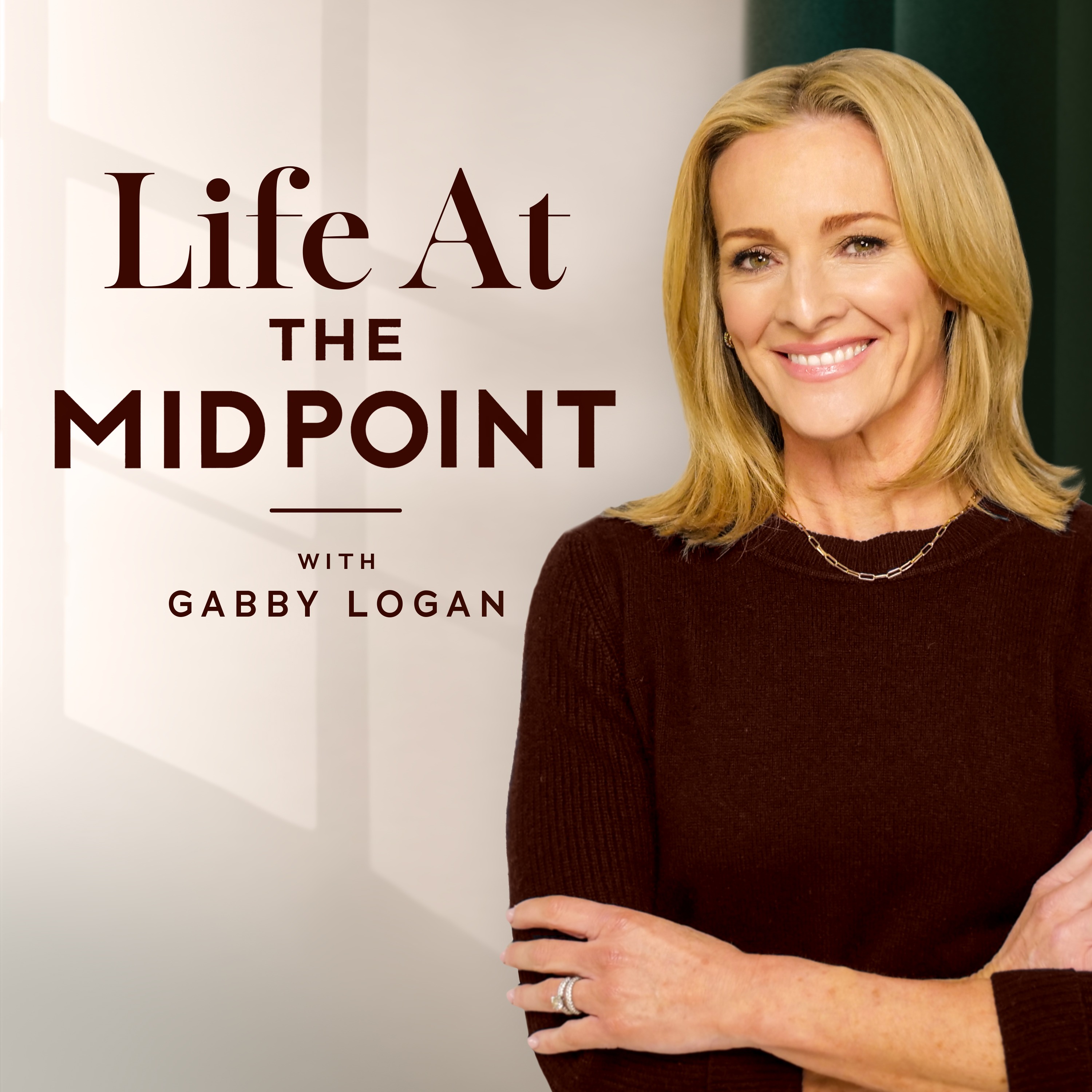
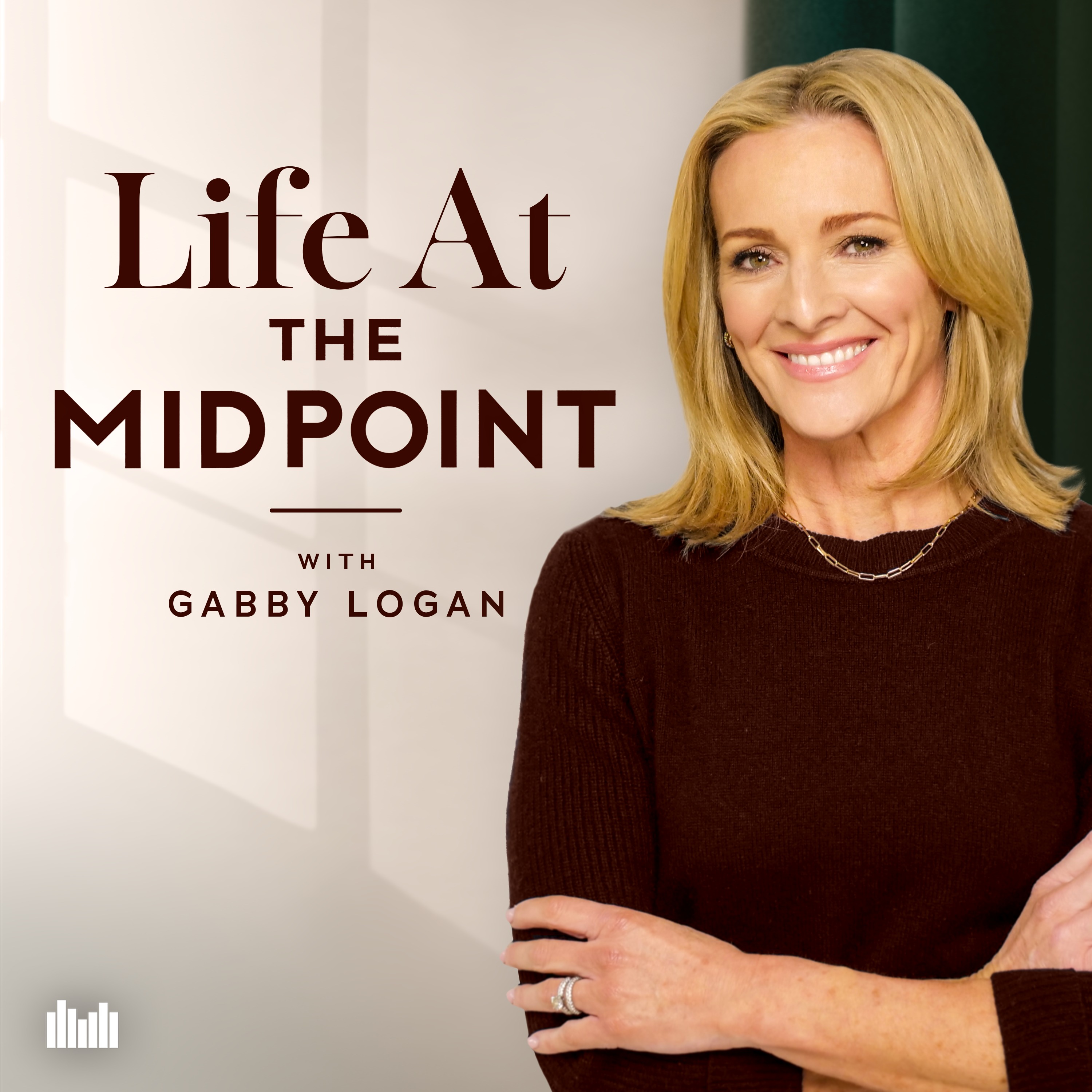

In this episode of The Mid•Point, Gabby Logan hosts elite stuntwoman Olivia Jackson, who shares her powerful journey of recovery after a life-changing accident. Olivia was involved in a serious on-set accident in 2016 that resulted in the amputation of her arm and left her fighting through a long recovery process. Through her story, Olivia discusses themes of resilience, acceptance, and redefining identity beyond physical abilities.
Written by AI. May contain mistakes.
Olivia discusses the details of her life before and after her accident.
“As soon as she could start moving, she did.”
Olivia shares her journey of recovery, mental strength, and physical healing.
“I gave a little bit of your story in your introduction today.”
Olivia talks about her injuries, scars, and the journey to self-acceptance.
“and the surgeons there in the ICU said the thing that saved my life was my mental strength but also the physical strength of my body.”
Olivia reflects on the loss of her previous lifestyle and the challenges of transitioning to a new reality.
“And if you don't know what deglobed, it's the skin's ripped away from the bones.”
Olivia discusses the emotional struggles post-accident and the support she received from the community.
“And there are obviously the physical, the emotional and there's relationships around you that that will change when something like this happens, because not everybody can accept or deal with that.”
Olivia explains how her Buddhist practices help her cope with chronic pain.
“And that was something you were doing before the accident?”
Olivia describes her experience of living with constant pain and her approach to it.
“Well, the thing about my pain is nothing takes it away.”
Learn how to coexist with pain while still enjoying life through acceptance.
“But, you know, it's not there, but I feel like it's there.”
Discover the emotional and physical benefits of horse riding post-injury.
“So it's kind of come alive in me, which has been amazing through my spiritual practice and meditation.”
Understand the impact of trauma on hormonal balance and health.
“Yeah, I've tried to see lots of specialists for it, including endocrinologists.”
Explore how meditation can enhance memory and emotional well-being.
“Because a lot of people say, I can't meditate.”
Olivia discusses the challenges of setting up healing sessions and adapting them for personal use.
Olivia reflects on her struggles with relationships after her accident and her journey to self-acceptance.
“There's been some years where I really just need to find that within myself to be really healed as much as I can, content within myself.”
Olivia shares her feelings about body image, vulnerability, and how her accident has affected her self-perception.
“But if you did, you feel now that you have the confidence to enter into a new relationship if that came across your path?”
Olivia discusses how her accident led her to rediscover her purpose and deepen her spiritual practice.
“And I don't mean why the accident on that day happened, but why it happened to you, Olivia, and what you had to learn?”
Olivia explains her role in facilitating healing for others and her approach to combining it with traditional medicine.
“supporting people on their journey of healing, physical and emotional, yeah.”

Get the gist, explore an idea or ask about something said.
 Claude
On Life At The Midpoint with Gabby Logan, what are the key points of this episode?
Searching your listeningAutomatic transcript. May contain errors.
0:28Hello and welcome to The Midpoint. Eventually, her arm would be amputated after she'd spent 17 days in a coma. She'll live the rest of her life managing the pain that results from that accident. And that is primarily what I want to talk to her about. Because Olivia Jackson, as you can imagine, somebody with that kind of passion and energy didn't sit still. As soon as she could start moving, she did. And she started using breathwork to help her manage that pain. and not just exist, but to actually live a full and active life. She's a Muay Thai fighter, a dressage rider, and I think an all-round inspiration.
1:06So let's welcome Olivia to The Midpoint.
1:11Olivia, welcome to The Midpoint. Thank you so much for coming on. Thank you. Thank you for having me. I gave a little bit of your story in your introduction today. How are you talking about the day when your life changed forever? I'm better with it now. So, yeah, I'm happy to talk about it. I imagine a lot of it had to be pieced together for you afterwards in terms of people's recollections of the day. Well, strangely enough, I actually have quite a good memory of the day, like all the way up until the actual, just the actual accident, which is amazing. But because I was in a coma for a few weeks, there was some processing going on while I was in the coma.
1:56It was just a bit deformed. So when I woke up, I kind of knew what was going on. There was just so much fear, confusion and all that. So it kind of took a little while for all the pieces to fall into place. But yeah, strangely enough, luckily enough for me, because my body was so broken, so severely injured in so many ways. I didn't even have space or time to worry about what's my life now and all that. So it actually saved me in some way from getting into the mental suffering from it because I just had to be 100 % trying to fix my body. I had to learn to walk. I had to learn to sit and all that.
2:43So you kind of almost kicked into gear as the sportswoman that you were. You treated this like a process. This is what we've got to do right now. Yeah. And the surgeons, I was very fortunate to be in a very specific trauma ICU in Johannesburg, South Africa, because that's where we were filming. and the surgeons there in the ICU said the thing that saved my life was my mental strength but also the physical strength of my body. Because they said if my shoulders and my back, all my muscles and bones weren't so strong from so many years of sports, I would have just got ripped off completely. The whole shoulder would have come off with the arm.
3:32And that would have been you finished? There would have been no... Yeah, because I've described some of your injuries in the introduction and your face, which I can't believe. You know, you're a beautiful woman and you look fantastic today. I can't believe the injuries that you had on your face. When you woke up, you're dealing with the process of how to make everything work again and how you're going to use this body to do what you wanted to do with it. And there was a real positivity. there was also a physical side of this that was the aesthetic of what had happened and your face was was very badly damaged how yeah how quickly did you come to terms with that i mean that that's been a really hard shift actually um i mean you can't see now imagine the camera and i've got makeup on but my face was degloved so i've got a scar running all down my face here.
4:31And if you don't know what deglobed, it's the skin's ripped away from the bones. You could actually see my teeth through my face, apparently. Wow. So yeah, the change in my face has been really challenging. I've got lots of scars everywhere and a little chunk like out my cheek here. But I guess at the same time, I've also moved into becoming middle-aged so it's like a shift that's happening a double time I guess and acceptance yeah yeah you know when you sometimes hear people say oh I love I love these lines or I love these scars because they remind me you know of what I've done in life are you at that stage yet you know when you take take your makeup off and you look in the mirror Do you have that feeling?
5:24Well, over my body, because I've gone for so many medical legal assessments, and over my body I've got like over two meters of scarring. There's so much scarring. But most of it I don't. I don't know. I think, as you say, acceptance is just what it is, really. And it's also been 10 years, so I'm quite used to it, quite used to the face that I see in the mirror, although it's getting a little bit older. It looks great. Yeah. Thank you. And the other thing about your transition from before and after with an accident like this is you had this incredible, I described kind of high octane, high energy life as a stunt woman.
6:08Knowing that, or at least I imagine feeling that that wasn't going to be coming back anytime soon, that lifestyle that you had, which you obviously loved. how how kind of how did you deal with that to start off with i mean that's been the hardest part actually you know the the love of my life was motocross i absolutely love motocross i miss motocross more than i miss my left arm that's for sure really um and yeah i was too i was a stunt performer i was always always always physical riding motocross training martial arts traveling a lot just hiking far doing lots of things I just loved that brought me so much joy but in the beginning when I was injured there was a kind of denial phase where I thought I'd get back on a motorbike I'd get back to doing these things but soon I realized like just how broken my body was or is but I've just got I'm just the type of person that just gets on with it you know acceptance this is what it is and what can i do to make my life as it is better how can i still enjoy my life so i still i still train martial arts still to the day and i've seen the videos are incredible thank you and you fight i'm not anymore i used to professionally but in thailand but not anymore no i spar very very lightly with the people in my gym and they're very careful with me because no one can hit me in the head because my paralysis and blah blah blah but yeah it's like a timid version but hey you get a little do you get a little bit of the buzz a bit of the adrenaline yeah it's just a really good feeling you know there's it's such a tight community in martial arts we have so much fun we have so much laughter and it's just really fun to move your body in that way so and I've been doing it for you know 25 years so I just really love it So it's just nice to do it, even though it's a little timid vision.
8:10Yeah. And there are obviously the physical, the emotional and there's relationships around you that that will change when something like this happens, because not everybody can accept or deal with that. And they can't they can't understand how to behave. You don't know what people are going to do until they're tested. And I imagine there were people around you who really stepped up and others who perhaps didn't. The amazing part when I was first injured was the whole stunt community across the world was just so incredible and the public as well. They were just so incredible the way they supported me and still to the day.
8:55And, you know, my family and my friends are always there. I don't notice anyone that didn't quite step up, but there's different shift in relationship with a lot of people because I guess I'm stepping into a different reality, right? And how I relate to people. So were you finding that difficult? Did you ever find it hard to not feel some kind of resentment about people who were moving on with their careers in the stunt community or even having families and things that you thought your life might present? yeah I think for me social media was very challenging I went off completely off social media for an entire year because it was very hard to see I mean social media is just you know it's hard you don't even know if it's real or not but I was seeing all my friends and my colleagues like doing all these cool movies and traveling all these cool places I mean I was just I just felt really stuck where I was.
9:56So that was very hard emotionally. But I'm really grateful that I have a very long standing spiritual practice. And that's really, really carried me through the whole way. And that was something you were doing before the accident? Yeah, I'm so lucky. They're so grateful. I started to be a Buddhist when I was 18 in the year 2000 or something. yeah and that and that you feel has been enormously beneficial in in terms of your your journey to wellness oh yeah so so beneficial I remember right from when I was in hospital just lying there all night long just all I wanted to do was scream and pain and I just came back to like what I learned through Buddhism and the the way that they teach you to be with suffering and oh my god it's just been so helpful and through the years you know it's become now my life really yeah and that's what I wanted to really get into today was was that and how you are dealing with the pain so can you tell us for people who don't know anything about Buddhism what you are taught in in terms of pain and how to deal with it well there's many different ways to look at it but you know pain and suffering are not the same thing um pain is just pain whether it's physical whether it's emotional but it's the way that we respond to that is the you know creates the amount that we suffer from it so buddhism and not just buddhism but a deep spiritual practice and a really embodied practice where you really go on an inward journey um it's so transforming and really helps you to deal with any life situation, whether that's physical pain, emotional pain, stress, or whatever it is.
11:51So how does that look in practice? Is that meditation or is that breathing? Because I know breathing is something that you have talked about being enormously beneficial for your pain management. And there are breathing practices, but that's not normally my style. for me the style of practice that I do it's a very embodied practice so it's a lot of meditation so I do a lot of meditation myself and go and retreat quite a lot and I teach meditation but it's a very embodied style where you really just go inward it's not about trying to be quiet in the mind or anything like that or create a certain mindset it's really just going inward like what is going on in my inner processes right now how does that feel how can can I just be with that or am I in constant reaction to that and then by getting used to being with your inner processes whatever those might be it just brings you into a different in relationship with him so there's less in a conflict and you just can feel more grounded and calm even amongst chaos so the pain that you experience and i've seen the images of your spine after the accident and your back is is an area that still has to be to be managed obviously that that pain you can eradicate through through that practice or at least take to a point that you're able to function on a daily basis.
13:28Well, the thing about my pain is nothing takes it away. Medicine doesn't take it away. Surgeries, nothing takes it away. And when you know that you're going to be in pain for the rest of your life, every moment of every day, it's a very different mind shift. You have to take a very different perspective with it. So right now, sitting there, Are you uncomfortable? Very. I'm always uncomfortable. So right now I've got like loads of neuropathic phantom pain going through my entire left arm. But, you know, it's not there, but I feel like it's there. But only in the form of pain. And it feels like electric shocks, flesh-eating termites, you just name it.
14:16It's like an orchestra of pain all the way up through my neck and some of my face. My whole spine is in pain, my pelvis, my hips, all my muscles along my spine, my neck, my head. So how are you having this conversation with me and also managing to produce smiles? Well, that's the thing. The ideal, especially with a spiritual practice, is not have to go into war with the pain or the emotional pain, but let it be there if you can get rid of it great but if you can't can you let it be there but still still do your life anyway you know can i just be with this pain in my body it's so acceptance is a big part accepting that it's there and just becoming friends with it in a way so really spending time with it and the more the more time that you spend with it the less of a threat it becomes so you get to a point where you can just be in all that pain but still have a conversation still smile still go out and having fun with my friends still do martial arts yeah and horse riding i know has become something as well that you yeah you as you i mean as you would you go through um life-threatening injuries you your back is left looking like it you know it's concertina and you lose an arm and you decide to pick up horse riding what has that brought to your life that relationship with a horse i love horses they're such incredible animals i love them so much and riding them is fun but just as an animal like the relationship is so incredible um and i actually i had horse ridden before i was training a little bit of horse stuff for stunts and um but not i was you know just a total beginner and i when i was able to drive my car again after the accident about a year after the accident i was driving down the road pass about a mile from my house and i saw this little sign on the side of the road it said horse riding lessons so it's like okay i'll go in there so i pulled in there and said i want to start horse riding and that was the beginning of my journey but it was amazing I love horses so much they bring you so much joy and yeah do they my daughter's got horses and they've been around us for a long time do do you think they get you do they the energy that you get from a horse you kind of really feel that they understand for me they really mirror you so you can't hide and this is quite interesting from a spiritual perspective as well because we work a lot with energy in the body and horses you can't hide from them you can't pretend that you're not stressed or pretend that you're not scared and they pick up on it so quickly they pick up on it in very tiny bodily movements that we as humans wouldn't pick up on but um so it was very interesting to work with them in that perspective and did you did you feel because your horse presumably hadn't been ridden by well the first time you got a horse not necessarily been ridden by somebody who had one arm did you feel the horse reacting to that and kind of accommodating you um yeah it's not easy to find a horse that are all accommodated some are too sensitive and they get too stressed because it's very different feeling for them in the mouth I had um unique reins made for myself where I could work one-handed but you know I'd have to go and try horses and just see how they felt with it and how we clicked as well so it wasn't easy finding horse and I of course really needed a safe horse which is hard to find yeah yeah one that's not too spooky and uh yeah but you found that you found that relationship eventually didn't you yeah I need things I needed a safe horse but I like to have fun too I like I like going out galloping fast but it must stop when I want it to stop yeah yeah so the daredevil in you that the woman that wanted to take risks is is still there and still needs that that kind of scratch itching yeah definitely I'm still me I'm just in a broken body but it's still I can still do think so if i'd met you 11 years ago take away all the physical things that have happened what would i have noticed that was different about you as a person are you calmer now are you wiser i'm probably quieter i'd say there's been a there's been quite a big shift in the last 10 years when before the accident I was quite wild and free and very confident and extrovert but I'm naturally an introvert growing up but after the accident I went everything goes inward you know your energy gets very dampened down and you find your way again you know kind of like finding your sense of identity again but in the last three years it's been quite a radical shift for me where I've kind of found that really innate, joyful, alive energy again.
19:43So it's kind of come alive in me, which has been amazing through my spiritual practice and meditation. So now maybe not too different, except a little bit quieter, yeah. And coming through the period of life, this kind of mid-life period, will you experience the same kind of symptoms of change that women experience through their 40s and 50s? Has your body already kind of had a radical shift in that? Because I know sometimes trauma can bring on menopause earlier in life. Yeah, I'm not sure how it will work with me. A bit differently, I'd say, because one of the strange symptoms that I had from my head injury, so I had a very traumatic, a big traumatic brain injury and one of the big shifts that happened in my body was major hormonal changes so I didn't produce melatonin for a long time and I actually fell pregnant more than once to the point where I had to go to the doctor I took so many pregnancy tests all positive so I went to the doctor and I wasn't pregnant it was the strangest thing i even had breast milk actually oh my god and and the reason why i found out was i was just totally randomly walking down the stairs in my house and i just had this thought in my head that thought i feel like i'm pregnant i don't even know what that means but it came to my mind and then i thought hang on when last did i have my period so i tested and i was pregnant went to the doctor and there's no i wasn't pregnant and it turns out that when you have a major head trauma your hormones get all confused and you produce i was producing i think it's called progesterone is the hormone yeah so i was producing a massive amount of that which is why i got breast milk um so yeah i guess i've already gone through quite a few changes in that way So it'll be interesting to see what happens when I get to menopause.
21:57Maybe I'll skip it. Are you under an endocrinologist or a female health doctor who is kind of looking at that already? Yeah, I've tried to see lots of specialists for it, including endocrinologists. And I just couldn't find any answers, actually. It just came back to, well, this is how it is, really. and the head injury the head injury itself how how did you get through that and what what were the kind of manifestations of the of the head injury at first oh the head injury was awful in the beginning you know mixed with the drugs that they give in hospital either scariest hallucinations honestly I was I'll try to escape from the hospital once because I was convinced 100 % even with my eyes open or closed that everyone was a zombie because I had got to watching um the walkie dead before so that was like in my mind so I thought everyone was zombies and I was trying to escape I couldn't because I was paralyzed and stuck to the bed but it was very scary and that took a little while to kind of go away um and then it just you know became a lot about the hormone issues that I have and um so your memory is good my memory now is very good because of all the meditation that I do it was really bad I could hardly remember one moment to the next and my brain my brain is slower but it was much slower before so speaking was very difficult using my tongue was very difficult um telling a story was difficult um but but now through lots of meditation my memory's pretty sharp if it happens in front of me if i'm aware i like sharp on it so yeah so so the meditation you you attribute the the progress to the meditation that you've been doing in terms of your um vocal skills and your and your memory working yeah i think specifically in my memory because through lots of through years of meditation you become really present with whatever's happening and if you're really present with something without that you know stuff going on behind the scene or without being distracted in thoughts or other stuff it goes you know you just remember it so clearly so so what does meditation what does it actually mean to you?
24:33Because a lot of people say, I can't meditate. I, you know, I get distracted by everything that's going on. When you say meditation, what are you talking about? Well, that's the thing most people think. If you don't meditate and you think about meditation, pretty much all the time, they think that you're going to clear all the thoughts in your head and think nothing that's not it at all you can do that kind of meditation but it's not really that helpful because as i was saying before it's really it's it's beneficial for your meditation to help you in your daily life right because you're only meditating for an hour or 10 minutes in the morning and then you live the rest of your life so it needs to be really support your life and so if you just sit for half an hour in the morning and clear your head of thoughts it's not really you know it's quiet but it's not really going to happen then you go into your chaotic life so the style of meditation that i do is just being present with whatever's there so just first of all there's a journey where you have to learn to go inward so instead of being a million miles an hour they're just coming back it's very embodied so coming back to your body so instead of just being in the head just really feeling your body and that can be a different process for everybody because we're all in a different relationship with our body so yeah it's just really embodied and being present in the body and if you're if you're thinking that's fine can you just be can you just witness the thinking and in time it just the whole feeling of your whole body and your being really just becomes really spacious and open and there's a lot more allowing so every life just you just let life flow like it wants to flow yeah so would you say your life flows almost all the time because of that well i'm not perfect but i'm a much more yeah compared to what i used to be before i did so so much meditation i'm a lot more easy with things so like talking about the pain yeah there's pain there and it's a lot of pain where 20 years ago i'd be screaming if i had this amount of pain but now I can much more easily just be with that you know and if I'm really stressed of course I get stressed it's not like you become Buddhist and you don't get stressed anymore but if I'm stressed you know can I still feel okay within that if I'm really nervous to do something can I just do it anyway and let myself be nervous so in that way I feel much more in flow and kind of at peace with yourself.
27:34I feel very peaceful looking at all the gong baths behind you, actually. They're making me feel quite relaxed because I've only experienced it once, but it is an incredibly, deeply relaxing thing. Do you do that for other people or is that for yourself? No, I was doing it for other people, but actually it's physically very demanding. Because if you go to a gong bath or a sound bath, you just get there and you lie down and like, oh this is great but the person setting it up especially if I'm renting a place a hall or something it takes me an hour to set up and an hour to do it and an hour to break down and then I put an hour to unpack so physically for my back injuries it was just too demanding so now I do it for like one or two people in my home and um just very more for friends really and for myself yeah I was gonna say you can do it for yourself and still get the same sense of relaxation yeah I love it it's it's amazing so sometimes if I'm in for whatever reason I don't feel like meditating sometimes I'll just I've got everything set up there so I'll just spend an hour rather just playing with the instruments and and your relationship your relationship your life relationship broke down after the accident did you were you worried or concerned at that point that you would never have the confidence to to enter into new relationships was that something i was talking about a romantic relationship yeah yeah and yeah i think when my romantic relationship broke down it was it was a major shift again you know i live in a foreign country i don't have family around i don't have very long-term friends around it was very scary for me financially emotionally everything mentally um which i'm still kind of processing now it has hasn't been too long but i think i've gone through a phase where there's so much healing that's been going on in the past years i actually feel in a position now where i feel in a very good position where I don't feel like I need something from someone else as a romantic partner.
29:53There's been some years where I really just need to find that within myself to be really healed as much as I can, content within myself. You know, it sounds really cheesy, but find happiness in myself so that I'm a position where I'm not needing to be loved by someone or needing support from someone, you know, I could find that within myself. So I don't know. I just haven't met anyone yet. But if you did, you feel now that you have the confidence to enter into a new relationship if that came across your path? Yeah, definitely. I'm very scared of getting stuck in a difficult relationship again.
30:41So that's a bit scary for me. so I'd have to pick very wisely but I'm also I'm also a little bit um uncomfortable I'd say with my physical my physicality because the last time I got into a relationship um with my ex-husband it was before the accident and my body was you know fit strong healthy sexy but I just feel and it would be a bit strange for me now. Do you feel a bit more vulnerable? Yeah. I feel, I don't feel sexy. My physical body doesn't feel sexy. And yeah, more vulnerable, I guess. So that's something that you still probably would do some work on to get to a point where there's more acceptance to come almost in that respect.
31:37Yeah. And I think it would have to be the right person anyway. I think when you have, when there's genuine love there, it's a bit different. Exactly. Yeah. When there's a genuine connection, it goes beyond, doesn't it? And that can then make you feel very differently about, I mean, you must be, you must have very conflicting kind of feelings about your body. On the one hand, it is incredible. It is here. And the things that it can still do is just amazing that it has served you beyond the accident in the way it has. Yeah, I mean, as you said, that's the thing. This body, in some ways, it's just really sad because it's really, I'm so skinny and I can't put on weight.
32:21So there's nothing I can eat that make me put on weight. I feel very skinny and kind of I'm getting a little older and I'm very fragile. um but at the same time and are full of pain but at the same time this same body is the body that got through all that stuff that survived that accident which is you know not many people in the world have survived an accident and injuries like that this body did that and this body can still go out and do martial arts it's still horse ride and do all those things so yeah And so has there been a point where you've thought that you understood why it happened? And I don't mean why the accident on that day happened, but why it happened to you, Olivia, and what you had to learn?
33:11Or do you still wonder, why me? I don't wonder why me. And I don't know, I don't ever think I don't think why it happened to me specifically. I just feel like it is what it is. You know, because some people, they feel like they suddenly had a purpose beyond the accident or they, you know, whatever it was, the life changing moment that physically changed them. Maybe they then see a purpose for some other reason. Have you, because your purpose before was, you know, you described it so articulately about being on set and having this, you know, this great career. Have you found the next purpose? yeah i think it's really brought me back into relationship with that before the accident even though i was buddhist already my life was very much about me you know it's my career i'm doing this next movie working this next actress and you know working earning this amount of money etc and i'm racing this race in motocross and doing all this stuff um but when that's all just stripped away it kind of really brought me back into relationship with who am I beneath that action what's what's more important than all that stuff and brought me back into deeper relationship with a spiritual practice and really getting to know myself more deeply and and I guess finding purpose in in sharing that incredible healing that it's brought me you know that I've learned from my teacher Rob Preece over the years.
34:59Oh, it's just so healing and so transforming for my life and those around me, my Buddhist friends. And I've now, you know, bringing that to other people as well, supporting people on their journey of healing, physical and emotional, yeah. So your purpose is to help heal others then? Yeah, yeah. it's more like facilitating more than helping because i don't think of it in a way it's like i know and this is how you do it yeah it's more like this is my journey and this is how it's really helped me um and this is how how it transforms your life um so you know sharing with others and how and it's also very personal so seeing how it works for them and i think if I'm listening to this and I'm intrigued about how this might help me if I was feeling pain I suppose the question I would want to know as well is do you do that alongside pain relief still like orthodox medicine do you have to take medication alongside it um yeah I take um one kind of modern medication now I used to be on 13 different painkillers wow all at the maximum dosage and you're talking two different type of oxys all these strong strong strong medications i have a picture of all the tablets i used to take like 50 something tablets in a day but now over the years as my relationship with the pain got a bit more comfortable more healthy i was able to drop the medication one by one very little bit at a time and i'm now on one tablet that's it's dropped to quite a low dosage so well that's amazing that's incredible yeah well keep going and keep being an inspiration your social media I think for anybody who hasn't seen it is is well worth a look and and you definitely have got an incredible fighting spirit Olivia so I'm sure you will continue to inspire others on their healing journey and you've made me want to go and put myself in for a gong bath that's for sure thank you so much for coming on the midpoint my pleasure thank you very much for having me
Welcome back to The Midpoint, the podcast where we pause halfway through life’s journey to reflect on the moments that change us. Today’s guest is Olivia Jackson, an elite stuntwoman who has worked on some of the world’s biggest films.
In 2016, Olivia was involved in a serious on-set accident that resulted in the loss of her arm, bringing her career and life to a sudden halt. What followed became a powerful midpoint—one of recovery, resilience, and redefining who she is beyond the work she once knew. Today, we’re pleased to share her story and learn how her incredible resilience has ensured that her life is as fulfilled as before.
Hosted on Acast. See acast.com/privacy for more information.