 Ask ChatGPT



Written by AI. May contain mistakes.
Discussion on what anxiety is and its significance in mental health.
“I want to talk specifically, if it's OK with you, about anxiety.”
Exploration of how anxiety can be both a protective mechanism and problematic.
“You know, every time we put on a TV or a radio, we hear a horrible headline.”
Discussion on whether anxiety has worsened and the importance of societal conversation around it.
“So I think when you look at those two factors, you would argue, yeah, it has got worse.”
Insight into how individuals can become addicted to the feelings of anxiety.
“I do get a little bit anxious before I go in.”
Exploring how to change one's relationship with anxiety to manage it better.
“And it's a hard conversation to have because nobody wants to acknowledge that they're from an anxious family or that parents might be part of it.”
Description of different therapeutic models used to treat anxiety.
“We expect the feeling to come in the body.”
Discussion on the importance of feeling emotions in the therapeutic process.
“unless we're willing to have that conversation and help people see that if they're part of the problem, they're also part of the solution.”
Learn how recognizing and processing emotions is key to effective therapy.
“and they need a bit of holding and containing and just looked after for a bit.”
Explore how social media influences perceptions of emotions and authenticity.
“and if we abandon part of self, that can never be a good thing.”
Discover how to approach anxiety as a part of the self that needs understanding.
“Maestro had been in contact and they want you to do it.”
Understand the unique challenges of midlife and how they affect anxiety levels.
“I think there's something in there for everyone.”
Explore the misconception that achieving set milestones leads to happiness.
“I'm not a big fan of positive thinking per se, which I know sounds weird coming from a therapist.”
Discuss the futility of seeking validation through external success and materialism.
“I'm going to sound very much like a therapist here, but I do believe it's true.”
Learn how to handle external criticism and maintain a balanced self-view.
“And so I've got much better or just kind of rather than see it as incredible or awful, I've just got much better at trying to see it all as these.”
Understand the importance of accepting and processing difficult emotions.
“And you're somewhere kind of, you know, the people that, you know, you should have a handful of people that you really trust.”

Get the gist, explore an idea or ask about something said.
 Claude
On Life At The Midpoint with Gabby Logan, what are the key points of this episode?
Searching your listeningAutomatic transcript. May contain errors.
0:04Hello and welcome to The Midpoint. Today we're honing in on anxiety. That's the area my guest Owen O 'Kane has focused on in his latest book, Addicted to Anxiety. He's a practicing psychotherapist. Lewis Capaldi credits him with helping him through a period of crippling anxiety and was a former NHS clinical lead. He's a Sunday Times bestselling author and has recently become one of the experts on the BBC Maestro platform, which has a series of courses on a range of topics taught by world-class experts, and Owen is definitely one of those. So if you do like what he says today, you can jump on there and maybe dive a little bit deeper into his expertise.
0:41Let's go chat to Owen.
0:46Owen, welcome to The Midpoint. Thank you. Lovely to be here. I want to talk specifically, if it's OK with you, about anxiety. Actually, that is the topic of your latest bestselling book. And what does it mean and how does it feel? And do you think it's a term that has become misappropriated at times? It's a good place to start because, I mean, look, anxiety has been around as long as we can remember. And as long as we've been having conversations around mental well-being, anxiety has always been a conversation that's kind of up there. You know, it's something that most people know about. However, over the last 10 years, a lot more people are talking about anxiety.
1:23I think there is a little bit of a danger that we over pathologize it. And I think sometimes it's used out of context. However, there are times when people do genuinely have a diagnostic. Now, I'm going to use the word disorder, which I don't like. And I don't think we should use. But in clinical terms, we often talk about anxiety disorders, of which there are many types. And there are many people out there who struggle with an anxiety disorder. But equally, there are many people out there who struggle with everyday stress and overwhelm and dealing with very normal anxiety that comes up that can feel overwhelming.
1:59So I think there are two camps, really. There are people who, and maybe a lot of people who fit somewhere in the middle. But I guess from my point of view, when I'm talking about anxiety, I try to frame it as a very human condition. Do we all have anxiety? ever you've got to without anxiety we wouldn't survive so it's a primal mechanism designed to protect to keep us safe you know for example if you walked out onto the road and you didn't have an anxiety mechanism chances are you'd be hit by a car because your anxiety would get you off the road if a car comes too quickly or if you were in danger so anxiety is a really healthy mechanism the problem is it often works harder than it needs to and it often gets activated when it's not needed and that's when it gets problematic for for many people and has it got worse or are we better at talking about it it's an interesting question i mean statistically we would say yeah it has got worse because so many people are talking about anxiety so it's become a very everyday conversation so on paper you would argue yeah it has become worse because the conversations are greater you could also argue that life has been incredibly difficult you know the economy politics war.
3:10You know, every time we put on a TV or a radio, we hear a horrible headline. So I think when you look at those two factors, you would argue, yeah, it has got worse. But then we look back and we've been through wars before, we've been through difficulties. It's always been around, but I think now we've got language that supports and explains it more. So the good anxiety, if you like, the stuff that we need to keep us safe is one thing. And then it crosses a line when it starts to become something that is problematic for every day. I think for me it's never about the anxiety in itself. I mean I could get anxious coming along here today and that might be appropriate because actually...
3:50When you say anxious though, did we used to call it nerves? We could call it nerves. So an anxiety mechanism could kick in today and it might sound, like in my head it might sound like what if you forget your content? What if you don't get on with a host? what if what if it's a difficult conversation you know all of these kind of what if worries could come up which is very often the flavour of anxiety and I could be aware of that and actually I could think okay it's okay it's just normal healthy pre pre-interview nerves I can manage that or I could get debilitated by it and I could get halfway here and think I'm not going to do it it's too big it's too overwhelming and I think that's what can very often happen because it will jump in as a protective mechanism, thinking, okay, I can...
4:39Let me give you a better example, actually. So if I do bigger auditorium events, which I often do, they are the ones when I would say I genuinely get a little bit anxious, not just healthy nerves. I do get a little bit anxious before I go in. And I become very aware of what my anxiety will do, so my heart will beat. I'll feel that knot on my stomach. my mind will start to race and overthink and try and predict what could go wrong. Normally about 30 seconds before I go to go on. So I'm very familiar with it and I've learned that, okay, that's my anxious part coming up basically with a message, okay, I can get you out of here.
5:18If I can frighten you enough. We can both go home. Yeah, we're out of here because I can help you predict that this could be very frightened and very intimidating. You might get rejected, you might feel, you might get it wrong. so if you listen to me I'll get you out of the building you'll be home quickly and it's done so anxiety would feel like it's done its job where actually if I buy into the anxiety narrative then I don't do the work You wouldn't get out of the house Yeah, I wouldn't get out of the house I wouldn't do my job I wouldn't do what I believe in and I'm passionate about so it's about learning to recognise that these anxious parts that we all have can come up some of the time and they can come up quite forcefully and they can come up sometimes sometimes we don't even know why and that's basically what goes on in our head.
6:01It's what goes on in our body. It's the emotions that come alongside it. And there can be moments in life when it might be more prominent. I know you talk a lot about middle age and transitioning into that new chapter. So for both men and women, anxiety is very prominent at this stage of life. And that can be transitional because we're moving into different chapters of our life, but it also can be hormonal. It can be chemical. There can be any other reasons. There can be health issues that interlinked in. And so for most people, it's never one thing. Is it often, are people with a kind of predisposition, are the people with a predisposition to anxiety that then become something else?
6:40Or maybe they're using things that they shouldn't to try and kind of quieten the noise? Yeah, I mean, it's a good point because for most people, I think anxiety has been learned quite earlier on. And that could be from a family. And it's a hard conversation to have because nobody wants to acknowledge that they're from an anxious family or that parents might be part of it. But it can often be intergenerational where, you know, kind of family lanes learn to worry and we're taught to worry as a good thing. So very often when you meet people with anxiety, you often find there is a sniff of anxiety within the family somewhere.
7:17But it can also be cultures or it can be religion or social background. And, you know, I'm an Irish Catholic and, you know, I often talk about that, you know, the role for me. And my own anxiety, you know, that was really significant because there was a lot of fear and a lot of threat about good and bad and right and wrong. So I think it depends on someone's story, but we're often taught how to worry. And I think most of us crash land into adulthood and don't realise that we've carried a load of patterns with us. And we see them as good because what would happen if I stop worrying or what would happen if I don't feel anxious?
7:52Would something go wrong? So when I talk about the addictive component to anxiety, I think very often we can get hooked on the process. We expect the thought to be there. We expect the feeling to come in the body. We expect the moment of dread to move in because we know that to be uncomfortable and not a nice feeling. But actually we also unconsciously see it as a necessary evil because it's going to stop something bad happening. You say that on the cover of the book actually, it says addicted to anxiety. I bought the book a while ago, I feel like, but it probably wasn't that long ago, was it?
8:26It came out a year ago when we did a paperback condition, which has had a bit of a buying switch. Okay, so I think it was about a year ago I first got hold of it. And I was kind of intrigued because of that addicted tag on the front and how maybe in modern society and the things that we have around us, the digital components that, you know, kind of tell us, or our algorithm will tell us things sometimes that aren't necessarily healthy for our mental state, whether that was part of it. And actually you do talk a little bit about that in the book. Yeah, I mean, it was a really interesting one because there was a heated debate about the title and I ended up going to Penguin with this book because it was just a lot of discussion about can we call it Addicted to Anxiety?
9:05Would that offend people? And I was never out to offend anyone, you know. But what I did want to do unapologetically was I did want to make people stop and catch a breath and ask themselves the question, God, could that be me? because I think it's very, very easy to give a false promise about anxiety and say, OK, I'm going to give you all the tools that are going to fix it for life. You're never going to have it again. And I was never going to do that. I wasn't going to produce some sort of fluffy false plan, actually. And I did want to talk about the addictive component because I do believe wholeheartedly it's true.
9:37And that we all play, myself included, we all play a bigger part in our anxiety than we would like to acknowledge. And it's so easy to say, oh, I'm anxious because of my job, my husband, my wife, where I live, money problems. And that may be true to an extent. They may be contributory factors, but actually few people like to acknowledge that they feed their own anxiety and they're a part of the maintenance. And unless, I guess, with a book, unless we're willing to have that conversation and help people see that if they're part of the problem, they're also part of the solution. So for me, it was a no-brainer.
10:11I couldn't really not do a book based on what I've known to be true for most of my career, that actually you have to get people out of their own way. Yeah, and they can do that. And they can very, very, very powerfully. I'll give you a great example. So I had a client there who came in a couple of months ago. I'd been working with her for a while. Chronic anxiety for... How was it manifesting? In many, many ways. I mean, there was a period of agoraphobia. There was a period of panic. There was a period where she just basically couldn't socialise. It impacted on work. But it would go through, she would go through different chapters and it would manifest.
10:45She'd been to loads of different therapy. And when I got to her, we started to make really good headway and make sense of her anxiety and get her to work with her anxious part. So I never treat anxiety like it's an enemy or a bad thing. So we were working on changing her relationship with anxiety, which is crucial. If you don't change your relationship with anxiety, then you get stuck with the belief that it's a bad part of your life. So she was doing incredibly well. And she came into session one day and I noticed that she looked well. She was sounding really punchy. She was back at work. Things were good.
11:18And I pointed out to her that, God, you look great and you sound a lot better. And she agreed. And then there was a massive long pause. And she said, oh, there was a bit of an issue today. And I said, oh, what happened? She said, oh, I woke up and for the first time in probably four years, I didn't have that knot on my stomach. And I said, did that not feel like it was a good thing? And she paused and she said, it did for a moment. and then I started to worry about why I didn't have the feeling. And I think it sums it up brilliantly actually. It becomes the association of, okay, well, this is what I do.
11:51This is how I feel. What happens if it's not there? And it explains that addictive component where there's almost a reliance and an expectancy. Whereas when you can begin to spot that and see it for what it is, then there's a way of breaking through that. Whereas actually if you get caught in those patterns, then you just spiral. How would you describe your psychotherapy? What does it have a kind of label in terms of how you treat your clients? I mean, I'm trained in different models of therapy. So I've, you know, I've done kind of broader psychodynamic training. I've done a master's in cognitive behavioral therapy.
12:26I'm trained in a model of therapy called EMDR, which is a trauma model. I'm a mindfulness teacher. So broadly, I'd say my approach is integrative. So I'll never have, I'll never decide until I meet somebody where my focus and where my energy is going to be and how we're going to work together. Because I could meet you, Gabby, and I may think, OK, well, there's no way we're going to use a cognitive approach. It may not work. Not saying that would be the case, but I might think this needs to be more psychodynamic or it needs to be much more functional. So I think it depends on the context. But I guess the older I get and the more experienced you become.
13:01I mean, I'm definitely not a fluffy therapist. I think if any of my clients were giving me a testimony, that would be one thing I'm not noted for. I mean, I think you can be compassionate and you can be kind. And that's a really important ingredient of therapy. But actually, you also have to be willing to go to the areas that most people won't go to. You know, and it is about holding up a mirror to, you know, the truth, the truthful realities. And for some people that can be, particularly at the beginning of therapy, that can be a bit of a wrestling match where people don't really like what you're showing them.
13:34or they may not like the direction it's going because, you know, in an irvy day, if I'm having a tough time and I go out with a couple of mates, they will pat me in the back and tell me all the things that I want to hear. And I think we all have that in our kind of inner circle. People will tell us what we want to hear and they'll be lovely and it's all terrible. And, you know, that can feel quite indulgent and it can feel quite nice in the moment. And I think in therapy there's a moment for that. There's a moment when somebody can splurge and they need a bit of holding and containing and just looked after for a bit.
14:07But then if you stay there and that's all therapy becomes, then you're wasting the individual. You're wasting their time. So I think it's often about helping someone see where they've got stuck, what part they play, what the benefit would be. And giving them tools then. Oh, yeah, absolutely. The whole time you're kind of breaking it down, helping them understand their thoughts and how they may be creating difficulty. You're helping them understand these emotions that come up. And I think for most people that is the biggest, that's the biggest block really because emotions need to be felt. You know, I argue that every emotion has a beginning, middle and end and it needs that kind of almost energetic flow through.
14:50Whereas what most people will do is when they get an emotion that they don't like or they don't want to feel, they will jump in immediately to try and numb it, soothe it, not feel it, push it away, repress it in some way, shape or form. And I guess when we do that, we end up just backlogging emotions. And very often when people arrive at therapy, they've just got the kitchen sink of life. And this, and that. And the backlog of emotions. And this, yeah. So you're just helping them to see that actually you're bringing them towards all of the stuff. Let's be honest about it. I mean, we both know from social media or the world of media in general, you know, what we're encouraged to show is the good stuff.
15:33You know, nobody goes on social media in general saying they're having a crap day or no one goes on in general talking about. And I've thought about that, you know, because it's often an accusation of social media, you know, that Instagram versus reality. And then there's a flip side to that, which is, well, if you did that and then people would think you're kind of looking for some kind of, you know, sympathy outburst, which you probably wouldn't be. You wouldn't feel comfortable with that. And what's authentic. There are trends as well. You see a lot of people crying on social media and that can then become a trend where everyone's going on to have a cry.
16:04So I guess there's always a degree of cynicism around what's authentic and what's genuine. But I guess by and large, we are encouraged and the algorithms encourage positivity, optimism, the kind of glossy or sparkly side of life. That pulls people in more. Because I suppose as well that, you know, The reality of the news, and you touched on this at the beginning, in The World is so despondent and just feels so heavy, doesn't it? So I'm not thinking there's anything wrong with it, but I guess the problem is, and I guess for younger people, if we believe that that's normal and that's all there is and that's how it should be, then we create a problem for you.
16:41Look, this is going to sound really corny or a bit cliché, but I do believe there's truth in it. So I often think that if you were throwing a dinner party for your emotions, I mean, if you said to people, OK, we've all got these many emotional parts and we can have the part that's optimistic, the part that's confident, the part that's successful, happy, in love, all of these parts. And then we can have these other parts that may be anxious, a bit more vulnerable, feeling a bit flat, demotivated, whatever the context may be. And if you say to most people, OK, if you were throwing a dinner party for all of your emotional parts, who would you have?
17:17You know, who would you want people in your life to meet? And of course, right across the board, people want the good stuff and all of the other stuff gets left at the door, you know, and they're not going to get in. Whereas actually, I think, fully rounded human beings and people who are integrated and generally comfortable in their own skin are OK with all of it. And they can balance both and they don't feel that they have to be one thing all of the time. They're OK if they're having a tough day or they're OK if there's a moment of overwhelm. And I think there's very little permission for that to happen in the world that we live in.
17:49So I guess part of my work in my everyday, not only in the therapy, but in the books and what I'm doing, is kind of trying to bring that alive a bit more. That on those days when you feel anxious, overwhelmed, demotivated, flat, lonely, these are normal human emotions. And if we spend all of our time pushing them down or getting rid of them, then essentially we abandon part of self. and if we abandon part of self, that can never be a good thing. There does seem to have been an upsurge or a movement about kind of searching for eternal happiness, you know, happiness 24-7. And that is just not life, is it?
18:28I mean, I wrote a book on happiness and I didn't want the title to be what it was and there's a very long story behind that. But anyway, the book is about happiness, but it's not about happiness and this is what you need to be and this is how it should be. It's actually about where we get in the way of our own happiness, which very often is the case. I mean, I can't say that enough, that we create so many of the blocks in our own life. I mean, we literally are our own worst enemies at times. And people, you know, I was talking about one of my children the other day and they asked how they were and I said, oh, really good, really good place at the moment, seems to be, you know, really happy.
19:05and the person I was talking to went, oh, touch wood, touch wood, touch wood. Yeah, like I jinxed. Yeah, like it's a bad thing. Yeah, and then I was, after I was thinking, it's almost like you don't want to share when something is really good because, and I thought, well, you know what, even if they end up having a bad time or a hard time next week, it's okay. It's okay to acknowledge that this week has been really good, you know. And it's an interesting juxtaposition, isn't it? Because at one level, we're sort of frightened of giving away too much of what's really going on. And then at the same time, there is almost this apologetic culture where you're a little bit frightened of going too far over the other.
19:40I'm the same, actually. I was thinking the other week when the book was coming out and it was doing well. And, of course, probably she was saying, oh, you need to share this on social media. And I spent a good half hour thinking about how I was going to share that news because you don't want it to sound boastful or egotistical or show-offy, particularly from an Irish Catholic culture, God forbid. But it's just, we are in this kind of guarded culture. Sure, God, I don't know how it's done, but it's number one, I'm not sure, you know. Flying down it, you know, it's kind of like you don't... So un-American.
20:14You don't flow your own trumpet. I was really watching myself, spending a half an hour trying to curate this post that I just didn't want to come across, you know, wrongly or be attacked or, you know, you know how it is. It's just like one wrong comment. Well, we always like to kind of, you know, deflect compliments even, don't we, when somebody says something's nice, you know, it's that I've seen some brilliant memes of it. Oh, what this? It was$2.99 from a charity shop. And so let's let's talk a little bit about Maestro, because anybody who doesn't know what it is, it is in a nutshell, it's it's a platform with some incredible experts who are offering courses in their area of expertise on the BBC platform Maestro.
20:56and you have gone onto this platform. I was one of the experts. Well, that was one of those moments when my agent said, Maestro had been in contact and they want you to do it. It was really interesting just kind of watching that whole script thinking, I know, I'm sure you've got that wrong. I'm not sure it's that platform. I said, no, no, no, they really want you to do it. There's incredible names on there. Yeah, and they love what you're doing. And I was aware of it. And then, of course, you go and you look at the platform and I said, I think this is probably a mistake. Like, there's probably like, you know how it is.
21:27There's probably another. No, I didn't mean it in any sort of kind of. Humble way. Yeah, I wasn't even self-deprecation. It was just like because they very often use people with celebrity platforms and big songwriters. Gary Barlow's one. Yeah, exactly. So it was all of that sort of stuff. And they don't normally have people who do my sort of stuff in general. They've had breath people and stuff involved, but they haven't had someone do a course on anxiety. And I think they wanted, they really wanted to do it. So when I got my head around all of that, I had the conversation with him and it felt immediately, because I'd thought about doing a course of some description, because you can write books and you can have individual therapy.
22:09To reach more people. Yeah, to reach as many people as possible. And I really do believe, I mean, wholeheartedly there are just, I mean, there are literally millions of people out there globally. I mean, I don't know what the exact numbers are, but it's a lot of people who on a day-to-day basis struggle with anxiety and have no idea what it's about or what to do with it. And I think, well, what I'm in me is an opportunity to share my experience, really, of 30 years working in both physical and mental health and putting together, OK, this is what I see work and this is where I see the problems.
22:45So essentially it is, I mean, I said this is going to sound odd, but it is the course that I, if someone had given me this course in my early 20s, I think my 20s would have been a very different experience. So tell us a little bit about how long the course is and how it works. It lasts for about two and a half hours and it's broken down into about 20 something lessons. You know, we spent a week recording it and the guys were incredible. I mean, this was the incredible thing about doing it. They give me total creative license. Yeah, they just kind of said, this is your expertise, this is what you do.
23:17I mean, of course, they supported and helped me and they made it beautifully. I mean, we recorded in this lovely location and we had lots of outdoor space where we could do a lot of stuff. At one point I play piano and at one point then I did a TED Talk using the piano because I'd used music growing up to manage my own anxiety. And we can include a mini version of the TED Talk within the course. But what we do is we break down bit by bit, okay, if you're struggling with anxiety, whatever the type of, you know, whatever the type of anxiety you struggle with, there is something in the course for you.
23:50And I kind of bring alive the importance of normalizing the conversation, but equally, how do you create a new relationship with anxiety? How do you stop all of this battling, fighting, repressing? How can you see it as a helpful part of you? It's like a scared part of self that needs you to hear it and understand it. and then from that we build and we understand the thoughts, why they come up, why do we engage with them, how do we disengage, how do we manage the emotions when they come in, what are the behaviours that help, what are the behaviours that get in the way. I take people through a lot of different techniques that I know work.
24:24So, I mean, it literally is a crash course but it's done in an incredible way. They give me lots of time to breathe literally throughout it so it feels like you can tap into the first couple and you may want to stop and just let that settle and then you can move on. But you can go on whatever pace you're comfortable with. So I guess really for anybody who's got anxiety of any description, I think there's something in there for everyone. I mean, I'm proud of it and it's hard for me to sometimes acknowledge what I'm proud of. But I'm really proud of this work because I think it's everything that I would want to say about anxiety in one place and it's been done in such a professional way.
25:07but a very human way that I think whoever goes to it, I think they'll find stuff in it that's going to help. And you touched earlier about people in this period of life that generally listen to this podcast in the kind of midlife can, for lots of different reasons, suddenly encounter anxiety that they've previously never acknowledged as a problem before. You know, just the stuff that kind of this fight or flight gets us through life is one thing. But then there are a lot of changes, whether it's children leaving home, maybe changing jobs, maybe losing a job and not being able to get back into the workplace.
25:38There's all kinds of stuff that comes up in midlife. It's everything, isn't it? I mean, it's a whole lot of losses that come at one time. You know, it could be the kids leaving, it could be your career changing. Relationships. Relationships changing. It can be the physical body changing and what that means. I mean, certainly you go into your 50s, certainly I noticed things that you never paid attention to. Suddenly you just have to really start paying attention to. And then there's the kind of the illnesses that can come across people. And people in your network starting to get older. Your parents are getting older.
26:13Physiological changes, chemistry changes in the body for women and for men as well. We don't have the conversation about men as much. That kind of perimenopause, menopausal phase and all of the hormonal changes that go on. And like that can be for some people that the kind of tidal wave of anxiety that can come with that is just often misunderstood. But interestingly for men, a similar thing can happen because men's testosterone levels can drop quite significantly in their 40s and 50s. And that can be really anxiety provoking, but not just anxiety provoking in itself. It can be chemically. It impacts on anxiety and there's a lot more cortisol and adrenaline in the body.
26:50And a lot of men don't understand that this may be happening to them. So I think there are a lot of factors that you're, you know, I think coming into midlife is a transition for most people. at some levels. And it's only natural that actually our bodies will change, our physical and our hormonal responses will change. Our mindset will also change. And the conversation we don't have enough is that I think as you move towards midlife, the whole conversation about mortality, which we don't have, hovers in the background. I mean, there's some people who would argue in kind of more Buddhist philosophy that the root of all anxiety is fear and the deepest fear for most people is death.
27:28But that's the conversation that we don't go near. So I think fundamentally, a lot of these things are happening at one time. There's a lot to juggle. There's a lot to be managed, not only internally, but then when you think of the state of the world. So like many people are spinning a lot of plates in their everyday life, but they're also spinning a lot of plates in their internal emotional world. And I think this period of life where you're just trying to hold a lot can be really, really tricky. So you give people ways to deal with their anxiety, the tools that they need through the course and to manage in a way that then will allow them to live positive and happy lives.
28:07I mean, you know, this is going to sound odd. I'm not a big fan of positive thinking per se, which I know sounds weird coming from a therapist. I'm a bigger believer. I think contentment is a much, I think it's a much healthier goal than happiness. You know, a state of contentment and being at ease with yourself and the world. I think this kind of belief that we get better and that we get sorted is an illusion I think we're always working through something day to day yeah I think it's a quite childlike almost you know I when I was younger very young in my teens are thinking when I've got this this and this it'll all be okay you know for me those things were when I've had my first period when I've had my first sexual experience I had these things I was worried about you know and then life will be okay and of course that was nonsense you know and you know and then quite serious kind of life things happened to me at quite a young age in terms of you know death and losing my brother when I was 19 and realizing that actually in my 20s that life is never going to be like perfect you know and it's about that day-to-day experience isn't it and chasing which does seem to be I think a common kind of theme on social media chasing the dream is perhaps just not the best way to frame I'm going to sound very much like a therapist here, but I do believe it's true.
29:24I mean, I see this in clinical practice like every day of the week. And I guess, you know, I've worked on my career. I was a clinical lead in the NHS. I work with people from every walk of life. And I think I've heard and seen most stories. At this point, I think I probably have. And then my career changed a bit and I did the books and all these different things. And my client list started to change as it naturally would do. And I work with people who have got very like incredible profiles and success. Well, Lewis Capaldi gives you a testimony on the front. Oh, yeah, yeah, he does. Yeah, yeah.
29:53I mean, I can never talk about who I work with. But if someone talks about their work with me, I'm happy to acknowledge that. But when I work with people very often, they will acknowledge that the seeking and the wanting more and the being bigger. I think there's always a belief that that's going to bring the satisfaction. And I've never once in my entire career, like not once ever, have I met anyone where that's worked successfully. with becoming more, getting more, achieving more, becoming bigger, better. It doesn't matter whether it's about fame, money, adulation, what number they are on the charts.
30:27I've never seen it work successfully because I think if you're reliant on any of that stuff to kind of fix the internal world, it's a bit of a bottomless pit because every time you think you've solved, a bit like what you were saying, every time you think you've solved the problem, something else will come along. And if it's been, I mean, our ego systems are complicated, it, but they can be quite powerful. And the ego that we all have will tell us, OK, that when you get X, Y and Z, you'll be OK. And then you're worth something and you're valuable and you're validated. And of course, you get that.
30:58And the ego is like, nah, it didn't really mean that. It's not enough. So it always comes back to that, you know, can you be comfortable in your own skin? Can you be? Wherever you are and whatever you're doing. Wherever you are. And whether it's the high or the low or the success or the failure. In my own life, I've got much better. Somebody asked me the other day, we were talking about the book, doing incredibly well, and someone challenged me on it and said, oh, you don't sound very excited about it. And I said, well, I am excited about it. Of course I am. I said, but I don't really believe in attaching to highs or lows because I think, yeah, like things can go very well, but then things have to drop off.
31:36That's the natural order of things. You have to be ready for that. And you have to be ready for that. And then you have to adjust to another part. And so I've got much better or just kind of rather than see it as incredible or awful, I've just got much better at trying to see it all as these. And it doesn't mean you're not grateful. No, really grateful. But I just don't get over-involved or over-attached to the meaning because I think it's very easy and it's very tantalizing to get pulled in. And sometimes the things that give you the most satisfaction, I certainly think in my professional kind of world, are things that people don't actually see always.
32:08And so the big things that they see might not be the things that actually give you the most sense of it. My happiest moments are, I mean, they're two really. When I'm in a room with a client and it's just that bubble of therapy, when you're kind of watching, I mean, the joy of doing my job is you see people at the beginning, and they normally come with a lot of distress and, you know, all sorts of life. But you sort of, from experience, you know that it's a temporary, where they are is temporary, and that there's a way through. it doesn't mean that it's perfect and it doesn't mean that it's a happy ever after but you know that where they are at the beginning isn't where they're going to stay because you know from experience that you've watched so many people transition through so you're always working with people at different points in the journey you've got somebody who walks in the door and they're like oh my god my life's shit where do I start and you're finishing off with somebody who's ready to come through the other end so you've always kind of got this mix of stuff going on so I love that part of the job but I also love when I'm writing the book it feels like I go into a cocoon and it's just me and the work and the book and nobody can get to me and there's no threat.
33:18At that stage when you're writing the book, you're just doing it and your stuff comes to your head and you have all of these memories and this flow happens. It's quite weird, actually, just this kind of flow of energy and thoughts and memories and that all happens and I love that part of it. Of course, the part then that I get anxious about is when it's out. You have to sell the book. Then you've got to sell it And then you've got to do all of the PR and the press. Anybody scrutinising the book or reviewing the book or critiquing it. And you've got to be ready for that as well. You've got to be ready for that one-star review.
33:48Or that somebody who says, this was a pile of shit or this is awful. And you know what's going to happen. And it has to happen if everyone likes what you do. Then you start feeling slightly suspicious about it. Or if everyone likes you. Yeah, yeah. I remember I was doing, I think I was on the Re-In or something. And I remember, I think it was my agent said to me, don't look on Twitter. Thanks for that. And when someone says don't look on Twitter. Of course, where do you go? And I said, why? And he said, oh, you did a really good interview this morning, but there were just a few nasty comments.
34:18And I'm literally on there talking about mental health. I mean, how can anybody find a problem with that? And I didn't say anything controversial, but there were a couple of, you know, really nasty comments. Interestingly, a few of them from other therapists, which is another conversation. But it's really interesting when that happens and you think, wow, that's just, I mean, and this is me just doing my joke. Imagine what it's like for someone, a reality star or someone who is an actor or a pop. Do you know what I think? I think it's almost worse when it's somebody who doesn't have, you know, what we're lucky to have, which is we get a platform and the work we do, we get well rewarded for.
34:57And I feel like, well, that's kind of like part of the deal. But if you're not somebody who's, but you're just putting a comment up and then you get people piling onto you for no reason, that's when it feels really almost unfair that people have that right, they think they've got that right to just express that and they don't even know you. That's the world we live in. It's always about how you depersonalise. I mean, that's true of most of life, isn't it? When we personalise anything, suddenly we turn it inwards. Did they have a point? Yeah, it's that kind of, even if you're so thick-skinned and you have a steely kind of arm.
35:33No matter who you are, it's human, it's kind of human beings, isn't it? We always will, in fact, my next book I'm working on at the minute, that's one of the things I'm really looking at is how we often, it's just such a, it's an inbred mechanism. We will often turn stuff in on ourselves, first of all, before we even go out with it or before we start to become a victim or saying it's someone else's fault, we often will go inward first. On critique, which I think social media has kind of amplified, hasn't it, people's feeling that they have a right to tell you what they think about you straight away.
36:07And there was an incident just last week with a colleague who was upset with some emails that had landed in his inbox after a commentary he'd done. And I said to him, I said, come on, you know the deal here. I said, you know, there's going to be some people who think you're absolutely shit. Some people think you're absolutely brilliant. And you have to ignore both of them because, you know, you're neither as brilliant as people think you are and you're not as crap as people think you are. And you're somewhere kind of, you know, the people that, you know, you should have a handful of people that you really trust.
36:31And if those people tell you you had a bad day, you probably had a bad day. And that's fine. Yeah, you're allowed to. And he didn't have a bad day. This was a thing. You know, he'd had a really good day in my eyes and I'd listen to him. So I think I think we do have to kind of have a certain amount of balance, don't we, on those things? And that has to do with those highs and lows, isn't it? It's that steady platform thing. And I know it's one of the things Lewis talked about on one of the American podcasts. he was talking about the importance of that work, the harder you create an internal steady platform.
36:59And that's my work with every client actually, is that that has to be paramount, whatever's going on in your life, regardless of the context or circumstances, how you learn to build that platform, not only to support you through whatever you've been through in that moment, but it becomes about whatever's ahead, that you've kind of got this platform where you know how to manage. You're going to be able to deal with it. The feelings or the overwhelm are just getting derailed or are having these moments, you know. Being attacked, because actually by its very nature is usually a surprise, isn't it?
37:30When, you know, if you are attacked by somebody, whether it's a columnist who decides they want to write something, it's usually something that sideswipes kind of you. And it's often personal. They will often throw in something that is just a little bit personal. And that can hurt, I think, as it can for most people. But it's also how you then come out the other side. I remember a few years ago, as therapists, we have to be in therapy. And I remember a good few years ago in my own life, there was a lot going on at one time. There was, you know, the usual life stuff and a lot of pressure and there was a lot of stuff to do, but there was a bereavement going on at the same time and various bits and bobs.
38:07And I remember going to my own therapist and I often talk about studying the platform and all of these things that we can do to help us feel better. And I remember going to my own therapist and I was really frustrated and I said, I just feel really annoyed at the minute in general because I'm doing all of the right things. You know, I meditate every day. At the gym, I'm going for a run. My boundaries are in place. I'm journaling. I think I was doing yoga. I was doing hot yoga at that stage as well. I mean, you name it. I was on the well-being truck and I was, you know, I was all singing, all dancing and I was doing it all.
38:41And I said, and I'm still really having a tough time with some of this. And he went really quiet and he asked me this brilliant question. He said, OK, so you're doing all of these things to look after yourself. What is your main motivation for doing all of these things? And I had to really stop and think, now I should know better. I'm a therapist and I've been around the block a long time and I stopped and I think, and before I even had time to filter or think about what I was saying, I then said, because I don't want to feel what I'm feeling. And it was one of those powerful moments because I was in the throes of grief at the time and it was difficult and it was mucky and it was messy and it was straight.
39:18You know what it's like. It was just awful. It was just one of those periods. And all of my actions at the time were, I would have said that I'm doing all my well-being stuff, but actually I was doing them to try and not feel. Mask the feelings. So I was actually using them to try and get away from what I was feeling. And it was a massive cathartic moment in my own life about actually when we're using any of the tips and the techniques, and I talk about this in the course and the books I do, You know, it's always got to be that when we're looking after ourselves or we're doing whatever we do to look after ourselves, it always has to be about how do we create space or openness around the difficulty?
39:56Can we give it space to breathe? Can we not judge whatever's happening? Can we be OK with it rather than feeling that we've got to fix it or make it better or be feeling different? Very often it's just about what would it be like just to give it permission to be? What would it be like to accept the difficulty? What would it be like to look after it in the way that it needs to be looked after? Not necessarily fixed. And that's a bit of a game changer for most people because then suddenly they get permission to feel. I was talking about earlier, they get permission to feel the emotion. So the bad day can be OK.
40:30The moment of overwhelm can be accepted. The day when they just can't be bothered to get out of bed. And I'm not advocating that that's the right thing to do. but sometimes a permission just to be as you are, whatever that might be. Or the day when anxiety is like on the ceiling and instead of kind of thinking this shouldn't be here, this is terrible, something awful is going to be wrong, what would it be like to say, okay, I'm anxious today? What would it be like to get okay with that and to start working with the anxious self? Not to fix it and get it better, but to meet the need, whatever that might be.
41:07And I think when people start to work with themselves in that way, then it's a much easier internal landscape, you know, rather than being in battle the whole time. Having a fight every day. And that's the thing. I mean, and this is going to sound really simple, but for most people I work with, if I can get them out of battle mode with themselves, then we're sort of halfway there. Well, it's been absolutely brilliant to chat. Oh, thank you for having me. And I think anybody who is at all kind of interested, who'd had their interest piqued by what we've been talking about, we'll be heading straight to the Maestro website and checking out the course.
41:42And I hope it's a huge success. Thank you, Yalbi. Thank you so much. Thanks so much. You're welcome.
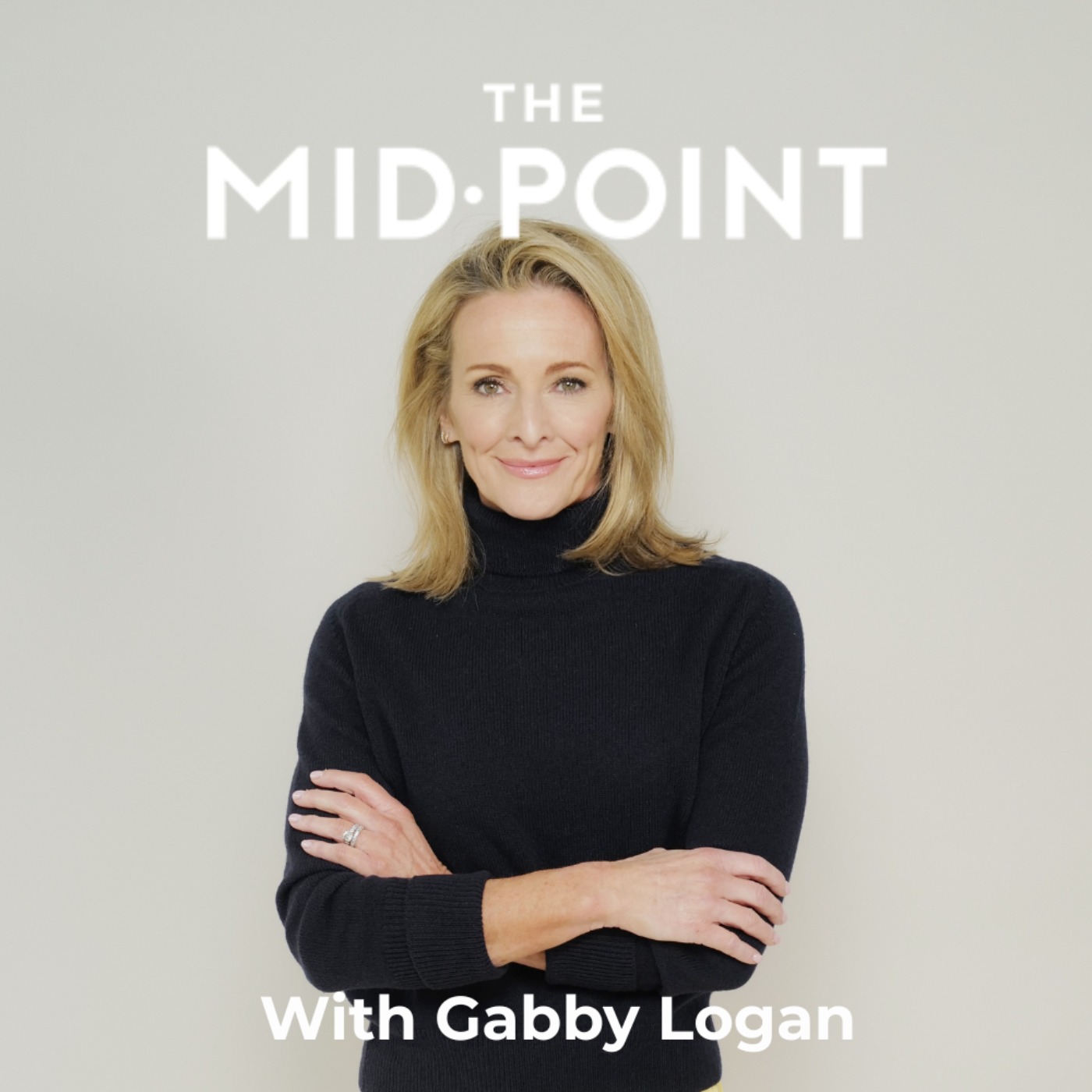
This week on The Midpoint, we’re joined by psychotherapist, former NHS clinical lead, and bestselling author Owen O’Kane for a powerful conversation about what it really means to take care of your mental health in midlife.
Owen has spent decades helping people navigate anxiety, burnout, grief and the relentless pressure many of us place on ourselves. In this episode, he shares the lessons he’s learned from both the therapy room and his own life — from growing up during the Troubles in Northern Ireland to working in palliative care, where he witnessed firsthand what people value most at the end of life.
Together we explore why midlife can be such a psychologically intense period, how perfectionism and people-pleasing keep us stuck, and why learning to tolerate uncertainty might be the most important skill we can build. Owen also offers practical tools to quiet an overactive mind, manage anxiety, and create a healthier relationship with our thoughts.
It’s an honest, reassuring conversation about letting go of the pressure to have everything figured out — and focusing instead on what actually matters. If you’ve ever felt overwhelmed by your own mind, this episode is for you.
For 40% off Owen's course, when it is fully released on 19th March use code: MIDPOINT40 valid until 31st August 2026.
Hosted on Acast. See acast.com/privacy for more information.