 Ask ChatGPT



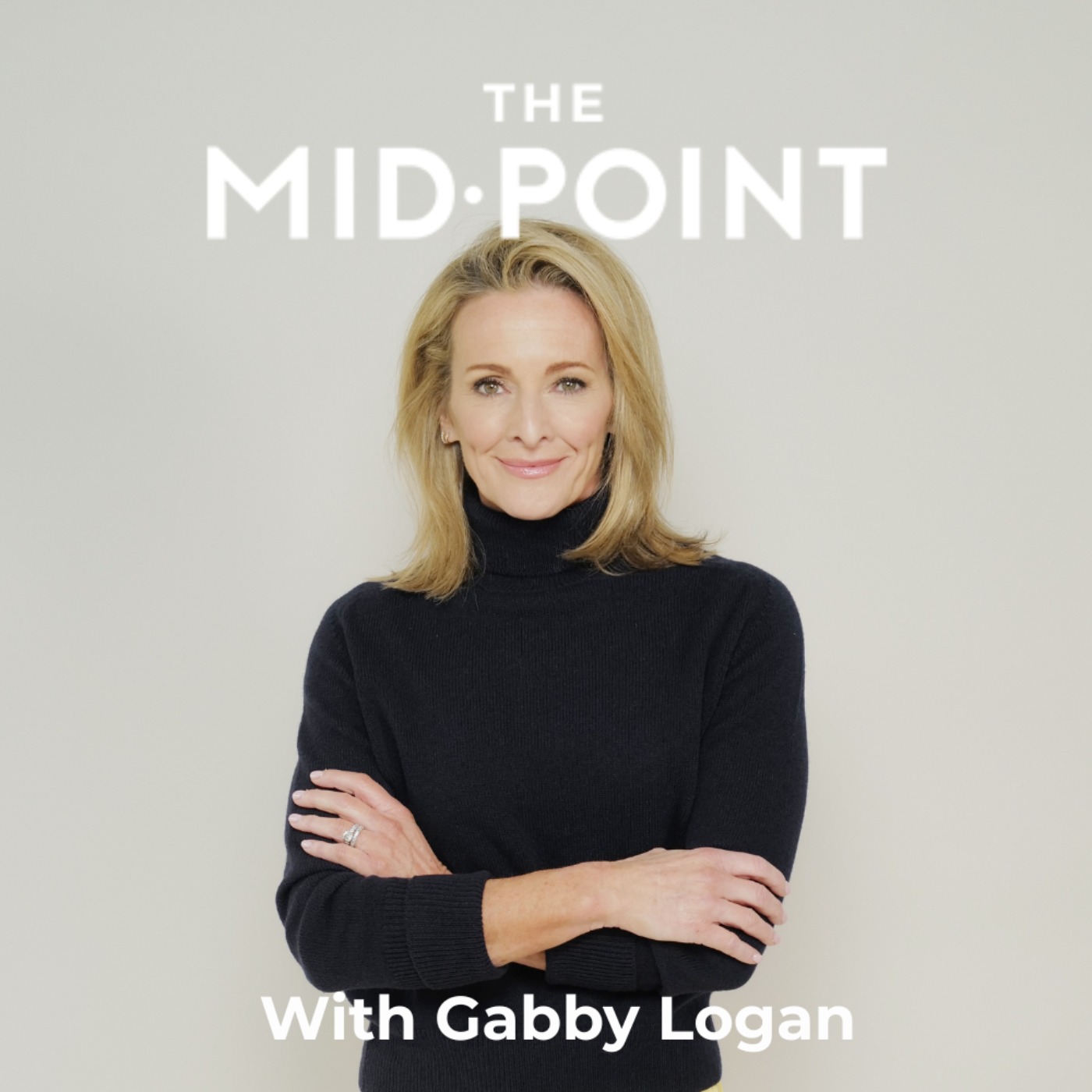
In this episode of The Mid•Point, Gabby Logan hosts registered nutritionist and bestselling author Rhiannon Lambert to discuss the often-overlooked nutrient: fiber. The conversation draws from Rhiannon's latest book, The Fibre Formula, and covers the critical role fiber plays in various aspects of health, particularly for those in midlife.
Written by AI. May contain mistakes.
Rhiannon Lambert discusses her motivation for writing a book on fibre and its crucial role in health.
“So it sounds very dry to say we're going to have a chat about fibre, doesn't it?”
The conversation shifts to shocking statistics about fibre intake and dietary trends in the UK.
“That plays a major role in our mood as well.”
Rhiannon explains common sources of fibre and the importance of incorporating it into meals.
“There's such a lot of misconceptions online.”
The discussion covers the effectiveness of fibre supplements compared to whole foods for gut health.
“Now the key is to remember that no fiber supplement can replace a whole food and the joy and the benefits that gives you.”
Rhiannon addresses questions about fibre intake for individuals with digestive disorders.
“Cortisol is something that people talk about, don't always understand what cortisol is and where it comes from, but it's creeping more and more, I think, into the health conversation.”
The effects of fibre intake on hormonal changes and gut health during different life stages are discussed.
“So the heavier the fibre meal, the less likely you are to get blood sugar spikes.”
Learn why a diverse diet is crucial for women, especially during menopause.
Discover the implications of the ketogenic diet on gut health and nutrition.
“Because online again the pseudoscience sells it as really good for you.”
Explore the connection between thyroid health and menopause, and dietary considerations.
“But I've seen so many people, influencers, walking around eating a stick of butter.”
Learn how to properly balance macronutrients for performance in high-intensity training.
“High rocks obviously is high intensity exercise, which isn't always great anyway for midlife women, is it?”
Understand the effects of caffeine on hydration and overall health for postmenopausal women.
“You all know how nervous do you get before a performance, the timing of when you eat, how many hours, normally two to three before you compete.”
Learn why vitamin D and omega-3 are essential nutrients, especially for menopausal women.
“It directly blocks neurotransmitters in our brain and helps us, adenosine, I think, and helps us feel more awake.”
Explore the biological and psychological factors that affect weight loss in menopausal women.
“So is vitamin D something that our children should be taking?”
Discover the role of GLP-1 medications in weight management and their limitations.
“So you can regulate more stably when you are a healthy weight.”
Learn about the significance of fiber in improving overall health.
“glp1s i'm not saying they're not bad and they're really helpful really good starting point for so many but you have to look at your long-term nutrition and the fiber like i said four percent of us get enough.”
Discover the connection between fiber intake and skin health.
“So I have to give credit to Kenny on that one.”
Understand ongoing efforts to address the fiber gap in public health policies.
“You know, it's the largest, I'm sure at school everyone remembers, you know, the flora on your hands being told about that.”

Get the gist, explore an idea or ask about something said.
 Claude
On Life At The Midpoint with Gabby Logan, what are the key points of this episode?
Searching your listeningAutomatic transcript. May contain errors.
0:04Rhiannon Lambert: Hello and welcome to The Midpoint. Today we're answering your questions because Rhiannon Lambert is coming on the podcast. She's been on before, of course, and is incredibly knowledgeable in all areas of nutrition. But today we're focusing on fibre. That's the subject of her latest book. And you sent your questions in for her. So let's go listen to them. Rhiannon, welcome back to The Midpoint. Thank you for having me again. I can't believe it. Well, I was very excited to see that your latest book is on fibre, which we have kind of touched on a little bit over the last six months. But it feels like it's one of those topics that is growing.
0:41Rhiannon Lambert: And maybe as a result of people's kind of obsession with protein, they've just forgotten about fibre and what fibre is. So it sounds very dry to say we're going to have a chat about fibre, doesn't it? But tell us why you were prompted to write the book.
0:54Gabby Logan: I'm so happy you said that because it's not a sexy subject. I think people often think fibre and poo. Let's be honest, that's probably the association. So I started writing this book alongside the unprocessed plate when I was researching ultra-processed foods off the back of Dr Chris Van Tullican's work. And I started to think, hang on a minute, there's a humongous gap here. And we know that 96 % of people are not getting enough fibre in the UK. I mean, it's a staggering statistic. We actually have the lowest intake in the world. Wow. We are 1 % behind America. Why? Well, this is just it. And I think it's to do with the amount of UPFs in our diet, so the ultra-processed foods.
1:33Gabby Logan: The diet trends, you mentioned protein. I really feel like the hype of protein, as much as it is an essential nutrient, but it's detracted from the fact that there is a fibre gap we need to fill. We're not cooking as much. If I look at the timeline of fibre, and actually it's a really good conversation to have because when women enter the workforce back in the 1950s, 60s, more so, it was almost as if they left the kitchen and men didn't step up or there was no equal sharing of the load and convenience food comes in and then we started to lose the generational passing down of the cultural you know the cooking those elements in a family the social aspects of food so it's really multifaceted the conversation around why but ultimately it is a dire statistic
2:16Rhiannon Lambert: and that's what inspired me and why is it so important fiber i think this is what people have kind of forgotten like you say poo is the thing it's associated with because people feel like they need fiber in their diet to have good bowel movements but it's so much more than that
2:32Gabby Logan: it's way more i mean only two weeks ago at the time we're recording this podcast america announced the number one cancer is bowel cancer in the u.s and actually that cancer is rising in younger generations we've never seen that before as a trajectory a trend of cancer things tend to go down a bit because of research but actually this is going up and rates have never been higher heart disease is still the number one killer sadly for women in this country and a lot of people don't realize that and fiber intake is linked to heart disease it's linked to cancer it's linked to longevity it's linked to bowel habits gut health aging i actually think because it supports our microbiome the bacteria that live within our gut area so in the large intestine towards the colon and the end.
3:16Gabby Logan: That plays a major role in our mood as well. And it plays a role in all the different metabolites and things that we can create down there. So it's a huge conversation.
3:26Rhiannon Lambert: It is. And for kind of the basic, you know, tenets of fibre, let's say, the cornerstones of fibre, what would you say most people would associate their diets having fibre in? Because there are some hidden fibres as well.
3:38Gabby Logan: And there are. Now, the target is 30 grams a day, which is why I wrote the fibre formula. You've got 30 grams of fiber a day, 30 plants a week, which is research we've got now for diversity, and then 30 chews a meal. So most people might think their fiber comes from their breakfast. I think that's the most common area, you know, breakfast cereals, porridge bowls, toast in the morning. But of course, I think the knowledge is there when it comes to brown versus white bread. But the knowledge definitely isn't there with how to complete the meal. And then when it comes to lunch, we just as a nation, we're not there.
4:11Gabby Logan: convenience food on the go for lunch times is just not up to scratch at all evening meals some might get it but we're still very much a meat and a vegetable based nation so we're not hitting most people are hitting half of the amount they need a day and only seven percent of people in this country now that's a new stat we have that i'm actually discussing in parliament tomorrow about this fiber gap um only seven percent know that 30 grams is the target a day so in terms of where do we get it it's your fruit it's your vegetables pulses legumes nuts seeds all the items that sadly in a cost of living crisis are becoming well you say cost of living crisis but actually
4:51Rhiannon Lambert: you can get so many of those in cans can't you and that's where you know you can save obviously on the fresh produce but it's just as good and it also is quite inexpensive i'm so glad
5:03Gabby Logan: so glad you brought up cans well i've just tinned lentils for me a revelation oh my goodness i know because you don't have to spend the time cooking them on the hob. I know. This is the thing. There's such a lot of misconceptions online. I think a lot of misinformation stems from social media that canned food is bad for you. Canned beans and pulses contain fibre and protein. You get about 23 grams of protein if you're looking at a can of like butter beans. So all you have to do to keep your protein intake high, save a load of money because, you know, I think meat is so expensive now.
5:35Rhiannon Lambert: Good meat as well.
5:36Gabby Logan: Good quality meat. And if you're looking at your overall diet and you want to hit more fibre, I mean, we have a target to double beans in this country, as in double the intake of beans by 2028. And it's really, really crucial we bring back the love of pulses because, again, I feel they have quite a mundane rep. And in the book, I have 60 recipes where I really want to bean powder.
5:56Rhiannon Lambert: And you could just add them in to something that you previously would just, you know. So last week, Kenny was cooking, which is not always the done deal in our house, but he was making something interesting. he likes to be created that had spinach and mushrooms and some garlic in and i said add a tin of lentils into that he's like what i just had to just add it and it was amazing and it was then because we overcooked batch cooked it was ready for the next day you could eat it cold or you could heat it up the next day probably cost about two pound fifty that whole dish because the tins are about 75 cans about 75 80 pence whatever so so it's it's a really inexpensive way to get them in you can store them you can add them in honestly i sound like i'm working for the british canned Food Society but beans and lentils I just think because they are quite fussy to cook from scratch aren't they if you're buying the kind of big plastic bags of them yeah a hundred percent and
6:45Gabby Logan: I think it really does stem from the fact we're not in the kitchen enough to know how to cook either and we say I'll just chuck in a can but so many people wouldn't even think to do that we've got such a misconception about how to build a balanced plate in this country even when you go out to restaurants you don't see many pulses being the hero dish we kind of just put the meat first and then build around it and we need to get back to more plant based cooking and i don't mean you have to give up meat dairy or fish you know they can be a part of a healthy balanced diet but we really need to hero like you said just throw in that can of
7:15Rhiannon Lambert: same with soups yes making a vegetable soup add some butter beans in add some canadini beans in it's just it's so easy and then makes it more of a meal as well exactly and a top tip if you're
7:25Gabby Logan: making something basic or like a family dish like a mac and cheese or something you just blend butter beans in with the cheesy sauce people don't notice it and you've got so much more fiber there
7:34Rhiannon Lambert: okay so we've kind of covered how you could get more in through very easy wins and why it's important we have a lot of questions and they've they've come from our listeners about fiber and a few other things as well so if there's anything we don't cover here you can come back and let me know regarding fiber but um this is an interesting one from bear in mind everything you just said from bex de niro are fiber supplements an option or a healthy option i'm glad that's been brought
7:57Gabby Logan: up because I feel like now fiber's having a bit of a moment or I hope it is Gabby because you know it wasn't when I was writing this book and now we're talking about it and there's a lot of fiber
8:07Rhiannon Lambert: supplements cropping up everywhere.
8:09Gabby Logan: Now the key is to remember that no fiber supplement can replace a whole food and the joy and the benefits that gives you. So whilst it may temporarily ease any constipation adding extra fiber you're still better off eating two kiwis a day in most cases for constipation. That's NHS advice now, two kiwis a day. And you're also better off looking at diversity to feed your gut microbes. Because what we want to do is look after our gut lining. That's where we absorb nutrition. We don't want toxins to slip through into our bloodstream. And to do that, you want to get a lot of different types of fibre, not just one supplement every single day forever.
8:47Gabby Logan: It's also very expensive. You're much better off just having a porridge and just topping some nuts one day or seeds the other day, some chia seeds adding those beans to your soup or like you said to kenny chuck in that can of lentils fiber supplements can seem like a magic bullet and i think they definitely have a place i'd much rather people try that over laxatives but long term not so keen okay how do people know
9:13Rhiannon Lambert: if they are having enough i mean if your gut works well is that one indication is that the
9:18Gabby Logan: only indication um i think bowel movements are really good like we should all be looking at bowel movements and I've had to put the Bristol stool chart in the book because it's really important we we know how to look at our poo of course we need to be aware of that for bowel cancer risk anyway but I think ultimately to know that it's working well it's when you don't get a lot of digestive discomfort you're able to cope day to day generically quite well it's not difficult to pass stools you're not feeling lethargic every single day it's a very holistic outlook for me to answer that question rather than there's no test though not really no you can have a store test to see what your microbiome's like and we only we still have so many more strains of bacteria to discover you know i think it's dr sarah berry at king's college is doing a lot of work with menopause actually which is really interesting she's discovered 80 symptoms there and we're looking at how the microbiome also decreases throughout menopause as well so to make sure you're having regular bowel movements I'd say try and aim for three to five minimum a week some people will go three times a day others it can be three times a week okay um this is quite specific
10:23Rhiannon Lambert: but I think there are conditions where people aren't sure if they're they should be eating more or less and that's when they have gut specific issues um I hope I'm saying this right Lillian Robin says as someone who suffers from ulcerative ulcerative colitis ulcerative colitis yeah should I be eating more or less fibre?
10:39Gabby Logan: Really good question and I will say anyone with an IBD so that that covers Crohn's disease, alterative colitis and that requires specific advice with your care team and actually some foods that wouldn't in another person can flare up your condition and you may need to soak certain foods the night before and you may need to introduce very carefully the exact quantity that you have so for people living with irritable bowel disease also on the flip side IBS is very common and again for anyone with these sorts of digestive disorders it's really important that you uniquely look at your diet and do things slowly I often suggest cooked foods over raw foods for people and really think slow introduction a lot of water know yourself if something isn't working don't go overloading it all overnight you've got to
11:27Rhiannon Lambert: make a note of what you're doing every day slowly okay and on we'll stick with fiber until we get on to some of the more general questions. Cortisol is something that people talk about, don't always understand what cortisol is and where it comes from, but it's creeping more and more, I think, into the health conversation. Can increased fibre intake assist with the reduction of cortisol? Now, I'm not quite sure how that would work.
11:50Gabby Logan: No. Biologically speaking, your stress hormone is very different to the dietary impact you have in your gut. So they're not directly linked in that way. So you can't just eat more fibre and reduce the stress hormone. Stress can only be reduced more, I'd say, physiologically, psychologically, in terms of deep breathing, tapping into parasympathetic nervous system. I know you know, obviously, being an ex-gymnast as well, everything you've been through, how managing stress is really hard. I feel it's such a chronic thing now. It goes on and on for so many people. The day-to-day life that we lead can be very highly stressed.
12:24Gabby Logan: What I would say is that it can impact blood sugar levels as well. And that can also be a problem. And high levels of stress can impact inflammation. because it has a knock-on effect on our gut. Stress draws blood flow away from our digestive area because we're trying to deal with that fight-or-flight response. You know, you're trying to run really fast for the bus, that stress. You can just hear an ambulance in the background nonstop, the sirens going and going, and inside you're feeling stressed, you may not even realise it. So what you can look at diet for is by helping the postprandial response to food.
13:01Gabby Logan: So after a meal, making sure blood sugars don't spike and make things even worse. So the heavier the fibre meal, the less likely you are to get blood sugar spikes. So in a backward way, there's a sort of link. But for hormones to work alongside your gut in that way, like a stress hormone, not quite. They're released from the adrenal glands, cortisol.
13:20Rhiannon Lambert: So speaking of hormones, is there anything specific in the midpoint, in the middle age of life, when we're experiencing changing hormones or even actually in other periods of life when women and men experience hormone changes that fibre plays into? Huge.
13:36Gabby Logan: I mean, we're discovering it more and more. And I loved writing that in the Fibre Formula book because I feel like as a woman, as we know, we're under-researched. As we know, we're still trying to reach that gap and make sure everybody gets more information. Menopause has now been shown. So the reduction in oestrogen has a big impact in our gut health. then we tend to have all those beneficial strains of bacteria tend to deplete and what's so important and this also answers the fiber supplement question you asked me before the diversity in the diet has never been more important we we shouldn't really be eating the same breakfast every day especially in menopause because you really want to nourish those gut bugs help them produce short chain fatty acids these amazing components in the gut that we're still learning more about but they help our gut lining and the apartheids we don't want leaky gut we don't want things leaking out we want a really good gut lining really nice bowel movements it is hard being a woman that depletion of estrogen we have receptors in our gut for estrogen as well it can trigger bloating digestive discomfort we know also in menstrual symptoms for women at that age as well that that also wreaks havoc with your bowel movements so in menopause the worst thing we can do is restrict our food intake we need to keep fiber high even i would say higher than the 30 grams the same with protein and keep the diversity strong okay chris muck p77 says i'm on a keto diet
15:05Rhiannon Lambert: after christmas is it really working i don't know is it chris um but he says might fiber conflict
15:11Gabby Logan: with keto it definitely conflicts um bless you um i can completely understand is it really working i know is it working well only you can tell me that um what i would say is i never really recommend a ketogenic diet um tell us what a ketogenic diet is okay so you're basically restricting fiber which is why it definitely doesn't work carbohydrate levels are extremely low often below 50 grams a day um i mean that might just be four pieces of broccoli on your plate for the whole day alongside maybe a potato wow so we're keeping it quite low yeah um in terms of intake and the rest of the diet is meat it's basically meat um dairy again which means your saturated fat increases which is not good for cardiovascular health you've restricted fiber which is not good for cardiovascular health you're starving your gut bugs because they're not getting any fuel so the bacteria in our gut absorbs fiber and it gives off all these byproducts it's not getting any fiber so
16:07Rhiannon Lambert: you're depleting the garden. Why would you do this diet?
16:09Gabby Logan: Because online again the pseudoscience sells it as really good for you. It's unbelievable the messages you can see out there. I will say there's evidence for epilepsy in children and it's really good for, I don't like saying it actually out loud, but short-term weight loss because your body is stripped of glycogen. It
16:29Rhiannon Lambert: kind of goes back to the old Atkins diet really doesn't it?
16:31Gabby Logan: It does and it just depletes that water that's stored. You'll get a slightly leaner approach but it's not a long time. Kind of what
16:36Rhiannon Lambert: That's what bodybuilders do before a competition, isn't it?
16:38Gabby Logan: They do. And you have to then methodically introduce fibre again. You essentially look at it as starving your microbes. It might be working for you. And it might also be placebo. There's so many elements to consider. But I've seen so many people, influencers, walking around eating a stick of butter.
16:53Rhiannon Lambert: Oh, gosh. I know. So when you finish this, I don't know where Chris is in his whole plan here. When you finish this diet, because presumably you can't live like this forever, what happens?
17:03Gabby Logan: I mean, you say that. There have been cases online with people that have had severe problems with their heart health, blocked arteries, early risk of stroke, all sorts of awful things. So what happens often is your body will start to retain more water the minute you start to eat more fiber. And that's a big problem when you reintroduce the food. And then you think, oh, I can't eat carbohydrates again because I'm bloating up again and nothing's working for me. And then they go back to ketogenic and it kind of spirals. There's also a psychological component, a diet culture component here, because you've seen results.
17:35Gabby Logan: It's not sustainable. So therefore you go up, down, up, down, up, down. It's not safe for the body at all to keep doing this.
17:43Rhiannon Lambert: OK, and this one is a bit more general about inactive thyroid and menopause. And we know there's obviously a lot of links between hormones and the thyroid. And it's really a question of suggesting foods that are good to have in the diet. I imagine you're going to tell me of just a very good balanced diet.
17:59Gabby Logan: Yeah, I am. And do you know what? I will say that you'll read all sorts of things online, especially about iodine, which is a key component of the diet you get from dairy and fish. Most people actually don't eat enough fish in this country. If they do, they don't get the nutrients they need from fish. And therefore, when it comes to dairy consumption as well, they're still probably not hitting the mark, especially if you're a plant based eater. So what I'd say with this one is don't read online and check with your GP, because if you have too much of a good thing, it can make your thyroid health worse.
18:26Gabby Logan: and if you don't have enough of a good thing it equally can make it worse so healthy balanced diet
18:31Rhiannon Lambert: check with your health professional for sure this is quite i think covering a little bit of the area similar to chris and his keto because it's to do with high rocks so i can imagine there's you know an idea when you're doing high rocks that you know you need to have a lot of protein um in your in your diet so um jim first wine later great name um has asked about balancing fiber with protein and carbs when training for high rocks. High rocks obviously is high intensity exercise, which isn't always great anyway for midlife women, is it?
19:02Gabby Logan: No, and I think you'll know as well, Gabby, that when it comes to performance nutrition, it's really different from general public health advice. And what I definitely would say to this is that actually before you work out for more energy, you don't want high fibre. You want fast release, because fibre slows the release of sugars into your bloodstream, which is great for day to day. But when you're about to compete, you want to perform and really hit those goals. You want more of the refined carbs. They're easier to digest. You want more white rice than brown. You want white bread than brown, over brown bread, which...
19:33Rhiannon Lambert: So it's in specific moments and with specific training.
19:37Gabby Logan: It's about timing. I really do think about timing. And you really only need to worry about it just before the competition. And most of the time, you do want to get the higher fiber, switch the protein sources up, you know, to beans and pulses, like we said earlier, or put both of them together in a bolognese, then add the lentils and the chickpeas. So you can even use corn mints, you know, alongside it. And that contains more fibre. So there are ways about this. But sports nutrition is timing over most things.
20:03Rhiannon Lambert: And if somebody is in their 50s doing high rocks, it'd probably be a good idea to actually take some sports nutrition advice specifically. Because it's very different, as you say, to the kind of general public health advice.
20:12Gabby Logan: Oh, my goodness. A hundred percent. We have some amazing sports nutritionists in the nutrition clinic. And I just I think that when you're looking at that, it has to be tailored to you as a unique individual. How you perform best. You all know how nervous do you get before a performance, the timing of when you eat, how many hours, normally two to three before you compete. But sometimes some athletes might need a gel or something else just to give them a burst. So it's really methodical. It is.
20:35Rhiannon Lambert: OK. Vic Plum 96 says, I was told not to have caffeine first on an empty stomach. I'm 55 and post menopausal. It's not really a question as much as a statement, but it is an interesting thing. We've started having hot water and lemon before we have our coffee in the morning because Kenny read that somewhere. Why? Somebody said to me the other day, why are you doing that? And I don't know, Kenny told me we had to. So why are we doing this?
20:56Gabby Logan: Do you know what I love about this question is coffee divides people. You've got the hardcore coffee camp. We're in that. You're in the hardcore coffee camp. See, I'm in the, I've never loved it. I'm in that unique, rare, I don't love coffee. Everyone is different in how we respond. Some people do not respond well. And as we go through menopause and as we age, actually, we become less tolerant to caffeine. The effects where, it's like alcohol. We can't tolerate and metabolize alcohol as effectively as well. So you probably do need to reduce your caffeine intake, which is not what most people want to hear.
21:26Gabby Logan: But then you've got the science camp online that say it's great to have coffee first thing in the morning. It feeds your gut bugs if you have good quality coffee. It's good for the microbes. But actually, is it good for your anxiety? And then in terms of hydration, technically, this is where I differ with my nutrition hat. Technically, the NHS said it counts as a source of hydration. I prefer people to have a glass of water. There's that saying, hydrate before you caffeinate. It doesn't have to have lemon. That's totally up to you. If anything, that's not good for you to eat.
21:55Rhiannon Lambert: But even a cold glass of water would be better. Yeah, cold glass of water. Or better than nothing.
21:59Gabby Logan: A hundred percent, yeah. Just hydrate before you caffeinate if you can. What works for you? There's no evidence that caffeine's bad for you first thing in the morning.
22:06Rhiannon Lambert: I do think hot water also does seem to get everything going.
22:11Gabby Logan: So most people use a coffee for that very reason. And you'll notice a lot of clients notice that when they stop having as many coffees a day, their bowel movements change. And then they realize my diet was falling short. I was relying heavily on the caffeine and my coffee every morning to help my bowel movements. And then they've got a lot of work to do. And then we think, do you really need that much coffee? It's hard. It's a psychoactive substance. It directly blocks neurotransmitters in our brain and helps us, adenosine, I think, and helps us feel more awake.
22:38Rhiannon Lambert: Right. A question about vitamin D now, which again has, I think, in the last few years had a lot more attention. And I'm amazed when people tell me they're not taking vitamin D, actually, because it is the one supplement, isn't it, that the government recommends? The one.
22:54Gabby Logan: Honestly, I remember when I was at university, it wasn't a thing. So the guidance came in, I think, around 10 years ago that we should all be supplementing 10 micrograms. And the thing with vitamin D is that's fairly new in nutritional science, still 10 years. And the public health message hasn't quite reached everyone. It's amazing, isn't it? So to us, because we're interested in the area, we're quite informed. And vitamin D plays a role of our immune system. It plays a role of our mood. So many factors. Even with menopause, it's really important to be taking vitamin D to support different hormone synthesis.
23:26So, yeah.
23:27Gabby Logan: Also, omega-3 is something that isn't listed in the UK. And it is in Australia. And I found that really interesting looking into research. Other countries recommend omega-3. We only say two portions of fish a week, one of which is oily, which is not helpful because most people don't like oily fish in the UK. We're not a nation like in Scandinavia or Asia where they consume a lot. So I would say omega-3 and vitamin D. And if you're a plant-based or vegan, you probably need to look at selenium, iron, iodine, like a multi, and B12.
23:57Rhiannon Lambert: And is vitamin D, and this is obviously a podcast that's not aimed at kids, but a lot of us have them. So is vitamin D something that our children should be taking?
24:04Gabby Logan: Yes, 10 micrograms, same.
24:06Rhiannon Lambert: So everybody should.
24:07Gabby Logan: A hundred percent. I give my kids drops, but only in the winter months. So really from September to probably April, I'd say, around that time.
24:16Rhiannon Lambert: When our scorching summer starts.
24:17Gabby Logan: Well, yeah, let's hope it's another scorching. It was, wasn't it? Who knows with global warming what's going on now?
24:24Rhiannon Lambert: Matthews, Becky, maybe it's Becky Matthews, says, how should I lose fat? How can I lose fat during the menopause? It feels impossible.
24:32Gabby Logan: I really feel for you. I really, really feel for you. it's a hard time for women not only have we been blessed our whole life to have cycles and the fluctuations there then you go through menopause where estrogen that helps you distribute weight in a different way so depends on your body shape everyone stores fat differently some store more in their arms some some store more on their thighs others around their middle but we tend to follow the pattern that men have had their whole lives when we go through menopause with that we start to put it around our middle more and because estrogen has reduced the fat storage around the legs, the thighs and the bum kind of tend to deplete and it goes around the middle and it becomes more difficult to lose because of the way our metabolism is wired.
25:13Gabby Logan: Our energy production, our mitochondria, everything's starting. I don't want to sound too doom and gloom, but I want to explain why it's hard. You are fighting biology, first of all. And when you've been used to losing weight a certain way your whole life, if that's you and you thought, I'm just going to drop a few pounds here, or perhaps you've been a yo-yo dieter your whole life or you know what you used to do doesn't work anymore it's because your whole body has changed and it does this over different periods of time for different women and we are still looking at these 80 different or more symptoms that many women get so there is hope there definitely is like i said increasing the protein and the fiber the biggest mistake we as women make is that we still have that message to restrict it is like drummed into us menopause and i can't eat the same way eat less eat less and if you do that too quickly you've got nowhere left to go no if you restrict you can't add much more on so the best approach is to try and just think i do need to clean up my diet a little bit where can i reduce the ultra processed foods here can i have more whole foods at home and then look at portion sizes don't do that first it's first of all the quality of diet the diversity more plant-based i think can help for many people which is the opposite to the ketogenic question we had before because it gives you more room to experiment and move with your
26:32Rhiannon Lambert: body over time and i was amazed actually that all the questions that came in very quickly for you nothing about glp ones which we've discussed briefly on the podcast before but i thought with a nutritionist like yourself coming in there would be some questions how is this impacting your work do you know what's so interesting is i think people need nutrition support more than ever before
26:51Gabby Logan: initially i thought oh they won't need us now you know but actually the nhs only gives you about two years on them anyway um they're going to be coming in pill form we know you put on the weight four times faster now when you come off them and they're not a magic fix and i think they were being hailed as a magic fix of course many positive solutions um it can be life-changing it can help some people have a baby it can help other people be eligible for surgeries you know it can really change the quality of life improve your joints um the way you focus every day your hormone production Everything changes because hormones are stored in fat.
27:25Gabby Logan: So you can regulate more stably when you are a healthy weight. But what I would say is you can't outrun a bad diet. It's that phrase, isn't it? You know, it's like looking at your body like an engine of a tractor or a car. You can't just add a supplement or an end product or a GLP-1, add a peptide hormone, and apply it to a broken engine. until you've fixed what's going on there's no point just adding the end product because it's still not going to be processed correctly in the body your body is very very clever and always cogs need to fit together in a wheel and i feel we fall victim as human race to things like glp1s i'm not saying they're not bad and they're really helpful really good starting point for so many but you have to look at your long-term nutrition and the fiber like i said four percent of us get enough.
28:14Gabby Logan: That will help with weight loss.
28:16Rhiannon Lambert: Okay. I'm 53 and menopausal, says Rhonda Ross, 72. I have porridge every morning and add one tablespoon of flaxseed. Now you've already said that you'd like to have people mixing up their breakfast, but she's asking is that enough fibre specifically? So say, ignore the fact that she's having the same breakfast. Say she's mixing up the rest of her diet, lunches and dinners. Would that be enough fibre?
28:39Gabby Logan: I want to say well done first of all, because porridge with flaxseed is a A really wonderful choice. Little tip, keep your flaxseed airtight in the fridge because that's what preserves the omega-3s and the fats. Many people keep them in their store cupboard and don't realise they can go rancid. I know, little tip, that's the same with walnuts. What I would say is, yes, that hits a good amount of fibre on its own, probably 8 grams, but you could boost that even further. You can get to 12 grams and nearly half your daily intake just with a porridge bowl. Two tablespoons of flaxseed is a portion.
29:09Gabby Logan: That's around 20 grams. and then if you added I'm trying to calculate it in my head as we speak nuts, seeds, fruit as well you probably are getting up to 12 to 15 in a bowl of oats so think about vitamins and minerals as well as just fibre it's great you've added flaxseed, can you add a banana can you add some grated apple
29:29Rhiannon Lambert: and you can get up to 15 grams yeah let's get that diversity
29:32Gabby Logan: porridge, really great way to mix it up every morning, just a different topping
29:36Rhiannon Lambert: yeah we have overnight oats as opposed to porridge
29:38Gabby Logan: That's better actually for fibre. So if you use whole rolled oats, they contain more fibre often than the generic type of oat most people buy to make a porridge. And if you break it down overnight then as well, you've got more soluble fibre accessible. Well, there you go. I mean, I do it just because it's much more convenient.
29:53Rhiannon Lambert: I know. Because it's there in the morning and I don't have to think about it. So I have to give credit to Kenny on that one. He kind of likes making that as well. He's doing really well. He's doing really well. I mean, after 25 years of marriage, I think I've almost kind of got him right up to speed. so yeah somebody who didn't cook a bean when i first i mean it must be hard to keep up with you
30:11Gabby Logan: i can imagine for him so it's like a challenge right well he doesn't like me stealing a march
30:15Rhiannon Lambert: on anything so if you see something appear in the bathroom even he's like what is this what is this for what are you using this for so food wise and supplement wise he wants to know everything and of course he's an avid listener hello darling um so we're going to finish with a question on i think we've covered fiber do you think we've covered fiber i mean i just want people to eat more fiber
30:35Gabby Logan: because we are just not getting enough. So I think a lot of people's health conditions and things that are ailments to them today would be helped without spending money by just changing your diet to whole foods.
30:46Rhiannon Lambert: So a question from me on fibre. Is it my imagination? When I've put a lot more, I started focusing a bit more on fibre partly because my cholesterol was a bit higher than I wanted it to be. And I was told, no, don't worry, it's in a safe band. But I was a bit, and there is a familial kind of cholesterol link. So I was kind of making sure that I was keeping it lower. So I started focusing on fiber and I felt like my skin improved as well. Would that be just a coincidence?
31:12Gabby Logan: I have a page on skin and health and longevity because there is new emerging research. It's actually really, really exciting. I do know that a handful of almonds a day can help reduce wrinkle lines and severity. And that's some studies we've actually had clinical trials. How amazing is that compared to Botox or other things? You know, us women are often faced with as solutions. So improving the fiber intake helps with the microbiome. We have a skin microbiome. You know, it's the largest, I'm sure at school everyone remembers, you know, the flora on your hands being told about that. It makes perfect sense.
31:47Gabby Logan: If we can support that microbiome with fiber, which is what they eat, the microbes eat fiber, we will see better results with our skin. I mean, it's not concretely proven in evidence yet, but watch this space. I think in five, ten years it will be.
32:00Rhiannon Lambert: You do see, you know, women in particular, because I think we notice other women more, when they've really kind of had a period of eating well and looking after themselves. There is a glow on your skin, isn't there?
32:11Gabby Logan: I know.
32:11Rhiannon Lambert: You know, you definitely diminish when you're in a period of, you know, high stress and eating UPS and other things that you shouldn't be eating.
32:19Gabby Logan: It just makes perfect sense. It makes so much sense that if we eat well, we're nourishing ourselves from within. And that's a very holistic thing to say, but it's true. And for thousands of years as a human race, we have known this. If you look back to ancient cultures and, you know, Ayurveda or Chinese medicine, they all say the same thing. If you nourish within, it glows outwardly. It makes perfect sense. So you're speaking at the House of Commons or House of Lords?
32:44Rhiannon Lambert: I'm not sure. You're speaking in Parliament tomorrow. I need to look at my agenda. Yeah, exciting. And so that is with a view to changing public health policy, is it?
32:52Gabby Logan: Yes, on the fibre gap. It's unbelievable. And we've seen a lot of traction. Large supermarket retailers, M &S made a fibre paper. They took that to Parliament. Big brands like Warburton's are taking the fibre gap to Parliament. You know, we're seeing a real shift and I've never seen this before and it's really exciting. So many people have had enough. But also we had the Lancet report come out last year, which is a really big journal of nutritional science, especially. And the ultra processed food intake is just getting higher and higher and it's not reducing in this country. And 60 percent of adults, 70 percent of children with the highest intake for kids in Europe.
33:26Gabby Logan: Oh, my gosh. So I feel we've got a big industry versus the people at the moment going on. Is Chris Van Tuggen part of this as well? Chris is involved in the Lancet research with UPFs massively. I'm hoping he will support the fibre gap and I feel that is part of the research.
33:42Rhiannon Lambert: It's very interlinked. He came on the podcast last year and one of the things that I kind of took away and was so shocked at when you talk about kids there was just this difference now in children leaving primary school in this country to even countries in Eastern Europe in terms of height. Yes, height. So our kids are not the same height as kids leaving other countries, which is incredible, isn't it?
34:03Gabby Logan: I mean, also, we've got to think of their cognition, how they're thinking at school, how they're feeling, their mood. It impacts everything. What you eat can make the difference between a steady first lesson in class for so many children. But we have to remember the poverty gap as well. And it's a privileged conversation still. Of course, yeah. And that's the problem. I think the Broken Plate report came out last year in January. It's January 2025. and it says it's twice as expensive to eat healthily and you'd have to spend over 70 % of your household budget to meet the eat well plate on a lower income bracket.
34:34Gabby Logan: I mean, that's mad. So I'm very passionate about it. I'm hoping we can make a change.
34:39Rhiannon Lambert: Well, thank you for making time to come in and good luck with the book. Thank you, Rhiannon.
34:42Gabby Logan: Thank you.
34:54Thank you.
This week on The Midpoint, Gabby Logan is joined by registered nutritionist and bestselling author Rhiannon Lambert for a conversation that puts one often-overlooked nutrient centre stage: fibre.
Inspired by Rhiannon’s latest book on the power of fibre 'The Fibre Formula', this episode explores why it’s essential for gut health, hormone balance, heart health, blood sugar stability and long-term wellbeing — particularly in midlife. Rhiannon explains how fibre works in the body, why most of us aren’t getting enough, and how to increase it in realistic, sustainable ways without overhauling your entire diet.
This episode also features questions from Midpoint listeners, covering everything from bloating and cravings to weight changes and perimenopause. With practical advice and myth-busting clarity, Rhiannon offers simple, evidence-based guidance to help you feel more in control of your health at this stage of life.
A reassuring, informative and highly practical conversation about small changes that can make a big difference — starting with what’s on your plate.
More details here: https://dk.com/products/9780241803318-the-fibre-formula
Hosted on Acast. See acast.com/privacy for more information.