Ask ChatGPT
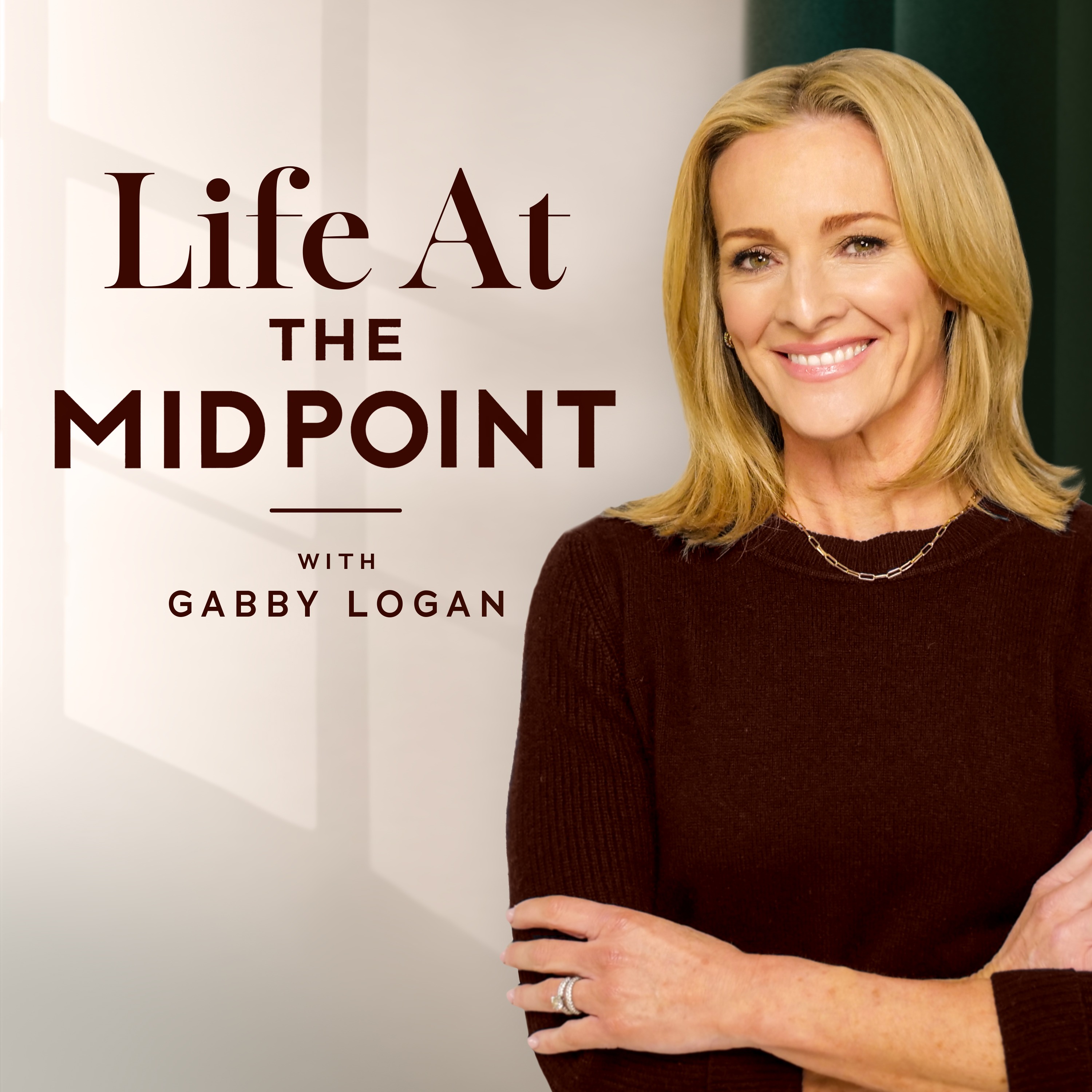

 Life At The Midpoint with Gabby Logan
5 Mar 2025 · 54m

In this special episode of The Mid•Point, Gabby Logan hosts a powerful conversation with four iconic female athletes ahead of International Women’s Day. The discussion centers around gender equality in sports, the challenges faced by women in their respective sports, and the progress made towards achieving gender parity.
Written by AI. May contain mistakes.

Get the gist, explore an idea or ask about something said.
 Claude
On Life At The Midpoint with Gabby Logan, what are the key points of this episode?
Searching your listeningAutomatic transcript. May contain errors.
0:04Hello, Gabby here and welcome to The Midpoint. Thanks for joining me for this very special episode as we celebrate International Women's Day. According to data from the World Economic Forum, at the current rate of progress, it's going to take until 2158 to reach full gender parity. That's roughly five generations from now. So this year's theme is Accelerate Action, a call to push for meaningful progress in gender equality across all fields. And in my opinion, there's no better place to start than in sport. So today I'm joined by some of the most formidable, celebrated and brilliant athletes in recent history, each of whom have broken barriers and redefined what it means to be a woman in professional sport.
0:42We're going to explore their journeys, the challenges they faced and how we can all play a part in accelerating action towards a more equal and inclusive future. So with me today, I have Denise Lewis, the first British woman to win an Olympic gold medal in heptathlon. We're joined by footballer Karen Carney, who is a women's Super League champion and played well over 100 times for England. Olympic champion Sally Gundl is also here. At the height of her hurdling career, Sally held the Commonwealth, European, World and Olympic titles concurrently. And last but by no means least, three-time Olympic medalist Helen Glover completes this super group.
1:20And in 2021, Helen became the first mother to compete for the British rowing team at any Olympic Games. I am so thrilled to have the four of you here. I can't quite believe it, actually, that I've managed to get you all together in one room. You uber women and high achieving women who are all very busy and got lots going on. But I think it's probably because International Women's Day resonates maybe with you guys. And what this year's aim is to accelerate action feels like it's needed. I said in the introduction about gender parity not coming for another five generations. And that feels like way too long to achieve that.
1:58And I think it shocked you all as well to hear that. So I want to talk a little bit about a time when you have felt acutely aware that you are a woman in a certain situation in your professional sporting lives and felt perhaps the treatment was different. Sally? Yeah, I mean, mine has to go back to, you know, the 1990s and, you know, winning that Olympic gold medal in the world. But, you know, I was the only female winner of a gold medal back then. And it did. It was it just felt like such a barrier all the time. But it did motivate me. You know, I always, you know, I would get second in the world.
2:38I would get a bronze in something and I would watch all the guys, you know, getting the headlines, getting the sponsors, driving around in nice cars. And I just thought, well, I've got to do better. I've got to do better than what they do. And it almost drove me in the training and in my mindset to be like, what does that look like? And then it is about, you know, you win an Olympic gold medal. You think I've won the ultimate, but people still didn't know who you were. You know, it took more. And did you feel they knew who the men were? Absolutely, yeah, all the time. You know, they would have all the sponsorship, all the money.
3:15You know, they would be earning probably three times more than what I would be getting. And you knew it was unfair. You knew it wasn't right. But it did drive me and it made me want to make those changes and go and realise that this wasn't right. And I've got to keep pushing. And I think it did help me to, you know, then to go on and, you know, break the world record and win the world. That was when the recognition was slightly there and you started to get, you know, what I felt I deserved almost. It's interesting to hear that in a sport which looks like it's got quite good parity. You know, athletics is presented in the same way, isn't it?
3:51You don't hear people saying, oh, I'm not going to watch the women's 800 metres. I'm going to watch the men's. Everybody watches everything. So that's really interesting in athletics that you felt like that. Denise, did you have that? Well, put it this way, Sally was my team captain. So we almost hung out every hope on Sally every time she raced because she represented all of us. She was possibly one of the most successful women at that time. And so for us, every time she competed, it was like, please validate us. It really was that powerful. I remember European teams you know you flag bearer and you're just like come on Sally you've got to win this race set us up because we knew it was very much a men's game you know we were there participating but the kudos and the attention was very much focused on which one of our male stars were going to succeed.
4:43Well even the way when you think about it I think we talked about this in the summer at the Olympics the men's 100 metres you know is the flagship event that comes at the end of the night and how often did we see you know kind of women's events that looked like the event actually that you wanted to watch earlier in the schedule and that feeling that the men's is the best therefore yeah completely you know we've got some fantastic head to heads we see that in the women's field events and on the track yet as you say the men's hundred or other events maybe two or four seem to have that just that bit of stardust attraction appeal We've witnessed it many times.
5:21People flock from other events in the Olympics to watch those 100 metres. And OK, I get it. But this is what we were up against at the time. And that feeling when I came through was, OK, there's still some work to be done. And I have to make sure that the championships count for me, because otherwise I'm just going to be one of the other athletes competing out there. So was there a specific moment in your development, whether it was early on in your career, where you felt perhaps you weren't getting the same attention at training or you weren't getting the same resources? It's not even the resources, Gabby, because, you know, your head's down, you're focusing, you train hard, you focus on what you're doing, you pick up sponsorship.
6:05But it's when you hit the pinnacle, like Sally did, like, let's say, Tessa before her, that you realise, I'm still not there yet. you know I was with a very well-known kit company and I'm kind of like like a puppy going I've done it I've done everything that you've asked me for I am the best in the world what does my future look like what does my sponsorship deal look like and there was no marketing strategy for me because we're just not sure what we're going to do with you and so that was that was the point for me where I'm like damn okay there's still a lot of work to be done so we've got you two a younger generation um and I'm hoping I'm going to hear more positivity at Helen yeah I'd say when I when I first started rowing I was pleasantly surprised I started I went into it at 21 and experienced real parity you know I think being a real Olympic sport there was you know the funding system's quite simple so an athlete is funded um through UK sport through the national lottery so there's not a lot of sponsorship individually in rowing so essentially the the national lottery was the the money that the athletes lived off I felt it was quite fair I felt that when I stepped onto the team I was surrounded by amazing coaches training in the same venue as the men and actually you know you're always standing on the shoulders of the people that came before you and I stepped onto a team with Catherine Granger and Anna Watkins and Fran Horton and all these amazing women who had led the pathway to let women have a lot of respect in that field so when I stepped on and when I raced in London I didn't feel a lesser citizen to the men and when I raced in Rio again in many ways the women thanks to this success in London were getting a lot more kind of visual than they ever had done in the sport the moment that I unquestionably felt that gender disparity was when I stepped, well, when I attempted to step back into sport after having children, because it was just a moment that was black and white for me, which was, but you can't because you're a mum now.
8:17A question and an answer that would never have been given and was never given to a man. You know, loads of men went back and had families, you know, Andy Triggs, Hodge, and all these people who were competing in London and in Rio with their families watching and their kids there and it was just the norm. And it was so clear that there was a difference almost finally. I'd experienced these two faultless Olympic experiences in terms of things being fair, equal and even. And suddenly it was just a very different experience for me as a woman. That's so interesting because it felt like, oh, there's progression being made and the work you did, Sally, and then the work you picked up, Denise, and you've reaped the rewards of a system that seemed fair and then you try and do something a little bit different and there's still an issue there.
9:04I'm imagining Karen's listening to this and thinking it was a slightly different case in football because we're looking here at a sport that, let's say, had 40 years of stagnation and backward deceleration almost and then comes back and trying to play catch-up with the men's game. Did you see a period when you were a young footballer where the treatment was totally different to the men? Yeah, you mentioned the 50-year ban. I think that kind of says it all, really, where women weren't able to play. That was before me, and I probably noticed it where my sister didn't have the opportunity to play.
9:40I think I had the opportunity to play, but I think maybe up to, like, 11, I don't really think kids really saw gender. I played football, had fun. My coaches were pretty good about it. But then after 11, it was like, what was the difference? and then that's when it was a real big difference for me and particularly football is a male-dominated sport and that was really hard because all I ever, in my head, all I ever wanted to do was play the sport I loved. That's all I ever wanted to do and I didn't really understand why people for your gender didn't think that you should play that or it wasn't the right sport or you should do dancing or you should do another sport and you should be boxed and I was like, I don't understand.
10:17I love football. It chose me. So why are you making this a thing? and then look like fast forward to 2019 when I retired and I was at Women's World Cup and I was looking around at a full stadium okay we didn't get the result but I was like oh we've come such a long way I was like I was really quite happy to go back and retire and then I went into media and then that kind of came into that again well you can't play the game and now you you can't talk it so when I went into media it was like well going back to the 11 year old little girl and then doing the review again then just i think people think i'm this little angry karen because i'm just so like frustrated when it's the worst name ever it's not the american karen it's me um so yeah but um so that's interesting you've seen that angry young girl kind of oh she's quietened down a bit towards the end of her professional career goes into broadcasting feels it again and then you get the review yeah taken on board to conduct this review this was after the lionesses obviously won the Euros where you had to look at things that could improve.
11:22Now, when you talked about the differences, I got a sense of attitude kind of coming in towards it. What about facilities and access to women's football when you were a kid? I can't imagine you played on the best pitches, did you? Well, even little things like when I played in the summer with the lads and say there's like 30 lads and I'm the only girl and you're on the far pitch and I put my hand up and go, I need to use a toilet and all the lads are looking at you fuming because if I go to the toilet, everyone's got to go to the toilet and we've got to go all the way back to the facility and I'm using the boys' toilet and everyone's kind of got to be on guard and they're all hating you because you've had to cancel.
12:00And then I know that's like maybe not a good story, but I can just remember that as a kid, it was so annoying for all the lads. Well, it makes you feel like you shouldn't be there. Yeah, and my coach did a really, really good job, but even little things like sanitary provisions not having a female toilet, not having female facilities, you know, they'll all be the same. But yeah, the access is very different and also get into training. You have to be, when you have young girls, you have to rely on your parents so much. And that's where the finance comes into a lot of play for women's sport. So that has its challenges.
12:34But the one thing that kind of even angry Karen came into hearing those stories is like, I didn't have female role models in the women's game. So I locked up to you guys. and the thing that came from the review as well and from what I learned from women's football is it's not a talent issue we've got well breakers here gold medalists here it's not talent with women's sport it's marketing issue that you don't get the visibility you don't get the recognition and the stories to to why all you guys are incredible and what you've done and the brands to promote you in the right way and to say now these are strong amazing women that have done incredible things.
13:10So for a lot of women's sport, it's actually a marketing issue as well. And yeah. Are you seeing, especially post Lioness's success in the Euros, brands getting it a little bit more that this is an area that's quite fertile, to use a pun, I suppose, for more investment and they will reap the rewards? Because obviously we know that in most households, women end up being the people who make big decisions financially and they are the ones that bring the products in. And all of those things kind of play into brands being quite clever, don't they, around women's sport, you'd hope, and understanding it's a growth area.
13:45Well, look, I think you can look from the Caitlin Clarks of the Worlds, from the Leah Williamson's to, you know, to you guys as incredible athletes out there. And I think now brands are starting to understand that and understand the business side of it as well. They are the earners and the spending pattern in the house and actually they're the role models and we need that visibility. But there's still a long way to go, Gabby. Like for me, sorry to go on, I did the 25 most influential athletes, was part of a judge on that in the UK. And I was horrified that I didn't know a lot of the women's stories that were in that top 25, horrified, which goes back to my point of why don't I know these incredible women?
14:24And just big things, but we've got a long way to go. I don't know if you saw the Forbes top 100 paid sports people of the world, no women in it last week. It's terrible. Yeah, I put it on our family WhatsApp and my 19-year-old son kind of sent back a horrified emoji and he was like, no women? Yeah. Which, you know, when you think about the high kind of performing in terms of financial sports, tennis and golf, to have no women there is, you know, incredible. And I think the thing is that, you know, us as women, we are all performing. There's so much talent that is out there. And I know we've come from a long way, isn't it?
14:59And we've come so far and it is incredible where we've got. But we're still not being respected for what our performances are. are, you know, where you think more women went to the Olympics. You know, the actual performances that people are doing are like, wow, this is incredible. You know, we just need to keep pushing. It's still a cultural barrier, I think. And society are still not up to speed. There's a recognition that we have talented females, talented women choosing a life in sport. But I think Karen's right. It isn't ingrained from a young age that you can excel and you can be on that parity with men right from the playground.
15:43You know, I think sport is a reflection on society. And if we get this amazing forum that we can talk about it in a sporting sense. But actually, it's what's going on for people that don't have that voice, for mothers who want to go back to work, for women who want to make it into the boardroom. You know, it's a reflection on what's going on and the attitude. and like you say if it's if you're not seeing it from that young age from that 11 year old you if you're not seeing what can be possible and if if that kind of expectation is always limited it's a really hard starting point yeah and going back to your challenge as a mother going back into the sport i guess it's that thing of being a trailblazer isn't it because people didn't see it before they didn't understand that it was possible and you've had to then create new pathways and help people understand that this is possible we have to just be a bit flexible here We have to change the way we operate.
16:28We don't have to do it the way we've always done it to achieve great things. I guess I think the difficult thing is when I reflect back on it, I think, what have I actually changed? Has it actually changed? There's big questions which kind of make you go, you can put so much energy into something and so much of your life into something. And then you can look around and ask yourself, will the next woman who comes along and does this, will the next woman have a different experience? I think they do, actually, because, you know, your experience in leading up to Rio 2016 versus what we experienced in Paris.
17:05You know, we had a crash at the Olympics. So we're talking about it and talking brings about change. It really does, because it's not it's not a secret. It's not something that we whisper, you know, amongst ourselves. with amplifying those stories and telling the next generation that actually you can dovetail your career, your athletic career, your sporting career with motherhood. As they do in business, it can be done and it can be done successfully. And that's really the crux of the matter. And also I think it's about telling the story because I think sometimes kids look at us and they see the end result, but they don't actually go, well, I can't really relate to them because they're so good.
17:48But actually, if we had our stories told of, where we've come from and the struggles. And people would then go, oh, that's like me. I've liked that. And they can associate it. And it's just getting those stories out, aren't they? Yeah, that's very true. I think whenever you go to a school or something like that, the one thing you try to say is, I'm not a different superhero. I'm not special. This could be you. Because like you say, the moment on the podium or the moment in the spotlight is not everything underneath it. And people just think, oh, I'm never going to be like that. I can't do that.
18:21So you talked, Karen, about these guys being your heroes because there were no women playing professional football when you were a kid. So you didn't look to a male football necessarily. While you might have admired them, I guess you felt, well, I'm not like you. No, definitely not. I actually went down, I looked towards more Olympic athletes and probably why I love you so much. Because, you know, from the area, I trained at the same facility and see it to be it. And, you know, I know about your story and I was there watching you in that final, urging you on. I knew you were an incredible athlete at what you'd done previously, but actually the marketing piece, it actually landed with me about returning back as a mother and I wanted you to win because of that, as well as your incredible athletic capabilities.
19:10It was amazing. And yeah, so I think I had to look up to other sporting female athletes. and Aaron, our coach at the time, he asked me, he said, would you rather win an Olympic gold medal or a World Cup medal? And I said, Olympic. Because, and my mates were like, are you serious? And I'm like, yeah, because I think that is more credibility for us at the time because it wasn't taken seriously and that's a genuine response. But football's my sport and obviously I've been to the Olympics, but you would have probably thought I would have said World Cup, but I didn't. I said Olympics because... Because you saw those athletes being taken seriously.
19:48Yeah, they were my role models and also I was like that... When I wore the England kit as opposed to the GB kit, the difference in perception was insane and I wore the England kit literally four weeks before and then four weeks after and even the attitudes towards that was very different as well. I wonder if that's the societal attitudes towards what it takes to be an Olympian and it's seen as something with values that maybe being a professional footballer doesn't hold rightly or wrongly. You know, there's a kind of idea of more sacrifice because a lot of those sports are not professional. So you're potentially going to be living off either a grant or, you know, you're not having that career structure that football has.
20:28But it's interesting as a female footballer, you're quite similar to an Olympian in many ways, aren't you? Definitely. We trained at the same facilities and, you know, went on the same kind of EIS journey as well. and it was only maybe four or five years ago it's flipped towards more being a footballer but certainly I probably was more on the GB track rather than the footballing track.
20:52I hope you're enjoying this episode of The Midpoint. If you are, it would be amazing if you could give us a review and subscribe. It really helps. I'll be back in a moment.
21:05Can we talk about the values and qualities that it takes to be successful in sport And if you think about words like determination, guts, endeavour, sacrifice, they're qualities that I think society has struggled to associate with women outside of sport. They can just about handle those qualities within sport. I'll give you a personal example. When I was on Strictly Come Dancing, I was criticised quite heavily for being competitive. And that was my downfall, apparently, according to many economists, because she's too competitive. and of course I'm thinking well I'm just trying hard that's what I do you know you go in a gym and when you're training for my sport I trained hard and I didn't see it as competitive I just saw it as applying myself and it really made me think about you know wider issues in society about how those values you look like you're jumping to get in here I'm not appreciated no I think that when those words are something that you'd massively shy away from when I first started my career and you do an interview and you describe yourself I think it was definitely found upon to call yourself, if you called yourself aggressive or competitive, they were negative traits that a man, I feel, could easily say would be a real positive to hold.
22:19Oh, not just say, be celebrated for her. Yeah, and I think, I guess in a way that's being, I feel like it's probably being reclaimed now, like an aggressive female in sport or a competitive female in sport, I think is, I feel it's being seen more, if you're being spoken about in commentary, much more acceptable. In sport, I think it's more acceptable. Do you think outside of sport, those traits are at all kind of complementary when people talk about women, say, in other areas, arts, business, life? You know, if somebody said to you, oh, Mary, she's she's very aggressive. People talk about, you know, hard negotiators in the boardroom, still frowned upon.
22:59Still, you know, it's not feminine. It's not seen as feminine qualities. Whereas he could be an aggressive negotiator. Totally, totally. It's not standing in your womanhood, whereas I really do champion that actually you have got to, you know, act like a woman and think like a man. But I remember as I was growing up, you know, I'd have something like sports day or whatever, and I hated showing how good I was because I didn't feel like I could. So I would literally just do enough to win. So I didn't have to, you know, I didn't want the attention. I didn't want to you know to be different from anybody else and I think I was like that for a lot of my career even when I started to get good at it I was scared of standing out and lacking that confidence almost and it was only how I started to progress through and go hang on a minute this is holding me back and I think that is what's happened.
23:57Did somebody intervene and point that out to you? I had to, yeah, work with people around, yeah, building that confidence within myself and working with me saying you are as good as everybody else and you can do this. But I think I always just, and you know, when I work in organisations that are women, it is that confidence that we lack. And I think it's what we've always put the lid on. We've always pushed ourselves back down almost and not allowed ourselves. And I did, I had to have a lot of work with opening that up and saying, you know, just get out there, you know, be proud of what you do.
24:31So you were worried that they were going to be like, oh, isn't Sally competitive? Well, just that and just standing out and drawing attention to yourself and things like that. That's what I didn't like. It shows you how important role models are because I managed to get a ticket to see Sally live. I was 19 years old at the 92 Olympics and she was like one of the heroes that I wanted to see live in that Olympic Games. And you were just amazing to me. I never would have thought you'd ever had confidence issues. Right. Watching. Yeah. Watching you win Olympic gold medal. So you change the narrative for the next.
25:05So then I think it's OK to be a winner and it's OK to be competitive. And that's that's why visibility is so important. And mentorship. And mentorship. Because I've seen over the last few years how important it is to give women permission to be confident and act and show it and demonstrate it and not worry what that looks like for everyone else. So it's that owning of your own space and saying, OK, I'm just going to go and do this. I'm going to say this. I'm going to actually let people know what I think about that. I'm not saying you have to be aggressive, but it's actually being clear about what you need.
25:44Do you think that's something that we subconsciously realise is our responsibility as we achieve and develop our talents and go through? Have you got to that stage, Helen, where you feel? I think I'm in this version of myself, which I would never have found in my 20s. But I think I can see that it's a trait that I would encourage other people to have. but I don't think I'm quite there yet in my, I guess it's just like that deep inner confidence. When you're talking now about saying own the space and own that part of who you are and be confident in how you say things. Yeah, I'm probably still not there yet with kind of...
26:2652. It comes at 52, you'll come, they'll be there. But my logical side knows it, you know, my logical side, I'm listening to you and I'm nodding along And I'm like, yes, absolutely. I need, you need to champion it. You need to stand up. And I'll be the first person to tell somebody else to be like that. You know, if I was a mentor, like I've been a mentor to lots of other young rowers and people, and that's exactly what I'm telling them. But as I'm listening, I'm going, am I practising what I preach? Probably not yet. Maybe it does come with time. Karen, are you feeling that in yourself? I think people think I'm going to two foot them in meetings anyway.
27:01And with my name. Exactly. Yeah. No, I think, you know what? I think probably the last year I've just, I actually tap into more the athlete mentality more than ever. And I'm not, I'm actually not afraid to use it. Maybe not actually in punditry at times. I should own that a little bit more, but I think I'm all right with it, which is a little bit bizarre. I don't know. But did that inner confidence that now is exhibiting itself to the world, did that take time to kind of come? Oh, in the punditry? No, I still think I'm trying to get there. I still think that, I think maybe previous knocks or people's perceptions or the name, you know, But you don't feel that from your male colleagues?
27:38No, they're all great. It's just, I think that just comes from Knox. But then lately I've been like, well, no, you had Knox in football. Come on, get back up, go again. You know it, you've trained or you've done your research, you've done your prep, you've watched millions of games. I watch games and games and games till I'm blue in the face. I know what I'm on about. And sometimes if you have an off day, you have an off day, you've made a misplaced pass, misplaced tackle, you go again. um so maybe maybe the last year or so maybe because I've tried to surround myself with things that that support me and places that support me then I feel more confident and that's where I can be more myself I think people have to remember the resilience and the at the moments in their life where they have actually had those setbacks and you talk about in football but it's how you translate it back to your everyday life because you know you've had the abuse you've had all of the negativity which you've had to stand up to as a as a female pundit at times and i think you know the more you can remind yourself well actually i came through that i came through that so you can adapt it into other aspects of your life do you think it's because women had to be to get the attention that you talked about right at the very beginning of our chat you know to make some noise so that you could get those deals you had to win an olympic gold then you had to shout even more so there has to be this kind of perception almost that you're perfect you know and actually if you're not allowed to fail anymore because if you do that all that stuff gets taken away so so there's this it's mired isn't it whether we subconsciously kind of you know it's there or whether we're aware of it that the journey if you like of success of female sports people a little bit of um was that interesting was that the red hot chili peppers That's not me.
29:22Just claiming it. That's not me. The journey of a female sport, if you like, that maybe it's generational, maybe the younger generations won't feel that weight of expectation, Denise? I think it's different. You know, we look at the athletes on the track now, Sally. They at least have the game face, right? So it's hard to know what they actually think and feel, but at least they understand what is expected of them. So they talk differently. You just listen to the interviews. They talk about winning. They talk about being disappointed, you know, finishing fifth. Whereas I think sometimes in our year we'd even gone, yeah, we'll take that.
30:01Yeah, exactly. We'll take that. Some people. And I think it's, you know, there's a lot of pressure on them now to do it. And I think sometimes it's, you know, we were talking to Karen earlier about, you know, sometimes you're doing it for other people. And I think that's wrong. And I think sometimes when I look at the athletes now, sports people, and I think, you know, you've got to own it yourself. You've got to do it for you. and to get to that point of feeling like that is, you know, there are certain barriers you have to push through, certain situations, certain things, experiences, to really understand that within yourself almost.
30:41But they're more exposed. And I think the athletes understand that they have to use the opportunities while they're still active, hence why the social media piece is so big. and they're not allowing other people to necessarily control their narrative. And I think that's the advantage that social media gives them. It gives them a platform to demonstrate. It's an interesting paradox though, isn't it? Because if you want to be authentic, you have to show those times where things aren't going well. But as a sports person, you don't want to let your opposition know that things aren't going well. You have to have that kind of game face that everything's great here.
31:13And especially athletics, you know, nobody tells anybody when they've got an injury. Imagine the same in rowing. You wouldn't be, you know, shouting across to the next boat going, oh, we had a terrible session yesterday. How are you? So we want to have a balance there, I guess. And as sports people, you know, there is a certain amount of game face that goes on. It's quite interesting. So I think that, yeah, I was always I would always be very protective of my own story in terms of illness or injury or anything like that. Totally protective. And I always just would be very far down the road of performance comes above everything else.
31:44but I do think in today's world if you want sponsorship you know you you now see actually a lot of the athletes who aren't the top tier across different sports being the ones that are really successful in terms of promotions and social media because actually they're sharing their story and they're willing to put themselves on the line but then again actually it is just a personal decision because there will be athletes right at the top thinking no this thing is more important is a very tricky thing to juggle. And it's something that actually this new generation of athletes are the first to have to decide how much of themselves they're putting out there.
32:18Are you really relatable because you're not winning? And therefore brands are quite enjoying the fact that you have, you know, or are you going to sacrifice that for your ultimate sporting success? And then how hard for the gold medal athlete who's not getting the deal? Well, I remember Adam Jamele, the sprinter, being, we were chatting about social media, and he was really cross at how lower level he saw it at Dina Asher Smith's social media was at in terms of the followers. He said, how can she only have, I think it was a few hundred thousand followers and he was pointing to somebody on Love Island 2, 3 million and he said, she's an amazing role model.
32:54She's, you know, and I loved it coming from him as well because I think that's another thing I want to get onto is male allies. And I'm sure through your sporting careers, you know, you've had those men who've really believed in what you're doing And the only way we're going to get parity is if everybody's in the journey together. Right. So you can give me some of those examples, if you like, if you want to shout out to the people along the way. Yeah, I think it's just about, you know, it's not it's not being a divide, is it? It's not them and us. And we do need them to understand where we're coming from, to help in our journey, to be able to expose, you know, the stories because they are part of that.
33:36And we want them to be able to, yeah, to voice that as well. And I think back, you know, probably my husband. We were together from 18 years old and I could not have done without him saying, OK, because, you know, because back in the 90s, you'd probably get on the front of a, I don't know, a cereal packet because you were good looking. Do you know what I mean? So it was important for me because I didn't feel as though I had that sort of sex appeal to be able to do that because that's what the 90s was like. but you had people shouting in your corner and protecting you and um yeah and telling you but you are good and you can do this and you know you do need those allies in your life i think that's a really positive change actually that um and you see it with big advertising campaigns nike have recently released a a campaign that's been widely kind of lauded for that understanding the qualities of female sport is not about the look and and while obviously you know back in the 90s we We were in a very different landscape, weren't we?
34:37And I think at one point, wasn't Anna Kornikova the highest earning tennis player? And she was ranked about 14th in the world. And that kind of tells you a lot about what the values were then. So I think that's great progression, especially for young girls looking at their role models. Yes, it is. And absolutely, 100%. I do think we do see a little bit of that. I mean, you talk about the Nike advert championing the characteristics, as you say. But then you get the Beckham advert. So we're talking about, is it that sex sells, beauty sells on both sides of the coin? I think there is still an element of that.
35:15I really do. You think about some of the stars that you see are still very... The glamour. The glamour. On the one hand as well, that's also important for some young girls to think that they, I think I'm sporty, but I feel like it's something that boys might do more of. And I want to feel like a girl. So there's all that kind of image that's mired, isn't there, in adolescence and growing up. And you need to see different kinds of sports people that you can relate to, I guess. So nobody's saying it has to kind of, you know, disappear completely. But some athletes, as we know, in all the sports that, you know, you're in really enjoy the kind of getting themselves ready for the, you know, they see it as part of their, you know, progression onto the field of play that they put their makeup on or they do their hair.
35:57And that's fine. But obviously, it doesn't have to be that way to be successful and to be recognised. Right, because there is a danger that, you know, you've got athletes that talk about fashion. They are literally on the catwalk doing all of those things. There has to be a place for those individuals that is authentically themselves. But for people that actually shy away from, you know, wanting that sort of spotlight on themselves or that they don't want to be in front of the camera, we still have to find a way of celebrating those individuals and giving them the opportunity to tell their story and to be seen.
36:33I think that's what Karen was saying about those stories. It's kind of, if you look at a list of women and you might know their faces, you might know some of the results, and then you dig down to some of their stories and you go, if I didn't know that, then that person out in the crowd, that story might change their life. It might change their perception of themselves. It might change something in them. And you think, wow, if we didn't know that and those stories aren't out there, it's exactly that, isn't it?
37:12The brands have a responsibility if they're getting involved to do more than just, you know, put the name on the shirt. It's telling the stories of the sports people. In your study and your research that you did for your report, Karen, we've had a kind of a few negative moments here in the chat. Tell us some of the positives that you found in terms of the development of the women's game and what was good that came out of it? Thanks, Gabby. Well, you have to do a review and look into every aspect. So there were some negatives, but I guess the positive, we did some stuff recently and we did the documentary on it and the educational piece was really positive because, again, going back to storytelling, is educating people why the women's game is where it is, understanding the consequences of a ban understanding the consequences of maybe facilities being out of an area which means people can't travel and only people with money can travel and that means then we lose diversity and diversity comes in all forms so things like that so educating even on toilets so when we went in and showed a facility and 50 % of the crew was male 50 % of the crew was women and I said to the guys like what do you think about this facility and they're like cool and I'm like but can you understand why this is a challenge for women and they were a bit like well tell us more it's great open mindset growth mindset and I was like okay half time you're on the tv you're on a clock you know you've got 14 minutes because it's took you a minute two minutes for the straddlers like me to get in there's two toilet cubicles the rest are urinals what happens if you're on your period what about how do you change where's the sanitary provisions and we've got to have a team talk and we've got to get back out there so if there's two and there's 20 people that's a lot of time that doesn't get everybody through so if you're all synced this is a problem so there's there was highlighting issues that was just basic educational things that I think really came out of it that people didn't think about before and maybe we might know that but maybe not like our male allies like dads wouldn't know that and a lot of dads have come to me and been like I didn't know that and how can I do more and how can I support my daughters and how can we and that for me has been a real positive is that just the educational piece and I guess as well something I'm really proud of with the review is it it might seem quite simple some of the recommendations but for me it was always about building foundations that strong and whatever goes on top you know then it's great and also to use it maybe as a blueprint for other sports which it actually has been used for in other women's sports because women's football is advanced it is ahead of other women's sports but what can rugby learn from the last euros or the current euros for their world cup coming up in September and netball is going to be professionalizing what are the learnings that we can take from women's football in the review that can be applied and maybe shifted and changed because time moves on and apply it into other sports and for me that's pretty amazing I think it's great I think it's really fantastic because, as you say, you know, the next few years, we just want that growth for all women's sports cricket as well.
40:21I just think all the learning and the knowledge, it just sets up the next generation beautifully, don't you think? With they're not having to scratch around and make too many mistakes. Hopefully that, as you said, that blueprint is there for them to just accelerate and be at a better platform. And I think we have to remember how far we have come. you know it is incredible but we can't just sit back we've got to keep accelerating and it is about yeah just pushing and those boundaries keep having a voice um keep mentoring keep supporting people to keep pushing those boundaries forward i think that's somewhere that actually as women could be a real super strength of ours is that cross sport communication often is not good information sharing and you have people who have such amazing sport science knowledge in one specific area of their specific sport and maybe that information isn't translated over and i just think well you know we've got so many resources growing in the area of very specific women's physiology or women's sport or women's growth in terms of their sponsorship and i think if we as women could just do an amazing job of sharing that information across sport then i think that's a huge leap and like you say it will stop other sports making the same mistakes again so we're talking about better allyship amongst ourselves as well so while we look for our male counterparts to play their part i think you know we could do better with sharing knowledge yeah and also i think it's not just the the sports people it's the coaches you know getting more women into coaching getting more well women into administration coaching than ever which is quite depressing isn't it and that's gone down the number of female coaches across sport has gone down so how we encourage women to think that coaching is a career for them is really important that's a tricky one because it's it's the layers um that i think are placed on women where you are the possibly in some households the primary caregiver and the orchestrator of planning um
42:27and so how do you then transform or find the time the time yeah Yeah, yeah. I mean, obviously, when you come away from being uber competitive and go into a period of, you know, not training as much and obviously training for yourself, do you think, oh, coaching one day, that might be something I'd like to do? Potentially, but then I do think one of the big drawbacks in terms of coaching is that when you're an athlete, you're spending, if you're a coach, for me, I see you're spending the same amount of time, you know, on the riverbank or in the launch watching. you're doing the planning the programming you're away on training camp so you actually but getting none of the perks of the competing so i think it's almost understandable as an athlete that you make sacrifices for your family life for this for that and you push on because you want to be on top of that podium but for women who are looking at at coaching as a viable career alongside other things is is a juggle and a challenge i think it needs to be yeah it needs to be attractive for the women.
43:25I'm trying to think in my head of high profile women coaches in outside of football. But you do it as a volunteer. That is the thing. You just don't get paid. Well, it's volunteer coaching, but professional coaching. I'm thinking of Keely Hodgkinson's coaching partnership, obviously, is Trevor Painter and Jenny Meadows. And often Jenny doesn't go on all the trips, does she? But when they do, they take their daughter with them. And she's at an age where she's portable. You know, she's not at school. It's very hard if you are the primary caregiver, isn't it, to be going away on four, five week training camps, leaving your kids behind as a coach.
43:55I imagine that's, even though it shouldn't be, it seems like that's a lot easier for the male in the relationship to be doing. But maybe that's where we need to twist it. They stay at home, look after the kids, and then you want to have that connection as well. It's that impossible tie, isn't it? It pulls you in lots of different directions. But I think we've all recognised the importance of females in that space because they're the ones that are going to notice those things. like the lack of the toilets or like the, you know, I took my kids to judo the other day and there was a girl there who the coaches were asking why she wasn't wearing the correct judo gi that week and it was white and short on her period.
44:33And you just think those little details are missed without a female present. And I think there are so many little things that would, everybody, males and females, would benefit from more female coaches. We had a conversation we were having this morning about cricket whites, girls not having to wear whites for cricket. I mean, white shorts in football has been an issue, hasn't it, for a long time? Yeah, it annoys me. It annoys me a lot. But even, to be fair though, even some of, I've had conversations with female footballers, I'm like, what's the issue, Karen? I'm like, OK, well, you might have a really good menstrual cycle and it might not give you huge anxiety, but there's a lot of people that are really struggling with it.
45:10So we've got to, whether it affects you or not, we've got to leave it in a better place. So whether it affects you or not, we've got to keep telling the story and educating people on it. And yeah, the white shorts in all sports, even when I was at Wimbledon two years ago, I was like, you can change the underlining of the... And I was like, okay. And that wound me up as well. So I was just like, Angry Karen, I need to address this. I need to maybe change my name. I think we need Angry Karen to keep pushing, pushing, pushing, Karen, because you do it so brilliantly. I saw you just wanting to come in on something that Denise was saying.
45:44Something as well that came from the review, which like, again, I feel like I am an angry person. But in the review, there was a stat in there that honestly, every night it like chewed away at me. It's like only 6 % of research in sports and exercise science is conducted by women for women. So on here, we'll all appreciate that we've probably been based around the white 70 kilogram male. But for me, going back to women and women's health, which is really, really important for me is like, The lack of research, and yesterday I was reading about Alzheimer's. 65 % of people in the UK that suffer with Alzheimer's dementia are women.
46:24But the lack of research into that and understanding whether it's caused by the menopause, whether it's caused from birth control, whether it's genetics, we still don't have a clue, and that's one aspect. And selfishly as well, my own ADHD journey the last year, like there's a gender bias towards it and that adhd will affect my menopause as a woman and the lack of information so from the review which was like two or three years ago i'm more passionate than ever about getting more science more research conducted by women and for women to help sports and medical research and health because i think it could help all of us because if it's only six percent then what's the rest telling us like what's actually true and what's helping us here on the couch today and everyone out there i think that's the benefit sometimes where you have elite sports talking about things that matter in wider society i think we can be the leaders and actually instigate those things and and hopefully bring about the change that you're talking about but those stats are quite staggering aren't they yeah well when you consider i mean you know you probably all know and anybody who listens to the midpoint will have heard this stat that um 40 percent of medical schools in the UK still don't have the menopause on their curriculum.
47:4251 % of the population will have a menopause. That's pretty remarkable, isn't it? And the early HRT drugs were only tested on male mice. So, yeah, which is also quite staggering. And then how our bodies change and what we need to do differently. You know, there just isn't the research on that. And sport is such a fertile area, isn't it? Yeah, exactly. To have this research. But like you're saying, it's almost a great excuse to have that research because people love to see women at the top of podiums and winning matches and things. So it's like use that love and that desire and demand for us to be succeeding, to put some money into it, to do that research that actually probably won't get done in the general population, probably won't get done because there's not that reason.
48:20There's not that end goal benefit, but it's really tangible in sport. Invest in our women, invest in our health, invest in our research and our training, and we're going to win more. And then that will bleed out into the general population. And it will feed into society, yeah. Yeah, we're going to be wrapping up in a second and we have had lots of positives, I feel. But I think we should end on on some kind of positive note and talk about the things that you have really seen an improvement in through throughout your career that you're really pleased about, Sally, that is out there as a female sports person.
48:52I mean, I think it's for me, it's just seeing the success of women's sport, you know, to have so many women at the Olympics, you know, and to see the high level of the performance. But also, I think it's having such strong characters and voices that so many are now championing. And I think it is about listening to that and being able to take that on. And also, I think it's about, you know, understanding where we go on our journeys now. You know, don't just finish it, you know, when we retire from sport or whatever. It's about how our bodies change, how health, how well-being can help us, support us all the way through our journeys.
49:34You know, whatever age you are, it's a narrative and there's so much that we can learn as we go through. And it's never too late to start moving as well. Absolutely. So you're so much younger than us in our 50s. So, so much has changed, so much positive stuff. and it was great to hear your experiences sounded like there was great progress. I feel like the area of motherhood is one that is definitely a work on, isn't it? Yeah, I mean, I would say I've been really privileged to have a very positive experience in sport in terms of parity. And I know so much of that is to do with like these guys who have come before and who've laid the pathway for us.
50:10And actually a massive positive was how many mothers were at the games this time round and how there is provision, is being seen And how many people have contacted me saying, I've gone back to netball since having kids because I've seen these mums do it at this high level. I've gone back to walking or jogging for the first time since I had my 10 year old because I know I can do it. So actually, I think that that change of perspective doesn't just exist for elite athletes. It exists for everyone. Visibility. I think we've come a long way from where I was watching sport as a child. the fact that we can see on, you know, mainstream, terrestrial TV, women's football, women's cricket.
50:53Carrie's going off to do ITV tonight, a women's football match, and it's normal. And it's normal. We accept it. You know, cricket, rugby, netball, you know, all fantastic for me. Do you want some stats that will make you happy then? Come on, come on, give us some. So the Women's Sports Trust regularly looks into the amount of women's sport that's on TV and is covered in newspapers. And I was getting together some data for a speech I was doing. And in 1984, there were more stories about female horses in national newspapers than there were female athletes. Spool Forge 2022 and the Lionesses match was seen by a combined audience, the final of 23 million on iPlayer and BBC One.
51:29Year after that, obviously there was the Women's World Cup, but 43 million people in the UK watched women's sport. So that feels like something to be celebrated, doesn't it, over that period of time? And people that have won sports personality the last few years have been. Yeah, a succession of women winning that. And there was a long period where women weren't winning Sports Personality of the Year. So, and it's a public vote, which the public can only vote for people they know about, right? So if they're not seeing those people and they're not enjoying their performances. Karen, you've done a lot of research into development, obviously, and progress.
52:01I'm not tired, don't I? These bags are real. What's the big positive? You know what? Like things like this, I get to come hang out with amazing women and get to talk about it and know that those stats are moving in the right direction. And sometimes when it feels like it is a little bit tough, I get to see people like yourselves and see people that have been successful and know that it's worth it. And for me, that's a massive positive that it might be slow, but it's the small steps that make the big difference for the future. And yes, I think that's really awesome. So I started out by saying the World Economic Forum said that parity is going to come by 21.58, five generations.
52:39Do you think we can accelerate that? Definitely. Because that sounds like a competition to me. So competitive. Yes, if we work harder now, we can turn the dial. We can make it happen. If there's one thing that unifies this collection of women, it's competitiveness and a challenge and a goal. So, and I'm right behind the four of you. It's been so brilliant to have you all here. The time has gone way too quickly. There's so many other things I'm sure we could talk about. Not least, I think Sally, Denise and myself, obviously speaking to two late 30 year olds who are going to be approaching the midpoint you'll have to come back on the podcast and we can talk about all that stuff at some point as well thank you so much for coming in today
Ahead of International Women’s Day on 8th March, Gabby has brought a very special group of women together to talk about the road to parity; what progress has been made, and what still needs to happen to secure gender equality. All four of these women have achieved sporting greatness, and redefined what it means to be a female in sport; Karen Carney OBE played football well over 100 times for England, hurdler Sally Gunnell OBE once held the Commonwealth, European, World, and Olympic titles concurrently, Dame Denise Lewis was the first British woman to win an Olympic gold medal in the heptathlon, and two-time Olympic champion Helen Glover MBE blazed a new trail when she came out of retirement to compete at the Olympics after having her children. All of them have overcome gender barriers at the cutting edge of elite sports and are passionate about leaving things in a better place for the next generation of women whatever their goals or aspirations may be; they embody the determination and will - not to mention, the competitive nature! - that's needed to #AccelerateAction this International Women’s Day.
Hosted on Acast. See acast.com/privacy for more information.