 Ask ChatGPT
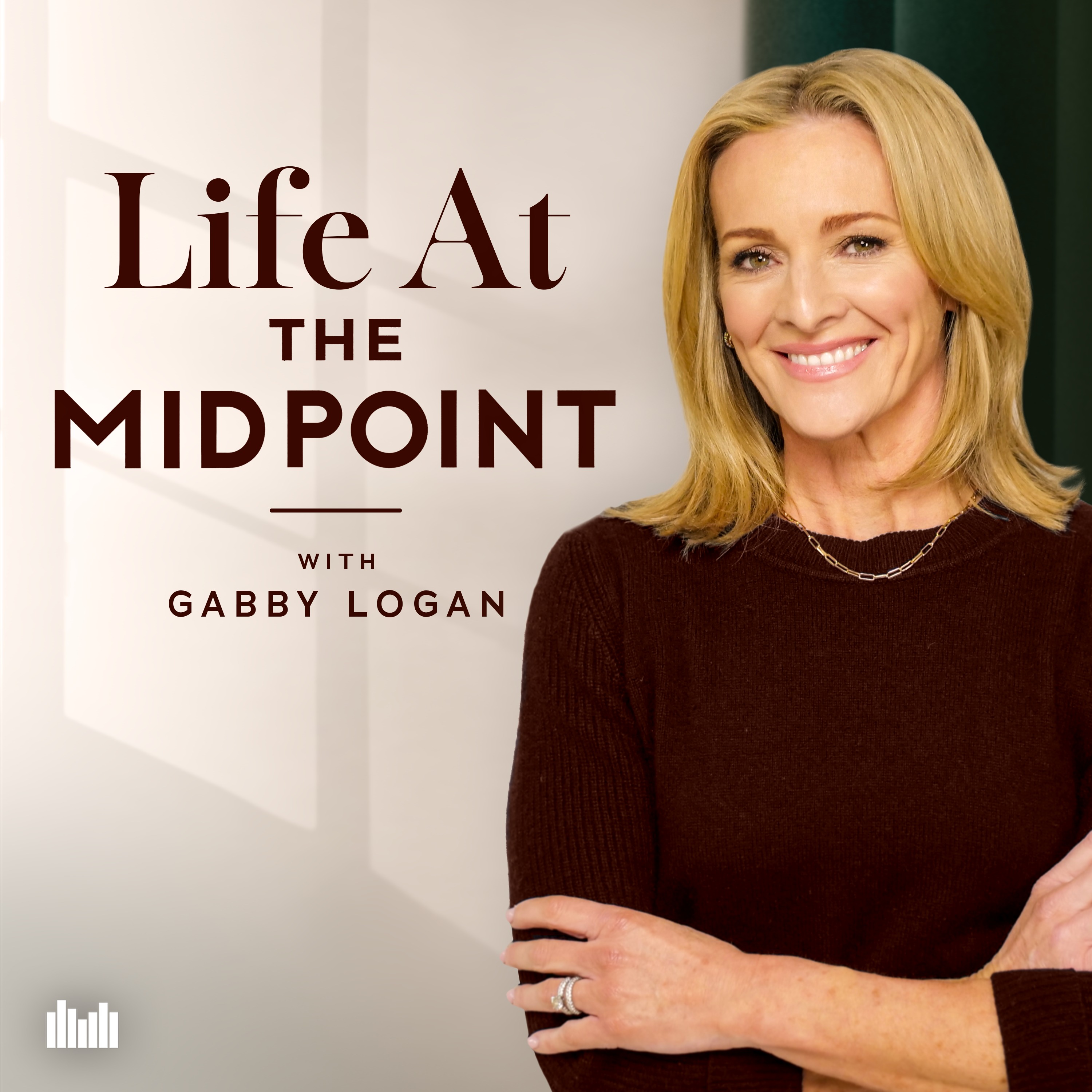

Sophie Raworth’s running journey and midlife mindset, linking marathons/extreme races to strength training, injury recovery, and coping with family loss; plus practical advice for starting running later in life.
Sophie Raworth, BBC newsreader/interviewer and mother of three; husband Richard (supportive), coach Karen Weir (early training plan), orthopaedic surgeon Alistair Hart (knee-scan research), friend Susie Chan (Sahara Marathon de Sable), daughter Ella (ran London Marathon for Cure Parkinson’s), and Amy Fuller (Olympic snowboarder, ran London Marathon with Sophie).
Start gradually with coaching; AI plans can be risky. Running doesn’t inherently damage knees—loading can help skeleton/joints; strong muscles support joints. Strength training (deadlifts/squats/barbells) is “transformational” and helped her recover from an ACL rupture. Midlife fear can be overcome by “one day at a time” challenges.
Sahara Desert Marathon de Sable (150 miles, 6 marathons/5 days, minimal kit); London Marathon many times; ACL prehab/rehab; mum’s decline after knee replacements and normal pressure hydrocephalus; training with a Sunday run club; daughter and Sophie running London Marathon a year after her dad’s Parkinson’s death.
Written by AI. May contain mistakes.
Sophie shares her late start in running and her emotional connection to marathons.
“Sophie, it is so wonderful to have you on The Midpoint.”
Sophie discusses her career changes and how running helped her cope with challenges.
“But taking your story right back to the beginning of, and I should just say, Sophie, obviously, and I've said this in your introduction, you're a broadcaster, right?”
Sophie explains the value of having a coach and structured training plans.
“So for me to get there was extraordinary.”
Sophie debunks myths around running and discusses the health of her knees.
“So you'll be really careful about the sort of plans that you use.”
Sophie shares her experience with strength training and its benefits for running.
Learn about the importance of rehabilitation exercises and long-term joint health after an ACL injury.
“And he said, oh, you'll never be able to kneel again.”
Explore the impact of physical decline on loved ones and the importance of maintaining activity as we age.
“I actually touched on it there a little bit about moving when you're older.”
Discover how routine strength training can help maintain physical capabilities into older age.
“It doesn't matter as long as you keep doing it, keep using it.”
Understand how challenging endurance events can shift perspectives on personal limits and capabilities.
“in the number of people who I've met at festivals and things like that or who've messaged me.”
Learn about the significance of continuous learning and the delight it brings at any age.
“And I'd started off doing that in my early 40s.”
Hear about the challenges and revelations from swimming lessons as a preparation for a triathlon.
“I've always been a swimmer, but then I realised my front crawl is terrible and it's always what's put me off and I don't think I'm going to do a triathlon.”
Discover the challenges and experiences of training for triathlons.
“I'm going to get this all wrong, but it'll be about a mile.”
Explore the impact of running on family relationships and personal growth.
“I think it's probably even less than that.”
Understand how running shaped career resilience and mental strength.
“So two or three two out of three are really sporty so Ella Ella has always been really keen.”
Learn about the community aspect of running and building friendships.
“I mean, that's what I found really funny about the whole running thing and the strength thing is it has infiltrated my life.”
Explore how Sophie balances her running regimen with personal life and health.
“And that changes obviously now, you know, that's changed a lot.”
Sophie discusses her experience with HRT and the impact on menopause symptoms.
“before I started using HRT, she said, you know, actually...”
Sophie reflects on the balance of sharing personal experiences in her memoir.
“But in a way that is you've done it in such a kind of beautiful and dignified way, I think.”
Discussion on the inspirational aspects of Sophie's journey for all age groups.
“I think you subtly kind of reference them.”

Get the gist, explore an idea or ask about something said.
 Claude
On Life At The Midpoint with Gabby Logan, what are the key points of this episode?
Searching your listeningAutomatic transcript. May contain errors.
0:00Is your kid's birthday coming up? Don't stress the prep. The Party Shop at Michaels is your one-stop shop for everything from bluey to rodeo. Transform your space into a birthday wonderland with dream-worthy tablescapes and decor starting at 99 cents. Plus, get free helium inflation on select balloon styles. Whether you're crafting a one-of-a-kind bash or grabbing the essentials, Michaels has everything to make their big day legendary. Shop now and order ahead for delivery or in-store pickup. Michael's everything to celebrate anything
0:39Hello and welcome to The Midpoint My guest today is an inspiration to me She's someone who's found a passion, an obsession even for running and for pushing herself beyond her boundaries and into more challenges than even she thought possible and most of us could even ever contemplate and it all began over the age of 40 So over the last 15 years or so she's completed the Sahara Desert Marathon de Sable, the six major city marathons, and she's run the London Marathon many, many times, lowering her PB so much that she got a call up to represent England. And all while she pushed on in her day job and her glittering career as one of the BBC's most trusted newsreaders and interviewers.
1:17Sophie Raworth is also a mother of three. And as her book Running On Air demonstrates so beautifully, she's had to manage all of that with the usual mashup of midlife milestones, including the very recent death of her father from Parkinson's disease. I cried about eight times, I think, reading her book. So hopefully we're going to keep it together today. Let's go meet Sophie. Sophie, it is so wonderful to have you on The Midpoint. I've been hoping you'd come on for quite a while. It's taken a book which in itself took about six years to write. Eight years from the moment I was asked to write it to actually getting it published.
1:52Yeah, that was a long time. It is a fantastic read and I've already told you this. it made me cry at least five times and probably well up another three. I was crying within the first chapter. And I think part of that is to just do with the marathon itself. The marathons are so emotional. I don't know what it is. Put it into words for me why they do this to us. I mean, I think the thing for me is the I love the marathon distance because you cannot cut corners and you have to do the work. And it is a lot of work. It's at least four months of proper training. And, you know, you stand on the, I love it because you're always there on the finish line of the London Marathon.
2:31And you see those people coming across and the sort of tears and the joy and they've all worked so hard for so long and they get there. But it's also the community spirit, the people out there, the causes people are running for. And, you know, people now, they run, you don't have to be an elite runner to do it. There are people who are walking it, but they're all doing it. so many people are doing it for causes that are so close to their heart for people for family for charities and they're raising huge amounts of money and it means so much to people and also now i mean it's such a privilege to be able to run it because so many people i think it was 1.3 million people applied for the ballot this year for 60 000 places or a hundred and or it could be double we don't know do it we don't know yet whether it's going to be over two days but But taking your story right back to the beginning of, and I should just say, Sophie, obviously, and I've said this in your introduction, you're a broadcaster, right?
3:25I'm talking to you like running is what you're famous for. But I think you're almost as famous for running as you are being one of the nation's favourite and most trusted newsreaders, which must be a strange feeling when you walk down the street. Are they saying hello to me because I'm a runner or because I'm Sophie the newsreader? It's funny. I think running makes me much more accessible to people. I talk to people all the time. Running is the most levelling sport, and I love it for that. It really doesn't matter who you are, where you come from, what you do. And the people I meet through running rarely talk to me, actually, about my job.
3:57I'm not treated differently at all, and I really love it for that. But, I mean, I didn't start running until I was in my 40s, really. I mean, I did two half marathons when I was 38 and 39. Then I got pregnant and had my third child, and I did nothing until I was sort of 41. And before that, people always think I was, like, really sporty when I was young. I wasn't at all. I did a little bit of sport at school, but that was the 1980s. I wasn't encouraged. I really wasn't encouraged. You were probably wearing green flash trainers. Yeah. I did a little bit of gymnastics. Nothing like on your level.
4:29It's really important to say that, that you weren't this kind of, you know, multi-sport kid who was in every single team. No, I wasn't in any teams. I did one. I dived for a year. That was extraordinary. There is a fearlessness then there, isn't there, underlying your passion? It wasn't even, it wasn't, no, actually probably the fear held me back because I was diving with the, it was the sort of British training squad. I'd been picked out of this. Did you go to Crystal Palace? No, we went up to Fry and Barnet, which was in North London. And it was the same sort of Barnet-Coptal it was called. And it was the same sort of thing, but it was that team.
5:06And it was the fear that really held me back because I was late to it. I was 16 at the time. And I dived on the. You're just a sporting late starter, aren't you? I am. I dived on the one metre board, but they were all going up to the three and the five. And I couldn't do that. I think I dived off the five metre a couple of times. I could see how that would be a barrier to further success. But in terms of your actual start in running terms, and you're going to say early 40s when you really got going. I did my first half marathon at 38 and I had not. I had probably jogged about four times between the age of 18 and 38.
5:41Yes, eight. So when you say in your book, and I thought this was really important, and a lot of people will relate to this as well, you had an experience at work where you were taken off the show that you loved and loved working with George on the six o 'clock and were put on the one o 'clock news. And that for you felt like a real kind of kick in the teeth. And actually, your husband recognised, I think, Richard, that running was a way to get you kind of out of that headspace. It was a distraction. I was moved off. I was on the sixth for a couple of years. I got pregnant twice within that time.
6:16And they took it on my second maternity leave. Natasha Kaplinski was doing my maternity, covering me. And, you know, she was a massive star and she just won Strictly. And she was she's a very, very good newsreader. And they obviously thought, right, we'll keep Natasha there. Anna Ford was leaving. We'll put Sophie on the one. And when they told me that that's what they were thinking, I was like, great, but I don't want to do that. and it was made very clear that I was going to, that's what they wanted me to do. And so it was that sort of loss of control and that was really quite early on. I mean, I never imagined I'd be on the six o 'clock news when I set out in broadcasting.
6:49I never even wanted to be a presenter. I didn't want to be on TV. So for me to get there was extraordinary. And then suddenly, you know, within two, three years, I'd been taken off it. And it was internally crushing. But I didn't really, I was told by one of my bosses at the time, Jay Hunt, you know, just get on with it. don't play the long game play the long game she told me and that's such a good bit of advice and I she really I don't think meant take up long distance running I think that wasn't quite what she was talking about but anyway that's what happened and then it just all coincided Brendan Foster's team asked me to go and run the Great North Run and my husband said go on it'll distract you I was still on maternity leave I wanted to get fit and I what I discovered doing that was how much I enjoyed the structure and the goal and having something to aim for um and I did the I did the half marathon I did it in two hours and five minutes or something I think um I did it the following year and then I just stopped completely and I and by the time I got to the age of 41 42 I just assumed I was too old I thought I can't go do a marathon and then I saw Jenny Faulkner do it and she did it and she crossed the finish line and she shouted out her coach and I wrote down the name of her coach and and that was it that in itself I think tells us something about your mindset immediately there's a coach being employed or or sought out because you if you're going to do it at that stage you clearly thought I need some kind of advice yeah I would have at that point gone I'll just go for more runs and more runs and and not until the last half marathon I did did I actually follow any kind of program and realize it's actually really important isn't it and if anybody listening to this is going to get inspired by you today which they will Would you say that's one of the things that has actually set you in such good stead that from the very beginning you had a plan?
8:35I have always had somebody coaching me. And there's a lot of, I mean, I think anyone who's starting out now, the really good ways of starting a couch to 5K is excellent because it takes you. You have to start gradually and you can start later in life, much later in life. I'm 58 now. There are plenty of people my age starting running now in their 60s. You can do it, but you must start gradually. And also you could be quite careful. There's lots of AI training plans out there. And that you must be really careful of because I find talking to a person is so much better. So if you're not feeling right or something's hurting or you can adjust it, whereas AI is not doing that.
9:14So you'll be really careful about the sort of plans that you use. Just use a basic one and use common sense, I would say. But I love the structure. I really enjoy the structure that a training plan gives me. And I'm, you know, I had my first training plan. And I remember I printed it off and it was Karen Weir who was training me. And everything was in green. And I just remember it on my fridge at home and I used to tick it off. There is something very satisfying as well about that, isn't there? Because the last time I did it with the runner app. And it was just that thing of putting the cross in the box and knowing you've done that run.
9:47And almost feeling you cheated yourself if you didn't get those sessions in. I feel really bad if I haven't done a training session still to this day. if I haven't done what I'm supposed to be doing I feel really bad about it Let's focus on the age thing at the moment before we move on to kind of what else you do within your running life because actually you talk about somebody in the book who I think she started even later Jackie Millett, she was actually 57 she was, yes I'm clinging on to Jackie because she was 57 when she started running And so it really is never too late doesn't mean you're going to be running world record times or you know even improving every single year what would you say though are the really important things because you address this in the book about people saying, oh, but your knees will, you know, you'll ruin your knees or you'll end up with bad hips.
10:29And that's not been the case with you. And you've actually got proof to the contrary that with an orthopaedic surgeon that you ended up meeting. So, yeah, I spoke to a guy who I wrote about in the book called Alistair Hart, and he's an orthopaedic surgeon. He's done all this research. He did this research in 2017 at the London Marathon and in conjunction with them. And he took people who were running in midlife, starting out. They'd never run a marathon before. and he scanned their knees. And he did their knees before. The 16-week training plan is crucial that you build up slowly. But he scanned their knees before and he scanned them afterwards.
11:02And he found that, I think, all of them, nobody had actually damaged their knees. Some had even improved their knees. And a lot of them had issues and niggles that they would not have known about unless they'd scanned it. And I was speaking to another orthopaedic surgeon yesterday who said this idea that running damages your knees is a myth. some people's knees are not made for running that is absolutely the case and if you have issues or if you've had sporting injuries or something that's wrong with your knees then you do need to be careful but for most people a bit of loading is actually quite good it's good for your skeleton the impact is good for your skeleton and loading is good for you loading and bounding is more and more becoming something that we're being told that midlife women should be doing weightlifting you do it of course weightlifting is and I want to get into that as well because that's something that I think in days gone by a middle distance and distance runners would never really have done weights and then I think Paula Radcliffe was one of those people who kind of was on the edge of what else can I add into my you know my routines and and how can I get better and she started lifting when it was the end of her career but even I think at the beginning of her career from reading her book and things there wasn't much in the way of a weights program going along with it so that's only really the last 15-20 years I think the distance runners have realized the power of weights with it do you do it for running or do you do it because you know as a middle-aged woman you need to be I've only started doing it uh three years ago and it has absolutely been a game changer for me it's been transformational so I started three years ago and I go to the gym now twice a week and I'm I did not I was you know classic would not I wouldn't know what to do in a gym you know the gym to me was somewhere that my 18 year old son goes and pumps iron and goes yeah mom i'm doing this you know um i didn't know what to do and still to this day if i walked into a gym with machines and things i actually don't really know what i'd do but i go to this gym where they have sort of they call them semi-private pts so they have six people in a class and they just tell me what to do and it's it's deadlifts it's all free weights it's deadlifts it's it's squats it's barbells it's it's dumbbells it's kettlebells it's all this kind of stuff and it's complete all body workout and I have really noticed the difference so I ran the London marathon this year and for the first time in years my legs my quads were fine the next day I was absolutely fine and I ran it with my daughter who's 21 and with Amy Fuller the Olympic snowboarder and they were both for days afterwards they couldn't go down the stairs and and I thought god this is actually the first time I've I've been fine I was fine I ran the marathon and the next day I jotted you know trotted down on the stairs at work and but that's because i think i've put a lot of work in just to getting stronger and and also that really helps your joints as well people who worry about their joints this is again alistair hart the orthopedics um surgeon's research he's doing it is fairly obvious and fairly evident that if you have strong muscles they support your joints i mean that's what he's now working on improving the scans so for me it's it's really helped my running i think that where that really kind of was cemented with me was when I had an ACL injury and I had to ACL operation and I did the prehab ready for the operation which involved loads of step ups and things and what I was doing was building up the muscles around my knees and the strength around the knees ready for the operation and then obviously in the rehab and afterwards I thought I should be doing this all I should be doing these kinds of exercises where step ups with weights and things like that basically that you're doing it's a lot of steps and and now that's always part of what I do because I think if I look after all those muscles around my knees that's got to help hasn't it and it's got to help the strength of those joints so I think that was where I kind of realized that oh if I want to be moving like this when I'm 80.
14:43And is your ACL fine now? Absolutely yeah totally fine yeah I mean I you know followed it to the letter like you I like a plan so when I you know got my prehab and rehab and so I you know been running for the last six years since the operation and it's absolutely fine more than fine it's like kind of and you ruptured it yeah totally snapped wow that's amazing that's brilliant that you you've come back running well my physio said if you were a very sedentary person who didn't enjoy sport i mean i might tell you not to bother having the operation so but because you're very active and you really like doing sport at 40 what was i at the time 47 48 i can't tell you to not have this done and spend the rest of your life not using your knees you know so i was in a gym in in russia during the World Cup in 2018 and Alan Shearer was in and I was still rehabbing and had the operation just before the World Cup.
15:28And he said, oh, you'll never be able to kneel again. You'll never be able to do this. And I laugh every time I'm Pilates and I'm kind of my knees bent double and I'm like following him. And he's literally, he can't kneel down because he didn't do at the time or when he had his, he didn't do the post-operative stuff in the way that he should. He was trying to rush back to be a footballer. And then there's other reasons as well. But it is so important if you have anything like that to just follow those programmes. as closely as you can, I think. I love that. I know so many people who've done their ACLs.
15:56I'm going to quote you from now on. They can have my... I've still got it somewhere. I send it out of the programme. But anyway, that whole section will be edited out because it was totally self-indulgent. No, it's great. No, but it's really good. It's really good. I like that. It's really, really important. I actually touched on it there a little bit about moving when you're older. And I think you were inspired a little bit about your mum's journey. Because you saw her... Yeah, and he obviously ended up dying with Parkinson's disease and and that for you obviously seeing him deteriorate in that way was was incredibly emotional in the book but I think your mum as well because she had been somebody who one minute in your eyes was moving and then the next yeah life was much more sedentary and so my mum is so my dad died a year ago my mum you know my parents were really active not in a sporting way like we are now but my parents were my my mum rode a horse they went to Africa they rode across the plains you know award-winning garden they've got a beautiful garden she took people on garden tours all over the country she was always up and busy and doing things um and then it was only about three years ago and she had she had to have a knee replacement well she had a knee replacement didn't do the rehab and then she had another one and she didn't she wasn't able to and she has a brain condition a brain disorder as well that Billy Joel has which is very rare for normal pressure hydrocephalus which affects your balance and your movement and it affects your personality and it gives you symptoms of Alzheimer's and Parkinson's, even though you haven't got it.
17:24So, you know, she's really been through it and she's had cancer. She's really, really been through it. But to see somebody who was so vital and so full of life and always busy, reduced to a wheelchair and unable to do anything for herself. I mean, she says to me, can you put my sweater on? And I have to push her arm through. And it's like, oh, mom, you know, she's 83. she's nearly 84 and it's awful to watch and that did seeing her first in hospital three years ago when she first had her knee replacement um and seeing her in hospital and watching her it went wrong and she had all kinds of other issues and she couldn't push herself up like that from her bed and i say it just made me think am i strong have i got any upper body stress you tried to do a push-up didn't you just do a push-up literally threw myself on the hospital floor tried to do a press-up and I could only do one and I wasn't you know I had strong enough legs but as it turns out not nearly as strong as they needed to be and I couldn't even do a put and I did one press-up that was it and that really did push me to go to the gym and it's it's you know it is very different my mum's 26 years older than me I have no idea if what I do now and some of it is quite extreme but I have no idea if what I do now will sort of future-proof me or not but I'm definitely I'm really enjoying finding out yeah and if you're if the way i look at it if you're doing a routine of you know s and c whatever you're doing weights and you're doing within that 10 20 push-ups and you're doing that a few times a week you'll keep doing that right so the way i kind of think of it well i can still do for example the splits now right i think that's amazing if i keep doing it why would i not be doing it when i'm 80 you know if i was there going to be one day when i go in the gym and suddenly i can't do a push-up you know or or am i going to find okay i can only do seven in this set or I can only do six.
19:15It doesn't matter as long as you keep doing it, keep using it. There's a woman in my gym who's 81 and she's in there doing, you know, we're doing the barbells. She does them too. She just has lighter weights. But she goes in there. She goes in there twice a week and she's in the gym and she's absolutely amazing. And I just think, well, I want to be doing that too. And I think, you know, our generation getting older, I think we probably will because there are more and more people doing it. I mean, I've been really amazed by the response to my book in the number of people who I've met at festivals and things like that or who've messaged me.
19:46Lots of people either very young, to me very young, like early 40s, who were about to give up or it was too late and saying, oh, now I'm going to start running. But also lots of people, men and women in their 60s and 70s as well, saying, I've started again. I read your book and I thought, why not? I can. Why don't I try? And they are doing it. I can move, so I'm going to do it. Move. Keep moving. Extreme, you mentioned there. Some are extreme. Let's talk about the extreme events that you have been. I mean, your love of running and taking on a marathon is one thing. And then very quickly and in the book, it happens very quickly.
20:22We're suddenly in the Sahara. And I remember you doing the Marathon de Sable. And I was like, what on earth possesses anyone to take on that challenge? I've got this mad friend, Susie Chan. I've got this mad friend called Susie Chan, who is even more crazy than I am. I think I'm quite sane compared to her. And she dragged me there. And she'd already done it three times. And she's seven years younger than me. How do you go back once you've done that? That's the other thing. I know. The way you describe it, I'm kind of thinking, why would anybody repeat that experience? I know. I know. And I think for her, the worst thing was she did.
20:55The third one she did was the worst of all the ones she'd done. And just as she had done the third one, she came back and in her head, she was going never again. And I suddenly went, OK, I'm going to do it. And the poor woman was like, oh, no. Was that because conditions were so bad? I think it is a very tough race. It's 150 miles. It's six marathons, five days. It's carrying everything you need to survive for the week, all your food, all your kit, everything. You live in a tent. She was brutal with you about that, wasn't she? She wouldn't let you take anything that was frivolous, apart from the flip-flops, which then got used by everybody else in the tent.
21:30I was going, yes, Sophie. See, you stuck by those flip-flops. I loved my flip-flops. No, she was very funny because she's absolutely right. You have everything on your back. They give you a tent, they give you water, and they give you poo bags. That's it. And so everything you need to live for seven days is on your back. And she's absolutely right. When it's 50 degrees heat, you really don't want to be carrying a gram more than you need to. So she came to my house about a week before we left, and she literally made me saw my toothbrush in half. She took the back off my compass, and I was like, this weighs nothing.
22:02She said, it all adds up. And I had an inflatable pillow and my flip-flops, and she was like, they're luxury items. I was like, what do you mean they're luxury items? What am I going to sleep on? And she said, I use my trainers as my pillow. I'm not doing that. I don't do that. I go everywhere with my pillow, full-size pillow. No, you do not. I do. I take it everywhere. That would be quite fun in the Sahara. It's huge. Memory foam thing. So I was reading thinking, could I, the pillow might be the deal breaker for me. The whole thing's a deal breaker for me. I just can't. I mean, it's impossible, I think, for mere mortals to imagine setting off in the morning in the heat that you do running on a lot of the time on sand and other terrains that are not particularly comfortable to run on and quite often having to slow to a walk because the conditions are so awful but I didn't think I could do it I mean I by the time I went I really genuinely thought I was going to be going for I'd do it for a day and I get a friend of mine who'd done it said I was so scared that I was desperate to pull out and there were six people going with me so I couldn't and my friends said just just treat it one day at a time break it down one day at a time and if you only get one day done at least you've had the experience so I thought okay that's fine I'll do it one day at a time so I really didn't believe I could finish it until I actually had finished it but there was the beauty of that race and I was you know you're talking about the midpoint I was four weeks three weeks off turning 50 and let's talk about massive middle life crisis and and I really wasn't I was dreading turning 50 it was a really big thing in my head I didn't like it at all I felt really uncomfortable about it and Susie's seven years younger than me her husband's seven years younger than her you know everyone was so much younger than me um and the beauty of that race was was that for the first time in probably as long as I'd been alive I had nothing I had like a backpack of possessions and it was it was so simple and I I couldn't use my phone because I had nothing to charge it with.
24:02And I looked at the stars every night in the Sahara. And it was just about getting from A to B and getting enough food in yourself that you didn't. I lost a stone in weight in a week because I couldn't carry enough calories. But it was a wonderful experience for that, the simplicity of it. It changed you, I think. It really changed me. Well, it made me believe. It gave me strength. It made me realize that my body is much, much stronger than my mind lets me believe. And I think a lot of people do that. I think so many of us, particularly in our 40s and 50s, say, you know, it's much easier to say, oh, I can't.
24:39It's a shame. I wish I could, but I can't. I'm too old. And I'd started off doing that in my early 40s. And I do think a lot of us in our heads tell ourselves that we cannot do things. and I've had such wonderful messages even from a girlfriend of mine a neighbour the other day who got into a rowing but she was at Oxford in the rowing team there and she hadn't rowed for 30 years and she'd read my book and she'd been back in the boat for the first time in 30 years and she was really emotional she sent me this text saying I can't believe I got back in that boat and I really didn't think I could do it, everyone else was like 30 and under and I just remembered what you said, my mind is telling me I can't do it my body can and I did it it's that kind of realization that you can and I think we all can do so much and I think we think it's not just a barometer then for you to measure up on another challenge and think well actually a marathon is a different challenge but I know I've done that so I can do this it's also a barometer I think for you internally I use it anyway when I do those kind of things in life you think well how hard can this be I've done that I know I can overcome this because I've got that thing in the bank you know that thing's in my tank now I know how to push myself through that so I think if you don't keep doing those things whether it's learning a new skill or even being coached you know going to a gym and being coached I think it's it's so important to not close off what you think you're capable of I think many areas I do love learning and progress I obviously have a thing about progressing I need to be moving forwards I can't look back I don't regret things I just keep moving forwards and I always need something ahead of me and even like my grandfather who was an orthopaedic surgeon um I remember him in his 70s he learned Italian and he taught himself Italian and he'd go and give lectures in Italian and I'm now teaching myself Italian you know on Duolingo but I love I love that kind of learning and we can all challenge ourselves and do something new um and it's it's really satisfying it's really fulfilling to do it?
26:37I had a, when I was on holiday last week, I had a swimming lesson. I can swim. That's a good thing to do. I've always been a swimmer, but then I realised my front crawl is terrible and it's always what's put me off and I don't think I'm going to do a triathlon. It's always what's put me off a triathlon because the cycling and the running bit, I think I do a lot of cycling and I'd enjoy that. When I did once do the swimming section of a triathlon for a breast cancer charity, I ended up doing backshipping. Well, you got there then. Well, apparently it's the, when you go on your back it's the international signal in triathlon for rescue and kenny was on the banks of eating dawney and this man next to him was going what is that stupid woman doing and he realized it was me and he's like turn over anyway i had this lesson last week and this hour was incredible this spanish teacher she i mean she could probably couldn't work out why i decided to book a lesson but a friend of mine has stayed in the same hotel and told me he'd done the same thing and within an hour my front crawl was transformed and it was that putting into place you know the things she was coaching me in the hand position she was getting in the water she was telling me things and afterwards I thought why have I why have I taken 20 years but what I want to know is why did you start off by saying I probably won't do a triathlon because I probably won't do a triathlon have you done a triathlon yes I did it I had a swimming lesson like you it's the transitions that I think I'd get really stressed I think I'd fall over getting my shoes I find it quite faffy a triathlon and I haven't messy it's just like it's the transitions and it's also you have to train all the different you know I find running easy because I can fit it in but I did do one sprint triathlon and the swimming yes I mean exactly the same thing I had a lesson and I thought oh this is quite I've forgotten how to do it now I've a total revelation how to do front crawl how to breathe yeah to breathe it always helps and yeah no I enjoyed it it was good I'm glad I did it but I think you need to do one to do one sprint one What's the sprint one again?
28:30It's a short one. I don't know. So what's about a mile? It's okay. I'm going to get this all wrong, but it'll be about a mile. Would it be a mile? No, probably not. Maybe even a kail or two. Less than a mile swimming. I think it's like, this is going to be all wrong. 30k on a bike. And then it was only a...
28:47Is your kid's birthday coming up? Don't stress the prep. The Party Shop at Michael's is your one-stop shop for everything from bluey to rodeo. Transform your space into a birthday wonderland with dream-worthy tablescapes and decor starting at 99 cents. Plus, get free helium inflation on select balloon styles. Whether you're crafting a one-of-a-kind bash or grabbing the essentials, Michaels has everything to make their big day legendary. Shop now and order ahead for delivery or in-store pickup. Michaels, everything to celebrate anything.
29:2310K? Okay, I'll look out for one of those. I think it's probably even less than that. It was at Eaton Dorney. yeah okay maybe I'll have a little look afterwards setting people on challenges all over the UK currently Sophie are you getting that that kind of feedback you just said there about people telling you that they put their trainers on and they're going to do things that must be so gratifying when you write a book that does that it's lovely it is lovely I mean I just I hope I'm not lining lots of people up for sort of appointments of physios but I keep saying just do it slowly please do it slowly no it's I it is it's really simple it's a really simple message isn't it And I didn't really think about it until I sat down and wrote the whole book.
29:59And it's that's I mean, it's helped me enormously writing it because I sort of thought, OK, there it is. That's what you don't really think about it when you're doing it. You're just doing it. And I think it's really important as well to say it's not just about running because you weave into the book, your career trajectory and kind of how you ended up, as you said earlier on, coming into your job almost by accident, because although it was always destined, I think that you would end up doing this, but you didn't set out to be a television presenter. Absolutely not. Or lead newsreader on the BBC.
30:28I didn't want to be on TV, no. But there you were, found yourself in this career that you really enjoyed. But the other thing that you go back to quite a bit is how you juggle this with your family. And when I say this, I mean you're running actually, not even the career. It's more every time you put yourself into a vulnerable position, you worried a little bit about the fact that you, especially the marathon disabled, you're a mother and that this might go wrong, especially after your first marathon when things did go wrong. When it was only 20 degrees. And you talk about that, about the children and Richard's, your husband's incredible kind of support.
31:00He feels like the real backbone to your running career. He really pushed you to keep. He enables me to do it. He just, I mean, only in that he doesn't come out and stand on the sidelines and cheer me on. But he does. He's very much sort of just can't do it. I mean, he used to run, but then he hurt his foot and now he plays a lot of squash. So he's very into sport and he loves sport. and he knows what it means and what it can, you know, he really wants the kids to be, you know, passionate about sport, whatever they choose to be as well. But yes, I mean, he very much enables me. He just lets me do it.
31:30There's no fuss. Just get on with it. You used it as transport as well to work, which was quite clever. Yes. Running to work, which we've had Jenny on the midpoint. Jenny Faulkner does that as well. She runs to work. And so there are, when people say I haven't got time, there's always a way you can kind of shoehorn running into your day. I ran home from work the other day. Actually, there was the tube strike. So I ran home. I did an eight miles home the other day and made it a bit longer than it needed to be. And I fitted in my run. Yeah. And it was the only way to get home because the tubes weren't working.
31:56But yes, you can. Running in itself is quite easy to fit. I mean, you can run a marathon, for example, on three training runs a week. My daughter just did that. It's not the huge amount of time that a lot of people think it is. And your daughter did this year's London Marathon, didn't she? And she's quite a runner now. She is now. So Ella is 20. She was 21 when she did it. And she did it with me because it was exactly a year after my dad died with Parkinson's. And we did it both and raised money for cure Parkinson's. And so she wanted to do it for him. And she was a bit of a rush. She ran a bit, but not.
32:34She'd never done. She'd done a half marathon, I think. And she was she was great. She was amazing. She was very funny, though, because I got her trained by my same just for sort of old time's sake. She was trained by Karen, who's my original coach. and so Ella's up at Newcastle University so I didn't run with her really at all and then on the day she said to me I didn't know whether I was running with my daughter or running behind my daughter or ahead of my daughter I didn't know what I was doing whether she wanted me to run with her and she looked at me at the start line and she said mum I'm running my race not yours but you stayed together didn't you?
33:06we stayed together we stayed together till 20 and then you took off yes we stayed together till 21 22 miles and it's that classic thing on your first marathon where you you know you've run that in training but then the last the last four miles it's her first one she doesn't know psychologically as well as physically are really tough and um yeah and so she she started saying oh this is getting really quite hard and i said ella this is just imagine the run from our house up to that bridge along the river and back again thinking in my head that's nothing at all that's fine that's not a long way and she just went oh that's so far so that didn't work really well and then she sort of fell back and then I kind of lost her a bit and I kept stopping to see if I could see her and in the end I thought well she said she was running her race and I was running mine I know that's terrible isn't it no I think I think that's brilliant it's like I'm half and half half of me says I should have I should have stuck with her but you know done that kind of triumphant mother daughter down the mall behind you you know here I am with my daughter and half of me is like well at least it'll give us something to aim for next time.
34:13She did really what she did in 3.39 she did a really good time. It must have been for your kids because they were quite little when you first started and and you talk about going out in prams running with prams and things have they seeing you run through their whole life has it been a source of inspiration in terms of the sporting lives they've adopted or gone into things because they've seen you being active. So two or three two out of three are really sporty so Ella Ella has always been really keen. Ollie, my youngest one, he's played rugby. Before that was a brilliant runner and I used to take him to park run.
34:44They all complained because I used to drag them to park run even on Christmas Day. So they're not very impressed by that. But they're all really good runners. And then Ollie was very funny because he's refused to run with me for years and years and years now because he's now 18 and that's not really cool to run with your mum, is it? But at the London Marathon afterwards, he was obviously so inspired by watching everybody finish it and he couldn't believe it. And he said, and then he saw I'd finished ahead of Ella. And so he's bet me, he's bet me 200 pounds that in two years time he can run the marathon and he will beat me.
35:24Wow. OK. So I now have to train really hard for the next two years because I'm definitely not going to lose that one. That will take you to another milestone age? I'll be 60 almost. 60. How did that happen? And he will be nearly 20. But what is going for him or going for me and not him is it will be his first year of university. So, you know, freshers. Yeah. Lois said she was going to do it last year and her first year. And I said, don't be daft. I said, why would you run a marathon in your first year of university? I hope he doesn't listen to this. I'm just going to say, go for it, darling. Go for it.
35:54Yeah. And then I'm going to beat him. I don't doubt for one second that you will beat him. No, I'm not sure I will. He's a really good runner. You say quite a lot in the book that you previously thought running was quite a lonely experience or an existence. And it can be a really lovely, cathartic, lonely experience if you want it to be. I mean, I found when my brother died, I ran a lot on my own and it gave me good headspace and I enjoyed being on my own. But actually, if that is something that's putting you off, it shouldn't because you've talked about park run. And then you can meet people as well as you have done that you run with.
36:26And that's it. That's all you do together. You don't necessarily spend any other time together socialising, but running is your thing. And that little band of runners that you ran with around Kew and Richmond ended up being great running friends, but they didn't know about, well, you didn't know about each other really in your personal lives at all, did you? No, it's funny. I mean, I see, I often see, you know, if I bump into people who I run with and they're not in running kit, it takes me a few seconds to, oh, it's them, but you've got made of them. Oh, hello. Oh, I now know who you are. No, I think there's an amazing community around runners.
36:59And it was a real revelation because I did think it was quite a lonely sport when I first started out. And I mean, now even more so, the number of young people running as well in their 20s and these run clubs and Wednesday run clubs. And I trained for this London Marathon with a group that ran every Sunday morning. And they'd meet when I first started running with them. It was it was like dark Sunday morning at 10 to 8 in the morning. in January and I turn up and I was like basically the oldest person there they were all average age 29 I was like what are they doing up at this time of day you know they should be asleep right now um but it's it is a wonderful community I've made so many friends um through it and really close friends but also like the other last week I went off to the hay festival and I was running I wanted to do a long run and somebody who I met on the start line of a race in Italy last year a mountain race who was in her 50s as well I told her I was coming and I'd met her once before and she said oh let's meet well take I'll take you up at the Brecon Beacons and so off I went on a five-hour run with this woman who I've only met once you know and but you can do that and that's that it is as I said before it's really leveling it's lovely it's the sort of bond that you automatically have.
38:13Alongside it your career has gone very very well and you know in spite of that setback in your mind for going to the one you know you you continue to do great things in different kinds of shows but but also led big events and worked on some of the big national events that have happened over the last decade or so. Do you think running has somehow helped your career in terms of your own balance in life and the importance you put upon it? I think, you know, getting on. When I first started out in TV, I do vividly remember thinking I was 27 when I was put on television somewhat unwillingly. And then I thought, OK, I'll do this.
38:51I was, this is the regional news in Yorkshire. And I started out and I remember, Look North. And I was, I remember thinking, great, I can do this till I'm 40. Because in those days, in the 1990s, that's kind of what it was, wasn't it? Older man, younger woman. And I do, you know, I find it extraordinary now at the age of 58, I'm still, it shouldn't be extraordinary, but, you know, I'm surrounded by lots of women my age now who are, we are the generation that are coming up and still going, you know, the Fiona Bruce and reach Chakrabarti and all these people. And we're still there going. But I think what the sporting side of it has done has made me feel very empowered and very strong, physically and mentally.
39:37And I use it, I use what I've learnt now at work. I mean, that's what I found really funny about the whole running thing and the strength thing is it has infiltrated my life. I hadn't realised how much, it's just the fabric of my life now. It gets me through so many things. So I write about, you know, I write obviously about running and races, but I write about work and dealing with things at work and dealing with big challenges and big interviews and actually realising that I'm using stuff that I've learnt through running and sport. There was one interview in particular with Boris Johnson. And that was like doing a marathon.
40:13I was reacting the same way. And I thought afterwards, how weird, how extraordinary that I am behaving in exactly the same way as I do in the run up to a race. And just also, you know, awful things, my father dying and George Alagaya dying. But somehow it has, I wrote a chapter called Harnessing the Mind. And I think the sport and the strength and the running has taught me to harness my mind. And it's been quite a slow learning curve. and I think I only now realise what it has done and how it has done it. But I think now at the age of 58, I'm actually far more fearless. I've spent a lot of time trying to pull out of races in the past and signing up to things and thinking, I can't do it, I can't do it, and then having to do it.
41:00But now I'm a bit more like, well, I'll just give it a go. What have I got to lose? And I think it's, I find the fact that now I am stronger and fitter then I'm much stronger and I'm as fit if not fitter than I was when I was 42 I did one of those vo2 max tests the other day and I find that extraordinary and it's it you know I just talked about progression I like progression and the fact that I can get faster and fitter in my 50s and who knows whether I can keep that up in my 60s but I'm willing to find out um it's really empowering it is empowering and and as you you know you go through the various phases of your career and the the various kind of the way running kind of weaves its way into those those moments i think is it's a beautiful read and it is very emotional be prepared to have some some tissues to hand and maybe that's just my feelings about marathons i know lots of people have cried you said five times so most people cry twice maybe three times even piers morgan cried i saw that on your social media i thought that was a bit of a badge of honor i reduced piers morgan to tears can you get piers Morgan running though that's no he's now had his hip replacement I'm not trying that's a very good excuse yes I think he's he's got himself off the hook on that has it has it kind of permeated your colleagues at the BBC do they yeah it has actually they've started running no it has there are people there are two one of our directors who I've worked with for you know studio directors who's in my ear the whole time and yes he's running Chris because journalism and especially the kind of journalism that you're you know you're in and have been in your career has been synonymous with kind of long lunches for your contacts and all that.
42:37And that changes obviously now, you know, that's changed a lot. Although I remember Fiona Bruce telling me she loved to nip it out and have a glass of wine in between. She used to do that. Wow, you're some woman. I don't know if she does that anymore. But you obviously have to have a balance in your life. You have to go out and have some fun with, you know, friends and family. So how do you do that? Because it does sound like it's full on training in between. Oh no, it's not at all. I only run three or four times a week. So you do afford yourself the odd treat. Oh yeah, yeah, absolutely. Lots of treats.
43:05No, no, no. It's not, it doesn't dominate my life, funnily enough. It doesn't, I go to the gym twice a week in the morning. I'd run four times. At the moment, I'm training for something in the summer side. I'm training quite a lot. But no, it's absolutely fine. I mean, I don't go out for long lunches. I don't have time to do that. But you'll have a glass of wine at night if you fancy it. Yes, yeah. I drink, I definitely drink less nowadays though, because I wear my watch. Which tells you how terrible your sleep is. It does. That's quite, it's quite a, that's actually mentally how quiet, and it has your HRV.
43:35Yeah, which doesn't like, HRV does not like a glass of wine, does it? I can have one or maybe two, but beyond that, I mean, my HRV just goes from like really healthy to... And do you think the symptoms of going through the period of kind of perimenopause and menopause have also been dramatically helped? I mean, you wouldn't know necessarily any other way because this has been your life, but does it feel like that? I didn't, I mean, I had for probably, I've really felt that for a year or I felt the effects of it for about a year in my late 40s, I think. But I use HRT and I don't have any problem at all now.
44:11I feel absolutely fine and absolutely normal. I mean, a girlfriend of mine who's a GP said to me at the time before I started using HRT, she said, you know, actually... Sorry, that's my phone game. That is my daughter. That's the non-running daughter. I'm going to turn her off. I thought it was your HRB. You're just even talking about alcohol. sorry um no the girlfriend of mine who's a who's a gp said to me actually running will will help with you with you know symptoms of osteoporosis building helping perimenopause and all that kind of stuff and she said even that alone is is very good for it if you're you know considering taking hrt or not but i did and i feel great in it well everything seems to be um going so well that you're you know here is a real role model i think in terms of it's really funny midlife sport i don't It's really funny because I don't feel like that.
45:00And it doesn't feel like that to me at all. But I think that's because you're so accessible. And I don't mean that in a way that it's a compliment to... Because actually, on the one hand, I don't think we knew very much about you at all. Well, I've never... No, I like my job because it's not about me. I mean, I like my job because I didn't want to be on TV and I didn't want to do all that stuff. And I certainly was not a public person. And I don't really do interviews very much or I didn't before this. and I like being the newsreader because it's just like, hey, here's the news. It's not, hey, this is about me.
45:30But I do think with the running, people are kind of going, oh, it's amazing, it's amazing. But I do think so many more people can do it. And I don't think I'm particularly special. It's taught me huge consistency. I was going to say, even though you've written this very personal book, I still feel you've managed to do it in a way that you have kept a lot back about you. Yeah, which is quite right. But but but shared some really intimate moments that you and your sister with your father when he was in his final days, you know, which is very personal. And and I think that the modern newsreader is allowed to have, you know, human emotions and be and us be aware of that.
46:07But in a way that is you've done it in such a kind of beautiful and dignified way, I think. I just I think in this day and age, you know, I mean, I like I like Instagram. I do use Instagram, but I just think in this day and age, it's quite hard. well I value my privacy so I have written stuff which is very you know very open about my father dying and my sister and I wrote about George and I wrote about my dog dying which was just traumatic there was another set of tears and and you know those kind of things which were really personal and really emotional for me but I think for me it's still really important just to preserve I am a really private person actually the heart of it I'm very private and so I've given yes I have in the book given I've given far more than I planned to Jeremy Bohm our international editor was the one who said to me when I first set out to write this and I wrote one chapter about the marathon and collapsing and then I didn't know what to do and and I got stuck and he's written books so I rang him and he said well the thing is Sophie this is a memoir and I was I said is it am I writing a memoir I didn't think I was I thought I was writing a writing book and he said it's a memoir so you have to give something of yourself and uh yeah I wasn't I wasn't and then I stopped writing because I thought I don't think I want to do that.
47:19Well, I think it's not just an inspiration for women of our age and men of our age. I think it's an inspiration for anybody who wants to kind of get moving and do something. But also, I think for women of our age, about kind of longevity and keeping going and, you know, pushing, you know, boundaries and your career as well and all the things that you have been through to get to where you've got. I think you subtly kind of reference them. But I think it's a real kind of tome of inspiration. So thank you. Thank you for writing it and thank you for coming in to chat to us today. It's been lovely.
47:48I think we need to meet up again in what should we do? 15 years' time? Yes. See if you can still do the splits and I can still deadlift something or run. Welcome to the end point. Don't. Coming to the end point. Oh, no. Can you imagine? The final quarter or from birdcage onwards or whatever we want to call it. Still moving. Yeah. It'll be still moving. We will be still moving. Absolutely. Thank you. Thank you.
48:44balloon styles. Whether you're crafting a one-of-a-kind bash or grabbing the essentials, Michaels has everything to make their big day legendary. Shop now and order ahead for delivery or in-store pickup. Michaels, everything to celebrate anything.
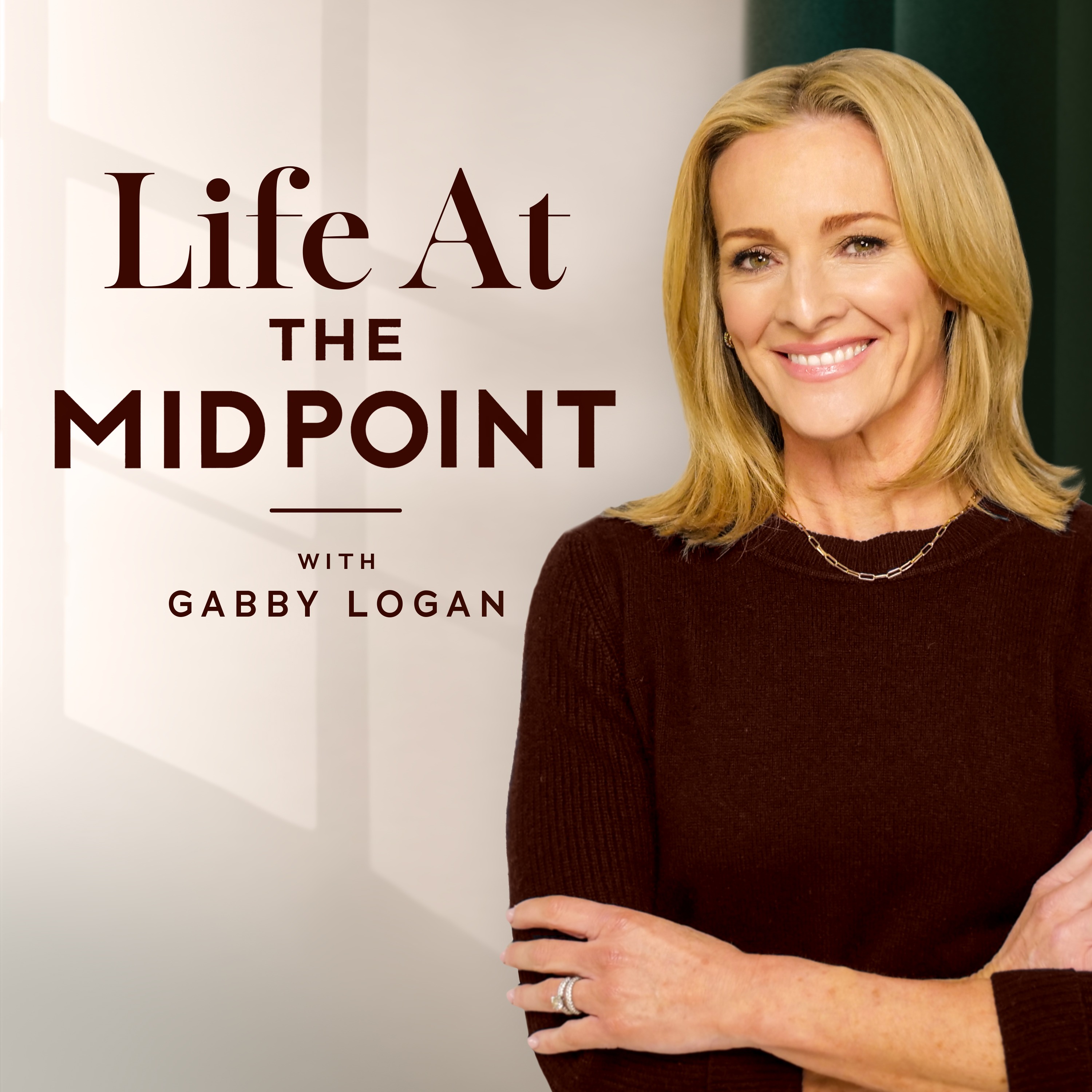
In this episode of Midpoint, Gabby sits down fellow broadcaster Sophie Raworth. Sophie is one of Britain's most recognisable faces on the BBC news for over thirty years, and someone who has covered some of the most significant moments in modern history and interviewed some of the most important figures of our time.
But this conversation tis around a different subject. Away from the newsroom, Sophie has built another passion entirely. At 40, having done almost no exercise for decades, she decided to run the London Marathon. She collapsed two miles from the finish. She got up and did it again. She has now completed all seven World Marathon Majors, more than twenty marathons and ten ultra-marathons, including the 150-mile Marathon des Sables across the Sahara. Her first book, Running on Air, published by Bloomsbury, tells the story of how running changed her — not just physically but in the ways that actually matter. This is a conversation about resilience, getting things wrong and what it takes to keep going and how MidPoint is often, the perfect time to try something new.
Hosted on Acast. See acast.com/privacy for more information.