 Ask ChatGPT
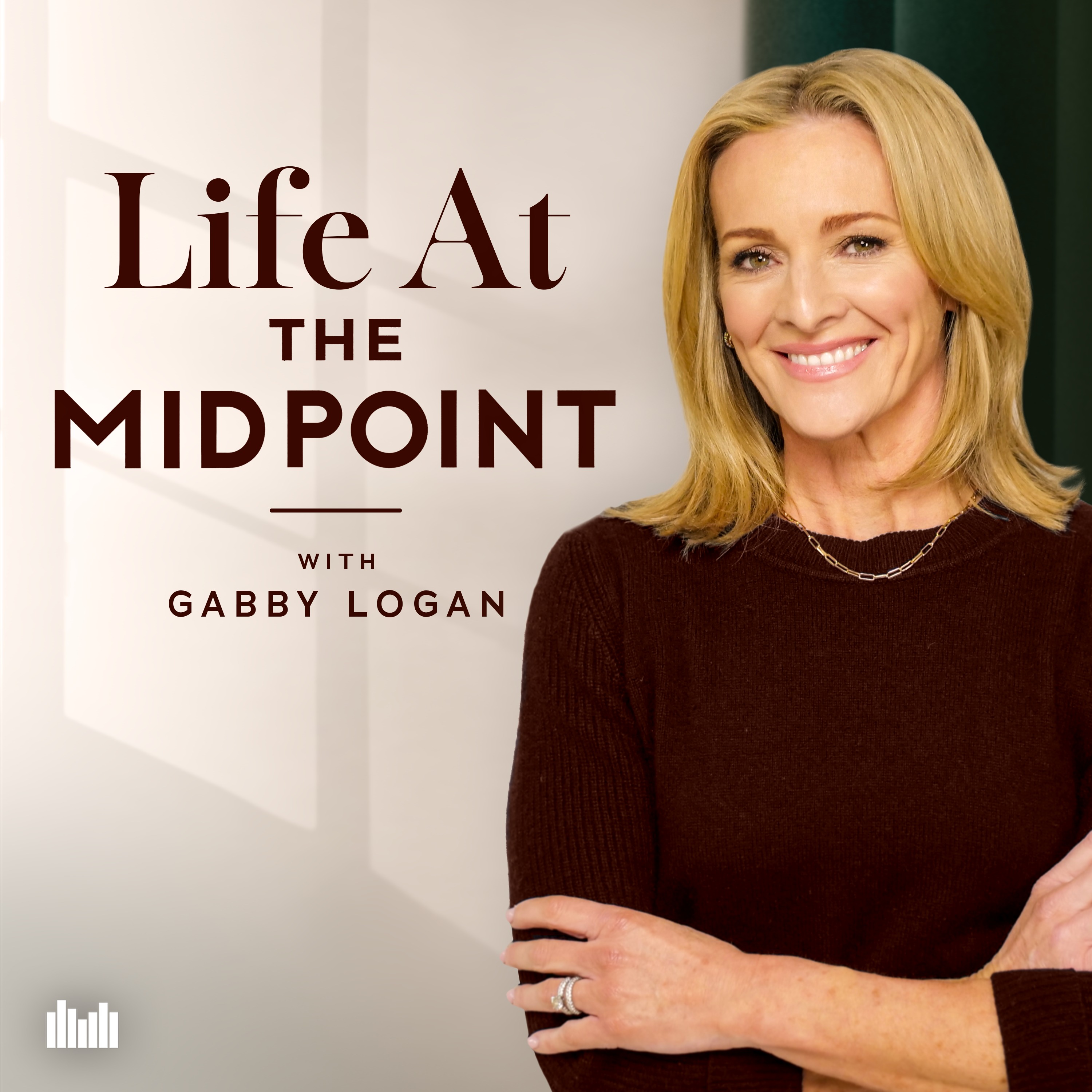

Sunetra Sarker discusses her midlife “midpoint” journey, focusing on perimenopause and HRT, career longevity in British TV, representation of South Asian women, and navigating divorce and blended family life while working in a relentless schedule.
Sunetra Sarker is a British actress known for Brookside, No Angels, Ackley Bridge, and her long-running role in Casualty. She has also appeared on Loose Women. She is a mother to Noah (university) and is married to Scott Carey (married since 2018; Scott moved in in 2025).
She initially denied perimenopause because she associated menopause with stopping periods; taking oestrogel helped. She argues against “box-ticking” quotas, saying people should earn roles through progression. She believes humor helps audiences connect across cultural barriers.
Her Ackley Bridge dinner-lady role gave screen time to an “invisible woman” (single parent, funny, limited English), resonating with diverse fans. She describes single-mum childcare solutions during Casualty, including a supply art teacher support network, and how she and Scott engineered kids’ friendship to build a blended family. She also recounts discovering her Indian ancestry on Who Do You Think You Are, including links to Gandhi and civil-war involvement.
Written by AI. May contain mistakes.
Sunetra shares her experiences with perimenopause and denial of aging.
“I think it was just pre-COVID and it was being talked about a lot more.”
Discussion on how the acting profession handles aging and the stigma surrounding it.
“I always thought anything to do with menopause meant, you know, having your periods anymore.”
Sunetra reflects on her early career in television and pivotal decisions.
“I've noticed that there are shows that are maybe allowing us to talk about HRT or without it being cliched, there are some TV shows that don't too far.”
Sunetra discusses her family's reaction to her acting career and their initial skepticism.
“And I remember having this real crossroads of professional and personal going, do I go this way and get the really good money for a year with a with a proper job and a title?”
Exploring the importance of representation for South Asian women in television.
“They'll tell me if I don't tell them when this is on, you know.”
Sunetra discusses her role choices and the importance of portraying invisible women.
“I mean, I've seen I've seen people I didn't I didn't grow up seeing on screen.”
Sunetra expresses her concerns regarding quotas in the acting industry and the importance of competency.
“Do you feel a confidence that you can do that now?”
Explore the drawbacks of quotas and the importance of gradual career progression.
“Everyone's looking around going, we had to try and find a job for the girl who, you know, we needed to take that box.”
Discuss the value of learning from experience rather than formal education.
“but I've got to say that I think as I've got older, I can do more now and because I've got that.”
Recount experiences from a historic audience event featuring Kylie Minogue.
“But there's Sinatra going, sorry, Stanislaw?”
Share humorous anecdotes about awkward interactions with celebrities.
“And then I got there and I was like, no, I don't think, I don't actually think I can.”
Discuss the challenges of balancing single motherhood with a demanding career.
“I had already started the conversation in my head and just skipped over, hello.”
Explore the complexities of co-parenting after divorce and the importance of support.
“It really does take a village, doesn't it, as well?”
Discuss the challenges and strategies of blending families and creating new relationships.
“Because bringing a fourth child into a family would be quite unusual.”
Learn how to facilitate friendships for your children in creative ways.
“And that was so clever because I said to Scott, without our kids getting on, nothing's going to happen.”
Explore the dynamics and challenges of blended families and second marriages.
“And I think about the times that Ruben and Lois arrived and then he'd be the one that was sent off to find friends.”
Understand the complexities of introducing a new father figure while honoring a deceased parent.
“And we had the really sad news two years ago of Noah's dad passing away, which was a really big, massive bombshell in our lives.”
Uncover the impact of exploring your ancestry and understanding your roots.
“Because I might be romanticising how we would have all been laughing and joking at his 30th.”
Discuss the challenges of cultural identity and the journey towards self-acceptance.
“Yeah, but I wasn't listening, Gabby, because I didn't want to know about things over there.”
Explore feelings of belonging when connecting to cultural roots abroad.
“It was so not, considering I'd had everything else growing up in Liverpool that everybody else had had, to then have this anomaly, which was like Indian music, Indian dress, Indian food.”
Learn how children perceive their mixed heritage and cultural identity.
“You know, had we lived here, this could be what my, I mean, you know, you don't know if you'd have been brought up in another country, what your life could be like.”
Explore the complexities and privileges of cultural identity through personal stories.
“even though they can spot me a mile off that I'm not born and brought up there.”
Discover the empowerment and confidence that can come with midlife and career development.
“he said our job as parents is to give our children roots and wings.”
Discuss the importance of visible representation and breaking age-related barriers in media.
“The way that the industry works now, you know, to get the finances in, to do all of that.”

Get the gist, explore an idea or ask about something said.
 Claude
On Life At The Midpoint with Gabby Logan, what are the key points of this episode?
Searching your listeningAutomatic transcript. May contain errors.
0:04Hello and welcome to The Midpoint. My guest today is someone who's been part of the British television landscape for decades. A woman who's broken barriers in how she's represented South Asian women on mainstream television and you'll know her from her roles in Brookside, No Angels, Ackley Bridge and of course her long-running role in Casualty. She's even been a loose woman but there's a lot more to Sunetra Sarker than the characters she plays. She knows all about emptiness. She's mother to Noah, who's at university. She divorced his dad when Noah was 10, but is now married to her teenage sweetheart, Scott Carey.
0:38And she's spoken up about the midlife journey and how she was denying her perimenopause symptoms to herself because she didn't want to be seen as old, but then realised that this period of life has so much more going for it than she ever thought. And it's given her a freedom to make powerful decisions about the roles she plays and the women she wants to represent. So let's find out how life is in the midpoint for her and give a very warm welcome to the brilliant beautiful and unapologetically authentic sunetra sarka sunetra sarka welcome to the midpoint uh i want to talk about something that i heard you had said and it might not be true about being slightly in kind of denial of the perimenopausal symptoms and the and the symptoms of kind of getting into that period of life yeah no because you just couldn't admit perhaps that you were getting older that was not something that was on your rating.
1:29You weren't planning on getting older. So what were these symptoms? Do you know what? I think it was just pre-COVID and it was being talked about a lot more. And I just had just paid no attention to it because I think in our heads, if you didn't know how old you were, you just would always say you were somewhere near 20 to 30, right? You didn't, I didn't physically feel I'd aged. You know, I wasn't getting stooped back. I wasn't Looking like an old person. So I didn't consider the old people traits with me. And so all of a sudden, everyone kept talking about this mood stuff. I'm generally quite an upbeat, happy, my glasses half full kind of person.
2:07I was starting to feel a little bit less like that. I was getting a bit rattier with the kids, which is, again, telltale signs that, you know, it could be because we're in lockdown and we're all in a house together. Or it could be something else. And for sure, I could sleep on a washing line all my life. I can sleep anywhere. love sleep amazing school and all of a sudden that was in jeopardy and so I think it was doing loose women actually there was so many women talking about it I was like why me these guys are really genned up and they were all a little bit older than me and they were just like taking hold of me and I think it was Kay Adams was like I'm going to send you to this woman you're going to talk to her about these things because I think you're perimenopausal and I was like I don't I don't think so, I'm still having periods.
2:50And that's the telltale sign. I always thought anything to do with menopause meant, you know, having your periods anymore. So therefore it doesn't apply. So was it a relief in a way? Yeah, it was. Because once I started taking some oestrogel, I did feel considerably better. And I think also maybe joining the conversation and being a little bit more involved in going, oh, yeah, no, I did notice that. And some things didn't work, which was interesting as well, because I wanted everything to work. I wondered if it was also part of the profession that you're in, because historically, actors didn't even say their age.
3:28They wouldn't admit to, you know, turning 40, let alone kind of heading towards. And still, don't you think? I think there's a lot of actors. I mean, especially with plastic surgery and all the sort of new people is not looking their age as much. So therefore, it's slightly defying to start talking about menopause with women who are on the surface still looking 40 something maybe when they're heading towards maybe late 50s. So I don't think it was a big thing we talked about as actors. Now we do because it is so much more of it. We've made something taboo, not taboo. That's great. I also feel, though, that we are maybe overwhelming everybody with too much advice because now, and I've fallen prey to this.
4:12you kind of follow everything everybody's telling you to do when actually there's certain things that will only work for you and you've got to try and, you know, you've got to test it out. But I do think in the acting space, we've done it on screen a little bit as well, actually. I've noticed that there are shows that are maybe allowing us to talk about HRT or without it being cliched, there are some TV shows that don't too far. Because your CV is so full, you've worked, it would appear you've worked almost constantly since you first were in Brookside. Were there ever any periods where you were slightly worried about not having a job?
4:48I know it's part of the gig. You've got to get through those periods. But what was the longest that you've not worked with? Well, falling into television at 15. And it really was just falling into a show because I was spotted at the bus stop. And people all know the story that I got spotted by a casting director who clearly couldn't find an Indian girl aged 15 in a stage school because there were none of us at stage schools or drama schools at that point. So I got really lucky then. And I think because I didn't have the expectations, I didn't see this career. I just saw it as a real novelty moment.
5:22And working with some really brilliant, like, old school actors who were like, get yourself an agent, don't stick around, doing nothing. And I started being a bit more interested in acting. And I then decided I was going to go to normal university. So I stopped, went to Brunel, did a normal degree. But the acting work just kept knocking on the door. So I wasn't going to say no, but I still didn't think it was a career. And it only occurred when I was 24. No, I finished university and then there was just no acting work at all. So I had to take on normal jobs. So I was temping around London. I was Office Angels Employee of the Month.
5:59Of course you were. I loved it. And I was working in a temping like Westminster Council and all these really interesting places. And then I came to one place, a car dealership that offered me a full time job. And just at that same time, my agent called me and said, there's this BBC Two film called Flight. And, you know, they want you to go and audition. So I went for the audition thinking I'm going to not get the job and I'm going to end up doing this really good job at a car dealership. Quality assurance officer. La la la la. And then I got offered the film. And I remember having this real crossroads of professional and personal going, do I go this way and get the really good money for a year with a with a proper job and a title?
6:41And I'd be this businesswoman or do I go down this really risky road, which nothing's guaranteed? And I and, you know, it was a real what am I sliding doors moment. And I went for the telework. And you know what? Since that day, it really hasn't stopped. It was really I got really lucky. Well, really talented, obviously. It is a combination, you know. We've both got really talented friends in our industries that you know you've got to be at the right place at the right time and then you've got to have the right attitude, I think, is the key. Because you came from a family that wouldn't necessarily have seen acting as a career and it wouldn't be, you know, for them, I imagine, it would have been a very vulnerable, very insecure career.
7:29so when you said right I'm not taking this job and I'm going this way yeah what was their reaction they were disappointed I think they were really disappointed because my dad's a doctor my mum's a statistician turned dancer so she always thought you could do both you could be academic and you can be creative but you don't have to jeopardize one or the other and again you know I say it as a parent I don't want to send my child into the riskiest scenario given they could possibly be other things. So they never really, I don't think they sang my praises really or told people about what I was doing as much.
8:06I find out now that they were far more modest about what I was doing until it overwhelmed them because people just kept coming up to them going, oh my gosh, we saw your daughter on this. And I think they started realising, gosh, this is quite out of the norm. She's managed to break a ceiling that we didn't actually think was there. And I think I gained their respect and pride. And now I couldn't have two bigger fans. I mean, they tell me off if I don't tell. They'll tell me if I don't tell them when this is on, you know. Do you think that also, because you were blazing a trail in many ways for Southeast Asian women on television.
8:40I mean, it's ironic the first job you ever got was because the director couldn't find somebody that looked like you. True. And because obviously there weren't many young girls who thought that that was a career for them. Totally. So is that as important to them, do you think? I think it is. I think especially, I suppose time is a huge indicator of that. I am unfortunately still the only over 40 Asian from Liverpool on screen. Yeah, you can't find, I mean, I'm waiting for some wonderful Scouse actress with Indian origins to burst on screen. But to think in all this time, nobody comes from where I'm from looking like I do.
9:20So I was the first person who looked like me that sounded like me on screen. and it was an interesting scene because nobody saw it as, there weren't many jobs for people like me then. So it was going to be limited. I think even, I mean, Stephen Graham references it quite a lot in his speeches when he's been picking up his many awards over the last year of adolescence. He talks about being from Liverpool and just having one person that you see doing, you know, that as a possibility because it wasn't a career perhaps that was a working class lad. So, you know, even more niche is your group. Yeah, yeah, exactly.
9:51I'm within, and I remember my mum saying, years ago I was driving to school she was driving me to school and she said you know it's going to be three times harder for you because you a you're a woman be a brown and see you from Liverpool and all three of those things have been prejudices I've had to cross laughing at the time go don't be silly no one's gonna think of me like that but and Stephen talks about it a lot about about how Liverpool is still kind of a very small pool in a very big industry you know we are but if you think about most of the Scouse actors, you know, we could all change our accents and we can all read.
10:26We're very good chameleons and comedians. And there's a lot more that if you were to allow people that don't see themselves on screen to have a go, you probably open up. I mean, I've seen I've seen people I didn't I didn't grow up seeing on screen. I've played some of them and I'm like, oh, look at the key that's just turned for people there. So when you're picking or you're accepting roles, how much of the thought process of that goes into it? So as I've got older, so way back, if you'd have asked me age 25 to 35, there was no vetting of that sort. Because again, there wasn't much to choose from.
11:07Since I left Casualty in 2016, I've been so interested in finding invisible women. So invisible women that you want. So, for example, one of my first roles that I still really hold dear to me is a role in a show called Ackley Bridge, which was about a Muslim school merging with a British school and how the beginnings of all, how that would create conflict and collaboration. And there was a woman that I was playing who was the dinner lady. Again, quite an invisible woman in most people's worlds. But not only that, she was a single parent and she was funny and she had opinions and she didn't speak English as well as everyone else.
11:48And usually you would see her as the shopkeeper's wife in the back of shot for four or five minutes on screen maximum. And she would only be there to move the story forward. You wouldn't hear about her life. You wouldn't laugh with her. You wouldn't actually think she could be your mate. And all of a sudden I could go, I know what to do with this woman and I know we can find fun. and all of a sudden I had this screen time of a woman that, again, and I've never had such love from the weirdest fans, you know. I had the gay community coming out going, we love you. I had under 15-year-old kids going, wish you were my mum.
12:26You know, I'd never attracted those demographics, really. What do you think it was that connected with those groups then? Humour. the fact that you see an immigrant or somebody who doesn't look like you and you're never going to think you're going to both find the same things funny and the minute you show people on screen we can both laugh at that or look at how I've just made you laugh with my attempt of a dab or trying to be cool and the laughter drops so many barriers without you realising it and people probably don't even see it as they're laughing on screen but I think that's the key That's so clever, isn't it?
13:05And I think what you're doing is really powerful. If that is now how you're looking at your impact, does that feel more important when you get through a certain period of life to you than it ever has? Do you feel a confidence that you can do that now? Yeah, I feel, and age has helped there because I've earned my stripes and I think you have to go through the ladder. I feel worried at times, and I say this without trying to sound too controversial, that these quotas that everybody's insisting on having, all these types of people in certain levels of work, and they haven't earned their stripes to get there.
13:41So, you know, I've been working in spaces where people have said, oh, can you think of an Asian sound operator? Or have you thought, do you know any Asian makeup designers? And I'm trying my best to find people who are qualified enough because if they're not competent enough, we're giving ourselves the worst star ever because you parachute a junior into a senior position. They clearly can't do the job. Everyone's looking around going, we had to try and find a job for the girl who, you know, we needed to take that box. Competency is terrible. And then I'm the one who's going up to her going, don't let us down.
14:13Explain you don't know. Tell them you've never seen a script. You don't know how to break it down. You know, I have to try and use my head girl experience to go in and say, say no to that job because you're going to fall flat on your face. And they're only giving you that job because they need to tick a box. And so I'm slightly anti-quotas. And I think we should be trying to get everybody to go through the ladder and do the steps. because the only reason I can do what I can do is because I actually went from junior level to mid-level to senior, you know, and I kind of think we keep trying to jump ahead of ourselves and run before we can walk on all of those.
14:48It won't work in every industry, but I've got to say that I think as I've got older, I can do more now and because I've got that. On that, I suppose in your industry in particular, where a quota would be there for something like, okay, RADA or Lambda or those drama schools have got to have a look at their intake and make sure they have it because that's the beginning of a journey, isn't it? Or whatever the technical schools are that are training up the various operators and technicians. That's where the door has to be opened. That's the clever place to start because everybody then learns because I didn't learn that way.
15:24I didn't go to drama school and like I explained, there were no things that even suggested that would be a choice. What would I be doing there? However, what I did do is I learned from everyone around me. I'd happily say, I don't know what that means. What does POV mean? Oh, point of view. Oh, what does... And I was confident to say, I don't know. Whereas the girls who came from drama school had to pretend they knew it all because they've been to drama school. So we should know what Stanislavski is. But there's Sinatra going, sorry, Stanislaw? Who's Stan? And the girls from drama school going, God, I'm glad she asked that question.
15:59so this confidence that you have now it feels, I mean you've always appeared on the outside anyway to be a confident happy person, we were discussing when we first met which was probably about 30 years ago maybe 29 years ago because our children are both, all of them are 20, I've got twins, you've got Noah who's 20 and are your kids at uni? yes, well one of them is, one plays professional sports so we've got kind of both away from home though and so we've kind of probably been around the industry for the same amount of time we met at a kylie audience with kylie didn't we as a historic audience it was quite remarkable it was fun it was i think we were all just so young and happy it was like it was also before you know internet and how you could people that don't know what the audience was the audience thing because it was a it was a themed kind of genre thing at the time wasn't it that especially itv would have a very intimate crowd so there might only be like 100 of you there and then the star would perform and it was Kylie's turn to tell stories.
16:59I remember the story she told about creeping out of her bedroom window. Do you remember that story? That was the wildest thing she'd ever done because she was... She was such a young star. She hadn't done anything naughty, had she? No, apart from she got her wires all kind of... During the concert, she got her wires all kind of chewed up and she got quite crossed, didn't she, with the technicians and things? She did. Which we chuckled at. We found it hilarious that Kylie was thrown a little bit of a mini-diva. But yeah, it was probably rightly so. But also how awkward for her to step out and have to, and we had to answer questions.
17:28We had like people placed with like... Yes. Did you ask a question? I didn't. I chickened out of it actually and I passed it over to one of my colleagues because on the bus down we'd all been given like, we've got two questions from our show and it was a cast of Brookside and they went, so that's what you're going to do. And I was like, oh yeah, yeah. And then I got there and I was like, no, I don't think, I don't actually think I can. I'll get nervous. Dry mouth, real dry mouth moment. But I did say something to her after the show. I don't know whether I've ever told you this. There was the after show party, which was just again heaving with like the Christopher Biggins bumping into it.
17:58Everyone was there. And Kylie was weaving her way through the crowd. And I thought, this is my moment, this is my moment. And I was like, well done. You were really good. And she went, I'm so tired. I'm so tired. I went, go and get yourself a glass of water for strength. I'm honest. That's true. You just said, you basically said I carried a watermelon. you've just done that moment where people go get yourself a glass of water and you were like all of 24 with your wisdom at that point that's almost as good as I was at the BAFTAs last week and one of my colleagues who she looks after kind of she's a production coordinator on the football and she'd come up at the end we'd won the BAFTA for the Women's Euros and so we had to kind of go and do all the pitches and everything and all of that and Steve Coogan was coming up the steps because he'd just won and she said Steve and he turned around and she went you're really funny I said I can't believe that's my moment of the day he just went yes thank you
19:02I thought I can't believe she's going to say something to me she's not that kind of person what's she going to say Kylie have a glass of water have a glass of water was terrible but the worst one was my agent introduced me to Paul Gambaccini and I didn't want to because I wasn't dressed and I didn't look right and I was really young I was about 19 and he was doing the charts at the time and I was like, I don't want to, he's like, just say, Sineadra, just say, and he pushed me and just pushed me into the door and as I walked in, Paul went, hello, and I went, I'm fine, thanks. And just, I did. And he went, great, great.
19:34And I just backed out. I had already started the conversation in my head and just skipped over, hello. Those things stay with you, don't they? I can feel it now. I'm fine, thank you. Yes, but you were saying our kids are the same age. So we've kind of, I suppose, been through quite a lot of similar things going through the last 10 years or so. You have been through a period of being a single mum as well in that time and doing the job that you do, I imagine that creates a lot of challenges for you if you want to go film away from home and you've got to make sure your support network is amazing.
20:12I mean, I take my hat off to anyone who does it with more than one, because I found one was just about what I could manage. Having one child and trying to manage a career. The schedule I was on at Casualty was really bonkers. Like I was in a lot of that show. It was 48 weeks of the year. So it is actually like relentless. It's a proper job. It's closest like to kind of TV factory. Yeah, exactly. and so navigating childcare when Noah's dad and myself divorced I was 38 and I knew that we were heading for a divorce over quite a few years so I kept toying with how am I going to deal with being a mum having to provide and getting all the way over to Cardiff to film on a schedule that changes daily as you know you could think you're doing something on Tuesday and then it rains and all of a sudden you're doing Wednesday on Tuesday and Thursday's become Friday And so I found the fear of what's to come kept holding me back a little bit.
21:11And then once I started crossing the bridge of divorce, which was really difficult and I had a load, really good support at work in many ways. But I had this huge moment where I had to decide, how do I carry on doing a job and carry on being a mom when I can't tell the other parent when I will be available to look after our child? Like, how do you share parenting when you don't know what your schedule is? It felt really scary. So I went to casualty and spoke to them and said, I think I'm going to have to leave because I'm not going to lose out on being a mom. And they were really understanding.
21:46And they said, listen, come to us with a plan and we'll see what we can do. Because I'd been in the show about seven years by then. So thanks to that, I got some building blocks in place. and if I could recommend anything to any new single mum is that I found a wonderful girl called Megan who was a supply art teacher in Bristol. And because she was a supply art teacher, it meant she wasn't working all the time. She was only called in. She had her CRB checks. She was a professional teacher. She finished at school times. So she could pick up Noah and do an art class with him while I was filming.
22:20So she taught him loads of different... Like, I'd come home and he'd be like, paper mache this, badge making this. I mean, my Mother's Day cards just went from zero to here. Is he still very artistic then? Very. Well, she has given him a new strand of creativity that I couldn't have given him myself because I didn't have the time. And also because I always think it's so expensive to think about how do single parents cope with childcare. But if you can, rather than having someone to just sit watching television and give them some food, if you can bring somebody in for a couple of hours who's also looking for work because they're a supply art teacher.
22:54You know, there was a really wonderful chemistry that I found in that. That was a big help. And Nick, Noah's dad, lived about a mile away, so on. So he did Wednesday, Thursday, Friday. I did Monday, Tuesday, Wednesday. And we shared the weekends. We literally did 50-50. And I think I managed it with, there was a lot of stress at times. And I know Noah's resilience was amazing. And I did feel bad he didn't have a brother or sister to help, you know, cushion some of that. But then when Scott came along into my life and he came with two wonderful kids, one being the same age. You had ready-made play dates, basically.
23:32We were like, oh, my gosh, this is really. So he has got he has had it hard. But I did find working and being a single parent. I just didn't know how other people did it because I just about managed. You know, when you think if I hadn't have been for that, I couldn't have done that. and then I'd look around and think, how does she do it? How does that mum do it? And so I really have to, I think there's a collection of stories of different ways people have done it. It really does take a village, doesn't it, as well? It does. You have to ask for help in that situation and there will be an answer.
24:04You just haven't necessarily found it yet because you almost procrastinated about the divorce, worrying about that with hindsight. It's funny because we were just chatting to Victoria Pendleton about fear and overcoming fear and reframing it. It was the fear, you said the word fear then, that was holding you back. It was. And also, it's failure. Because if you do break it down, the word divorce is saying you're divorcing yourself from something you promised you'd try and do. And I don't give up. And I really didn't want to admit at times that it had failed. Our marriage hadn't worked. We were reasonably incompatible in many places.
24:43but to actually say it's over takes a lot. And then you see what's over the hill and you go, how on earth would we cope with that? But I was also very mindful that there's that phrase, isn't it? Give me a boy till he's seven and I'll make a man of him. And I really knew if I didn't do it before Noah was seven, we would probably be in a different phase where he could be maybe more in charge of the decision making, whereas under seven, he knows what mummy says and what daddy says is the way it goes. Yeah, yeah. So that was interesting. But then now you're with, and you said I met, you met him a long time before, didn't you?
25:19I did. You had actually been in a relationship. Yeah, at university. We were Ross and Rachel, I hate to use the phrase, but we were in a group of six, three girls, three boys, and me and Scott were the only relationship that sprung out of those six. And we were on and off, and we were always friends, and then we lost contact for 18 years, and then out of the blue. Such a gorgeous story, your story. It really is. We knew pretty soon. It was really, it was so, it reminded, I think maybe because I have had such an adventurous career as well and you forget who you were when you were 18. And when you laugh again like you did when you were 18, you kind of, time stands still and you're just back there.
26:00And it was so nice to remember myself like that. And he is amazing. And yeah, we still fancied each other and everything. Everyone was worried. they were like you two what is it with you two you can't you know when you guys together and I was like now we haven't got all those social reasons because I think I was a bit embarrassed to um have a boyfriend so serious at uni because you're meant to be having fun and you want to go off the girls but you don't want to be that couple but I'm so happy was it a really kind of heartbreaking kind of split at the time yeah it was pretty much I mean I mean I speak on Scottsbury Hough I was terrible to him I just didn't think it through properly and ended it and he was and we were in a quite a happy place because you thought you should well I just thought you don't end up with your second boyfriend come on guys no one wants to marry their second but you got to go off and find your people and do your thing and I just had these notions of freedom meaning I had to go off and look elsewhere and you know but and in truth we both say had we stayed together then we could well not be where we are now so we are really smug with our kind of look at her we're getting back together how many years have you been back together now?
27:13so of and out we've been married since 2018 I think in 2012 so 14 years we were 14 years yeah and was there ever a thought that you might have a baby together? oh you know we did we talked about it because I was like say 38 when there was this small window And I think because we'd both been through a divorce each and we knew how excited we were to be with each other, I think we got quite indulgent in wanting to enjoy what we had. Because bringing a fourth child into a family would be quite unusual. And we do wish we knew what that would have looked like. But no, we discussed it and made the decision quite soon.
27:54And hard, I think, as well, if the boys were all getting on and a blended family was working, that's not that ingredient. And that was so clever because I said to Scott, without our kids getting on, nothing's going to happen. So we constructed a fake meet-up in Centre Parks. So you just casually bumped in? He didn't know me, I didn't know him. The kids became friends on the rapids. We engineered for them to queue up behind each other. They fell in together. Scott picked up Noah, I picked up Poppy. They were mates. You literally wrote a script for your kids to meet. So they asked us if we could all eat together.
28:28And they know that now. Yeah, at the wedding they were like, we thought we were the reason. But yeah, we kind of, no, it was like, can we have pizza with Poppy's daddy? I was like, well, ask Poppy's daddy because I don't know. We'll have to ask him. And then they, so they became the friends who then asked us to keep meeting up. And then we knew they were sorted then. Yeah. Oh, that's so lovely. That's such a nice way of doing it. I mean, not always going to be possible to do it like that. But if you can and you can, you know. Swimming pools are good for that, though. Kids love swimming. And if you can all.
28:59On holidays, yeah. And I think about the times that Ruben and Lois arrived and then he'd be the one that was sent off to find friends. So she would say, go and see what they're like. And he'd swim over and he'd chat and then he'd come back and go, no, they're French, they don't speak any English. And he'd be like, it took you five minutes to work that out. Or he'd come back and go, yeah, they seem quite cool. and the next thing they'd be like having some kind of water bonfire. Oh, that's so funny. Yeah, I know. That's really nice. They talk about that now quite a lot, about how it was always his job.
29:27But that would have been a great way for me to find a second husband had I not been with Kenny, obviously, on holiday. It could have been awkward, couldn't it, on the holiday, going, Kenny, just hang on. There's this guy over there. He seems quite nice. I just want to try this thing out. But blended families and, you know, second marriages, and they often come in that kind of 40s period, don't they? And then, you know, you're kind of heading into your 50s then with your case, with somebody you've known a very, very long time. And you're growing old together now and growing older, which is a privilege, as we know.
29:58But, you know, getting towards, you know, kind of a period of life where things do change and people's, you know, ideas about what they want change. But I guess you two are quite fresh in terms of what you want. We are. We've only just moved in with each other. So we've been married since 2018. Scott moved in in September last year. So we've only been living together six weeks because he lived with his kids in Kent. I lived with Noah in Bristol. and we said until our kids leave, we're not going to change their lives at all. So you effectively were dating. We were dating all the way up until six months ago.
30:25So I think it was Sandy Toksvik who said, I wonder what it'll be like when you live with your husband. And I was like, oh, I wonder what that'll be like. And it's really new. I mean, he's in charge of the garden and most of the cooking. I'm in charge of, I can't tell you yet. I'm still working out what I'm in charge of. But it is, yeah, it's been very, it's been really eye-opening how independent I am. I think we've both been very, very self-sufficient. And we had the really sad news two years ago of Noah's dad passing away, which was a really big, massive bombshell in our lives. I don't even think I've still processed Nick's passing, but we then focused a lot then on Noah having this new dynamic because he gets on amazingly with Scott and he always has.
31:12But he is his stepdad and he's always seen him as that. and now all of a sudden there was this big gap where there was no dad role for Noah anymore. And I think Scott has really thought more about that than I would have thought of. So he's made our home very much a memory to all the things that Nick may have done and make sure we've got pictures. He's just been really mindful. He plays darts with them all the time. He just does a lot of things that don't even come past my mind because I'm focusing maybe more on the emotional stuff And how is he dealing with it? I think he's throwing himself into the...
31:51University's been brilliant for him. I think he's worried about forgetting his dad and so there's this sort of conversation. I keep him very present. I talk as if he's still here and I say, well, me and dad would be really... Well, what me and dad would want is this. So I do keep him in... So he comes into his life decisions. Yeah, yeah, yeah. You know, if he's got something he wants to ask me about, I'll go, yeah, no, those jeans are really nice. You know what, Dad would love them. And I keep saying. And is that something you've done instinctively? I think I'm doing it to try and pretend to myself he is also still here.
32:24Because actually the fear of watching Noah now do all these, because he will do amazing things. And watching, you know, Nick passed away at 53, very young. And he'd seen his daughter. He had a daughter from a previous relationship, Brodie, who was gorgeous and got to the age of 30, She had a child, has an amazing partner. And Nick's witnessed how wonderful she became. And, you know, and I do think, oh, what's going to happen when there's these epic moments in Noah's life and his dad won't be there? But I suppose in another sense, I also freeze time and know that Noah's memories of his dad are all so wonderfully intact that nothing can kind of change it.
33:06Because I might be romanticising how we would have all been laughing and joking at his 30th. I mean, maybe we wouldn't be, you know. And he has Scott, obviously, as a very strong male role model and somebody he can go to when he needs to. It's not his dad, but he knows that he's been there for that longest time, kind of the crossover almost. Absolutely. So he knew his dad. True. Yes. And I have a very interesting relationship as a stepmom, because again, it's a role that you have to kind of, it's such a different thing. And being a mom and then becoming a stepmom, There is gear changes you have to obviously, because they've got a mum who does wonderful things with them.
33:43But then equally, I just have to be like this extension of a friend, but also falling into parental. Come on now, we don't do that. You know, come on, return the call, guys. Or, you know, you find your own way. Whereas with Noah, it's immediate. He doesn't get that chance. He gets there. When I ask you to call me, I really expect you to call me back. Are they all still very close? Yeah, they are, thankfully. They're all doing different things. They're going to have, I think our time's going to be going to visit all of them in their different spaces of interest. But yeah, I found a blended modern family again, a little bit like my career, not what I would have seen on paper.
34:22And again, your family who had a more traditional idea of families, they embraced this. Now that I have to honestly say, I come from a very liberal family as far as some Asian families are concerned. and we are eclectic in that way. And we are very, you know, because I didn't have immediate family in the UK as much because most of them were in India. The people that my parents grew up with who moved to England, their kids became my extended cousins, even though they're not. So we would be spending weekends at a time with people that were nothing to do with our blood family. But so my social instincts were very good because my parents were social.
35:03and that's a big trait that I think has helped me. You've done, who do you think you are, haven't you? You went on that journey. And I imagine because your parents would have, with the community you've just described there, they would have shared with you a lot about what their life was like growing up. Yeah, but I wasn't listening, Gabby, because I didn't want to know about things over there. So when you did it, what did it teach you about you? It's such a privileged thing to be able to do, isn't it? It's not a job, it's a gift. If anybody ever asks anybody to even explore their DNA or their ancestry, they should just say yes, you know, because all the worst things you think will come probably wouldn't happen.
35:46And I kept thinking, oh, I'll be the associate of the first serial killer of Calcutta or something. And you do, you know, you know it's not all good. You can't expect everyone to be Danny Dyer. He was in my series, funnily enough, which was a big reveal. But I think I was out to prove how little I knew about my Indian roots and just be surprised along the way. So I was really keen about the fact that we started on the Mersey and I was like, I'm a scouser first. I'm, you know, even though I might not look like a typical scouser, I know more about my Liverpool roots than I do about my Indian. And then the more they kept opening doors and going, and you know what?
36:27They really don't tell you anything. They told me nothing. They don't even give you an inkling which side of your family you're going to be talking about. So you get a call time, you turn up, you sit in the car, the camera goes on and they go, so Suneta, we're going to meet, introduce you to a historian. He's going to tell you about your great grandfather. You go, OK. Still not knowing which side. You walk in and then this woman goes, oh, well, very interesting story from your great grandfather. I don't know if you know that he was very much part of the civil war in India. Your mother's side of the...
36:59And I'd be like, what? And I find out there was, we were connected to Gandhi. We were connected to massive lawmaking decisions where the wedding age limit to get married got moved higher because of my great grandfather's. I mean, there was just all these things where I was like, didn't see that coming. First female school, didn't see that coming. All associated with my. So I was so impressed by the journey that I ended it sitting on a river in Bangladesh. I didn't even know I owned this land. And here I am. So far from the Mersey. Yeah, it was a gift of a job. And in the long term or the longer term impact it's had on you, has there been anything that it's...
37:44Yeah, I'm not embarrassed to say I'm Indian at all. And were you? Yeah, it wasn't cool to have a mum with a spot on her head and a sari at the school gate. It was so not, considering I'd had everything else growing up in Liverpool that everybody else had had, to then have this anomaly, which was like Indian music, Indian dress, Indian food. It was like, can we keep that down, please? Because very early on in your life, especially in a city like Liverpool, which didn't have a massive Indian demographic, you know, it was multicultural. I was going to say, but it's a city of immigrants and culture, isn't it?
38:20And multicultural kind of history. Yeah, absolutely it is. But again, humour is your currency. If you're funny, you can get through most doors, right? It seems to work. And I think very early on, I'd just seen which the winning side was. We're like, oh no, these brown people, they're not winning here. I'm heading over there because that's where they're all getting, you know. And I could really, I felt not embarrassed about being Indian, but I could just see where are the winds? There were so few winds. You'd watch TV, there wouldn't be anything. You'd watch sport, there'd be nothing there. There was nothing giving me the urge to claim being Indian.
38:59So if I could, you know, and that's me being as honest as I can be. Does that make you feel a bit sad now, now that you know what you know about your incredible family, that at the time it didn't feel like an association you wanted? No, because I think I wasn't alone thinking like that. So I ended up finding a real camaraderie in the friends I had who also had these families. And like I say, they're like my extended family. And so we found a unity that was neither my white English friends, neither my Indian family. We were like a little Venn diagram of cross section of like, we all are Indian, but we actually all find all the other stuff like really hard to understand because we're not Indian, but we are Indian here.
39:45And so we'd have our own little gang almost. So I think I'd have missed out on things like that if I'd have... I think you express really well something that I could have no idea what it's like, you know, and it'd be the same, I imagine, in other different ethnic groups that there is obviously, therefore, potentially a propensity to want to not leave the group because you're, you know, when you did, you very much kind of, you know... By accident. And went, right, I'm going to go and see what's over there. but it'd be sometimes it would feel easier oh I'm a bit scared of how I'm going to integrate here with these people yeah the younger you do it the easier I guess it is again I think if I'd have tried doing that post-school had I been a shyer more introverted person I may not have ventured quite as far as I did early doors but you know from school age onwards I was always looking over there going what is there any chance I could I never thought I'd be invited over and that's still stands like decision makers in television have got a lot more of having to invite us over because I'm constantly going hello anything hi I'm just popping in to see if there's anything can I do anything I'm always offering myself and I think that comes from coming from a community where people didn't come knocking and can we have nobody was offering invitations as much towards us so I kept going off to look for it and you never felt when you went back to India and you ended up in Bangladesh you never had a feeling there that you were being called home at all was there ever a feeling that oh actually this is occasionally I did there were some real spiritual moments actually where I would just let go of all the um prejudices and all the things I'd built up of what's acceptable in society and once I really did lose them um and of course nobody recognized me in India I'm not on the tv there so I was really blending in a lot easier and I found a very weird, a couple of really weird moments where I was like, wow, this is what my life could have been like if my dad hadn't been asked to come and be a doctor in the UK.
41:48You know, had we lived here, this could be what my, I mean, you know, you don't know if you'd have been brought up in another country, what your life could be like. So I did get some real pangs of like, this feels very comfortably safe. I'm more accepted in India in a way, even though they can spot me a mile off that I'm not born and brought up there. Even from like the rickshaw guy will be like, where are you from? And I'm like, no way. Look at me. Yeah. So I kind of do fall between both planets. Yeah. And what does Noah kind of feel about his Indian heritage? He calls himself Spanish. I think he gets away.
42:30He looks in Costa Rica and he loves it when somebody comes up to him like on holiday. He goes, you Portuguese? He's like, no. and I go, tell them what you are. He's like, they didn't ask. So he's going through a little mini version of me. Very rarely does he mention that he's half Indian until I push him and go, did you tell her? Did you tell her that you're half Indian? He's like, she didn't ask. And I'm like, because he is front-facing white, I think he doesn't realise it's a conversation he has to bring up because most people wouldn't assume. And that will come, I guess. Yeah, and he has got a privilege.
43:00I told him the other day, I said, this is a real privilege you've got where people don't know you're different. and it's for you to start telling them that you're different and being proud to say you're different and you'll get there. Right now, it's fine. Be Spanish. Call yourself Costa Rican or whatever you want to say because it's cool. I did that as well. I used to think, imagine if somebody thought I was Brazilian. I'd love to be, you know, because you'd watch Miss World and the Brazilian... But we all want to be different things. I remember my sister and I used to walk around London behind my granny who'd take us for the day and we were talking in what we thought was an Eastern European language together hoping that people thought we were from somewhere in Eastern Europe because that's where the best gymnasts were from.
43:38So we'd go around going, I mean, like poor granny's probably going, oh my God, what are they doing again? So I think there is something of kids just thinking that, you know, another life, another, I think it's if you've got an imagination, isn't it? What would that have been like to have been in that place? But you can do that with some certainty by looking at where your father and your mother came from. Yeah, yeah, true. I do have that. And you have to always see you have to flip it. Anything that looks negative. And this is what I've learned again, growing older is like everything that I've seen is a negative.
44:12If I flip it, I go, oh, look at it from this other place. You know, I got so lucky that I got two parents who don't, you know, who weren't born and brought up in the UK kept coming over here, allowing me to be the full version of a British Asian that I feel I am. and yet rooting me back to this country that I'm so proud. I love being able to say I'm part of that now. I'd hate to have lost, to have had a choice where somebody goes, do you want to lose that part of your life? We can get rid of it. You know, my dad said at my wedding, when he gave the speech, he said our job as parents is to give our children roots and wings.
44:49And I think the roots part is more important now because obviously I did fly and we're both doing the same with our kids with this whole, let them have their wings, let them go. But the roots to come back to is really, and I am doing that a lot more now. I speak more Bengali with my parents than I ever did. I look forward to joking in Bengali, things that I would just not have considered something I would like to do. There is a confidence and an ease in your demeanor, your personality, which has always been there. But it feels now that you're really embracing this part of your life and enjoying the confidence.
45:26Yeah. I think maybe midlife is a good, you know, we use the word as if it's a negative, don't we? I know you've spoken about how when you decided to make this podcast, you got to this sort of like age and you thought, what is it? What is this? Yeah. And I think I'm just, I'm feeling it's been the best part of my life has been midlife onwards. Because I kind of do feel like I don't have to apologise as much for everything that I want. I'm about to say I don't have to go this might not I used to say to people this probably doesn't apply to you or I don't mean you when I say this I'd have to constantly try to preface everything now I just sort of say like yeah I'm really good yeah I'm a good actor yeah I'm actually really good at my job you know I don't have so do you have as much ambition as you ever had to do great things I do and I wish I didn't sometimes because I'm tired I'm tired from some of the ideas I have and I just have, like I'll sit with a friend and we can just, you know, create a television show in an hour and we're there and we're, let's do this and I'll speak to this.
46:29There's a mini producer in me fighting to get out and I have had the opportunity. I directed Casualty, I produced Casualty. I was an associate on Ackley Bridge. I do end up working in places long enough to go, do you want to shut me up and just stick me in this bit because I'm just going to keep coming at you with suggestions. I mean, people will learn. I feel like that will become more and more what your career is then as you go forwards. I hope so. I'd like to believe I can be part of making TV that I really believe can have its own identity. You know, bringing invisible women on screen more and being excited.
47:05I think when I've had this much experience, and we're talking from 1988 to now, I've been working in TV long enough. I do believe there's value I can give to new spaces that haven't maybe got that. Yeah, I do. I want to still be from facing because I do like speaking to people. But I think that if you're a successful producer or director, you're going to have to do that anyway, aren't you? The way that the industry works now, you know, to get the finances in, to do all of that. And that's the stuff that you're you're brilliant at persuading people. I do have faith in the fact that some people you know we are living in times now which are really changing AI and all these new things that come into our space and age is still slightly against us not so much as it used to be because as you know I think you might be the oldest lady on television back from when I was growing up there was nobody over 40 there was no 40 plus year old woman doing the sport I'm only talking about sport So, like, that in itself is a ceiling you've broken.
48:12Newsreaders, again, we've watched Moira Stewart, like, fight in a battle. I feel like there should be some time now where it becomes really normal to see 50-50 of everything on screen. And I really hope I'm around. You will be. With that energy, I'm absolutely sure. And it's been great to catch up. And I just love your romantic story. It's just, that needs to be a movie on its own, I think. But thank you so much for sharing some time with us. Pleasure. Thank you.
49:0790 % customer satisfaction reported. We are Arizona-based since 1990 and part of the Regional Western Mutual Insurance Group, which has been insuring homes for over 80 years. That's ArizonaHomeInsurance.com. Direct, reliable, affordable.
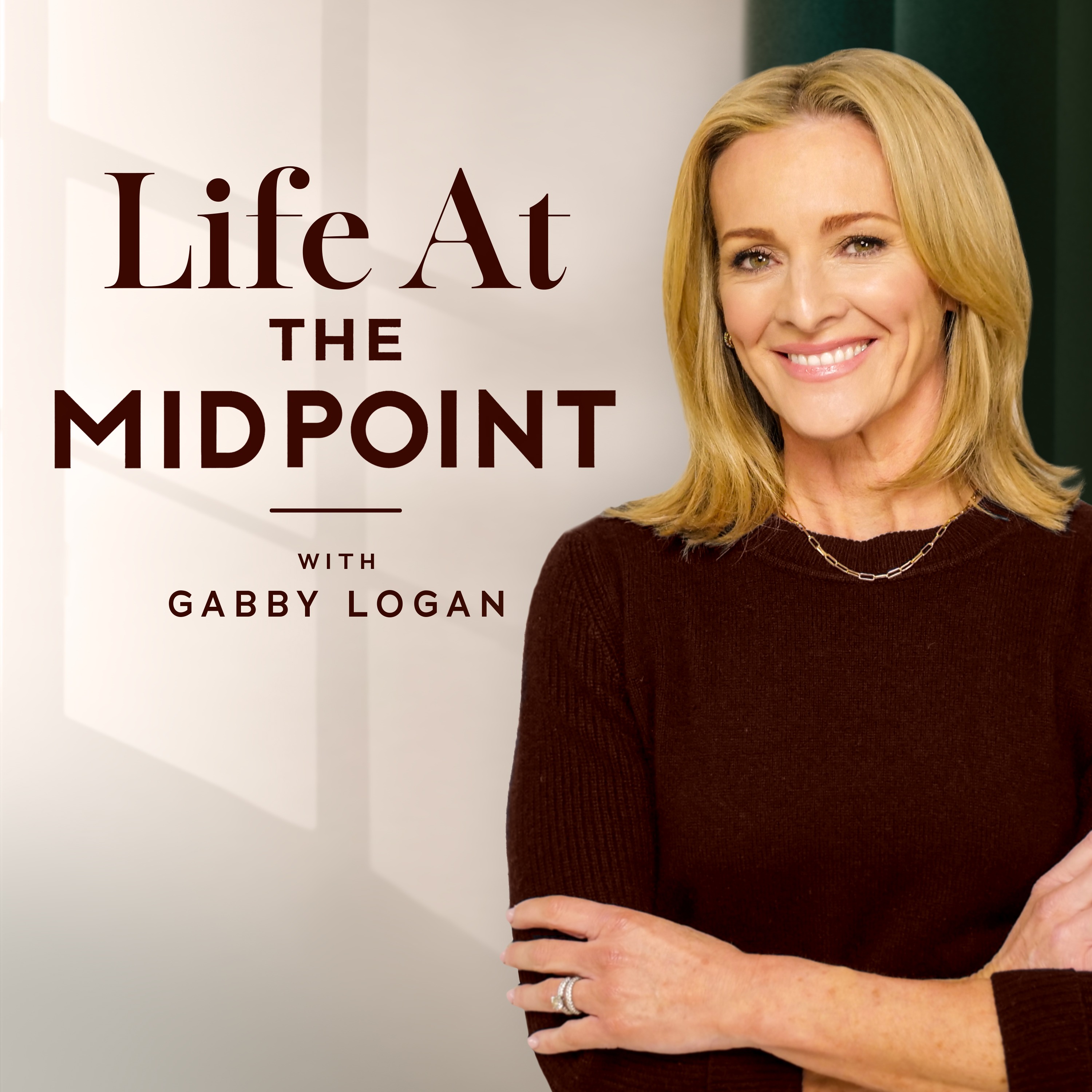
Sunetra Sarker has been a familiar face on British television for decades — from Brookside and No Angels to nearly a decade in Casualty, and more recently Ackley Bridge. But it's what she has done since leaving the security of that long-running role that makes her such a good MidPoint guest.
Sunetra talks openly about hitting the MidPoint as a real turning point — the moment she stopped playing it safe and started taking more risks. She also talks honestly about the menopause, and how it was actually being on Loose Women and hearing her fellow panellists talk so openly about their own experiences that made her realise what she was going through herself.
Becoming more comfortable in her own identity as a British Asian woman who grew up in Liverpool, whose parents were suspicious of her professional path, exploring new projects and how she’s tried new things are themes of this conversation. This episode reminds us again of why being in the MidPoint is actually alright and brings its own benefits.
Hosted on Acast. See acast.com/privacy for more information.