 Ask ChatGPT



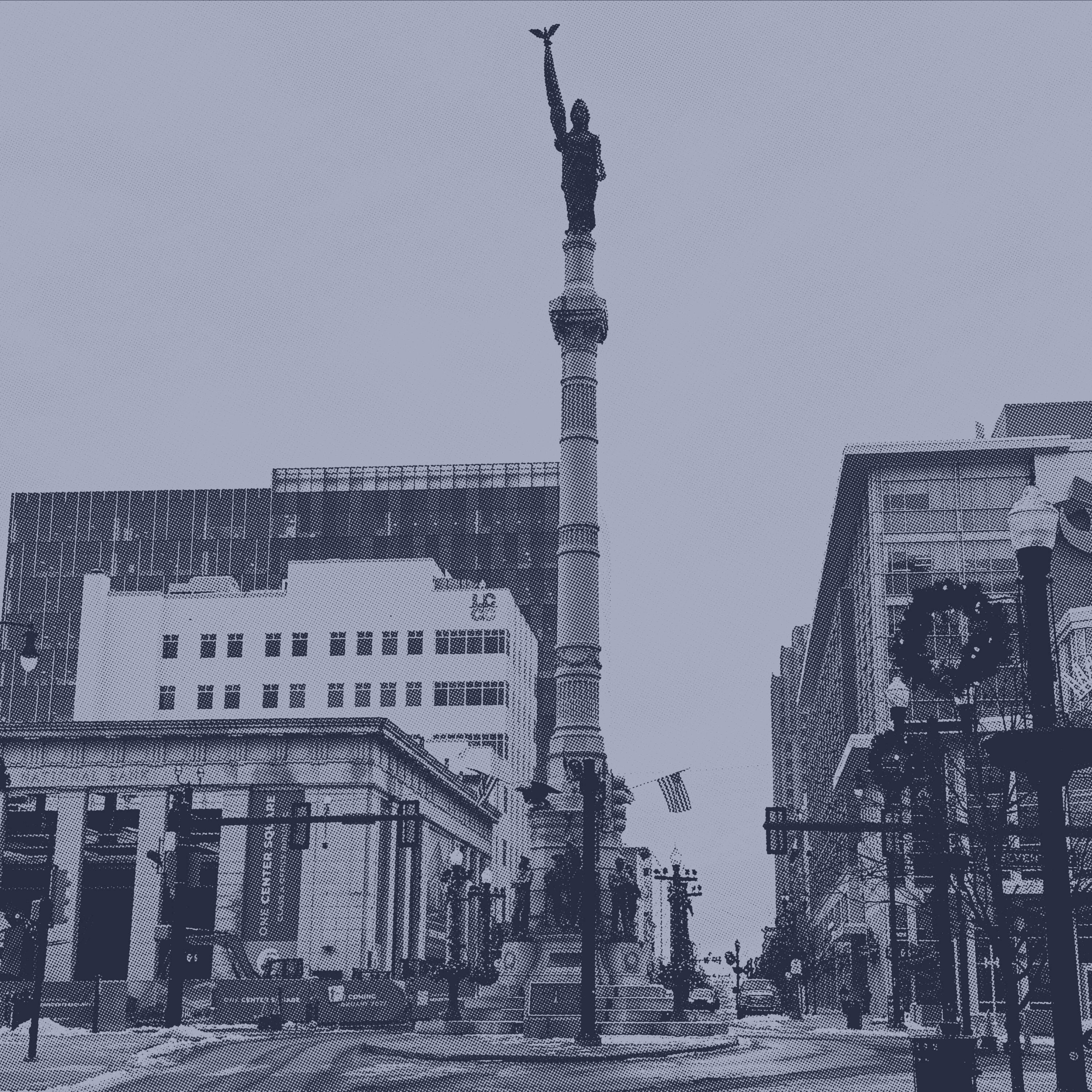
NPR Politics Podcast visits Pennsylvania’s Lehigh Valley/Allentown-Bethlehem in the 7th Congressional District, described as one of the last true toss-up House districts. It explains why the race is competitive, what voters care about, and how Latino voters are shifting.
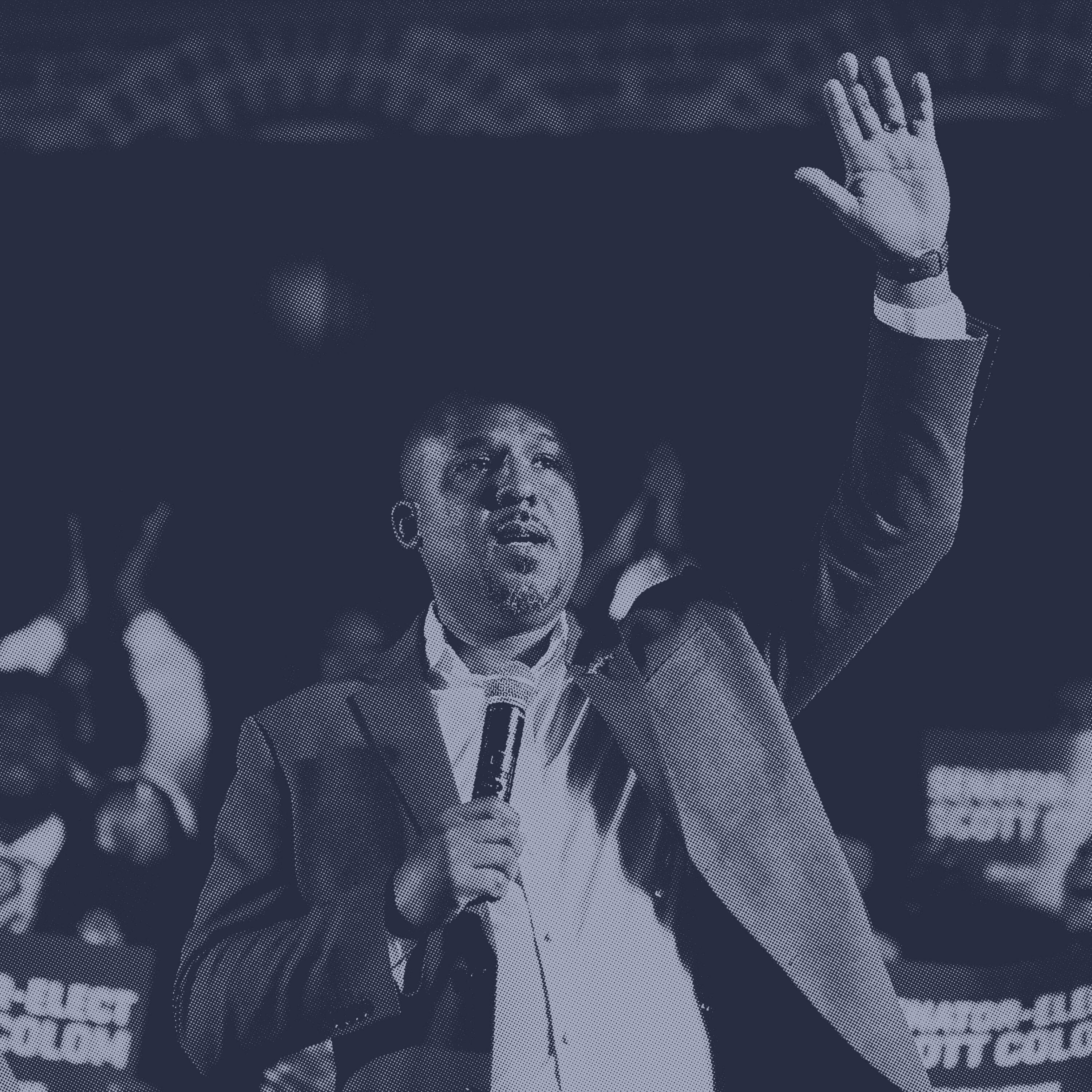
Ashley Lopez (host; covers politics). Barbara Sprunt (covers Congress; traveled to the Latino corridor). Stephen Fowler (covers politics).
The district is majority Latino (largest subgroups Puerto Rican and Dominican) and has shifted from 98.2% white in the 1970s. In 2024, Allentown’s mayor said 52 of 55 precincts shifted rightward, with the biggest shift in the most heavily Latino precinct. Economy/cost of living (gas, groceries, inflation) is the top concern across parties; Democrats are seen as better on gas/inflation and immigration. Latino voters are “swinging,” not monolithic: about a third don’t see themselves as tied to either party. Incumbent frustration is high; many voters prioritize new ideas.
Mayor Matt Turk (Democrat; first Spanish speaker mayor) on rightward precinct shifts. Barbara Gonzalez-Rizzotti (home daycare operator) on parents fearing another child due to affordability. Anna Acosta (Dominican Republic–born truck driver) saying “Sinceramente no… definitivamente no” to confidence in politicians. Ryan McKenzie (first-time Republican incumbent) won by about 1 point last cycle.
Written by AI. May contain mistakes.
Uncover the demographic changes and political significance of Allentown.
“I was primarily in Allentown, Bethlehem area.”
Understand the economic concerns driving voters in the Lehigh Valley.
“Like, what sort of top of mind before the midterms or as they prepare to vote?”
Examine the latest polling trends and how they affect voter sentiment.
“The latest NPR PBS News Marist poll that just came out found that to be true for registered voters.”
Discuss the impact of immigration discussions on voter behavior.
“And I think some of the data captures that.”
Delve into the complexities of Latino voter preferences and party loyalty.
“Barbara, we've been talking about like voting trends and how the Latino voting block has been moving kind of globally, like zooming out.”
Learn about the importance of genuine outreach to Latino voters and the ongoing political trends affecting voter sentiment.
“But they do feel like perhaps they feel a little bit more conservative or a little more on the Democratic side.”
Discover the growing frustration voters have with incumbents and their desire for new ideas in politics.
“I mean, well, Stephen, this brings me to another national trend, which is frustration with incumbents.”
Understand the potential challenges Democrats may face in addressing voter concerns despite possible electoral gains.
“You may get a Democratic House majority in the House, which actually has no power to address those very issues.”

Get the gist, explore an idea or ask about something said.
 Claude
On The NPR Politics Podcast, what are the key points of this episode?
Searching your listeningAutomatic transcript. May contain errors.
0:00This message comes from Mint Mobile. This holiday season, unwrap a new wireless plan from Mint Mobile. Keep your current phone and your number and go to mintmobile.com slash switch. Pennsylvania is always an important swing state in elections, and the Lehigh Valley is a part of the state both Republicans and Democrats are fighting to win, mainly because it's one of the only real toss-up districts left. Today on the pod, let's head there and let's see what's going on.
0:28it's the npr politics podcast i'm ashley lopez i cover politics i'm barbara sprent i cover congress i'm stephen fowler i cover politics uh barbara you recently traveled to a part of pennsylvania that i love it's known as the latino corridor the latino belt whatever you want to call it for folks not familiar can you tell us about what this part of pennsylvania is like yeah so i I was primarily in Allentown, Bethlehem area. Really interesting cities. People may think of Allentown, depending on your musical preferences, because of Billy Joel's 82 song called Allentown, where he sort of laments the shuttering of big manufacturing there.
1:05But a lot has changed since then. In the 1970s, it was like 98.2 percent white. Fast forward to today, it's a majority Latino city and the largest subgroups being Puerto Ricans and Dominicans. And it sits in the 7th Congressional District, which is a toss-up district. The incumbent is a first-time Republican sitting in that seat, Ryan McKenzie. And he only won by a percentage point last cycle. Wow. I mean, but this is pretty reliably blue, right? This district outside of 2024 has been like a stronghold for Democrats, right? Yes. Allentown is blue. But what I think is interesting is that even in a city that blew, there are still signs of what we saw much more broadly in 2024 with Latino voters shifting rightward, shifting towards Donald Trump.
1:55The mayor of Allentown, a Democrat who incidentally is the first Spanish speaker to hold the role, Matt Turk, he told me that in 2024, 52 of the 55 precincts had some degree of rightward shift. Yeah. That's not to say they they turned red. I mean, they were still blue. But the biggest rightward shift that they saw in one of those precincts was in the most heavily Latino district. So it does tell you something. It's sort of an example, I think, of what we saw play out on a much broader scale. Well, I want to talk about what you heard from voters there. Like, what are the things that they're focused on?
2:27Like, what sort of top of mind before the midterms or as they prepare to vote? Yeah. Well, I mean, I think sometimes I feel like you hear and like politicians will be like, you know, like we got to focus on like Latino issues. I mean, like Latina issues are like a lot of issues that we talk about across the spectrum, crisscrossing ethnicity and race and age. And that's the economy. I mean, that's not I don't think a shocking thing. People are very focused on the cost of living person after person that I talked to, regardless of their party preference, had the same concerns, gas prices, grocery prices.
2:59I talked to Barbara, another Barbara, Barbara Gonzalez-Rizzotti about this. She runs a daycare actually from her home. So she gets to see a lot of what parents are feeling. And this is some of what she had to say. People are afraid to have more children, right? You know, I had a mom who has two and then accidentally got pregnant again. And it's supposed to be such a happy time. And she's sobbing, you know, we don't know if we could afford this. Well, I mean, Stephen, these are concerns, like as Barbara mentioned, that like kind of reach across the electorate, right? Like this is a national issue.
3:28Like it's it's the economy is the number one thing that voters are thinking about when you talk to kind of any voting bloc. Right. Right. Affordability, cost of living, gas prices, anything in this big green dollar sign umbrella is really the thing that's motivating voters. The latest NPR PBS News Marist poll that just came out found that to be true for registered voters. Looking at the specific issues, it was fascinating to me that more voters said that they thought Democrats would do a better job at tackling things like rising gas prices and tackling things like inflation. and, you know, Democrats held an advantage over Republicans on which party would be better for the economy, foreign policy and gas prices, is what the write up of the poll said from Marist.
4:17The interesting thing, too, more people thought Democrats would be better on immigration, which is Republicans' signature issue here. So, you know, you're seeing this microcosm with Barber's reporting in Lehigh Valley in this area, but it's not just limited to there. We have some other polling data from Strength in Numbers and Verisite poll that they shared information with NPR. They take the estimates of the national electorate and can zoom it into the congressional district level. And the overall vibe of those numbers, the people who are least happy with President Trump's job approval, the people who are least happy with prices and immigration and things are in places like South Florida, the Texas-Mexico border, places like the Lehigh Valley where there are a larger number of Latino voters.
5:03So we don't know who they're going to show up and vote for, if they're going to show up and vote. But we do know broadly people are not happy in those communities with those things. Yeah. I mean, I think we're talking about registered voters here, right? Like from what I've seen when you are looking at polling that is just like even likely voters, those numbers tend to get even better for Democrats. I mean, it's sort of amazing that But on the two big issues for Republicans, which is the economy and immigration, they have lost so much ground. It's helpful to think about, I mean, like Barbara mentioned, with the precinct shifts in 2024, it is helpful to think about prices and affordability and how people view those things with an even longer lens.
5:44You had this backlash to the Biden administration and inflation. And so we're really coming up on year six of people being not happy with how expensive everything is. And that's something that goes to whoever it is in power. In this case, it's Republicans in the White House and Republicans in this congressional district and things like that. So, you know, it's best viewed not in isolation. And I think some of the data captures that. And then some of the anecdotes capture that, that when we're talking about voters and voter behavior, it's not just a, you know, check yes for Democrat, check yes for Republican.
6:18It's really more on these issues. Yeah. Well, let's talk about this congressional district because it is one of the few toss ups. They are rare when you're looking at the map this year because of gerrymandering and, of course, like long term forces of like just having fewer competitive districts. I mean, I'm assuming there's a lot of money being spent in this race, right? There's a lot of money being spent. A lot of places. Pennsylvania is no exception. From the start of September through November, Ad Impact, which tracks ad spending, says there's already$3 billion in ad spending planned across the country.
6:49In Pennsylvania alone, more than$100 million in ad spending is planned, $22 million of it in this one House district. Remember, a House majority goes through these many seats in Pennsylvania. When there's that much money, Barbara, I would imagine like this would be something that like voters are picking up on. Like, do you think people are paying attention now? Well, I guess we're getting closer to the election. Well, I mean, what's interesting is like the House map, as you said, like there's a narrow number of like actual toss up districts. And like the reason that the House map is so competitive in many ways is because of Latino voters.
7:22I mean, there's something like half of the battleground map has at least 10 percent registered Latino voters. And then of that half, there's like another half that has about like more than 20 percent. So that part, I don't think people should overlook, both in terms of like people's own political power as they think about like their role this cycle, and then also as the parties try to compete for their votes. And one thing that I think is interesting is even though the economy was the driving sort of, you know, concern when I talked to people in this district, there is also two, I think, kind of national threads or storylines that are kind of trickling down.
8:01And one on the Democratic side is the insistence that the deportation efforts and immigration enforcement from the Trump administration really erodes a lot of the support that Republicans made with Latino voters last cycle. Again, in a non-surprising fashion, like it depends on who you ask, right? Like when I talk to Republicans about this in the district, you know, they say actually that that's a degree of fear mongering and that what Allentown saw in terms of ICE enforcement looks drastically different than, say, what we saw in Minneapolis. Yeah.
9:03Rivera told me that if Republicans are going to be tied to Trump, then Democrats have to be tied to the extreme left of their party. And his case is if you vote for a Democrat in November, you're voting for a socialist. There is much skepticism among Democrats that this will be an effective strategy. And in fact, I asked Mayor Matt Turk about this. Here's what he had to say. If you're reading your talking points on making air quotes on Latinos, that might help you in like Miami-Dade with like the hardcore Cubans that I know really well because some of them are my family. But that's not going to drive voters here in Allentown.
9:47Yeah, I totally see what he's saying. Like, I could see how that kind of messaging would work in South Florida with also my Cuban ancestry. Like, voters there have a history with socialist and communist governments in a way that families that have, like, maybe Dominican and Puerto Rican ancestry, that is not in their history. So, yeah, very interesting. Okay, let's take a quick break. Stay tuned for the following announcements and messages from our sponsors.
10:42That's S-double-A-T-V-A dot com slash NPR. This message comes from BetterHelp. Your brain has limited storage. So why is it still holding on to that embarrassing moment from years ago? BetterHelp is an online therapy platform that gives you space to talk about what's taking up too much of yours. BetterHelp is now in network with more than 125 health plans, with many co-pays as low as$15 for eligible members. And if you don't have eligible insurance, you can still get 20 % off your first month. Visit BetterHelp.com slash NPR. Cost and coverage may vary. Discount cannot be combined with insurance.
11:21This message comes from Rosetta Stone. Rosetta Stone is designed to make language learning intuitive. It mimics how people naturally acquire speech as children, helping users read, write, and think in a second language. More at RosettaStone.com. Welcome back. Barbara, we've been talking about like voting trends and how the Latino voting block has been moving kind of globally, like zooming out. But I mean, as we say often on this podcast, Latino voters are not a monolith, even though these are trends like Latino voters vote differently across different precincts, blah, blah, blah. Let's talk about it.
11:59How did you see that sort of manifesting in the areas that you were covering? Yeah, like it's such a good point Because, yeah, there is such a diversity of culture and ethnicity. And a lot of times, like, as you just said before the break, like the politics sort of falls in that as well. What I think is most interesting is the way that the parties are trying to put all Latina voters in one box. And to think like, well, they've supported Republicans last cycle. Now they're coming home to the Democratic Party because of all of these economic concerns. And that's just a misread. I think that's a it's just not the case.
12:36And I was talking to Stephanie Valencia about this. She's the co-founder of Equis Research, which polls Latino voters. And she said that, you know, for so long, Latino voters have been sort of talked about as the sleeping giant. Like if they come out to vote, it could be crazy. Like, whoa, who knows what will happen? And actually, it's much more accurate to think of it as a swinging giant. And she had some really interesting polling showing how Latino voters are feeling as it relates to the political parties. Let's hear what she had to say. A third of Latinos don't see themselves as part of either party.
13:11They're voting every single election cycle based on what's motivating their anxieties, how they're feeling about their own personal economic situation. Yeah. And so, you know, my takeaway from that is that nothing is a given and no political party should view it that way. Instead, they have to contend with this idea that every cycle they have to be really engaging the community and fighting for their votes. I mean, we talk about this a lot. I wonder how much of this is because the parties have not been good about talking to these voters, that they just don't have loyalty to one party over the other in a way that voters who hear from one party or both parties all the time might have.
13:49Well, I mean, it's interesting because I feel like this is a classic case of like it depends on who you're talking to. But I did talk to people, I would say, it's not quite right to say on both sides of the aisle because a lot of people feel a little politically homeless. But they do feel like perhaps they feel a little bit more conservative or a little more on the Democratic side. But they both basically said like how frustrating and annoying it is to feel like 30 or 60 days before an election. Both parties kind of rediscover the importance of the Latino vote. And then they try. And, you know, the thing is, you just can't you really can't fake authenticity in outreach.
14:25And this is a lesson that I think parties have tried to get better at over time. And I mean, we've seen a lot of effort over the last few cycles, not only among like an outreach to Latino voters, but, you know, for other groups as well. And I think it's just it's it is a long game. And it was Mayor Turk who was telling me, like, outreach is not like at your table. You know, you actually have to like go out into the community. You have to spend time with people in their places of worship and their businesses and really get to know their kids. And like it starts on a local level, you know. And I think that so often we think of this as like a national sort of parachuting in of an effort.
15:04And it just reads as false, you know. And, you know, that's kind of what we've seen ebb and flow in the last decade or so with the Trump campaign and the Republican Party. They did a lot of investment in those outreach centers and did a lot of community based stuff. And then they ended up getting a lot more votes. And then they shut those down and they went away. And then they got fewer votes. and Democrats did a lot of investing and organizing and doing things in states where they didn't make as much progress. And then they started building up a lot more votes. Yeah, that's it. And, you know, like I talked to people who supported President Trump last time, who now are feeling this kind of like buyer's remorse, they feel disappointed.
15:45What I found kind of notable, I was talking to Anna Acosta, who's a she's originally from the Dominican Republic. She's a truck driver. So like diesel is just being, you know, it's brutal for her right now. And I asked about like, does she have confidence? Because she doesn't know if she's going to support Republicans or Democrats this cycle. And she seemed kind of over it. You know, she's like, I'm definitely going to vote because voting is important. So I asked, like, do you have any faith left? Do you have like confidence, you know, in politicians to actually like address your concerns? And we have some tape of what she said.
16:19Sinceramente no. No, definitivamente no. Yeah, and, you know, what she's saying is like, no, I feel like, you know, they promise after promise the same kind of things. And, you know, in the end, it's just more of the same. I think in some ways, like, you know, she is speaking a much bigger truth that exists for so many people in the way that they're viewing, you know, the political promises that they hear. Yeah. I mean, well, Stephen, this brings me to another national trend, which is frustration with incumbents. I mean, people are upset with their lawmakers and their representation kind of across the board.
16:53I mean, what are you seeing in the polls about how incumbents who usually have like a pretty solid edge in elections, like how things are shaping up for them in this atmosphere? Well, looking at that NPR PBS News Marist poll again, more than half of registered voters say that they are prioritizing candidates with new ideas over somebody with a proven track record or experience or things like that. You're also seeing it in the record number of incumbents that decided to peace out from Congress and retire or run for a different office and not hang around the halls of power in Washington, D.C. You saw it in the primary season with Republican primary voters who ousted people, several senators, House representatives on the Republican side, with Democratic primary voters who enacted generational change in ousting a bunch of incumbents there.
17:44So not great vibes towards incumbents. Well, and this frustration like sort of across the board for both parties also tells me that, I mean, there are going to be people who are voting for Democrats, not because they love Democrats, but because they just don't. They're not happy with what's going on right now. Like this doesn't mean that this is a new coalition that is here for going to stick around for Democrats like moving forward. I think it would be very easy to take the wrong lessons away from what is going to potentially happen in November, looking ahead to 2028 and thinking about what party may or may not have an advantage with what group and what state and things like that.
18:21You know, if you have my imaginary whiteboard that I have here, like looking at that, a vote for a Democratic candidate is not necessarily in support of Democrats. Maybe it's opposition to Trump. The poll also found a lot of people say that opposing Trump is a strong reason that they are making their vote choice. And so, you know, it's a binary choice at the end of the day. Sometimes there's an independent or a third party candidate there to choose from. But there is a binary choice for who represents people in Congress and in these elections. But the rationale behind it and the anger and the frustration is way more complicated than just a box with a D or an R on it.
19:06And you know what, as you're talking about that, it also raises this thought for me, which is that this also paints a complicated picture in terms of like the lessons and the takeaways from this cycle. It paints a tough picture for 2028 because so many people that I talk with who are concerned about the economy and are considering voting for Democrats because they're so frustrated with the Trump administration. You may get a Democratic House majority in the House, which actually has no power to address those very issues. And that is going to be a major challenge for Democrats should they take control of the House.
19:42And it remains to be seen just how they square that particular circle. Otherwise, you get the 2028. It's 2028. A poll comes out. Voters are not happy with incumbents and the party in power. And we're back at square one. All right. Let's leave it there for today. I'm Ashley Lopez. I cover politics. I'm Barbara Sprint. I cover Congress. I'm Stephen Fowler. I cover politics. And thank you for listening to the NPR Politics Podcast.
20:15Stay tuned for the following announcements and messages from our sponsors. This message comes from Rosetta Stone, offering an alternative approach to language learning. Moving past rote memorization, the app guides users to intuitively think in a second language using images and contextual audio, mimicking how people acquire speech as children. The platform also includes advanced speech recognition technology that compares a learner's pronunciation directly with native speakers to refine accent precision. Learn more about their new Rosetta Stone Sapphire app at rosettastone.com. This message comes from Jerry.
20:51Noticing your car insurance rate creep up even without tickets or claims? You're not alone. That's why there's Jerry. Jerry handles the legwork by comparing quotes side-by-side from over 50 top insurers, so you can confidently hit buy. No spam calls, no hidden fees. Jerry even tracks rates and alerts you when it's best to shop. Drivers who save with Jerry could save over$1 ,300 a year. Don't overpay. Download the Jerry app or visit jerry.ai slash npr today.