 Ask ChatGPT


Midterm campaign strategy and election dynamics, plus controversies in polling and campaign ads.
Myles Parks (hosts; covers voting), Domenico Montanaro (senior political editor/correspondent), Mara Liason (senior national political correspondent).
Trump’s red-state travel aims to raise turnout for Republicans because midterm turnout is typically lower; Trump’s low approval makes him “toxic” for swing voters, so he relies on base motivation and “negative partisanship.” Democrats face structural limits in red states and may need persuasion, not just motivation.
Michigan “fake” pollster Wedgwood Polling; Ohio ad controversy involving Vivek Ramaswamy using estranged mother of opponent Amy Acton, tied to allegations of sexual abuse when Acton was 12. Also discussed: a mistaken Portland (Oregon) vs Portland (Maine) super PAC YouTube ad spend.
Written by AI. May contain mistakes.
An overview of the current state of midterm elections and voter turnout.
“The midterm elections are well underway.”
Discussion on Trump's campaign efforts during the midterms and their implications.
“And we're going to dive into a bunch of the political stories we have not had a chance to dive into yet on the podcast this week.”
Exploration of the struggles Democrats face in traditionally Republican areas.
“We're looking at Alaska, Texas, Kansas, Ohio, and Iowa.”
Analyzing recent polling issues and their impact on public perception.
“competitive House races, for example, about 90 percent of them were places that Trump won also.”
Discussion about a controversial ad in Ohio's governor race and its implications.
“And before we get into this next story, I just want to say we'll be talking about the sexual abuse of minors in this part of the pod.”
Discussion on negative favorability ratings and campaign strategies.
“So he was able to run that kind of a campaign.”
Discussion on political ads confusion and a personal baseball story.
“But then what made it even more incredible to me is a friend of mine said, I was just in Ashland, Oregon, and I'm seeing ads for James Tallarico.”
Discussion on political ads confusion and a personal baseball story.
“And thank you for listening to the NPR Politics Podcast.”

Get the gist, explore an idea or ask about something said.
 Claude
On The NPR Politics Podcast, what are the key points of this episode?
Searching your listeningAutomatic transcript. May contain errors.
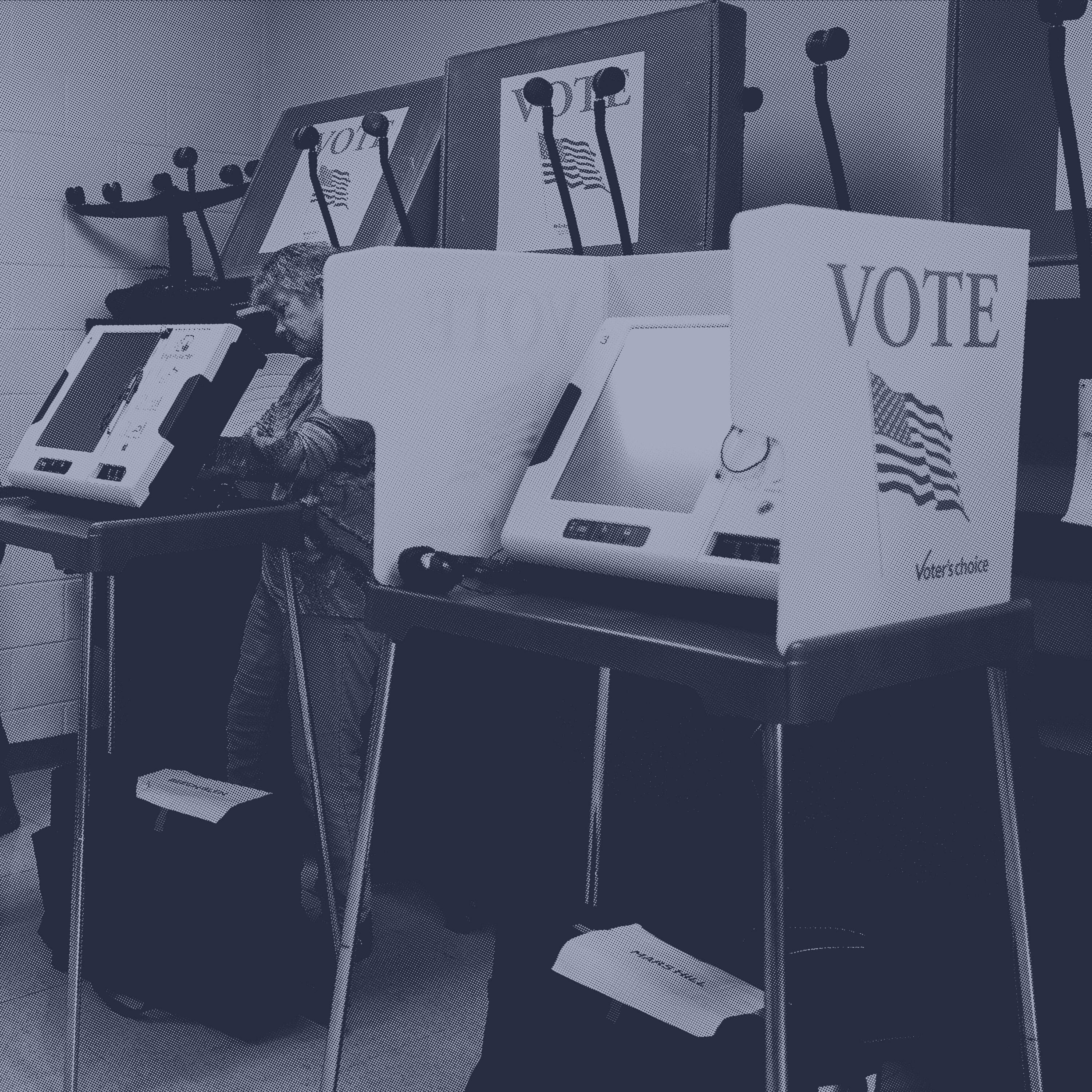
0:00Support for this podcast and the following message come from Allianz Travel Insurance. Ready to turn last year's travel dreams into this year's jet-setting reality? An all-trips annual plan is ready when you are all year long. Learn more at AllianzTravelInsurance.com. The midterm elections are well underway. According to the University of Florida's Election Lab, 22 million people have already cast ballots. Shout out to any listener who has that level of punctuality. I aspire to it. Today in our weekly roundup, we're unpacking election stories from Ohio, Michigan, and more. Let's get into it.
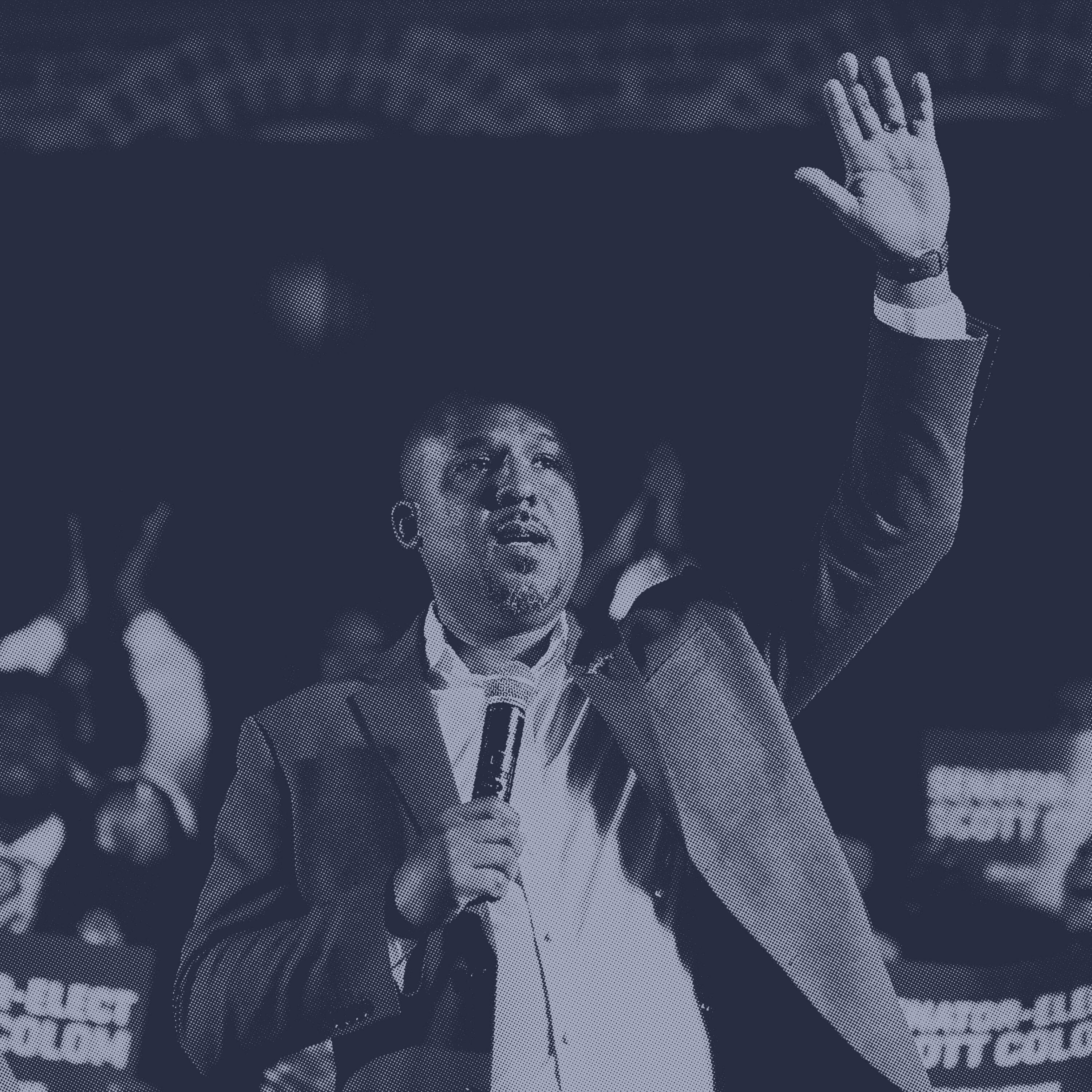
0:40It's the NPR Politics Podcast. I'm Myles Parks. I cover voting. I'm Domenico Montanaro, senior political editor and correspondent. And I'm Mara Liason, senior national political correspondent. And we're going to dive into a bunch of the political stories we have not had a chance to dive into yet on the podcast this week. Domenico, I want to start with President Trump and his travels. So he's been going to a lot of places that are traditionally Republican states. Nebraska, South Carolina, Kentucky, for instance. Obviously, incumbent presidents always campaign for their party at a midterm. But have you taken away anything from the places that he has chosen to go?
1:16Yeah, I mean, the White House's theory of the case here is that Trump needs to be able to be out there to help Republicans boost their floor with other Republicans because it's a midterm year. And they've got to be able to have Republicans go out and vote because the opposition party is usually the ones the most fired up in a midterm. You see a 30 percent drop in overall turnout. Only 42 percent of registered voters on average since 1992. even show up to vote at all. So getting the floor up for the people that Trump can turn out is where the White House sees this as important. The problem for the White House and for Trump is when he says things like, vote like I'm on the ballot.
1:58He's not technically on the ballot, but when you're saying that to people, that's making the election about him. And he has a record low approval ratings across both terms. 61 % disapprove in an average of the polls. That's the highest ever for Trump across both terms. So that makes him really toxic in swing states, in swing districts with independents and with Latinos right now. Donald Trump has never shown much interest in reaching out to independent voters or swing voters. He is a base politician. And his strategy now is since he's pretty much given up on independents or converting Democrats, he's not a persuasion politician.
2:35He's a motivation politician. And he wants to gin up the base. He's relying on something that sociologists call negative partisanship. It's one of the biggest motivators of voter behavior. People go into the booth and they cast a vote to stop someone from being elected, not because they're thrilled with the person that they're voting for. And Domenico talked about his low approval ratings. He is down to the bare metal base of the Republican Party. I don't know if any Republican can go lower than 35 percent. That is the core base of the Republican Party. And the other problem for him, because he's told people, vote as if I'm on the ballot, pretend I'm on the ballot, Democrats are taking him at his word.
3:12He is a turnout machine for both parties, for people who like him, the MAGA base, and for people who are really angry at him, Democrats, independents. I mean, do you see this decision to go to red states also as a sort of inherent recognition from the president and from Republicans that some of these states that were not traditionally competitive are looking more competitive as well? Absolutely. We're looking at Alaska, Texas, Kansas, Ohio, and Iowa. All the places Trump is in, the places you outlined, in those five toss-up Senate races, which, by the way, Democrats are probably going to have to win a majority of those Senate races to be able to win the Senate.
3:48He won by an average of 13 percentage points in 2024 in the presidential election. What's notable about that is Democrats overperformed in special elections. on average since Trump was sworn in for that second term by, guess what, 13 percentage points. So that's why you're seeing with the national mood and environment the way it is and the way Democrats have performed, these races being toss-ups. That also tells you why these are very tough races for Democrats to win, even though they've gotten them into the toss-up territory, because they're just so red. There are so few independents and Democratic voters to gin up in those places there.
4:27Democrats are going to have to be persuasion politicians, not just motivators. They are going to have to convince Republican voters in those red states not just to stay home, but to cross the aisle and cast a vote for a Democrat. Right. And that is one of the structural limitations that Democrats have in both the House and the Senate, because when you look at the competitive House races, for example, about 90 percent of them were places that Trump won also. So when you're looking at that and you're trying to think about the strategy for winning in those places. Yeah, it makes sense then to have Trump go to a lot of red places to try to get more Republicans out, because when you're trying to fight in those places, there are a lot of Republicans there that Trump can turn out.
5:04I want to switch gears here and talk about the polls, Domenico, which I feel like the moment I say that, your ears probably just perk up. You get all warm inside and fuzzy. Or I cringe because I have to listen to people misinterpret them. There was a controversy this week in Michigan, where it was revealed that a poll that came out earlier this year that was polling for the Michigan Democratic U.S. Senate primary came from a firm that was not real, that essentially it was fake. Can you walk us through what happened here? It was a group called Wedgwood Polling, not an organization that those of us who've covered polling for a long time have ever heard of.
5:44And one of the places that they supposedly polled, that they didn't poll in because they were fake, but they released results in, was in Michigan. And one of the candidates in that race, in fact, said that one of the factors in her decision to drop out of that Senate race was a fake poll, now we know fake poll, to show her behind. And this reminds me of what happened in Wisconsin and Los Angeles with another group that also was posting results online that weren't real results, that were never conducted, never interviewed any voters, completely fake, and websites that try to look at these things, try to figure out whether or not these organizations are real.
6:26We're asking questions. You're asking for transparency. You're trying to figure out whether or not you know how they conduct their polls, who they interviewed, the jig was up, essentially. They had to admit that they weren't real, that the polls were fake. And then they tried to say that these were experiments to show that it's possible to have fake polls. You know, I don't know. That seems like a fake response. You know, the reason this is really tragic for American democracy is because there are real serious pollsters out there trying to do a good job, trying to understand which is the correct model.
6:58What is the electorate going to look like. Then you have this game of polling, you know, fake polls. It's just like all that disinformation and misinformation. A couple of cycles ago, we had the polling environment flooded with partisan polls, mostly Republican leaning polls because they wanted to affect the averages because a lot of websites produce polling averages, which they think gives you a better idea of the electorate. And that was also became part of the game of polling. I think it's really unfortunate, along with super negative campaign ads and campaign messages, all it does is further destroy the voters' faith in American politics.
7:35Yeah, and there's a lot of cynicism around polling, and I think that this makes it even worse, and really by no fault of the people who are conducting good, rigorous public opinion research. And I have to say, you hear us talk about polls, you'll hear me talk about polls a lot and data, but you very rarely hear me talking about specific leads. That's because in a lot of these places, the races are close, there's margins of error, and all you need to know is that the races are close and we don't know what's going to happen on election day. What's really much more interesting are the numbers below the surface that can tell us a story about why people feel the way they do.
8:14All right, let's take a quick break. More in just a moment. Stay tuned for the following announcements and messages from our sponsors. This message comes from NPR sponsor Shopify. No idea where to sell? Shopify puts you in control of every sales channel. It is the commerce platform revolutionizing millions of businesses worldwide. Whether you're a garage entrepreneur or IPO ready, Shopify is the only tool you need to start, run, and grow your business without the struggle. Once you've reached your audience, Shopify has the internet's best converting checkout to help you turn them from browsers to buyers.
8:46Go to shopify.com slash NPR to take your business to the next level today. This message comes from Sattva. Have a big day coming up. Remember, tomorrow starts tonight with the restorative sleep you need to perform at your best. The kind every Sattva mattress is designed for. So whether it's a new job, a marathon, or an important presentation, Sattva helps you be the best version of you. And now save 15 % off purchases of$100 or more at sattva.com slash NPR. That's S-double-A-T-V-A dot com slash NPR. This message comes from Quo. You're on a job, in a meeting, slammed, and a customer calls. If nobody picks up, they go to your competitor.
9:28That's why over 90 ,000 companies choose Quo, the business phone system built for busy teams. Smart call routing sends calls to the right person. Shared numbers let your team cover for each other. And an AI agent picks up when nobody can, capturing every lead so nothing falls through the cracks. Always say hello with Quo. Try it free at Quo.com slash NPR. And we're back. And before we get into this next story, I just want to say we'll be talking about the sexual abuse of minors in this part of the pod. We're going to talk about Ohio and the Ohio governor's race, where Republican Vivek Ramaswamy's campaign released an ad featuring the estranged mother of his Democratic opponent, Amy Acton.
10:10In this ad, Acton's mother says Ohio voters can't trust Acton because she's a liar. But Amy Acton was removed from her mother's custody when she was 12 years old after her stepfather was indicted on charges of sexually assaulting her. Her mother, though, denies that that happened and remained married to Acton's stepfather until he died in the early 2000s. Acton herself has said she hasn't spoken to her mother in roughly 50 years. Domenico, a lot to unpack here. But this is an ad that has got condemnation from both Republicans and Democrats, right? Yeah, it's really, you know, been one of those ads that has sparked a lot of controversy here.
10:49You've had a lot of Republicans like Ohio Governor Mike DeWine, Ohio Senator John Husted, who's running for reelection. They've both said that they think that this ad was a mistake, that it should never have been run. Now, the vice president of the United States, J.D. Vance, who's a former Ohio senator, said that Republicans should stop, quote unquote, whining and try to win the election. Donald Trump, the president of the United States, came out and said that this is a great ad, something that he thinks should be run and that people should be thankful that this ad is out there, which is not something I think we should be really surprised by given Trump's history and the kinds of tactics he's used, the kind of language that he's used.
11:31But it's one of those things that you rarely see split the Republican Party in this kind of way in the Trump era. You're even hearing Republican strategists who are saying – who generally do tend to side with Trump and the administration, not the sort of never-Trump strategists, saying this is not whining. It's a warning, I heard one of the strategists say. So it's one of those things. I think it's going to be really interesting to see how this winds up playing and being interpreted in the state. We know that Vivek Ramaswamy himself, his campaign that put this ad out, he said that he feels that the ad is legitimate because it plays into a pattern of lying as he sees it.
12:11And that, by the way, acting ran an ad that he felt was slanderous toward him. So the media has a double standard. So when those strategists talk about a warning instead of whining, what they're warning about is that this ad could backfire. And I think in a lot of ways the controversy about this ad is like a metaphor for the whole campaign because Republicans have to resort to this kind of attack because they're struggling so much in red states like Ohio. But at the same time, because Trump has become so toxic, Republicans, some Republicans are more willing to break with him and criticize him, whether it's on the Iran war, on tariffs, you see that in Michigan, or now on this extremely controversial ad.
12:52I still find myself a little bit shocked, though, that this would be something that a campaign would even consider touching, considering I feel like sexual violence is one of those things that is nonpartisan. It feels bipartisan. We saw this with the political energy around the Epstein files in the last couple of years. I mean, are you both surprised at all that the campaign would even consider an ad like this? No, not at all. I mean, look, we're in the Access Hollywood era where nothing is off base. And you had the president of the United States who said during his first campaign he could grab women by the genitals.
13:27I mean, most of the operatives I've talked to interpret this as a desperation move by Ramaswamy. And this is what politicians resort to when they're worried about losing. Yeah, and I will say that there's a couple of reasons for why the Ramaswamy campaign would try almost anything to try and win. And number one, it's because Ramaswamy's negative ratings are worse than Amy Acton's negative ratings in Ohio. And Ramaswamy is very well known. Remember, this is somebody who ran for president in 2024. So he built his profile up. That's why he was even able to get in this race in the first place. He has high name ID.
14:02He's got lots of money. So he was able to run that kind of a campaign. The problem is when you're a net negative favorability rating and the person you're running against is winning in the polls and beating you in how people think about them, the only option you have to win – and this is cynical but it's the reality in politics – is to try to drag the other person down into the gutter with you and make them less liked than even you are. And that can take some really, really, really dirty stuff and that's what we're seeing in this campaign right now. And just don't forget, we're talking about a super red state, Ohio, with a candidate, Vivek Ramaswamy, who is a billionaire and is self-funding.
14:41I mean, for him to find himself in this situation shows you what an unusual midterm election we're going through. All right. That's a good place to leave it. We'll come back. We can't let it go. Stay tuned for the following announcements and messages from our sponsors. This message comes from Quo. You're on a job, in a meeting, slammed, and a customer calls. If nobody picks up, they go to your competitor. That's why over 90 ,000 companies choose Quo, the business phone system built for busy teams. Smart call routing sends calls to the right person. Shared numbers let your team cover for each other.
15:17And an AI agent picks up when nobody can, capturing every lead so nothing falls through the cracks. Always say hello with Quo. Try it free at Quo.com slash NPR. If you've ever found yourself doom scrolling and thinking, wait, who decided this was a story? You're not alone. I'm Brooke Gladstone, co-host of WNYC's On the Media. Each week we ask those kinds of questions and more. Because once you see how the system operates, you'll never consume media the same way again. Listen to On the Media wherever you get your podcasts. This message comes from Google Workspace with Gemini. One subscription that does it all.
15:56Personalized AI and premium business versions of Gmail, Google Docs, Drive, and more. Try it free for 14 days at goo.gle slash workspace with Gemini. And we're back. And it's time now for Can't Let It Go, the part of the show where we talk about the things from the week we just cannot stop thinking about, politics or otherwise. Mara, let's get us started. OK, what I can't let go this week is a story in The New York Times about some ads attacking Maine Democratic Senate candidate Troy Jackson popped up in Portland, as in Portland, Oregon, not Portland, Maine. A Republican super PAC got all confused and spent$25 ,900 on a YouTube ad attacking Jackson.
16:43That happens in the craziness of a campaign, but they wasted a lot of money. But then what made it even more incredible to me is a friend of mine said, I was just in Ashland, Oregon, and I'm seeing ads for James Tallarico. Maybe they thought they were trying to run them in Ashland, Texas. But no, they were doing it on purpose, unlike the anti-Troy Jackson ads. They were running it to boost his national name recognition and drive out-of-state grassroots fundraising. So just in terms of a little lesson for our devoted political junkie listeners, if you see an ad for a candidate in your state and he's not running in your state, you know he's really trying to get you to give him some money.
17:29Same thing if you see candidates appearing on tons of national news shows, CNN, et cetera, instead of sticking to their knitting and staying on their home state news programs. Same reason they want to raise money. I kind of feel bad for those voters in those other places. They're like, I specifically picked a non-swing state so I didn't have to see presidential ads or candidate ads and they're still finding me. No, sorry. We would have really mixed things up if they were advertising in Portland, Texas. Is that a place? Which is a place. It is a place. And they're not a big place, but it's a place.
18:04Texas is one of those places that has a lot of cities named after other places. Dominica, what can't you let go of? I'm going to take it outside of politics for a minute and talk about the painting, the Starry Night painting that everybody knows by Vincent van Gogh, right? And what's notable about this, and there was an interesting story from the Associated Press about how there's been this sort of quest to go and find the actual sky that he had painted from which night that was, which Starry Night exactly this was. And art historians have thought that they dated this back to June of 1889, some night while Van Gogh was staring out the window of an insane asylum that he was in after cutting his ear, as we know famously after an argument with the French painter Paul Gauguin.
19:02But another team led by a South Korean telescope maker now believes that they have pinned it to the night specifically around July 22nd, 1889, which is just fascinating to think that they could even try to narrow down based on what the skies looked like from that angle. What an amazing kind of job that is in the first place to even try and go and do that. What a peaceful existence. I will say, though, this is not quite solved, it appears, because there was a physicist who has looked at this, and he basically replied in the story, still, I would see the July date as an intriguing hypothesis rather than a settled answer.
19:47All right. Noted. For my can't let it go this week, honestly, same can't let it go that I did two weeks ago because my baseball team is still alive. And until the Tampa Bay Rays have been eliminated from the Major League Baseball playoffs, they are all I cannot let go of. They play in the World Series tonight against the Milwaukee Brewers. And the reason I bring it up today on the podcast, I had an interesting conversation with my wife this morning about if the Rays do win the World Series. And this has been my favorite sports team. I've been following pretty much every game, close to every game for the last 25 years.
20:21And I asked the question, if they win, do we think I'm going to cry? Like I've never cried from a sports experience in my entire life. And I just started thinking about it. I shouldn't even let myself get that excited or like get that far ahead. But I did have the thought. I was like, and her response was, man, in election season, you're pretty fragile. I could totally see it happening. Are you kidding me? You're on the cusp of crying right now. Of course you're going to cry. I would cry. If the Mets ever won the World Series, there's no doubt about it. There would be tears streaming from my face.
20:53But it's probably never going to happen. And so I don't have to worry about it. All right. So you guys both think I'm going to cry? Yep. A hundred percent. But let's get there first. All right. Let's get there. All right. Let's leave it there for today. Before we go, a reminder that new episodes of the NPR Politics Podcast come out every weekday afternoon, usually between 4 or 5 p.m. Eastern time. And the best way to make sure you get all of those episodes as soon as they're available is to follow this podcast. On Apple, that means looking for the big plus sign on our show page. On Spotify and on the NPR app, there's a big follow button.
21:25button that you can hit. Make sure you have the latest development, whether you're walking your dog, washing the dishes, whatever you do while you listen. All right. Our executive producer is Mathoni Maturi. Casey Murrell edits the podcast. Our producer is Bria Suggs. Special thanks to Dana Farrington, Anna Yukoninoff, and Kelsey Snell. I'm Miles Parks. I cover voting. I'm Domenico Montanaro, senior political editor and correspondent. And I'm Mara Liason, senior national political correspondent. And thank you for listening to the NPR Politics Podcast.
22:02Stay tuned for the following announcements and messages from our sponsors. This message comes from Google Workspace with Gemini. Ever notice how every new AI tool asks you to explain your business to it all over again? Google Workspace with Gemini skips that. You get Google's AI built right into the premium versions of Gmail, Google Docs, Sheets, and more. no new tools, no extra logins, just one subscription that gives you personalized AI right inside your actual workflow. Try Google Workspace with Gemini at goo.gle slash workspace with Gemini. This message comes from IXL. IXL provides personalized learning and powerful insights that help teachers boost achievement and understand student progress in real time.
22:48Learn more at IXL.com slash NPR.