 Ask ChatGPT


The episode examines why Texas Democrats are betting on a rare chance to win statewide offices, despite decades of losses. Hosts describe North Texas’s rapid growth (e.g., Frisco’s population boom) and heavy TV spending, with Democrats hoping the state’s “Lucy and the football” pattern finally breaks.
the governor race is tightening because of economic pain (high housing and fuel costs in a car-dependent state) and voter frustration with Republican economic management; Democrats argue Greg Abbott and Republicans are driving up costs and taxes. Governor candidates: incumbent Greg Abbott vs. Democratic Rep. Gina Hinojosa, focused on making life cheaper and opposing property-tax and data-center impacts. Senate candidates: Democrat Rep. James Tallarico vs. AG Ken Paxton, whose scandals include securities fraud restitution, 2023 bribery impeachment (acquitted by the Senate), and whistleblower retaliation allegations.
Marist poll showing Trump net-negative/46% approval in Texas; Tallarico leading polls post-primaries; voter-registration and turnout hurdles for young voters and Latinos in midterms.
Miles Parks, Ashley Lopez, Domenico Montanaro.
Written by AI. May contain mistakes.
Discussion on the competitive Senate and governor's races in Texas.
“And I'm Domenico Montanaro, senior political editor and correspondent.”
Overview of key candidates like Greg Abbott and Gina Hinojosa, and their platforms.
“Everything's like within a couple points, which is a unique thing.”
Analysis of Trump's influence on Texas politics and the Latino vote.
“I'm curious how much Trump is factoring in.”
A detailed discussion on the competitive Texas Senate race between James Tallarico and Ken Paxton.
“Well, because I think this is a very unique situation where there isn't an incumbent Republican in the last few cycles.”
Exploring the campaign methods James Tallarico is using to appeal to voters.
“And a lot of people don't realize that they have to spend more on the postage.”

Get the gist, explore an idea or ask about something said.
 Claude
On The NPR Politics Podcast, what are the key points of this episode?
Searching your listeningAutomatic transcript. May contain errors.
0:00Support for this podcast and the following message come from Allianz Travel Insurance. Barcelona's beaches, heavenly, until a jellyfish joins you for a swim. Emergency medical benefits can help take the sting out of travel challenges. Learn more at AllianzTravelInsurance.com. We are keeping with a theme this week. Red states with competitive Senate races. Today, Texas, a huge state where huge amounts of money are pouring in to both the governors and the Senate race there. Democrats have their hopes up in both cases. Are they headed for another disappointment?
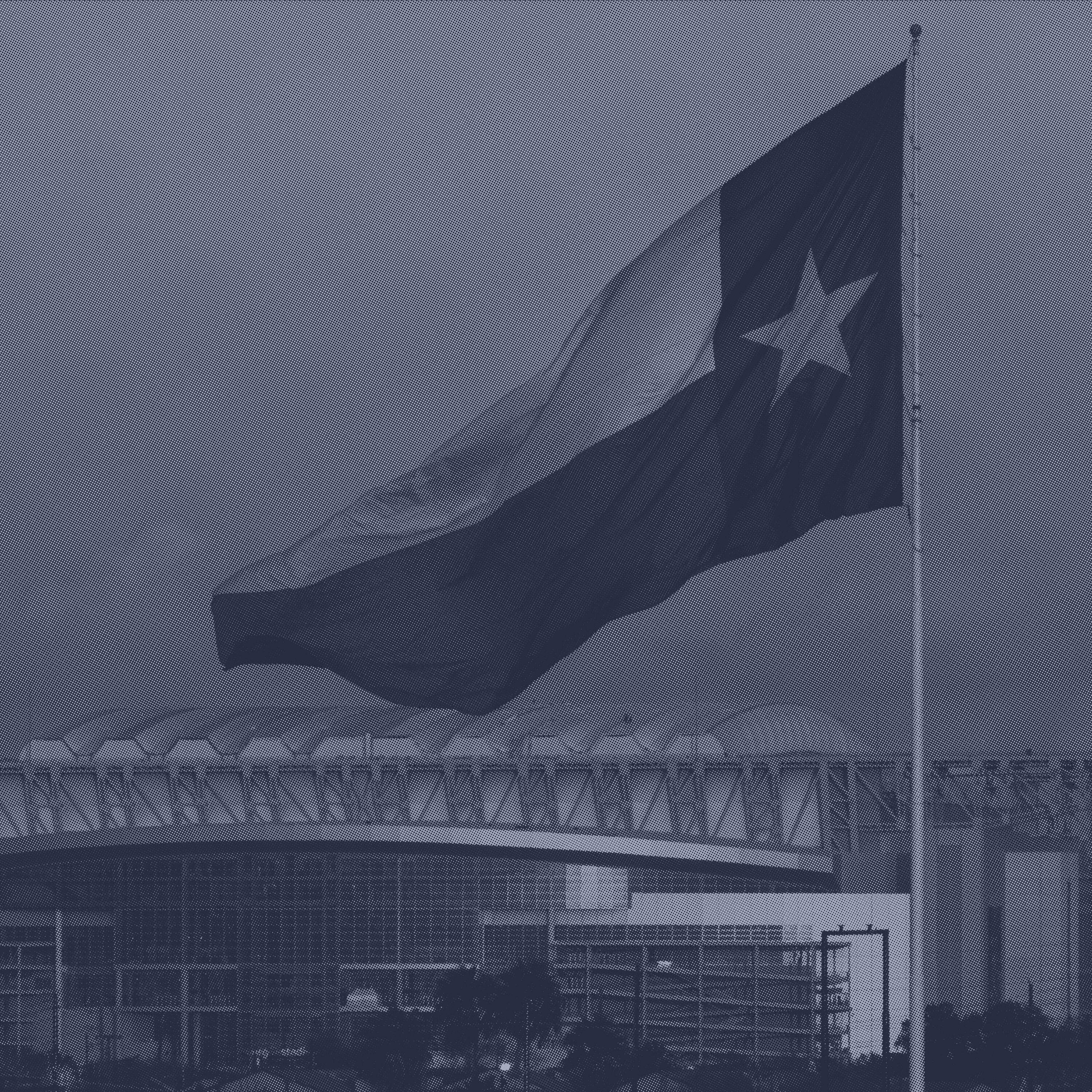
0:40It's the NPR Politics Podcast. I'm Miles Parks. I cover voting. I'm Ashley Lopez. I also cover voting. And I'm Domenico Montanaro, senior political editor and correspondent. And Domenico, you are talking to us from Texas right now. I have to imagine there are just campaign ads everywhere. There are campaign ads everywhere. The TV markets here have been flooded. I'm in the Dallas-Fort Worth area in Frisco, which is one of the booming cities in America, a place that's got over a quarter million residents in the early 90s, only had about 6 ,000. So this is the story of North Texas in particular with just crazy population boom.
1:21And that means money, right? And there's been a lot of money poured in on the TV side of things. There's a lot of money here in development. And, you know, there's a lot of interest in this election. I mean, you drive everywhere. There's lawn signs. It was in a pretty red area yesterday. And so about 30 to 40 percent of the lawn signs were Tallarico signs. What does that mean? I don't know. We're going to see. But the interest is super, super high. You lived in Texas for a decade, Ashley. How weird is it that Texas seems to be kind of the center of the political universe right now? You know, I feel like this has happened before.
1:54I will say I'm getting a lot of like flashbacks to the 2018 election. That was a very similar sort of cycle where Trump was unpopular. There was a very enigmatic candidate running on the Democratic side. That was Congressman Beto O 'Rourke. And it happens every once in a while where there is this conversation among Democrats like, will it happen? Will the uniparty control of Republicans in Texas finally break? Will Democrats finally send someone to the Senate? We've been here before, I will say. Yeah, and we've talked about it before. But it's been since 1994 that a Democrat, any Democrat, has won for any statewide office here, whether that's ag commissioner, attorney general.
2:39So it is a little bit like Lucy and the football with the Peanuts reference there where Charlie Brown tries to go kick the ball and Lucy pulls it out at the last minute. It's a little bit like that for Democrats in Texas. But listen, history is only true until it changes, and that's a thing that I think a lot of Democrats here are hoping happens, although a lot of people I talk to are skeptical that it will and sort of crossing their fingers. And and Republicans are just, you know, kind of shaking their heads. A lot of Republicans I talk to here are shaking their heads about why John Cornyn wasn't the nominee, because they feel like he would have walked into it.
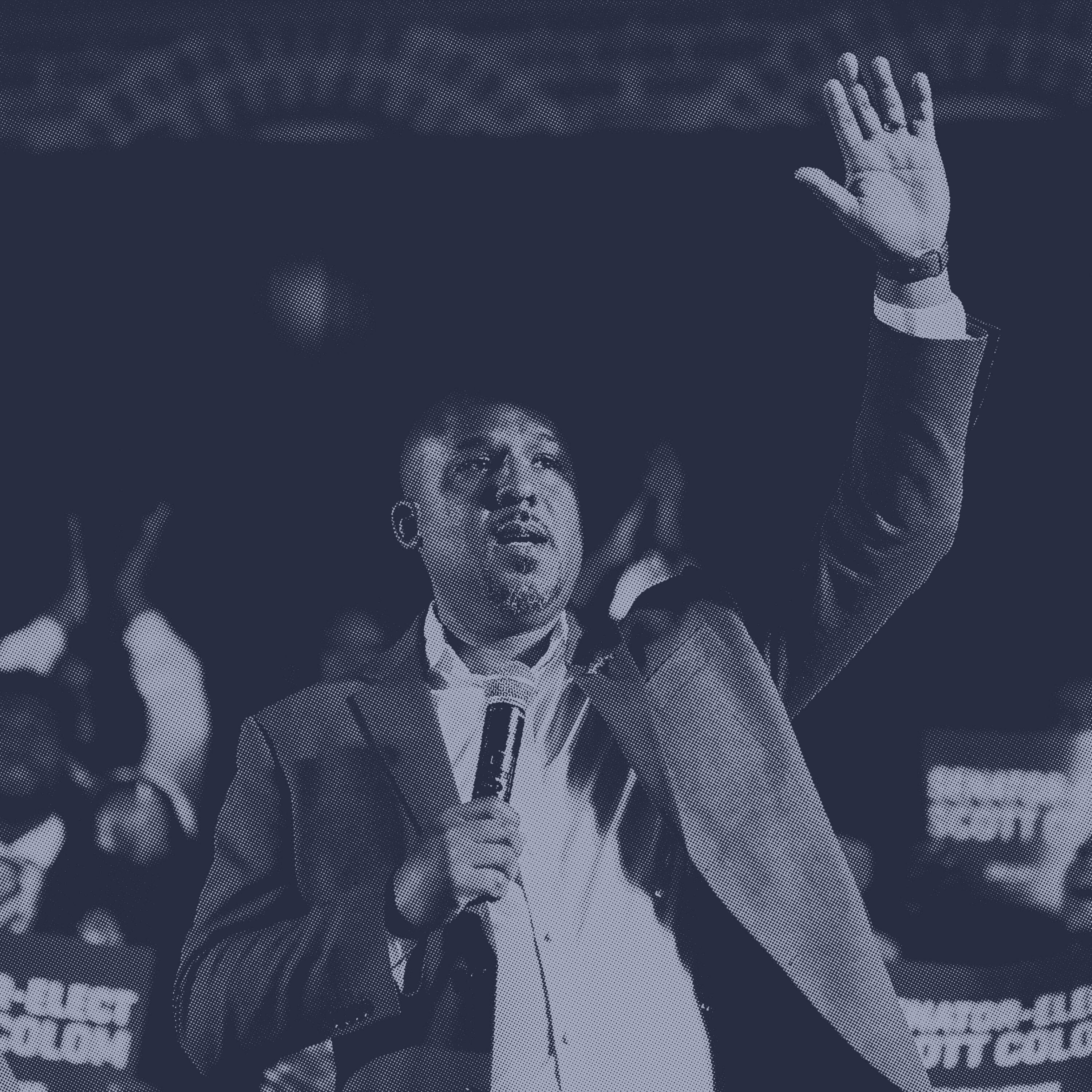
3:20And they're kind of holding their nose to vote for Paxton, many people, although I have seen quite a few Paxton signs, I will say. And I do want to dig in more into the Senate race in just a moment. But I wanted to focus first on the governor's race there, which I feel like is, I mean, Texas, as I mentioned, a huge state, one of the most important states in the country just based on the size and the size of its economy. And it's looking like a competitive governor's race where incumbent Governor Greg Abbott is running for a fourth term. He's facing Democratic State House Representative Gina Hinojosa.
3:51Tell me a little bit about these candidates, Ashley. You know, most election cycles, it is not this close. I will say this is what is notable about this cycle, which is it's not just the governor's race, but that lieutenant governor's race, the AG's race. Everything's like within a couple points, which is a unique thing. Like this is a kind of different moment. But, you know, Greg Abbott has been fairly popular, at least impervious to any sort of like either scandal or disappointment like writ large from Texas voters. You know, he had a couple of stumbles like throughout his governorship where, you know, Hurricane Harvey in 2017, there was a lot of dissatisfaction with how he handled that.
4:31There's been many school shootings there or mass shootings in general. And that whenever those kind of things happen, the question is always like, oh, is this going to be a tougher race for him? And that seemed to not culminate because he has won, you know, in big numbers, his reelections. This one looks like it's going to be tighter than the than the rest. And it has all to do with the economy, which we'll get to. And then Gina Hossa, she is the daughter of a of a long serving elected there. She has deep roots to the Democratic Party. I interviewed her for the first time maybe a decade ago when she was running for the statehouse.
5:02And that's, you know, the position she has now. She's a statehouse member and she was a member of the school board. So she's kind of always been in local politics. I think she was in the Austin school board. And so she's kind of been in local politics for a long time. And her and her obviously her family has like a big name in the Democratic Party. So and she's running on obviously school issues, but the economy, you know, she's running on making things cheaper for families. And so that's really what a lot of this race is about. Yeah, look, this is a state that doesn't have an income tax. So there's only so many levers that you can turn if you want to be able to raise money to be able to pay for things like cops and schools and firefighters and all of that.
5:41And one of the big issues here, of course, is property taxes because being able to raise those to be able to close budget gaps is obviously not popular. And then you have data centers. AI data centers are really starting to populate a lot of the rural areas here, and we know that that's been an issue across the country. They're unpopular because they're driving up energy costs in a lot of places. And you're having this kind of turning point election on some of these things, and it's a lot of what Hinojosa is running against in saying this is Abbott's doing and he's trying to create these things while he's trying to say she's someone who's going to raise her taxes.
6:19I mean, it's interesting. I'm curious how much Trump is factoring in. I feel like Trump is obviously the elephant in the room in every single race in the midterms this year. But governor's races are a little bit insulated from that in terms of state government and federal government. Two different things, obviously. Is Trump coming up a lot in this governor's race or how is that kind of being reflected here? Maybe Trump is not coming up a lot, but the economy that he has created is coming up a lot. And Trump is not actually on the ballot, even though he says he is. But, you know, I think that Democrats, their argument is that the way that Republicans like Trump and Greg Abbott have run the economy, put voters in the position they are in now, which is they can't afford basic necessities.
7:02They have a lot of people are in debts they don't think they can crawl out of. And so whether or not, you know, Trump is the issue, his economy is forefront, because I'll say for like at least the last 20 years, Texas has been in this unique position where even when there's economic downturns and, you know, specifically, I think of like the the Great Recession. Texas has been pretty impervious, you know, not untouched, but the economy has done better than the rest of the country. That is not true now. And it's partly because of what Domenico is talking about. Housing prices have gotten high. And even though gas is cheaper there than it is in California, it's still much higher there.
7:39And people drive a lot in Texas. So something like fuel cost, gas prices really affect people because, you know, everything is far apart in Texas. I think about that a lot, how much more I thought about gas prices when I lived in Florida versus now, right? It makes a big difference. And so, you know, the war in Iran and I, you know, because I talk to, I hear from swing voters every month, people do make the connection between the gas prices and the decision that Trump has made. And so, you know, whether or not he's talked about all the time, his economy and the situation he's created is definitely at the forefront.
8:11Yeah, I mean, Texas is the kind of place where you're driving everywhere for the most part. I mean, there aren't a lot of public transportation options. They're certainly not getting trains between places like Frisco and downtown Dallas or Dallas to Houston or something like that. So people are driving everywhere, and a lot of stuff is spread out. The gas prices are high. It's something that people think about. They talk about. They want to drive their big trucks, and that costs a lot of money. And a recent Marist poll showed Trump with a 46 % approval rating in Texas, which is higher than obviously nationwide where he sits at about 37 % on average.
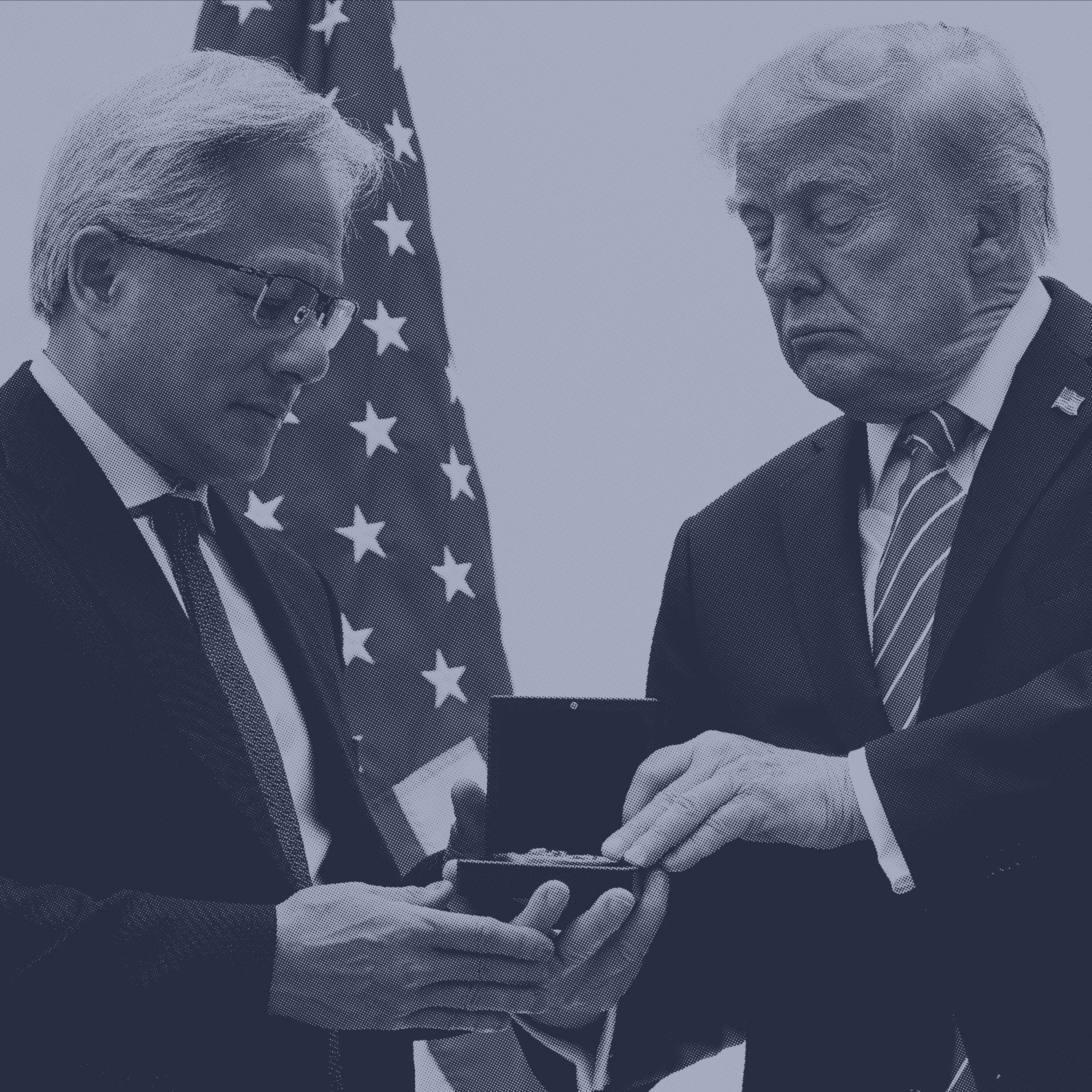
8:4954 % disapprove. And that's interesting because Texas is a place that Trump won by double digits. So even here you're seeing people kind of more down on Trump. He's more of a net negative. and that's why someone like Abbott maybe had a scheduling conflict earlier this month when Trump showed up at an event in San Antonio in that area for Ken Paxton. He hit him with the I'm busy maybe next time? Wow. Yeah, exactly. And Abbott we know is close to Trump, so he's not somebody who you would expect to kind of be like, maybe I don't want that on me. Yeah, well Trump isn't pulling well in Texas, but especially on the economy, So how much you want to be connected to someone when they are not popular, when you're already in a tough race?
9:34I mean – At the same time, you know, Republicans here, you know, are a huge factor. And they need to be able to turn out the energy and get out those Republicans to go vote. And a lot of them still like Trump. And I think it's a really difficult balance that, you know, both the Abbott and Paxton campaign have to balance. I mean, when you mentioned Trump's approval rating in Texas being underwater right now, which is I didn't realize that that is surprising. I'm curious how much of that is being driven by the Latino vote. I know that Latinos swung towards Trump in 2024. And I've seen a lot in the last year about that support deteriorating.
10:13Do we have a sense of whether that's maybe driving what's happening in Texas, too? I mean, that's a big chunk of it because these are I mean, I say this every time, but these are the nation's swing voters. These are voters that are not encamped in either party, mostly because parties haven't figured out a good way of messaging to them and to making them feel like one party has their back consistently. And that is a historical problem that both the parties need to at one point figure out. But, you know, the economy in particular and issues like immigration are the stuff that is in the forefront.
10:47And especially, I mean, especially the economy. I mean, a lot of these communities are these are working class people. So changes in anything like in their day to day budget, like food prices, which have been soaring, housing prices, they are just more vulnerable to the up and downs of the economy. And since they're not tied to either party, if you're not if it's not working out for them, they're they're happy for change because they're not diehards. They're not diehard Republicans. They're not diehard Latinos. And, you know, this is going to be an interesting situation for Republicans because when they redrew their maps, the congressional boundaries last year, they made a big assumption that the voters who supported Donald Trump in 2024, who were mad at the Joe Biden economy, that they would be there for them this cycle.
11:30But this economy is also not working for them. So it is, you know, it was a gamble they're taking and it's looking like it might not have been in their favor. Trump got 46 % with Latinos nationwide. Nationwide, what we've seen is a huge trend downward. The latest NBC Telemundo poll, which was a large poll of Latinos nationwide, had Trump's approval at 27%. In Texas, the Latino population here has been a little bit more established, been here a little bit longer. And the second, third generation Latino population tends to vote more Republican than earlier generations here. And that is something that I think Republicans had been banking on because Trump did well in places like Cameron County and Hidalgo County, won those counties, which is really shocking.
12:25South Texas is huge Latino population. And that's a place that if Hinojosa is going to do well, if Tallarico is going to do well, they're going to have to win those counties by a lot and win the suburban areas outside Dallas, outside Austin. All right. Let's take a quick break. and more on that Senate race in just a moment. Stay tuned for the following announcements and messages from our sponsors. Oh, Kevin, it feels good to be back. It sure does, Casey. And what a time the world is talking about AI and what's going on in Silicon Valley. And we are here with a new show to tell you all about it.
13:01That's right, Kevin. On our new show, Machine Gods, twice a week, we'll be bringing you the biggest news in tech and bring you unmatched access to the real titans of this industry. You can find Machine Gods from NPR on the NPR app or wherever you get your podcasts. Hey, it's Ray from Car Talk. Are you tired of all the depth and thoughtful care that goes into NPR shows? Want some good old-fashioned goofing around and stumbling to figure out what's going on? Well, I've been taking occasional car questions again. You can hear them by signing up for NPR Plus, along with lots of other bonus content.
13:35Just go to plus.npr.org. On the latest episode of Sources and Methods, a blue tsunami, earthquake, avalanche, Democrats swept the midterms. What does this mean for President Trump's ambitions overseas? And why is Iran paying such close attention to the changeup on Capitol Hill? Listen this week to Sources and Methods, the national security podcast from NPR. And we're back. And we are going to dig into that Senate race right now, which is getting a lot of attention, a lot of money thrown into it, where Democratic State House Representative James Tallarico is running against the current Republican Attorney General of Texas, Ken Paxton.
14:17Ashley, this race looks really close. Why is that? Well, because I think this is a very unique situation where there isn't an incumbent Republican in the last few cycles. There's been an incumbent senator who's running. And incumbency power is pretty powerful. Especially in the Senate, right? Especially in the Senate. But this is a weird one where it's not just that a tough primary battle ousted a sitting senator, but the person who did it, the state's Attorney General, Ken Paxton, is a very flawed candidate. This is a man with a lot of scandal in his past. So Democrats are looking at the fact that they're running against someone who has an opposition file to rival anyone else.
15:01He was, to be very clear, I mean, he was impeached by a Republican-controlled House of Representative in Texas, right? Yeah, let me run through it real fast because I feel like this is always a service to our listeners. We could just give him a whole separate podcast episode on it. So that's right. Early on in his career, Paxton was indicted for securities fraud. That was early on in his tenure. And by the way, he was the state's chief law enforcement official at the time, and he resolved that in 2024 by paying restitution, hundreds of thousands of dollars, and taking ethics classes and community service, stuff like that.
15:31Then, yes, he was impeached by his own party in the Texas House in 2023 following bribery allegations. He was not, however, removed by the Senate. He was acquitted by the Senate. So he stayed in office. And there was also a scandal over an alleged retaliation against whistleblowers in his own office who accused him of corruption, and they reported him to the FBI. They sued him, and that has been settled, but with taxpayer money, millions of dollars paid by taxpayers. So, yeah, it is not a nothing kind of kind of list that Democrats see before them when they look at their opponents. So that to them looks like an opening to possibly have a Democrat win for the first time in 30 plus years in the state because Democrats have not won statewide offices, as Domenico mentioned, in three decades.
16:18Yeah, and the thing that we've been seeing in the polls is that even though this race is within the margin of error, Tallarico has led in almost every single poll in this entire race since the primaries began. And there's been half a billion dollars spent since the primary on TV ads here. Over 300 million of that is from Republicans and super PACs flooding the zone here because they know that they need to spend every cent possible to be able to try to get Paxton over the line with the number of controversies that have taken place in his past. That doesn't necessarily mean, though, that Tallarico is going to win.
17:00Like I said, there's a lot of Republicans here. There's a long history of Democrats not pulling it off at the last minute. Remember, Beto O 'Rourke came very close against Ted Cruz, also not a very well-liked politician, even in Texas, Republican senator here. And he lost by three percentage points. And I just want to give a little context because Tallarico beat Jasmine Crockett in the Democratic primary. He had 1.2 million votes. Ted Cruz won his race in 2018 with almost 4.3 million votes. So if you're going to win statewide here, he's going to have to pick up an extra 3 million votes from what he got in the primary.
17:42And of course, there are going to be a whole lot more votes here because of the attention that this race is getting. But it's a path that he's really trying to pave that nobody else has done as a Democrat in Texas in the 21st century. There are a lot of hurdles for Democrats in Texas. I mean, beyond the fact that, you know, if you want to bring in new voters into the fold, you know, that's usually young voters. And registering young voters in Texas is not easy because there is no online voter registration. It's one of the few states in the country that doesn't have this as an option. You and I cover voting.
18:15You know that if there's any hurdle anywhere in the voting process, this makes it harder to convince people to either register or to vote. Especially in a midterm year where turnout is already lower than it is in a presidential year. Yeah. Yeah, exactly. And, you know, there is not there's not like the no excuse absentee voting there. Like very few people vote by mail percentage wise. It is it is just like a place where it's harder to get like low propensity voters into the fold. And when you're, you know, trying to, you know, grow your coalition from voters who don't usually participate, which is what Democrats would need, it's just harder there.
18:51And also it takes a lot of money, you know, like if you're trying to organize in Texas, knock on doors. It's not as not just as everything spread out, but there's a lot of big cities, you know, expensive media markets. Like it's just harder to do the work that Democrats would need to do to fill in what is a gap of a very sizable gap ahead of an election. So we'll see this. There's a big reason why Democrats, you know, are not already celebrating, you know, even though it is pretty interesting that the race is this close already. But, you know, the history shows that it is it is not easy for Democrats to win.
19:26There's been controversy here also that you're seeing on local news about how people are being able to get their mail-in ballots back where they're having to spend more on postage. And a lot of people don't realize that they have to spend more on the postage. And there's a lot of those kinds of things that are going on that people then become nervous about if they're Democrats to say, gee, I don't know, this might affect Democrats more. And just a little bit of data on what Ashley's talking about with trying to bring younger voters into the fold. We have to remember this is a midterm election.
19:58And younger voters have the biggest drop from presidential elections to midterm elections, a 51 % drop. Only about 21 % of voters age 18 to 29 have historically shown up to vote here over the last few decades in midterm elections. About 43 % of voters 18 to 29 vote in presidential years. Latinos, only about 27 % show up to vote in midterm elections. About 44 % of them show up to vote in presidential years. So you see disproportionately drops with some of those key groups that really matter to Democrats and to people like Tallarico and Hinojosa if they want to win in a state like Texas. I want to talk a little bit about how Tallarico is campaigning in this race because I've been so interested all week.
20:46We've been talking about these competitive Senate races in red states. And I feel like this is one of the open questions post 2024 is how do Democrats start winning in some of these deeply red places? We talked yesterday about Mary Peltola in Alaska and her Fish Family Freedom campaign slogan. I have to imagine James Tallarico is not campaigning on fish in Texas, but I'm curious on how he is trying to win support. He's going to need Republicans, some Republicans to vote for him. How is he trying to win their support? Well, one of the things that he's doing is not closing out the lines of communication with Republicans.
21:19He's been on Fox News several times. He tries to be in the places where Republicans are. He's tried to take a more moderate tone. There was a big disagreement in the primary about whether or not his tone, his more moderate tone with Republicans is actually going to work or if they needed a fighter and a firebrand like Jasmine Crockett. And that's obviously going to be tested here to see if he can win over some of those moderate voters, the people disaffected with Paxton, disaffected with Trump, and if they'll cross over. But remember, I've said this before on this podcast, these elections are also not necessarily choices between two choices with Democrats and Republicans, but it's between three, Democrats, Republicans, and the couch.
22:03And as many Republicans that stay home here also is helpful for Tallarico. Yeah, I see Tallarico doing a couple things, you know, besides the obvious, which is something that he got a lot of attention for early on. And when he was running in the primary was he's talking to Christian voters like he's talking to religious voters. He's invoking religion from a more liberal perspective, but also as a way because, you know, a knock on liberals, especially I heard this a lot in Texas when I was covering like Republican conventions. Like you hear a godless liberals like that kind of thing. Like rallying Christians in the state is like a big thing that Republicans do.
22:39And he's like directly talking to people of faith in the state and saying like, hey, I am not outside of this community. I'm a member of it. And so there's a place for you in my party if you agree with me on some things and are also of the religious person. And then there's also kind of similar to what we're seeing in Georgia with John Ossoff. Tyler Rico is also talking about corruption and how it relates to how like the economic situation that people find themselves in. It's very helpful to have a scandal plagued opponent to talk about corruption. He'll knock Paxton for, you know, allegedly making sweetheart deals for data centers, that sort of thing.
23:17And people in Texas are really nervous about already high energy prices being affected by, you know, an influx of data centers around their neighborhoods. So he's sort of connecting the two, which is like, you know, Ken Paxton has seemingly no rules about how he works with private entities and corporate donors, blah, blah, blah. And so this is how this is affecting your life. And so I see those as being like probably the more effective levers that he's using for a particularly Texas audience here. And we'll see. We'll see how it works. I will say for a place where people drive all the time, billboards are also huge here from a campaign advertising standpoint.
23:58And I have seen – I can't tell you how many times I've seen the same billboard that has Ken Paxton's face on it in black and white and says the most corrupt politician in America. So, you know, that's clearly one thing that Tallarico is really trying to home in on. All right. Well, we can leave it there for today. Come back tomorrow for more. I'm Miles Parks. I cover voting. I'm Ashley Lopez. I also cover voting. And I'm Domenico Montanaro, senior political editor and correspondent. And thank you for listening to the Empire Politics Podcast.
24:32Stay tuned for the following announcements and messages from our sponsors. This message comes from IXL. IXL's Level Up Diagnostic gives immediate benchmark results along with personalized action plans that link directly to IXL's skill practice. More at IXL.com slash NPR. Support for NPR and the following message come from Legacy Box. Co-founder Adam Baselogger shares how one customer helped fuel his passion for preserving family memories. When we first started the business, we had a lady walk into our office and she had terminal cancer and she walked in with her daughter. And it was in that moment that we just realized how meaningful Legacy Box was.
25:15She had a massive box of videotapes and these old film reels. And she stood there and she said, I need help. Like, I want to be able to sit down with my daughter and I want to share the stories before it's too late. and for young guys that had just started a business that was a moment where we were like Legacy Box is so meaningful and we've been entrusted with being able to deliver this amazing service to so many people we've just got to pour our whole effort and soul into this business Learn more about preserving your family memories at LegacyBox.com slash NPR