 Ask ChatGPT
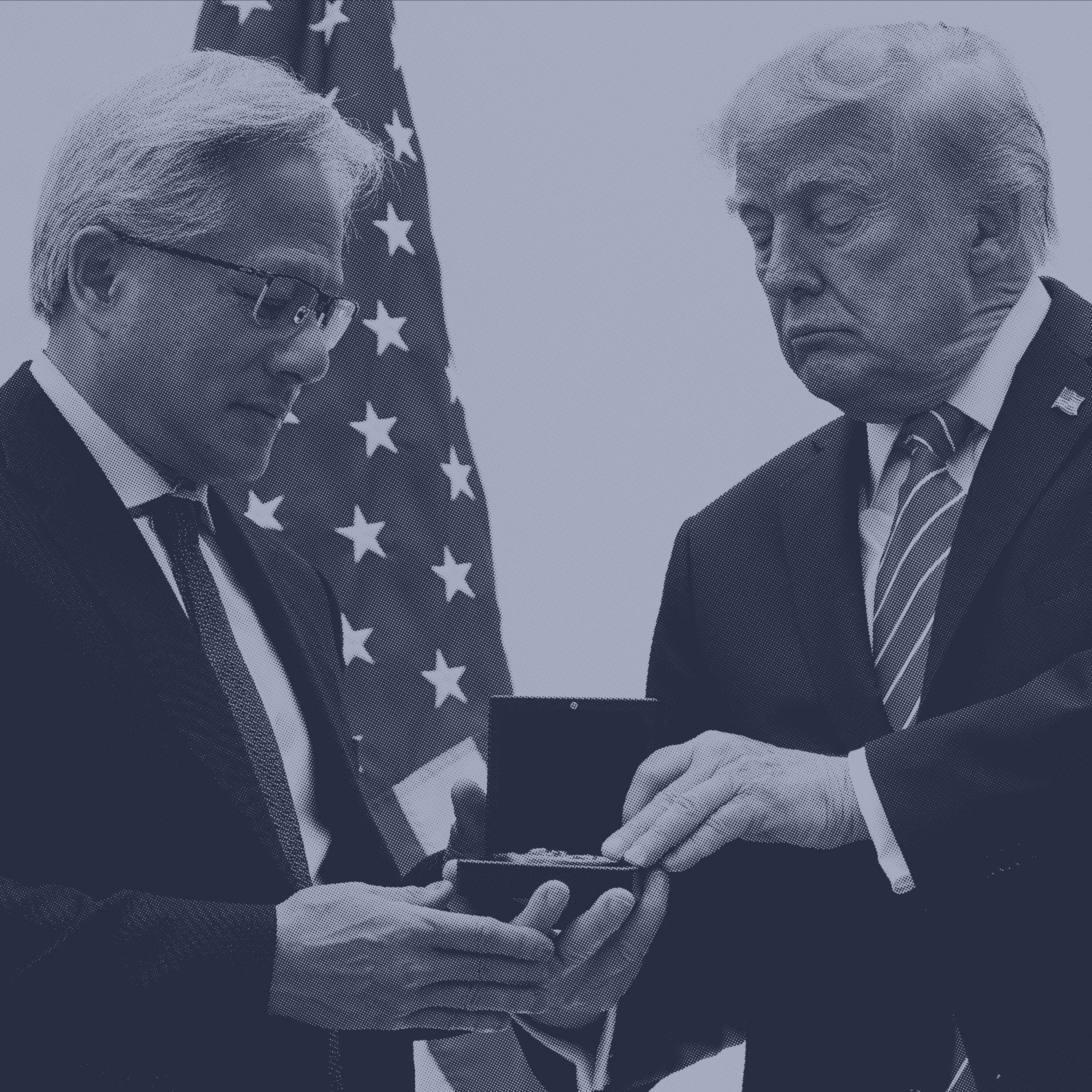


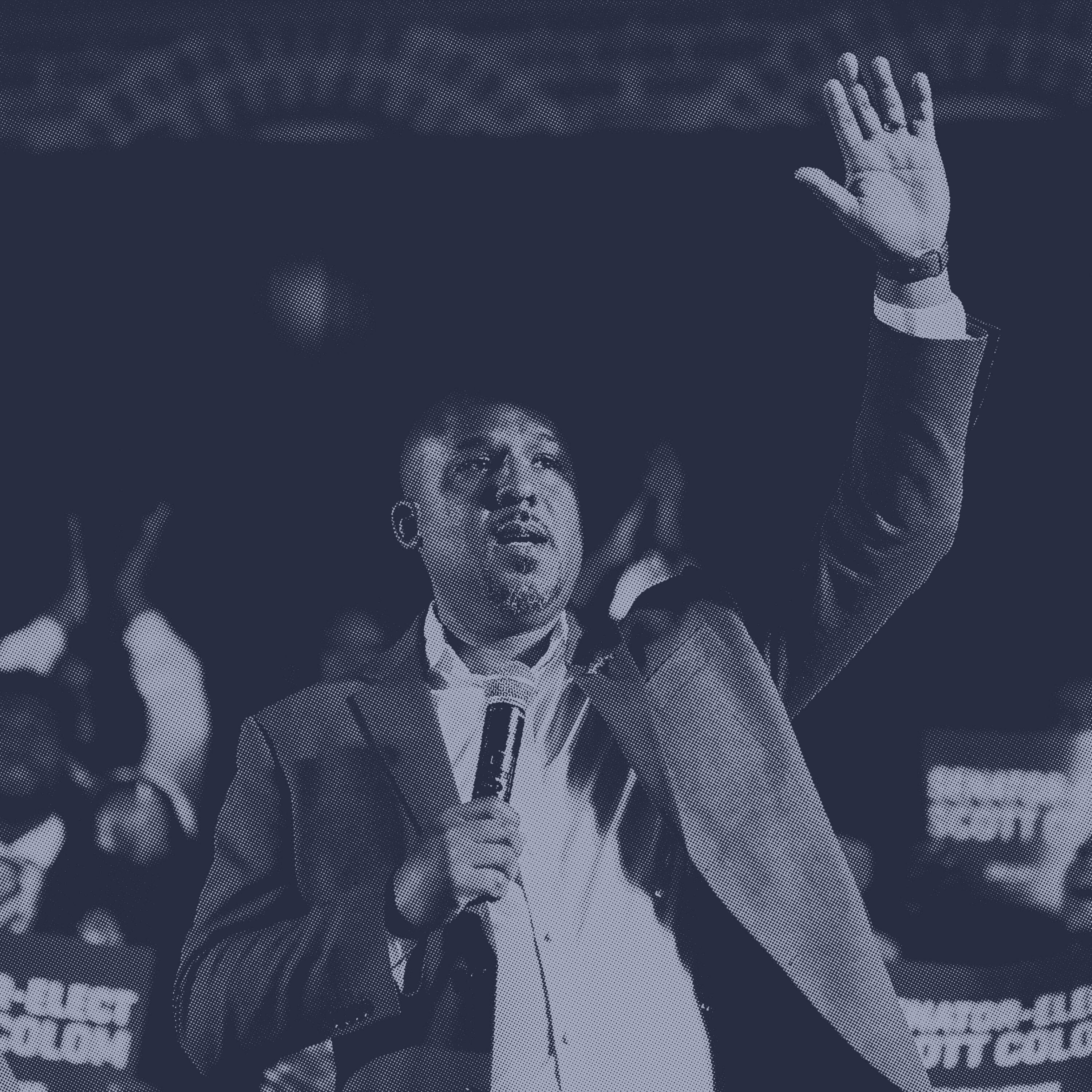
The episode examines President Trump’s escalating attacks on the press, focusing on a Truth Social post that led to the White House revoking press credentials for CNN, MSNBC, and Politico reporters, and the resulting lawsuits and broader media pushback.
Miles Parks (NPR, covers voting); Tamara Keith (NPR, covers politics); David Folkenflik (NPR media correspondent; former White House Correspondents Association chair, 2022–2023; covered the White House for 12 years).
The credential removals are argued as First Amendment viewpoint discrimination and Fifth Amendment due-process violations (no specific reasons, no formal appeals). The administration also claims national security issues and “falsehoods” (e.g., White House ballroom/bunker details, munitions claims, and a Texas midterm convention). Other outlets respond via amicus briefs and pool-system resistance.
CNN reporters denied entry at Secret Service scanning; CNN removed from the video pool; historical parallels like Jim Acosta (2018) and Robert Sherrill (1977).
Written by AI. May contain mistakes.
Discussion on President Trump's initial accusations of 'fake news' and its implications.
“It's been almost 10 years since President Trump first tweeted out the words fake news.”
Exploration of the press's response to losing White House access and ongoing lawsuits.
“And NPR media correspondent David Folkenflik is also here with us.”
Insights into the constitutional arguments put forth by news outlets against the White House.
“Can you explain what the outlets are arguing and then how the administration is defending itself in court?”
Analysis of the changing dynamics of press access and the significance of pool reporting systems.
“And I just want to explain a little something about how it works, how covering the White House works.”
Examining past legal precedents regarding press access and discrimination by the White House.
“So, David, I do want to just zoom out a little bit here with this litigation from these three news outlets who are trying to get access back to the White House.”
Explore how Trump's administration has actively challenged various media outlets through lawsuits and regulatory pressures.
“There was a 1977 ruling involving Robert Sherrill, a reporter for The Nation magazine, where there have been instances in the 60s and 70s where his pass had been stripped.”

Get the gist, explore an idea or ask about something said.
 Claude
On The NPR Politics Podcast, what are the key points of this episode?
Searching your listeningAutomatic transcript. May contain errors.
0:00This message comes from Schwab. At Schwab, you can get everything from self-directed investing to full-service wealth management all in one place. No matter your investing goal, life stage, amount to invest, or know-how, you can invest your way with Schwab. It's been almost 10 years since President Trump first tweeted out the words fake news. In the time since, he's found many new ways to ratchet up attacks on the press, including a ban on multiple outlets from the White House grounds. The outlets are fighting back in court and on screen. Where's this headed?
0:39It's the NPR Politics Podcast, and we are recording this at 1.12 p.m. Eastern Time on Wednesday, September 23rd. I'm Miles Parks. I cover voting.
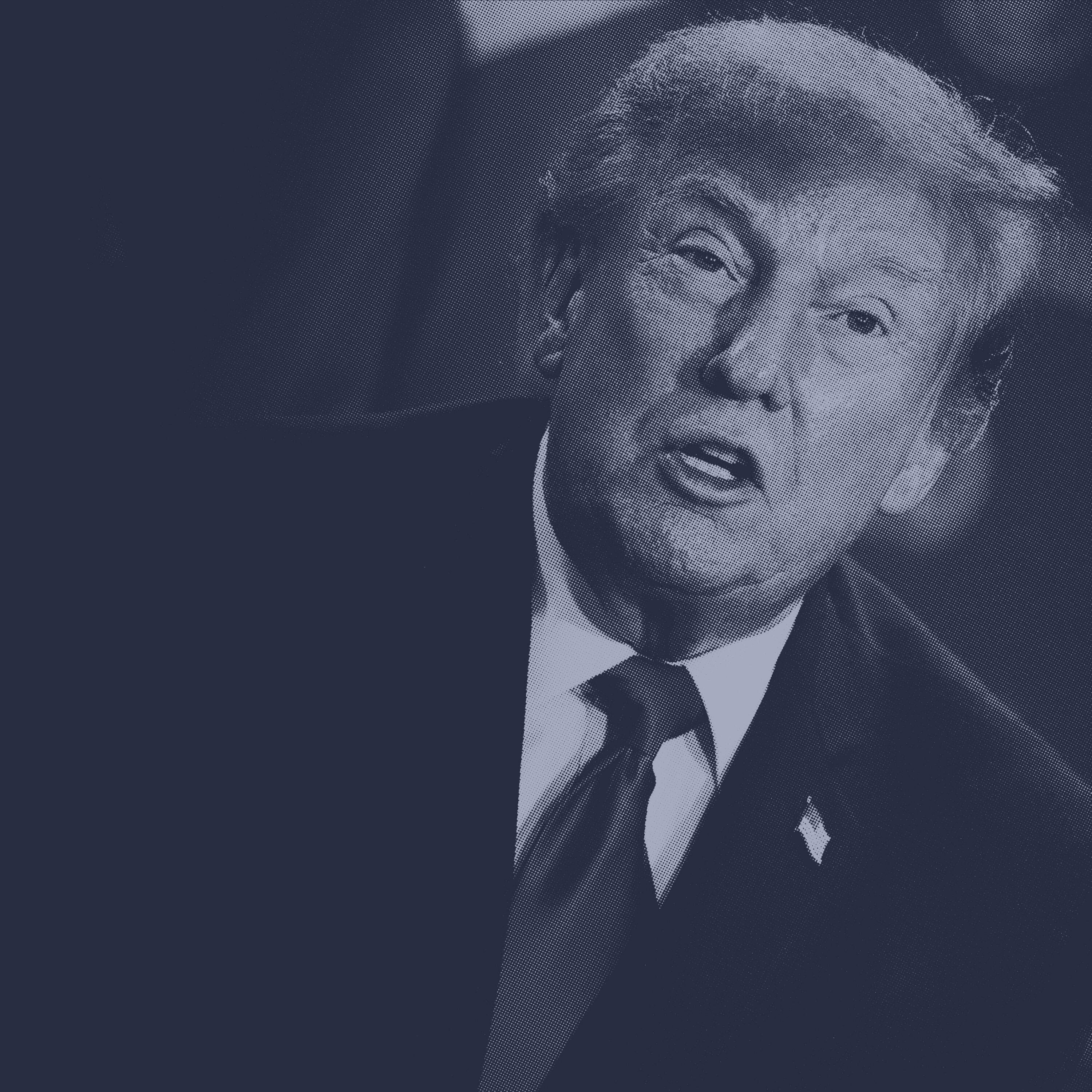
0:48Tamara Keith: I'm Tamara Keith. I cover politics. And NPR media correspondent David Folkenflik is also here with us. Hi, David. Hey, guys. So I just want to start with where this all began last week, David, with a truth social post, as many things in our current political environment do. What did that post say? And what is President Trump's goal here? Well, what Trump said was too long to read aloud, Right. But in part of it, he said that CNN, MS Now and Politico were writing things that were fake news. He said media outlets shouldn't be able to constantly write a report fiction and lies when they're covering the president of the United States, the Trump administration or the United States of America.
1:28And then he added other fake news media outlets to follow. So what he promised to do was to take away their press credentials. And he explained in back and forth with reporters shortly after his post that it wasn't about anything specific, but it was just about a buildup of anger with this. And yet in some of the legal documents in this lawsuit that has ensued, the administration has pointed to very specific pieces that they haven't liked. So Trump has had the administration yank the credentials for all these reporters covering the White House. That's 40 for CNN alone. And it's an attempt to inhibit them from reporting closely and perhaps an attempt to intimidate the others.
2:09And I should note, CNN and MSNOW are both financial supporters of NPR. Tam, I'm wondering if we're seeing any practical impact of this decision at this point.
2:18Tamara Keith: Yeah, I mean, these are journalists who cover the White House in a robust way, as many of us do. And journalists from all three outlets went to the White House on Saturday morning, as they normally would. They went to the Secret Service entry point, scanned their badges, and their badges came up rejected. And they had their badges confiscated. They were not able to get onto the White House grounds. And you have seen them, you know, reporting from the street outside of the White House. And CNN was supposed to be the network that was following President Trump when he went to New York this week for the U.N.
3:01Tamara Keith: General Assembly and a series of meetings with world leaders. They were not able to do that because the president has kicked them out. David, you mentioned this lawsuit that these outlets have filed. Can you explain what the outlets are arguing and then how the administration is defending itself in court? Right. So the first court hearing about that is taking place virtually later today as we tape this. They're alleging that this is just an exceptionally flagrant violation of constitutional protections. In fact, two of them. The first is the First Amendment, free speech. That is, they're being punished for their coverage because the president doesn't like it.
3:38Now, let's give Trump credit here. He has said the press does not have an absolute right to cover the White House from the White House. As he said, you can say what you want, but you can't do it from here. There is some truth to that. But there's case law, which is to say judicial decisions going back decades that have been embraced by the courts that say once admitted to the White House grounds to report, you can't then take that away from them just because you don't like what they report or how their people analyze things. That is a viewpoint discrimination. There's also a second element, and it's the due process clause of the Fifth Amendment.
4:14And that is the president just announced this in Truth Social. He backed it up with some of his critique of the press Friday afternoon. And then over the weekend, the White House scurried out to execute what he had said. But they didn't offer grounds on really specifically why they were doing it. They didn't allow these news outlets to engage and object, and they didn't allow a formal appeals process, all of which are essentially required when the federal government acts. I should add here, their lead lawyer for the news outlets is Theodore Boutros. He's one of the top First Amendment lawyers in the country.
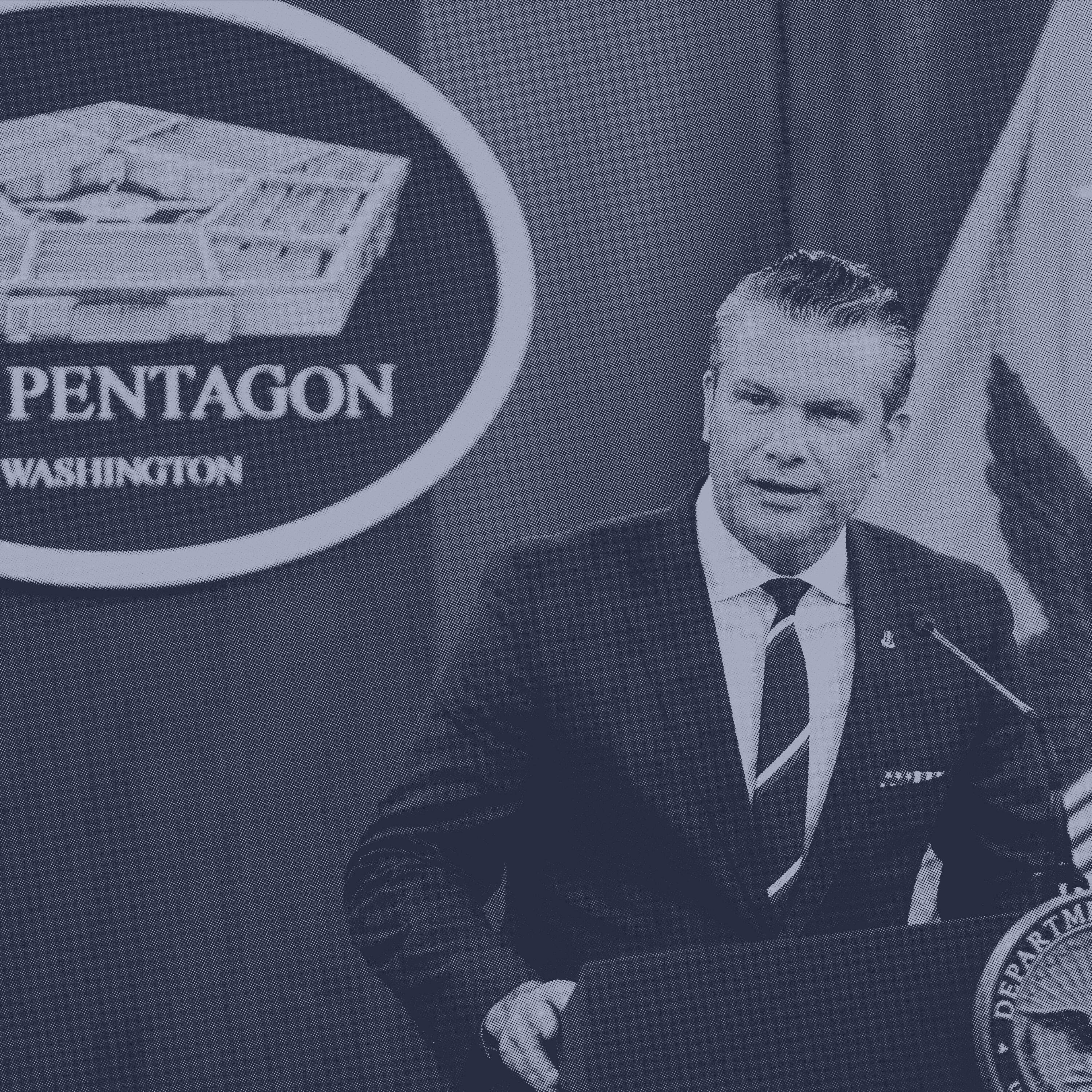
4:46He also successfully represented NPR in a First Amendment lawsuit against the president's executive order involving public media. And he won that case. I will say the White House is now presenting an additional layers of defense for what they're doing. They're saying, look, these outlets violated national security elements and spread falsehoods on such things as the construction of the new ballroom in the White House and particularly the bunker underneath, whether or not there's been depletion of munitions and ammunition in the war against Iran. And even in whether or not that midterm convention down in Texas a couple of weeks ago was a dud.
5:27They're saying on those two grounds, the national security disclosures and spreading falsehoods, as they would have it, that the press has sort of violated its own privilege of being there. And that's why they're withdrawing it. And in letters to those outlets that were sent not beforehand, but yesterday, that is, after the lawsuit was filed. The administration said, look, you guys have the chance to make your case over the next couple of days, but we're going to pull your permissions to be at the White House permanently on Friday if we don't like your appeal. What they're doing is retroactively trying to say we are creating a process for you.
6:01And I just want to explain a little something about how it works, how covering the White House works. As somebody who has intimate understanding of that as the former chair of the White House Correspondents Association.
6:15Tamara Keith: I was president of the White House Correspondents Association from 2022 to 2023. That is the group that represents all of the journalists or most of the journalists that cover the White House. But also I covered the White House for a dozen years. And I think there are things that people may not know, which is that we actually have permanent workspace at the White House. Dozens of news outlets have permanent workspace. Politico has a desk that is assigned to them. All of this is sort of in that section of the White House that is between the presidential mansion and the West Wing. CNN has a huge booth.
6:52Tamara Keith: NPR has a tiny booth. The television networks also have the tents on what's called Pebble Beach, which is where they do their stand-ups. So if you see a television reporter standing there with the White House behind them and possibly some weather and elements, that is also on the White House grounds. You can't gain access to any of that without scanning a badge known as a hard pass or without getting a day pass, which is granted by the White House. And reporters also have ready access to White House staff, the press staff, sitting in an office known as lower press. And in previous administrations, White House reporters could go to an area known as upper press as well.
7:40Tamara Keith: That's where the press secretary's office is. That's where the communications director's office is. And it's also very close to the Oval Office. I very clearly remember going up to that room and having a conversation with the energy secretary while he waited to meet with President Trump. Reporters could freely go up there if they had a question to ask those officials for information. Well, at some point last year, the White House said no more. You can't go to that section. You have to send an email to ask permission. I've been able to get permission from time to time, but many other journalists have never been given an appointment to even go up there.
8:23Tamara Keith: And it is clearly a sign of what has been a dramatic erosion of the relationship between the press and the White House and also of access that this White House has has really tried to limit. It's been interesting, David. It's not just the three news outlets, though, that are pushing back in court, but we're seeing kind of the entire media ecosystem, or at least the mainstream media ecosystem, push back to some degree, right? I mean, how are we seeing the other news outlets respond to this? Well, it comes, as you say, in a variety of ways, one of which was an amicus brief, which means a friend of the court brief was just filed in support.
9:04Dozens of major news outlets and public media outlets as well, including NPR, signed on to it to support CNN, MSNOW and Politico. And you're seeing statements of support just more generally from major news executives, including our own editor-in-chief Thomas Evans, calling it a blatant violation of the First Amendment. And there's this other tangible way, which is that starting on Monday when CNN was denied its role as the video pool provider, that is, you know, there are these five networks that share the cost and logistics and burden of monitoring what the president does publicly, pretty much all of his events.
9:43CNN was dumped out. The other members of that pool, which include Fox News, said, hey, we're not going to step in here and fill that role just because you don't like them. A strike against one of us is a strike against the entire pool. So that was held back. And you saw a lot of news outlets, including NPR, saying it might not run video or still images or audio taken from alternate sources. And it feels like, Tam, like the White House is trying to step into this void. They posted a video, for instance, of President Trump cutting this ribbon on this new helipad at the White House that seemed to be filmed by a White House staffer there, not by the pool.
10:21But you can't hear anything that President Trump is saying in this video because the helicopter is just going off in the back. And it was kind of like a classic example of like, if you don't have professionals who are doing this and holding out the microphones and doing all this, it is going to impact coverage in some way.
10:36Tamara Keith: I'd like to explain the pool, if you don't mind. Please. Yeah, I think this is something that even I, as somebody who's been covering politics for a while, I don't even know that I have a complete grasp of exactly how it works. So the press pool exists to have essentially independent eyes on the president of the United States. And because there are hundreds of people who cover the White House and they can't fit in all of the spaces where the president might go, they can't fit in the motorcade on Air Force One or in the Oval Office. a pool system has been created where resources are pooled. And part of that pool is the print pool.
11:15Tamara Keith: There's the radio pool, which we're a part of, the television pool, which we've already talked about a little bit. And these organizations, at their own expense, cover the president at all hours of the day and then share their reporting with the rest of the press corps. And since As President Eisenhower, that pool has been managed by the White House Correspondents Association. Basically by journalists themselves. Yes. And all of that was the case until the second Trump administration, early in the administration, when the White House chose to punish the Associated Press for an editorial decision and kicked the AP out of the pool and essentially iced the Correspondents Association out of determining who was in the pool.
12:04Tamara Keith: And it means, in essence, that the president is choosing his press corps. People are there at the invitation of the president and the White House. And, you know, that chilling effect that if you're only there because you're invited, then what does that mean about the coverage? All right. I actually want to dig more into why this all matters. We've got to take a quick break. We'll be right back. Stay tuned for the following announcements and messages from our sponsors. This message comes from BetterHelp. Your brain has limited storage, so why is it still holding on to that embarrassing moment from years ago?
12:39BetterHelp is an online therapy platform that gives you space to talk about what's taking up too much of yours. BetterHelp is now in-network with more than 125 health plans, with many co-pays as low as$15 for eligible members. And if you don't have eligible insurance, you can still get 20 % off your first month. Visit betterhelp.com slash NPR. Cost and coverage may vary. Discount cannot be combined with insurance. This message comes from Viking, committed to exploring the world in comfort. Journey through the heart of Europe on an elegant Viking longship with thoughtful service, destination-focused dining, and cultural enrichment on board and on shore.
13:19And every Viking voyage is all-inclusive with no children and no casinos. Discover more at viking.com. This message comes from Mint Mobile. This holiday season, unwrap a new wireless plan from Mint Mobile. Keep your current phone and your number and go to mintmobile.com slash switch. And we're back. So, David, I do want to just zoom out a little bit here with this litigation from these three news outlets who are trying to get access back to the White House. How unprecedented is this entire situation? Well, look, the Justice Department's legal team has presented a brief that goes back to George Washington, Thomas Jefferson handpicking sort of favored partisan outlets to talk to, to let them print inaugural addresses and the like.
14:09There was a 1977 ruling involving Robert Sherrill, a reporter for The Nation magazine, where there have been instances in the 60s and 70s where his pass had been stripped. People had been upset with his coverage. And Sherrill fought it in court and he prevailed. And it was the idea of this viewpoint discrimination. It established the idea that it is in a sense a privilege, not a right to get in. But you can't just be thrown out because they don't like you, because that that is a violation of First Amendment rights. And then you saw, you know, this case really being waged in Trump one. Jim Acosta, 2018, then CNN's White House correspondent, had his permanent past stripped.
14:50The president didn't like what he was asking. Press conferences said he didn't like CNN's coverage. And they went to court and they prevailed. And this is clearly the template for this lawsuit. According to Ted Boutros, the attorney I mentioned when I texted back and forth with him about this and it became clear he would be filing a suit on behalf of CNN, MSNOW and Politico. So is it unheard of? No. The new thing is the idea that the president is sort of taking on the press through his administration, through his own acts as a private citizen and in court filing lawsuits against the press and against individual outlets in so many ways to punish those who do things he doesn't like and clearly to send a signal to others.
15:33Tamara Keith: The president has made no secret of his frustration with the press, his desire to have very positive coverage and his displeasure of the fact that coverage often isn't very positive. The press typically does have an adversarial relationship with the White House. That's just kind of the way it works. This, in a way, is going nuclear. The president went after the part of the press corps that puts out the pictures and the audio. He went after an outlet that is part of this essential television pool. And, you know, Politico is part of the print pool. It creates a total mess. The fact that outlets are working together to send a message that this can't stand, that reflects the gravity of the moment because normally their commercial interests are quite divergent.
16:33Well, David, can you lay out more, I guess? It does feel to me that this feels like part of a broader trend of the Trump administration taking on media outlets. I mean, we reported on The Pod earlier this year, the Stephen Colbert dust up with the FCC is the first thing that came to my mind. But I guess as somebody who watches this as your full time job, can you lay out, I guess, all the different ways that the Trump administration has waged this battle? The president is a private citizen, has sued a number of the nation's largest and most important news outlets, including The Wall Street Journal, which is owned by his ally Rupert Murdoch.
17:06His pick as the top broadcast regulator in the country has initiated investigations of every single major broadcast network in the country, including NPR, not including Fox, also earned by Murdoch. And you've seen nonetheless aggressive coverage from all kinds of places, including those under such scrutiny and investigations where there could be ramifications at the current moment. The Federal Communications Commission is seeing as initiated an early review process prematurely, essentially unprecedented, that could end up in their moving to strip the broadcast licenses for the eight TV stations that ABC and its parent company, Disney, own.
17:54Like that's a huge bottom line effect if that were to take effect that it contributes a lot of money to Disney's bottom line. And you have seen at once aggressive coverage from places like CBS, which paid his parent company paid, you know, 16 million dollars to settle a private lawsuit filed by Trump just ahead of its sale to the Ellison family. And yet you have these moments where also you're seeing certain kinds of press outlets make accommodations. So, for example, Jeff Bezos, the founder of Amazon, owns The Washington Post and was resolute in having The Post continue to cover Trump as a president in the first term and in the second term.
18:32And I got to say it's the coverage from the newsroom has been really good in the second term. And yet he's cut back the newsroom significantly and he completely rewired the opinion section. So instead of being a resolute and intense critic of the administration, it is much more sympathetic to the administration and its aims. You saw similar dynamic play out at the Los Angeles Times where its owner, Patrick Soon-Shang, is a doctor and inventor. Both Bezos and Soon-Shang have major commercial interests in front of the government. In Bezos' case, for billions of dollars worth of contracts. Soon-Shang, it's more of a question of granting patents for some of his medical innovations.
19:12And you've seen there to be a bit of a pullback in what they're capable of doing. CNN and CBS, as a result of recent events in terms of Paramount's efforts to take over Warner Brothers' discovery, CNN and CBS will be united under the same roof. There is some sort of deal that was worked out with Democratic attorneys general to let them drop an antitrust suit against Paramount for taking it over. And yet those are pretty modest protections over time. It means that the Ellison family, which has struck a strong political alliance with President Trump in the last year and a half. Well, I got to tell you, they will control two of our largest television news divisions.
19:49And so it's a real moment where going after these news outlets is a signal. As President Trump's chief broadcast regulators say, we can do this the easy way or we can do this the hard way. And that's the moment we find ourselves in, intensive coverage happening in the midst of intensive pressure. OK, well, a lot to watch. We're going to leave it there for today. Another quick disclosure, I should note that Amazon and Paramount also both financial supporters of NPR. NPR media correspondent David Fulgenflick, thank you so much for being with us. And thanks for watching all of this. You bet. I'm Miles Parks.
20:21I cover voting.
20:22Tamara Keith: I'm Tamara Keith. I cover politics. And thank you for listening to the NPR Politics Podcast.
20:32Stay tuned for the following announcements and messages from our sponsors. This message comes from Jerry. Don't overpay for car insurance. Jerry's the only app that compares rates from over 100 insurers in minutes. Drivers who save with Jerry could save over$1 ,400 a year. Download Jerry today. Support for this podcast and the following message come from Made in Cookware. President and co-founder Jake Halick shares the key ingredients that go into Made in products. We try to design products that are going to last you an incredibly long time. And to know that we're making this in places that take the raw material seriously, take the manufacturing processes seriously, that's ultimately what's going to allow us to sleep better at night selling this product to you.
21:16Learn more about Made in Cookware at madencookware.com.