Ask ChatGPT

 The NPR Politics Podcast
4 Sep 2026 · 27m · 11 chapters
The episode examines Trump-era U.S. national security moves in Latin America and the Middle East: a Pentagon-linked “oil deal” tied to Venezuela, U.S. strikes on alleged drug boats in the Eastern Pacific/Caribbean, and the ongoing U.S.-Iran “tit-for-tat” maritime conflict near the Strait of Hormuz.
Greg Myrie, NPR national security correspondent (Washington). John Otis, NPR reporter covering Latin America (based in Bogota, Colombia).
The Venezuela agreement is unusual because the U.S. government (via the Office of Strategic Capital) would seek majority control of Venezuelan oil while partnering with a company whose head was investigated for money laundering. The boat strikes lack a clear legal framework and have killed 200+ people, with no independent data proving reduced cocaine supply. The Iran conflict is stuck in a repeating cycle—U.S. helps ships, Iran attacks, then the U.S. strikes Iranian sites—without an off-ramp.
Venezuela’s Delcy Rodriguez government still holds 300+ political prisoners; U.S. says it can control 65+ billion barrels. Drug-boat raids began early Sept. 2025; fishermen stay near shore. Iran war parallels earlier U.S. conflicts and raises “forever war” concerns.
Written by AI. May contain mistakes.
Discussion on Trump's oil deal and U.S. military involvement in Venezuelan oil.
“We certainly see President Trump being more active in Latin America than any other president in recent years.”
Examination of the U.S. government's involvement in Venezuela and its implications.
“And under this agreement we're talking about that Trump announced last Friday, the U.S.”
Analysis of historical U.S. foreign policy trends in Latin America.
“Have any of those benefits, do they seem to be flowing to Venezuela so far?”
Discussion on the political implications of U.S. oil deals in Venezuela.
“When you look at the voices like Secretary of State Marco Rubio, who had been pushing for U.S.”
Introduction to upcoming discussions about U.S. military strikes against drug boats.
“always raves about her and talks about how fantastic Delsia is, like almost like she's in the category of statesmen like Nelson Mandela or Winston Churchill.”
Analysis of U.S. military strikes against alleged drug boats and legal concerns.
“Journey through the heart of Europe on an elegant Viking longship with thoughtful service, destination-focused dining, and cultural enrichment on board and on shore.”
Explore President Trump's active foreign policy and its impacts in Latin America.
“At this point, getting on two years into the second term, is he achieving this goal?”
Explore President Trump's active foreign policy and its impacts in Latin America.
“The question, is Iran America's next forever war?”
Discuss the prolonged conflict with Iran and its implications for U.S. foreign policy.
“At REI, they don't just sell outdoor gifts.”
Analyze historical parallels and the evolution of the U.S. role in international conflicts.
“So it just bears so many similarities to these wars that he fought in and said would not happen again.”
Discussion on foreign affairs, war, and historical figures' impact.
“And in Britain's case, it was never the same in terms of its influence on foreign affairs.”

Get the gist, explore an idea or ask about something said.
 Claude
On The NPR Politics Podcast, what are the key points of this episode?
Searching your listeningAutomatic transcript. May contain errors.
0:00This message comes from BetterHelp, an online therapy platform that gives you space to talk about what's taking up too much of your brain. BetterHelp is now in network with more than 125 health plans. Visit BetterHelp.com slash NPR. Cost and coverage may vary. Hey there, it's the NPR Politics Podcast. I'm Ashley Lopez. I cover politics. And today on the show, we want to highlight the reporting from our fellow NPR podcast, Sources and Methods. If you're not familiar, it's a podcast focusing on national security issues. It comes out every Thursday and it's worth a listen. Here's the latest episode.
0:37Greg Myre: We certainly see President Trump being more active in Latin America than any other president in recent years. We'll have to see how much pushback we find from countries in the region in the years to come. The U.S. military is blowing up boats again, and it's taking a stake in the Venezuelan oil business. What is the Trump administration trying to achieve in the Western Hemisphere? This is Sources and Methods from NPR.
1:11I'm Scott Detrow, in for Mayor Louise Kelly. Each week on the show, we walk through the week's biggest national security news with our team in Washington and around the world. And this week, that is NPR national security correspondent Greg Myrie. Hey, Greg. Hey, Scott. And we've got John Otis, who reports for NPR from throughout Latin America. He joins us today from his home base in Bogota, Colombia. Hey, John. Hi, Scott. Quick note, since there's always more news, we are talking around noon Eastern on Thursday. And one other note, you can check out the show notes or stick around for the end of the episode.
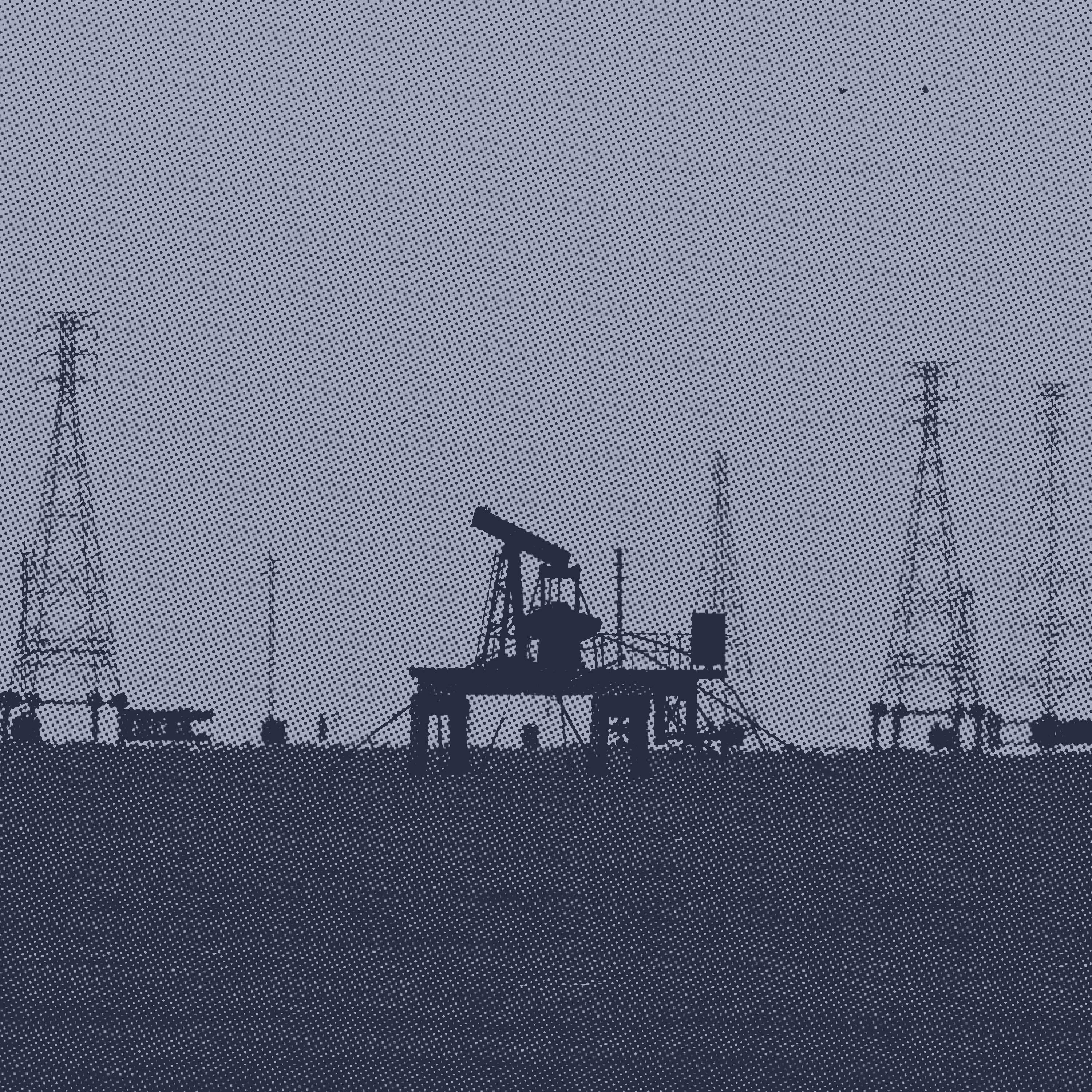
1:43We will have all you need to know on next week's Sources and Methods live stream, which you can watch on YouTube. Let's start, though, with the Pentagon and this oil deal. Last week, President Trump announced what he called the biggest oil deal in U.S. history. This would give the U.S. rights to Venezuelan oil, and it would set up the U.S. military to potentially take a stake in an oil company. John, President Trump said early on after that strike on Maduro, the U.S. was going to take over the oil, and it seems like he meant it. Yeah, I mean, he really did mean it. And under this agreement we're talking about that Trump announced last Friday, the U.S.
2:26government is going to partner with Venezuela's second largest private oil company. And the White House is saying this deal is going to give the U.S. majority control of more than 65 billion barrels of Venezuelan oil. and that would vastly up US reserves. But it really is highly unusual. And for one thing, the head of the Venezuelan oil company is gonna be partners, has been investigated for money laundering in Switzerland. For another thing, the US government doesn't typically get directly involved in oil production. They haven't done so since World War II. And this is being carried out by the Pentagon through this new office that was formed under the Biden administration called the Office of Strategic Capital.
3:16But it's an entity that's supposed to be focused on upgrading U.S. weapons systems and not on pumping oil. I mean, Greg, this has been a pretty big policy theme of this entire second Trump administration, but just the bare facts of the story, right? The U.S. government, there's a military action to change the regime in another country and then later moves in to take control of its natural resources. It just sounds like the imperialist foreign policy of 100 plus years ago.
3:49Greg Myre: Yeah, we feel like we've seen this before, whether it's going in for oil fields or other commodities that the U.S. wanted and just dominating politically, really dictating policy. And I would even throw to John in terms of, you know, are the Venezuelans seeing any benefits since Maduro was ousted? You know, the U.S. already started taking some oil. Have any of those benefits, do they seem to be flowing to Venezuela so far? Well, I mean, the U.S. has taken over kind of Venezuela's finances. They take in the oil income and send it back to Venezuela. and they want to do that because there's still this authoritarian regime in place, even though it's now a pro-U.S.
4:34government. Money is coming back into Venezuela, but it's not all that much. And oil production has only been going up very slowly over this past year since Maduro was ousted. And so Venezuelans are quite upset that Delcy Rodriguez's government is very unpopular. And so there's a lot of people very angry with this government. with this situation. And the twin earthquakes that Venezuela suffered in June has made the economic recovery even more difficult. And this is also layered because the regime is still, of course, the party of Hugo Chavez, who came to power in the late 90s, promising to redistribute the spoils of the oil economy and eventually seizing control of privately run oil fields in Venezuela.
5:24And now here we are with that power structure still in place, but the U.S. government stepping in. Yeah, I mean, it's Venezuela over the years has always kind of waxed and waned between privatization and then resource nationalism. And over the past quarter century, it's been more the latter. The Hugo Chavez government nationalized a lot of foreign holdings that caused ExxonMobil and ConocoPhillips to get out. And that's why it's been really jarring for people to see their current president, Delcey Rodriguez, cozying up to Trump and to big oil? I mean, that does get to a broader question I've had, and this is a good moment to check back into it.
6:04When you look at the voices like Secretary of State Marco Rubio, who had been pushing for U.S. intervention in Venezuela for years and years, they criticized the Maduro regime. They said it was illegitimate. They wanted to see a return to democracy. They wanted to see a new government. And now here we are with, by and large, everyone but Maduro is still in place. What happened to that initial goal? Yeah, I mean, that's one of the big questions, Scott. And I mean, it must be said the Trump administration is sponsoring talks between the Rodriguez government and the political opposition. But again, you know, Rodriguez is no saint.
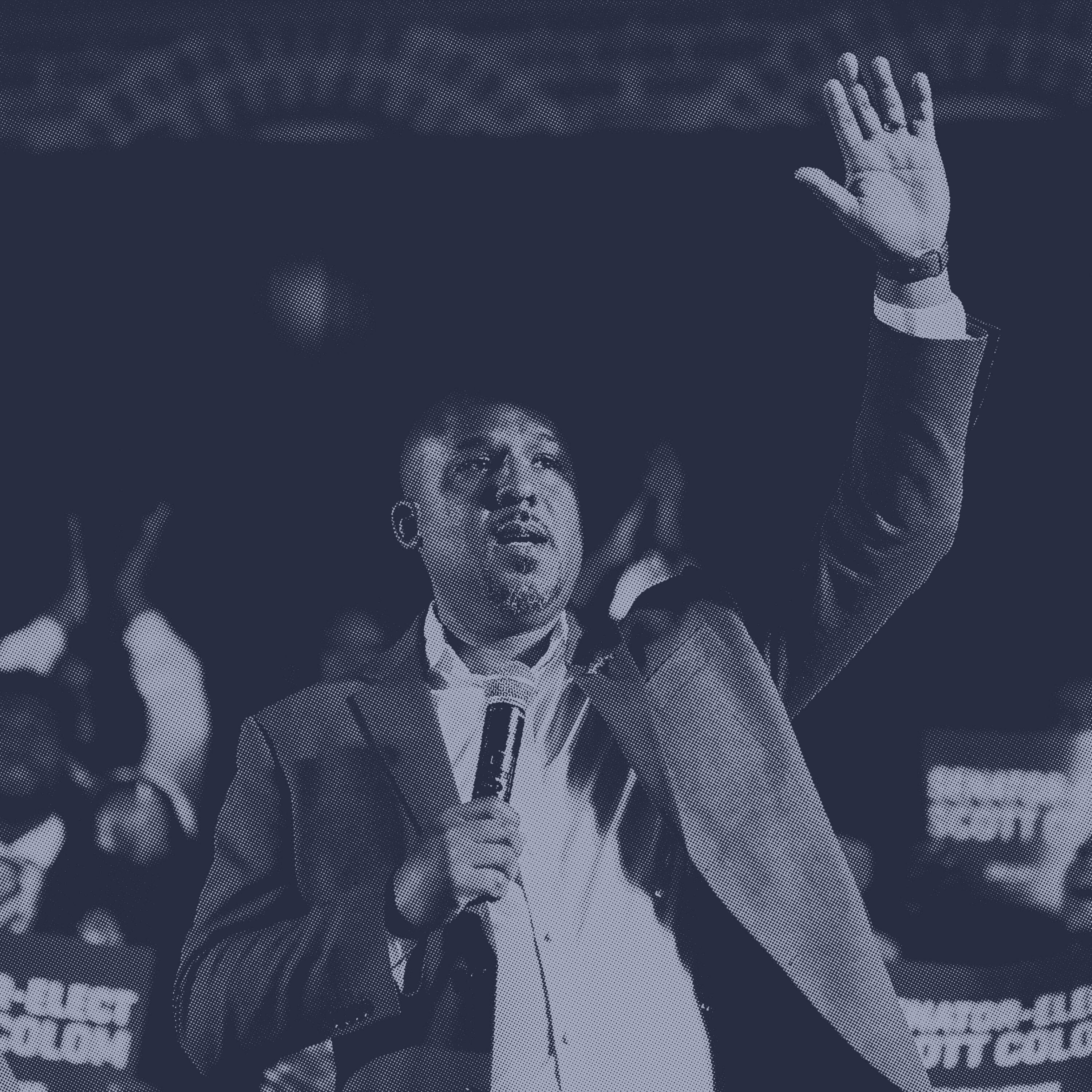
6:42She was Nicolás Maduro's vice president. She fully supported every single measure of his repressive regime over the past decade, including what was basically Maduro's steal of the 2024 presidential election. Her government still holds more than 300 political prisoners. Many opposition politicians and journalists remain in exile. And so there's, you know, now there's a lot of concern, though, that these oil deals, you know, in a way might help cement Rodriguez's grip on power. Trump just always raves about her and talks about how fantastic Delsia is, like almost like she's in the category of statesmen like Nelson Mandela or Winston Churchill.
7:25I mean, the suspicion is that Trump just would much rather deal with a pliable president who's under his thumb rather than a truly independent leader who might take power through free elections and maybe push for stronger terms for Venezuela on oil. All right. We are going to take a break when we come back. The U.S. military is striking alleged drug boats again. Why is that? What does it mean when it comes to the international rule of law? That is ahead on Sources and Methods from NPR.
8:00Stay tuned for the following announcements and messages from our sponsors. This message comes from Prolon. Want to look and feel your best this fall? Prolon's five-day fasting mimicking diet is a clinically developed nutrition program with the goal of promoting fat loss while protecting lean body mass. Developed at USC's Longevity Institute, it aims to assist the body in entering a fasting-like state that helps reset metabolism, target visceral fat, and support healthy metabolic markers. Get 15 % off plus a bonus gift when you subscribe at prolonlife.com slash NPR. This message comes from Sattva.
8:36Have a big day coming up. Remember, tomorrow starts tonight with the restorative sleep you need to perform at your best. The kind every Satva mattress is designed for. So whether it's a new job, a marathon, or an important presentation, Satva helps you be the best version of you. And now save 15 % off purchases of$100 or more at satva.com slash NPR. That's S-double-A-T-V-A dot com slash NPR. This message comes from Viking, committed to exploring the world in comfort. Journey through the heart of Europe on an elegant Viking longship with thoughtful service, destination-focused dining, and cultural enrichment on board and on shore.
9:17And every Viking voyage is all-inclusive with no children and no casinos. Discover more at viking.com. We are back and what's going on in Venezuela is one piece of U.S. national security strategy in Latin America. Another is the campaign against boats in the Eastern Pacific and the Caribbean. The administration says the strikes are killing narco-terrorists. Critics say even if that is true, the killings are unlawful. That campaign had gone quiet for most of the summer, but last week, Greg, we got some news.
9:53Greg Myre: Yeah, last week there were a couple more of these strikes. They've been going on for exactly a year now. They began in early September of 2025. And to mark that one-year anniversary, a couple U.S. officials spoke to reporters on background here in Washington this week, and they gave a very upbeat assessment in their view, saying that this has worked well. In fact, they say the effects have been, quote, spectacular and gave every indication that these will continue. They say the U.S. has seen historic drops in both illegal immigration and the smuggling of illegal drugs, that the countries that are facing these drug problems are more supportive of American policies, whether that is because they enthusiastically like it or because they feel they have to and don't want to get on Trump's bad side.
10:45But is that true, though, the claim that these strikes on these boats has in any way affected drug trafficking?
10:52Greg Myre: Well, according to these U.S. officials, yes, it's costing the cartels more money in terms of what they have to try to do. It's changing their routes. And they say these drops were by half or more, both in the Caribbean and in the Pacific. But I'm going to toss that to John to see down there to fact check this for us because, you know, I haven't heard independent folks talking about such dramatic declines in the amount of drugs coming to the U.S. No, that's a good point. I mean, there's no serious independent drug policy analyst or any hard data showing that there's been any kind of a decrease in actual cocaine supplies getting into the US.
11:35So what I think they're probably referring to is maybe there's probably a lot less of these boats going out on the high seas these days because people are so freaked out about these raids and people don't want to get blown up. I mean, here in Colombia, I've been to fishing villages where the fishermen are just staying really close to shore because they worry about getting blown up. But what very well may be happening, though, is that instead of taking the drugs over the high seas, they'll put them on an airplane or they're putting in a big shipping container. They have a million ways to get drugs up to the U.S., and it's almost impossible to stop them.
12:12And since it's been a while since we talked about this, let's just refresh what the legal concerns are here. It's that there's no legal structure around these strikes. It's that there's no direct armed threat in the moment that the U.S. is basically picking off alleged drug smugglers in the way that the drones targeted alleged terrorists during the peak of the war on terror.
12:33Greg Myre: Yes, the U.S. Coast Guard has been involved for years and years with halting, detaining, arresting, and then handing over for prosecution boats and alleged drug smugglers. So there's been a way to deal with this. Now, obviously, a lot of drugs were coming into the country. And the idea here is that this will reduce the supply by taking out boats with drugs on them and discouraging further trafficking. But as people have noted, even in cases where people are importing illegal drugs, that's not a crime punishable by death. So there are human rights groups. There are governments in the region all raising concerns about this and the number of cases and the lack of evidence.
13:20Greg Myre: You know, even when an attack takes place, the military is saying these were drug boats, but the evidence is not presented in any way. And about more than 200 people have been killed by these strikes so far that we know of. I believe that's correct, yes. So last question on this, those of us with fond memories of middle school U.S. history, so I'll speak for myself. Remember the Monroe Doctrine, the idea that the U.S. would have a say in the affairs of the Western Hemisphere. Trump and his White House have talked about updating that to the Donro Doctrine, the idea that the U.S. will continue in more modern ways to dominate the Western Hemisphere, have a say in its affairs.
14:03At this point, getting on two years into the second term, is he achieving this goal?
14:09Greg Myre: Well, I think we certainly see President Trump being more active in Latin America than any other president in recent years. They've targeted illegal immigration, the ousting of Maduro in Venezuela, the suspected drug boats. We hear a lot of talk about a possible action in Cuba. You could argue that this is sort of the clearest part of Trump's very active foreign policy. Whether you agree with it or not, he's articulated this increased U.S. presence that he wants in the region and is pursuing it quite aggressively. What we can't tell yet is how is this going to play out in the longer term because he doesn't really talk about greater democracy or it's not quite clear if this will improve the economies in this region as well.
15:01Greg Myre: It certainly seems to be more U.S. control and involvement, but we'll have to see how much pushback we find from countries in the region in the years to come. John, how much does this come up in your reporting? What are people saying and thinking about this in Latin America? Well, it's a real mixed bag. I mean, for one thing, there are a lot of Trump type presidents who've won election in Latin America, especially here in South America. Abelardo de la Esprea here in Colombia, Javier Millet down in Argentina, kind of fit the Trump sort of right wing populist mold. And, you know, a lot of people were quite pleased when he ousted Nicolás Maduro in Venezuela.
15:44People all over the region applauded that. However, he's seen as sort of an unstable and unreliable partner to the north. I mean, the U.S. is the biggest trading partner for much of Latin America, and yet Trump's been slapping tariffs on these countries left and right. They do not like that whatsoever. And as we previously mentioned in Venezuela, it's really unclear how much he really does support democracy. We're going to take one more quick break. when we come back just about 25 years after 9-11. The question, is Iran America's next forever war? That is ahead on Sources and Methods.
16:26Stay tuned for the following announcements and messages from our sponsors. This message comes from Prolon. Want to look and feel your best this fall? Prolon's five-day fasting mimicking diet is a clinically developed nutrition program with the goal of promoting fat loss while protecting lean body mass. Developed at USC's Longevity Institute, it aims to assist the body in entering a fasting-like state that helps reset metabolism, target visceral fat, and support healthy metabolic markers. Get 15 % off plus a bonus gift when you subscribe at prolonlife.com slash NPR. This message comes from Rosetta Stone, offering an alternative approach to language learning.
17:05The app guides users to intuitively think in a second language using images and contextual audio, mimicking how people acquire speech as children. The platform also includes advanced speech recognition technology that compares a learner's pronunciation directly with native speakers to refine accent precision. Learn more about their immersion method and the new Rosetta Stone Sapphire app at rosettastone.com. This message comes from REI Co-op. At REI, they don't just sell outdoor gifts. They use them, test them, trust them. REI knows what to give this season. From joyrides, campfire cheers, or peak views, REI knows what to give the people you love who love to get out there because they're out there too.
17:47Just stop in and ask a green vest. For the best gifts out there, shop in-store or at REI.com. We are back. We have been talking about how much the Trump administration has been paying attention to Latin America, and that is true. But it is, of course, an ongoing war in the Middle East that has become the main focus of Trump's national security agenda. This week saw the latest round of tit-for-tat attacks between the U.S., Iran, and their allies. This war has now stretched into its seventh month with no signs of an off-ramp. And importantly, we are now just coming upon weeks away from the fall election when Trump and other members of the administration said this would be in the rearview mirror, The economy would be totally fine by the time voters voted.
18:35Not the case. Greg, why does this war seem to be stuck in a loop?
18:40Greg Myre: Well, Scott, Trump clearly does not want to go for another major military operation, and the peace talks have broken down. So we're sort of stuck in this fuzzy middle ground. But there is a pattern here. The U.S. is trying to help these ships, oil tankers, get out of the Gulf along the Omani coast, the coast opposite Iran. And it does that at night and with limited communications. And it's working in some cases. But Iran does notice this is happening and it has been attacking some ships. And then when that happens, the U.S. goes after these Iranian launching sites, usually near the coast, when drones or missiles or communications towers are involved.
19:25Greg Myre: So this is the sequence of events that we see again and again. We saw it again this week when the Iranians hit two ships and the U.S. is fired back pretty substantially. And then it may calm down and pick up again. So there is this pattern, but it's not resolving anything. Both sides are just showing they're not going to back off. So until we either get back to negotiations or some sort of full-scale shooting war again, it doesn't seem like we're going to go very far. We are, as you say, stuck in this loop. We are heading toward the 25th anniversary next week of the September 11th attacks. Greg, it is hard, especially at this point, to separate 9-11 itself from the two wars that followed, the immediate invasion of Afghanistan shortly after the invasion of Iraq.
20:14You covered both those wars. They lasted for decades in different ways. A lot of people are looking at what's going on with Iran and wondering, is the Iran war headed down that path?
20:26Greg Myre: Yeah, Scott, it may be a bit premature to call it a forever war as we did in those other cases. But you certainly see a lot of similarities here. You know, we think of 9-11, one of those stunning seminal events that just, you know, so hard to get your head around at the time. And yet to me, 25 years later, to me, I'm seeing something almost equally remarkable, that the U.S. is still at war in the very same region, a country right next door to Afghanistan. The U.S. fought for 20 years in Afghanistan. And the day the U.S. left, the Taliban were still in power having returned, that this Iraq war was so difficult and took so long.
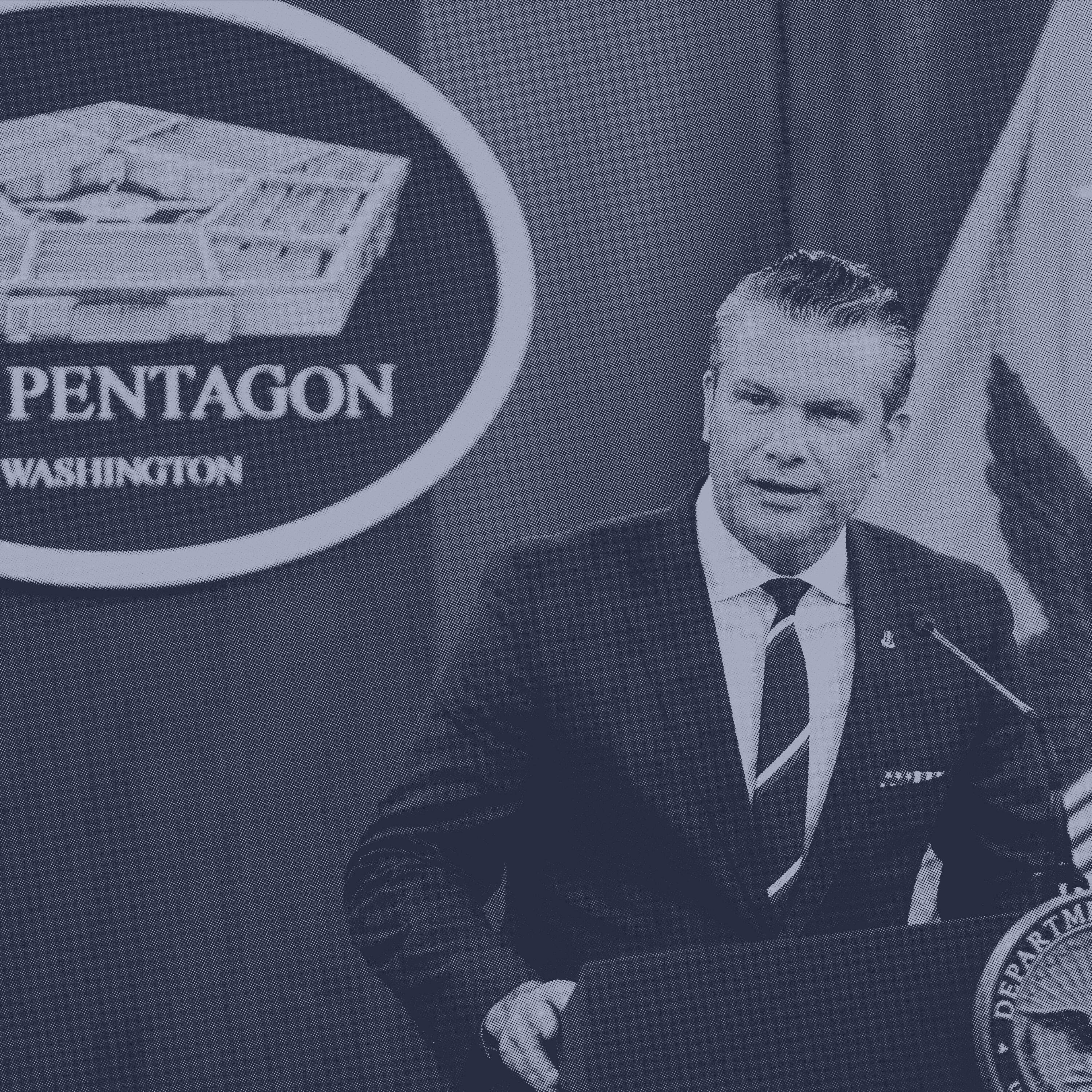
21:07Greg Myre: And then here is the U.S. fighting another unresolved, difficult war, no clear end in sight. How can the U.S. be so dominant on the battlefield as it has in the early days of all three of these wars and be unable to achieve the political outcomes that it wants? And what's interesting here is that a lot of the key decision makers are people like Defense Secretary Pete Hegseth, Vice President J.D. Vance, who served in those wars and were so public with their bitter disdain for them, feeling like these were pointless wars, this kind of driftless foreign policy, harmed Americans, promised not to do that.
21:49And now you have Hegseth talking about the U.S. Navy maintaining an indefinite blockade in the Strait of Hormuz, among other things.
21:57Greg Myre: Yeah. I mean, you know, Pete Hegseth does represent a lot of young officers and young enlisted men who fought in Iraq and Afghanistan and said, we won't let this happen again. We'll never take you down this path where we have an undefined policy, where we just sit in these places without a clear goal. They weren't going to do it, period, let alone get stuck in them. And yet Hegseth has been a full-throated supporter of this operation and has been widely criticized for its incoherence and its lack of clear goals. Is it about Iran's nuclear program? Is it about the oil? Is it about regime change?
22:36Greg Myre: So it just bears so many similarities to these wars that he fought in and said would not happen again. And not to just pin it on Hegseth because there were many others like him who've had the same position. And it's worth pointing out, though, that part of the calculus here might be that I think few things can be more politically damaging for an incumbent administration than ending a war in a disastrous way. Five years ago, I was covering the Biden White House, and I have these vivid memories of I was working on this big documentary about 9-11 itself, and I'd be working in our booth in the basement.
23:10Then I'd come upstairs to cover these events where Biden and his national security team were just flailing and weren't able to articulate what was going on in Afghanistan, why the U.S. had lost so much control to the Taliban, why it was so suddenly dangerous and incompetent looking. And I think it's fair to say Biden's popularity never recovered from that moment.
23:34Greg Myre: Yeah, losing a war is one of the most damaging things that can happen to any leader politically, whether it's in a democracy or an authoritarian government, especially when you've started that war and you've claimed that it would be quick and easy. And the easy, quick solutions to Iran are just gone. We've seen their – If they ever existed. Yes, yes. I mean, again, many would say they were never on the table, and that's why you wouldn't start this war in the first place. But the Iranian regime has, with new faces, remains in power. Iran has figured out it has a new power that it hadn't wielded in the past in terms of shutting down the Strait of Hormuz.
24:16Greg Myre: American allies in the Gulf are up in arms about how they're going to come out of this, how they're going to get their economies back on track and their security. So it's not just between even the U.S. and Iran. It's U.S. allies in the region as well. Good time to note here that all of this will be the broader topic of next week's show, which will be a live stream episode. You can see that on Wednesday, September 9th at 9.30 a.m. Mary Louise Kelly will be hosting some big guests, including former top intelligence officials to mark the 25th anniversary of 9-11 and discuss how that day is still shaping global events.
24:53Again, that is 9.30 a.m. next Wednesday, September 9th. You can find it live on NPR.org or on NPR's YouTube channel. We will round out the show like we always do with OSINT. Greg, why don't you kick us off?
25:06Greg Myre: Sure. I'm going to go in the way back machine, Scott. It's just after 9-11. The U.S. has bombed Kabul. They've driven the Taliban out of the capital city and the Taliban are gone and a new Afghan government is taking shape and foreign forces are coming in. I got there very early from Pakistan and I go to the center of Kabul and in really a kind of a park or an open field, there is this medical facility going up with tents and I look closer. It's the Russians. The Russians of the Soviet Union had fought in Afghanistan throughout the 80s, been widely hated. They left. And then they come back a decade later.
25:49Greg Myre: They were not part of the U.S. coalition that drove out the Taliban, but they supported that effort. Vladimir Putin was the new president of Russia. Reaching out to the U.S. He was very much. He felt that the U.S. and Russia shared a problem. He had been fighting, as he saw it, Islamic extremists in Chechnya. And this was the same sort of thing the U.S. was fighting and the Taliban and al-Qaeda. So he was supportive. Russia, again, was not involved in the fighting, but it was the Russian military setting up this medical center with their tents. And it just takes you back to this. It seemed like this was going to be the new world, that the U.S.
26:28Greg Myre: and Russia could cooperate on things like fighting Islamic extremism. And that world doesn't really exist anymore. What do you think you would have thought if somebody told you in that moment that 20 years later in roughly that same spot, it would be the Taliban swooping in as the U.S. evacuated? Just unfathomable, unfathomable. The U.S. had been so powerful a decade earlier in the first Gulf War. And then this was the second big operation after the end of the Cold War. The U.S. military seemed unstoppable at this point. The notion that the U.S. would be fleeing or choosing to leave Afghanistan and the Taliban would be taking over 20 years later would just – was incomprehensible.
27:09I will go next and go even more on the Wayback Machine than you just did. I had a chance during some downtime in recent weeks to read the most dad history, dad history book of all, a new joint biography of Dwight Eisenhower and Winston Churchill. It's a good book. And I think I was just struck by the chapters on the Suez Canal crisis, where, of course, Eisenhower breaks with Britain, tells them they need to back down on their disastrous military intervention in the Suez Canal. Now, the top line, of course, in the beginning of this Iran war and the Strait of Hormuz have felt similar to me. But just reading the detail in this moment with Iran still in the news, I was just shocked at how similar it feels.
27:50This dominant country feels like it can go in and have a quick military strike to achieve its goals. The other country responds by just freezing global commerce. And in Britain's case, it was never the same in terms of its influence on foreign affairs. And it just left me wondering, how long will this Iran war last? And what, if any way, will it change the way the U.S. is thought of around the world?
28:15Greg Myre: Yeah, these moments often happen and you don't realize the full level of consequences until many years later. Yeah, yeah. John, what about you? Well, I recently read a book comparing Winston Churchill with George Orwell, kind of a dual biography of those two. Big podcast episode for Winston Churchill. Yeah, and it basically just made the point that they were both, you know, through different means. One was quite conservative, and Orwell was a fantastic writer, but he started out as kind of a democratic socialist and then gradually turned into just one of the best critics we've ever had on authoritarian regimes.
28:56And that, you know, in my coverage of Venezuela and other authoritarian regimes today, so much of that rings true. Yeah. There's probably a smoking ban in NPR, but I can pass out Winston Churchill cigars for everybody for the end of this episode. That was John Otis in Bogota, Colombia. He reports on Latin America for NPR, as well as NPR national security correspondent Greg Myrie, who joined me here in D.C. Thanks so much to both of you. Hey, sure. Thanks, Scott. Good to be here. Thanks, Scott.
29:27That was Sources and Methods from NPR. We'll be back in your feed Tuesday with a new episode. Before we go, a reminder, we're doing a virtual event for our NPR Plus supporters where Tamara Keith, Mara Liason, and Miles Parks will break down the midterm races to watch, plus a live Q &A. It's on Thursday, September 17th at 2 p.m. Eastern, 11 a.m. Pacific over Zoom. For our Plus supporters, details are in your podcast feed in the episode that published on August 30th. And if you haven't joined NPR Plus yet, now's the time. Head to plus.npr.org to learn more and thank you. I'm Ashley Lopez. I cover politics.
30:05And thanks for listening to the NPR Politics Podcast.
30:16Stay tuned for the following announcements and messages from our sponsors. This message comes from the Carter Center. Since 1982, the Carter Center has gone where the need is greatest, waging peace, fighting disease, and building hope. Far Away, Up Close, Global Stories from the Carter Center is a new documentary-style podcast about the people who do this difficult, often dangerous work and what drew them to it, told in their own words. Follow Far Away, Up Close, Global Stories from the Carter Center wherever you listen. This message comes from Edison Electric Institute. As a new season starts, America's electric companies are working behind the scenes to deliver reliable energy for the moments that matter most.
30:57America's electric companies, powering the energy of every day.