 Ask ChatGPT


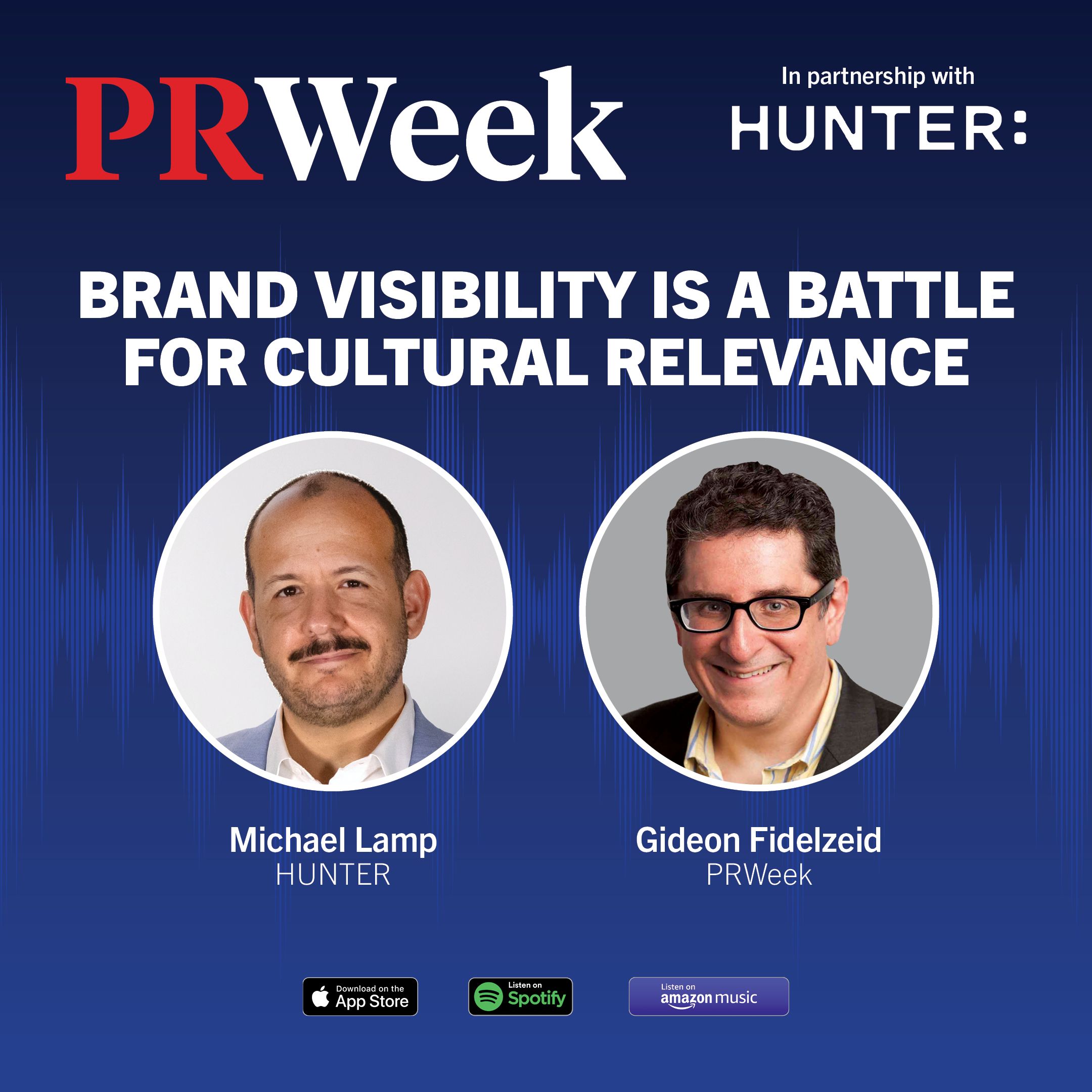
PR Week weekly roundup focused on (1) the evolving role of the CCO and communications’s business value, (2) PR Week Awards 2027 judging criteria, (3) major comms/agency and leadership moves, and (4) AI policy and existential-risk claims.
Jon Harris is PR Week Awards 2027 Chair of Jury and a senior communicator with brand experience including Conagra, Cerely, PepsiCo, and Hillshire.
CCO influence matters more than org-chart seat; trust is fragile and AI can accelerate reputational crises. Communications must prove impact on enterprise value/revenue, not AVE/impressions. AI is an opportunity for higher-value counsel, not a replacement. Boards need more senior communicators, but they’re rare.
Torod Neptune’s op-ed on the CCO; Corn Ferry stat that 47% of CCOs report to CEOs; MasterCard moving from Ketchum to We Communications; Frank Shaw stepping down from Microsoft communications; AI “kill humanity” debate tied to Anthropic/Elon Musk/Sam Altman; PR Week Awards: judges want measurable objectives and tailored videos.
Written by AI. May contain mistakes.
Hosts Steve Barrett and Frank Washkuch introduce themselves and welcome Jon Harris.
“Hello and welcome to the PR Week, PR Week's regular weekly roundup of everything that matters in the worlds of PR and communications.”
Jon Harris discusses the evolving role of the Chief Communications Officer (CCO) in PR.
“That's producer Fitz, who is, he keeps, he's the real sort of engine behind this show.”
Exploring the ongoing debate about the value of communications in 2026.
“You know, we're covering it every day, year after year.”
Jon Harris shares insights on the challenges CCOs face in proving their value.
“in proving its value in the language of the business.”
Discussing the future of the CCO function and the role of AI in communications.
“But, you know, the goal is not to make yourself indispensable as a CCO.”
Explore how AI impacts communication strategies and perceptions among boards.
“You know, AI will automate more communications work.”
Learn about the criteria and expectations for PR awards entries this year.
“As always, sir, let's move on to the, because this is connected, the PR Week Awards.”
Understand what judges look for in award submissions and the importance of creativity.
“I know that so many of you are doing such incredible work.”
Discover the value of attending the PR Week conference for networking and knowledge.
“And we, you know, we convene there every year at, well, at convene.”
Get insights on Valerie Jarrett's background and her role at the upcoming event.
“I can't take any credit for any of the speakers this year.”
Discuss the implications of Frank Shaw's departure from Microsoft and its impact.
“Frank, just to wrap up the details on the other Frank, Frank Shaw, who, well, it was slightly surprising news, wasn't it, let's be honest.”
Discussion on MasterCard changing its global communications partner.
“But yeah, it'll be very interesting to see where they go.”
Analyzing the trend toward independent agencies in communications.
“You can see their executives on LinkedIn this week, you know, being very happy about winning this MasterCard account.”
Exploring the competitive landscape of Pepsi and Coke's media accounts.
“You know, a major change after, you know, after a long Ketchum relationship, it's a great reminder that no agency relationship is permanent.”
Insights into consumer preferences between Pepsi and Coke.
“The sums of money involved in the media are incredible.”
Discussion on Jay Carney's appointment in AI public policy.
“There's a new role for Jay Carney, another very high profile communicator at Amazon and the White House before that.”
Debating the need for regulation in the rapidly evolving AI landscape.
“Because it is well understood that policymakers are not where they need to be on AI.”
Highlighting the upcoming PR Week 40 Under 40 class and its significance.
“You just have to you have to keep everybody abreast as and take them on the journey just as as the journey is unfolding.”
Discussion on the significance of this year's 40 Under 40 class in PR.
“And to McDonald's, to Sealy International, to a number of financial institutions.”
Looking forward to celebrating the achievements of the new class.
“I mean, we talked about the next generation, and some of the individuals in here are that generation.”
Light-hearted conversation about upcoming Oasis concerts and past experiences.
“We've got the new Oasis tour coming up, Steve.”

Get the gist, explore an idea or ask about something said.
 Claude
On The PR Week, what are the key points of this episode?
Searching your listeningAutomatic transcript. May contain errors.
0:00Jon Harris: This week on the show, PR Week Awards 2027 Chair of Jury, Jon Harris joins us to chat about what's ahead for the upcoming awards, what makes a standout nomination, and his take on Torod Neptune's recent op-ed on the evolving role of the CCO. Oh, and in the news, MasterCard flips its account from Ketchum to We Communications. Frank Shaw steps down from his longstanding comms role at Microsoft at the end of the year. And will AI kill off all of humanity within the next decade? Some people think so. Plus, get to know PR Week's 40 Under 40 Class of 2026. All this and much more coming up.
0:55Jon Harris: Hello and welcome to the PR Week, PR Week's regular weekly roundup of everything that matters in the worlds of PR and communications. My name's Steve Barrett. I'm the Editorial Director of PR Week and I guide you gently through another show with my colleague, Frank Washkuch, Executive Editor of PR Week. Frank, how are you doing? Doing well, Steve. Glad to be here. It's never boring. I mean, I've only been back like three weeks, but it's not boring. You seem busy already, right? It's not boring, this industry, is it? There's plenty going on, including us having to completely scrap our cover. But that's a whole story for behind the scenes.
1:36Jon Harris: Oh, you missed it. Oh, yeah. Remaking a cover on a Friday afternoon because it's always on a Friday, isn't it? But, hey, that's what gets us out of bed in the morning. And so we'll be chatting to Frank about some of the big topics of the week. We have got an amazing guest listeners for you this week. We've got John Harris, who's the chair of jury for the PR Week Awards 2027 and a well-regarded communicator at brands, including Canagra, Cerely, PepsiCo, was it back in the day, John? Yeah, PepsiCo, PepsiCo, Hillshire. Yeah, there's a lot of brands. Yeah, well, PepsiCo's in the news. We can chat about that a bit later.
2:18Jon Harris: But anyway, welcome, John. It's great to have you on the show.
2:21Torod Neptune: Great to be here. And Steve, it's so great to have you back. And Frank, thanks so much for having me. And hello, Fitz. Thanks for having me, brother.
2:28Jon Harris: That's producer Fitz, who is, he keeps, he's the real sort of engine behind this show. Yes. And we brought him some protein Fitzels to keep him energized during the show. a great brand and on brand so yes there we go john i wanted to start off because this seems to be a big topic uh in the industry talking about the role of the cco and torad neptune the former cco at verizon and various other high profile brands wrote it for us last week and it's resonated it's got a lot of attention because it's really interesting piece if you haven't seen it So listeners, check it out at PRweek.com. But essentially talking about how, what is the status of the CCO and by extension PR in this modern world?
3:19Jon Harris: Because there was a piece in the summer in the Wall Street Journal, you know, when the mainstream media picks up on PR, everyone pays attention. You know, we're covering it every day, year after year. and all of a sudden the journal weighed in with a slightly snarky headline, publicists have their day in their sun or something like that, calling PR people publicists. But what they were saying was that boards and CEOs were finally seeing the value of the CCO function or whatever that job title is called. We're calling it CCO. I know there are lots of different titles under that. But is that true?
3:58Jon Harris: Is that the reality? And you've got a great perspective on this, most recently at Conagra, but across a range of other brands. I mean, I hate to say that seat at the table cliche, but have we still, have we got that? And is the function respected as it should be?
4:16Torod Neptune: Well, it's interesting you say that. And it is so interesting that in 2026, we're still debating the value of communications. You know, for us, you know, in Tarod's article, he did say that 47 percent, I think it was a Corn Ferry study, 47 percent of CCOs report to the CEOs. But we are seeing CCOs leaving organizations at a pretty strong rate right now. And I think a lot of it has to do with the fact that trust is fragile. Employees have a megaphone. CEOs are public figures now, and AI is transforming information. A business decision can become a reputational crisis overnight or actually within nanoseconds.
5:03Torod Neptune: And on one hand, communications ever mattered more. On the other hand, there's a big challenge in proving its value in the language of the business. The seat doesn't matter if you don't have influence, Steve. You know, reporting to the CEO matters, but the org chart isn't the real test. It's does the CEO call you before he or she makes the decision or after it? If it's after, well, then you kind of know where communication stands within an organization. And, you know, great CCOs are not just simply communicators. They're business leaders and counselors who happen to have deep communications experience.
5:41Torod Neptune: And that's how we have to be seen going forward.
5:44Jon Harris: Yeah, that's a good point. And in a lot of these cases, you know, we're seeing senior comms leaders, you know, either retire or leave the professional, go and do something a bit different or frankly, get let go. We had Kelly McGinnis on from Levi's the other week, you know, she decided to go. And well, I mean, let's be honest, these are tough jobs, right? And some people are like, I need a break. You know, this is full on. It's 24-7. and it's a tough gig. But your point is well made because we had kind of made that assumption that yes, now the function is respected. But when you're looking at the people who are replacing these great names, you know, senior names, they're often not reporting into the CEO.
6:37Jon Harris: Look at Pfizer, look at the situation there. Sally Sussman left and then the successor there does not report into the CEO. and that pattern is kind of repeated across the board. That's what makes me slightly worried, that the function isn't quite where it needs to be. Now, there is another study coming out soon from the Page Society, which is the trade body for in-house PR pros called the Page Navigator Survey. So we'll look forward to seeing that. But what's your take on it? And, you know, is there a new generation? It does feel a little bit like a changing of the guard. And that happens, right?
7:21Jon Harris: That's generational. The latest one we saw was Frank Shaw on Friday, who announced that he was going to leave Microsoft at the end of the year. And he was, you know, he was number one on our power list, right? So he's an incredibly well-regarded communicator. Have we got the next generation in place to step up?
7:42Torod Neptune: Well, that's a great question, Steve. And first off, I would say it is concerning. And I've been seeing this for years. And that's why I appreciated Terod's article opinion piece so much. I have been seeing this. And it has been. It's happening a little too much for it not to be considered a trend. You know, we talk about impressions and engagement and earned media and share a voice in our profession. But the CEO and board talk about growth, customers, employees, investors, risk and enterprise value. And if we want to be treated like business leaders, we have to speak the language of the business, which means we have to make sure that our teams are also speaking the business and understand what goes into the business.
8:31Torod Neptune: And they understand how to read a P &L and they understand a balance sheet and they understand the customer landscape. That's how we're going to be seen and judged by our by our leaders. And it's for me, it's not so much. Does the CEO have a seat at the table? It really is. How is the function being seen if it's indispensable? Well, then that's a great thing. But, you know, the goal is not to make yourself indispensable as a CCO. The goal is to make your function indispensable. And by losing that seat at the table in many cases, I do worry about losing influence and then possibly losing budget and then possibly losing your ability to get great results.
9:15Torod Neptune: And it is it's something that I am seeing. I think this next generation, we need to continue to invest in this next generation in a very big way to make sure they speak the language that our leaders, our CEOs, our senior teams and our boards of directors expect and want. That's how we're going to continue to to prove ourselves worthy and hopefully position ourselves as indispensable.
9:42Jon Harris: Yeah, no, I totally agree. And I mean, we're going to talk about AI later and we'll talk about the awards as well, because we see when we get the entries for the awards, we're still relying on sort of advertising value equivalency, which is meaningless. But your point is also well made on the employee engagement crisis investor relations. Those are things that are, you know, specialists, really high level topics. And, you know, you can't just throw them to an AI robot or to a marketing agency or an ad agency. You know, those are things in the PR profession that will always be unique and top level skills, which I guess is why agencies, you know, in those spaces are still growing really strongly.
10:30Jon Harris: So, yeah. What would you say then to the industry, to the CCO community, you know, to round this topic off about what we need to do moving forward?
10:44Torod Neptune: Well, the important question is, is what happens to the function after a person leaves here, Steve? And that's, you know, is the function still seen as a strong function? Are we seen as indispensable or are we seen as a service? We've already, you know, one of the things that Terad didn't bring up, and that's another thing that I've been talking about for a long time, is the lack of communicators on public boards. senior communicators. You know, you would think with our boards of directors, and I've heard, I've spoken with other chairmen recently who are saying it's opening up and don't be so sure, but I have to say the proof's in the pudding here.
11:25Torod Neptune: And we all know there are a few CCOs and senior communicators who sit on public boards, but it really is few and far between. And we need to continue to make sure for us so that we do not become seen as just a service function. And Terod goes into that, and I encourage everyone to read his piece. I think it's fantastic, and I think he sums things up quite well. But, you know, we don't need protection here, Steve. We need relevance. I'm not convinced communicators need a regulation or license protecting its seat, I think it needs something stronger, which is demonstrable to demonstrate business value.
12:09Torod Neptune: If the CEO and board understand how communications protects and creates enterprise value, which we do, the capability becomes difficult to marginalize. And so I think we've got to continue to really focus on results, but not results earned media, not results share a voice. I have yet to see in the last, well, I'll say probably decade and a half, a CEO or a board of directors that really cares about share a voice or how many impressions you're getting. It just doesn't resonate. And in this world right now, you know, we see it's the way many companies are seeing it right now. It's between reputation and revenue and revenue wins every single time, and it will continue in this business environment right now.
13:01Torod Neptune: And so, you know, in my estimation, and it's not every CEO, but there's enough of them that reputation they only care about when it's a falling knife, when it's a Bud Light-like crisis, or it's a Wells Fargo-type crisis. That's when companies really do tend to care about reputation, when it's a falling knife. Revenue they always care about. And I do think, and it's, look, we've been doing this now for 135 years in our industry. We still have to come up with better measurement because anecdotal information for many CEOs. And again, I'm not saying all many of them get it and need less convincing, but for many CEOs, that's just not going to be enough.
13:46Torod Neptune: They want to see how we're impacting the bottom line. And we know that reputation does impact the bottom line. So, you know, that is all part of making our function indispensable. And AI is going to raise the bar, as you just said before. You know, AI will automate more communications work. It's not the threat. It's just the opportunity to move higher up the value chain with judgment and counsel and relationships and reputation and culture and strategy. You know, AI, as we all know, well, it can generate a press release. It can't sit across a CEO or a board of directors and say, this may make financial sense, but it's the wrong thing to do.
14:26Torod Neptune: And my recommendation is we don't do this.
14:30Jon Harris: Yeah, I mean, it's going to kill us all within 10 years, according to somebody that we're going to discuss later. But you're right. Chris James, who retired from Carnival Cruise Lines, made that point that boards kind of expect AI to, they're thinking like, can't AI do my comms for me? And there's that sort of element as well that's impacting their view of the comms function. So yes, we've got to battle against that perception. You're right on the board membership. I think Sally Seussman was on the board of WPP, which was somewhat controversial, given it was a marketing services firm, but she was on the board.
15:06Jon Harris: But you're right, there are very few who are. So, yeah, good points. As always, sir, let's move on to the, because this is connected, the PR Week Awards. We see this in the entries, don't we? We do. Often the evidence is very much like AVE, advertising value equivalency. It's like we got this many impressions, social media impressions. You're like, well, that's meaningless. You know, that's not moving the needle. So as the chair of jury for the 2027 awards, the Oscars of PR, I think that's my first one, Frank, since I got back. What are you looking for? And what's your advice to people who are entering, whether they're on the client side or the agency side or the vendor side?
15:51Torod Neptune: Absolutely. Well, first off, thank you, Steve. I am so excited to be the jury chair this year. I want to see creativity. I want to see real objectives that can be measurable. I'd like to see results. To your point, advertising equivalent value is wonderful, but it's not impacting the bottom line. I'd like to see the results. I'd like to see if it's an employee work and it's internal. I want to see how it's impacted the culture and the surveys and your employee engagement survey. And has the work that you're doing really directly impacted those results and your culture? A business perspective, I'd love to see how communications leads to business results.
16:35Torod Neptune: I think that is critical because as we know, that's the language, as we've said already today, that our judges, if you will, really care most about. That's what our bosses really want to see here. They want to see how are we impacting the bottom line? How are we affecting the business positively? And I'd love to see the entries this year reflect that. Of course, I'd love them to be well-written. I do understand. When I was a kid at Ketchum many, many moons ago, and I would work till 3 in the morning doing the Ketchum Kudos, which was the precursor years ago to the PRSA Silver Anvils, I would be in the office till about three in the morning.
17:22Torod Neptune: I would go home and then come back at around 6 a.m. to do all the client work. And then in the nighttime, I would be writing these entries. And so I certainly empathize with so many of you who write them. I do think AI might make it easy, but don't rely on AI. We will know if you are having AI write your entry. So be careful about that, folks. But we really want to see as many of you enter. I know that so many of you are doing such incredible work. So why not let the rest of the world know about it? And PR Week Awards is the best way to do that. The Oscars, if you will. Thank you, sir.
18:04Jon Harris: You're on brand. You're on brand. Thank you, brother. Just bringing Frank in on a couple of things that you mentioned there. But in Cannes, the PR Grand Prix was the Kit Kat work, wasn't it? And I think it was Specsavers that came and got a gold. Got a gold, yeah. They didn't win the Grand Prix. But the Specsavers demonstrated business results. Correct. Well, that was the second year of a campaign. So maybe that...
18:30Torod Neptune: And I can tell you, on the ground, people were expecting the Specsavers campaign to do well. There was an expectation that it would do well based on the prior success it had.
18:40Jon Harris: Because the Kit Kat one seems very much about impressions and, you know, like awareness.
18:46Torod Neptune: And a bit of headline jacking, right?
18:48Jon Harris: Like a bit of... It's a clever stunt, right? It is. But did it increase sales? There wasn't any evidence in the entry. And it didn't get the stolen Kit Kats back. No. Yeah. So that was one point. But you've judged the awards many times, you know. Yeah. Oh, no. I don't want to... Well, I will say it. What's the thing that annoys you most when you see entries? Because sometimes you see entries and you think, this should be a winner. But actually, the entry is not good enough.
19:20Torod Neptune: I'll tell you one thing that the judges always get frustrated by when you're moderating a table full of judges, who are all great. But if an entry doesn't have a video with it, I mean, it's basically a non-starter. It can be a great campaign, but if they don't actually put the work in and create a video, it's not moving anywhere.
19:38Jon Harris: Yeah, totally agree. and I think the creative agencies have always been better at that, which is why historically they've done better at Cannes. I think the PR firms have caught up a bit on that, but especially in the agency sector, you know, categories, because often they might just put a creds video in or something like that. You've got to put a tailored video in if you're going to state your case. Yeah, totally. Yeah, definitely. Just to wrap with you, John, it's our PR Week conference in October, in Chicago, your hometown. And we, you know, we convene there every year at, well, at convene.
20:16And yeah, it seems like a really important time to get together, right?
20:23Jon Harris: And discuss some of the things we've been chatting about. And those themes are reflected on the agenda. Yeah. So tell us a bit about that.
20:31Torod Neptune: Well, very much so. I think now is a critical time for our profession. And I think what you have all put together this year as an agenda is a must-see and must-attend. I think the PR decoded brings so much value to all communicators. And it really doesn't matter on the level. I find, you know, last year, Kevin Warren was incredible. Stacey Tank was incredible last year. And I always come away with, well, it's great for networking. But I also come away with some great, great information that I could share with others. I think the topics that we've chosen this year are mission critical for what communicators need to know nowadays.
21:17Torod Neptune: You know, it's not so much it's nice to know. I think what the PR summit that we put on here in Chicago every year, I think it's we must know this information. And it's great to be surrounded by like-minded communicators, but a diverse group who also has differing opinions to really bring that all home. And again, we are at a big point in our future here going forward for our industry. If, you know, everything that we talked about earlier in this podcast, if we want all that to become to become true and make the function as indispensable as possible, we're going to have to think and do things differently than we've done the last the last three decades.
22:00Torod Neptune: I think three decades ago, we were seen as a service function that provided messaging. We were the messengers, if you will. We're very, very different nowadays. And I think that's what I get by seeing the level of leaders that you bring in every year, Steve and Frank. I think that it's great to hear from them. I remember last year, there was a terrific panel that you hosted, Steve, between Richard Edelman and Chris Foster. And I think what was discussed in that panel, in that interview, was something that I think every communicator should have experienced and listened to. But the only way you could really experience and listen to it is if you go to the event.
22:38Torod Neptune: So I do encourage everyone, again, anywhere. You know, Chicago is centrally located in the United States. So if you can make it out here. Yeah, and we love you. And I'll tell you. But I do urge all communicators who really do want to know what's up, where we are, and where we're going, and possibly even have a chance to influence that and be part of the discussion, I encourage you to attend this great event.
23:07Jon Harris: Yeah, agreed, obviously. I can't take any credit for any of the speakers this year. Frank, we've got Valerie Jarrett as a keynote. Yeah, super excited. Yeah. Just explain who Valerie is.
23:19Torod Neptune: Yeah. Valerie Jarrett is the CEO of the Obama Center, which opened earlier this year. And she was the longest serving senior advisor and aide to former President Obama when he was in the White House. She was there all eight years. Extraordinarily influential person and not just in the world of politics. She had a five-star career in business before she was in public service. She served on the boards of a lot of companies, a lot of nonprofits. Her experience, it goes from politics, finance. She's written a book, and now her latest chapter is running the library and the Obama Foundation, which is one of the biggest nonprofits in Chicago as well.
24:04Torod Neptune: So just terrific resume, any way you look at it.
24:09Jon Harris: Yeah, looking forward to that. And Valerie's going to kick off the show. So, yeah. Thank you, John. We will get your input on the news stories of the week. Healthcare marketing is changing fast.
24:19Torod Neptune: So why are we still doing conferences the same old way? Enter M &M Transform, a declaration against the status quo. On March 30th, M &M Transform takes over Philadelphia's National Constitution Center for a bigger, bolder healthcare marketing festival packed with bold ideas, interactive experiences, live demos, and candid conversations. And here's the best part. In-house pharma marketers can attend for free. MMM Transform, March 30th in Philly.
24:45Jon Harris: Register now at mmmtransform.com. Frank, just to wrap up the details on the other Frank, Frank Shaw, who, well, it was slightly surprising news, wasn't it, let's be honest. A bit, yeah. But he has been there a long time.
25:03Torod Neptune: Yeah, he's been there 17 years. So it is a bit surprising. Yeah, at Microsoft. And he's most recently the chief communications officer there. He's going to serve in the role until the end of the year. There is no successor named at this point, I think. And I've spoken about him in this role and the feature that we have on him recently. I think he's an incredibly influential person. and that isn't even touching AI yet. He was one of the most highly respected tech PR executives in the whole industry. More recently has been one of the most influential people in the industry on how people should use AI, what it's useful for, even down to what prompts you should use.
25:49Torod Neptune: Really well-respected individual and we will see where he goes next. Yeah, although I think he might have a bit of a rest.
25:57Jon Harris: you couldn't blame him he's earned it he definitely has John and when Kelly McGinnis was on the pod she told some great stories about Frank I don't know if he enjoyed hearing them but one was about his daughter and having to sign a non-disclosure agreement about hearing stuff around the house
26:21Torod Neptune: my favorite story about Frank I have two really good ones so my favorite is that that when his daughter was young, she's now graduated from college, but when she was young, like eight, he would make her sign an NDA because he was of the perspective that she was hearing things around the house and we're going to have discipline around here. Isn't that hilarious? We love a good bit at home. We do. This is, as we would say, this is true commitment to the bit. It is.
26:50Jon Harris: And we're just wondering whether that agreement lasts after Frank leaves. You know.
26:57Torod Neptune: It's in perpetuity, I have a feeling, gentlemen. Yeah, at least until college or so.
27:01Jon Harris: But he's so respected and such a mentor for a lot of people. I guess the big question is, John, who's going to be the next head of comms at Microsoft? That's a nice big job for someone and really speaks to what we were chatting about earlier. Who are the next generation of communicators?
27:18Torod Neptune: Well, I'll tell you, Steve, and I know they're going to be doing a search, but the succession decision will be very telling. What happens to the seat after a highly influential, long-tenured CCO leaves? You know, because Frank, and Frank just said this before, didn't just communicate Microsoft's transformation. He had a front row seat in helping the company navigate it, which is why he is so well-respected and so well-regarded in our industry. My hope is that his role is filled by someone who, new talent, of course, or talent within the organization. but someone who could rise to the occasion.
27:56Torod Neptune: I mean, he's a tough act to follow. And I don't necessarily think you have to follow him. I just think you need to be an exceptional communications partner and leader to do this job. But yeah, it'll be very interesting to see where they go. And if communication still has the position that it does within the organization, because I do believe that Microsoft is one of those companies that sees the function indispensable, as indispensable.
28:20Jon Harris: Really good point. And we will plot that and bring you the news when we have it. A big story we broke this week, Frank, was MasterCard changing its agency. Quite an interesting one for the holding company versus independence. No doubt.
28:40Torod Neptune: No doubt. MasterCard has picked We Communications as its global communications partner that replaces Ketchum after a 14 year relationship. Definitely one of the longer lasting ones out there. So I think a lot of people are reading between the lines on this and seeing just like the Wendy's account a month or two ago, an independent firm coming out on top of the pitch process here with an account that has long been held by a holding company firm. So it's a big win for we. You can see their executives on LinkedIn this week, you know, being very happy about winning this MasterCard account. and it's you know it's going to be interesting to see where some of these other big accounts go over
29:26Jon Harris: the next couple of months that are up for grabs it really is and you know I think we weren't really surprised when Wendy's went elsewhere were we when it became Goal in Ketchum given Goal in's very close association with McDonald's that was untenable although I'm not sure everybody would have picked Ruder Finn because again That's another independent agency, right? Are we seeing a bit of a trend here towards independence? Okay, Starbucks. You want to say mostly, right? Well, Starbucks went to OPR from Edelman. But, you know, I think Edelman is winning some business from the holding company firms, which we'll be able to tell you about soon.
30:05Jon Harris: But is it too early to call that a trend? Slightly too early, but check back.
30:12Torod Neptune: Yeah. What do you think, John? Yeah, it's a great question, Steve. Is it a trend? Well, I'll tell you, as communications, as we continue and as companies are under fire to do better and do more and generate better earnings and such, I think CCOs are being charged with looking for the best partner. You know, a major change after, you know, after a long Ketchum relationship, it's a great reminder that no agency relationship is permanent. Like I said before, we have to truly earn our seat, not so much at the table, but in the world of being indispensable. As we're being charged with that and we have to do that, you know, I think that the agency business is, you know, by being partners of us, we're going to be asking for more.
31:03Torod Neptune: You know, longevity doesn't buy permanence. You just have to keep earning the business. And the remit increasingly spans technology, AI, commerce, cybersecurity and data. And it's much bigger than I believe Ketchum had, which was more for corporate affairs and traditional PR, a lot of what they were doing. So is it a trend yet? I don't know. But I do know that as we're being called to do more in our positions, we're going to be we're going to continue to ask our partners to do more as well. And if the partner that you currently have isn't doing the job, well, then you do have to go elsewhere. And in the case of Ruder Finn, my guess is they made the best business case to Wendy's.
31:44Torod Neptune: And that is that's why they earned the business. Yeah.
31:49Jon Harris: And it's also down to relationships. I think former Ketchum CEO Mike Doyle was quite close to that account. And obviously, he's not around there anymore. And I don't know, Frank, whether we, I don't know this for sure, but did Golan used to work on Visa? Do you think that played a part or was this more? It's tough to say, right?
32:13Torod Neptune: Because some clients are extremely aggressive about what they consider conflicts. Yeah. So it could be, it's possible.
32:21Jon Harris: Yeah, it's the nature of the sort of roll up of, you know, you get the advantages, the OPR will, you know, no doubt tout and which helped them win Starbucks. But there are, you know, they do have to deal with the conflict situation, too. So this isn't really related to PR. But John, I'd love your view on the whole Pepsi Coke situation, because with the media accounts, because you've got this crazy situation where publicist is kind of handling Pepsi's now. global media, but they were the incumbent on the North American media. So for a short space of time, I assume they're doing both of them, which just can't happen.
33:04Jon Harris: But in terms of who's going to replace them, WPP has already ducked out, so they're not going to pitch for it because they were kicked out 18 months ago. So it really comes down to Omnicom versus Dentsu. And Omnicom has historically had quite a close relationship with Pepsi, I believe.
33:28Torod Neptune: Big time. When I was there from 95 to 2000, when I was at Pepsi, yeah, Omnicom, BBDO was their, well, Pepsi's longtime partner for, before I even got there. I think it was something along the lines of maybe since the 1960s, the early 60s, with the start of the Pepsi generation. I know that Alan Potash, may he rest in peace, but the father of Pepsi advertising, who created with BBDO, and Bill Duesenberry back in the day, created the campaigns that really made a difference. and they were able to hold on to it for so long. But again, it gets back to what we just said before. You know, longevity is not a reason for a company to keep an agency and a partner on.
34:21Torod Neptune: These are different times that we're facing, Pepsi in particular, because Pepsi, unfortunately, has fallen to fourth. If you're looking at just beverages now, I believe the way that it goes is it's Coke, it's Dr. Pepper, it's Sprite, and then it's Pepsi. And I have to say, I never thought that I would live to see that happen, having been a cola warrior and a Pepsi fan my entire life. But it will be very interesting to see. But again, you know, it's a new Omnicom now, too, if you're looking from a PR perspective. It's a new company. And, you know, again.
34:59Jon Harris: We should say that we have no indication that the PR accounts are going to change. Correct. Correct. And they're much smaller than the media. The sums of money involved in the media are incredible. But it is a signal. And the other thing is that Publis has won Pepsi without a pitch. Is that going to be a trend in the future? Again, less likely in PR because of what you were talking about earlier with heavy duty crisis, employee engagement, IR, et cetera, et cetera. But, you know, all interesting context. And just one final fact on that. Everyone assumes that you either drink Pepsi or you drink Coke.
35:41Jon Harris: I don't think consumers act like that. Sometimes they might drink both. You know, they might, depending. Or neither. Or neither. A lot of people just don't drink. Well, there is that. Yeah.
35:54Torod Neptune: When I was there, I'll tell you this again, we're talking the mid 90s. It was 25. This is how people characterize it. Twenty five percent of people drink Pepsi. Twenty five percent of people drink Coke and 50 percent buy what's on sale between the two. And that drove decisions even back then. And we know nowadays it's, you know, the costs, thanks to inflation, are influencing even more purchasing decisions, more now than ever before.
36:25Jon Harris: Yeah. All right. So let's get into AI, Frank. There's a new role for Jay Carney, another very high profile communicator at Amazon and the White House before that. But he's gone into an interesting sounding AI role.
36:41Torod Neptune: Yeah, this is really interesting. I just wanted to say the whole soda thing reminded me of that Cristiano Ronaldo press conference. Oh, yeah. The drink water press conference and what a hit that put on soda stocks. He removed the soda, didn't he?
36:57Jon Harris: Yeah, wild stuff.
36:58Torod Neptune: Yeah, so this is a really timely appointment for Jay Carney with AI being in the news so much. But he is going to lead the National AI Public Policy Initiative at SV Angel, which is a venture capital firm that's founded by Ron Conway, who is a big time Democratic Party fundraiser. And big Silicon Valley investor. Yes. And so Carney is going to be the point person on public policy and AI working with their clients and things like that. Really interesting role, right? Because it is well understood that policymakers are not where they need to be on AI. And a lot of them, and you can tell just by the statements they're putting out recently, don't understand the technology.
37:45Torod Neptune: and over the past few weeks a lot of them are moving in the direction of we have to do something but they don't seem to have any idea what that is. So this is going to be a really interesting role because as that changes and as they get up to speed those clients are going to want to know what's what and Jay is in an interesting spot to be able to do that, isn't he?
38:05Jon Harris: Yeah, he is and the president doesn't seem too bothered about regulation, does he?
38:12Torod Neptune: No, he said there's a switch and you'll just be able to turn the robots off. Yeah. Whatever statement he made last week.
38:20Jon Harris: And then that leads into the story about is AI going to kill all humans within a decade, which kind of revolved around Anthropoc. So what's the deets behind that one?
38:31Torod Neptune: This is one of the more interesting stories that I've seen out there in the business world in a long time, where you essentially have the major players in an industry begging the government to take some sort of regulatory role with them, as long as it is fair among all the top players. And then you have and it's it's especially extraordinary, not just that the CEO of Anthropic is out there because he has always had an eye on safety, I think, more than his rivals. But that Elon Musk has has basically started agreeing with him tends to tell people that this is a very this is a very serious thing.
39:12Torod Neptune: Yeah, because, you know, Elon previously had been much more focused on getting ahead of China and staying ahead of China on AI and the development of AI. And he seems to have changed his tone on this. Sam Altman of OpenAI is also pretty much in the same place that Anthropic is right now. It's really fascinating. And I think clearly something has happened over the past few months, whether it's these these reports on bioweapons and or things of that nature or something else that has really shaken up this group of people. Serious stuff, John. It's serious stuff. Yeah. Very serious. You know, and and, you know, we know that companies now need to be more transparent, have the evidence, have the governance and credible independent voices now more than ever.
40:05Torod Neptune: You know, this is not the kind of thing when when you're when you're the people who are creating advanced AI publicly warn about existential risk. Communications can just has to be on point. There is no spinning that story, folks. There was no spinning. You just have to you have to keep everybody abreast as and take them on the journey just as as the journey is unfolding. Let me add something about this to the CEO of Anthropic, Dario Modi. He was all over the cable news this past weekend. He he is he is not afraid to do interviews for himself. He has a kind of unique way of speaking that I think kind of works for him and comes across as authentic and tech bro in some ways.
40:50Torod Neptune: but he is obviously very open to going out there and doing cable interviews across the political spectrum.
40:59Jon Harris: Good. I mean, that's good to see. But not everybody is. No, and actually some of them you don't want out there. But yeah, no, obviously we will continue to watch this. We've got AI Deciphered coming up in November. It's going to be incredible. So much has changed since last year, hasn't it, Frank? All right, just to finish off the PR Week 40 Under 40 class, we released more details about the individuals and we'll be celebrating them in October, I believe.
41:28Torod Neptune: Yeah, this is, I want to emphasize, this is a really, really difficult list to get on. When you take a look at the list and the broad range of applicants who try to get on it, these are really top-notch folks that made the list And there are a lot of really, really good folks who were in the final stages who didn't make the list. So congrats to all of them. One thing I like about this year's list is it's a very broad range of companies that are organizations, I should say, that are represented here. Everybody from the San Francisco 49ers, tough opener. But, hey, we didn't judge them on that. And to McDonald's, to Sealy International, to a number of financial institutions.
42:10Torod Neptune: and a really, and I think this list also reflects, you see a lot more specialist PR firms on here than you used to. GCI Health, obviously very health focused, notified as Comstech, Trailrunner International is on there. I think it's a unique group of individuals, all really well qualified and reflects where the industry is at right now.
42:33Jon Harris: Yeah, definitely. John, I know you're a Hall of Famer. Were you a 40 under 40 as well?
42:38Torod Neptune: I was, you know, I don't know if it existed when I was in my 30s. I think you're right. I think you're right.
42:47Jon Harris: Yeah. I actually think I brought it in. I hate to take credit for it. Yeah. You did. And everyone was saying, oh, you should do 40 over 40, which our colleagues on campaign do. Maybe we should. But yeah.
43:01Torod Neptune: Well, you kind of do. I mean, you know. Well, the Hall of Fame is kind of. Yeah, the Hall of Fame. Yeah. Yeah. Sure.
43:07Jon Harris: Well, you don't have to be over 40 to be on the power list, but yeah. No, you don't. Okay.
43:12Torod Neptune: Well, yeah, it's a great - But a 40 under 40, I might add, presents a unique recruiting tool if you're looking for talent out there. Absolutely. It's terrific. This year's group, this year's class, Frank and Steve, I think are just extraordinary. And it's clear, and I was looking at the write-ups. These folks are not building a career about becoming a great communicator. They're becoming a great leader who happens to be exceptional at communications, like we said. And at a time right now where the profession is being redefined in real time, who leads it, where it sits, how agencies create value, how AI changes trust, and what the next generation needs to succeed.
43:55Torod Neptune: I'm very confident in the future of our industry just looking at this year's class of 40 under 40. It's very encouraging.
44:02Jon Harris: Yeah. I mean, we talked about the next generation, and some of the individuals in here are that generation. So, yeah, look forward to celebrating them in October. John, it's always a pleasure. Thank you, sir. And we will see you soon. And enjoy what you're doing and getting out to see some gigs, I think.
44:23Torod Neptune: We've got the new Oasis tour coming up, Steve. I plan to go to Manchester. I'm going to try to get you to come with me.
44:29Jon Harris: I know, but it's at Manchester City's ground. So we discussed that. But anyway.
44:35Torod Neptune: Do you have a bucket hat at least?
44:36Jon Harris: Well, you know I'd like a bucket hat. Yeah. I mean, I'm all over that. But yeah. Yeah, they were pretty amazing, apparently. You saw them last year. Oh, they were.
44:47Torod Neptune: I saw them at Wembley last year and in Chicago last year, and they were extraordinary. I encourage, in addition to encouraging everyone to apply for the PR Week awards, I also encourage everyone to go out and see Oasis this tour. It will be well worth your while. I did. I saw them at the Meadowlands. Oh, weren't they great?
45:10Jon Harris: I was in that VIP section dancing along with Bob Odenkirk.
45:14Torod Neptune: I've got connections.
45:15Jon Harris: I see this fits. He's a dark horse. He's a great dark horse. Yeah. All right. Well, thank you, John. Thank you, Frank. Thank you, Fitz. And we'll see you next time on the PR Week.
45:58Torod Neptune: We'll be right back. Ideas, interactive experiences, live demos, and candid conversations. And here's the best part. In-house pharma marketers can attend for free. MMM Transform, March 30th in Philly. Register now at MMMTransform.com.
It’s definitely something on the minds of in-house communications execs: How is the chief communications officer position changing? Does it matter if it reports to the CEO? Is it shrinking in importance? The University of North Carolina at Chapel Hill’s Torod Neptune raised those questions in an op-ed last week, and Jon Harris discusses them further on this week’s edition of The PR Week.
Plus, Harris talks about his expectations for entries for the PRWeek Awards 2027 and discusses the biggest PR and communications news of the week, including Frank Shaw stepping down at Microsoft and concerns about safety — human safety, to be specific — related to AI.
Theme music provided by TRIPLE SCOOP MUSIC
Jaymes - First One
Follow us: @PRWeekUS
Hosted by Simplecast, an AdsWizz company. See pcm.adswizz.com for information about our collection and use of personal data for advertising.