Ask ChatGPT


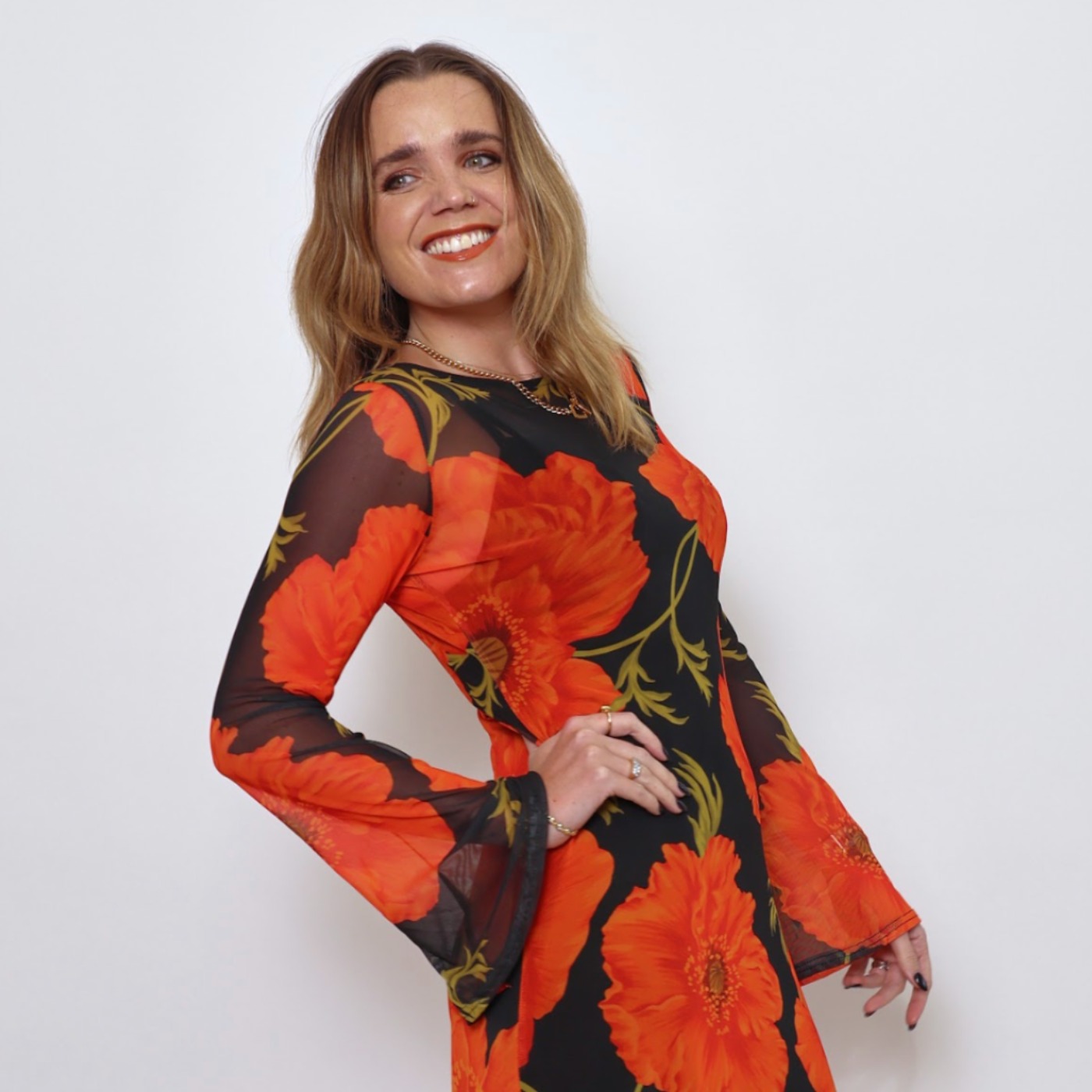
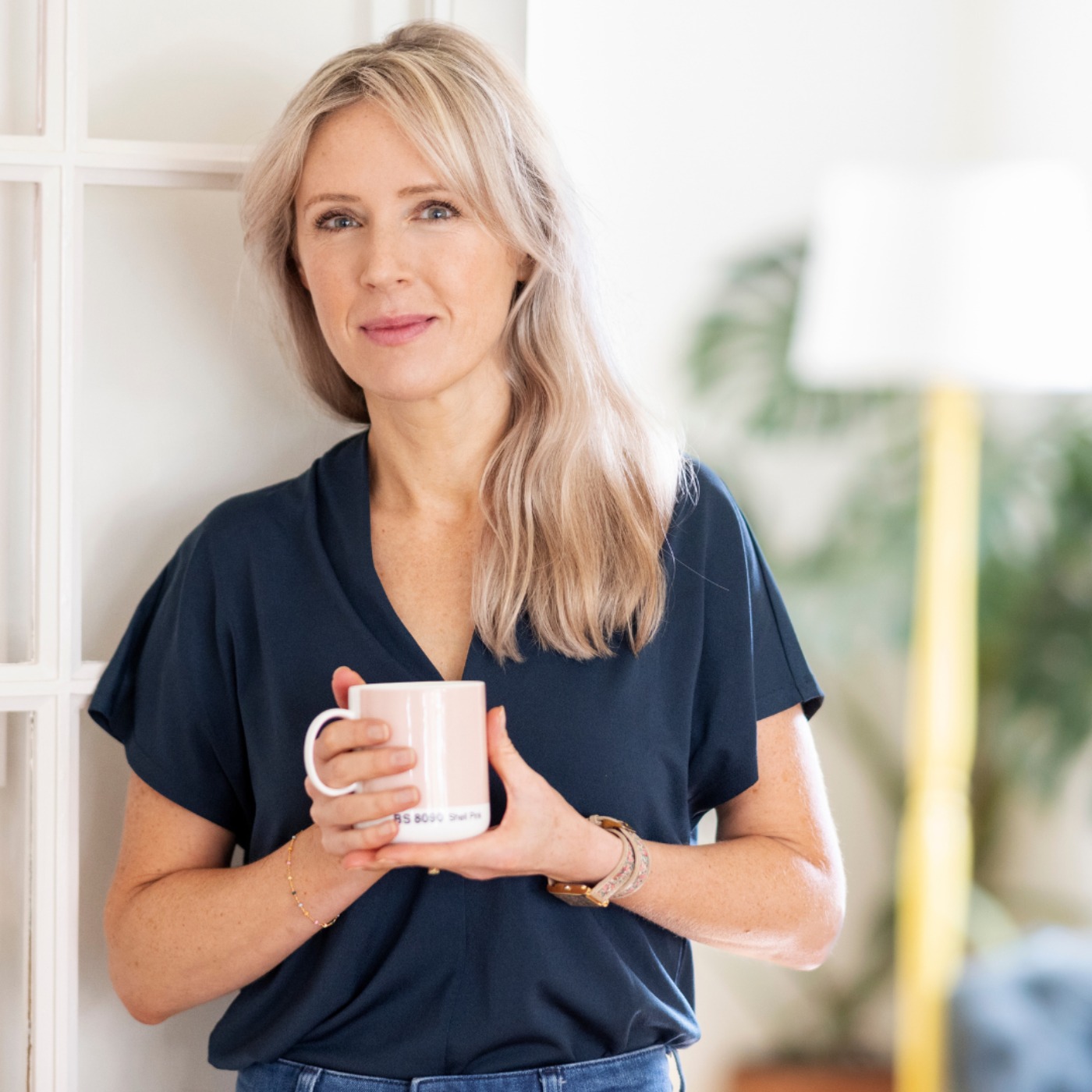
 The Scummy Mummies Podcast
9 Jun 2025 · 52m · 19 chapters

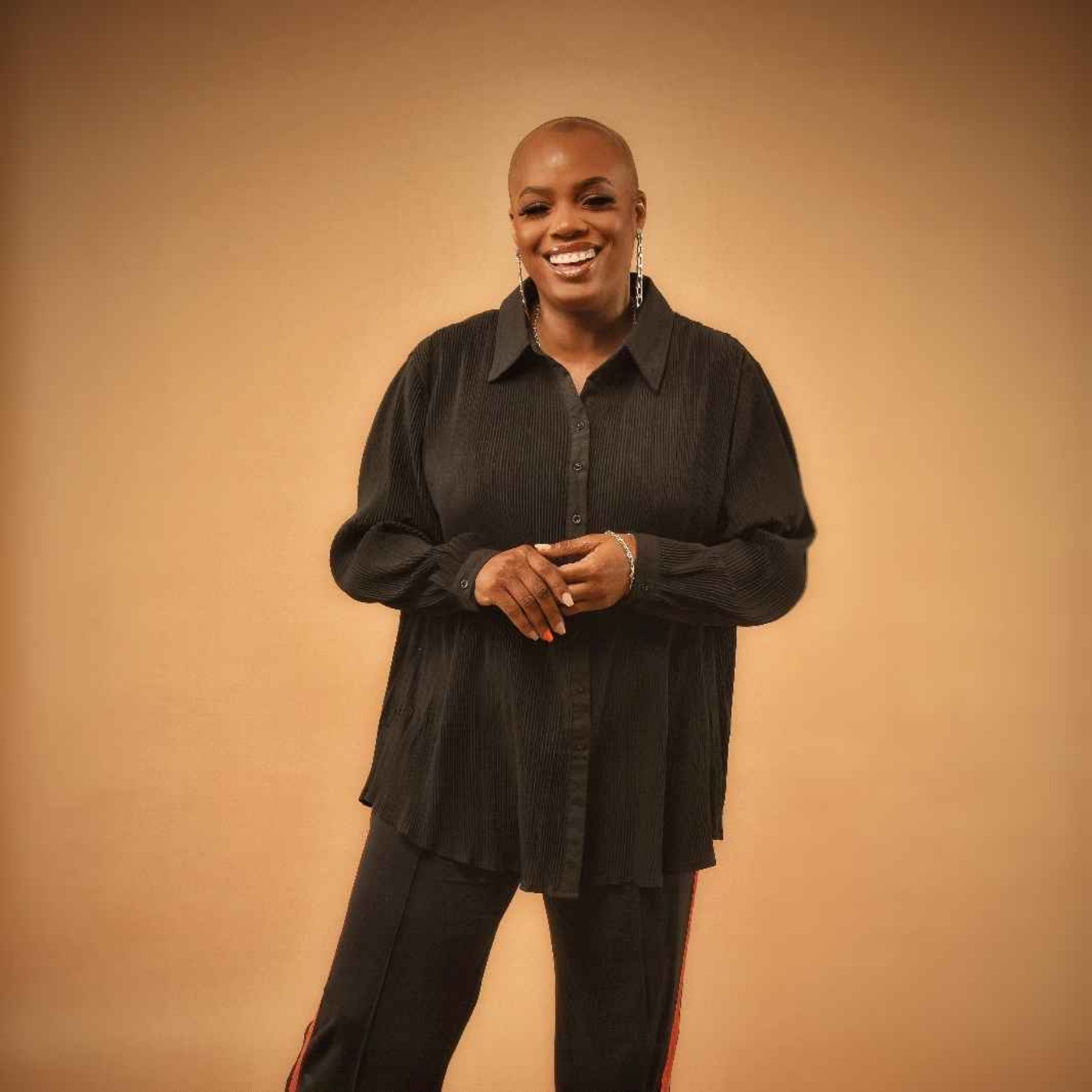
Daisy-May Hudson discusses how homelessness shaped her filmmaking, her housing activism, and her fictional feature Lollipop (out 13 June). She also describes her co-directed documentary Holloway, plus her approach to trauma-informed, women-led storytelling and healing through connection.
Daisy-May Hudson is a British filmmaker (age 30/34) who became homeless in 2013 at 21 while finishing uni (English and drama). She filmed her family’s year in a hostel, self-distributed the resulting feature documentary, and received BAFTA Breakthrough. She later moved into activism and trauma-informed creative work.
Small moments of therapy/growing matter; storytelling can create empathetic connection beyond “dehumanized numbers.” Shame and internalized blame worsen harm; trauma-informed spaces and community reduce isolation. Patriarchy affects both women and men; systems—not individuals—should be targeted.
Eviction after landlords planned to turn their home into a car park; hostel/B&B overflow and council housing delays. Lollipop plot: Molly leaves prison to regain her children but faces a catch-22 (need a house to get kids, need kids to get a house), then reconnects with an old friend (Amina) and builds sisterhood. Holloway: co-directed, co-creative with six women; challenges stereotypes by asking what led them to prison and calling for trauma-informed alternatives.
Written by AI. May contain mistakes.
The hosts chat with filmmaker Daisy-May Hudson about her journey and the podcast experience.
“And it is with great pleasure, Ellie, and great honour that I introduce to you and the listeners, Daisy Mae Hudson.”
Daisy-May shares her story of becoming a filmmaker after experiencing homelessness.
“We need to hear about Daisy Mae, not just her ghost shit.”
Daisy-May discusses the importance of storytelling and community in driving change.
Learn how storytelling can bridge divides and foster connection among people.
Discover the themes of hope, friendship, and motherhood in the film 'Lollipop'.
Understand the process of healing through embracing pain and vulnerability.
“I loved the love between the two friends and that's not a spoiler.”
Explore the challenges and emotions of shifting from documentary filmmaking to writing fiction.
“Like just be with your body and notice what feelings are going on because I think, you know, sometimes we're just like keep going, keep going, keep going, on to the next thing, unsurvival.”
Learn about the creative process of writing and how inspiration can strike unexpectedly.
Exploring the nature of inspiration and the creative process.
“But I think what I do, I do totally also feel is that thing of our friend, Emily Pink, because I've talked to her about writing a novel, she calls it the lump of clay.”
Discussing the challenges and experiences in filmmaking without expectations.
“I totally get that, that kind of, you just make a thing and then you just sort of chop the shit away for one.”
A nostalgic look back at the beginnings of the podcast and their journey.
“We haven't even started our live shows yet.”
Discussing the representation of gender in film and its impact.
How storytelling can address and challenge patriarchal structures.
Exploring how truth in storytelling resonates and connects people.
“You bite your tongue instead of escalating.”
Discussing unique methods used in creating impactful documentaries.
“which Helen has spelled on the running order as Halloway.”
Discusses the need for understanding and care in dealing with women in prisons.
“It was always what's wrong with you, what's wrong with you in the school system, in the care system.”
Hosts share humorous personal failures and relatable experiences.
“It really, it's usually just about personal failure.”
Daisy-May shares a personal story from her childhood involving embarrassment.
Hosts discuss their upcoming tour and locations.
“Oh, it's all foreign, all cylinders now, my love.”

Get the gist, explore an idea or ask about something said.
 Claude
On The Scummy Mummies Podcast, what are the key points of this episode?
Searching your listeningAutomatic transcript. May contain errors.
0:00Therapy's biggest impact doesn't show up in some dramatic breakthrough. It shows up in the smallest moments. You bite your tongue instead of escalating. You put your phone down instead of firing off that text. You say what you actually mean instead of what would hurt someone else the most. Nobody applauds those moments, but they quietly change your life. That's what growing feels like, and that's exactly what Grow Therapy is here for. Grow is therapy that works, covered by insurance. Sessions average$21 with insurance, and some pay as little as$0, depending on their plan. There are no subscriptions, no long-term commitments.
0:37You just pay per session. Grow connects you with thousands of high-quality, licensed therapists across the U.S., offering both virtual and in-person sessions, nights and weekends. You can search by what matters, like insurance, specialty, identity, or availability. And you can book a therapy session in minutes and begin in as little as two days, not the national 48-day average. See if you could pay as little as$0 for therapy in seconds at growtherapy.com slash ACAST. That's growtherapy.com slash ACAST. growtherapy.com slash ACAST. Availability and coverage vary by state and insurance plan.
1:24Daisy-May Hudson: Hello scumbags, this is the Scummy Mummies Podcast. With your hosts, Ellie Gibson and Helen Thorne.
1:36Hello and welcome to the Scummy Mummies Podcast. It's me, Helen Thorne. And it's me, Ellie Gibson. And it is with great pleasure, Ellie, and great honour that I introduce to you and the listeners, Daisy Mae Hudson. Hello! Woo-hoo-hoo! Yay! I'm becoming award-winning British filmmaker. I don't think we've had a bona fide filmmaker before on the podcast, have we? Oh, God, don't say that because it's been 310 episodes, mate. I mean, searching back through the mists of time, I don't know if I offend someone. This year. This year. We probably haven't had any filmmakers on the podcast, I expect. Welcome.
2:13Thank you. What an honour for you. Yeah. what has she got herself into here oh daisy may um really thank you very much for coming i don't know you've just driven two hours to get here and then you're like i i love what you just said you're like you talk like you're on the podcast like this is it this is i was listening to you make a cup of coffee and i was like you literally chat like friends like you do on the podcast in real life it's all fake it's all fake we're following a script filmmaker because you know sometimes you wonder whether people put on like a bit of a personality but yours is you know no we are i was listening to you and it was exactly the same we are that slaggy and sweary that is who we are that is 100 we should can we say that that's because as well so you came in and you um asked to use the loose sensibly go before go before yeah my child would take a leap my nan always says you gotta squeeze one out exactly well done nan exactly you never regret taking away and you never regret bringing a jumper that's what i always say there's my rules for life and um so i was like yeah of course and you went to the upstairs loo and then yeah i made some coffee in the kitchen then you and i helen were just talking about our fucking stupid business your holiday yeah my child yeah i know where you're going yeah thank you daisy may my child's day out yesterday um what my friend's son's cousin drew on a car with a spray paint i won't say his name um but yeah so we and then and then you were gone quite a while and i was like is she she just having a massive shit and then time went on and i was like is she going through my cupboard what is she doing in there and i came out to check where you are and then the door at the bathroom i looked up and the bathroom door was open i was like she's going through my drawers uh and then you were sitting in the lounge the whole time the whole time listening to our chat and then when i i was like oh they're coming in now they must have made their coffee and i looked at you looking up at this and i thought i want to she's checking if i like left it in a good state or something but we're here well we're here and we've known each other now for 17 minutes and already we've all made it weird so that's really good that's really good but um that's ideal really yes it's good to have some confusion over a bowel movement it is it is but i also wanted to say when I was driving here I realised that I've always dreamt being a guest on someone's podcast so you've made my dreams come true aww aww so sorry well I'm sorry it's us and not like Josh Whittaker and Rob Beckett and accusing me of doing a big poo but you know is that not part of the dream you know it's about not having expectations and going with the flow I think but yeah no this is this is how dreams happen yes I expect you probably thought you'd be going to Broadcasting House not some random woman house in catford where as you say she'd accuse you of defecating as soon as you got here just to set the record straight she didn't do it didn't it was my error my error own it ellie own it i'm owning it god i mean look we're five minutes in should we talk about the fucking film or what yeah so this is this is very exciting so so um daisy may um i guess um maybe you should introduce yourself because i could just go oh my god you're amazing and i'll gush gush gush gush but you are you are fucking amazing and um i i've had the privilege of watching lollipop which is your new film yeah just coming out on 13th of june um and but also it would be great to hear about i guess the origins of and how you've got to this place how old are you now 30 34 30 a wee young and you've won awards and and your life has changed dramatically in in you know in 10 years So let's get into you.
5:58This is the whole point of the podcast, isn't it, Ellie? We need to hear about Daisy Mae, not just her ghost shit. Her ghost shit? She didn't do a shit. Guys, I really didn't. The PR people are going to be thrilled with this content. On hard-hitting, really serious film. Again, it's just she's living the dream. I do have more than one relative, both male. I will say they come round this house and very often the first thing they do is go and take a shit in that toilet. And they live like five minutes away. I'm like, you've just left your fucking house. Why have you come to my house to shit? And that's honestly what I thought of you.
6:36I thought you were like family. But no. And that's a great segue into... Yes, a great segue into the fact they got one of BAFTA's breakthrough Brits. What is breakthrough Brits then? So it's BAFTA recognising, yeah. Yeah, so I basically got into filmmaking really unconventionally. me and my family were made homeless in 2013. So how old were you at that point? I was 21. I was just finishing my last year of uni and never thought about making a film before. I was studying English and drama and really interested in film but I kind of thought, oh, maybe I'll do, you know, I'll work in production or I'll do something like that.
7:17I never really saw myself in that creative role. And then what happened was when we found out we were going to be homeless and we were moving into a hostel, it was a situation where I felt like I had no power and I'm a doer and I liked it if there's something you know happening I want to like take action to rectify it and in this situation you just have to wait and I really didn't like that feeling and so one of my friends said why don't you film it and I didn't know how it would go but I ended up just filming every day in the hostel for a year and then turned it into I brought my friends on board they became producers we ended up crowdfunding 10 and a half thousand pounds and then we turned it into a feature documentary which then had a theatrical run in cinemas I self-distributed and through that I was given BAFTA Breakthrough which is like a BAFTA recognition for people that are doing you know sparks of doing amazing things in the industry um and so that was really yeah wild it was a wild experience going from having you know knowing nothing about the industry coming from filming my family being homeless to then having BAFTA recognition and going into cinemas and and stuff but that's really um yeah I think that's what I love about my story even though it's even though it's hard I hope that people can listen and just realize that you know we are all storytellers tell us naturally it's like in our soul in our bones and if you've got something that you want to tell or there's like something burning inside of you often just getting on with it and starting it is the best foot forward can we talk about how your family ended up homeless then what happened yeah we um were privately renting our home for 13 years and then we ended up getting an eviction notice because they wanted to turn our house into a car park and um and then all the prices in the local area were completely unaffordable and then we ended up having to declare ourselves homeless to the council so when you do that you then go and stay in a homeless hostel um if you're a family or a single mother with children it's a lot easier to get hostel accommodation um you know if you're a single man you end up on the street and that's kind of how it how it goes well it's just there's so many people now yeah on the housing list because prices are unaffordable because there's so much you know focus on housing being a commodity rather than a basic human right that yeah housing lists for councils are astronomical and that means that you have to on the day that you're you've faced eviction you have to go to the council and present yourself like basically with your bags and say tonight i have nowhere else to live and then that's when they'll put you in um accommodation but some you know even now temporary accommodation and hostels are um full up so people get put in b &bs or um yeah bread and bed and breakfast or i mean i did some housing campaign in a few years ago um after we got rehoused and um the people were living in like ministry defense houses that have been um put made into temporary accommodation so yeah it's it's really dire out there and I think after after we got rehoused and the film came out I got really into housing um activism because I wanted people to not feel as alone and isolated and a shame kind of yeah how much shame and self-judgment you put on yourself in that situation I wanted people to feel that they were part of something bigger and that people cared for them so I got that for like five years and then Grenfell happened and 72 people lost their lives and I was just like yeah this is fucked basically and um and that's when I've really started kind of digging into film and also other ways that I can make an impact you know through healing work and holding spaces and stuff like that so I think yeah I didn't I didn't want to feel that flame put out there's a there's so many amazing people doing amazing stuff but um for me I just felt so broken by that that I had to direct my energy somewhere else so did you was that because you felt like you were sort of banging on a brick wall do you know what I mean did you feel like you weren't getting anywhere with yeah I think uh yeah it was more like we were speaking to the councils we were holding eviction resistances we were um doing doing a lot of really proactive stuff and we weren't being heard and I think yeah I think then when that happened I was like so what is the answer I think I'm always searching for like how do we actually make change and what I felt is by working in film and being able to appeal to people's hearts and and being able to allow people to watch something on screen that moves them so deeply that they have an empathetic connection to that person in a way that they don't when they might see a dehumanized number actually things may change and also I think with lollipop really it was about holding a vision of like what actually do we want from life and that is from for me it's connection community it's like being able to it's sisterhood it's being able to stand together and saying there's another way and so I think by presenting people with another vision of what that could look like I feel like that's how we also impact change yeah and if you in terms of that change if you could wave a magic wand what change would you like to see oh that's a good question I mean there's so much there's so many layers but I think that I just think these the ways that our society is made up of like isolation and um making people feel like they kind of have to do things on their own and that if you don't do it on your own you failed and if you these ideas of successes like if you don't have a house if you don't if you're not a certain mother if you're not a certain thing then then you failed and that internalized shame I think has a huge impact on people and how they live their lives so I feel like connection is really important community is really important you know like finding getting spaces to actually invest in people um and compassion as well we what is also really important in my work is um working in a trauma-informed way and i think through my own healing journey and holding space for other people's healing journey and also experiencing it in film is like trauma-informed means to acknowledge that we all have a context we all have a story and we might you know people in politics people that are in politics you know that they might be doing things we don't like but why are they doing things we don't like what's their personal story and I think if you can connect somehow to the humanity in everyone there's that space of connection and there's that space for dialogue whereas if we live in this duality of like you're the bad guy I'm the good guy whatever side of the table you're on I think is really really hard to be able to find a foot forward but if we can use storytelling to acknowledge that we all have a story we all have pain we've all suffered we all have you know things we're fighting for to unite in that i think is a really special place i mean i'm not sure how much humanity there is in nigel farage and kemi badnock but let's go with it let's just go let's let's hold space for them as well fuck it why not um i i think you know from hearing you speak but also you know watching your film uh lollipop it is about finding the hope in what seems the hopelessness because you know you know having watched your film and sobbing but cheering and then laughing and all the things um i it was a really good wake-up call for me because i live in an echo chamber the way i live my life the friends and things like that like uh you know i I have a very easy life and I'm and and I needed to watch this film I needed to feel that and and I was I was very grateful but I also loved um what you put into the film in terms of the friendship of the two women we'll get it sorry I'm skipping ahead but um I think these stories need to be heard because I think as you said about stories of motherhood and all that sort of stuff we are flooded with a particular version of motherhood uh in the media and what and as you said the good ones the bad ones and all those sort of things and how we perceive that but um anyway i've gone ahead tell us about lollipop and the amazing story of molly and amima yes i also just wanted to say that you said about like um motherhood it's also for me like lollipop is also about all the versions of womanhood yeah what it means to be a woman and that means and that is you know that crosses over into motherhood and all the other roles that we play but also the our self identity but it's like that you can be you know you can be flawed and really care about the world you can fuck up but do a lot of things right you can be sexy and a mother you can be you know ferociously fierce and also like really scared at the same time and all of those um aspects i think sometimes in like media representations or even in our own way that we relate to ourselves it's like i've got to be this one thing how can and that ability to be able to accept that we are three-dimensional and there's so much more i think that's a really special place and that was like what the impetus going into the film was really about is through writing but also like the creating and going into directing it it was about how can women of all types feel that in some way that they're represented and um and so yeah lollipop is about a woman called molly coming out of prison and trying to get her children back and she gets caught in a catch-22 which is really common where in order to get a house she has to have her children and in order to get her children she has to have a house and through that she kind of ferociously fights for her kids um and ends up meeting an old friend like meeting back up with an old friend from school and it's kind of when they come together that they start to take destiny in their own hands and um yeah I loved the love between the two friends and that's not a spoiler.
17:59And sometimes people come into your life unexpectedly and the love and the appreciation and the sisterhood between the two of them is something very, very special. I've got a few quotes that struck me from, because obviously you wrote the film. I did, yeah. You sat down and wrote it. I love it. I actually wrote it you sat down and wrote it maybe she did it standing up I don't know actually that was the episode that I just listened to in the car you spent about five minutes talking about how you're standing up that's the award winning journalism that you were after I'm sure top level content we like to bring people in we've seen today at the top with just some absolute bullshit about the admin around the podcast full circle moments where we come back to the stand.
18:51Exactly. Maybe you could start, maybe start your next feature film with just the first five minutes of just people setting up the camera. Yeah, arguing about what sandwiches they're having for lunch, talking about their holiday to Berlin. Have you gone to the toilet? Have you gone to the toilet? Yeah, exactly. Of course, sorry, you were going to do some quotes. The quotes that struck me in the film was Amima said, the thicker the mud, the more beautiful we grow. I've seen you do a tough mudder. I don't know if that's true. I wasn't particularly beautiful at the end of that LA in the in the thick of the most no one was no nobody was um uh and also when she's she's so wise Amina she's so wise it hurts more to hold on to the pain and I thought these were these were two lines in the film that really struck me I you know and and I think as you said everyone goes through really hard things and nobody really knows everyone's story but having gone through some tough times in my life they really hit and it wasn't about their story it was about that shared experience of overcoming so something so great that you think it's going to destroy but actually it makes you yeah wow I loved what you said yeah that that's exactly like there's so many layers to what the film is and like you know there's so many women's stories that it lends to whether it's mine or the or the women that um you know I spoke to when I was writing it who have experienced variations of this experience um but I think one of this one of these layers that I really wanted to express was that sometimes we disconnect ourselves from our pain because we are scared you know it's this big black hole that if I even put one foot into it I might just die or I'm going to be so overwhelmed by it but what I've known from my own journey and what I've seen on other people's you know overcoming stuff is like when we actually allow ourselves to just feel it that's when things can be transformed what I've also felt you know for years and years I couldn't feel I disconnected from my own feelings for years it was like a you know a survival mechanism that I think so many people do but once I allowed myself to actually feel pain the level of joy that I could feel because so much more of my body was like switched on and and opened up it was like I was experiencing life in this whole new aliveness and I think that's also what the film shows is that to be human is to be able to experience that whole spectrum and when we allow ourselves to express that whole spectrum without shame we can start to take accountability we can start to allow ourselves us to be loved we can start to ask for support we can start to connect in a whole new way so yeah so is that what you mean by letting you know in terms of letting go of the pain because i'm thinking of somebody who might be listening to this who's right in the shit i i can imagine it might be quite difficult to say oh just just let go of the pain do you know what i mean like how do you how did you do that well i think to be very honest when we were actually homeless you know i was numbed out i was really um i think that's part of survival mode sometimes you have to disconnect in order to get through it and that's there's no there's nothing wrong or shameful about that but i think once you have a space once you once you can feel safe in some capacity whether that's slowing down maybe that's just a room that you have on your own somewhere or or maybe it's a community centre, whatever it is, can you just breathe and come back to yourself a little bit?
22:24Like just be with your body and notice what feelings are going on because I think, you know, sometimes we're just like keep going, keep going, keep going, on to the next thing, unsurvival. That's what Molly's like, you know, she's always on the front foot just like reacting to life. And I think sometimes, yeah, just going, do you know what, I'm not okay. I really can't do this. This is fucked up. This is too hard. even saying those things out loud to yourself is one step closer to healing in some capacity, because I think when we avoid or numb out, or maybe those are the things that like lead to addiction that, you know, is all part of all part of lollipop story as well, all these different layers of like the way that we relate to our feelings.
23:07I think, yeah, it's not just because I talk about love and magic doesn't mean that I avoid the fact I was thinking it on the way over, actually like life can be really hard and things can be really hard but it's how we take care of ourselves in those hard moments i think and allowing us to actually acknowledge things are hard and allowing us to feel having some tears or just going do you know what i'm really struggling like that is i think that helps yeah and in terms of like the film as well so you so it's it's a fictional film if you know so previously you made documentaries yeah so how did you manage that shift as helen says to sit down to actually sit down and yeah sat down and you're very welcome dacy mate and write the film like was it tricky or did it just sort of did it come magically from the ether yeah um well i'd never thought about writing before at all so I made halfway my documentary and then I thought, oh, I guess, well, I was kind of recovering from homelessness and then I thought, oh, maybe I'll just carry on documentary.
24:13I'm not sure how I get into the industry, you know, any further, but I'd got this BAFTA breakthrough and two producers, Olivia and Cecilia from Parkville Pictures, they came to one of the screenings and said, we love what you've made. you should you know believe in yourself and we really think you could write something if you wanted to we'd love to like hold you through that process and um and yeah like i said i'd never thought about writing but there was this story that had been bubbling where i'd seen you know a little bit of my own experience but i'd also seen these women outside houses of parliament protesting for the right to have their children back so women that had um been affected by the care system um that by the social care system and uh for whatever reason had their children removed and they were going through this protest or through these different avenues to try and get um get back with their kids and i saw these women and they were like fierce and vivacious and like lioness warrior spirit it makes me feel emotional even now like connecting to because of i really understand that absolute determination to be with your kids and I could feel it in every single one of them so I had that like north star and so I started writing but I really didn't even know where to start so I started googling like how to write a film I didn't go to film school um and I just found all these like YouTube videos of really Hollywood old guys um talking about all this like structure and and really things that just didn't sit well with me like very kind of from the head and I'm a feeler I have to feel everything so I threw that away and then I just started like I sat down and I started typing I knew it I knew it my god I was like you're so empathetic I have a connection with Daisy Matt yeah that's it because it's a woman almost every day you type things with your fingers and you know what you sit down unbelievable that's that's an exclusive so I just started writing like all my soul basically you know kind of unfiltered and just kept going and going and going and end up writing like 100 150 pages some of it was seen some of it was just feelings there was not really much structure I would sometimes be in the shower and have a you know a vision of what a scene could be I could see something out on the street recalling things like conversations with family all of these things create this are threads that weave together you know how you might approach a script and so yeah the beautiful producers read that 180 page document and then like guided me a bit more into how to kind of formulate it into a but they're like you're not writing lord of the ranks calm down love well i think it was also like a therapeutic a therapeutic experience for me you know so I I watched them be like you know take a breath because there was so much of my being at judges houses on x factor so much of myself in there and um and then yeah just like through um kind of shaping it it's almost like you have to throw everything on the page and then you start to like cut away cut away and until you're left with this thing and I really also believe that you shouldn't um rush things and I've I've spoken to people where they say like writing is really hard and I think it can be if you push yourself to write in the times where you shouldn't be writing and what I noticed was I couldn't find the end of the film for so long and I just left it and then one time I was out on a end or middle or something I can't remember but I was out on on um a train and I saw a person and it sparked something you know like inspiration I was like that's it and then I could end up writing the rest of the film so I think sometimes like giving yourself grace and pacing it and not forcing because that when you're we're writing you know we're that is a channel of something what I believe some you're tapped into something more greater and beautiful than you and that you can just be with that energy and create a space where you can just write and let it out and let your soul speak and I think that's brilliant that you've got that and I know lots of people who've got that so I'm in a creative writing group and lots of people agree have that and lots of people in the group like me i i find that hard because if i sort of wait for the inspiration or the mood to strike it just doesn't and i just play video games and watch murder documentaries on netflix i'm just still waiting for that inspo to come i watch this thing about this man who got buried in a in a skip in wales and that'll make me feel inspired about my novel it doesn't always work like that so i'm so pleased for you i'm genuinely not i'm I'm just so pleased for you.
29:11But I think what I do, I do totally also feel is that thing of our friend, Emily Pink, because I've talked to her about writing a novel, she calls it the lump of clay. That's what I was describing in my hand. Yeah, you've just got to get a lump of, you've got to dig the clay out of the ground, throw it on the fucking pottery wheel and then just sort of, and then eventually hope at some point you will become Demi Moore and a ghost Patrick Swayze will come behind you. And you don't know what I'm talking about. because you're too young. No, I think I do. It's an old black and white film from a million years ago.
29:46It was very big at the time. Yeah, I think that's it. I totally get that, that kind of, you just make a thing and then you just sort of chop the shit away for one. And I think also, like, letting go of attachment to what it can be or what it should be. I think when I was homeless and I was just filming, like, I wasn't like, this is going to be the world's greatest documentary and it's going to be in cinemas, I was just like, this really hard thing is happening and I want to film it because I want people to see what we're going through. And so it's almost like following that gut instinct of, I'm just going to do this.
30:21I don't care what's to come. I'm just going to keep doing this thing. And I think that's kind of what happened with Lollipop as well. It's like, I don't know where it's going to go. I have no expectation, but I'm just going to write it because that's what's happening. But I think the more I get into the industry, it's maybe I've noticed putting more pressure on myself to work the other way around which is like this you know I because I'm writing my second feature I can feel like this you know when I start writing it's like this beginning needs to really feel like a beginning rather than just like letting my soul speak and like starting a podcast I really had to drop this perfectionist thing which is like you know now I'm now I'm like in a certain level of the industry people are going to expect me to have this certain like level of professionalism or whatever but i just was seeing that i was it was blocking myself so then i just like threw it all the way and i just got on on zoom started filming people for a podcast and just threw it up online so it was like how can i sometimes you just gotta get like yeah i mean yeah we've never had any level of professionalism no as far as this podcast is concerned i'm still waiting for inspiration for that i've been looking at the same window i've been i've really committed to instagram maybe up to 18 hours a day i find like those reels of cat just just oh that video waiting for that nearly dying oh how funny oh no it's good but um i think that's it it was it was really funny the other day uh just a side note um my brother sent me a photo of me and ellie from 12 years ago so We met in 2013 and he just sent this photo.
32:03He's like, oh, look at the newlyweds. And we hadn't even started. I think we'd just started the podcast. We haven't even started our live shows yet. What's the photo? Which one is it? Did you send it to me? Sorry, have I forgotten? Oh, no, I just posted it on Instagram. Sorry, I look at our own Instagram. I know. I'm not very professional. But look at these. I'm wearing Breton stripes and I'm holding the classic IKEA drinking cup because most of our boys were two years old there. And I'm in my full army shirt and Casio watch pretending I'm Ripley in alien mode, which, frankly, I've never really gotten out of.
32:39So that's good. Yes, yes. No, it was good. But it was good to look back at this photo because we had yet to put on our signature gold catsuits. We'd yet to go on tour. We'd yet to write a show and stuff together. We were just on the cusp of, like, we've done a podcast. And podcasts weren't a thing 12 years ago. basically ellie invented podcasting if you look on wikipedia it's just a photo of her face you are welcome uh i just sat down and i made it exactly but we had we had no plan other than we just met and we knew from the get-go i was like this is a very i knew from the get-go this was a very special person and that she was really cool and that we had something to say and as soon as the podcast came out we went um got in touch with us from all around the world we had listeners in 150 different countries going thank you for finally saying my truth or you've made me feel normal or i feel seen i've connected with you and so that was really good but we didn't know where we end up and we've just sort of locked along and the clay has changed many many times and but some would say this podcast is very much still along in many ways that's really evolved every two weeks we just get our fingers and poke new holes in the clay and go there you are what do you think do you know you're not coiling out again coiling another one out exactly that's what we're doing but the show has definitely our stage show is definitely yeah yeah and that's a real joy so we've been writing this show and touring that and then we get to connect with women all around the country so that's really really exciting and our show when you go to it is always about one percent men so if there's a if there's 400 in the audience there's usually about four men and i have no problems with that and well i loved going back to lollipop there are very few men in your film i don't like that there's very few men there's actually that's a connection that's that's a quote for the poster there are very few men in this film helen thorne five stars well of no choice by hudson very little cock there's actually no men there yeah have you ever watched this film very much so there's men in the background you know like supporting artists and the main roles are there's no men yeah apart from um the little boy leo Molly's Little Boy I was really interested in thinking about how we raise boys as women and how do we create the next generation um you know free from the shackles of patriarchy because I feel like patriarchy is a system that affects both women and men in different ways and the reason why I didn't want to put men into the film and it's good that you didn't notice fully because I didn't want it to be like it's not a huge political statement it's more it's like in the subtleties that when I was writing I I really found myself like because in my own life for so long you know the men are the men are the perpetrators and I was writing and all the baddies in lollipop were just happened subconsciously to be men and I thought actually like I don't necessarily want to live in that dynamic and create yeah further perpetuate that narrative and also I felt like there were so many when I was going through the system as well like seeing how many how many mirrors there were between women's experiences that a lot of women go into these jobs because they actually care or because they want to make a difference and then they're having to kind of speak within the confines of these systems which don't work the laws which do not work and I didn't want to point the finger at the human I wanted to point the finger at the system and and I felt that you know we're often just like one job away one job loss away one paycheck away one person saying one thing at school to us like if a teacher says you know you'll do well or you'll never amount to anything all of these things impact whether you're on one side of the table or whether you're on the other and in lollipop I really wanted Molly to always be mirrored in these women that she experiences because I think that is how we create a compassionate society and particularly also in this duality of between men and women you know like as I said I've experienced pain at the hands of men but I also got to a stage in my healing where I had to acknowledge not had to I found it within myself that that men are also affected by patriarchy by the system you know this inability to feel this like relationship to violence because you can't express you're not given permission to express anything else and that's not to justify it or give excuses for it but but to create a space where we can actually say this is what it is is it working and what's different yeah you have to understand it to change it right exactly yeah you know and there was also like this is a story for for women is it's a story for but for men and women there was like people coming up at screenings of one of my favorite um experiences that we had screening lollipop was this guy came up at the end and he was like in tears because it was the relationship he had with his mother and you know like it moved him so deeply so he's not limited to women but i would really i loved what you said that people listen to this podcast and they feel seen and heard because i think that's what truth does it like resonates out and it allows people to be able to feel seen in a way that maybe they aren't seen anywhere else in their life and I want lollipop to be a reflection of women to feel truly seen and there was also a lot of men within the production team that really held space in a very safe and respectful way in order for us to all come together and tell our stories because you know a lot of the cast come from lived experience of a lot of the issues that we speak about in the film and you know do they feel safe around men do they feel held by men and that was a big part of how I approached the film process itself is working in this trauma-informed way I did a lot of work with the cinematographer Jamie Ackroyd because you know he's in such close contact with all the women when he's filming that I really wanted them to feel really safe and for him to feel really rooted in his relationship to women on screen or like what what is the dynamic between the observed and the observer and how can we using truth and shared vulnerability really break down that so we did a lot of work around that in the rehearsal space which was really yeah powerful therapy's biggest impact doesn't show up in some dramatic breakthrough it shows up in the smallest moments.
39:45You bite your tongue instead of escalating. You put your phone down instead of firing off that text. You say what you actually mean instead of what would hurt someone else the most. Nobody applauds those moments, but they quietly change your life. That's what growing feels like, and that's exactly what Grow Therapy is here for. Grow is therapy that works, covered by insurance. Sessions average$21 with insurance, and some pay as little as$0 depending on their plan. There are no subscriptions, no long-term commitments. You just pay per session. Grow connects you with thousands of high-quality licensed therapists across the U.S., offering both virtual and in-person sessions, nights and weekends.
40:26You can search by what matters, like insurance, specialty, identity, or availability. And you can book a therapy session in minutes and begin in as little as two days, not the national 48-day average. See if you could pay as little as$0 for therapy in seconds at growtherapy.com slash ACAST. That's growtherapy.com slash ACAST. growtherapy.com slash ACAST. Availability and coverage vary by state and insurance plan. Can we just talk briefly as well about the documentary you did, which Helen has spelled on the running order as Halloway. oh okay have you got mixed up with the Dutch popular music singer from the 90s yes it's a mash up in a prison and he dresses as a woman yeah are you familiar Daisy Mae you are only 34 he was actually a big influence for Holloway was he are you familiar with Hathaway's work no he's an actor that's a big he wanted to yes yes he had one song but anyway so it's not about Hathaway it is about Holloway Holloway the prison what was that like we approached it in a very very different way i think to most documentaries so i co-directed it with sophie compton who um made another body which is about deep fake and we co-directed it and we ended up the way we approached it was really important because you know stories about prisoners super extractive they're really like you know based on like very negative stereotypes um we wanted i've always really felt connected to prisoners because they're this space where we put all the shit that we don't want to deal with in society and we put it away so where no one has to face it or look at it and really inside of that are a lot of traumatized people that need care and you know and love and like in women's prisons um 70 of women have experienced domestic abuse 50 % have experienced emotional physical childhood abuse and you know we just I think we sometimes just think oh with that you know people are bad or people are wrong but we don't always ask and very rarely ask the question of like what actually happened to you and there's an amazing what we made the film with six amazing women um alia brenda mandy jera sarah and tamar and we made it in this co-creative way so it was really about kind of what do they actually want to say why do they want to go back to holloway prison holloway prison was um shut down in 2016 and it was going to be it well now it's knocked down completely but before it was knocked down we wanted to somehow do an offering to what that building actually meant you know women uh the last woman ruth ellis was hanged in there this this was a building that has resonance in women's history and it was just going to be knocked down and turned into luxury flats and also a lot of the women were taken from that prison and moved out far all across the country where they couldn't access their children they couldn't access their family um and so there's so many layers but really this film that we created was a space for these six brilliant amazing women that are doing stuff in the community to be heard and be heard with a context so rather so their their intentions were it were always about i want to tell my story and i want people to understand like what i went through as a child i want people to know what led me to prison rather than just this kind of narrative that we have you're bad you're wrong And yeah, Alia says in the film, nobody ever asked what happened to me.
44:16It was always what's wrong with you, what's wrong with you in the school system, in the care system. And so the film itself is really a call for how we create trauma-informed spaces for women, looking at alternatives, women's centres, things that actually centre care and understanding. and yeah it's really funny it's about sisterhood it's about the ways that we support each other as well and also this idea of feeling seen and heard I think when we come together and tell our stories really powerful stuff happens because it takes away that shame and that blame and that self-judgment because you're suddenly seen in the mirror of your of another woman and through that like you experience love and grace and yeah magical stuff I spoke about that for so long but I feel so passionate about it.
45:05No, it's incredible. No, you're brilliant. Ah, ah. Well, actually, sorry. Ah, ah, ah, ah, ah. I'm so excited for you. Well, there we go. Well, as you can hear, listener, Daisy Mae Hudson is an amazing, very talented filmmaker. Why not go and watch all of her films, including the new one, Lollipop? It's out on the 13th of June. Now, we do have the Scummy Mummy Confessions section now, but you don't, it doesn't have to be about, you know, kids or parenting. It really is these days. It really, it's usually just about personal failure. Helen would you like to kick us off well um as as listeners may know I like an occasional run and the other day I just had to squeeze in a run and I I really needed to go to the loo but I thought it doesn't matter I I had I had um we've got these lovely pants called nixie pants and they've got a very very absorbent gusset and I thought well a little leak here a little leak there never mind anyway I'm running along and I thought oh I've only got a certain amount of time I can't stop for the loo so I'll just let a little bit of wee go just just a little bit and i could stop and start a little bit just a little just like a little you know you know like when you're half opening a bottle of coke that's brave but you know even i know i know your pelvic floor better than you that's like tipping a bottle of coke upside down and then yeah yeah yeah pretty much pretty much i was in the cemetery no one was around and i was wearing a black pair of leggings i thought no one's gonna notice no one's gonna notice the ghost might a little bit more came out and a little bit more and it's like and i thought i'm in it now i'll just i'll just spread myself and see what happens ah sweat myself what's the worst can happen i mean it goes into your socks and your shoes that's unpleasant that's um the worst thing yeah um but i thought no flag doesn't show up nothing it was a bit of a cold day and then like you're 46 can i just say the stinty suit there was like a halo of steam coming off my crotch oh my god i know like like like i tipped and then and then and so like you tipped a cattle into your lap yes yes yes yes oh my god yes indeed yes indeed um anyway you're formulating this for a film i know it lazy man anyway but then then it's sort of because of the change in temperature piss is quite hot is it yes Cold is quite cold.
47:16And so then I had this sort of like weird sort of condensation apron. Wow. In the front. And I had to walk home past people. And I was like, that was not a good decision. No. I'm amazed that you ever thought it would be. I just thought, let's just find out. I haven't wet myself like that for a real long. Just to see what it felt like. Was it just like, fuck it? I was just like, I'm just going to piss myself. So I am not stopping my run. You did it whilst running. You're pissing on a grave worse than pissing yourself. I ask you this. You could piss behind a tree. Did that not come up as an idea?
47:55It was a momentary lapse in judgment. Do you know what's interesting as well? You didn't stop to let it come down. No, I ran through it. You didn't go, Natalie. All right, I've made a bad decision, but I could make it less bad. If I could save myself 75 % of this bullshit, if I just, no, no, no, I'm in it now, literally in it. You must have had spray off as you were running. No, I think because, to be fair on the knickers, they are very absorbent, but not to the same extent. They're not that pissed. They're period pants, a little period dribbsle is a lot different to a piss splash. Daisy May is speechless.
48:37Yes, her. I've come to this fucking... I've been very vulnerable right now. I know. Come to this fucking woman's house in South East London. She's accused me of taking a shit and now her mate is talking about pissing herself. What the fuck? She's sitting there going, is this what happens when you get into your 40s? Is this you just go mental? Yes, you do, Daisy Mae. This is coming for you, my love. This is coming for you. This is what you're going to be like, mental. Do you know what? My brain was like processing it all. And then my words disappeared. but what i did want to also say is there is a there is a celebration of freedom in that somehow thank you daisy may you see me oh dear sometimes we just gotta let the wild woman out yeah yeah yeah no i felt i felt invigorated and humiliated at the same time i'm like why not yeah well i'd like you to put her back in now please oh amazing daisy may do you have a confession of any variety you would like to share with us i it's not really a confession it's more of a it's an open share but yeah maybe it's around the same area so that's why it feels like the right thing to do is that when i was at school um i was i think i was in like maybe i was 12 years old or something 12 13 and we had this big stage where there's like a big state it was in the assembly hall and there's a big stage and we were doing PE and um I was quite an expressive child and I liked to always like do the right thing by the teacher and I was asked whether I wanted to go up and like lead the aerobics class so I did and I got in this middle of the stage and I was really going for it and I felt you know really proud of myself and little did i know that there was one of my friends coming up behind me and pulled my pants down oh that's not not oh no of everyone friends in quote marks in my in my moment of um you were enjoying yourself shining and they went i'm gonna ruin that for her i'm Was it bum out full banana?
50:54I don't think she has a banana, really. It's the modern world, her. Don't make assumptions. It's the modern world. No, it was just shorts. Thank you for the safe space, though. It was just shorts. But, yeah, it was. Is this a confession or am I just sharing the pain from that? No, I'm really. This is lovely. I'm not sure. this is this is free therapy yeah and tell me about how you felt in that moment we're witnessing your pain that's important and i hope many other women feel seen and heard in this i'm sure i'm sure they do and if not they're having a bloody good laugh so thank you for sharing that with us thank you so much thanks for creating safe space to be able to do it hey no worries uh we bought it when catford was a lot cheaper oh you mean right okay for anyway no thank you so much for coming on the podcast lazy man i've had a lovely time thank you so much everyone needs to watch lollipop it's brilliant it's absolutely outstanding and five stars and holloway's also coming out in a week later and there's no men in it either awesome thank you if you like films without men in it um this this is for you until next time but ellie we haven't mentioned that tour oh fucking hell oh we're going we're doing a tour sorry i forgot time bye bye check it out siri wants us to go siri wants us to go on our own tour that's probably a good idea for uh we're going on tour again today yeah yeah yeah we're going we're going all over the country uh bristol um banbury buxton tombridge all the bees all the bees nottingham chill um oh i'll have to look it up again this is what happens when you're 47 this is going to be your brain.
52:41Oh, it's all foreign, all cylinders now, my love. You just wait. Oh, there you go. You can't even remember your... You start patronising like really intelligent women. Yeah, you wait. Just do wait. Just do wait. Just do wait. Fucking fascinating, isn't it? Pool, Ellie. We're going to pool. Okay. Yeah. Stanford. Lancaster. Litchfield. Eastleigh. Milton Keynes. Bishop Stortford. Leamington Spa. Potter's Bar. Why are you doing that? Sorry. I need to eat. Barnsley. Tewksbury. Stevenage. Cheltenham. And we're calm and home, Catford, at the Catford Broadway Theatre on the 14th of November. That's an 800-seater theatre.
53:22Get your tickets, please.
53:26Please. Anyone will do. Yes. I've got the sillies now. I really do. I know. Thank you so much for listening. Until next time. Bye-bye. Bye. Bye.
53:47and we hope you enjoyed this podcast which also had no men in it uh but sometimes we do have men it just depends how we feel of your next film no men in it and also i also do love men yeah i like some of them some are okay yeah some some men are not cunts Keanu Reeves he's quite a good one he's a good one I like it Idris Elba he seems nice yes so far yep I think this is the end now Ellie this is the end we've got to stop I'm just having a good time I'll cut all this out don't cut it out I know Ellie's very good okay she's basically saved my career yeah pretty every episode saved it and made it right okay here we go
Our guest for this episode is the awesome Daisy-May Hudson. She tells us about her experience of homelessness, and her journey from documentary maker to film director.
We discuss Daisy-May's latest movie, Lollipop, which tells the story of a woman fighting to get her children back, and a friendship that's rekindled along the way. It's out on the 13 June and it's absolutely brilliant.
There's also some chat about Daisy-May's documentaries - Halfway, which she made when her family was made homeless, and Holloway, about former inmates of the infamous women's prison. Holloway is out on 20 June.
Of course, we finish off with some Scummy Mummy Confessions. Daisy-May tries to reframe Helen's tale of pissing herself as a celebration of freedom, and Ellie nearly pisses herself laughing.
Follow Daisy-May on instagram @daisymay_hudson.
WE ARE BACK ON THE ROAD! Our 2025 show Hot Mess is coming to theatres all over the country this year. Many shows are SOLD OUT already so get your tickets NOW for Banbury, Nottingham, Taunton, Bristol, Poole, Buxton, Lancaster, Lichfield, Eastleigh, Tonbridge, Catford, and many more... Visit scummymummies.com for dates and tickets.
*WE HAVE A SHOP!* Visit scummymummiesshop.com for our ace t-shirts, mugs, washbags, sweatshirts and beach towels. FREE UK DELIVERY!
We're on X, Instagram, and Facebook @scummymummies. If you like the podcast, please rate, review and subscribe.
Thank you for listening!
Hosted on Acast. See acast.com/privacy for more information.