Ask ChatGPT


 The Scummy Mummies Podcast
18 Nov 2025 · 1h 2m

Hosts: Ellie Gibson and Helen Thorn
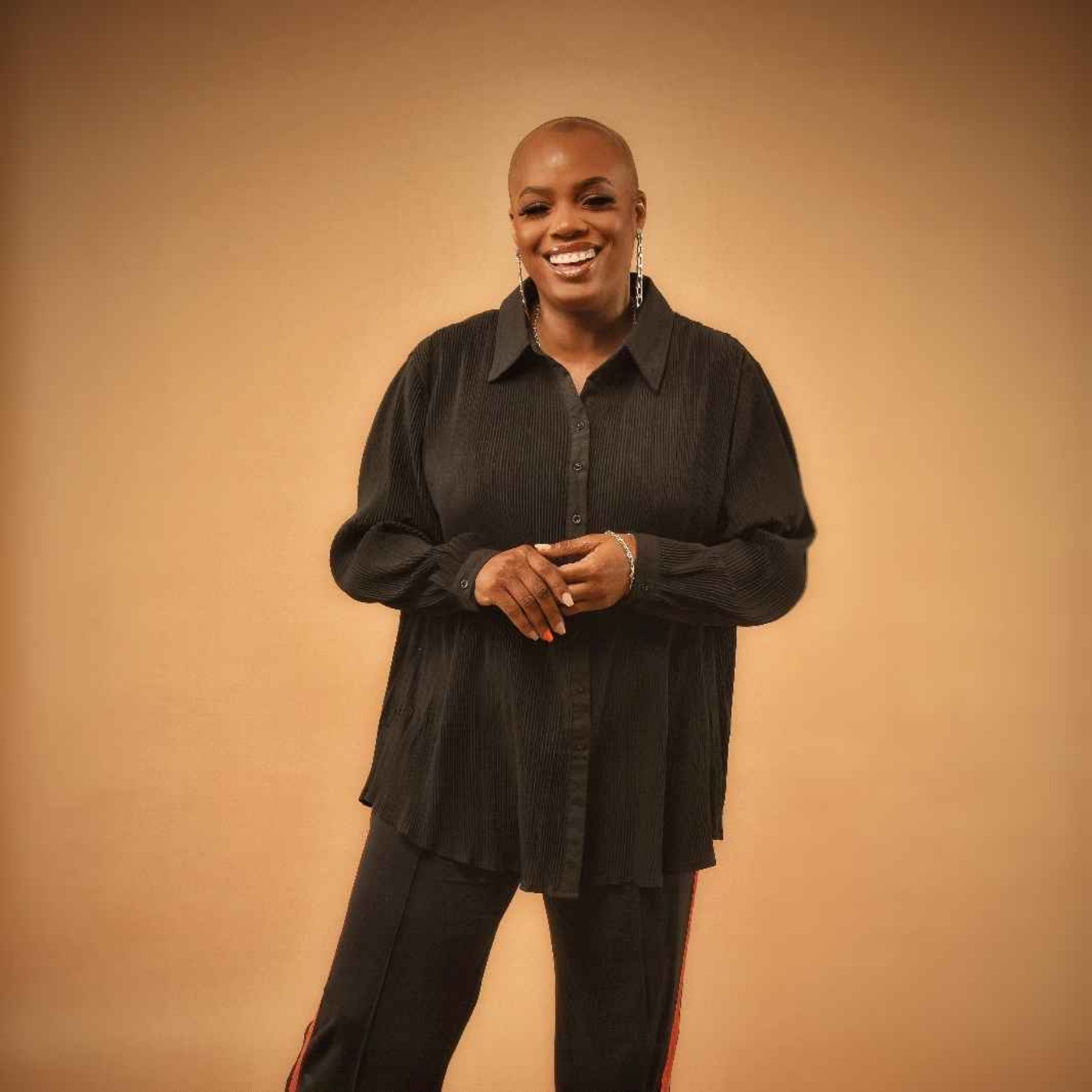
Juliet Rosenfeld (Psychoanalyst and Author)
In this episode of the Scummy Mummies Podcast, hosts Ellie Gibson and Helen Thorn welcome psychotherapist Juliet Rosenfeld to discuss the complex topic of infidelity. The conversation dives into the psychological underpinnings of why people cheat, the repercussions on family dynamics, and the possibility of love after betrayal. Juliet also shares insights from her book, Affairs: True Stories of Love, Lies, Hope, and Desire, which features various accounts of infidelity.
Written by AI. May contain mistakes.

Get the gist, explore an idea or ask about something said.
 Claude
On The Scummy Mummies Podcast, what are the key points of this episode?
Searching your listeningAutomatic transcript. May contain errors.
0:04Hello, scumbags. This is the Scummy Mummies Podcast. with your hosts, Ellie Gibson and Helen Thorne.
0:16Hello and welcome to the Scummy Mummies podcast. It's me, Helen Thorne. And it's me, Ellie Gibson. Ellie, I'm so thrilled today because we have an amazing guest. We have Juliet Rosenfeld. Welcome, Juliet. Thank you so much. You are a very clever lady. You're a very accomplished lady. You're a BBC accredited psychoanalyst and a very highly regarded author and just a wonderful person. So we're thrilled to have you. But we're extra still because we're going to talk about a topic we've spoken a lot about, Ellie. Yes. Going into the nitty gritty, we're deep diving into affairs. And who better to educate us, enlighten us and, you know, I guess put us on our path about why the fuck people have affairs, Juliet.
0:59Why? Possibly Lily Allen, but she wasn't available. So instead, we've got Juliette Roosevelt. It's a hot, hot topic at the moment. It's a hot potato, isn't it? It is. It's very, it's very, have you listened to Lily Allen's album, Juliette? I haven't listened to her album. I've heard it's very good. I've talked a bit about open marriage and what I think about it. And I think I would say that affairs are always a hot topic, usually. I think since time immemorial, probably since Helen of Troy, people have been very interested in infidelity and why people break a bond that they have made with somebody in perpetuity and find someone else.
1:42So how many of us are at it, Juliet? Do we know is infidelity more or less prevalent than it was, you know, back when, I don't know, Henry VIII was up to no good. I mean, he really took it to extremes, arguably. But anyway. Well, one of the things I think is interesting is that the research is quite unreliable. And that is probably because people feel extremely guilty and ashamed and also because they want affairs to remain secret. The most reliable data I could find is a YouGov survey, big survey done in 2019, where one in five people said that they had had an affair. Just to point there, though, 15 % of that survey said that they either didn't know or wouldn't reply to the question.
2:33So probably it's more like one in four. Possibly it's higher. But there's, I think, a lot of shame that surrounds the subject and obvious reasons why people don't want to know, don't want other people to know. Let's start with you, Juliette. Like your background is, or you are a psychoanalyst and have been working in this field for many, many years. And I guess what drew you to writing the book and why you wanted to unpack it even more? Because I think, as you said, we've always heard about affairs. Those affairs have been going on forever and ever. And, you know, it does feel a little bit black and white when people go, oh, they're just a bastard.
3:11And they've done it to hurt everyone. And that's it. And sometimes we don't want to sympathize with the person who's done the wrong thing. So I guess, yeah, I guess what drew you to wanting to investigate it further and write the book? I think clinically, it's always been interesting to me because you're often the third person that knows about an affair. People quite often make their way to therapy when the affair is either about to be exposed or someone feels that they can't continue it. I know lots of reasons why, but quite often you're the third person that knows about it. So that's always fascinated me when I've met patients who have brought an affair.
3:52Worth saying that I've never met somebody that was contemplating having an affair. I've only met people that were already in an affair. And I think that's because they have this very powerful effect on people. Once somebody decides that's what they're going to do, they put themselves into incredible jeopardy. Otherwise, pretty sensible people with responsibilities and families and all the rest of it. And so I found it very interesting clinically. But then I think also I have also found it very interesting, as many of us do, because they're often the subject of, you know, the greatest novels. I mean, from Anna Karenina to, you know, Madame Bovary, films, plays.
4:33There's something I think that touches us all about the idea of rejection being preferred. and I think that all of us you know have known in some way what it's like not to be the apple of someone's eye even if we go back to sort of childhood for most of us becoming a sibling means that we stop being the baby in the family and we become the child because you know mommy usually has got baby who's kind of coming first so I think in a very sort of primitive way we understand and I think that that is also why we are so gripped by affairs you know if you think this summer about the Coldplay couple, for example.
5:14Oh, yeah. But interesting how long that dominated the news. And globally. Globally. Globally. And everyone wanted to scratch the set, like, who was she? Who was he? Their families. And then there were means. And it became, we were all completely, and it was, what, 15 seconds of footage. But it said so much. There were two people in power that, yeah, it crumbled. And, yeah. Why do you think that did catch fire? Was it something people could relate to? Or was it about, is it about judging those people and feeling superior? or what? Well, I think there were lots of reasons. I mean, I think it probably was about two kind of very good looking, wealthy Californian tech, you know, entrepreneurs who, you know, she was head of HR, wasn't she?
6:03So probably telling other people quite a lot about what good behavior was. So there's something that makes us all feel a bit kind of smug probably about that. But I think it was just people were absolutely fascinated by by what happened and and the the fact that they were in a public place so they must have known that they were as it were visible and yet there they were parading something and i think that's one of the things about an affair and when affairs are caught and exposed is that at some level people actually do want an affair to you know to come to light which is complicated and paradoxical um but yes it absolutely dominated the headlines for for many days actually and so i think it probably goes back to that thing i was saying a bit earlier at some level we we all have some kind of sense of of of what it would of what it's like to have somebody doing something behind your back and that is you know that makes us curious and makes us want to understand more yes i think you're right about the fascination because we we like to know that someone's worse than us.
7:07There's a delightfulness in it, like, oh, God, at least it's not me. Like, you know, there's a bit of chadenfreude about it. There is, and if you look at, you know, we don't need to name them, but politicians, personalities, famous, you know, celebrities, actors, whatever, that there's immense interest in finding out something that people don't want you to know about. And, of course, as small children, and I think we're all mums here, don't have to be a mum to notice what small children are like when they first have a secret you know they know something I know something that mummy doesn't know you know I actually wasn't in bed last night when she thought I was I had got her and I was playing with my Lego and you see that too when children have their first friendships you know I'm going to share something with you but I don't want you to tell you know Lucy and and so secrecy is also part of of being human and um and secrecy is a big part of of an affair and i think with some affairs that can be quite a kind of motivating part of it is that that that thing of being known only by that person um and keeping a secret because i was going to ask why why do people cheat but maybe that's too broad a question and obviously lots of situations are different and people are different But are there sort of some common factors that we can identify and go, well, yes, because of this?
8:34Well, I think it's first of all important to say that kind of virtue of psychoanalysis is that every person, every patient is individual and we don't think about groups. I think, you know, writing about it, thinking a lot about infidelity, I think there are probably points in people's lives and in their relationships where an affair becomes more likely. One thing I think is that sustaining a long relationship, marriage or relationship, I use the terms, you know, both to mean the same thing, but it's difficult. It's difficult to be married to somebody for a long time. it's difficult to stay with somebody for a long time yes it is yes it can be very tricky keep the sparks alive and that and you know the first couple of years of relationship is intoxicating yeah and you think oh this is the best thing that's ever happened to me like i'm three years into a relationship i'm giddy a giddy school girl again i think oh how do i keep this forever but i know it's not going to be like that forever and i think we're kind of eking it out and you know i I don't want to ever go back to the drudgery of what it felt like to be 15 years into a relationship and just that, you know, underlying, not resentment, but just that, why does he have to be like this?
9:54And, you know, it's, and it's, and it is hard and it's day to day and all that sort of stuff and the, that sort of thing. So to feel that again, to want that, that's addictive and to be desired and to feel all those sort of flutters. And if that, you're not getting that from that person that you've promised forever, then I can see that that might be tempting if someone flatters you or you've got attention or the fact now that sex and relationship are so accessible. We're in this, you know, delivery sex basically culture now where everything, your needs can be met within an instant. I prefer the term just eat sex, but let's not go down that road now.
10:32Did somebody say? Sorry. Extra pepperoni sausage. Sorry. So one piece of research that we do know a lot about is that people are just not getting married in the same ways that they did before. Research that we do have that's really reliable is about how we are choosing to live in long-term relationships. And whereas 20 years ago, one in four of us were married, now it's one in seven. I mean, that's an absolutely astonishing. And the way I think that this is all really changing is because women are changing. We don't get married now for what marriage was about, which was previously about transmission of assets and, you know, economic stability that was bought by a man.
11:21Traditionally, a woman was, you know, running the home and having children and so on. That's just not the way that younger women, women even younger than us, are choosing to live now. And I think that there is something about the ways in which people are not looking at a relationship in a sort of 50, 60 years, you know, perhaps as our grandparents might have done. That means that the relationships that we do have have to be a lot better. And I'm sure you've been, you know, reading the papers recently about this really interesting coverage. I mean, yes, from Lily Allen and open marriage, but to young women saying it's a bit embarrassing to have a boyfriend.
12:05I think the way that women think about men and their relationships with them is really changing. But back to affairs and how easy is it to have one? Yes, it is probably much easier to have one, isn't it? And the kind of online nature of relationships and how you meet people in that way, I think, also contributes to that. um as a in my book i write about someone who has a relationship by choice his and hers which is entirely online lasted six years they have never met i mean that's interesting and um he believes that that relationship in a sense is what makes his marriage work that he has this sort of fantasy figure in his mind i mean you know that's obviously very contentious way of looking at it but so people are finding very different ways to yeah certainly to have sexual relationships and the internet uh obviously caters to that oh it's like a sweet shop um that that particular story so there's there's sort of five case days or six the the extra one at the end in the book And what I loved about your book, they were all so different.
13:23So there was like a professional professor at the beginning who had this affair. And then there was the man at the end who only online and could have this fantasy relationship with very strict rules. But he was really into BDSM. And that was something he wanted to fulfill that way. but then spoke so lovingly about his wife and how, yes, I have to have this to be a complete person. But I like how you interweave and said he could have gone through therapy to work through these issues that he had with his mother, but the way he describes how he had to have that just to function, I found really, really, really, well, I couldn't empathise with him.
14:08And I thought, but you're still hurting people. the damage you're doing even though you think well I'm being kind to my my I was gonna say my missus my wife but I don't I don't think that adds up you're not really getting to the root of the the real issue you know stop beating around the bush yes exactly but um yeah I just thought that was really interesting and and and also that the way you explore the fact that um like the BDSM kink community is still being sort of understood in in the professional sense as well and then more people are speaking more openly about it like i didn't really know what polyamory was or open relationships were until quite recently but now people are speaking about you see a lot more articles about it as well you do and you and clinically you see it a lot more too and i think one of my i'm a i'm a friendly critic of psychoanalysis i'm very passionate about psychoanalysis but I think one of the things I think about a lot in my work is that for some people a lifelong relationship with one person is simply not attainable or desirable and that you know I don't necessarily think that polyamory is a terrible idea I look at lots of different ways that people find love and affection and their sexual needs met in an open way we don't look you know no psychotherapist no psychoanalyst should look in any kind of judgmental way at people's choices it's certainly not the point of the book and it's certainly not the way that I work I I try to look always in a in a uh an analytic way at what someone's doing of course people don't come and see someone like me uh without a problem they come and see someone like me because something is usually making them deeply unhappy or full of conflict and that's what we're trying to work out and understand but I think it was very interesting you know writing that part of the book because um understanding more about the BDSM community and more about how people see it meeting their needs is also very important we the way in which we are having relationships is I think undergoing a radical period of change because undeniable now yeah I I think that was quite enlightening.
16:26I know of people whose exes have gone into that and it was a complete shock and surprise to them. But there was no hint of that. And then when they got divorced, all that got exposed. You're like, well, how did they not bring that up? Why was that so hidden and how did they fulfill that? Or was it all, you know, yeah, was that just another lie and another secret that was hidden? but then they could feel fulfilled in another relationship. Yeah, but what is going on there? So I think that as a psychoanalyst, what you are thinking about with a patient and perhaps a patient that brings a way of behaving, a way of meeting their emotional or sexual needs that can seem very unusual or strange as you're trying to think about what is the solution that they are finding for themselves with that.
17:25And, of course, rarely does somebody come and see someone like me unless there's something that's not working for them. I would say, however, that in my practice, I work in quite a big practice with about 25 other psychotherapists and couples therapists as well. Increasingly, couples are coming, wanting to explore in a thoughtful way together with a therapist what open marriage means. I mean, it's just becoming much more common. Do you find that's always an equal interest or is there often an imbalance of one partner is kind of keener to do it and the other one is going along with it? like you often see in the films.
18:11I think if, I mean, I think when couples come to therapy, even if you've got two people that both come into the room, then there's some willingness to be there. But yes, I mean, people, I think couples come because there is some source of conflict that they just cannot resolve together and you're bringing in a third party to help you resolve it. But I think the ways in which couples are thinking about, you know, both how to stay together and obviously how to do that consensually, that they are changing. I think it's, I think, as I say, I think we're in a moment of real change. I mean, Helen and I have talked about this and how for us personally, I don't think open relationships would work.
18:59I mean, apart from anything else, we've already got male partners and each other. I feel like I'm in a fucking open relationship. I'm exhausted. There's three of us. There's three of us in this marriage as it is. So I think for anyone else, it would just be exhausting. But we try not to be judgy. And we've got a couple of friends who are in open relationships and have been for years and happy. But then also we've got like, you know, let's call it the Lily Allen experience where people start an open relationship and it's all fun and we're all just having sex and it's all grand. but then there's this sort of emotional element comes into it where suddenly they find out that the other partner hasn't just been having sex they have started engaging emotionally with this other person telling them they love them or perhaps you know and i was talking about someone we know that this happened to recently to another friend and they said but they're in an open relationship so how can this person complain that they've been cheated on when they had an agreement with their partner that they could have sex with whoever they liked.
20:03And I said, well, I think they had an agreement about the emotional side of it and that's been broken. But yeah, I mean, I just, I don't know how you, how do you navigate all that? Well, I think often with great difficulty. And I think that, you know, relying on agreements about the emotions gets you into very difficult waters because our feelings are, you know, they're not sort of auditable in that way. And just as you talk about your relationship and the sort of, you know, the sort of ecstatic feelings of falling in love and how much you're enjoying that and then wanting that to ever change, of course, we can't really predict how we would feel.
20:50And, you know, we push all sorts of buttons with each other. So I think navigating it is extremely difficult. And that it's probably not for the faint hearted and that it relies on immense trust between two people to do it. But as you say, also not judging those for whom it works. Yeah, definitely. And also self-worth and self-value. I think you would feel very, I assume, fairly self-assured to have a partner who was having other partners that didn't take anything away from that union or you. or I like to be, if I'm in a relationship, they're number one and which I wasn't for many years. So I did find, you know, I know that I couldn't have read your book five years ago, fresh out of my, I think it would have been.
21:49And also I was so, I'm still very angry, but I was very, very angry because I just thought it was the most selfish thing that could, you know, why weren't they thinking about the children or why weren't they thinking about the other person, the community, the life that was built. But from reading all these stories, and you've written it so beautifully, that that thrill and the fantasy and the attention and the perceived love was worth more than any of that else, like anything else, that they were so intoxicated by that union and they couldn't wait. The anticipation of the next text, and you talked about how they would check their phone like 30 times an hour just in case that person had replied.
22:34And it's like a drug, like that sort of, and you can see why if it was in, if everyone knew about it, you know, the fact that it is a secret and a fantasy, that that makes it even more delicious in a way. Yeah, there's been a lot written about that actually, and that quality of sort of falling in love in an affair or not in an affair, that has a kind of a drug-like aspect to it. But of course, as with all drugs, there's a kind of come down. It's not possible to kind of sustain that feeling. And I think that there's fantasy in all relationships. All of our relationships have fantasy, but in an affair, it's sort of exponential because so much of reality is stripped away.
23:20And the way that I would see it is that somebody kind of splits off. So to your point about the children, your families, your agreements, the community and so on, when somebody is really involved in an affair, we call it splitting, that they are just splitting off that side of themselves that has capacity to care and feel guilt and feel love and all the rest of it. and that the draw for an affair can be so powerful and so passionate. And one of the things that I was writing about in the book and then in my research, because I had many more stories, accounts to write than I had space for in the book.
24:03As you know, I put an advert. Yes, this is amazing. To find my subjects. Where did you put the advert? I put it in various publications and on Mumsnet, actually. Oh, wow. Straight into the viper's nest. And, you know, I had many, many more responses than I could have written about, which told me something, that people wanted their stories told, albeit, you know, completely anonymised and in some cases, you know, merged to deepen the anonymisation. But that, you know, I had no shortage of, yeah, people that responded and really wanted to give an account of what happened. And I think that that was in some cases because the affair had been the most powerfully passionate sexual kind of connection that they had ever had with somebody.
25:02And it's important to say, I mean, I'm not an apologist for affairs. I think that mainly they cause massive damage. I think that they leave people often feeling very broken and they are you know i think very very difficult on children maybe we'll come to that but i also think that that you know the as a psychoanalyst you're you're not there to give direction to say what is right or what is wrong you're there to understand and i think affairs are really such a common phenomenon that the understanding more why it is that people as you say kind of forsake everything um you know to to leave a relationship in this particular way that it is important to try and see if we can if we can understand and as i was saying earlier you know few of us are getting married there are you know there are bits of research that say in in 30 years marriage will be obsolete so so what what what is that about where does affair Where do affairs fit into that?
26:05Well, my mum, who is not a psychoanalyst or remotely qualified to have any sort of valid opinion, likes to point out that when marriage was invented, no one expected to live past 40. So when you were signing up for a lifetime, you were really signing up for what is now less than half a lifetime. Absolutely. And for example, you know, social scientists who look at these sort of things will tell you that many people have, many of us now have more than one career in lifetime. Well, you know, that this was not at 18 what you were knowing that you would be running a very successful, you know, podcast, have this amazing professional relationship together.
26:49I thought I'd be an astronaut, Juliet. Here we are. Still in Catford. Not on the moon. But we go through these different careers because we are allowed to change and develop. And as your mum said, now we have much longer lives if we're lucky. And so I think that there is also something that I was observing and thinking about, which was why are people finding ways of ending relationships? And an affair is not a good way to end a relationship. No. but it is a common it's a common way to do it i mean i'm i mean i let's let's make helen's experience about me like obviously i really struggled and i wrote about this in your first book helen about with yes what was done to you in the way it was done i don't believe that anyone should stay in a marriage they're not happy in i absolutely don't and i also have let's say more empathy for people who get incredibly drunk at the christmas party and make a mistake or who meet someone at work or somewhere else and and fall in love and then have to go to their married partner and say i'm really sorry but i have met someone else and i need to move on and start a new life and then there are people who go on sex websites deliberately looking for an affair which they then continue for four years and which only stops because they've been found out um i found that really hard to temper with I found it hard to I still find it very hard to find compassion and empathy for that because I think surely in those four years you must have known did you I can't believe I know you're saying about compartmentalizing but I can't believe you didn't think at some point in those four years what would the fallout be on my wife and my children if this comes to light and I care about this and I'm obviously not happy in my marriage but maybe I need to extricate myself in a way that doesn't completely explode everybody's lives which is eventually what happened and you got through it and your life is much better and you know and that's your story and that's great it's also not everybody's story yeah and your partner at the time had no way of knowing really you know and and the effects of it I would argue are ongoing on the kids and on well all of us yeah yeah I think it is and and what's you know what's difficult and it's hard to resolve is that it was so you know that the affairs are so cruel and even though you've you are you know you can come compartmentalize uh you still know what's wrong and and um and that's really hard and also that yeah and that they're the words of oh but i love the children or i love this or you know i did love you but i needed this or i just didn't want you to know and I gave you what you what I thought you needed but you got a house and a husband and a family so you're all tucked in or my favorite uh but you had Ellie that's right as if having a friend you put a catsuit on move and do a podcast is the same yeah that is a that yeah it's not far off but all right I know I know I know I arguably we had more fun but yeah I think I think that's um that's the hardest thing and I think you see you know when my children um when we separated my children were eight and eleven and I the advice I got was you don't just have the one conversation and they they got given age-appropriate information so it was like um daddy met another lady and that wasn't the right thing to do the consequences are we're and live in two houses you're very loved and you know um and and it was small and appropriate and they understood it but now they're older they're asking much more bigger questions because they you know they watch tv they observe they they read their they want to they want to know and you know we've always made it very clear it's nothing you know you're very loved and it's not it's never their fault and all that sort of stuff but they want to they want to know so we have to now open those conversations at a bigger and bigger and more, you know, not all the gory details, but some enough so that they can kind of understand because they want to know.
31:02Otherwise, I get angry. How do you manage that? How much information should we give children and how honest should we be when they ask us questions? Well, I think one of the sort of problems that we have, which has, I think, evolved over you know the last 50 years really divorce became much more common in about you know in the very early 70s after the divorce was passed and i think they went in 1970 to 71 from 50 000 to 150 000 divorces right yeah so so a lot of patients i see are people in their 40s 50s who do have experience of, you know, very difficult parental breakup. I think there is less stigma now, but I don't think that changes what I think really can have lifelong consequences for children.
31:59And I think we've sort of probably as parents, most of us do our absolute best for our children and to have to accept that are the consequences of our own relationships ending are negative for our children is deeply painful and it loads on the guilt that you know we already feel so I think that a kind of something has evolved which is something like children are terribly adaptable and you know children are great at kind of new you know new new circumstances you know dads for Christmas mums for birthdays whatever it is and actually I think that children are much more deeply affected by their parents breakups than we would probably like to think because it's so painful for us to cause our children pain and the way that I think you were talking about these sort of age-appropriate kind of bite-sized pieces information is so important it can make such a big, big difference.
33:02Of course, what it requires is immense maturity and sort of selflessness on the part of the parent that has been betrayed or left. I mean, I'm not just confining this to marriages at end because of an infidelity. But I think that the long-term outcome, we do know much more about this now, the long-term outcome, you know, for children, where it's possible for one parent not to blame the other is so much better. And I think that children in time probably really appreciate it. As you say, not too much detail, but to allow children to understand that something has happened that will have a very lifelong impact.
33:52Because one of the things I think it affects is a child's sense of kind of trust that you know when you're when you're born you don't ask to be born but you know you kind of expect that you're going to grow up in whatever it is you grew up in as we also know you can grow up in very very different types of successful families now you don't need a mummy and a daddy you can do very well with just a mummy two mummies two dad you know whatever other caregivers children do very very well what they need to feel is kind of absolute kind of consistency reliability and love and of course if your family home life suddenly implodes for a child that is enormous it's bad enough for parents but it's enormous for a child the world is so little you know it's your little bedroom or your playroom or your space that you have so I think just being very very aware of that and being able to as you say kind of slowly explain that mommy and you know daddy or whoever it is we're unable to to stay together but that as much as possible things will remain the same and where possible not to you know not to hate the other parents to the child however one may feel yeah it's so so much better but it requires such a lot and in the case of an affair you know it requires you know immense um selflessness yeah and when i was um writing in my first book, I spoke to a lot of friends whose parents had split up and had affairs and how they felt about it now in their 50s and 60s and 70s.
35:23And the thing that the most painful thing was that they weren't told until their 40s and that everyone else knew. And they were so angry about that and that, you know, it was the lies and the secrets that were more painful than the truth. and I think that really informed how I spoke to my children. Again, not like flooding them and only really bringing it up or only responding to when they brought it up. And it would be funny. You know, my son hadn't spoken about the divorce for years and then all of a sudden out of the blue he said, that must have really hurt you, Mum. We were just walking down the street to Sainsbury's.
35:58I've just been thinking about that and you don't know what sort of brewing. And they may have seen something on the TV and he said, you know, when we were a couple of years into the divorce, he said, he cried at school because there was a film about divorce and all of a sudden he didn't know why he was crying so much so it will just it will just it will just pop up and I think just having those open conversations and you know it's so so good in a way now that people can get divorced and we can have these it's not shrouded in shame as much anymore another thing when I was researching my divorce book I interviewed someone from Denmark and they said in Denmark there's so much less shame about it there's a saying about first marriage for children second marriage for love and everyone gets along and you know it's quite common and so you think well you know maybe that is realistic that we don't you know if if we can have the same partner forever that that's i mean that's lovely but also that you you know for some people that might just not be realistic absolutely i think that's a very good way of putting it i didn't know that danish oh yeah and i'll send you there they it's it's really but you know they're they're so chilled aren't they the scandinavians very relaxed very forward thinking um just a just a generalization of quite a few countries there but yeah um i have sort of well again hila and i've talked about this but i've noticed a trend recently of i would describe as quite performative posts of people who've split up talking about co-parenting going oh you know hey it's just blended families and it's just about being grown up and it's all mature and here we all are having Christmas together in matching jumpers even though you know and I think if you can achieve that that's brilliant yeah good for you and I'm sure that's great for your kids and I'm sure that's great but I have a concern about for people whom that isn't possible perhaps because the other person did cheat on them and hurt them incredibly badly and I wouldn't want to sit down to Christmas dinner with someone who had blown up my life and really, really traumatically hurt me and or my children in the same way that I wouldn't want to have a pint with somebody who punched me in the face last week.
38:07I just, and I don't think we should be expected. I don't, it feels to me like this is being presented as the goal or the norm that we should all be aiming for. And I don't, I don't think, I mean, surely that's too much pressure to put on people. It sounds like enormous pressure. and I think that people, you know, there's a very famous child psychoanalyst called Donald Winnicott whose work is still very, very influential and Winnicott talked about being, his work, I'm saying it now, is very focused on women as mothers. Okay, so he was writing in the 50s, 40s and 50s, but he talked about good enough, a good enough mother.
38:45And I think... That was the first draft of our name actually, wasn't it? Yeah, it was scummy. Good enough. Yeah, very good enough. Yeah, yeah. And I think what he meant by that was that one does one's best. And as you say, if a relationship has ended and one partner feels tremendously attacked and devalued and so on, then is sitting around the Christmas lunch table really good for anybody? Blaring at each other over the turkey when you think the kids aren't looking. I mean, come on. Yeah, picking up the knife. I think one thing... Why don't you open your cracker? It's got asbestos in it. I think children are scrupulously fair.
39:29And I also think they're really loyal. And when they can be, they're loyal to both their parents. And I think that's, you know, if there are two parents, but we're talking about situations where there's an ending of a relationship. So let's talk about two parents here. So I think you want to encourage that in your children, scrupulous loyalty. and children pick up on so much for being children you know we all knew knew much more didn't we than we were probably given credit for and those nuanced feelings that children absolutely have about how the parents are getting on the temperature in the room and there's been an argument are actually you know always present and so I think I would say in terms of how do you rebuild a relationship that one thing is it it takes probably a much longer time than you might want and and that is painful and it's difficult and but the to be able to be you know realistic about that you know the first christmas after a breakup may not be the one that you spend together and it's painful i mean that's another thing i think that probably a virtue of psychoanalysis is you know life is quite painful and that you're not always able to make things better immediately and that mourning and mourning what you might have wanted and hoped for is a part of being a human, that you have to be able to mourn things that you can't sometimes have.
40:56I interviewed Juliette for my next book and I was talking to you about finding peace after it because that's the thing I get asked so many times where people have gone through affairs and been the victim of affairs. Like, when will I feel happy again? I just want the pain to go away forever. How do I do that? You know, how many marathons do you have to run? How many, you know, holidays or new clothes or, you know, all the things that we try and do to repair, like make this new life and all that sort of, how do I erase that pain? But I think you spoke about it so beautifully to me going, actually the peace is being okay with being sad and that the ultimate goal is not to feel happy 100 % of the time.
41:39It's actually being okay with being sad some of the time. Yeah, and I think it's very difficult, particularly when you have children feeling sad or depressed yourself because you worry about what will be transmitted to them. And I think a lot of people become very worried that the saddest will overwhelm them. but actually it's also part of the part part of reality isn't it that if a relationship ends and you don't want it to end well of course you're you're going to be sad you have to do it at the same time as your mothering as you were saying oh you know you just keep on going well what if it doesn't end like presumably you sometimes have people who come to you and go right this affair has happened one of us has had an affair but actually we want to stay together or or see if we can't.
42:30Now I'm really glad you brought that up because yes you do and I always think that's very courageous when two people come in and say that and it as I was saying earlier it requires a lot of patience on the part of the person that has been betrayed and of course when it's happened they're both going at different speeds the person that's had the affair normally just wants the pain to be over immediately and the guilt and the shame and all the rest of it and just get back into right i don't think of why are you still going on about it when am i going to be forgiven yeah um i mean you probably interested to know this i think couples therapy on average lasts about five to six years wow um so we can come to that the fact that there is an absolute dearth of couples relationship therapy offered uh in the nhs it's just not even you know it's it's really the kind of very very poor little sister of therapy which uh is an enormous shame because couples are you know they are the kind of center of of of the family often and so some help can be really transformational and and i have seen couples do really really well and actually paradoxically sometimes even better because something so awful has happened and there has been such a massive trail of trust that to kind of rebuild that with very strong foundations can really stand a couple in very good stead at the other end I think affairs are sometimes because it's the only way for a partner to say I need to leave this marriage and it's a very destructive kind of aggressive way of doing it but that also happens and actually you know again the statistics are difficult to get but a lot of second and indeed third let's say relationships marriages do come out of an affair tends to sort of perhaps not be spoken about much but often long-term to your danish point longer-term relationships you know can come out of an existing relationship so being realistic about it that happens quite a lot and also you hear about people who come out of a relationship they go into relationship and then they cheat on that person now these people just sort of repeat offenders like it does that mean there is something about that person fundamentally that there's a problem here that's just going to keep going.
44:51Well, I mean, we've had such a wide, wide ranging kind of conversation, haven't we? But really, I suppose, going back to the book and why I wrote it, and probably what a lot of the thrust of psychotherapy is about is that I think a lot of these behaviours are quite laid down in childhood. I think in the way that I was thinking about when I was writing the book was that for the people that I wrote about, a sort of betrayal was inevitable and that in some way, the kind of unconscious motivation of the affair didn't really have much to do with their sort of their present life, but much more to do with their past.
45:28So to give you an example, I think of the type of perhaps more often we think man that we think about that just has affair after affair after affair one of the people that I wrote about was a man who had indeed had been you know had serially had affairs with much younger women I mean it's almost a trope isn't it perhaps a little bit less now um uh but nonetheless he he had been sort of terribly unfaithful to his wife while at the same time professing to love her very much and in the book what I do is sort of look at the you know write I wrote the account of what had happened but then I tried to write what I would call a formulation which was explaining you know really who this person was and this man was somebody who when you understood more about his childhood and you understood about his experience of his mother who had been you know mentally quite unwell you know in the 50s at a time where somebody being mentally unwell would easily go unnoticed tremendous stigma she was a single mother and she she was really suffering and she found it very difficult mothering this man as a boy and his sister and and in a way what his story is about I think is is about a way in which he was sort of trying to kind of get back at her both trying to sort of tell her how excluded he had felt she'd had lots of relationships but of course it also to me felt like a very misogynistic attack on on on lots of women so I'm never you know condoning and I'm but I I think I was always trying to and I should be in my job always trying to understand and explain and what one interesting link actually with with all the people whose stories I wrote was they'd all sought therapy at some point but to less you know some more helpfully and some and some less and I think I was kind of moved by something he said which his therapist had said something to him like you know I'm I'm only going to be able to kind of to kind of help you to to a certain extent with this um that that sometimes people are you know they are so sort of emotionally damaged it might not show in that they might be very good at their job they might be perfectly nice neighbors or good friends or whatever but that some people do carry I think a lot of pain around with them and I think as you said this right at the beginning that pain in some way gets projected onto other people.
48:00Yeah and it sometimes feels like that when people have gone through a painful experience especially in their childhood they can go two other ways you know two they can go two ways one people just want to say well I've experienced this pain so I'm just going to make other people feel bring them down with me. I'm going to burn the house down. While other people are like, I don't want you ever to feel this pain. So I'm going to give out as much love as possible because I'm frightened that anyone else will feel this. And it feels like, you know, plenty of friends have had difficult childhoods and how they project that or deal with that is really interesting.
48:37And that other people like, well, I had this horrible childhood, therefore, you know, that justifies, I deserve this I want this or I want that power over that woman I found that particular case study or that particular person you wrote about so upsetting the way he played all the mind games with his younger lover and and just and it was like a cat playing with a mouse until it was almost dead and he did that repeatedly but it was interesting to see that in his words that he sort of knew it but then he was like but I'm perfectly my wife's lovely and she's very clever and I like her conversations but i i want to have sex with this woman what was it 45 minutes after his wife gave birth and was texting his mistress well wow and then went straight to her flat um it was you know it was i mean to get the candidness of those um stories was really fuck no judgment i'm judging that i'm judging that that's fucking horses fuck off with you fuck off sorry doing that No.
49:40It was, yeah, it was really light. But then on the flip side, the other people that I was really captivated with was a psychologist, a psychotherapist who had an affair with her client who was hot and gave her all the, and I was like, wow, you knew more than anyone else that this is really wrong. And it compromised all the ethics and all the things, all the morality that she'd signed up for. And the risk seemed so much higher because she ended careers, you know, relationships, all sorts of things. You must have found her fascinating. Yeah, I did. But when you understand more about her own sort of experience of being loved and not loved, then I think it makes more sense.
50:27And to go back to the earlier part, I think this idea of people looking for solutions. And sometimes we make sensible choices, don't we? And sometimes we don't. And, and, and it's a, yeah, it's a, it's a harrowing story. And that I think they're all quite, you know, I obviously have a massive debt, a gratitude to me that spoke to me. I think all the stories are harrowing in different ways. And I think they touch us all in different ways, because we've, well, we've all been babies, we've all been children, we've all hopefully been loved, we've all probably been let down in some ways and others.
50:58And I think that they are, they're sort of profound accounts of extreme, aren't they? and that's why that you know you know he he provokes those feelings in you of just and you like disgust oh disgust rage i mean there's a lot going on now yeah i think you know the other thing is we're we're really interested in psychotherapy and what goes on in therapist consulting rooms and of course the problem people like me have is we we can't we can't really write about yeah real experiences because our lifelong you know agreement of confidentiality with our patients means that we can and obviously lots of people are not lucky enough to be able to you know to have psychotherapy this is for another time another place but i you know i and all of my colleagues are so frustrated that you know good long-term psychotherapy is not available you know either free or for very low charges for people that need it and it isn't and it's a you You know, it's really a shame because I think talking to somebody can make such a difference to someone's life.
52:06It can make them feel so heard. And it is different. Friendship is, you know, is very, very important and can do a lot. But I think it's like a therapist can also sometimes be what someone really needs. Hopefully this, you know, gives some kind of insight into the work that can be done. What advice would you give to someone listening to this who's thinking, how am I going to trust again? How am I going to love again after this has been done to me? And well, I mean, I don't want to speak for you, Helen, but it did feel like a thing that was done to you by someone else. And that's what I get most messages about, that people send, oh, I couldn't date because I don't want to be hurt.
52:49So they're cutting off the possibility of love for the threat of hurt, really. I think my advice would be the same if someone had cheated on you, a partner cheated on you and wanted to stay as it would if they had left, which would be to have a very good talk with yourself, first of all, about what it is that you really want. and um and for example if someone has definitively left that possibility and i'm not saying immediately because i think it takes a while as we've been saying but really being able to think as you obviously have done about what what was in that relationship that actually didn't make you feel very loved or very acceptable um and to be able to to to really think about what it is that that you might want for yourself, whether that is in another relationship eventually or whether it's about being alone.
53:53And so six, I think it's six, 61 % of us now live with someone else and couples, but actually a lot more people are choosing to live alone. And I think that's a kind of reframing too, that actually living alone now is very different to how it was, say, certainly 50, even 20 years ago. Amazing. Wow, we've covered so much. I think you should send us an invoice. Thanks, Juliette. Yes, it's been a lovely session. I might have an affair. Sounds great. I feel silly to end with Scummy Mummy Confessions. I know, I feel so meaty. I've learned so much. But such is the format. Yes. I've been sleeping with the Meltman for nine years yet.
54:39Oh, we had someone the other day. What's fascinating is that the Scummy Mummy Confessions, we got what skybox lady now yes it wasn't a fair to be absolutely yes very clear to point out that she was she's single but um the winning confession we had the other night was i've been sleeping with the man who fixes my skybox for 10 years i was like amazing do you get free movies free sport brilliant um helen have you got a confession for us today um i i remembered i was talking to the kids the other night because um I was here celebrating with Ellie on Friday night we'd just done a big show and I got home that 2 33 and you know we it was jolly but I wasn't like super duper drunk anyway but I was telling the kids like when we'd had that party two years ago Ellie I'd stayed here for ages drinking and drinking drinking but the kids went home and I remember when I got home I was like oh I'm really tired and the next thing I knew it was like eight in the morning and I woke up in a full puffy coat in my bed and the kids thought that was the funniest story they'd ever heard they're like really you were in your coat I was like yep I I'd obviously like got to my bed and then just lay down and then I woke up going oh and they thought that was the funniest thing I thought it was very scummy I said I didn't hurt anyone I was a bit hung over the next day um but uh yeah anyway they thought that was hilarious now on Friday night we did this amazing show at capra broadway it was like 800 people i was high as a kite it was just brilliant and then loads of people came up to mine oh we had margaritas it was it was an absolute party the last guest left at 4 a.m which i felt like i was 25 again until about four hours later when i woke up at my usual time and sort of went um and i had to order an emergency mcdonald's deliveroo for myself and peter um and the eldest child because obviously we wouldn't possibly be allowed to just have mcdonald's no it's criminal um but the little child doesn't like the mcdonald's breakfast so i was like at least he hasn't had it uh then um pete had to drive me to elton for a hospital scan which everyone for my knee which everyone wants to do on a hangover great times and he took Joe from McDonald's for lunch.
56:58Double McD. Oh, it did. Wow. Pete had a German Donner kebab and while he was doing that, I went into Marks and Spencer's and spent£40 on Christmas party food because they get you, man. It's not just they're driving. Two for three or three for two. It's buy three, get four. So you're like, well, I've got hoisin spring rolls and prawn toast. I might as well go mini chicken Kievs and halloumi and blankets. You might as well do it. Yes, yes. You need your brie and cramby bites. And you know when you're still a bit, you're still a bit drunk and you can't really make good decisions and you're like, I don't know.
57:32And I was saying, what should I cook for dinner? And I was like, I don't know. I don't want to cook anything. I'll just buy more mini chicken Kiev. So then we took... Everybody wins, Ellie. Everybody wins. So we took all the Martin Spencer's Christmas party food home and we just ate it. And that was, that was Saturday. It's like a 48-hour party. It was a lot. So that's my scummy mummy confession. We had a good old school style hangover Saturday. But unlike the old days, we didn't then start drinking again that night. No, no. That's no longer feasible. No. No. And we were in bed by nine o 'clock.
58:09So it was all fine. Juliet, do you have a scummy mummy confession? My kids are big now. so the the memories of you know of inadequate mothering are probably good enough good enough remember let's reframe it there yeah definitely lots of lots of um lots of mistakes i'm sure do your grown-up children ever like go like stop doing therapy on me mom they say that that was the that was the thing that i mean there are many examples of my inadequate mothering but yes they say don't therapize me to which i say that isn't even a word so see i was trying to think of a way not to say therapize because i think it's a stupid word and i all i could come up with doing therapy on me which i don't think is any better therapize me mom don't therapize me i love it and what when they do that do you go nobody tell me how you really feel i i would say i've got boys and they're different very different aren't they to girls and they're i wanted boys and i have two really lovely huge sons and i feel that they are very kind of emotionally all there and they're happy and uh that that's kind of big enough achievement for me right well there we go um thank you so much juliette for oh all your meaty wisdom oh that's what we should call this podcast.
59:32It's meeting wisdom. I think that's, that's, we have to evolve like any couple, Ellie, maybe we will change our name. I'm actually thinking of opening the relationship. That woman from Geordie Shore is very nice. I might do a podcast with her. Something like that. Have a lovely time.
59:49Yes. Your book is called Affairs. It's called Affairs and it's, yeah, out and available in all good bookshops. Excellent. Yeah. And on Audible. Yeah. and on Audible. Audible, it's brilliant. There you go, everyone. Buy Juliette's book and keep reading it and keep having affairs so she has more inside about in book two. Put your willy away. Just honestly calm down. Grow up. Grow up. This is why we can't be therapists, do you? That's what we'd say to people. Just put it away. Yes. Go get one of your magazines and have a little go on yourself. Shut up. You probably don't say that to people do you no it's not out of mouth what's she talking out of anyway all right you're getting silly now we'll just put an end to this come on oh go on come and see us on tour oh yes that'll be great um thank you please do you know what horn church is nearly um sold out and that's in january ellie good times get your tickets go on uh winchester i'm so glad at this terrible rotherham we're going there anyway the website has all the answers
1:01:04just go to the internet what could go wrong yeah go on one of them websites that people like these days anyway it's a story for another time okay thank you so much for listening and thanks again Juliet you've been amazing and thank you for putting up with our stupid bullshit until next time bye bye
1:01:27is this one thaw no yes now rosenfeld that's the correct pronunciation uh yes it is rosenfeld rosenfeld excellent all right and not doctor and no the only thing is i would say bpc i am both i'm all those things but if you want to be just it's on bpc not ukcp i mean i am both but bpc yeah accredited accredited so i don't know yeah all right love it bpc i can remember that all right excellent hello and welcome to the scummy mummy's podcast oh my goodness scummy mummy's podcast i know i think i was having bpc in my head i got the b's in there
Why do people have affairs? What effect does it have on kids? How do you learn to love again after your partner has cheated? Answering all these questions is the brilliant psychotherapist Juliet Rosenfeld!
She tells us all about her fascinating book, Affairs: True Stories of Love, Lies, Hope and Desire. We discuss what is going on in the minds of cheaters and what it's got to do with childhood. We also dig deep into topics such as polyamory, BDSM, and whether a relationship can be resurrected after an affair.
As is the custom, we end with some Scummy Mummy Confessions, this time involving a puffy coat and some Marks and Spencer party food.
Juliet's book is out now. You can follow her on the old Instagram @julietrosenfeldpsychoanalyst.
IT'S TIIIIME! Our Christmas tour kicks off next week! Maidenhead and Chipping Norton are SOLD OUT. But you can come and see us in Chelmsford, Guildford, or Norwich. And we're touring our Hot Mess show throughout 2026 - go to scummymummies.com for dates and tickets. Tickets make great Christmas gifts, and if you email us [email protected], we'll do a personalised video message for the recipient!
WE HAVE A SHOP! Visit scummymummiesshop.com for our ace t-shirts, mugs, and sweatshirts. FREE UK DELIVERY!
We're on X, Instagram, and Facebook @scummymummies. If you like the podcast, please rate, review and subscribe.
Thank you for listening!
Hosted on Acast. See acast.com/privacy for more information.