Ask ChatGPT


 The Scummy Mummies Podcast
11 May 2026 · 59m · 26 chapters

Raising siblings and how sibling relationships shape identity across childhood and adulthood, including estrangement, “cut off” dynamics, favouritism, birth order, and building chosen “sister/brother” support networks.
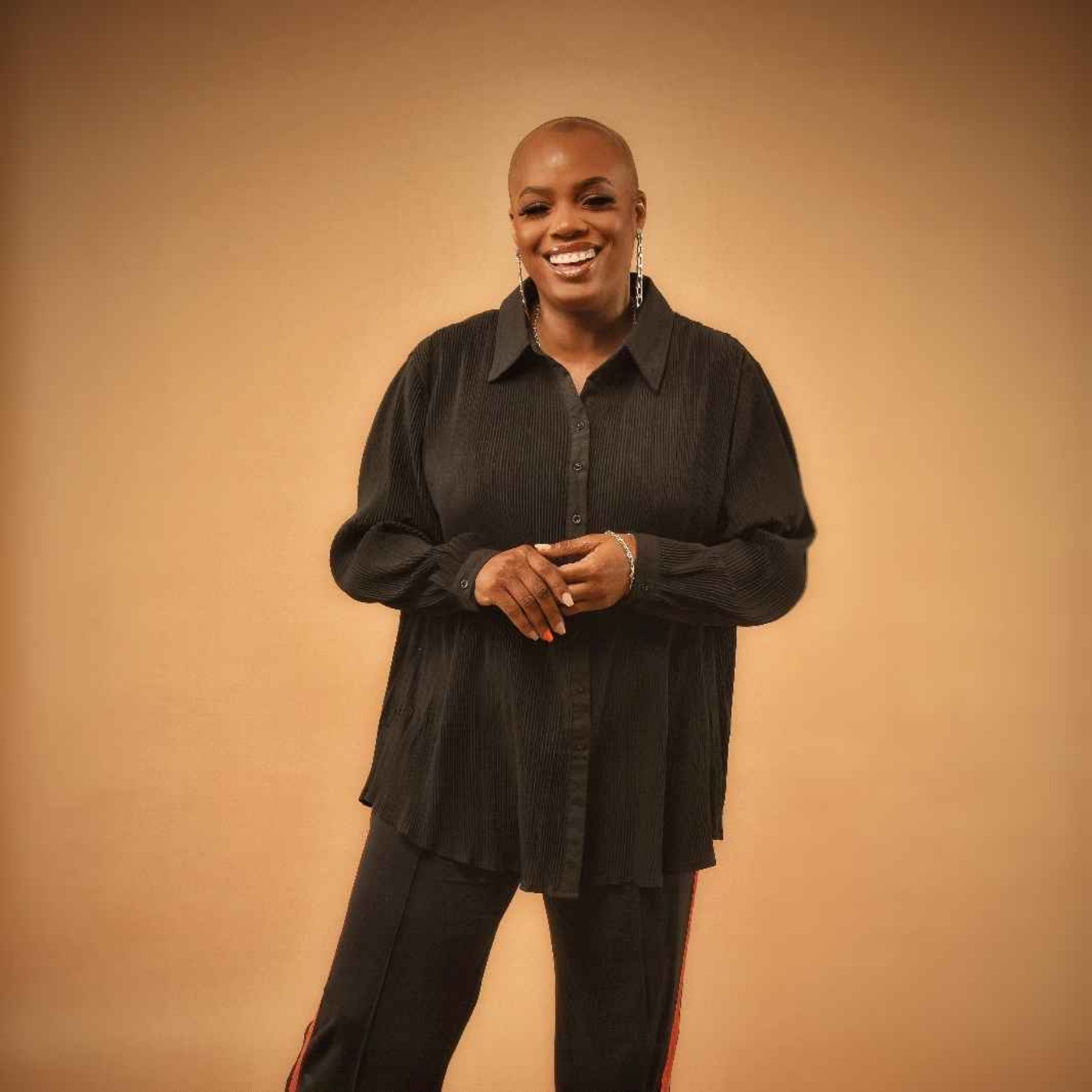
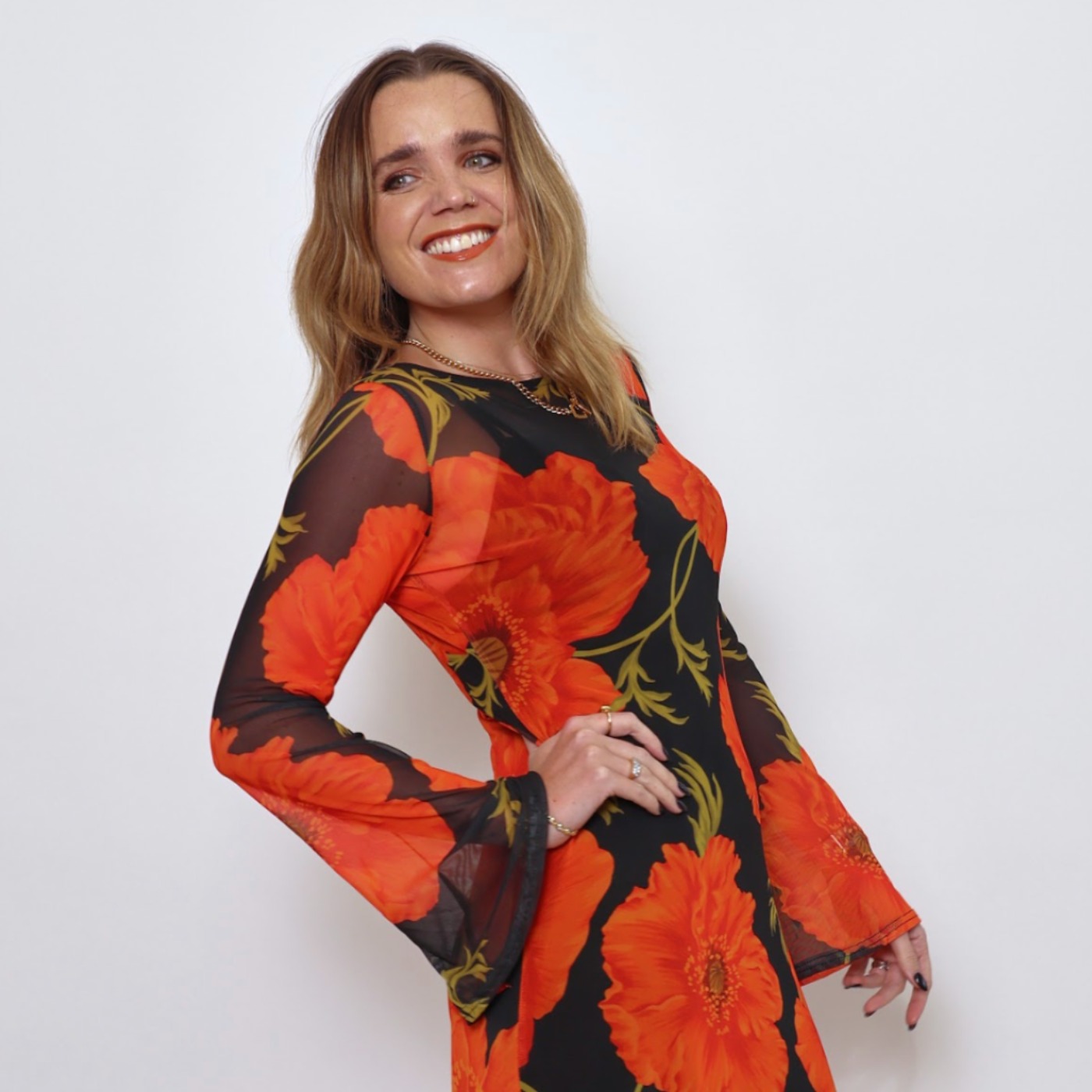
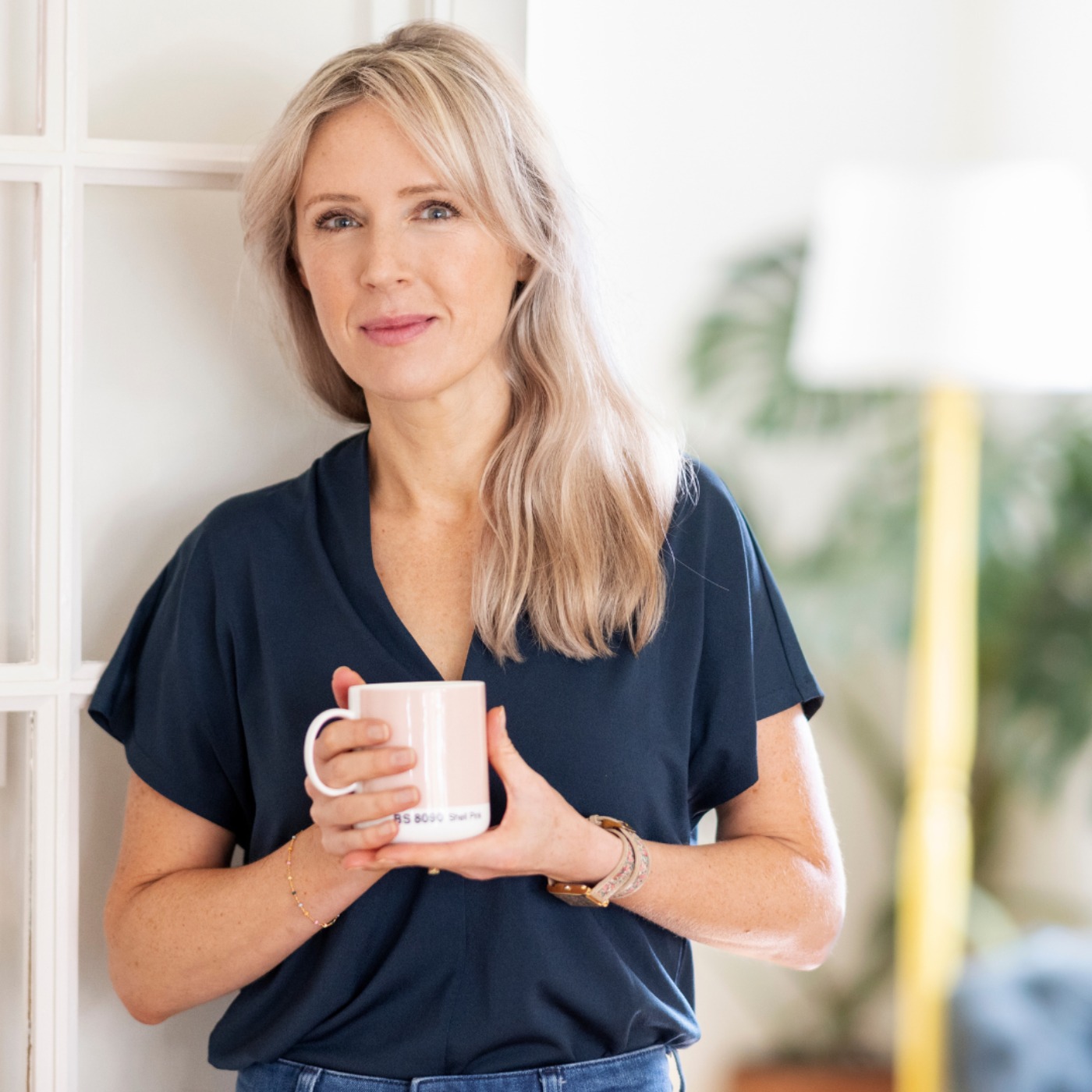
Catherine Carr is a radio producer and presenter with 25 years’ experience; she’s also an author. She wrote the podcast Relatively and her book Who’s the Favourite? She’s a middle child (middle of three girls) and has researched sibling dynamics for years.
Estrangement between siblings is common (Catherine cites a study of ~10,000 sibling pairs where 28% reported one or more estrangements). “Cut off” is not simple because siblings remain on the same family tree. Parents often keep one child in a “good” role, which can freeze roles into adulthood. Blood doesn’t justify tolerating harm; intimacy and peace aren’t guaranteed by kinship.
Catherine describes her own family history (mother leaving when she was ~13; she and her older sister stayed with their father; later long-distance adolescence). She discusses estrangement involving neurodivergence, mental health, addiction, boundary-crossing into her child, and a physical attack leading to safety-based no-contact. She contrasts sibling “roughhousing” with violence and critiques social-media narratives that frame estrangement as easy or always amicable.
Written by AI. May contain mistakes.
Catherine shares her background and her motivation for writing about siblings.
“And a five star guest to go in our five star dressing room.”
Catherine discusses the unique format of her sibling interviews and its effects.
“So, yeah, so you kindly interviewed me and my brother.”
Ellie shares her personal experience of being estranged from her brother.
“You have to get the guest and the sibling and then break the news to them that they have to do three interviews.”
Ellie and Catherine discuss the complexities and societal perceptions of estrangement.
“And for those reasons, I'm not going to go into all the details and give you a, you know, nobody wants the timeline, including me, really, of exactly what's happened.”
The hosts explore how to cope with difficult family relationships and expectations.
“Although I mainly like to think of myself as Princess Diana and I don't know where he fits into that.”
Helen shares insights on gender dynamics and expectations in family roles based on her experiences.
“And it kind of gets up your nose when you see people on Instagram or whatever going, oh, we're just amicably co-parenting now.”
Explore how familial roles shape behavior and expectations, especially around gender.
“Yeah, I found that really fascinating because I, you know, growing up in a family of five, I always thought that the boys could get away with so much more than the girls.”
Delve into the complexities of sibling relationships and the perceived favoritism based on gender.
“Knocking out a Bolognese on the nightly.”
Understand how significant age gaps affect sibling dynamics and individual experiences.
Discuss how cultural differences affect parental expectations and educational outcomes for siblings.
“We should bring up our kids to recognise that relationships are well.”
Investigate the socialization patterns of only children compared to those with siblings.
“As soon as you age out, you are out to work to pay for the rest of the kids.”
Debunk common myths regarding only children and their emotional well-being.
“And actually they socialise and make friends better.”
Explore the difficulties of managing a baby and a toddler simultaneously.
“when my husband was away from work and I had a baby and a toddler and both were sick and breastfeeding one while the other one was vomiting and things like that.”
Discuss the misconceptions about only children and the dynamics of sibling relationships.
“But then I've got like, you know, obviously I've got you, Helen, I've got my husband, and I've got my friend, Jesse, who it's interesting you were saying about, you know, the longest relationship you've ever had.”
Learn about chosen families and the importance of supportive friendships.
“No, no, you hate, you've literally given your vote to somebody who hates me and my, you know, people.”
An exploration of childhood experiences and the impact of parental relationships on siblings.
“When I started researching this, I was like, I don't think people have phrases or understood stuff about siblings that they can be fluent in easily and go, oh, you know that thing when you're sibling, blah, blah, blah.”
Discuss strategies for promoting positive relationships between siblings.
“Now, obviously, I'd like to give myself all of the credit for that.”
Investigate the effects of labeling and favoritism on sibling relations.
Explore the complexities of sibling dynamics and the impacts of parental favoritism.
Discuss the challenges siblings face regarding inheritance and its emotional implications.
“And wills and inheritance and very big, hard decisions.”
Examine how the death of parents can alter sibling relationships and family structures.
“Screenwriter, you know, the amazing playwright, Daisy Goodwin.”
Reflect on how family roles shape identity and the challenges of breaking free from them.
“And as you said, Like it's this ongoing, changing, shifting sands.”
The hosts discuss their children's experiences and a guest's book.
“that we were in fact going to be there and applied to get his actual exam certificate.”
The hosts talk about their upcoming tour dates and encourage audience participation.
“we're not asking for a profit at this stage no just not to loss just want to be able to pay the Premier in bill yes some people in Manchester please come Norwich, delightful.”
A humorous exchange between the hosts regarding sibling dynamics.
“And as a PS, my mum's maiden name is Car.”
The hosts share quirky confessions and personal experiences.

Get the gist, explore an idea or ask about something said.
 Claude
On The Scummy Mummies Podcast, what are the key points of this episode?
Searching your listeningAutomatic transcript. May contain errors.
0:03Hello scumbags, this is the Scummy Mummies podcast with your hosts Ellie Gibson and Helen Thorne.
0:16Hello and welcome to the Scummy Mummies podcast. I'm Ellie Gibson. And I'm Helen Thorne. And our guest today is Catherine Carr. Welcome to the podcast, Catherine. Thank you. Thank you for joining us here in our glamorous, she said in quote marks, dressing room at the Cambridge Junction. Yes. I mean, as I was saying, it's more glamorous than most dressing rooms we have, actually, in that it's got a working toilet. There isn't a smell of mildew. This fresh milk. That's unbelievable. I mean, this is what you would call a five star dressing room because we have been in much, much worse. Yes. And a five star guest to go in our five star dressing room.
0:52Who are you, Catherine Carr? I am a producer, presenter and now author. I've worked in radio for 25 years and I've just written my first book all about siblings. Ah, so why siblings? Because I'm the middle, so I wanted some attention is really, that's the line I give. I'm the middle of three girls and at the beginning of the pandemic I was on the phone to Jane Garvey. I used to work for Women's Hour on Radio 4 and I was chatting to her and saying, I want to make my own podcast. I don't know what I want to do it about. I've just been talking to my two sisters. they work for institutions which were very very dramatic and I was like I should just make a podcast about my two sisters and she said don't do that that would be a bit intrusive and a bit boring for everybody else but you should make a podcast about siblings because did you know it's potentially the longest relationship of your life and I honestly wow yeah sat up straight and thought no one's ever put it like that before and the teens in our family my grandma died at 99 mean I can't do the maths exactly that I could know my sisters for what 90 95 years that's a long relationship so I started looking I was like everyone must have done podcasts about this this is so fascinating 80 % of us have siblings this is a big big subject nobody and I thought I'll make one then it took me a while to get around to it but I did make one oh and it's called relatively which is great and you have interviewed some very very very fascinating siblings and And also the Thorns.
2:22Yes. So, yeah, so you kindly interviewed me and my brother. And I wanted to ask you about the format of the show, because that has informed the way you've written this new brilliant book called Who's the Favourite? Yeah. So how did you come up with the format? Well, I don't know why I came up with it like that. But now, having written the book, retrospectively understanding a lot more about siblings, I'm so pleased that I did. The way I do it is, and you'll know, because I interview the siblings separately. One, then the other, and then together. The reason that's clever, although at the time I didn't realise it was clever, is because people remember things differently and have unique perspectives on shared childhoods.
3:00So you get both sides of the coin, if you like. It makes it a massive faff. You're podcasters. You have to get the guest and the sibling and then break the news to them that they have to do three interviews. That's kind of a pain in the bum. But it works. and then you can find out things privately about one sibling and then put it to the other sibling and say, did you know your brother or sister's always felt really protective of you? And it's quite an undoing technique because people might not know that because people don't really talk about their adult sibling relationships very much. They just don't.
3:33Have you had anyone go, that's absolute horseshit. I won that tennis match. What is she talking about? And then there's a massive rip. No, I haven't caused any estrangements. That's, you know, estrangements nil on my podcast. I'll keep that score. So far, so good. So far, so good. Well, speaking of estrangements, that's sort of one of the reasons I wanted to talk to you really and have you on the podcast. So here's the thing, and Helen obviously knows all this, but I am estranged from my brother. And that is something that I haven't publicly really talked about for various reasons. One of the reasons is that there are kids involved, right?
4:12He's got a child, I've got children, and I have to think about one day the children listening to me bang on and how that narrative is told and at what age that's appropriate. And I also have to think about, you know, my brother doesn't have a platform, but he obviously has his own side of the story. And is it fair necessarily just to tell my version of events, which, as you just said, might be different to his? Having said all that, there are certain facts, some of which are legally documented. It's tricky, isn't it? But I've decided, and partly because of reading your book, I decided to start maybe talking about it a bit.
4:51I think those things that I've just said are still true. And for those reasons, I'm not going to go into all the details and give you a, you know, nobody wants the timeline, including me, really, of exactly what's happened. But let's say there's been a long history of neurodivergence and then mental health problems and addiction, which brought it all to a sort of head. And a couple of years ago, I eventually, having spent years and years trying to sort of have a successful relationship with various degrees of success and trying to fix addiction, having learned that, well, guess what? Like everyone says, you can't actually fix addiction in other people.
5:31um I and there was an incident that you know basically one of my it started crossing over into one of my children and I was like well that's that's the boundary isn't it that's the line um so it was my choice to cut off contact although I say choice and it was a choice but it didn't feel like a choice it felt a bit like um like you know I mean I don't play tennis I don't know why I'm obsessed with tennis on this episode don't know why tennis is coming up maybe it's because it's Wimbledon seasons um but you know like those machines that fire tennis balls uh automatically it sort of felt like that it felt like I was on a tennis court and with one of those machines and it felt like I tried turning the machine off and on again and I tried dodging the balls and I was still getting hit and then you know one of the balls was fired at one of my children and I had to go I'm just going to get off the court I'm just going to leave the arena um and and that's what I've done um and then there was an incident where I yeah and I was physically attacked so again I had to sort of go well that's that is that isn't it I have to keep myself safe I have to keep my family safe um and I've had a lot of therapy to help me deal with that um which has been enormously helpful and so I'm all right with it so now oh god I've banged on no now I'm at a point where I feel like I can talk about this sort of quite openly again bearing in mind other people and other people's sides of the story but I can talk about it and be honest about it and I'm hoping that's helpful um because like reading your in your book for example was helpful you've got a whole chapter on estrangement and it starts with how common it actually is and I didn't realize that it's so common I think the biggest study I could find of about 10 ,000 sibling dyads so pairs most sibling studies are done with pairs because it gets too complicated beyond that is that and it says that 28 of those 10 000 people have had one or more period of estrangements from their sibling i think the thing to say about estrangement is that we've only i mean you've just thank you for sharing that but people have only really started sort of quote-unquote admitting to it which even saying admitting sounds like it's shameful it's not but people have only really started taking it out from the shadows and saying this has happened to me and me and me in the last four or five years, inevitably helped, sadly, by big stories like the Murdochs and William and Harry and...
7:58Me and my brother are exactly like the Royers. I always say that. Yes, yes. It was like holding up a mirror. I was like, oh, Ellie. Although I mainly like to think of myself as Princess Diana and I don't know where he fits into that. Sorry, carry on. No, that's okay. And I think, you know, the sibling sort of research community would say they're not happy that those things happened, but thank you that they did in a way because it shines a light on all these other people's experience of estrangement. And there's a woman I spoke to who wrote a book about hers. And she said in 2021, she wanted to put the word estrangement on the cover of her book.
8:31And her publisher said, no one knows what that means. You're nuts. Don't do it. Whereas now, I don't think we'd say that. And the other thing to say is that Cut Off has been talked about a lot on social media as something easy. And, you know, you just say, oh, you're toxic. Thank you. Goodbye. I haven't had experience of it. but from what you've just described and I expect from what you've been through it is a much harder detangling longer process to achieve a complicated kind of peace I think is the way it's described because unlike an ex who you might be able to try and distance yourself from romantically as far as possible you still live on the same family tree so if someone wobbles a branch over there you still feel it even though you haven't got any contact directly between you and I'm sure that makes it much more knotty yeah it's very tricky and my parents i should say have been totally supportive of my choice and because they completely understand that as you say it's not like you know we had a fight over a monopoly board do you know i mean it's it's an ongoing over decades it we've got to this point they do still have a relationship with him because he's their son yeah and i completely respect and understand that i could i don't think i could cut off my son but I don't need to have a relationship with my brother in the way they need to have a relationship with their son.
9:48And I think that's so interesting what the sort of point I got to right at the end of the book was how weird that siblings are like this category of one relationship they are unique and they are difficult and they're long-lasting and sometimes because of all those things we think we have to give them special dispensation oh yes you can hit your brother with the Thomas the Tank Engine just because he's your brother. No, you can't hit your friends, but yeah, leather him. He's your brother. When you're older, you should put up with really bad behavior from this person because you're related by blood, to which I say, why?
10:22Why do we put up with bad behavior and being upset much more than we would in any other relationship? Like, I can understand there's a bit more grace, but there is also a point at which you say, blood does not have to guarantee me putting myself in the place of harm or being upset repeatedly or it doesn't guarantee intimacy it just doesn't it doesn't necessarily mean you're going to be close to this person forever yeah that sets up such a weird premise yeah to have a relationship in if you believe that but it can be really tricky to as you say make make peace with it and um i don't feel shame i did feel a bit of shame around why can't i have a normal relationship with my brother why can't i make this work um and as i say i did therapy and talked a lot looked a lot at you know how you can't fix addiction and what addiction does to people and to relationships and I've been able to let go of that and all my friends have always known what's going on but as I say I haven't talked about it publicly but I think but recently I went to a party right and I just met this woman at a bar friend of a friend we just got chatting at a bar and um for some reason we started talking about brothers and sisters quite quickly and she said oh I'm a stranger from my sister and I said I'm a stranger from my brother and we talked about that and she said you know and it's weird people don't always get it and I think that's definitely been my experience is that sometimes when you tell someone they kind of look at you like oh you know why don't you just pick up the phone yeah and they do think you've had a fight over monopoly or let's say again a game of tennis um when when actually it's really really And I wanted to talk about how there are different kinds of estrangement in the same way as you've had, Helen, a different experience of divorce.
12:07And it kind of gets up your nose when you see people on Instagram or whatever going, oh, we're just amicably co-parenting now. And depending on your personal history and experience and the other person's, you know, personality and things they've done, that's not always possible. That's right. And it does boil my piss when we go, well, we just thought it was best for the children that we had this really good relationship. and it's like that's not possible and the other person is a cunt like it's just not possible and and and no one should feel shamed for that no because we have to just find a way in which we can live with some peace and also protect our peace and protect our our children and our mental health because it's um yeah and I think there is something about getting to your 40s And when you've gone through, you know, by this age, now that we're in this sort of sandwich generation with, you know, with either being carers or had children or whatever, you get to see people's true colours and time suddenly speeds up.
13:13And you're like, I have only got enough energy and enough time for the people I know who are loyal, who are good and all those sort of things. So I think that it brings a new light into those relationships. I think that's true. But with siblings, I think there's a weird ingredient, which is that because of the roles that we perform as children and that we carry on being asked to perform as adults, I think it's quite rare that parents, from my experience and research, are as understanding as yours. often what happens is let's say the troublesome quote-unquote sibling or the one who may be the the one who's caused the problem let's say the other one the good one is asked to just carry on being good just carry on being good keep this weird dynamic going keep trying to help keep absorbing the blows keep being the good girl so that this family can stay like this just stay in your lane and perform your role and I think that's you know there's a lot in the book about roles and stuff and how is when we get to be full grown-ups in our 40s we're allowed to be complicated people with more to our name than the girl or the organized one or the clever one or the pretty one we're like fully grown-up middle-aged women so I love the fact that your parents could see the whole of the moon and say this is really hard for you we're going to do this and you do that I don't think that's true for a lot of families where it's easier to ask the good one to carry on being good than to ask the other one to sort themselves out.
14:40Yeah, I found that really fascinating because I, you know, growing up in a family of five, I always thought that the boys could get away with so much more than the girls. And the way, you know, and I'm sure I've said this on the podcast before, when my mum rang me up and said, oh, your brother, he made his girls bolognese. And like, oh, my God. Wow. Listen. Like he'd won a Nobel fucking prize. And I'm like, I'm a single parent. Knocking out a Bolognese on the nightly. Fucking yes. On top of everything else. But the way, because her expectations of men from my dad and her dad and her brothers were so low, it didn't matter all the things that I had done.
15:28And the way that my dad, I ring up my dad and I count the minutes until he actually asked me a question about me and my children after he's told me how wonderful my three brothers are. Because I used to prompt and just tell him, like, oh, Dad, this is what I'm up to. But often he will not ask me one single question. And I remember the other day I was like, oh, Dad, I ran a marathon. He's like, yeah, yeah, you did one of those last year. Anyway, your brother, he made a sandwich. His own marathon. Yeah, yeah, yeah. Look, I think you'll find. Have you noticed from your work that there is a pattern, a tendency towards this sort of idea we have in popular culture of often men are treated as the little prince?
16:12I think gender cuts through family dynamics in a way that's really uncomfortable when you start looking at it. So if you start at our age and work backwards, women our age are the ones that will tend to end up doing the care for the parents of ageing. It just happens to be there's disposition, there's geography, there's time, but often it falls down to an assumption that gender will be like the golden ticket. But I think that starts really young. And what your position in a family is and what gender you are can mean that you end up starting to play those sort of emotional caretaker roles quite early.
16:47So oldest daughters, I think, can get a really rough ride because they're the oldest. They're responsible. They're a girl. Maybe they're interested in babies a little bit. Maybe they're not. Maybe they're not given a space to not be interested in babies. But they are often given more of a kind of adult role in terms of keeping the family on an even keel, making sure everyone's OK, being a bit of a sort of extra pair of hands to get the toddlers into their wellies and stuff. and that can carry on going. You know, 18-year-old girls who are sort of reminding their brothers, it's dad's birthday on Sunday, that kind of thing.
17:20I mean, what? What? And okay, at 18, but when you're 47 and your brother might be 54 and he's the CFO of a multinational, are you telling me he can't phone up social services and organise a care package because he's the, I don't know, the boy or the baby or the twerp? It's no essence. I think, yeah, it's one of those things that, because I'm like a quasi... older sister so my parents had three children uh and then they had a massive gap and then they had me and my brother so um most of them had moved out by the time that they went to boarding school so I largely just grew up as a two yeah two person family like for a while I kind of considered my older brothers and sisters like cousins because I think so my older brother John I only lived in the same house as him for 18 months of my life and I was 18 months old so so actually I don't have shared memories of living with him at all that's where you get on so well yes yes indeed indeed um and so I've got yes very very little um yeah uh I can't I can't remember really living with him at all so I feel like I've got sort of quasi you know older sister protector yeah energy um and but then in the broader thing I'm in the middle and the peacemaker and all that sort of thing as well so i've kind of i straddle so do you bridge between the two groups be like oh we should get together yeah yeah i like i like being that yeah okay yeah and also recently it's been a bit um we've had a bit of a tricky time um my dad's was in care now he's coming back home and family home sort of things and like i had all different siblings all contact me like he said she said that sort of thing and that made me have it like a mini breakdown where i didn't want to talk to anybody no surprise um yes so i've been in that sort of that bit where i was like oh my goodness just sorted out yeah yeah well they do say if you've got a really big age gap is it how eight years yeah that's that's almost like being starting over again with a fresh family yeah it's like if you had just two of you let's say with a big age gap you'd both be considered in sibling science as only children because the shared environment as you say just doesn't overlap yeah you've got parents who are a decade older who are richer poorer live in a different house the dog's died the dog hasn't died grandma's you know whatever you just can't compare the soup that you're swimming in yeah it makes no sense to do that and so I think that's again so tangly when you think about siblings that they're like the special relationship and this idea that you come from the same place and you share everything even if you're 18 months apart and you live in the same house and you do for your whole childhood you don't have the same childhood you cannot you just don't yeah that I found really fascinating in your book because I just thought it's absolutely true I mean you know there's so many different things at play uh in terms of yeah where your parents are at you know they've already had a test case they've done they've had the pancake child yeah yeah the practice uh sort of child as well so I think that's it and then yeah your parents are just older and a bit more tired yeah and also you know talking about disposition the good child let's say and the naughty child you you know as parents that your children you have you love them both equally but they bring out different parts of you they need different parts of you and you relate differently to them i don't think we even admit that freely there's this sort of weird gaslighting thing we do to our children where we're like no no mommy loves you all the same all the same without when they're a bit older being like well no like we share a sense of humor we like going on walks you help with the dog more we can talk about granny more just like in the world he wants to watch spider-man he wants to watch secret lives of mormon wives there you go In that moment.
20:54Exactly. In that moment. I may. Let's just say I have a preference. And that's fair enough, right? We should bring up our kids to recognise that relationships are well. Well, then in the same way, my son wants to watch Manchester City play with his dad and not me, because he knows I can't give a toss about it. And I don't feel bad about that. I don't take that personally. No. And so I think that where favouritism can sort of be, sometimes it's real and true and very, very painful. But sometimes I think it's just people misunderstanding that, I don't know, the more amenable child or the child that just is really into tennis like their mother.
21:26Yeah. You know, they might just have a bond that makes it appear that they are favouritised. But actually, it's just like getting on with one person because you have something in common. And how important is birth order? Is it true that because there's sort of almost these stereotypes and certainly all over TikTok. There's all sorts of memes about first born daughters and all this thing. How much of that is, again, just sort of it's sort of seeped into popular culture and it's tropes and how much of it is actually real stuff that's been tracked and identified? I mean, I don't think anything is deterministic about it, although there was a very funny study which came out just a few weeks ago, which showed that one of the reasons why the first borns could be quote unquote cleverer is because they go to nursery first.
22:11they get snotty they bring the snot home and just basically reinfect the baby who then goes on to have more time maybe in hospital or maybe off school because they're just subject to two lots of germs so although it's not deterministic there are kind of resource questions around the first child being born into an adult environment and having one two three years of adults at the same time learner play adults so discuss and the second born being born into a family where there's well it's a family there's already children so you might arrive home from hospital and think I'm here oh there's already four kids which means you might get less of that undiluted parental attention but you might get four people to watch and copy and they've done some research here in Cambridge about if you have older siblings showing that your theory of mind which is this idea that you understand that someone else could be thinking something different to you which is wild it's when kids start to tell jokes because they realize they can trick you that can be sort of more quickly developed in kids with siblings because they've got little apprentices they're literally watching these older versions of themselves and being like oh cool cool I see I see what you did there with that excellent you know punchline hmm and I see why that works so I think that's very interesting not deterministic it doesn't mean you're cleverer and also I should caveat all of this is so culturally weighted in the west we think oh oldest children yes they're more likely to go to Oxford or Yale or Harvard or whatever because they're going to fulfil, you know, mummy and daddy's ambitions for what this family is.
23:41In other parts of the country, you're born first. As soon as you age out, you are out to work to pay for the rest of the kids. So you won't be quote unquote cleverer. You'll be working harder and the second, third and fourth might achieve more. Especially, I guess, in countries where you have to pay for education as well. And therefore, yeah, someone will earn the money to pay that education. Yeah. And one of the really, I mean, I won't wang on about it now, but one of the really interesting things that I looked at is the transition in China from single one child policy to them trying to make families have three children and which families are you know succeed more and where the children get more resources and time is not what you expect and also just the sort of fascination of the cultural transition from what is sharing what is sibling rivalry and these single parents who got together as two only children creating this family and being like what the holy heck is going on in our sitting room yeah my husband's an only child um and it does come up sometimes for example and again this in your book you talk about kids someone talks about their kids wrestling yeah roughhousing which you're very clear is different to yes actual violence yes i'm quite clear about um but that has come up in our house where um my boys they have like three years between them and sometimes yeah they'll be doing a bit of my husband like kind of can't stand it he gets very sort of edgy and itchy and careful mind stop you know whereas i'm like no it's it's okay i'm watching them they're not physically hurting each other they are in my head testing they testing the boundaries and seeing and at some point either they'll get bored or one of them will go too far and clonk the other one in the balls but at that point it will end and it's unlikely anyone will die or break a limb yeah so i'm sort of all right with that And is that, are there things that only children haven't learned because they don't have siblings?
25:30I think the adult only children I spoke to, there is a sort of lingering confusion around chaos and noise because their houses are generally quieter, right? There's two adults and a child or one out. One I spoke to, his wife is like one of five kids and he goes home and he just, I think he actually dissociates or shuts down and just has a nap. because he said the whole visit is just people shouting at each other from other rooms and I don't understand what is going on. So I think he just is like, boom, overload and just goes to sleep. But really, the research shows and the research about only children, you'll have to read it, it's so stupid where it comes from, the stereotypes about them being lonely, maladjusted and spoiled.
26:10It's nonsense. And most only children, by the time they're 12, they go to school, they go to nursery, they make friends. They socialise. And actually they socialise and make friends better. Because to your point about your husband, they can be a bit more emotionally careful about relationships. They don't do what we can do as siblings, which is take people and their affections for granted. They don't. They've had to work for every peer relationship they've had so they can foster them really beautifully. So I'd sort of flip it in the chapter and think maybe instead of looking at only children as this like, oh, how curious.
26:43we should look at them and say, hey, what could you teach us about maybe being emotionally a little bit more careful with each other and not allowing wrestling to tip to violence and just being sanguine about it? I have thought that before. I mean, some of my best friends are only children. We're done. Yes, I believe in diversity. But I, yeah, some people even, including my husband, are actually some of the most sort of well-adjusted, calm, yeah uh sort of fulfilled people i yeah i know so you know good for them yeah not fighting for a scrap of a tennis i know because we sometimes fall into that cliche like especially when you've got you know more than one child and if one goes and has a sleeper if you just go oh this is quite nice this is easy this is really well we what are parents of only children worried about this is this is a walk in the fucking park when they're killing each other like when the children like But like my, I was saying to Ellie the other day, like about 10 o 'clock, my children decided to have a massive screaming debate about religion, which is always an easy, lovely topic.
27:45You've got enough teens in that time. Yeah, my son's doing his GCSE in RE. Anyway, I was just like, God, it would be nice just to have the one kid. Yeah. Now, that would be less shouty and stressy. I do remember though, like, you know, when my husband was away from work and I had a baby and a toddler and both were sick and breastfeeding one while the other one was vomiting and things like that. I was like, how did I... Yeah, which one do I look after? One will be crying. Yeah, sometimes it's very stark, isn't it? Yeah. And I think the other thing to say about only children is because of this special category you put siblings in, like, oh, won't that child be lonely?
28:26Give them a brother or sister. That does not guarantee that child will A, not be lonely or B, be happier. I think this idea that siblinghood, which is a weird word, but can rescue you from the human condition of feeling quite alone in the world, which I think a lot of people feel most of the time. You're just by yourself, really. Or that we project onto only children. Oh, the reason they're sad is because they're an only child. No, the reason they're sad is they didn't get asked to a party or something's broken or their matter where it's gone badly. It's got nothing to do with the fact that they are a singleton.
28:58So this idea that you kind of project everything that's good and everything that's bad onto these two states is just stupid. stupid once you look at the research and what about this idea that you can also have close relationships with people who aren't necessarily closer relationships really so I'm thinking of like for example sometimes I have wished to be honest that I had another sibling I've wished that I had another person who I'm assuming it's just us two and I've wished that there was another person who understood what I was going through and what I was dealing with again in a way that although my parents are very understanding um you know again it's their son so they've obviously got all sorts of different filters and baggage to me.
29:36And I've wished for someone to, and also to share the burden with it, because then talking about the sandwich thing, that burden is just going to fall to me. It is. And I'm not going to have anyone to help me with that. And I've, again, made peace with that, but that doesn't mean it's not hard or a bit shit. But then I've got like, you know, obviously I've got you, Helen, I've got my husband, and I've got my friend, Jesse, who it's interesting you were saying about, you know, the longest relationship you've ever had. Well, I've known Jessie since I was born. So we did sort of grow up together.
30:06And no, we don't have the same parents. We didn't grow up in the same house. But she is the closest thing I've got really to a sister and that experience. And I have found that hugely helpful and comforting. Yeah. I did do an interview with someone who says that she calls her chosen sisters Chisters. And she's got a lot of them because she's an only child. And I was like, oh, because there's a chapter in the book about language. I was like, maybe there's a category of language we need to develop. for when we go and make a chosen family to help us. Because I think someone witnessing, like your friend Jessie has, everything that you've been through, to be able to be like, do you remember when?
30:42And for them to say, yes, I do. That's so comforting. Yes, and often literally, not just me telling her about things, she's been there for somebody's incidents. Yeah, so you feel like, to borrow woo-woo language, you feel seen in that moment. Like, thank you for recognising that indeed was terrible and I was sad. So I think with the fact that people are having fewer children and there will be more only children and the fact that estrangement is as common as it is and often around kind of ideological things. Can be addiction, can be other stuff, but it's often around lifestyle or, oh, I'm into far-right politics.
31:16I was going to say in your book when, yeah, the Trump, Trump was a huge diviner of family. And you interviewed the person about, you know, who LGB, you know, it's like, well, I can't do it. No, no, you hate, you've literally given your vote to somebody who hates me and my, you know, people. And I think the queer community, it's an interesting place to look for people who haven't felt at home and their families because of who they are, which is so sad, who have then intentionally gone out and been like, okay, I'm going to find my family then. Yeah. And so if blood doesn't guarantee intimacy and we don't put siblings in this special relationship, that category where we have to put up with everything from them, then the third way seems to me, and the fact there's more only children, seems to be, OK, well, let's talk about like how you sort of semi-officially recognize women or men who've grown up with you, who could fulfill some of that need in you to sort of help and support you.
32:14I've got a very good friend who's an only child who's a carer for her dad and two other relatives. And we have a group on WhatsApp. And she will call us our sisters because she tells us everything, all the good and the bad and the uncomfortable. And we're there for it. Like every phone call that is made to the care agency, we want to know how it went. Because who else is she going to tell? Yeah. Yeah. Yeah. And that's great. Exactly. I remember Juliet Rosenfeld, the psychoanalyst who we've had on the podcast, she said to have your pain witnessed is so important and that's what gets you through that you're not alone and having because, yes, in the best case scenario, you would have a sibling who witnesses your pain.
33:00But that's not always the case. But to have someone like, and almost I don't want to say like a sibling, which is like like a good person. Like a good person. You're not a bastard. You know, like, because I often think, you know, you can say, oh, they're like a sister. But the word sister will garner different reactions. You know, it's like when we talk about Mother's Day or any other term, you know, like that word will get a different response from everyone. Yeah. And I think that's, it's so interesting when you're talking about siblings because it's like Ellie and I, you know, we both have shared lots in the last 13 years and we've had, yeah, tricky relationships with our siblings.
33:44And to have a safe space where we can both go, fuck, this is really hard. And how do I explain that to my parents? And how does that work? Because they are part of who you are. I think it cuts both ways, right? we should it's nice to be able to turn friends into something like siblings whatever that means to you but also to think about how could we everything being equal improve our relationship with our siblings so that we treat each other more like friends with a sort of level of respect and not taking each other for granted that we would have in a chosen relationship yeah yeah so that to me isn't but all of this is interesting because people just don't generally talk about it So they'll go to the pub and they'll talk about their exes, romantic exes or friends, even all their mums or whatever it is.
34:28And they've got language for that. When I started researching this, I was like, I don't think people have phrases or understood stuff about siblings that they can be fluent in easily and go, oh, you know that thing when you're sibling, blah, blah, blah. Or the fact that we didn't really grow up in the same house. And people go, yeah, yeah, I know what you mean. I think now still people are like, what? That's brand new information. What are you telling me? This is a new concept. Yes, I was going to ask you this about your own childhood because it is fascinating. So please tell the listener, Catherine, confess to the microphone.
35:00So what it is interesting, except the caveat to that is I would say having written the book and done the podcast, everyone's sibling stories are quite fascinating. but mine is easier for people to grasp we were three girls Bex is two and a bit years older than me I always get it wrong and CJ the baby is six years younger and when the baby was six months old we moved to the Netherlands to Holland for my dad's job and then six years later my parents split up but what was unusual is that my mum left which is not the normal way of things and then she took the baby with her who was six and left me and my older sister with my dad and then we quite quickly moved back to the UK my dad my older sister and me leaving my mum with her new partner and the baby in Holland so then my adolescence from about 12 and a half 13 onwards until they moved back when I was 21 was shuttling backwards and forwards and CJ doing the same often crossing in the skies nice to spend time with your sister oh wait oh never mind oh well so you just did a swap sometimes if holiday dates did that with the schools yeah we didn't go every holiday and as we got older you'll know with your children like oh we should go away at christmas and spend new year with granny is like no thanks i'm going to be here going to the party capital t capital p yeah so the idea of being like do you want to go you know for new year to mums or something sometimes it's like no i want to stay here and snog that guy i've been like yeah yeah trying to snog for three whole months this is the night got cider here i've got a new pair of boots yeah yes i've got dot martens and TNT, it's all going to be good.
36:31So yeah, and that made it hard because then you have two households, two parents, two countries, you know, a pair of siblings and a de facto only child, two sets of rules, two everything. And then when you get back together again, age 21 and whatever, she was 16. And then my older sister went to New Zealand for 15 years. But you try and get together again and sort of tell the story of what happened to you. And then you very quickly realised what happened to you is one third of it your mum left but my little sister her dad and her sister left the whole circus left town and it was such a sort of weird humbling thing which I think everyone can do with their siblings it doesn't have to be this dramatic to put down your main character and say what was it like to be my sister and what was this like for you because I fully know what it was like for me and you hold on to that like this is what happened it isn't what happened to you yeah and so that process was weird upsetting ultimately really brilliant but really hard so occasionally we pretend to be a parenting podcast and actually sort of pretend that we actually know something 40 minutes in yeah and have some sort of wisdom to offer and we don't no we don't that's why we have guests on katherine that's why you're that's why you are clever people we invite clever people on thank you invite people who know shit about stuff so um with all your work what have you learned anything about i'm thinking about look even as i'm saying it i'm like is this even possible right but for example so when my i've got two sons and when the second one was born i was even when i was pregnant i was quite frightened i was quite worried about what that relationship was going to look like and how similar they were going to be or if like me and my brother they were going to be very different people and who didn't kind of get on and eventually in adulthood as has happened to me that's going to be this big sort of schism in their lives because that's what you need is when you're pregnant is to make yourself really stressed and anxious yes about something that might never happen now yes take that along with the folate yes yes um as it sort of turned out um they are very different people they have different interests different temperaments but they do sort of rub along much better actually than me and my brother did.
38:52Now, obviously, I'd like to give myself all of the credit for that. 80 % at least, don't I? Scientifically, yeah. Yeah, I know what to use. It's entirely jacked down to my impeccable, flawless parenting, which absolutely, Philip Rarkin was wrong. He was wrong. I have not fucked them up. One iota, I think we can all agree. but for anyone else who's not as good at parenting as me um is there are there things that we can do as parents to try and facilitate a good relationship between our children or is it just the bloody roll of the dice is it because like you say in your book that we all inherit different copies of genes and we never know what we're going to get which is how two siblings can be very different people need very different lives and it's not even always just parenting or environment is it No, it's not.
39:39And also it comes down to personality genes, part of that. One of the experts says that how harmonious your house is can depend on the personality of the first and the second, let's say. So if you have a quite bossy first and a compliant second, great, that fulfills the hierarchy. Like it seems right that the eldest would be a bit bossy and the second one would be like the lieutenant or whatever. if that's flipped and you have it compliant and sort of wishy-washy first and a really bossy second that can be a real problem because it's sort of counter to the law of nature like you've got the second born bossing the first round the golden ticket is if you have a very pro-social easygoing lovely firstborn trouble is is there also a girl as previously discussed and you take that easy going nature and you slightly abuse it by being like good you can care for your troublesome younger brother good good you can help me with the tidying up yeah and you connect to the dishwasher and get an A in your maths exam yeah yeah yeah can't imagine what that's like exactly so there's that that's just going to be what it will be but don't add to it by sort of thinking oh gosh this one is easy let's just lean on them um so that's one thing the second thing to say is that the family is described to me by a family therapist as like a baby mobile so all the bits are connected but kind of dangly and wobbly but if you push one of the dangly things everything else will move right so you have to sort of recognize that people are free to move and change but you are connected so people can have their role but don't constrain them in it don't be like yes you are a good girl that's you you're very organized you're very sporty you're very clever so they feel boxed in and unable to like move and change and for their relationships with others to move and change accordingly so I think I don't know how to do it but if you bear in mind the idea that you've got the system which is safe like you all belong and you're all joined together but it's not a rigid dance that you're performing over and over again until you're 75 where you're repeating the same jokes and doing the same thing and blah blah blah people can shift about within that safe structure to me that was so helpful so when you've got little kids let's just say and one of them gets star of the week for a beautiful painting you want to as a parent be like oh you're really good at painting that's that's a true thing to say in that moment probably it's not a great idea to be like you are the most artistic one in the family you are the artist that means the other ones feel that they can't be the artists and also it means like does this kid think you're only pleased with them because they've done a good painting that's not true you'd be pleased with them for all sorts of reasons mainly because they your child not because of something they've done so this idea of like the narrative being kind of slightly squishing that I think leads to problems in midlife when you haven't got out of those boxes and then you're thrown back together to look look after elderly parents and something and all you can see is this like weird 2d version of these siblings who are the whatever one or the whatever one so that's one thing the other thing the book is called the who's the favorite and people feel that often because they are labeled as the easy or good one what that does is it really puts a rift in between the siblings because the favorite one is feeling like they're performing to get love and attention from their parents that's like transactional that's a bit weird to have to like be good and get a's in order to be approved of but at the same time they can feel the resentment from the other siblings who are like oh there she goes golden girl getting all the love and attention there's a really lonely place to be to like constantly working hard to get your parents attention and to be slightly resented by the rest of your sibling group rotten so that i can't say how to avoid those things i can just paint the picture and i do say to my kids although they're old now and they can just see straight through me i'll be like you don't have to carry on being as good as you are in order for me to feel like this about you I just do feel like this about you like your parents with your brother yeah but they just love him yeah that won't change and that's it's hard love but it's love yeah and and that and they are like yeah yeah I know you've written a book about siblings whatever but it's true yeah you know if you needed as much as your brother does at the moment I would have it for you and I would love you and if you were you know if the one who needs more was suddenly easier i would love you just the same it's not dependent on roles that somehow we've asked you to perform or weird labels we've stuck on you usually because we're trying to praise them for something that really resonates with me because again this is something i've i've talked about a lot in therapy but um look you know i do believe that the the person who's really suffered the most in all this is my brother and he was dealt a bad hand and he also made i would say some bad choices and that has been an absolutely toxic combo for our family and for me but most of all for him um and he you know i don't know if he even knows this but i've never lost sight of that that he's the one who's really in trouble here but what my therapist has helped me who she is excellent she has helped me to understand that both things can be true that can be true it can also be true that i didn't also maybe get what i needed because i didn't have the same level of need and attention and because i was trying to be the good girl and thinking my parents are pouring all this into this guy because he needs it and that's true that's true i better not make a trouble but i better not make trouble or if i do make a trouble then you know that's going to exhaust them all yeah i'm out and and you know um that's that's that but yeah as you say i've you know again i'm completely zen like now but all of this heffron i'm entirely healed and uh just very happy all the time you should listen to the jess phillips episode she has a similar thing her brother was a heroin addict and left the house for a while they kicked him out and she she sort of in her own words sort of enabled his behavior by trying to help and trying to help and then she got to a point where she couldn't and then she got at some point quite cross and she said to her parents right i'll just nick all the money and kick off and do this and then maybe you'll give me some attention and her mum said this incredible thing she said if you don't think there's an inherent advantage to being you i can't help you and i thought oh that's some good parenting i would push back slightly and say your therapist is right also it is hard not to be the one who's giving the attention but i thought that is that is an excellent way of approaching it and she was like okay taken now her brother's an academic at the university of birmingham and he's the one looking after her well perhaps she could give my drummer a ring yeah and i don't mean i'm just tell him how it's done thanks so much uh yeah i didn't mean to be clear i wasn't no no oh i'm gib is my they call me that's it that's mine i've been incredibly dib on this podcast multiple times i was gonna end on a less not interior note but also again we're at this stage where parents are popping off uh they're dying uh and yeah in the disco biscuits um One of the hardest decisions, conversations, periods of a sibling's relationship is when parents die and you have to deal with money.
47:01Yeah. And wills and inheritance and very big, hard decisions. Yeah. And I can't count how many friends and I've had these conversations and friends have gone through it where siblings who you thought were perfectly reasonable. Yeah. And you knew them very well. Yeah. And then when money gets introduced to the game, it's a different thing. It's wild, isn't it? Really wild. And I know what you were saying in the book about people finding out about if they've been de-inherited and what impact that has. And literally the value that your parents see on you. Yeah. And who gets what painting and all those sort of things.
47:45I think it's Daisy Goodwin who said, you know, money isn't love. But when it's the last act that your parents have after they died, it sure feels like it. Yeah. And she was disinherited. Screenwriter, you know, the amazing playwright, Daisy Goodwin. She was given nothing because she was the competent eldest daughter. Successful, had some money and the rest got it all. And she had to make a choice. I don't know how she did it. It's Jesus-like between supreme grace and jeopardizing her relationship with her siblings. And she chose supreme grace. I mean, she wrote about it in Substack. Like it's an excellent, excellent letter and it makes everyone think.
48:16But she was like, okay, I choose my brothers and sisters and the relationship over anger and bitterness. I think that's extremely hard to do. And I think, well, I mean, you tell me, but she was in an economic position where she could do that and still live a comfortable, stable life. Whereas I can imagine maybe it's harder if you are really poor and you're sying on that money or earning that money, right? Yeah, and I mean, just the other day I was at dinner and someone was telling me that their family adopted two children who lost their parents in a terrible accident. They were from the same village.
48:53And then how the inheritance was shared out, including the adopted children and the children of the adopted children, suddenly revealed how people felt about the family ties. And that's very painful. Was it equal distribution? I think it was because money had been given prior to the death and then it had to be rolled into the inheritance tax calculations and how people felt about that, cause rifts. And I think even just the admin of death can be, I know a lot of people whose parents have died and they sort of come together for this awful job of, you know, looking after their parents, grieving, burying, doing all the funeral.
49:32Then it comes to probate and then it just becomes, that's all done. And it's like this drifting, it's like the anchors up. and these ships just kind of, there's no one to go home for Christmas for, there's no conversations about, the overnight care package, blah, blah, blah, blah, blah. And before you know it, there's clearly water between you suddenly. And I do think that happens more if you haven't had the chance and the circumstances don't allow for making friends with your sibling, separate to mum and dad. Like totally separate to going home for Christmas and all that malarkey. Yeah, I think that's it.
50:06And as you said, Like it's this ongoing, changing, shifting sands. But it is still funny. Like when you get together, like I find with my siblings, you know, it's very rare that all five of us, it's either now weddings or funerals. Okay. And we live in two different countries and all that sort of stuff. But I do find that their personalities, or I see different personalities when all five of us together than if we were just one. Yeah, you do it, darling. And then all of a sudden, like, oh, the elders might puff his chest out and be a bit more of a show off. I'm like, what is that? Is that? You know, like, why are we suddenly...
50:44So weird. Yeah, yeah, yeah. And so weird that we think we have to do it, where sometimes, interestingly, I think people allow us to do it. They're like, oh, they love doing this thing. Let them do it. Let them organize the restaurant and divide the bill. That's their whole thing. That's their identity. And sometimes we assume it because we're like, who are we if we're not the funny one or the this one? Yeah. I think if you haven't had that conversation like who do you think I am in the family am I the funny one no mate no you're not you know or no you're not I think that that is funny you just fall into these literal grooves and it's just like dink and I find it sometimes nostalgic or comforting often I find it really tiring and boring because I just don't want to do it I feel it happening sometimes and I'm like I don't want to do this I want to have a conversation that's real and like be mates don't want to do this weird sibling dance we're doing for the family.
51:34What is this? It's fascinating stuff and your book is fascinating. Who's the favourite Catherine Carter? Is it out now? Yes. Do catch Catherine's episode on Woman's Hour. We can put a link. It's fucking excellent. We can put a link. There we go. We can put a link. 336 episodes, Catherine. The eldest daughter will put the link. Do you know how many show notes she's written? None. I did it once. Did you? Yes, I did. Was I ill? Yes, your point. Had I just had a premature baby? Something like that. You let me down. I remember now I had to put it through spell checker. Look, now we're engaging our old patterns.
52:17Come on. For God's sake, it's your turn to open the dishwasher. I know. Look, we've gone deep, I feel. Let's go shallow now. Oh, okay. Oh, right. If we emerge. A light note. Yes. Let us paddle in the waters. of glibness with the scummy mummy confessions. Shall I go first? Please do. So recently, I mean, I don't like to mention it, I ran another marathon and I was invited kindly to the Marathon Expo, which is at the Excel Centre, and I was on a panel with three women who were talking about marathoning and running and all sorts of things. And we were all on these lovely stools and lovely crowd and everything and interviewing and it was all I felt very fancy anyway so at the end um you know and I was in all malapra not a not a natural fiber to be found on my body and I stood up and we were all having a photo and we're on these chairs and I had done quite a heavy uh condensation so again an imprint of my fanny um and it was very visible the old chair and shroud yes yes yes yes yes yes it was And yes, I'd created a little, like a Rorschach painter.
53:32Yes, yes, exactly. Exactly right. But then we, they were like, no, let's stay for a photo. So we were all three women and the man just standing next to my fanny print like I'd peed on the seat. Oh, and I was, and I like, I leaned. I was like leaning on it, like sort of doing a little elbow. Drop your cardigan. Yes. I was like, oh, oh, it's been such a lovely, lovely. hot time oh really and i know i should i i don't know how much i can own that uh i think natural fibers are your friend i i really bamboo leggings baby yes or just even take a little towel to do it hot box yes yes i hot box that um yeah so that's my confession i don't know you're not going to be the only woman to have left a fanny print on a chair no no no no no no uh i just wish didn't happen as we at Labo.
54:26Yes. It's happened a few times. I think that's what we're getting at. You're a serial imprinter. Yeah. Yeah, I know. That's my calling card. Yes. She's been here again. So my confession is, so as I was saying earlier, it was interesting when you were talking about, you know, am I the funny one? I think the problem in my family, as it was in my family growing up, is that everybody thinks they're the funny one. And frankly, that's exhausting. Yeah. But yes. Yes. So my little son, he recently, we were sorting through some old clothes and I said, oh, look, these jeans are too small for you. We're going to give them to your cousin.
55:03And he went, oh, but they're my they're my favourite jeans. And I was like, I know, but like they're literally age nine. You are 11. These are too small. And he went, well, so is dad's penis. And you manage that. And I was like, what have I raised? I'm a repressor Joe has the gift mine is it's exam season and this time sort of last year my oldest son went to pick up his GCSE I'm so bad at admin I'm so bad at all parental admin I have no systems I am chaos and he was the child who after everybody had gone to this certificate it still makes me just want to cry certificate presentation evening wherever we've got their genuine GCSE certificates in a little bound folder, him and two other unloved children had to go up on the stage and hold a pretend sheaf of certificates because I had failed to reply that we were in fact going to be there and applied to get his actual exam certificate.
56:06So everyone went alphabetically. His surname is C. We had to wait till the Zeds, the Polish children had been up. And then he went up on the Shane Dias with all the other parents who know what I'm like, but still this was a new low. considering he did really well. But do they know you've written a wonderful book? I haven't written it. She works for the BBC, for God's sake. Ah, she's holding this country together. Do you think your licence fee can afford for her to have a PA? No. The admin just kills me. I mean, I've taken Theo years ago to his best friend's birth at Garty, 24 hours late, in fancy dress, to arrive with the little wrinkly balloons.
56:46And I just thought, oh, my God. we've been looking forward to this for weeks and it was yesterday oh amazing any other business? well we're on tour really yes we are and do you know what I'd love to see some people in Manchester would you? yes at least a hundred more come on Manchester yes come on help us break even yes yes we're not asking for a profit at this stage no just not to loss just want to be able to pay the Premier in bill yes some people in Manchester please come Norwich, delightful. You said that. Norwich. Norwich, come on. Norwich, wonderful. Second, do you know who else would be great to come?
57:29The people of Hartlepool. Hartlepool, yes. Hartlepool, Alderstone and Chester. A big reveal. We're doing a show in central London. Yes, we are. On the 11th of July. Yeah, which would be fun. So do come up to that. They'll be the judge of that. Catherine Carr, delight. Thanks so much. Absolutely excellent. But, yeah, 10 stars on your book. 10 stars on you. Thank you. And as a PS, my mum's maiden name is Car. So perhaps you and I are siblings. And when Ellie puts on a male wig, you look like Ellen Car. Fuck you. Go fast yourself. That was meant to be a nice moment between me and my much-longed-for sister.
58:11And you just ruined it for me. Well, that's because I'm the cunty younger sister. I think, well, news for you, you're adopted. You're not calm. Well, they never wanted you. Never do. Thank you so much for coming. Thank you very much. I loved it. Until next time. Bye-bye. Bye.
58:38These are Waitrose tights. John Lewis at Waitrose. Like slightly fuzzy. I like them. A little bit cushiony. yes yes I want to touch your leg now please do it yes yes yes oh that is nice it's nice I'm not a fan of the I like a cotton tight for reasons I won't go into no no no we've all got fannies come on oh my god oh that's my scummy confession I've just remembered you've got a fanny yeah yeah that is no you've lost your fanny you haven't got a fanny I knew it giving it away I've been a hopeless man this whole time yes that explains a lot
How common is sibling estrangement? Does birth order really determine your destiny? And is there anything we can do to make our kids get along? Helping us to answer all these questions is the awesome author Catherine Carr.
It's a big episode for Ellie, as she talks publicly for the first time about being estranged from her brother - why it's happened, and how she's learned to make peace with it.
Catherine shares what she's learned about the subject in the course of writing her excellent book, Who's the Favourite? We also discuss whether the myths about elder and younger siblings are true, and the role gender plays in family dynamics. Plus, we ask Catherine whether there's anything parents can do to help their kids' relationships run smoothly.
We finish of course with Scummy Mummy Confessions. This week: a sweaty incident, school admin stress, and Ellie's husband's peen.
Catherine's book is out now. Her podcast is called Relatively, and do check out her episode on Woman's Hour. You can follow her on Instagram @tall.lady.carr.
We are on tour! See you soon, Tiverton, Watford, Manchester and Eastleigh! Then we're visiting all sorts of venues all over the country right up till 2027. Yes, INCLUDING NORWICH! Visit scummymummies.com for dates and tickets.
WE HAVE A SHOP! Visit scummymummies.com for our ace t-shirts, mugs, and sweatshirts. FREE UK DELIVERY!
We're on Instagram and Facebook @scummymummies. If you like the podcast, please rate, review and subscribe.
Thank you for listening!
Hosted on Acast. See acast.com/privacy for more information.