In short
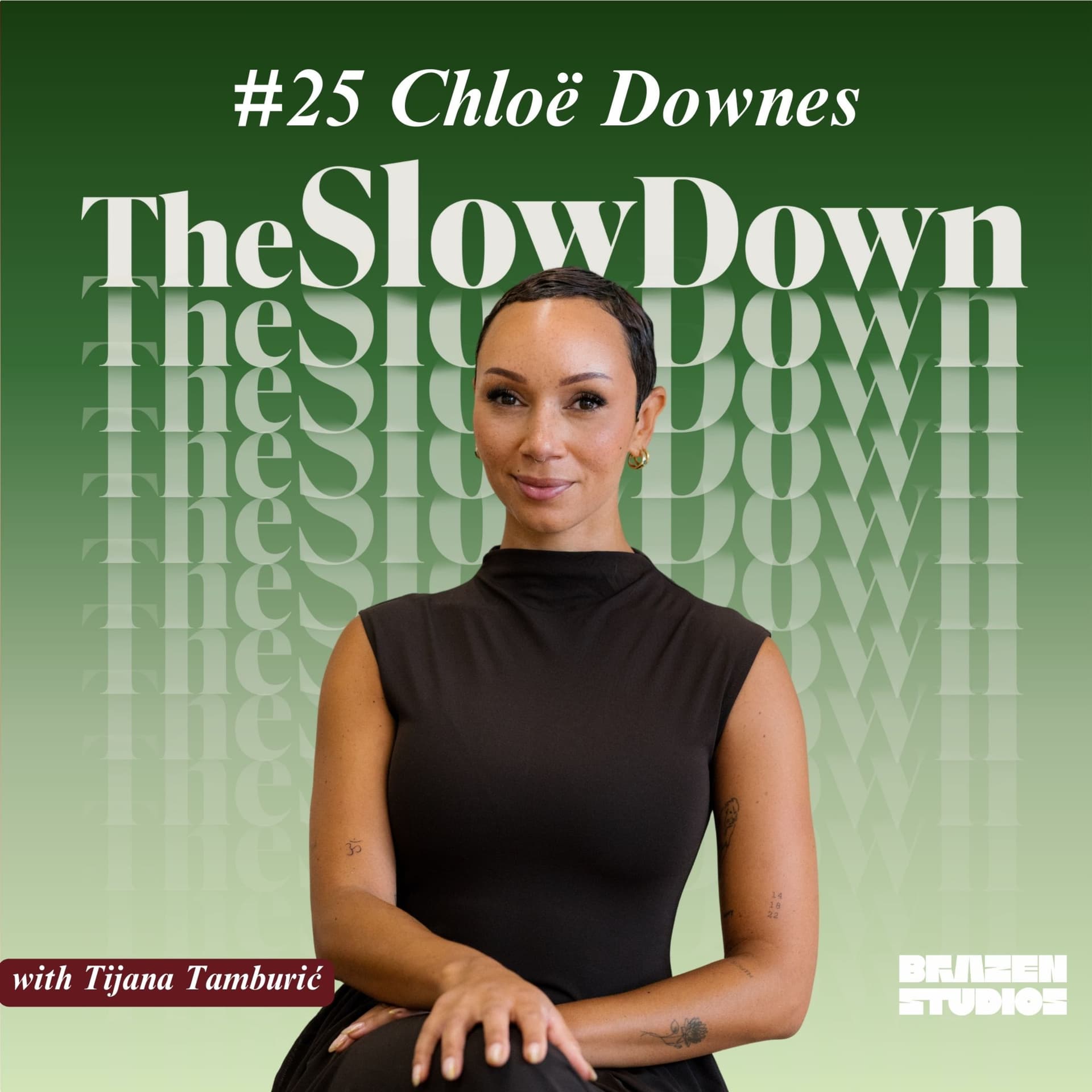
Podcast Episode Summary: Chloë Downes - On Leaving her 6-figure business to re-discover who she is
Podcast Title
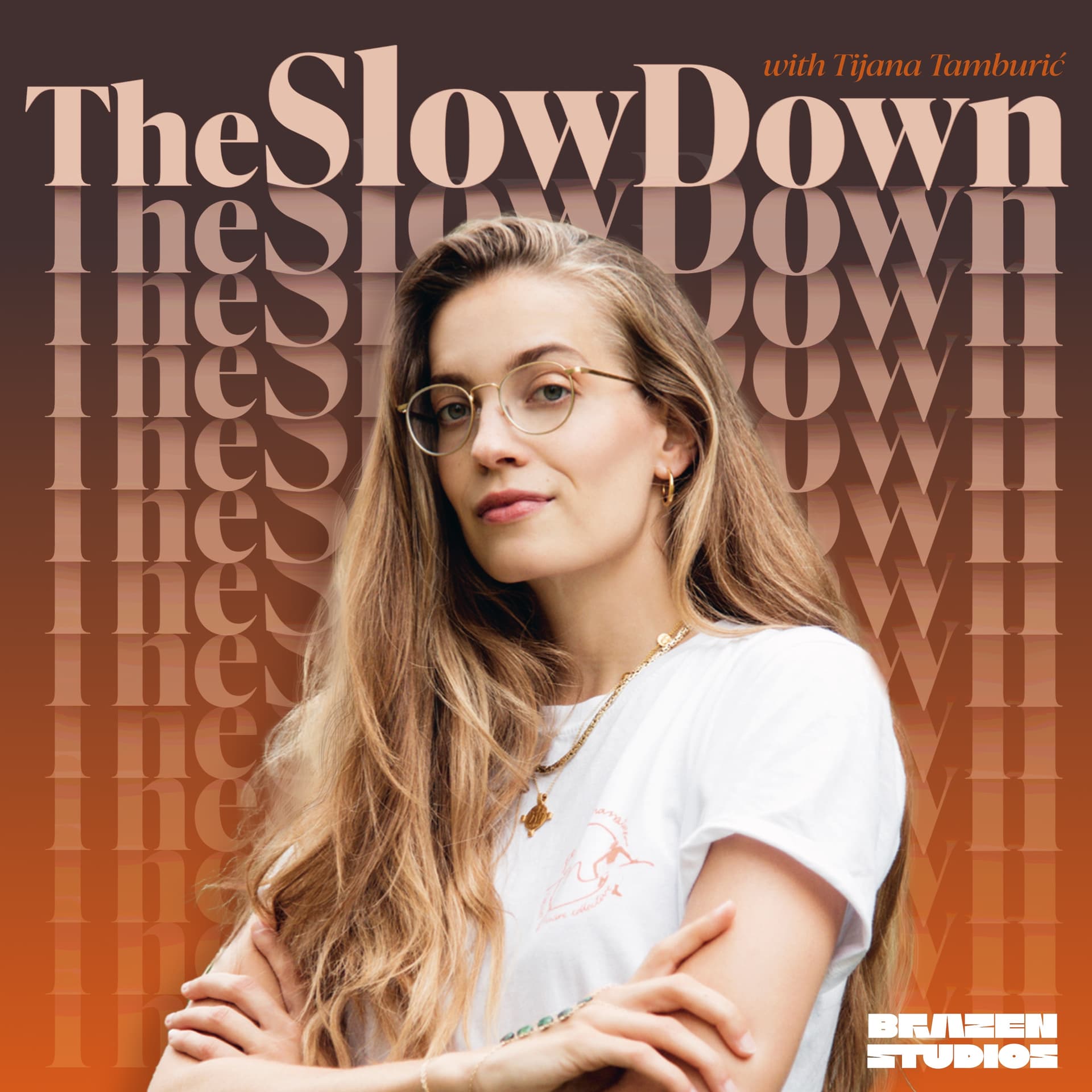
THE SLOW DOWN Description "The Slow Down" hosted by Tijana Tamburić explores personal stories, advice, and tools for redefining success in a culture obsessed with growth and speed. The podcast emphasizes the importance of avoiding burnout and building sustainable careers on one's own terms.
Episode Overview In this episode, Tijana speaks with Chloë Downes, founder and former CEO of SHFT, an award-winning talent agency in the creator economy. Chloë discusses her decision to leave a successful business at age 31 to re-evaluate her identity and purpose. She transitioned into coaching, focusing on entrepreneurship and mindset.
Key Topics Covered
- Chloë's upbringing and early entrepreneurial experiences
- The role of dance and creative hobbies in her life
- The founding and growth of SHFT, and recognition on the Forbes 30 Under 30 list
- The impact of societal pressures and burnout
- Chloë’s experiences with neurodiversity, specifically her autism and ADHD diagnoses
- The decision to step away from SHFT and the journey that followed
- Transition from a successful founder to a mindset and business coach
Detailed Notes
Chloë's Background
- Early Life: Grew up in Peckham, London, in a working-class environment.
- Entrepreneurial Spirit: Created various businesses during school, including a nail and tuck shop.
- Dance: Began dancing at age six, ultimately training at Laban Dance School.
Founding SHFT
- Motivation: Aimed to advocate for inclusivity and fairness in the influencer industry.
- Growth: Built SHFT into a multi-award-winning business, recognized for its impact in influencer marketing.
Challenges Faced
- Burnout: Woke up unhappy at 30, feeling unfulfilled despite outward success.
- Neurodiversity: Openly discusses her diagnosis of autism and ADHD, which helped contextualize her experiences and struggles.
Transition to Coaching
- Decision to Exit: After recognizing a lack of passion for influencer marketing, Chloë chose to step back from SHFT.
- Personal Reflection: Explored life’s deeper meanings and sought fulfillment outside of traditional success metrics.
- Coaching Focus: Aims to help others find clarity, confidence, and sustainable success.
Key Takeaways
- Redefining Success: Success is more about contentment rather than traditional measures like wealth or recognition.
- The Importance of Breaks: Taking time off to reflect is essential for personal growth and rediscovery.
- Cultural Pressures: Challenges the narrative that every successful founder must continuously build or hustle.
- Neurodiversity Awareness: Highlights the need for understanding and accommodating diverse working styles.
Mentions
- Laban Dance School: Influential in Chloë’s dance training.
- Film Recommendations: Chloë relates to "Spirited Away" for its themes of self-discovery and helping others.
Final Thoughts Chloë’s journey emphasizes the importance of taking a step back to redefine one's path, especially in an industry driven by hustle culture. Her transition to coaching aims to provide others with the insights and experiences she gained through her own challenges, helping them navigate their personal and professional lives more effectively.
---
Links
- [Chloë Downes LinkedIn](https://www.linkedin.com/in/chloedownes/)
Conclusion This episode presents a powerful narrative about stepping away from societal expectations and the pursuit of redefining success on personal terms, inspiring listeners to reflect on their own journeys towards fulfillment and well-being.
Written by AI. May contain mistakes. Listen to the episode to check what was said.
Chapters
Tap a time to open that second in VOChloe Downs' Background and Early Influences
0:45 to 2:26
Chloe discusses her upbringing and the concept of success modeled for her.
“I really wanted to speak to Chloe because I don't think we hear enough empowering stories of successful founders stepping away from their business.”
Entrepreneurial Spirit in Childhood
2:26 to 4:31
Chloe narrates her early entrepreneurial ventures at school and their significance.
Transition to Dance and Performance Aspirations
4:31 to 6:51
Chloe shares her journey into dance and theater from a young age.
“That's when Jamie Oliver came and messed up for all of us and decided we needed to be healthy eating, which was very upsetting for everyone in my school, which meant our tuck shop got taken away.”
Navigating the Dance Industry and Realizations
6:51 to 9:11
Discussion on Chloe's realization of her place in the dance industry and her decision to move away from it.
The Impact of Individualism on Personal Interests
9:11 to 12:20
Chloe reflects on the individualistic culture and how it affects hobbies and interests.
“that crossed over like the, the cool kids and the nerds.”
From Generalist to Specialist: A Shift in Perspective
12:20 to 14:06
Discussion on the desire to focus on depth rather than breadth in a generalist-driven society.
The Shift from Generalist to Specialist
14:06 to 15:01
Exploring the importance of depth and specificity in personal interests.
Rediscovering Creativity Through Dance
15:01 to 16:55
Chloë shares her journey back to dance and the creative joy it brings.
Finding Balance in Yoga
16:55 to 18:39
The transition from competitive sports to a more mindful yoga practice.
Chloë's Educational Journey and Aspirations
18:39 to 22:21
Reflecting on Chloë's education, motivations, and the pressure to succeed.
“It's harder to balance with your eyes closed.”
Show all 36 chapters
Navigating Early Career Challenges
22:21 to 23:25
Chloë discusses her first jobs and the challenges of entering the workforce.
Influencer Management and Industry Insights
23:25 to 26:03
Insights into Chloë's experience working in influencer management.
“They ask you questions like who's your favorite influencer?”
Challenges of Diversity in the Industry
26:03 to 28:00
Conversations about representation and the experiences of people of color in media.
Navigating Workplace Challenges and Racial Dynamics
28:00 to 30:20
Discover how workplace dynamics during COVID influenced Chloe's decision-making.
The Tipping Point: Realizations and Decisions
30:20 to 32:40
Chloe shares the moment she realized it was time to leave her job due to stress and lack of promotion.
Understanding Neurodiversity and Its Impact
32:40 to 35:00
Learn about Chloe’s journey of discovering her neurodiversity and how it shaped her work experience.
“So just let me sit on my one desk and leave me alone.”
Creating an Inclusive Workplace
35:00 to 37:00
Explore how Chloe fostered understanding and inclusivity within her team based on her experiences.
Building Shift: Successes and Challenges
37:50 to 42:00
Chloe discusses the successes and challenges she faced while building her company, Shift.
Navigating Stress in Influencer Marketing
42:00 to 46:06
Learn about the challenges and stressors faced in influencer marketing relationships.
Realizations at 30: A Turning Point
46:06 to 47:26
Explore the pivotal moment of self-reflection at age 30 and its impact on career choices.
Support Systems and Decision Making
47:26 to 50:41
Understand the importance of a supportive environment when making major life changes.
The Challenge of Identity After Exiting
50:41 to 54:10
Discuss the struggle of identity and societal expectations after leaving a job.
Shifting Focus to Coaching
54:10 to 56:00
Learn about the transition from business to coaching and the motivations behind it.
Self-Education and Life Experience
56:00 to 56:45
Chloë discusses her journey of self-education and the value of personal experiences in mentoring.
Reconnecting with Family and Childhood
56:45 to 58:08
Chloë shares her efforts to reconnect with family and how spending time with them has impacted her.
Understanding Burnout and Its Effects
58:08 to 1:00:01
Chloë reflects on her experiences with burnout and its physical manifestations on her body.
Exploring Health Practices and Rest
1:00:01 to 1:02:03
Chloë discusses her exploration of different health practices and the concept of rest.
Redefining Success Beyond Happiness
1:02:03 to 1:04:07
Chloë defines success in terms of contentment rather than fleeting happiness.
The Challenges of Building a Business
1:04:07 to 1:05:59
Chloë shares insights on the misconceptions of entrepreneurship and the challenges of managing a team.
The Illusion of Achievements and Contentment
1:05:59 to 1:10:03
Chloë discusses the chase for accolades and the realization that true contentment comes from within.
The Illusion of Success and Contentment
1:10:03 to 1:11:07
Success is a moving target, and chasing accolades may lead to dissatisfaction.
The Myth of Freedom in Self-Employment
1:11:07 to 1:12:08
Self-employment often comes with misconceptions about freedom and security.
The Sacrifice Behind Entrepreneurship
1:12:08 to 1:14:27
Entrepreneurs must understand the sacrifices involved and the reality of founder life.
Cinematic Reflections: Spirited Away
1:14:27 to 1:15:38
Chloë shares how her favorite film parallels her personal journey.
Recognizing One's Strengths Through Reflection
1:15:38 to 1:16:58
Taking breaks allows individuals to identify their natural talents and strengths.
“And, you know, I was just thinking how interesting it is that you've basically, God, what was I going to say?”
The Value of Experience in Coaching
1:16:58 to 1:18:22
Experience shapes one's ability to coach and provide valuable insights.
Transcript
Automatic transcript. May contain errors.0:04Hello and welcome to The Slowdown, your time to redefine success and growth on your own terms with a little inspiration from others. I'm excited to kick off season four recorded here at Brazen Studios in London with the inimitable Chloe Downs. Chloe is best known for her leadership in the creator economy as the founder and CEO of Shift, a talent agency she grew into a multi-award winning seven-figure business while advocating for fairness, inclusivity and integrity across the industry. In 2024, she was recognized on the Forbes 30 under 30 list for her impact in influencer marketing and entrepreneurship.
0:44But last year at the age of 31, Chloe chose to exit her company, take a break and channel her expertise into coaching. I really wanted to speak to Chloe because I don't think we hear enough empowering stories of successful founders stepping away from their business. The narrative seems to be that we should just keep building. but what happens when you outgrow the idea that you had in your 20s and you don't feel challenged and fulfilled anymore? Leaving a successful business means really going against the grain of the culture in so many ways. And then what exactly do you do with that newfound space?
1:22Chloe is also open about her autism and ADHD diagnosis and the answers that they have given her. I resonate a lot with Chloe's story. As someone who also started a business in their mid-20s was Forbes 30 under 30 and woke up on their 30th birthday feeling overworked and a bit unhappy. So selfishly, I really wanted to break down her thought process and see how she sees success now. I hope you enjoy this episode with Chloe Downs. Hi, Chloe. Welcome to The Slowdown. Thank you for being here. Thank you for having me. Well, I have so many questions, most of them revolving around your decision to exit your business and what you did next which we'll get into but before that I really want to provide listeners with context because I think it's important to understand where people have come from the journeys that they've had and later decisions that they have made often stem from earlier experiences so I really want to know where were you raised by whom and what was success modeled for you like when you were younger I was raised in South London I was born in Peckham I grew up in mostly in East Dulwich my both my parents are from South London as well I was raised by my mum and my dad I went to a school called Sydenham Girls very well known for kind of the naughty girls being there at the time of me going to school Lewisham Borough which Sydenham is in had the highest teenage pregnancy rate of the whole of Europe and I truly believe my school was contributing to at least half of that but yeah very working class surroundings I would say I'm more kind of upper working class mainly because I had my own bedroom and a garden which most of my friends didn't have my dad's building my mom works in and worked in social housing um he just managed to make it into a home I remember I don't remember everything about when we moved in because I was only maybe like three or four or something but I really remember us sleeping on the floor in my living room and then I remember it being a house that's that's all I remember I don't remember the process of it becoming a home but I remember very clearly all of us sitting um sleeping on the floor in the living room it's there's pros and cons of having a dad as a builder it means that you always live in a building site but also stuff gets done so it's helpful when i think about success when i was younger i don't feel like i saw a lot of what i did i don't know what i thought success was because i didn't really see people doing quote unquote like amazing things when I was younger I was speaking to a friend of mine um a couple of years ago um Ibrahim Kamara who is one of the co-founders of GWOP we went to he went to the boys school and I like Forest Hill Boys which was across the road from me so we've known each other since we were about 13 and we were talking about how like we're we were now the business owners and like the people that people from our area could look up to that we just never had growing up we didn't have people that were doing anything like the people that were making money were the drug dealers basically I cannot pinpoint what I thought success was when I was younger I was never really into celebrities either so I don't think I was ever looking at a celebrity as successful I find it funny when people say like oh you know people were looking at Vogue I'm like I don't think anyone at my school was reading I don't think I knew what Vogue was no no but interestingly you were quite entrepreneurial quite early on what was your recollection of making your first like bit of money um I I had a couple of businesses at um at school my first one was a nail shop basically it started off with me literally just bringing my probably nail varnish I got for like Christmas or something um in and I was good at art so I just painted people's nails and I did it well it wasn't any patterns either it was just literally painting people's nails what was the price i think i charged like no it was no i actually charged ridiculous prices i think i charged like 50p a nail which is like you can go to a nail shop i don't know why people were paying me um but yeah so i was doing that by myself first and then the demand got too high that i was like oh i need to i need to start hiring basically so i started roping in people from i don't know around my school to basically work for me I'll give them like 10p per 50p I was getting ridiculous but nobody was questioning me so I did that um I did that for a little while and people would have to come to our tutor group during like lunchtime and break time and stuff and then some other girls started copying my business and you know and then I was like okay the competition is too much I don't care about this anymore so I just packed it up and stopped doing it and then I started a tuck shop because my year was, I think it was in year eight.
6:05That's when Jamie Oliver came and messed up for all of us and decided we needed to be healthy eating, which was very upsetting for everyone in my school, which meant our tuck shop got taken away. Tuck shop was fantastic, but it got scrapped and it was replaced by like a panini like sandwich place, which was really funny because none of us knew what a panini was. And we thought it was the height of sophistication. if you were getting a panini for lunch you were the most sophisticated woman in the world but um but yeah because jamie ondiver took our um our talk shop away i then realized that people obviously wanted sweets right and we weren't allowed to leave like leave school during lunch time so we had to stay in school all day so you couldn't go to the shop um 100 and other people were doing it but what people were doing were they were going to like sainsbury's after school because there was the sainsbury's down the road from us and they were buying like a four pack of donuts for a pound and then selling them all for 50p but like you were just you were just getting the money and then re-putting it into donuts and you weren't really making that much of a profit so what I did was I asked my dad because he had um like a macro card the um the wholesaler like Costco type thing um I asked him to take me to macro to buy stuff from there because I knew I could get it for cheaper and then I could mark it up more and then make more money than everyone else my dad fully supported it so my dad took me to macro my dad also suggested that I rather than like buying packets of sweets i basically make my own packets so i got like pick and mix and then i would make like little pick and mix bags which was super cheap to make i can't remember how much i would sell them for but i'd sell them and then yeah i was making i was making a lot of money i also had way more like kind of range than everyone else because everyone else was just selling donuts essentially which was boring um and also donuts have a shelf life you have to sell them that day you gotta eat them that day i mean sweets i can they can sit sit there for a month i'm fine so and this would all live in like your locker your bag what i i can't remember i feel like i must have do you know what i didn't really take books to school you were like priorities i think that's probably what happened i think i probably took my books out and put my sweets in but i i had such a good range of products that even teachers were buying from me which i wasn't even meant to be like selling sweets and teachers would um would come the air and slide it slide it done yeah no so so yeah that was my those were my two businesses but was there any you know i mean if your school was anything like my school yeah there would have been theft there would have been people trying to sabotage you there would have been all sorts of things it probably would have happened with in the least big headed way possible it probably would have happened to other people but i was very well well respected in my my school created an air of i did i did first you set people I was like mob boss.
8:49That was the energy. Do you know what's funny? You know, when you watch like, like gangster films and the boss is always some skinny guy and you're like, I could, anyone could beat this guy up, but people just respect him. Right. That's the energy I had. I was the skinniest kid. Anyone could have beaten me up. And we had a lot of fights in my school. I never had a fight, but I think I was, I was probably the only person in my year that crossed over like the, the cool kids and the nerds. Like I was very smart, But I was also within the popular groups. So because I crossed that intersection, people seemed to just respect me more, basically.
9:24And I was friends with everyone. Yeah, I was friends. I could go and sit with the nerds. I could sit with the goths. I could sit with the cool kids. I could sit with anyone. So I think because of that, yeah, no one really questioned my reign. So good. At what point then did dance enter your life? So I was doing musical theatre from the age of six. It was like a community theatre school. um it was started by an incredible woman called Teresa Early who basically could see that all of these kids in Peckham and the surrounding areas were had nothing to do and were like causing trouble getting into trouble and started this community um theatre basically for like the kids off the block that it kind of um was was in front of so I started going there when I was six um and then I was mainly focusing on musical theatre and acting at the start and then I started doing dancing I think around eight and then I enjoyed that more and kind of started focusing more so on that I also realized I couldn't sing so I was never going to be in musical theater so I started leaning more towards acting and dancing and then started really focusing in on dancing around 15 because then I got into Laban so I then started training at Laban what were your aspirations of dance what was your goal to like be a dancer and where did you get to yeah goal yeah I definitely I think throughout my childhood, I wanted to be either an actor or a dancer.
10:44I then started leaning more towards dance because I didn't want to be famous. And I think to get to kind of the top of the acting game, you're going to get famous or you have to get famous. Whereas no one knows dancers. How did you decide as a teenager that you didn't want to be famous? I don't know. I just I just knew I didn't want to be famous. I think I saw I think I probably saw famous people and the kind of attention they got and how much they had to be conscious of what they were doing all the time. yeah and I just thought I don't I don't want that like I don't want that level of attention um I think I enjoyed being on stage but I don't want attention on me all the time so so yeah so dance kind of I started leaning more towards dance and yeah really thought I was going to pursue the life of a kind of uh professional dancer um Laban was probably the like first stepping stone of really going towards that because the dance I was doing at Theatre Peckham was good but it wasn't at the level where you were kind of getting gonna get into kind of any professional dance whereas Laban is like the first stepping stone to to then studying later at Laban and going into that world so yeah I didn't get close enough where I was could call myself a professional dancer but I was definitely training to get there but I then gave it all up when I was 16 17 no 16 I think because I went to college in Clapham and my and Laban is in Deptford so going from like my house in Dulwich to Clapham to Deptford was such a trek basically that it then just became really hard for me to to juggle everything and I then decided that I just couldn't do Laban anymore so I I dropped out which probably is actually I don't regret much in my life but that's probably my something I regret I wish I carried on because I would have liked to be a dancer but I'm too old now but I also heard you say that it was this idea of you realized at one point that you weren't going to be the best at dance and you were like there's a finite number of people that make it in this industry so what's the point I should just cut my house basically yeah yeah I was dancing with girls who had been doing ballet since like the age of three I'd always been the best at dancing when I was at theatre peckham I was the best at dancing at my school I was the best at dancing and then I went to Laban and I wasn't the best and I didn't like it when I left I remember saying to my teacher like my tutor at the time that like I'm I'm not good enough basically I'm not I'm not the best like I want to leave and he said to me that I wasn't the best but I was the person that improved the most within like the last year and I just didn't really comprehend what that meant as like when I was 16 years old but now looking back you're like I could have compounded exactly yeah yeah I could have I could have got somewhere but you know everything happens for a reason I clearly wasn't meant to dance but it feels to me like a great like kind of allegory of capitalist progress which is find what you're best at carve that like gap out for yourself in the market stick to it become a master I think we lose just enjoying something we lose hobbies and we lose broader interests in our culture that has a need for specificity and we focus we become sort of generalists and we don't have these like interests I feel like I lost all of my hobbies in my 20s from focusing on work trying to be able to hold a conversation about most things knowing how to change a car tire but also how to change a light bulb you kind of have to be a massive generalist and in our independent do everything yourself world yeah you have to know how to cook how to clean how to then suddenly as you get older it's like managing a house owning a house doing this sort of thing and so I think we lose that specificity and the truth is like you want to be an interesting person but specific things are what make you interesting yeah when we live in these incredibly individualistic lives where we need to be fully self-sufficient to handle it all we can't really find the time to to do those things yeah and I listened to an interview recently and was reminded of this quote which is of a computer scientist saying I no longer want to stay on top of things I want to get to the bottom of things this idea of like I've been a generalist yeah and I've been on social media where I feel like I need to be on top of all the news and all the culture and all the stuff but now I actually want to focus on depth like I want to understand what is going on underneath things um and so my question is would you return to dance as a hobby now yeah so I had a really powerful conversation with my brother um who's a few years younger than me he's like three three and a half years younger than me and we were close when we were like children we were not close at all when I was a teenager at like at all and then we kind of started becoming slightly closer when I when I moved out and went to university which I think happens a lot when you have space for someone you could talk to them a bit more um and we're a lot closer now we're adults he pointed out that creative people need to do creative things and I just hadn't done anything creative for years like since I left dance and when I thought about it I pinpointed actually yeah like I haven't really been happy since I stopped dancing because I kind of just when I stopped dancing I stopped doing anything creative really I stopped acting I stopped I used to draw loads when I was younger I didn't I didn't really do anything anymore because I think I was focused more on career and university and figuring out what my life was and after he said that to me I thought you know what no that's that's right because I used to really love dance like even if I'm not trying to do it as a career I should really try to go back to it so I went back and started doing like adult after after work classes at Laban because I like the the style that Laban does and I'm familiar with it um and yeah it was really nice doing that and then I got so busy that I couldn't do it anymore and then that that's that's the difficulty right like I think when you're really focused on your career and building a business and doing all these other things you just don't really you do have time but you don't make time for those things that you enjoy because you you for me anyway it felt like no every moment of my life needs to be focused on building this thing or networking or whatever it is that I had to do to build this career and this this thing that I was creating so I think I've now found yoga which is more it kind of scratches that itch for movement but in a way that actually is probably better for me at this like at this time in my life yeah for me yoga helps because I grew up very competitive and in very competitive sport and so discovering yoga while i was at university i was like oh a thing where i'm not competing yeah it's not a team sport where we're competing against somebody else and then i'm getting into like the strategy and like what we should and shouldn't have done and stuff that changed the game for me because i was like oh to do a movement practice where i'm not in high anxiety yeah the entire time wow that's great exists did did you find yourself because you've come from a competitive background did you find yourself because this is what I started doing and I had to stop myself I would find people to compete with in my yoga classes basically which isn't yoga it's not yoga at all but I would I would always place myself and I'm very very flexible yeah I would always place myself next to someone who looked like they were like quote good at yoga and see if I could do like more moves than them or I could hold things better or I could twist more and I yeah I really noticed that I was doing that I had to stop because I was like this is not what this is what you're definitely did did elements of that and you know there's definitely a sense of like I don't know you'll see someone who's like clearly the best in the class because they're doing handstands but then they can't bind in a certain position but then you also start to realize like after doing it for the amount of years that I've done it this must be like trying to do at least 15 years right of yoga i'm now i've had injuries i've had so many things but i've humbled myself yeah in a yoga class right and i've been like i can't do half this class for whatever reason and so then you go oh there could be someone here that is far better than me yeah but for this particular day for whatever's going on in their lives and you also realize that some everyone's flexible in different ways people's bodies are proportioned in different ways someone can do something you can't do you can do something that someone super flexible can't do just because my arms are longer or whatever it might be so i'm really blind so i'm like minus five okay my glasses and i don't really wear contacts i wear them for this show um and so i'll always take my glasses off and put them at the front you actually just can't see i'm not really seeing people wow that's the benefit of blindness isn't it though i i've got perfect vision so i have yeah to go go with a blindfold or i close my eyes a lot yeah you know and i'm I just I really I have to fall because it's not in my nature to be just like holy I know there's a part of me that's like what's she doing what's she doing you know there's there's that so in order to kind of circumnavigate that or kind of pass that bypass that in my system I add these layers of like okay don't look you know do it with your eyes you're doing like you know when there's racehorses and they put the the blinkers on right exactly yeah maybe I need to buy blinkers well if you do Do as much of it as you can with your eyes closed.
19:41You also, it's harder. It's harder to balance with your eyes closed. It's harder to listen to what they're saying and know what the pose is without looking. So try that. Yeah, I have. It's a good one. Close my eyes. So give me the like quick pressy of you finish school, your girls' school, and then you go into university, first few jobs, and basically the road to starting shift. Yeah. Because I'm really interested in what it is that you were trying to achieve with shift that felt new and needed like this desire to start a business yeah left school I went to a sixth form college so I went there for a couple of years um then went to university and studied event management just because I had absolutely no idea what I wanted to study at uni and I literally sat down with my mum and was like this seems like a good mix of my skills I also did not need to go to university I only did it to prove to people that I could or like prove to people that I was smart or whatever proving people wrong that's what I was obsessed with because what did you think people's assumptions if you were so I think going back to the school thing where I was quote-unquote cool and popular I was seen as naughty in my school by the teachers like to the point where teachers knew who I all the teachers knew who I was when I sat down in their class for like the first time and they'd be reading register they would just be like Chloe Chloe Downs like there's like this disappointment on her face that they had me in their class so I I had the reputation where I was naughty but actually now looking back it's because I questioned I questioned things all the time which I think actually people should encourage in school but it's people don't like it because I found everything so easily I got very easily distracted because I just got it and then I'd be like I'm bored of this now and I'll do something else which would obviously then distract other people which wasn't good throughout school because of how I acted teachers thought I wasn't smart to the point where I don't know if you had gifted and talented in your school yeah so the top people would go and do like extra classes and whatever I was in pretty much every gifted and talented but I would always start late like it would start at the start of term and I would always join a couple of weeks later because the teachers didn't realize I was smart until a few weeks in because they just assumed I wasn't because of how I acted so I think because of that and because of always being kind of left behind and not seen as intelligent I then went out of my way to like prove that I was all the time even now like I think going through life because I think because of how I look because of how I sound people just don't think I'm very smart and I've had to really stop myself from like letting everyone know I got first and doing all these things so yeah I think that's the only reason I went to uni because no one spoke to me about uni the whole time I was in school they were speaking to all of the other girls in like the top sets about oh where are you going to go to uni no one ever spoke to me about university so I was like cool I'm gonna go to university I'm gonna I'm gonna do really well um and I said to myself I will go to university I'll get a first and I remember doing it because I thought to myself oh then I can post on Instagram and be like oh I got a first same with like um I was gonna buy a house and I remember so clearly thinking oh yeah I can post that like key picture I don't need to buy I can buy a house but I don't need to but I really felt like I should because I wanted everyone to know that I bought a house before I was whatever age i was so that's something i've had to unlearn a lot but anyway so i went to university did event management i did actually work in events for a while which i i enjoyed events i then left because one of the company i worked for wasn't nice to work for so i then saw this facebook post for a talent assistant like an influencer talent assistant i did not follow any influencers at the time at all so i just blagged it got in because i'm good at blagging things um got the job but did They ask you questions like who's your favorite influencer?
23:27They ask me loads. I just made things up. It's like I remember being 17 and going for the Abercrombie and Fitch job interview. Oh, wow. There were so many people applying for the job that we were rumored. That was the dream job when we were young. At least 20 people in a circle. Yeah. And they said, okay, we're going to go around and like just say a word that makes you think of Abercrombie. We'll start with you, me. And I had no idea. like my first time ever going into the store was coming for the interview and walking through the store. I'd just been told like they pay eight pounds an hour or something and like they let you leave when you need to leave because I had castings and things and they were very flexible about that.
24:04Yeah. And it went to me and I was just like literally only thinking about what I'd seen as I'd come in. I was like flannel shirts, random stuff. And I went, well, it's quintessentially British, I think. And I had no idea that it was like the most American kind of frat company ever. and I think I just used like a big word and they like didn't really know what I meant but I remember being like it's like quintessentially British it's true because if you don't know what quintessentially means it can be like it's completely not at all I just don't think they were listening and I and and I got the job and I was like wow the only other time it started with me again was they were like how would you describe yourself I hate that question with all my heart but I took it literally I was like a philosophical opportunity to really distill myself into a few words rather than being like shit this is a job interview um bubbly really really personable love speaking love resolving other people's problems yeah i like thought about it and went judgmental argumentative and like opinionated and they were like what but i still got the job so i was like i don't know if they weren't listening or like what was happening but maybe they just um really appreciated your honesty because that's one thing in a job interview where they're like oh my my biggest weakness is that I'm a perfectionist oh shut up I think the truth was that Abercrombie and Fitch were like high aggressively hiring models and I was a model that was anything I said they were like doesn't matter it doesn't matter we'll put her on a podium it was she's not gonna talk to anybody that was like that's all me and my friends was like oh we want to work there just because then it would make us a model yeah in my head I'm way taller than I am I am not a model height in any way shape or form but so you got the oh yeah sorry you got the job yes um yeah so I got the job um and I really enjoyed it there I was that in that agency for a year doing influencer talent stuff yeah so I started off as a like a talent assistant I think my role was um which was basically just doing like outreach emails and calendar management and things like that and then I got promoted quite quickly I think after a few months I got promoted um and started managing managing talent at the time I was managing all the top study tubers in the I think in the world actually I was gonna say UK but I'm pretty sure they were the top in the world so I was managing these like 18 year olds that were making I was I was making pennies and they were making like my whole salary in one deal on YouTube um yeah yeah mainly YouTube but they were on Instagram as well and this was pre-tiktok um I'm sure they're all on tiktok now but I was doing that and I I enjoyed working there I really liked the team the team was super small it was um I think it was only like three years old or two years old the company at the time I really enjoyed it but there was only one black person on the roster and only and he was the only person of color and he was the only working class person everyone else was middle class and white and we were based in Vauxhall and I just thought this isn't London like this isn't representative yeah exactly this isn't at all and things like that and I said to my boss I we need more like people of color on this roster because I don't want to just manage one black person um and he was like yeah but he was I felt like he wasn't as on it as me and like I was like cool let's get this done and I remember sending out dms to like all of these different creators that I had kind of discovered through working in the industry and started getting some core responses and people wanted meetings but again he just wasn't moving things along the way I wanted him to move things along so at around the same time I then got poached by another agency who were kind of just starting up their talent arm so I went over to them and I was super honest in the interview and I said I don't want to manage middle-class white people anymore and this was I was speaking to middle-class white man um so it's just funny but he was like yeah cool man so uh so yeah he was like cool that I'll basically you can manage whoever you want so I said fine after I think I was there for like three months and I'd been the only person on the talent team because within the time of me getting the job offer and starting the girl who was like the head of talent had left which I actually should have seen as a red flag but anyway she'd left so I had started basically on my own in this like sub team of their company and then after three months someone came in above me and basically just took all of the recognition for basically everything I'd done in the last three months and she was a middle-class white woman which um which has happened a lot yeah it's happened a lot throughout my career so so yeah so I kind of stuck it out there for again a year but the the tipping point there was during Black Lives Matter because this was I was there during um like lockdown and COVID and it was such a strange time in my life because during lockdown all my friends were on furlough going for walks and doing whatever they wanted I was so busy right like I was stupidly busy I don't think to this day I've ever been as busy as I was during COVID because everything went on to social media like all of the marketing went on to social media all of the marketing went on to like influencers and things like that and I was managing a lot of black talent at the time so when when that resurgence happened I had so many different things going on I had my own thoughts and feelings about it I had all of my black talent and mixed race talent coming to me and being like Chloe what should I do what should I say whatever and also just having their own feelings about it and then I had everyone from my management team which there was four people within my management team individually came to me without speaking to each other and was basically like chloe what should we do because i am the voice of all black people yeah i was gonna say i loved when that happened if you didn't know i am the voice of all black people i'm mixed race as well i'm not even fully black um but what happened was that because like throughout my time at the company i've been very outspoken yeah they then decided that i must know everything and i i must be happy to lead them in this thing the the thing is during this time i had been asking them for a promotion for months because I should have been promoted but then you're not giving me a seat at the table you're not giving me any extra money you're not promoting me but you feel like I should be the person that is helping you through this through this thing um and I said that to them I said you know if you're if all of you are asking me something that none of you know why am I not being promoted because clearly you need me as part of your management team because none of you know the answer to this thing but it got so overwhelming for me that one it triggered my acne because I've got hormonal acne and it triggered my acne so my acne came back full force during that time because I was so stressed um and then I was I was just so stressed out that basically I said to them I'm going to take two days off I didn't I said it's not part of my holiday I'm taking two days off and no one speaks to me during this time I didn't ask them I told them and then during my two days off one one of the management team called me um to to check her Instagram caption with me um and then started crying to me on the phone about white privilege which in itself is very funny because that is exemplifying white privilege she was crying down the phone to me on my on my day off um and then needing me to to comfort her that was yeah it was a very strange time but that was the tipping point where I was like yeah I don't want to be here anymore um but also I think during that time during the time of that company I realized that they were so keen on talking about diversity all the time it was plastered all across their website they wanted to use all of the black faces on the on the website all the time they constantly put me somewhere on the website so everyone knew that there was a brown person there but you weren't promoting any of us and actually even when you looked at like the people of color that were working within the company all of us had some level of privilege where three of us were Caribbean which is a privilege in itself because we have very white sounding names we don't like I don't have a name that makes me sound black if you see Chloe Downs on paper you I could be anyone um so we had three white um three caribbean people uh two mixed race people so and both of us were half white and all of us had been to university so all like and and i remember speaking to them about it and they just didn't understand because they were like oh but we've got black people working for us and i was like no but you've got a certain type of black person working for you and actually you're not you're not opening it up to all these different people or even working class people generally so and then also you were bringing us in but not promoting us you weren't nurturing us at all and then also with the talent again like you're really pushing this diversity angle but what are you really doing for diversity so when i came away from it and decided i wanted to start shift it was really kind of focused on you we should be doing like we should be inclusive and diverse because we should be not for any like not for marketing purposes which basically everyone was doing at the time um so actually on the website i never mentioned diversity at all because you shouldn't need to you can see that we're diverse by looking at the team by looking at the roster i don't need to make it like the tagline of everything I also had just seen like how how poorly they were treating their staff and I just thought I want to create a company that people would be happy to work for because I just hadn't really ever had that in any of the millions of jobs I had I'd never been kind of truly truly happy around that time when was it maybe like a year or so into um running shift I then started kind of thinking about neurodiversity and like how I fit in with that and then went and got my diagnosis and found out that I was autistic I'm I've got Asperger's and ADHD and then again I started reflecting on all my jobs and thought no that's that's why because no one was really understanding that my differences whether I had a label or not it actually shouldn't matter the differences that I had they were seeing that as difficult rather than oh maybe we should just help her to feel more comfortable in work like hot desking for me is horrendous I hate it yeah and that and people thought I was really difficult because I didn't want to move desks every week when actually it's not really impacting anyone.
33:41So just let me sit on my one desk and leave me alone. But just to double click on your diagnosis that you chose to get done. What was your kind of realization afterwards of like, I guess, like tangibly, how does it help you and how does it help other people work with you? Yeah, it was the best thing for me to get diagnosed. I had like a period of mourning where I was like really sad for my younger self that I didn't have this information before and for a while like how much easier would my life have been if I if I knew this and how many like relationships would I still have and all this kind of stuff I think after I got through that period and started reflecting on myself it made me way less hard on myself I used to come away from social situations it's funny being both autistic and ADHD because it's like opposite opposite ends of like the spectrum of feelings I would come away from situations where I was like oh why did I say that or why didn't I say that or was that weird or whatever and I'd also feel really anxious going into social situations because I'd be worried about um certain social interactions I think getting the diagnosis made me less hard on myself about that because I understand why I might feel a bit uncomfortable or I might not feel up for socializing all the time or whatever um it also made me feel a lot less tired I felt tired all the time because I was masking without realizing I was masking so those things helped me to feel better about myself and I've been considerably happier since I got my diagnosis I think in terms of other people I I'm really happy because I kind of went through that process with my team at the time and we all had very open conversations about it because I specifically designed a workplace where no one felt scared to talk about things um and also we had the same team like the whole time because no one was the team uh just four of us okay but no one had ever left the team so all of us have been working together for like at least a couple of years so we knew each other well but it was nice because the team had already kind of understood things about me without any of us knowing like any labels that i had like they they knew not really to speak to me when i first came in because i just it takes me a second to warm up and i don't want to speak to people straight away just the way in which i communicate like when we're having team meetings i'll have ideas in the middle of someone talking and i'll say to people i'll always try to be polite but i know i will forget if i don't say it then and there so i'll say guys one second this is my idea we're going to come back to it cool sorry carry on and everyone just got it but then also like we all got each other it wasn't just like oh everyone needs to kind of cater to me all of us just cater to each other because that's how it should be like people shouldn't need to have labels just for you to understand how to treat them just treat people how they want to be treated so but yeah I think it helps me to kind of have a bit more of understanding about why I did why I do things how I work best how I communicate best and be able to have those conversations with my team and then also people around me it's not something I tell everyone because I just don't think it's that necessary but I think if it can help me better work with someone or communicate with someone then I'll try to have that conversation with them without dropping it into like every single thing I say because I find that quite frustrating when people do that to me yeah basically because it's not an excuse like it's not an excuse some sometimes I'm just being a dick it's not because I'm autistic I'm just being rude yeah and knowing the difference yeah I made a commitment to being transparent about the making of this podcast right from the start so here's a quick update of the financial side season four of the slowdown does not currently have a sponsor.
37:10I really want this podcast to bring to light people, stories and approaches to life that I admire and don't often see in mainstream media. So I'm taking on the studio editing and making costs of this season myself. If you're a brand or if you know a brand that cares about bringing honest and applicable career advice to people at all stages of their journey, please reach out. I'm eager to find the right partner, hopefully long term, to help fund and continue the show so that it can keep growing in the meantime your comments reviews and shares of this episode are so important if you're not already hit subscribe share this episode with a friend drop a comment on spotify and a review on apple it really does make a difference and continues to inspire the change that we're hoping to make in slowing down thank you so much for your support so then you you start building shift it's going really well I mean we're talking serious turnover and it must have been nice too because I think I did a bunch of jobs like what you're saying where you work for other people and you suddenly go like wow they're making so much money I'm getting such I'm not even getting a real percentage of this because I just get paid a salary yeah so I'm not even making what I'm putting in so in that moment where you're like this is now I get to decide what to do with this money and how to split that all up did that feel like you were more in control of definitely and I think because I had control over who we managed as well we were managing good people and that was a key thing for me I if no matter how much money someone was making if they were horrible to work with they were getting dropped because I had had that experience at my other agencies where I was having to manage these really difficult people rude people but because they were making us a lot of money my boss did not care about the fact they were treating treating me like an idiot so it was nice because we were making money for people that I felt like yeah I want to make you money but I'm happy that you're making money because I I feel like you deserve this so that felt nice um and I feel like the team collectively felt that where we all felt very passionate about all of our talent so therefore we all felt happy to be doing the work for them but yeah the being in control of the money that's coming in is is nice for sure and then what was some of your like favorite successes of the thing because i think what i loved about shift is it wasn't just oh this brand wants to pay us a bunch of money it was also like managing these people to fulfill their own dreams yeah probably like my favorite success story was uh David Larby, who he managed and Schiff still manages, he told me it was in a catch up.
39:52I was in South Africa and I was, this is how I tell time now what my hair, what my hair looked like. Because I was ginger at the time. So it must have been two years ago. But we were doing like our like start of the year kind of kickoff meeting that we do with all of our talent. And we were talking about like long term goals. And he said, you know, long term, you know, years down the line, I want to do a book or something. and then we got him a book deal within the same year and his book is doing incredibly well and now he's more pivoted towards author to be honest than creator and within that same year he was kind of like oh I want to make this much money because I want to propose to my girlfriend and I want to feel secure in that and we made that much money like the first three months or something I remember him sending us like the team pictures of the ring before he went and proposed and then he like sent us pictures when he did propose and all that kind of stuff so things like that were really nice and And then success stories from like a team perspective was I was hiring people that kind of didn't have a like any experience, which was important to me because I wanted to diversify the industry as a whole.
40:49And you need to do that. You need to not ask for like stupid amounts of what's the word experience and like degrees and all that kind of stuff. So it was really nice seeing these people who had no idea about all of the jargon we were using when they first came in, then using that jargon like back at me and they and they understand it. like that always felt really rewarding when they would like say an agency name that they didn't know before or like use some random term or whatever so I think those were the yeah those are the most rewarding things I would say and then obviously there are some downsides because you eventually exited and left this business so what were the the things that started to because it sounds like amazing start like you have this beautiful north star of like I want to create this thing I want it to operate in this different way but what is the and you know wonderful to control your own money but I guess the shadow side of being a founder is like nothing comes in unless you make it happen you have to do some work you have to put it in so what were the sort of downsides that then accrued into being something that you were like yeah I don't want to do this anymore I think so it started off with we had the first year we had like a creator that we were working with that became quite difficult and we had to go through the period of like dropping this person which was it's not a nice conversation to have having to drop having to drop someone especially because of how we work with talent we do get quite close to them which is is something in itself where it's very difficult to like make sure you keep those boundaries in place where you kind of have some level of friendship but also you're not friends so and I think that the the learning I got from that one was that I probably crossed the boundary a bit where it got a bit too far into friendship rather than just like a professional relationship so we had to drop this creator but it was it was quite hard because it got to a point where I was very stressed all the time by like how this person was treating me and how they were talking to me and how they were working where they kind of just weren't responding to me all day and then they would send me everything I need at like six o 'clock when I wanted to log off so I was then working really late into the night to catch up on stuff that I wasn't able to do because they didn't send me the stuff I needed so around that time I was very stressed and I thought I don't want to do this anymore but then once that had kind of gone and we'd got new people then I thought a bit okay no like it was just that person it's fine then it happened again with another creator and then again I was like oh do I want to do this like this is so stressful I remember having to do emails while holding my nephew for the first time because this guy just hadn't sent me anything I needed and I actually said to him I'm going to meet my nephew can you please like send me this stuff didn't care so I was literally holding my nephew and doing emails at the same time um and then again dropped drop this guy and then again felt like okay cool everything seems like it's fine now and then that feeling came back again but nothing was nothing was going wrong and i was like oh maybe this is just the feeling i'm having actually it's not it's not tied to these creators it's actually just just how i'm feeling and then when i started reflecting more on it i thought i don't really actually care about influencer marketing or influencers which makes sense because i wasn't following influencers before I got into the space like I didn't come into the space like oh wow I passionate yeah I love you I think when you speak to a lot of other founders that all of their stories are I used to watch YouTube all the time and I used to do this and it was it's very much that they were in that space I was never in that space I did not care about that space and actually even growing up I never cared about celebrities at all so I think what I just started reflecting more and what what do I enjoy about this because I do enjoy it like I enjoyed I enjoyed creating shift and when I was thinking about it I was like no it's nothing to do with influencers or influencer marketing it's the is the helping people it was the I even when I was just talking about what I like doing like I really enjoyed the fact that I was able to help my staff like understand the industry and do really well in their career and now have been promoted and promoted and promoted that was something that felt fulfilling to me and then also helping these creators to reach these like dreams they had not not even that they were particularly linked to to influences it was just that they had these ambitions and I was helping them get there and yet it was just that I think it was that realization where it was like I don't like or care about this industry I like helping people and yeah I just don't feel passionate about it I also become quite visible within the industry which I didn't like obviously going back to my point earlier I didn't want I never wanted to be famous I wasn't famous but I was getting recognized out a lot it was kind of um crossing over into my like my personal space quite a lot which i didn't like i think that kind of visibility became quite a lot for me as well so it was it was just like a combination of things that i realized all at the same time and then i was just thinking to myself i'd need to step away because this isn't making me happy basically but i think the reality of that stepping away aspect is like this is the bit that i find interesting because we're sold this dream yeah be a founder make this money have a seven-figure business yeah be at the top of that business have this office have these people and to say that's not working for me there's no roadmap for like what to do next like no one is like okay then that will unfulfill you and then this is what you should then do yeah and to actually say no to the capitalist western dream that you have achieved for yourself through hard work was that a process of a really long time for you or was it like I'm doing this today and it's happening yeah yeah I think I'm someone who makes I make decisions quickly but in a calculated way like I really think through things before I do them but I can think through quite quickly so I came to the proper realization around my 30th birthday which I think a lot of people have this like weird I don't know whatever 30 is it's not midlife whatever life it is crisis around 30 and I really just thought to myself am I happy and the answer was no so I thought okay cool what do I need to do to make myself happy and I had no idea what made me happy what was making me happy at all because I'd jumped from job to job to sorry job to job to job not really taking time to figure out what I was passionate about what I was excited about anything like that I had never given myself any time since I was basically 16 and actually really before that because before I was doing dance and all of that kind of thing so I just didn't really know what I was passionate about and I thought to myself I'm kind of I'm kind of gonna have to give myself time just to figure that out so I can't jump into another thing like I need to step away from this and just not do anything which I'd never done in my whole life I'd never not done anything so I made the decision around my 30th birthday which is July and then I kind of I thought about it for a couple of months and then I had like a really hard month in September where there was like a lot of staff being off there was some family things going on with one of my staff so she was off for a long time without being planned people had holidays so there was a couple of weeks where I was basically doing everyone's job just by myself and I was so stressed and like absolutely knackered and that was the tipping point where I was like yeah I can't I can't carry on living like this like I don't want to do this anymore so that the following month I spoke to um Adam who was my is my co-director and I told him and then that was it basically I just started like putting the plan in motion so it took about six months because I said to him like I'm not gonna just leave I need we need to make sure we've got things in place and you know there's things to figure out an exit and agreements and all that kind of thing so um so yeah so from a point of me like saying it I left like six months later which was a planned amount of time but when I made the decision my parents lived downstairs from me so it's very easy I just walked downstairs um I went downstairs spoke to my parents and basically said I was like yeah I think I need to leave shift and I don't really cry but I was crying and my mum said yeah what have they noticed about you looking at you building that business they knew I was working too hard and I had been working too hard even before shift as well like putting time into my career um I'd missed out on like a lot of family stuff one because sometimes I was busy and then also because I was so tired and like drained like socially and all of that kind of stuff that I just didn't want to go to things um I think they saw the stress that I had and the fact I was constantly working and I think luckily for me my parents have never been those people that kind of forced me to do anything um they they want me to be successful but they allowed me to figure out what that what that looked like they didn't tell me to go to uni they didn't tell me I needed to be a doctor or whatever like I could I could do what I wanted and they said they always supported me and my brother through that which I think probably made the process easier for me because I didn't have that thing where I was like really scared to tell anyone about it I think I'm quite lucky that I've got people around me like the close people around me really understand me as a person so they don't one they don't question my decisions because they know that I thought about it enough that you don't need to ask me any questions because I've already thought about it and if I'm saying I'm doing something is is is getting done I'm not I'm it's happening yeah it's 100 % happening it probably was even already happened every single person said well done everyone was like we're really proud of you well done like whatever you do you're you're gonna do well like take time to figure out you've worked hard so I think that was helpful for me in the process because I think probably for other people that process would have been quite scary having people question you and tell you you're wrong or like be like oh but you're making so much money like not none of my friends or family are really that like money oriented it was obviously very scary because my whole life I've had a plan and I have absolutely no plan leaving but I've I have enough kind of faith in myself just just from from data that i've always you'll be i've always done well yeah so like as i say just data-based i think i'll be all right basically it sounds like the hardest part was probably like the internal monologue maybe and yeah because there'd be so i'm just constantly aware of like the pervasive nature of our culture and the way that it's like a like you have everything that people say that you should want b um look how well other people do that stay in their businesses who are you without your job title yeah like what is your purpose and identity the job title thing was really hard because how did you get over that leap or was it like i'm not going to get over this i think that was it like i think i just had to accept the fact that i was going to be uncomfortable because the job title thing is key because i really noticed now i don't have a job title it's really crazy how much people ask about jobs the first thing people ask you in the uk yes is oh hey what's your name what do you do always genuinely the like first or second question someone will ask you is what do you do and i i also stupidly went to new york straight away after i which is even more new york's the worst yeah a hundred but they don't care about i don't think these people understand the premise of a day off so everyone was asking me this question and i also then had to you know going back to the point of me feeling like i always had to prove myself to people and people had to know how smart i was and stuff i kind of started off by telling people oh i just exited my company blah blah so i still felt like oh wow i'm really successful because i just exited my company but then i was like no i'm doing the same thing that i was doing before i need to stop telling people this so i just started telling people i do nothing that was my answer then i do nothing you wait yeah because people feel a need to substantiate it they're like oh i'm on a break between things because i'm doing this and like here's all my rationale for it and i have to suddenly explain to you like how i'm filling this time yeah so you don't owe that information no i would just say nothing and it was it people's response to that is very funny because i think people's idea of what nothing looks like is very is very specific and i don't fit into that box of what nothing looks like so i'm not answering people's question and it's funny it's the same response i get when um when people ask me where am i from and i know what they're really asking and I say London and they go oh no but where are you from I say London they go where are your parents from I say oh London and Ireland and they'll be like and I know you haven't I know I haven't answered the question because they want to know why I'm brown and it's always just so funny just seeing people's brain work to figure out like how to ask you something without really asking you something and so yeah it's this yeah it's the same thing when I say nothing now and so what have you done with this time um I did try to rest I'm not very good at here but I did tried to rest I traveled a bit like I went on a few kind of like short breaks to um New York and then a few places uh in Europe I just came back from Bali I did my yoga teacher training that was that was really interesting actually and quite eye-opening because I noticed that the people that were going to Bali for yoga teacher training all were looking for an answer to something and it was really interesting being the one person that didn't wasn't really looking for anything I was quite content so navigating that was quite interesting I've built a new business so I'm launching that in two weeks I think I'm going to go into coaching because I think what I realized after leaving shift was yeah I like helping people and I think I hadn't noticed that I liked helping people before because I don't do it in like a really flowery way and that's what I'd always seen helping people making a big song and dance about it I feel like people really need everyone to know they're helping people all the time and I think where I don't do it like that I didn't realize I was that was something I enjoyed doing but when I looked back at all of my jobs I realized that the kind of common thread throughout was no I like when I am able to help people and kind of help people achieve things or maybe tell them the piece of advice that they no one else was telling them and maybe they didn't want to hear but they needed to hear and things like that and when I was when I left shift so many people reached out to me being like oh I'm going through like a similar a thing or I'm not happy can you help me through this so I'm going into coaching more mindset coaching and business coaching was there a qualification for that that you felt like you needed to do it's very interesting so it's quite like dubious yeah it's like you feel like to be a coach you need some sort of yeah so so life coaching is unregulated I think around the world but definitely in the UK is unregulated so anyone can just be like oh hi I'm a life coach which is interesting in itself um you can get qualifications I did a lot of research because what I find sometimes in certain industries is that the qualifications are just money making yeah schemes like then you're not really getting awards this is it right certification this is i saw it so much in marketing where you you would like pay and you just get this award that was not it's not really an award then it doesn't really mean anything so i was really trying to figure out do i need qualifications or not because there were some people who had loads of qualifications on their website some people that didn't have any i just couldn't figure it out so i did like a couple of little online courses just to get some of the frameworks and then I was looking into doing like a longer course but I then went and spoke to um the guy who was the highest paid life coach in the UK that's like his his tagline um I think he makes like half a million a year um and I went he does like mentoring with people but he'll do like a free meeting with you to just see what the vibe is so I went to go and meet him and he doesn't have any qualifications and actually specifically avoided being kind of signed up to all of these different boards and things because he said the same thing that I was thinking where it was like all of these people are just trying to make money basically I mean actually a lot of the things that they teach you you can just you can learn yourself and you can teach yourself and I assume for life the best qualifications maybe just live a bit so I think what I'm doing at the moment is as I say I got I went and studied some of the frameworks like with a couple of like little online courses that I found and then I'm i've just been reading loads about neuroscience about um kind of like mindset all of those kinds of things i've been reading a lot maybe i'll do something later on but i think as you said realistically the people that are going to come to me are probably people who are going through a similar thing in their life to like what i've just gone through or trying to build a business like i did or whatever it is and i've got that experience where i can talk to you from like real life like I've lived this I've lived this thing that you're going through I'm also very honest and direct which I think most people like and also I've kind of done this mentoring and coaching throughout my life anyway because I've built a team and had to mentor them and coach them through this this this journey of their career and also with all of my talent I helped all of them with their career and like their progression so yeah that's that's where I'm at but it's as you say how interesting how transferable that skill is from because I think of my agent who I had for 10 years yeah when I was a model at select and it's like it's a very personal relationship you know and so I totally see the the transfer of that but doing away with the feeling and need to be on top of their daily schedule you're like you it's kind of great it's you're like here's my advice you can actually not do any of it and you know you obviously just told me in this time of trying kind of process information that you did loads of stuff I know but I feel like you have also done really lovely kind of slowing down practices yeah um could you share some some of those that have felt like the most grounding my oldest cousin Georgina is probably closer to a sister I would say than a cousin anyway and I hadn't really spent a lot of time with family generally as I said throughout my career and then building shift because I just been so focused on on that and I was very conscious of the fact that I just hadn't been spending time with family so I've tried my best to consciously spend more time with family my cousin Georgina has three kids who I call my niece and my nephews I was spending loads of time with them my niece is basically a mini me my me and my cousin joke that there's some scientific miracle that has happened that my DNA has gone into this child because she is she is my child for sure um but she just how she navigates the world and like her capabilities at school are very similar to how I was at that age and I remember not really being pushed as much as I should have been with like maths and things like that when I was at primary school and she really likes maths she does she does maths for fun like I took her out to the cinema and she's got her notebook I always tell my cousin to pack the kids a book if we're getting on the train because you're not going on a phone you can read a book while we're on the train and she's got this notebook I said why have you packed a notebook you're meant to bring a book to read and she was like oh no it's fine I'll do my maths instead she just started doing maths in her book like what who does that so anyway so I saw that and I thought okay cool let's let's let's do something about that so we started um it used to be Monday maths club but it's not on a Thursday so it's not Monday maths club anymore but I go and pick her up after after school we do maths and whatever and I drop her home so we started doing that um but yeah I've spent a lot of time with the kids my cousin said to me the other day she was like oh this was such a nice summer like because of how much time we spent together um and I helped her build her business as well this is the thing i said i'm like oh i'm not going to do anything and then i'm just helping people building businesses yeah and that's fine and i think you know i also wanted to ask about earlier you mentioned a few times about the physical manifestation of the stress and the overworking acne um i had um burnout and i got contact dermatitis over my entire body i got hives after i left shift like i've never had hives before i just had this huge rash all over my body and i had no idea probably the same thing yeah and so then my question is in this period of time when you're like are you more connected to your body are you noticing the effects that it's having on your body like what is the connection it's sad because i think when i look back i was definitely kind of going through a period of like low level burnout for probably a few years i think i was just like constantly burnt out but i was very good at functioning same high functioning anxiety and it's interesting i don't know how much you've it's into burnout but it can take like years to go over I thought it was like I'll go on a quick holiday and I'll be fine but no like I probably I'm still like recovering from it um so I think the first thing I did when I left was just allow myself to sleep like I just turned off all my alarms I was like I'm just gonna wake up when my body wants to wake up basically um there's pros and cons of that because of my neurodiversity I really should have a routine so going that far out of routine probably wasn't that good for me but it's now kind of getting back into the process a sort of finding a routine that actually works for you yeah that isn't being imposed on you exactly yeah finding a routine that works for me I think being in Bali was interesting as well because I was around a lot of people who were from like the east of the world and they have very different health practices to us so I learned about like Ayurvedic living and lifestyle that in itself was really interesting to me I went and did the test and figure out what I have like what what doshas I am and realized that actually I shouldn't be eating cold foods which actually makes sense because whenever I have like really cold drinks or cold foods it messes up my digestion so I've been trying my best to kind of listen to my body understand what my body needs and try to to live in that way more so also understanding rest I think looking at looking into burnout I I'd always thought rest was just sleeping when actually no there's like so many different types of rest um and again I think being neurodiverse you need the different types of rest like sensory rest creative rest um and creative rest again going back to what my brother said to me when we had that conversation so I've been trying my best to to understand all of those things and yeah start start to kind of implement it here and there where I can and where are you at with like your cycle and there's so much research now coming out around cycle syncing and working with your cycle and obviously as people who grew up overworking you totally knocked out of you as a concept any idea of like following a kind of cycle um do you know what i i have no idea about it because i've been on the pill pretty much my for the last 15 years i got put on the pill when i was 15 for my acne which was the worst thing i could have ever done because i'm my body is now reliant on that you're still on it now yeah so i came off of it i took myself off of it when i was 23 yeah when I'd left uni um come back to London and then took myself off the pill um and also went vegan at the same time which probably wasn't a good idea because then I had no idea what was impacting different things yeah um but I took myself off the pill and then three months later I my hair started falling out for the first couple of months like loads and then three months later my hair was fine but then I had the worst acne of my life ever because my acne wasn't that bad when they put me on the pill they should have never put me on it um but obviously as a teenager i thought it was the end of the world like once having a couple of spots but i had the worst acne to the point where i didn't leave i barely left my house for three months because i was so conscious of what i looked like um and then i tried my best to not be on the pill so i you know went to a dermatologist and did a bunch of other stuff but it never like my acne never fully went away the issue is is that no one bothers to look at my hormones i've asked so many gps can you please just test my hormones because it's hormonal acne so yes I want to figure out what's wrong with my and how do you define success now success to me is is contentment I think that's the thing I I work towards I I don't I don't strive for happiness because happiness is fleeting and I think you no one people think they want to be happy all the time but you don't you don't want to go to like someone's funeral and be like ah yay like you don't want that you want you want to be sad at a funeral so I think contentment can be more constant um and that's something I strive for and I think I'm in a place now that I feel content and I think I have felt content for a while so I think continuing in a state of contentness then that will I think that's that's success to me at the moment and are there any new foundations that you want to build the coaching business on like you've worked at companies you've built your own company yeah you now want to maintain contentment maybe you want to start at 10 a.m are there sort of principles that you kind of wrote down for yourself and said this is how I want to work so that I try and create a system where I'm not overworking I've priced myself slightly higher so I don't have to have as many clients I also I'm coming from a point of privilege because I've got money from my exit right I don't I don't rely I don't I don't need to I don't actually need to have a job right now so I don't need to rely on making money from my coaching business which which then in turn allows me to kind of slowly grow rather than having to put all of my energy into it right now and pressure this is exactly and then suddenly make loads of money so i can i can live and pay my rent um so i'm not putting too much pressure on it i'm not doing stuff on social media i'm going to do bits and bobs here but it's i'm not focusing on social media because i know the mental toll that took on me having to be constantly on social media for like seven years you actually closed your instagram yeah i did for a bit yeah how was that one you really notice how your thumb just like automatically like does things without you wanting it to so my my thumb was just going to click on something that wasn't there or I'd open my phone and it wouldn't be there anymore because I deleted that up from my phone so it was weird to get used to for a while but it was it was really nice like doing things and not being like oh I need to show this on social media it's annoying for me because I thought having that much time off when I then came on it I would have a healthy relationship but I feel like I'm now starting to fall into old patterns so I need to figure out exactly how I can manage that but I think it's hard when you've been constantly on it for like seven years a few months probably isn't going to change how my brain works around it um but it was it was it was nice it was also really nice because when when friends messaged me I knew they had actually thought about me yeah because I think you really get into the habit of like oh you see someone's story and then you're like oh let me see what they're doing you also don't really ask your friends what they're doing because you you see what everyone's doing all the time that you don't even need to catch up with your friends because you already know what they've done exactly you think you know yeah exactly you know what they've showed you so well they've showed everyone so i think it was nice like one having friends genuinely check in on me because they they actually had thought about me in a real way and also having to ask my friends what they're up to because i had absolutely no idea if they didn't tell me right i loved my team but i don't think i want to build a team again i think i want to just work by myself maybe have like i don't know like a remote pa one day or something like that but i don't want to build like a whole company again um as i say i really loved it and i love doing that but there's limitations when you have a team and you you know you think that you're going to have this freedom as a founder but when you've got a team you're you become a manager this is exactly like you can't take loads of time off because there's other people that you know there's there's there's a lot of things so there's there's pros and cons of it but i think yeah i think i want to just work by myself um those are the kind of the core ones I think I think just being gentle with myself really and just not not going back into those habits of overworking which is is something that is very easy for me to do and I can already kind of feel myself self doing it but it's because I'm so excited about things so I'm like oh let me add more to the website or let me do this or let me do that I I also think because I've set the the launch in the future it's allowing me more time to do things usually I'm quite good at being like okay I've done it now now it's out there but I can't just put it out there because I'm waiting for the for the launch date that I've set in my head so yeah in a couple of weeks I think I'll be done tweaking everything constantly but yeah it's something that I definitely need to work on um but yeah I think I think the the foundations are just being being gentle with myself and allowing myself space and time to to not not make the same mistakes as I did with shift basically but what what do you think are the main things that we're missold in this idea of in this sort of capitalist western capitalist dream of be a founder build a business it will be amazing you'll be lauded you'll be on the cover of this magazine you'll be forbes 30 under 30 you'll scale you'll do all this stuff like what are the like in your experience maybe the top three kind of like misconceptions of what like what you thought that was but like for example oh this amazing team i'm growing but like then i become a manager of people which isn't what i wanted to be that's yeah that's that's definitely one thing you also i was i was listening to one of your um your other episodes and uh you were talking about kind of the the expectations of a female founder specifically and like a female manager where it's like nurturing and and you know like it's a lot of that where i'm just not really that kind of like motherly figure um and actually i think i probably have more masculine traits than feminine traits generally probably because of my autism that in itself was very difficult for me where I would have I I think I was good as a manager generally but what I found very difficult was like in the one-to-ones where people were telling me personal stuff and crying and things I get very uncomfortable when people cry around me but I can't run away from it because I'm a manager so I have to I have to deal with it um so yeah I think like you sometimes you don't think about all of the aspects of being a manager you just think oh I'm going to manage people it's like no you're managing people like they've got things going on behind the scenes um I think I think there's a misconception that there's going to be some end point that you're content and happy with right which you're just not like the goal post keeps moving this is it I think the Forbes 30 thing is a really good example that was originally this is it right you're like oh yeah I'll get force 30 and i'll be happy you get force 30 you realize you don't really get anything nothing really happens so you get you get this title which let's be roy is a very helpful title like press wise and all of that kind of thing um and it's an amazing um recognition of your work however it doesn't it doesn't make you feel like you've you haven't completed it at that point like there's still there's always going to be more accolades more awards more more things that you get I don't think there's ever an end point of like if you're chasing that there's no end point of you being like okay cool I've got this now so I'm happy and that's that's me done and I think that's one thing I would I would say to founders is like don't you don't chase the accolades because you're going to be chasing it forever you need to just be content with knowing that you're working hard if you get the accolades it's a nice bonus but don't focus on them um what's another misconception i think yeah i think the this like freedom thing that you get with being self-employed don't you don't really get it you don't really get it you you get some freedom in comparison to working for someone but you also there's also freedom in working for someone because the freedom in working for someone is that you can take a holiday and you get annual will leave you can take a holiday you get most places anywhere you get some level of benefits um you you know if the company is going really poorly generally it doesn't especially if it's a big company it doesn't impact too much on you you're yeah you don't have to deal with it yeah you don't have to deal with it so yeah i think there's this this weird false freedom that we're sold as founders that yeah you just don't you don't really get particularly like even if you're working by yourself you don't have to have a team then you don't really get to take proper holidays because if you take a holiday then no one's working so therefore you're not making money or whatever so yeah i think that's a that's a big misconception i would say did i say three the manager stuff yeah free yeah definitely i think i would add to that this idea of like this pot of gold at the end of the tunnel right this like you will not have 20s or 30s you will forfeit a decade potentially of your lives right and all the fun and stuff that you could have had because you might sell your business like there's this idea of like yeah and when you sell your business you will live off that money for the rest of your life like that's the story that you're told and i think so few people understand the the numerical impossibility of that thing right what you have to sacrifice in the early years of your life to maybe maybe be in a position where you might be able to sell your business yeah and then what selling your business means which if you're in a service-based industry like us means you're selling yourself yeah for a certain amount of years to basically go and do what you didn't want to do which is go work for somebody else for x number of years yeah and then only if you achieve the targets that you set for yourself and you stay in that role do you then get the earn out yeah and so i think there's yeah i just i would have liked to hear and understand more of the actual full scope of what you're signing up to it needs to be said because i think i think so many people glamorize the the founder life i think a lot on these podcasts as well there's just so much glamorization around it and yeah cool there's definitely fun bits of it but as you say that you you sacrifice so much of your your time and energy into this thing generally in the time of your life where you should be going out and exploring and understanding yourself and all that kind of stuff and yeah people just don't really talk about that they just talk about the oh I can work for myself and I'm making loads of money and if they are making money then that's kind of it so yeah people need to be a bit more honest yeah and I love that you chose to at the it's important to say like when the business was going really well better than ever you made a decision counter to this whole narrative to be like i'm taking a break i'm reconsidering i'm looking you know you don't have to be stuck in this one thing for a really long time and you know the final thing that i um always want to ask everybody is if i had to watch one film or read one book or go and see one piece of art that would help me understand you better what would it be and why it's a hard one you I I've been I've been thinking about this trying to figure it out my my favorite film and it has been my favorite film for a very long time is um Spirited Away that's the Studio Ghibli film Spirited Away um I love Studio Ghibli my dog is called Ponyo um love it and I was thinking about that as a as like my favorite film and what about it I like and like what about it is maybe kind of aligns with me and I think the story is that Shihiro who's the main character is kind of a force on this quest to save her parents that she didn't really ask for because her parents went and ate food that no one invited them to eat and then throughout the film she's constantly helping people but like kind of helping people and then moving on and helping people and moving on and I think actually that's something that's quite aligned with me where I help people without really making a big fuss about it and do it and then continue on with my journey quest whatever it is so i think that's i think that's a good film to watch for me also it's just an absolutely great film as well also watch it in japanese because you should always you should always watch things in japanese and just read the subtitles it's not how like how how wrong they've um translated it yeah and the dubbing is not nice it's terrible i also know that like otasa and okasa's yeah mom and dad in japanese because I've spirited away and how many times she says it.
1:16:08It's beautiful. I love Studio Ghibli. How's Moving Castle is my favorite. Yeah, I like that one as well. And Princess Mononaki, obviously. Fantastic film. And, you know, I was just thinking how interesting it is that you've basically, God, what was I going to say? Yeah, this, I found it interesting, this notion of taking a break and actually taking that time to think for the first time about these thread lines of your life because you don't notice no the stuff that you're actually good at actually gifted at yeah and should be investing more in until you take the time which often requires taking a conscious break or you know we all go on holiday but then we sit there on our phones yeah you're not actually going on breaks no let's sit here and workshop ourselves and like ask some big questions and figure out some stuff but work with a coach to work out what it is and when to actually figure out that thread line like it took you years to be like actually that's what i'm good at and often the things that we're best at we take for granted yeah and it's it comes so easily to you that you're like i don't even know how to price for this yeah it's it's funny actually because i do it naturally right it's it's funny me and my cousin were talking about this recently where we were like i things are like things are just common sense to us that other people seem to find really difficult or like really groundbreaking that used to happen a lot when I was on panels where I'd say something in my head I was like everyone knows this people wow I was like writing it down and oh maybe people don't don't know these things and yeah it is it's that you when things come easily and naturally to you you really kind of you don't really take notice of the fact that actually it's not something that everyone else is able to do um but you take your experience for granted as well yeah because that idea that you have that's probably like yeah this is obvious because anyone that's done talent management for five years knows but like people haven't people definitely right and so and also people haven't had that experience so you might talk to a new audience and they're like wow this is wholly new information to me and so i think i i really see the transfer of your skills into coaching and i look forward to you being able to pull from all of these different parts of your life and and help people thank you thank you so much for thank you for having for the time yeah it's been a great conversation thank you thank you so much for tuning in.
1:18:29This episode has been hosted and created by me, Tiana Tambridge, produced by Whitney Rosenthal, sound and video production and recorded at Brazen Studios, cover art design by Natalia Ruhe. Please subscribe to The Slowdown to be notified of upcoming episodes, tell a friend and leave a review. It really does help a new podcast like this get out in the world. And remember, we're all heading to the same destination and there is no prize for getting there early, so we might as well slow down.
From the publisher
Chloë is best known for her leadership in the creator economy as the founder and CEO of SHFT, a talent agency she grew into a multi-award-winning, 6-figure business while advocating for fairness, inclusivity, and integrity across the industry. In 2024 she was recognised on the Forbes 30 Under 30 list for her impact in influencer marketing and entrepreneurship.
Last year, Chloë chose to exit her company, take a break and channel her expertise into coaching. She now works as a Mindset and Business Coach, supporting entrepreneurs, leaders, and creatives to build clarity, confidence, and sustainable success.
I don’t think we hear enough empowering stories of successful founders stepping away from their businesses. The narrative seems to simply be that we should build and gain recognition and money - but what happens next? What happens when you outgrow that idea you had in your early 20s, or when you don’t feel challenged or fulfilled anymore? Leaving a successful business means going against the grain of our culture in so many ways - and then what do you do with that newfound space?
In this episode we cover:
Growing up in Peckham & young entrepreneurship
Dance & the creative importance of hobbies
Carving a path in influencer agencies
Black Lives Matter: her turning point
Creating SHIFT , success stories & Forbes 30u30
Waking up unhappy at 30
Autism & ADHD diagnosis
Why and how she left her business
What she did while off social media
Why coaching is her next move
Mentions:
Laban Dance School - https://www.trinitylaban.ac.uk/
Spirited Away, Studio Ghibli (2001)