In short
Podcast Episode Notes
Podcast Title
The Slow Down
Description
The Slow Down is a podcast that explores success without burnout. Hosted by Tijana Tamburić, the show features personal stories, advice, and tools for redefining success in a fast-paced, growth-obsessed culture. It aims to help listeners unlearn hustle culture and build fulfilling careers on their own terms.
---
Episode Title
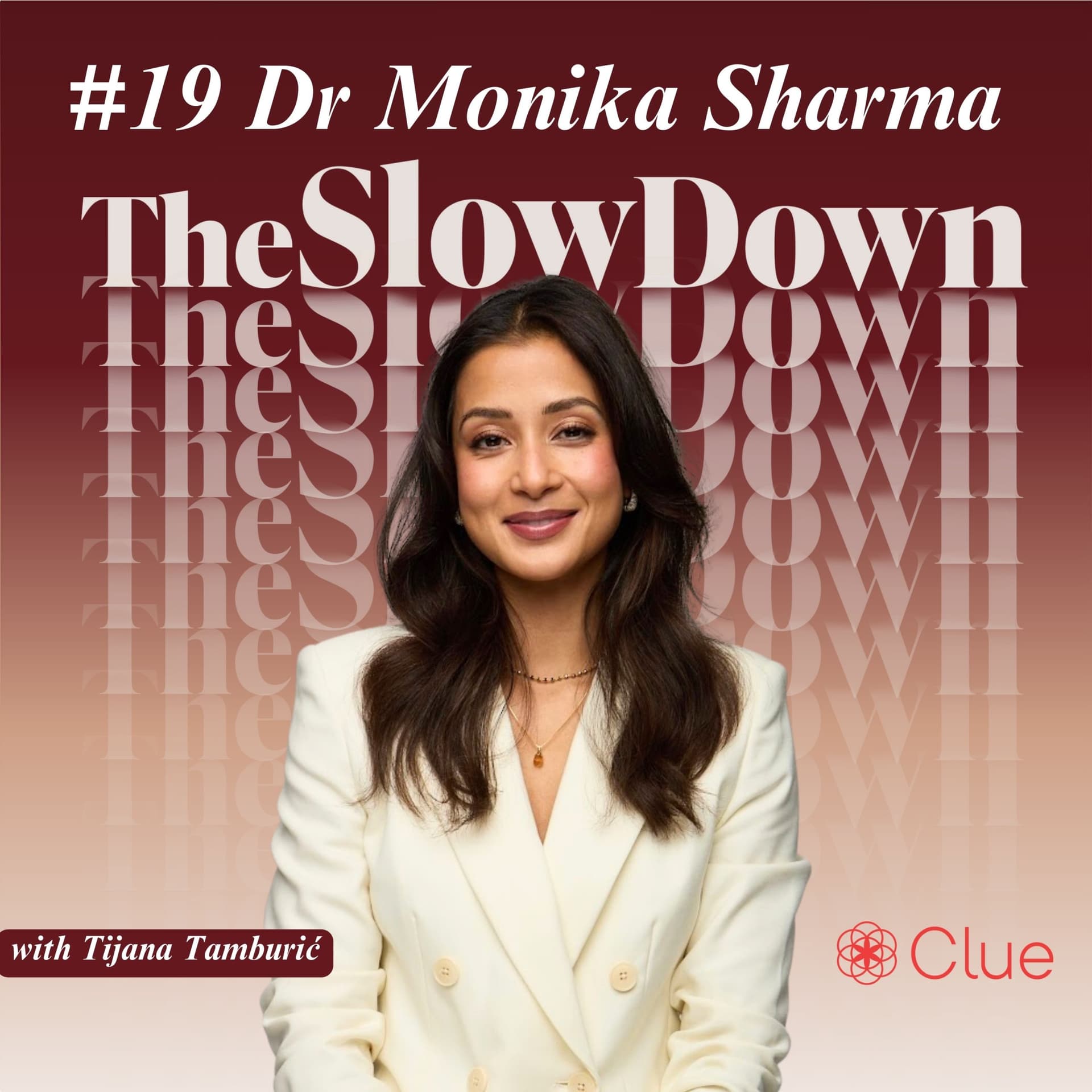
What does it mean to be a 'Good Doctor'? With Dr. Monika Sharma
Episode Description
In this episode, Dr. Monika Sharma, an NHS General Practitioner and personal trainer, discusses her journey in medicine, the expectations versus the reality of being a doctor, and the importance of mental health and boundaries in the medical profession. She emphasizes the need for doctors to prioritize their well-being to provide better care for patients.
Key Themes Covered
- Expectation vs. Reality of Being a Doctor
- The transition from medical school to practicing as a GP
- The emotional and physical toll of high patient contact and burnout
- Experiences During COVID-19
- Working on the frontline and the challenges faced
- Impact of the pandemic on mental health
- Redefining a Good Doctor
- The traditional view of success in medicine
- The importance of empathy and personal health in patient care
- Personal Experiences
- Dr. Sharma's own struggles with burnout and the pressure of being a doctor
- The need for doctors to have fulfilling personal lives
- Women’s Health and Gynaecological Issues
- The stigma surrounding women's health
- Importance of open conversations and tracking cycles
Key Takeaways
- Burnout Awareness
- Dr. Sharma shares her personal journey through burnout and explains the necessity for healthcare professionals to find balance in their work and personal lives.
- Value of Relationships
- Importance of rapport with patients and the significance of caring for one's mental health to foster better interactions.
- The Role of Social Media
- How Dr. Sharma uses her platform to advocate for realistic portrayals of doctors, especially concerning mental health and boundaries.
- Tools for Slowing Down
- Morning routines that prioritize self-care (e.g., avoiding phone use early in the morning).
- Techniques to manage stress and emotions in high-pressure environments.
- Redefining Success
- Success is now viewed not only through the lens of professional achievement but also through personal fulfillment and contentment.
Quotes
- "Doing more meant I was actually giving less."
- "I would want my GP to be happy… because if they prioritize their own health, then I’m actually going to believe their advice."
Final Thoughts
Dr. Sharma encourages listeners to prioritize their well-being and redefine success based on personal fulfillment rather than traditional academic or professional measures. The episode advocates for a healthier approach to medicine that includes better self-care practices among healthcare professionals.
---
Links and Mentions
- Instagram: [Dr. Monika Sharma](https://www.instagram.com/lifewithdoctormon/)
- Clue App: Discount available for listeners (75% off annual subscription with code SLOWDOWN).
- TV Series Mentioned: *Severance* (2022)
---
Conclusion The Slow Down podcast encourages listeners to reflect on their definitions of success and the importance of mental health. Dr. Monika Sharma’s insights into the medical profession highlight the need for balance in a high-demand career, making this episode a valuable resource for anyone navigating professional pressures.
Written by AI. May contain mistakes. Listen to the episode to check what was said.
Transcript
Automatic transcript. May contain errors.0:00I was picking up shifts and doing 5 days a week of GP and on average probably see about 36 patients a day. So 36 times 5 is a lot of patient contact. And I felt like towards the latter days of the week, I was not being a very nice person, like to my patients, but also to my family and my friends. I didn't want to talk to anyone. I was irritable. I was kind of not the doctor that I wanted to be for my patients because I was just so tired and I just had nothing left to give.
0:30welcome to the slowdown your time to redefine success and growth for yourself with a little inspiration from others dr monica sharma is a london-based nhs general practitioner and certified level three personal trainer with a passion for holistic health and well-being she shares her highs and lows of life in medicine with over 140 000 followers on instagram as a health advocate, Dr. Monica bridges the gap between medical advice and real world application, making healthcare accessible, relatable and actionable for her community. Known for her honest take on burnout, boundaries, anxiety and beauty standards, she's redefining what it means to be a modern doctor.
1:14And I can't wait for you to listen to this episode that we recorded at Brazen Studios here in London. Enjoy. Hello, Dr. Monica Sharma. Thank you so much for being here. Thank you for having me. Being a family doctor, a general practitioner is one of the most important jobs in our societal structure. It's also a very particular career path to choose, especially like within the field of medicine itself. Why did you choose GP? I think in all honesty, if I tell you the reason why initially, it was because I was actually thinking of quitting medicine. And it was at a point where it was just after COVID and I thought to myself that I don't know if this is the right career for me and then I started kind of doing locum work where it was in a place that was similar to GP where you would have your patients that come in you could choose to follow them up and you started to build a rapport with them and I thought actually I really like this this type of medicine I like seeing the same people time and time again I like to see that they're getting better or if they're not getting better we figure out another way to make them better and then I thought well if this is what GP is like then I would love to do that and so I applied for GP training and became a GP and I think now having been a GP for nearly two years I really do love the variety that I have you know I could see the first patient would be you know like a less than one year old baby and then the second patient will be somebody over 90 and so I think that breadth is is so nice and the fact that you can also kind of watch your patients grow up I think is actually a privilege.
2:53My mum's been with her GP for 20 years and she has had that same experience because that GP has worked there for so long that she's really gotten to know her over such a long period of time. Well I really want to also kind of go way way back so that people have some context because I think it's important for people to understand the genesis of things and so where were you raised by whom and what were your earliest kind of understandings of what success and like hard work looked like around you? I was brought up in Essex in my family home and I actually lived there up until I bought the house I currently am living in so I was probably there for about 29 years which is crazy to say that I've been in the same house for 29 years but I have an older sister and was primarily brought up by my mum and then her father so my grandfather lived with us up until he passed away so I was about 26 at that time and I guess success in that household was mostly academic and I think the reason why is because my grandfather came from another country to provide a better life for his children and so my mum had the same ethos my mum didn't go to university but she wanted to give me and my sister opportunities that she kind of never had and so I guess success was early on steered in a more academic way than anything else and we went both of us went down the traditional route of you go to school and get your A-levels you go to university you get a good staple job where you can then provide for your family and she was also a big believer in kind of both my sister and I standing up for our own two like on our own two feet so she wanted us to have a job which meant that we weren't dependent on anyone else so yeah I think growing up it was definitely more of an academic kind of push to be successful and we didn't really think about anything else that could be seen as successful if that makes sense.
4:52How did you decide upon medicine or was that also kind of pushed upon you or was that something you chose? So weirdly I would say that it wasn't pushed on my sister or I so my sister actually has type 1 diabetes and she has been struggling or I wouldn't say struggling she's been managing that all her life but my earliest memory was her kind of having to deal with it as a child so my mum would have to kind of prick her finger for a glucose testing inject her with insulin and I think growing up seeing how much healthcare had a positive impact on her life obviously filtered down into me and her which is why we're both doctors today.
5:32I think when I saw my sister growing up and doing medicine she's always been my role model and so I thought oh you know I'd like to be A like her but B also provide that kind of positive role for someone else's sister let's say or positive impact but when I applied for medicine my sister was like don't do it because it's really hard and my mum was like I don't think you should do it because also I wasn't as academically gifted as my sister I ended up resetting some of my A levels which again is not really spoken about I then got into medical school passed and did you know medical school for six years and a BSc and then kind of did medicine after but there were some challenges in terms of my academics and I think I only realized later on in life because I was diagnosed with dyslexia at the age of 30 having failed one of my GP written exams and I think having that diagnosis made all of my kind of learning make sense because I was like why am I struggling and I was always comparing myself to my sister who seemed to like fly through and do really well um but me not so much but yeah it made a lot of things make sense.
6:40What year did you actually qualify as a doctor and start working in the field and what hospital were you at what were those kind of early years like oh god I'm gonna have to do some math so I've been a doctor for eight years so I want to say 2016 yeah 2017 yeah I think so I might be wrong but um I was actually working at Barking Havering in Redbridge which um is kind of notorious for its hospital so Queen's Hospital um I was there for a year and then I did Royal London for my F2 year um what is it notorious for being difficult um it's a district general hospital so in the sense that it doesn't have maybe the resources that tertiary center has like the royal london royal london is also trauma centers you get different experiences sometimes you aren't as well staffed um as the bigger hospitals and also you're kind of looking after more patients and maybe dealing with a bit more stress.
7:42So that was my first year experience. And I think I wasn't expecting that. And I think that's when it really hit me that what I thought I was going to be doing isn't matching up to my reality. So my expectation of what I thought a doctor would be like and what I would be doing wasn't matching up to what my actual job was. And I felt like it was a bit chaotic, to be honest. What was the reality of what you were doing on a day to day? It would be all or nothing. I think it would be either that I felt like I was a bit of a jobs monkey like I was just doing admin jobs ticking off doing you know getting bloods from this person inserting a cannula into this person doing someone's discharge summary you know whatever that looked like checking the obs on this person or it would be I'm carrying a crash bleep and responsible on call for four wards or a whole floor of the hospital and I'm the literally the most junior person yet there I am sometimes being the first person there and being like oh I'm gonna have to do the chest compressions now like oh okay great so it was either I'm like taking bloods from a person and taking off a little box or I'm like doing chest compressions and looking after loads of people and I had no idea what I was doing you know about five years into that COVID arrives which hospital were you at then what were you doing and what was that experience like so I did my F1 and my F2 and I decided after my foundation year two that I was going to take a year out and in that year I was as many people do are you going to figure out what I was going to do with my life because of this expectation reality not marrying up I actually wanted to quit so I was thinking well this is my year to figure out am I going to get another job somewhere else or am I going to persist in medicine so I thought I would do six months of locum work which is where you're self-employed you earn the money and then the last six months I was going to go traveling and that's when COVID happened and I remember because I think it was something that nobody was expecting in the hospital I remember I was there before it actually hit you know hospital consultants were saying it's never going to reach the UK like don't worry about it and I thought to myself okay it's fine and then all of a sudden literally in less than two weeks it was like okay now there's going to be COVID wards COVID rota everything obviously I couldn't travel so I was at Whips Cross Hospital in East London and I was then on the COVID voter basically where you do like three days on, three days off, three days on call and it was something that hopefully I'll never experience again in my life.
10:11It taught me a lot but it was like a really traumatic time. I think there are things that I have seen that hopefully I'll never see again. I think it's just one of those times where it's weird because I haven't actually spoken about it but I think it's just it's just trauma it's like very traumatic thinking back to what it was like it was a time when nobody knew how it was going to go and nobody knew what they were doing and you know we were having I would say guidelines but you know people were just trying everything in the hospital to you know increase the survival rate somehow but then I think when you're looking at you know oxygen cylinders running out or you look at staff who then contract COVID and then pass away and it really hits home that actually what you thought was this like invincible you know healthcare system it actually had like there was a way that something could penetrate it I think and I think you know hopefully there will never be touch wood a global pandemic again in my lifetime um but yeah I think it's taught me a lot but it's also it also took me into a really dark place and then after that you continued locuming well you decided firstly to stay in medicine was that a conscious decision was that a moment that you wrestled with yourself about after working through COVID I realized that actually the the main reason why I even went to medical school in the first place was to help people and I think obviously in COVID you try to do that and I think it just amplified that emotion of wanting to help and I think that honestly was a big driver into why I stayed in medicine.
12:04And presently you're and you're very vocal about this is that you are sort of are you still locuming or is it part-timing yeah both yeah so locuming is the term where you can pick up the shifts that you sort of want across um and i think there is a perception of being a quote-unquote good doctor is making medicine this full-time all-consuming job that more hours equal better doctor then it means sacrificing personal time and relationships I think maybe even books like This Is Going To Hurt by Adam Kay kind of increase this impression that NHS doctors are people who basically don't sleep and completely give themselves over to the work.
12:45But you yourself say, which is one of the reasons why I really wanted to have you on, is doing more meant I was actually giving less. And so I wanted to know about what your thoughts are on what actually makes a good doctor and how important it is that you locum and that you do go part time for you. I did the six years where I was full time. I've been on rotors where I worked on call shifts, weekends, nights and sacrificed as I think all resident doctors do. They sacrifice an aspect of their life, whether it's someone's wedding that you miss or a birthday or, you know, time with your family. and I think I realized that when I became a GP and I became a fully qualified GP I had this opportunity to it was my choice to come off of a of a rota and I'd never had that before I never felt like I had a choice that I could go less than full-time I never thought that I would have autonomy over my own time in terms of work and I was what 30 which is crazy to say that at the age of 30 I basically felt like someone else was governing when I work and so I took the opportunity to try it and see and so yes now I'm a locum GP in the sense that I pick and choose when I work and there is flexibility but I choose to work at the same practices so I still get that continuity of care and I think over time what I realized especially at the beginning I was picking up shifts and doing five days a week of GP and on average probably see about 36 patients a day so 36 times five is a lot of patient contact and I felt like towards the latter days of the week I was not being a very nice person like to my patients but also to my family and my friends I didn't want to talk to anyone I was irritable I was kind of not the doctor that I wanted to be for my patients because I was just so tired and I just had nothing left to give and I felt like I was giving and listening and taking in so much of what patients were saying but towards the end I was kind of just like yeah okay and I just wasn't empathetic and I was like that's not me like that's not the doctor I want to be I don't want to be that person who someone comes in to a GP appointment already that's a really brave decision in my eyes because they're going to have to be vulnerable for whatever problem that they have and it's like you're opening up to essentially a stranger and I think that takes a lot of courage but if I'm not going to make that encounter a positive encounter it's probably not going to affect them positively but also for my own mental health because then I'll go back home and think I could have been a bit nicer so then I thought well I think I need to scale it back and I started scaling it back into doing less clinics a week and felt like actually I found a balance between having a life outside of my job but also being the doctor that I wanted you know my friends or my family to see like I and my I wouldn't want my friends or my family to go to an appointment and feel like they weren't hired and I didn't want that experience for any of my patients.
15:56I love that as a way of thinking about it like if my partner was to go see a GP I'd want them to have the experience that they're having with me to be the same if I went to go and see GP I would want my GP to be happy it sounds really weird because you want someone that you've probably never met or you know that has no kind of day-to-day interaction in your life but I want them to be happy I want them to be fulfilled I want them to prioritize their own health because actually if they prioritize their own health then I'm actually going to believe like what they're saying they're doing a good job yeah like yeah I want to emulate your advice because it's working for you exactly so I I think that's what I try and say to myself but I think there's this outdated outdated stereotype where a good doctor is someone who like breaks their back bends over backwards you know chains themselves to their desks and works to the into the ground and that's like a good doctor when actually I think the narrative needs to change and I think you know doctors need to prioritize their own health and I think that would make them a better doctor it's controversial but is that something that NHS promotes as well like do they talk about that to their employees around supporting your own mental health and health in general and kind of coming to work feeling healthy I wouldn't say it's widely promoted I think at the beginning when I started in my resident doctor training I don't think it was spoken about I think towards the tail end it probably is being spoken about especially after covid because i think now that they were also giving counseling for health care professionals but i after posting online i have had people say that you know they're encouraged to go less than full-time because you know for whatever reason whereas when i started you know one of the main reasons and only reasons you could go less than full-time is if you had a dependent like if you had a child it was seen as acceptable but otherwise it wasn't really but I think that is changing from what I'm hearing yeah it's really interesting you know you mentioned there your profile online over 140 ,000 people listening to what you say and I think when people show something that isn't exactly what is expected it can leave you open to criticism and wild speculation and comments and you know you've had someone accuse you at one point of not being a real doctor how do comments like that affect you and why do you keep choosing to show up and share online in the way you do I would be lying if I said that it didn't affect me I think you know when you go into a job like medicine you are a people pleaser in a way because you're there to like make people feel good and I think yeah it usually should be in one ear and out the other But when someone is attacking your job and your authenticity and, you know, everything that I've worked hard for to then say, oh, actually, you're not a real doctor.
18:55Like, who are you? Who are you to say that? Just because I'm not fitting your stereotype of what a doctor is. That's fine. But I guess I just find it outrageous that I would never think that or say that to someone else. So I find it odd that someone would say that to me when they don't even know me. but um yeah I I think I'm getting better at managing the the comments but the reason why I continue to show up online is because of the community that if I post something and say I've had this really negative comment there are hundreds of people who will say please don't listen to it your story has changed the way that I work or you've inspired me to promote or even like post something online and maybe start my journey online or even prioritize my life outside of work and I think that's the reason why I keep going is because if it reaches one person or helps one person then for me like that's enough and it sounds like you really found a way to find a balance with the work and your personal life but then you've gone and added an entire additional career which is content creation which for a lot of people is a full-time job yeah um so how are you now balancing both of those things and obviously like having a home having a partner like living your life I didn't appreciate how much work goes into content creation I honestly when people said it was a full-time job I was like oh I don't I don't see it and now that I'm in it I absolutely commend the people that do it because it is really so tough I think if you wanted a nice answer that I kind of wake up in the day and I plan my day and I you know have a really scheduled block when you're gonna do content it's chaos in my mind honestly I sometimes forget lots of things because it's just a lot that I'm juggling but I enjoy the chaos like I enjoy it's not the hustle but I just enjoy that I'm able to be chaotic it sounds so weird and I did a post recently about how it's a blessing to be tired in the pursuit of like a challenge of your own choosing and I honestly resonated with that because good tired yeah because how how privileged am I that I'm living the life that I once dreamt of and yes I'm tired but actually and I said it's like a love letter to a past version of me that wished I could have a life that I have now and I'm so grateful that you know the content side has allowed me to scale back on the GP side but still also keep my toes in that because that's also what I love.
21:36So yeah I mean what a privilege it is to pursue my passion but if it's in all honesty it's chaos but I really really enjoy it. And do you have sort of three tips that have really worked for you in terms of ways that you find space to slow down in your day-to-day? For me I think the first thing would be my like a consistent morning routine and it doesn't have to be like 10 steps it doesn't even have to be five steps but it's just one thing that you do for yourself in the morning I think the things in the morning that have really worked for me is not looking at my phone because as you said the other side of my job is content and so being online makes you feel like you have to be online all the time and I remember I got into a cycle of waking up looking at my phone looking at social media and then what would happen is I would find a negative comment and that would put me in a spiral and then I'd start off my morning with someone accusing me that I'm not a doctor and then I'd spiral so then I've now stopped looking at my phone and I just go out for a walk it could be 10 minutes it could be 5 minutes it could be 20 minutes and it's just that peace and quiet time and I feel like I've done something for myself before my days even started I think in terms of during the day and when you get that kind of anxiety or that struggle that builds up that's what I've worked on whilst being a GP I think there are you'll see different people walking in and you're out of your clinic on you know a daily basis and everyone has different personalities and I think as a GP it's important to not react if someone says something and you take it negatively so I always like count down to five if I'm in a heated situation because people aren't going to be happy with the service that they're having because you know for some reason the service isn't functioning but I always count down from five just to make sure that I don't say something because sometimes I do have like a temper that's at the tip of my nose I like to say sometimes so yeah counting down to five and just breathing and understanding that their frustration is probably not a direct projection of you and what you're doing it's just a general system error sometimes I look at it as like I'm looking at myself from the corner of the room and just trying to be like do you know what Mon it's not you it's not them either it's just the situation and then not reacting to it straight away because I know I'll say something that I'll regret later and if there was a third I think obviously you're so into exercise you also have a training in that um is that something that you use to kind of process your day and slow down and absolutely I think putting my phone on do not disturb and you know working out for 15 30 minutes a day for me is is and always has been a staple for the last like eight years now um that and doing a brain dump at night where if I've had a really challenging clinic and I know that I'm going to probably wake up at 3am thinking about a patient because I couldn't figure out what was going on I just write it down get it out and hope that that's enough for me not to wake up at 3am in the morning I really resonate with the first point because I find that as soon as I wake up if I check my phone And I'm like in work.
24:44It's like I just get sucked in to whatever the drama of the day is. And it's to your point that, you know, that drama will be there waiting for you whenever you decide to dial in. That comment will be there. You know, things are out of your control. And so it's just a case of when you decide to engage with that. Yeah. And in our kind of overwork culture, like I don't have to engage at seven in the morning. I can engage at 9 a.m. That's perfectly reasonable. Business hours only, please. Exactly, for all your dramas. I wanted to talk a bit more about women's gynecological issues and the NHS and how set up do you think the NHS is to support women's gynae issues?
25:26Because I think there's a lot of research that has gone in to say that it's incredibly underfunded in terms of the research of that. there's a lot of anecdotal evidence from even my female friends around underdiagnosed endometriosis and the process of women being believed and then actually trusted for that what's been your experience of sort of women's gynecological issues I think for as a female GP I think I have seen that people's experiences are very different and I think it will be dependent on who you see. I think there is a lot online where people are showing anecdotal kind of stories about how they have challenge, you know, have had challenges within the NHS.
26:14And it's really difficult to see because I feel like as a system, we are failing women in a way. I think the fact that it takes, you know, on average 10 years for a female to get a diagnosis of something like endometriosis which is life-changing in terms of not just being a gynecological issue because it can affect multi-system in the body for someone to wait 10 years for me it like breaks my heart a little bit because how much suffering does a woman need to do until they get a diagnosis and get some help and I think as a as a woman if you take you know being a doctor out out of it we are expected to go through monthly pain and just carry on and you know grit your teeth and it's like it's fine for women to be in pain but actually now I think what's happening is and what I'm seeing is that the narrative is changing in that it's not okay people are raising their voice and I think it's it's good in a way because sometimes if you don't scream and shout then nothing will change and I just I wish it was better I really do do you track your cycle do you use any apps or things to track your cycle yeah I do and I in all honesty was late in doing that I think I was 30 30 when I started tracking my cycle I didn't really track it before and I think I think it was naive of me because I thought well if I bled like every month then I'm fine but there's so much more to your period than just the bleeding and I'm only now you know in the last three to four years realizing how much I've like missed out on in terms of tracking all the other aspects of the cycle and how I could have changed you know previous experiences so yeah I track it now religiously I log my symptoms but not just for the bleeding part but for all the other bits do you use an app or any yeah I use an app which i have to use stardust thank you have you i use clue okay the reason why i say use um stardust i don't know about clue but um i get my partner to he can like view my cycle so he has the app on his phone clue has connect clue connect okay maybe i'll have a look have a look yeah well as part of this podcast we do a 75 discount for clue because they're one of my responses okay great um and like yeah we because i've been talking a lot about this around cycle thinking and the concept of maybe working with your cycle knowing that you're much more creative and productive in a certain phase yeah versus um being more compassionate and understanding of yourself and when you have low mood and stuff um have you found that you've ever tried to like work with your cycle in that way?
29:25Yeah, I think there are, you know, symptoms that pop up regularly in my cycle. And I think only having tracked it now, in hindsight, I'm thinking that would have been so helpful all those years. But in terms of like my energy levels, you know, acne, bloating, so many libido there's so many things that you can experience as a woman that you can use to your advantage it's essentially like using your period as your superpower this season of the slowdown is brought to you by clue the period and cycle tracking app that goes deeper than dates on a calendar i talk a lot on this podcast about somatic wisdom and tuning into the signals from your body and that really starts with understanding your cycle better.
30:15Clue is an essential part of my daily routine, not just knowing when my period is coming but knowing what phase of my cycle I'm in, how I'm feeling, my energy, my sleep and now I use it in the trying to conceive mode. If you've ever felt like your body was trying to tell you something but you weren't quite sure what, this is where Clue comes in. It's science-backed, inclusive and totally ad-free so that you can reclaim your rhythm one insight at a time. And especially for the Slowdown listeners, Clue is offering a 75 % discount code on their annual Clue Plus subscription via their website. To redeem this, go to helloclue.com and enter the code SLOWDOWN at checkout.
30:55That's SLOWDOWN, one word. I'll also attach the direct link with the discount already embedded in the show notes. So download Clue today and start making space for the signals your body's been sending all along. And I used to view it as this like annoyance. And sometimes it is, you know, like, oh God, I want to wear a white dress and maybe I don't feel as confident or whatever. But I'm now starting to change it to use it as my superpower and be like, well, this is why I feel like this. So maybe I'm not going to, you know, do a crazy hit class whilst I'm not feeling great. What happens during our cycle that affects our actual mental health?
31:36like how do the hormones affect the way that we see ourselves in terms of mental health and periods there are fluctuations within your cycle right so you have estrogen and progesterone as like the main the main players but what i would say is rather than me saying like this is what estrogen is going to do to your body this is what progesterone is going to do if there's one thing that someone will take away from this is to track your cycle and the reason why is because each person and i've seen it in clinic each person responds to a hormone differently you have women who go through no issues with their mental health during their period they're absolutely fine you have women who are on the other end of the spectrum who actually suffer from pmdd who you know have really dark thoughts during their cycle and there's no way of predicting where on that spectrum you're going to lie but I think it's it's so important to know for yourself where you sit on that spectrum and so I think tracking your cycle can give you so much information about your body because there's literally only one one of you so I would say yes your hormones are going to fluctuate but I think it's about knowing how those fluctuations affect you as a person and I think if you are struggling with your mental health during your cycle, one of the things I would say is to definitely go and see a healthcare provider because there are things that we can do to help you.
33:03And why do you think it's important for like men to also hear about this conversation? I was actually, oddly that you say this, I was actually researching it because I was going to do a post on periods tonight, but it was about my own kind of challenges that I've had coming from a South Asian background in terms of periods. and I was brought up in quite a conservative and religious household where we didn't really talk about periods so tracking your periods wasn't a thing but we didn't even use the word like period in the house we I didn't know that it was I was gonna have my period until I had my period so I was like oh my god what is this and my mom was like oh this happens like you just bleed every month but also when you were on your period in in kind of my background it was seen as like dirty and impure so you didn't speak about it to men but you weren't allowed to go to like religious things because you were impure and dirty so I spent so much of my time kind of suppressing the period and suppressing the dirty side and that I would I would expect that if I ever had a partner And I would never speak to them about it because it's like taboo.
34:23Now, obviously, being a GP, being a female and being in this current stage of my life, talk to my partner about it all the time. Talk about periods most days. I'm like, oh my God, this is why I'm feeling like this because I'm an ex or like, you know, have you looked at my cycle today? I don't know. I don't know when my period is coming. And he'll be like, oh, it's in seven days time. And I'm like, oh, great. but I feel like it's so important to have an open conversation with your partner because they're you know my partner is on a 24-hour cycle so he has it wakes up 9 a.m you know whatever feels the same as he does 9 a.m one day as he does the other day whereas we don't you know no two days are the same in my book and I think it's important for them to understand that so So then they, you know, when you have those changes in your mood or you have those cravings or, you know, you don't feel great in yourself, they can understand why you're feeling like that.
35:19So I think it's really important to open up the conversation around the whole cycle. And seeing as he can see when he's coming, is there anything that he does preemptively in ways that you find supportive? Snacks. Snacks. Fantastic. And just like extra affection when I need it. You know, it's just those little things that I think signal to me that you're listening. But yeah, the app tells him to bring me snacks and it really works. Do you actually recommend people in clinic to use any new technologies around this? Like, do you recommend apps? Do you say, hey, rather than writing this down on paper, there are some apps that you should try?
35:59And I think one of the conversations that I really like honour is, you know, when a young girl comes and they've just started their period. And the reason why is because I feel like I give them the advice that I wish I had, where I kind of empower them and say, do you know what? Yes, this is going to happen. And yes, you're going to feel different and your body's going to change. But the best thing that you can do is to track your periods and understand your body. And I think that's like a really privileged conversation to have. And I wish I had that when I was younger. But yeah, I do recommend apps because everything's on the phone now.
36:40And I think people really value that than maybe writing it, you know, on paper in a diary. And it's easy for you to then go back to, you know, like three months ago. Yeah, I was feeling the same way. And it's actually been persistent for six months or whatever. And I think it's also important to stress that like on apps like Clue, you can shift into something like trying to conceive. So like shift into the like, I'm actually trying to conceive mode. And that's when the tracking becomes super important because you can actually start logging like how many months has it been of trying? Yeah. And then, you know, seek help if you need it and things like that.
37:17a big part of this podcast is obviously like our relationships and to the word success and redefining that and in in our growth at all costs capitalist landscape um what does success look like for you now and how has your definition of it changed i think now it has evolved i think when i used to define success as kind of academic success success where you pass everything you go through a traditional route you become a doctor great but I would actually say that all my failures have defined my success and I know it sounds really weird because they're actually opposite words but I think my success now in all aspects of life so that whether that's professionally personally wouldn't have been the same if I hadn't had the failures that I had So I'm actually really grateful for them because I think they've taught me a lot about my character.
38:22They've made me more resilient. But I think it's also allowed me to create a community where I can say that it's okay to fail. So, yeah, I would say success has been defined by my failures. I think it's the feeling of being content. And, you know, it's not kind of one avenue of my life. It's just feeling content within my life. And I think that's, yeah, that would be it. It's just feeling content within myself. I like the word content over the word happy. Because I think happy is a transient feeling that's, it's very American, this Western idea of like be happy all the time. And one should always strive to be happy and you're not making me happy right now.
39:06So I should give up and leave and do all these things. And actually the feeling of content is one that's much deeper. Yeah. Is there anybody's life that you see and look at and really admire? And if so, why? What a tough question. The only person I can think of is my mum. And I think the reason why is because she has had a lot of hardship. And I think being able to raise my sister and I, which probably at times was a complete nightmare, but being able to do that and have the relationship that we have now is something that I would aspire to have with my children if I had children so I think how I don't know how she's done it but I think that's what I would aspire to be like what's the relationship you have with your mom oh my god we're best friends we you know we talk every day the relationship now is so open you know this morning I was talking to her and my sister about like periods, tampons, sex.
40:11I would never have spoken to my mum about that 10 years ago. And we were having an open conversation. I was thinking to myself, wow, like this is, this is great. And I think she has, she has insights. And she, she even said herself that it's crazy because I didn't ever think I would have this conversation with you, but here I am. So I think it's, yeah, I think it's amazing. But what she's been through and how she's become the person that she has become is something that I would like to emulate. Yeah, my mom said something poignant a few years ago where she was like, I hope you have a daughter so that you can have the friendship that I have with you.
40:54how lovely yeah and it's it's so nice because I don't know I think I never thought I would get to that stage and I never thought that I would my mum would see me as like a friend but it's it's so nice and it's on the friendship point I'm literally I was raised by my mother being like I'm your parent not your friend yes right this was like a real staple of our the sort of disciplinary like parent relationship that we had and of course there was a entire puberty period where we were very much not friends you know um and it's interesting how we evolve and we go through different phases of our lives and now in my like mid-30s and you know like trying to have a family of my own I'm like this woman's superwoman like how does she do all these things you go from like secret boyfriends I'm not telling you where I'm going to this is everything about my life and I want you to know and oh mom I have a headache what do I do like even as a doctor I'll call my mom and be like what do I do yeah you know and it's it's so nice to have that evolution in your relationship 100 % well my final question which I ask everybody is if I had to watch one film or read one book or see one piece of culture that would help me understand you better what would it be and why would you pick that oh I would I would probably say severance and the reason why is because I sometimes have like an innie in and I sometimes feel like I have two two people living inside of me that sounds so wrong but I feel like I have two halves two halves I feel like I have my innie which is like my gp serious i'm a serious person i promise but like a serious professional and then i have my outie who is this like creative you know loves traveling loves life loves everything else that's outside of work so i would probably say severance but without the morbid undertone for anyone that doesn't know what severance is it's um it's essentially a program based around severing your brain so that you have an innie that is your work life and then an outie which is your outside life and the two don't know what the other does I can't spoil it but it gets very juicy I feel like you've done a very good job of blending the two like showing the world on social media what your life as like as a doctor but also showing your personality and being able to have friendships outside of work that kind of also are interested in all parts of you I'm very interested in all of these different parts of you thank you maybe that's my midline is is the social side where it's like the two crossover I have one final question which is something that's been sort of plaguing me recently around um I love the concept of of obviously slowing slowing down scaling back figuring out what's right for you like knowing yourself better but then there's also this uh difficult water to navigate around ambition versus legacy purpose versus oh i just i want to do a bit less you know i'd like to put my feet up and go for longer walks and spend more time cooking whatever it might be do you ever sort of struggle with that or think about that i think every day i ask myself like what's my purpose i think when you're straddling two jobs you're kind of you know what is my purpose because it's not you know becoming super academic in the GP side because I don't think that's for me but it's also not going into the content side full-time and I am constantly asking myself like what's the end goal and then I think I realized there isn't an end goal because I feel like every goal I have the goalpost just then moves so I think for me it's about enjoying the day-to-day I have ambitions I have goals I have things that I want to achieve and it might not be a legacy it might not be something that people remember me by or you know or whatever it is but I think so long as I feel fulfilled to me that that's probably enough and there are days where you know I forget to eat because I'm so rushed off my feet and then there are days where I watch Desperate Housewives and enjoy my lunch so so long as I have a balance of both for me I think that's probably enough.
45:45And on this topic of slowing down redefining growth success is there anything you want to add that I haven't asked I would ask you if it's okay sure I guess for my question to you is how do you do it all because I feel like you are also spinning multiple plates and I think it would be valuable for me to learn from someone else who is I would say you know similar and I look at you and I think what you're doing is amazing so my question to you is if there was one tip that you could give me what would it be I mean there's there's so many possible answers and layers to that that question I definitely don't have one single tip um I had Tamu Thomas on this podcast and she said you know effort precipitates ease there's also this you can't just like suddenly slow down right you can't suddenly just workloads less you have to learn a living and live in this world and and I think this idea of effort precipitates ease which is you know if I want to start a podcast that's going to have a serious lift at the beginning, but then it might get easier as the thing grows.
46:52And if it is successful, like it might be easier to book somebody and just send them a text or maybe there'll be some sponsorship and I'll be able to pay people to help me do it, right? So I think knowing that if you do have a goal, there will be a certain amount of upfront effort required, but having an idea of what the goal is and like knowing when you've achieved it, knowing when you've had enough and knowing when enough is, I think in our culture of like just keeps getting bigger and but you know you've got 100 ,000 followers now you want 500 ,000 followers then you want a million followers versus going what was my original goal of this like I want to support at least 50 ,000 people great I've done that like I don't have to keep scaling at this level I don't have to compare with other people this comparison thing is like not not needed if you set your own parameters yeah.
47:42um time management is like my superpower I think I can get so much done in a day without feeling overwhelmed and that's usually how I'm able to shift from I mean I run like four businesses alone right and so it's kind of like shifting from being a co-founder and like running a business to like running a podcast to airbnb at a house to doing this to like managing that so I think really good time management helps um and then knowing when I have breaks exercise is a great one like I usually stick my yoga like in the middle of the day because otherwise I won't leave the house and I like very easily will spend 14 hours just at my laptop working whereas like kind of scheduling and stuff that I have to do in the middle of the day is really helpful this whole podcast is real exploration into like hearing from others and learning myself because it's it's imperfect you know and I think there's a feeling that people kind of hear the name of the podcast but then hear that I work 16 hours a day and then they're like you're a hypocrite like how is this the slowdown right but I think it's it's very much a an active verb yeah it is a slowing down it is a process and it's like trying to figure out how that works and it's adding to that I'm in my 30s this is now the peak of my life where I'm supposed to make some money and put that money away right like only I can do that um so it's yeah it's I don't know if that answered your question at all to be honest yeah I think um being a female and navigating your 30s is a really weird time really weird it's just a feeling that I've not had before I guess because I've not been in my 30s before but I just feel like when you look at your friends who you've kind of grown up with everybody's doing something completely different which I think means that there's I'm taking it as there's no right answer yeah um but I think you're right I think that in order to slow down there has to have been some sort of like hustle before to then know that it's okay to slow down but yeah that was really helpful so thank you thank you so much for being here thank Thank you for having me.
49:54I appreciate your time. Thank you. Thank you for tuning in. This episode was hosted and created by me, Tiana Tambridge. It was produced by Whitney Rosenthal, with sound and video produced and recorded at Brazen Studios. Cover art and design by Natalia Ruhe, and the sponsor for this whole season is Clue. Please subscribe to The Slowdown to be notified of upcoming episodes, tell a friend, and leave a review, because it really helps a podcast like this get out there into the world. And remember, we're all heading to the same destination and there is no prize for getting there early, so we might as well slow down.
From the publisher
‘I want my GP to be happy. I don’t want them overworked and unhealthy - but that seems like a weird notion in our society.' This was the thought that sent Dr Monika Sharma down a road of discovery, backlash and ultimately personal fulfilment.
Dr. Monika Sharma is a London-based NHS General Practitioner (GP) and certified Level 3 Personal Trainer with a passion for holistic health and well-being. She shares the highs and lows of life in medicine with over 140,000 followers on Instagram. As a health advocate, Dr. Monika bridges the gap between medical advice and real-world application, making healthcare accessible, relatable, and actionable for her community. Known for her honest takes on burnout, boundaries, anxiety and beauty standards, she’s redefining what it means to be a modern doctor.
In this episode we cover:
- Expectation vs reality of being a doctor
- Being on call during COVID
- What being a ‘good doctor’ means
- Stigma, shame and periods
- Building relationships with our mothers
- Tips for slowing down in your day to day
- Why success means feeling content
Mentions:
Severance (TV series, 2022)
Links:
https://www.instagram.com/lifewithdoctormon/
Season 3 of The Slow Down is created in partnership with period and cycle tracking app Clue.
Especially for The Slow Down listeners, CLUE is offering a 75% discount on the annual Clue Plus subscription via their website. To redeem, go to helloclue.com and enter the code SLOWDOWN at checkout). So, download Clue today in the App Store or Google Play, and start making space for the signals your body’s been sending all along.
Link to sign up with discount already included: https://helloclue.com/login?discount_code=SLOWDOWN