Ask ChatGPT
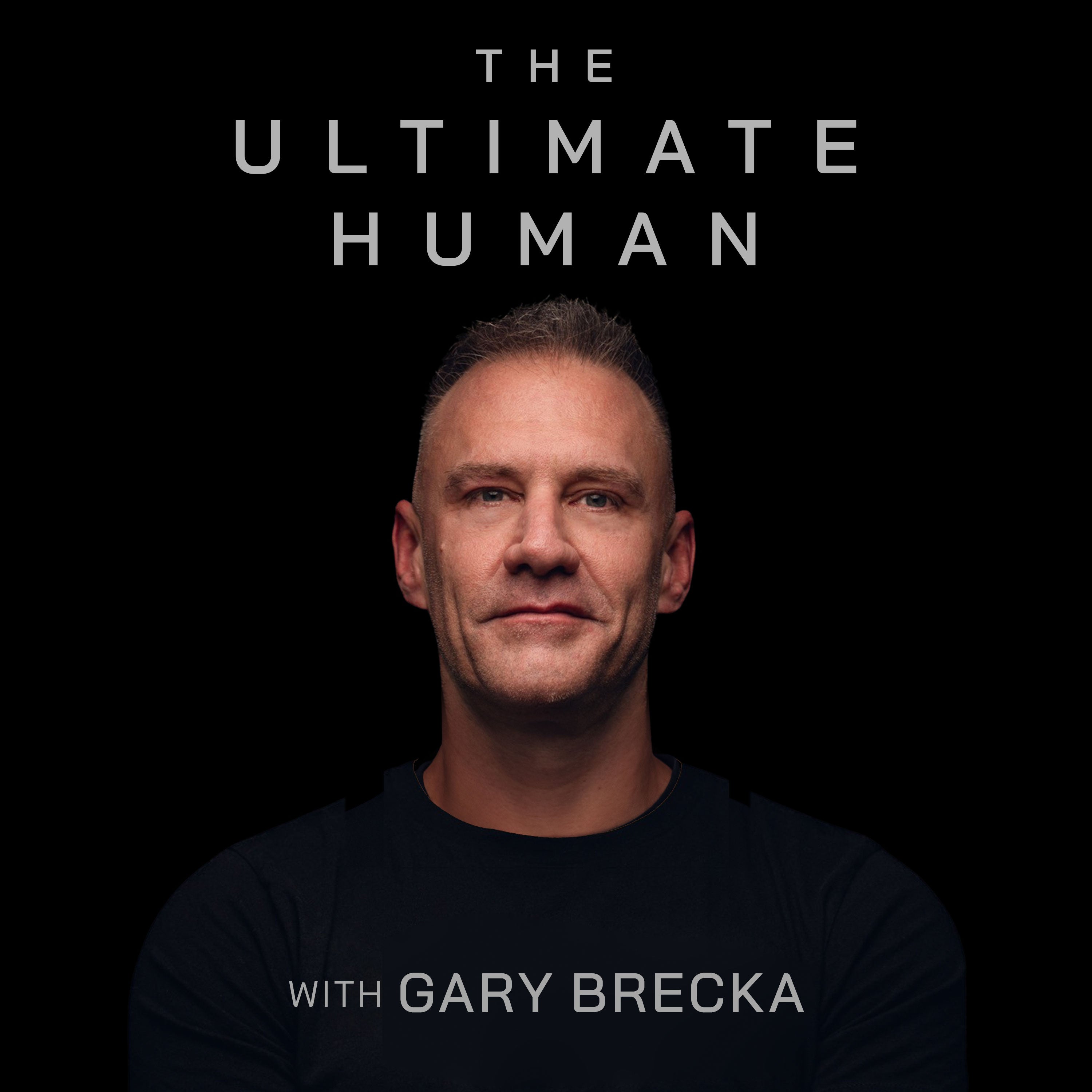
 The Ultimate Human with Gary Brecka
8 Oct 2026 · 9m · 3 chapters

Argues coffee can contain mold mycotoxins and heavy metals despite being organic, because coffee is an agricultural fruit/seed processed, stored, and roasted under conditions that can allow mold growth; senses can’t detect toxins. Cites a 2024 systemic review of 3,000+ samples where ochratoxin A was found in 54.6%. Also claims volcanic-region soils can naturally contain lead, arsenic, and cadmium, which coffee may absorb; mentions testing for pesticides/glyphosate. Key examples: checking a coffee bag for lab reports/QR codes; his own coffee bag lacked mold/heavy-metal testing info.
No guests mentioned; solo host Gary Brecka promoting “Ultimate Brew” (USDA organic Tolima, Colombia) with QR-linked lab results below reporting limits.
Written by AI. May contain mistakes.
Explore how coffee can harbor mold toxins and the implications for health.
“So you've got an agricultural product, plus moisture, plus storage, plus time.”
Discover Gary's personal journey towards finding clean coffee.
“And then I found a number that just stopped me.”
Learn about the risk of heavy metals in coffee and how to ensure safety.
“But don't worry, I know I'm supposed to taste caramel.”

Get the gist, explore an idea or ask about something said.
 Claude
On The Ultimate Human with Gary Brecka, what are the key points of this episode?
Searching your listeningAutomatic transcript. May contain errors.
0:00Gary Brecka: What if I told you that the thing you look forward to every single morning, your coffee, could contain toxins produced by mold? And you'd have absolutely no idea. Coffee is a fruit. What we call the bean is actually the seed inside of a coffee cherry. That fruit gets picked, processed, dried, stored, put into bags, transported, stored again, and then it's roasted. And eventually it ends up in your kitchen. So you've got an agricultural product, plus moisture, plus storage, plus time. What can grow under the wrong conditions? Mold. And certain molds produce toxins. Mold can leave behind toxins in coffee, and your senses can't tell whether they're there.
0:34Gary Brecka: And then I found a number that just stopped me. 2024 systemic review looked at more than 3 ,000 coffee samples. A toxin produced by mold called olcratoxin A was detected in 54.6 % of them, more than half. And once I knew that, I couldn't unknow it. And eventually I realized the coffee I was looking for was the coffee I was going to have to create. That's how...
1:03What if I told you that the thing you look forward to every single morning,
1:10Gary Brecka: your coffee could contain toxins produced by mold and you'd have absolutely no idea. You wouldn't see it. You wouldn't smell it. You wouldn't even taste it. You'd wake up tomorrow, make your coffee exactly the same way you always do. Take that first sip and never think twice about it. I didn't either. and I've spent years telling people to test virtually everything that goes into their body. So how did I miss coffee? Let me tell you what happened. I've looked at thousands and thousands of people's labs and I've had people sitting right across from me saying, Gary, I'm exhausted. I can't think clearly.
1:41Gary Brecka: I've got headaches. I wake up tired, more tired than I went to bed. I just feel like crap. There can be hundreds of reasons why somebody feels that way, but when someone's history or testing gives us a reason to investigate possible mold exposure, I wanna find the source. So we start looking. Did you have water damage? A leak? What's happening with air conditioning? Is there something in your office? Where are you spending your time? What are you being exposed to over and over again? And then one day I realized something. Maybe we're asking the wrong question. We're asking, what are you breathing every day?
2:12Gary Brecka: But what about, what are you drinking every day? And that's when I started looking at coffee. Here's something most people don't know. Coffee is a fruit. What we call the bean is actually the seed inside of a coffee cherry. That fruit gets picked, processed, dried, stored, put into bags, transported, store it again, and then it's roasted. And eventually it ends up in your kitchen. So you've got an agricultural product, plus moisture, plus storage, plus time. What can grow under the wrong conditions? Mold. And certain molds produce toxins. Those toxins are called mycotoxins. Forget the word. Here's what matters.
2:47Mold can leave behind toxins in coffee and your senses can't tell whether they're there.
2:51Gary Brecka: That's what sent me into research. And then I found a number that just stopped me. 54.6%. A 2024 systemic review looked at more than 3 ,000 coffee samples. A toxin produced by mold called olcratoxin A was detected in 54.6 % of them, more than half. I remember reading that and just thinking, wait a minute, I've been drinking coffee every morning for decades. Has anybody ever tested mine? I didn't know. So I went to my coffee, picked up the bag, turned it around, nothing. I could tell you where it came from. I could tell you the roast. I could tell you I was apparently supposed to taste chocolate and berries, but I couldn't tell you whether anybody had tested it for mold.
3:31Gary Brecka: That's when this became a problem for me. So then I discovered mold wasn't the only thing I should be asking about. Let's talk about heavy metals. Here's something nobody else talks about when you talk about coffee. Some of the best coffee growing regions in the world are around volcanic areas. Why? Because the soil can be incredibly fertile, mineral rich, amazing for growing coffee, which sounds great until you ask what's actually in that soil because depending on the geology soils can also naturally contain metals lead cadmium and arsenic and coffee is a plant it interacts with the soil that it grows in so researchers have measured heavy metals in coffee at varying concentrations that doesn't mean every cup of coffee contains dangerous levels that's not my point my point is do you know what's in yours because i didn't and here's the irony that really got me.
4:17I filter my water.
4:19Gary Brecka: A lot of you probably filter your water and then take that perfectly filtered water every morning and pour it over coffee you've never tested. You're worried about the water, but what about the coffee? So now I'm standing in the kitchen looking at this bag completely differently. Mold testing, can't find it. Heavy metal testing, can't find it. Pesticides, didn't know. Glyphosate, didn't know. Nothing on the bag. But don't worry, I know I'm supposed to taste caramel. That's when I realized I was actually breaking my own rule. Don't guess, test. I tested blood. I tested water. I looked at biomarkers.
4:51Gary Brecka: I'm incredibly particular about supplements, but one of the first things I put into my body every morning, I had been guessing for decades. And once I knew that, I couldn't unknow it. So I started looking at coffee differently. And everybody tells me, Gary, I buy really expensive coffee. Okay, it's expensive. That doesn't answer my question. It's organic. Doesn't answer my question either. And this is important. Organic coffee and coffee that's been tested for mold, toxins, and heavy metals are not the same thing. I wanted organic, absolutely. But I also wanted somebody to say, here's the laboratory report, show it to me, and that's it.
5:26And eventually I realized the coffee I was looking for was the coffee I was going to have to create. That's how the Ultimate Brew started. Not because I wanted a coffee company. I didn't. I wanted coffee I could drink every morning without guessing. So we sourced USDA organic, 100 % Arabica coffee from Tolima, Colombia. High elevation, washed, and then sun-dried. Then we did the thing I couldn't verify about the coffee I'd been drinking. We tested it. Mold toxins, heavy metals, lead, arsenic, cadmium, mercury, pesticides, glyphosate. And on our tested lot, the tested mycotoxins and heavy metals came back below the laboratory's reporting limits.
6:04Gary Brecka: But here's the thing. I don't want you to believe me. Seriously, don't. There's a QR code on the bag. Scan it. Look at the results yourself. Because if any company tells you our coffee is clean, I want your immediate response to be, show me. Show me the test. That's the standard. And I want you to do something for me tomorrow morning. Before you make your coffee, look at the bag. Don't throw it away because you listen to this podcast. Don't panic. Just investigate. Has it been tested for mold toxins? Has it been tested for heavy metals? Can you actually see the results? Maybe the answer is yes.
6:35Gary Brecka: Fantastic. keep drinking it. But if your answer is, I have no idea, then at least tomorrow you'll know something you didn't know today. You've been guessing. And for something you're putting in your body every single morning, I think you deserve better than a guess. That's why I'm so excited about this first release. The first lot of the Ultimate Brew drops October 7th exclusively at Sprouts Farmer's Market. And I want to explain the word lot. Coffee is agriculture. It comes in batches. We source a lot, we roast it, we test it, and then we release it. And when that lot's gone, we don't just turn a machine back on and make more tomorrow.
7:08Gary Brecka: We work through the next lot, and we're going to put it through the same process before I put my name on it. So yes, there will be more Ultimate Brew, but this lot is finite. And when it's gone, there may be a window before the next tested lot is ready. I'm okay with that. I'm not sacrificing the standard to keep the shelf full. From October 7th through October 27th, you'll find that first lot on the Ultimate Human End Cap at Sprouts, and coffee is only a part of what we're doing there. We brought together a curated collection of the products I use and talk about around the things you do consistently.
7:38Gary Brecka: Because here's something I've learned after looking at thousands of people. Your health isn't determined by the thing you do once. It's the thing you do every single day. What you drink, what you eat, how you sleep, how you move, what do you supplement with, what do you repeatedly expose your body to. That's why coffee suddenly mattered to me, because for decades it was one of my most consistent inputs, and I had never questioned it. So I'll leave you with this. I don't want you to be buying my coffee because Gary Brecka's name is on the bag. I want you to go look at the coffee you're drinking right now.
8:08Gary Brecka: Look for the mold testing. Look for the heavy metals. Ask for the laboratory results and then make your own decision. If you want to try the coffee I created for myself, go to Sprouts beginning on October 7th. Find the ultimate human end cap. Pick up the ultimate brew. And before you even put it in your cart, go ahead and scan the QR code. Look at the results. That's why it's there. Because the next time someone asks you, do you know what's in your morning coffee? I don't want your answer to be, I think so. I want it to be, I know. Don't guess. Test. That's just science.
Learn more about Ultimate Brew here: https://bit.ly/4elHM82
Shop The Ultimate Brew in-store at Sprouts October 7-October 27
Find a Sprouts near you here: https://bit.ly/4y19vlr
Organic tells you how coffee was grown. It doesn't tell you whether it was tested for mold toxins or heavy metals. Gary Brecka explains why the coffee bean is really the seed of a fruit, how ochratoxin A was detected in 54.6% of more than 3,000 coffee samples in a 2024 systematic review, and why volcanic soil can bring lead, cadmium, and arsenic into your cup. Then he shows you what to check on your bag tomorrow morning. Don't guess, test.
Click here to join Gary’s VIP Community: https://bit.ly/4ai0Xwg
Thank you to our partners
A-GAME: “ULTIMATE15” FOR 15% OFF: http://bit.ly/4kek1ij
AION: “ULTIMATE10” FOR 10% OFF: https://bit.ly/4h6KHAD
AIRES: “ULTIMATE20” FOR 20% OFF: https://bit.ly/4a3Duze
BAJA GOLD: “ULTIMATE10” FOR 10% OFF: https://bit.ly/3WSBqUa
BODYHEALTH: “ULTIMATE20” FOR 20% OFF: http://bit.ly/4e5IjsV
COLD LIFE: THE ULTIMATE HUMAN PLUNGE: https://bit.ly/4eULUKp
CYMBIOTIKA: “BRECKACYM30” FOR 30% OFF: https://bit.ly/4tjyluP
GENETIC METHYLATION TEST (UK ONLY): https://bit.ly/48QJJrk
GENETIC TEST (USA ONLY): https://bit.ly/3Yg1Uk9
GOPUFF: GET YOUR FAVORITE SNACK!: https://bit.ly/4obIFDC
H2TABS: “ULTIMATE10” FOR 10% OFF: https://bit.ly/4hMNdgg
HEALF: 10% OFF YOUR ORDER: https://bit.ly/41HJg6S
PEPTUAL: “TUH10” FOR 10% OFF: https://bit.ly/4mKxgcn
SNOOZE: LET’S GET TO SLEEP!: https://bit.ly/4pt1T6V
WHOOP: JOIN & GET 1 FREE MONTH!: https://bit.ly/3VQ0nzW
Watch the “Ultimate Human Podcast” every Tuesday & Thursday at 9AM EST:
YouTube: https://bit.ly/3RPQYX8
Podcasts: https://bit.ly/3RQftU0
Connect with Gary Brecka
Instagram: https://bit.ly/3RPpnFs
TikTok: https://bit.ly/4coJ8fo
X: https://bit.ly/3Opc8tf
Facebook: https://bit.ly/464VA1H
LinkedIn: https://bit.ly/4hH7Ri2
Website: https://bit.ly/4eLDbdU
Merch: https://bit.ly/4aBpOM1
Newsletter: https://bit.ly/47ejrws
Ask Gary: https://bit.ly/3PEAJuG
Timestamps
00:00 - Introduction
01:16 - Why coffee beans can grow mold
03:36 - Heavy metals and volcanic soil
05:09 - Why organic isn't the same as tested
05:18 - How The Ultimate Brew was sourced and tested
06:47 - The first tested lot drops October 7th at Sprouts
07:07 - What a "lot" means and why this one is finite
07:29 - The Ultimate Human end cap (Oct 7–27)
08:07 - Check your own coffee's lab results
08:23 - Scan the QR code before you buy
Disclaimer: This podcast is for informational purposes only and does not provide medical advice. It is not intended for diagnosing or treating any health condition. Always consult a licensed healthcare professional before making health or wellness decisions.
Gary Brecka is the owner of Ultimate Human, LLC which operates The Ultimate Human podcast and promotes certain third-party products used by Gary Brecka in his personal health and wellness protocols and daily life and for which Ultimate Human LLC and / or Gary Brecka directly or indirectly holds an economic interest or receives compensation. Accordingly, statements made by Gary Brecka and others (including on The Ultimate Human podcast) may be considered promotional in nature.
Learn more about your ad choices. Visit megaphone.fm/adchoices