In short
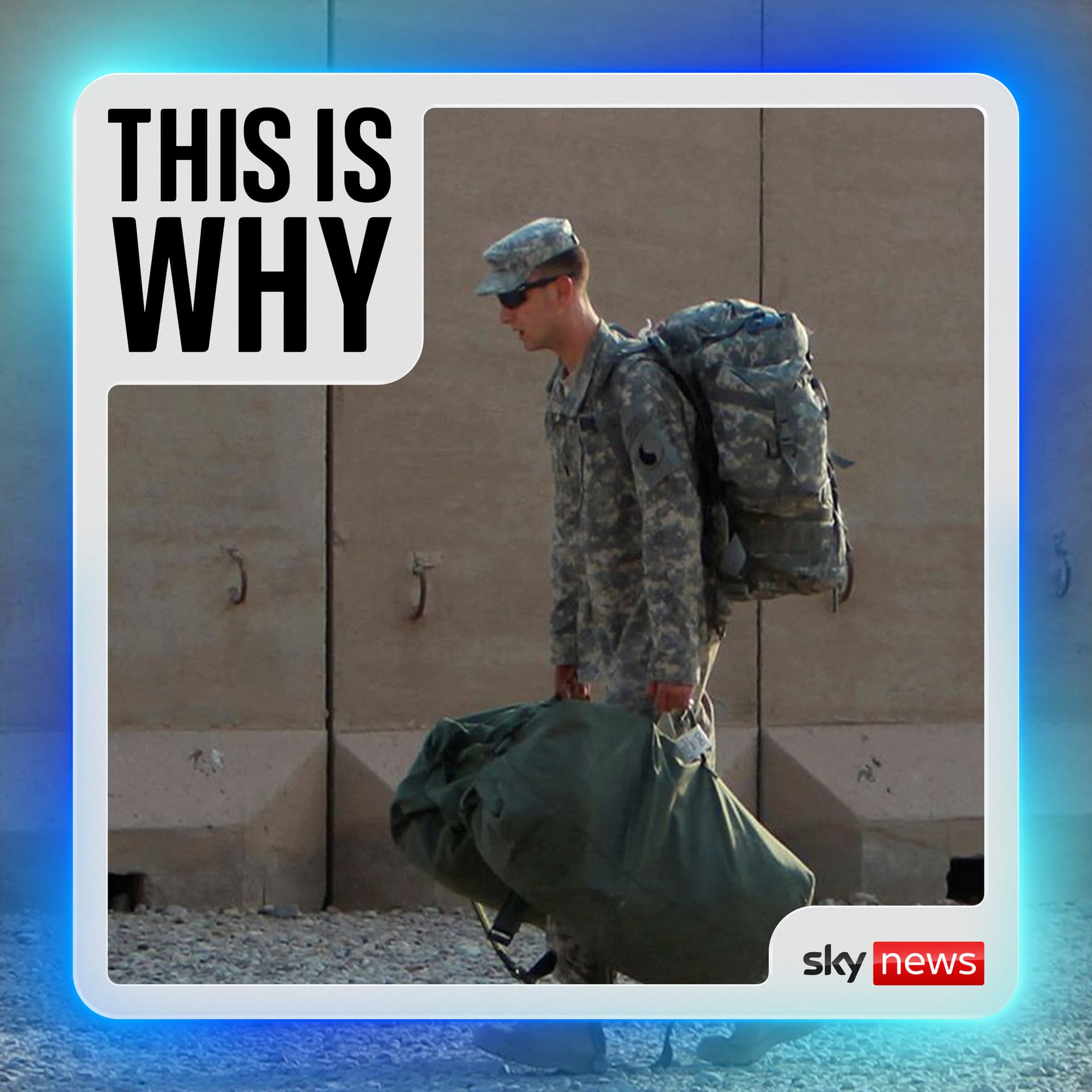
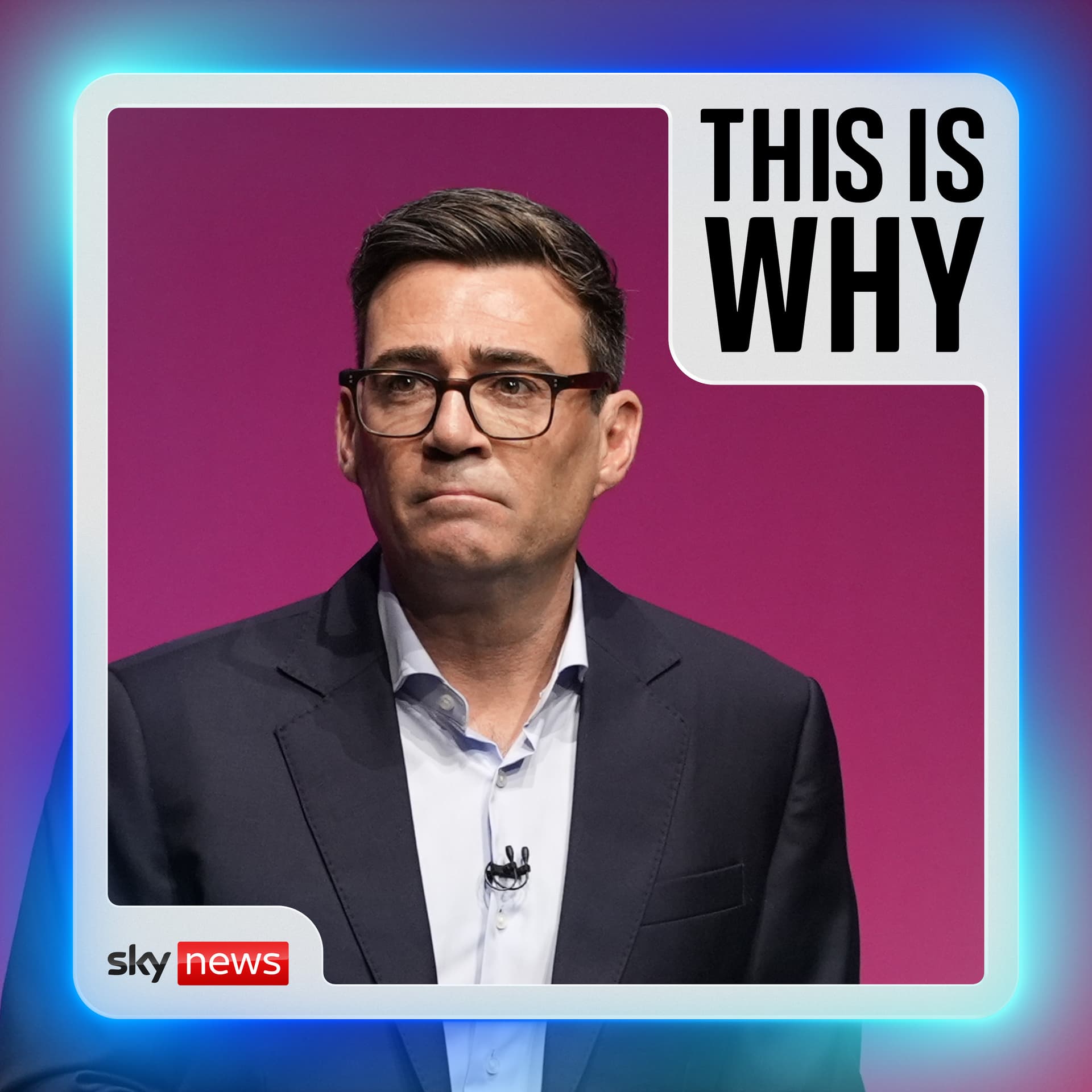
Labour’s push for nationalisation as a “big gamble” to bring “essentials of life” under public control—covering British Steel, possible Thames Water nationalisation, rail “by stealth,” and Great British Energy—while weighing whether it improves services or just shifts costs to taxpayers.
Guests
Paul Kelso, Sky’s business and economics correspondent.
Guest background
Sky News business/economics reporting; interviews and analysis on UK corporate and economic policy.
Key claims
British Steel was effectively seized after Chinese owner Jingyi ran it at about £350m cumulative loss and rejected a ~£100m state support offer; Scunthorpe makes only UK “virgin steel” for aerospace/defence, so government protection is framed as national security. Thames Water is described as drowning in debt, with bills not covering required investment, and borrowing funding infrastructure while debt is expensive; nationalisation wouldn’t erase debt but could stop dividends to shareholders. Rail nationalisation is portrayed as easier when franchises expire, reducing contract complexity but raising political blame risk. Nationalisation is said to be popular, yet owning doesn’t guarantee competent running.
Notable examples
Scunthorpe virgin steel; Thames Water pollution failures and CEO pay; rail franchise expiry and COVID’s 95% train travel drop; Great British Energy taking strategic stakes; National Grid (listed) vs state-owned National Energy System Operator.
Written by AI. May contain mistakes. Listen to the episode to check what was said.
Chapters
Tap a time to open that second in VOThe Nationalisation of British Steel
0:45 to 1:16
Discussion on the nationalisation of British Steel and its significance.
“This is economics told through the things we think we understand.”
Context of British Steel's Nationalisation
1:16 to 3:40
Exploration of the circumstances leading to the nationalisation of British Steel.
“And this isn't going to be a one-off because next Prime Minister Andy Burnham is talking very loudly about bringing what he calls the essentials of life back into our hands.”
Challenges in the Water Industry
3:40 to 7:30
Analysis of the current state and challenges facing Thames Water and public ownership.
“I mean, genuinely, why has this fallen on us?”
The Case for Nationalising Railways
7:30 to 10:10
Examination of the rationale behind nationalising the railways and its implications.
“Now, the government can borrow more cheaply, but it's still got to be borrowed.”
Great British Energy: A New Model
10:10 to 13:01
Discussion on the establishment of Great British Energy as a state-backed entity.
“The really interesting question is, with all of these, is you might have better run organisations.”
Public Sentiment on Nationalisation
13:01 to 14:00
Exploration of public opinion regarding nationalisation and its perceived benefits.
“is that nationalisation is pretty popular with the public.”
Debating Nationalisation and Public Ownership
14:00 to 17:02
Explore the arguments for and against nationalisation in public services.
“And so the argument always was, and there are successes in privatisation, though it's not particularly fashionable to talk about them.”
Transcript
Automatic transcript. May contain errors.0:02Sky News, the full story first.
0:11Football might not be coming home, but British steel is. With water, rail and energy set to join it in public hands, the question is whether Labour is rescuing Britain's essentials or simply nationalising the bill. This is why.
0:35What do LED lights say about the future of humanity? I'm Ed Conway, and in each episode of my new podcast, Stuff Matters, I take an object, crack it open, and reveal the world-shaping forces hidden inside. This is economics told through the things we think we understand. Search Stuff Matters on your podcast app to listen and follow.
1:01Hi everyone, Neil here. And after England spent last night demonstrating the dangers of sitting back and hoping a fragile structure somehow holds, the government has today taken a rather more interventionist approach to British steel. It has nationalised it. And this isn't going to be a one-off because next Prime Minister Andy Burnham is talking very loudly about bringing what he calls the essentials of life back into our hands. Put more things back under public, stronger public control, energy, housing, water, transport. I've done that with the buses in Greater Manchester. So you take that principle and you apply it to energy and you apply it to water.
1:38As for the public, well, they certainly seem keen, though they haven't yet seen the bill. And so if it were to be state controlled and you can pick a number anywhere between 0 and 100 billion, you've got to then raise the money to fund that investment. So is Labour constructing a coherent new economic model, or is it simply assembling a collection of Britain's largest and most expensive problems? Paul Kelso is Sky's business and economics correspondent.
2:08Paul, let's begin with British Steel. I mean, what exactly has the government done and why? British Steel has formally been nationalised. The company operates from Scunthorpe, furnaces there, making virgin steel, crucially, has been taken into state control. This followed a change in the law last year that allowed the company to be effectively seized by the British government, which is unusual from its Chinese owners, Jingyi, which had operated the company at a loss, a staggeringly big loss,£350 million. They say they lost cumulatively. They were trying to do a deal for some state support. Government made an offer about£100 million.
2:42They said no, and they then threatened effectively to switch off the furnaces. You let them go cold, you're effectively ending that plant. So the government stepped in then. It's now, that bill has got royal assent, it's taken control, and this company is now going to be owned and run by the state, by the government, by civil servants. What is so necessary? What is so needed about British steel? Steel has been struggling for decades. Chinese competition. Steel has got cheaper to make elsewhere for all sorts of reasons. It's expensive here. And the British steel industry has been a succession of government bailouts and sales and resales.
3:15What's special about Scunthorpe and British Steel? It's the only place that makes virgin steel. It requires a huge amount of energy, but you can make the highest grade of steel. So it's used in aerospace, used in defence. It's made in the UK. We've got first dibs. And when we need it for the important stuff for national security and national infrastructure, we've got it. So that is why the government is so keen to protect it. And nearly 3 ,000 jobs and more in the supply chain. So that's why they've stepped in. Where's the private sector been? I mean, genuinely, why has this fallen on us? Are we spending billions on this?
3:47We've spent a lot of money so far. The National Audit Office has estimated it will have cost£615 million by now, essentially in a year. to keep the place running. That is what it has already cost the taxpayer. The private sector, essentially, it has come down to a succession of Chinese and Indian conglomerates. Jingyi owns British Steel, or did Tata, which owns Port Talbot, that have bought and sold and bought and sold and been bailed out over the years, trying to make a viable steel industry in Britain, and largely failing. And a decision that can be very directly attributed to Keir Starmer, but the guy who's going to be following into Downing Street, I mean, Andy Burnham, I mean, it's increasingly looking like one of the big decisions he's going to have to make is on the nationalisation of water and specifically Thames Water.
4:33Yeah, Thames Water is Britain's biggest water company. It's also in a very competitive field by a distance. It's most troubled. It is drowning in debt. It's in the middle of negotiations to try and organise a rescue deal, a restructuring of all that debt to keep it afloat. Just paid its chief executive a million quid. It's just paid its chief executive a million quid and a bonus in a year that it is failing to meet some of its most basic requirements around pollution. It has been going from bank loan to bank loan. At the moment, we've just had its accounts. They show the problem. Customer bills only cover the cost of running the company day to day.
5:08All the commitments that it has made and that we want it to make to invest in fresh infrastructure, deal with sewage, deal with leaks, improve it, are covered only by borrowing at the moment. That borrowing is eye-wateringly expensive. The money runs out by the end of the year. It's trying to get this deal across the line with creditors. And if it doesn't, then we will see perhaps the real questions about what Andy Burnham, who has said he thinks public ownership is what should happen to Thames Water, will see how real his appetite is to make that happen. Does public ownership somehow magically weave away the debt?
5:43Absolutely not. But what's the point there? If you were to go straight to nationalisation, then you would have to buy it. And you've got to buy it from the existing shareholders who've already said they're five billion quid. That's wiped out. It's worthless. But the creditors, so the people who own the debt, more than 20 billion pounds of it, they've made it clear they'd want it back and they'll go to court to get it. So the point would be to stop money flowing out to private shareholders in dividends and make the system more efficient. It's the most fundamental resource of all, isn't it? It feels a very natural fit with public ownership, water.
6:20But you're right. The issue with the water industry is bills. The only regular source of revenue is you and I and all the customers who pay the bills. But they only go so far. And bills have been very low in water. Not a popular thing to say, but it is true. They have jumped up in the last couple of years because political pressure around the state of our rivers particularly has forced companies and the regulators to say, right, we need to invest more. Bills go up. So for the next five years, the water industry as a whole has committed to spend£50 billion on improving infrastructure, building reservoirs, not just dealing with sewage and leaks, but adjusting for a growing population, for climate change.
6:56All those challenges that the industry's got to meet. And broadly, that money is being met from borrowing. So you go to the debt markets, which is perhaps the point of privatisation. Private companies can do that more easily, and it doesn't sit on the government balance sheet. or equity, people putting in money for stakes. And so if it is to be state controlled and you can pick a number anywhere between naught and 100 billion, which is the upper estimate, the government estimate for nationalising the entire water industry, you've got to then raise the money to fund that investment. Now, the government can borrow more cheaply, but it's still got to be borrowed.
7:34And of course, the argument, the original argument for privatisation was water is going to sit in the queue with every other demand on the public purse. OK, so explain to me. British steel is stuffed. Keir Starmer comes riding to the rescue. We've got massive problems with Thames Water. Andy Burnham is currently putting his underpants on on the outside and attaching the cape. He'll be flying in soon to sort it out. Why on earth are we nationalising the railways? Because look, we've all got problems with the trains, but it's not an industry that's on the verge of collapse. It's not an industry of the verge of collapse, but it was an industry that has, I think, on all sides, the current structure, the franchise system, which affected what privatisation was.
8:12British Rail was broken up into the tracks and stations and the trains. Franchises to run the routes were sold off, and originally, the track and stations were privatised as well. That didn't go so well. Rail Track was the original company, the privatised company that owned the tracks. That was nationalised. We now have network rail that runs them. But the franchise system, COVID was the killer blow to a system that was already causing immense frustration to customers, to travellers particularly. Train travel went down 95 % overnight. It destroyed that system. So the nationalisation that's been going on in the rail industry is actually the easy nationalisation.
8:50When a rail franchise runs out, rather than renewing and doing all the contract renewal, it just comes under state control. Behind that, many of the same people are still involved in actually driving the trains and running the trains. So it's by stealth the idea it comes back into Great British Railways, which will operate the system. There will absolutely be private entities involved in there, but they're under the umbrella of a notionally state-run system and things like you get rid of all that contract negotiation endlessly. You unify ticketing. Imagine that. Imagine being able to work out what the cheapest ticket was without a spreadsheet, you know, that kind of stuff.
9:27I get that we are able to pick up the railways without shelling out billions, but that doesn't mean that it doesn't come without, I would suggest, pretty significant political cost. I mean, every time a train runs late, every time a train is cancelled, are we going to have a government minister that we can phone up and berate? I mean, if this goes wrong, it reflects badly on the politicians, unlike the situation at the moment. Yeah, I mean, a personal reflection on the rail system is that it's world class at deflecting blame. When you're trying to work out why your train is late, why it hasn't happened, it's always somebody else's fault.
9:57Yeah, you're quite right. When it's state run, you look at the minister, look at the health secretary. You know, there's the greatest nationalised industry of all, the National Health Service. You know, there's someone responsible for that. The buck stops somewhere. So there is political risk. The really interesting question is, with all of these, is you might have better run organisations. It might feel just instinctively, philosophically right that things are in public ownership. but one of the issues Andy Burnham has raised, he wants the cost of living to come down and will any of this cut bills?
10:31I think that is an open question at best.
10:42How does a banana trigger a CIA-backed coup? Do AirPods herald the arrival of a new global order? What do LED lights say about the future of humanity? I'm Ed Conway, and in each episode of my new podcast, Stuff Matters, I take an object, crack it open, and reveal the world-shaping forces hidden inside. This is economics told through the things we think we understand. Search Stuff Matters on your podcast app to listen and follow.
11:17As if that wasn't enough nationalisation, we've also got Great British Energy, don't we? Which will be a state-owned and operated company, but one that's competing with the private sector. Have I got that right? You have. So Great British Energy is state-backed. It's not particularly big, and the idea is it will take strategic stakes in emerging energy industries, the obvious place to put public money in a really competitive the energy business has got lots of money in it and lots of people trying very hard but to perhaps put it into areas where private resources aren't going riskier developing technologies and the like and you might end up having a public stake in very very successful companies but the energy system is almost a great example of how mixed up ownership is when we look at our big use we have the national grid perhaps the most strategically important bit, the bit that owns the pylons, that gets the power to where you are, that is listed on the stock exchange.
12:11It makes an enormous amount of money of its income in America, actually. It's a big company. But the body that runs the distribution of power, that's just been state-owned, the national energy system operator, the one that makes sure the lights do go on and kettles still work when England games end. That's state-owned. And then you have all the energy providers the big renewable providers there many of them they're mainly private companies but their investments are underwritten by subsidized guaranteed prices so there is a whole mix of ownership models in britain and having control of the important strategic bits is a very important argument for nationalization but there's also a real demand to bring down in energy prices.
12:55And again, would any greater public control deliver that? I'm not certain. I mean, the one thing we can say with certainty is that nationalisation is pretty popular with the public. In fact, you might go so far as to say surprisingly popular. Yeah, I think water is such a good example because it seems so instinctive. The stuff falls for free from the sky. The water companies, it's not a real market. They're regional monopolies. When you brush your teeth in the morning, You don't think, well, I think I'll wash it down with a bit of Yorkshire water this morning. So there's not real competition. And yet we have this system in which, through the regulatory model, the companies have done what almost they've been invited to do.
13:34Financial engineering has been as prevalent as practical engineering. And we've had this situation where plenty of investors have got rich, while the quality of our waterways has gone downhill. Other than the huge sums of money that we may have to pay to nationalise these things. I mean, what is the case against nationalisation? Merely owning an entity doesn't necessarily equate with running it competently. Exactly right. And so the argument always was, and there are successes in privatisation, though it's not particularly fashionable to talk about them. The argument is that the rigour of private enterprise and privately run companies and competition makes things run better, more efficiently.
14:14Better services for customers, private companies, perhaps what customers front of mind. And the challenge is that when that doesn't occur, what you see, and if services still fail, the money's still going out to a third party. The best argument in favour is that no money leaves the system. But if things are poorly run, then there's the appeal. Is there a strategy here? Is there a plan that makes sense? Is this a coherent economic programme or is it just a collection of pragmatic interventions? interventions. Is there a way by which I can decide whether or not this particular organisation, institution would be nationalised under an Andy Burnham premiership and this bit wouldn't?
14:53He's talked about the essentials of life being publicly owned. That's very Andy Burnham, isn't it? It chimes, doesn't it? Water, energy, transport, housing. I mean, I could fling a handful of others on essentials of life. Food production, clothes sales, all of these things. I mean, where is the dividing line? I don't see one. It comes down to the question, what should the state be responsible for and what shouldn't it? And I suppose you could ask that which you cannot get elsewhere, that which the market cannot produce more efficiently than the state can. Water falls into that. Transport, the railways particularly.
15:31Road building. What we definitely do have, and you're right, we do have where it's applied, it's pragmatic. Right now, the UK doesn't think he can afford not to have virgin steel production. And this might just end up being handouts by another name. If this is loss making, well, the taxpayer will be bearing it directly rather than down the road having to give another few hundred million to another private company that's failed to make a go of it in Britain. The problem at the moment is, of course, that as soon as you bring it onto this kind of the public books, I mean, the losses appear on the public balance sheet.
16:06At least right now, those losses, they might be affecting you through pension funds. They might be affecting you through a lack of supply of water, for example. But at least we're not having to shoulder the massive amount of debt that's been run out. No, no, we're not. This defines our lifetimes, doesn't it, politically. the privatisation wave that kicked off in the 1980s was part of the economic transformation of Britain. Plenty of people objected at the time, but lots of our essential industries were transformed by that injection of private money. And it has become, in that time, as we've seen at the same time, the erosion of the power of the labour movement, it's become very unfashionable to oppose that.
16:44We're now in a position where perhaps the worm is turning. And some labour politicians have given this a whirl, but they didn't get to power, did they? Jeremy Corbyn didn't get into office. Andy Burnham, who's made the warmest noises about reversing that trend, where he's got a chance to put our money where his mouth is. Paul, as always, thanks very much. Thanks, Neil. Hi, everyone. Neil here. And as always, we are looking for your thoughts on this episode. In fact, we actually spoke to Professor Michael Clarke a couple of days ago on This Is Why about the renewed hostilities between the United States and Iran.
17:18Steve gets in touch to say this. I'd like to ask Michael if he ever sees a time when nobody wants a war, because nobody can now win. Steve, I will put that directly to him next time I see him. The rest of you, why at sky.uk is the email. We're back tomorrow.
17:49future of humanity. I'm Ed Conway, and in each episode of my new podcast, Stuff Matters, I take an object, crack it open, and reveal the world-shaping forces hidden inside. This is economics told through the things we think we understand. Search Stuff Matters on your podcast app to listen and follow.
From the publisher
It’s coming home.... British Steel will once again be, well, British after it was renationalised to “protect the future of steel production in the UK” - and that could be just the start.
Prime minister-in-waiting Andy Burnham has described water, energy, transport and housing as the “essentials of life” that should be run principally in the public, rather than private, interest.
But can nationalisation solve the fundamental issues privatisation was meant to solve? And if Burnham does deliver more services back into public ownership, what would be the trade-offs and ultimately the cost?
Niall Paterson is joined by Sky’s business correspondent Paul Kelso.
Have you got a question for Niall? Email us: why@sky.uk