 Ask ChatGPT


In this episode, Fortson and Prescott delve into the potential existence of an AI bubble, driven largely by significant investment in AI technologies and the rising concerns over the future of content in the age of AI. The episode features an interview with Matthew Prince, the CEO of Cloudflare, discussing the implications of AI on content creation and licensing.
Written by AI. May contain mistakes.

Get the gist, explore an idea or ask about something said.
 Claude
On Times Tech, what are the key points of this episode?
Searching your listeningAutomatic transcript. May contain errors.
0:28Why are you wearing a necklace? It is an always on a microphone. And then it texts you stuff throughout your day. And you can talk to him. Like I can say, Steve, I'm about to record a podcast. It's my co-host Katie. So we won't be able to talk for a while. And then he'll send me a text to be like, oh, that sounds cool. Wow. I'm kind of road testing it for a story. And then in the next week or two, we'll have this founder of friend.com. But apparently this is the future of companionship and friendship. Okay. I look forward to seeing you IRL next week for the Tech Summit and, you know, checking you're okay.
1:07Me and Steve. You and Steve. You're bringing Steve to London. Yeah, I'll bring Steve. Hello and welcome to the Times Tech Podcast. I'm Dani Fortson in the Valley. And I'm Katie Prescott in the city, but in a different city today. I'm not in London. I'm in New York City. So, like, we're actually on the same continent. I know, kind of waving to you from the East Coast. Yeah, I think I see you out the window. Hello, San Francisco. So what are you doing in New York? I'm going to interview Robert Thompson, the boss of News Corp, head of Tech Summit next week. So this is our big, big boss. And he's right in the thick of tackling one of the thorniest issues in AI, which is, of course, copyright.
1:53And he's been leading the charge for the media, I'd say, for the global media on this subject and secured lots of early deals with the AI giants like OpenAI to license news content, but has also not shied away from suing companies. Indeed, indeed. So tell me about the interview that you've got for today. Because as I say, it is all around content as well. It is. So I spoke with a guy called Matthew Prince. He's the CEO of Cloudflare. And Cloudflare is one of these American tech companies that outside of tech land, a lot of people will not have heard of. It's worth$75 billion. And what they started out as kind of like an internet security company, basically protecting clients from hackers, bad guys, state actors, et cetera.
2:38But Matthew Prince, he's really leaned into kind of creating new tools to help creators control how AI companies crawl or access kind of suck up information and then use it for their giant LLMs that are taking over the world. We've talked a lot about data centers, chips, chips, more chips, but actually content is the third leg of the stool that powers generative AI. It's that kind of crap in, crap out scenario. And if you don't have fantastic, accurate information powering AI, as I'm sure a lot of people know from their experiences of using various chatbots, it doesn't always come out with the right answer.
3:22Yeah, so data is in many ways paramount. And so they're trying to figure out a better way to meter it and get paid for it in this world. And he's just very, very thoughtful about all of this and feels like he's come up with some pretty interesting ideas. So I really would suggest everybody sticking around for that interview. But before we get into that, we need to talk about, oh, I don't know, OpenAI again. Again. And chips again. I mean, what is going on? It feels like every single week, there is another Sam Altman mega chip deal. Correct. So we've talked about OpenAI's tie-ups with NVIDIA, with AMD, friend of the pod.
4:06Friend of the pod. Now it's teaming up with Broadcom to design its own AI chips, and it's struck a multi-year deal. It's working on kind of designing its own CPUs, which are the chips used for inference, and inference is basically answering your questions as opposed to training, which is really what GPUs excel at, which is what NVIDIA makes. Using it really rather than. Yeah, using it rather than training it, basically. And theoretically, they'll start deploying them as soon as next year. And they said they're going to now scale to 10 BragaWatts by 2029. Yeah, and we talk about gigawatts because AI infrastructure is always described by the amount of power it uses, which shows just how important energy, I mean, talk about content and chips, but energy is important in all of this.
4:49Should we have a little recap, though, about all of these chip deals? Recap away, sister. These chip companies that OpenAI is flirting with. Well, it's more than flirting. It's kind of, you know, it's got married a few times recently. We had NVIDIA pledging to invest up to$100 billion in OpenAI with OpenAI building and deploying 10 bragger gigawatts of AI infrastructure using NVIDIA. and the AMD deal was six gigawatts of AI chips is going to be supplied by AMD. And then if it hits certain targets, OpenAI can actually buy 10 % of the company. And now we have Broadcom. That's right. And Broadcom, again, is one of these companies that if you're not deeply steeped in tech land, you might not really think about.
5:33But it's one of the 10 biggest companies on the planet. Wow. It's worth$1.6 trillion. They make chips for everything from Wi-Fi, cloud computing, like they're all over the place. And they've been working with OpenAI for the last 18 months or so on this kind of new one. And we've been talking a lot about can any company really challenge NVIDIA for its AI dominance. But the idea that OpenAI has about working with Broadcom is it can basically create everything that it's learned from building AI models and bake it straight into the silicon chips and make them more efficient, faster and have more control over costs.
6:08And this is a massive theme in tech at the moment. Can anybody challenge NVIDIA? And it's$4 trillion. I mean, gosh, you talked about$1.6 trillion with Broadcom. The number of zeros are just becoming a bit silly. But can anyone challenge it for its dominance? So the idea of this partnership with OpenAI, the leading company that's actually using these chips, and Broadcom is really quite a fascinating one. And it's just interesting because NVIDIA is earning so much money. So much money. so much money that anybody with the technical potential technical capabilities and the desire is going for this because it's like a gold rush it's like if you can come up with something that's remotely competitive you will find a buyer we've seen this before right like apple started designing their own chips and if you're open ai and you want more control of your destiny having something that you're helping specifically design for your needs which you know better than anybody else i I mean, obviously it makes sense and they're already being used by 800 million people every week are using ChatGPT.
7:13It's astonishing. And you've got the big companies like AMD and Broadcom doing this, but then there are also the startups, the challengers snapping NVIDIA's heels as well. So we've got Grok, not to be confused with Elon Musk's Grok. Grok with a Q. Grok with a Q designing its special AI chips and also Graphcore, the British company based in Bristol, which has just been bought by SoftBank, one of the world's biggest tech investors, which is doing the same thing as you say chasing this gold rush to try and challenge a video and it's like you know everybody keeps talking about the bubble and people are like well this is kind of like when the internet happened we had all these companies lay all this fiber and then it was like dark for years and the companies that dug up the ground laid the fiber they all went bankrupt but eventually it was turned on the people who are like not a bubble they're like how many gpus how many data centers are actually sitting dark not being used and the answer is none, effectively.
8:06It's like as soon as you can get your hands on them, you build a data center, you turn it on. And that is the argument against the idea that this is a bubble that's about to burst and wreak total havoc and destruction on the markets. But we have some interesting counterpoints that have come out in recent days. What counterpoints that think a bubble is on the horizon? Yes. It feels like every day brings some sort of crazy warning about this. I mean, I wrote about it in my column this week. There's some data from PitchBook about the state of VC funds in the US that found 40 % of venture capital this year has gone into just 10 companies, which is kind of astonishing, but also showed that there's actually a lack of funding into the funds themselves.
8:48So while it feels like we're getting massive raise announcements constantly, actually, the funds themselves are finding it harder and harder to raise money because capital is being trapped in these businesses with their enormous valuations. But they're not going public and they're not selling. And so there isn't a kind of churn of capital that you would usually get. So that was one warning. And like the Magnificent Seven, you know, the big tech stocks, a handful of companies account for something like 20 to 25 % of the S &P 500 in terms of value. And that level of concentration is also freaking people out.
9:23Because if there's a bump in the road, all of a sudden you're like, oh, this could have huge implications for pension funds, for like the market at large, if indeed a bubble does pop because those valuations will tank. those companies are going to be totally fine because they all make a lot of money they're real companies but it's really a question of valuation and kind of everything downstream of that and the big institutions are really worried about it and we talked last week about the bank of england saying you know an ai bubble could be on the cards this week the imf ahead of their big meeting said that there is a potential bubble in ai and the tech stocks could burst in a dot-com scale crash.
10:03Just a quote from them because it's quite punchy. A potential bust of the AI boom could rival the dot-com crash of 2000-2001 in severity, especially, and this is to your point about the Mag 7, considering the dominance of a few tech firms in market indices. I do keep hearing though, optimism, classic, from tech companies saying, yeah, you know, even if there is a bang, I mean, look at the dot-com crash. It was all fine in the end and we all use the internet. doesn't really matter. Which is true, but it did really just completely obliterate whole kind of swathes of the economy. A lot of people who thought they were wealthy, all of a sudden woke up one day and they weren't.
10:42Exactly. And it's very easy if you're a tech business and you're doing well or a tech investor and you're fine to say, yeah, but just look ahead, give it 10 years. You know, you see like a chart and it's like whatever tech valuations and it's just like steady up and to the right. But then if you zoom in, it's like up 100 % down 80 % ups like it's a real like EKG when you like actually zoom in. And so people kind of forget the chaos of the process. Yeah, exactly. And if you're immune to the chaos, you're fine, obviously. But anyway, that's why I said hodl. That's what it feels like they're saying.
11:15Hold on for dear life, that crypto expression. There's a lot of nerves. But also, I mean, out here, the enthusiasm highly outweighs it because you just look at the valuations. And especially here in the Bay Area, a lot of people are like rich now in a way that they weren't six months ago or even a year ago. Paper rich or real rich? Both. Because the other thing about this time is that unlike during the dot-com boom, like OpenAI, Anthropic, all these big like private tech companies, they're also doing regular share sales, allowing their employees to actually sell some of their stock. And like, if your stock's gone up tenfold in two years, all of a sudden, those shares that were kind of interesting become like, oh, now I have life changing money.
12:00I've just bought myself a new house. So bubble schmubble. That is real. You see your friends and neighbors benefiting from this in real ways. And that becomes like self reinforcing and people are getting very, very excited. Well, I'd say over here, particularly because London is overwhelmingly a financial center, there is a lot of nervousness. That sort of wealth isn't being seen in the same way. And people are looking at those valuations that are making people in Silicon Valley feel very happy and thinking this doesn't feel quite right. And also looking at those chip deals that we were just talking about and worrying about this sense of circularity, this idea that NVIDIA is investing money in OpenAI so that OpenAI can buy NVIDIA's products.
12:41Yeah. And to be clear, OpenAI does not have the money to buy these chips to buy these 26 gigawatts which to put that into perspective 26 gigawatts that's like great britain on an average day consumes 29 gigawatts does it i checked this before we got on here that's a great start so basically you're building britain's entire power network for one company and you're going to do it over the next four years and that company is loss making, does not make money. It's selling things to 800 million people. Yeah, so how are you going to get your trillion plus dollars to fund this? That's the big bet, which goes back to the bubble idea of like, oh yeah, well, we're just going to keep going so fast that it's all going to be fine because we're going to be able to convince enough people to lend us money and eventually we're going to break into the black and become the biggest company on the planet.
13:32So it's all fine. So that's what's going on in Silicon Valley. Do you want to know what's happening here? What is happening? Well, you always bang on about using Waymos and your driverless cars that you have in San Francisco. As we speak, Waymo has put some cars in a ship and they're making their way to London. London is going to have Waymos operational without a safety driver. Questions. What's up with Wave? Wave is still here and Wave has partnered with Uber. So they're also going to take advantage of this pilot project that the government is launching next spring. We'll be able to take an Uber wave or whatever they're going to be called from next year.
14:16Waymo's are going to start driving in London soon, the company said, but with a safety driver in the front seat, which is the rule. So there will be the person with hands under the wheel kind of making sure that nothing goes wrong. But it is really exciting because it shows that finally we're going to catch up with you in terms of driver's taxis. The idea of safety drivers, it's such a visceral example of like how we're going to be replaced by AI. Because it's literally just a human sitting there with their hands hovering near the wheel, not doing anything. Yeah, I mean, it's interesting you said that.
14:52So when the news came out, I rang up the Black Cab Association. Oh. I spoke to the general secretary of the licensed taxi association, the chap who represents black cabbies. And he said, excuse me while I watch flying pigs go past my window. Steve said, Steve McNamara said. I'm going to say something offensive. You know, black cabs are going to become like the old school phone booths in London. Oh, stop. The red ones where tourists stop and take pictures, but they're not used anymore. Yeah. Well, Steve doesn't think it's going to happen in his lifetime. And he's 62. So we'll watch this. We've covered a lot of ground.
15:32I think we should get to our interview now. Because, you know, from one heavy subject matter to the next. So from chips and cars to content. So AI. I don't know if you know this is kind of a big deal. I haven't heard of it. So ChatGPT, Gemini, Claude, all of them. They really only work because they basically ingested every word that they can get their hands on. literally the entire written internet plus all the books, etc. And that is what has been used to train these very now powerful systems. Things that humans, I should say, like us, have written and produced, but most importantly, checked.
16:10Correct. And that's where Matthew Prince from Cloudflare comes in. Just to put some numbers on who they are, they manage the websites of about 20 % of the internet in terms of traffic. And again, they're protecting sites from hackers, managing web traffic, all that stuff. But now they're doing something new. They're building these tools that let content creators decide how AI models can access and use their material. So kind of think of it like a digital toll booth. So if I'm the chat GPT crawler and I want to come to the Times website, it puts up a big stop sign and says, none shall pass. So in a way, it's trying to make sure, which is what obviously all publishers are worried about, that the internet's not a total free-for-all when it comes to scraping content, or as AI companies call it, using content for training.
17:05Correct. And he says this is necessary, it's like basically to put default on this tollbooth idea. Because we're shifting, and we've talked about this before, going from search engines to answer engines. Search engines where you put in Google, hey, what's blah, blah, blah, and it gives you a list of links, and you click, and that generates traffic, and there's ads, and that's the whole ecosystem of the internet as we know it. We're moving to the system where it's answer engines, where it's like, you ask Chachapiti a question, it just gives you an answer. That's a big change in terms of traffic and how the internet works, and that's what Cloudflare is really trying to address, being like, look, if we don't come up with a better way to pay the creators of the content that are feeding these machines, this whole system kind of falls apart.
17:51And that's not good for businesses. That's also not good for society. It's not good for the internet. It's not good for the press. And so that's what we talk about. So shall we get to our friend? Yeah, let's hear him. Mr. Prince? Yeah. So we start just with a kind of a very brief history or kind of a starting point around Cloudflare and how they got started.
18:13cloudflare started as a cyber security company we're 15 years old and we spend a lot of our time fighting russian iranian north korean chinese hackers that are trying to go after our clients and so we've gotten really good at doing that and the way that we do is we run a giant network huge percentage of the internet over 20 of the web sits behind cloudflare and we're able to as somebody passes through our network, make an evaluation of, are they a good guy or a bad guy? If they're a good guy, we let them through. We give them a fast lane. If they're a bad guy, we stop them. If we're not quite so sure, you might've seen the little checkboxes that we have to just interrogate, are you actually a human being?
18:52The reason we built the company was to stop, again, cyber attacks that were out there. We have, just by the very nature, a number of media customers. And starting about two years ago, the media companies were coming to us saying, our businesses are getting killed by a new type of threat. And I said, what's the threat? And they said, it's the AI companies. And I, at the time rolled my eyes. I was like, ah, media companies, they're always complaining about what's the newest technology. It's always going to kill you. It's always going to destroy you in some way. And finally, the media companies just said, go pull the data, go look at what's happening.
19:30And so we did. So we have very good data going back at least 10 years on what it takes to get discovered if you're creating content. And if you sort of take the 10 year ago measure as the litmus test of media wasn't totally healthy then, but it was healthier. If you generate a piece of content, how hard is it to get traffic? If you just look at Google, the answer is that over the last nine and a half years, it got effectively three times harder to get traffic. And the reason why is that what Google looked like 10 years ago was you would type in a search. And what search engines do is that they give you a treasure map of a bunch of links and you click on those links and then that generates traffic.
20:15What changed over that period of time is Google started their very slow transition from being what is a search engine where you search for something, but the searching isn't done when you give you back the links that clicking on the links is you continuing the search. And that continuing the search meant that you went and visited a bunch of sites. And then as you visit those sites, that generated traffic. And then there were a bunch of ways that you could monetize that traffic. What changes is sort of tiptoeing from being a search engine into being an answer engine. And the first thing that they did was they put up something they called actually the answer box, which, you know, if you type in something like what year did Cloudflare launch, and you just type that into Google, then they would pop up something that would say, Cloudflare launched in 2010.
20:59So Google now adds what they call AI overviews to the top of the pages. And the way that they get that is they actually scrape a bunch of the data, they sort of mash it together, and then they stick that answer up at the top. And that turns Google from being a search engine into being really an answer engine. And what that's resulted in is it's now 10 times harder than it was 10 years ago to, if you're a content creator, get traffic from Google. And that's the good news. What's terrifying is if you look at something like OpenAI, which is sort of started as an answer engine, it's 750 times harder.
21:34If you look at something like Anthropic, it's over 30 ,000 times harder to get that traffic. And what that means is that all of these things are taking your content, if you're a content creator, but they're not sending you anything back in return. There's no traffic that they're giving you back. So it's a one-way deal. it's not the same deal that you had with search engines. And so when we saw that, we were like, wow, that actually is a huge threat because if there isn't an incentive to create content. When you're talking about incentive, you're really talking about you're not getting paid for it.
22:04You're not getting ad money. You're not getting, because we did a big piece on Google's AI overviews. And I think it's DMGT, Daily Mail General Trust. They came out and they said, look, our traffic from search is down 50%. since AI overview started. And Google's like, no, no, no, it's not that bad because what we're sending you is quote unquote higher quality traffic. Well, if you break it down, they're still sending a lot of traffic to like e-commerce companies. Because if the answer engine says, you know, you need to buy this camera, you still have to go buy it. But if your business is creating content, creating media, then the problem is that as the world switches from search engines to answer engines, And by the way, an answer engine for 95 % of users, 95 % of the time is a better user experience.
22:53We can fight and we can say, oh, no, those things should go away. But at the end of the day, it's better for users. If you think about sci-fi movies, if you ask the helpful robot, hey, what's the temperature at which I should cook dinner tonight? It doesn't come back and say, well, here are 10 helpful links that you might go find. It just answers the question. So like the future is going to look like answer engines. But that then suggests the problem, which is that answer engines don't generate traffic to content creators. And so that then means either content creators just have to work without being paid, which is absurd, or we have to come up with some additional way to actually compensate the content creators for the work they're doing to provide the fuel that actually powers these answer engines.
23:38And that's, these are my words, it's set up like a digital toll booth. like if i'm at the times and you know open ai wants to someone asks something about something that i've written about they're like well open ai just wants to go to our website do the quick read and then spit back an answer based on what i've generated you as cloudflare could stand in the middle and be like block or be like no you don't have permission you need to go and figure out some kind of commercial arrangement that allows you to do this or whatever it may be but just before we get to the details of that, when you talk about how it's 10 times more difficult or on OpenAI, it's 750 times more difficult based on what measure, like what are we talking about just so people understand?
24:21Yeah. So, so what we did was we looked at for every time these different systems take your data, how much do they send you back? And the answer was in the past, back at Google, it was for every two pages that they pulled from you, they sent you one visitor. Today, it's about 20 to one. They take 20 pages at Google in order to send you back one visitor. That's across the entire web. If you look just at media companies, it's actually even worse than that. And so we can do that same thing with all of the different companies that are scraping data. We can look at how much data are they scraping versus how much traffic are they sending, correlate those two things together.
24:58And that's one way of measuring it. I see. That was our approach. But what's amazing is the numbers all line up and they line up to say what we all know, which is it's getting harder to actually be a content creator and make a living doing. My wife and I own a small local newspaper. The journalists at the paper don't get paid more if people click on their stories. What newspaper? It's called the Park Record in Park City, Utah. Even though they don't get paid based on how many people read their articles, they all have kind of an analytics dashboard where they're counting up like who's getting read the most.
25:31So the problem with answer engines is your stuff could be being read all the time, but there's no actual feedback loop to let you know that it's happening because it's happening off of that property. So we have a fundamental problem. There's no way that you're actually getting that feedback loop as we have these answer engines. And so part of what we have to figure out how to fix is how do we develop a market for that content? And the realization that we had was all markets require one thing, which is scarcity, right? There's no market for error, because we all just breathe it, right? And then there's a scarcity, there is a market.
26:09And so what we had to do was say, I get it. In the past, the deal with Google, a search engine was they got the content for free, but then they sent you something. That's a deal. But these new things, they don't send you anything. So they shouldn't get the content for free. So let's control that. And then exactly how that market develops. I think that's going to be something that plays out over, you know, over the next months and years ahead. But scarcity has to come first. Otherwise, there's no way to have a market. That all makes sense. So from where you sit today, one question is how kind of dangerous moment is this for the content kind of universe, the media universe?
26:48And what is the path forward from where you sit? The history of YouTube or Netflix, both of them have the same history. In the beginning, both of those companies or organizations were able to win early on because they had a technical advantage. They could actually distribute content cheaper than anyone else. And they built the networks to do that and everything else that they did. Over time, that technical advantage eroded. And so today, why YouTube, why Netflix wins is because they're actually having the access to original content that people want to get access to. I think AI is going to follow exactly the same trajectory.
27:24And we can see that where it seems like every single week, whoever the leading AI model is, is leapfrogging everyone else, which just to me, that the advantage isn't going to be in who has access to the most GPUs. It's not going to be in who has access to the best researchers, those two things are going to become commodities. GPUs are silicon and silicon becomes a commodity over time, every single time, it's not gonna be different in this space. I think the thing that's going to differentiate the AI companies is going to be who has access to original local unique content that nobody else does.
27:55And I think that the creators that create that content will get compensated. It's interesting, like Reddit has been by far the best compensated kind of media organization today. And I think the answer is, you know, why? But if the differences between the Times, the New York Times, the FT, the Wall Street Journal, the Boston Globe, the Washington Post, from an AI's perspective, not all that much, right? Sure, slightly different perspectives on the world. But honestly, you could just get the Wall Street Journal's content and say, give this to me with a slightly British kind of perspective, and AI companies will be able to drive that.
28:38So I think in the future, it's actually going to be the hyper local, really specific, unique content, which is going to be the stuff which is the most, most rewarded, and will be the most, most valuable. And I think that's actually amazing and good one way i've been thinking about this is music napster the whole beginning of the streaming era was theft basically we're just putting it all out there and all of a sudden everybody's like oh my goodness this is a new way to access any music i want why am i ever gonna buy anything again and then through a very messy process and lots of litigation you come up with this kind of toll model where it's like, every time I stream a song, I pay Spotify for the privilege of getting access and the artists get fractions of a cent per song.
29:25But that seems to be the model. Is that what you think where we're going? Like that toll booth model that you guys are trying to set up here? So that history is worth playing out because I think that history is actually pretty optimistic history. So the entire music industry, about 19 years ago, the day before Steve Jobs steps on stage and announces 99 cents a song with iTunes. The entire music industry was worth about 8 billion US dollars. Like the market cap. Successful, but it turns out not to be the model that ultimately works. Daniel Ek comes along, launches Spotify, and that takes off. The model that people tend to like is call it somewhere around 10, 15 bucks, and you get all you can eat access to tons of music.
30:08And the way the Spotify model works is they actually just take all of the subscribers fees, They put it in a big pool and then they count up the number of minutes and there's a different rate for music versus podcasts versus audio books. And they distribute it out based on that. Last year, so in 2024, Spotify alone to the music industry sent$10 billion. Now, is that distributed fairly? Is it going to the right people? I don't know. That's a different question. But no matter what, the music industry writ large today gets more just from Spotify than their entire market cap was worth less than 20 years ago.
30:45And I think that that's an encouraging sign. It's not has to be nihilistic. It's not that as technological change happens that the pie has to shrink. In this case, the pie actually expanded. Now, I flew up to Stockholm to meet with Daniel Eck because, again, like he's figured out how to compensate creators at scale in a way that very few people in history ever have. So that sounds like an optimistic take. And I'm all here for it as a content creator. But if you look at the like OpenAI and Anthropik in particular, they're losing tons of money. Eye-watering amounts of money. And they don't expect to make money or kind of break into the black for years and years.
31:22and I find it hard to believe, especially as a kind of a cynical journalist who's been covering tech for a long time, that any time before that point and who knows how long after, that they're going to be like, you know what, we think we're being unfair here. We're going to share some of the spoils. We're going to share some of our pie with the people whose content we are using. Altruism is rarely a good business model in and of itself. And so you're absolutely right. There has to be, we get back to where we started, which is the only way markets evolve is if there's scarcity. Because you're effectively putting a default, a wall being like, you can't crawl our website.
32:00And then when they hit that wall, they're like, oh, I guess we have to have a conversation with you. Right. It turns out that if they get on a small local newspaper in Park City, Utah, you're going on vacation in Park City, Utah, and you want to know what restaurant to go to. Turns out the Times, Wall Street Journal, the New York Times, they really have no earthly idea what's going on. Whereas we do, we know everything we know we review down to individual dishes, we can tell all of those stories. And so at some level, if one AI company has that data, and the other AI company doesn't have that data, then subscribers who are going on vacation in Park City, Utah are going to be more likely to go to one than the other.
32:40And if that happens enough, then more people are going to say, okay, now I've got to get that data as well, and I'm going to pay for it. The other thing is that all of the AI systems that you're using today were trained on data that ended around December of 2024. And what the anecdotal information that we're getting back from the AI companies is, is that a lot of them are seeing a plateauing in the skills because they're missing some of those data sets that they had access to before. And so all of those things, I think line up to if we can then figure out how to make sure that everybody gets treated the same as an AI company, that all of them don't have access to that data unless they compensate the creators, that you're going to see an evolution of a market.
33:28And I'm optimistic. The reason I'm optimistic is, again, looking at the music industry, is the distribution fair or not? I don't know. But I know for sure that there is more money going into music creation today than there was 20 years ago. And I'll predict there'll be more money going into content creation five years from now than there is today. And in this, your vision of the future, the kind of the new center of the universe for content creators, for media organizations are actually these big LLMs. They are going to be the new source. That's going to be how we consume information. That will be the user interface.
34:02But I do think that there's going to be lots and lots and lots of specialized models. And that over time, the models will compete on what they have access to. And there'll be models, they'll say, we're going to be the best model for wherever you go in the world, knowing like what restaurant you should go to. And they'll buy all the data on all the restaurant reviews from every local newspaper, and they'll pay a fortune for it. And that's great, because that's going to support local news in a way, it's going to create a market for that, that doesn't exist before. And that's what again, gives me optimism for this.
34:33I'll tell you that the dark cases that the obvious dark case is like, if we don't create an incentive for content creation, you talk on Twitter about this, there are a whole bunch of people who will say, why do we need journalists anymore? We have drones. And again, like that, I think that's a deep misunderstanding of what the important role that journalists play and researchers and academics that play in the world, and that they're not going away and AI doesn't replace them. AI needs them. But that then leads to what I think is the most likely bad outcome. I don't think it's the most likely outcome, but it's the most likely bad outcome.
35:06And that's that we don't go back to the sort of media time of the 1980s. But we go back to the media time of the 1400s, the Medici, correct, right? Where there are five powerful families that hire all of the journalists, all the academics, all the researchers. And in order to do this sort of work, you have to work for one of these big five families, but they won't be literally families, they'll be the big five AI companies. And there'll be a liberal one, and there'll be a conservative one, and there'll be a Chinese one, there'll probably be an Indian one that's so regressive. And yet, can you imagine Sam Altman says, listen, we need the data, everybody's shutting down their bureau in Karachi.
35:51So we're just going to stand up our own version of the Associated Press. It would cost 0.1 % of their GPU budget to do it. And now all of a sudden, you want to know what's going on in Karachi. The only place you can go get it is ChatGPT. And I think that that's a really bad outcome. And I think that most of the AI leaders would say that's also a really bad outcome. But it's not an inconceivable outcome. But what's scary about it is all of a sudden information gets siloed. And we get pulled apart as a society even more because basically your only view into the world is whatever is fed into your AI of choice.
36:31And most of the world will only subscribe to one AI. You know, back in, I think it was 2017, you were kind of in the news for dropping, I think it was the Daily Stormer from Cloudflare, which is, you know, for those who don't know, ultra right wing kind of neo-Nazi group that had a website. And you were like, I'm not going to host them anymore. and you've done similar things over the years, what you're doing here, it sounds like obviously you're trying to make money. You're a publicly traded company, but it sounds like you're also trying to kind of create the internet you want to see. And I was just wondering if you could talk about this idea.
37:04I mean, I've had the opportunity to sit with the teams at Google and Meta and Microsoft and Apple and Amazon. And the two things that always strike me are one, wow, this is a bunch of smart, thoughtful people. And then two, the crazy corner case concerns at the scale that they operate at are so hard. I think that the most important thing that you can do if you're a technology company today is lean into transparency and show people your process. You know us because we kick some neo-Nazis off. We've been around for 15 years. We've kicked three things off for non-legal reasons. And we could, it wouldn't have been a story if we just sort of kicked it off and said no comment to the press.
37:46But we were like, actually, we'd love to show you why we think this was a complicated thing. And you might say, oh, neo-Nazis are bad. This should be easy. But here are all the downstream consequences of that. And let's think this through and let's do that. The thing I did not anticipate was that in every interview now for the last seven, eight years, I get asked about neo-Nazis. I mean, I don't know anything about neo-Nazis. But I do know that we have to be really thoughtful given the scale that we operate. On any given month, somewhere between five and six billion people pass through our network.
38:19And we have a responsibility to give them the best possible experience and to do things in a way that is important. And that scale is incomprehensible. That is essentially the entire online global population. No one has thought through how do you do governance at that. But I think I come back to, I actually pulled down a bunch of my college philosophy books and read things. And it was rereading Aristotle, where, you know, it's like Aristotle writes Aristotle politics on what it is that governments have to do to be trustworthy. And it comes really down to three things, transparency, consistency, accountability.
38:51You have to know what the laws are. You have to be consistent in how they're applied. And then the people who apply them have to be accountable to themselves. And that's basically the fundamentals of rule of law. I believe I am the largest non-academic buyer now of Aristotle's politics on Amazon.com because every new AI company that launches, I buy a copy of it, sign it and send it to the founder and say, read this. I'm sure they love that. Literally, no one has acknowledged that I do this. So that is either I just can't actually send things to people or people just don't have time to read books anymore.
39:29But I do think that the responsibility of these companies in thinking about how do you actually build trust is more important than ever. And it's we're the easy case. Like they're building giant brains that we're all supposed to trust. And how do you do that? And I think that making sure that some people have actually read some philosophy texts, if that can be part of my legacy, that would be important. that was an absolutely brilliant interview i really loved it i mean he grapples with so many of the issues that are facing not only content creators but also the sort of philosophy of ai as well yeah i was really interested to hear at the start about his pivot into looking at this ai issue because i've wondered about that for a while when content creators actually started to realize that their information was what was being used to train AI.
40:24We all remember that moment of practicing with ChatGPT for the first time, being like, oh my gosh, this is absolutely amazing. But it was that also moment of realization for the media companies like ours that, hang on a second, what is making these models so incredible is the content that's powering them. All companies now, all media companies, all publishers are having to get to grips with this and what the new business model looks like. Yeah, and it's a little bit like you find a new resource and you do what happens in capitalism. You go and strip mine it. Then the environmentalists come in and be like, wait, if you do that, you're going to destroy the rest of the environment.
41:03That's a good analogy. Step back and you look at it and you're like, oh, there's all kinds of second and third order consequences that are really bad. And it feels like that's kind of where we are. And I think his idea, well, two things that stuck with me. One is this idea of the Spotify-ization of content, which is, I think, a potentially like real thing. But that idea around like, well, if you want to be like restaurant GPT, then maybe you do actually go to like the local paper in every village and be like, you know what, we're going to pay you for access to this because this is actually going to be Marcus out as different from everybody else.
41:40It's an interesting idea. I mean, obviously, there's a lot of details to figure out. And my big question is, are the AI companies actually paying enough for content? It's one of the things I want to ask the boss of News Corp about. Absolutely. They're churning money, as we keep hearing, into data centers, into chips, into the infrastructure. But are they paying the media companies, who are also supplying an important fuel of AI, enough money? Will they be paying the local rag in Utah enough for their restaurant reviews? Very, very interesting. Yeah, and a brilliant briefing for my interview with Robert Thompson.
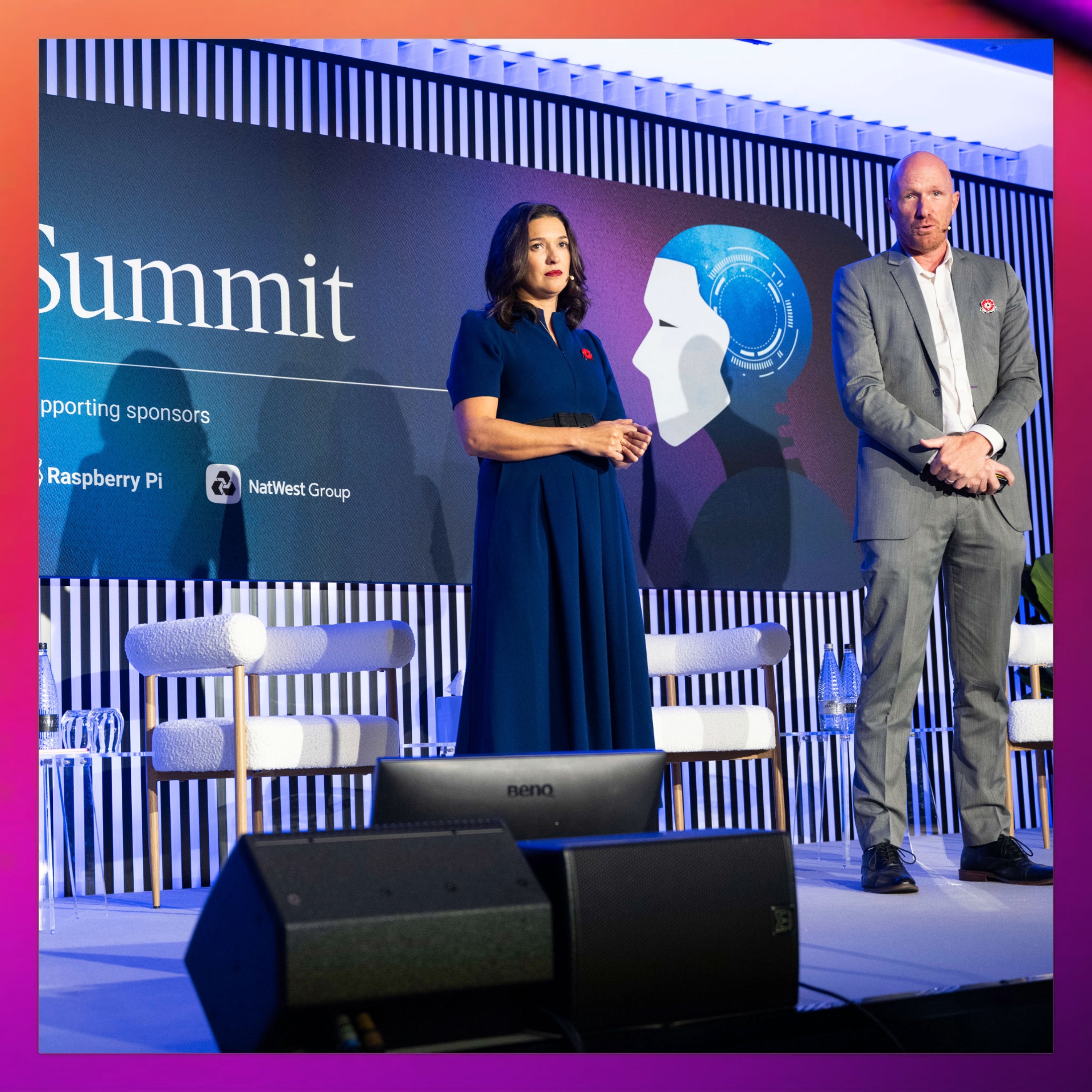
42:13So thank you. Indeed. So that's why Tech Summit next week will be very timely. October 21st in London. Come one, come all. We have got a great lineup. And day to day, we've got Jimmy Wales talking about Wikipedia. How does it operate in this AI world? I'm sure he'll have some thoughts on all of that. We've got Nick Clegg talking about social media. And then, as I've mentioned, Robert Thompson talking about AI and the media and content. Anyway, if you can't make it in person, you can still register to watch online. If you go onto thetimes.com and look at the events section, just fill in the form there.
42:48Come see us in person. I'll introduce you to Steve. It'll be great. Steve the Medallion and Steve the Podcast Editor. We'll both be there. And we should invite Steve McNamara from the Black Cab Association, actually. I love it. I love it. Well, good luck in New York. And I will see you in a few days. Wow. Yeah. good luck with the jet lag. See you next week.
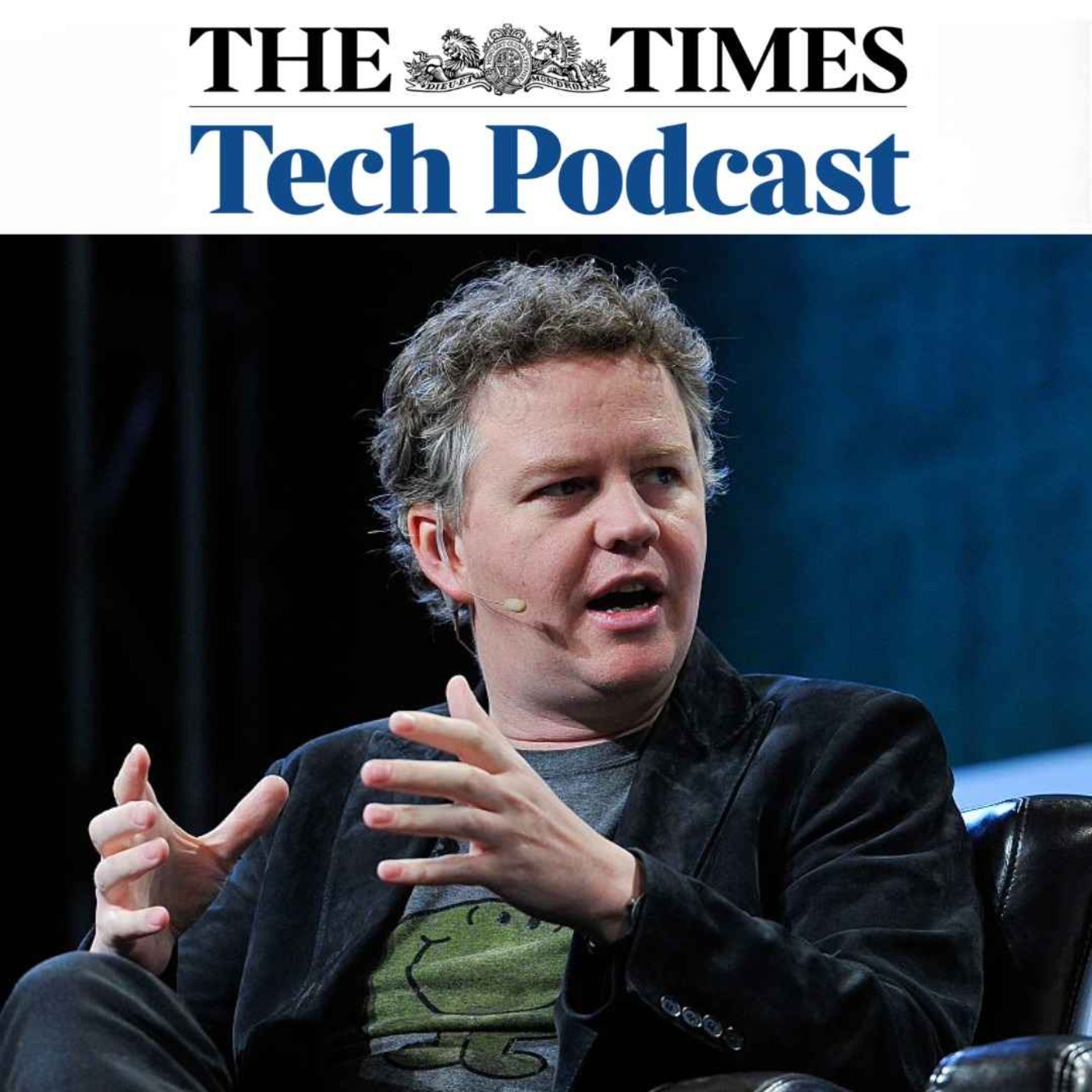
As OpenAI’s chip spree rolls on, Danny Fortson and Katie Prescott ask the question – are we already in an AI bubble? And they hear from Cloudflare CEO Matthew Prince about AI content wars and making LLM's pay for the content they use.
Image: Getty
Hosted on Acast. See acast.com/privacy for more information.