 Ask ChatGPT


What the US midterms mean for big tech and AI, focusing on backlash against data centers, tech billionaire political spending, and shifting regulation prospects.
None in this episode. Hosts are Katie Prescott and Danny Fortson.
Not applicable.
Midterms were a major political shift (Democrats taking both House and Senate), which could slow or reshape data-center expansion. Data centers face public opposition over electricity, water use, land impacts, and perceived lack of community consultation. Tech oligarchs backed Trump’s AI-friendly approach (“go forth and build”), but voters pushed back—e.g., Elon Musk’s heavy Texas spending didn’t win. AI companies’ biggest risk includes access to compute/data centers.
Red Oak, Texas—town encircled by seven data centers; Gina Hinojosa proposing moratorium/tax-break changes; Musk donating ~$250M to Texas; Anthropic IPO filing citing compute/data-center access risk; Trump with Sam Altman/“Stargate” announcement.
Written by AI. May contain mistakes.
Explore how the US midterms have affected the tech landscape and AI discussions.
“And this week we're asking, what do the results of the US midterms mean for big tech?”
Discussion on the rapid growth of data centers and the backlash from communities.
“But before we do that, we should give people a quick reminder.”
Analyzing the cultural backlash against big tech and its implications.
“I think there's something like 40 plus propositions or measures on the ballots across various different states.”
Speculating on how the midterm elections will affect data center development.
“In terms of slowing down the development of AI.”
Speculating on how the midterm elections will affect data center development.
“Okay, so before the break, you were talking about how much money Musk and the rest of the broligarchy, the tech broligarchy have poured into...”
Explore the relationship between tech elites and political outcomes.
“It's been a while since I heard that, the broligarchy.”
Discussing societal fears regarding AI and its implications.
“And then overlaid on that is just AI anxiety, which we've talked about a lot.”
Teasing the next episode focusing on AI in dating.
“Everybody here has been talking about nothing else apart from midterm results, believe it or not.”

Get the gist, explore an idea or ask about something said.
 Claude
On Times Tech, what are the key points of this episode?
Searching your listeningAutomatic transcript. May contain errors.
0:00Cash Now More Later from Opendoor gives you cash up front for your home, plus all the profit later. That's no chaos now, no cash left behind later. Skip the showings now, pocket extra profit later. This is so simple now, this is so awesome later. Or sell fast now and pop the champagne later. Cash Now More Later, now available nationwide. Start your offer at opendoor.com slash ACAST. Profits calculated after fees and costs, eligibility and offer price may vary. This episode of the Times Tech Podcast is sponsored by Adobe. AI is changing how brands reach customers, but potential only becomes business value with the right system behind it.
0:43Adobe helps brand leaders get discovered by new audiences and deliver better customer experiences with AI that puts your team's insights into action at speed and at scale. It starts with Adobe. This episode of the Times Tech Podcast is sponsored by ServiceNow. Danny, one thing we keep hearing from business leaders right now is AI sounds great, but how do you actually make it work inside a company? Exactly, because most organizations aren't neat, shiny systems. They're layers of software, legacy tech, and teams all doing things slightly differently. ServiceNow sits across all that, acting as a control tower for making work move seamlessly through the organization.
1:24Connecting people, systems, data, and increasingly AI agents so that things don't happen in silos. Learn how ServiceNow puts AI to work for people at servicenow.com.
1:40Hello, you are listening or maybe even watching Times Tech, where we unpack how technology is reshaping everyday life. My name is Katie Prescott. And I am Danny Fortson. And this week we're asking, what do the results of the US midterms mean for big tech? while it's a very clear loss for Trump and the Republican Party in many states tech billionaires and AI were very much on the ballot. And my how the world has changed since the last set of midterms in 2022. I mean just back then OpenAI hadn't released ChatGPT. It was just it feels like another world. Yeah absolutely. And you know the kind of the physical manifestation of all of this, the kind of AI boom are data centers.
2:25They become really, really unpopular across the country, both amongst Republican and Democrat voters. And I've been speaking with folks in Texas for a piece I just wrote in the paper, and they are on track, that's one state, to become the data center capital of the world, or at least they were, until the Republicans were swept out of office, including a new Democrat governor Gina Hossa, who has said she wants to impose a ban, a moratorium, get rid of tax breaks for new data centers, etc. So it's a new broom coming in, not just in Texas, but really across the country. And we should say, as we're recording this, I mean, you are waking up to this news, right?
3:09It's what, 8.39 in the morning for you? What's that been like? By the time we went to bed last night, it was pretty clear that, you know, this is the biggest kind of change election probably in something like 50 years in terms of a midterm election where one party just really sweeps into power and knocks the other off its perch. So it was really quite incredible. And, you know, my phone is blowing up from family, from friends, different parts of the country. I have a I'm one of four kids. So we are like a kind of a family divided by politics. So, you know, it's been an interesting the text chatter this morning across the family WhatsApp.
3:57But, you know, it's really incredible that the Democrats have taken control of both houses, the House of Representatives and the Senate. And really, I remember talking about the election two years ago on this podcast where I was like, you know, Donald Trump's running for president and like AI wasn't even on, wasn't even talked about. And I remember thinking at the time, that's so weird because it was all you and I were talking about. And it seemed like such like this big freight train that was headed toward the economy and everybody. And it just wasn't talked about. And this time, two years later, it was like center of the bullseye for a bunch of races across the country.
4:34As you say, it's sort of, it's the data center point. I mean, obviously there's things going on in the economy and the cost of living, but it's in terms of tech, it's the data centers, but it's also the power and the money I feel behind it. And it feels like this is a real sort of backlash against the small handful of billionaires who are controlling this. We've seen Elon Musk donate almost half a billion dollars to the Republican campaign, about 250 million of that to Texas. I mean, just, you know. Absolutely. There's a lot to dig into, for sure. But before we do that, we should give people a quick reminder.
5:12You know, we are split in two. We have our news show, which is what you're listening to now, and then the big interview coming on Sunday. And who do we have this week? It's a goodie. I've been speaking to Yoel Roth, who's the head of trust and safety at Match Group, but you may know him best from his time at Twitter, where he had a similar role at the time that Elon Musk took over the company. And how do I put this politely? Rather shook up its trust and safety regime. And he had a bit of a public fallout with Elon Musk at that time. We spoke about whether AI can help you find love, because of course he's at Match Group, but also why tech bosses in general are taking a step back from online safety.
5:57But anyway, let's get back to today's episode and what you're waking up to. It's fascinating, isn't it? A few years ago, I think many people had not heard of a data center. And if they had, I'm not sure they'd have had a particular opinion on them. But when you look at the speed at which they're growing, the amount of electricity, the amount of water that they use, it's fueling a huge public backlash around the world, and particularly where you are. That's right. So I'll give you one example. So as I said, I did a kind of a deep dive last week for the paper and I talked to some, you know, kind of regular folks in Texas.
6:32I talked to a lady in the town called Red Oak, Texas, which is kind of like a bedroom community outside Dallas. Oh, what community, sorry? Bedroom community. Basically like, how would I describe it? You know, it's like, you know, a few train line stops out of a major city where people can kind of. Yeah, sure. But they're usually quite quiet. They usually have more space, but people often still work in the big city. There's 20 ,000 people, small place. And the town is encircled now by seven different data centers that are either already operating or being built. And really, really, really big ones, right?
7:07Really big ones, right? And it's kind of been seized upon by Gina Hinojoso, the woman who just was elected the new governor, Democrat, as an example of just like, you know, Because a lot of the way these data center projects have been pushed through is that you have an alliance between big tech, big tech billionaires. Elon Musk obviously has most of his businesses are now in Texas. He's very close with the now outgoing governor, Greg Abbott. And then all of a sudden, you know, 300 acres of farmland just gets snapped up by not by Google, for example, but by some corporate shell. So there's usually like two or three levels removed from the actual company or it's like not a company you've heard of.
7:53And all of a sudden they buy it. And then there's some public hearings. The thing gets pushed through. And before you know it, this farmland or ranch land is turning into a giant construction site. And why do they care? Well, part of it is, you know, people move to these places because they are what they are. You know, it's farmland, it's ranch land, it's rural, it's quiet, whatever. and then all of a sudden they have this giant you know industrial warehouse plonked down in the middle of their land and also you mentioned water which I think has basically become this really interesting thing that everybody's freaked out about and especially in places like Texas which are already prone to drought already have very little water I think it is indicative of how poor a job the tech industry has done at kind of bringing people along it's been a pretty reckless and careless, you know, kind of massive build out, do it as fast as possible, ask questions later, bring people along later.
8:51And I think that's what people have really started to reject at the same time is like, okay, what is in that data center? It's like an army of digital workers that may hack your bank account, may make it harder for your kid to get a job. You're like, what am I getting out of this? Like, where's the good part? And I think that all together is what's really seen, you know, this huge backlash against data centers. I think there's something like 40 plus propositions or measures on the ballots across various different states. At least 30 were approved to either ban or severely limit data center development in various different jurisdictions.
9:31Like it's been a real moment. So it's a combination of not liking the look. So perhaps a bit of NIMBYism there, fears about the actual technology and what it means fears around ai but also the impact on utilities whether that's water but also the cost of power exactly and then i guess the last piece is what you talked about it's big tech imposing this upon us the tech oligarchy there's like a cultural backlash happening as well of like don't worry little people we're doing this for your own good don't worry your pretty little heads about what it's doing to your community to your water or to your land or to whatever.
10:10This is going to be good for you. And we're just going to impose this upon you. But I just think there is that alliance that was very public with all the tech leaders at the inauguration two years ago, a raid behind Donald Trump as he was sworn in. I think people have also reacted to that. And Donald Trump, from the start of this presidency, has really got behind the building of data centers. It was that very famous moment where he stood in the White House with Sam Altman, who announced Stargate with Larry Ellison and Massasson of SoftBank. And it was this, you know, we're putting hundreds of millions of dollars into data centers in the US to allow us to advance AI.
10:49And it's like the population has said no. And I think that's happening with all of these ballot measures to ban or limit data centers. I mean, they were all just like mostly just passed and not with a small margin. It was like, we do not want this. And I think when you step back, if you look at the Anthropic S1 that they filed last week to prepare for the IPO, the biggest risk in their 95 pages of risk factors was access to compute, i .e. data centers. In terms of slowing down the development of AI. Yeah. They're like, because we need to stay in the front of you. I don't know if that's a less risk than killing people.
11:27Right. But if you just look at kind of what they as a company see as the biggest risk to them doing well and to continuing to grow and delivering on all their promises, it is data centers. So they're planning to spend almost$900 billion. That's right. So just to be very clear, then, what does that mean for the build out of data centers in the US now after the midterms? Obviously, we don't know. It's, you know, it's the morning after the election. But I think it's really interesting that it is like, I think the industry is going to have to change how it does things to bring people along. Because right now, people are not being brought along.
12:01They don't want it. Do you know what Elon Musk's answer is? I'm sure you can guess. He wrote on X, data centers in space look pretty appealing right now. Yeah. And, you know, some people are like, oh, no, this is terrible for AI. Like Dan Ives, friend of the pod. He reckons that 10 % of data centers will not happen now. Maybe it's more, maybe it's less. Who knows? We'll see. And speaking of that, I was talking about Texas earlier. It became one of the most expensive political races in the history of midterm elections in America. Hundreds of millions of dollars whored in by Elon Musk, the world's richest man and, of course, resident of Texas.
12:44And it didn't work. He lost. So we're going to talk about that and what that all means right after this.
13:17and governance built into every step, you can use AI safely. And with Adobe, your teams are free to focus on what matters most, setting strategy, defining goals, and bringing the creative insight and nuance that only people can. Turn AI's promise into marketing reality. It starts with Adobe. Today's episode of the Times Tech Podcast is sponsored by ServiceNow. ServiceNow describes itself as an AI control tower for business reinvention, connecting people, systems, data, and AI so workflows more smoothly across an organization. The platform integrates with different clouds, models, and data sources, bringing them together in one place to help your team.
13:58To learn more about how ServiceNow puts AI to work for people, visit servicenow.com.
14:07Cash Now, More Later from Opendoor gives you cash up front for your home, plus all the profit later. That's no chaos now, no cash left behind later. Skip the showings now, pocket extra profit later. This is so simple now. This is so awesome later. Or sell fast now and pop the champagne later. Cash now, more later. Now available nationwide. Start your offer at opendoor.com slash ACAST. Profits calculated after fees and costs, eligibility and offer price may vary.
14:43Okay, so before the break, you were talking about how much money Musk and the rest of the broligarchy, the tech broligarchy have poured into... It's been a while since I heard that, the broligarchy. Just explain what's going on with tech and politics at the moment. When you look at that small cohort of blokes, the broligarchy, the all-powerful broligarchy, who were lined up behind Trump at the time of the inauguration two years ago, what were they hoping for from this? And what sort of impact do you think that sweeping blue result will have? Well, again, I think it goes back to the day of the inauguration, when you had Mark Zuckerberg and Jeff Bezos and Elon Musk and all the guys lined up directly.
15:32And, you know, it was very deliberate. And I remember saying at the time, I was like, we're going to look back at that picture as like a historical artifact of, you know, this president lined with like the world's richest men all lined up directly behind him in the shot, in the main shot. But what happened over the next few years is they got exactly what they wanted, which was they could run wild you know there was no ai regulation you know donald trump brought them to the white house a few times had a few kind of photo ops and powwows but it was like go forth and build i'm not going to stand in your way and the framing was whoever wins ai wins i.e there's a big competition geopolitical competition with china we must win and this is also, by the way, the engine of the American economy now is this one thing, AI, you know, putting trillions of dollars.
16:23I think the latest number, as I saw it, we're on course to spend about a trillion dollars in data centers and infrastructure this year, which is inflation adjusted, like the Marshall Plan every two months. It's crazy what's happening. And so the industry moved went very very fast and you talk to people here and i think there was a sense that like we know we have two years to just run very fast and then after that who knows because the election is going to come and you know it's an unpopular president he's doing lots of crazy stuff and so i think that's where we have got to and elon musk's donations have just dwarfed everyone else i mean i mentioned it before almost half a billion dollars to republicans yeah and it's funny elon And Musk was like, he had said, you know, I'm going to probably spend less on, you know, politics.
17:14Like he said that last year. And then he ends up spending more money than any person or body or anyone in this election cycle. $224 million just into the race to support Ken Paxton, Texas Republican senator. and Paxton got trounced by this guy, James Tallarico. So I do think that, again, it's this moment of people being like, there's a lot of triumphalism of like the world's richest man tried to buy an election and it didn't matter. So there is that. And again, I think when you step back, it's that cultural moment of people being like, mm-mm, I don't like the broligarchy. He tried to buy taxes and it didn't work.
18:02He even admitted it. I mean, on X, he said, guess my election interfering space lasers didn't work this time. That's right. It's like, yeah, throw those billions of dollars up into space instead. Yeah. Where it might be more useful. We don't like the broligarchs. We don't like the coziness of the White House with the broligarchy. And then overlaid on that is just AI anxiety, which we've talked about a lot. Yeah, I mean, it does feel like the worries about AI's potential impact on society are growing, where there's a huge amount of worry about where AI is being created, e.g. in your part of the world, and the people who are creating it, mainly American.
18:46Yeah, exactly. And I think, you know, for example, John Ossoff, who's a Democrat senator who won re-election in Georgia, he's a Democrat. In his speech, he was talking about, you know, the decline of U.S. leadership and rearming of the world for global conflict. And then his line was, meanwhile, the titans of Silicon Valley dig bunkers for themselves and warn that the AI they're creating risks human extinction. And I think that kind of captures people's attitudes. What do people in the UK think? Everybody here has been talking about nothing else apart from midterm results, believe it or not. We've moved on from the budget.
19:27But there's a huge amount of fear, as I said, about AI and the impact of AI and the control that Trump has over AI. That was exacerbated by the controls that got put by the White House on anthropic models earlier this year. It's made everybody even more scared about Silicon Valley's tight grip on tech. So, yeah, it's been it's been a moment here. Anyway, well, that's it for this week's episode of Times Tech. We're going to be back on Sunday with the interview where we're going to speak to Yoel Roth. He is the head of trust and safety at Match Group, formerly of Twitter. And we spoke about whether AI can help you find love.
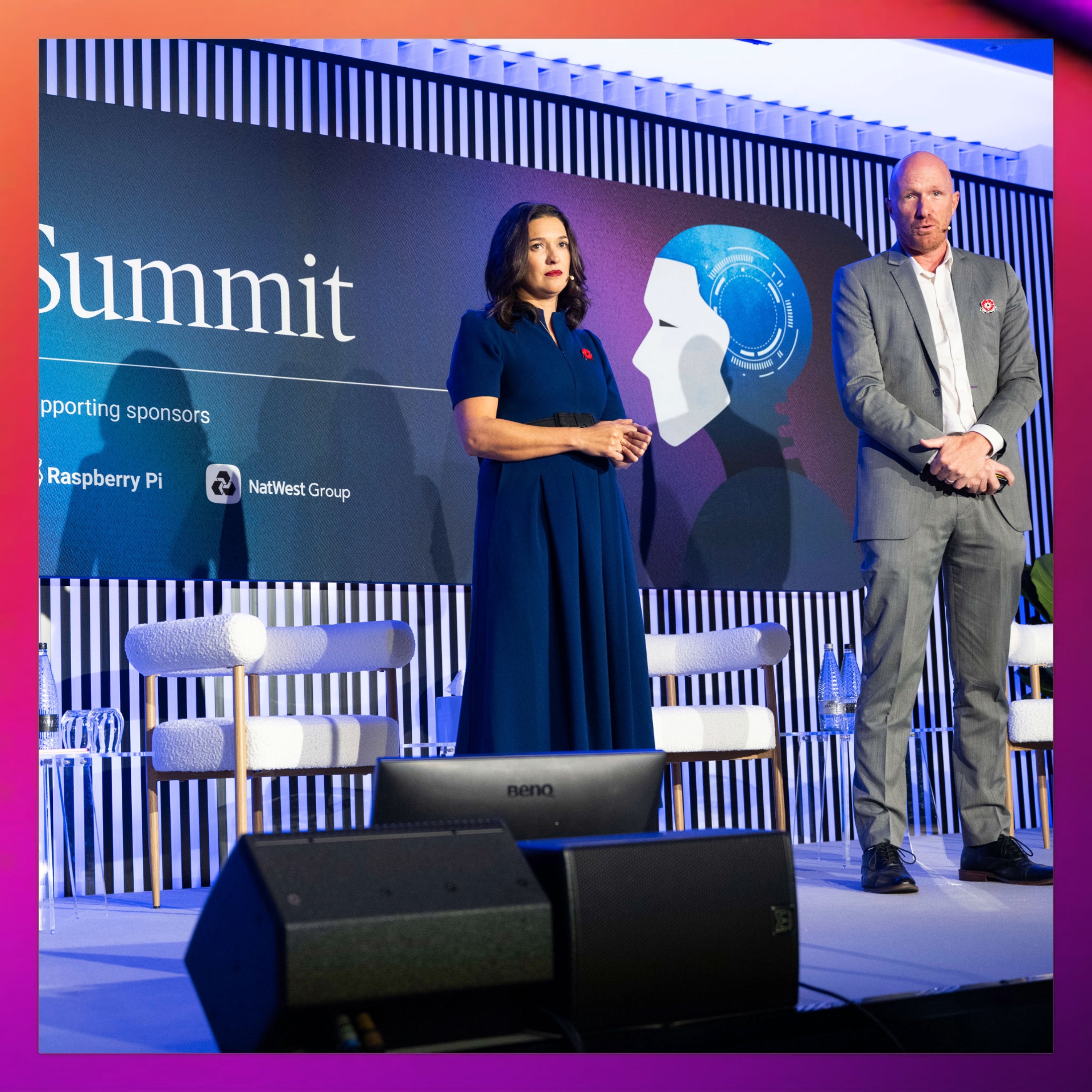
20:06Here's a clip. About two thirds of singles in a recent study we conducted in the UK say that they've used AI in their dating lives. But used can mean a lot of very, very different things from brainstorming creative ideas for a first date to writing messages to deep faking your profile photos. And perception of the acceptability of AI usage varies dramatically. Thank you for listening. And if you don't already, and why don't you, please follow us on Apple, Spotify. Check us out on YouTube so you never miss an episode. And we will see you next week. I'll see you in person next week, Danny. I'll see you in London for the Times Tech Summit on Tuesday afternoon, which is going to be fantastic.
20:52Come one, come all. It's going to be a good time. Come one, come all. And yeah, we'll have the highlights of that for you in the next show. Fantastic. You looking forward to your flight? Can't wait.
21:04This episode of the Times Tech Podcast is sponsored by Adobe. Brand leaders know the future of reaching customers lies in AI. But getting there means creating more content and managing more data. Adobe is the foundation that turns the opportunity of AI into business value. Get your brand discovered by new audiences, personalize every customer experience, and give teams the insight to set strategy with confidence. It starts with Adobe. 98 of the top 100 U.S. accounting firms trust Bill to simplify and secure Bill Pay. That's proven financial infrastructure built on over a trillion dollars of secure payments.
21:47Visit bill.com slash proven for a special offer. 500 orders a month was manageable. 5 ,000 is madness. Embrace intelligent order fulfillment with ShipStation, the only platform combining order management, warehouse workflows, inventory, returns, and analytics in one place. What used to take five separate tools ShipStation does in one. automate fulfillment and rate shopping to ship up to 15 times more with up to 90 savings go to shipstation.com and use code audio to try shipstation free for 60 days
What do the US midterms mean for Big Tech?
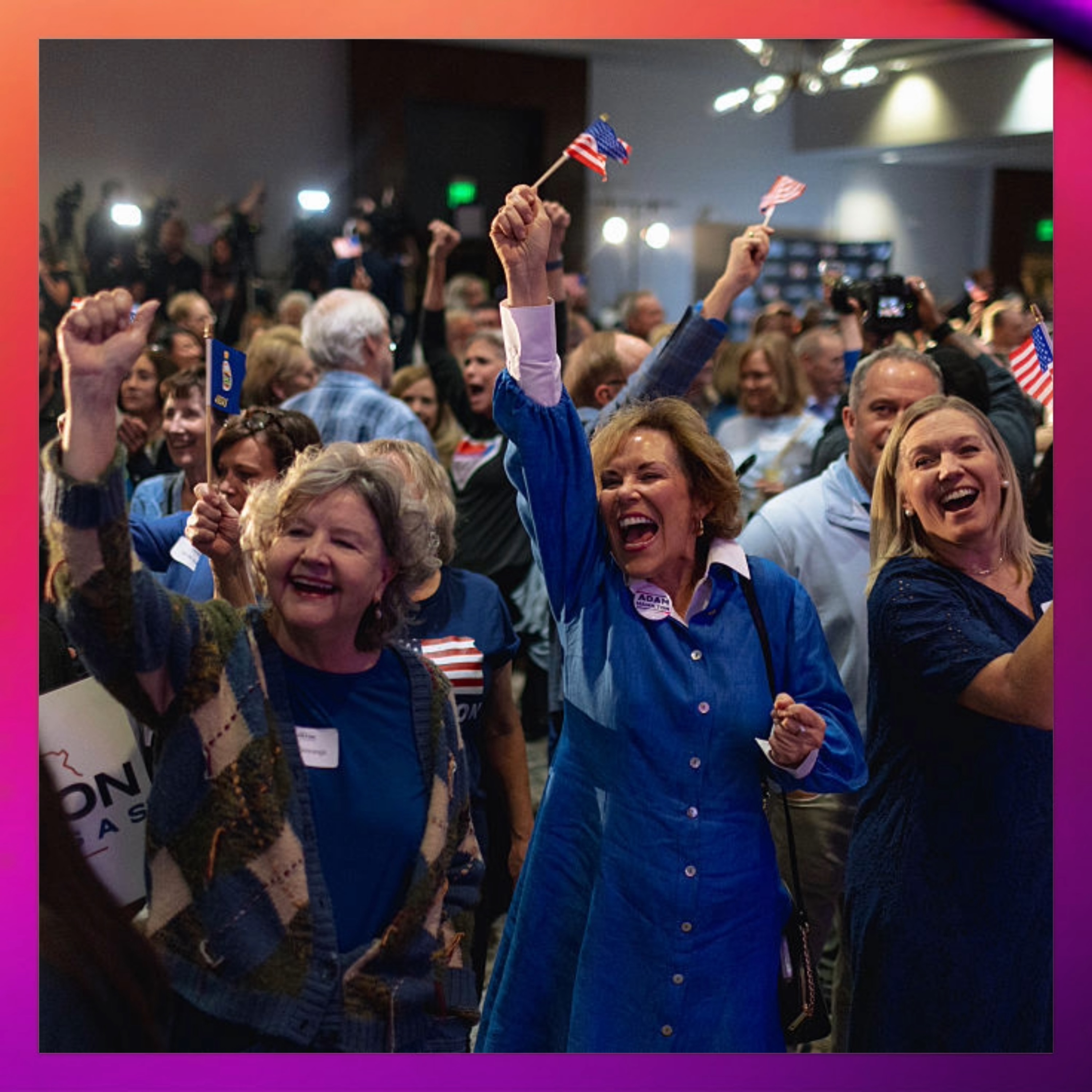
While the elections have been dubbed a referendum on President Trump, in many states, tech bosses and AI were also on the ballot. Elon Musk became the Republicans’ most prominent financial backer, donating an incredible $446 million to the unsuccessful campaign.
But public backlash to data centres, fears about AI and the dislike for the billionaires developing it has turned the tech industry into a key battleground this election cycle.
Danny and Katie break down how Big Tech became the villain of the US midterms and ask if the defeat could threaten Silicon Valley’s grand plans for the AI buildout?
Read more: The American dream is turning into a Silicon Valley nightmare
Get in touch: [email protected]
Presenters:
Katie Prescott, Technology Business Editor, The Times
Danny Fortson, US West Coast Correspondent, The Sunday Times
Producer: Marnie Duke
Executive Producer: Priyanka Deladia
Video Producer: Super Llama
Image: Getty
Hosted on Acast. See acast.com/privacy for more information.