Ask ChatGPT
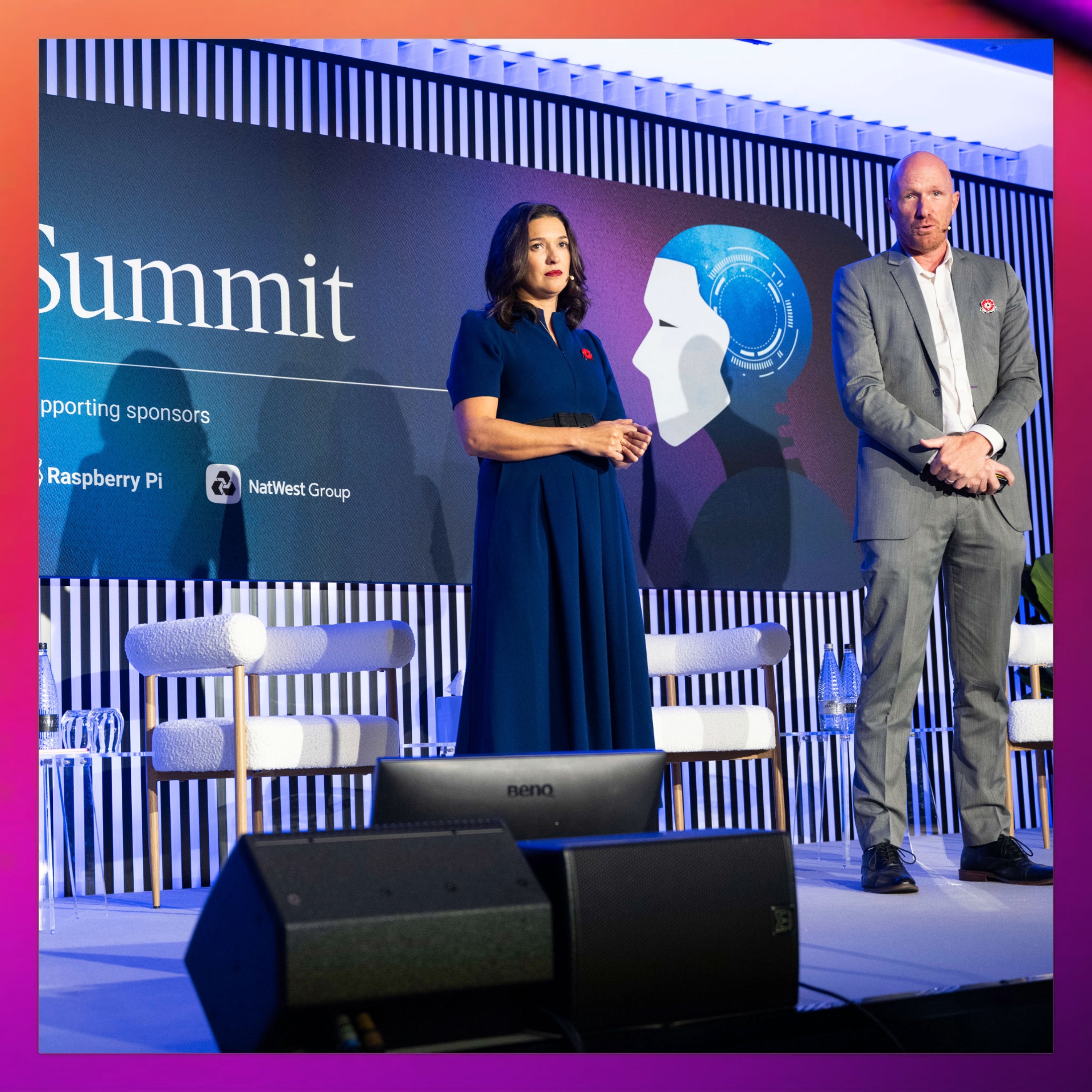


Hosts: Danny Fortson and Katie Prescott
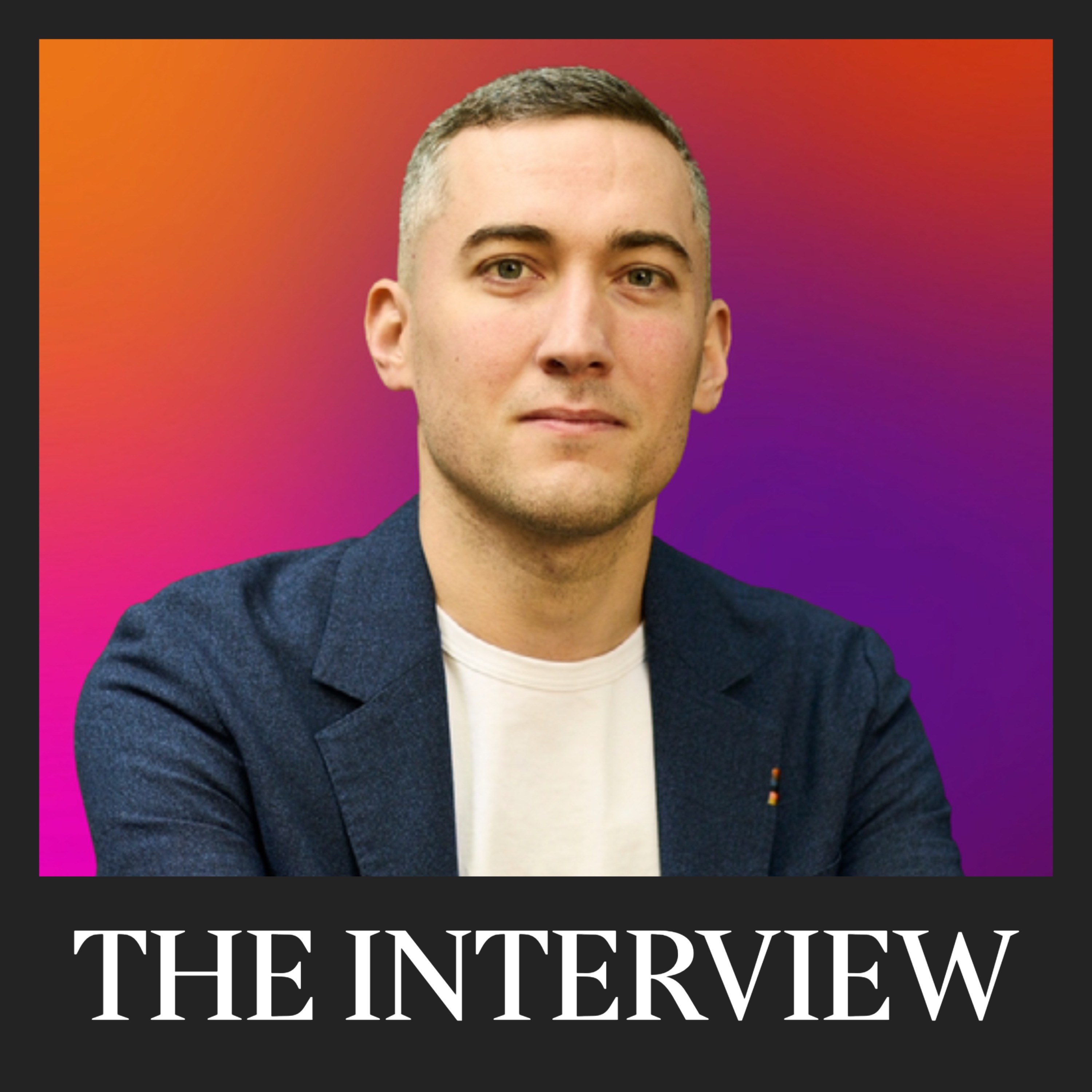
Harry Stebbings, founder of 20VC
In this episode, hosts Danny Fortson and Katie Prescott explore the evolving power dynamics in the tech industry, focusing on the influence of venture capitalists (VCs) amidst the rise of big tech companies and government entities. They are joined by Harry Stebbings, a prominent venture capitalist, who shares insights on the current landscape and future predictions for the tech world.
Written by AI. May contain mistakes.

Get the gist, explore an idea or ask about something said.
 Claude
On Times Tech, what are the key points of this episode?
Searching your listeningAutomatic transcript. May contain errors.
0:08Hello and welcome to the Times Tech Podcast where every week we unpack how technology is reshaping business, power and everyday life. I am Danny Fortson, aka Danny in the Valley, Silicon Valley. And I am Katie Prescott here in our studio in London, the city of London. And today, we're talking about power, who has it, who's getting it, and how tech is reshaping the balance between governments, companies and capital. Yeah. And so before we get to the interview, We're going to touch on two stories this week that show just how big tech's reach has become. And then we're going to ask what it all means for venture capital and the people deciding which technologies get built in the first place.
0:55Because people who put those bets on early technologies, the venture capitalists, do seem to have a huge amount of power. And our big interview today is with Harry Stebbings, who's the founder of the 20 Minute VC and who has become, at the very tender age of 28, one of the most influential investors in Europe. And he's joining us live in the studio. But we're going to start here in the UK because this week we heard something pretty striking about power from the new head of MI6. and in her first public speech blaze matrelway who is known of course as c internally i'm gonna start calling you d daniel obviously yeah please do just give you give you some extra power she's warned and this is something we have spoken about a lot on the podcast she's warned that tech companies and the people running them are becoming as powerful as states and she's talked about a world that's being actively remade by tech and all of the different things that are being developed hyper-personalized AI, autonomous drones, and sort of spelling out this idea that some algorithms could rival nation states in terms of the power that they have.
2:04Yeah, it's really incredible. And it kind of like every once in a while, we're talking with all these founders and these people in this world, and you kind of have to step back every once in a while and feel like this actually feels a little bit like Mission Impossible. I don't know if you saw the, I think it was the latest one. Pass me by. The main kind of baddie of the last, I think it's actually the last two Mission Impossibles is a computer program called The Entity. And it was so in chaos in the world, attempting to launch nations' nuclear arsenals against each other. But the overarching theme is ultra powerful AI that has slipped a leash.
2:39And that seems to be what the government is saying here, what MI5 is saying here, is that we are entering this new phase of where these big tech companies, they're building these machines that are just increasingly, increasingly powerful and influential in kind of every aspect of life. And it's, again, this is Britain's top spy saying that. The government publishes this annual risk report that I was looking at a few weeks ago for a column, and it spelt out exactly this, that actually what you're getting with big tech companies is power, that means that they can overwhelm governments and have the power to change what governments do.
3:20and it is technological as you were just saying but it's also clearly financial and you'll remember when i interviewed jensen huang outside number 10 that was the thing that really jumped out at me it was a point in britain where we were worrying about the budget and where we were going to get the money from for for example the nhs and nvidia had just been valued we just had a market valuation of five trillion dollars jensen huang answered my question about that saying well yeah you're you're comparing apples and pears because you're comparing britain's gdp with our market valuation So you're comparing turnover with the market value, but whatever.
3:52It still felt like there was very much an imbalance of power there. Yeah, it's a measure of power, right? And I think that's what's also really interesting, especially in this Trump administration, has been a real kind of mind meld, surprisingly mind meld with the powers that be in Silicon Valley. And we saw that at his inauguration when all the tech CEOs, the billionaires were all standing behind him. And just this past week, the Trump administration launched something they called TechForce, which is a new program. And the goal is to recruit top engineers to work in AI inside the federal government.
4:28So these teams will report directly to leadership and work alongside companies like Google, Meta, Apple, OpenAI, and would reportedly be getting paid Silicon Valley level salaries. But again, it speaks to this moment of just realization from the Pentagon to the White House that like tech is where the game is going to be played and where it's going to be won or lost, both within your own borders and geopolitically. So it's really just kind of an extraordinary moment in which we find ourselves, which I think sets us up perfectly to talk to this week's guest. Yeah, absolutely. I mean, this question of who holds power in tech, and really that is where venture capital comes in, because before any of these techs end up getting to the point of shaping geopolitics at all, somebody's got to place a bet on them and decide to fund them.
5:19That's right. Someone decides which ideas get backed, which founders get scale, and which technologies move from the lab bench or the research paper into the real world. And that power at the very first stage sits squarely with venture capitalists because you can't do anything if you don't have the money and you need to sit across from somebody and convince them that they should indeed write a very big check to kind of give you a chance. So let's introduce our guest, Harry Stebbings, because he really is at the forefront of all of this he started his career I mean it's extraordinary unusual way into venture capital he started his career as a teenage podcaster interviewing some of the biggest names in VC and off the back of building up a huge bank of interviews which turned into good relationships has started his own fund and has raised over a billion dollars to date for various things including his most recent fund of 400 million.
6:21There's a couple of interesting reasons why we wanted to have you on, Harry. One is just you're a founder yourself, having started with this kind of this idea. And, you know, just a decade later, here you are. But also, you're right at the intersection of, again, money, influence, power, ambition, and really trying to figure out where the puck is going in terms of technology. And again, circling back to where we started, what this technology is doing to the world. So Harry, thank you very much and welcome to the podcast. Thank you for having me. On this idea of power, I mean, you've spoken to lots and lots of founders and investors and some of the most influential people in tech.
7:03What do you think you've learned from that that perhaps isn't obvious from the outside? I think in everything that we have in society, the world is getting more and more polarized and it's becoming more and more binary and so fewer and fewer people have more and more power we said before about vcs having power vcs do not have real power we have slight impact but we're essentially middlemen with money and we can direct it in some ways but ultimately the people with power elon musk it's satire nadella it's mark zuckerberg it's the leaders of the largest companies in the world and they have the most unprecedented power that we've ever seen i think in human history because they're able to control eyeballs and billions of people's attention.
7:45But weren't they arguably put in power by people like you? I mean, we were talking before about the interview that you did with one of the founders of Sequoia, for example. Yes, they were. Ultimately, years and years ago, they were. And so, yes, you can trace it back and say they do. But ultimately, it's by their own skill and it's by their own hard work that they're able to get there. We're just the catalyst. So, yes, we do play a role. But I think to say that we have more power than we do is bluntly and VC is trying to control more of the narrative. So I think it's worth just stepping back because Harry, not long ago, you were just a dude.
8:21Just a guy. Still a dude, Danny. His eyebrows are raising. Still a dude. Still a dude. Nothing's changed. That could mean lots of things. But could you just give a brief potted history? Because I remember first coming across you on LinkedIn years and years ago and I was like, what a strange idea. Interesting idea. I wonder what this guy is doing. And then years and years later, you've got a fund, you're getting all these prominent people on your podcast week in, week out. You've kind of created this media slash investing empire. But can you take us back to when you were in short pants just starting out?
8:54Like, what was the idea? Where did you start? How did it start? A hundred percent. I saw the social network when I was 13 years old, the story of Facebook. Oh my gosh, it was cold. And I saw Peter Thiel invest in Facebook with Clarion Capital, his hedge fund. And I thought, this is incredible. I can merge technology and finance in this weird job called venture capital, which, you know, 16 years ago in London was not a thing, not cool, not known, not a thing. And I just became a super nerd on venture capital, read everything I could. And then when I was 18, I started the podcast from my bedroom.
9:30I had no money. I spent$50 on a microphone,$10 on a domain name. And I started. I think it's really important to burn the boats in whatever you do. That was all the money I had. So there was no way that I could not do it. And I think the biggest reason why people don't achieve what they want to do today is mostly because they don't actually start. And so I started the podcast from my bedroom. I cold emailed VCs. My dad is not a VC. I do not have family money, despite sounding posh. And I just cold emailed VCs. And guess what? VCs largely are white male 50 year old men who are quite happy to tell you why they're brilliant.
10:04And so when you send them an email, flattering them, asking them to come on a podcast and tell them how they're brilliant, they'll say yes. And like anything in life, social validity drives everything. And so I would then at the end say, hey, I would love to know, who do you think I should have on the show? And they would say three names and then they would introduce me and I would leverage the credibility of others to get the next guest. And so that's how I started. And then over time, I got sent more and more deals by great investors. And And ultimately, I got great founders giving me$8 million, which was my first fund.
10:38And then I raised$140 million. And then I raised$400 million. And we have the biggest institutions in the world invested with us, which is very exciting. But we're in a new age of venture capital. Media and distribution is everything. And I would not be doing venture capital if I did not have media. Very clearly. So I want to go back to that. So you start in your bedroom and you guys be like, oh, you want to talk to me about how brilliant I am? yes please where's my microphone so i get that but then was the plan always to leverage that into like i'm going to become one of these people 100 i i think for me the thing with companies is you have to have a unique insight an insight development which is a way that you see the world that other people don't agree with and my kind of insight development was that we would see the celebritization of venture capital vcs will become celebrities and media would become a tool that we use to help our companies.
11:34And everyone thought I was ridiculous. And podcasting was not really a thing in 2014, 2015. But that was my insight back then. And that's what I bet on. And so yes, it was absolutely the core belief that I could turn the media into an investing firm. And I would say that I'm an investor first, not a media practitioner. But it's really incredible, the media business that you've built up, that really, really caters to that niche audience has been incredibly effective. I mean, tell us, who is your audience, for example? Who are your listeners? Yeah, by the way, I would have raised$0 if I did not have media.
12:11And now we've raised a lot of money across the place. The way of opening the door, as you just described, to meeting all of these extraordinary people in venture capital. A hundred percent. I mean, at the end of most interviews, when I was younger, I would be offered$500 ,000 or a million dollars by the founders to invest in our funds. It was an unbelievable tool to get... Sorry? to get the biggest names to invest in our funds. Wow. Yeah. I mean, the first$8 million, I was a 19-year-old kid in a bedroom and it was all just like the biggest founders in the world giving me$500 ,000. But to my original question, so who now are your listeners?
12:44And when you think about your media company and who you're catering to, who is it? Yeah, it's a combination, but it's really two types of people. It's one, founders and execs, people building companies. And then second, it is investors and finance professionals. Those are the two different kind of function roles. Geography-wise, it's US and Europe. Gender-wise, it's sadly largely male. What sort of percent are we talking? Like 95 % male. And then age-wise, the concentration is 35 to 50. But with TikTok becoming more and more a part, we get over 45 million views a month on TikTok. That audience is 18 to 25.
13:21And so that's really driving the age down because of that TikTok intrusion. And that TikTok intrusion, I find that so fascinating because one of the things, and I imagine you have a view, that everybody's talking about is like when we had Sam Altman on the pod or Dario from Anthropoc, all of these guys are all saying, look, we're about to empower people in a way we never have before. It's going to be very easy for you, me, anyone with very little money to start a company because of these AI tools, because how cheap everything is. and I'm just wondering like if you have all these 18 to 25 year old eyeballs do you see that happening because to me it feels like most people aren't entrepreneurs but it's one of the big promises of AI is that like oh no we're about to kind of make a bunch more entrepreneurs I'm just wondering what you're saying I don't think everyone is an entrepreneur I think being an entrepreneur is about being able to eat glass and continue to be punched in the face time and time again I'll never forget one of my great friends is the founder of Calm, the meditation app.
14:22And he said, you don't understand, Harry, you have to learn to enjoy being punched in the face. And I have done, which is why I'm still here 11 years later. But no, I think that's honestly a pretty idyllic, glorified view of how AI looks. I think when we look at AI, it will undoubtedly replace a huge amount of jobs. The timeline is, I think, bluntly exuberant. And I think we expect it to be in the next year or 18 months. and the truth is it always takes a lot longer than you think but in a five to ten year period we will see mass job displacement and there will be some very uncomfortable societal discussions to be had about what we do with a massive labor surplus that we don't know what to fill with that will be a very very big problem now i was just gonna say but but no no no this time it's gonna be great because we're entering this new age of abundance and don't you understand that we're going to create all these new jobs we can't our tiny minds can't conceive of right now because of this explosion of tools because again it's this idea this myth that i feel i i'm calling it a myth that is being sold of like ai yes ai is going to destroy some jobs but it's going to create more do you not buy that no because if you have agi which is what all the large language labs all all the frontier model companies are chasing.
15:44Bluntly, that's replacing human knowledge. And so I don't think that's the case. But I do think the timeline is bluntly dubious. I think this is much longer out than people think. I think it's kind of fear-mongering to suggest it's going to be in the next 18 months, two years. We consistently underestimate how long it takes for technology to be adopted by the largest companies in the world, consistently. And so this is a five to 10 year thing. This is not a next year. This is not a two years away. but no i do believe that if we reach agi then this is a complete job displacement problem and the big question with ai for me as an investor is will we see the transition of spend from human labor wages to technology which is ai lawyers ai accountants if we do and this is where my job is interesting we will make a lot of money as investors if we don't me as an investor will be in a lot of trouble because we're paying increased prices for assets and if that spend doesn't transfer the outcomes will be the same or smaller than they are today and so that's the core question will we see the spend transfer from wages to ai technology and i think you're spot on by the way about the amount of time that it takes for this tech to be adopted i think we're all in danger covering tech or being in this world of sort of sometimes leaping ahead really of where the rest of the world is and it takes a lot of time for businesses to actually the thing i think about a lot though which is like actually the future of content and when we have an infinite supply of content and it's very difficult to verify who becomes the arbiters of justice is it the platforms like who who says this is a verified piece of content this is an original isn't that where trusted media brands like the times and and the bbc come into play yeah joe so without sucking up i think trusted media brands and existing stronghold brands become more valuable not less and i think in a world where discovery is increasingly difficult and you have so much you just revert back to what you know and i think in all honesty i think we see that a lot with our audience which is there are hundreds of vc podcasts we'll just listen to 20 vc we like it we know it it's in our feed so i think you actually accrue more value to existing brands not less and on On your media side of the business, how many people do you have working on that?
18:06And how much do you end up spending of your time and resources on that side of the business? Because clearly the two are so interlinked. I mean, the media and the funds. So interlinked. It's nine on the media side and I probably spend 40 % of my time there. Right. So when people talk about AI disrupting the media, actually a lot of what you're doing, bringing in guests who come and talk to other people, for example, that's the kind of stuff that really only humans can do really only humans can do and i would love for ai to take away a lot of what we do and how we do it when i look at like video editing it is so far removed from what we're able to and like video editing done well like most jobs done well is a real craft yeah and it's nuanced you have to understand when someone's telling a sad story when someone's telling an exciting inspiring story you have to be able to know what songs go with it what font types what colors it is so far away from bluntly where ai is able to deliver today i would again i would love for it to be further along so i could bluntly cut costs and be more efficient as a business but it's it's not there yet yeah especially on content side it's it's quite far behind and actually businesses like yours and i was saying here at the times and other big brands i think the content becomes more valuable because it is curated and it and it and it is trusted and perhaps a little bit like we were discussing before we came on air actually you don't want to undermine organizations for example like the bbc that are doing work in parts of the world where maybe you might not get content if we just lived in an ai generated news world a hundred percent and so you're like well um where is threatened you know like customer support which sadly is a huge amount of actually labor forces.
19:49But customer support is relatively process driven, relatively repeatable. Oh, I've got problems with opening times, charges, screens not turning on. We're going to see mass job displacement in customer support by billions and billions of dollars transferring over legal. Legal is perfect. There's a lot of very structured data. It's very clean data. Repetitive tasks. Repetitive tasks, NDAs, you name your contract. that we will see huge, huge transfer of spend to AI tools and legal. And that's why you're seeing so much money go into them.
20:25Can we talk about 996? I think we need to explain 996 to our listeners. Do you want to do that? 996 is working from 9 a.m. to 9 p.m. six days a week. What you do. Yeah. That's why you look so young, Danny. I think, oh God, thank you so much, Harry. Listen, I'm here to charm the Americans. No, I love that. I love that for me. No, but so you, I think, I can't remember what it was. Relatively recently, you were like, basically, this is what you need to do if you want to succeed. You need to grind all day, every day. As you say in another way, you need to eat glass. You need to just keep going and outwork everybody else.
21:05You got a lot of pushback. So I was just wondering if you could talk about that and then talk about it in the context of investing in Europe and the UK. Versus the US. Are you trying to say that we're work shy? I mean, let's just start on people don't like it when someone says something that makes them feel mediocre or bad about themselves. And I am unwaveringly confident in saying that if you are scared to admit that hard work leads to an increased chance of success, then I'm sorry you have a problem and it will not be in your favor. and so if you work harder you will increase your chances of success shock horror i think that's fair do i agree with 9 a.m to 9 p.m six days a week when you're a founder of a business you're never turning off and bluntly i'm humble enough to admit that i'm not better than anyone else and i don't think anyone is but i work hard and luck comes to those that work hard can i play devil's advocate here then does that mean the people you want to invest in generally a kind of have to be totally dedicated to their business which i get as an investor you want but isn't then the natural repercussion of that that for example women who are of childbearing age and i've heard stories from female founders who struggle to get investment thus find it harder to get money from investors who fear that they won't be able to do a 996 and that's what leads perhaps to a skewing of funding in your industry i wouldn't align it to a gender i'd say to parents parents okay fair enough Yeah, sure.
22:37Often the burden does fall on women for obvious reasons. Yeah, absolutely. For obvious reasons. It's harder for parents. I completely agree and understand that. I see my brother's got a baby. That said, I know many great founders with kids. Now, they have to sacrifice pastime and a lot of things that maybe are great and that you wouldn't want to sacrifice. And that's a choice that people make. But yes, remember, we're here for$10 billion plus companies. And this is where people also kind of miss the job of a venture capitalist. I'm not here for a hundred million dollar exit or a two hundred million dollar exit that just doesn't make us enough money as awful as that sounds and yeah it won't go into that's a very British thing to say as awful as that sounds well I mean like you know it's a phenomenal exit to sell for 200 million but if our fund is 400 million and we own 10 of a company is 20 million back yeah it's five percent of the fund it just doesn't so we need 10 billion dollar companies if you need to build a 10 billion dollar company yes do you know what you're going to have to sacrifice almost everything it is so hard and it is unwaveringly brutal and so yes it's really hard if you have kids if you have any form of distraction because what is required of you is just so intense i think danny asked the question about about the uk and europe i don't know yeah so we have project europe which invests in unbelievably talented 18 to 25 year olds and what people forget is like 100 100 % Europe is, from a work ethic standpoint, in some ways quite chilled.
24:04And we see that across a lot of different European countries. But my job is micro, which is investing in one or two unbelievable people in a certain category or country every year. It's not macro. I don't care about the general populace of a country and their work ethic. I care about an incredible founder in munich called fabian or an incredible 18 year old founder in belgrade called philip and so my job is finding the diamonds in the rough who work incredibly hard and something that i see that's really interesting is like actually i'm sorry danny for our resident american on the show um i love the way i kind of categorize this as my show now on the show thanks for coming danny thanks for coming um but but you know america has done this kind of injustice to itself which is in the last 10 years you used to build great technology companies and everyone would just go oh god they're so much better than us look at the companies they build and in the last few years you've decided to start i'm not sure if i'm allowed to say any swear words but go for it yeah shitting on us and kind of taking great pride and kind of mocking us and actually instead of us looking up to you and going wow aren't you a beacon of innovation we now go screw you how dare you say these things about us and i see this aggression in young entrepreneurs in europe to prove america wrong that we can build great companies in a way that it wasn't almost us versus them before it was just like a gosh you're a cool older brother i think that's that's really insightful actually we've heard that from arta mensch haven't we from mistral and antona sicker from lovable particularly there is that does feel like there's a europe versus us vibe going on in the last few years Yeah, and I think there's a lot of aspects to that.
25:49I think one is it's OpenAI, it's Anthropic, it's Google, and they're plowing hundreds of billions of dollars into these things. And they're just accessing capital that nobody else is. and so it's kind of almost like a might is right type of attitude and i think that also trickles down from our current president and our current regime as it's kind of like a permission structure to be a bit more bullying and also you know we had nick clegg at our times tech summit recently and he's like we're in danger of becoming a vassal state the uk is because we're kind of just accepting whatever the big american tech companies are going to give us but basically we are at their whim there is a reality there but also i think to your point i think there's also an attitude that it sounds like which is really interesting that you're seeing on the ground people being like screw you i struggle to see what the alternative is to nick clegg's point about being a vassal state in many ways when you know the capital is located where it is i get you but we have the most unbelievable talent i mean like we have the talent and cash i don't know i mean i you know i find it quite funny i've invested over 150 million dollars in london in the last few years never been invited to number 10 by this labor government they've had many different events celebrating entrepreneurs and investors rather interesting i think i've kind of paid my dues on that one but still don't get an invite so i i just i listen maybe after this podcast but i think we have but i think we have the talent and i think we absolutely can but for the first time ever as i said i see this us versus them which is really interesting should we because this is an end of year tech podcast should we talk about the bubble and where that expression you just pulled danny nailed his colors to the mast in in our christmas episode very bravely because i didn't and said he thinks that the party will continue in 2026 in terms of investing in AI.
27:53I just wonder where you sit on that and whether you think there might be some sort of bursting of a bubble in the financial markets. Unwaveringly aligned, Danny. I think the thing that people are not seeing is actually the liquidity that will come in 2026 from some of the mega IPOs. I think you're going to have Databricks go out. I think you're going to have Anthropic go out. SpaceX. And I think you're going to have SpaceX go out. And when you have that level, and we have never seen, just to put it in context, Facebook was a$75 billion IPO, Alibaba was a kind of$175 to$200 billion, you'll be able to correct me with data Anthropic will be$500 billion And there's talk of open AI as well I think honestly SpaceX,$800 billion maybe?
28:32Oh no, SpaceX will be$1.5 trillion It'll be the first one It'll be the first one, no, it's true It'll be the first one to cross a trillion, they just did secondaries at$800 billion so this one will easily cross a trillion and i think it will actually price at the 1.4 1.5 range and so what does that do it provides insane amounts of liquidity to a starved liquidity pool of investors and so i absolutely think the ai train will keep rolling people also talk about scaling laws and us hitting the limits but when you look at model improvements we're not like Scaling laws, we are continuing to show incredible model improvements.
29:11And that asymptote does not seem to be hitting. And so I'm very much aligned with Danny. I don't think the bubble will be bursting. I think the liquidity will actually shower down if I can continue that rain. And I'm pretty optimistic on how 2026 looks. Because 25 was a bad year for public markets. What I find interesting, especially about your job, is that, you know, I was talking to VC the other day out here, and he's like, he's been around for 30 plus years. And he's like, this is quote unquote, the big one in terms of AI, bigger than the internet, bigger, like the biggest generational opportunity ever.
29:47But that leads to the challenge of how do you pick the actual winners? Because for every category, there's too many. Do we really need 20 legal AI companies? No, we don't. You just need the one, the one that actually wins and so how did what he he termed it kind of consensus capital instead of venture capital lots of people like well there's a lot of money going to that one okay that must be the one that's going to win and then everybody bets on one and it loses their shirt so i'm picking this i got a lot of hate on twitter yesterday because i tweeted venture capital is going through an existential crisis if you are not in open ai anthropic cursor etc etc you are freaking irrelevant now again it's a particularly binary statement made to insight a discussion but it's it's not not true when you have a 500 billion dollar company in open ai your two billion dollar vertical sass for plumbers it's not really as relevant to be quite blunt now again it's there to cause a discussion but he's true in the consensus capital element there's a theory called king making in venture capital which is that you can shove so much money into a company that you make a winner there's your power the king makers which honestly yes it does go back to it and in some cases it does really allow you to win especially in consumer if i can flood a market with so much money tiktok honestly spent so much on paid that they are able to acquire consumers at a rate that we've never seen before and so you can king make as well there and so i think that's a very wise term in terms of consensus how do you choose them that's the craft of venture You know, one of my favorite people is the founder of a great firm, Benchmark.
31:30And he taught me a great thing. He said, our job is very simple. You need to find one to two game-changing, world-changing entrepreneurs every single year. Very simple, but very hard. And so you're right. We don't need 20 legal assistants. But there's one founder in that 20 that is going to be able to move the needle for an entire category. And my job is to find that one in 20. How much of this is just art or gut feel? Because VC is such a funny business because it's like, in a way, it's in finance, but it's almost not finance at all. Because you're just guessing that this person sitting across from you is actually going to become the thing they say they're going to become.
32:15Can I come in there before Harry Ops? Because I do also think there is a bit of a US-UK thing here. When we had Alex to pledge on the podcast, she was saying, I went to Silicon Valley and people just chucked£2 million at me. They just said, do you want£2 million? Here you go. And over here, they want to see all your numbers. It's ridiculous. I mean, do you think there is a happy medium there? That it's a bit of guesswork, but also you want to do your proper due diligence on the companies that are being presented to you? No, there's no... I mean, I'm a very American star. Did you just say there's no due diligence?
32:43There's no due diligence. Of course there's not. Well, no, if you're a pre-seed or a seed investor... The joys of me is, I'll tell you the truth, preceded investors of the world, I can promise you one thing. Those that do due diligence are bad investors. I guarantee you. A financial plan. I've just written a book about Hewlett-Packard doing only 18 days due diligence on a business that they ended up writing down by$8 billion a year later. I just invested$7 million into Airwallex. I did that in 27 minutes. I interviewed him for the podcast and 27 minutes in I said, can I invest? He said, sure. And that was seven million dollars.
33:20So, I mean, if that counts as extensive due diligence, my job is to find the magnetic founders that can will things into existence that others can't. So, no, I don't care about your financial plan because it's all poetry. If it's a precede or a cede, it's honestly, it's not accurate. And actually, it will only mislead you. And bad investors use it as a crutch to support conviction. Good investors don't need it. my job is to find warped minds that are really health unhealthily obsessed the ones who just cannot not do this and where it is their life mission and so i want to see you know there's a couple of things which make truly great founders number one they start very early in their lives very very rarely do great entrepreneurs start late in their 20s it's i started a lemonade stand i started building websites for people.
34:14Number two, they most often were in gaming communities or excelled at gaming very early on in their lives. And then number three, they moved very often in their childhood. Moving often in childhood assimilates or aligns to great leadership. You're forced to make friends, leave friends, join clubs, communities, leave them, build culture in a way that others aren't forced to. My job is to meet these founders and find those warped minds with these characteristics and support them. I've never heard that triumvirate before. That's so fascinating. But I think it kind of gets to the point of like... I'm a fascinating dude, Danny.
34:51They sound very male. Yeah, I know you are. Are they mainly blokes? I mean, just in terms of the gaming community, it reminds me of my little... Moving around. But the gaming community stuff, I don't know, it reminds me of my little brother. Moving around or starting young, I think that's a bit. But in general? No. I think to say gaming is like a man thing. It is male skewed. I mean, I think... I'm sure if we looked up the numbers, I'm pulling this out of the air, but I think about my brother used to work at Rockstar Games and is a game designer. Rockstar in particular, I think probably are males.
35:24And I think about the people he studied computer science with, I think, anyway. But it's really interesting to see those traits. Fascinating. Should we end by looking ahead to 2026? it'd be great to have have some predictions from you what do you think we might see in the tech world what do you think's coming down the track that that maybe is particularly exciting you well i i think one will continue to see open ai and anthropic wow us with models i think you'll actually see google shock everyone with just how good they are i think they already have i feel like they they have done for sure gemini has blown everyone away when you speak to people at google today the sentiment has never been better the confidence the direction that they have is incredible i think 2026 will be google's year and so i think we'll see google continue to dominate i honestly think it will be a year of continuance in terms of models and model performance which is great i think i'd worry if it was asymptotic um what like it's like flat that's a brilliant word i think like that's going to be exciting i think enterprises will be slow to adopt we continue to see this the hard thing is with ai you need clean data and good data and enterprises have very bad quality data in silos all over the place and so actually we're not going to see large enterprises adopted in the way that i think we will but we are going to see consumers adopted in ways that we could never imagine which is really exciting so i think we'll continue to see a huge amount more money pulled into the space i think it's just the start for nvidia's market cap but if you think about it we're like one percent of the way there and if we're one percent of the way there and nvidia is you know 90 of the chip supply well i think actually we've got a way to run amazing i have three questions i want to ask before go on danny all right not four but three yeah just three one is ever tempted to move out this way to my side of the pond go to the belly of the beast leave him here no no and i'm not because i think it's really important to know what game you're playing in life.
37:30The secret to business, I think, is weak competition. And in Europe, the venture capital ecosystem is not nearly as strong. Let's put it that way. I get in trouble when I say other things. It's not nearly as strong as it is in the US. We can win in Europe. We're different in Europe. And I think our hit rate will be very, very high. In Silicon Valley, you are competing against Peter Thiel, Marc Andreessen, Vinod Kostler, and some of the biggest, biggest names. It's very hard to compete. In Europe, I think we win. Question number two. Ever had imposter syndrome? Oh my God, yeah. Do you still? Or when did you, and if not, when did you figure out, oh wait, everybody's just doing what, everybody's, you know, there's always a moment I feel like in your career where you realize there's kind of, no one's in charge.
38:20People are just people. We're just like, oh, I thought this was a, oh, nobody knows what they're doing. Yeah. I have imposter syndrome a lot, but also this idea that no one knows what they're doing is one of the biggest lies we propagate to make ourselves feel better for our lack of knowledge. Oh, say more. Come on, say more. There are phenomenally talented people in certain situations who absolutely do know what they're doing. You know, I've sat on boards with some of the best people in business. And when you sit in a board with their experience, they absolutely know what they're doing in a certain situation.
38:54and they do not feel imposter syndrome where I do because it's the first time I've had that and I haven't encountered that before and so I do think we kind of say it to make ourselves feel better and in certain cases you know Fedor on and tennis court he feels pretty good in that place but for me yeah 100 % I still feel it but but I always want to feel it I always want to feel not enough it's what drives me every time that I'm sitting there on the sofa at home at 11 at night debating whether to go back to work the thing that i think is there's someone else around the world who's going back to their desk when i'm not am i really gonna let them have that on me sounds exhausting i'm actually 21 i just looked 50 my last question i had a guy called david cowen from bessemer i don't know if you know him um on the pod and he he has what he calls an anti-portfolio oh my god And if you go on Bessemer's website, their anti-portfolio is very, it's the companies they missed.
39:53They had an opportunity to invest and they missed and include Facebook, Airbnb, Google, Apple, like all of them. The ones that got away. The ones that got away. Do you want to hear a fun story? I would have made more money if I had invested in every single company I've ever met and did not pick anything than if I did what I did. Yeah, yeah, yeah. I've missed some amazing companies. Are you now just putting money into everything that comes past? Almost. Do you want to start a company? Yeah, yeah. A one-man Y Combinator. Don't be silly. We're two men. Is there anything in particular that sticks out?
40:31Like the one you're like, I cannot believe I did not invest in that company. Yeah, there's two. One is a half a billion dollar mistake and another is probably a 100 or 200 million dollar mistake. One was Deal, D-E-E-L. oh yeah payroll provider and i had an eight million dollar fund and i could have invested 250k at 10 or 12 million let's say 10 million because i'm not very good at maths so it's two and a half percent that company's now 20 billion dollars so you know that's that's a half a billion dollar mistake there and then 11 labs would be another one which is oh yeah with seed round yeah two we had 250k and i think it was a 25 million dollar price this is one of london's top unicorns the audio ai company yeah yeah and then the funny thing for me is they're all invested in project europe which just feels desperately warped in the wrong way around so all the founders invested in project europe and i'm which is your fund to invest in your yeah yeah exactly but that was a hundred million dollar mistake at least but the most important thing is that you you're there and that you see it because it's just about being there enough times to get lucky and the truth is there's nothing worse than never seeing it at all and we all make mistakes and the lesson that i learned actually is that most of your mistakes are because you think that someone else will have a problem with what you do and that's fascinating and i was worrying about other people's yeah like why did i not do deal but because actually you know what it was a low ownership we only had you know one or two percent and we should be vcs like the biggest thing is that you have to just find these unwaveringly good founders and give them money it doesn't matter if the deal's not right if it's too expensive if you don't get your ownership the only thing that matters is can i partner with the very best founders and that's it the numbers are just poetry yeah thank you harry thank you so much for for joining us that feels like a good a good time thank you daniel resident American for joining us.
42:33Thanks. He's taken over the podcast. I'd love to come back on at some point. Listen, our editors are pretty strict. I don't know if he's going to let you. But we have a no American policy. We made an exception for you. Sorry, dude. He definitely doesn't have imposter syndrome in the podcast studio.
Hosted on Acast. See acast.com/privacy for more information.