 Ask ChatGPT


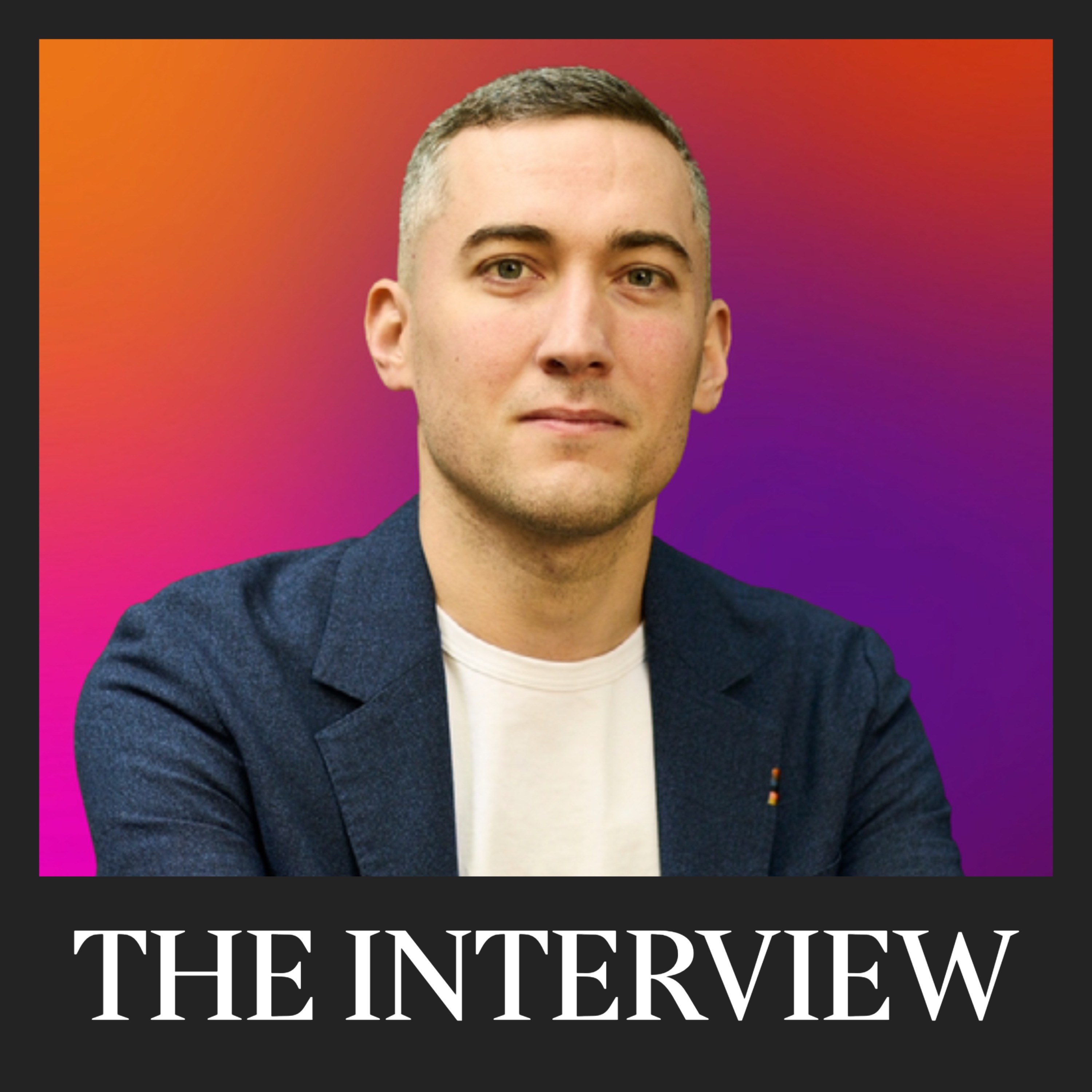
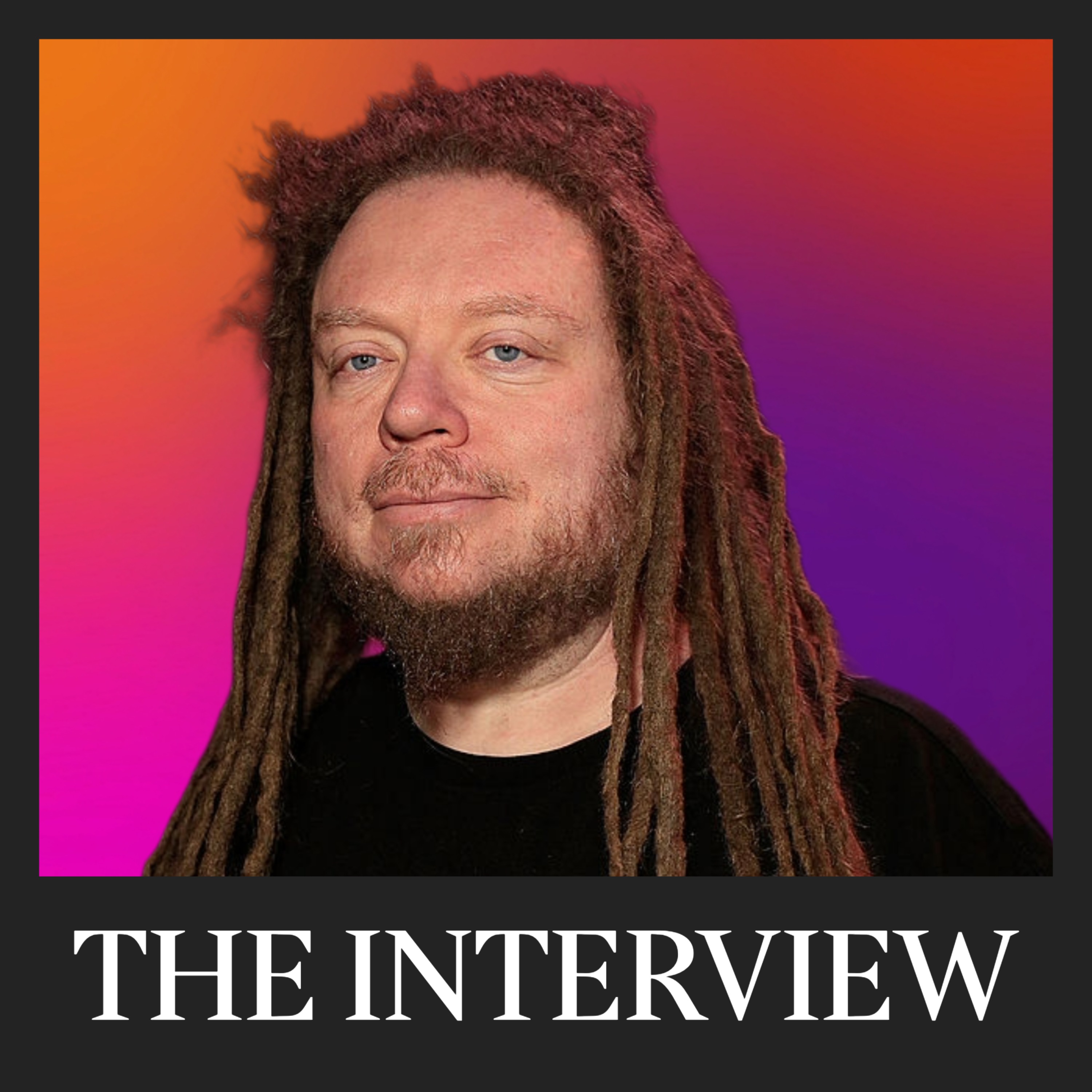
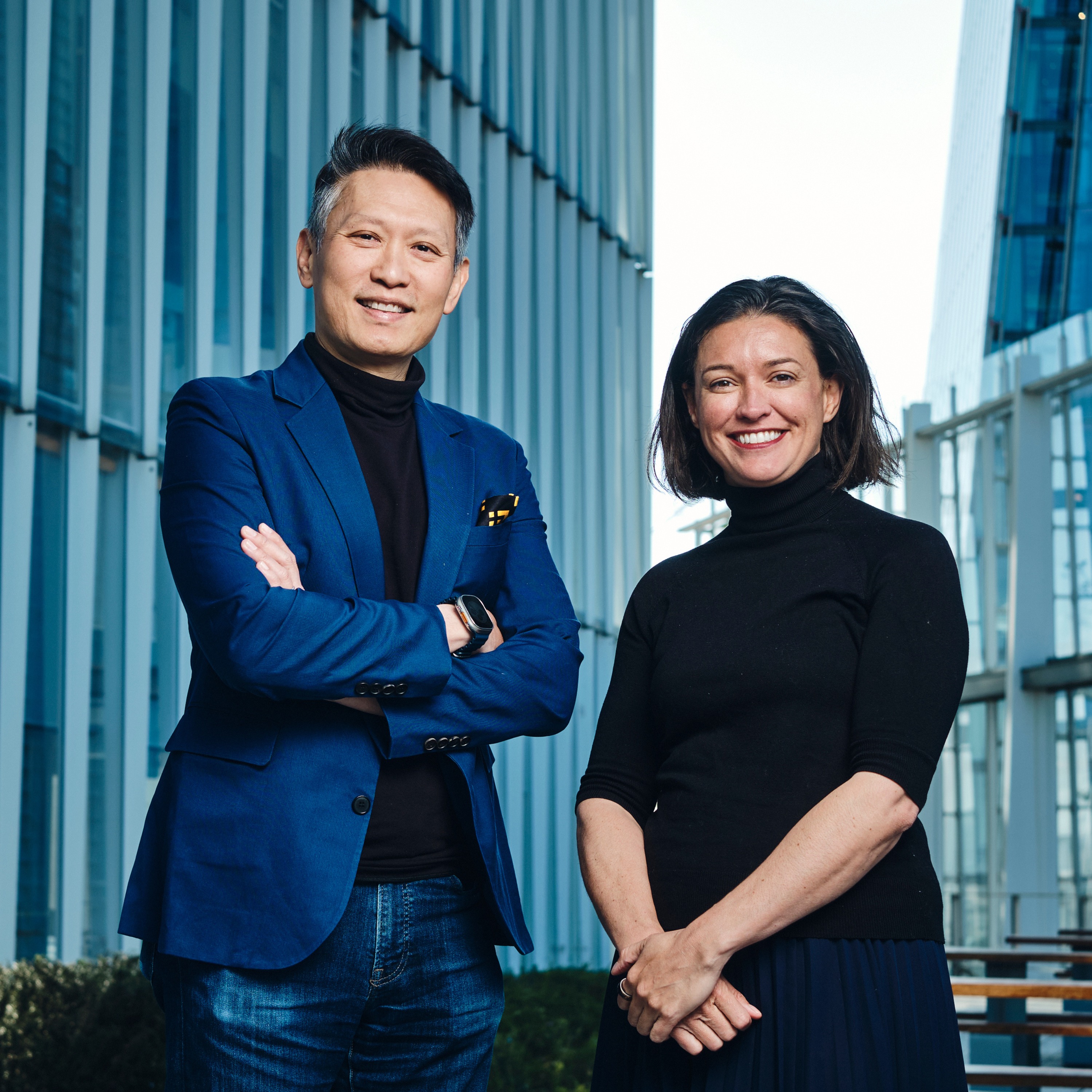
In this episode, co-hosts Danny Fortson and Katie Prescott discuss the evolving landscape of the cryptocurrency industry, particularly focusing on the recent changes at Binance, the world's largest cryptocurrency exchange. The episode features an interview with Binance's new CEO, Richard Teng, who discusses the company's efforts to rehabilitate its image following scandals under former CEO Changpeng Zhao (CZ).
Written by AI. May contain mistakes.

Get the gist, explore an idea or ask about something said.
 Claude
On Times Tech, what are the key points of this episode?
Searching your listeningAutomatic transcript. May contain errors.
0:28Hello, Katie Prescott. a vibe shift that was literally visible in the images from the president's inauguration back in January. Those famous pics of all of the tech bros lining up with President Trump. Yes. And maybe shifting again in light of his tariff adventures, as we heard a little bit last week. Yeah, ever-changing relationship. But there is one vibe shift that has happened very clearly, and that is around crypto in a really, really big way. Yes, exactly. And we've been wanting to kind of get into this for a while. So today's are much anticipated. The people have been clamoring for it. Much promised crypto episode.
1:08So prepare, prepare for an alphabet soup of crypto acronyms. Danny, there's no need for FOMO in this pod. Thank you. Shed your FUD, HODL. Yes. Because, wag me. We are going to make it, as I say. So in a moment, we're going to hear your conversation, Katie, with the newish CEO of Binance, which should be fascinating for all kinds of reasons we'll get into. But first, shall we get a sense check for the broader vibe shift, as they say? Yeah, I mean, where do we start with this? Yeah, well, what better place to start than if you go back to March at the first ever crypto summit inside the White House?
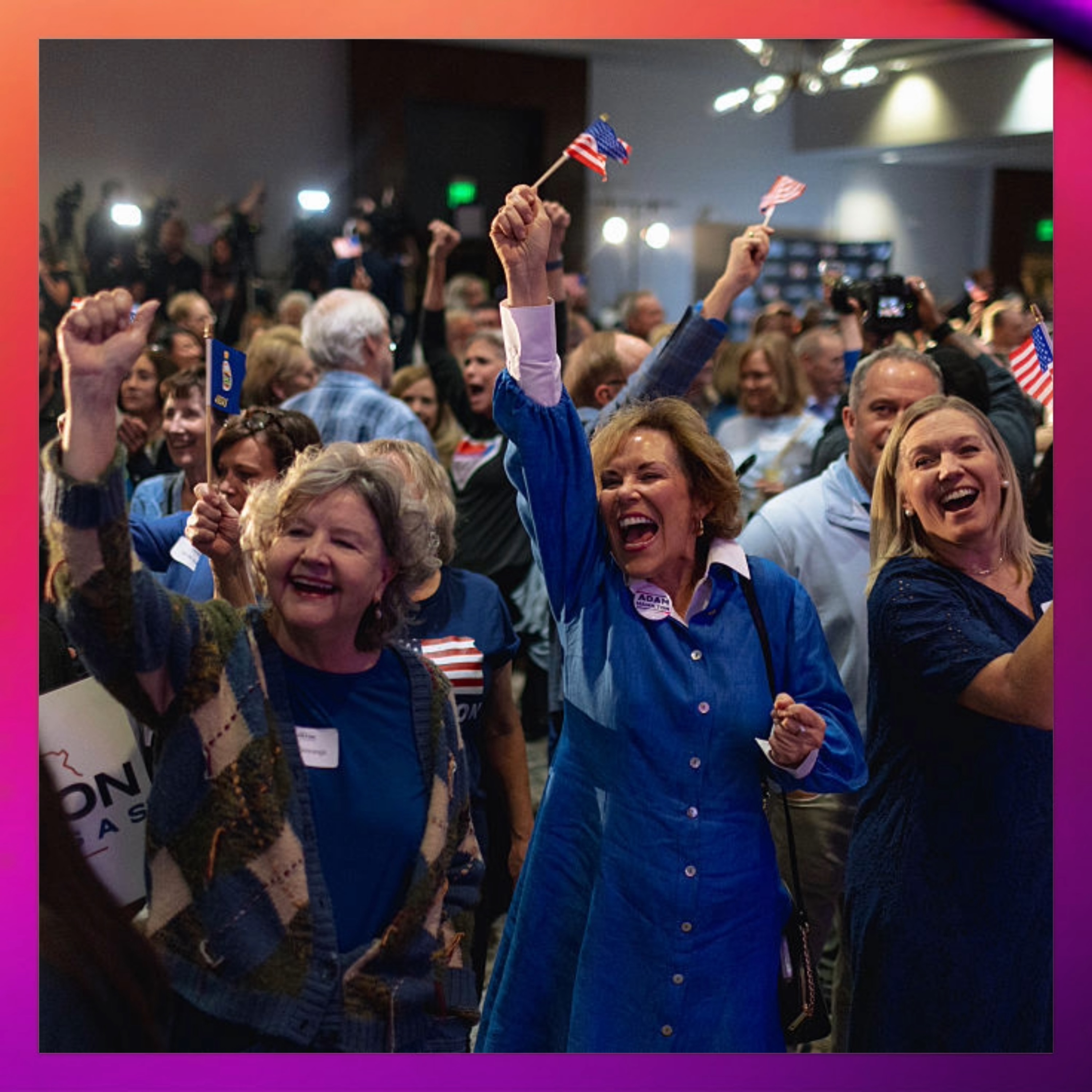
1:51And you spoke to someone who was there, didn't you? What did they say about it all? Yeah, the other day I spoke to Arjun Sethi, who's the CEO, co-CEO of a company called Kraken, which is one of the big crypto exchanges. And the White House Crypto Summit, it was effectively a glorified photo op. There's a bunch of people around the table. Trump comes in there and says, you know, we're going to make America the Bitcoin capital of the world. We're getting rid of all this anti-crypto sentiment that was typified by the Biden administration. You know, this this is a new dawn golden age of crypto in America.
2:26And then you had a bunch of people sitting around a big kind of horseshoe table set up. And Arjun was there. And really what it was about was just showing, OK, there's a new sheriff in town. Like we're actually going to try to bring crypto in from the cold. They had the Winklevoss twins, Brian Armstrong from Coinbase. Arjun was there, obviously. Kind of the top 15 or 20 people in the crypto industry, I would say globally, were around that table. I guess people who had been presented on Grata in many ways under the Biden administration, you know, when he was in power, you saw the collapse of FTX, very notably, and all of the events at Binance, which we're going to talk about in a bit, the arrest of CZ.
3:16So it felt like the crypto bros really had been totally discredited. So it's quite a moment then to see Trump almost with his arms around them. And it was like the effective embrace. Exactly. And here's a little of what Arjun Sefi said to me about the summit. The goal was that the conference specifically adhered to being pro-America, pro-crypto and pro-innovation. And I think you really embodied that. So there was the closed session, which where we talked about what are the issues that we see now and moving forward, not talking about the past, which is how I like to spend my time. We can always talk about what had happened in the past and complain about it.
3:55But a lot of the focus, which myself and others focused on, were great. What do we do moving forward? How do we get developers into our ecosystem? How do we bring treasury and developers and foundations back to the United States? How do we get U.S. back, number one? But more importantly, the other markets that are there that we're also in. So for companies like Kraken, it's really important for us is how do we start thinking about making sure that we can bring innovation back also to the other countries that we're highly aligned with in terms of, I want to call it transatlantic tradeways in terms of capital flows, stability of markets, etc.
4:31And so UK being sort of the core focus of it, given it's like one of our largest revenue sources, largest markets as well. So a lot of it was here's what the U.S. can do for the markets, but here's what the U.S. can also do for its other partners in the ecosystem by helping to set the rules in a place that's actually solidified in law rather than solidified by feelings. Kraken was one of these companies that was being sued by the SEC for running an unregulated securities exchange. They were doing battle with the DOJ. And then the SEC just dropped the case, along with several others against several other crypto companies.
5:10When that happened, Kraken put out this very strong statement. They said, I'll just read just a line from it. They said the SEC's decision to dismiss the lawsuit against us and many others is more than just a legal victory. It's a turning point for the future of crypto in the U.S. It ends a wasteful, politically motivated campaign, lifts uncertainty that stifled innovation investment and clears the path toward a stable, forward thinking regulatory regime. So that's the kind of the vibe in America. It's interesting. I mean, we can discuss this point about whether it really was a politically motivated campaign.
5:46But to your point about there being a new sheriff in town, the new chairman of the SEC who was sworn in this week, Paul Atkins, that was another huge marker in the sand for the crypto industry. The SEC, the US financial regulator, has been the one who's been pursuing all of these crypto companies. And whether Kraken feels it's politically motivated or not, they have been clamping down on some of their activities. Paul Atkins has got a completely different view on all of this. And when he was sworn in, he talked a lot about crypto. He said, it is a new day. It's time for the SEC to end its waywardness and return to its core mission.
6:26And that, unsurprisingly, sent the price of Bitcoin to the moon, as they say. To the moon, baby. To the moon. When Lambo. So yeah, the vibe shift on your side of the Atlantic is very real. Yeah. And I guess the question is, if you go back to the pandemic, when everybody was buying into crypto, when everything was all these prices of all asset prices, real estate on down, we're going crazy. Crypto was no different. And then it all came crashing down in a really spectacular fashion. Two trillion with a T, two trillion dollars of value just evaporated in about six months. this was what brought down ftx it was basically the tide went out and all the scams all the bad behavior all just the garbage in this industry was exposed and now here we are three or four years later and they're trying to turn the page and be like we're a grown-up industry and now we have a new sheriff who's very um you know pro crypto a president who's pro crypto and that's kind of, you know, that's where we are in terms of the vibes.
7:39So what's happening in Breton? Well, you're not seeing crypto bros marching into the door of number 10, for one thing. And I feel like the crypto industry here is looking at what's happening in the States and the big global companies that are based here and sort of using that as a stick to beat British regulators with and the British government. They're saying, look, if you don't let us operate here properly. If you don't introduce regulation quickly, all of our investment is going to go across the Atlantic and we're going to put our cash in the States. And that's what I heard from the boss of Binance and from the likes of Coinbase.
8:18We want to operate in the UK, but at the moment, we don't feel that you're giving us the opportunity. Now that's not entirely fair because the Financial Conduct Authority, the financial regulator here is putting in place a roadmap app to try and regulate crypto. You know, at the moment, if you buy crypto, you don't have the sort of protections that you would do with another asset class. And it's pretty obvious that more and more people are buying into crypto. About 12 % of British people own some. And the boss of the financial regulator did an interesting interview with the Financial Times recently where he was saying, actually, it worries him.
8:51More people are interested in buying crypto than they are in stocks and shares. It's seen as more understandable, seen as much more accessible. So I think there is an understanding that they need to put a framework around it, but it's just going to happen in a quite slow and measured way, which I think is to their credit. But there is this pressure, as I say, that, you know, maybe in the meantime, that investment's going to move to Europe, where a regulatory regime got introduced in December, or to the States where the crypto parties really, really happening. Right. It was interesting. I spoke to a policy director at Coinbase, a guy called Tom Duff Gordon recently.
9:36And he was saying that the crypto industry here feels that AI is getting all the support. There is an AI action plan. There's an AI's are all of this. Can crypto fill our potholes? You know what? Probably could pay for them. Exactly. If we could get like a pothole angle. So that's the mood here. So less of a party, more of a slow burn, but certainly watching what's happening on your side with a lot of interest. Before we get into Binance, which is a whole fascinating story, I think the one other thing I want to just give the context for, for listeners, especially outside the US, is just crypto's kind of rehabilitation is really just an incredible example of the power of money in politics.
10:27So during the last election cycle leading up to last November, there's a fair shake, which is a new political action committee was set up by Andreessen Horowitz, Coinbase, a few of the big kind of pro-crypto voices. They raised$200 million, which made them the most active lobbying group, corporate lobbying group in America. And the whole thing was backing pro-crypto candidates. And they got more than 50 into office through Congress, including the White House. So he really just shows you just, you know, this industry that started out way out in the wilderness is a weird thing that nobody understood is now this huge political force in Washington and then lastly you have the president and his family launching world liberty the Trump meme coin the Melania meme coin you know right around his inauguration and there's been a lot of concern that oh we've actually created this company that you can buy into our new meme coin which has no value yeah it's extraordinary and I do ask the boss of Binance about that actually because there's a there have been some questions about whether the company is offering to put a Trump back coin on its platform in exchange for more leniency in the US where it can't operate at the moment.
11:48Well, should you give a brief potted history of Binance? Because I know that's a big ask. It's such a great story, actually. I mean, it would make an amazing book. We've obviously read a lot about what happened with FTX, but, but Binance is, is, is another brilliant tale. So it was founded by a guy called Changpeng Zhao back in 2017. And, and he's always known as CZ. And so for people who, who don't know, that is the letters CZ. Do you guys call him CZ? No, no, we call him CZ. Oh, why don't you call him CZ? Because he's an international man of mystery called CZ. But I did, you know, I did make the mistake once of reading his name as CZ and got quickly, quickly corrected on that.
12:34So he was one of the kind of the three big crypto bros of the era. You had CZ, Brian Armstrong of Coinbase, and then Sandbank Mufried SBF of FTX. And I actually met CZ a few years ago out in Lisbon at Web Summit, which is a really, really big tech conference that happens every year. And he was the main event at Web Summit. So we did an interview on the main stage on the opening night. And he's like a god in crypto land. He's got like 10 million followers on Twitter. I've never, ever seen such a reception for a person at a tech event. He was absolutely worshipped and people were kind of hanging on his every word.
13:17And at that time, he'd just given Elon Musk half a billion dollars to buy X or Twitter as it was then. Obviously, yeah. So that kind of hopefully gives you a sense of where he sits in the tech bro landscape. Yeah. And he is the 24th richest man in the world. And essentially he was really, I guess, when he founded Binance in the right place at the right time, he had a background in trading and the finance industry. and he matched that with the world of crypto at a point when actually the back end of crypto trading was really quite rubbish. And he souped it up, made it quick and quickly made a hell of a lot of money.
13:56And just to sort of put it into perspective about how many people use it, it's got 250 million registered users. And in the first quarter of this year, it had$8 trillion in trading. And it's got 36 % of the market. So it's by far the biggest trading platform. But interestingly, right, like I remember reading stories when it was like on the rise and it was like this. There is a mystery around Binance and CZ, not least because the company didn't have a headquarters. People are like, where's your headquarters? Like, blah, blah, blah, blah, blah. You know, obfuscate, obfuscate, obfuscate. Still doesn't, by the way.
14:31Exactly. Which gets to this whole point around regulation, around what is legal, what is not. And I distinctly remember a reporter went to the supposed kind of at the time head office somewhere in the Middle East was Dubai or UAE or something. And they just like showed up kind of doorstepped. And there was one person there, no furniture on this floor. And this is supposed to be like, you know, the main office of this giant international multi trillion dollar trading volume company. And you're kind of like, what is this? Yeah. And it's interesting that actually finance can't operate in the UK still or the US.
15:15And that is for those reasons that you've just outlined. In 2021, the regulators here felt that it didn't have adequate anti-money laundering checks in place, ditto for counter-terrorist financing protections. it said it had an opaque corporate structure wasn't responding properly to the sort of questions that they had about how the company was being run so so that was a kibosh to that and then the same thing happened in the u.s when the sec started investigating it and the result of that report really was absolute dynamite your regulators have a habit of producing really, really quite funny reports.
15:54They're fantastic. The suits are really so colorful and great reading. The wit of the SEC. So some of the emails that they dug out about what was going on inside Binance, which is basically, you know, letting money flow through the platform, not doing proper checks on people. So it's being used by terrorists, people who were banned by sanctions. Terrorists, cyber criminals. All our favorite people. And CZ had told his teams, that it was better to ask for forgiveness, not permission. Classic. Yes. So all of this came out. And in 2023, CZ pleaded guilty to all of this. Binance was fined over$4 billion.
16:38He was personally fined$50 million and banged up in prison for four months. Then he gets pushed out and the new broom comes in. So what's the new guy all about? The new broom is a guy called Richard Tang, a very charming man with a background in regulation. I'm sorry. Wake me up when this is over. And that is the point. When we talk about the rehabilitation of the crypto industry, it's like the slightly unacceptable eccentric figures of the past are being pushed aside. and they're being replaced with men who look far more like this from what they call in crypto, TradFi. Oh, TradFi. The traditional finance industry.
17:30So there's this sense of the new guy coming in is more responsible. He's there to put the foundations in place that weren't there, perhaps in the previous regime, because as you'll hear in the interview, you know, it was a young company. they were moving fast and breaking things and now is the time to put compliance in place and i don't think this is very this is just singular to binance if you look across the crypto industry as a whole they're recruiting very very much from the regulators to give them that sort of credibility it's like the industry is trying to grow up and i think what we really need to figure out is you know is is that actually the case or is this there's probably a better expression but putting lipstick on a pig, you know, what is going on behind the scenes, behind the scenes of all of this.
18:17But anyway, he was, he was a very calm, measured individual. He turned up in a nice, smart blazer and jeans, the little black roll neck. And he did really engage with, with the issues that we were talking about. And he was obviously very happy to talk about what had happened in Binance's past, but the sense is now I'm looking forward. So here's the CEO of Binance, Richard Tang. If I may, can we start by addressing the elephant in the room, which is you took over at Binance at an extraordinarily difficult time for the company to just been fined over$4 billion for money laundering offences. CZ, your co-founder, was fined as well and also put in prison.
18:58How do you begin to bounce back from that? I think you have to take things into perspective, right? So Binance started in 2017. It's a very young company, right, by all measures. So in 2017, I mean, if you look at crypto adoption today, you have about 7 % crypto adoption globally, which is still very early stage, right? And in the fast growth stage. But if you look at 2017, when CZ and the rest of the co-founders started a company, crypto adoption was less than 1%. percent. There's no institutional adoption. The regulators are not paying attention to this space. The rules are very nascent, if there's any, and developing.
19:37So it's very unclear at that point in time, the provisions that's governing this space, right? So we make mistakes early on in terms of under-investing into compliance. But we have, as we've all responsible financial institutions, acknowledge those mistakes, past mistakes, and we remediate. We have conducted very heavy investments into compliance. It is not unique for financial institutions to trip over in terms of provisions, right? And we have tripped over. But what is important is for us to acknowledge those past mistakes, make heavy investments, move on, and become much better, which we have done, right?
20:16So since I took over in November 2003, I make my commitment, firstly, to continue to build the best-in-class platform out there to serve our users, right? Being the safest, most trusted, compliant platform. Secondly, work with global regulators. The direction of travel is very clear right now. There's going to be much more regulated space, much more compliant in nature, right? So we have the ability to invest and make it a competitive advantage of ourselves, which is why now today Binance is the most regulated exchange globally. We are regulated in 21 different jurisdictions from different parts of Asia Pacific, such as Japan, Indonesia, Thailand, Australia, and the list goes on, to different parts of Middle East, Dubai, Abu Dhabi, Bahrain, to Europe, to Latin America.
21:11So we work closely with global regulators, and there are a lot of regulators now coming on board to try to formulate framework. And we work very closely with those regulators to have best-in-class framework that can support innovation on the one hand and managers risk on the other hand. And we have continued to build from strength to strength. I mean, I'm very fortunate to have a very strong team at a leadership level. We have a very strong board of directors really guiding us in terms of stewardship. And if you look at the numbers, we started 2024 with 170 million users. By now, we have close to 270 million users.
21:52So we added 100 million in the course of 15 months. And that demonstrates the continued trust and confidence of users in us, both institutions as well as retail investors around the world. I see what you mean about it being a new company and there's potentially being growing pains, But it's not quite right that there weren't any rules in place. And some of the emails that the SEC dug out are quite extraordinary. One compliance employee wrote, we need a banner. Is washing drug money too hard these days? Come to Binance. How does that make you feel looking back when you read things like that? Look, I joined a company in end of 2021.
22:32And as part of that really agenda to really transform the company. So we have, I mean, those early days where, you know, rules were not so clear. Again, I've highlighted that company has made mistakes, right? We have acknowledged those mistakes. We have really invested so heavily, even before the resolution in the U.S., that if you look at the consent order, the U.S. government has highlighted our improvements in all the different areas, including on money laundering, know-your-customer provisions. We were the first to implement on a global basis, know your customers, know your business requirements of all the different exchanges.
23:27So we continue to make heavy investments in that space. I mean, if you look at staff strength today in Binance, we have about 6 ,000 people. And close to a quarter of the people are involved in compliance function. So that demonstrates, we have the largest compliance function of any crypto exchange globally. and that just manifests really our commitment towards this space, right? And how about CZ? What's his involvement in the company now? Because he got out of prison, I think, at the end of last year. Yes, yes. CZ is a shareholder. Yes, your biggest shareholder. Yes, so he doesn't manage daily-day operations of the company.
24:05But presumably he has some sway over the company's strategy as a major shareholder. I mean, if you understand corporate structure, right? Like shareholders always have a vote in terms of the governance mechanism relating to how the company, direction of the company is. So he's no different from any other key shareholder of any key companies. Is he ringing you up a lot? No, no, not really. How often do you speak to him? I work closely with the senior management and to the board of directors. I don't speak to CZ often. Okay. But presumably he's still, I mean, as the shareholder, but also as the co-founder.
24:38Yeah, he's a co-founder. He's a key shareholder of the company. and again is subject to shelving governance requirements and mechanisms. Is that difficult for Binance? Because one of the problems that you've had over the last couple of years is because of the SEC case, because of the big fine, your operations have been curtailed in the US, the FCA has curtailed them here in the UK. Does having CZ as a major shareholder like that actually damage your reputation? Well, so I give you hard data on that front, right? So we started, I mean, CZ stepped down in end of 2023. We started last year with 14 global approval.
25:22Today, we have close to 21, 22 global approval. So we are still working with global regulators and securing global licenses on that front, right? And I think a key element of that is the corporate structure of the company. Today, the company is really run by senior management with corporate stewards in the form of border directors. So the regulators do appreciate that on that front. We are in a form and structure that most regulators now can much better appreciate compared to the past. So we continue to deploy globally quite aggressively. And I wonder if you could unpick for me where you are in the UK, what your current status is.
26:04I have to say I get a bit bamboozled following crypto regulation. But I think you stopped taking customers here. Yeah, we did. So we respect the financial promotion framework. So I think we are biked by that framework. We have not taken on new UK users. We are trying to solve some historical issues that we have with the Financial Conduct Authority. And hopefully we can resolve those soon. And is this story to interrupt? Is this about needing? Just let me finish that. So given that UK ambition, I've spoken to some of the people within the UK financial services sector. I think UK's ambition is to continue to attract investments globally, which is important.
26:51And on that front, if you look at the best and brightest, many of them are working in AI and crypto. So crypto is going to be, crypto blockchain is going to be a very important sector. Given US ambition, and we are the largest crypto ecosystem in global play on that front, we can support the ambition. So hopefully we can resolve the historical issues in the UK, and we can move on to support UK's ambition on that front. And so that would mean, essentially, if there was more openness from the FCA to you, you'd put more investment in Britain? Yeah, hopefully.
27:37Let's talk about Binance in the US. How can you operate in the US at the moment? We don't operate in the US at the moment. So we have not deployed in the US. We have, there's Binance.us, which is a company that, you know, CZ is also a shareholder, but that is run very separately. it has different shareholders there, different board of directors, different CEO. So currently, Binance.com is not deployed in the US, but we watch US with interest. So I had many conversations with different parts of the establishment in the US when I was in Washington, D.C. And I think my own tech is going to be very optimistic.
28:24They're a very thoughtful, very considered group of people come thinking through what's the future of finance, the future of blockchain and crypto, how can they support and embrace that while managing the risks aspects of that. I applaud them for the efforts and hopefully that will give even more clarity in the US. And once we have more clarity, then we can decide what's our next steps as a company. And it must have been quite damaging for you not being able to operate there when you've got the likes of Coinbase, this American company, probably stealing your market share. We are always a global company.
29:01So if you look at any point in time, our market share has been relatively stable. And actually, we are a very trusted platform. So any point in time, there is an issue. Flight to safety is always to our platform. So if you look at our market share, we continue to be the biggest crypto exchange globally on that front. So you think your brand holds out above the others? Our brand, and also if you look at it, we offer the deepest liquidity globally. So I think people really appreciate that. And we continue to build the most robust, the most secure platform out there. You talk about the UK and the US, so where can you operate freely?
29:41We operate globally. I think firstly, as I mentioned, two-thirds of global regulators do not have frameworks to govern this space. As I mentioned, on our website, you can check. We have a list of 21, 22 different jurisdictions that we are licensed in, making us the most licensed and regulated exchange globally. We operate in many different parts of the world, right? So including in very big countries such as India, Brazil, Argentina, and the likes. So if you go, I mean, it's an extensive list. So there are some big markets, as you were saying, outside the US. We are operating in Europe as well, right?
30:16France, Spain, Italy, Sweden. So we have many different markets. And you've shaken off the money laundering case, which was two years ago, but there's another case pending with the SEC at the moment, and there's a pause on that. Yes, there's a pause. Five days ago, is that right? And this is about... Oh, this is the second pause, actually. The second pause, the second 60-day break. What sort of discussions are you having with the SEC on that? Well, as with any of these matters with regulators, we don't discuss them publicly, right? Because there's confidentiality agreement. Unfortunately, we can't discuss any of these cases.
30:57But I mean, what we want to say is that we appreciate the very thoughtful approach by the new SEC. And that's it, is it? It's the new SEC. The new SEC, right? They're sort of saying, okay, we're a bit more crypto-friendly now. No. So it's a sea change compared to the last administration. So under President Biden, where Operation Choke Point 2.0, there's a lot of value destruction within the crypto industry in the United States, so much so that many players move out from the United States. So I see them turning up in different parts of Asia Pacific, in Europe, in the Middle East. So with the new administration and with this very thoughtful, considered approach to really embrace this important sector that's becoming increasingly mainstream and institutionalization is a totally different approach.
31:47It's a breath of fresh air. But you can see why the value destruction, as you called it, happened. Because you had, in the space of a few short years, the collapse of FTX and then the events of Binance. And I don't think either of them did anything to back up the credibility of the crypto industry and stop people thinking that this is how criminals... I can't speak for FTX. I mean, fraud happens in any industry. pharmaceutical financial, traditional financial. It happens anywhere. So there are bad actors, right? But we as an industry need to continue to raise the standard to keep our bad actors.
32:23And we work very closely, law enforcement agencies on that front. In any given year, I mean, you'll be quite surprised to know that many regulators and law enforcement agencies do not know enough the techniques and the tools of blockchain and crypto, right? So you mentioned money laundering. how much do you think money is laundered within the traditional financial system? I think someone at Coinbase made this argument to me the other day. It's not an argument, it's based on data and facts, right? So, I mean, this is based on statistics issued by the U.S. Financial Crime Office. Any given year through the traditional system, you have between$800 billion to$2 trillion that's being laundered.
33:05It accounts for between 2 % and 5 % of traditional financial transactions. How many percent do you think it happens in crypto? I imagine you're going to say 0.5 or something. I don't know. Last year, it was 0.16 % of all crypto transactions. So if you look at the percentage, it's very low compared to traditional financial sector. But if you look at the quantum, it's even much lower. And that's on a downtrend. And the reason why is unlike fiat money, which is not traceable, I can show you 100 million, you try to distribute them, you can't quite trace them. Blockchain is a traceable technology. So we conduct programs for global regulators and law enforcement agencies to train them in the tools.
33:46And in the course of last year and this year, I've gotten many commendations letter from different enforcement agencies, police forces, including Hong Kong, Singapore, Thailand, Indonesia, commanding us for efforts to really work very closely with them to fight illicit crimes and money laundering. Because money laundering is particularly used, for example, by hackers for ransomware payments. There are other aspects of that as well. So we work very closely with law enforcement agencies globally on that front. So at any point in time, in any given year of 65 ,000 requests, we respond to them very quickly.
34:26On hacks that's happening globally, a lot of times, given the sophistication of our system, we are the first to detect those and we alert our fellow counterparts and we help them trace where the funds go to and work with law enforcement agencies to freeze those illicit fines. And on that work with regulators and law enforcement agencies, I think you're monitored, is that right, in the US? There are some official monitors in place. How does that work and what effect does that have on the company? So we have invested very heavily into our compliance program by now, as I mentioned. But a lot of times, you know, there are also areas that we can continue to improve.
35:09I always tell people compliance is a journey, it's not a destination, right? Because rules and regulations are always evolving. As an ex-regulator, I can tell you that, right? So things changes by the day, rules are still unclear in many parts of the world, they continue to evolve. I think the purpose of the Monitor, and we work with them very closely, is to look at our program. A lot of times it's not only ourselves beating ourselves on the chest to say that we have the best program in the world, but having an independent review and set of eyes to highlight, maybe you should look at some of the other areas that you can enhance further.
35:45So we look very closely on that front. But would you like to see the monitoring end? Well, I think for many companies, I think the monitor serves a purpose to enhance the program. When the program is to a certain level, that you are best in class on part of the rest of the financial services player. Then the monitorship doesn't play that useful role anymore. I need to ask you about a recent report in the Wall Street Journal, which says that you're asking Treasury officials in the US to get rid of these monitors. But at the same time, you're negotiating with a venture called World Liberty Financial, which is a Trump crypto venture, Trump backed crypto venture, to list their token?
36:29And the allegation is that there's a bit of a quid pro quo going on between the two of them, sort of leniency for you. I don't want to speculate. I don't want to comment on speculation because they are baseless speculation, right? So again, firstly, on World Liberty Financial, I think several parties have come out to deny all those reports. I don't want to comment further other than those deniers. on our discussion with Treasury and with any regulators or law enforcement agencies around the world. Those are sacrosanct. Those are confidential. Any of those discussions will be confidential. And we are helped by confidentiality provisions.
37:09You can understand. It makes our life very difficult if every time after a meeting, we go out and say, hey, we discussed this with this government. We discussed that. But I think it's more that... So it's really unfair. And it's a very one-sided conversation. conversation. So, but to me, those are speculations. I'm not quite sure where those speculations come about. So, but normally we don't comment on speculations. No, and I appreciate what you're saying about talks with officials, but I think that it's the allegation that one is begetting the other. No, these are allegations. And I don't comment on allegations.
37:42Because firstly, on the World Liberty Financial Fund, I think different parties have come out to design that. there's nothing much more to add to that and secondly on any discussion with regulators government officials governments around the world those are sacrosanct i mean we have to respect the confidentiality of those any of those discussions you'll appreciate that i do i do yeah so i can't ask you about whether whether cc's going to get a pardon from the trump government is that again I'm not CZ has already highlighted himself that it's good to get a pardon right so other than that I have no more information on that one last question which you might be able to answer is the boss of Binance do you know who the founder of Bitcoin is I wish I know there was a big court case here in the UK over this recently no I have no idea genuinely no genuinely I think nobody I don't think I mean, if anybody knows, please tell me.
38:43But I think Satoshi wants to remain anonymous. And I think that's the beauty of it. Is it you? No, it's definitely not me. I'm not smart enough on that front. I wish I am.
39:00Compliance is a journey. It's not a destination. That's the t-shirt. It's the next month. Compliance is a journey. Totally fascinating. Like I said, I just think it's worth reminding people like, you know, there's Bitcoin, Ethereum and a few Solana and a few others that are like, you know, 90 percent of the value. And the rest is all this garbage that is created by often by people who are scamming. People are trying to figure out a way to kind of convince people to, you know, invest. The other interesting thing is we've seen Bitcoin go up this week because the whole idea is this is stateless digital money that no one entity can control, including any government.
39:39People, again, are kind of fleeing to this thing like, well, at least this isn't subject to the craziness in Washington. The sort of modern gold, the sort of safe haven. Yeah, exactly. So I think that's the kind of that's an interesting thing that's happening that kind of shows like the kind of the attraction for a lot of people for things like, you know, Bitcoin in particular, as a kind of a safe haven and, you know, restore value. Which is another reason I find this push for regulation in the crypto industry so strange and fascinating. And it really is a huge change from what they were calling for, you know, even just a few years ago, because the whole point of crypto was that it sat outside the financial system.
40:23And now here you have people like the new boss of finance, people like the guy that you spoke to at Kraken, kind of knocking on the door of the regulators saying, let us in, you know, we want to be welcomed into the inner circle. We want to be sitting with the president, which is kind of not really where it sprang from. Yeah, I mean, it was kind of famously Bitcoin was created in 2008 in the midst of the financial crisis. As all the banks were failing and they're like, this is the antidote to that. But I also think the way it has operated up to this point is not tenable. Because if you talk to regulators, they're like, no industry, certainly no multi-trillion dollar industry has said, actually, we're just going to operate in flagrant disregard of the current rules, which is what they were doing.
41:17now you can talk about whether it was the sec under gary gensler who was this total hate figure who was just suing all these companies because they're saying like give us regulation we just give us the rules of the road and we will abide by them but also the regular is saying well like okay your securities like these are shared like shares you need to act accordingly they're like no they're not that though like not that regulation exactly but there's like this whole industry that's been created that has just been like oh do you have a headquarters oh it's not in america oh it's not in britain oh it's and we're not allowed but in the uk and we're not allowed yeah and so there's this whole it's just this fascinating collision of this new technology that no one knows what to do with in terms of the powers that be in regulation and is by many seen as a threat to the powers that be and so they've just created they've just kind of blown up into this global industry that again by its very nature is illegal based on the current situation which is why everybody's so excited like okay we've got this new guy at the sec we've got trump they're going to at least create rules of the road so that we can all kind of operate you know and and be in good standing when you when you watch these rules of the road they take a really really long time to put in place and i'm yet to hear anyone in crypto who thinks that they're moving fast enough.
42:43You know, they're all about coins that are linked to a fiat currency or something that's linked to a central bank. Like, they certainly don't jump to what crypto already is. What do you mean? Well, I mean, if you think about the Bank of England, for example, wanting to launch its own token because it's underpinned by the bank, it's going to be quite a while, I think, until some of the more obscure tokens are counted as protected as proper securities. Yeah, but I do think it's interesting also, just not to get too deep in the weeds, companies like Stripe, they handle whatever, a quarter or something like that of all transactions online.
43:27They're going very big on stable coins, which again are these digital coins that are tied to the US dollar or whatever. And again, it's just about, you can start to see the outlines of why this makes sense of if you are a global payments company and you're trying to enable little businesses in buenos aires or botswana or whatever and you have this kind of digital token that just makes it easier for you to transact and kind of get in the game that makes sense and by the way if you peg it to the dollar that that is also good for the dollar. Yeah, and that's your point when you were saying, you know, what is this, what is it used for?
44:11That's always the argument you hear from the crypto industry, isn't it? It's those sort of transactions which other people might find difficult to make with limited access to finance, but also the transparency of it, the fact that you can actually track. It's just all the, it's the 99 % that doesn't make sense. The Dogecoin, the Fartcoin, all the coins, you know, that are just nonsense. But I think those are just going to go away. And the vibe around it, the culture, the crypto culture, which makes it almost, it's very difficult to make it feel acceptable as much as Richard Tang tried. And, you know, there are some serious arguments behind it.
44:53The language, the obsession with making money, like, you know. Can I just say also just being like, hey, yeah, you know, our controlling shareholder and founder who's worth 50 or 60 billion dollars, he's just a shareholder. Well, that's why I asked how often he's on the phone because you can imagine he's sort of faxing driving. Exactly. And he tweets a lot about BNB, I have to say. Yeah, which is Binance's coin. I'll just say, color me skeptical. Yeah, and I'm really, really looking forward to seeing how it develops over the next year. You know, if the UK really does get its crypto regime in place in 2026, and the City of London, which is obviously a major financial center and has been really at the cutting edge of fintech, could do something with it, it'd be very intriguing.
45:44The other thing I was going to say, I keep saying this is my last point, but it keeps kind of, other things keep popping up. The other thing I was going to say is that, exactly, is that again going back to who is buying crypto in in let's say the west um not like the people who are in buenos aires and need a way to hedge against inflation whatever i'm talking about like in america in europe it's mostly young men and there is a lot of crossover between the people who are buying crypto and the people who are doing online gambling or sorry sports betting so and sports betting in america has absolutely exploded as a business just as crypto has and again if the whole if you step back and you think what's the point of regulation especially the sec it is to protect customers and we're four years removed from two trillion dollars worth of value going away.
46:45And a lot of people who got lured into this losing their shirts. And here we are, you know, not that much later with a new regime, a new president who has his own meme coin and a new regulator being like, we just want to kind of open the floodgates. It's going to be really interesting what protections, if any, not to sound like a pro-regulation downer but you're just one i just wonder if we're just kind of setting ourselves up again for another kind of just wipe out and people a lot of people are going to get you know lose a lot of money and watch the space so anyway i thought great interview i was i thought he was totally fascinated to hear hear him kind of dance through all that he's got he's got a difficult job especially with cz in the background with all his money and power trying to do deals yeah and being very much the face of the company and having that godlike presence in the crypto world.
47:43Yeah, exactly. With its quite singular culture. Yes. Which I think that there is, there's not just a regulation issue here. There is a serious, serious public relations campaign that they need to get on with. Also, before we go, dear, dear listeners, we love reading your emails, your thoughts, your questions. So please keep them coming by writing to us at our very own email address, techpodatthetimes.co.uk that is techpodatthetimes.co.uk
Hosted on Acast. See acast.com/privacy for more information.