 Ask ChatGPT


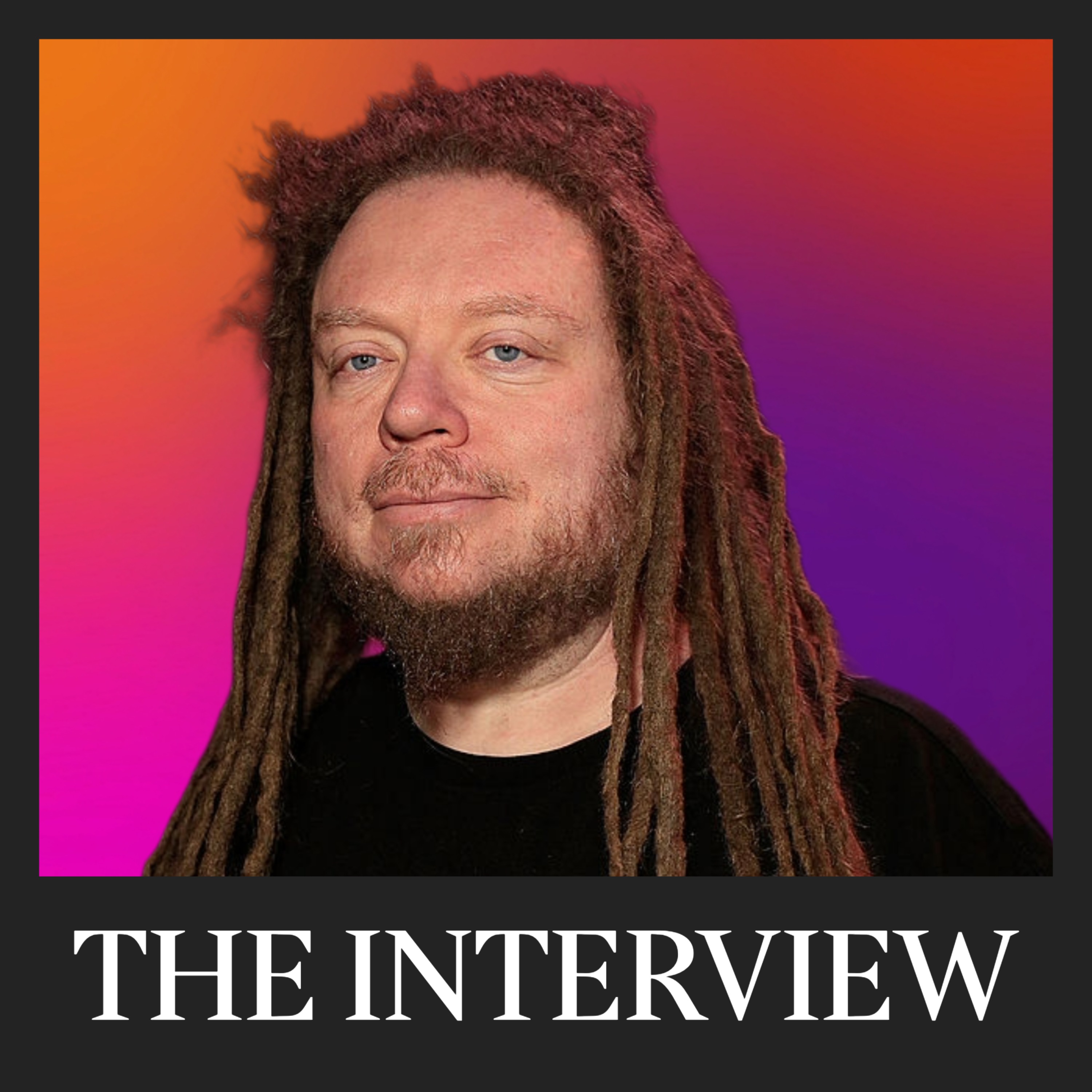
In this episode of The Times Tech Podcast, co-hosts Danny Fortson and Katie Prescott explore the implications of AI technology in personal digital identity and the financial risks associated with AI investments. The main guest is Dara Ladjevardian, co-founder of a startup called Delphi, which creates digital AI versions of individuals.
Written by AI. May contain mistakes.

Get the gist, explore an idea or ask about something said.
 Claude
On Times Tech, what are the key points of this episode?
Searching your listeningAutomatic transcript. May contain errors.
0:03This is the Times Tech Podcast from the Times and the Sunday Times with me, Danny Fortson. Danny in the valley here in sunny but chilly California. And you know what it's sunny and chilly here in the city the city of London where I am Katie Prescott and today on the tech podcast we're looking at whether AI can make the perfect companion and if it can is it just a copy of yourself? Yes so I have had a fascinating conversation which we'll soon hear with Dara Lajavardian. He's the co-founder of a company, a startup called Delphi here in San Francisco. And they're an AI company that creates digital clones of people.
0:46It's using AI to make replicas of you. So you can be you kind of more often all the time, a 24 hour, seven days a week, Katie Prescott, when you're asleep. This is just the epitome of narcissism, isn't it? The world needs more. Yeah, exactly. More me. I need more cowbell.
1:07um yeah so do you know so if you're sleeping you're you can create an ai bot that does your work answers emails talks to your mom even maybe makes a podcast who knows so you can just enjoy your own company no so the world can enjoy oh i see i while you are asleep or while you are away or while you are busy we can have 24 7 danny if we want yeah i mean it does make you think is this actually what ai is for is this it is this is this what we're going to do with it with all this all this power and trillions of dollars trillions of dollars well i'm glad you mentioned the trillion word because the b word is still everywhere here i don't know if it is over in the valley as well michael buble yeah it is actually the bubble le buble isn't that what they call it in france uh i'm gonna speak probably i do but i can't it doesn't sound right in spanish it's burbuja yeah you're gonna look it up now
2:21oh you can have glue glue can we just call it that yeah glue glue that's good this week we're talking about the glue glue makes it less scary it does um no everyone's i mean it's just sort of talk of the town still here and a few months ago i mean you remember this the bank of england was talking about the risks of the the glue glue and what might happen if it goes bang bang and that was because of the rising valuations of tech stocks. And now, of course, when you reference trillions, the big concern is spending on AI infrastructure, but particularly spending with debt. Yeah, exactly. And it's worth just reminding people, because every time you turn around, there's a new estimate about how much the kind of the industry is pledging to spend.
3:08We're up to $5 trillion now over the next four or five years. And whenever you think about big financial disasters, it's debt that really sinks, you know, sinks people, sinks companies, sinks the economy. And that's kind of where the Bank of England has gone with this latest kind of worry. So I don't know, what has Bank of England actually said? That the use of debt to expand, which obviously we're seeing so much of at the moment, is becoming an increasing concern. So Andrew Bailey, the governor of the Bank of England, has said, unsurprisingly, the AI sector is a particular hotspot as equity valuations keep going up.
3:52And while large tech companies, he said, the hyperscolers, so the likes of Microsoft and Google are going to fund this with cash flow, because they're making a lot of money, about half of the expenditure is actually going to come from debt. So we're not talking about the big companies here. But they are, of course, not the only ones that are investing in AI infrastructure. Yeah. And, you know, put your best guess on the number of trillions, trillions in debt, kind of poof out of nowhere. That's a thing. It's going to be a thing. And it really gets to, I think, you know, one of the big stories, we're recording Wednesday morning.
4:25Afternoon. Depends on where you are. Apologies. Wednesday morning in Silicon Valley. Wednesday morning in Silicon Valley. is there's news over the last 12 hours or so that Anthropic is looking potentially at an IPO. Or at least they're doing the very, very, very early stages, kind of hiring advisors and kind of preparing themselves for that potential eventuality. And to me, because also OpenAI has kind of, Sam Altman has talked also about like, you know, eventually we're probably going to go public. That's probably like one of the next phases for us. we're kind of entering this new phase of the confidence game of like these are private companies they're selling us magic beans that you know look this is just this bean stock's just going to grow and grow and grow and it's going to change the world but when you go public and you have to kind of open the kimono as i say and show what your actually business really looks like how much money you bring in how much you're spending and then sell that to the public market that's a very different thing and it'll be interesting if and when these companies do go public because i feel like that's obviously going to be a huge test if any of these new kind of ai companies that have gone from nowhere to anthropic is now worth 350 billion from zero four years ago with huge backing from some of those hyperscalers we were just talking about in particular amazon but now microsoft has put money in and exactly various others listen just talk to me about the kimono thing because here in the uk private companies have to report their numbers over a certain level a company's house so yes you don't get the level of detail you do with a public business but you do get quite a lot of information every year albeit sometimes a year out of date what's the situation in the states it's not like that so basically you know these big big big private companies as they start to raise more and more money they do start to have some level of disclosure because they're revealing that to investors but it's not to the not to the public right so that has to be leaked so when it has to be leaked and there's lots of strategic leaking so when we hear that open ai's revenues are whatever they are that's because they've done a funding round and revealed that to investors exactly exactly but again it's part of this whole mystique is like the longer you can stay private you can tell any story you want you know to a degree to the outside world but um once you decide to go public and you have to kind of put together your audited accounts and take those to investors and and kind of try to sell the public on your business that's when you're really like it's and i am not making this comparison but we all remember we work we yes we do sorry i shouldn't laugh yep they raised tens of billions and it was this really buzzy company with a very charismatic founder everybody was bought in and then they decided to go public and people took one look at their financials and were like what is this this is not a company this is kind of a joke financially and the whole thing quickly just completely disintegrated and it was like the classic example of like all right here you go this is what we're actually doing here um so i think again when you think about these ai companies obviously they're going very fast they're bringing billions of dollars and you know lots of people are using their products but you know wall street has a different level uh or completely different view on what makes a good business what they're actually going to invest in then you know venture capitalists who their whole idea is like we're you know we're making bets on an uncertain future yeah exactly so that's the numbers but let's talk about the tech because that's something that perhaps is a bit clearer in this race to develop AI and it was fascinating to hear that Sam Altman this week has told employees he's declaring a code red and we know there's this race going on in order to develop the most advanced AI and chatbots and as you've spoken about a lot in the past chat GPT has had it had its vision to become an everything app and it seems now that as other companies are catching up like google with gemini the boss of open ai is saying we're going to double down on developing chat gpt the chatbot and kind of park some of our other plans for things like integrating shopping well this is all related right we're talking about these companies going public and kind of trying to grow up and become like these these generational companies but if you rewind the clock back to early 2023 there was another code red but it was google and of course i'd forgotten that yeah yes it was alphabet saying they literally called sundar pachai the ceo called a code red within the company because this little non-profit called open ai had come out with this thing called chat gbt and they were like oh my goodness they've created this bit of magic it's taken over the world everybody's freaking out and here we are the biggest kind of tech company on the planet and the smartest guys in the room and they beat us to the punch and here we are three years later it is now open ai being like uh-oh because gemini has caught up they just released this model that is on many benchmarks better than chat gpt same from anthropic recently deep seek from china just released two new models that are very powerful and free and all of a sudden this kind of lead and also the kind of the the aura of chat gpt is taking a little bit of a hit if like all of a sudden they're kind of with everybody else they're even a little bit behind and hence you have this code red so it's this incredible circular moment that's only taken three years basically it's like a game of wacky races isn't it it's like someone edges someone comes up behind oh don't worry it's a cartoon Mario Kart Mario Kart I get yes yes okay so you got you know someone edging forward and then someone coming up from behind and bouncing them off the road yes exactly and it feels like that in the AI world at the moment I mean chat GPT is still ahead right still got 800 odd million users a month but Gemini has about 650 now 650 million 650 million which is a lot of people and obviously they have you know google's used by billions of people every day so they have the distribution built in so it's it's it's they have 650 million but it's different right it's not like apples to apples you're not starting from scratch but it is just quite extraordinary again when you just think how much has changed so quickly and it goes back to my one of my pet theories is that this is all going to be commoditized in terms of level of intelligence and capabilities and it comes down to product like how do you turn this into something that is useful and that people will pay for yeah yeah because especially with these like open source models you know eventually it's going to be for free it's just like you plug it into the socket like electricity like all right i need my genius on tap here i go it doesn't i don't really care who's providing it it's like what are the products that people are actually gonna be like I'm going to spend 20 bucks or 30 bucks or 50 bucks a month on this.
11:40Well, speaking of genius on tap, that leads us nicely onto your interview for today, because against this context of the bubble, or is it a bubble or not a bubble, and the competition in AI. It's a glu-glu. The glu-glu and the wacky races. Code red. Everyone is trying to work out how to make money out of all of this. um and and you've been speaking to someone who who's got their idea of it yeah so um i came across this company delphi probably a year and a half ago and it was like it's just such an interesting concept this idea of an ai clone and the whole idea is that you can you know quote unquote scale yourself that if you feed in enough of your your emails or your voice or your writing or whatever, they've created a way to make basically a digital version of you.
12:32It's so funny. So I mean, the amount of times I hear from founders, for example, from entrepreneurs who say, I wish I could clone myself. Now they can. Now they can. And I think it's really interesting in this broader context of like what's happening in this AI race. What's it all for? Like, is this it? So you and I can clone ourselves or we, you know, like YouTube influencers can create their clone and and make a bunch of money while they sleep because people are going to subscribe so they can talk to their clone or whatever but it does get to that question again around as this intelligence level layer kind of like evens out what are going to be the products the productized versions of these systems that people actually care about and that are going to land and obviously dara here in san francisco his idea is ai clones and he has a fascinating backstory as to why or how he created it initially and where it's got to.
13:29But I think it's kind of an interesting take, especially given the moment we find ourselves in. And you spoke to him, right? It wasn't his clone. I spoke to him, the real carbon-based live form version of Dara. So Dara Legervardian, thank you for coming on the pod. I have questions for you. Danny, it's great to be here. Let's hear it. So Delphi, the idea is AI clones. and my understanding you can tell me different is basically feed in as much kind of stuff like for example i'm a journalist i've been doing this for too long i have by this point more than two decades of stuff i've written i've been doing a podcast for eight years so i have a lot of stuff out there so if i want to create digital danny or delphi danny what do i do yeah well i'll preface by saying we we ban the word clone oh i don't use that word anymore no what's the why why because it's a little dystopian and also clone could mean physical clone you think of like the clone wars and i think what makes delphi special is really what we're trying to do is replicate the thing that makes you the most unique which is your mind um your worldview how you think your personality your experiences and so we say digital minds or digital version of you or eventually your delphi and you can connect your podcast you can connect your website your tweets it'll create feeds so that it stays up to date you have a new episode you have a new blog it updates itself we also about to release this interviewer future where if you don't have a lot of data it will interview you and ask questions about you to create itself and then on the back end we're creating this kind of like a dear diary type situation exactly like a like a diary diary or a daily entry and then also your voice and then people can can chat with you they can ask you questions instead of going to a static personal website they can learn about you learn what you know why why okay well i can start with the origins of the company and how i can yeah why don't we start there because i think that uh that'll help inform how you got to where you are yeah i'll take the path of origins to why i think this needs to exist uh so started my first company in 2021 was a solo founder didn't really have any mentors, but I was reading.
15:41How old are you? I'm 29. So at the time I was 24 or five and yeah, I was reading a book about my grandfather who was a very successful business owner in Iran before the revolution. And I wanted to be able to ask him, what would you do in my situation? Because when we learn, learning is interesting, but most of us just want to know how does this apply to me? And so my grandfather had had a stroke a couple years prior, so I couldn't ask him directly myself and a book doesn't really answer that question but I had been working with LLMs for a while I had been thinking a lot about the mind and ended up creating a digital version of my grandfather that I could talk to and learn from and it was very strange and therapeutic and very weird at the time so I didn't think something like that was possible um and when that first started got acquired how did you create that digital grandfather was that basically feeding his book into the into a machine into an LLM yeah it was inspired by a book that I'd read a lot earlier called How to Create a Mind by Ray Kurzweil.
16:39But yeah, I've used open source embeddings on Hugging Face and passed the book into those embeddings into a model and kind of just spoke to him. And the experience got me thinking about how in general we access other people, you know, reading books, watching YouTube videos, listening to a podcast, following people on Twitter. All of human knowledge pretty much exists on Wikipedia, yet somehow the creator economy and the knowledge economy and journalists and doctors like humans still exist. And I think it's because we inherently trust things that come from other humans. It's just kind of in our nature.
17:13We're social creatures, but books don't answer questions. They don't adapt to you. And most people don't have one-on-one access. It's just either too expensive or it's not possible at all. Time is a constraint. And so we started Delphi to allow people to scale themselves in this new interactive way, a digital version of their mind that allows people to consume their thoughts through conversation. And I think at first, yes, it seems like a little crazy. But I think if you think about it from the lens of the evolution of how we scale ourselves and the evolution of media, we scale ourselves with writing and people can read our thoughts.
17:48We scale ourselves with podcasts and people can listen to our thoughts. Now, ChatGPT is teaching a generation to learn through conversation. And that is becoming the primary medium of how we consume and learn information. But like ChatGPT is Wikipedia. It's very general. It's holistic. It doesn't provide like the nuance and the perspective. And so Delphi is just this new way of allowing humans to scale themselves so that they can be everywhere for anyone all at once. And this may be because I'm a journalist, but like my mind immediately goes to death like that's your point around your grandfather who you can communicate with anymore if you're building digital minds i mean is this part of the business plan is to be like you know someone loses a loved one and they're like hey but i have all of their emails or their writings or their diaries or whatever can you create you know a digital version of this person so i keep talking to them yeah there's a very specific reason we didn't start with that market.
18:51Even though the inspiration came from my grandfather, I don't want to be a company that profits off of grief. I think that's really depressing. And like, ideally, that's something people can do for free one day on Delphi. I think we wanted to anchor around trusted, verified digital minds. You can only create one of yourself or someone that you have the permission. And we start with people who are already trying to scale themselves. These are people who are hiring teams and training those teams to think like them. These were authors, influencers, coaches. And then through them, we started to get more kinds of people, VCs, business owners, consultants who will send a loom or will send a calendar link or will send a website when someone wants their time.
19:30And now they have an interactive thing where if you want to pick my brain, you talk to my Delphi and it's going to let me know if you are someone I should get on a real-time call with. So you spend less time on unimportant things and more time with the people that matter.
19:51so say i'm a thought leader you know this is you know fantasy land i'm a thought leader i get people come at me all the time be like oh danny i really need your advice on x or y or z or whatever um and i have my delphi and he's like chatting to all the people how do i is there a way for me to like kind of filter through all those chats to be like actually my delphi says i had a really interesting conversation with person x or person y person c yeah well i'll walk through for example if you had had a delphi i would have spoken to that delphi before this and learned about you learned about what you know through conversation almost like practice and simulate a conversation with your delphi and on the back end you get notified whenever it doesn't know how to answer your question and you can set that default message hey i don't know let me ask the real me and get back to you and you can improve it insights dashboard of like for me for example hey dara there's an ai engineer talking to your delphi you should try to hire them or hey dara there's a journalist that's about to write a hit piece on your company you should try to reach out to them and see like has that happened hey like are things that has not happened like it happened a year ago um hasn't happened in a while but yeah we don't want you to have to look through another inbox No one wants another inbox.
21:08Instead, you know, you trust it. And then it's only going to surface things that actually matter. And when did you start the company? We started a month before ChatGPT came out. So November of 2022. Oh, wow. Wild times. Have you raised money? Yeah, we did our seed with Founders Fund and our Series A with Sequoia. Got you. How was the, especially if you started the company pre-ChatGPT, I don't know if you'd raised money by then or if you'd already gone through the Sand Hill Road. Yeah. How was that process pre-ChatGPT and post? It was painful, if that's what you're asking. It was super painful.
21:45Do you have a pile of the nose? Yes. Yeah, I have a list. I whisper their names every night before bed. And then post-ChatGPT, it was like, oh, OpenAI is going to be the dominator in everything AI. AI is one category. There are no, there's just, there's just chat GPT and you have to own the models to win the category. And then those, obviously that's not the case because like, you don't need to own your cloud infrastructure to build a software company. It's just a tool. And now it's almost becoming a commodity. Like we have multiple model providers. Obviously there are some that are better than other, but you can just project outwards.
22:25Okay. Someone's going to open source the best model eventually and you can just pick and choose what model you want to use and then so i saw on the website one of the kind of the business lines i guess you you would say is like experts so like like i said thought leader x or prominent venture capitalists y have their delphi's available that you can chat to is that kind of like how is this being used out in the world uh how's this being used out in the world. So yes, we're starting with experts. These are people that have something to share. There are almost like two kinds of experts. There is someone who has a large audience and they scale themselves through courses, through books, through knowledge, and they use Delphi to further their reach, scale their impact, help people, sometimes monetize their mind.
23:19And then you have high inbound professionals who have to repeat themselves over and over again. and they ghost people because they don't have enough time. These are business owners. These are VCs. These are consultants. But then the tagline to we're focused on experts is everyone is an expert in something. Kind of Instagram started with photographers, but then their filtering mechanism made everyone a photographer. Everyone has something to share. And we already have students using it as a new form of a resume. Like why just show a bunch of companies that you've worked at when you can actually just show what you know.
23:53and that's what makes you interesting your your how what you believe your beliefs how you work things like that so i guess so that's what's happening now where does this go like how far do you think this goes because obviously a lot of people are freaking out about ai for all the reasons particularly around yeah jobs fair yeah fair reasons right and so the question of like okay well some people are using this now like you know really in-demand individuals is chat with my digital me and maybe that'll take care of it. It's kind of like your own personal customer service agent in a way. How far does this go and what pushback have you felt so far?
24:33I mean, the history of this company has been a history of pushback. But I like to think so many companies are focused on automating humans with AI. And Delphi is almost the opposite where we're saying like, no, humans still matter. Humans are the main characters of history. Humans should scale. Humans own their data. They own their digital mind and they use it to scale and reach the same amount of people that a generic AI would be able to reach. So long term, everyone has a Delphi. Delphi allows you to make your knowledge interactive, but also discoverable. You know, you can find the perfect person in the world for whatever you're looking for, whether it's niche expertise, whether it's finding someone similar to you.
25:14It's a new kind of network that is human only. And I think as AI continues to grow, the pendulum will swing and there will start to just be like a desire to just like human things. And Delphi isn't meant to replace human relationships. We're not trying to be like a friend or companion app. This is really about almost like a new way to preserve legacy and like learn about someone that's not a book that preserves what they want people to know about them. Right. Right. And you mentioned it earlier, like the kind of the guardrails you could put in, because if I upload like a bunch of just my stuff, that might be a little bit indiscriminate.
25:52And I might want not want people to kind of like going through my deepest, darkest secrets. So how does that work? Or is there kind of a way to control that? Don't upload them. Don't upload your secrets for now. For now, don't upload your secrets. But we have very strict hallucination layers. Like we work with doctors. It will only say things that it's trained on if you have it on that setting. And you can set rules as well, like what to avoid, how to handle specific things. Right, right, right. And do you see a world where you do get into the kind of the, not to get too more, but like the death market?
26:25Not really. I mean, I think that's going to happen organically as a product. People will do that with us. But I don't really want to go into that market because, again, we're focused on scaling time, human connection. uh people who who want to preserve their loved ones can use delphi we've had a customer who've actually who's passed away and his delphi now belongs to his kids um but i don't think we're gonna approach it from like a business perspective because it it's one of those ideas that seems like a good idea from a business model perspective but like people are not going to pay for it um they're all they'll only pay for it if it's like that episode from black mirror where it's like a physical human body and i don't want to be in that space at all no no no no and that person who passed away um did they did they set up their deal fine knowing that in other words yeah oh so it was specifically for well they didn't no no they they're a coach and they were using it uh but then they passed away and so now their kids manage it got you in other words it wasn't like i need i I know I'm only have so much time.
27:32I'm going to create a Delphi. Though some people look at it like that. Some people will create it being like, I'm using it for my profession, but like one day my kids are going to have access to this and I want to make sure that, you know, what I would want them to know or my grandkids to know is, is there. And you mentioned like, uh, this being in a way kind of, there's a, there's a lens to which looking at what you guys are doing as kind of putting people in the middle. at the center. And that seems to fly, would fly in the face of what is happening broadly in AI in Silicon Valley, which is like, you know, um, people call it the San Francisco consensus that we're going to have AGI in three to seven years or five years or whatever, pick your number.
28:15And the whole notion is like, basically we're not going to need humans anymore. That's the thing we are going for. So have you had pushback by anybody like in the industry or, you know, people being like, why are you doing that? Yeah, I mean, I think a lot of the people who said no and who still don't believe in Delphi have that mindset where it's like Silicon Valley hyper optimization, like everything's gonna be so efficient, you're not gonna need humans anymore. And I just like to ground on technology changes fast. But there are attributes of human nature that doesn't change and haven't changed.
28:49um one example is amazon their whole thing on why amazon is going to exist always is that we're hunter-gatherers like we want to hoard we want to buy things we want to we want to collect things and i think human nature as well for 300 000 years you wake up and you look at your parents and you put meaning in another human being um there's there's like that thing where ai is better than the best chess players in the world, but we still watch human chess players because there's this human aspect. So Delphi is pretty much a bet that humans still matter. That is kind of like the bet that we're making that a lot of people in Silicon Valley don't believe.
29:30So you've started with this kind of basically in-demand people scaling themselves. What's the next step? Like we're almost, oh God, we're almost at the end of 2025, 2026. Where does this go? Because also at the same time you know ai is galloping ahead i imagine this is going to i don't know how much does the underlying tech stack matter at this point given how good these llms are at kind of holding conversations if what's really important here is the data i.e you know like what each individual chooses to upload i think the model of the mind is important which isn't like the model but how you store the mind.
30:09Like that's really what our main, what do you mean? Like, how do you represent someone's mind? How it changes over time, their beliefs 10 years ago versus today, things that they're not so certain about how they behave in different situations. That's a full like architecture. And that's kind of where our main focus is. And luckily we benefit from the models that used to process that mind getting better, uh, over time. And so, yeah, we're really focused on the mind architecture and how we can evaluate how good it is to representing someone and how we can use it to predict what someone might say in new situations.
30:41Because then everyone has a Delphi and your mind can simulate conversations with other minds and tell you, hey, this is the best person to talk to or to work with or to do any of these things. But first, we need to have a model of the mind. And so we're building that model of the mind, not from a training and model perspective, but how do you represent the mind? How do you make money? If you think about Wix is a personal website company,$12 billion. Six million people pay Wix monthly to have a form of content that represents them externally. Pretty much similar business model. People pay us. Loom, Wix, very similar.
31:19They pay us to scale themselves, a destination that allows people to learn about them, but in an interactive way. Gotcha. Is there a world where you see, like charging for something like that, where you're like, our Delphi's are so good that if you want to talk to thought leader x or billionaire investor y they pay for it pay for access yeah i mean we have a couple of people making over a million dollars selling time with their delphi wait hold on hold on so what i'm not gonna say the names but we do we have people selling time with their mind uh but it's if you think about it it's like a course people pay money for but it's long like 20 hour course who's gonna sit through that now you just have someone in your pocket that can mentor you and give you advice.
32:04There's more than one person using Delphi right now that's bringing in seven figures from people talking to his, their, hers, his digital mind, effectively. Yes. That's crazy. I may have said. Yeah. Yeah. That's, that's quite something. I'm just trying to think, is there anything else you think is worth keeping in mind when me think about kind of this moment in ai because also um do you know avi schiffman yeah we've had i had avi on the pod i had a friend around my neck for a week which was an experience which i wrote about but there's all of the like everybody's pushing at the boundary right of like digital companionship you have like chat gpt being like we're gonna lean into erotica too we're gonna make that a thing you have replica which is like a digital girlfriend or boyfriend or whatever do you see yourself in that same kind of universe of like pushing at what is possible with this very powerful technology i see myself uh pushing what's possible but i don't see myself in that universe um and i think those are really great companies with really great products i think that the future is created.
33:25It's not inevitable. And sometimes just because you can do something doesn't necessarily mean you should. It's like, what kind of world do you want to end up in? I want to end up in a world where I'm talking to people and people are talking back to me. And, you know, I think if a TikTok has taught us anything, we're all in our personal feeds. It makes it harder to connect with one another. And I'm hoping Delphi is the opposite where like, you know you can connect you can hear other perspectives it's not tunnel vision um so yeah i think we're pushing what's possible potentially a different version of the future potentially i don't know which version of the future we're gonna end up with so and so are you also leaning into things like productivity like uh for example i'm a journalist if i uploaded 20 years of my articles i imagine that my delphi or whatever whatever technology maybe not necessarily delphi but something could make a pretty good impression of me right um is that do you see that as a possibility or is that part of the roadmap in terms of like people not only just like them outsourcing kind of these conversations with all the people who want to talk to them but also like creating stuff in their stead and getting paid for it yeah some people will use their delphi to create content because it has all your data it's already kind of good at that but i think a startup can really only be good at like one or two things um eventually once we're bigger yes there's so many things you can do with delphi like there's almost like infinite use cases with this idea of having a model of your mind but i think we got to stay very very focused on interactive what about starting a media company like if you get enough like you know prominent people who are just like chiming in like instantly on whatever's happening on the day I don't know.
35:15That could be a thing. Yes, definitely in the horizon of things that I want to do with this company. You know, podcast simulations, commentary, there's so many things, but we got to get to those things. So I think the most important thing as a founder that I've learned is the most important thing is to say no to as many things as possible and not be kind of swayed in by the shiny objects that are possible, but not possible now. And it's just to be clear, so people understand right now this is chat this is text this voice it is voice voice is actually more popular i can yeah i imagine and is video next we actually had video and we removed it because it's too creepy the technology is not there yet i don't know when the technology is going to be there to be honest uh so we're just sticking with voice and text well i wish you luck it's a big old uh it's a big old thing you're taking on it is a big old thing it is but thank Thank you for your time.
36:13I appreciate it. Thanks for having me.
36:24Did you ask him if he would create a Danny Delphi? I didn't. Because that would be quite fun, wouldn't it? Just to experiment. I don't know if John Yeomans, your business editor, listens to the podcast. We're about to find out. but if you had a danny delphi and you and you just had him file file on my behalf so what do you think are you uh are you a buyer of this version of the future i would love to try it i do think like talking to folks like him like obvi shiffman it does like you sometimes you just have to stop at least for me and be like what a crazy time we live in i mean just like the fact that i can have like an actual conversation with somebody it's like yep we're talking about the architecture of the mind we're building digital minds that you can then monetize and are being monetized i mean that was the most shocking thing about the interview the couple of people who are making millions yeah or like or the reality of like you know what i've got a terminal illness i'm going to upload everything and create a digital version of me that my kids can talk to like the fact that that is a real thing yeah it's quite extraordinary and then you know more and more companies doing that and working in that grief space yeah it's kind of like we are living in the future this kind of crazy science fiction future and you know you wake up and the world looks mostly normal but then you're like oh yeah but then i have this like thing in my pocket which gets back to kind of the whole theme of this episode and everything happening in the market is like what's this all for and there's obviously not one answer but when you think about the big businesses like yeah what are they going to do like how are they going to turn their hugely loss-making companies into these mega businesses that's gonna that to justify the trillions of dollars to prove that this is not a bubble that's gonna just pop spectacularly all of that stuff it's really fascinating times and we have spoken so much in the past about all of the productivity gains from ai and the impact on jobs and that sort of thing but actually one of the big impacts at the moment is as you said companionship yeah exactly relationships but also creating something where perhaps you could spend time with a loved one who you've lost yeah exactly it's kind of mad it is it is mad but um i really liked dara and i wish luck i just wonder you know is this is this a feature is it like a like a niche feature or is it going to be a company that in 10 years be like oh yeah the delphi media conglomerate that has created digital the digital minds of the top 100 you know media personalities in the world and that's where you go to get their kind of take on whatever's happening so until next week this has been the times tech podcast and what's our email address katie tech pod at the times.co.uk yes so send us a message complaints compliments love to hear from you we love the latter exactly ideas to speak to themes you want us to get into stuff you want explaining let us know and if it's your clone let us know that it's your clone who's getting in touch full disclosure yeah cool all Bye-bye.
Hosted on Acast. See acast.com/privacy for more information.