Ask ChatGPT

 Times Tech
20 Aug 2026 · 27m · 13 chapters
The episode covers three main stories: a major US federal trial targeting Meta (Facebook/Instagram/WhatsApp), a UK debate over “gardening leave” restrictions in tech hiring, and AI market news ahead of Anthropic’s IPO. The Meta trial is brought by four state attorneys general (CO, CA, NJ, KY) for about 60 million people, seeking hundreds of billions. Claims: Meta misleads the public about safety; fails to stop under-13 accounts; and allows multiple accounts so kids can evade bans. Key example: whistleblower Arturo Bejar (former Meta safety executive) testifies about internal reports, including alleged undercounting of harm (states claim distress is 100–400x higher than Meta reports). Meta denies.
Danny Fortson and Katie Prescott (Times Tech hosts). Notable examples beyond Meta: gardening leave delays AI talent moves (contrasted with Silicon Valley); Anthropic’s founders’ super-voting shares; Unitree’s “Superman” humanoid robot IPO and debut surge.
Written by AI. May contain mistakes.
Discussion on the federal trial against Meta and its implications.
“Well, hello and welcome back to the Times Tech Podcast.”
Exploration of the three main counts against Meta in the trial.
“So if you think about the kind of the stakes, they're just ratcheting up and these are the kind of the highest yet.”
Insights from whistleblower testimonies regarding Meta's practices.
“effectively did not exist five years ago.”
Discussion on potential outcomes and comparisons to tobacco industry settlements.
“So that's one count misleading about public safety claims.”
Examination of the trial's implications for social media regulation.
“But the states are arguing like there's tons of 8, 9, 10, 11, 12 year olds on these accounts.”
Reflections on courtroom attendance and public engagement with the trial.
“And then the first witness, who was Arturo Bejar, who's a whistleblower, this is his fourth time testifying in a case like this.”
Learn about the ongoing Meta trial and its significance in the tech landscape.
“So there's like, you know, it's everybody's pointing the finger at each other.”
Explore the challenges and implications of gardening leave in the tech industry.
“So in a high-flying job, say you work in a hedge fund or something, you might have a three-month notice period.”
Discuss the effects of gardening leave on tech talent mobility and productivity.
“At least when I was in the UK, you only really heard about gardening leave in the city when it was like moving from one big bank to another, one trader goes from one trading floor to another, whatever.”
Get insights on Anthropic's rapid growth and potential IPO.
“Don't even start indulging in these things.”
Learn about new developments in robotics and their implications.
“So as mentioned, Anthropic is like rushing toward an IPO.”
Explore the fascinating advancements in robotics, including a humanoid robot that can jump and run faster than humans.
“But the other thing that was really interesting is Unitree, who made the little humanoid, the kind of pygmy humanoid, it's like four and a half feet, they just went public in Shanghai.”
Explore the fascinating advancements in robotics, including a humanoid robot that can jump and run faster than humans.
“You can find all their insights and how they can help your organization make the difference through successful AI workforce adoption.”

Get the gist, explore an idea or ask about something said.
 Claude
On Times Tech, what are the key points of this episode?
Searching your listeningAutomatic transcript. May contain errors.
0:00Danny Fortson: This episode of the Times Tech podcast is sponsored by KPMG. Katie, we've been tracking the AI surge for a while, but some of the latest data is pretty striking. It is. KPMG's latest quarterly AI pulse suggests that 7 in 10 UK business leaders still see AI as a top investment priority, even if the economy slows down in the next year. But turning that investment into tangible value is another question. And so a lot of organizations are still figuring out how to move from endless AI pilots to something that works across the business. KPMG's focus is on that gap, helping organizations scale from the pilot phase to AI-powered transformation they can trust.
0:41To find out more about how KPMG can help your organization make the difference, you can visit kpmg.co.uk forward slash AI.
0:51Danny Fortson: This episode of the Times Tech Podcast is sponsored by IBM. Wimbledon is one of those rare events that feels steeped in tradition, but behind the scenes, it's also a huge data operation. Millions of fans follow the tournament across time zones, devices and platforms, and increasingly they want highlights, stats and personalised updates in real time. IBM has worked with Wimbledon for more than 30 years, using data and AI to help create digital experiences for fans, including Match Chat, which can answer questions during play, and likelihood to win, which uses live match data to offer near real-time predictions.
1:28Danny Fortson: It's a useful example of AI being applied in a way people can actually see and understand. To learn more about how IBM helps create smarter business, visit ibm.com slash Wimbledon. Well, hello. Good to see you. It's been a while. You're back. It's just about. It's been hard without you. We've had Mark who's, you know, Mark's the man. Always great. But also he's not Katie Prescott. So welcome back. It's good to have you back. Thank you. It's kind of hard to be back in mid-August in London. What did you do? I went to Wales and I went to Italy for a couple of weeks. Quite different places. Well, the Italians call the Welsh the Italians in the rain.
2:09They're actually quite similar. Like emotional men. Very chatty nations. Anyway, I digress.
2:17Danny Fortson: I love that. Well, it sounds like you've had a very relaxing time. So welcome back to The Grind. Now, should we get to the show? Let's do it. Well, hello and welcome back to the Times Tech Podcast. I am Danny Fortson covering all things tech out here in Silicon Valley. And I'm Katie Prescott doing the same here in the city of London. And just a reminder, we are obviously a podcast but you can now watch us as well on youtube if you search for the times tech podcast we are right there yeah so today we are talking about a huge federal trial that started out here in california uh this week against meta owner of of course facebook instagram whatsapp it is the latest in what is going to be it feels like never-ending stream of trials but it is probably the biggest because it is being brought by four state attorneys general, representing 60 million people trying to, you know, get something on the order of hundreds of billions of dollars out of Meta for breaking various laws, allegedly.
3:26Danny Fortson: So if you think about the kind of the stakes, they're just ratcheting up and these are the kind of the highest yet. And I can't wait to hear about your experience as well, because you've been down to court. and as always I'm very jealous you get to see these very exciting trials happening I just every couple months I'm just going down to the federal courthouse in Oakland for the next big tech trial it's weird they must know you do you wave to the guys yeah I know the security guys who you know check your ID and you got to go through the metal detector and all that stuff yeah so I'm like extraordinary trial to be witnessing I'm very very jealous and we're also going to be talking about gardening leave because here in UK tech there are a lot of people getting quite irritated in the very fast moving world of tech when talent is you know incredibly short and hard to come by that people are being left on the shelf and not allowed to work for sometimes a year or more not allowed to start businesses and so a lot of people are saying that's a real problem here and it's not something that you encounter in silicon valley because it's banned over there so it's something i've been looking into this week and yeah and then we'll round it out with a little bit of um ai chat particularly around the the anthropic ipo which supposedly is going to happen like next month and probably will be the biggest market float ever in the history of ever and ever in the history of a yeah for a company that effectively did not exist five years ago.
4:58But let's start with the meta trial. Because you've been there in court again, which is maybe tedious for you going back to Oakland, but really exciting for the rest of us to have you on the ground. What is going on? Why is this trial different? Because we already had a big meta trial, didn't we? There was one in New Mexico earlier this year.
5:17Danny Fortson: Well, there's been two. And so I think I talked about it before as almost like, you know the snowball starting to roll down the mountain right of of these legal cases that were filed years ago are finally coming to court so this one is four states colorado california new jersey kentucky and like i said they represent total of about 60 million people and this one is different so if you recall back in march i went down to la and watched the very first trial, which was different, that was a single woman who was 1920 at the time, who started on social media when she was six, and then had all of these mental health challenges.
6:02Danny Fortson: And her argument was, I've been injured as a personal injury lawsuit. She won. She was handed$6 million in damages against Meta and YouTube, TikTok and Snap had settled out of court right before that trial. And of course, that's going into appeal. So who knows when or if she'll ever get that money, but she won. And it was the first like, oh, this is the first big courtroom setback for big tech. And then that same week, another jury in New Mexico also found the social media companies, Matt in particular, guilty of public nuisance and kind of making almost like a marketplace for, you know, sexual predation.
6:48Danny Fortson: In total, the court ordered Meta to pay nearly a billion dollars. Wow. Crikey. so here we are now for the beginning of this third big trial and in a way this is the biggest because it's four attorneys general representing tens of millions of people but the the claims are slightly different and you said it's four states but when they filed the claim in 2023 it was all part of 30 states so it yeah feels like it's almost the entirety of the u.s yeah there's going to be another trial after this which with like a couple dozen other states so they've been kind of divided out but this one is basically it's pretty narrow it's on three counts one is basically their argument is meta its executives go out to congress they go out to public and say safety is the most important thing for us trust us guys we put all of these things in place all we care about is safety safety over profits, et cetera, et cetera.
7:49Danny Fortson: So that's one count misleading about public safety claims. The other two are they're not doing enough to kick out or stop underage accounts. By law, you cannot have an account before the age of 13. But the states are arguing like there's tons of 8, 9, 10, 11, 12 year olds on these accounts. And then the last one is around this idea of multiple accounts that these companies allow people kids in particular to have multiple accounts so if they get kicked out of one they can just swap over and effectively again it's another way to for them to basically get on these on these platforms way before they should and again the overarching idea is they're also unsafe i guess what's so fascinating about this as well is all of the information that comes out in the discovery process yes from the lawyers so there's all you know a lot has been spoken about meta and what does or doesn't happen behind the scenes but actually what this gives us is you know a whole ton of documentation which i guess the lawyers are saying shows yeah that meta or they're trying to prove that meta knows that it is addictive and they're deliberately making it addictive and obviously we should say meta deny refutes all of these allegations denies all the claims and is pushing back very heavily on that but i guess that will be really interesting to see right i don't know if we've we've started to to see any of that information yet in court so they had opening arguments yesterday and you know the legal team for meta is the same ones that were in la in march it's coming to in berling which is really big DC-based firm, really prominent.
9:40Danny Fortson: They've defended the NFL in the concussion cases, if that rings a bell for listeners. And so the evidence has started to come out. And then the first witness, who was Arturo Bejar, who's a whistleblower, this is his fourth time testifying in a case like this. He's kind of like the star witness for all the plaintiffs. i see so he used to work for meta and he's come out and said correct and he was yeah and he was you know uh very high up in the in the safety effort and he's talking about a lot of these internal reports that are pretty distressing and showing lots of worrying signs about how dangerous and people's negative experiences in all that stuff and they meta has increasingly tried to discredit him in lots of different ways.
10:32Danny Fortson: They try to do it in the trial that I was at. They will try to do it again here. But he was their first kind of star witness and he was there for years and was very senior. And he's like laying out how one of his things yesterday was a lot of these internal reports that Meta did kind of purposely undercounts the harm that people experience by creating a super narrow definition of what harm is when he was saying his line yesterday was like the actual experience of a young person on instagram is what they are seeing in terms of relative to what meta says they are seeing in terms of like you know distressing content is 100 to 400 times greater than what meta says it is because they are kind of purposely undercounting to make it look like these places are safer than they are.
11:27Danny Fortson: And of course, Meta denies all of that. And so in terms of what they actually want to be the outcome of all of this, the states are looking for, well, you talked about the fine, but also it's about changing how Instagram and Facebook works. Is that right? Yeah, they want some pretty fundamental changes to how these apps operate. But if you step back, I think the big prize, like alongside that is a tobacco style settlement. You know, I talked to, you know, somebody involved with this effort and he's like, this would be tobacco times, pick a number. And if you recall, tobacco industry for years said, Nope, no, our stuff isn't addictive.
12:10Danny Fortson: They finally like kind of were drowning in a sea of lawsuits from particularly from US States attorneys general that finally pushed them over the line they agreed to fund a multiple hundred hundreds of billions of dollars fund that would then be used to redistribute for public health for any number of things that could basically to help pay for the problem that they caused yeah this the idea is similar here is like you know there's 2600 different cases at least have been filed against the big companies. It's just, you know, Covington and Burling, who I mentioned earlier, I mean, they could be working from now until 2046.
12:53Danny Fortson: Like just one case after another. And this is whipping around the world as well. I mean, it's saying that this is the US way of dealing with this issue over in Europe. And in the UK, we've got the online safety bills and various guises, both by the EU and the British government. And so I just feel like there's this pincer movement going on and i mean you i think that the snowball description is absolutely perfect there's just a huge momentum and anger i think amongst the general public about how so many people could be affected by social media for so long and so little be done and meta will say well like look we've done a whole bunch of stuff to my safety and i think not unfairly they've And like, what about Apple and Google?
13:43Danny Fortson: Because they're the ones that have the device operating systems. If you do like age verification at like that first point of like when you get your device, then all of this becomes much, much easier, at least around the age verification. So there's like, you know, it's everybody's pointing the finger at each other. Yeah, there's a lot of finger pointing, isn't there? You know, 3 billion people use Meta's services. It's insane. It's like getting close to roughly half the internet going public of the planet. So the implications are really huge. But it's funny. I was at this courthouse. Same courthouse as the Elon Musk-Sam Altman trial.
14:28Danny Fortson: A lot less people. Really? Yes. Oh, I would have thought it would be one in, one out. Nope. I was like, because I went into the overflow room, because I tried to get a press pass. but there's very limited room in the courtroom itself. So like down the hall, there's an overflow room. And during the Altman Mustang, that thing was packed. That was one in, one out. And here it was like, there was like eight people. Whoa. And I was just reflecting on, you know, it's like it's a way more important story, a way more important event, but it's not a pissing match between two billionaires. So it's in a way it's less interesting or less salacious.
15:08So, yeah, I just thought it was interesting. Is Zuckerberg going to testify?
15:15Danny Fortson: Unclear, probably, but it's unclear at this point. Might be one in and one out for that. Yeah, it's going to be like a five or six week trial. We shall see. I mean, we should say as well on the finger pointing point, Apple and Google say, you know, age of allocation is responsible for the responsibility of the individual app developers and platforms hosting the specific content. Well, should we take a quick break? In a moment, we're going to be talking about why British tech bosses are getting angry about gardening leave and why it's banned in Silicon Valley. Stay with us.
15:49Danny Fortson: This episode of the Times Tech Podcast is sponsored by KPMG. We often talk about the shiny object problem with AI, where things look impressive in isolation, but are much harder to roll out across a large organisation. Issues like governance, workforce readiness and trust tend to become more important as things scale. KPMG's approach is to look beyond AI as just another technology rollout and instead how it could redesign work across the organization and fit into wider processes and decision making. So it's less about individual use cases and more about how organizations can transform and deliver outcomes powered by AI.
16:29Danny Fortson: To find out more about how it can help your organization make the difference, you can visit kpmg.co.uk slash AI. Today's episode of the Times Tech Podcast is sponsored by IBM. Wimbledon may look timeless, grass courts, white kits, strawberries and cream, but the way people follow sport has changed. Fans now expect fast updates, highlights and useful stats wherever they are. IBM works with Wimbledon to help turn live match data into digital experiences, including match chat and the likelihood to win. It's AI in action in a setting everyone understands. To find out more, visit ibm.com slash Wimbledon.
17:10This episode of the Times Tech Podcast is sponsored by health and life insurer Vitality, your health's best friend. Vitality works differently, get active, build healthy habits, and you can unlock rewards from some of the UK's top brands while helping to keep your premiums low. it's award-winning health and life insurance that helps you live healthier find out more at vitality.co.uk
17:41so gardening oh god let me tee this up and give you like a throw up a big as we say in america
17:49Danny Fortson: throw you up a big softball and then you can knock it out of the park uh you don't catch it you hit it oh okay we're separated by a common language what's going on with gardening leave why is this a thing now and why does it matter to tech gardening leave has always been a way in the UK and in Europe and in some states of the US of stopping people walking away from a job with an incredible client list with IP anything that might you know damage their previous employer and So typically it means that you serve your notice period at home. So in a high-flying job, say you work in a hedge fund or something, you might have a three-month notice period.
18:36But rather than working that in the office and downloading your emails and whatever else you might be doing, you get packed off to home and you've got to sort of sit out for three months. And then on top of that, a lot of businesses have what are called non-compete clauses. So you can't go into a competing business and work for them for a certain period of time. time. Now, in the city, in finance, some of these non-compete clauses have become completely ludicrous to the point of sort of you're forced to not work for two or three years. I think it's become such an issue now, not actually because of finance, but because of tech, as this has extended to sort of 12 to 18 months in the tech world.
19:21But as you know, a month in AI is like a decade in another sector. And everything is moving so quickly at the moment that the sorts of restrictions that are being put on people working are having a really detrimental effect on the tech ecosystem here. I hear a lot of VCs complaining, you know, their companies are waiting six months for someone to join them. 12 months, 18 months. And that's stopping them moving forward and talents in really, really short supply in AI. And so that's becoming a problem versus what's happening in Silicon Valley, where you can leave a job and be in another job the next day.
20:02And I thought really, really stark kind of contrast, which shows this is if you look at Google and the big high profile people who've been leaving Google recently. So John Jumper from DeepMind, he's gone to Anthropic and Jeff Dean. Yeah.
20:16Danny Fortson: Jumper won the Nobel Prize, right? jumper won the nobel prize for alpha fold and jeff dean is like ai god so two ai stars at google one in london john jumper who has gone to anthropic and is having to take a chunk of time out time out jeff dean leaves and puts his pitch deck for his business on x almost the same day and i think that's what people have been grumbling about this for a while in tech but that was a bit of a lightning rod for this discussion and so more and more people have started to come out and say this is completely ridiculous we need to put some sort of you know restrictions around this in some way the OECD did a body of work which shows that it has an impact on productivity surprise surprise of course it does if you're telling people that they've just got to sit at home in their garden for a couple of years and so all of this is just is gaining momentum and the government did a study into it i know you love our government studies i do what paper which is yet to report fuchsia it was a working paper a working paper not a colorful one okay i don't i did say to the department of business what does this mean what happens next uh there is no decision yet but i wonder as a as a quick way for a government that doesn't have money to do things i sense that gardening leave which is just yeah become getting a little bit out of control well or you do it like we do it out here which is like there's no such thing effectively but then if somebody does something untoward or something that your former employer doesn't like you just sue which is what apple's doing to open ai because of course remember open ai hired a bunch of senior apple people to build their new ai device they're like you're stealing our trade secrets you're doing this you're doing that and now they've sued and now to have this big court fight and it's all you know a little bit of a cheaper to put people in the garden I think but it has been really interesting looking into this because I started asking people like what on earth do you do with yourself you know if you were given two years off paid at home what do you do and some people obviously really enjoyed it mainly those with families I would say I did speak to a quite disgruntled young person who had 18 months off and he was a quant trader actually i said you know it got a bit boring like i so i thought crime me a river but you know you don't have any you come from a very high power high pressure environment suddenly you've got no structure your partner's working your family's working and also if you've been like been put on the shelf for like a year or two years it's obviously it's not you're all of a sudden completely irrelevant but like you know the The world has passed you by to a degree.
23:05Danny Fortson: That is quite real, right? Yeah, I think that's very real. At least when I was in the UK, you only really heard about gardening leave in the city when it was like moving from one big bank to another, one trader goes from one trading floor to another, whatever. But now it's interesting that it's in tech. It's bled into tech and particularly Google DeepMind, which over here is the heart and soul of the AI ecosystem. And they were very tight-lipped when I asked them about what sort of packages they offer their executives, as you can imagine. But everyone says it's about a year. And that becomes a choke.
23:40That's a long time.
23:41Danny Fortson: That's a long time. For people wanting to leave and start their own companies or going into another startup. So it's anyway, interesting, interesting discussion, I have to say. And also just an eye opener for me, for us in journalism, where gardening leave is not a thing. Yeah. Sadly. No, no, it's not. I have lots of things that I'd like to do if I had three years off. Like? Learn another language or travel or... Okay. Don't even start indulging in these things. I am going to call balderdash on that. Everybody says that. I'd be like, oh, if only I had time I'd learn Japanese. And then they'd go to like, you know, download an app.
24:25Danny Fortson: And after a day, be like, that's hard. you know so i was paying you hundreds of thousands of pounds a year which is what these guys get paid well well thankfully it's a problem neither you nor i are ever going to have thank god for that thank god for that uh well before we go we should make a brief stop uh on ai corner because there's always interesting stuff happening there so So as mentioned, Anthropic is like rushing toward an IPO. It could happen as soon as later in September, late September. Oh, really? Yes. And based on its growth trajectory and all these like very well-sourced stories around their financials, it could very easily be the most expensive, most valuable IPO in the history of capitalism, which is just really extraordinary.
25:20Danny Fortson: given that, again, as we said at the top, this company did not exist five years ago, but they're just growing like crazy. And also there's a story that just came out before we recorded around Anthropic setting up a new share structure that would give super voting power to its seven founders, including a friend of the pod, Dario, his sister, Daniela, because what's crazy, they've raised so much money that they actually don't own that much of the company. And, you know, out here, there's a real primacy around founders keeping control of basically being emperors that cannot be unseated unless they choose to be.
26:01So what's the super vote then?
26:03Danny Fortson: So apparently each of the founders, there's seven founders, own about 2%. So about, let's call it 15 % of the company total, including Dario. But then you can get super voting shares. So like each one of your shares is worth, you know, 10 voting shares. so if there's an individual or two or three people together they can effectively have majority control of the voting power including whether you know who gets removed who doesn't etc so it's just really interesting to watch all of them all that kind of jockeying happen before this IPO not least because Anthropics really worried publicly and famously about concentration of power, about the power of this technology, but there's also this move to kind of insulate them in a way from the power of shareholders to impose their will to remove them, whatever it may be.
27:02Danny Fortson: And the last thing is, if say this is a$2 trillion IPO, what's 15 % of$2 trillion? Like$300 billion for seven people? Quite extraordinary. again for a company that had zero zero revenue like four years ago well it's gonna be very exciting to watch anyway because ipos just give us a chance to look inside a company in the way that we never normally get to so when they publish their prospectus which has sets of their accounts as you say ownership pay all of that stuff the risks that they see so yeah that'd be fascinating exciting exciting and to see which banks they've got involved as well totally um the last thing before we go can we talk about robots briefly because go on why not i would just want to say two things about robots and just humor me one is there's new company in san francisco that's charging 30 bucks an hour and you can have a robot come clean your house so robot no that's so fun have you done it i have not like who really wants a robot to come clean your house where it's like fumbling around and screwing things up.
28:16Danny Fortson: But the other thing that was really interesting is Unitree, who made the little humanoid, the kind of pygmy humanoid, it's like four and a half feet, they just went public in Shanghai. Their shares went up 542 % on the debut. Wow. And they unveiled a new terrifying robot they call Superman, which can jump two meters from just just standing just like straight up bong and run 28 miles an hour which is faster than any human and they have videos of this like headless robot just like sprinting and it was like oh my god what's the point apart from i can see that like there's a you get a thrill out of it good question like what i mean obviously military oh crikey i hadn't thought about that okay terrifying you know we're on the cusp of them being available to all of us like your sheet folding robot in san francisco yeah well that's the idea is you know you have like a you know a dollar an hour worker who lives in your house the theory it's exciting i mean i'm very on board with this except for when it's like running at you at 28 miles an hour with a machine gun all right terminator my robot's not gonna do that i don't have a machine gun in my house watch the video of this machine running like a human faster than any human and it will it will hit a primal kind of like fear button and you're just like oh god well it's kind of weird being back in all of this after being in sleepy wales and sleepy italy and the kind of main worry was what ice cream we were going to have every day that's tricky um great well that is it for this week's episode of the times tech pod i will see you next week welcome back hope you're re-entry into work life and kind of you know sadly you don't have gardening leave but maybe you can hang out in the garden.
30:25I might do some of that. Bye, see you next week.
30:29Danny Fortson: Bye, see you.
30:53it fits into wider processes and decision making.
30:56Danny Fortson: You can find all their insights and how they can help your organization make the difference through successful AI workforce adoption. Visit kpmg.co.uk slash AI. This episode of the Times Tech podcast is sponsored by health and life insurer Vitality, your health's best friend. Most of us want to be healthier yet life so often gets in the way. Vitality's health and life insurance is built around that reality. Get active, look after yourself, and you can unlock rewards from some of the UK's top brands and help keep your insurance premiums low. It's insurance that works for you. By using tech and insight to understand your health, they can incentivize you to live better.
31:39Danny Fortson: The healthier you get, the more you are rewarded. Find out more at vitality.co.uk.
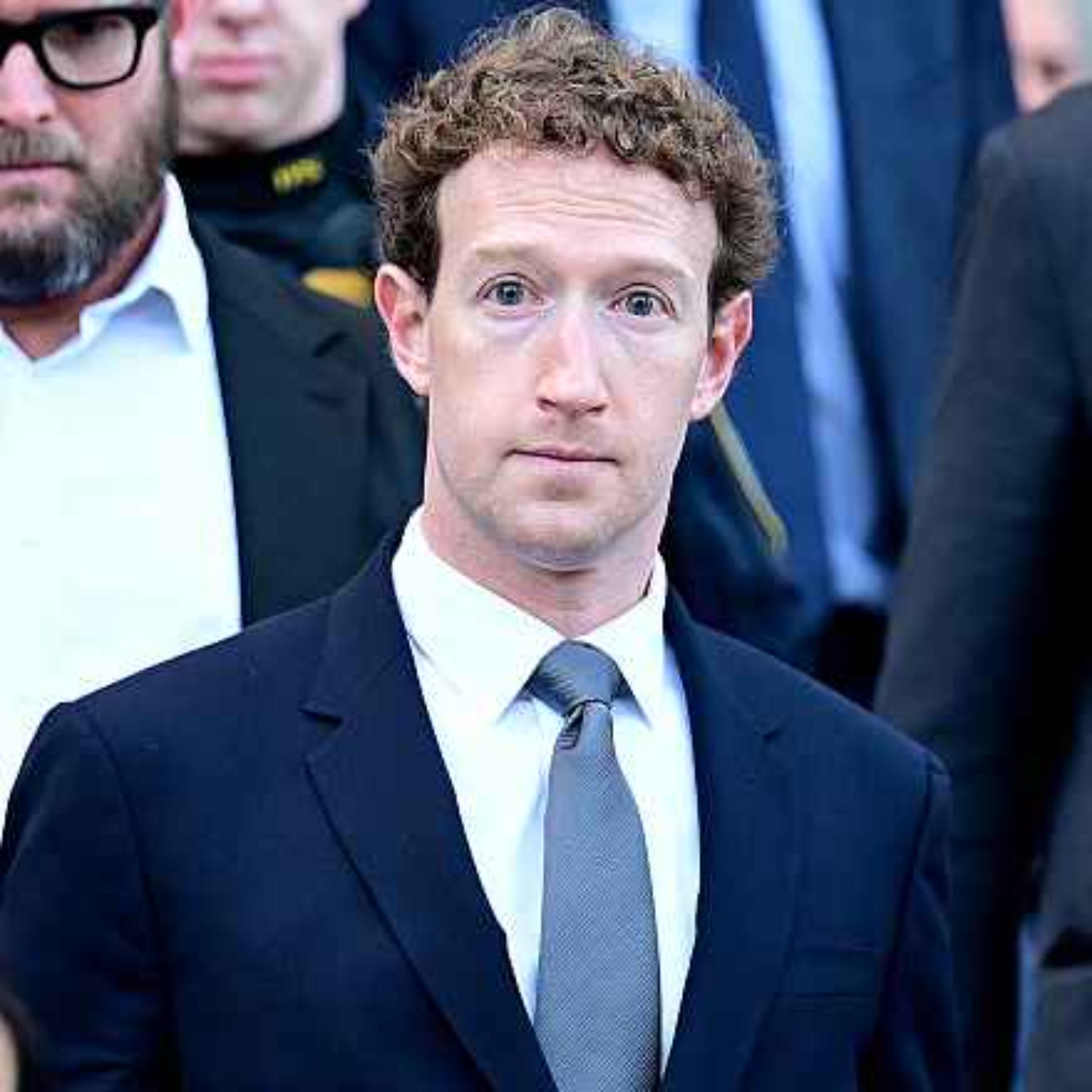
Meta is on trial again in California over child safety.
Various US states have clubbed together in a lawsuit against the social media company that could make it liable to pay hundreds of billions of dollars and significantly change how its platforms operate. Danny Fortson has been on the ground in Oakland.
Back in the UK, Katie Prescott has been looking into why ‘gardening leave’ is stifling UK tech. She explains why some tech bosses are being forced to take up to three years off work and the impact it’s having on the AI race.
And as Anthropic rushes towards the world’s most valuable IPO, Danny explains why its new share structure – which grants super-voting power to its seven founders – is raising eyebrows.
Plus, Chinese robotics giant Unitree has gone public and released a terrifying new ‘Superman’ robot that can run faster than Usain Bolt and jump two metres into the air.
Read more: Big Tech’s $1trn court case beckons over social media harm
Get in touch: [email protected]
Producer: Marnie Duke
Executive Producer: Priyanka Deladia
Video Producer: Bronwen Latham
Image: Getty
Hosted on Acast. See acast.com/privacy for more information.