In short
Podcast Notes: To Be A Boy - Episode: Fatherhood Is Not a Side Quest
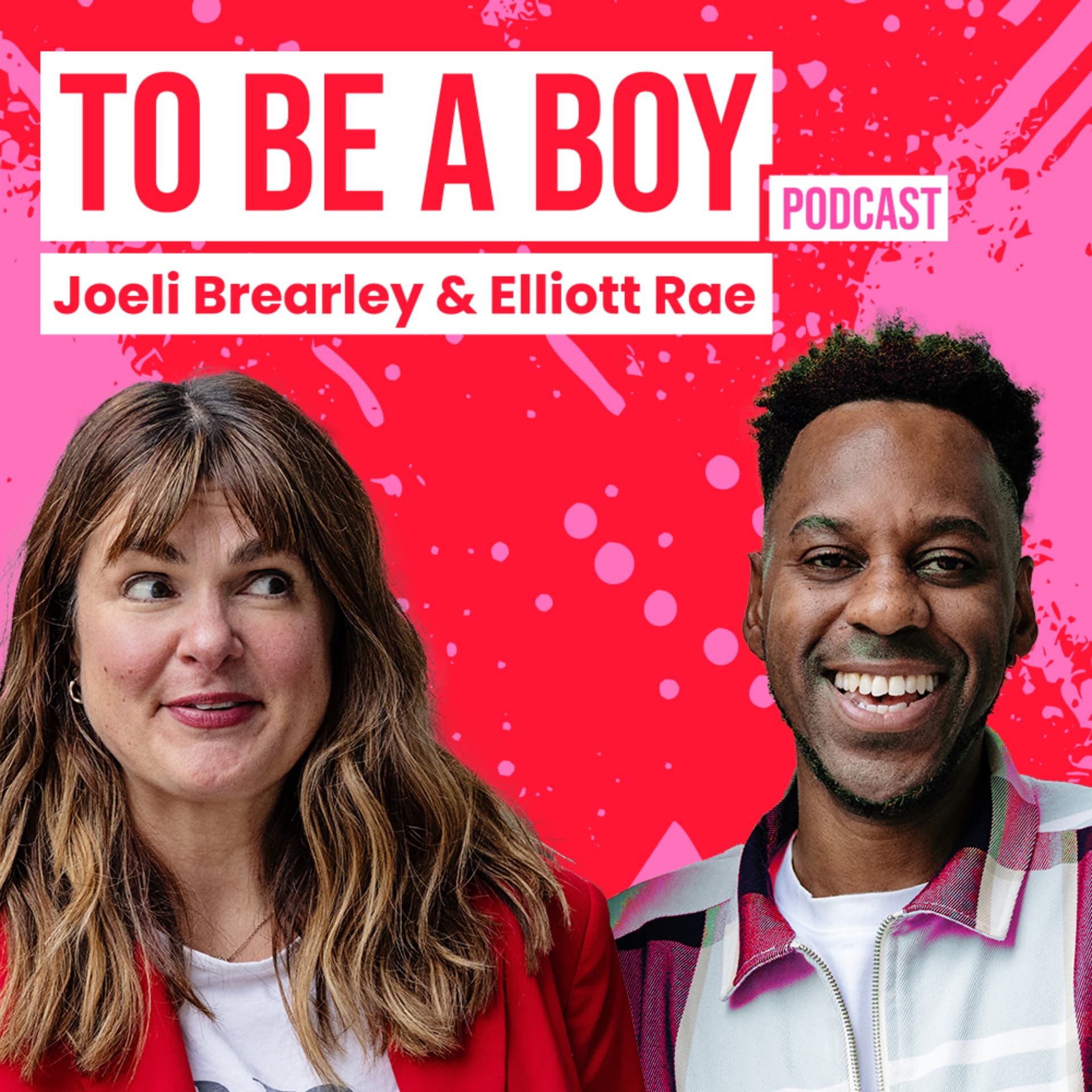
Episode Overview In this episode of *To Be A Boy*, hosts Joeli Brearley and Elliott Rae welcome Dr. Anna Machin, an evolutionary anthropologist, to discuss the complexities of fatherhood. They delve into how fatherhood impacts men's biology, psychology, and social roles, emphasizing the importance of fathers in the lives of boys and the broader societal implications.
Key Themes & Discussions
Biological Changes in Fatherhood
- Hormonal Shifts:
- Testosterone: Men experience a drop in testosterone (up to one-third) when they become fathers, facilitating bonding and care.
- Oxytocin: Increased levels of oxytocin promote nurturing behaviors.
- Prolactin: Similar to women, fathers also experience increases in prolactin, enhancing caregiving motivations.
- Brain Changes:
- Fathers undergo significant brain rewiring that enhances empathy, problem-solving, and risk detection.
- Increased gray and white matter in areas related to attachment, empathy, and parenting skills.
Social Constructs of Fatherhood
- Cultural narratives often portray fathers as secondary or less capable caregivers, which contradicts the biological evidence of their nurturing instincts.
- The perception of fatherhood as a "side quest" diminishes the critical role fathers play in child development and emotional support.
Importance of Fatherhood
- Fatherlessness:
- Boys raised without fathers (biological or social) are at a higher risk for issues like juvenile delinquency, addiction, and poor educational outcomes.
- Fathers provide unique contributions to resilience and emotional regulation in children.
- Role of Social Fathers:
- Encourages the idea of "social fathers"—male figures who can positively influence children’s development even if they are not biological parents.
- Examples include coaches, mentors, and community leaders.
Paternity Leave and Policies
- The UK has one of the lowest paternity leave rates in Europe, which negatively impacts father involvement and child development.
- Advocates for policies that allow fathers more time to bond with their newborns, suggesting at least six months of leave for optimal child development.
The Crisis of Youth Clubs
- The decline of youth clubs limits opportunities for boys to engage with positive male role models.
- Youth clubs are essential for providing support, guidance, and a safe environment for boys, helping them develop critical social skills.
Rough-and-Tumble Play
- Described as vital for bonding between fathers and sons, rough-and-tumble play promotes physical interaction and teaches social dynamics, empathy, and emotional regulation.
Emotional Development and Attachment
- Fathers are shown to influence children's ability to navigate social relationships and emotional challenges.
- Boys, in particular, may struggle with concepts of masculinity and positive role models in the absence of father figures.
Key Takeaways
- Fatherhood is biologically and evolutionarily significant: Both fathers and mothers are instinctively equipped for parenting; the stereotype of fathers as inept caregivers is unfounded.
- Policies need reform: Better paternity leave is crucial for child development and the well-being of families.
- Father figures are essential: Social fathers can mitigate the effects of fatherlessness and provide valuable guidance to boys.
- Community and support networks: Youth clubs and community programs are vital for fostering healthy relationships and emotional growth in boys.
Closing Thoughts The episode illustrates the profound impact fathers have on their children’s development and the necessity of recognizing and supporting fatherhood as a central aspect of family life and societal health.
Sponsors
- This episode is supported by Koru Kids, a childcare marketplace that connects families with trusted part-time nannies to help ease the demands of parenting.
---
These notes provide a comprehensive summary and key insights from the *To Be A Boy* podcast episode featuring Dr. Anna Machin, offering valuable perspectives on the importance of fatherhood in contemporary society.
Written by AI. May contain mistakes. Listen to the episode to check what was said.
Chapters
Tap a time to open that second in VOFatherhood as an Evolved Role
2:16 to 2:51
Explore how fatherhood is an evolved role critical for child survival.
“was about the cultural narrative that casts men as these sort of hapless sidekick parents who can't use a washing machine and, you know, fumble around and just have to be told what to do.”
Brain Changes in Fathers
2:51 to 4:05
Learn about the significant brain changes fathers undergo after becoming parents.
“It's not like a role we've all decided we were going to have in a society.”
The Role of Hormones in Fatherhood
4:05 to 5:59
Understand the impact of hormonal changes on fathers' parenting abilities.
“And hormonally, it's a really fascinating mix.”
The Importance of Father Involvement
6:01 to 8:34
Discuss the necessity of fathers' presence and involvement in early child development.
Consequences of Overlooking Fathers
8:34 to 10:29
Examine the societal and policy-based neglect of fathers in parenting research.
“So we can see from that that it is harmful not giving fathers access to their children in those early days, you know, taking them away and forcing them back into this breadwinning role very early on.”
Negative Outcomes for Fatherless Children
10:29 to 12:01
Discover the risks faced by children raised without father figures.
“Don't you dare ask flexible working, any of that sort of thing.”
The Impact of Fathers on Masculinity
12:01 to 14:03
Explore how fathers influence positive masculinity and healthy communication.
“Could you elaborate a bit further on what the output, the output being quite scary, could look like?”
The Importance of Fathers in Child Development
14:03 to 17:26
Explore the critical role fathers play in child development and the societal implications of father absence.
“So we really need those fathers to be involved in those children's lives because they do bring this very special developmental input.”
Social Fathers and Community Support
17:27 to 20:26
Understanding the concept of social fathers and how community involvement can support children.
The Need for Youth Clubs and Community Spaces
22:31 to 24:56
Discussing the critical need for youth clubs as safe spaces for children in the community.
Show all 22 chapters
Fathers and the Role of Risk in Parenting
24:57 to 28:00
Examining the different approaches of mothers and fathers in shaping children's resilience.
“is that whole idea of community and village.”
The Importance of Rough and Tumble Play
28:00 to 30:34
Learn how rough and tumble play is crucial for bonding and child development.
“It's just the way they like to interact with their kids.”
Navigating Teenage Attachment Changes
30:34 to 34:08
Discover how teenage years shift children's primary attachments from parents to peers.
“And does the hormone that's released from touch, does that ever reduce or change?”
The Role of Fathers in Female Development
34:08 to 36:14
Understand how fathers influence daughters' social skills during puberty.
“as your friend said, preparing them for the world and saying, actually, this is how you're going to navigate this.”
Exploring the Complex Nature of Love
36:14 to 39:38
Examine the biological and sociocultural factors that shape our understanding of love.
“And that's why it's very difficult to answer the question, what is love?”
The Capacity to Love: Genetics and Beyond
39:38 to 42:01
Learn about the genetic and psychological aspects that influence our ability to love.
“And actually, when you adopt, it is biological love because the same way that men, when they interact with their children, develop, you know, get the brain changes and hormone changes, adoptive parents do.”
Understanding Love and Its Influences
42:01 to 43:38
Explore how genetic influences and attachment styles shape our capacity to love.
Maintaining Connection in Busy Lives
43:39 to 45:21
Learn strategies for couples to keep love alive amidst the demands of daily life.
“So it doesn't have to be like you have to have a date night or anything.”
Gender Differences in Love Expression
45:22 to 47:19
Discover how societal norms shape the way boys and girls express love as they grow.
“I think they do this unmarried at first sight.”
The Role of Fathers in Modeling Love
47:20 to 50:28
Understand how involved fathers can teach boys about love and healthy relationships.
“And is that cultural pressure that is applied to boys, do you think, is that, does that influence why men are more likely to cheat than women?”
Neurodiversity and Its Impact on Love
50:29 to 53:05
Learn how neurodiversity affects relationship dynamics and emotional experiences.
“yeah exactly or a podcast um you know it's really important that they see it as a as a lived thing I just have one more question.”
Dr. Anna Machin's Current Work and Insights
53:06 to 54:10
Gain insights into Dr. Machin's ongoing projects and her views on fatherhood.
“And we've kind of come on quite a lot since then in terms of our knowledge of fathers, particularly in relation to things like their different inputs for daughters and sons, for example.”
Transcript
Automatic transcript. May contain errors.0:00This episode is brought to you by Peloton. Break through the busiest time of year with the brand new Peloton Cross Training Tread Plus. Powered by Peloton IQ. With real-time guidance and endless ways to move, you can personalize your workouts and train with confidence. Helping you reach your goals in less time. Let yourself run, lift, sculpt, push, and go. Explore the new Peloton Cross Training Tread Plus at OnePeloton.com.
0:27Elliott:Spring is here and the shopping list is long. Time to make a Lowe's run. Buy three bags, get three free of stay green one cubic foot garden soil. Plus, right now members can earn four times the points on an eligible purchase. Start spring off strong with these deals and more. Our best lineup is here at Lowe's. Valid through 325. While supplies last. Soil offer excludes Alaska and Hawaii. Loyalty program subject to terms and conditions. See lowes.com slash terms for details. Subject to change. Point boosters subject to exclusions and more terms apply. One time only offer.
1:00Elliott:Hello and welcome to To Be A Boy with me, Jo Librealy. And me, Elliot Ray. Today's guest is Dr. Anna Machen, an evolutionary anthropologist and one of the world's leading experts on the psychology and biology of fatherhood. Anna's research explores how becoming a father changes men's brains, hormones, behaviour and relationships and why fathers matter so profoundly, not just for children but for parents and society as a whole. She's the author of The Life of Dad and has spent years translating academic research into practical insights that challenge deeply embedded stereotypes about men and care.
1:41Elliott:Through her work, Anna has become a powerful voice for rethinking fatherhood, not just as a peripheral role, but as a central and transformative human experience. Dr. Anna Machen, welcome to the podcast. Thank you so much. That was such a lovely introduction. Thank you. I am so excited about speaking to you. I wrote about your work in my book, which was published in 2020. So I have been admiring you from afar all that time. Now I get to ask you questions. So it's a very exciting moment for me. So my first question, which is what I really researched about you when doing my book, was about the cultural narrative that casts men as these sort of hapless sidekick parents who can't use a washing machine and, you know, fumble around and just have to be told what to do.
2:34Elliott:And your research shows that both men and women are biologically primed to parent and to care for children. Can you explain to us what the science actually tells us? Absolutely, yes. So contrary to popular belief, fatherhood's not a social construct. It's not like a role we've all decided we were going to have in a society. It's an evolved role like motherhood. And it evolved because it was critical to the survival of children. And to enable men to be as good as possible at this, evolution selected for a series of brain and hormone changes, which, yeah, prime them to be good parents. So the brain changes they go through are actually very similar to those that women undergo when they first have a child.
3:15And like women, they occur after pregnancy and they're a result of interacting with the baby. And they are there really to promote the areas of the brain which you need for parenting. So we see increases in gray and white matter in the core of the brain, the really ancient bit of the brain, which is where sort of nurturing and attachment and risk detection are. And then in the outer areas of the brain, we see increases in gray and white matter related to empathy, which is obviously critical if you're going to be a parent and understand your child's needs and be able to meet them. But also we see it in those really key skills like planning and problem solving and attending and all the things you need to sort of just on a daily basis, deal with the endless hurdles that are thrown in your way as a parent and the fact that you need to plan for at least two hours to get out the front door and all those sorts of things.
4:00It's there to prime the man to be able to do that as well as the woman. And hormonally, it's a really fascinating mix. actually. The biggest change is men experience a drop in testosterone when they become a father for the first time. And that could be up to a third of their testosterone, which I know for some men is a bit challenging, but it really does have to occur. And it occurs in actually a lot of reptiles and mammals and birds that have investing fathers because testosterone is really good if you want to find a mate. It makes you competitive, it makes you attractive, but it's not great if we need you to focus in and invest in your family.
4:35And so it disappears for that reason. And the other benefit of that, and this is what I say to men who panic a little bit, is that really high testosterone blocks the efficacy of dopamine and oxytocin. So people with very high testosterone, their dopamine and oxytocin doesn't really have as much of an impact on them, particularly in bonding. And obviously bonding's key. And so by dropping that testosterone, we're really releasing the potential of the oxytocin and dopamine, meaning that the man can form a really tight bond with his new baby. So that change is absolutely critical. We also see increases in oxytocin, which everybody knows of as sort of a bonding hormone.
5:09We see increases in dopamine, which is attached to motivation. So the motivation to care. We see increases in a hormone known as prolactin. And prolactin is seen in women. It's a parenting hormone. It sort of motivates you to care, underpins your caring behaviors. But we also see an increase in fathers promoting those areas as well. You know, we see a whole gamut of hormonal changes and they are all there to prime that man to be a good parent just alongside a mum. And one of the one of the cultural tropes we hear is that mothers are instinctive parents and fathers have to learn. It couldn't be further from the truth.
5:44Both parents are equally primed to be good at this in an instinctive way. But as anyone who's ever become a parent knows, there's also for both mum and dad a huge amount to learn as well.
5:55Elliott:and that has to those hormones change and those brain changes happen do they after pregnancy so once the baby arrives is it about being deeply involved in caring so they have to spend quality time with the child yeah so it's very much to do with interaction and particularly the brain changes there is a really a direct relationship between how involved you are and the extent of those brain changes so the more you get involved yourself in caring and nurturing and all those behaviors the greater those brain changes will be because the brain is plastic and it's responding to that input that behavioral input and yeah the hormone change is the same all the changes that happen in men happen following birth and with interaction with the child you don't have to cohabit with the child and we need to stress that strongly because there are many cultures in fact where fathers and mothers don't cohabit but we still see these changes it's all based on interaction so there is so many positives with enabling men to spend time with their children in those early days because as you've articulated through the hormones it means that you it means marriages is surely more likely to last longer it means that children have two parents rather than one parent who's really stressed out of their minds and so it gives them access to you know more adults and more care there are so many positives that are coming off the back of this why do you think then fatherhood has been so overlooked in science and policy compared to motherhood I think because there are several reasons for a long time we did sort of and it's partly an economic and social reason you know because women were the ones who take off most of the time particularly you know decades ago or always took the time off to raise the child you know we had a situation where you know some decades ago you know once you had a baby you didn't go back to work and therefore the focus was always on what's happening to mothers how do we support mothers and we had this very strong idea from the Victorian period that fathers were there for two reasons they were there to earn the money and they were there to discipline and that's a very strong cultural reason and because of that really nobody was particularly interested in what was happening and certainly from our idea of what masculinity was it's not masculine to nurture and it's not masculine to care so we're not going to promote those ideas for men doing that and we're not going to research what happens to them when they do it's a very western-centric view there are many cultures in the world where that's never been the position.
8:14And certainly men did not evolve to breadwin. That's a cultural imposition we play. That is a social construct. So it's very much down to social ideas about fatherhood, ideas about the economics, the politics of where women should be. And it's led to this idea that fathers aren't important and that really nothing occurs to them at all when they become a father.
8:36Elliott:So we can see from that that it is harmful not giving fathers access to their children in those early days, you know, taking them away and forcing them back into this breadwinning role very early on. We have the worst paternity benefit in Europe, as you well know, two weeks percentily for£182 a week and one in four. Dads don't even take those two weeks off because they can't afford it. The damage that that policy is doing to children and to fathers must be huge. How do you feel about that policy? It absolutely is. No, I mean, it's outrageous. You know, obviously, we're currently campaigning for six weeks.
9:18Ideally, someone asked me the other day, what would you want to see? And I would like to see at least six months, if not a year, to be honest, from a child development point of view. But, you know, OK, we'll go for six weeks to start with, you know, trying to achieve what we can. But no, it's absolutely critical. It's critical for the father because, you know, It's very obvious when a woman becomes a mother. It's an unbelievably physiological and physical process. The pregnancy, the childbirth, it's very obvious something has changed for her and that she needs that time off to process that partly as well as care for her baby.
9:49With men, actually something very similar is going on, but because we don't have that amazingly obvious physiological process, it looks like it's not. So we throw men back into work when they've actually experienced what is arguably the biggest transition a man can undergo, psychologically and biologically. And we do that with no support and no recognition. So first of all, that's not good for him. We are currently living in a world where men have this constant tension between wanting to be involved fathers. They've now been told that's the ideal. And obviously, I'm partly to blame for that, probably with the evidence I've shown.
10:20But, you know, that's the ideal. But then we've got a work culture that hasn't changed. You've still got to come back to work. We might mention your baby once when you would come back. And then we're not going to mention it again. Don't you dare ask flexible working, any of that sort of thing. That shows a lack of ambition. It's not masculine. So they've got this, actually, we're at a really critical point, I think, for men's mental health after having children because they've got this horrible tension. And what happens quite often, actually, is they burn out because they're trying to achieve both things.
10:47And there literally is not the capacity to do that. So it's really important that we give them that space and time. It's important for the child, because from a developmental point of view, even though babies don't do a huge amount in those first few weeks, and particularly if mum's breastfeeding, they're very mum focused. dad is inputting into child development from the moment he holds that baby it's absolutely critical and as you said earlier you know children actually benefit from all those different inputs if you just even put them with one person they're not getting the full developmental environment so we need that other input and for mum herself you know having a baby is a massive thing you know particularly for fad and cesarean i hear such awful stories from men who feel such guilt and such trauma from leaving their wives or their partners at home after two weeks when they've had a very traumatic birth or they're ill or they've had a cesarean.
11:37You know, we need, the father needs to be there to support the mum as well. So there are so many arguments and, you know, particularly the child development argument is so powerful. We now know that fathers have an independent, unique role in child development. It's not as an add-on to mum, it's unique. And if a child doesn't get that input, we are now also finding that the outcomes of not having that input are really quite scary. So it's really important that we give men the space to be fathers, essentially.
12:06Elliott:Could you elaborate a bit further on what the output, the output being quite scary, could look like? Yeah, so there's been a couple of really, quite a few big studies recently on looking at children who have been raised without a father in their life, whether it be their biological father or another father figure. And the outcomes are, you know, increased risk of, particularly if you're a boy, unfortunately, increased risk of being involved in the criminal justice system, increased risk of antisocial behavior for both boys and girls, increased risk of poor educational attainment, increased risk of addiction, increased risk of risky sexual behavior, particularly if you're a girl.
12:42so there are lots and lots of outcomes that that are negative for children coming from this and you know those all stem from the unique role fathers have and the uni they they underpin two particular areas of child development they underpin the building of resilience and that ultimately leads to mental health and they underpin what we call they scaffold the child's entry into the world beyond the family so what that means is they are really there to underpin all those behaviors which make you a good social operator socially acceptable they also for example underpin at school appropriate learning behavior you know understanding that you know you listen respectfully you debate respectfully you you know respect other people's opinions you engage you attend all those sorts of things those are underpinned by fathers so we can see this trajectory that where children don't get that that appropriate father input we can see where those outcomes come from yeah essentially yeah and you know we're also seeing now particularly with boys particularly around the whole horrendous term toxic masculinity which i think is just the worst term ever that we're seeing that you know boys who don't grow up with that father figure do struggle with ideas of what is a positive masculinity and being you know being a boy is a really positive there are so many positive masculine attributes but there is a void there which is not being filled unfortunately by father figures it's being filled by unfortunately the manosphere and that's why they're struggling because they don't know how to be in this world that's partly told them they're toxic.
14:07So we really need those fathers to be involved in those children's lives because they do bring this very special developmental input. Yeah, I definitely relate to that. I think when I think about my own childhood and just how much I didn't understand I was learning from my dad, even in just terms of how to be a husband and how to communicate in a healthy way. And there's so much I did and do continue to take from him. why do you think that this part of the fatherhood conversation has been quite niche like I think the conversation around the importance of dads and the impact of dads on children has been a little bit sidelined and has been a niche conversation we've been scared to have the conversation why do you think that is the case I think it's partly because I think people see it kind of a little bit like a zero-sum game so if we're talking about fathers we're taking something away from mothers partly and that's not what we're doing and I think it's also we are very sensitive and I am very sensitive to those families which don't have a father involved single mother families because this is not about denigrating single mothers and saying you're not doing a good job you're failing your children that's not what it's saying what it's actually saying is and that's the work we're trying to do now moving forward is actually your child needs this input and actually why the hell as a mother should you have to do everything we need to provide these families with people who might already be in their circle who can be social fathers so a social father is someone who's not involved in conception but kind of steps up and does the job and social fathers are a real phenomenon outside the west it's just they haven't come through our door particularly and that's what we're trying to encourage is is to actually raise awareness of the fact that a father can be a social father kids just need that model in their lives or you know we don't really talk about social mothers because to be honest we don't have much of an issue with motherlessness but we do have an issue with fatherlessness but the other way around if a child hasn't got a mother in their life they need a social mother children evolve to have the input of both of those roles um and i'm not interested in whether they're married it's the nuclear family i'm not interested in your sexuality i couldn't give a you know i'm not bothered about any of that you just have to have these two roles in your children's lives but i do think it's partly because of a sensitivity around yeah not saying that the single mothers can't do it because that's not what we're saying they're trying you know absolutely working their hardest it's in a relentless role to have but in a way we're actually saying let's try and ease that a little bit because having the whole responsibility for the development of your children on your shoulders is massive and actually if we can find social fathers to help which are acceptable within that family then we should really facilitate that yeah and i think i think you've articulated it very well then and it's to say that you know you can be a single mom and still raise a healthy boy it helps to have a dad and social dad around of course that adds value and i think a lot of mums recognize that too like lads need dads obviously you know sonia yeah and she has an organization that matches young boys with father figures and she says a lot of the people that come to her are solo parents single mums who will say actually my my son really needs a male role model in their life and that will be her main customer is that is the mum absolutely absolutely absolutely and that all comes from the fact that you know I mean I was talking to someone this morning and I said you know the last part the last time someone I mean I'm an evolutionary scientist so this is obviously about evolution but the last time a human child was raised by one person alone was 1.8 million years ago you know human children are not evolved to be raised by one person partly because it's really hard to do because human children are ruddy hard work but we have to acknowledge the fact that they need all these different inputs they just do and it's not a political statement it's a biological fact and and if we can facilitate that then we need to do that
17:57Elliott:and they the idea of social fathers because I know that many single mothers listening to this will think I just don't have that many men in my life I I have sisters or you know I I was also raised by a single mom and I I know of somebody in particular I'm thinking of that has three boys she says she doesn't have any access to any men in her life they're certainly not part of her family she doesn't have many male friends how involved do these social fathers need to be can you get that from things like football clubs or sports yes you absolutely can so a social father doesn't have to be someone who's in inputting a huge number of hours and it certainly doesn't have to be a family member or even a friend and what's quite often a good idea is ask the kid yeah who are the men in your life who you look up to who you rely on who you think are trustworthy whatever it might be because actually if you ask a child you know who are the good men in your life quite often they will say something like I really like my football coach or I like my history teacher or it doesn't have to be somebody who does takes on a massive role it can be a group of men it can be you know a child gets different things from different men so it's not about having someone there for hours and hours and hours but it's just somebody who that child can trust can feel comfortable with and can take life's learnings from essentially so I actually think it's quite often sometimes important to ask the kid who those men are yeah um and this is why it's so important that we change the care system right and we change um sectors that are dominated by women like childcare like education the fact that the vast majority of teachers are women in primary I think it's one in three primary schools don't have a single male teacher yeah and uh secondary schools are predominantly women teaching as well um and so that again that reduces boys access to men to absolutely safe good men in their lives and that has obviously you know continues that negative impact.
20:06It really does. And the point is, is that, and that's why organisations like Sonia's exist and why, you know, for us at the Centre for Policy Research and to Men and Boys, one of our major campaigns going forward is to address this and try and, first of all, raise the profile of social fathers, such as football coaches, whatever it might be, but also try and put in place programmes where we can, if that's not possible, as you say, if there is a single mother who really cannot identify anybody than about trying to facilitate that as Sonia does but on a wider scale because it's absolutely critical it's not a nice to have actually it's actually critical today's podcast episode is sponsored by Kauru Kids when my kids were younger I never considered
20:54Elliott:getting a nanny it just seemed like something posh people do something completely out of reach certainly for me but times have really changed and with nurseries child minders and wraparound care costs can really mount and just imagine imagine the peace of mind of having one person who your kids love who you can rely on implicitly to look after your child in your home someone who can handle school pickups help with homework sort dinner and help the kids wind down so you can finish your work guilt-free and come home to peace and serenity and be totally present with your kids. If I was to have another baby, which, you know, I definitely won't be because I bought a dog instead, I would be considering nannies as an option.
21:43Elliott:The flexibility, the simplicity, having one person you can fully trust. I hear you shout out to the dog parents, me included i need that in my life now koru kids has full and part-time nannies that can work when your family actually needs them their nannies are vetted and trained and they work all across the uk so they will be where you are at so why not have a look at their website korukids.co.uk it is free to search and you can see what the cost difference is and whether it's a good fit for you the korukids.co.uk that's k-o-r-u kids.co.uk
22:30Elliott:I've got a beef in my bonnet at the moment about youth clubs because they're just you just can't get a youth around where I live and I've talked about this previously but we have gangs around here we have kids that are my kids don't go out because of some of the kids that are outside and they need places to go these kids need somewhere to go where they can hang out they can have fun and they can access a safe adult that they can have conversations with and it just does not exist around here at all and it seems to me that for parents who are really struggling and they haven't got the time to take their kids to football clubs they haven't got the time to take them to places where they may have access to other adults that youth clubs are the vital net that catches those kids at the bottom and they're just gone no absolutely absolutely and you know all the funding's been cut there's no money out there for them but you know they are the perfect environment yeah in 2011 so children in 2011 when the London riots kicked off um for I was a doing some youth work at the time and part-time I was in the civil service but part-time I was doing music workshops with young people in northwest London and my friend actually worked in Tottenham where the riot started so he was doing it full-time and every day after school he'd see about 40 kids would come from school into his studio and he would do workshops with them and sessions with them and obviously the coalition government came in 2010 cut all the funding literally overnight it shut down and then when the riot started happening for people who were close to it we could see this this was inevitable because part of it was in response to the young man that got killed but also the angst of those young people with nothing to do because they would have been at a facilitated session and now they're just hanging around outside and when you hang around outside you know bad things happen and so all the politicians all the media was so surprised why is this happening why is this happening and i was like look you're taking away the thing that they were doing these are from lower income families they haven't got any money their parents can't afford for them to do other stuff this was a free resource a really important resource with an older guy who was like them who they could talk to who was like a big brother father figure you're taking that away you're taking away that activity the community the meeting other boys from other estates you've taken that away and look what happens so i know that's an extreme part that's an extreme obviously response.
24:57No, but what you're describing there is that whole idea of community and village. Again, you know, human children are evolved to be raised within a community, within a village. And in the way our modern world works now, it's quite hard to access that unless you have something like the youth club where you can meet, you know, elder members of the community. You can meet other, you know, your peers, et cetera, et cetera. And we've literally taken away in our modern world, in a way, the whole support system that children need. to have a good developmental outcome. And that's why they are struggling is because we've just taken it away.
25:32I mean, I think it's devastating
25:33Elliott:and it makes me quite angry. So I'm not going to talk about it too much. This is a safe space, Jared. You can get angry on this podcast. That's what we're here for. Going back to single parents. A friend of mine once said years and years ago that she felt like mothers try to change the world to fit the child and fathers try and change the child to fit the world. What do you think of that? Because when she said it, I was like, that's really interesting. It's interesting. And I suppose to a certain extent, she has got that right because it kind of underpins the two entirely different ways that mums and dads build their attachments.
26:12So mums build their attachments to their children based on nurture. And it is a very exclusive thing. It's a very protective attachment. So in a way, yeah, if the world's being nasty as a mum, you're going to change the world. You're going to protect your child and you're going to fight off the world, essentially. That's how the attachment works. Whereas if fathers, nurturing is the basis of that attachment, but they have this added bit of stimulation. And that stimulation is all about actually teaching the child to confront risk and challenge and all that. So actually fathers are much more likely to go, well, that's the world.
26:43You're going to have to deal with it and you're going to have to learn to deal with it. And that's kind of what dads bring. And that's why they are more the ones that underpin resilience in a way than mums do. I mean, mums do absolutely input into resilience, but fathers, because of the way they have this added stimulation or challenging element, in a way are saying to their kids, sorry, guys, you're going to have to fit into the world. And if that's tough, you're going to have to toughen up. So I can see actually she is right, actually, in some ways. She said that to me about 10 years ago.
27:11Elliott:I'm going to tell her that you said she's right. And there's something, tell us a bit about Roof and Tumble as well, because I find this really fascinating in your research that, I mean, I, I've got two boys and my God, they're fighting and they're like, you know, their dad will do that with them. He'll get one all fours and then they just basically punch him, which is great. But they don't do that with me. They cuddle me. And if they dare try, I'm always like, no, that's not what I do. I'm not here. There is something that happens in that process of rough and tumble, isn't there, between boys?
27:46Yeah, it's just the best behavior that I think a man and a child can have together. I mean, I will say not all fathers like doing it. That's absolutely fine. But we do see the vast majority of men doing it. And it's just instinctive. It's not necessarily anything they've particularly learned to do. It's just the way they like to interact with their kids. And it's absolutely critical for two reasons. First of all, it's a really good bonding behavior. So dads are on a little bit of the back foot in terms of bonding because, you know, pregnancy and childbirth are a whole tsunami of bonding hormones and so that does mean mum has a bit of a head start dads have to build their bonds with their children following birth through interaction and that is actually quite hard initially because babies don't do very much yeah so but once you can start doing the rough and tumble bit or the just even the gentle playing interacting play that's when dads can really start to build that bond properly and rough and tumble is great because it's so fast and so extreme it like ramps up the amount of bonding hormones that release because it involves touch touch is the best release of bonding hormones there is that endorphins and and oxytocin because it can be a little bit painful you know it can be a little bit painful i'm sure your husband's probably smarting a little bit that releases beta endorphin which is the which is basically the mega hormone that underpins bonding so because of its actual physical nature it's like a really fast track way of bonding with a kid but it's also developmentally really important because it starts to help them learn how social relationships work which is one of the key jobs a dad has because it's reciprocal play is not fun if it's not reciprocal if there's only one person you know punching somebody that's not play that's a fight so you know the fact it has to get back and forth so you're trying to turn about balanced reciprocity really important you're starting to learn about empathy because you need to understand that the other person is still enjoying themselves you need to understand if you've gone too far and it's no longer fun for the other person that's about empathy and reading somebody else's needs so it's really really important it helps you understand emotional regulation so that you don't become too extreme and too hysterical all of these things are really important for social interaction so it's like this double whammy activity really really fast hard bonding but also it's really starting to give that developmental input that dads give so when fathers come up to me like after talks and say you know I've just had a baby what's the one thing I can do that's really you think is really important I will say you know the one thing is really important is play and if you can rough and tumble play even better because it's just such an important activity and I think in the past until we've got this really big body of evidence now it's kind of one of the reasons why dad got the label of fun dad you know oh god you're the fun parent and mum's got to do all the caretaking because dads instinctively do it but actually from a developmental point of view it's actually a really critical behavior.
30:35Elliott:Yeah, so fascinating. And does the hormone that's released from touch, does that ever reduce or change? I ask this because last night I went to give my 12-year-old a hug. Yeah. And he was getting into bed and I went to give him a hug and he went, boundaries, mum. Do you know what that's about? That's actually, he's shifting his primary attachment. I'm so sorry. He's coming into teenagehood. And when they become teenagers, children shift their primary attachments from their parents to their peers. And I'm afraid he's starting. That is devastating. So is he going to hug his friends? He might become more tactile with his friends, but in terms of who are his secure base and who he will take most of his advice from going forward, for the next little period, it's going to be his friends, not you.
31:29but it's a really important developmental stage because they have to start to detach from you to become independent autonomous things.
31:36Elliott:Really, Anna? Yes, I'm afraid so. It has to happen so that they become fully-fledged little adult humans. What age does that normally start? And is it the same for boys and girls? I've got a 10-year-old and a 3-year-old and I feel like my 10-year-old is going in that direction very, very soon. Do you know what? It's partly individual. It depends partly a little bit on the... So it's not really along sex lines. It's more along individual sort of personality lines. Kids are different. Like, you know, I've now got an 18-year-old. I mean, she hasn't wanted a hug. Well, she only wants a hug when she's really upset, but, you know, for years and years, whereas actually my 16-year-old is still reasonably huggy.
32:12So it's partly an individual difference. Some kids are just, yeah, more huggy than others, and some will detach earlier than others.
32:20Elliott:And as they get older and they start to detach from you, is there any research or evidence that you know of that boys will listen more to men than to women as they get older? To be honest, the teenage years tend to be more underpinned by fathers than mothers anyway, regardless of whether you're a boy or a girl. There's been a really fascinating... I just read someone's PhD, which is brilliant, and she was looking at which parent helped teenage girls navigate the social complexities of secondary school with other teenage girls, which, you know, you've been a teenage girl, it's horrendous. And she did this amazing study, And it was actually, it was the nature of the attachment to the father and the input of the father that was more predictive of how well she did that than the one with the mother.
33:05And the reason again for that is because those relationships are obviously based in sociality. They're based, you have to be a pretty resilient individual to deal with some female to female teenage relationships. And it's because dad has underpinned that developmental bit. He is the one who's more likely to help her navigate that bit. so fathers do there's two key moments in a child's sort of life history where fathers are really prominent the first is when they first enter preschool and that's because that's the first real proper proper step away from your family and you're becoming a little independent being you know mum and dad aren't going to be with you at preschool you're on your own you've got to start navigating this this social world and again it's the attachment to dad that predicts more powerfully how well a child can do that.
33:49And then it's also at teenagehood when they are starting to really, really detach and become independent. It's actually dad who is going to underpin really how well they do that. So I'm afraid probably one of the reasons where kids listen slightly more to dads than mums is because that is the parent who's actually in a way, as your friend said, preparing them for the world and saying, actually, this is how you're going to navigate this.
Read the full transcript
34:14Elliott:Yeah. So essentially they are giving them better advice. in one sense yeah they are giving that you know because mums we you have a natural tendency and this is in the research to just go okay come here yeah come here wrap you in a blanket let's protect you you know i do it my husband's always saying to me you know for christ's sake you know she's 18 and we have a natural and that's that's the basis that's how we've evolved to be we have evolved to be these really nurturing protective of this very exclusive relationship whereas dads are more like to go, okay, you know, I do really love you. I'm absolutely here if it goes really badly wrong, but you're going to have to deal with this on your own and I'm not going to solve the problem for you.
34:53Have you had much work around dads with girls who are going through puberty? So this is a very selfish question for myself. I haven't done a huge amount. Help me, please. It's not really my area. I haven't done a huge amount in terms of girls and puberty, no. What we do learn from fathers of girls is that fathers of girls are much more aware of things like equality and things like that than fathers of boys are. Girls are very good at teaching fathers about equality. But no, I'm afraid it's not really that much of a specialist area. I mean, I think as somebody who has two daughters and from my personal experience, you know, I think it's important as a father to be as open with that as possible with a girl.
35:33So it's not something a girl should be ashamed of. And it's something that a father should support as much as a mother does. But I think that's also a lesson going forward, you know, but no, it's not really my specialist area. Sorry.
35:44Elliott:What about emotionally absent fathers? If you're living in a house and the dad is just not really there, definitely not emotionally available. Does that do more damage than them not being there at all? No, it doesn't do more damage. It kind of does. It can do a similar level of damage. they're kind of the same so because if you're emotionally absent and you're not inputting in the way we need you to in terms of secure attachments and development um you're kind of going to end up having the same outcome really unless of course you're abusive in which case it would be better that you weren't there at all um but if you're if you're just emotionally absent then yes it kind of has the same outcomes you know when we talk about fathers being involved in the same way when we talk about mothers being involved it has to be on the basis that they are emotionally available that they build secure attachments that they're empathetic you know they're child-led all these things um you know if you have a if you have an insecure attachment to either parent or you have a parent who's emotionally absent then that's going to have negative developmental consequences yeah thank you i'd like to zoom out a little bit because you also really know your stuff on love and relationship yes which is a fascinating area there um could you firstly can you describe what is love oh that's a tricky one that's what i've been studying it for 20 years oh my god yeah big question that's a really big philosophical question there what is love it's a really tricky question which is why i'm still doing it after 20 years um so love is lots of people have tried to boil love down to like a single thing like so psychology says love's attachment you know philosophy will say something else neuroscience or say something else.
37:25And actually, it's all of those things. And that's why it's very difficult to answer the question, what is love? I mean, love, we can scale it down to two particular areas, two dimensions. So human love is affected by two areas of factors. So the first is the biological area. And that is things like it's affected by your genetics, it's affected by your upbringing, it's affected by your physiology, your neural structure, all these sorts of things. And then there's a cultural or sociological dimension, because we are a biocultural species. So our behavior isn't just affected by our biology, which happens in all other species.
37:57We also is affected by our culture. And that's things like the religion you follow has ideas about what love is. You know, the politics you follow, your family, your society will have stories about love. The media you consume will affect how you define love. So actually, love is a really individual experience because it has so many different factors that feed into it. So we know, for example, if you ask the question, what is love in this country? overall you'd get a very different answer to if you ask what is love in china for example because it's very culturally prescribed yeah so it's a really tricky area to land on in the scientific arena we know a lot of things that impact love now we can understand you know a considerable number of the genes that contribute to it we know what happens in your brain we know the neurochemicals that underpin it all that kind of thing yeah but we still can't give you an absolute definition or formula for it because it's very complex for each individual but you could test
38:52Elliott:for it could you then you could scan and you could go oh yeah yeah no we can we can test for it so we can put you in a scanner and we can um you can interact with whoever you claim to be in love with and we would expect to see we would expect to see certain activations in certain areas of your brain yes we could um we could take a blood sample from you after you know and we could see whether interacting with a certain people increase your oxytocin for example to a certain extent we can do a similar thing with beta endorphin though we'd have to scan you in a different way so yes we can do things to say yes that looks like love the trouble is love is also really really subjective and so i don't and we will never know for example whether how i feel when i'm in love is how you two feel when you're in love yeah we have no way to measure that feeling yeah because the intensity on the scanner screen doesn't necessarily relate to a feeling there's always going to be a bit we don't really know and actually i'm quite pleased about that because i actually think i mean i'm not supposed to believe in magic but you know i think it's actually one of the things about love that's is special is its mystery yeah actually so i think if you completely understood it in a really cold hard scientific way in a way it would diminish what it was i guess it can be i don't know if you learn or cultivated is the right word i'm trying to think like people have arranged marriages for example and so i just met this person a week ago we get married and six years down the line might start to love you you know i think it is the same maybe an example of when children go through the foster system and adoption system and then they go to parents and And it's maybe not that biological love, but you love over time due to proximity and shared experiences and that kind of stuff.
40:45Yeah, no, love can develop. And actually, when you adopt, it is biological love because the same way that men, when they interact with their children, develop, you know, get the brain changes and hormone changes, adoptive parents do. So actually, you biologically bond to that child. It's exactly the same thing's happening, you know, and that's why we can adopt. We are the only species that we know of that adopts in a regular way because we can do that. So absolutely love can develop and love can change. You can go from platonic love to romantic love. You can oscillate backwards and forwards. And in the West, we have this idea that you have to be in love to be married.
41:21But again, that's quite a Western idea. There are many cultures where to be in love to be married actually is frowned upon. You should start with a love which is hopefully platonic. There might not even be any love there at all. There might be respect maybe. and that develops over time as you learn to to know the person to live with the person to appreciate them that kind of thing so that's what love is a really quite complicated thing and as humans actually we're really lucky because we have lots of different sorts of love you know because we have platonic love we have romantic love we have you know religious love we have you know you can love your community you can love your dog you can there's lots of different ways of having love in your life and that's actually we're quite lucky to have that
42:00Elliott:actually as a species can anyone fall in love yes some people find it easier than others some people are more predisposed to fall in love than others but ultimately everybody has the capacity to love even someone like you know as long as they're not too far down the line maybe you know a psychopath but you know but we differ in terms of our capacities in terms of how motivated we are to find love that's that's partly under genetic influence how motivated you are to actually go out there and find love how comfortable you are when you're with somebody that's partly under genetic influence that's also down to your attachment style so some people have an attachment style called dismissing avoidant which means that they don't feel particularly comfortable when they're in in relationships with other people they might be afraid of intimacy they find it you know quite aversive so they prefer to be on their own even dismissing avoidant people can experience love so there are lots of reasons why people individually might differ but ultimately we all have the same set of neurochemistry and we all have the same areas of our brain which ultimately can be activated but it might be that we have lower levels of neurochemistry which again means that we maybe don't feel love as intensely it might be unfortunately if we look at the brains of children for example who've been neglected they don't have the same neural architecture that children who've had a good upbringing have and that means they can struggle more to find love to find relationships because they don't quite have the neural foundation i will say you can change that you can intervene with that the brain is plastic if you recognize it so there are reasons why people might struggle but ultimately everyone does have the capacity for the the busy parents listening who are just stressed out with work they've got a million and one things to do cook dinner school pick up all that stuff what would your advice be for those those those couples to keep the love alive between themselves i would say the most important thing and i know sometimes when you're like really stressed the last thing you want to do basically the basis of human bonding is two two behaviors one is touch and the other is what we call eye gaze and that's that doesn't mean staring intently into someone's eyes it just means when we're talking just naturally we hold people's gaze we might look away but we hold people's gaze and a lot of communication and what we call brain to brain synchronicity occurs because of eye gaze so it is really about just even if it's just five minutes spending that time phone downs no interruption if you can involve touch you know hold hands hug massage whatever it might be but do the eye gaze actually really focus on that person and have that conversation it doesn't have to be for very long literally the prompts for oxytocin and beta endorphin are really quick.
44:49So it doesn't have to be like you have to have a date night or anything. You can do it really quickly. But I would say you have to involve those two behaviors in your life. Right. So my wife's in the other room and I go and stare in her eyes. Yeah, don't stare. Staring her down is a different thing. She can probably hear me. So she's like, no, you're not going to stare in my eyes. No, you're not staring into my eyes. But it's just about that really relaxed interaction. Because what happens when two people are really closely bonded is the mechanisms in their body come into synchrony. It's called biodehavioral synchrony.
45:16And that's what you want to achieve. And the best way to achieve that is touch and this what we call gentle eye gaze, basically.
45:23Elliott:I think they do this unmarried at first sight. Yeah. Do they? Yeah. I don't know. They get them to sit and stare at each other. Into each other's eyes. Yeah. They do. You have to make sure it's not aversive and uncomfortable. That's all I'm saying. Yeah, yeah. Yeah. And I would find myself, because my concentration levels are very low. I'd find myself like, oh, you've got a spot there. With Jim's in my apartment with love. Is there sex differences in the way that we love? Do our brains do different things, men and women? No, that's a bit of a myth, actually. We have these myths that, yeah, men are not as good at being intimate, not as good at being vulnerable, blah, blah, blah, blah, not as good as romantic language.
46:07It's actually much more an individual difference just between a between in a population so there are more individual differences um sort of within a group of people than there are between the sexes um one of the only thing that affects in a way how you you experience and express love is our cultural ideas about that so little boys and girls aren't born to express love differently and instinctively they won't express it differently but they get to about 9, 10, 11, and suddenly that whole gender teaching comes in about how boys should be and how girls should be. And it's really interesting. So if you ask a five-year-old boy and girl to draw a picture of love, they'll draw a picture of maybe two people holding hands and there'll be butterflies at hearts and it'll be lovely.
46:53And the boys and girls will do that. Then if you get to like 11, you say, you know, paint, you know, draw love. Girls will still be doing the butterflies and the hearts and boys will be doing something about being manly and strong. And that's where the difference is, is that we kind of, yeah, we induct them into this change when in fact, you know, there's nothing in their genetics or anything like that that should make them any different in terms of expressing love. And it's just how we have these ideas.
47:21Elliott:And is that cultural pressure that is applied to boys, do you think, is that, does that influence why men are more likely to cheat than women? Not really, no. That's probably more to do slightly with the fact that men have more testosterone than women. And testosterone, when it's reasonably high, is I'm afraid the hormone of looking for a mate. Yeah. I had too much testosterone on HRT and I wanted to hump a lamp post. Oh my God, it's awful. I had that as well. I had to come off it. It was horrendous. I don't know how men cope. You took a left turn. I did not see this conversation go here. That's good.
47:56I'm here for it. I'm here for it. But yeah, no, that's not... I mean, no, not really. I mean, I suppose it could be because it could be slightly cultural, I suppose, in the fact that in previous generations, it was seen as kind of more acceptable for men to cheat than women. And therefore, if you're brought up by a man who cheats, you are, I'm afraid, more likely to cheat because that's the example you've been set. So it kind of becomes like a family behaviour. So it might be that that's more likely. there's no real physiological reason why men should be more like in fact you know from a and and i get hit on the head for this i'm not condoning cheating but from an evolutionary point of view for both sexes in certain circumstances it's it's the right idea though there isn't really any evolutionary or biological reason why there should be a difference and when we're talking about the the boy is talking about love at 10 or 11 they would draw a strong man and we've spoken about the impact of fathers and social fathers to help I guess to reframe that a little bit and not to ignore that and paint it as a bad thing but also to show them a different way of loving and what a healthy relationship and communicating looks like what do you think those dads and their social dads should be doing should they be like practically talking about their relationship and what healthy looks like or is it more just it's the proximity to seeing how they operate so the boys see how those men operate and they learn from example i think the biggest thing is just yeah observing the behavior so modeling the behaviors it's about obviously about you know respect and treating your other partner with respect it's also about men showing themselves to be emotionally vulnerable to be affectionate to be upset if the relationship's not going well and and to sort of model all those things to to for example model things like you know good conflict resolution all these sorts of things when an argument occurs you know children don't learn that arguments don't lead to the end of the relationship unless you so show that they they are resolved positively for example so it's all about your behavior but it's also about you know yes also voicing it as well um and that's the idea behind having involved fathers and having social fathers is the fact that you are there as a model to kind of in a way change these stereotypes and show actually it's just as masculine to be vulnerable to be emotional to be you know scared or whatever it might be to be upset as it is to be strong and protective and all of those things um so the modeling is really important that's why you need you know if you didn't have to see the behavior arguably you wouldn't need the dad around you just sort of like give the kid a book you know say this is how it's supposed to be you know um yeah exactly or a podcast um you know it's really important that they see it as a as a lived thing I just have one more question.
50:40Elliott:How does neurodiversity impact love? So if you have ADHD or autism or other types of neurodiversity, how does that impact the way that you love and relationships? Okay. So the first thing to say is that people who are autistic or ADHD, particularly autistic, do experience love and they do have love and they do experience attachment. Because it used to be that there's this awful mantra where, you know, for example, autistic kids did not attach to their parents. It's rubbish. They have very deep attachments. The issue is, is that the neurochemistry, which is implicated in ADHD and autism is the neurochemistry of love.
51:20so because it's altered in autism and adhd that also means it it kind of alters the love experience and the love feelings of those people so for example if we look at adhd um adhd is due to an issue with dopamine um and so what we tend to see with people with adhd is they can enter relationships for example really quickly without really and fall very hard and that's because they're dopamine seeking at the beginning of a relationship, you get a massive hit of dopamine. And so a lot of people with ADHD find themselves in quite a lot of quick, short relationships because they're drawn towards that opening stage of dopamine.
51:58For example, we know that people with ADHD, unfortunately, tend to have more conflictual relationships. They are much more likely to get divorced, unfortunately. And that is because their impulsivity and their inattention can sometimes be read by their partner as disinterest or not taking account of that person's needs. And therefore, they're more likely to end it. So it does have a real impact on relationships. Obviously, people who are autistic, it can be very hard. One of the bases of relationships is being able to read other people and some autistic people struggle with that. It's not true that autistic people don't feel empathy.
52:34In fact, the latest research on that shows that actually they're probably at the opposite end. They're probably empaths. And the reason why they can appear not to understand people's emotional states or react well to those emotional states is actually they get so overwhelmed by experiencing the emotion that the other person's experiencing that they shut down so it's that there is quite a significant impact of being neurodiverse on how you experience love how you manage and navigate your relationships and it can be quite tricky I do quite a lot of workshops actually to both neurodiverse people but also for example counselors who work with neurodiverse people to try and help them navigate those differences because it can be quite extreme yeah fascinating i've got two final questions where can people find you and what are you working on at the moment okay so people can find me i have a website animation.com which is like full of podcasts and articles and all that kind of stuff i'm on instagram at dr animation and i'm working on the big things i'm working on at the moment in terms of fatherhood is i'm actually just about to start writing my next book so so don't ask me when that's going to be out but Anyway, I'm starting my next book because Life of Dad, I wrote in 2018.
53:44And we've kind of come on quite a lot since then in terms of our knowledge of fathers, particularly in relation to things like their different inputs for daughters and sons, for example. So there's a lot that started there. And I'm also, yeah, I'm really working very hard with CPRMB on exploring fatherlessness, the impact of fatherlessness and this whole idea of helping people identify social fathers. because I think that's really the next big thing we have to do is make sure that every child has that input from somewhere and from someone.
54:15Elliott:Brilliant. We will look forward to October. We will be there. I will. Thank you, Anna. That was fascinating. Yeah, thank you, Anna. Thank you.
From the publisher
Joeli and Elliott dive into the biology, psychology and sheer chaos of fatherhood with evolutionary anthropologist Dr. Anna Machin. They look at the wild hormonal rewiring, brain upgrades and instinctive nurturing behaviours that kick in when men become fathers.
Spoiler: testosterone drops, oxytocin rises, and suddenly dad is biologically primed to bond, care and spot danger like a caffeinated meerkat. From rough‑and‑tumble play (which is apparently developmental gold) to the hidden crisis of UK paternity leave, this episode tackles the science behind why dads matter.
We also explore the big issues shaping boyhood today: fatherlessness, social father figures, resilience, emotional development, toxic masculinity myths, and why youth clubs disappearing is basically society shooting itself in the foot.
This episode is supported by Koru Kids, a childcare marketplace helping busy families find brilliant, trusted part time nannies.
From school pickups to homework, dinner and winding down, Koru Kids gives parents some easy days in their week, with vetted, trained nannies across the UK. Find out more here: http://bit.ly/49y19rl