In short
Podcast Episode Summary: REPLAY: Josh Sargent on Social Media Bans and Online Masculinity
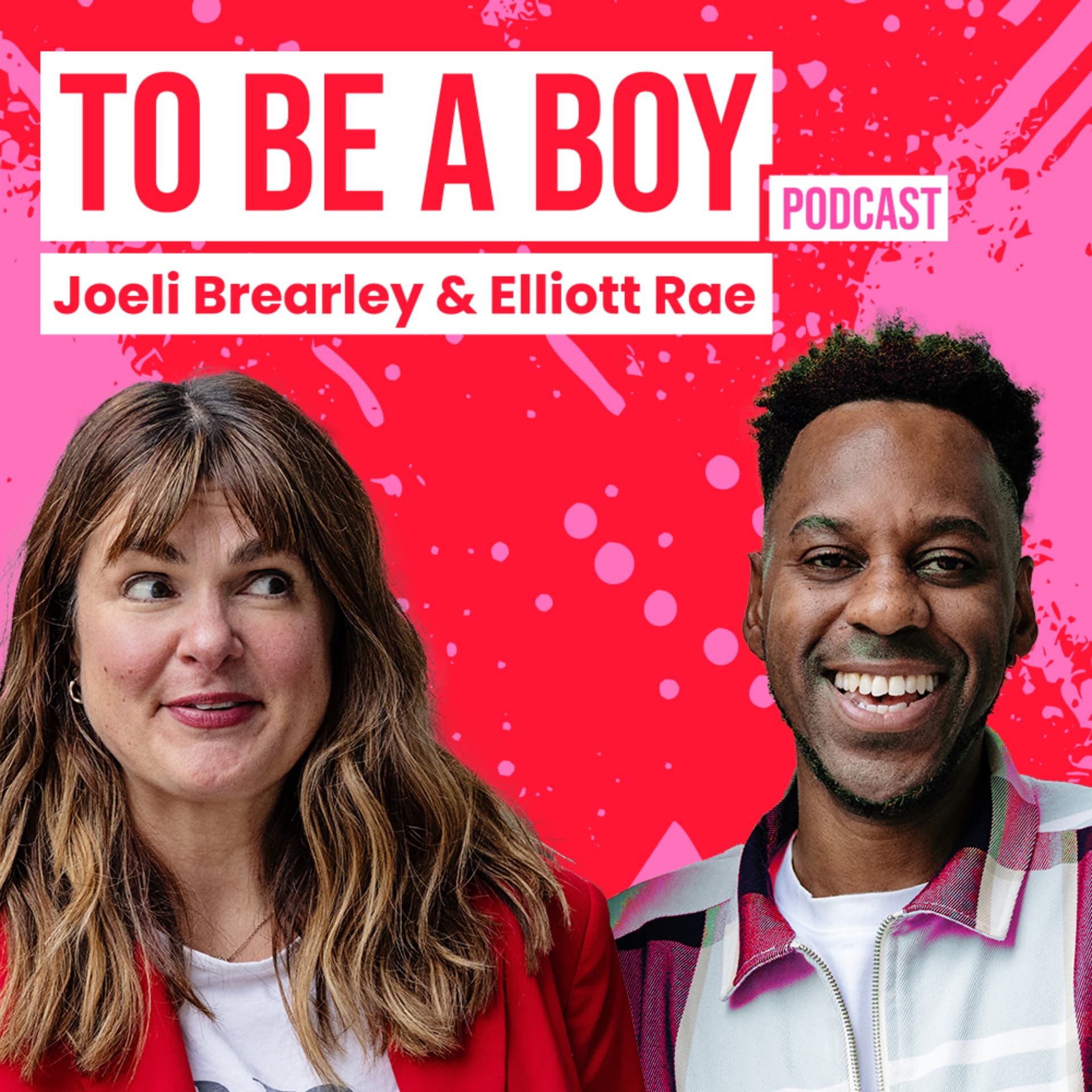
Overview In this episode of the "To Be A Boy" podcast, hosts Joeli Brearley and Elliott Rae revisit their conversation with 15-year-old Josh Sargent, an insightful young author and commentator on online masculinity and the influence of social media on teenage boys. The episode highlights the relevance of the discussion in light of government considerations on banning social media for under 16s.
Key Themes and Discussions
Introduction and Context
- Current Relevance: The episode was originally aired on June 10, 2025, and is being revisited due to ongoing discussions around social media bans for minors.
- Guests: Josh Sargent, a teenager and author, shares his experiences and insights on the impact of online masculinity culture.
Understanding Online Masculinity
- The Manosphere: Josh discusses the "manosphere"—a collective term for online communities promoting specific ideas about masculinity, often filled with misogynistic rhetoric.
- Influence of Figures Like Andrew Tate:
- Josh describes how Andrew Tate's messages pervade social media and appeal to young men.
- He highlights the calculated ways these figures draw in followers by appealing to their desires for validation and certainty.
Challenges Faced by Young Men
- Crisis of Role Models: Josh points out a significant role model crisis, stating that many young men are increasingly looking to online influencers as father figures.
- Education System's Impact: He discusses how young men often feel disillusioned by the education system, leading them to seek alternative narratives that promise success and control.
The Role of Parents and Societal Institutions
- Communication is Key: Emphasizes the importance of open dialogues between parents and their children regarding the content they consume.
- Alternatives to Harmful Content: Josh advocates for providing healthier alternatives to the narratives pushed by the manosphere, such as positive role models and community-driven support systems.
Government and Institutional Responsibilities
- Need for Regulation: Advocates for legislation that would require social media platforms to implement age verification and safeguard against harmful content.
- Schools' Role: Suggests that educators should receive proper training to engage with students about the influence of online content and masculinity.
Key Takeaways
- Open Conversations: Essential for parents to engage in two-way conversations with their children about masculinity and the influences they encounter online.
- Critical Examination of Influences: Society must critically examine both the positive and negative aspects of the manosphere to provide balanced narratives.
- Call for Action: Encourages collective societal action to create safe online environments for young people, ensuring they receive healthy messages about masculinity.
Conclusion This episode serves as a timely reminder of the complexities surrounding young men's experiences with online culture and the need for proactive discussions and interventions to foster healthier understandings of masculinity. The insights provided by Josh Sargent highlight the importance of community, parental involvement, and regulatory measures in addressing the challenges faced by today's youth.
Additional Resources
- Push for Paternity Leave: A campaign mentioned in the episode, advocating for better paternity leave policies. [Learn more here](https://www.eventbrite.com/e/push-for-paternity-leave-tickets-1982354647113).
- Koru Kids: A childcare marketplace for busy families providing vetted and trained nannies. [Find out more here](http://bit.ly/49y19rl).
Written by AI. May contain mistakes. Listen to the episode to check what was said.
Chapters
Tap a time to open that second in VOIntroduction to Social Media Ban Debate
2:31 to 3:33
Explore the upcoming debate on social media bans for under 16s and introduce Josh Sargent.
“So go to pushforpaternityleave.com and you can find out all the information about how you can join.”
Josh Sargent's Perspective on Masculinity
3:33 to 6:00
Josh shares his experiences with red pill masculinity and the impact on young men.
“the amazing episode with Josh Sargent now Josh when he first came on when we first recorded with him.”
The Effects of Online Culture on Boys
6:00 to 8:12
Discussing how online communities shape perceptions of masculinity among boys today.
Exploring the School Experience of Teenage Boys
8:12 to 10:46
Josh describes the secondary school experience and its connection to online influences.
“My eldest son has talked to me about sexism and he asked me the other day if I think sexism can work the other way around and girls can be sexist to boys.”
Institutional Attitudes and Young Men's Perspectives
10:46 to 14:01
Examining how young men view educational institutions in relation to online ideologies.
“But then again, at the same time, that awareness, I think, is still, unfortunately, taking the majority of the focus onto the effects on women and girls again.”
The Impact of Online Masculinity on Education
14:01 to 18:04
Explore how online masculinity influences young men's attitudes towards education.
“to be so careful in how we approach pulling young men out of the manosphere.”
Navigating Uncertainty: The Appeal of the Manosphere
18:05 to 20:55
Discover how the manosphere provides young men with a sense of control amid societal uncertainties.
The Attraction of Populist Figures in Online Spaces
20:56 to 23:58
Understand the allure of controversial figures like Andrew Tate and their societal impact.
The Role of Technology in Young Men's Lives
23:59 to 27:09
Examine how early access to technology shapes boys' interactions with masculinity content.
“So we're talking Instagram, TikTok, short-minute videos, right?”
Engaging Young Men in Constructive Conversations
27:10 to 28:00
Learn the importance of open dialogues to counter the appeal of the manosphere.
Show all 20 chapters
The Role of Online Figures in Young Lives
28:00 to 28:24
Explores how online figures provide guidance and support to youth.
Social Media Bans and Their Implications
29:58 to 33:56
Debates the effectiveness of social media bans for minors.
“What do you think about what Australia has done?”
The Harmful Effects of Manosphere Content
33:56 to 36:44
Discusses the negative impact of manosphere content on boys and girls.
“And yet then you go on the internet and that's completely fine.”
Societal Expectations and Dating Standards
36:44 to 39:46
Examines unrealistic dating standards and pressures young men face.
“So the girls are getting that unrealistic standard and they're starting using that unrealistic standard.”
Navigating Parenting in the Digital Age
39:46 to 42:00
A parent seeks advice on managing their child's exposure to harmful content.
“Do you think that the vast majority of boys are watching this stuff?”
Navigating Social Media Challenges for Teens
42:00 to 43:05
Parents face tough choices when it comes to their children's social media use.
“go to secondary school in september he's desperate for a phone i haven't given him one yet and i know that my options are i either give him something i think is harmful or i socially ostracize him from his social group.”
Open Conversations About Masculinity
43:05 to 45:44
Effective communication about masculinity can help parents guide their children.
The Importance of Role Models
45:44 to 48:25
The absence of positive male role models impacts young boys' development.
“and yeah I think that's the way forward.”
Creating Alternatives to Toxic Influences
48:25 to 52:43
Building positive alternatives can counteract harmful messages in the manosphere.
The Need for Government Intervention
52:43 to 53:20
Government support is crucial in creating positive narratives for young men.
“But I think that's a role of, you know, wider institutions such as governments to implement that.”
Transcript
Automatic transcript. May contain errors.0:00Dear McDonald's, your breakfast menu, fire. Tins across the board. I could be happy with anything, even though I order the same thing every time. Thanks for not judging me. I'll try something new next time. Maybe. Right now for$6, get a big breakfast with hotcakes complete with a biscuit, sausage, scrambled eggs, and hash browns. Order McDelivery or in the app to save time. Pricing participation may vary, cannot be combined with any other offer.
0:30Josh Sargent:You've been asking Abercrombie kids for baby and toddler clothes, and they finally delivered. Introduce your little one to a collection full of many looks with major cuteness, from rompers and bodysuits to cute dresses and matching sets, all in sizes newborn to 5T. Meet the newest member of the Abercrombie Kids family for the smallest members of yours. Shop new baby and toddler in the app and online.
1:08hey everybody welcome back to the to be a boy podcast with me Elliot Ray and Jodie is around somewhere it's International Women's Day coming up on Sunday so Jodie is out and about changing the world she is very very busy so welcome to spring I can't believe the sun is shining I am so revived. I love the sunshine. Life just feels that bit brighter, that bit lighter. So I hope you're enjoying the sun rays and getting your vitamin D. We have some super exciting things coming up. As you know, the government's parental leave review is happening next year. So me and Jodie have only got an organiser protest because that's what we do.
1:48We've got push for paternity leave coming up around the country in London, in Leeds, in Manchester, in Birmingham on Saturday the 18th of April. We are doing a family-friendly walk to really think about how we can ask the government for better paternity leave. It is ridiculous. Two weeks is not enough. Paid at£187 per week, two out of five dads take no paternity leave at all. So push for paternity leave is getting us all out. It's family friendly. We're going to have our placards, our t-shirts, our prams walking through our town centres and really saying, look, Labour government, you need to do better.
2:28And we are here demanding that you do. So go to pushforpaternityleave.com and you can find out all the information about how you can join. You don't have to have a pram and a baby to join. You just need to be a human being. And of course, we can't talk about parental leave without talking about wider childcare support for parents. We are so pleased this episode is sponsored by Coru Kids, the UK's leading afterschool nanny marketplace. Find out more at corukids.co.uk. Now there's been a massive conversation in the UK about whether we should ban social media for under 16s. Next week we're delving into all of this.
3:08We have two experts, one that agrees with the ban, one that disagrees with the ban and we've got them into the boxing ring gave them their gloves and they're debating what we should do about this as you all know Australia have introduced the ban and many countries in Europe are thinking about doing the same thing too so what are we doing here in the UK to prepare for that conversation next week we thought it was a great opportunity to re-release the amazing episode with Josh Sargent now Josh when he first came on when we first recorded with him. He was a 14-year-old boy and he speaks so amazingly, so articulately.
3:45It's incredible and we thought it was an amazing time to re-release that conversation. Let's hear his opinions about how we keep children safe, how we regulate social media, how we raise healthy, passionate, caring, loving boys and girls. I think it's important framing what we're doing around the social media band. As always, get in touch with us tobeaboyteam at gmail.com. We want to hear your views, your questions, your opinions. Send it all to us. We'd love to hear from you.
4:21Hello and welcome back to To Be A Boy with me, Jolie Brearley. And me, Elliot Ray. Today's guest is very exciting because we've done a lot of talking on this podcast about teenage boys, their struggles, their mental health and the rising influence of online masculinity culture. But to our shame, we haven't actually spoken to any teenage boys as yet. So that changes today. Our guest is Josh Sargent, a 15-year-old secondary school student who is already doing something pretty remarkable. He's writing a book about the impact of red pill masculinity and online hustle culture on young men. Josh says he was once drawn into this world himself, influenced by online gurus, but over time began to question what he was hearing and seeing.
5:15Now with some distance, he's speaking out about how damaging these messages can be. Josh, a very warm welcome to To Be A Boy. Thank you for having me. We're so excited to speak to you thank you very much for coming on let's just kick off with you we want to know all about you you're obviously you're 15 as I've said you're currently well you're the year before your GCSEs you're active on LinkedIn you're now writing a book you know my first question has to be do you want to be any more of an overachiever and I've got a question can you mentor me please because clearly you're doing something right if you have space in your diary thank you well if that's Well, thank you very much for that introduction.
5:59I guess the first thing I'd say is after coming out of this world and seeing all of these things in the media and having a realisation now of some of the things that are really going on and how young men are really being exploited, all of this is really just coming out of, number one, an anger, and number two, a desperation for the real issues behind this and what is really going on to be realised. um so i think you know in the past few months has definitely been a lot more discussion around around this and the impact of the manosphere and you know things like that which is great however i think a lot of the emphasis and you know issues surrounding young men and the you know the red pill culture has been on the misogyny and how the misogyny and the attitude towards women like projected in these communities you know affects women and girls which of course it's definitely an important element of it and it's another issue that needs addressing right but the problem with that is if there's too much of an emphasis on that we don't really take a step back and think okay yeah but there are still young men and boys being exploited here and because as a society i think we've taken you know for the past 30 40 years and rightfully so uh we've taken a mindset of feminism and we've tried to strive for equality in those areas and you know that of course is great but I'm I'm becoming severely worried that there's an attitude now that speaking out and working against the issues young men are facing is at the detriment of women and girls and you know I think that idea is becoming very prevalent and I've seen it a lot on social media and I think it just creates more division I think we need to stop thinking that we're against each other as you know two genders and we're just a society trying to you know make a world where no one's oppressed no one's manipulated against so yeah I think we need to stop this opposition and come together I agree with you and I think that has been the narrative and that narrative is affecting young people.
8:12I'm seeing it with my kids, actually. My eldest son has talked to me about sexism and he asked me the other day if I think sexism can work the other way around and girls can be sexist to boys. And it was a really interesting conversation. And he said, but in some respects, boys aren't doing as well as girls and boys are having a really hard time. I mean, he's 11, so he phrased it in sort of 11-year-old words, if you like. and I was like well that's true yeah in some respects boys really are struggling and not doing as well as girls and in other respects girls are not doing as well as boys and they have their problems but we've got to stop seeing it as a boys versus girls thing and just see it as this being human beings who have these challenges and we should all be working together to fix it but he was desperate to try and make it into that that polarization that binary that you're talking about for me it feels as an old woman i mean i'm 46 but when i grew up there wasn't the internet but it feels very much to me the internet and social media does that it puts you into boxes and it says you're on this side you should feel like this you're on this side you should feel like that and the world is much more complicated than that and i think that's quite a big part of it as well social media companies and algorithms i mean i'll probably go on to speak about it but you know i think the reason a lot of action wasn't taken to prevent this division and the spread of the manosphere is because they're profiting so heavily off of it yeah um and they also the division we just spoke about i think they reinforce it quite well through obviously you know the goal of their algorithms is to keep you on there so they're making advertising revenue so they're making money and you're more likely to be on there if you feel surrounded by your own opinions so that's where like the quite interesting side of algorithmic personalization comes in and sets up these echo chambers where you're constantly surrounded by your own opinions yeah completely and you're taught that the other sides are completely irrelevant and you become even more polarized to them because you never even have exposure to the other side and how they're thinking and how they're being affected it's horrible it is awful yeah it's really.
10:25And at the end of the day, it's all down to profit. Of course. Yeah. Yeah. There's just some fat cats at the top of the tree making a load of money off us all tearing chunks out of each other. When I was 15, I didn't know the word misogyny. I didn't know, you know, this, I was just too busy trying to like, see if I could buy fags from the corner shop and drink some 2020. Like I, you know, generally, I find it amazing how, how intelligent a lot of this generation your generation are about this sort of stuff and have so many interesting things to say about it because I didn't cross my mind at the age of 15 at all we'd love to know about what it's like being in secondary school as a 15 year old boy what that feels like what your experience is like in a modern day secondary school it's a difficult one uh you know and i'm not going to be able to speak for you know my entire generation of boys of you know the secondary school experience and i i obviously have my experience um but you know i'm sure that'll probably be quite different uh to a lot of other boys i think that in a way there is a lot that has definitely stayed the same and you know i think it hasn't really well the secondary school experience hasn't really changed as much as the media portrays I think where the issue really lies is the online well the online spaces the social media the online communities I never really experienced exposure to the manosphere and discussions about the manosphere and reinforcement of the manosphere in person with my friends surrounded by them it's purely online you know and the communities were made up of people that you don't know not necessarily your in-person friends and yeah it's definitely more prevalent online do you talk about it at school in classrooms do you does stuff come from online and into the school classroom do you have conversations about stuff that you've seen online and masculinity influences at school or is it do you feel it's actually kept quite separate Yeah, so there is definitely awareness around the issue coming into it, which is brilliant.
12:43But then again, at the same time, that awareness, I think, is still, unfortunately, taking the majority of the focus onto the effects on women and girls again. so it feels like because if you take it like a cult-like mentality right imagine you're in a cult in a cult you're taught that the people that speak out against the cult and try and pull you out of the cult are the enemy the the manosphere and you know the red pill culture spends so much time trying to drill into your mind as a young man that you know the education system is a complete scam that that's not how you build wealth school isn't how you build wealth uh it's a waste of time uh they're trying to indoctrinate you and the word indoctrinate is 100 news um you know which is ironic really but um yeah so there's definitely a lot of hatred instilled against the institutions even against you know parents uh you know the government schools and naturally those that are speaking in opposition of the manosphere will be part of those institutions so they're seeing it from a mindset of okay the same people trying to pull me out of this are the people i'm being taught are the enemy so they're trying to oppress me further right and that is why i think we need to be so careful in how we approach pulling young men out of the manosphere.
14:11So did you find, Josh, that when you were consuming the content online, did you just go to school and keep it to yourself? It was something that you were doing at home. Were there not discussions at school with people who were also consuming that content? Did people gather around the same ideas or was it very much like, that's my home life, that's something I do at home and my school life is a completely different experience? I wouldn't say I experienced that side of it. That's not me saying I don't think it exists. I think there will probably be areas where that does exist and there'll be young men that did have that area in person where they had in-person discussions, but I didn't personally experience that side.
14:49did you see in schools a kickback from other kids towards education as an institution so were they like disruptive for the kids at school being disruptive because they had perhaps watched these masculinity influences absorbed what had been said to them and so were pushing back against the against education as a whole because they were being told essentially that this is you know an institution that you shouldn't be abiding by and listening to i mean yeah of course you've got that rhetoric side of it that is definitely making young men feel disillusioned by the school the school system and the education system but you've you've got the you've got the reality side of it where in fact i think it's pretty obvious and even outside of this manosphere view that the education system is failing young men.
15:44The Centre of Social Justice report just a few weeks ago revealed that young men are now behind girls in every stage of the education system. I think a level of aspiration in young men has been completely lost. And that's not necessarily at the fault of the education system itself. Although, you know, I think there are definitely areas that need to be changed. I think some areas of the curriculum are irrelevant and outdated. I can see how easy it would be to think, why is this relevant? this is completely useless there's that and there's also the wider scale young men can easily go on to social media feed now turn on the news and the world that you know in a few years are going to become an adult and move into completely on their own is one you know inflation's up what was it 3.5 percent announced yesterday housing market you know being a first-time buyer is borderline impossible the economy's in shambles you know there's global conflict everywhere that's not a very settling environment to be moving into it's not very certain and i think that's what the i think that's what the manosphere provides right is certainty so instead of having the uncertainty of all of this conflict and economic you know catastrophe and what's going to happen now when i move out and become an adult you have that countered by the manosphere side of it which is if you follow this this program I have online and if you start this online business with just your laptop if you sit there and work really hard at it it's almost guaranteed that you will become a millionaire and you will have financial freedom and you'll be loved and you'll have the woman of your dreams and you'll and you'll be in really good shape and you know all of these certain promises so I don't think at the end of the day the manosphere is about you know boys being like innately wired to be misogynistic or to be greedy or to be immoral it's about there's a world out there a scary world full of uncertainty and this online world gives young men back control and it gives them back certainty and you know i i probably fell into that quite a bit and obviously it isn't a certainty but it definitely there's an illusion of it seeming like that yeah that is so interesting and something we we have heard a little bit of and that uncertainty particularly the fact that when I was younger you were told you know work hard and you'll do well and everything was sort of laid out for you you work hard you do well at your exams you might go to university you might and then you'll just keep progressing and there was always the option of you get a house there was always the option you know a career could be there for you whereas it feels like that for this generation just isn't the case.
18:30I feel like there's so much more awareness of that as well I think you know when I was 15 in year 10 I don't remember thinking too much about the wider economy about the housing market and maybe that was a luxury because it wasn't necessarily so much of an issue there so it wasn't so much of a problem you know as you said there was certainty around that but also i think i was probably just way too immature to even thinking about that anyway i don't i don't even think it's about maturity though but if you're in a position where you can turn on the phone and the first thing you see is a news notification like like yesterday right inflation up 3.5 percent and next thing you do is you go into a tiktok feed and you see a video of someone talking about it and you know all these doomsday predictions and and then you go to school and i'm not saying being aware of the world and the economy is a bad thing like I'm all for it like I'm a massive advocate for it you know it's awareness of a bad thing and there's still uncertainty of course yeah and I have to turn the news off for periods of time because I get depressed by it especially at the moment yeah so trying to translate all that information when you haven't got the world experience through which to channel it as well would inevitably make you feel particularly depressed because at least you know i've had 46 years experience of living the world and seen bad things happen and being able to overcome them myself or see other people overcome i have tools in my toolkit through which to translate that information that you won't have because you're 15 and that so it will it's like a blockage i imagine in your brain 100 definitely yeah you've spoken about the fact that you got sucked in for a better word to the with these with the masculinity influences and red pill culture and then you sort of realized hold on a minute I don't like this some of it is sitting really uncomfortable with me um can you tell us a bit about your experience of doing that like being online how that happened what it was that you found attractive about it and then eventually what it was that kind of was the straw that break the camel's back that was like okay this is not something that I want to be part of anymore okay yeah so my first exposure to it was probably when Andrew Tate you know he's probably one of the most prominent figures he was coming up to his peak and it was in I want to say 2022 so I'd have been I'd have been 12 and it was at this point he was like the third most Google man in the world um he was absolutely massive you couldn't I don't think you could go onto TikTok or Instagram or Snapchat and start scrolling on reels or videos and within 30 seconds I don't think he would be able to get away with not seeing him pop up at least once he was he was absolutely massive he was everywhere he was so prominent and you know all of these social media companies of course at the time were raking in because they had millions upon millions of people you know watching these videos and they were controversial right you know controversy sells controversy gets clicks and you know i think a lot of the initial attraction and how we built his following initially what i think is a pattern you see quite a lot in you know right-wing populism and just populism in general is you have a figure and they start saying they start saying things that you know slightly edgy slightly pushing the boundary but they're they're still things that people you know secretly agree with and you know they're things i guess you'd describe as people agree with but don't want to say out loud and you know he very boldly went out and you know said all of these things and then you get this mentality of oh this guy's great he's not scared you know he he doesn't care what people think he just says he just speaks and you know that is a respectful quality you know that is a quality to be respected you know someone that goes out and speaks their mind you know without being fearful of some institution or you know of the rules or society but then once you have that once you've got that initial following of people that were attracted to you because of that reason you can start edging more and more into an ideology into more extreme opinions and i think you saw this especially in the misogyny side and then i think it's worse you know anyone following a populist figure like this but especially for young men following adjie tate not having the complex rationale of you know being able to think you can agree with people on some things, but disagree on some other things.
23:04It's a mentality of when he starts saying these extreme things, that, okay, he was right in the past, and I agree with him in the past, so that means I have to agree with him now, surely. And he did that so well, which is why I would always say Andrew Tate is incredibly intelligent, incredibly calculated you know he's still an awful person don't get me wrong but he is incredibly intelligent he knew exactly what he was doing from the start and him sitting in a Romanian prison cell I don't think he cared I think he was laughing all the way to the bank really he's made absolutely so so much and he has built a lot of power off it so that's part of the attraction of it it's the bold statements but it's also the imagery and it's not just him it's the whole atmosphere as a whole Because a lot of this is being consumed in short-form content.
24:00So we're talking Instagram, TikTok, short-minute videos, right? And it's the imagery of clips of men with six-packs and massive abs on a yacht in Dubai somewhere with 10 supermodels and bikinis around them. And, you know, they drive up in a Lambo. They've got stacks of cash they're putting into money counter machines. You know, they're going shaking hands with people, getting photos. Because, you know, all of these clips are, you know, highly edited, like colorful, saturated, put over this, you know, really exciting, loud music. You know, it's designed to be attractive. And you ask any three, four-year-old, three, four-year-old boy, what do you want to be when you're older?
24:42And they'll probably tell you they want to be a superhero, right, or something like that. They look like superheroes. They have that life. They live like Batman. Like, well, at least the way they portray. They look like Batman, you know. they have anything you'd ever dream of you know they have that financial freedom so you compare that imagery to the imagery they're getting in the mainstream media of a world of uncertainty you know which one are you going to listen to you obviously you're going to listen to the certain one so i i guess you know that's a lot of the attraction of it is a all of that surface level imagery but also having control and having certainty and the way they manipulate statements and they manipulate their following over time to build their following in such a calculated and like precise and intelligent and cold and sly way and you know it's not just him obviously but he Andrew Tate in particular did it so well.
25:38And Josh what age did you get a phone at and when you got that mobile phone was it because you were asking for it was it pressure because your friends had a phone and and would you have now looking back still had a phone at such a young age it's a difficult one that's a difficult one in hindsight to think about I got my first phone when I was 11 at that point everyone was getting a phone I wasn't even in year seven I was in year six right in primary school it was late primary school everyone at that point was getting a phone but I think the interesting thing is I don't think it is just you know the phone is used as a center point of the technology behind all of this right but think about that before the age of 11 12 when children are getting these phones before that they're getting ipads they're getting tablets they're getting you know computers the same content's on there it's just not in their pocket and it's still just as easy to access unfortunately because of the world we live in now and how technology is so interconnected and intertwined into our society I don't think you can get away with not giving a child of a certain age a phone because unfortunately it comes with such a level of social isolation there but it's unavoidable I think with that I think as a society we need to admit we're not going to be able to keep children away from this harmful content and you know it's really unfortunate it's really sad to admit and I hate to you know I hate to say it but what we we've got to do what we can do and what I think we can do is to have open honest conversations and two-way conversations not lectures I think that's important the child needs to feel like they can speak to two-way conversations about you know the content they might encounter listening to their point of view as well I think a lot of the problems with the manosphere at least the surface level ones could be solved by young men feeling when they talk about this and when they talk about their worries and their ambitions and why they're attracted to this content they're not immediately met with you know you're a misogynist or this is wrong this is immoral actually trying to listen to the surface level there and trying to understand them and that's understanding and until we offer a proper alternative to these figures online that are positioning themselves in a way that young men think he understands me he came from my background he he knows my desires he knows my worries he's speaking to me and he's giving it all away for completely free online and free videos they become almost like big brothers you know like older brothers to you and if there's not an alternative for that if they're not experiencing that in the real world but in the positive way outside of the manosphere they'll just look for that further inside of the manosphere
28:24today's podcast episode is sponsored by koru kids when my kids were younger i never considered getting a nanny. It just seemed like something posh people do, something completely out of reach, certainly for me. But times have really changed and with nurseries, childminders and wraparound care, costs can really mount. And just imagine, imagine the peace of mind of having one person who your kids love, who you can rely on implicitly to look after your child in your home, someone who can handle school pickups, help with homework, sort dinner and help the kids wind down. So you can finish your work guilt-free and come home to peace and serenity and be totally present with your kids.
29:11If I was to have another baby, which, you know, I definitely won't be because I bought a dog instead, I would be considering nannies as an option. The flexibility, the simplicity, having one person you can fully trust. I hear you shout out to the dog parents, me included. I need that in my life now. Coru Kids has full and part-time nannies that can work when your family actually needs them. Their nannies are vetted and trained and they work all across the UK so they will be where you are at. So why not have a look at their website? CoruKids.co.uk It is free to search and you can see what the cost difference is and whether it's a good fit for you.
29:55Thekorukids.co.uk. That's K-O-R-U-Kids.co.uk.
30:08What do you think about what Australia has done? They've banned social media for under-16s. Do you think the cat's out of the bag now? It's too late. We can't. Putting in legislation and laws is putting in their cart before the horse or whatever that saying is I always get sayings wrong I say them they're on my own um do do you think you think that could work or do you think no there's no point the first thing I'd say is I completely understand where they're coming from like their sentiment's right and I think it's great that they're trying to protect their children as a nation and you know as a government I think that was it was a strong move and it was a good move but I think unfortunately it might have been a naive one like we said before you know it's become so interconnected in society and so intertwined that yes you would solve a lot of the problems of the monastery if you just took the social media away in the first place but you'd also create additional problems of social isolation and because if you had something around and you've grown accustomed to it and you've grown accustomed to a life with it and when that's withdrawn you know people are going to struggle teenagers are going to struggle so i think you know that could be quite pessimistic like oh yeah you can't do anything just sit there and watch it burn what i think governments and big institutions should be focusing on is actually instead of letting these social media companies get away with their their profit snatching activity of allowing manosphere and harmful content and these things to be dangled in front of teenagers purely for their own financial gain by coming in with regulations and say, you need to put proper identification in place and you need to put proper systems and regulations in place.
31:51Otherwise, we're going to heavily sanction you. We're going to ban your platforms in our countries and actually stand tall and actually start taking action against these companies and not allowing them to get away with this. Then I think that is an action that you could take. But I think a ridiculous part of it is if I said to you now, would it be okay if there was a pub but this sounds ridiculous but would it be okay if there was a pub that you'd walk in and no matter someone's age the barman would turn to them and say are you 18 and if they said yes he handed them a pint obviously that's completely wrong right you need some form of id there otherwise you get 11 or 12 year old talking and say oh yeah I'm 18 and we recognize that and we see that it's completely you know a logical run but then you frame it and then you you know look into it and there are pornography companies doing that exact system to verify the ages of their users I think that's part of the online safety bill that they're asking for verification proper verification but so you do you do think it could work banning saying that you can only access these platforms if you're 16 or over, but only if there were proper verification methods put in place?
33:10Yeah, obviously just dodging around the regulations is probably part of it. And I don't think it's ever going to be properly enforceable. But I wouldn't, I think the action, just to clarify, I think the action of taking social media away from un-16s is naive and I don't think it is effective. I think the better action there is to go to the, instead of going to the user going to the you know the source the platform and saying look if if you can't ensure properly that you're going to start you know actually caring about safeguarding of your young users who you have a legal responsibility over rather than your billions of pounds of profit lining your pockets and your shareholders pocket pockets every month when you start caring more about that then it'll be okay if not we're just going to take your platform Huawei.
33:55We interviewed James and Conrad who had done the Channel 4 Gen Z, Gen Z report looking at what is going on with your generation and some of the data around that and they were talking about how they felt Ofsted should play a bigger role because broadcasters when they're on the TV or when they're on the radio are held to very specific standards and they can't just spouse and talk absolute nonsense on the radio or the TV. It's not allowed. And yet then you go on the internet and that's completely fine. And so why is that? Because they are a broadcaster. They're a broadcasting platform. Do you think, so it sounds to me like you're sort of on the same page there that you're saying that these platforms are broadcasters and they should be held to a much higher standard about what they enable children to see.
34:46Yeah, of course. I'm not going to sit here and say it'd be easy for them to do. obviously challenging but come on guys you know put some good minds to it i mean like yeah it's not easy but it's so critical and it's so vital that i think to allow these problems to go forward is you know governments need to stand tall and need to stand on their own two feet and think right okay you need to do this and you'd be really firm with it and not be able to be pushed around by it not be feeble just be really strong and firm in that mentality okay yeah we're not going to allow you to continue until you start making changes last week i was at the launch of um richard reeves you may have heard of him he's got a book of boys and men yeah and he was launching a new and a kind of new research uh research body over here in the uk and he was talking about the fact that similar to what you've said we've been looking at this issue from the lens of the harm boys can may be causing rather than the trouble that boys are in and the fact that obviously this man's fair content is content is harmful what would you say is the harm that is having like on you when you were immersed on in this content what harm was it causing to you how was it affecting your your emotional state your feelings your thoughts yeah so i think we've got the surface level harm that we're talking about already as a society, which is the view and attitude towards women and girls.
36:18That's not as harmful to women and girls, by the way. I'm not saying that. It's definitely very harmful to the men and boys as well, right? Because I think there's a lot of framing. Well, the whole manosphere and dating culture frames relationships is transactional. And that is so concerning, right? Seeing, you know, romantic partners is not people to build genuine connections with and lifelong bonds not that but transactional you know you buy her dinner you give her money and she sleeps with you and unfortunately i think that's how it's being framed and also there's another side there is i'm not sure if you've heard of the 80 20 rule but it it's an idea commonly propagated in these communities it's that 80 percent of women are attracted to the top 20 percent of men there was a there was a song trending on tiktok quite recently and the song was i'm looking for a man in finance trust fund six five blue eyes and someone looked into it that's like point zero zero like something ridiculous of the population if there's a and it's a ridiculously hard standard to try and stick to, but it's the standard that's being propagated to all of the young men who are consuming that content, not just, and also the girls, right?
37:38So the girls are getting that unrealistic standard and they're starting using that unrealistic standard. You know, not to their own fault, but I think the generation of girls, you know, counter-partum to that generation of boys is becoming superficial. And obviously the boys are becoming superficial too. So as a generation, superficial standards are starting to be used. as the standard for dating and there's not an attitude anymore and i think it's a wider problem in this generation so that's one harm yeah i was talking to a guy the other day and he's in his 30s um he's an older guy and he was talking about the fact that he felt a single call people in the 30s older guys please just tone that bit down thank you young man 30s young young yeah young man you fool you fool guy and he was saying that he feels like he needs to get to a certain level before he approaches women like he needs to um earn a certain amount of money have his own house etc and i was like mate like look just just be funny like have some charisma and you'll but he was like adamant no no you're older i'm 42 he was like you don't know like in my generation this is this is the reality do you feel like that is amongst you and your friendship groups that's like people feel like they need to have reach a certain level before even speaking to a girl 100 unfortunately it's been so instilled in these communities because if if they said the reality was oh yeah just be yourself be nice be funny be charismatic they wouldn't make money on courses trying to sell you how to be you know strong and rich because you know i don't think obviously they sell ideals of being rich and being in good shape but I think the deeper level there is about being validated and being loved and you know having a strong relationship and I think that's quite a big part of it so that's you so much on social media because if they started saying yeah you don't actually need these things to be in a loving healthy relationship then they stop listening because I think it's such a big care point for their audience.
39:46Do you think that the vast majority of boys are watching this stuff? Do you think it's just like pretty much every boy is engaging in this sort of content? At least aware, at least aware. I don't think you'd meet a teenage boy who doesn't know who Andrew Tate is. Yeah, no, I remember the early days of Andrew Tate and being with a friend of mine who at the time had a teenage son and we were talking about Andrew Tate and he said I bet my son my son will have no idea who he is no no he wouldn't know who he is and I shouted over to him I won't say his name obviously but I was like well do you know who Andrew Tate is and immediately was like yeah of course I do and my friend looked at me like horrified absolutely horrified and then the kid said to me something really shocking he was like he didn't Andrew Tate didn't do that awful thing to that woman that it said he did it's just made up and people are making it up to take him down and then I looked at my friend as if to say you might want to like you might want to be having some conversations but we were both so surprised at how prevalent it was yeah like okay first of course innocent until proven guilty right but at the same time even I found myself doing this when I when I was engrossed in it there was a position where you've got young men so engrossed and such a cult following that they're trying to find ways of oh no this you know this wrong model figure in my life I need this and it's not I want I need I need him here you know to guide me and I need this to not be true so and obviously he sells that it's the matrix like you know the institution is trying to pin this to him and take him down because he's like you know speaking the truth and they're scared obviously complete bs right but because he's built up that that massive following they take every word that comes out of his mouth as gospel so you know they start listening to that and they start justifying a sexual abuser what can parents do josh what what would you say to me took me through it because i am right on the cusp of this my 11 year old will go to secondary school in september he's desperate for a phone i haven't given him one yet and i know that my options are i either give him something i think is harmful or i socially ostracize him from his social group.
42:13I don't know what to do here. And I am constantly trying to drip feed messages of try and not look at things in their binaries. Stuff is more complicated than you first think it is. You are a brilliant human being. You just need to remember that. And that there are more important things in the world than money and strength. And your body is brilliant just the way it is it doesn't need to be buffed up you know all all of that stuff I'm already trying to drip feed him but I still feel entirely out of my depth and like it's David versus Goliath and I can see him getting sucked into this stuff because I know what he's like so help Josh solve it you know I'm sorry I'm sorry to be pessimistic here but I don't think that's I don't think that's an easy answer because if there was an easy solution for parents it would have been done three years ago and Andrew Tate would have disappeared but he didn't I think I think it's more about open and honest communication and conversations going into a conversation trying to talk about this with uh when your child comes to you and tells you I want to be strong I want to be rich and saying you know no this is you know this isn't how you should be thinking you know the content you're consuming is misogynistic it's wrong it's morally wrong you know because of the way it's framed like we spoke about before that's just not going to be effective so it's got to be sensitive and it's got to be understanding i think parents need to frame themselves as genuinely wanting to know and care and understand um about how they're thinking and getting to a deeper level okay you want to be strong and rich why is that why is that and you know taking down to a surface level is it because of this content online is it because of you know deeper you know urges to be seen and validated or you know having control and power and another thing i would say is i don't think the actual ambitions the red pill and self-improvement community themselves are bad like you know i myself i'm trying to build wealth you know i'm trying to get stronger i'm you know i'm trying to make money of course you know i think they're good things and there are definitely good areas and good areas online where the same ideals and the same goals are being propagated but in a good way i think the first example i give that instantly springs to mind is simon scrip right he is an absolute legend he's amazing he he said what what's your dream guy on tiktok and he goes around and he asks young people what their dream is and he gives them money to start their own businesses and you know there's no misogyny there there's there's no harmful content there it is literally just a man going around for completely free because he doesn't sell any courses or anything going out for completely free trying to give advice and trying to healthily channel that same ambition because people because young men are never gonna not want to be rich right young men are never not gonna want to be strong and ripped i mean there's a reason every action figure 40 years ago had massive biceps right because those underlying ambitions are still there.
45:25So I think it's about alternatives and as a society we need to build alternatives. You're not going to stop trying to take the ambition out of these young men and instill it into something else, instill it into positive fitness areas, positive business areas like Simon's grip. So we need to build alternatives and yeah I think that's the way forward. Would you, if your child you know is watching this stuff but isn't talking to you about it they're just staying quiet but you know that they're absorbing these messages and they're listening to masculinity influences that are giving them bad advice and views of the world again I know you know obviously not being judgmental but would you say to parents you should you really should be talking to them about it and is there sort of how would how would you do that do you think how would you have that conversation should we invite you over to have that one.
46:23Josh, you start charging, this could be a business, you start charging parents for advice. What, like consultancy? Yeah. Yeah, definitely. I think, yeah, parents definitely should be involved. And as long as, I don't think if you have, if you have the mindset of genuinely wanting to understand your child, you can't go wrong. Right. If you have a, if you're going in with it purely with intention, like with the actual intention of not trying to tell them off or trying to drag them out of it, but trying to understand them, you will not go wrong. So I guess that's the slightly more optimistic view.
46:52But also, a worrying statistic, working class boys in the UK now are more likely to own a mobile phone than grow up with their dad in the home. There is a role model crisis. There's a massive role model crisis. And you've got to remember, all of these influencers that are speaking to these young men online, they're barely 10 years older than they are. They're young. They're in their 20s and their 30s. They're in that same demographic. And unfortunately, you know, they're your parents, right? So you want your child to look up to you and respect you, of course. But there is a certain element of where, you know, these role models need to come from, I hate to say it, a male background, number one, but from a similar range.
47:36Do you think they do? I'm really interested in that. Do you really think they do? Do you think, because I speak to a lot of single mums with boys who are crapping themselves over all of this and they don't know what they feel out of it. they feel that they've been told that they won't have the same influence as a man will and they're like but I'm a single mum and I don't know what to do do you really think that it has to be a man talking about that stuff because it's a man that's giving them the other message if you see what I mean I think young mum will always look for male role models right because if you take masculinity so it's a big thing right how do you learn to be a man what does it mean to be a man young men are trying to find that in their environment and i'm not saying it has to be a dad right like i'm very lucky to have grown up with an amazing dad right but you know sports coaches more male teachers you know um other male figures of authority in these boys lives you know to speak to them as an alternative to these you know influences so because young men are always going to look to men to find ideas about how to be masculine you know healthily masculine because I think at the moment the way male role models is being set up like I cannot remember the last time I had the word masculinity online without the word toxic attached to it so there's not healthy conversations about what it means to be a man and obviously you know a lot of what the red pill culture is pushing is completely and utterly wrong but that only that's only going to be realized and that's only even going to matter when there is an alternative and a healthy you know active dialogue from older men to younger boys about what does it mean to be a man you know these lessons these values they're being instilled and I'm not saying that has to come from a parent but I think it still needs to come from somewhere even just from the media right not necessarily just from you know people in their lives like actual people yeah one last question do you think then schools and teachers need training and help in how to deal with this and if so what sort of I mean firstly we've heard from the government that they're thinking about playing adolescence in schools which I think most people now are saying agreeing that that's probably not a good idea yeah putting a video on a screen at the front of a classroom is not going to fix anything for one like adolescence was great it was a great tv show and it built some awareness right but that's how i see it was a great tv show i don't think that it was really well made and i'm glad it built some awareness around the issue but i think the emphasis was in the wrong place um and that's not the fault of the show right i think you just got to see it as it is not as a symbol and a lesson and an actual you know tool that can be used to drag young men out of this because you know at the end of the day it was focused on the tragic story of that girl's murder right if anything it created fear not not answers yeah perfectly put it's very difficult you know because we spoke about this before members of the the so-called institutions that these influences warn against and say are the enemy um you know they have to be very careful because if they go about it the wrong way they'll just polarize these young men even further into the red pill side so if you take the approach of trying to instantly go in and talk about yeah these influences they're really misogynistic and you know they're really moral and wrong and you shouldn't be listening to them um it's almost like you're taking away you know those positive emotions that they're feeling that certainty that control of their lives you know their ambitions which to a young man are probably like you know one of the most like closest and valued things to them, right?
51:17So if we're allowing it to be manipulated, that's what I think the most immoral part of the manosphere is. Obviously there's misogyny and there's attitudes towards women, but I think the most immoral part about the manosphere and the red pill culture is these intrinsic values of young men and their most valuable assets being completely manipulated. But going back to the schools thing, because of the appeal of the influences to these values, than trying to strip away the content with the idea of this is wrong and these influences are bad, they're wrong. So you're putting that in front of them and thinking, okay, well, you're taking away the control I had in my life.
51:58You're taking away the certainty. You're taking away my ambition. And not giving you anything else to replace it. It's about alternatives. There you go, that's gone. Yeah, it is about alternatives. And I think, you know, that's why there's a lot of positive action going on around at the moment. but there's definitely so much space for it to be propelled forward and I think we need positive alternatives in society where we I think we look critically at the manosphere and think okay what are the good parts of it what are the good things this is doing for young men you know because at the end of the day putting all the bad things aside the manosphere is still getting young men to start their own businesses and care about their fitness and care about their appearance and things like that which you know are good things where you just take those good things and you put it into a healthy alternative without all the harmful rhetoric.
52:43And then there you have a really viable solution. But I think that's a role of, you know, wider institutions such as governments to implement that. I think, unfortunately, on a personal community scale, I don't think you can really achieve that without wide-scale government intervention. And there's government funding, doesn't there? I want one of the governments to try and do something like that because can you imagine? I mean, the government try and do anything interesting or cultural and it always falls back in its face. But they should be funding stuff like that in order to have a different narrative.
Read the full transcript
53:15100%. Josh, thank you. This has been so, so insightful. And honestly, I find you utterly fascinating. And you're so, so clever and so thoughtful and so inspiring, you know, to 46-year-old old bag me and to kids. And I am so excited about this book coming out. and I really hope that you get a big you get lots of platforms to be able to talk about your thoughts on this because it's really important yeah seriously Josh when you're ready to run for Prime Minister then I'll be voting for you seriously like you've blown me away with your words and the way you deliver your messages and when the book comes out and it's in the shop so I'd love to have you back on because I think what you've got to say is incredible and your voice is very much needed in this conversation 100 % that's really kind thank you thank you
54:37We'll see you next time. rinse it's time to be great
From the publisher
Rerelease alert! First aired on 10 June 2025, this episode with our favourite feels even more relevant now that the government is flirting with the idea of booting under 16s off social media entirely. So we’re revisiting our chat with 15 year old Josh Sargent — boy, book writer, manosphere decoder, and all round legend. Josh breaks down how teen boys get sucked into online masculinity culture, why Andrew Tate was everywhere, and what finally snapped him out of it. Still one of our favourite episodes, and honestly… even more relevant (and alarming) in 2026.
We're also pointing you towards our Push for Paternity March: https://www.eventbrite.com/e/push-for-paternity-leave-tickets-1982354647113
This episode is supported by Koru Kids, a childcare marketplace helping busy families find brilliant, trusted part time nannies.From school pickups to homework, dinner and winding down, Koru Kids gives parents some easy days in their week, with vetted, trained nannies across the UK.
Find out more here: http://bit.ly/49y19rl