In short
Podcast Episode Notes: To Be A Boy - Social Media Showdown: Should Teens Log Off for Good?
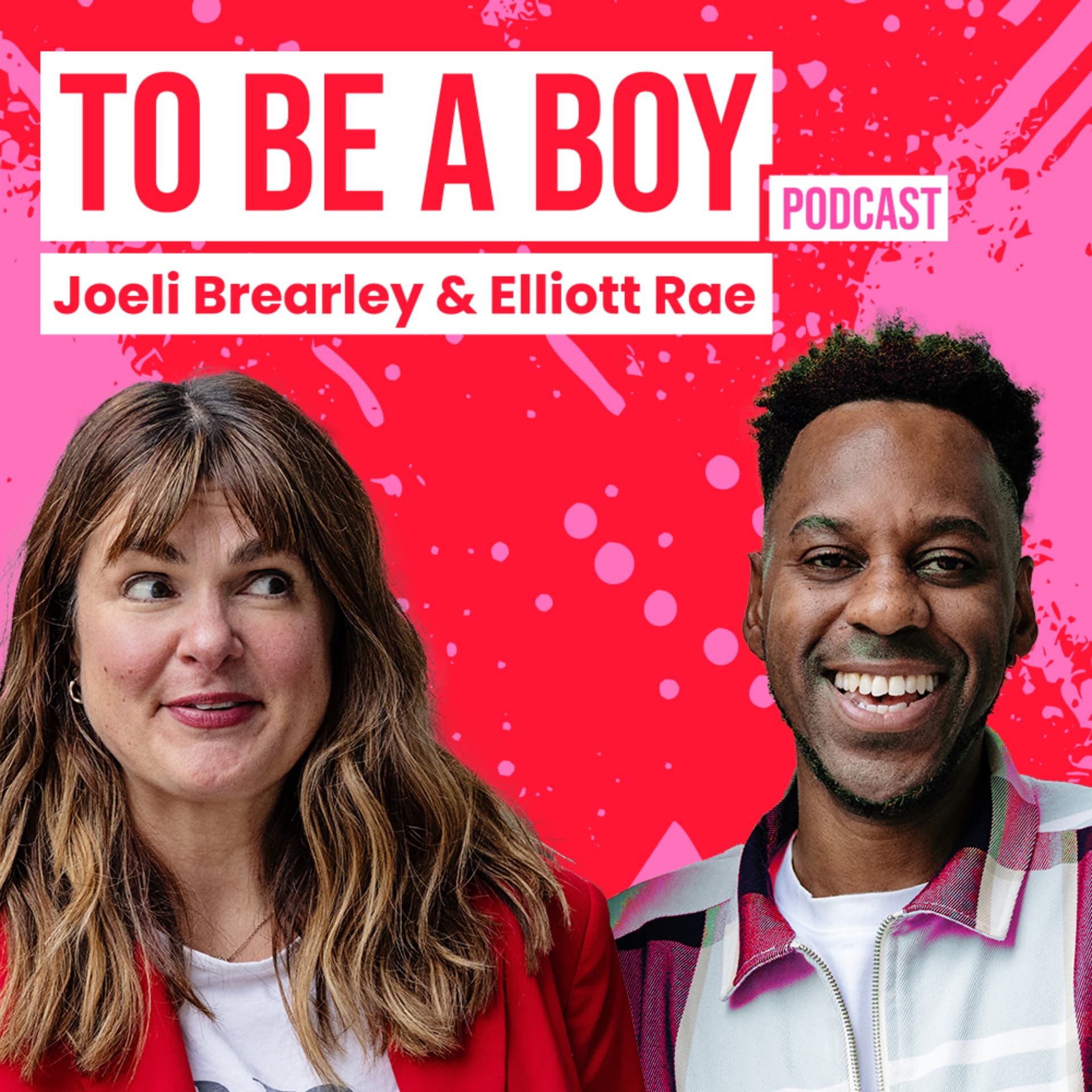
Podcast Overview Title: To Be A Boy Hosts: Joeli Brearley and Elliott Rae Description: The podcast discusses the complexities of raising boys in today's world, addressing issues such as masculinity myths and online culture, combining humor with critical commentary on social policies affecting boys.
Episode Details Title: Social Media Showdown: Should Teens Log Off for Good?
Guests
Sonia Livingstone (LSE) and Susie Davies (Papaya Talks) Sponsorship: Supported by Koru Kids, a childcare marketplace for families.
Episode Summary This episode features a lively debate about the implications of banning social media for those under 16 in the UK. Joeli and Elliott host experts Sonia Livingstone and Susie Davies, each presenting differing viewpoints on the issue. The discussion explores:
- Pros and cons of a social media ban for under-16s.
- The impact of social media on mental health.
- The role of parental guidance in navigating the digital space.
Key Discussion Points
- Current Situation and Context
- Governments worldwide are debating social media bans for those under 16.
- Australia has passed legislation; the UK is considering similar measures.
- Social Media's Role: Central to friendships, identity, and belonging for youth, but linked to increased bullying and poor mental health.
- Expert Introductions
- Sonia Livingstone: Social psychology professor at LSE, advocates against the ban, emphasizing the importance of social media for youth.
- Susie Davies: NHS GP and advocate for a social media ban, highlighting significant mental health risks associated with social media.
- Arguments For and Against the Ban
Sonia Livingstone's Perspective (Against Ban)
- Digital Necessity: Youth find social media crucial for social interactions and self-expression.
- Holistic Approach: Emphasizes the need for better regulation of social media and mental health support rather than outright bans.
- Regulation Over Removal: Calls for focus on evidence-based regulations for tech companies rather than limiting youth access.
Susie Davies' Perspective (For Ban)
- Raising Digital Consent Age: Advocates for increasing the age from 13 to 16 due to severe mental health impacts.
- Addiction and Exposure: Cites overwhelming evidence of addiction, online bullying, and negative self-comparisons affecting mental well-being.
- Need for Preventative Measures: Emphasizes the necessity to protect young people from harmful content and foster healthier habits.
- Mental Health Concerns
- Sonia: Points to multiple factors influencing youth mental health, including academic pressure and societal expectations, suggesting that social media is just one piece of a larger puzzle.
- Susie: Shares clinical experiences linking social media to severe mental health crises, arguing that prevention is critical.
- The Role of Parents
- Navigating Digital Landscape: Discussion on how parents can guide children through digital challenges and foster offline experiences.
- Community and Support: Emphasizes the need for community resources, safe spaces, and support systems for youth.
- Darker Internet Risks
- Potential Consequences of Bans: Concerns regarding pushing youth towards unregulated online spaces if mainstream social media is banned.
- Feature-Based Regulation: Susie argues for a dynamic ban focusing on harmful app features rather than specific platforms.
- Future of Youth Culture
- Resilience and Real-Life Skills: Both experts agree that youth should engage in real-world activities to develop social skills and resilience.
- Balancing Digital and Real Worlds: Discussion of the importance of a balanced approach that includes both online and offline experiences.
Conclusion The episode closes with both experts recognizing the complexity of the issue and agreeing on the need to protect youth while also considering the benefits of social media. The hosts encourage listeners to share their thoughts on the topic.
Key Takeaways
- There is no consensus on banning social media for youth; each side presents valid points.
- Mental health concerns are paramount, with both preventative and responsive strategies needed.
- Engaging youth in real-world activities and fostering open communication is crucial for healthy development.
Further Discussion Listeners are encouraged to contact the podcast team with their opinions on the social media debate and explore further discussions in upcoming episodes.
---
This summary encapsulates the major themes and arguments presented in the episode, providing a comprehensive overview for readers interested in the complexities of social media and youth.
Written by AI. May contain mistakes. Listen to the episode to check what was said.
Chapters
Tap a time to open that second in VOThe Social Media Debate
1:40 to 2:50
Discussion on the widespread debate about banning social media for under-16s.
“and widely damaging downsides such as increased bullying, poor mental health and isolation.”
Introducing the Experts
2:50 to 4:40
Introduction of experts Sonia Livingstone and Dr. Susie Davis and their backgrounds.
“I'm going to ask you both to introduce yourselves so the audience know they are listening to some real experts who have been doing the work and have informed opinions.”
Sonia Livingstone's Perspective
4:40 to 9:00
Sonia argues against a ban on social media, highlighting its importance to youth.
“So we should listen to you both because you've got a lot of knowledge to give us.”
Dr. Susie Davis's Argument for a Ban
9:00 to 13:50
Susie argues for raising the age of digital consent to 16, citing various risks.
“Now, fast forward 30 years, and the internet is a completely different place to it was when this law was set.”
The Complex Relationship Between Social Media and Mental Health
14:04 to 16:42
Explore the nuanced impact of social media on youth mental health, including both potential harms and benefits.
“So there's evidence that if young people use more social media overall, their mental health is a little worse, but there are kind of ups and, you know, there are benefits as well.”
Personal Experiences with Social Media's Impact
16:42 to 18:56
Hear firsthand accounts of how social media can lead to severe mental health crises in young people.
“Is social media the cause of this poor mental health or is it a chicken and egg situation?”
Diversity of Youth Experiences with Social Media
18:56 to 21:31
Understand that not all young people's experiences with social media are negative, with many finding positive uses.
“So I think I absolutely hear you, Susie, about the pain that walks into your consulting room.”
Concerns About Educational Messaging from Social Media
21:31 to 22:33
Discuss how social media influences young people's perceptions of education and its relevance.
“We could debate about this, but I also think this is not a minority of people who are struggling with their mental health.”
The Risk of a Ban on Social Media
22:33 to 24:19
Evaluate the potential consequences of banning social media, including pushing youth to unregulated online spaces.
“It's some of these messages that they're being drip fed that I think could be really damaging to them long term.”
Navigating the Future of Social Media Regulation
24:19 to 28:00
Delve into the complexities of regulating social media and its implications for youth access and safety.
“Parts of the internet where potentially the content is worse, that we don't even know about.”
Show all 21 chapters
Understanding Youth Perspectives on Social Media
28:00 to 29:10
Exploration of youth views on social media regulation and addiction.
“what are they telling us about social media?”
The Broader Issue: Smartphones vs Social Media
29:10 to 30:30
Discussion on how smartphones contribute to youth isolation beyond just social media.
“Or is it a wider problem around addiction to screen time, addiction to phones, and the way we have socialized young people out of society?”
The Need for Real-World Experiences
30:30 to 31:50
The importance of real-world interactions for developing resilience in children.
“practice a little bit of German, speak to some people to find my well to a hotel.”
Big Tech's Role in Childhood Development
31:50 to 33:00
Examination of how big tech and social media impact children's childhood experiences.
“Yeah, it takes me back to many years as a young person being on the train with no money and just having to find my way through the barriers.”
Regulation and the Future of Technology
33:00 to 34:40
Debate on the effectiveness of regulation and the future challenges posed by technology.
“This is still tech in the hands of the predators and those who will still know where children are.”
The Impact of Gaming on Youth
34:40 to 36:50
Discussion on gaming addiction and its effects on young people's lives and choices.
“are the same companies and the same predatory business model.”
Balancing Risks and Benefits of Social Media
36:50 to 38:20
Exploration of the positive aspects of social media against its potential harms.
“I don't believe he was making autonomous choices with his time.”
Navigating Gender Differences in Mental Health
38:20 to 42:00
Addressing how social media affects boys and girls differently in terms of mental health.
“It leaves a permanent digital footprint.”
The Role of Social Media in Youth Development
42:00 to 45:51
Exploration of social media's impact on young people's opportunities and mental health.
“the opportunities that they desperately need and that they're really, really missing out on.”
Personal Stories on Social Media Usage
45:51 to 48:08
Hosts share personal experiences with their children and social media usage.
“And I think a lot of food for thought for people.”
Challenges of Parenting in the Digital Age
48:08 to 50:38
Discussion on the complexities of parenting amidst the rise of social media.
“He wouldn't be fighting for their time and their attention.”
Transcript
Automatic transcript. May contain errors.0:00Elliott:When you want your spring break to feel like... And your kid's pool day to feel like... And your hotel bed to feel like... Ooh, and room service to feel like... Because at Hilton, hospitality feels like...
0:19Susie Davies:Your cabana's ready. Would you like fresh towels?
0:21Elliott:It matters where you stay. Book now at Hilton.com. Hilton. For this day. This episode is brought to you by Peloton. Break through the busiest time of year with the brand new Peloton Cross Training Tread Plus. Powered by Peloton IQ. With real-time guidance and endless ways to move, you can personalize your workouts and train with confidence. Helping you reach your goals in less time.
0:47Sonia Livingstone:Let yourself run, lift, sculpt, push, and go. Explore the new Peloton Cross Training Tread Plus at OnePeloton.com.
1:00Susie Davies:Welcome back to the To Be A Boy podcast with Elliot Ray and Jodie Breardy. This episode is sponsored by Coral Kids, the UK's leading after-school nanny marketplace. There's a huge conversation happening right now, not just amongst parents, but in governments, school and the media. Across the world, the question is being asked, should social media be banned for under-16s? Australia has already passed legislation. Spain and Portugal are considering similar moves. and here in the UK the debate has reached government consultation. For many young people social media is central to friendship, identity, status and belonging but it can also bring extreme and widely damaging downsides such as increased bullying, poor mental health and isolation.
1:48Susie Davies:And as parents we are left trying to work out how to keep our children safe online while helping them thrive offline. So everyone agrees on the goal we want to keep our children safe, resilient and well, but there's deep disagreement about the solution. We'll be having a conversation with Kanishka Narayan, the online safety minister, about what the government is considering and the consultation that is currently live. First, we are joined by two leading voices with very different perspectives for an open and honest conversation about how we move forward as a country and as parents, how we navigate all of this.
2:22Susie Davies:We have Sonia Livingstone from the LSE, who is against the ban and Dr Susie Davis from Papaya Talks and Smartphone Free Childhood who is in favour of a ban.
2:36Susie Davies:So we are super excited for this conversation. We have Sonia and Susie here who are going to take us through their opinions and their views on whether we should have a social media ban for under 16s in the UK. So let's get into it. I'm going to ask you both to introduce yourselves so the audience know they are listening to some real experts who have been doing the work and have informed opinions. So, Sonia, who are you? What do you do?
3:01Sonia Livingstone:Hi, I'm a professor of social psychology at the London School of Economics. I lead a small research centre called Digital Futures for Children with the Five Rights Foundation. And I've spent years doing research directly with young people, sometimes young people specifically with mental health problems and with their families and at school. And my focus is always on how the digital environment is always changing and always in need of our attention.
3:28Susie Davies:Incredible. Thank you so much for joining us, Sonia. Susie, over to you.
3:32Joeli:Hi, I'm Dr. Susie Davies. I'm an NHS GP. And my story really began eight years ago when I took a job at Student Health Services at Bristol University. And I saw the really poor mental health of students suffering from insomnia, eating disorders, health harm. And that year we lost, sadly in 2018, Bristol lost eight students to suicide. So I became personally and profoundly impacted by the poor mental health of young people and got really curious as to why and started to see very often this relationship between poor tech habits and young people's mental health. And at exactly the same moment, my daughter, who is in year six, was asking me for a smartphone.
4:16Joeli:So I gathered a community of parents to delay the first smartphone together and we set up the charity Papaya, which is Parents Against Phone Addiction in Young Adolescents. So I've been working on that for eight years with lots and lots of young people hearing their views and helping young people make an informed choice about their relationship with tech. And I've also written a book for teenagers called The Healthy Selfie to, again, help them develop that healthy relationship with themselves and their technical devices.
4:44Susie Davies:Amazing. So we should listen to you both because you've got a lot of knowledge to give us. So opening statements, if you like, should social media be banned for under 16s? Yes and no. And why? Sonia, let's hear from you first. What do you think?
4:59Sonia Livingstone:So I'm going to argue for no, social media should not be banned. But that doesn't mean that I think social media is great. And I think my argument is really founded on listening to children and young people over the years and trying to understand how important for them the digital world is, how much for them they feel themselves to be the kind of the pioneers and those who are growing up in a world which is not going away, which they want to understand and which they think many adults don't grasp very well. Clearly, what research shows, and I could cite lots of it, is that there are lots of harms linked to social media and there are lots of benefits.
5:45Sonia Livingstone:So my argument is not everything is fine in the world of social media and actually many things are getting worse in the world of social media. Still, young people, when we see the polls, are generally saying it's an important place for them where they get their, where they see their friends, first and foremost, where they kind of keep up with the world and what's happening in it. And where they relax, have fun, gain help, find people who kind of get them, who understand them. And we have, I think what's really important to understand is over the years that we've all pivoted, many people have pivoted to social media.
6:24Sonia Livingstone:We have kind of redefined our society outside the world of social media. And I think that's especially to do with the pandemic. So we do not, as a society, provide a lot of flexibility and opportunities for children and young people to meet their friends outside school in the evenings on a wet February afternoon when we don't want to let them go out. We have cut back on youth spaces. We don't welcome young people at bus stops and in shopping malls. We have pushed them to social media. And at the same time, we have in this country done something super important, which is to bring in a number of pieces of regulation which are not sufficient, not completely implemented, but have taken an enormous amount of effort and debate.
7:14Sonia Livingstone:And my priority is that we really make the regulation stick. We really make sure that we have the evidence base to know what is working and what is not working and that we recognise and provide the support for very vulnerable young people that they need, which is not going to come just by turning them away from their friends and cutting them off information. It's going to come by properly funding our mental health services. It's going to come by having a clear understanding of where some young people are at risk and advising parents, but most of all of regulating the big tech companies that are pushing the problems, also providing many of the benefits that young people really want.
7:54Sonia Livingstone:So I could say more about kind of findings and research, but maybe that gives you a sense that I'm not all for it for social media. I'm super worried about some of the things that are happening, but I don't see that just turning it off is going to provide young people with the world they need that gives them the connections that are vital for them to thrive.
8:18Susie Davies:Thanks, Sonia. We're going to get into a lot of the points that you've made there, especially resonate with the kind of children not being in the real world. And we push them online. I definitely resonate with that in my own life, with my own family. So thank you so much. Susie, question. Should social media be banned for under 16s? Yes or no? And why? What do you think?
8:37Joeli:So yes, I am going to argue for raising the age of digital consent to 16. And the reason for that is thinking about the context in which social media is actually set at 13. It wasn't experts who set this age. It hadn't been well thought through. It was actually from a 1998 data privacy law set in America as the minimum age that tech companies can sell and harvest our young people's data without parental consent. Now, fast forward 30 years, and the internet is a completely different place to it was when this law was set. There wasn't even social media 30 years ago. There were no addictive algorithms.
9:13Joeli:And certainly the terms cyberbullying, sextortion and grooming hadn't even been coined. And let's think about the internet now that our children are inhabiting. And this is where the problem lies. It is addictive by design. Tech companies have invested billions of dollars making social media as addictive as possible. And I think we can all see that ourselves. You know, we can start scrolling on our phones and you can lose 20, 30 minutes without even thinking or noticing. But our young people are losing on average two to four hours every day to social media alone. And a minority of them are losing five hours or more.
9:49Joeli:But it's not just the time that they're losing. And often young people tell me they're actually horrified when they realise they've lost the hours they should have been revising to their phones. It's not just the time, it's the content that they're viewing. We know that online comparison is making young people less happy with their own lives and it's causing them to feel less satisfied, lower their mood and suffer from more anxiety. There's also the impact on their sleep. Pre-teens are losing on average one night's sleep per week to social media. I would feel awful if I was losing that much sleep every week.
10:23Joeli:They're exposed to pornography with the average 12-year-old being exposed to pornography for the first time whilst doing their homework. And the idea for me that this exposure is worth the risk for freedom online for both adults and children is something that as a parent and a health professional, I actually can't comprehend. And then also there's the predatory risk, which is becoming much, much greater with grooming and sextortion having an eightfold increase in just one year from 22 to 23. And it's getting worse all the time. I also want to just mention the context of being a 13 year old. Self-esteem we know is lowest in early adolescence.
11:01Joeli:So just at the moment, young people are more self-aware, struggling with their own self-identity. They're being exposed to this content. their prefrontal cortex, the bit of their brain responsible for decision making and impulse control is not yet fully developed. So the real question is, is the current age of 13 adequate when we think about the exposure our young people have to harm and their developmental ability? And I think the answer clearly is no, that our young people, we just need to give them more time, more time to develop, more time to be, more time to enjoy the real world. And delaying social media to 16, would give them that.
11:42Susie Davies:Today's podcast episode is sponsored by KORU Kids.
11:46Elliott:When my kids were younger, I never considered getting a nanny. It just seemed like something posh people do, something completely out of reach, certainly for me. But times have really changed. And with nurseries, childminders and wraparound care, costs can really mount. And just imagine, imagine the peace of mind of having one person who your kids love, who you can rely on implicitly to look after your child in your home, someone who can handle school pickups, help with homework, sort dinner and help the kids wind down. So you can finish your work guilt-free and come home to peace and serenity and be totally present with your kids.
12:29Elliott:If I was to have another baby, which you know I definitely won't be because I bought a dog instead I would be considering nannies as an option the flexibility the simplicity having one person you can fully trust I hear you shout out to the dog
12:46Susie Davies:parents me included I need that in my life now Coral Kids has full and part-time nannies that can work when your family actually needs them their nannies are vetted and trained and they work all across the UK so they will be where you are at. So why not have a look at their website korukids.co.uk. It is free to search and you can see what the cost difference is and whether it's a good fit for you. Korukids.co.uk that's k-o-r-u-kids.co.uk
13:26Susie Davies:I can feel my body tensing up when you're talking about the amount of time lost to social media every day. You know, when you put it like that, it's really compelling. Let's talk about mental health. So mental health evidence. Sonja, I've got a question for you. So we've had years of data linking heavy social media use to anxiety, depression, and self-harm. I know from speaking to many parents, given this information we have about mental health, they feel like banning it is a no-brainer because it's harmful and if something is that harmful it feels right to just take it away so given that evidence around social media what are your thoughts on whether a ban would work in regards to addressing those issues i think we should come to the question of whether
14:04Sonia Livingstone:a ban would work um as a kind of separate thing i i think the point i'd like to question in what you just said is how much the social media the time spent on social media is the cause of the mental health problems that young people are facing. So we've had lots of studies and I don't want to kind of argue about, you know, we can argue about the kind of ins and outs of the different studies, but my summary would be that the kind of causal direction goes both ways. So there's evidence that if young people use more social media overall, their mental health is a little worse, but there are kind of ups and, you know, there are benefits as well.
14:44Sonia Livingstone:It's a kind of a small finding, but also that the young people with mental health difficulties tend to turn to social media. Maybe they don't have friends, maybe they can't talk to parents, maybe they've got problems that they want to research. And the algorithms, which can be pernicious and which I absolutely think should be regulated, then can push them down a problematic rabbit hole. So all of that is to say that the role of social media in young people's mental health difficulties is, I would say, kind of moderate. And there are other causes of mental health problems that our young people are facing, of which the number one, according to the Good Childhood Report, actually, is academic pressure.
15:24Sonia Livingstone:And I'm amazed that we don't have podcasts on how to reduce the academic pressures on our children in a world in which their future is really uncertain, their financial, their confidence that they're going to earn enough money. You know, there are a lot of pressures on young people. The pandemic made everything worse. It introduced a lot of family conflict, family difficulties and worries about the cost of living and so on. So I'm just really concerned that we somehow centre on social media as like the presenting problem, the thing in front of us, a child's looking at a screen and think that by banning it, we're going to solve all of those problems in children's lives because we're not.
16:02Sonia Livingstone:And I would love us to broaden the conversation and say, if we're worried about our young people's mental health, which we should be, let us think about the different things that we can be doing. Funding mental health support services, as I'm sure Susie would agree, has really crashed and is really a priority because we have young people waiting on the waiting list so long. So yes, social media is part of the mix. Is it the answer to everything and is banning it the answer to everything? Absolutely not. And that's why I want a broader conversation that kind of really centres young people and their needs in a, you know, what's become a bit of a kind of polarised, too polarised debate.
16:41Sonia Livingstone:There will be no simple solutions.
16:43Susie Davies:Susie, what do you think? Is social media the cause of this poor mental health or is it a chicken and egg situation? What comes first?
16:49Joeli:Well, I would say as a GP, what I am seeing every single day is young people in mental health crisis. And I can often directly attribute it to their social media use. So just yesterday, I saw a 16-year-old who had had hate crime online. She'd actually had to move out of her family home. She was on the cusp of homelessness. She was severely, severely depressed. Now, obviously, society is complex. And I agree with Sonia, there are many problems. But our young people's access to social media is something we can fix and we can change. And this is why, as parents and healthcare professionals, we feel so passionately about it.
17:26Joeli:because every single day we are trying to fix people who are broken. And I would rather see money invested in preventative services than spending all our resources on cams trying to fix young people who are broken. So of course it's complex. Of course society is a hard place for young people to thrive. But the thing that has changed or one of the main things that has changed in the last decade is that our young people are losing two to four hours every single day. They're spending that time comparing themselves to others online. They're being exposed to horrific content. I see young people with PTSD, with trauma from the content that they've seen online.
18:05Joeli:As I've mentioned, they're losing sleep and sleep is the foundation of good mental health. And I've met young people who've managed to cut back their social media time, who've managed to replace it with positive activities. It is about replacement. And they have been so much better. I can see them beaming at me as they come into their GP surgeries. And, you know, doctor, I did it. I deleted TikTok. I've been to the park for my friends and I feel so much better. And that was obviously that's a really oversimplistic view. But day in, day out, I'm seeing the problem. And I think it does work both ways.
18:38Joeli:It is cause and effect. But actually both are equally worrying, aren't they? If it's causing the mental health problems or if it's exacerbating pre-existing mental health problems. Both are damaging our young people. And our young people need every little bit of help that they can get to thrive in today's age. And I think we are not helping them by giving them unlimited access to these harmful products.
19:00Sonia Livingstone:Can I come back? So I think I absolutely hear you, Susie, about the pain that walks into your consulting room. And I think there are many young people who are struggling with all kinds of things, including their social media use. I do not spend all my time with young people, but quite frequently I go into schools, I go into homes, I talk to young people. And I don't just talk to those who are in extremis. I talk to those who don't need to go to the doctor, who are fine, who are getting on with their schoolwork, who are happy in their daily life. And so I hear a wide range. And that's, I think, what the research hears from when also in surveys, you know, we survey a representative sample of the population.
Read the full transcript
19:47Sonia Livingstone:Somehow we need a way of thinking about those who are in extremis. And the many young people that I talk to who say they've been through a bit of a sticky patch and they figured it out for themselves and now they're okay. or they have their particular interests and they kind of know how to play the algorithm and find their friends and talk to their friends about whatever it is and not lose hours or lose enormous amounts of sleep. So I find young people, I talk to young people who in the main, and this is what research tells us, the majority, so hard to weigh the majority against the vulnerable minority.
20:23Sonia Livingstone:But I hear from very many young people who feel that it's a difficult world in many ways, and it's a world full of opportunities in many ways and by the age of 16 they are finding their way so I would not have very young children on social media I actually think if we could enforce that age of 13 that would be good we haven't managed to but if we did that would be good but in those adolescent years that's when young people are the agents who feel that they are finding their way in their digital world and very many of them are managing it and they don't want to have that kind of denied them. They feel that this is a resilience that they have gained and they don't call it losing two to four hours a day.
21:05Sonia Livingstone:They admit that they lose half an hour or a bit of time to the algorithms, but they also think they're up to date with the news. They are in touch with their friends. They've got the latest funny meme. They know what a good joke is to share the next day in school and maybe they've watched some YouTube videos about how to solve the maths problem that they're struggling with. That's the mix that they tell me about.
21:25Joeli:Can I say, I just think that's an idealistic view of what young people are experiencing online. We could debate about this, but I also think this is not a minority of people who are struggling with their mental health. I don't think there's an adult listening to this podcast who doesn't know a young person in mental health crisis, whether it's your own child, a niece or nephew, or child you teach at school. And that is something a decade ago I couldn't have imagined saying. something is not working for our children and I truly believe it's correlated to what they're exposed to on the internet but we could stuff that one all day we'll move on just separately
22:04Elliott:to mental health that my kids are 10 and 12 and they do sometimes go on YouTube and more recently they've been saying things like I don't want to go to school because education is pointless it doesn't teach me anything that is going to be useful to me when I leave school and they've clearly got that messaging from videos they've watched on social media or from friends at school that watch something on social media. That's one of the reasons why I think banning social media until the age of 16 could be beneficial. It's not necessarily that I think it's going to be bad for their mental health. It's some of these messages that they're being drip fed that I think could be really damaging to them long term.
22:42Elliott:What would your thoughts on that be, Sonia?
22:44Sonia Livingstone:Social media, YouTube, it's got everything on it. And young people are finding all kinds of different content. All I can say is when we have the representative surveys that ask every, you know, every child has a fair chance of being included in, rather than just those who kind of put up their hand and say, I've got a problem, then we get an enormous range of experience. And it is not idealistic. There are many young people who say they are turning to YouTube to help them with their homework or to see the news or to know what is happening in their neighborhood or just to have something funny to relax with because, you know, that is what they value.
23:24Sonia Livingstone:There are many young people who are using the different platforms in such a diversity of ways that I really, I think it does a disservice to young people to put them all in the one box, to say they're having a common experience. There are gamers, there are coders, there are fans of particular kinds of music. There are those who are trying to kind of create something. There are those who just want to chill out for an hour or two instead of watching telly with mum and dad, which was never actually always wonderful. Children live very diverse. I just don't see how we can put them in one box and say the experience is common for everyone and therefore the solution is the same.
24:05Susie Davies:Thank you. This is really good. Let's move on to the dark internet risk. So Susie, a lot of people who are kind of against the ban, they say that if we ban social media, so a lot of the mainstream apps, you know, like TikTok, etc. If we ban those, then we'll just push young people onto more unregulated parts of the internet. Parts of the internet where potentially the content is worse, that we don't even know about. And that actually banning social media in that way could just make it worse because young people still have phones and they'll still have access to platforms and communication with strangers and all that stuff.
24:41Susie Davies:So what do you think about that darker internet risk that could potentially come with a social media ban?
24:46Joeli:Thank you. It's a really good question. And I think what we need to look at is how that ban actually functions, how it works. So I would want to see a ban based on the features, function and usage of social media rather than specific sites. So actually you look at what are the features that are unsafe for under 16s, like the infinite scroll, persuasive design, geolocation. And actually you have a dynamic ban where sites can move in and out because of the features they've got. So this would mean all of those lesser known sites would be included in the ban if they have their wiring features. It would also include wiring platforms like Roblox and Discord.
25:26Joeli:It would also force social media that if they wanted to have access to under 16 year olds, they would have to completely redesign the features, the persuasive design features of their social media apps to make them safer. So secondly, if we watch Australia, we have an experiment in progress. There's currently no evidence that children are moving underground, although there is evidence both here and in Australia, more children downloading VPNs, which are virtual private networks. So I think for a ban to work, we have to look at also banning VPNs in the under 18s to coincide with the ban. And also I think parental support for this is absolutely key.
26:06Joeli:A recent YouGov poll said 74 % of parents were in support of a ban. So if you've got three quarters of parents working with the government to try and get their children off social media, it's going to change the societal norm and it's going to make it much easier. The ban empowers parents. It's actually a huge gift to parents because it takes away that I've got to give it to my child because everyone else has got it. So it is complex. I agree. A ban on its own is not enough. We need to work with parents. We need to work with the students, with the children. And we need to look at access to VPNs at the same time to avoid that problem.
26:44Susie Davies:Any thoughts on that, Sonia, in regards to the darker Internet risk? Is that something that you've been considering?
26:48Sonia Livingstone:I think we absolutely want to see the published results of the Australia experiment in progress. My understanding of the early results emerging is that there was an initial surge in use of VPNs, and that's tailed off, and that there is absolutely a surge to turning to Roblox and to Discord and to a number of other platforms that weren't included in the ban list. So looking at that from young people's point of view, they're looking for somewhere to go. And perhaps like water, they will find it. I don't actually think they'll go in enormous numbers on the dark web. I think they are more sensible and that they too are cautious and self-protective.
27:31Sonia Livingstone:But I do think they will find places to connect with their friends, to have fun. And that's our societal dilemma. How are we going to provide those places for young people when we are so scared to let them go out? A survey of 70 ,000 British children in the last month said 86 % do not want a ban. We can say children don't know what's good for them. Or we can think, what is it that 86 % of children, this is age from 7 to 16, what are they telling us about social media? I think many of them are figuring out their way. Do they want regulation? Absolutely, yes. Do they want the addictive and persuasive design features dealt with?
28:12Sonia Livingstone:Absolutely, yes. Do they want the worst excesses of the content taken out? Yes. Do they want a good place to go when something goes wrong? Yes. You know, they're not daft, but they don't want to be excluded. They want the platforms to be regulated, not them to be restricted themselves.
28:30Susie Davies:So part of me in thinking about this thinks about social media, but thinks wider than just social media and thinks more about kind of smartphones overall. and just the fact that we are losing kids to the screen and the scroll, whatever the app is. And part of me is thinking, is social media the problem? Are we too focused on social media here? Is just our relationship, our relationships, but our children's relationships with our phones actually more of the issue? And Sonia, you touched on it earlier around, if we take social media away, how are we going to support those children doing things in the real world?
29:04Susie Davies:So Susie, question to you. Do you think a social media ban actually solves the issues around mental health, isolation, self-harm, etc. Or is it a wider problem around addiction to screen time, addiction to phones, and the way we have socialized young people out of society? And how do we encourage other things, more sport, more community, more real world connection? What are your thoughts on the core of the problem here? Is it social media or is it just kind of phones and smartphones?
29:33Joeli:I would agree with all of those points. Yes, you know, it really is about the phone because it's not a phone, is it? It's a mini computer in our pocket with most of us 24-7. The phone is obviously the mechanism with which young people can download these harmful and addictive apps that we talk about. So I don't just worry about social media. But as you said, you know, we live in a world where it's so easy to disconnect. You can do your shopping online. You can even contact your doctor online. You can book an Uber. Life is just too convenient. and I think children they desperately need friction to grow they need challenge to develop and they need failure to grow resilience but you can't learn that from the two dimensions of a screen in your bedroom you know my daughter keeps getting at the bus stop without any money she keeps having to you know negotiate with the bus driver to let her on the bus you know that is about learning resilience or I ended up in Munich last week my phone wasn't working and I had to speak practice a little bit of German, speak to some people to find my well to a hotel.
30:35Joeli:These are really great life skills that you do not learn if you have an app. My head could have been down on Google Maps. I wouldn't have met some lovely people who'd guided me around their city. And, you know, we've seen that 13 to 17-year-old olds, according to the World Health Organization, are the loneliest in society. You know, they are really, really struggling. As humans, we need to connect, we need to belong, and we need to find purpose in people and as humans. And the greatest irony I find is that actually big tech social media is now offering the solution to loneliness in the form of chatbots and AI companions.
31:11Joeli:And, you know, we get so much from the daily interactions of love. So the question is, is the phone the problem? Yes, but 95 % of it is about the social media. And if we have a ban, I would go further. Let's take off the web browser. Let's make sure our children don't have VPNs. And then let's focus on restoring childhood because children are 20 % of our population, but they're 100 % of our future. And they deserve the best childhood they can have. They deserve parks, huge clubs, time outside. They deserve parents actually who are happy to let them go out and let them take some risks because that is what childhood is about.
31:49Joeli:That is what our children need, but they're not going to find it whilst they're still glued to their devices.
31:54Susie Davies:Yeah, it takes me back to many years as a young person being on the train with no money and just having to find my way through the barriers. But yeah, many, many years doing that and having to hustle. And I agree, you learn so much just being out in the real world and having to negotiate and make your way. So Sonia, I know you kind of agree on this. This is a point that we agree on. I think that we need to create more spaces for young people outside.
32:15Sonia Livingstone:I think we agree on children needing greater freedoms, children needing greater resources being provided for them. Children live incredibly local lives. You know, a bus journey is probably as far as they go by themselves. They need a park nearby. They need resources nearby. They need youth clubs nearby and so on. I'm still not going to agree on the idea that it's the phone or the social media. So I think it's the business model of big tech. And I think two points then that I want to bring into this conversation. Firstly, if we just remove children from the digital world, then big tech will be free to go its merry way.
32:52Sonia Livingstone:Children are, at the moment, the kind of very visible reason why big tech is being brought to heel, being brought to attention. Fights that we're seeing from our regulators and from our governments in many countries around the world, with the support of parents and the public are the nearest we're coming to reining them in and regulating that business model that is so predatory and so much putting profit before the best interests of children. If we take children, if we take smartphones out of their hands and we take the children off the platforms, they will just carry on doing what they're doing, which is a problem actually for everybody, including children, because this is still tech in the hands of parents.
33:34Sonia Livingstone:This is still tech in the hands of the predators and those who will still know where children are. We can't remove children from this world. And also, we will just wipe out all the benefits that we do genuinely think are part of a digital world. An information resource for everybody. Enhanced educational learning opportunities. ways for children with disabilities to overcome and access some of the constraints that society imposes around them. Where is our media and our kind of entertainment and leisure world? So we can take children away. We will leave the digital world in a really problematic direction.
34:17Sonia Livingstone:And I think we're focusing on the problem today, which is the smartphone and social media. But tomorrow it's not going to be about screens. It's going to be about sensing environments. It's going to be about AI-informed objects in our homes and already in our schools. We're dealing with almost yesterday's problem. And all of that AI and AI-enabled technologies that we're building in children's environments are the same companies and the same predatory business model. and that is why we have to keep saying we need that to change and serve the interests of society including children not just try to kind of put children in some cotton wool space outside the world because the world it will still reach them and the world right now is is is very much being
35:09Joeli:redefined by big tech can i just add in i think the only way we're going to change big tech is by really hitting their pockets. And this feature-based ban is the only thing that I think is strong enough to force them to change their design models. Ofcom and their fines and regulation hasn't got enough power. It's like pennies to big tech, the fines that they're being given. And so I think unless we force them to change their model, they've had a decade of harm, of court battles, of all sorts of negative publicity. And they are making minimal concessions. For example, a teen Instagram account, a stranger can no longer contact a child.
35:50Joeli:That is the sort of concessions that Meta are prepared to make. And I don't think that is going to change because of the money involved. This isn't about wrapping up our kids in cotton wool. It's actually the opposite. It's about taking the cotton wool off and getting them back out into the real world. And it's the screens that are stopping them do it. I had a young boy in a workshop I ran just last week. And actually, he was on, he was gaming. He had lost all interest in the outside world. And at the end of my session with him, he just said, please help me. I need help. I want to stop gaming, but I can't.
36:26Joeli:Now, if I'd asked him at the beginning of the session, he would have said gaming and social media are my life. I don't have anything else that I do. I don't want anything else. And I completely am against a ban. But just by spending time with him and asking, questioning his beliefs and how he spent his time, just getting him to think about his use of tech meant that he did a full 360 in just a one hour group session. And we were able to help him. That is not the life he wanted to lead. I don't believe he was making autonomous choices with his time. He was addicted to gaming and the gaming was controlling him, not him control in the gaming and these platforms are so unsafe for young people that without really huge safeguards in place a generation of children are being lost that's I mean as a mother of boys
37:14Elliott:I can attest to that being a problem most mothers boys that I speak to say they have a real issue with their kids being addicted to gaming and I'm sure some parents of girls also have the same problem it seems to be very prevalent amongst boys but this ban wouldn't affect that would it like that's a separate issue which is a big issue it can include some of the gaming apps like
37:36Joeli:roadblocks or multiplayer games discord is is particularly difficult with the private chat rooms they go into so i think the ban could certainly clean up gaming you know we don't again we don't want to take our children off you know my son has got an xbox we don't want to take our children off gaming completely what we want is a safer model where they're not exposed to strangers and it's much less addictive by design so just a much cleaner version of what we've got now it's not about taking it all away it's about giving them back it's about giving them back their three choice you know it's about giving our young people their voice and their autonomy back with
38:09Elliott:their time and how they spend it i'd quite like to go back to snake and tetris it was great yeah
38:15Susie Davies:nokia and a game boy i'd love that that was a great time we didn't know we didn't know what we had yeah it was the golden era um Susie you made a great case around the harms and many of us are aware of the harms and I think what you see in your practice some of the young people in very extreme circumstances I think Sonia have also made the case around some of the opportunity that social media can offer and we've heard from parents of children with special educational needs or children who have started businesses online young people have found their community activism sense of belonging through social media so what would you say to that isn't there is there a trade-off here if we do cut off social media for under 16s are we also taking away some of the good bits and is that a price that i think are we willing to pay that price is it worth it i mean
39:03Joeli:i'd like to keep as much of the good as possible and take away the harm but our particularly our boys are struggling the most with the online world we've got one in seven adolescent men not in education and not in work because our young men in particular I think are missing out on their teen years the importance of risk taking we've replaced the boys you know jumping into lakes and skateboarding and staying out late it's you know it's a bit hair raising as a parent but adolescent years for boys is about taking risks and learning how to take them safely but now our young men our boys our teenage boys are experiencing sofa culture living in this 2d world They don't get to experiment with the risks when risks don't matter, because actually online risk is often more serious than the offline risk because it's permanent.
39:52Joeli:It leaves a permanent digital footprint. It's resulting in many boys being excluded from school and often unintentional or intentional criminality. Our boys aren't learning the social skills, the resilience, the conflict resolution that they learn in the real world. They're missing out on the excitement and the endorphins and the physicality of life. And instead, they're developing this dopamine deficiency state where they're so used to the high dopamine from gaming and social media that it's actually less easy for them to enjoy the real world. And again, I've had particularly young boys in workshops say, why can't I enjoy playing football anymore?
40:27Joeli:Why do I only enjoy gaming or watching YouTube? It's because they are so tolerant to this dopamine high. and their world instead is just saturated with really horrific online content which can be incredibly misogynistic which again as parents is a great great concern and the cultural shift against women that we're seeing they're also exposed to a huge amounts of pornography and we're seeing a rise in gender-based violence now something I see as a GP is which you may not have heard of but it's a really interesting concept is the failure to adulthood and I often see young men brought in by their mothers.
41:03Joeli:They're living at home. They're not working. They're not in employment. They've got low mood, loss of motivation, poor concentration. And then mum's come in saying, you've got to help me. My son won't do anything. He's depressed. But actually he's depressed because he's in his room all the time, often spending time on pornography or gaming and not enjoying the real world and lost the opportunities to grow up and take risks that young men need in adolescence. So to go back to the question, are we cutting off our young people, particularly maybe our young men, from something valuable online? Well, I think if we ban social media, we're actually cutting off the very thing that's facilitating the problem, the poor mental health and the vulnerabilities.
41:45Joeli:So again, we need to re-engage our young people with society. They actually need a rehabilitation, I think, in living in the real world and how to enjoy outdoor spaces and real social life. But no, I don't think they will suffer. I think instead we're going to give them back the opportunities that they desperately need and that they're really, really missing out on.
42:05Susie Davies:Sonia, what's your response? Do you think a ban, this regulation, would cut off some of the good bits of social media and the activism, the opportunity, the belonging that some young people find in social media?
42:15Sonia Livingstone:So just on the research, I absolutely acknowledge that there is evidence of young men and boys struggling. though by and large the research shows that it's the mental health problem is greater among girls and young women and that relates to the digital world as well as more general statistics. Let's keep the attention on both the girls and the boys. So I might ask the question a different way round. I might ask what is it in society that we expect are really talking about 13 to 15 year olds or maybe up to 15 year olds and what kind of is our vision for them what do we think will help them to thrive and I don't think at any point in history we've said we want to keep that age group from the world as it is unfolding and developing what we want is that's the kind of time for if you like for kind of guided autonomy which they young people come to become they become diverse they're very different they find ways to express themselves they they follow very different parts whenever I go into a class and ask one question you know I get 25 answers I get as many answers as there are young people there aren't there are as we know in any year group when you go into a school I don't know of of year eight there are those who are kind of already a bit grown up and there are those who are still kind of playing with their Lego and there's every kind.
43:44Sonia Livingstone:So that's the age in which it's the stretching, the finding their path and the kind of following their interest that we want for them. Yes, they could do that a lot more offline than currently they are supported. I think we have agreed on that. But also they want to be, some of them want to be following the news. Some of them want to be digital creators. Some of them want to be following a kind of particular hobby. Some of them just in a time when the rest of their life is challenging and they need to be gaming. They need to chill out. They need to relax. They need downtime from the pressures of school.
44:21Sonia Livingstone:You know, we're seeing a lot of different things in that moment of being on the screens. And I just cannot see that all of it is bad. And they will often make a defense. um you know i don't know mom and dad are always on at me about my grades i just need to chill out with my friends i'm really worried about what's happening with everyone um at a school i just need a bit of quiet time they talk about me time they talk about time for themselves and it's not all the algorithm it's not all out of their control so we're going to take the tech out of their hands while it's still in all of our hands and we're going to what are we going to bring back the magazines that I read when I was a child.
45:04Sonia Livingstone:Yeah. Are we going to, I don't know, are we going to put children's TV back on the telly? Yes. Maybe we are, but actually I don't hear that. And, you know, there are challenges in the media world as well. So I think anything that argues for going backwards, and I am, you know, a little wary of kind of middle class visions of the green space outside the house and children playing happily. You know, we need to think of the real world that children are in and the real options. And I would start there. What is it we want for our young adolescents? How do we provide that? And can digital be part of that mix rather than can we keep them away from the modern world in time?
45:51Susie Davies:This has been so interesting. And I think a lot of food for thought for people. ban or not it feels like we need a reconfiguration of how we're seeing the world of opportunities of real world access of allowing young people to to get on the bus to make their way to and from school from a younger age to go into shops by themselves have conversations with adults to access media that's not online and i think that's a question for government but a question for us as parents as well so to close i want you to kind of take away from your sides around the social media ban And imagine you may have 12 year old boys.
46:24Susie Davies:I don't know if you do. Imagine you've got a 12 year old boy. What would you do in your family right now if you had a 12 year old boy in regards to their relationship with their phone and social media? In terms of them accessing social media, using it, the conversations you're having, their phone, what would you do right now? Susie, over to you first.
46:41Joeli:So I actually do have a 13 year old son. So this is completely relevant for me and I'm very happy to share my story. So my 13 year old son has a basic phone. He has no social media. Now, he would love Snapchat. And we have this conversation regularly at home. But the problem is, I know the dangers of Snapchat. I know the algorithm. I know the exposure to inappropriate content. And my son actually also knows the problems of Snapchat because one of his very close friends from school got suspended last week because his Snap account was hacked and AI generated porn was sent from his account. And it's very hard to prove that that wasn't him, but his account was hacked.
47:22Joeli:So my son knows how horrendous Snapchat is and the real world consequences of having Snap. But he still wants it. So the question is, why is my son so desperate to have Snapchat? And actually, when I asked him, he doesn't want Snapchat because he wants Snapchat. He only wants it because his friends have got Snapchat. It's as simple as that. He doesn't want it at all, but his friends have it. He feels left out. We're living, you know, we're a herd mentality as a society. We want what other people have. So this brings full circle back to why raising the age of digital consent to 16 would be such a positive thing.
48:00Joeli:Because actually, my son wouldn't be the only one without Snapchat. All his friends would be in the same boat. They would be together. They would be able to re-engage more. He wouldn't be fighting for their time and their attention. and actually none of his friends would be having these horrendous situations where they're suspended from school, experiencing cyberbullying and a real impact on their mental health. So actually, I really want to give my son back, his friends, I want to give them back their in real life experiences, which they do enjoy, but I want them to have the fullness of that.
48:32Joeli:But whilst I'm waiting for that delay in social media, I'm holding firm because I know it's harder now, but the benefits of the better mental health, better concentration and better relationships are reaped further and later on. And I've done the same with my almost 18 year old daughter. She didn't have social media to much later. And she is actually a shining example of a well-rounded young person who would now advocate the advantages of not having had social media and a phone from a young age. And she's really grateful, however difficult it was at the time.
49:04Susie Davies:So that's my story. Incredible. Thank you, Susie. Sonia, what would you do if you had a 12 year old boy in your house
49:09Sonia Livingstone:right now well my um 12 year old boy grew up but when he was 12 uh he was a gamer so he wasn't on social media he wasn't interested in social media anyway um gaming gaming was absolutely always a struggle because that was his thing he did grow up um and become um a valuable member of society despite having been um you know we had some fights when he was 12 absolutely what did we do i think we did what is the only thing parents can do, which is we played the games with him. We talked to him. We made sure that we were the person that he would come to when there was trouble. We did our best, as I think all parents do within the capacity, to provide as rich and full a life as we possibly could.
49:54Sonia Livingstone:But we acknowledge that children at different points go through different struggles. There has always been bullying before cyberbullying. Some children have always been a loner before we have some children alone with their phone. Childhood has never been easy and parenthood has never been easy. And I just come back to the fact that 12-year-old boys are all different when I go into the classroom and I talk to them just as and the same for girls. So I think parents are doing their best. I don't think the big tech is helping. I don't think the government and the regulators are working hard enough, but we haven't really got into the ins and outs of whether a ban would work.
50:34Sonia Livingstone:And I'm afraid I have no evidence to show that a ban would work, that if we banned anything, mental health would improve, bullying would go down, you name it. I think still think the societal problems are there to be addressed. And that should be where our priorities are.
50:51Susie Davies:Round of applause for Sonia and Cece, please. You've both been brilliant. I think we need to do a part two in like a year's time to see where we're at with this. But you know this is a very emotional conversation so thank you so much for bringing honesty data stories to the conversation yeah ultimately we want the same thing we want to protect our young people we have slightly different views on how we get there but you know i appreciate and respect you both so thank you so much thank you thank you very much that was spicy that was so interesting so much to think about we want to hear your thoughts what do you think are you for or against what side are you're on, please contact us to be a boy team at gmail.com.
51:32Susie Davies:We're going to be talking loads more about this topic. So get in touch, let us know your thoughts, and we'll see you soon.
From the publisher
Join this lively debate with Joeli and Elliott, as experts Sonia Livingstone and Susie Davies tackle the hot topic of social media bans for under-16s in the UK. Discover the pros and cons of digital consent age, the impact on mental health, and the role of parents in navigating the digital landscape.
The gloves are off! (No experts were harmed in the recording of this episode.)
This episode is supported by Koru Kids, a childcare marketplace helping busy families find brilliant, trusted part time nannies.
From school pickups to homework, dinner and winding down, Koru Kids gives parents some easy days in their week, with vetted, trained nannies across the UK.
Find out more here: http://bit.ly/49y19rl