In short
Podcast Episode Summary: Under 16s vs Social Media
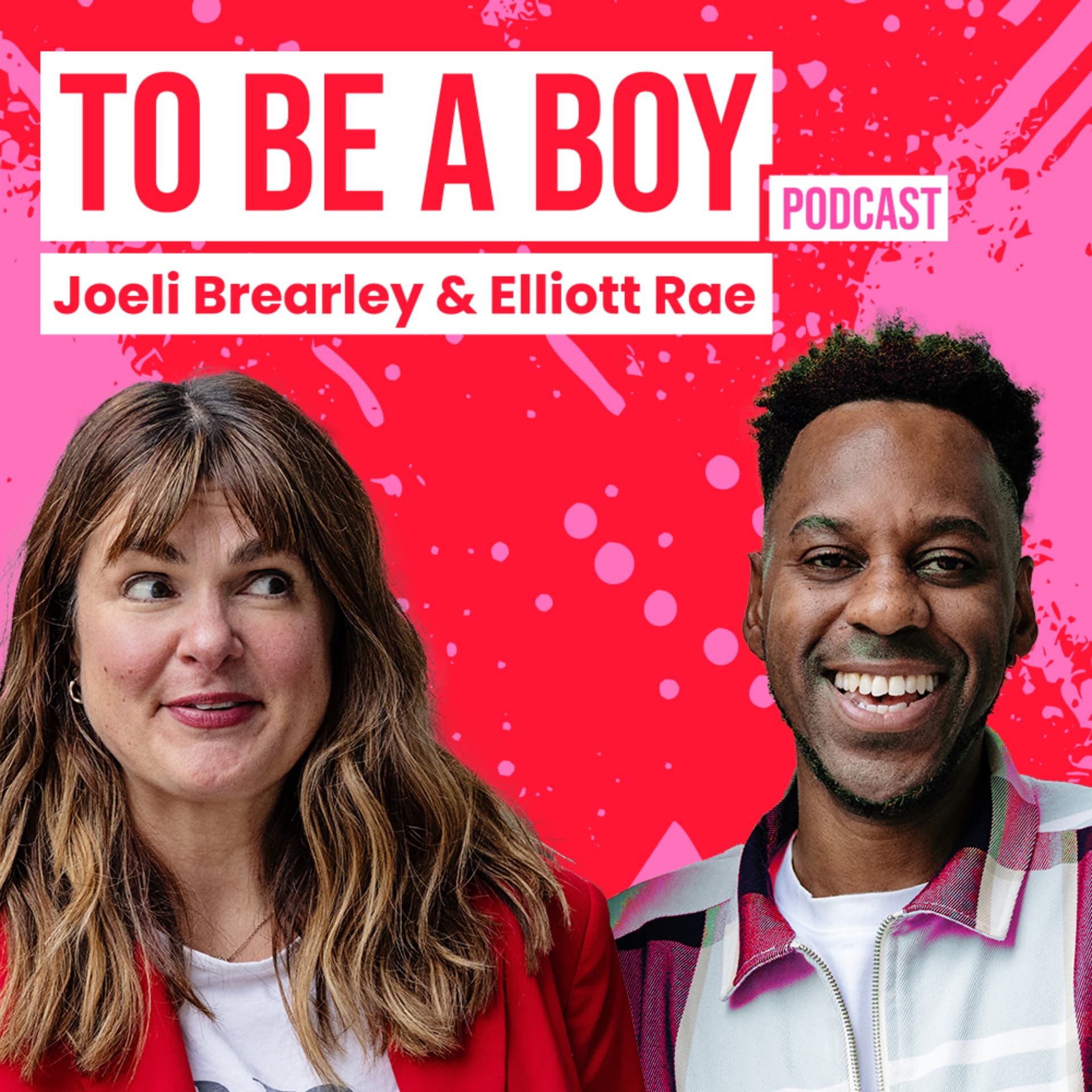
Podcast Overview Title: To Be A Boy Host(s): Joeli Brearley and Elliott Rae Episode: Under 16s vs Social Media: Kanishka Narayan MP, Online Safety Minister Enters the Chat Description: This episode covers the UK government's consideration of banning under-16s from social media, featuring an interview with Kanishka Narayan, the Minister for Online Safety. The discussion touches on issues related to screen-time addiction, bullying, harmful content, and the challenges governments face in regulating technology.
---
Key Themes and Discussions
- Current Debate on Social Media for Under-16s
- The UK Parliament voted on whether to ban social media for under-16s amidst a rapid decision-making process.
- Elliott expresses frustration over the timing of the vote, which occurred before public consultation concluded.
- Key Points:
- The consultation period was limited to one week, raising concerns about insufficient public input.
- The vote did not pass, with many MPs opting to wait for further data and feedback.
- Concerns Surrounding Social Media Impact
- Discussion on the effects of social media on children, including:
- Screen-time addiction and its ramifications.
- Bullying and harmful content encountered online.
- The necessity for regulations to mitigate risks while acknowledging the potential benefits of connectivity.
- Government's Response and Consultation Process
- Kanishka Narayan outlines the government's commitment to addressing online safety issues and engaging with the public.
- Potential Solutions Discussed:
- A complete ban on social media for under-16s.
- Regulation of specific functionalities, such as curfews or limits on screen time.
- Engaging with experts and young people directly to shape effective policies.
- Parental Responsibility
- The hosts emphasize the importance of parental involvement in managing children's online behavior.
- Joeli recalls experiences with her own children, highlighting the contrast between parental monitoring and children's freedom online.
- Discussion on the need for more parental education regarding online safety.
- Community Engagement and Youth Spaces
- Elliott and Joeli discuss the decline of community spaces for youth, suggesting that:
- More outdoor and social opportunities are needed.
- Parents should take active roles in their communities to foster safe environments for children.
- Cultural Expectations and Public Perception
- The hosts address perceptions of boys and their behavior in public settings, questioning societal reactions to typical childhood antics.
- The need for a cultural shift towards accepting children's natural behaviors outdoors is emphasized.
- Regulation vs. Ban
- A discussion on whether regulation or an outright ban would be more effective in ensuring the safety of children online.
- Narayan stresses the importance of finding a balanced approach that protects children while allowing them to benefit from social media.
---
Conclusion The episode is a deep dive into the complexities of regulating social media for young users, framed by personal anecdotes and insights from the Online Safety Minister. The conversation calls for an informed, community-based approach to ensure that the online experiences of children are safe, enriching, and conducive to their development.
Action Items
- Parents and listeners are encouraged to engage in the upcoming public consultation related to online safety.
- Visit the Online Safety Parent Hub: [Educate Against Hate - Online Safety Parent Hub](https://www.educateagainsthate.com/online-safety-parent-hub/).
For further engagement, listeners are prompted to reflect on the balance between protecting children and respecting their autonomy in a digital age.
Written by AI. May contain mistakes. Listen to the episode to check what was said.
Chapters
Tap a time to open that second in VODiscussion on Social Media Ban Debate
1:15 to 2:03
Hosts discuss the complexities of banning social media for under 16s.
“It's a really interesting interview and it does highlight how complicated this issue is in many ways.”
Parliamentary Vote Reaction
2:07 to 4:09
Elliot expresses frustration over a recent parliamentary vote regarding social media.
“Elliot, I know you feel very strongly about the vote that happens in parliament, talk to me about it.”
Consultation Process and Public Opinion
4:11 to 6:05
Elliot discusses the importance of public consultation and evidence in decision-making.
Balancing Parental Guidance and Youth Freedom
6:08 to 8:30
Hosts reflect on the balance between parental control and listening to children's opinions.
“There's an element of listening to their experiences, but ultimately I think as guardians, as parents, it's our responsibility to keep them safe.”
Reflections on Previous Episode and Debate
8:32 to 10:38
Discussion on the previous debate about social media bans and differing viewpoints.
Experiences of Kids in Public Spaces
10:40 to 13:14
Hosts discuss changes in behavior of kids in public and their reliance on screens.
“Was she like oh my gosh you're Jodie Brilly?”
Community Perceptions of Youth Behavior
13:17 to 14:06
Hosts reflect on how community views shape youth behavior and freedom.
Childhood Mischief and Community Expectations
14:06 to 16:00
Discusses childhood games and societal reactions to kids' behavior.
The Importance of Safe Spaces for Youth
16:00 to 18:04
Explores the need for safe environments and activities for children.
“Like we can control to a certain extent.”
Community Engagement and Responsibility
18:04 to 20:42
Highlights the role of parents and community in youth development.
Show all 20 chapters
Government's Stance on Social Media Age Limits
20:56 to 22:22
Discusses the government's approach to social media for under-16s.
“it seems like it's the biggest conversation going on right now.”
Balancing Benefits and Harms Online
22:22 to 24:15
Examines the challenges of managing online safety for youth.
“And they're talking to parents and campaigners.”
Social Media Regulation Strategies
24:15 to 26:08
Delves into potential regulations to improve youth online safety.
“It's so difficult to weigh up because obviously, you know, the online world can be beneficial for children, for us.”
Perspectives on Social Media and Pornography
26:08 to 28:00
Explores views on banning versus regulating online content for youth.
“the most harmful functionalities, for example, by stopping an addictive algorithmic recommendation in some areas.”
The Challenge of Regulating Social Media
28:00 to 29:52
Exploration of the delicate balance between regulation and personal freedom on social media.
“whether regulation of social media could be the right route to go down.”
The Online Safety Act: A Starting Point
29:55 to 33:19
Discussion on the effectiveness and limitations of the Online Safety Act in tackling online harms.
“issue, if we're finding a middle ground, some people say a ban is too extreme, we need to regulate.”
The Balance of Legislation and Parental Guidance
35:13 to 39:50
The importance of balancing legislation with educating parents on screen time and safety.
“At the start of the year, Grok, the AI chat bot on Twitter, or X, started allowing people to create non-consensual nudes of people.”
Engaging in the Consultation on Online Safety
39:53 to 42:01
Details on an upcoming consultation for public input on online safety issues.
“I was on Instagram yesterday and I was watching a reel and before the reel finished halfway through, it was already kind of going up, encouraging me to swipe before it already finished.”
The Importance of Trust in Addressing Social Media for Youth
42:01 to 43:38
Learn about the minister's insights on the need for trust and engagement with young people regarding social media restrictions.
“I don't know where I came from, but you know.”
Personal Experiences with Social Media
43:38 to 44:42
Hear a relatable story about the regrets of a young person regarding social media use and the importance of education around its harms.
“And we're not just going no for the sake of it.”
Transcript
Automatic transcript. May contain errors.0:00When you want your spring break to feel like... And your kid's pool day to feel like... And your hotel bed to feel like... Ooh, and room service to feel like... Because at Hilton, hospitality feels like... Your cabana's ready. Would you like fresh towels? It matters where you stay. Book now at Hilton.com. Hilton. For this day. Burnout Paradise is hailed as the wildest night out in New York City by Time Out New York. Now off-Broadway at the Astor Place Theater, it's a live show you'll never forget as the people on stage make a desperate attempt to complete a series of escalating tasks, all while running on treadmills.
0:48And if they don't complete their to-do list in one hour's time, you can get your money back. Get tickets today at burnoutparadise.com.
1:02Elliott:Hello and welcome to To Be A Boy with me Jolie Brilly and me Elliot Ray. This episode is sponsored by KORU Kids, the UK's leading after-school nanny marketplace. In a minute we have an interview with the Minister for Online Safety, Kanishka Narayan, who is going to talk through what the government are exploring in terms of social media ban but other measures that they're considering in order to keep children safe online. It's a really interesting interview and it does highlight how complicated this issue is in many ways. We wanted to just have a brief chat beforehand because since we recorded this episode we have also published an episode which was a debate between two brilliant women on whether it made sense to ban social media for under 16s but also a vote has happened, taken place in parliament and so we thought we should just explore both of those things before we get into this episode.
2:07Elliot, I know you feel very
2:10Elliott:strongly about the vote that happens in parliament, talk to me about it. I'm going to try and contain my anger. A little bit annoyed to be honest because this is a massive issue, it is a massive issue that everyone, particularly parents, are thinking about. And the consultation was out for a week. I think the consultation for three months, it was out for a week and MPs voted on whether we should ban social media or not without the consultation concluding. And so from my perspective, if you are an MP and you're trying to look at this complicated issue and weigh out the pros and cons, there's there's loads of data and evidence to look at but I think the big thing we should be doing is hearing from constituents hearing from the public real stories about what people parents young people think about how we should move forward so the fact that the vote was taken before the consultation finished and there was time to actually properly look at the conclusions from the consultation just really annoyed me to be honest and I would hope in the future that that doesn't happen.
3:17I also feel like, you know, the news is busy at the moment. Of course, what's happening in the Middle East is taking up a lot of headlines. And so it felt like the vote was done at a time when it's not going to be amplified in the media. I've spoken to a lot of friends and family and just people online around the vote. Loads of people did not know it happened because it was way down on the BBC website. The Guardian website is pretty much at the bottom you're not going to see it unless you're searching for it so you know the cynic in me says that it was buried so people can't shout about it which was annoying it also it's worth
3:56Elliott:saying it didn't pass it didn't go through and a hundred Labour MPs abstained so it does appear that the vast majority of MPs are keen to wait for the consultation to conclude before moving it forward and it's also just worth saying for people that aren't familiar with parliamentary processes that one vote does not make anything law so even if that had passed it would then go to the house of lords and the house of lords would scrutinize the bill and would probably make amends to it they would debate it and they would vote on it and then it would go back to parliament after that and sometimes it plays ping pong so it goes between parliament and it goes between the house of lords for quite a long time before you get to a point where new legislation becomes law.
4:44Elliott:It seems to me a missed opportunity as well to take evidence from what's happened in Australia because obviously we have a live case study of what happens when you ban social media and so my preference would be to give it a bit of space so that we can see what's happening in Australia and learn from that before we enact our own legislation and I'm going to say it's quite controversial and I am also wary about I'm wary about listening too much to young people and let me caveat let me explain what I mean by that my kids when you talk to them about a social media ban are outraged by it and think it's adults telling them what to do and it is adults telling them what to do but I also tell them what to do with all of the things don't smoke don't you know like don't be naughty go to bed on time like it do need uh an adult telling them what to do and I know from teenagers that I've spoken to that are sort of 18 19 many of them really regret the time that they spent on social media and can now look back at that time and think they wasted lessons they wasted opportunities with friends um and they see it for what it is when they didn't see it like that at the time and with a 12 year old boy you know he is my I have a 12 year old boy who is addicted to screens it's really hard to get him off games it's really hard to get him off YouTube and I can see the damage it's doing to him but he obviously doesn't see that so his view to me is sort of unimportant I'm like well I can see it so actually I'm afraid you're gonna have to do what I tell you um but yes I think we should hear the voices of young people to a degree but I also think really it's our responsibility as adults to make this decision and that's what we're here for i think as as older people as parents like we're here to like preempt what's going to go wrong and when i think about when i was a kid there's loads of things i wanted to like stay out late until like 10 p.m on a school night of course i wanted to because other kids were my parents like no you're gonna be in by seven go to bed at eight o 'clock like you should of course at the time i didn't like the idea i thought they were taking away my freedoms but they knew the risks of me being out in Wembley, in Northwest London at 10pm a night.
7:20Like it's not safe and it's not good. There's an element of listening to their experiences, but ultimately I think as guardians, as parents, it's our responsibility to keep them safe. But that said, what were your reflections on last week? So last week's episode was a spicy one. I think it was one of my favorites. We had Dr. Susie Davis from Papaya Talks and from Free Childhood. And we had Sonia Livingstone, who's a LSE professor. What did you think about what they were talking about? What were your reflections on that conversation?
7:48Elliott:I thought it was a really healthy, really interesting debate between two very well, two women who are clearly unbelievably intelligent and have really thought about this issue. In summary, it didn't change my mind. I still believe there is merit to a ban for under 16s of social media because I still fundamentally believe that social media causes more harm than good. and they don't believe that parents are able to control their kids access to social media as well without a ban being implemented and once one is implemented I think we have more power over their access to to social media so yeah by the end of it at the end of it I was like yeah I'm still not convinced I'm afraid I haven't changed my mind and you know we heard both sides of the story and it's not a blanket a ban and then we're gonna save the world and fix all the issues but for me where i stand is i think we should do it all i think we should regulate some of the addictive features in regards to autoplay and continue scroll and all those sort of things i think we should ban and have age restrictions as you said i just i just don't think the positives outweigh the negatives and all the conversations i have with people they haven't convinced me otherwise i think we should also have more parental education like so my wife is getting back into her music she's releasing an ep and she's doing she's doing her stuff online and she's on tiktok and she's finding that there's like kids from my daughter's year five class following her on tiktok and she goes on their accounts and they're doing like dances on tiktok and their parents probably have no idea that they're even doing it and so i think there needs to be parental education and there also needs to be more outdoor spaces more third spaces more youth clubs more groups where young people can actually experience life out in the open and build all those communities and those social connections in person so for me it might be extreme but I think we do it all all of it ban and the rest of the stuff we can't control all that ourselves I think as parents we can we can influence quite heavily a lot of that stuff but it does need government level funding and intervention as well but it was a great conversation you know and I think it's been it's been shared widely and I think people really appreciated the fact that it was a grown-up conversation as well where we weren't fighting against each other um you know no experts were hurt in the recording of this I got that from Kaylee thanks producer Kaylee um in the show notes but yeah no it was a fair fight so yeah great great chat i mean i would quite like to just turn off the internet to be honest but uh i do appreciate that's not possible and yeah i absolutely agree that there needs to be more education for parents and there need to be more third spaces i talk about this without mentioning any names but my son had two friends over uh last week and he's in secondary school so these boys i hadn't met the boys that he talked about and I really wanted to meet them so we invited them over and they were going to go to the cinema and it's so interesting new friends of your children that you don't know and so then I had a phone call with one of the mums about it so she you know we got to know each other a bit and that was nice and the other mum was very nervous.
11:09Was she like oh my gosh you're Jodie Brilly? was she oh i'm very sad to say she wasn't she didn't get like look son you be nice to this boy
11:24Elliott:okay their mom is really really to the boys when they came over obviously no and the second mom didn't want to have a phone call and was very reluctant for her child to come over and was very strict like with her son about where he could go and what he could do and she tracked him tracked his device and where he was going but at the same time he my son is very good friends with him because they talk to each other online all the time and he had access to all social media accounts and everything on his phone and no restrictions on it and it just really occurred to me that you know this happens a lot like his parents were very nervous about what he did in the real world but didn't have any restrictions over what he was doing in the online world and obviously it's not my place I'm not being judgmental my worry is there isn't enough education for parents still about the dangers that can exist online this seems to me that it's happening a lot and actually like we had a bit of an incident where I took them to the cinema and they actually got thrown out of the cinema after 30 minutes of being in there because they were throwing popcorn and uh they went out of the door they shouldn't have gone out and again it made me think i don't think that would have happened if it was three girls and i don't think they'd have swiftly thrown them out and i think there is we just don't see boys out in the wild as much because they're at home on screens like when i was younger we used to go to the cinema and cause havoc all the time and nobody threw us out of the cinema it was just expected kids come in and they're a bit naughty when they're in there because they're out of the house and it's fun yeah and what happens and i mean there was literally nobody else in the cinema they weren't disturbing anyone they were the only really on the screen yeah and they still threw them out for a bit of popcorn being thrown like so we're we're sort of making the outside spaces quite hostile for kids and so they're inevitably going to gravitate as well to online now I'm not saying my kid you know didn't deserve to be thrown out I haven't complained I haven't been like why have you thrown my child out I haven't done that I just think that we are becoming less tolerant of children in public particularly boys and groups of boys and I think that we also are creating environments where it just feels safer for them to be online than it so we've got a local whatsapp group for the local community which is good sometimes it's serious stuff actually about you know crime but the other day someone posted a picture in the in the whatsapp group some boys were doing knock down ginger did you not knock down ginger we like knock on someone's door and you run away like we did that all the time why do you call it knock down ginger we called it knock knock run because that's the name look i don't know what it's definitely knock knock run no kaylee kaylee where's it's come from two against one listeners email in okay it's not down ginger but whatever whatever you want to call it normal childhood games bit of fun someone posted in the chat these two boys knocked on my door causing trouble around the local area blah blah blah blah blah and i saw that i thought give me a break their kids knocking on your door and running away do they there's a picture need to be in the whatsapp group are we criminalizing these boys now because they knocked on your door and ran away like okay it's annoying i get it i get it it's annoying they probably shouldn't do it whatever but really do we want to put their picture in the whatsapp group so everyone can see them and be like oh yeah look how bad they are and everyone's talking about where their parents blah blah and i just thought we're overreacting a little bit too much here like chill out they're probably 12 years old they're bored we've all done this it's normal and i think what you're saying there we're just like yeah basically we just panic when when we see kids out in public who aren't angels and it's just like it's just yeah it's just like really bad i think we need to as part of this ban and restriction on social media we need to get more comfortable with young people out and about and sometimes they're going to be annoying and sometimes they're going to be loud and they're going to throw popcorn and do knock down ginger or knock knock run away whatever you people call it um it's gonna happen right let's do a poll we're gonna do a poll what's your word knock knock knock knock knock knock knock knock knock down ginger kaylie how do we do a poll can we do it on spotify or something let's set that up and see i i agree and also kids just need places to go as well don't really need things to do like when we when i was younger as well we used to just go you to get have a pound you get the bus into town and you just sit on a bench in town and like that's all you do all day and people will come into town and you'd see people and you won't buy anything you just hang out and I mean I have no evidence for this whatsoever but big groups of kids in towns now I imagine have moved on or you know it's just there's just nowhere for them to go there's nothing for them to do and so that needs solving alongside a ban on social media alongside us regulating what's happening online they need opportunities and places to go and have fun which feel safe yeah I think it sounds like a big task and it is but I think as parents we can do things about that you know I think we can give our kids more freedom I think we can invite their friends over for play dates you know we had a brilliant episode with Lenore Skenazy and I think she talked a lot about that and we spoke about how we make efforts to invite our kids friends over and, you know, do those things that help them to have real life experiences.
17:11So I think as parents, we can do stuff. Like we can control to a certain extent.
17:17Elliott:And we also should have a sense of responsibility of getting involved in your local community. I think we've lost that as well. I think, you know, you should have, you should, like, you know, my partner does the local football team. He coaches on the local football team. It's a lot of work. that I feel like as a family we're doing something to contribute I know loads of families they don't do anything and I get it you're busy I get it but like youth clubs years and years and years ago were just voluntarily ran by adults who cared and wanted to build communities and we've lost all of that we have I've seen around here a couple of adults have tried to start a local youth club because they've been worried about the kids around here and it was just two people were like okay I'll do something but we need more people nobody else would get involved but yet they moan when the kids are doing bad stuff they're all over whatsapp moaning about it um you know people do if you want to if you want things to change you've got to do something yeah you have to and so we are active in our local church and before the little one came along every Sunday not every Sunday twice a month we would teach the kids Sunday school and it was really bloody hard and it was like it was like super hard work right like those kids like you got earn your even in the church even in the church you've got to earn their respect they're looking at you like who are you i don't care if i'm here for god who are you and entertain me and teach me it's like bloody hell mate you're in place of worship here i thought you'd be bringing your sunday best so it's really hard but we did it and actually it was so good because you get to know kids from the local area and they know you and there was one little kid I remember the first time I went there and this kid was so naughty right little black boy wasn't listening so naughty and like me and him were just we're just like at it two months later I didn't come one week and my wife we did it together and he and he was asking for me and he's like oh where's Elliot and I came the next week and we bonded and like he would I could see him now looking to me for like validation and we'd talk about stuff and we built this relationship right and I'm like this is what it's all about being in your community spending time with people who aren't your children and getting to know them and trying to impart just life experience and perspective and it was amazing but I think part of this is by design you know we're so busy the cost of living most of us are working we're tired we're stressed out we've got to do all these things finding the time and energy to volunteer is is hard you know I get it I really really get it but you know where we can right where we can it might just be once a year or whatever but I think it's a really good thing to do and also it's not just super altruistic like you get a lot of value from it back as well like you do get a lot of growth and a lot of value yourself yeah we've we've become very isolated and that is a way of combating that and it's a way of feeling hopeful again I think doing small steps that contribute to something positive so enjoy the episode everybody and we'd love to hear your thoughts about a social media ban I think the consultation does it conclude in two months did you say?
20:32I think it's May we'll put it in the show notes but I'm pretty sure it's May.
20:37Elliott:So do respond to that consultation and we will be updating you on how things move forward and here he is the Minister for Online Safety Kanishka Narianne Enjoy.
20:55So Minister, given the increasing global policy activity on social media age limits, it seems like it's the biggest conversation going on right now. You know, Australia has become the first country to legally ban children under 16 from having social media accounts. And we saw that Spain recently announced plans to do something similar. So what is the government's current view on whether or not to introduce a social media ban for under-16s in the UK? Well, Elliot, it's great to be talking to you about this. It's a really important theme. The big picture is that there is total recognition in our country, when I speak to families, parents, even young people, that we need to act robustly.
21:34There is a problem in terms of the experience of young people online, the extent of it, the amount of time they spend on there, but also specific harms that they're experiencing. And so what we are doing is we're saying we're not going to second guess the right answer. We're going to look closely at the experience of young people, speak to them directly, speak to families, speak to experts and come to the right answer. One of the options in the consultation we're running is to look at a social media ban for under 16s. But we're looking at a range of different options as well. Should we ban specific functionalities, a curfew, for example, or limits on screen time or specific types of functionality that make things addictive instead of banning wholesale platforms as well?
22:13So the big picture is the government is going to act quickly. It's going to act robustly. But we also want to get it right for our young people right across the country. Yeah. And they're talking to parents and campaigners. And from our own experience, we know that one of the big issues is obviously bullying and mental health impacts from children being online. And one school of thought is that the ban will tackle that. The other school of thought is that the ban will just push people and children to less regulated digital spaces where maybe the content hasn't gone through certain checks and they're exposed to much more.
22:46So how confident are you that if we were to put a social media ban in place, it would actually reduce bullying and mental health harms? yeah and you know one of the things i was reflecting on just as i was coming on here was that uh it's uh it's a pretty patchy experience to be a boy online at the moment right to the name of your podcast you're in some cases experiencing really difficult things like bullying and in other cases if you grow up you know i grew up in cardiff and south wales but my friends grew up in rural parts of wales to be a boy online is actually a source of connection and opportunity.
23:23And what we want to try and do is find a way of capturing the opportunity and mitigating the risk. To your specific question, we're speaking to a range of counterparts, including the Australian government, about whether we can do that through a ban or whether a ban is not the right way to do it. One of the things we're seeing in some instances is lots of young people getting around these things through VPNs or the age assurance not being robust enough. In other cases, we're seeing that specifying which platforms you ban can sometimes leave risky ones out and stop the opportunity, the connection aspects that I mentioned.
23:56And so for that reason, I'm not preempting where we end up because we want to get the conversation right, both in building consensus as a country on this, but specifically to get the policy right so that we allow people to be the best versions of themselves online. But alongside that, that we stop them from experiencing the hearts. And how are you weighing those? It's so difficult to weigh up because obviously, you know, the online world can be beneficial for children, for us. You know, I am here doing my work because I have access to the internet and social media. And we know so many young people do find, as you said, connection, community, friendships, maybe their entrepreneurial spirit and businesses can grow.
24:34So there are good parts, of course. At the same time, we know the statistics around mental health, around the impact it can have on loneliness and isolation and self-esteem. through this consultation how are you weighing up those two things so we can get the benefits of reducing the harms but also still keep some of the positive aspects of young people being online yeah well this is this is the million dollar question so uh like there there are some really acute risks where uh we we just have to come and be much more robust uh on it and so when you look at things like self-harm content or when you look at cyber bullying or when you look at for example the experience of women and girls online in terms of nudification.
25:16On those questions, we've come down very robustly. We've said, this is not a set of questions on which we're going to weigh up pros and cons. The cons are so clear that we're going to stop these things happening, make it a priority offense, and make sure that the government is doing everything to stop that stuff happening. There is a wider category of not just these specific acute harms, but what I'd call chronic harms, the sense that we're spending too long on our social media channels, on our phones altogether. And that duration ends up having an impact on our relationships, on our mental health, on our learning.
25:47There, I think we need to weigh up the pros and cons a lot more. And in terms of how we'll end up judging it, we'll, in the first instance, try to find as many win-wins as possible. Can you reduce time? But the time that people do have, young people in particular, have on their phones, really focus it on the areas of opportunity and cut down the areas of risk. Can you stop the the most harmful functionalities, for example, by stopping an addictive algorithmic recommendation in some areas. So those are the sorts of questions we're looking at. How can you really be razor sharp focused on getting the win-wins for young people?
26:20Elliott:This conversation reminds me actually of two previous conversations we've had on this podcast. One with a 15-year-old boy called Josh, who was incredible, and another with a woman called Cindy Gallop, who runs a website called Mate Love Not Porn. So with Josh, we talked to him about a social media ban he was talking about the manosphere he'd been pulled into the manosphere himself he had very he had lots of experience of it and his view on a social media ban was that he wouldn't support that what he would support is better regulation of social media and what we see online he felt that you can't start the bag it's really hard to remove social media and the benefits of social media can be vast as we've just talked about cindy gallop talked about pornography and the notion of banning certain types of banning pornography, you know, which is now you have to have face recognition in order to access any pornography online.
27:19Elliott:And her view was that, again, we're going about it the wrong way. People will always want to access pornography. Boys will always want to access pornography and they will find a way to do that. What we should offer them is alternatives. So rather than harmful pornography, where it's depicting things like strangulation and other horrible types of sexual activity, we should be showing real sex, real love, real intimacy to boys and young people so they get to see what real love looks like. I am very much in favour of the ban, actually. So far, I haven't heard anything that's made me think it's not a good thing.
27:56Elliott:But at the same time, yeah, it would be good to hear what you think about regulation, whether regulation of social media could be the right route to go down. Yeah. Jodi, those views, both Josh's and Cindy's are really thoughtful. You know, if I take the the porn question, for example, so we made strangulation depiction in porn an offense, and we made it a priority offense. So it's a really high priority thing. Companies are not allowed to do that, to allow content that depicts it. And that's because of exactly what you said, which is that the attempt here is to not ban something altogether. We're not trying to stop adults from consuming this content, but to shape it in the direction where it's healthy, where it's appropriate and as realistic as possible.
28:37We were seeing too many instances of young women and girls in particular experiencing strangulation in their intimate lives as well. And I think culture has an impact on what behaviors we end up carrying out. And so that was the reason for that. We similarly introduced age assurance on adult sites in the summer. Initially, yes, people tried to get rounded through VPNs. That has since leveled off quite a bit. But what we now see is on most of those sites, you have pretty robust H-checks. We want to get better and better in holding companies to account there. But regulation in these areas, alongside enforcement, Ofcom is running 92 investigations, is just find a company a million pounds so that it doesn't show porn to kids.
29:20We're actually finding ways in which regulation is able to not just go from zero to 100, a kind of no ban and a wild west to a total ban but instead to shape the direction of technology in the light of our valleys and that's really the question so the question we're looking at in the consultation more generally is can we reach that position for young people in terms of both acute harms and their chronic experience or is it so hard for us to do that through regulation that we end up having to go to a ban both of those questions are open we haven't preempted it. We're trying to work our way through it.
29:54Thanks. Yeah, it feels like on the regulation issue, if we're finding a middle ground, some people say a ban is too extreme, we need to regulate. And with technology moving so quickly, with new apps coming up all the time, with habits changing online, do you genuinely feel like the government is equipped to be able to keep up with social media apps, these massive billion dollar companies, and put the regulations in place in time to protect young people because just from a parent myself and someone who's worked in this space and we've spoken to people in government before and Peter Carr when he was Secretary of State and the Online Safety Act has come out too I don't feel like any government actually has the ability to proper regulate these social media companies and that's not necessarily a criticism of government I think it's just the reality of how big and powerful and innovative these social media companies are.
30:45So with that question about regulation, do you have that belief that we could get to a place where the regulation is actually keeping children safe, every child safe? Is that a possibility in your mind? I feel like we have to believe in that possibility because if you think about what we want as a society in so many areas, to lurch to a ban across all the areas of our online experience and social media would be something that I think we wouldn't have public consent for. People consistently already say in some areas you've gone too far on online safety and I'm not finding my free expression supported in the way that I'd like.
31:24So the reality of where we are is we want online experiences which give us opportunity, give us a free avenue for expression, but at the same time we want to try and mitigate harms for every child in particular. And so in that context, I feel like the regulatory enforcement has to be good. Even, by the way, if you do a ban, the ban's effectiveness is entirely reliant on the quality of enforcement. And so whether you're doing a ban, can you age assure a ban properly so that you can tell who's under 16 and who's over 16? Can you make sure platforms are doing that properly? Can you make sure the ban is being informed uniformly rather than people getting around it in the way that we might see in other countries?
32:02All of those rely on quality of enforcement. And so to me, this can't be a sort of, is enforcement good enough? And if not, do something else. The reality is whatever you do, we've got to show people that through our collective means of accountability, i.e. government and the regulator, we can stand up to these companies and put our young people's interests first. That is the foundation on which every option relies. Yeah. And does the online safety bill, does that go far enough? Do you think the regulation that we've set out in that bill is what we need to regulate? or is that bill a start and there needs to be more steps to achieve stronger regulation?
32:40Definitely a start. The Online Safety Act, you know, I briefly worked for the Labour Party when the online safety bill was going through Parliament. It took seven years to come up with the whole thing. Technology has moved radically since then as well. And so, of course, we need to keep up with it. There are lots of new risks coming up. We've already announced that we're going to look at some new types of risk, as I mentioned, strangulation, it wasn't made a priority offense in the act. We thought that was wrong. We had to do that. We did that. Self-harm content wasn't. We've made that a priority offense.
33:10Cyber flashing was not a priority offense. We've made that a priority offense. Nudification tools were not mentioned as banned. We've banned them. And so again and again, we're saying, yes, it's a good foundation, but there is so much more to do to keep up with both a sense of technology, but also a sense of harm that people are experiencing. today's podcast episode is sponsored by koru kids when my kids were younger i never considered
33:36Elliott:getting a nanny it just seemed like something posh people do something completely out of reach certainly for me but times have really changed and with nurseries child minders and wraparound care costs can really mount and just imagine imagine the peace of mind of having one person who your kids love, who you can rely on implicitly to look after your child in your home, someone who can handle school pickups, help with homework, sort dinner and help the kids wind down. So you can finish your work guilt-free and come home to peace and serenity and be totally present with your kids. If I was to have another baby, which, you know, I definitely won't be because I bought a dog instead, I would be considering nannies as an option.
34:26Elliott:The flexibility, the simplicity, having one person you can fully trust. I hear you shout out to the dog parents, me included. I need that in my life now. Coral Kids has full and part-time nannies that can work when your family actually needs them. Their nannies are vetted and trained and they work all across the UK so they will be where you are at. So why not have a look at their website? korukids.co.uk It is free to search and you can see what the cost difference is and whether it's a good fit for you. korukids.co.uk That's K-O-R-U-K-I-D-S dot co dot UK.
35:13Elliott:it is the true fact to say that parliament moves at a glacial pace sometimes you know getting anything through parliament takes a long long time and yet tech companies you know things change every day it moves at such a quick pace and so you sort of you know it's the snail racing the hair and trying to keep up in some forms and there's nothing you can do about that because otherwise you know you get rid of democracy but you don't want to do that we don't do that minister that is not the message i repeat you definitely don't want to do that so is there something else that is alongside this could come into place where we're educating parents better on what they should and shouldn't be allowing their children to view and what is a safe amount of time to spend on screen is there a way we can do more with schools so that I would like to see all schools ban mobile phones completely so mobile phones are not allowed in schools that to me there is no reason for a mobile phone to be in a school but um what's the other stuff outside of legislation that we could do that could make a change for the way our kids are just becoming screen zombies totally look um two things that are really on my mind one I think government can be a hair as well and so to give you a specific instance of it.
36:29At the start of the year, Grok, the AI chat bot on Twitter, or X, started allowing people to create non-consensual nudes of people. Within days, we were out there. The law is the law. We didn't try to change the law overnight, although we did accelerate parts of it. But we stood up and we said Elon Musk and Grok went the wrong and they had to take it down immediately. Within the course of, I think, about 48 hours or so, if I remember correctly, they'd stopped allowing that in the UK. And so I wouldn't lose hope in the power of what we can do together. Yes, the law takes time because of our democratic processes, and sometimes we can move a bit faster.
Read the full transcript
37:03But at the same time, government can be a hair in this race as well. But the second thing you said is really, really important. What we're trying to do is to support parents wherever they feel it is helpful to make sure that they can have both conversations. So we've just started a big media literacy campaign as well, where we've got an online hub. Parents can go on it. We'll put the details as part of the podcast content notes as well. Parents can go on the hub, get advice on how to do it. But we're also putting these TV ads out where we hope that there'll be prompts for conversations between parents and children as well.
37:36And then in schools, you make a really important point. So we've got this guidance that says mobile phones are not to be used in schools. And we are now making that a part of the Ofsted inspection regime as well. So schools are going to get held to account for this alongside it as well. I've been to tons of schools in my constituency and beyond. And it is very clear that schools that are implementing it are seeing a significant difference in the quality of engagement, some of the behavioral patterns, frankly, even relationships between how kids interact with each other. And so that is very much on the agenda as well.
38:07We'll get some guidance out for young pupils in particular and their families as well. I think this is really important because I think a lot of the conversation we've had today and the general conversation is around the extreme. It's around porn, harmful content. But I think a lot of parents are just worried that the kids are spending too much time. They may be scrolling on things that are just football. It's not harmful things, but we're losing them to the scroll. And I think it's an important point to make that the harm is not just the harmful content. The harm is that it's addictive. The content might be okay, but it's addictive.
38:41With that in mind, how much of that is forming and going to form, I guess, what you do going forward in regards to the result of this consultation? It's definitely a big part of it. And so in the consultation, we're looking at specific functionalities that can be harmful for the sort of reasons you're describing. Should we place mandatory curfews? Should we have times overnight in particular? You know, I have some friends whose children kind of scroll in particular late at night. Should we place clear curfews? Should we have time limits in terms of total number of hours? Should we look at functionality limitations on algorithmic recommendation of the sort that is addictive?
39:17So you can't just keep scrolling through tons of shorts. Already, I think on YouTube, for example, parents can stop. YouTube shorts, the kind of automatic doom scrolling stuff that happens. And so a lot of it is focused on that question. The one thing I will say is this, on behalf of some young people, they tell me that you can stop us, but my mom and dad is pretty addicted to doom scrolling as well. And I have to say my mom and dad are always on their phone as well. So look, some of this is, yes, we want to get it right for 16 year olds, but we shouldn't just stop at 17 year olds then doom scrolling away as well.
39:47A lot of this is a much broader cultural and societal question that we have to tackle together. couldn't agree more. I was on Instagram yesterday and I was watching a reel and before the reel finished halfway through, it was already kind of going up, encouraging me to swipe before it already finished. I was thinking, I haven't even finished watching this 15 second clip and you already want me to move on to the next one. Like give me a shot. So yeah, I 100 % agree that the education needs to be for parents as well. You know, I am not perfect. I'm addicted to my phone too. And so I think there needs to be that, you know, that in place too.
40:23So the consultation is coming up. Tell people what it's about, how they can get involved, what's the timeline, and what do you want people listening, the parents listening to this podcast, what do you want them to do in regards to engaging in that consultation? Yeah, great. So we're going to launch the consultation in just a few weeks' time. It's going to be a very short, sharp thing. We have promised that by the summer, the government is going to act on the results of it. And so we're going to run it for the course of a few months. And the big ask is as soon as we launch it, we'd love for parents, young people, experts, anyone interested to engage with it.
40:56We're going to set up a separate one altogether for young people because I really want to make sure we're listening directly to them and learning from their experiences and hopes and fears. But you can engage with it online and we'll set up a bunch of ways for people to feed in. We're also alongside the formal consultation running a broader national conversation today. today the conversation we're having is going to be very insightful and helpful as part of that. I've been in a school, I spoke to parents last week, Secretary of State's been in a school this week as well. So we're out and about every week listening directly to young people, families and experts and we'll hope we'll get to a good decision as a result of it.
41:31Great. And last question, this is a very emotive topic. I've come to discover that talking to family and friends, people get very emotional about it. I think it goes to the heart of our parenting, what we believe about the world, the future. What kind of tone of conversation would you like to see people having, campaigners, parents? What kind of question do you want us to be asking? What feeling do you want us to lead with as we are going through this very important next few months that's going to define a generation of young people's experiences online? I love this question. Yeah, I just made it up.
42:03I don't know where I came from, but you know. I'm on a roll today, Minister. I'm on a roll. I love this question because very often in these debates, I think people end up having a very fixed view of sort of I'm pro-ban, I'm anti-ban and then there's sort of this adversarial parliamentary context with each other. The thing I really felt very instinctively when I was in this school two weeks ago, speak to 11 to 15 year olds, was the level of trust that I felt in them by the end of the conversation. They didn't agree. Some of them were in favor of a ban, some of them against a ban. but you know I just left with a very deep sense of the honest questions they had on their mind Eli who's I think 13 or 14 who wants to be a lawyer asked me how can you expect me to vote in an informed way when I'm 17 if you're banning me from main sources of news and information up till I'm 16 I thought this guy's gonna be a pretty good lawyer the biggest thing I think in terms of tone is a tone of trust, because I genuinely believe this is a question and a range of questions on which we want to get to the same outcome and put our kids' interests first.
43:11Nothing else matters. But I do genuinely also think that there are a range of possible ways to get there, some of which we will collect more evidence on, some of which we won't be able to conclusively collect evidence on. And so in particular, trust, but trust in our young people is a really important part of the entire conversation, because frankly, whatever the answer is, it will only work also if young people feel bought into it rather than feel like we have thrust something upon them
43:37Elliott:that they need to try and get away from yeah i have um my our babysitter looks after my boys i've got two boys 10 and 12 and he is 17 and he said to me the other day uh how much time how much he regrets the time he spent scrolling on social media and he's taken all social media apps off his phone and he said from the age of 14 to sort of to 16 he just spent all his time on snapchat on instagram just scrolling scrolling scrolling and now he really regrets it and has made amends and got rid of all of his apps but it was brilliant because he said it in front of my kids and i was like see oh model good role modeling yeah yeah so i think there is as well an education piece as well or the younger people who are so obsessed with it to understand that actually the harms of it and the damage it's doing.
44:34Elliott:And we're not just going no for the sake of it. We're trying to support them and help them with something that is really, really important for their mental and physical health. Totally. Totally. But Minister, thank you so much. I'm sure you've got important things to do, fixing the world, the online world for young people. So we're going to let you go and get on with your job. Thank you. Thank you so much for joining us. I feel really energized from it. So thank you. Yeah, it's been great. Thanks so much for having us. Thank you.
45:06Life moves fast. Your schedule never stops. But scripture can still be part of your everyday life. Experience the Bible like never before with the Word of Promise Audio Bible. Presented in dramatic audio theater with immersive sound effects, original music, and powerful performances, including Jim Caviezel as Jesus. Whether you're driving, walking, or simply taking a moment to pause, Scripture is ready whenever you are. Click or tap the banner to start listening on Spotify today.
45:52So put that fork down. Try the new wraps today in app or at order.sweetgreen.com. Available at participating locations only.
From the publisher
The UK is deciding whether to ban under‑16s from social media, and we’ve got the Online Safety Minister in the hot seat but before that they chew the fat on THAT vote in parliament and who’s right in the knock ginger/knock-a-door run debate…
Elliott and Joeli grill Kanishka Narayan on screen‑time addiction, bullying, harmful content, porn regulation, school‑wide phone bans, and whether often-times glacial governments stand a chance of keeping up with tech giants.
If you care about kids, policy or your own scrolling habits, thisone’s for you.
Parents are invited to access the online safety hubhere: https://www.educateagainsthate.com/online-safety-parent-hub/
And the online consultation here: http://www.gov.uk/government/consultations/growing-up-in-the-online-world-a-national-consultation
This episode is supported by Koru Kids, a childcaremarketplace helping busy families find brilliant, trusted part time nannies.
From school pickups to homework, dinner and winding down, Koru Kids gives parents some easy days in their week, with vetted, trained nannies across the UK. Find out more here: http://bit.ly/49y19rl