 Ask ChatGPT

Men’s mental health and the “Say It Louder” initiative—why men struggle to say what they feel, how stigma and “keep it in” conditioning lead to hiding, and how therapy or other practices help.
Jake Humphrey (High Performance; business/high-performance background; has used therapy, views it as “maintenance”; discusses hiding stress and alcohol history). Matt Willis (On The Mend; has been in therapy in periods; discusses alcohol-related shame and communication; also shares mental-health practices like Yoga Nidra).
Men are conditioned to show strength and avoid weakness; “toxic masculinity” messaging can confuse what masculinity means (strength + vulnerability). Hiding struggles can become a “performance” and later “tip over” (e.g., drinking patterns, emotional omission). Therapy is framed as a professional, confidential “transaction” and a mind-workout, not something only for crisis. BetterHelp partnership: 60% of UK men signing up cite anxiety.
Matt’s father’s job loss and relentless “hard work” model; Matt’s brother Michael Everest death and family shielding; Jake’s shame about money stress and business burden; Jake’s “PhD in hiding” and drinking concealment; Yoga Nidra as a reset; communicating with partners works when done early, not after “bottling up.”
Written by AI. May contain mistakes.
Discussing personal experiences and perspectives on therapy among men.
“I have been recently, but I'm not at the moment.”
Analyzing the stigma men face when discussing therapy and personal struggles.
“I feel like it's like we kind of got conditioned in a way, you know, like from early on to kind of keep it in.”
Reflecting on how the roles of men have evolved and the challenges faced today.
“I think that's really interesting because I think our parents probably and our grandparents definitely, the role of a man was clear then, wasn't it?”
Sharing personal stories on how parents influenced their approach to challenges.
“That is a big stress point for me, trying to be a business person.”
Explore the impact of grief on family relationships and personal growth.
“and they kind of called me and they said to come upstairs.”
Discuss the importance of mentors and open communication in developing emotional intelligence.
“So that, you know, I can only imagine it must have been harder for James than it was for me, obviously difficult for everyone in the family, but for him in particular.”
Analyze the evolving role of men in society and their struggles with identity.
“And I went through loads of struggles and stuff and he was very much there, you know.”
Examine the tendency of men to hide their struggles and the importance of emotional openness.
“And would never have felt bad about that because it was required, it was a necessity to pay for the life.”
Discussing the benefits of open communication with partners.
Sharing personal experiences of balancing life and responsibilities.
“It's kind of like, well, you know, have you told Virg exactly how you feel about this?”
Examining the relationship between hard work and personal fulfillment.
“as I've already said, I own them, so I have to work extra hard to keep that going.”
Critiquing the traditional notions of high performance and its impact.
“A few years ago, I had an interview with a guy on high performance with a guy called Shane Parrish.”
Discussing the fine line between healthy habits and addiction.
Identifying why men hesitate to express their feelings.
“Embarrassment, shame and embarrassment, stigma.”
Exploring the dynamics of therapy and its perceived risks.
“To actually sign in therapy, I think it's a scary thing for a lot of men to say.”
Sharing individual techniques for maintaining mental health.
“they're 7, 5, 4 and 1 on the way in September but fucking hell.”
Learn about a unique meditation technique that aids relaxation and mental clarity.
“It's like meditation, but you kind of go into this kind of sleep-like trance but you're awake and you kind of like focus on different parts of your body.”
Discuss the benefits of exercise, weightlifting, and the social connections it brings.
“and like I run every day, it's not quite the same.”
Hear personal stories about seeking therapy and overcoming mental health challenges.
“really yeah yeah I was listening to it and I was just like I sound shit that's interesting because that aligns with the feedback from the audience.”
Understand common misconceptions surrounding therapy and its real effects.
“car and I was driving and I didn't have anything on.”
Explore challenges and strategies for discussing feelings with children, particularly boys.
“What's the biggest misconception about therapy and what actually happens in a session?”
Explore the challenges and lessons in parenting, focusing on overcoming fears.
“and we were kind of diving off the side into the sea and we had a hoop, right?”
Discuss the importance of addressing mental health and seeking therapy.
“It's just one of the most practical things that you can do.”

Get the gist, explore an idea or ask about something said.
 Claude
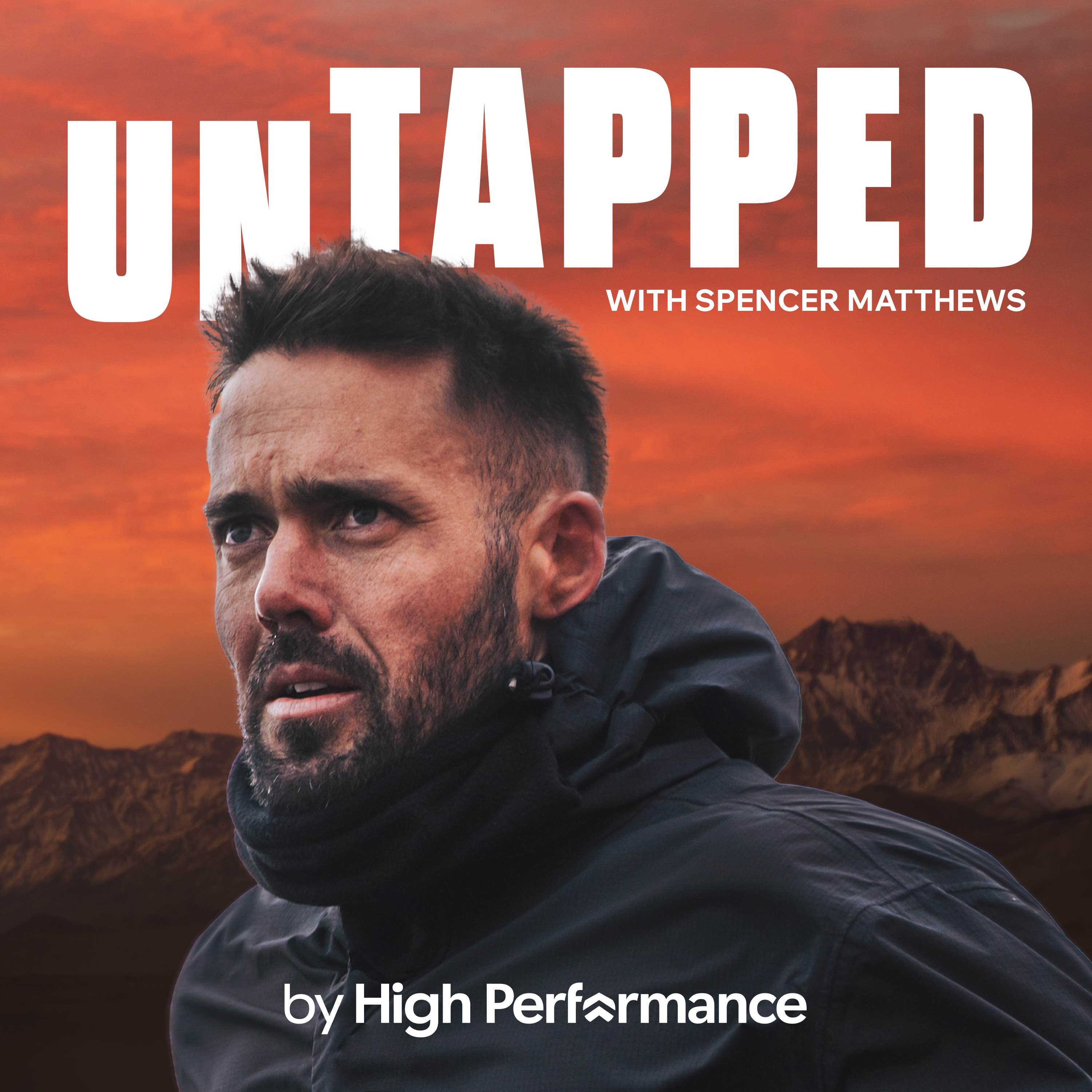
On UNTAPPED with Spencer Matthews, what are the key points of this episode?
Searching your listeningAutomatic transcript. May contain errors.
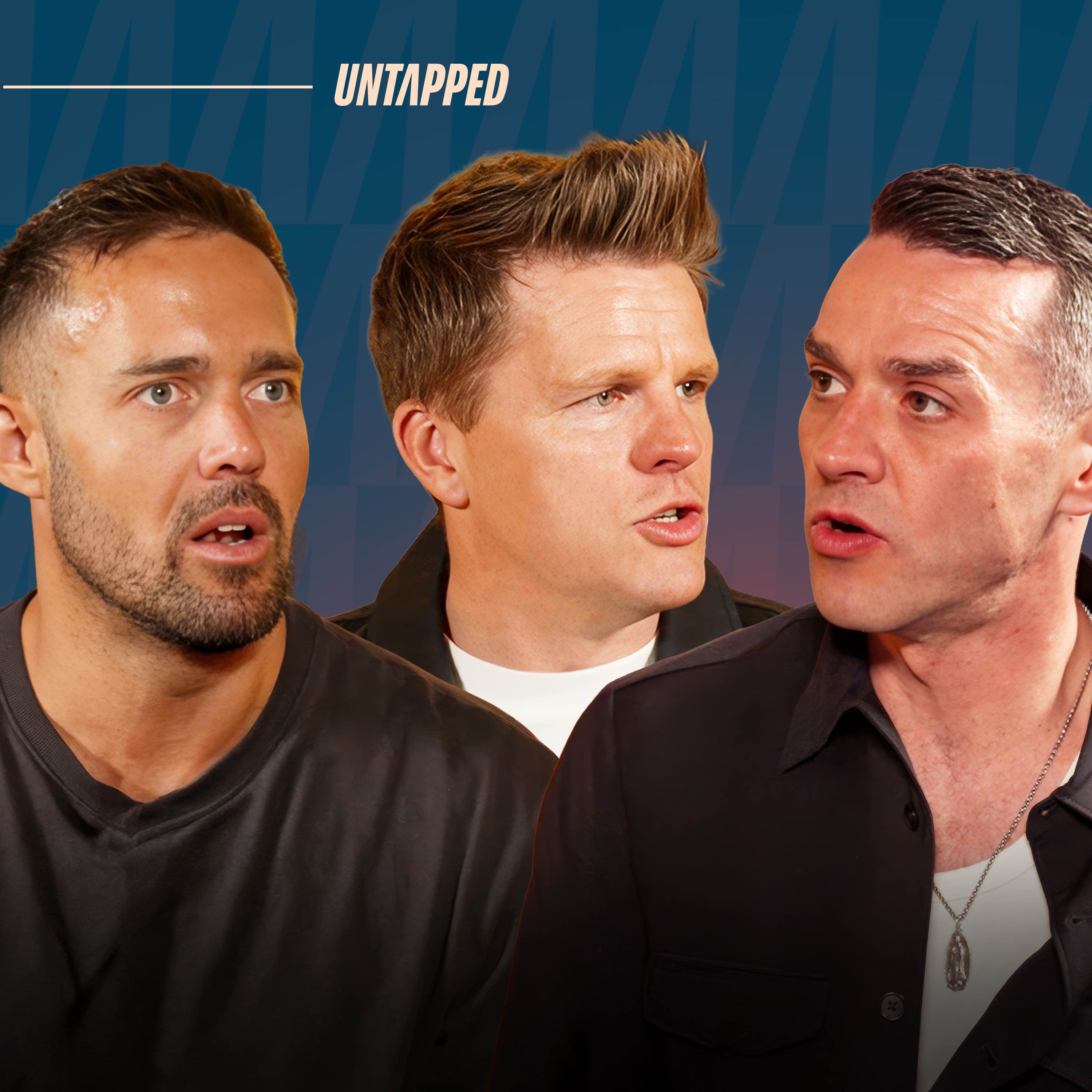
0:00For many years, men have been told to stay strong, keep it in, and not show weakness, and now we're asking them to open up. And wondering why they don't. Today, myself, Jake Humphrey from High Performance and Matt Willis from On The Mend are here to have the conversations a lot of men still aren't having. What are you actually feeling? Why is it so hard to say it out loud? And how do we start to change that? This is part of the Say It Louder initiative, a partnership with BetterHelp across the next few months, bringing these conversations to light and making a real, measurable difference to men's mental health, hopefully.
0:34Let's get straight into it. Right, shall we break the ice? Are either of you currently in therapy? Do you know what? I'm not right now. I have been recently, but I'm not at the moment. But I've been in therapy a lot in my life. But I'm not right now at this moment. Similar to you, Matt, I've kind of had periods of my life where I've been in therapy, you know, like once a week for an hour every week. And I'm not right now, although I still have contact with my therapist. There are times in my life where I feel like I need it more than other times. But also I'm a massive believer in having it when you're not in crisis, when you don't feel you need it, like a kind of maintenance act almost.
1:22I actually quite like the sitting with him in this case and just talking completely openly about yourself for a full hour. It's quite refreshing. My wife would say that I'm selfish anyway, but it's quite hard. Never had your doubt of someone who wants to talk about himself for an hour, did you? Do you know what I mean? Definitely not. Have you not? Okay, good. There's obviously been great progress made in recent years. Your therapist has done a great job on you. Thank you, Jake. Give me his number. Yeah, yeah. So, I don't know. It is interesting, isn't it, though? If something is bothering you or you want a clear path through something, to sit even with a good friend and talk about yourself for a full hour is quite indulgent.
2:05It feels quite self-indulgent. Whereas in therapy, obviously, that's the point of it. Yeah. I think also, the last time I went to therapy, I hadn't had therapy for a couple of years and I went there with nothing, really. I kind of didn't go there for a specific reason or anything. I kind of went there and went, everything's going pretty well but I feel a little bit kind of flat. I should feel better about my life. Do you know what I mean? Which was my, it was like, why? Let's explain, break that down, you know, and it was kind of quite a weird time to go and when I told people about that, they were quite surprised.
2:35They were like, oh, you're killing it, everything's going good. I was like, yeah, but you know, that's probably a good time to go and check yourself a little bit. You know, have you ever, would you ever feel embarrassed about telling someone that you're in therapy? I wouldn't, no. No. That's just me. You know, I don't, how do I put this? I wouldn't feel kind of embarrassed by much, to be honest. And I think, you know, these things are personal, but if you want to share it with, you know, your friends or your family, you know, the very definition of a good friend or family member should be very supportive of that.
3:10I don't think therapy is anything to be ashamed about at all. In fact, you know, I would put therapy in a similar category to running, lifting weights, you know, looking after yourself. you know it's a workout for the mind so you know me saying to my wife even oh you know I'm going to be home a bit late I'm having an hour of therapy after work she would only ever see that as a positive thing even if life was an inverted commas great I mean there's been times in my life where I think when I first started kind of like exploring this kind of stuff it did feel like an alien world to me and it felt like something that you don't really tell anyone about that you keep to yourself because people might think you're you know crazy or something.
3:50So I was like, don't tell anyone, keep this to yourself. But I don't feel like that anymore. I think that I think there are some people that I might be anxious about or nervous to tell them I'm in therapy. I can't think who those people are, but I definitely, I think what bothers me is if you say, oh yeah, I'm in therapy at the moment, what's the follow-up question going to be? Oh, why? Or are you okay? Or can we do anything to help? And that's what I don't really want. Do you know what I mean? So I wouldn't mind saying, oh yeah, I'm seeing someone at the moment because I'm struggling a bit. But then it's it's all the follow-up stuff.
4:20You don't want the sympathy. Not really. That's why you go to a therapist for the follow-up questions. Yeah, exactly. What about, I mean, obviously we're talking about therapists and you go in there and you basically tell them everything. Are there times in your life where, and it might even be now, where you don't tell people everything that's going on and you just restrict the information that you share? I think there has been times in my life where I've done that. I've not wanted to worry people. There's something about that. I think this is a lot of problem with men right now. I feel like it's like we kind of got conditioned in a way, you know, like from early on to kind of keep it in.
5:00Do you know what I mean? Like to not show any weakness, to kind of like keep calm, carry on, you know, just get on with it, you know, that kind of stuff, which I definitely felt, I felt like, I don't know, it was a sign of weakness to show that I was struggling. yeah i think i think as well it depends on on the behavior really as well lots of the time that i have uh saw therapy has been around uh you know abusing alcohol or certain behaviors i would like to change um so sharing that information with people freely can feel a bit destructive and it can come with a sense of shame. You don't necessarily want to be calling people who you love or meeting people you love and going, I'm off to see a therapist just because I can't control my drinking.
5:51It's almost embarrassing. Well, it certainly felt like there was shame attached to it for me. So I think that therapy, to build on your point from the stigma of therapy, I like to look at it as you know a performance tool instead of therapy like something that I need because I need to fix something in my life it's kind of how can I improve how can I be better would it be beneficial to have an hour with this person you know see it kind of like I don't know I'm not a huge fan of the term life coaching because the people giving it haven't lived a full life yet so it's hard to coach somebody through life particularly as everyone's experiences in life are different but I like to see therapy as how can I be better than I currently am and can this conversation help me achieve that instead of I'm a bit broken, how do I fix myself?
6:54Which of course is the same thing, a different way of looking at it. I think that's a barrier for young men in particular as well at the moment you know like this whole i probably would be interested in talking to a therapist but i don't want my friends and family to know and i don't want people to think that there's something wrong with me and you know and i i'm a bit confused and you know i think society expects one thing of me but i don't feel that i can fulfill that and so you know there's there's a there's i think it's quite difficult uh in many cases to be a young man nowadays it's almost like the role of a man has changed.
7:29And I think that people are struggling to keep up with it. I think that's really interesting because I think our parents probably and our grandparents definitely, the role of a man was clear then, wasn't it? You would be the breadwinner, you would go out, you would graft, you would come home and there's the family. And our grandparents would expect that the family was being run while they're out working. It's so different for us now. It's like, what are we? Do we still do that? Do we be emotional? Do we bottle it all up? Do we share and tell the world exactly how we're feeling? I don't know what a man looks like these days.
8:00I think the thing about sharing is interesting because you guys have a slightly different experience to me that Emma works and Vogue works. My wife Harriet doesn't. I mean, she does because she's at home with the kids, but she doesn't have a job that she goes to. So actually, it's very interesting when it comes to do you tell everyone everything. In the world that we're in, where I work in London and Harriet's in Norwich where we live looking after the kids, there's loads of stuff she does that I don't even know about. You know, like get Seb's hockey stuff. I wouldn't know where to begin to find that stuff.
8:30Then there's a load of things that I do that Harriet wouldn't get involved in or know about. And actually that does create a really interesting dynamic in a relationship where something happens and your partner goes, why are you not telling me everything? And actually you can't tell everyone everything. And also I think that I see my responsibility is going out, coming to work, creating high performance, building a few other businesses, and then making sure there's enough money that the mortgage gets paid and everything happens. And if there's a month where things are a bit tight or I have to have a conversation with Harriet about money, there is a definite shame or embarrassment linked to that.
9:04Where she's on her side of the bargain, everything at home is rocking and rolling, and I've had a month where cash flow's been challenging in the business or something, and it's like, oh, that is a really weird, weird sort of tightrope, I think, that I tread sometimes. Yeah. so do you find talking to someone about that kind of stuff about the way you feel about that helpful yeah I do I think I like to because actually you have we live in this world where we think that everything is flowing and perfect for other people and it's when you want to talk to someone else that you would put either as an equal or above you in the business world or something and they go oh no this is like how it is it's a constant challenge you know trying to run a business you know with 30 people or 100 people is not easy sometimes I think it's easy with 10 ,000 people because the business is so big.
9:49Yeah, yeah. You know everything's going to be okay. Small businesses are hard. That is a big stress point for me, trying to be a business person. I'm not employed, right, by anyone. Everything I do is my own. The buck falls with you. On everything. There's not a single thing that I do now where I'm employed. And that's hard. Basically, I'm unemployed and unemployable, and therefore it all rests on my shoulders. I actually prefer anyone to just get a salary from BT Sport. I was like, ah, talk about football and get paid. Lovely. Great. Well, look, we've got a bunch of questions in front of us. So we haven't seen them.
10:27We don't know what they're going to be. And I guess we just take it in terms to pick them up and speak. So who wants to go first? I think Matt. Matt? Me? Please. Who's going first? Matt. Okay, here we go. I'll go first. Right. Question one. the double standard. Who in your life growing up actually showed you how to deal with something hard? Whoa. Who in your life growing up showed you how to deal with something hard? That's interesting, isn't it? Yeah, so like a role model or something, I suppose, or someone that you were... For mine, it was my parents and the answer was always the same thing.
11:05Hard work. Yeah, yeah. So my... Manners. We came from a house of hard work, basically. So my... I remember, and you know these things happen when you don't even realise as a kid. My dad lost his job in about 1986, 1987. We had three kids. We had no money, really. We lived in Peterborough. Clothes came from jumble sales. Holidays, if we had one once a year, we'd drive a car to a campsite and camp. But you know when you don't know anything different, you don't know that there's not much money floating around, so it's just your life. Then I remember my dad was suddenly away from us all the time behind this locked door in the house, which was his study.
11:40And again, you don't relate to what's happening, but now I know he was doing an MA. So he basically went back to college, went back to uni whilst working, whilst having three kids, whilst having no money because he'd lost his job and he was trying to educate himself to get a better job. And so he would still at this time be working. So he'd go to work all day, come home, do his degree all evening. And then I think he went for like nine or 10 jobs and didn't get any of them. And again, you don't understand that stress. And then as we got older, it was always all about hard work. If ever there was a challenge in the house, we sort of lent into hard work.
12:13And there was the answer to everything, which is why I was doing a paper round at like 12 years old. Yeah, I only have memories of my dad working, basically. Same as you. He was a serious craft. He's 83 years old and is still working all day, every day. He's just decided, I'm not sure how much he'd want me to share here, but quite funny, he literally just bought a pub in Bewley in the highlands of Scotland, in the middle of nowhere. And he's just in there all day, every day, ripping the thing down, like doing it up. He's got guests coming in. It's just quite a random project. I wonder why he feels the need to be doing that.
12:49Yeah, but he's built incredible businesses, but he is completely attached to redoing this pub. He's 83. He's always worked like that. My mum as well has always been like a grafter, always busy. Obviously, I grew up in the same house as two brothers, James and Michael. James was a very gifted racing driver from a young age. So I would kind of see him, like not really be able to be in school. He was, you know, a professional racing driver when he was very young. So he didn't do particularly well in school because he was never around to, you know, take his exams and stuff. But he wasn't in school, he was busy traveling, racing.
13:29And Michael, obviously, we lost quite young, he was the youngest Brit to climb Everest and died when he was 22. But I remember that pretty vividly as a 10 year old, remember feeling what an incredible thing it is that somebody as young as Michael would want to climb Everest, be that adventurous at such a young age. And what did your parents show you about how to deal with that? I remember when we first found out, we were in the French West Indies at the time that we got the call. I was in my room and they were in theirs, the room above me, and they kind of called me and they said to come upstairs.
14:06came upstairs and they were kind of holding each other and they were very sad, like visibly quite, like the atmosphere was very awkward in the room. It was strange because they had always been, like I'd never seen my parents upset before. And they kind of held me as well and said, Michael is lost on the mountain. And I can remember at the time just being quite naive and just thinking, well, you know, that's fine, obviously. I'm sure he'll be found. So it didn't hit me until quite a lot later. But they were very strong. My mum in particular was incredibly strong. She was broken by it, incredibly sad, and so was the whole family.
14:49Nobody has been the same, exactly the same since. But they never showed a lot of it. They shielded me from how they really felt in order to let me live my life as a 10-year-old. I was never dragged into the very pure sadness of it all. It was kind of go and play and see your friends. And it wasn't so much a – I think you would exclude a 10-year-old from the turmoil of that situation. So I remember them dealing with it quite well for me. I didn't process it until quite a lot later, so I only had therapy for it in my adult life, like years and years later. And we went to Everest to try and find his body, and we made that film, Finding Michael.
15:44And I learned an awful lot about the mountain on the mountain and kind of just was able to let go of some of the pain when I was up there. But I had a fair amount of therapy around his death and not really processing it as a kid. I think death is quite an unusual thing to contend with as a child. You know, I'm not sure. It's obviously, you know, you watch The Lion King and stuff and it's a circle of life and it's all a part of living. So I think you're just a little bit more accepting of it, I think. You know, I think when you're in your... I suppose that is the case for maybe, say, a grandparent.
16:21But when it's your brother, you know, and they're like, what, 10, 12 years older than you, it kind of must be kind of like a bit of a world spinner. Yeah, no, it definitely was. You know, it's, you know, we don't talk about it too much anymore, but it will have had a huge impact on my brother James. Obviously, they were a year apart. They were best friends. You know, they grew up together, you know, in the same house all the time, lived together in London. So that, you know, I can only imagine it must have been harder for James than it was for me, obviously difficult for everyone in the family, but for him in particular.
16:55but you know I'm fortunate to come from a family where people have done difficult things around me all of the time you know like my mum raising a large family and my father always working always grinding he was a mechanic and then you know became a racing driver himself and then built businesses and you know I see my dad as a real a huge inspiration of mine you know I still bounce stuff off he's 83 as I say He's absolutely sharp. If I have business ideas, I'll call him first and bounce them off him. He tries not to be too pessimistic in his old age, but he is. What's your answer to the question?
17:36I mean, if I'm honest, I didn't really have that growing up. What, hard stuff? Well, we had hard stuff, but I don't know if I had anyone who showed me how to deal with it. I was very kind of, I don't know, I felt like I was always quiet on my own. I wasn't very close to my family. You know, I suppose we were close to most things, but it was quite a troubled childhood, so it was kind of quite difficult to kind of, I would never go to them with any problems, you know, or they would never show me any problems, or if it was a row or something, I kind of experienced that. But I never really, I didn't really have that until I was probably a teenager, and I had a friend called Ed, and Ed's dad, Paul, was this kind of like, I think he had Ed when he was about 16 years old, and he drove a nice car and he lived in the cool part of town and I was like, who the fuck is this guy?
18:28And how is he your dad? He looks just a bit older than us. It was so crazy. And I admired him so much because he was so open. That's a huge difference. And he'd ask me how I was and he'd kind of check in on me a little bit. Was that the first time in your life you'd experienced that from an adult? Yeah, I think so. I really admired him. and it was the first time anyone had kind of asked me if I was all right and actually wanted the answer. Yeah, yeah, yeah. And I didn't answer truthfully, but he kind of left that open so if I ever wanted to, I could. Are you still in touch with him? Yeah, all the time.
19:03He was the best man at my wedding. I love that. Because I think sometimes people come in your life at these right times and you're really grateful and then you sort of never actually tell them that and they just float off into the distance. and years later you think, man, why didn't I tell them how I felt? So I'm so pleased you did. No, no, he's been an amazing, amazing part of my life. And I went through loads of struggles and stuff and he was very much there, you know. And he was, yeah, it was like, but also I kind of, I got this kind of feeling of, because he was from where we were, you know, he wasn't from, he was from the same council states that we grew up in, you know, and he made this life.
19:39And I remember I went skiing with him, right, when I was about 21, 22 or something. And from this appearance of this baller guy, he'd make us sandwiches and stuff because the mountain was too expensive. And I was like, oh, he's still got a sense of what... So I really admired everything about him. It was a real good thing. He sounds great. Yeah, it was great. Do you think men are feeling lost about their place? Yes. yeah just to pick on something you said earlier on which I think was really interesting I think it might be news about actually like I feel like the probably me like the job the job description has changed yeah but no one's given you the new script do you know what I mean it's like we as men we're not quite sure what our place is anymore do you know what I mean like I feel like not for everyone obviously but I feel like that's a real looming thing you kind of like you don't really know where your place in the world is right now.
20:44You know, it used to be quite structured and quite easy to follow. Now, what is that? I think you're right. I rally against this phrase, toxic masculinity, right? Because I think that any time we talk about masculinity being toxic, we're giving a message, you know. You've got a son, have you? Yeah, yeah. You've got a son, I've got a son. I worry that we're saying to them, oh, being masculine is toxic. Absolutely, yeah. And it really bothers me that. I think that what we've done is we've got confused about what masculinity is and we think it's about dominance and it's about control and it's about exerting pressure and it's about pushing and finding limits.
21:17Masculinity is none of those things. Masculinity is strength, but that's not a bad thing. Masculinity is also vulnerability. Masculinity is hard work, but masculinity is also relying on other people. Masculinity is being confused and trying to find the answer. And I think that what we've done is we've taken how masculinity might have looked 100 years ago. We've said it's toxic, and then we've said any time that anyone shows any masculine traits in 2026, then it must be toxic. And it's not true. The reality is that masculinity and the role of a man has changed. We're trying to work out where we are at.
21:59You have to look at men in a new way, and I don't think a lot of people are. if we're looking at our place in society, I do think that's complicated for men. It was simpler before. If you take my example even, and yours, Matt, my wife works really hard. She does really well. She's incredibly popular. She does all of the stuff that she loves doing. She earns lots of money. So all of a sudden, the necessity for me to go out and do that is only personal to me. You know, like she doesn't need it even. So it's sort of like, even though my aim is to go out, work really hard and provide for my family, that's not really, it is what I'm doing, but it's also not what she needs.
22:51She needs me to be a present father and, you know, somebody that is around and on hand to be with the kids and to help her, which of course is something that my dad would have just never done because he's in the office, he's working, he's not there, that's not his role. And would never have felt bad about that because it was required, it was a necessity to pay for the life. But nobody would have even battled an eyelid if he was a bad parent, for example. And I'm not saying that anyone's suggesting that I'm a bad parent, but it is quite difficult when I'll go out in the morning and I'll train really early and then we'll go and work all day and you're trying your absolute best to find ways to earn as much money as possible, so that we can all have a free and amazing life.
23:31And you come home and your wife's still outworking. So it's kind of like, right, okay, well, I'm on kids' duty in Bath, and all that's fine. That's not a problem at all. I love spending time with my kids, but it's kind of, we're both doing two big roles, and it can feel like quite a lot. So it's just interesting. The next question is, how good have you become at hiding your struggles? I mean, that's probably pretty good for you, Matt. Pretty good for me, I'd say. Yeah, I've got a fucking PhD in it. Well, I think it's one of those things, it's like, you know, it eventually just tips over. Do you know, the cup just becomes too full that it just tips over.
24:19I thought I became really good at hiding. but I suppose looking back on it it was one, didn't serve me at all, you know, like I never I was never truthful or honest about anything like I just couldn't be, I didn't really know what that was, you know, like I think, it's not until I started therapy really, I kind of I stopped performing I mean I think that's like, that was my kind of my thing is I was always it was a performance act of, I'm alright I'm killing it, I'm doing alright, you know I'm this guy, this wacky guy, or feeding into these ideas of what other people wanted me to be. And it's not until I started therapy that I really kind of went, oh, actually, how do I feel?
25:03And I never really asked myself that question. The strange thing about the drinking as well is that when you get to the stage when you know it's wrong or socially acceptable and you do it anyway, that's when you're in, for me, like the really murky territory of, hmm, I kind of really feel like a drink, but I'm not going to express that to anyone because I know it's quite early and I wouldn't want them thinking I'm drinking, so I'll just have the drink and then I'll hide it. I went through a lot of that. I'd walk past a pub and it would be, you know, I'd just pop in quickly, have a quick drink, boom, and then I'd kind of just ignore the fact that I'd had a drink and then, you know, that might happen again.
25:45And then, you know, later when you're with your friends, and it's like, oh, should we have a drink? Like, kind of, you haven't. So then you're, and then you've got away with it. And like, so I used to do that all the time. There'd be more drinking than there actually was on paper. Yeah. And then all of a sudden you're like a bit pissed, but nobody else is pissed. And it's kind of like, well, why is he pissed? He's only had like two bits, but I should have like eight. Everyone thinks you're lightweight. Yeah, yeah, yeah. And it's kind of like, it's, it is dishonest. I completely, I find it actually really easy to be completely open and honest about everything when I'm not drinking.
26:18Yeah, yeah. Because there's nothing to hide. There's nothing to hide. There's nothing to be odd about. There's nothing to... Yeah. I've had moments even recently where I've kind of felt like I was slightly hiding how I'm feeling. You know, like there's something about me like if I'm feeling a bit overwhelmed or like things are getting a bit heavy and a bit hard, I still have something in me that doesn't want to tell people I love. Really? Like, still, now, like, I won't tell Emma exactly how I feel. You know, are you all right? Yeah, good, good. So, because I never tell. Yeah, really? No. Yeah.
26:55But not intentionally. Yeah. So Harriet will say to me, what's going on? You seem a bit quiet or a bit distant. And the truth is I'm thinking of a million things that are going on that are worrying me. Yeah. But I still have this voice going, but it's not her problem. That's exactly what I feel. Your shit. That's exactly how I feel. So lay there and deal with it. and it's so hard to describe this to people because when you kind of get found out and they go, and Harriet will go, why don't you tell me stuff? I kind of want to say, look, there's no intentional, I don't go to, my brain doesn't go, I really want to tell you this, but I'm going to decide not to tell you.
27:33My brain doesn't even go to the point where it says, oh, maybe I should tell someone this. I don't even realise that I'm not telling anyone. Does that make sense? It's not an intentional hiding away of information. I'm purposely lying. No, it's not like, I'm just like, I just don't want to burden someone. It just sits inside you. Yeah, yeah, absolutely. Well, omitting your truth, in my opinion, is not the same as lying. Yeah, yeah. So I think omitting certain details would certainly be considered lying, is lying. Yeah, yeah, yeah. But keeping something to yourself and not sharing it. How often do you feel overweight?
28:06This is a paid advertisement by BetterHelp. We've raised men to keep things in. Don't complain, don't show weakness, just get on with it. And now we're asking men to open up, but no one ever taught them how. So what happens? It builds stress, pressure, anxiety. It all comes out in ways that we don't want it to. 60 % of UK men signing up to BetterHelp Online Therapy cite anxiety as the reason. 60%. That's why I think therapy matters. Not because something's wrong with you, but because it gives you space to actually put words to what's going on in your head. And for a lot of men, that's the first time that that's ever happened.
28:44That's why we're partnering with BetterHelp on an initiative I'm personally really excited about. We want to encourage men to say it louder and get comfortable opening up. Society taught us not to, but now society is asking us to. It's time that we learn to lean on each other, to open up, and to measurably change the future of men's mental health. When life feels overwhelming, therapy can help. sign up and get 10 % off at betterhelp.com forward slash untapped that's betterhelp.com forward slash untapped stay tuned for the next three months as we talk more about say it louder um i mean i go through waves i mean right now quite a lot i think i've taken on a bit too much in my life so i'm kind of like but then but then i have this other voice that goes well you just need to get through this patch because then it'll be chill then and like i've been doing that for about a year you know something like i might need to yeah i might need to stay there and take my foot off the gas a little bit but um uh and then i think well i've got myself in this mess you know so like exactly i don't want to burn a bird and anyone else with it because i'll just go well you did it you did it to yourself have either of you ever tried just like communicating everything to your wives so so yeah because it because it because it is it's quite refreshingly nice this came up in therapy for me.
30:04It's kind of like, well, you know, have you told Virg exactly how you feel about this? And, you know, when you're just like in bed, you know, chilling, why don't you just say what you're saying to me now? Yeah. And I've tried it a few times. It works. It's nice. Really? Yeah. Because I'm not, I wouldn't say I'm the kind of person that's regularly overwhelmed. But I certainly find that if I don't tell her when things are going wrong in my life, then it does all of a sudden creep up as a surprise, right? Yeah. Whereas like, I always encourage her to do exactly the same thing. If anything's bothering you, not even with me, just share it with me so that I know.
30:41Because if you bottle it up and you hold on to it and it gets worse and worse and worse, and then there's suddenly this explosion, I'm in the dark, I don't know what's going on. And it's kind of the same with me. So now I do make an effort sometimes. I'll get into bed and I'll go like, oh, this happened today and this happened today and I'm working through it, but I'm sure it'll be fine. So she's aware of it, just in case anything blows up. kind of I'm going to try that it's nice actually yeah I live this I'm in this weird world where Harriet is brilliant at advice every time I speak to Harriet she comes up with something and I'm like oh my gosh how do I why don't I see the world like that yeah but then I don't but then I unintentionally don't tell her everything that's going on I just kind of I just get on with it and I kind of feel like I'm in this really interesting place where I've never had like an exit from a business so I've not got like loads and loads of like spare cash flowing around and the bank, right?
31:32So therefore I have to work hard. And all the businesses that I'm involved in, as I've already said, I own them, so I have to work extra hard to keep that going. And then my parents are getting older, my kids are getting older, life's never felt more expensive, I'm getting older and I have all these little physical things that you start to feel. And it's just this squeeze in your 40s, late 40s, that no one ever warns you about. But things are just not as free as they were even like five years ago. but I also feel like I need some kind of reward when I left school at 18 honestly I promise you I have worked every single day I've woken up and thought right I'm going to give 100 % today to get myself somewhere where I'm going to get loads of great rewards at the end of this and then I and I'm now 30 years into this journey and I'm starting to think like when when does this come?
32:22It'll come Bubba. I hear people I hear people say that your 40s is amazing because you give less fucks I'm like I give so many fucks. More fucks than I've ever given. More fucks than I've ever given. That's interesting. What does it cost you when you just keep going and push through? I mean, I kind of feel like I'm doing that right now. You know, I feel like I'm kind of like, I'm in Cabaret at the moment in the West End, and so I'm doing stuff during the day, and I've got a show in the evening. We do eight shows a week. So also I'm filming a documentary with the BBC. The thing is that I did make my own bed, right?
33:00So now I'm kind of like forcing myself to lie in it. Because I had commitments like On The Men is a massive commitment to me and I love it. And I'm also filming an addiction documentary with the BBC at the moment, which was all tied up in a very tight timescale that I have to finish in. And then I got this role that came through whilst the band was on tour. It came through last minute. It's a dream job. like the role that I've wanted to play emceeing cabaret since I saw it like five years ago I'm very happy to be in it but that's like so I'm working all day long from like 8 30 a.m till about midnight seven days a week which is I'm feeling a bit I'm feeling the pinch a little bit right now but then so I kind of I have this this holiday with my kids to Disney World which I'm sure won't be a holiday which will be very stressful and intense but I will love it and it's because I literally was like, I did that stupid thing where I was like, don't worry, you're not going to see me for four months, but then I'm going to buy you a holiday.
34:02So love me. So that's playing on my head as well. And then, yeah, so I feel like I'm exactly what this question is about. I don't feel great about it all. I feel like I'm missing a lot of things at the moment. And I think that's the answer to the question, is what does it cost you when you push through? I think what it costs you is what matters. Yeah, that's exactly it. A few years ago, I had an interview with a guy on high performance with a guy called Shane Parrish. And if you'd have looked at my life outwardly, I was doing Champions League, Premier League, running high performance, running the Whisper Group.
34:38Stuff was good. It was like everything was in the modern way in which you would measure someone's success. You'd say, well, that's great. And I just felt totally... And I said this to this guy, Shane. He said, well, show me your diary, which is on my phone. So I showed him my phone. and he went through it and he goes, cool, what do you love? What really matters? And I said, time with the kids, time with Harriet and a bit of time to play paddle with my mates or walk the dog or just go and watch Norwich City play or something like that. And he goes, great, where's that in the diary? And I said, well, it's embarrassing to put time with your wife or kids or time with yourself in your diary.
35:12That's an example that you've fucked your life up somehow, right? And he said, not at all. He said, everything else is in your diary, so why is the stuff that matters not in your diary? So he described this concept of pay yourself first to me and he said on a Sunday night sit down and pay you and your wife together pay yourselves decide then where's the stuff that we want to do and because urgent stuff will always come into your life it's important that the urgent stuff doesn't always get rid of the important stuff so you need to put it in your diary and it doesn't move and it's non-negotiable and then you can still be crazy busy and lots of stuff going on and it's like woohoo but it's those few little things is where your happiness lies and I think we get tricked into thinking our happiness lies in our business success or whatever and often it isn't where the happiness lies I used to think hardware matters now I'm not sure I think we've been responsible on high performance for actually some mistakes where we've lauded high performance too much I think we've told the world that it's really important to work hard but maybe you've taken that from a work perspective what about working hard on yourself working hard on your mind, pushing yourself in the gym I think you know I think I've been very very very unhealthy and obviously I'm you know pretty healthy now and I think I think it's where the element of high performance is to do the whole thing but you have an addictive personality because you were addicted to alcohol and now you're addicted to exercise it doesn't mean it's being fit and healthy is healthy being addicted to fitness and health isn't necessarily healthy yeah but what's what's the difference in exercising a habit regularly and being addicted to something I think if you're exercising there's consistency right if you're exercising to remove demons or like to give yourself calm I don't think I ever say to myself I'm going to go to the gym to get rid of you know the past like you know I go to the gym because I like being well but is there not I think that's an interesting thing isn't it punishing yourself a bit maybe I don't know from time to time maybe I think so what do you think is stopping men from opening up What I think is stopping men from opening up.
37:20Embarrassment, shame and embarrassment, stigma. Stigma of therapy, perhaps. Yeah. Looking weak. I think looking weak. Also, who to open up to? I think it's all very well and good saying men should talk, but who do they talk to? It's about picking the right person, I think, at times. Do you know what I mean? I think that most people would... I think there's less fear about going to see a therapist than there is about opening up to people in your life. Yeah, yeah. But I think speaking to a therapist feels like a way bigger step than speaking to a partner or a friend. So I think there's more fear attached to someone who's already in your life, but it feels much less of a big deal.
37:56To actually sign in therapy, I think it's a scary thing for a lot of men to say. I kind of think that's a bit of a shame. It's stigmatized, isn't it? Because I would think the opposite. I would prefer to go somewhere or jump online and have a conversation with a stranger who's a professional and then just shut the laptop rather than open up to... I open up to my family and people I love when I feel like I need to, but I still think that I would see the therapy as like a professional transaction. Yeah. You know? Like it's not... And that works for you. You're not taking any risk. And that works for you.
38:34You can jump on and you can literally just like spew whatever you need to say, right? And it's confidential, it's private, it's not going anywhere you don't need to run the risk of kind of if your head's in really somewhere a bit wayward you don't need to run the risk of anyone having an opinion of what you're saying or taking it the wrong way or having it affect them or having them feel in some way responsible I've had that in the past where you say how you're feeling and all of a sudden the very empathetic partner that you have thinks it's their fault and it's like I'm not blaming anyone I'm just saying how I feel so it's better to have the to just leave it in the room I think yeah I learnt that quite early on because I went into therapy session early into recovery and I walked down and he sat down and he was like how are you doing I've been thinking and he went that's dangerous and I started to go on and he went Matt can I give you some advice he goes never go inside your own head without an adult present I was like that is a fucking great line and I need that I was about 24 you know and it was a great line I've really kept to that because sometimes I'm like if I start to kind of go in there and start to think about things I can make things so much worse so where do you go then because you're not in therapy at the moment so who do you speak to today but I'm very having this conversation has made me very aware of how much I need to do it right now I think so so yeah I would go to a therapist do you think this though feels a bit like therapy yeah it does it feels nice do you know I think particularly already already no literally sorting you out already I can't wait breaking you down psychologically Jay's taking a sabbatical after that what we've realised from this is I basically want out yeah exactly I am done exactly I don't know how to get out you're out both our podcasts are fucked yeah yeah here's a question right your kids are younger than how old are yours?
40:35they're 7, 5, 4 and 1 on the way in September but fucking hell. Yeah. Mine are 16, 14 and nine. Would you, what's the 16 and 14 year old like, like as teenagers? Amazing. Is there a big change? Easier or harder? No, I got told this. Everyone always told me, oh, cause I was like, my kids are really cool, right? They were really good kids and everyone would always say, oh, just you wait. Yeah. Just wait till they're teenagers. I waited. They're fucking great. Great. Okay. They're cool kids. That's a lot to do with you and Emma though, by the way. But they're also like, they're just, they're just, yeah, So would you, if you went into therapy, would you tell your kids?
41:12Yeah, I did last time I was in. What was the reaction? They were like, cool. But I think we're quite open. And also I've been very open about me. And luckily they haven't seen too much carnage of me. So they know it from an observer, a storytelling way of what Dad used to be like. But I don't think there's any, there's definitely no stigma in my house about that kind of stuff. What do you do for your mental health? Do you know what? Something that I've been really keen on is a thing called Yoga Nidra. It has changed my life. Yoga Nidra? Yoga Nidra. Sick. Sounds cool. Sounds sexy, doesn't it? Yeah.
41:55Basically, it's kind of yogic sleep, right? So it's like you follow a script, you put headphones on, you lie down. It's like meditation, but you kind of go into this kind of sleep-like trance but you're awake and you kind of like focus on different parts of your body. This sounds a bit woo-woo and a bit like how do you do that? How do you switch your brain off? But I've tried so many different types of meditation and I never feel like I'm getting anywhere with it. This, I don't have to feel like I'm doing anything. I just lay down, I focus on different parts of my body and then half an hour's passed and I haven't thought about my crazy head for half an hour.
42:27And I just think about like you focus on your fingertip then your other finger then your other finger. It tells you to do that. It'll say like focus on your finger. negative what's the idea that it just frees your brain from yeah from the spinning out from the chaos oh really you know it's just a complete like reset what do I do I exercise by the way I wouldn't say that I'm addicted actually it's interesting right I'm not addicted to exercise in the way that I was addicted to like alcohol and drinking because you lose control of that it's not like if my day is busy and I don't have time to go running that I'm going to freak out like it's kind of really though like so if you're if you're on a training plan and you have to miss your day.
43:04If I'm in a training plan, it's a bit different. I like, Jake was talking about, I would diarize my training plans. Yeah, right. I would get in touch with YMU. I would say, these runs are non-negotiable. Right. You know, or like, we can move them, but they have to happen this day. Okay, great. I love lifting weights. Like, I love lifting weights. It's a really, I lift weights three times a week, at least, with a friend of mine. I've lifted weights with him for maybe 14 years. Wow. His name's Sean Stafford. I think you maybe know him. I know Sean Stafford. Well, I know of him. Yeah, yeah. He's a wonderful, he's just like, just a good guy to lift weights with.
43:36Beautiful heart, like lovely dude, just amazing guy. I love spending my three hours a week with him. Yeah. First thing in the morning, Monday, Wednesday, Friday, if I can, if I'm able to. And it really, it does a lot for me that. Yeah. And even on like when I'm away and there's no kind of gym and like I run every day, it's not quite the same. Like if I had to pick one, I'd probably go with weights. Really? I just feel, I don't know it's really really good for my mental health like if I go 4 or 5 days without lifting I'm noticeably a little bit aggravated. Jiu Jitsu is a good one as well. I don't train anywhere near as much as I'd like to.
44:16I used to train 5 times a week then I got into these larger challenges and I didn't want to hurt myself before doing them and they take months to prepare for so I just stopped rolling a bit but there's another incredible guy with an amazing heart called Paxton Gibbons who's a black belt uh three you know uh third down black belt under Hodger Gracie and I roll with him and he he is like a Sean he's just this incredible presence and person and a really amazing guy and that that's a wonderful thing to get into as well something that I would advise anyone to get their kids into is jiu-jitsu it's funny when you talk about this because the two things that that bring you the most joy in those things aren't the running which is solo it's the being with someone else it's that connection with another human do you for that yeah even running with somebody is better than running really yeah I do a lot of solo running and like anyone else you can't pretend that it's that exciting it can be quite boring if you're doing like a nice tempo speed session where you really have to be on it it's a little different yesterday I went for a slow cruise on my own it's boring can be boring I listened to an Untapped episode actually I hate my voice really yeah yeah I was listening to it and I was just like I sound shit that's interesting because that aligns with the feedback from the audience.
45:30Ollie Patrick's amazing, though. Those episodes with Ollie Patrick are great. He's so good, isn't he? I'm having a go at something for the first time, making friends. Right. Which is an interesting thing for me because I've always not really lived in this world where I've needed or had loads of great mates. Yeah, yeah. And traditionally, I've been jealous of guys when they've gone, oh, man, I love hanging out with my university buddies. Or I love it when I get together with my old schoolmates. And I'm thinking... I don't have any. How have I missed... I don't have any. See, I feel the same. I've lived this transient life.
45:58Like I look at my 40th birthday party and I haven't seen most people from it because it was just full of people who I was working with at that time. And my brain was, I mean, there's a few friends there as well, but my brain is like, oh, they're your friends. Okay, now I realize that they're just my work colleagues. It's so like, sorry, I honestly don't mean to bring this straight back onto me, but it's my 40th, not next year, the year after. And for some reason, Vogue and I were talking about it the other day randomly, just like that and she was like who would be like top of your list of your friends to come to your and I was just like I rattled off like three people and then I was just like fucking hell I haven't really got any other kind of close mates and then obviously you sit on it and you go oh of course them and them and them but like initially it was just a bit like oh what encouraged you to start therapy what's the biggest misconception and what actually happens in a session my friend put me to bed one night and I thought he was coming around to chill with me and I was incredibly drunk and he walked in and i couldn't i could barely kind of sit up straight and he literally just walked in put my arm over his shoulder walked me to bed lay me down and left didn't say a single word and i was just lying in bed thinking oh my god that's so pathetic yeah and i was just like and i was like man are you coming are you coming door shut and i was like oh my god um so i i sought therapy after that so my my reason for going to therapy for the first time was was alcohol abuse and like loneliness really like alcohol abuse the two went hand in hand like i would drink during the day and when most people were working so i didn't have anyone really to drink with it was all quite sad actually at one point when i think of the last time i went to therapy i went to therapy because i've been to therapy because i went to rehab many many times so i kind of like was forced into it but um the last time i went to therapy like on my own i was in my car and I was driving and I didn't have anything on.
47:53I didn't have any music on. I thought you were in clothes. I had nothing. Naked driving, go to therapy. Go to therapy. I was just alone in my thoughts and I suddenly just went oh, I'm a little bit sad. And then I noticed it and then I noticed it again. Then I noticed it again. And I was like, oh, that's hanging around. There was no reason for it. Nothing had happened. No sad thing had happened i was just like oh that's maybe becoming my state when i'm on my own and i was like oh that's that's something i need to kind of get checked out so i went there and literally within six sessions i was like oh i realized what that is and then you and i was like oh okay cool and then i worked on it for a bit and it was gone brilliant mine was when so i had a real weird period um in the early 2000s when i had these mad intrusive thoughts so i would i just basically thought that horrendous things were going to happen and that I was going to do the horrendous thing.
48:48Is this like when you walk past an oven and you like imagine putting your kid in the oven? Yeah, exactly. That type of thing. Yeah, you know, when you're driving a car and you think, what if I just steered into the central reservation? Now imagine living with that all the time. You have that? I did. 24-7 and everything you see, you think, what if I just did this? What if I just did that? But then you think it's real and it feels so real that you can't imagine it isn't real. Wow. So, and this is a long time ago where there's nothing like BetterHelp and conversations like this were not happening.
49:17Yeah. So I did not know what to do. So for two years, I would lay in bed like sweating. My wife, girlfriend at the time, would be like, why are you soaking wet? What's going on? I'd be like, I don't know, I'm just a bit hot tonight, can't sleep. And I didn't want to go, well, for the last two years, I thought I'm going to do something absolutely insanely crazy. And I couldn't talk to anyone at work about it because it's like you can't be a kid's TV presenter and mental. Those two things don't marry up. So that would have cost me my job, I would have thought. And there was nowhere to turn. I eventually did.
49:49I was reading the mirror one day on the tube, going back from Children's BBC back to my flat, and there was like an 0898 high-rate number advert in the back for a psychologist, and it literally said, are you suffering with mental health problems? Call this number. It's the best thing I ever did. Really? I rang this number, yeah. And it was like, you know, those like£1.50 a minute phone lines? Lovely. And this bloke answered and changed my life. he went hi and the voice I can still hear his voice now it was the most reassuring thing I've ever heard in my life and I told him what was going on he said you need to he said this is really highly treatable you need to go and have some therapy so I've tracked down this lady called Ruth who was incredible and I went in to speak to her and two things she said to me she said the first thing is if you're the kind of person that's going to do the things you're worried about well you wouldn't be worried about it you would just do it thinking it's normal so you're normal you're not abnormal there's nothing wrong with you she said the second thing All the pain is coming from you fighting these feelings, thinking a non-real thing is real.
50:44So you're fighting, fighting, fighting. She said it's not real, so stop fighting it. Just accept that strange thoughts, particularly, she said, particularly young men, which I think is really interesting. She described it as an existential period that a lot of young men and men go through. She said men have this and think it's real, and that's why suicide rates are so high and why so many men struggle. She said, you need to accept that this is just literally imagination and nothing more. Let it go. And that was it. Wow. And it was 20 years ago. And I've not had a flare-up, a recurrence. I feel mentally exceptional.
51:23But if I hadn't been on the tube and opened the newspaper that day, who knows how that might have ended. What's the biggest misconception about therapy and what actually happens in a session? I was always worried about I thought they were going to go into really dark stuff you know like kind of find traumatic moments in your life and really kind of go deep into them and I was like it kind of felt to me like Pandora's box I was like I don't want to open that and that wasn't my experience at all it just wasn't we didn't have to go to anything I didn't want to and like sometimes we'd go some places and I'd go oh wait wait wait and it was kind of like much more open dialogue I was always worried they'd try and place blame.
52:03So like when I first went to therapy, I was always worried that they'd be like, how was your childhood? And like try and blame my parents or my mom on my alcoholism and that would like drive me nuts. But then obviously they never did that. I had really weird therapy the first time. I actually loved it. I think he was either a controversial style of therapist or just summed me up straight away. I'd like to think the latter because it makes him a more powerful kind of therapist, I suppose. But yeah, I came in and I hadn't drank that day because I, like you, was forced by John Knoll, the agent, to go and see Chip Summers.
52:43And walked in and I was sober at the time. I had drank the night before, but I'd purposefully not drank that day just so that I could be sober for the meeting so that he could report back to John that there's absolutely nothing wrong with me and that I'm fine. and I sat down and he goes God you reek of booze and I was like I haven't had a drink today and he was like when was the last time you drank and I was like last night and he was like whiskey was it I was like yeah and he was just like God as soon as you leave I'm going to have to open the windows here so that the next patient doesn't think I've been drinking you know and he was quite horrible to me like initially like for the first kind of 15 minutes like quite aggressive on the like how disgusting I am and I can remember thinking like and was that a tactic yeah Well, no, I think he probably could smell whiskey on my breath.
53:28But, like, you know, he did go quite hard. I can remember thinking, like, it was a big mix of, like, you know, do I just sack this guy off or should I take on board that maybe this is how people see me? And it was, you know, I left and we agreed that I wasn't going to drink for seven days and that I'd see him again at midday on, you know, next Wednesday. And I left and I thought, you know, do I just, do I not care about that? or do people see me that way? When I go for a job or a meeting, do people just think I reek of whiskey and look like a fucking loser? And I thought, well, just in case, let's do the week.
54:04Did the week and ended up doing six months and we became very, very close. I even brought a friend of mine who had a drinking problem to him as well. He went sober for six months. It was a really positive time. My biggest one was, I thought it was more than just a conversation. I thought it was going to feel like a huge thing. And I remember walking out with the first one I'm thinking, well, that's weird. I've just had a chat for an hour and a half. Surely this doesn't lead to anything. I like the fact that it felt like nothing. Does that make sense? It's nice. It doesn't feel like a big thing in your week.
54:36It's just like, all right, I've got a few meetings. There was no diagrams. Have a game of tennis, have a bit of therapy, then have some dinner. It feels like nothing in the nicest possible way. Final question. Final question. Here we go. How do you talk to your kids, especially your sons, about their feelings and what do you want them to know that you weren't taught? How do you talk to your son? That's really interesting. Especially your sons. That's really interesting. I definitely find it harder with my boys than I do with my girl. Really? Yeah, yeah. Like, I notice that. And, like, I have to remind myself as a parent to try and be more equal with them.
55:14I find it much easier to wrap my arms around my daughter and tell her that everything's going to be fine and that she's safe and, you know, she needn't worry and nightmares aren't real and the BFG or whatever was on the Tony, like, isn't real and, you know, give examples of other stories that Roald Dahl's written that, you know, aren't scary and, you know, it's all make pretend and I'll take her upstairs into bed with me and let her fall asleep on my chest and, like, stroke her hair and make sure she feels, you know, all of, you know, the security and the safety and the love. I don't do that with the boys.
55:46Really? Far sterner with the boys. I've made a few mistakes in the past where I've said something and I've realised what I've said, which is kind of like, it sticks with me a little bit. You know, like I remember we were on holiday once and we were kind of diving off the side into the sea and we had a hoop, right? So we were kind of driving into the hoop, right? And he was scared to do it. And I really toughed him out to do it. You know, he didn't want to do it. didn't want to dive into this hoop. He was scared, you know, and I made him do it, right? And I'm... Like, because I was like, oh, this is an important lesson.
56:26Parenting's mad, isn't it? But no, I went into kind of like, this is a transformative moment for him. I am going to fucking dad him to death. You know, I'm going to like... And it was such a fucking wrong thing to do. And now you think, why does it matter if he dived into a hoop or not? Who gives a shit, you know? Like, it wasn't a big deal, you know? And I was like... It is now, though. I bet it's now he said it's first it's going to come up in therapy for him you know I remember this time with daddy daddy we were jumping the hook the thing is though I think that's a massive fear of water now you won't dive into anything none of us will feel like we get it right guys I loved that yeah I really loved it we should do this more often yeah it's been nice thanks guys I feel like I've got friends for the first time look if any of that resonated please don't just scroll past it I've learnt that ignoring what's going on in your head doesn't make it go away.
57:17It just makes everything else harder. Therapy is not weakness. It's just one of the most practical things that you can do. You'd hire a coach to get better at sport. You'd see a physio if your back went. This is the same thing just for your mind. BetterHelp makes it straightforward online on your terms, no awkward waiting rooms. Head to betterhelp.com forward slash untapped and get 10 % off your first month. That's B-E-T-T-E-R-H-E-L-P.com slash untapped. jump instead.
57:54the next step is the first cam on FXX fruitии.
Better Help 👉Join Spencer in Saying It Louder with 10% off Betterhelp Therapy. Click here: https://highpfrmc.com/ut-betterhelp-au
This special roundtable episode explores the vital role of mental fitness in reaching and sustaining peak performance.
In this special roundtable episode, in partnership with BetterHelp, hosts Jake Humphrey, Spencer Matthews, and Matt Willis reframe therapy as an essential "performance tool." By comparing mental maintenance to physical training, the trio highlights how proactive support is key to navigating the pressures of modern life and sustaining peak performance.
This conversation explores personal breakthroughs, from Jake’s experience with "Pure O" to Matt’s discovery of the power in asking, "How do I feel?" They discuss the value of having a "mental adult" in the room, a confidential professional who allows you to offload internal noise without the fear of burdening friends or family.
Whether you are facing a crisis or simply seeking self-understanding, this episode demonstrates that therapy provides the clarity needed to show up as your best self. It is a raw, unscripted reminder that seeking support is a proactive choice for anyone committed to long-term resilience and growth.
If it's an emergency or you need urgent help
Your mental health is as important as your physical health. You will not be wasting anyone's time.
Hosted on Acast. See acast.com/privacy for more information.