
In short
How to tell postpartum recovery from perimenopause when hormonal changes overlap, including symptoms, timelines, what’s happening hormonally, and how to advocate for support (healthcare and workplace).
Guest background
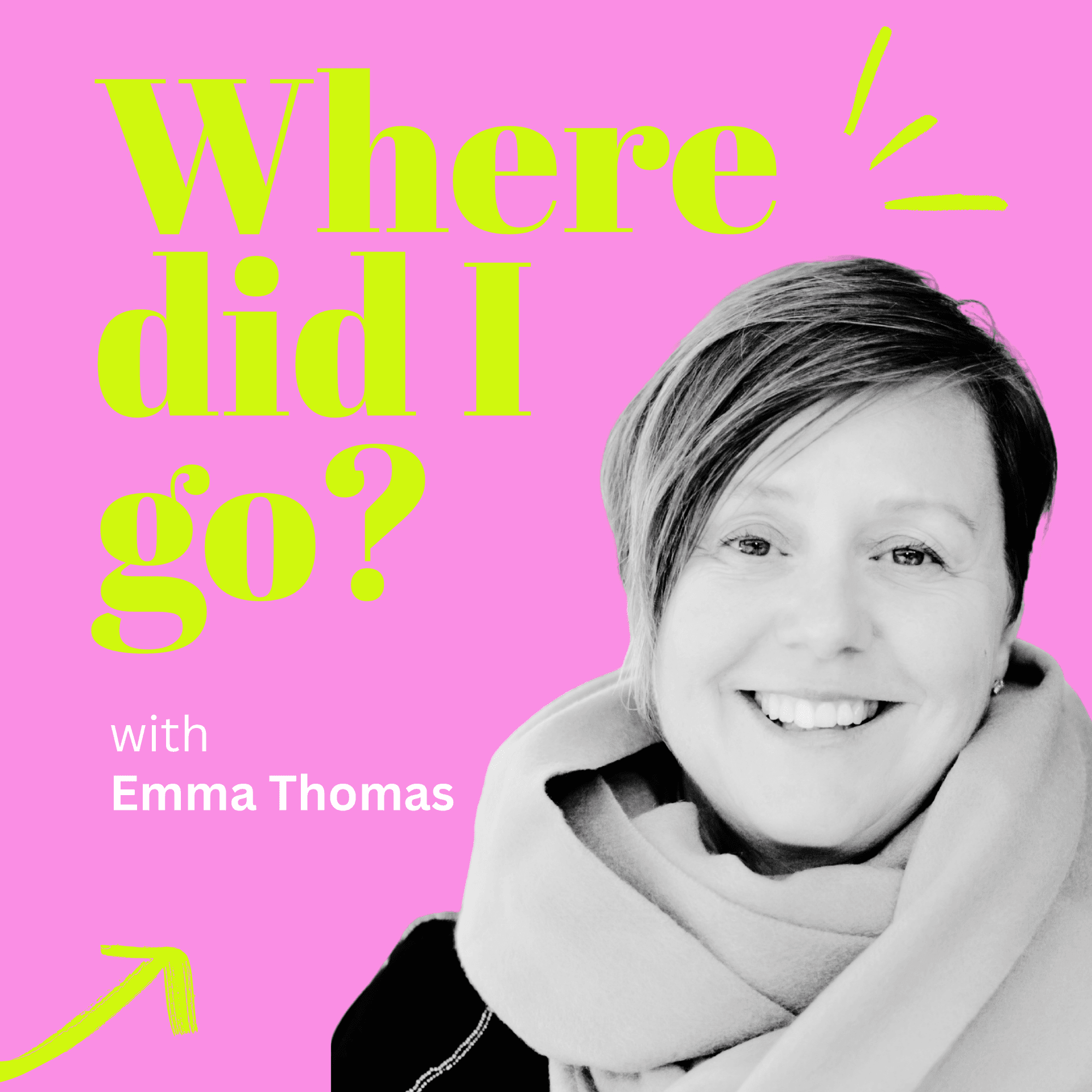
Emma Thomas is founder of The Triple Shift and Managing the Menopause; host of the Middling Along podcast. She spent ~30 years in academic publishing and led major change programmes, then pivoted to menopause coaching/education after redundancy. She works with her GP menopause-specialist sister-in-law, Beth, on Q&As and training.
Key claims
Perimenopause can start in the mid-30s; symptoms can last years and overlap with early parenting exhaustion. Many women dismiss symptoms as “tiredness” or “burnout.” Tracking helps provide evidence for GPs. HRT can be life-changing; diagnosis in the UK for 45+ is symptom-based (with blood tests for overlapping issues).
Notable examples
“0–90 miles an hour rage,” intense brain fog mistaken for dementia, heavy unpredictable “crime scene” periods (bleeding through underwear), and palpitations prompting an ECG. Workplace support ideas include flexible start times, quiet space, noise-cancelling headphones, and change-of-clothes access.
Written by AI. May contain mistakes. Listen to the episode to check what was said.
Chapters
Tap a time to open that second in VOEmma Thomas: Journey to Menopause Advocacy
1:42 to 2:44
Emma shares her professional background and the journey that led her to focus on menopause education.
Navigating Redundancy and New Beginnings
2:44 to 5:30
Emma discusses her experience of redundancy and how it catalyzed her transition to entrepreneurship.
“For anybody who doesn't know who you are, can you share a little bit about your very many businesses and kind of what you do and why you do it?”
Managing the Menopause: Emma's Business Overview
5:30 to 7:27
Emma explains the various initiatives and support her business offers for menopause awareness in the workplace.
“And I knew that, you know, there were other companies out there providing the sort of education, awareness, training, support to corporates.”
Challenging Stigmas Around Menopause
7:27 to 10:06
Emma and the host discuss the stigma surrounding menopause and the importance of advocacy for women's health.
“having a whole hour with a menopause specialist is absolutely gold dust.”
Understanding the Transition from Postpartum to Perimenopause
10:06 to 13:00
The conversation focuses on the confusion between postpartum recovery and perimenopause symptoms.
“So I just think it's all like revolutionary, to be honest.”
Symptoms of Perimenopause: What to Look For
13:00 to 14:01
Emma outlines some lesser-known symptoms of perimenopause, especially psychological changes.
“that perimenopause bit where you're, you know, I don't know, you're going to change again.”
Understanding Perimenopause Symptoms
14:01 to 18:06
Explore the unexpected symptoms of perimenopause, including emotional shifts, joint pain, and brain fog.
“but it just seems that it's all pretty constant, yeah, and pretty relentless.”
The Timeline of Perimenopause
18:06 to 20:27
Learn about the age range and timeline for experiencing perimenopausal symptoms, including surprising early onset.
“But actually what I'm learning is that perimenopausal symptoms can start sort of mid-30s.”
Statistics on Early Menopause Symptoms
20:27 to 20:51
Recent studies reveal that a significant percentage of younger women experience moderate to severe menopausal symptoms.
“They looked at 4 ,400 women aged 30 plus.”
Silent Struggles with Hormonal Changes
20:51 to 21:59
Discuss the internal struggles women face as they experience hormonal changes without adequate support or understanding.
“that then jumped up to 64.3 % of women in the 36 to 40 camp.”
Show all 23 chapters
Tracking Hormonal Changes
21:59 to 24:35
Discover the importance of tracking symptoms and hormonal changes for better self-awareness and communication with healthcare providers.
Personal Experiences with Hormonal Imbalance
24:35 to 28:00
Hear personal stories about the impact of hormonal changes postpartum and the importance of communication and understanding during tough times.
“And so now I'm going to share a bit of, well, overshare maybe.”
Understanding Perimenopause Symptoms
28:00 to 28:51
Learn about the common symptoms of perimenopause and their impacts on women's lives.
Hormonal Changes During Perimenopause
28:51 to 31:18
Explore the hormonal fluctuations that occur during perimenopause and their physical and emotional effects.
“Are you able to share any insights on like, are there, hormonally, what is happening when you're entering the perimenopausal phase?”
Advocating for Yourself in Healthcare
31:18 to 33:14
Discover the importance of self-advocacy and prioritizing your health during perimenopause.
“And particularly, as you say, if it's happening to you younger, and you're sort of you're still dealing with all of that kind of onslaught of early years parenting that takes so much out of you.”
Hormone Therapy and Treatment Options
33:14 to 35:46
Understand the potential benefits and limitations of hormone replacement therapy and other treatments.
“I think really, as we say, you know, we've talked about that kind of gathering data, understand what might be going on.”
Navigating Healthcare Appointments
35:46 to 38:05
Learn how to prepare for and make the most of healthcare appointments regarding menopause.
“your kind of access to that, if you feel like it might be helpful, is going to be easier or harder.”
Generational Wisdom and Female Health
38:05 to 40:42
Explore the importance of sharing experiences and knowledge among women regarding health.
“Okay that's interesting I think what's um what I'm starting to understand is that there are kind of two really important things, well three actually.”
Communicating about Health at Work
40:42 to 42:06
Gain insights on how to discuss health challenges related to menopause in the workplace.
“So another lady that I interviewed on my podcast, Sarah Gregory, who's an artist who has painted her menopause symptoms and has exhibited her paintings.”
Navigating Workplace Support During Health Challenges
42:06 to 45:02
Learn how to advocate for workplace accommodations during health struggles.
“So you think, okay, what is it that I'm struggling with?”
Positive Transformations in Menopause and Perimenopause
45:02 to 48:01
Discover the potential upsides and personal growth during menopause.
“And there is a cost to people leaving because they don't feel happy at work.”
Reframing Menopause: From Challenges to Blooming Opportunities
48:01 to 51:07
Explore how reframing menopause can lead to personal blooming and empowerment.
“Lisa Moscone's book on the menopause brain.”
Embracing Leadership in Later Life
51:07 to 51:51
Understand how older women can lead and inspire in various capacities.
“So I'm really happy that you're really taking this message and sharing it widely.”
Transcript
Automatic transcript. May contain errors.0:00Emma Thomas:Hi and welcome back to Where Did I Go? This week we are talking about the menopause.
0:14Emma Thomas:How are you supposed to know what's postpartum and what's perimenopause when it all feels like one big hormonal fog? You finally start to feel like you're coming out of the other side of early motherhood, maybe you're getting some more sleep, maybe you're remembering who you are again or who you're starting to be and then your body starts throwing all kinds of spanners in the work. Brain fog, hot flushes, anxiety and just a weird sense that something's off. Is it hormones? Is it burnout? Are you just tired? Or is it perimenopause symptoms knocking at the door? If you've ever asked yourself any of those questions this episode will hopefully give you a little bit of clarity.
0:53Emma Thomas:Today I'm talking to Emma Thomas, who's someone who's made it her mission to help women make sense of the messy middle bit of life. Emma is the founder of The Triple Shift and Managing the Menopause and the host of the Middling Along podcast. After 30 years of working in academic publishing and leading major change programmes, Emma made her own midlife pivot and now works as a coach, trainer and menopause educator. So why should you listen to this episode? Well, because sadly, as with many parts of modern motherhood, no one really prepares you for this part of life, especially not the hormonal roller coaster that can hit you just as you're trying to get your footing back after having kids.
1:30Emma Thomas:This conversation will help you understand what's going on with your body, what to look out for, and how to get the support you need. It's practical, it's reassuring, and full of the kind of insight to help you take your power back. So, shall we get into it? Let's do it.
1:50so hi emma how uh how are you i'm good thank you darling it's really lovely to be here thank you
1:57Emma Thomas:for asking me on i know it's my pleasure entirely that just for context emma and i met i don't even want to know how many years ago would it be 2017 i was trying to think earlier yeah well almost 10 years I think for sure um in Copenhagen where we both lived as you know when you live abroad you have that kind of strange magnetism between anybody that is from your home country so Emma and I god knows how we even got connected but anyway we met here in Denmark but Emma has since moved back to the UK but it's just you know I've been following along as you've been going on an amazing journey with your with your career building out a lot of the things that we're going to be talking about today.
2:41Emma Thomas:So that's a really good segue, I think, to start with a bit of an intro. For anybody who doesn't know who you are, can you share a little bit about your very many businesses and kind of what you do and why you do it? Yeah, sure. So my background, the bulk of my career, I suppose I'm slightly scary, 30 years, was working across academic publishing. And I had a bit of a detour when we went to Copenhagen. We We had a bit of a Brexit exit and we moved to Copenhagen for two years and absolutely loved it there. Sadly, mainly moved back for family reasons. My mum has Alzheimer's and is quite advanced now and my sister lives in Australia.
3:24So we were nearer and a bit more portable. So we came back to the UK. I went back to work in publishing for a bit. And we've got two children who are sort of now secondary school age. And so if you kind of cast your mind back five years to the pandemic, I at the time was trying to work remotely. We had a very, very understanding company at the time who, you know, just basically, you know, it's like do what you can from home. No one's kind of has the same kind of quite the same expectations of you. Obviously homeschooling two children. so I'm sitting now having flashbacks sitting at my dining room table homeschooling two primary age children trying to work my husband and I both trying to work remotely one upstairs one downstairs and don't ask me why but I clearly had a sort of a moment of slight madness and decided that I needed to launch a podcast I didn't know anything about podcasting I didn't really know what I was doing why I was doing it I think there was just a little kind of a need for a space to kind of talk into it very much like what you're you're doing with your podcast now and so I kind of learned as I went I showed up I was probably fairly terrible and and it kind of grew from there really and and at the time at work on top of my day job I was helping to run our employee resource group for kind of gender for women and loved that and I always said if anyone would pay me to do that as my day job I would be happy as day is long and so those sort of two things kind of converged really so I was really really interested in you know what was moving the needle in terms of equity for women in the workplace I was doing my podcast and a lot of that was centered around perimenopause and menopause and kind of midlife and career pivots because kind of that's what I was on the sharp end of really um and and then that all kind of fell into a bit of a black hole when I was made redundant three years ago I have to cast my mind back and so and I posted about this actually on LinkedIn the other day and and you know it was it was unexpected as most redundancies are and I kind of had a little bit of internal wrangling about whether I might move into a different role and that didn't work out so yeah three years ago the end it was the beginning of the school summer holidays I sat on a bench and cried my heart out
5:34Emma Thomas:I was like what am I gonna do yeah I can really I can imagine I can really empathize with that situation so I kind of felt a bit sorry for myself for a while picked myself up had a good summer with the kids and launched my own business uh i you say that in such a nonchalant way it wasn't it wasn't that's kind of three years of distance and you know probably a lot of processing and and you know i think if any i know that lots of people are going through redundancies at the moment and it's a really really it's a tough place to be um yeah it's let's not sugarcoat it right it's especially when you've been uh you know you're you're kind of at a certain level of seniority and a lot of your identity is built into your work it is that kind of well who am i without my job title without my fancy corporate salary without all the trappings of yeah absolutely and and not to mention that you'd also made another pretty significant um life change in moving back to support your mum so you were also navigating that change it's kind of like all of a sudden you were facing a blank canvas like everything was to be rebuilt again and so it started what was the first business that you launched because you have now several things going on what talk talk me through the the kind of trajectory of where you started and where you're at now so I launched and it's still going now so I have one business called managing the menopause and because I could I had sort of seen how things menopause was impacting people in the workplace from my corporate side.
7:07And I knew that, you know, there were other companies out there providing the sort of education, awareness, training, support to corporates. So that's the bulk of what we do with managing the menopause. And I'm lucky enough to work alongside my very brilliant sister-in-law, Beth, who's a GP and a menopause specialist. So she joins me in some of the sessions and we do kind of Q &A, Ask Us Anything sessions, which as you can imagine, you know, having a whole hour with a menopause specialist is absolutely gold dust. And otherwise we do sort of lunch and learn awareness, manager training, you know, helping companies become more menopause inclusive.
7:42So that's one angle of what I do. I also do some community menopause support sessions and that's funded through a community interest company that we run. And then I actually, when I was made redundant, I was partway through doing an apprenticeship in coaching. So I had unfinished business there and last year went back to henley business school and retrained as an executive coach and did their incredible amazing and eye-wateringly expensive qualification and so i i have now also my own coaching practice where i work with corporate clients and one-to-one with private individuals and so i'm still doing the podcast in the kind of in the margins and i know you'll also kind of understand how difficult it can be to sort of wedge it into these little pockets of time yeah but yeah five years on it's i'm still learning still still finding wonderfully interesting mostly women but a few men to interview in that sort of midlife space and there's yeah there's a whole archive there of good stuff to delve into if people get to the end of this and think i want to find out a little bit more about this perimenopause thing yeah yeah absolutely i'll
8:52Emma Thomas:make sure that the link is in the show notes because it's it is amazing honestly the the sheer amount of things you've just mentioned there and the way you've mentioned it so as if it's so not a big thing is is just mind-boggling and I think the thing that I love the most about everything that you've been working on over the last five years is just how um I don't know I don't mean this in a like I hope this doesn't come across in an offensive way to anybody who is experiencing the menopause but I certainly I think the notion of being menopausal has been something that's been so stigmatized like we have this idea of what the menopause is and it's very hush-hush and it's something that is like I don't know kind of mocked in a way and I love love that everything you've been working on has been leaning into absolutely challenging and changing that perception and making it something that's normalized for starters and something that's that's um that we're bringing into workplace conversations.
9:50I can't imagine that being something that would have happened
9:55Emma Thomas:five, 10 years ago to start, you know, having an employer that would care about the fact that you were experiencing things, you know, physiologically, hormonally, emotionally, because of the period in your life that you were at as a woman. So I just think it's all like revolutionary, to be honest. I think it's incredible. Well, that's very kind. I'm not, I'm certainly not the only one that's out there advocating loudly I think there's something special about Gen X women it's like am I allowed to swear on the podcast I don't know you're so allowed to swear it's like this is a fuck you we're not going we're not going down quietly like our mother's generation did yeah yeah we're going to make noise we're going to kind of advocate for ourselves we're going to make it better for everyone else that's coming after us and yeah we're not going quietly so yeah like honestly I just am so inspired by you um actually this podcast it always makes me laugh when people say things like that I know and I know you're probably gonna I don't mean it in a patronizing way like I really don't it probably comes across that way but it's just so you do so many big things and you make them seem you talk about them in a way that it's like as if it's nothing and I'm just so inspired by because like you say the contribution of what you're what you're doing among the community of other women out there who are advocating for more awareness, more intervention, for the experience of the menopause and everything that comes with it is just, it's such a gift to everybody that comes next.
11:26Emma Thomas:So I just think you're amazing basically. Well, thank you. Another good thing about getting older is you get better at accepting compliments I think I know before I oh no no no no thank you I just um I'm actually just a little tangent I'm reading a book at the moment about somebody who worked in the kind of inner circle of Facebook in the early days and it's like infuriating the careless people is it the care yes exactly yeah and there's a quite a few mentions in there of how Sheryl Sandberg really shook this the person who the author who who's telling her her story shook her down for not accepting a compliment and even though Sheryl Sandberg comes across horribly in this book there are moments you know there are moments where I'm like yeah I'm actually gonna just try and like lean into a little bit of that mindset of just saying oh thanks when someone says something nice about you anyway I digress and today we are going to be talking about specifically that strange kind of grey zone in between the postnatal experience and perimenopause, which kind of, I think, as we're having children later and later in life, starts to become one big blob of confusion for a lot of women.
12:42Emma Thomas:And really what I'd love to kind of dive into in this episode is to start to unpick that blob a little bit and help people get clearer on how to know if it's possible to know what might be signs and symptoms of the next phase of life, that perimenopause bit where you're, you know, I don't know, you're going to change again. But we don't have any sort of knowledge or awareness or education really about what that looks like. And so I think a lot of people just feel like something is happening to them and they don't know what. So I'd love to bring a bit of clarity really to that phase. Yeah, I heard it when I was doing a little bit of extra research actually for this.
13:22I found a website that called it The Mother Paws. And I thought that was just a really interesting kind of reframe of that. Yeah. Yeah, yeah. Smooshing together those two words.
13:33Emma Thomas:But it is it is. I mean, it is really that, isn't it? I was actually talking about this with my husband yesterday because he was like, I just feel like women have it really rough in that you have these massive changes to your body when you're trying for a baby, when you're growing a baby, when you're nurturing a baby. and then afterwards you're suddenly kind of thrust into a whole new set of physiological and hormonal changes that men just, I don't know, maybe men deal with them to some extent, but it just seems that it's all pretty constant, yeah, and pretty relentless. So maybe can you just talk us through what are some of the symptoms of perimenopause that people just like might not be aware of yeah uh so i think one of the things that people don't necessarily expect uh in the earlier stages is sort of the more about the sort of the psychological emotional so the sort of anxiety peaks in anxiety uh the sort of the mood swings and what i kind of refer to as the 0 to 90 miles an hour rage so yeah you know people i'm laughing because i'm so guilty but yeah you know and there's just those kind of normal everyday frustrations with small children suddenly will kind of tip you over into just somebody there was a brilliant lady who was a guest on my podcast and she has a she's um has one child a son and she was you know chatting to him in the back seat of the car as she was bringing him home from school and and asking him what he'd had for lunch and he'd sort of answered in a very vague way and she's you know she basically flew off the handle because of chicken nuggets or something in the way that she was describing it was like yes but what kind of you know there's things where you like things that really shouldn't bug you that that just make you feel absolutely enraged or you know for me it would be just you know the kids were taking too too long to kind of get ready and i would just be or something little like you know the spoons were upside down in the dishwasher in the top tray and they were full of water oh for god's sake you know why it doesn't really matter but these suddenly these little things become big things and then you know things that people again are sort of surprised to find that might be symptoms so things like joint pain so kind of sort of achy hit loose i've been on sort of forums before where i've sort of said to people yeah you know hit pain's quite common and they're like oh my god yes you know like i've and i used to have this i used to have a really bad pain in my right hip uh before i started taking hrt and and i was so i was convinced that i had osteoarthritis like my mum um lots of people have kind of joint pain in in fingers um the brain fog i know we're going to talk to talk about is is a biggie and and you know probably if i had a pound for every woman who thought she had early onset dementia but actually was in the early stages of perimenopause wouldn't be living in this house now I'd be living in LA um no I wouldn't I wouldn't but yeah it's a bigger world though that it's that you know intense that people really are it's not just like a bit hazy it's like an intense sensation of of brain fog yeah and I'm sure we'll we'll kind of unpack a bit more about about what's going on but sleep I think is another really really big one so just disturbed sleep whether it's kind of problems getting to sleep staying asleep those kind of three in the morning wake-ups um and yeah if we're talking about how do we that that sort of difficult zone that gray area between what's kind of a hangover or the sort of being in the trenches of the sort of early parenting years and that sleep deprivation and that fatigue and that just yeah just bone tiredness um and kind of forgetfulness or sort of being feeling a bit like you know you're not totally on top of your game if that's kind of eliding with the sort of the start of perimenopause then it yeah it can be incredibly difficult to sort of have any kind of clean line between that finishing and something else starting if they're so close together and as you say lots of us you know having children a bit later in life I had mine at I think 37 and 40 so you know not late late late but yeah certainly you don't potentially get much of a gap between finishing up that kind of you know wrangling with toddlers and then feeling like you're you're on to the next stage as you described.
18:06Emma Thomas:I think there is one thing that I want to sort of touch on is the timeline of when this could begin because I think I certainly grew up with this idea that the menopause happened when you're out of the young children mothering stage. If you, I don't know, as we said, we're now having children a lot later, but I definitely had in my mind that the women who are experiencing menopausal symptoms are, you know, they're not in the trenches of early motherhood. But actually what I'm learning is that perimenopausal symptoms can start sort of mid-30s. And, you know, it's something that creeps or begins, it's a process, it's a long process, and it can start much earlier than we're maybe aware of.
18:51Emma Thomas:Can you speak to that at all? Like what is a, if we can say a typical timeline, what is the sort of normal age range where you should start to question, okay, maybe this could be a symptom of something that's not just the tiredness or the fatigue or the the fog that comes with having young children so to the average age if you like of reaching menopause is 51 years in sort of uk us but that's just just the average so okay let's let's sort of work back from from there so everyone's experience of this is going to be different i think that's that's a really important thing and i always kind of think about it on a spectrum smallish group of people are going to get through this with might not even notice it's happening to them great lucky them at the other end of the spectrum you know we've got people who might be experiencing really debilitating symptoms really struggling and you know it's going to have a huge impact and then most of us will be kind of somewhere in the middle and again in terms of the length of time that somebody might be experiencing symptoms that can be you know 10 years at one end or it might be you know a few months at the other end so it's really really hard to say but I think what people might be surprised to learn is is that around one in 20 maybe more actually go through menopause early so between 40 and 45 so if you kind of work back from there if you're at that longer end of sort of say 10 years leading of symptoms then yes you know it could be sort of early 30s onwards and And that's not an insubstantial number of people.
20:26So actually, there was a recent study published in one of the Nature journals, so NJP Women's Health. They looked at 4 ,400 women aged 30 plus. And they found that 55.4 % of women in the 30 to 35 year old group said they were experiencing symptoms that could be classified as moderate or severe on the menopause rating scale. So more than half. Wow. And that then jumped up. That's wild. that then jumped up to 64.3 % of women in the 36 to 40 camp. Yeah, yeah.
20:59Emma Thomas:So I mean, and I think there's a, as with a lot of the changes that affect women in this period of life, a lot of it happens in silence. People, I think, are trying to just soldier on really, you know, go to work, show up at work the way they always have, show up at home the way they always have, internalize a lot of the guilt and the something must be wrong with me feeling that comes with losing your shit because you've, you know, the spoons were the wrong way around or your child took too long to put their shoes on. You internalize a lot of that as being something that's wrong with you rather than I think we're not yet equipped with the knowledge and the self-esteem to be able to say, maybe actually there's something going on that is outside of my control that I should communicate or could communicate to the people around me so that there is a bit more sort of more of an understanding, maybe some more support in place to kind of guide this next period of life yeah and I think that's where awareness like this is really important and it is you know things are improving we're talking about it a lot more I think you know there's still for a lot of people like you say there's a sort of sense of that okay I don't need to worry about that for a while yet but I think you know having that education understanding what might be going on really really helpful but also kind of I think knowing you're normal and okay you know maybe there isn't a if you're in a period of a lot of fluctuation maybe that it takes time to get back to a normal or maybe you go straight from the sort of postpartum into perimenopause and that's where I think actually collecting data is really helpful so doing some kind of tracking because as you know if we're busy and we're a bit sleep deprived and you know we're running around looking after everybody else can be really actually quite difficult to think about okay what yeah what what was that day of my cycle last month that I was you know feeling absolutely awful and you know huge anxiety or you know actually you know are my my periods actually getting closer together or further away because you know it's not that your periods just stop right they go a little bit haywire some might be some people might find that you know their cycle length decreases or increases or it's getting heavier or lighter or all of you know all of that but just over time so collecting a bit of whether that's kind of you using an app like the balance app or whether you get a um a sort of a printed out uh symptom checklist we've got one on our managing the menopause website which i can give you a link to and that um you know that that then kind of helps you to sort of think okay so i might track for for a couple of months and then i can see the patterns in what's happening to me and then that kind of allows you to be a bit objective and actually then if you do want to go and talk to your healthcare provider or something you've got the data to back it up and it's not just yeah I don't feel like myself so there's this great acronym called NFLM not feeling like myself which actually has scientific papers written about it and I think it's A it's such a universal experience but it's also the thing that's hardest to kind of quantify you know you sort of say to somebody I just don't feel like myself well what does that mean yeah yeah it's very hard to kind of nail that jelly to the wall if you can you know some people like to journal about it or they might just be more kind of okay here's a here's a printout and I'm just gonna kind of mark on it what's happening to me as I kind of go through a couple of months of my cycle and and look back on that and think okay I can see that that there are kind of patterns to this or it's or this is something that's been going on for a sustained amount of time.
24:36Yeah, yeah, exactly.
24:38Emma Thomas:And so now I'm going to share a bit of, well, overshare maybe. But so I had my second son a year and a half ago and can definitely feel that there have been so many hormonal changes since I stopped breastfeeding him. Like my periods are absolutely bonkers. They're just so unlike anything they've ever been, so intensely heavy. I have this kind of period before my cycle before my period starts where I have like abject I want to say is like is just bleak dark horrible feelings of anxiety and sadness that are unlike anything I've ever experienced before and I went through I would say six months of just feeling like every month just feeling not not kind of connecting the dots and just feeling like something was wrong with me like I was having some kind of nervous breakdown or something with the way that my moods were changing.
25:36Emma Thomas:Then my period would start and it was like, you know, the sun came up again. I was totally back to normal. It was like someone flicks a switch and you're back in the room again. And it was only when someone suggested to me that I started tracking what was happening that I could see that it was happening in exactly the same few days of the month. And that both gave me the opportunity to kind of go to my GP with some much more solid as you say more evidence-based conversation like I know this is going to happen exactly this point in my cycle therefore what can we what can we do about it beyond just I think the the tendency is to try and like mask it with some kind of mood boosting medication but actually maybe that's not what's going on if it's a hormonal imbalance then that's it's just a plaster right it's not going to fix the root issue so there's that but there's also something about just being able to know in the moment that it's not you that it's to be expected to have that conversation ahead of time with your partner and be like I am all over the place right now I really need to prioritize sleep I really need to prioritize food like good food and I need you to take the kids out and for that to just not be a it's like okay we got this like you can have that objective conversation so that it doesn't become a you problem but more of a how do we manage these symptoms now that we know that they're they're coming so I think you're right just having that data is so helpful um for your own for yourself more than anything yeah and and you know knowing what to look out for because you know there are so many things potentially that that could be going on I mean I hope there's no one out there that's got the whole you know bingo card of every single menopause so depending you know which source you read definitely more than 34 some people are saying you know nearer to 100 but um we'll we'll kind of go with somewhere in the middle but and things might might come and go so yeah i don't know i have sort of periods of um incredibly dry skin and then it kind of might go away again or some people might have uh sort of be feeling really kind of dizzy and nauseous and first thing in the morning and then that will go away again or you know I've got sometimes I still get really really dry eyes and then and then that seems to go again some people get itchy ears or sort of you know that sort of feeling of insects crawling on them when there's nothing there um heart palpitations were another thing that I experienced and you know that can be incredibly distressing like I went and had an ECG in the hospital in the middle of COVID because I was like you know am I having a heart attack yeah no it's just perimenopausal symptom and and um you know it shouldn't be that you kind of get to that phase of life and then all of the all of these symptoms are a mystery to you that that you should kind of walk into that that period of your life knowing okay well maybe this could be a sign of a stat awareness piece that is just so desperately missing from and that conversation needs to start way before you're in it right it needs to start yeah absolutely you know like way we just should be having much more open conversations about the experience of being a woman and how that shifts and shapes that shape shifting process, what it might bring over the course of your life.
28:50Emma Thomas:So changes are happening. Are you able to share any insights on like, are there, hormonally, what is happening when you're entering the perimenopausal phase? Yeah. So there tends to be phases within the phase, if you like. So early on, it's actually, people talk a lot more about this sort of actually low progesterone. And that sometimes I think gets missed out of the equation. So if we're not ovulating, we're not getting the same amounts of progesterone. So that's the thing that is particularly sort of spiking things like anxiety, can impact on sleep, those kind of erratic and really super heavy periods, if you like.
29:29So if you think you're skipping one and then you're having a sort of, you're flooding with a particularly heavy one. And then low estrogen, because you can't see me, but you're kind of, your estrogen's doing much more of this kind of rollercoastering up and down. So in some senses, it's that fluctuation that is causing problems because, you know, we're not used to those extreme highs and extreme lows. But then also low estrogen can also contribute to anxiety, sort of flushes and sweats, low moods, the joint aches I talked about, insomnia. But then high estrogen causing things like sore breasts, fluid retention and bloating, headaches, heavy periods.
30:11Again, sort of where you've got that sort of high estrogen, low progesterone, you're getting particularly heavy periods. And I think that's, again, that's sort of something people think about menopause as being your period stop, not your periods go kind of haywire and you've got crime scene periods going on and you don't know when they're going to come. I took my kids to London, looked to them in the sort of changing rooms as they were trying some stuff on and I realised I'd bled through my kind of period underwear into my trousers and had to buy emergency trousers.
30:41Emma Thomas:I'd be like, I can't wait for this to be over. I thought this was the opposite of what was supposed to happen. so yeah i think there's a lot of that sort of unpredictability as well and just sort of yeah not not really knowing and that sense of you're kind of constantly second guessing and like oh is it you know is it is it just that i'm stressed or is this perimenopause you know is there something else that's going on wrong or you know why am i not sleeping is it is it just because i've got so many other things i'm juggling or is it actually kind of hormone driven and that's the that's the sort of the tricky part, isn't it?
31:18It's sort of teasing all of that out. And particularly, as you say, if it's happening to you younger, and you're sort of you're still dealing with all of that kind of onslaught of early years parenting that takes so much out of you. Yeah.
31:33Emma Thomas:I mean, like, why do you think so many women are so dismissive of these symptoms? Is there anything kind of we can do to, I don't know, just to advocate for ourselves a little bit more when we're feeling this way, not to just put it in a box of being like, oh, well, I'm just tired or I'm just this, but to take it a bit more seriously and really start tuning into the fact that maybe there's something we can do about it. I always kind of think about this as, you know, it's kind of nature's way of telling you to start putting yourself higher up the pecking order, right? We're running around looking after everybody else.
32:08You know, there's a lot of, oh I'll kind of I'll do something about that you know when things quieten down or well yeah I'll deal with that when I've got time and and that time never comes you have to make that time you really have to start you know re-prioritizing um you know there is this sense that kind of perimenopause is this real window of opportunity because you know the the hormone changes that are happening have longer term ramifications as well in terms of our heart health, our brain health, our bone health, our metabolic health. All of this stuff is impacted as our kind of hormones change and over time.
32:47So we need to be getting into that post-menopausal phase of which, you know, we'll probably spend about half our adult life post-menopausal now. So we're living so long. We need to be in good shape when we get there. And so that means we really need to prioritise you know looking after ourselves like you say sort of trying in as much as it's possible to prioritize the sleep thinking about the sort of the stress mitigation we can't take stress completely out of our lives but what can we do to to help ourselves to navigate through that to put things in place to to help us getting better at holding our boundaries let's get rid of the the people pleasing to the extent again that we can right i think that's that's the other kind of side effect of the kind of the oestrogen leaving your body is that whole giving fewer f's about other people and thinking you know and not everyone's gonna like it let's let's face it if you start sort of getting a bit bolshy my husband has has commented that in my i am i'm like yes yes i am more bolshy and not sorry welcome to the new me exactly i mean some people in your life may not like it if you're sort of stepping away from people pleasing behaviors and And so that can be tricky to navigate as well.
34:04I think really, as we say, you know, we've talked about that kind of gathering data, understand what might be going on. And in as much as you are able to do that with the resources that you have available to you, really kind of prioritising your wellbeing to get you. because that's not only is that going to help you get through this bit in better shape you're going to end up feeling so much better for the long run you know if you're thinking about you know we talk about this in the sessions that we run as a sort of a i call it the sense model so you know we look at sleep exercise nutrition stress and environment so all of those kind of levers that you can pull things that you have control over to a certain extent within your life to kind of to tinker with, to reprioritise, to kind of affect some positive change.
34:59Emma Thomas:So those are the sort of lifestyle changes that you can affect. Should people at some point, if the symptoms feel like they're tipping into an unmanageable end of the spectrum, are there things that you can do in terms of balancing your hormones? Are there actually solutions out there to support a more kind of medical? So I think balancing your hormones is, you basically can't balance your hormones, right? Your hormones are this incredibly complex system and they interact with one another. We have to be careful when we talk about balancing hormones. For a lot of people, hormone replacement therapy can be really life-changing.
35:42And obviously, depending on where you're listening to this in the world, and how old you are, your kind of access to that, if you feel like it might be helpful, is going to be easier or harder. So if you're in the UK and you go and see your GP and you take along all of this data that you've gathered, I think go and sort of find out what your options are. So if you're 45 or over, then the NICE guidelines state that your GP should diagnose purely based on symptoms so they shouldn't be running blood tests unless you know they might want to roll out things like you know a vitamin b12 deficiency thyroid problems anemia things like that that can sort of have some crossover with menopause symptoms so they might want to test for those things where it gets a little bit trickier is if you're sort of underneath that sort of that age threshold and you know can mainly really only speak to what happens here in the uk and there I think it probably very much depends on the GP that you get to see as I say we've got a GP guide on our website that kind of talks you through all the things you can do to prepare for a health care appointment but I think you know do some research around what your options are and go in informed unfortunately not all GPs have mandatory training on menopause and some might not feel that they're some you know let's let's not kind of shy away from it some people are still being kind of sent away for the wrong reasons or being told that they can't have it if they want to go on it um equally it's not doesn't you know it's not a silver bullet it doesn't kind of magically work for everybody and it won't kind of yeah out compete a kind of you know a terrible terribly stressful lifestyle with you know doing kind of all the all the wrong things and some people actually find that they feel worse on it so you know i think it's really important to have that kind of nuance and understanding but certainly you know if your symptoms are debilitating then they you know even if you're under 45 because as we've said we know that a good proportion of people are actually reaching the point of menopause between 40 and 45 and therefore you know potentially struggling leading up to that and i yeah i think if you're you know if you're not being listened to definitely get a second opinion think about taking somebody with you help you self-advocate uh and it's definitely worth seeking out the person you know if it's not your regular person your regular regular doctor but the person who has sort of the most expertise and training in sort of women's health issues so that you know there should be one person within a practice who has the sort of the latest in terms of training around sort of menopause and and sort of potential treatments and there are you know there are other non-hormonal drug options as well for people who can't take HRT for whatever reason.
38:45Emma Thomas:Okay that's interesting I think what's um what I'm starting to understand is that there are kind of two really important things, well three actually. One is just being aware that some of the symptoms you may be experiencing or some of the things that you're experiencing day to day might not be a you problem, they might be something that's going on under the bonnet that you should maybe tune into. Secondly, that knowledge is really power when it comes to this phase of life, like understanding what the many different symptoms can present as and then just kind of having your eyes open to them can be a really powerful tool.
39:17Emma Thomas:And then lastly, either advocating for yourself when it comes to having those conversations or bringing someone on to to help you to do that to help you to advocate for yourself is is also just a good idea to make sure that you're not diminishing you know like to not just be left and i'd say talk to your you know if you have living female relatives that are older talk to them you know what's happened what happened for them what have they experienced you know understanding that family history can be can be helpful too yeah i'm really into this idea actually this like we've really lost the female wisdom you know that it's passed down generationally when it comes to all the phases of of womanhood we try and we're sort of like navigating it for the first time on our own and starting to try it's funny really I think when we lived in communities that were a bit tighter knit or we lived closer to our family that knowledge would have been shared perhaps more naturally or we would have witnessed it wouldn't it would have been a diffusive process.
40:16Emma Thomas:And now I'm really into reopening those lines of knowledge because that wisdom is there. Those experiences are shared experiences. And yes, we all go through womanhood differently, but we are on the same spectrum. Yeah, I think that's a really important one actually that we perhaps, we forget that there are many women around us who we can talk to about this, about their experiences. It's interesting, actually. So another lady that I interviewed on my podcast, Sarah Gregory, who's an artist who has painted her menopause symptoms and has exhibited her paintings. And she said, you know, the first time that she showed her work, her menopause series, it sort of opened the floodgate for friends, you know, people that she'd known for a long time to talk openly about what they were experiencing.
41:07You know, it's like it took one person to say this is me and this is what's happening to me and then suddenly it's okay for other people to talk about that too yeah yeah I think this is particularly important within the
Read the full transcript
41:21Emma Thomas:work context um like do you have any tips on how people can navigate having some of those challenging conversations with their boss or whoever it might be their colleagues if they feel they're struggling and they're not themselves and they're trying to show up at work but you know all of this is going on beneath the surface how might you start to have conversations that help you to navigate work in a way that's sort of like not stressing you so that you can kind of show up as you are i think you know similarly to sort of having that that data for a health care provider that's also helpful to kind of go into those conversations let's say you know with your line manager if you're talking to your sort of hr team you know really have some you know do a bit of preparation in advance.
42:08So you think, okay, what is it that I'm struggling with? How is this showing up for me? How is this impacting on me at work? You know, is it, you know, at particular times, is it, let's say I've had a really terrible night's sleep and I could really do with a bit of flexibility the next day on the time, you know, that's not necessarily going to be every day, but on the days that I've had two hours sleep, you know, is it okay if I have a later start or I do a sort of an unplanned work from home? Is it that, you know, so sort of thinking about the things that would be supportive for you. And a lot of times these are things that are relatively easy and straightforward for organisations to implement.
42:49You know, is it I need some noise cancelling headphones because I'm suddenly, you know, my concentration is absolutely shot or, you know, by the time I get to after lunch, I can't, you know, I've got noise sensitivity. Noise sensitivity is a big one for me which I never used to have you know this sort of almost like that it's a bit of a joke but you know it's I've got to turn the car stereo down in order to reverse the car right I can't have I can't have that input or if the kids are kind of me no no no in the back of the car you just have to be quiet and you know I'm navigating I need to I don't know where I'm going so I just yeah in a workplace scenario that might mean I need to you know if I'm doing a bit of deep work I really need to be able to go and do that somewhere that's quiet and it's not I'm not going to be disturbed I can't be in the open plan office you know or it you know it might be um sort of the whole unpredictable periods thing you know I need somewhere I can keep a change of clothes I need you know I need to know that I can you know without making a big fuss I can go I can shower I can change I can you know make myself feel good again you know yeah how can we make that happens and that's going to be different for everybody and it's also going to potentially change over time so you know it's not it's not necessarily a kind of a one and done conversation that's what we we talk about is having that you know and yes it's gonna for some people it might be a really difficult conversation to have if you if you have a male line manager and it's something a symptom that is quite personal you know that might feel like a really really difficult conversation to have but is there somebody else within the organization that you can And also chat to initially who can kind of help be that bridge between manager, you know, people department, HR department, whatever.
44:28It doesn't necessarily have to be kind of a one-to-one with a line manager. But more and more organisations are kind of embracing this and, you know, trying to build organisational cultures where, you know, these discussions. And it's not just menopause, right? Like you were talking about earlier, sort of fertility, menstruation, endometriosis. Yeah, exactly. All of those kind of things. Like we are humans in cyclical bodies that experience these things. We shouldn't have to hide them away when we get into the workplace. No, exactly. And any workplace that cares about the well-being of its employees will want to support them through this.
45:08In the places that do get it right, the outcome of that is hugely loyal employees who will rave to other people about what a great place it is to work because they got this incredible support when they were going through a tough time and they will go away and say great things about that organisation and who wouldn't want that?
45:25Emma Thomas:Yeah, exactly. And there is a cost to people leaving because they don't feel happy at work. Like that costs businesses millions every year. So it makes sense to, like, not that I really don't want to have to justify the value of taking care of your workforce. But if you have to, if you need that incentive, it does ultimately impact the bottom line. I think the other thing I'm just like absolutely determined to shout about from the rooftops is that you should have these conversations unapologetically as well. It is not your fault that you are experiencing whatever is happening with your body, be it menopausal symptoms or something else.
46:03Emma Thomas:You need to walk into those conversations with a sense of this is what's happening to me and this is what I need and it's not something to apologize for. Who would want to bleed through their clothes in a work environment? Who would want to be overstimulated by noise? Who would want to sleep two hours a day? The fact is, if that's your reality, then you deserve to, it's happening to you. It's not a choice that you're making. And so you deserve to be supported through it because I mean, yeah, we're not drones, are we? So let's just finish up with the kind of positive edge of this. You've talked about this phase of life as being a kind of reckoning or a reawakening.
46:47Emma Thomas:You talk about the positive changes that it's had on you. Can you just expand a little bit more on that in terms of like, what are some of the upsides to menopause and perimenopause and all of the stuff that comes before and after it that we perhaps don't talk about? And I think some of this sort of dovetails with, you know, if you're, I guess, reaching perimenopause, menopause at inverted commas, a kind of average age, you know, we are sort of hopefully getting to that kind of midpoint of our lives we're doing a lot of kind of questioning and soul searching and so you know I think for many of us that sort of that all comes together in terms of a lot of thinking about okay what what do I need what do I want what do I want to you know lots of people kind of having kind of big career pivots at this time of life really thinking about kind of their their purpose and what they might want to do with the next half of their lives.
47:51So yeah, I think there's lots of people talk about kind of coming out the other side with a lot more calmness and clarity. One of the books that I really love is Dr. Lisa Moscone's book on the menopause brain. She talks in there, well, a couple of things. So she talks about the three Ps when our brains are rewiring as women. So there's a puberty, pregnancy and perimenopause. So, you know, it's almost like this sort of upgrade that happens at each of those sort of stages. Obviously, not everyone goes through pregnancy, but, you know, it's really fascinating when she kind of talks about that sort of recalibrating and rewiring.
48:27and actually she you know the research that she has done in the sort of the menopause space finds that actually sort of post-menopausally you know women generally are a lot sort of calmer happier have this sort of huge uptick in terms of emotional empathy she calls post-menopausal women the ultimate empath so i think most women are pretty empathetic anyway but this really really interesting that sort of and also being a lot sort of a lot more unflappable not being phased by things so yeah again there's this sort of quote that gets rolled out a lot by margaret mead about stuff you know the sort of post-menopausal zeal and certainly you know that lots of the people that i have interviewed and and know online are shining examples of you know far from kind of fading into the the kind of the curtains in their late 50s and 60s they're off doing you know really exciting things they're traveling the world in their camper vans or they're building new businesses you know so many kind of female entrepreneurs like the the sort of the 50 plus entrepreneur female entrepreneur category is absolutely exploding right now bringing all of that kind of wisdom to to launching new businesses and they're much more likely to succeed than businesses that are launched by younger individuals as well so yeah certainly lots of lots of upsides I think that we need to hear more about yeah absolutely we're
49:53Emma Thomas:definitely I think I'm really happy that we're we're challenging this myth that you go through the menopause and you're sort of done that's your washed up and uh and spent and actually I think this this the reality that women are are kind of bounding through these changes with a sense of self-awareness, confidence, clarity, and determination to really grab life by the balls and do the things that they want to do and not take the things that they perhaps put up with before and reclaim some of those boundaries that may have blurred in the past. I think it's just, it's exciting. It's really energizing.
50:32Emma Thomas:And I'm really happy. I think like as a common theme throughout this, the conversations I'm having on this podcast, a lot of the topics we start to, Often they're topics that maybe have a negative edge, things that we think are kind of like negative things that happen to us. But then throughout the conversations, I'm learning so much. All of these changes, if we just reframe our way of seeing and thinking about them and we have the knowledge and the power to be active agents in these changes, they can actually be a blooming moment where we can really bloom through these changes. So I'm really happy that you're really taking this message and sharing it widely.
51:16I mean, so the reason that we evolved to have menopause at all is that so as older women, you know, we would have been leading people to, you know, sources of food or water in difficult times or we would have that kind of that village elder wisdom to kind of to share. and now we're just finding other ways to lead. We're not necessarily leading people to kind of the best berries, but we can lead in so many other different ways and we're not going quietly, as I say.
51:50Emma Thomas:No, absolutely not. Okay, well, I think we'll wrap up there. It's just been so, so, so good to talk about all of this. Thank you so much. Thank you very much for having me. I'm looking forward to listening back. I'll pop all of the links to both your services and some of the resources that you've mentioned into the show notes. And if anybody would like to connect with you or find out more about you after listening to this, where can they find you? So I'm pretty active on LinkedIn. So you can hopefully pop a link to my LinkedIn profile in the show notes as well. And then I have a couple of different websites, but maybe the best place to start is with my Triple Shift website.
52:29So that's www.thetripleshift.org. Amazing. And again, I'll link to all of those in the show notes.
52:36Emma Thomas:Well, thank you so much, Emma, and have an amazing rest of the day. Bye-bye.
52:59Thank you.
From the publisher
Just as you begin to reclaim your identity post-motherhood, sneaky symptoms like brain fog, hot flashes, and anxiety start knocking on your door. Is it hormone havoc, burnout, fatigue, or...perimenopause?
Join me for a candid chat with the lovely Emma Thomas, who's on a mission to unravel the mysteries of the messy middle of life for women everywhere. Emma, founder of The Triple Shift and host of the Middling Along podcast, has pivoted in her career to become a menopause educator, helping women regain control and clarity through the middle bit of life.
Why should you listen to this episode?
Because no one really prepares us for the hormonal rollercoaster that can hit just as we’re trying to get our footing back after having kids. This conversation will help you understand what’s going on in your body, what to look out for, and how to get the support you need. It’s practical, reassuring, and full of the kind of insight that helps you take your power back.
About this week's guest, Emma Thomas:Emma Thomas is the Founder of The Triple Shift and Managing the Menopause. She is also the host of the Middling Along Podcast. For 30 years Emma worked in academic publishing with many well-known brands with roles spanning business development, strategy, business process optimization, change and transformation, and internal communications. In 2021 she set up her podcast and has now interviewed dozens of midlife wellbeing and menopause experts, inspiring women who have undergone midlife reinventions, and tackled topics relating to multigenerational workforces and ageism in the workplace.
In 2022 she founded Managing the Menopause, which works with companies to help them become menopause-supportive employers, and after training at Henley Business School she set up The Triple Shift, her coaching practice. Holding Up The Sky is her latest venture, with burnout expert Lisa Tyler, helping women navigate their 'midlife collision' without cracking up. You can find out more about Emma and the brilliant work she does here:
- www.thetripleshift.org
- www.managingthemenopause.com
- www.holdingupthesky.com
- www.middlingalong.com
- Or connect with Emma on Linkedin