
In short
Parenting a child with complex needs, the grief/joy cycle, and how it reshapes identity, relationships, and work; plus Anna Pawlowicz’s argument for workplace inclusion built around “work style” and proactive accommodations rather than forcing disability/neurodivergence disclosure.
Guest backgrounds
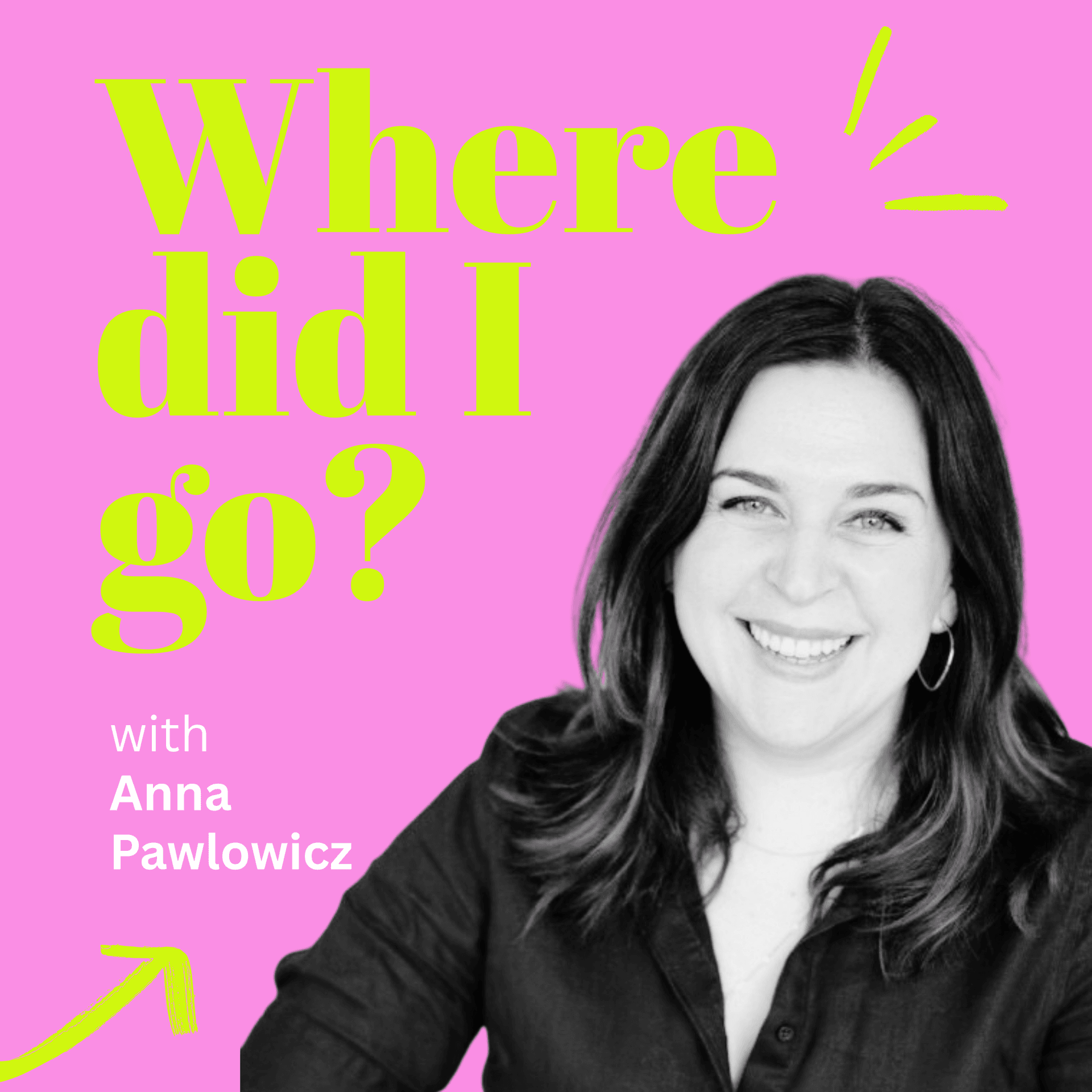
Anna Pawlowicz is a Polish-born mother living in Copenhagen (moved from the UK six years ago). She founded Humankind, an inclusion consultancy working internationally. Her younger son Matthias (born ~5 years ago in Denmark) has an ultra-rare genetic condition (tyrosine hydroxine deficiency) affecting dopamine production, plus an autism diagnosis (diagnosed last year).
Key claims
Being believed and supported early is life-changing. Denmark’s paid leave/support systems mattered. Disclosure should not be the starting point; workplaces should create psychological safety so people can state what they need. Managers need skills to handle these conversations to maintain team harmony. Hiring disability/neurodivergence caregivers is an untapped talent pool.
Notable examples
Matthias was diagnosed after severe pain, feeding problems, and whole-genome sequencing; treatment with dopamine supplementation stabilized him quickly. Anna left corporate work after “nearly killed myself” from the stress of caregiving uncertainty. She initially tried disability-parent workshops, but pivoted Humankind after low uptake and redirected the content to global HR/business leaders.
Written by AI. May contain mistakes. Listen to the episode to check what was said.
Chapters
Tap a time to open that second in VOAnna's Journey as a Mother
2:15 to 3:59
Anna shares her experiences as a mother of a child with complex needs.
“Like it's really hard, even when everything is right in inverted commas or the way it's supposed to be, that's already really hard.”
Facing the Unexpected Challenges
3:59 to 6:04
Anna discusses the unexpected challenges faced after her son's birth.
“So that officially makes me leaving the court for more than half of my life now, I think.”
The Pain of Diagnosis
6:04 to 7:54
Anna recounts the emotional rollercoaster of seeking a diagnosis for Matthias.
“And it's really inspiring or comforting, I guess, for somebody who's listening to it, who might not be there yet in that mindset to know that one day you can have that sense of we're okay.”
Understanding Matthias's Condition
7:54 to 10:00
Anna describes what she learned about her son's rare genetic condition.
“So we just stayed home and sort of, you know, went on with the blissful family life that we envisioned, right?”
Finding Hope and Treatment
10:00 to 14:00
Anna explains the treatment process and the hope it brings for Matthias.
“And I called the GP and I said, listen, tell Dr.”
The Diagnosis and Its Impact
14:00 to 14:40
Learn about the challenges faced after a rare diagnosis and the importance of timely medical intervention.
“And if it's not treated with dofonine, it's light-threatening.”
Initial Improvements with Treatment
14:40 to 15:20
Explore the positive changes experienced after starting treatment for the child.
The Parenting Struggle
15:20 to 16:40
Understand the difficulties of parenting a child with complex needs and the impact on family life.
“And that's dismissed as kind of like, oh, maybe they're just colicky, just it will pass.”
The Importance of Belief in Parenting
16:40 to 17:40
Discuss the significance of being believed by medical professionals when advocating for a child's health.
“And it's just that the power of being believed, I think, is it can be life changing when you're, especially when you're parenting and you just know there's something not right.”
Coping with Sleep Deprivation
17:40 to 18:40
Learn how parents managed extreme sleep deprivation and its toll on their well-being.
“And then I think the other thing I was thinking was, how on earth did you survive no sleep, the constant crying, also having another child that must have pushed you to your absolute limit during that period?”
Show all 33 chapters
Support Systems in Parenting
18:40 to 19:50
Explore the support available for parents in crisis situations and the importance of taking time off work.
“So thankfully, I will forever be grateful for Matthias to be born in this country because I know that's not the case in so many other countries.”
Navigating Feeding Challenges
19:50 to 21:00
Discuss the complexities of feeding a child with medical needs and the learning curve for parents.
“And, you know, we had to learn how to feed the urban dose throughout the night as well, how to give him the medicine.”
The Impact on Siblings
21:00 to 22:20
Understand the challenges faced by siblings of children with disabilities and the concept of the 'glass child'.
“And we learned about this very, very early.”
Parental Guilt and Anxiety
22:20 to 23:30
Examine the feelings of guilt and anxiety parents experience while trying to support their children.
“And just trying to make sure that our older son feels like he has the attention that he needs is such a challenge.”
Finding Balance in Parenting
23:30 to 24:40
Learn about the struggles of finding balance between the needs of all children in a family.
“I mean, life is what it is and you just have to make the most of it, I would say, in any situation, right?”
The Journey of Emotional Healing
24:40 to 25:40
Discover the process of healing and growth that parents go through after a life-changing diagnosis.
“So you can always find sort of worse examples and better examples in that sense.”
Selective Relationships in Crisis
25:40 to 27:00
Explore how crises shape relationships and the importance of prioritizing key connections.
“And it's nice to be able to talk about, you know, how that affects our relationship as well and our ability to show up for the family, for each other, for ourselves individually.”
Letting Go of Unnecessary Connections
27:00 to 28:01
Learn about the necessity of shedding non-essential relationships for personal well-being.
“You know, the world, the life goes on and it's fine.”
Redefining Relationships in Grief
28:01 to 30:04
Learn how to evaluate and redefine relationships during times of personal crisis.
“know, to redefine like, what are those relationships that we deliberately want to maintain versus those that maybe we just need to let go of.”
Navigating Work-Life Balance
30:05 to 32:18
Explore the challenges of maintaining a career while parenting a child with complex needs.
“But I'm also thinking about, you know, all the other areas of life as well that helped in that time in a very practical way.”
The Concept of Radical Flexibility
32:19 to 34:28
Understand the importance of radical flexibility for working parents of children with disabilities.
“And that's in inverted commas, a typical scenario, I think.”
The Importance of Inclusive Hiring
34:29 to 36:20
Discover the advantages of hiring caregivers and individuals with disabilities.
“But of course, it's a very long way to go from where we are today.”
From Corporate to Humankind
36:21 to 40:08
Hear the story of transitioning from corporate life to founding a business focused on disability awareness.
“Talk to me about where did the idea come from?”
Creating Inclusive Work Environments
40:09 to 42:00
Learn what organizations can do to foster inclusivity for employees with disabilities.
“world's best chief HR officers in global organizations and their teams as well.”
Navigating Disability Disclosure in the Workplace
42:00 to 45:15
Learn about the importance of normalizing conversations around disability and work accommodations.
“comfortable enough to say to an employer, oh, you know, I have a child with a disability.”
The Impact of Diverse Work Environments
45:15 to 48:38
Discover how diversity in teams contributes to better work outcomes and employee satisfaction.
“It's not if I can have some flexibility or if the slack line can be loosened from the typical way of working, then suddenly I'm going to be less productive.”
Emerging Generational Trends in Work Culture
48:38 to 52:02
Explore how new generations entering the workforce demand well-being and customization in work.
“If you can create a space where everyone can thrive, that combination of differences is what creates really incredible teams.”
Practical Advice for Parents of Children with Disabilities
52:02 to 55:40
Hear actionable steps for parents navigating the challenges of raising children with additional needs.
“And also that may not exactly be the role of work, right, as such.”
Finding Community and Resources as a Parent
55:40 to 56:00
Understand the importance of seeking community support and resources for parents of disabled children.
“on my kingdom, you know, forever in the first months of, you know, realizing as well that Mathias would live with a disability.”
The Journey of Acceptance in Disability
56:00 to 57:28
Learn about the emotional journey of accepting a child's disability and finding community support.
“was in the book, but because of the significance of the moment of me actually accepting that I have a disabled child and I can say these words, you know, it took me seven months to say I have a disabled child.”
Supporting Others in the Disability Community
57:28 to 59:38
Discover how to support those living with disabilities and learn from their experiences.
“So that's sort of number one, the acceptance.”
Confronting Stigmas and Building Empathy
59:38 to 1:01:51
Explore the importance of confronting personal stigmas and fostering empathy towards those with disabilities.
“And we live in very, very privileged times, I feel, to have access to all that literally in front of us on our phone.”
The Role of Community in Parenting Challenges
1:01:51 to 1:04:11
Learn about the significance of community support in navigating the challenges of parenting a child with disabilities.
“to know all about all the potential conditions people might have, whether it's diabetes, chronic pain or ADHD or whatever.”
Transcript
Automatic transcript. May contain errors.0:02Hello, welcome back to another episode of Where Did I Go? The podcast for women in the messy middle of modern motherhood. That's actually becoming a real tongue teaser. I should probably find a catch line that has a few less M's and W's in it. Anyway, today I'm delighted to be talking to Anna Pawlowicz. Anna's life looked like so many others. A fulfilling career, a happy family, one son at home and another on the way. Then Anna's lovely second son Matthias was born with an ultra-rare genetic condition causing lifelong disability, followed later by an autism diagnosis on top of that. Obviously, through this experience, absolutely everything changed for Anna.
0:49She quickly learned that parenting a child with complex needs reshapes every single corner of your life, your identity, your marriage, your friendships and definitely your career. She became case manager, researcher, advocate and round the clock caregiver almost overnight while somehow still showing up professionally. It's a kind of invisible labour that she says transforms absolutely everything. but Anna's journey didn't stop there it became a profound reckoning with her own fears about disability and the deep stigma that that holds in society that transformation led to Anna founding Humankind which is a Copenhagen-based consultancy redefining what inclusion actually means not just for employees who happen to have additional needs but for the growing community of parents navigating life with children who also need a little bit of extra help.
1:47So in this episode, Anna and I are going to explore what it really means to parent a child with complex needs, how that experience reshapes life, and why this rising generation of parents is forcing workplaces to reckon with a community that they have long overlooked. I'm so, so honoured to have Anna here today to share her story. If you're raising a family with additional needs or simply want to better understand the reality of people who are, this episode is for you. Grab a cup of coffee or a tea or water, whatever you need, and let's dive in.
2:26Welcome to Where Did I Go? Thank you so much for joining me today. Well, thank you for having me, Tani. It's a pleasure to see you. I'm really, really excited to have this conversation with you because I think so far in the episodes that we've covered, it's been very much focused on a fairly typical scenario or a typical family setup, which, as you know, has emerged over the last 10 or so episodes is challenging enough. Like it's really hard, even when everything is right in inverted commas or the way it's supposed to be, that's already really hard. And what we haven't covered is any of the scenarios where there are additional challenges at play.
3:07And so I'm just really grateful to you today to share more about your family story, because I think it's an important perspective that I would imagine most of us have zero visibility on if we're not living, you know, the life that you are, because it is very behind closed doors, or at least unless you're in it, it is. So I think just as a kind of entry point to all of that, I would love to just hear a bit about you, your life, who you are, and a little bit more about your family and what that looks like. So let's start with me, perhaps, because that's the easy part, I think, in the grand scheme of things as well.
3:44So I'm a mother of two children. I'm a founder of an organisation called Humankind that's based here in Copenhagen, where I live, but works very much internationally. I am Polish originally, but I lived in the UK for a very long time before I moved to Denmark six years ago. So that officially makes me leaving the court for more than half of my life now, I think. So I call myself international more than I call myself Polish at this point as well. But of course, the roots are there. And I do happen to have a quite an unusual, I would say, life and family setup as well, because I have a younger son called Matthias, who was born five years ago, nearly exactly, and is here in Denmark.
4:30And it turned out that his birth sort of shot my family on a trajectory that was completely unexpected, because to a complete surprise and shock, it turned out that he has a very rare genetic condition that he shares only with 200 people in the world. So it is classified as ultra rare. That is the official term for it. And that sort of set our course on the path of raising a child with a physical disability, with learning disability and with autism as well. That was diagnosed last year. So I feel like the last five years have probably given me more gray hair than you know but also really really they have but looking back from today's perspective at all that happened and i know that you know it also opened up the space for so much sort of richness of experiences and what like is and what like can be as well that frankly i'm only counting my blessings that are coming and coming so that's in short on me and a few words about my family as well because, you know, Matthias' appearance in the world has definitely changed virtually every single area of life that I can possibly think of, whether it's myself, family, work, you know it.
5:46So firstly, that's just a really beautiful description of what your family looks like, and I think is a really inspiring way of framing the fact that you have found yourself in something that is you never planned for, you didn't expect, that as you put it, you've been shot on a trajectory that you had no idea where it was going to take you or how to handle it. And it's really inspiring or comforting, I guess, for somebody who's listening to it, who might not be there yet in that mindset to know that one day you can have that sense of we're okay. And actually there is a sense of almost gratitude towards the twists and turns that life threw your way.
6:23But I think it would be helpful to not gloss over in those early days, how that must've just flipped everything upside down and been really, really difficult when you were trying to help Matthias and understand what was going on. And especially given that he's got such a rare condition, like how to even get to that point of diagnosis must have been such a stressful process. Can you take us back right to the beginning? How did you know there was something not quite the way it was supposed to be? And what did the process of getting him that diagnosis look like, both for him, but also for you? Yeah.
7:02So it was, again, completely unexpected because, you know, we already had one child, my oldest son, who was born in London, absent, you know, typical pregnancy, typical boy, you know, from a sort of medical perspective, right? My second pregnancy was absolutely fine as well. A little bit straight because it was in the COVID time. So of course, you know, the experience was different, right? But nothing, you know, nothing, nothing flagged in terms of anything abnormal more going on. And, you know, I had two home births as well, which obviously indicate that this is, you know, a safe situation to have a baby as well.
7:35And that's what we did. But after Matthias' birth, I mean, firstly, he was born quite underweight, which was a surprise to everyone. We had to weigh him twice to really see, you know, that the number that is coming up is really coming up because he didn't look like he was so underweight, but he really was. But then again, you know, he was okay after birth and everything was fine. So we just stayed home and sort of, you know, went on with the blissful family life that we envisioned, right? But as time went by, certain things started to not really make sense for us because he would cry quite a lot.
8:10He would be, you know, gaining weight and breastfeeding and all that. And, and it was all fine on that front, but he would cry a lot. And I remember in the first months, you know, I was obviously on maternity leave, which is a year long here in Denmark, right? I was just sort of going about normal life, which I felt would be totally manageable now that we already had one child and knew what the first year looks like. But he was crying a lot. He was unsettled quite a lot. And everything was difficult. Cooking a meal was difficult. Going for a walk was difficult. I just couldn't do the things that I remembered that I could do the first time around.
8:44right and I remember as well being into myself when Matthias was around like five months that was the time when we moved houses when my oldest son was five months right and I was thinking to myself like how could I pack the entire house into boxes you know and how could I do this then and right now I can't even do the basic things but it sort of didn't cook at that point you know but things took a very bad turn when he was around five six seven months old and that's when he ended up going to a hospital quite a lot because he seemed to be in tremendous amount of pain and no one could explain what it was and we saw it he started having very serious eating problems as well so again instead of thinking oh i forgot how to breastfeed i mean all the all the things you know that just crazy things that come to your mind to try to explain the situation as well and find solutions right so it was a roller coaster at that point because he was nearly crying non-stop not slinking almost at all and starting to not be able to eat food any food whatsoever and i know now why this started happening because as his body was growing the condition that he has means that his body cannot produce inactive dopamine and dopamine is responsible for many many different functions in the body but one of them is muscle control it's a neurotransmitter which means that it gives the brain the right messages to then send to the body for the body to work in a certain way whether it's for us to eat right or for the muscles to to move right like all the different muscle functions and he was just running out of it and that's what's prevented him from faceless eating from hitting milestones like you know rolling and all of the different things strike and it became quite apparent that it wasn't a typical child by any stretch and that we needed to find a cause of what was going on so at some point and that's a moment that I remember I just I just will never forget in my life you know we went to our GP who was following us from the start and I don't remember Matthias one morning was crying so much that I literally at some point I thought like I just this is it like I'm done there is nothing else that I can do no other breastfeeding specialist or whatever that I can go to.
11:01I'm just, I'm done. And I called the GP and I said, listen, tell Dr. Dominique that was her name. I'm coming with Matthias. I don't care. I don't have an appointment. I don't care. Like I'm getting in the car and I'm coming to Dr. Dominique and I hung up the phone, you know, I said to my husband who was working from home, but then it was COVID time. So it was a lot of that going on, right? And I said, listen, I'm going to the GP because I'm done. Like something is wrong and I'm just going to go. And we went to the GP and the GP examined Matthias, you know, and said, listen, I see something might be off, but I can't exactly point my finger to it.
11:33But if you tell me that your intuition is telling you that something is very wrong, then I'm going to ring up the hospital right now and you're going to be on the way to the hospital. And I said, yes, ring them up just based on, you know, my feeling. And he went to the hospital and he got a nose tube through which we could feed him. So he would calm down and not be hungry. And he was still in a lot of pain, but at least, you know, slowly, slowly we started to unravel what exactly was going on. And although no one could say, it was also really lovely in the hospital to see. I mean, it was lucky.
12:08It was the most stressful time even possibly imagined. I mean, seeing your child in a lot of pain and, you know, no amount of paracetamol or calcule or whatever can help, right? It was absolutely horrifying, but at least we're in a safe space and I felt like, okay, we're getting somewhere because we had these, all of these neurologists coming to our room, you know, to see Matthias, because by that he was already famous as, you know, the baby that no one knows, you know, what's going on with and so on. And these neurologists, you know, they were coming to see him. They were expecting all the different things like cerebral palsy or, you know, some kind of movement disorders and so on.
12:41And they looked at him and they were saying, like, I literally cannot understand what is happening just by examining him. And they asked me, you know, like, what do you think? What do you think is happening? And I said, I think that to me, his brain isn't sending the right messages to his body. It's like something is going on that is just, there is some disconnection, you know, between what he wants to do and what he's able to do. And they said, yeah, you know, I think that's that. And at that point, one doctor in Copenhagen who specializes in rare diseases picked up that case somewhere in the system, you know, she ordered the most complete examination, the most complete test of the human DNA, which is called the whole genome sequencing, which basically checks everything that can be checked in our body.
13:30She did that on Matthias. It's a blood test. She did that on Matthias and me and my husband. And three weeks later, it turned out that both me and my husband are silent carriers of a gene mutation that has 25 % chance of activating that rare disease if we have a child together. So our oldest son was in the 75%. Our younger one happened to be in the 25th descent. That condition is called tyrosine hydroxine deficiency, which is a very, very, very rare condition, which basically means that your body isn't able to produce dolfamine. And if it's not treated with dofonine, it's light-threatening. So from that moment, we got connected to the rare disease unit of the main hospital here in Kockenhagen, where we arrived very quickly, spoke to the doctor many times in the meantime as well, and got a bottle of medicine that from that day on, we had been giving to Matthias every single day, three times a day, because that is basically what keeps him alive.
14:31And that was absolute insanity, you know, on so many different levels, because the time of the diagnosis, you know, the time of the days after as well, as we start him on the medication and we start seeing, you know, after a day or two, I remember sending a message to the doctor saying, listen I think he's not in pain anymore like I could cook dinner and he wasn't crying it's slowly slowly it's called you know a miracle drug the medicine that he's getting it's not really even medicine it's just an ingredient that normally our body has but he needs to have it supplemented right because it really starts to help his body function in a way that is close to normal or as close as possible right and slowly slowly things started improving right so he's still very untypical right he started walking at all so a year ago exactly he's carrying minimally speaking because again to speak it's a lot of muscle you know fine motor movements that need to take place as well and everything needs to be arranged well from within the body so so he's starting to speak right now he's very good at saying no to absolutely everything like we're in a proper you know toddler stage no to everything you know but he says no if he says mama you know he says I pass I mean the key things yeah no mama and I pass and yeah and it's been obviously much much much much easier right now compared to five years ago when you're going through that point of diagnosis right but we're very grateful for where we are today let me call it that way time is on our side at that time I mean gosh where's it even begin so there's just a few things there that or twists that I didn't expect that story to take so firstly as you were describing those early months, I was thinking about how many people, parents, are totally dismissed when they're saying my baby is crying all the time, they're not sleeping, they're not feeding.
16:24And that's dismissed as kind of like, oh, maybe they're just colicky, just it will pass. Oh, yes. And we had so much of that. I can imagine. But you know, the thing is, in most babies, that is the case. In most babies, it's a phase. And we know that right and we know that that these places will pass but sometimes I feel it's a it's a combination of you actually putting your foot down and saying I'm done with this like we have to do something about this because something is wrong but also having enough luck to have people around you who actually treat you seriously so that doctor who said if you feel something's wrong I'm gonna leave the hospital now and she did that just because I felt something was wrong You know, it wasn't a typical medical process, so to speak, right?
17:11No. And it's just that the power of being believed, I think, is it can be life changing when you're, especially when you're parenting and you just know there's something not right. And nothing, there's no reason to that more than intuition. It's just that understanding and awareness you have of your child that's deeper than anyone can ever have. Exactly. key. I could feel my, what do you call it, you know, goosebumps on my arm when you said that, because I know what that feels like to just be believed, obviously into a much lesser degree, but it just can be life-changing. And then I think the other thing I was thinking was, how on earth did you survive no sleep, the constant crying, also having another child that must have pushed you to your absolute limit during that period?
17:59it? Yeah, it really did. And that was the hardest because it wasn't just, you know, non-sleeping because we have a baby. It was non-sleeping because he was in so much pain that his body wasn't able to, you know, rest. And the only way to help him was to actually rock him. So either me or my husband would just stand with him in our arms and just sort of rock him to at least get some chance for him to rest, right? And that went on for months and months. It was absolutely harrowing, both for me and my husband. It was harrowing. we were definitely very very very unwell and very quickly after the diagnosis well actually in the very first meeting we had with our rare disease doctor and my husband was of course working at that point right and she said to him you know you're not coming back to work and he was up where what do you mean you know like he didn't even know what to say to that and she said to him you realize this is a very serious situation and your life will not be the saying from now on and you are not coming back to work because in Denmark we have a system that allows parents like you to take time off still be paid as if you're at work and you both need to take care of your child right now and you're at the child of course as well and you will not either to fit work into that at all and my husband was sent on one year leave so that we both can take care of both of our children.
19:26So thankfully, I will forever be grateful for Matthias to be born in this country because I know that's not the case in so many other countries. And actually, part of the survivor guilt that I feel is that he happens to simply be born here, where those support systems exist, right? So we still didn't sleep. We still had a lot of problems, you know, in the months to come. It took many, many months for him to be able to feed well. So we had the NG tube through the nose for many months, I think seven, eight months. from that point. And, you know, we had to learn how to feed the urban dose throughout the night as well, how to give him the medicine.
20:02It's a very specific medicine that he's taking that is really administering it as more art than science, let you tell you. We had to learn about how his body works and how the doses actually affect him and constant feedback and constant communication with the hospital as well. But we're pretty resourceful people, you know, so we sort of took it in our stride. And there was something that my husband said at some point, which is if there is any chance that someone can take away the pain that our son felt, then we promise that everything else we're just going to take care of. And that was granted to us.
20:37So everything else we had to take care of, which we have and are still taking care of. So yes, it was a nightmare. It was an absolute nightmare. And there is no way to sort of gloss over it either because there is one thing as well that we learned with regards to Matthias's brother that we went very early on is when you have a child with disability the sibling of the child is very often referred to as the glass child i don't know if you've heard that expression no i haven't and the glass child is called the glass child because they are transparent because the child with the disability requires so much of your attention and time you know and and focus that the sibling or siblings, they just need to fend for themselves.
21:21And we learned about this very, very early. And we got both so terrified of that term. I mean, it was absolutely, it was just terrifying, right? That we said to ourselves, okay, so whatever we do, we need to make sure that Tommy Matisse's older brother is okay as well. And that is not on the receiving end of, you know, the consequences of the fact that his brother is so not a gay complex right so that's basically amounted to putting all our attention focus and resources and whatnot into both boys and obviously that in consequence had tremendous impact on our own well-being and health you know physical mental and you name it so um you know you had to make a compromise somehow but it definitely was a very difficult time for a very long time i can really, I mean, I was going to say I can empathise, but I can't actually imagine how hard that is.
22:14We have children, my oldest is five and my youngest is just under two. And just trying to make sure that our older son feels like he has the attention that he needs is such a challenge. And it's something that I feel huge guilt on all the time. And you know, you always feel like you're just not doing enough for either, like you're trying to give everything to both children and you wish you could split yourself in two, but you can't. And that just creates a lot of sort of anxiety or pressure. And that's without the additional, I mean, the glass child term is, I can really picture that, how that older one or the one who doesn't have the medical things thrown in the mix that they just learn to just sort of like get on with things because they kind of have to.
23:01But how wonderful that you are aware of that, you know, that risk. I don't know how you're doing it, how you're finding the capacity to support both children as fully as you are, but you sound like amazing parents. Well, I think all parents, what you mentioned just now in terms of feeling guilty and always feeling like you're not doing enough, right? All good parents feel that. And if you feel parenting is easy, you're probably not so creative. Okay, that's a reassuring thing to remember. Well, but it's true, isn't it? Because we all have different things going on in our lives and it doesn't have to be a child's disability I mean just you know life happens to everyone to put it mildly right and and there are challenges from time to time that that affect us all and no one has a smooth ride I would say right so we can all relate to each other even if the experiences themselves may not be exactly the same yeah so I would never say that oh we have it so much harder than our other families and sort of put myself in this victim mentality of course sometimes I wish my life was what I imagined it to be right and there was a very long process of grief as well to sort of process it for me as an individual right but I also know that there are I know so many families right now who have children with terminal conditions they would love to be in a place where I am yeah I know families whose children passed away and they are still yeah they're still going you know not to say that it's easier or harder.
24:35I mean, life is what it is and you just have to make the most of it, I would say, in any situation, right? So you can always find sort of worse examples and better examples in that sense. And I don't think there's any point, you know, comparing these because we end up in very strange thoughts in our heads, you know, that may not exactly be helpful at all. But it sounds like you've had to do some significant work to move from that place where you've said we weren't very well mentally or physically to where you are today, that that's been a process or a journey that you've been on. What has that looked like for you?
25:14How have you helped yourself to kind of move from crisis mode to something that feels a bit more sort of sustainable and where you're thriving and well? Well, certainly a lot of therapy. And that was for both me and my husband as well. And I definitely would recommend that to anyone in general. But in our circumstances, it was very important to talk through these things. Sometimes, you know, we had sessions together as well that were very helpful because when your life gets thrown upside down, right, it affects you both as well. And it's nice to be able to talk about, you know, how that affects our relationship as well and our ability to show up for the family, for each other, for ourselves individually.
25:55Right. So all of that was definitely very, very helpful, very time consuming and very long, but certainly very helpful. What all of these events also taught us goals was that we actually can be very selective about where we put our energy and our focus about who we engage with and who we don't. because one of the major revelations, I think, for us both was that when you have so few resources and energy and you just have to survive the days, you cannot be calling people up to say how they are. You cannot be, you know, I don't know, sending an email to someone because you were supposed to send it two months ago and you forgot.
26:36And you just become so selective about who you speak with, who you engage with, and everything else gets absolutely cut out completely. And that actually has been very liberating. It was liberating at the point and it still is today because you realize that a lot of the relationships that you keep maintaining in your life, it's actually not, I mean, it doesn't make any sense to continue doing that whatsoever. And then guess what? You know, the world, the life goes on and it's fine. So it took a few months as well. And it wasn't like we thought about it ahead of time. It just sort of happened organically as well that some relationships just sort of went away from your life and some of them came in.
27:22Because what was also another revelation was that some of the people that you thought would absolutely be by us 100%, they were nowhere to be found. and some other people when wearing you know the legs that things right and some other people that you thought were just some kind of casual acquaintances they actually went out of their way to really step in and help with the practical stuff and that goes for friends or very close family members which was very surprising to us as well and added a lot you know the grief and the emotional processing of what was going on and it has taken years and it's still taking time you know, to redefine like, what are those relationships that we deliberately want to maintain versus those that maybe we just need to let go of.
28:09I come from, you know, a very people pleasing culture in Poland, especially for women, right? So for me to wrap my head around the fact that I don't need to be going around checking on everyone, because guess what? I'm the one that deserves being checked on right now because I'm really unwell. And that was a major leap in my head to make, you know, and there was a lot of unlearning of old habits and things we're supposed to do just because we were supposed to do them. That was a major, major, major help as well to go through that process and really cut what's unnecessary. And I know it sounds horribly transactional.
28:45I realize that fully. But when you're so stretched, that's where life needs you and you need to, you know, you just need to do this. I don't think it sounds transactional at all. I think it sounds absolutely essential and also just so understandable that you have to go through that shedding process of anything that is not helping you to move forwards because that process, even in the best of circumstances, would be really challenging to move forwards through a life-changing event like this. So to do it with anything that is pulling you backwards or not serving you would be not survivable, really.
29:25So I can totally understand that sort of unlearning process of how to feel confident and comfortable in actions that maybe go against the way you've been conditioned your whole life. That is a real process. Yeah, and it's long. It's so long as well. I mean, it's nowhere near done, you know, in a way it's constant work as well as like sort of, you know, goes on as well. shows different challenges, right? But definitely instead of having a very, very practical view of what relationships are in your life and which are the ones that are actually the right ones to go forward with, that is a very helpful exercise overall, you know, that we just happened to be first to get into it.
30:06But I'm also thinking about, you know, all the other areas of life as well that helped in that time in a very practical way. So one of them was definitely thinking about work and what that part of our life would look like, right? Because as I mentioned, we had a lot of support from the daily stage, right? In terms of our ability to take care of our child. I returned from my maternity leave at the time that I was scheduled to retire. Matthias was then one year and something and in a much better shape at that point. Still not really, you know, typical, but much better shape. And my husband was with him at home for six additional months as I returned to work.
30:43And very quickly as well, it turned out that the way work is designed and I've been in the corporate space, right? And loving my job, I should be loving it. I mean, it was amazing. I just loved it, but I just couldn't go on with it. And I tried and I nearly killed myself over it, you know, and until there were calls with my manager when I was literally breaking up in tears and saying I cannot continue doing this. Right. Because the heaviness that comes with, you know, having a disabled child and also coming to terms with the fact that your child will be with a disability all his life and everything that comes with it.
31:22Like, will you outlive them? How are you going to do all this if he needs care until he's an adult, for instance? I mean, all the random questions that pop out all the time, right? And you put this in the context of where you are as a professional as well. That was a very hard thing to do. So at some point I parted ways with my corporate career, even though I did love it a lot. And that was absolutely the right decision as well, because that allowed him to really have a break and have some mental space to think about what it is that I want to do. Because the one thing that is needed for parents like us is quite radical flexibility.
31:57And unfortunately, the world of work these days is not always guilt for that. Right. So we need to find a way that actually works for you so that you can at least have a go at driving and not just stay in a constant loop of trying to survive the days. This idea of radical flexibility is, I think, central to being able to thrive in parenthood if you want to be a working parent. And that's in inverted commas, a typical scenario, I think. Even the most ordinary of family structures need radical flexibility to thrive. so I can imagine that if you throw in complex needs into the mix that it's just a non-negotiable and on a previous episode I talked with a lady called Lizzie Penny who's kind of coined this term of work style which is like if you have your lifestyle you should have your work style which is like how best do you work in order to show up meaningfully and fully with all of your thoughts and ideas and perspectives that make you an invaluable asset to the workforce like how do we create space for you to show up without trying to force you into a box that you are never going to squish into.
Read the full transcript
33:06And I can imagine that work style or this idea of radical flexibility is like, underpins being able to thrive and get that part of you that for a lot of people so important, that professional identity, in order for that to be able to have space. When you have a child that has a disability of some description, working out what that would mean for you, how you could make that happen as a working professional cannot fit into any box that is defined by somebody else, I would imagine. Yeah, I think the boxes that we currently have available, they are there for a reason, you know, but I'm pretty sure you agree they're a little bit old-fashioned.
33:48And I did listen to the episode with Lizzie as well, absolutely loved it, you know, and I agree with all of that, right? So there are ways. I think we have a fantastic opportunity to redefine how we see work in the first place, right? And what that means for us individually. How can bigger employers, you know, businesses really benefit from work design that maybe doesn't follow some of the old structures as well and see how we can re-harmos, what we can bring to the table when work is done in a different way. So I love the term work style and, you know, all the work that Lizzie does in that space as well.
34:22I think it's extremely important. And I see as well from my current work that a lot of organizations are really going in that direction. But of course, it's a very long way to go from where we are today. The good thing is that I see that parents like me, not all parents for sure, but parents like me are starting to speak up about the experiences they are having. and to show the impact that it has on them individually, on their work as well, but also the lack of impact that it has on ambition, for instance, right? Because we still, you know, not every one of us has a very strong connection with our professional identity, but some of us do.
35:02And for those of us, the fact that something happens in life doesn't mean that it's the end of your ambition, right? And you can still show up and do meaningful work in a way, if you're allowed or if you're created in a way that works for you. Right. So I feel there's such an opportunity in that because if there's one thing I can tell you is parents of children with disabilities or with neurodivergence. If I, I mean, I wanted to say if I had a business, I have a business. I'm still trying to come to terms with the fact that I'm here. You know, it's like I'm already here. But when I think of hiring, I would actually really love to hire people with disabilities, with neurodivergence or caregivers for that matter.
35:48Because I can tell you that these are the three talent pools that have the drive that you will absolutely not see anywhere else. and the amount of, you know, resourcefulness and the level to which these particular groups can, be creative and quick and just deliver, deliver, deliver. I mean, it's absolutely mind-blowing, right? So yes, I would definitely urge all organizations to look at that pool because they can bring tremendous assets if work is done in a way that works for them, right? This is a perfect moment to switch gear and talk a bit about humankind, your business. Talk to me about where did the idea come from?
36:29Where did it all begin? Oh, so that's a good story as well, actually. So in the midst of me, you know, grieving about the loss of the family life that I thought I would have, I was already out of my corporate work. And, you know, I'm not a person who can sit around for too long, right? And rest to, you know, the detriment of everyone around me. But I immediately started having ideas, you know, like, OK, so what do I do? What do I do? You know, I need to do something, of course. And I had this brilliant idea that I am now going to teach other parents how to talk to their children about disability.
37:08So that, you know, obviously all parents, and that was my assumption, like all parents want to talk to their children about what disability is and avoid situations where a child would be, you know, pointing at a person in a wheelchair or talking in a shushed voice, you know, about someone who perhaps, you know, has an indifference, whatever it may be, you know, in terms of the visibility of visibility. Not even scratching the surface of invisible visibility, but, you know, that was the point where I was. And I thought, well, everyone wants their children to be inclusive. So I'm going to now set up something that would allow me to teach parents how to talk about that to their children.
37:47So this is what I did. I started just on my own from home, coming up with all sorts of workshops and whatnot for parents who want to teach their children about disability. So we talk about what disability is, what it isn't, what is the stigma related to it, you know, why fear it so much. Basically, all the things that I have learned over the last however many months, you know, leading up to that point, I just wanted to sort of download and interview it to other parents. and then weave it into practical techniques of, you know, how to actually make that conversation part of a normal conversation at home.
38:20And I thought everyone would be just thrilled, you know, to join these sessions. But very quickly, it turned out that the amount of work it took to get six people in a room to pay, you know, three pounds or whatever, 30 kroner, right? To have a red coffee or something like this. It was a necessary experiment to go through to realize that that is probably not a business model to follow. It's not like I had ambitions of this turning into a business as such. I was just doing it because I felt it was important to do. But it was truly mind-blowing for me how few people wanted to actually join these conversations.
39:03Those who joined found it absolutely amazing. But then you said of preaching to the converts already, right? Yeah. So it was very, very hard. And then after a few workshops like this, I thought to myself, well, but wait a second, like, why am I trying to hammer this knowledge into the minds of parents? I mean, why? I know why, because I do believe these conversations belong to our family homes, you know. But why am I trying to do this and work so hard at it if in the workplace there are already diversity and inclusion programs, right, that focus on some aspects of that as well? perhaps, maybe.
39:43Again, that was a hypothesis, right? Because at that point, it wasn't still a time, you know, to talk so openly about who are the virgins at work or disability for that matter, right? So I thought, well, they have budgets to do this. So why don't I try and sort of convert all of the things that I created for the parents, I just converted for the world of work and international business, which is where I grew up, you know, and spent my entire career as well. So thankfully, in my last corporate job, I had a chance of working with virtually the world's best chief HR officers in global organizations and their teams as well.
40:20So, you know, the language of talking about these things within HR and business leadership was something that was just in already. So slowly, slowly, you know, I let the co-founder of or human time, and we got together and we decided that that's the way to go. And a little bit over two years on, we are in fact running tons of different initiatives for global organizations, Australia, Canada, States, the Middle East, you name it, and Europe, of course, actually bringing these conversations to the table. So very proud of that initial experiment, you know, taking place for me to realize, no, that's not the way we go.
40:59Then pivoting very quickly to see, okay, where can we go? In fact, because we still believe it's important to discuss it. So let's talk about that then. Let's talk about what's in an ideal world, if you could wave a magic wand, what you would love to see every single business have as standard in order to be as inclusive as possible to people who either are living with a difference or parenting somebody or caring for somebody who has additional needs. So what are the kind of like core structural changes that we need to start with? Some organizations are starting these conversations by focusing on disclosure or the sharing of the status that you as an individual might have.
41:43So obviously they need data to understand how many people there are with certain circumstances that we might be able to support as an employer, right? But that is not a starting point that we we recommend because before the sharing happens, before disclosure happens, because I'm actually comfortable enough to say to an employer, oh, you know, I have a child with a disability. This is what my life looks like. I win some flexibility in this and this part of my work, perhaps. Or if I have a condition that classifies as a disability or is no divergence to come to an employer and to say, yes, and this is what I've got.
42:23Usually it takes enormous amounts of time to reach that point. And when you reach the point of decision, you're probably reaching without desperation because you just can't keep up anymore, right? And then the employer's response is everything. It either makes it or breaks it in terms of your experience and your ability to continue in that work. So I'm not the big fan of driving disclosure for the sake of disclosure. I understand it's important from an HR perspective to have the data. However, back to your original question, what is the one thing that organizations can do to actually foster that in causes rates?
43:01It's not to ask for disclosure, but to actually start working in a way that allows every single person, whatever their difference may be, whether it's being a caregiver, whether it's being a divergent, whatever else, whatever they mention of diversity. I mean, it doesn't even have to be related to neurodivergent or disability specifically, right? But whatever they mention of diversity they have, to have the safety to come forward and to say, this is what I need. Yeah. And not be questioned and be the lead. Yeah. We mentioned being the lead in the beginning as well, right? And not being judged, just being the lead that, okay, what I'm saying actually matters and is true.
43:42and I will, you know, live up to my end of the bargain in terms of my performance if you as an employer are able to provide me that. So normalizing conversation about what we all need to function well is what will open up those spaces ultimately, right? And if you're proactive about these conversations, that's when you stop needing to put people into different groups. Oh, this one, And this group is for neurodivergent people. This group is for people with disabilities, right? And you start the sort of the box scene. And we love a good box, as we established already. But not all the boxes are very helpful, right?
44:19So I would always open it up from the place of needing to really normalise that conversation with absolutely everyone at work, not just those people who may end up needing those accommodations. Yeah, it all comes down to this work style thing. It's like we all have our own work style because we are all so unique and we're all so intersectional in the way that we move through the world, you know, like even if everything is great, you're healthy, you're happy, you're sort of like nothing is necessarily challenging you per se. just moving through the world as a woman in a certain phase of her life, who's also trying to work while managing hormonal cycles or whatever it might be.
44:59There are so many things that influence the way we show up each day and being able to have a psychologically safe space where we can state, this is how I work best, and then be empowered to kind of step into that and then be It's not if I can have some flexibility or if the slack line can be loosened from the typical way of working, then suddenly I'm going to be less productive. You're not getting less out of people when you give them that, you're getting more. and it's challenging that assumption that like you need to control people in order to make sure they're productive but rather empowering them to show up the way they need to in order to be as productive as they possibly can be while maintaining a sense of balance and health that also is linked to you know work outcomes it should just be the starting point shouldn't it rather than something we get to as you mentioned when somebody is at breaking point and then they're an exception, then it's like, oh, they have some special measures because they're struggling.
46:01But that's the wrong way of sort of talking about this whole thing. Exactly. Because ideally, you as a leader, you know, I would imagine you would have liked to lead your people to a breaking point before they ask for help, you know, because then it affects not only the person, but the entire team, both from a performance perspective, but also from a well-being perspective right and one of the things we do most often actually in my work is working with line managers with people managers because they are actually the ones who are the first point of call whenever someone decides to share something about their life right and the way the manager handles that conversation is truly I can't even you know say how important that is because it's important for the relationship with the person it's important for where the kings goes further, it's important for them personally as well, because even an inclusive leader, when understanding leader and a leader who can actually be articulate in these situations is absolutely the skill of the future as well.
47:01So a lot of work we do focuses on mind managers. And one of the key things we cover is actually how to have these conversations in the first place, but also how to maintain team harmony in the context of these conversations. because you mentioned something about sort of that particular person needing special treatment or special arrangements. Well, these are actually not very special because in an ideal world, if anyone was going through the same circumstances, they would simply need that support as a baseline to get them to the same level, you know, that everyone else is on a normal day, right?
47:36So in this period of equity, that's not special treatment whatsoever. But again, And proactivity about these conversations and these topics and weaving these topics into team meetings, for instance, is absolutely crucial in maintaining that team harmony in the long term as well. Otherwise, of course, people might be thinking, well, but I wasn't asked if I need anything. And that, again, you know, we come back to normalizing the conversations with absolutely everyone. So it's really a full circle, you know, and so much pressure as well. And I fully recognize there's so much pressure on people, managers, right?
48:09But this is the starting point that I think can create a lot of magic as well in terms of how these relationships evolve and how work evolves as well. Yeah. And I think it's also reminding what I'm hearing through a lot of what you're saying is that if you get this right, if you have a team that is as diverse as possible, that set of lived experiences, different perspectives, different nuances, that you will have the richest possible team. You gain so much from creating a space where teams can thrive no matter how they're coming at work, like what's influencing the way they're able to show up.
48:47If you can create a space where everyone can thrive, that combination of differences is what creates really incredible teams. That it's actually an asset and not something that you're just, I don't know, surviving like a handicap of a team in some way. It's the opposite of that, but we just need to shift our way of viewing individuals. It is. And it creates teams, but also results. When we talk about business, of course, business is there for a reason, right? It is people oriented always, but very often, especially for listed organizations, right? It's there to deliver on what shareholders want.
49:24I think it would be a disservice to all of us working in business as well to say, oh, but it's all about people and not about business. It is very much about business, But there must be a way to combine the cultural aspects of work and sort of the experience of work with what kind of business results we want to deliver. And from all of the research that we have currently available and that keeps coming up, the more inclusive we make our organizations, the better business results we get as well. So it's not just the right thing to do for people. It's the right thing to do for the organization. And there's data to back it up.
49:59So what's not to like, right? Yeah, absolutely. And I think, you know, we're stepping into a really exciting era where a new generation of leaders, they're stepping into those leadership roles. They've grown up with a different view of their self-worth at work. I think previous generations were conditioned to think that they had no sort of real individual value, that you were there to do a job, to show up, to submit to the confines of whatever your contract stated, and to demand nothing more than that you might need to kind of like thrive personally. but we have this new generation of people who are demanding well-being to be taken really seriously and they're willing to leave their work if they're not feeling like those needs are being met.
50:45In my professional kind of non-podcast life, I do a lot of research on this idea of well-being and how it shows up at work. And we see time and time again, people will leave their job if they are not happy. And ultimately that has a massive cost. And being able to create cultures where people feel like they want to stay, they're invested. This is so directly measurable with the bottom line of a business that you simply cannot ignore it. And to do so would actually just not make sense if all you were interested in was the business performance. So I'm excited because I think we're stepping into a new era of work, which is where people are really kind of centered in the decisions we make and the policies that we make.
51:30I think so. But don't you think as well that perhaps the pendulum is sort of swinging in both directions? So we've had the pendulum on one end where exactly like you described just now, we're working in a specific way because you just happen to be working in that way. And that's the sort of old leadership, right, and work design frameworks. But now the pendulum is swinging on the other side where those new generations are requiring so much customization, so much of individual sort of tailoring of how work is done. And while I'm a full supporter of that, no questions asked at all, I do think that will lead to sort of let that pendulum swing in the other direction and then let it settle a little because ultimately we won't be able to tailor everything to every single tiny little thing an individual might need.
52:19And also that may not exactly be the role of work, right, as such. But I do feel we need to find a much more balanced way because also the level of agency, those new generations entering the workplace right now, the level of agency they show, the comfort they show to have a conversation about this during an interview. I mean, imagine that 20 years ago. That would not happen. That was just not happening. And right now they're coming into the workplace with so much comfort and confidence talking about the fact that perhaps they may have ADHD and this is, you know, these are the things I need to work in an optimal way, or they have young children and, you know, these are the hours that is, you know, that's my cutoff for picking up the children.
53:01And just having the confidence to talk about it gives me so much energy, you know, to see that from them as well, that I'm just rooting for them so much because I do feel that they won't be granted every single of those requests now and maybe not in the future in the near future but at some point the pressure will be so great that it will force the organizations to really rethink it and we see that some organizations are already reaching it which is fantastic and then we'll find that sort of sweet spot to just settle that somewhere right and then we'll see what next comes in the next 10 20 years and what whatever whatever your challenge we have to tackle.
53:38It's a fascinating time I think we live in in that respect because it's a massive shift, right? That we can see right in front of our eyes and we can also see how the world of work is shaping for the generations of our kids, for instance, right? So yeah, absolutely. I love it. Absolutely love it. So we're gonna, I think, oh, there's so many different things that we could cover, so many different avenues that we've sort of started walking down. I feel like we've only scratch the surface, but I'm conscious that I really want people, especially, there are two things that I would love to happen as a result of this episode.
54:11Firstly, that somebody who's parenting a child or children with additional needs has a sense of one thing they could do right now today to move from a position that feels really, really difficult to something that feels like where you are now, which is much more kind of calibrated, like things are all sort of balanced and that things are feeling good. If we could give one tidbit of advice of how to take that first step towards moving from the pits of it to something better would be great. And then the other thing I would love is that people who have no experience of either parenting a child who's got additional needs or who doesn't have any friends or anyone in their near vicinity, so no visibility on it, what's one thing that group of people could do that would make them more of an ally, if you like, or more of a support?
55:04So the first one, what's the one thing you could do if you find yourself in that situation? Well, firstly, I don't think there's any one thing. It's many, many, many tiny little things that you could do. For me personally, I think the breakthrough that I had was reading a book by a wonderful lady called Melanie Dimmett. The book is called Special. And that is her account of her own journey with her son, who has a disability as well, and, you know, going through that process. And I'm sure there are many, many books out there. But for me, picking up the book, I had that book on my kingdom, you know, forever in the first months of, you know, realizing as well that Mathias would live with a disability.
55:46And I took a lot of time to actually pick it up and start reading because for me in my head, the moment that's picking it up and reading would mean that I accept the fact that I'm part of that community right now. And I pick up the book. I started reading the, you know, the intro and I absolutely wept, not because of what was in the book, but because of the significance of the moment of me actually accepting that I have a disabled child and I can say these words, you know, it took me seven months to say I have a disabled child. I couldn't say it, you know, and it's so much stigma, right? that we carry with us when it comes to disability.
56:24So for me to pick that book and actually read a few words and say, okay, I'm in it, you know, I'm in it. That was just a moment of release as well. So it will look different for everyone, but definitely looking for ways that help you accept and learning from others. I guess so many parents on disabled children out there, of neurodivergent children. I mean, we're everywhere. We are absolutely everywhere. Not everyone is maybe as outspoken, you know, but we are absolutely everywhere. So look on social media, look around you, look for your local communities as well. Go and speak to us as well, because the one thing that you realize when you open yourself up to, you know, see that there are people around you is the absolutely phenomenal community that you're joining that, you know, you can connect with people from another side of the world like this as well.
57:13Even if your child has a rare disease that almost no one has, you know, So there are so many different ones to go about it. So just finding a moment to realize that others have done this before you and you're not going to figure it out on your own. We can do it together. So that's sort of number one, the acceptance. And the other question was, could you remind me? Yeah, sorry, I sort of spun off a load of words at you. Sorry. No, no, it's okay. It was around how people who don't necessarily have any direct relationship with somebody who's either parenting or living with a disability, what they can do to better support their peers who are kind of living a bit in the shadows of ordinary life.
57:51Well, I would say expose yourself as much as possible to these conversations. You know, they may be very uncomfortable conversations in the beginning, right? Very uncomfortable because the prospect of having a child with a disability or being disabled is something that many people fear. And I did as well. Absolutely. But the fact is that being a caregiver to someone with a disability, whether it's your child, your parent, maybe your spouse, as they're going to cancer treatment, I mean, you name it, right? We are all either already, we are caregivers of someone, right? Or we will be caregivers of someone.
58:29So whether we like it a lot, that will really touch us. That's just part of life. There is no way around it because no one lives in complete isolation, right? And that was fake. So the sooner you expose yourself to these topics, the better. And social media, of course, if you don't have anyone around you specifically, social media is fantastic for that. For instance, if you just look at Instagram, there are so many great accounts, and I'm happy to share the links as well, if you find it useful, of people who are teaching about what it's like to live with a disability in today's world. And sometimes it's super humorous as well and just like absolutely hilarious, right?
59:07So wonderful, wonderful people out there who are only doing the work of educating what it feels like and what other people would need to think about as well to become those allies and to basically not be jacks as well. Because unfortunately, we do have a lot of that going on, right? But that knowledge is out there. Those people are out there and they are doing tremendous work to sort of move the society forward. So the more you expose yourself, not because of necessity, but because of just wanting to learn about it, the more you understand as well. And that's certainly something that I've been doing as well.
59:39You know, when I learned that my kid will be disabled, I need to be connected with other parents in my situation, but also looked at adult people with disabilities who are content creators who are explaining, you know, what that like involves so that I can also prepare for what's coming to us, right? Because my child grows. And we live in very, very privileged times, I feel, to have access to all that literally in front of us on our phone. So I would always start with that. But I have probably 100 resources that I could share with you, books and whatnot. So tell me what would be useful if you have to share it.
1:00:13Yeah, please do. And then I can pop them all in the show notes so people can get started on that journey if they would like to. Because I think what I'm hearing or what I'm taking away is to reflect. I think I'm probably like somebody who would say, no, I don't have stigmas. about people living with a disability, or I don't have any preconceived ideas about disability or neurodivergence. I'm open-minded and have no judgment there at that top conscious level. And I certainly don't, that's true. If I found myself tomorrow in a situation where somebody told me one of your children is going to live with a disability, I would suddenly probably have a mirror shoved right in my face that was like, oh, actually under the surface, you do have a lot of thoughts.
1:00:58and ideas about what that means. And they're not all positive. Probably most of them are not positive. So there is a stigma that we all need to sort of confront so that we can show up. Like you mentioned, that line manager relationship, you don't need to necessarily have somebody in your specific kind of immediate fear of you to need to have the empathy, because at some point, somebody will show up and say, this is happening to me, and I really need these support measures. And unless you have already done the work to challenge that stigma, you will show up to a conversation like that without putting your best foot forward, even with the best intentions.
1:01:36So I'm certainly taking a lot of that away. Absolutely. But, you know, thank you for saying that, because also an important point to mention here is that when we're in these conversations, we don't need to have all the answers whatsoever. A line manager doesn't need to have all the answers. It's impossible for one single person, to know all about all the potential conditions people might have, whether it's diabetes, chronic pain or ADHD or whatever. I mean, whatever it may be, it's impossible for one person to know that. So you don't need to know all about it in order to be ready to enter these conversations.
1:02:08You just need to be respectful and sensitive and curious and really believe what the person is saying when they describe their experience, whether it's at work or in life. And I think perhaps that belief is the kind of thread that is leading through our conversation today as well, that we simply need to believe that someone might be living through an experience that is different to ours, but it doesn't mean that it's experience that's incorrect in any way, right? So just keeping your eyes open as you mentioned before. Yeah. Amazing. Well, thank you so much, Anna. If people want to find out more about you or Matthias or your journey, where can they connect with you online?
1:02:45I think best is LinkedIn, probably, because thankfully, lots of good things are going on at humankind in terms of the work we're doing with organizations around the world. So I don't have as much time anymore to be on all the different social media platforms, but LinkedIn is definitely the one to go that I will get to the quickest. So I would recommend that. Wonderful. Well, thank you so much for showing up with so much kind of openness about what life is like in this role of mothering in a different way than you expected. I think it's wonderful that you've shared your story here. And I'm so confident that it's going to reach somebody who's listening to this who just really needed to hear your words.
1:03:25So thank you. Thank you. Thank you. And to that person, I say, it will be okay. And you will be okay. Yeah. And life will be good as well. Yeah. So that I can say with confidence. Thank you. Thank you. That's so nice. I think in the end, all of these episodes come back to community, don't they? Like, we're all so connected. And then we find ourselves in situations where we feel so alone. But the moment you open your mouth and say, this is happening to me, there is just this community of people who are waiting to catch you. Yeah. Oh, absolutely. Yes. And believing that it actually is the case is a great relief, you know.
1:04:03So yeah, no one needs to give it alone. You know, there are other people who have paved the way already. So it's worth connecting. Amazing. Well, thank you, Anna. Thank you so much. I will look forward to seeing your journey as you move through the next months and years with humankind. thank you so much thank you zannie for creating the space for this conversation not an easy one but an important one at least i've also paid you yeah no well it's a pleasure
1:04:50you
From the publisher
Anna Pawlowicz's life looked like so many others: a fulfilling career, a happy family, one son at home and another on the way. Then her second son, Matias, was born with an ultra-rare genetic condition causing lifelong disability, followed later by an autism diagnosis. Everything changed.
Anna quickly learned that parenting a child with complex needs reshapes every corner of your life: your identity, your marriage, your friendships, your career. She became case manager, researcher, advocate and round-the-clock caregiver — while somehow still showing up professionally. It's a form of invisible labor that transforms everything.
But Anna's journey didn't stop there. It became a profound reckoning with her own fears about disability and the deep stigma it holds in society. That transformation led her to found HumanKind, a Copenhagen-based consultancy redefining what inclusion actually means, not just for disabled employees, but for the growing community of parents navigating life with children who have additional needs.
In this episode, we explore what it really means to parent a child with complex needs, how that experience reshapes everything, and why this rising generation of parents is forcing workplaces to reckon with a community they've long overlooked.
I’m so honoured to have Anna here today to share her story. If you’re raising a family with additional needs, or simply want to better understand the reality of people who are, this episode is for you.
Some links and resources from Anna that we mention in the episode:
1) Instagram profiles of content creators educating about disability in a fun and approachable way:
Emily Ladau - @emilyladau
Tina Friml - @tinafriml
Nina Tame - @nina_tame
Gem Turner - @gem_turner
2) Reading
For parents on a similar journey:
‘Special’ - book by Melanie Dimmitt
‘Welcome to Holland’ - an essay by Emily Perl Kingsley, written for new parents of children with disabilities.
https://www.angelmantoday.com/welcome-to-holland-by-emily-perl-kingsley/
For those wanting to learn more about how to be an ally to people with disabilities:
‘Demystifying disability’ - book by Emily Lady
‘Sitting Pretty’ - book by Rebekah Taussig
And Anna's LinkedIn for anyone who’d like to connect - her DMs are always open:
https://www.linkedin.com/in/annapawlowicz/