
In short
The motherhood penalty in the UK—how women lose income and career opportunities after having children—and proposed fixes, including equal parental leave and better support during the return-to-work period.
Guest
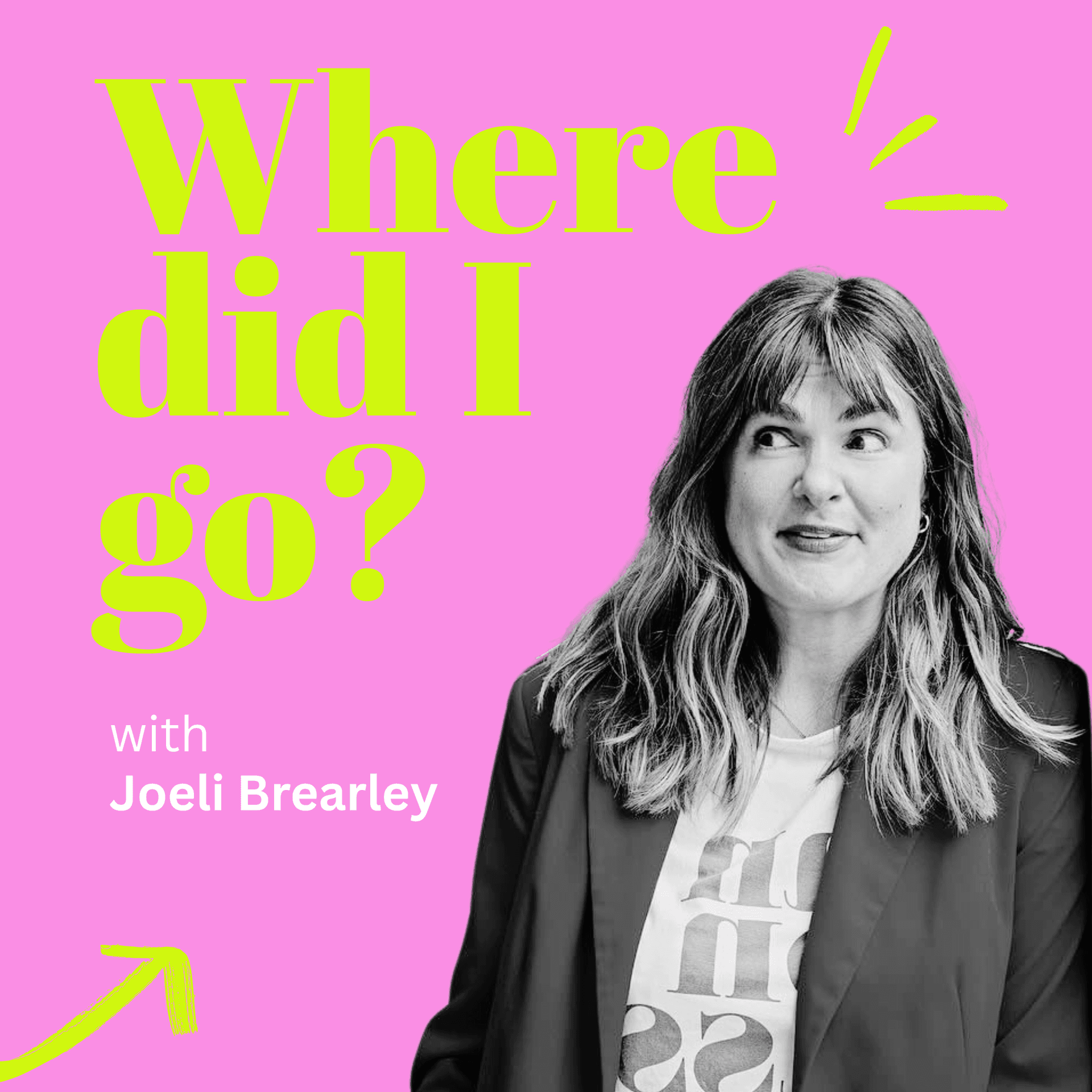
Joeli Brearley, founder of Pregnant Then Screwed (UK workplace discrimination advocacy). She was fired by voicemail two days after announcing pregnancy; later faced a tribunal time limit (three months less one day). She built a free legal advice line that supported thousands of women, and campaigned on systemic workplace and childcare issues. She recently launched GrowthSpurt to support parents emotionally and practically when returning to work.
Key claims
ONS data shows women lose up to £65,000 after one child and £125,000 after three within five years; men don’t face the same loss. The penalty is driven by parental leave design, childcare access, and workplace culture that forces “parenting out of sight.” Equal parental leave is a major lever.
Notable examples
Pandemic maternity ward restrictions (partners banned); Denmark/Sweden show dads taking longer leave and normalizing male caregiving; “parenting out loud” improves belonging and productivity. GrowthSpurt uses career coaching, peer support, and timely practical info; beta testing improved well-being by about a third in a week.
Written by AI. May contain mistakes. Listen to the episode to check what was said.
Chapters
Tap a time to open that second in VOJoeli's Journey to Advocacy
1:28 to 3:50
Joeli Brearley shares her personal experience of workplace discrimination and its impact.
“Honestly, I'm like, I'm just extremely nervous actually to be talking to you.”
Founding Pregnant Then Screwed
3:50 to 7:40
Joeli discusses her motivation for starting the organization and the community support it garnered.
“So, yeah, he was completely fine in the end, which is great.”
The Pandemic's Impact on Mothers
7:40 to 11:19
Discussion on how the pandemic highlighted issues faced by pregnant women and mothers.
“Yeah I remember so I was pregnant during the we fell pregnant in March and then my son was born in December and here in Denmark things stayed pretty open and there was there were no restrictions on maternal.”
Understanding the Motherhood Penalty
11:19 to 14:01
Joeli explains the concept of the motherhood penalty and its financial implications for women.
“Which is shocking and potentially a bit depressing, but I think it's really important to just give that a bit of language like what does the motherhood penalty look like for women today?”
The Structural Forces of Caregiving
14:01 to 17:48
Explore how structural issues trap women in caregiving roles and the economic implications.
“It's not like a genetic predisposition that women and men have two different earning capacities or ambition levels or whatever it might be.”
The Importance of Equal Parenting
17:49 to 22:15
Discuss the influence of parental leave on the motherhood penalty and equal parenting.
“Can you talk to me a little bit about why you think parental leave is such a important lever that we have to play with in this situation?”
Cultural Shift in Parenting Roles
22:16 to 26:34
Analyze how societal views on parenting and the division of labor impact family dynamics.
“There were these massive, like massive trainers outside.”
Introducing GrowthSpurt
26:35 to 28:03
Learn about the new initiative aimed at addressing the motherhood penalty.
“But on the advice lines, what came back again and again and again was that if it was going to go wrong, it was that return to work phase.”
Navigating the Challenges of Returning to Work
28:03 to 29:46
Learn about the difficulties mothers face when returning to the workplace after childbirth and the importance of support.
The Need for Peer Support in Motherhood
29:47 to 31:51
Discover the value of peer-to-peer support and community for new mothers facing similar challenges.
“It's what everybody's looking for on social media, right?”
Show all 13 chapters
Feeling Isolated During Maternity Leave
31:52 to 33:17
Hear firsthand experiences of loneliness and isolation during maternity leave and the need for connection.
Quickfire Advice for Expecting Parents
33:18 to 34:17
Get quick tips for new parents and employers to improve support in the workplace.
“10 days paid carers leave not only will make a massive difference to your retention, productivity and recruitment, but will make every difference to a new parent in the workplace.”
Cultural Perspectives on Work-Life Balance
34:18 to 36:14
Explore differing cultural attitudes towards work and life balance, especially in Scandinavian countries.
“And very lastly, what is your hope for the next generation of working parents?”
Transcript
Automatic transcript. May contain errors.0:00Hello, hello, hello. Welcome back to Where Did I Go? The podcast for women in the messy middle of modern motherhood. Today is a huge moment for me. Honestly, can't believe I get to say this, but I'm sitting down with the legendary Joeli Brearley, who is, for anybody who doesn't know her, the founder of Pregnant Then Screwed and probably the UK's most relentless advocate for parents in the workplace. So Joely's story begins with a voicemail. Two days after announcing her pregnancy, she was fired. But what happened next wasn't just a personal fight, it became a movement. From building a lifeline for thousands of women facing workplace discrimination to campaigning for systemic change, Joely has turned her anger into action.
0:44And now, with her new venture, GrowthSpurt, she's tackling the emotional and practical chaos of returning to work after parenthood. In this conversation, we get raw about the motherhood penalty, the broken childcare system, the cultural shame around parenting out loud. We talk about why equal parenting leave isn't just a feminist issue, it's a societal one, and how countries like Denmark where I live are proving that change is possible. This is a must listen for anybody who's ever felt like this working world and trying to make it all fit together wasn't built for them. Or just anybody who wants to understand how we can build a better society together.
1:27Hello, how are you? I'm very well. Honestly, I'm like, I'm just extremely nervous actually to be talking to you. It's like talking to a true celebrity.
1:43You are the OG. Like honestly, see it's ridiculous that you are here right now and that I'm talking to you I'm just so grateful and there are just a thousand different things I want to talk to you about but I think I would love for anybody who's been living under a rock and hasn't heard of Jolie Braley who are you what have you been doing for the last 10 years what's your sort of your role in this big whole messy space of motherhood wow what a big philosophical question who are you to kick things off so who am I in this big messy space that is motherhood I found a pregnant then screwed 10 years ago so I I had a really crap experience got pushed out of my job when I was four months pregnant uh so I announced my pregnancy day after got pushed out by voicemail it was a woman who pushed me out and she ran a children's charity and then it was you know pretty extreme situation and I found myself unemployed with no income just absolutely terrified about what was going to happen and then I found out I was having a high-risk pregnancy as well and I was told that my baby probably wasn't going to survive and you have three months less one day to raise a tribunal claim from the point that discrimination occurs in the UK still even now and this is 10 years ago we've been campaigning for that to change but it's still that still is the situation so I was left with this very stark choice of either taking my employer to tribunal and accessing the justice I obviously deserved or protecting the health of my baby.
3:22And you as well, because that process of having a high risk pregnancy is terrifying. And one of the things I've learned from my own journey is like, whatever you go through in your pregnancy experience or the run up to becoming pregnant, all of it spills out once the baby is here as well. So that whole, you know, just taking care of you in that process as well was, I imagine, maybe not a conscious but an important factor. Yeah. And you're right. I mean, after that, he was fine. I wanted to ask. How old is he? He's 11, turning 12 this month. So, yeah, he was completely fine in the end, which is great.
4:07but the stress of all of that so the stress of being pushed out of my job and then the stress of panicking that he was going to die all of that you know you hold it together don't you while you have to and then you fall apart as soon as you can yeah yeah I mean I actually worked out really well for me career-wise I ended up getting a great job with brilliant employee I ended up going to Moscow doing a project in Moscow went to Africa did a project in Africa ended up writing the first ever guide on how to do like data hacking for arts organisations like did crazy stuff because I sort of wanted to really prove myself ended up doing a tour of digital art around shopping centres in the UK like all I did all the space for about five months because I was just so furious that I'd been pushed out of my job and I thought is this while you were pregnant while I was pregnant yeah wow okay you were really sticking two fingers up to them just watch me and what you've lost so it worked out really well for me but then after he was born I just completely felt to pieces and I really struggled I mean everybody does surely really struggled with maternity leave really struggled with being a mum all of that stuff and you know I think partly that was definitely because I was dealing with trauma of what what happened to me but in terms of what that did for me it meant the anger of what had happened just never left me and that I turned that anger into pregnant and scrooge and originally it was a place for women to tell their stories of discrimination anonymously I was gonna call it can I swear oh always pregnant I was gonna call it pregnant then fucked fucked yeah but I decided to tone it down a little and then so people started sending their stories and that was really cathartic for me because actually you know it makes you feel less alone doesn't it and it was really started to help other people but then they started saying I need legal advice and I'm not an employment lawyer so I ended up meeting an employment lawyer in Manchester via a mumsnet weirdly I didn't actually hang out much on mumsnet but I had written an article and lots of people came for me and said well clearly you were terrible at your job that's why they pushed you out and this woman defended me in the comments and we started chatting and it turns out she lived in Manchester so we went for a cup of tea got on really well Danielle Ayres she then helped me set up the free legal advice line and she ran it for me for 10 years oh wow and she originally she was just doing phone calls in the bath you know like so she's doing like two or three calls in the bath and then while I was still there in one year we supported like 6 ,000 people through that advice line so she'd stopped doing it on the bath by that point.
7:06That's insane so within one year you've got 6 ,000 women coming forward saying this is what's happened to me and I need to understand what rights I've got right now. It wasn't in a year no. Right okay I was going to say. Because I started pregnant than Screed in 2015 and it was a bit of a slow burner because people it takes a while to build the waning and the people to trust you because they have to trust you of course to call you and ask for advice and the first campaign we ran was the three-month time limit I started realising all the different factors that were causing all the problems child care flexible working parental leave access to justice so we started looking at all of the different issues and I say we it was like me and Danielle was in the advice line and there was really no income for about three years I was doing it alongside a job which was really difficult but then I mean the pandemic hit and everything changed and by this point we had built up that cachet of trust so people did believe that we could do stuff and that we were worth talking to and so when the pandemic hit and people were trapped inside their homes and they had no answers and pregnant women were completely ignored by the government then we were inundated and that's when the real value of what we were doing became so obvious because it wasn't just about discrimination it was about life or death I've gone off on a little bit of a tangent here but it all kind of people listening many will have had babies during the pandemic and they will remember us from that because they banned partners from maternity wards and that was one of the most devastating things ever.
8:52Yeah I remember so I was pregnant during the we fell pregnant in March and then my son was born in December and here in Denmark things stayed pretty open and there was there were no restrictions on maternal. I mean, there were restrictions in terms of like just the basics, wearing masks, getting tested, that kind of stuff. But I remember I had a lot of friends who had babies at the same time. A lot of them had complicated births and had to stay in hospital for a while. And at that time, their husbands or partners were allowed to go to the pub, but they weren't allowed to come to the maternity ward with them.
9:25So you had periods of weeks where dads just weren't seeing their children, weren't able to support their partners. And from looking from where we were, in we were like this is just I mean if you ever needed a metaphor for how little people care about women's well-being and children's well-being this is it exactly that we had images we got an artist doing images of women giving birth in pubs just to show how ridiculous it was and you remember they allowed people to go to that massive football match I can't remember what the football match was but you saw these crowds people in football matches and then women were giving birth alone and you know again it was another juxtaposition of oh right oh the men can go do that but yeah yeah yeah women have got to go through this crap on their own and yeah it was devastating and I mean so there's the giving birth which was awful but there was also pregnant women who were dying because there was no guidance for pregnant women whatsoever yeah you know at the beginning they did say pregnant women you should be extra careful but that was it there was nothing else yeah like just be extra careful what does that mean and so we're going into work because nobody was telling them they shouldn't be and they were dying and we do now know that they were way more at risk than anybody that wasn't pregnant we knew that intrinsically that mean that was obvious to us of course they're going to be more at risk they're pregnant and it puts on your lungs and this is a disease that affects your lungs and so you know the the pandemic was when we sort of exploded in people's minds if you like because we suddenly became the front line of people coming to us and telling us what the problems are we have a route through to government and we're trusted suddenly yeah that relationship we had with women was invaluable so over the course of you know the period from when you started it and then the explosion during the pandemic and onwards, what you've really built out is a very clear picture of just how bad the motherhood penalty is and how little things have actually changed in, you know, from when we started looking at the data on it to now, like very little has changed or actually I think might be even worse now than it was at the beginning.
11:39Yeah. Which is shocking and potentially a bit depressing, but I think it's really important to just give that a bit of language like what does the motherhood penalty look like for women today? Well it's a good time to ask that question Dani because we now have data as of Friday as to exactly what the motherhood penalty means thanks to the Office of National Statistics it's the first time data like this has ever been collected and we now know that up to five years after your first baby is born you lose£65 ,000. If you have three children, you lose£125 ,000. That's insane. And, you know, I've seen this, obviously, this got a bit of coverage on Friday, nowhere near as much coverage as it should have done.
12:26I mean, there was obviously other big stuff going on. But still, it was very disappointing how little this got covered. But the comments under the articles from people saying, well, of course, it's going to, you know, of course, you're going to lose and lose income and you should be happy about it you've got a baby and yes of course excuse me while i scream children and the point is that women lose that money men don't yeah it's a loss and an actual loss to women and we know that money is freedom without money you can't do anything you are trapped yeah and so this isn't just an inconvenience it is catastrophic for women's quality of life.
13:06And it means that they have poorer rates of housing, means they have poorer rates of happiness and wellbeing. It means they have far less in their pension pot than men do, so they're more likely to live in poverty. And of course, it can trap you in a violent relationship because you don't have the financial freedom to leave. And also, we're forgetting the fact that single mums exist, of course. Yeah. You know, when we're saying, well, of course you should take the sacrifice. So it's, you know, that is a devastating loss. Obviously, it's a devastating loss for women. We should just all have an empathetic response to that.
13:37You know, the fact that people say, yeah, well, obviously, it's just crazy to me. But beyond that, and it's like a third of children in the UK are living in poverty right now. So the fact that there is that loss has a direct impact on the lives of children. It has a direct impact on their well-being and the types of parents that they may be able to become and the lives that they may be able to live. What we're doing is trapping families in generational situations that are avoidable. This isn't an inevitability. It's not like a genetic predisposition that women and men have two different earning capacities or ambition levels or whatever it might be.
14:18This is structural forces at play that are directly trapping half of the world's population into a situation that benefits the other half. I'm really glad you made that link because as well, people have far more empathy for children than they do for women. And people get child poverty and people are desperate to do something about it. And children are not poor by themselves. They're poor because mothers are poor. And their mothers are poor because we've created a system that doesn't work for them so that they can't have an income, a decent income and raise children. and it's also a loss for the economy because that pay gap means we're not effectively utilizing the skills and expertise of the people that are available to us and this is very fixable and it's not about people look at this as we're trying to make women be economic units like be productive in the workforce it's not that at all like the the benefit system does not work for women and if we you have somebody doing you know raising children is work and that work is a direct contributor to society then that work should be recompensed in some form so no matter what work you're doing whether it's work outside of the home or whether it's work inside of the home then all of it should be valued and care should be valued and it isn't at the moment yeah I just feel so strongly about this idea of having some kind of universal income for caregivers, whether they be male, female, caregiving for elderly people, like all of that has a massive economic contribution.
15:51It has value for society. It has value at an individual level, but at a society level, it's massive and it's just expected and not even actually expected. You're made to feel guilty about having to do these things that are essential for the functioning of society. You cannot have a society that functions without parents and caregivers. And yet you're made to feel like you're a burden and that all of the inconveniences of having to do the caregiving stuff, like if your kids are sick or you need to take them to school or pick them up from school or whatever it might be, those are things that you have to do in secret because otherwise you might get fired.
16:32And I just cannot wrap my head around that. Well, no, and it's really stupid of companies, actually, to not do what my colleague Elliot Ray calls parenting out loud, because there's so much evidence that if you create a working culture where people feel confident to speak about the dilemma and the complexity of managing work and care, that they have a greater sense of belonging to their company, they're happier they're more productive it's really really good for the bottom line of companies to create a culture where people feel comfortable to have those conversations and yet the number of companies or employees that I speak to where they feel they have to hide that is extraordinary and it comes from the top of course you've got to have senior leaders who are gonna be really vulnerable and they're gonna say I've got to go pick my kids up now or I've just had a nightmare because my child work going to school today and they've kicked off so I'm going to be late to a meeting or whatever it is and that means that other people will inevitably feel comfortable to do the same yeah I really want to talk about actually the role of dads and not dads per se but the role of kind of equal parenting or the way that we view equal parenting in society because I know that's like a really important thing that you've spoken about quite extensively in terms of having equal parental leave or even just better parental leave for dads would be one of the single biggest influences of like just improving the motherhood penalty and also the situation for dads as well to be able to show up fully as parents.
18:08Can you talk to me a little bit about why you think parental leave is such a important lever that we have to play with in this situation? Yeah, I mean, in the UK, we have the worst paternity benefit in Europe. And it means that on average women are taking nine months off when they have a baby men are taking on average two weeks one in four don't even take that and that firmly entrenches the notion that caring is women's responsibility it's literally legislation that says to you right you're responsible for that baby and so by the end of parental leave women are then firmly in the position of primary carer because of course caring for a child you learn on the job and it's complicated so when you are the one that's doing the work doing the learning then when you go back to work you're still the one that understands how to get the baby to sleep how they want their toes cut you know all the weird things that go with kids that yeah your partner whether they be male or female when they're in work they then default to you to figure all of that stuff out and you also then feel completely responsible for that child so when you go back to work and you think you look at the child care system and our child care system is unaffordable inaccessible yeah if you can't get the child care you need or you can't afford it it's women then that make the career sacrifices so they're the ones that go part-time or fall out workforce entirely in order to compensate for a child care system that just isn't working I mean then you need flexible working you need part-time working in order to manage all of your unpaid labor as well as your paid labor because looking after a child is a full-time job but part-time working is really difficult to come by in the there are very few decent well-paid part-time jobs and it's very difficult to be promoted when you're working part-time you're half as likely promoted as you are if you work full-time so you can see how the mother penalty starts to sort of hack away people all because of our parental leave system it starts at the parental leave system and we see from other countries like sweden and denmark where they have a much better parental leave system and dads do take longer periods of time out of work to care for their children you split the unpaid labor much more easily so the men do much more of the cooking cleaning the relentless sock pairing and the care of the children for eternity because it's you've started off on an equal footing so it will be a game changer i was really interested in this because I did see the ONS data that put earning losses at around 42 % lower salary for women five years after having children, your first child.
20:47So I had a look at what's the data show here in Denmark where we have, I mean, this isn't actually standard, but my husband had six months full pay parental leave with our second and not with our first. And actually there was a massive improvement in just our like kind of shared attitude towards parenting with our second than our first like it made a massive difference beyond that though the latest data in Denmark showed that after five years that pay gap is 10 so 42 in the UK and 10 in Denmark so you can see that there's still work to do but it makes a massive difference and actually what I would argue here in Denmark is that the choice to be a primary caregiver it is a choice actually like if a woman decides that that's going to be the role she wants to assume in the family that's a conscious decision she and her partner have made together versus in the UK where it's an inevitability it's not a question yeah so it's just a real you know not very robust data comparison but just to say that it works, right?
21:52Like just giving dads a seat at the table, allowing them to thrive as both parents and professionals, it benefits the entire family. And just beyond that, the culture that it creates is quite amazing. I took a picture actually yesterday, sorry, on Friday, when I went to pick up my littlest one from nursery, all the shoes that were outside were men's shoes. There were these massive, like massive trainers outside. it just made me laugh because it was like three o 'clock in the afternoon so there was already that you know picking your kids up at three all of the parents there picking up were dads and that's just so normal you know yeah the ripple effect of that is huge and you know as you say the 10 % pay gap there is no country that's immune from the motherhood penalty no country has solved it entirely because it is incredibly complicated it's just that it's really obvious what the uk needs to do to close yeah there's a great story of um that i wrote about in my book of a journalist going to sweden and was being shown around and he said to the guy that was showing him around what's with all the like male nannies why are there so many male nannies it was like no they're not male nannies they're dads like absolutely an american journalist that was it goodness me yeah because they've seen so many men with babies and you know there were the latte pappas they call them definitely in sweden sitting around having their nice coffee with their children and it was just such an extreme thing for him to see because he'd never seen it and of course you don't see that in america and you don't see it in the uk because we don't have a system that works for men no not at all so i think and i know that elliot is doing like a ton of incredible work in this space.
23:42I'm actually talking to Elliot next week. So I'm really excited to follow this conversation with, you know, that focus on dads, because it is a really important part of the equation. It's about benefiting everybody. It's not like women versus men or whatever. This is just structural inequality that just doesn't serve anybody. Well, exactly that. I mean, there's Bronnie Ware, the palliative care nurse. She said that every man she cared for on his deathbed said I wished I had worked less and spent more time with my children men are desperate desperate to spend time with their kids but they feel this burden of having to be the breadwinner and bring home the bacon and one of the motivators for me was certainly my family set up my parents my dad never saw him worked his ass off always out always working my mum worked but she was you know the solid parent that was always there came to the space did everything but they completely grew apart because he they didn't understand each other anymore he didn't really know us but you know barely knew us at all didn't understand the challenges she was dealing with we would go to him with you know one of the kids is having a problem he just like didn't have the capacity to think about it or deal with it and they just completely grew apart and I find that really sad and I find it really sad now for him that you know he didn't have that opportunity to have a relationship with his children because I think it would have benefited him enormously and I find it really sad that he didn't get that so I have seen it in my own family the difference that a parental leave system like that could have made for my parents and yeah you know I believe society would be better if we did have that yeah absolutely I want to take a sidestep now to talk a little bit about the new venture that you've been working on and that you've just launched because you stepped away from Pregnant Then Screwed.
25:43Was earlier this year, is that right? Yeah, it was end of last year. End of last year and since then have been quietly working away in the background to figure out what would be the biggest high impact kind of next step within this field and have just launched GrowthSpurt. Can you tell me a bit about GrowthSpurt? What is it? Where did the idea come from? And what's the kind of hope? So with Pregnant and Screwed, it had a massive remit. Like ending the motherhood penalty, something no country has managed to do, is quite... No mean feat. Yeah, just casual. For charity, 10 people. So it's frustrating, of course, you're constantly banging your head against a brick wall.
26:23I mean, campaigning is constantly losing anyway. It's like you're just constantly like trying to do something, get to a certain point. oh we've lost again uh keep going you know and it's very tiring I often felt like we were spreading ourselves far too thinly because it's such a big issue and because you want to do everything and so when I stepped down I thought right I really want to focus in on a very specific part of the problem I've always you know I didn't step down because I stopped caring about the motherhood penalty I never stopped caring about it I think it's probably my life's mission to do positive things to close that gap.
26:58But on the advice lines, what came back again and again and again was that if it was going to go wrong, it was that return to work phase. And it inevitably is because you go on parental leave and you have a baby, which is one of the most joyful, brutal experiences of your entire life. And also your brain rewires, completely rewires when you're pregnant and you have a baby so when you go back to work you are an entirely different human to the person you were before you left you are literally a different human because your brain all these mud changes and also because you are now a parent and that changes absolutely everything and yet you come back and nearly always what happens is they're like oh great you're back come on there's your laptop yeah and you're like you're like what is going on am i why am i here yeah and we just don't do enough to bridge that gap and to give people the emotional support that they need when they return and i had a really supportive employer he was lovely when i went back to work after my first kept saying i you know he hadn't had children but he was so flexible and adaptable said don't worry take your time like I get that it's going to take a while and still I cried in the toilets every day for three months and I felt like everybody was speaking Klingon when they were talking to me I didn't know what they were talking about it was like a different language yeah so I just think this is eminently solvable and I think people just need a lot more support so we know what works because there's been lots of companies that have trialed different things there's been lots of research papers to support the fact that the three things that make a big difference are career coaching so having somebody to unpick those questions with who am I why am I here do I really want this or do I want something else how do I fit into this company now yeah that makes a huge difference peer-to-peer support reduces incidence of postnatal depression and massively improves your mental health and your confidence and then finally practical information at the right point because you come back and the mental load is just a lot you're trying to figure out your job again and you've got all of this stuff going on at home that you didn't going on before so having the right information at the right point to reduce that mental load makes a massive yeah so essentially that's what gross bit does it tries to do I say tries it does do all of those things under one umbrella and we have been beta testing it for a week and so far people are loving it and within a week people's well-being on average has improved by a third so that's that's incredible amazing it just shows how much just having access to knowledge and community is such a simple thing to fix and the impact is like mind-blowing I mean It's what everybody's looking for on social media, right?
29:56But social media is just such a hellhole that you go on it. I can't find a single social media platform now that doesn't make me feel more depressed after a week. Yeah, yeah, yeah, yeah. And this is sort of doing some of that, you know, like the peer-to-peer support is an online forum where people are talking to each other all the time. But they're going through the same thing at the same point and we're moderating it very carefully. So it's judgment-free. you come on saying oh I think you should be breastfeeding and not bottle feeding stuff like that you are gone like we're not accepting any of that stuff you be yourself you do you and what works for you we're just here to offer you the support and guidance as you need it and it's working it's making a big difference yeah because you know what I remember when I went back so that the flip side of my husband having that leave was that it meant I went back to work a lot earlier than I did with my first and I was still breastfeeding at the time and truly I was just not in work mode at all and I remember just like going to work with my breast pump and there was no meeting room that was um there was no space for me to pump and all the meeting rooms were like fucking glass doors and my pump was quite noisy as well and just the dread and shame and fear of like trying to pump while I was at work not having my boobs explode like being in pain because I was pushing it too long or having people you know schedule in a day's worth of meetings when I needed half an hour to just take myself off and pump it's such a simple thing I had no one to talk to about that so I was just like and the tragic reality is that I stopped breastfeeding very soon after I went back to work and I wouldn't have done if I'd have just been able to navigate that a bit better yeah yeah so it's just like you say information at the right time with people who totally get it and judgment-free is so powerful it's so like motherhood is so lonely I was devastatingly lonely and isolated yeah and I found maternity leave awful like I know not everybody feels like that but I hated it and I you know obviously loved my baby but I was so tired I couldn't really leave the house and have a conversation with anybody I didn't feel equipped to go to baby groups and talk to strangers and when I did you know the conversation just felt so alien to me yeah how old is he let's sing row row row your boat I was like yeah yeah it's not about you at all yeah yeah and um really I just wanted to cry on everybody and said I'm hating this save me I don't like yeah let me stop on your shoulder I swear to god if me sing that song i will literally smash it in the face please there were nine verses of robo i mean fucking hell i was like what is going on here i do not understand what's happening so i mostly just stayed in the house and then slowly went yes just insane and didn't tell anyone it's a real spiral isn't it i just got in a brave face when like i saw yeah anybody i knew and pretend everything was fine it wasn't fine so to have a place I could go online where I had some form of anonymity and I could say I'm really struggling here yeah would have made a massive difference to me yeah I know we're running very quickly out of time so I just want to wrap up with a couple of kind of quick fire questions and if you can it's really hard but if you can answer in like kind of two or three words then if someone just takes away one thing then let it be the these next few few words so if you could go back and tell your newly pregnant self or actually newly burst version of yourself what would that be so I've just had a baby rather than I've just had a baby you've you know not not you've been born that would be weird you've just given birth it's gonna be okay it's gonna get better yeah and what's one small thing that an employer can do right now today that would make a massive difference?
34:04Carers leave. 10 days paid carers leave not only will make a massive difference to your retention, productivity and recruitment, but will make every difference to a new parent in the workplace. I love that. And very lastly, what is your hope for the next generation of working parents? That they split the unpaid labour more equally and that dads have an opportunity to spend quality time with their children and women have an opportunity to have a career if they want to yeah do you believe that's possible yes couldn't keep doing this no no no you're right I've been thinking a lot about optimism today actually and how that's just like the fuel of it all you can't lose sight of hope yeah thank you so much I've just I mean I could I wish you didn't have to go do you have to go is Channel 4 really that important?
34:58I mean thank you. I've really enjoyed talking to you and it was really interesting to hear that you've got comparable data for Denmark as well that's made me. Yeah I've dug out a couple of interesting comparisons I'll share them with you after just so you have it as a reference. Yeah that'd be brilliant and was it the Denmark Prime Minister or the Finland Prime Minister who was asked in an interview, is Finland the happiest country in the world or Denmark? It's Finland. Yeah, Finland. Somehow. Well, so Scandinavia is obviously a lot happier than the UK. And the Finland Prime Minister was asked in an interview, why is it that people in Finland are so happy?
35:38And he said, it's because people in Finland think that people who work long hours are boring. Yeah. Yeah. Do you know what? And it's true. So Denmark is the third happiest country, kind of consistently hovers around one to three. And same, if you ask someone when you first meet them, what do you do? They're going to be like, why are you asking me that? Like, I'm so much more interesting than my job. And it's just, it's a really good reminder that you are not your job. Like you are so many things as an individual, parent maybe being one of them. And that's important. Yeah. And I think we lose sight of that a lot, don't we, in the UK.
36:17people become so obsessed with what they do so obsessed with power and actually life is much more than your job and should be much more than your job and we should be creating a system that works around humans rather than works around work yeah completely well thank you I will share a bunch of places that people can connect with you and growth spurts and just all the other your podcast all the things in the show notes so people can continue listening to your wisdom after this episode. Thank you, Tammy. Really nice to meet you. Yeah, likewise. Thank you.
37:14Thank you.
From the publisher
AHHH this is a big one!! In this week's episode, I sit down with the legend herself, Joeli Brearley, founder of Pregnant Then Screwed and now Growth Spurt, one of the UK's most relentless advocates for parents in the workplace. After being fired by voicemail two days after announcing her pregnancy, Joeli turned her personal story into a movement, one that has changed laws, secured billions in government investment, and supported hundreds of thousands of mothers.
And the timing couldn't be better. Brand new ONS data just dropped showing that mothers lose £65,000 in the five years after their first baby, and £125,000 if they have three children. When people say "of course you'll earn less, just be grateful you have a baby," what they're actually saying is your financial freedom doesn't matter. But Joeli's here to tell you: it absolutely does, and it doesn't have to be this way.
This conversation isn't just about documenting the problem—it's about the solutions. From why parental leave is the single biggest lever we have to change everything, to why companies that hide caregiving are shooting themselves in the foot, to what Growth Spurt is doing to support the return-to-work transition that breaks so many of us.
This is essential listening for every working mother who's been told she should just accept less.