 Ask ChatGPT
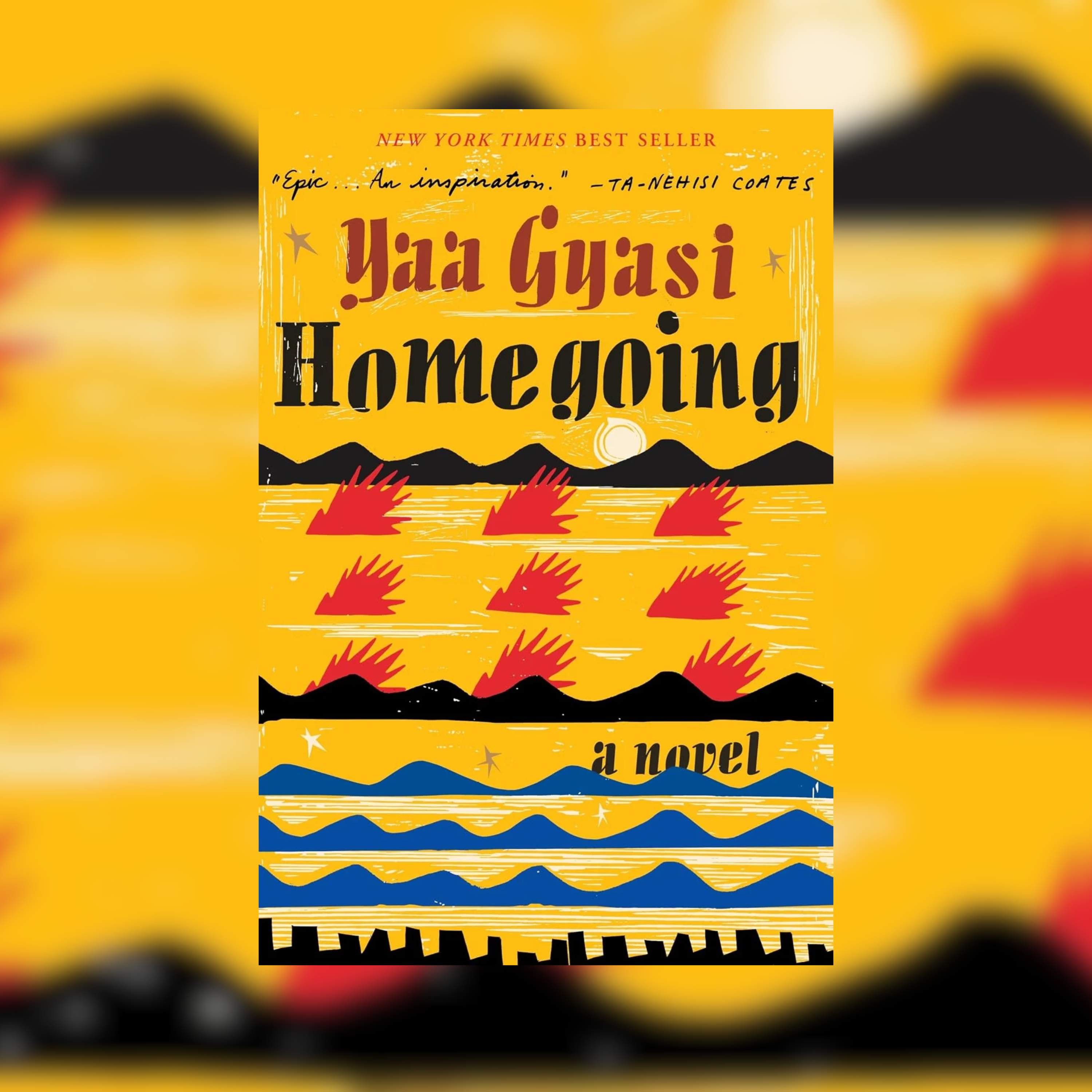

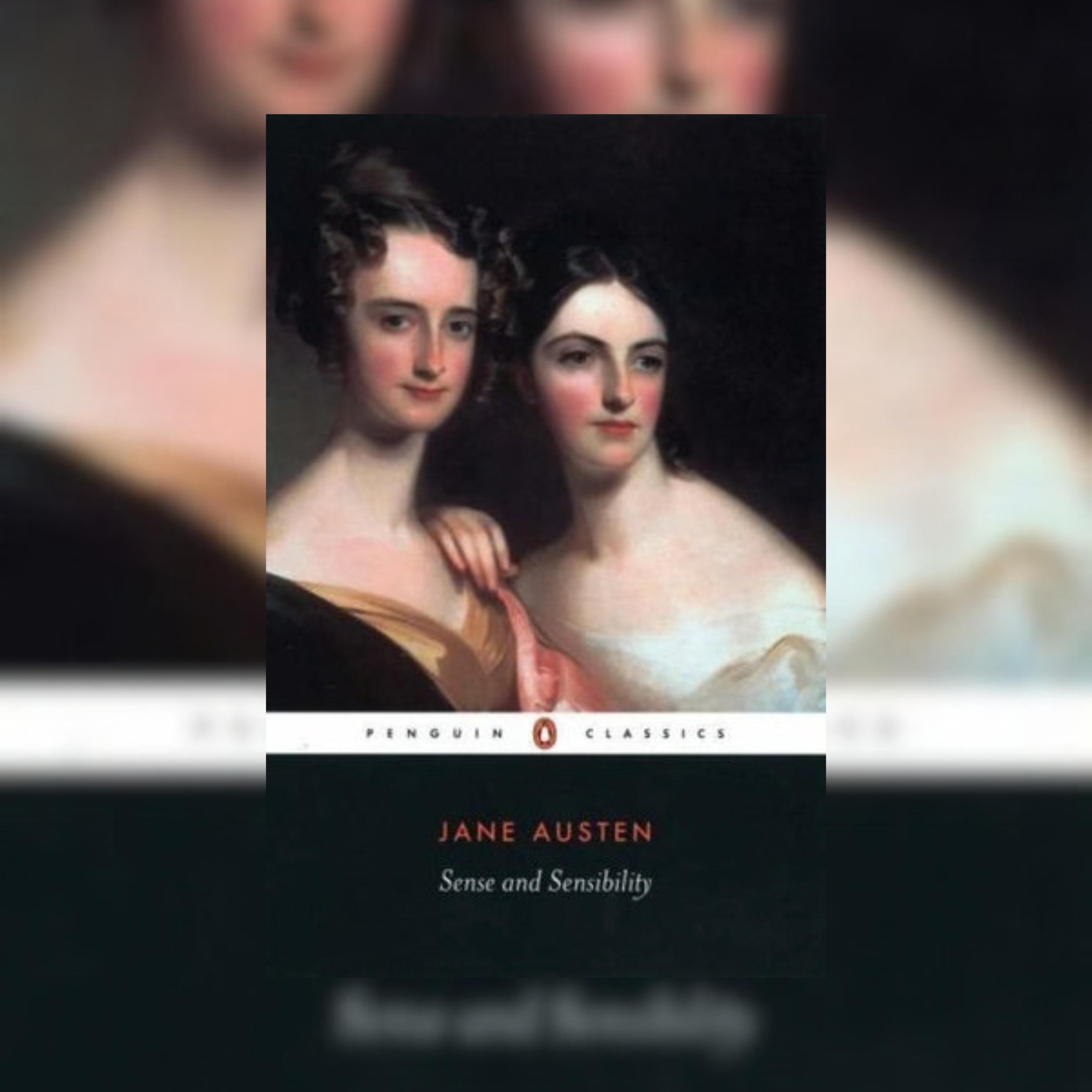
Sense and Sensibility (Jane Austen) and how it uses “sense” (practical reason) and “sensibility” (emotion/art/taste) to critique Regency marriage as a financial system. The episode also covers Austen’s publication history, realism vs sentimental fiction, and how adaptations can miss the novel’s subtle narrator voice.
Jeff O’Neill and Rebecca Shinsky host Zero to Well Read. No other guests are mentioned in the transcript.
The Dashwood sisters’ romantic plots are inseparable from property law and economic survival after their father dies. Austen’s realism shifts stakes from melodramatic “big feelings” to everyday consequences like becoming a governess. The book is Austen’s first published novel (drafted around age 20; published anonymously in 1811), and its success helped fund her later writing. Eleanor’s perspective and the narrator’s “voice” are central; epistolary early versions would have limited that interior access.
The Dashwoods’ forced move to a cottage; parallel heartbreaks; meddling mothers and nosy neighbors; the “wallowing” grief of Mrs. Dashwood; characters like Fanny Dashwood and Lucy Steele as foils; and the line about “Anything is to be preferred or endured rather than marrying without affection.”
Written by AI. May contain mistakes.
Discussion on the significance of Sense and Sensibility and Austen's style.
“I don't know what to say about Jane Austen right here that we won't say in the show.”
Discussion on the significance of Sense and Sensibility and Austen's style.
“of folks were expecting it in the first season.”
Exploring the publishing landscape and Austen's early career.
“you know, going back to the end of ours for having read Sense and Sensibility, which most even of the Austin fans do not consider among the first rank of Austin.”
Exploring the publishing landscape and Austen's early career.
“We're getting some nice emails from people who are working through their back episodes or I just wanted to email you this story about this.”
Detailed summary of the plot and main characters of Sense and Sensibility.
“I'm going to be going to speak to the class.”
Analysis of the social critiques present in Sense and Sensibility.
“And importantly, it does well enough for her to do others, right?”
Discusses the social pressures faced by women in Austen's time and how it influences her storytelling.
“These are not the kings and queens of the age, nor the princes, nor the outcasts.”
Examines the dual commercial and scholarly legacy of Jane Austen, including adaptations and fan culture.
“as you probably know listening to this, if you're listening to this show, you probably have some sense of the Austin industrial complex because there's a scholarly one, but there's also the commercial one.”
Analyzes how Austen's setting and societal norms shape her characters and their motivations.
“So, you know, this idea that write what you know, right, kind of comes out of Austen writing around her social world and the kinds of characters and people she knows.”
Discusses the development of dialogue in Austen's writing and its impact on character interactions.
“And once you can do that, then you, I think, can see where Austen's real genius is.”
Explores Austen's narrative techniques and the use of perspective in her storytelling.
“But I know that that's what it was at the time.”
Covers the enigmatic aspects of Austen's life, her posthumous reputation, and the loss of her letters.
“It was like, who is Elena Ferrante and let's do all that stuff.”
Explore the life of Jane Austen, her early works, and the mysteries surrounding her letters.
“So her works were published, and obviously during her lifetime, she died at 41 of maybe Addison's Deeds or Hodgkin's lymphoma.”
Discuss the unique upbringing and education of Jane Austen and its impact on her writing.
“You had this ring the bell for a girl dad who was surrounded with books and encouraged her interest because the patriarch of the house had undue influence of everyone's lives.”
Analyze Jane Austen's perspective on marriage through her characters and personal choices.
“And around that age also, she herself backed out of a marriage of convenience to a wealthy childhood friend.”
Learn about the challenges and successes Jane Austen faced in getting her work published.
“We're going to sit around and read and we have to be governesses.”
Hear personal experiences with reading Austen and how perspectives can change over time.
“a publisher bought the rights to all of her books and reused them all in kind of a nice set as part of this collection.”
Discuss the themes, characters, and social critiques presented in 'Sense and Sensibility'.
“I read all of Austin in a row in high school.”
Explore how the characters navigate societal expectations and power dynamics.
“And so then you get thinking about, you know, spies.”
Austen's portrayal of characters embracing their grief highlights emotional complexity.
“So, you know, it's the one of the ways that we would talk about it in feminism now is like one of the most common critiques is against language that that talks about women as being catty.”
Discuss the dynamics of sisterhood and rivalry among women in the story.
“And once they achieve success, they just want to defend their positions and they don't care what happens to anybody else.”
Reflect on cultural norms and practices, such as hair locks and social life.
“What is even the point of Margaret, the youngest sister?”
Examine Austen's sharp character portraits and their relevance today.
“Was it when then we now had photographs and like, okay, now I can remember what you look like.”
A deep dive into Colonel Brandon's attributes and how they relate to attraction and relationships.
“I'm adding Jane Austen to the ranks of people I'd like not to be perceived by.”
Discussion on the themes of love, marriage, and financial security in 'Sense and Sensibility'.
“We do this more and more with the quotes.”
Insights into Jane Austen's life, her writing style, and the impact of her works on literature.
“The Signal one here being Ang Lee's 1995 starring Emma Thompson, both for which she won two Academy Awards, including the screenplay.”
Discusses the constraints faced by Jane Austen and what could have been if she had more time and freedom.
“Copyright law gives us some good things these days.”
Highlights the absence of key dramatic moments in the narrative, emphasizing missed opportunities for tension.
“If you start planning your marriage a week after you meet someone, you deserve 100 % of the shenanigans that follow.”
Discusses how economic realities influence the romantic narratives in Austen's work compared to modern romances.
“So many rom-coms, especially, that's what these are, romantic comedies, struggle with how to give the love story stakes beyond that I love you, right?”
Explores how Austen's themes resonate in contemporary works and the broader literary landscape.
“Do you think Colonel Brandon knew what he was doing?”
Looks into the duality of sense and sensibility and how Austen balances these themes in her writing.
“And Austin is setting up from the very beginning an argument that's not in favor of one of those over the other, but the importance of both of them and a balance between the two.”
Rates the book on various criteria, discussing its historical importance and relevance today.
“Each one gets a score from one to 10 with 10 being the highest historical importance, readability, current relevance of central questions, book nerd, read credit, oh damn factor.”

Get the gist, explore an idea or ask about something said.
 Claude
On Zero to Well-Read, what are the key points of this episode?
Searching your listeningAutomatic transcript. May contain errors.
0:00This episode of Zero to Well Read is sponsored by Thriftbooks.com. Today, Sense and Sensibility by Jane Austen. I don't know what to say about Jane Austen right here that we won't say in the show. But one thing that's great about Jane Austen is you can get a complete matching set and it's pretty wieldy. And because it's in the public domain, there are all kinds to choose from. I'm looking at a bunch on Thriftbooks.com where it's 40, 50 bucks new. And if you want to go used, you can find something else that is, you know, a little bit more affordable. The one I'm looking at is the Macmillan Collectors Library, all hardcover, really beautiful little books that can fit on your shelf really nicely.
0:45But you can also find something that's got a little bit more color, something that's got flowers, or something that feels a little bit more serious with black bindings or penguin or some other kind of collection like that. But the one I'm looking at is the Macmillan Collector's Library, but you can find whatever you want at thriftbooks.com. Time for the show.
1:08Welcome to Zero to Well Read, a podcast about the books you wish you read. I am Jeff O 'Neill.
1:13Jeff: And I'm Rebecca Shinsky. This week, we're diving into our first Jane Austen novel, first on the show, not our first ever, as Sense and Sensibility is heading back to theaters with a new adaptation starring Daisy Edgar Jones. Big day for us to finally get to Austen. I know a lot of folks were expecting it in the first season. Yeah. I mean, listen, you're going to hear it. I saw your notes. You're going to hear it in mine too. This is not The Signal Austin. This is her first novel. I do not have a lot of personal affection for this book. It doesn't sound like this is going to make the all-time reads for you, but we're going to get into the Austin of it.
1:48But it is her first published novel. She published it when she was very young, either 19 or 21 because of reasons which we'll get into. So it's worth taking on on its own terms. Should you start with Pride and Prejudice? Maybe? Is it interesting to start with this one, which is a transitional document in a lot of ways, and we have that adaptation coming out at the same time, which is always a good time to return to these things here. So it'd be really cool. I mean, Austin, to me, she's one of my favorite writers and super important in the canon and the well reading of it all really matters. And I think you do get some extra zero to well read points, you know, going back to the end of ours for having read Sense and Sensibility, which most even of the Austin fans do not consider among the first rank of Austin.
2:28I think that's usually Persuasion and, of course, Emma and Pride and Prejudice. And then you're getting down to sort of personal picks and Sense and Sensibilities a little bit lower. But an interesting book, of course, to talk about. Austin herself is worth doing many shows about. If you want more from us, you can join our Patreon to get access to guided readalongs, early ad-free episodes, and other bonus content. Go to patreon.com slash zero to well read. We're getting some nice emails from people who are working through their back episodes or I just wanted to email you this story about this.
3:02I love these. We're doing a mailbag episode very soon. These are always going to be candidates, Rebecca, for inclusion into our mailbag, our emails.
3:10Jeff: Yeah, always fun to hear from folks. And just a quick reminder that you can rate and review the show wherever you're listening. It does us a huge favor by bumping us up in the algorithm. helps your friends who are looking for new podcasts find their way to us. And when we hit 1 ,000 ratings on Apple Podcasts, which we are getting close to— Close! 927 this morning, I think. Yes, and by the time this show airs, who knows? We'll be close to 1 ,000. We'll be doing a Listener's Choice episode where y 'all will get to vote on the book that we cover. And I know that you have some ideas about what you'd like us to be talking about.
3:45Yeah, it's which James Michener novel do they want us to cover? It's going to be real. No, we're going to be fun. It'll be fun. Yeah, that I think think a little bit more in the Twilight zone of picks rather than the Jane Austen or Shakespeare or, you know, Toni Morrison kind of zone. Yes. You know, syllable, syllable, syllableable. Syllableable. Yeah, that's not a thing. Syllabiable. Syllabiable. Syllabiable. Syllabic. That's a different word. Completely. We're doing well here. Speaking of that. It's going great.
4:17Jeff: It is good. You're on a caffeine rocket ship this morning. I'm happy for you. We've been syllabized. A friend of ours who teaches a college class let us know this week that her students are practicing some things around doing literary criticism in real time. They're going to be listening to some episodes of Zero to Well Read. I'm going to be going to speak to the class. And one of their assignments is to pick a book from their class reading and create a Zero to Well Read style episode about it. So I'm just saying we know there are other English teachers and professors listening. If you want to have us zoom into your class, we would be delighted.
4:54Jeff: So you can email us zero to wellread at bookriot.com. So happy to have been syllabized and to know that we can use that as a word now. Nice transition, by the way. I wonder if we were recommending a book for a high school or college class to do, try their hand at making one of these pancakes. Oh, I mean, I mean, the ones we've done. we've done, I would say pick something shortish. I mean, that maybe is obvious. And probably something, if you can, that you have some preexisting relationship to. It's pretty hard to go in cold. It's so helpful if you've, and I'm not even saying you've read it before.
5:32Maybe you've seen the movie. Maybe you've read one of the other books. Maybe it's your teacher's favorite books or your boyfriend or girlfriends or paramours or whatever. But like, go with some relationship into it. And then my biggest piece of advice is try to have some fun with it. Right. You're making it. This is edutainment, Rebecca. That's what we're trying
5:49Jeff: to pick something that you think you will have a good time talking about since you're pairing up, at least in this class, they're pairing up with someone else. Like it might be interesting if you have different takes or different background experiences with the novel. Like we've had a lot of fun doing books that we both love. You know, we had a great time on Gilead, but it's really interesting when we're bringing different perspectives and different levels of exposure and experience to a title. And I do think pick something that's a manageable length and that you can read like at least one time fresh as you're prepping, maybe a second time if you're coming back to it later in the semester.
6:23Jeff: But I just, that was just so cool. Very cool. It's deeply nerdy. It's an achievement that I never knew I wanted, but I'm going to make myself a little syllabized merit badge and go about my merry way. I'm sure Lumberjanes had a merit badge for being syllabized. Lumberjanes would be a wonderful zero to well-read episode. Do not look down upon genre or comics or other things. A lot of fun to do. Okay. One of the things you have to do if you're going to do that is try to wrangle the plot of a, let's just call it messy and unwieldy plotted book as Sense and Sensibility is. Rebecca is as good as this as anyone I know.
7:00Rebecca, take it away. What is Sense and Sensibility by Jane Austen about?
7:03Jeff: Thank you so much for that intro, because this was a hard one to capture in a couple paragraphs. But here's the deal. When their father dies and leaves his estate to his son from his first marriage, the Dashwood women, Eleanor, Marianne, Margaret and their mother, are forced to leave the only home they've ever known. They move to a small cottage in another village. Eleanor and Marianne are both of marriageable age by Regency standards. Marianne is 17. Eleanor is a few years older than that. They could not be more different, but they have one thing in common. They both want a husband. Eleanor, classic eldest daughter.
7:39Jeff: She's practical, logical. She's her mother's right-hand woman. Marianne is the opposite. She's emotional and idealistic and easily swept up. And she is her mother's mirror image. So already some complex mother, daughter and sisterhood stuff is happening. Eleanor is sense embodied. Marianne is sensibility. It's important to know going into this that the definitions of sensibility, sense is kind of obvious, but sensibility stands in for like art and emotion and sensitivity and taste. All the feels, I think. It would have been called all the feels back in the day. All the feels. That's right. Right.
8:15Jeff: So as Eleanor and Marianne fall in love, they, with obviously two different men, it's not that kind of book, they suffer parallel heartbreaks. They're navigating meddling mothers, like not just their own, but like everybody's mom is meddling. Tough book for moms. Yeah, tough one. Nosy Neighbors. And Eleanor is trying to handle all of this in silence. Marianne does it with this swoony, dramatic flair. And Austin spends most of the book and the differences between these sisters using those to complicate this false dichotomy between reason and romance, between sense and sensibility. And she just skewers every character in her path along the way.
8:55Yeah. If that sounds not unlike Pride and Prejudice to you, there's a reason for that. I'm not going to do this the whole show, but I could not shake Pride and Prejudice both because I think it's later. It's not that much later in Austen's writing life, but a lot of what she does and sensibility she returns to in prejudice and just does it better, kind of every step of the way. I'm not sure there's one thing that's not improved upon in Pride and Prejudice than in sense and sensibility. But this book is important for the reasons I was kind of outlining above. This is Austen's first published book.
9:30And importantly, it does well enough for her to do others, right? I think the structure of publishing of the day matters at this moment. I guess, just as I'm thinking about it, I want to jump it up here. We'll do Austin's biography in a moment, but why it's important here is that this gets published and it does well enough that she's going to publish a mother. She doesn't make a boatload of money. She is still dependent on her family, largely, certainly to support her mother and sisters after her father dies a little bit later in her life. But she returns to publishing and gets a little bit of enough money that gives her some pocket money, some a little bit of ballast against the whims of the world, which is mostly what Austen's books are about.
10:08Yes. Women trying to figure a way to buffet themselves against the patriarchy. And then she sort of keeps writing. She dies young. We'll get to that in a minute. But the structure of publishing is important here, too, because most novels, which were considered a lesser art form at this point, were published on commission, which means the publisher would pay to have the book published. You wouldn't get an advance. This idea of the advance where you'd get a pile of money ahead of time didn't exist. And you would only get paid out after they recruit all their expenses. So if you did not sell enough of your print run, which at this time was only like 500 to 750 copies, you were on the hook for the difference.
10:49So it's not quite self-publishing, Rebecca, but it's not self-publishing.
10:53Jeff: Yeah, it's like a hybrid model kind of. We talked about it with Dickens when we talked about A Christmas Carol, because he famously made the first edition so fancy that the publisher lost money on them. And the publisher went into debt and then went bankrupt. And Dickens had to pay for the rest of those expenses out of his own pocket, did not profit on A Christmas Carol for a very long time. And Austin, much like Joe March, sort of in this situation of wants to be a writer, wants to get her stories told. And she's born in 1775. She starts writing this in 1795. And it gets published anonymously first in 1811, published by a lady was the author was the author tag.
11:40Jeff: So she was 36 when it first came out, but the earliest drafts are from when she was about 20. And the book was originally published in three volumes. This was pretty common at that time. Little Women was a similar story. If you've picked up like a Penguin Classics paperback of Little Women, you see that it's divided into multiple books, but Sense and Sensibility. I think you bought them all at one time. I meant to go look at this. If anyone's a publishing scholar, I don't know why it was three volumes. Was it a page count? Was it so you could carry them around? You know, you could go on a walk.
12:12I don't know why it was three. Because this isn't a huge book. This is not an 800-page monster. Yeah, no, it's like 350 pages total.
12:20Jeff: So each volume. Regular novel length, yeah. Right. Each volume clocks in around 100-ish. I mean, and maybe because novels in this form were relatively new still at the time. Maybe it was just standard for a novel to be 100, 150 pages. That's what poetry books are. Let's just make three of them. It's kind of weird to see it this way. Make it easy. But she sold out the first print runs, as you noted. Those were pretty small by today's standards, 750, maybe 1 ,000 copies. Early reviews praised the book for having naturally drawn characters and a realistic plot. Kind of interestingly, it was perceived as providing lessons on social conduct, like how to behave and not behave.
13:02Jeff: I'm not sure that Austen intended that, but it was fascinating to see that in the early reviews. Yeah. Also, it's a social critique, right? Like, Austin is moving from one transition. She's a transitional figure. And this is a transitional book for a transitional figure. So that has some messiness in it makes a lot of sense in hindsight. But the popular novels that the world that Austin was writing into, the popular of the other day, we did Wuthering Heights. So these big sort of sentimental books. And then Samuel Richardson's Pamela was also one of these where there's dramatic action and big feelings and the moors and pain and weeping and whatever.
13:41However, Austen herself is not interested in that for a variety of reasons that we can only kind of speculate because we don't know much about her, which we'll get to in a minute. This is moving into the world of psychological and literary realism. These are people's quote unquote actual lives. These are relatively small lives, Rebecca. These are not the kings and queens of the age, nor the princes, nor the outcasts. These are middle-ish class, upper middle class women. They are on the cusp of having to work. And that's the line they're troubling is, do we have to go be a governess? There's not a lot of great options, especially for women.
14:17Men can go to clergy or Navy or work with their hands, but women, you're governesses or servants, right? And that is the line they're troubling. And Austin, I think both for personal reasons, because she herself was around this line, but also it adds drama to love stories, quote unquote love stories, for the stakes to be not of the heart, but of the purse and of the house. and of your life where a modern romantic comedy, if it doesn't work out, you could still be the baker in that shop that you were running when you meet you, right? Especially for women are a lot different. Now the patriarchy, I'm not saying the patriarchy, it doesn't exist, it totally does.
14:54And that's not what I'm saying. But the stakes are quite different and the part of the ecosystem that Austin is interested in puts them perilously close. They can move up a great deal and move down a great deal.
15:09Jeff: Yeah, it's really interesting to see that contrast between reviewers at the time receiving the book as being about how to behave socially. And then within about 100 years, early 20th century, like, yeah, early 20th century scholars start reading this as a feminist critique and a real analysis of patriarchal systems of controlling women, like, much like in Wuthering Heights, everything is actually about real estate. and it's it's overt that marriage is a financial arrangement that it's a financial transaction that it's about the real estate it's about who has the money it's about securing multiple families futures and they talk so openly about it like that's just the system that they're all inside and austin has some things to say about what it feels like to live inside that system She also has a lot to say about people who aren't interested in being interesting.
16:06Jeff: Like a lot of this is skewering the people, especially women who are just sitting around gossiping about what's going on in everybody else's lives. And women didn't have a lot of options, as you were saying. They couldn't be out in the world mixing it up quite as much. There wasn't as much to do to occupy their time. But they had the choice of like pursuing the arts and reading novels or being busybodies. and there are characters who take both paths in this book and the ones who are the busybodies don't fare very well and that is pretty satisfying. Yeah. So as you might expect, as you probably know listening to this, if you're listening to this show, you probably have some sense of the Austin industrial complex because there's a scholarly one, but there's also the commercial one.
16:51More probably than anyone we're ever likely to talk about has both at the same time. I think that's right. Where there's Hallmark movies and you can write your dissertation. Well, you can write your dissertation about many different things at this point, but like you can get high zero to well-read points, let's put it that way, book nerd, read cred, but also you can go to a fan convention and dress up. And both of those things are part and parcel of the Austin experience, which is remarkable, Rebecca, to think about in this way. It is.
17:18Jeff: And there is even a Hallmark movie about a Jane Austen scholar going to one of those fan conventions. I mean, that's the highest level of being in the monoculture. You can't do any more than that. Yeah, it's pretty amazing. The Hallmark Channel did a run of like four or five Austin inspired movies a couple of years ago that I watched all of them for content for the site. And like as Hallmark goes, it's a pretty good time. But a fan convention for anything is a scene. And it was it was a fun and clever idea for somebody to drop in a film there. I would watch a documentary about like what's going on after hours at the Jane Austen fan convention in a heartbeat.
18:00Very nice microcosm blurb you dropped here. I did on ebook, so I don't have an edition to look at. But you have this Ferrante blurb, which is fascinating in itself. And we'll talk about that maybe more when we do the connection. But it says, pay attention for the lightness conceals pitiless depths. That pitiless is doing a lot of work there. and we'll talk about one of my straight thoughts is how I don't want to be perceived by Austin. Oh, no. But there is a lot more going on here than I think people thought at the time. And certainly, if you are a certain kind of reader who is more ready to dismiss Austin because it's about love stories and women trying not to be governesses, you're missing the point.
18:42You're missing the subterranean. And I think sometimes not really subterranean. I think it's pretty on the surface. It's pretty textual. Yeah. Austin doesn't have the word patriarchy and she's not doing a lot of boy, it sucks. But there is some like it does kind of suck to be subject to this, these systems and these paradigms. But maybe even more powerfully, it is woven into the texts, how people have to navigate these, what happens to them if they misstep and what the consequences really are. So something like literary realism and then the long history of the novel that comes after it. I don't have enough of a scholarly background to say this more strongly, but I do think Austin is maybe a catalyst for the novel being taken more seriously because it takes the world more seriously.
19:33But also find seriousness in things that maybe people wouldn't think as being the subject of important intellectual artistic representation in wrestling with. So, you know, this idea that write what you know, right, kind of comes out of Austen writing around her social world and the kinds of characters and people she knows.
19:54Jeff: A really terrific example of show, don't tell, because she is just almost documenting the lives of these women, the moments that they're in with each other and what they're concerned about, why it is mostly that they're concerned about who they're going to marry. and that even if she doesn't want it to be true that that's what you have to take super seriously in these women's lives that is the thing they have to take super seriously because the the way that you have a house to live in is you get married to the right fella and even if you do that as eleanor and marianne's mother did he can disinherit you after he dies and leaves a whole place to his son which just like talk about a system yeah and that really stinks Yeah, there's something really potent about the fact that she's not writing about overtly like patriarchal systems are bad and here's a heroine navigating a patriarchal system.
20:48Jeff: But that's obviously what these heroines are doing. And I have to believe that even at the time, women, and it was mostly women reading these novels at the time, would recognize the struggles that they had felt and would recognize the challenges of those systems they exist inside. And there's something really to letting us see the characters in those moments rather than just saying the thing, which anytime an author just says the point of a book is the thing that you and I both bump up against. Right. Yeah, that's true. and I would encourage people and maybe this is a straw person for people listening to this show and I'd be happy if that's true but if you find yourselves like I can't care about the stakes here because it's just a bunch of women or it's not life and death or whatever but you can for say the brother Karamazov or Marcus Aurelius or the Odyssey transport yourself and take those stakes seriously I think that might be a good moment to look in the mirror about why one versus the other is something you can sort of imagine yourself into these worlds and take it seriously and understand the stakes and read along with.
21:51You're never going to be these people. We cannot in situ go back and Bill and Ted's excellent adventure ourselves into these places and read them from their eyes. But I think if you can sort of frame it as, okay, what are the stakes? What is the world that they're dealing with? Even as different as you are, because it's all there, Rebecca. It is. We get all of the dynamics and we get the specifics of the number and the entailments and the legal documents. It's like we have enough information to understand the practicalities of it. We're never going to be able to feel exactly like they could feel, but you can feel it at the same time.
22:23And once you can do that, then you, I think, can see where Austen's real genius is. And that's like dramatizing this and turning this world into stuff of real drama, of real consideration and real importance at the same time. and then see her own particular sort of artistic craft in this intellectual one or emotional one that she's doing at the same time is dialogue, right, is the star of the shows here. It's precise and varied. It has starts and stops and recursions and restatements that sort of attempt to capture something like real human speaking, though this manner is sort of distant from us now.
23:02And again, the further we get into Austin's career, if you sort of take them one at a time and read them in order, this even becomes sharper as we go along here. We get pages. We get giant pages of like monologues here that are frankly kind of tough on my reading eyes, sort of my heart eyes and my real eyes. But what you can see her working on is like how to capture people talking in these rooms and having these conversations and talking around the thing that they're actually trying to say and then having misunderstandings because we can't really say the thing we're trying to say. Like, it's pretty cool, but it's also inchoate here.
23:38It's not fully baked at this time. And I'm comfortable saying that about.
23:42Jeff: Yes, I think that's totally fair. You know, one of the things I found myself doing as I was reading and I would run into those like big chunks of monologue where two people bump into each other and it takes forever in the conversation for them to get to the point. Because it took forever. The way people spoke, it just took forever. I kept finding myself just like condensing it down to how we would say this today. So like two people run into each other and they're really just doing a like, what the fuck are you doing here? But it takes them 17 sentences to get there. And I would just kind of make myself that note because that like that act of translation for me helped me get through like, OK, this language is not doesn't feel like crackly dialogue that I'm used to reading as a 21st century reader.
24:24Jeff: But I know that that's what it was at the time. So what are these people trying to express? And it was really helpful as I was going back, making my notes for today to pass to come up to those passages and see like, oh, yeah, this is the moment where this thing happened. This is the moment where they had this confrontation. But if you can give yourself a tool like that as you're reading, I think it can be really useful. Before we get to Austin's specific biography, if we look at the sort of the textual biography of this work, the first version was all epistolary. It was letters back and forth between people, which was very common in fiction of the day to use that.
24:59We did this with Wuthering Heights, like diary entries or letters back and forth, like actual documents produced by the characters at the moment, which is cool. But then Austin transformed it. We don't know exactly why she did this, but she turned it into prose. And I think one reason, one effect, if not reason, let's put it this way, is that there's more room for Austin's narrator flavor. Like the Austin narrator is an important character, especially there's a sensibility of the narrator here. We get a few glimpses of it. We get more of it as we go into Austin's corpus. But importantly, it gives room for specifically Eleanor's private thoughts and perception to be captured.
25:40If it's just all letters, you don't get that. Because if it's all letters and diaries, she's always concerned about being perceived. Especially women are always concerned about being perceived. This is true today as well. But this gives room for Eleanor to have a little bit of, should I do this or that, or being torn, without having to perform that tornness or hide that tornness from us and from somebody else. I think it works really well as a novel.
26:04Jeff: I would love to see the early versions where it's really as an epistolary style, but having Eleanor as that sort of close third person for Austen to get her own perspective into. That's where a lot of the social critique and the stuff that's really fun to read here comes through is where you can tell that it's Austen speaking to us in and around Eleanor's thoughts. And some of the adaptations are misleadingly good. Like the 95 adaptation, this is very good, but you do lose some of that ligature that's pretty subtle because in those you don't really have, I don't think there are voiceovers or stuff or in the Cure Nightly Pride and Prejudice, which I like a great deal.
26:43There's not a voiceover. You don't get the wondering or the moment or the Austonian narration. And again, they're very good. They're so good that they kind of, they're seductively good that you can forget that these little pieces matter. The things that cannot be said out loud aren't, so they're not there. So anyway, get that off my chest here. Jane Austen. We don't know that much about her. No more than some other people, probably more than Shakespeare, but, well, yeah, more than Shakespeare, less than some others, because her works were published anonymously during her lifetime, and they were not, quote, taken seriously at the day.
27:22These were not landmark works. It was like, who is Elena Ferrante and let's do all that stuff. I did wonder about the Ferrante-ness of it all, knowing that she's an Austin fan. Is there some homage to these women writers who had to write anonymously to write anonymously? I wonder if that's a source of some sustenance to the being behind the works of Elena Ferrante.
27:42Jeff: I just really want to know how this Penguin Classics edition that I have ended up with a Ferrante blurb on the back. Like, did Elena Ferrante just email Penguin? and be like, yo, I have some thoughts about Austin, put it there. Or like, you don't need a blurb on Sense and Sensibility to sell it. So just how did that come about? I have so many questions. So her works were published, and obviously during her lifetime, she died at 41 of maybe Addison's Deeds or Hodgkin's lymphoma. We didn't know a lot, and whatever we have now, it's like doing the Hugh Laurie house differential 200 years later is just not great medicine.
28:17Suffice it to say, she died at 41. The vast majority of her letters were burned after her death for reasons we don't really know. Her sister burned them. I'm not sure. Some suspicion that the cuttingness we get at Austin's, my favorite kind of Austin, maybe appeared about real people in those documents. So maybe a little bit of, maybe there's a little bit of Jane's equivalent of like delete my search history to her sister Cassandra when it came to her letters. 100%.
28:43Jeff: Every interesting woman has a best friend who has promised to drive a nail gun through her cell phone when she dies. Yeah. Here's my burn bag. Take it with you at the same time. Which, again, that's why I'm always in the favor of don't burn it. And we have lots of stories of people that didn't, like Emily Dickinson, one of all. Anyway, we do those at the same time. You had this ring the bell for a girl dad who was surrounded with books and encouraged her interest because the patriarch of the house had undue influence of everyone's lives. but specifically when it came to young women, read the books.
29:18It's cool. And here's some more.
29:20Jeff: And unusual at the time to encourage young women to pursue intellectual. Yes. And still too often in too many places. Started writing short parodies at the age of 12, other stuff even before. She spent part of a year studying at Oxford, but got sick and had to come home, then went to a boarding school, but that was too expensive and then resumed the rest of her education home. I think she sat around and read books, Rebecca. I was trying to figure out what does education actually entail, but I don't think it was... Also, so many parallels to Bronte when we talked about Wuthering Heights. It was like she also went away, got sick, came home pretty quickly, and then mostly spent her time sitting around, reading books, writing her own.
29:58Jeff: Other than the being sick of it all, does it sound like the worst? No, no, no. That you didn't really have much control over your life is a bummer. But one, if it's a silver lining, is that your days were to do with what you will. And a lot of it was sitting around and reading and drawing and playing piano and doing those other things. So you take your solace when you could. Today's edition of We Used to Be Smarter, the family wrote and staged many plays in the local rectory barn. And this was a crucial part of her writerly education. As you might imagine, you're putting up a bunch of plays. What works?
30:32What's fun? What are my sisters like? How do you pace this? What's boring? So you do some workshopping there and gave her some early sort of feedback about like she could do this. Wrote Sense and Sensibility when she was either 19 or 21. She's young is my point. She's young. She's young. Very young.
30:51Jeff: And around that age also, she herself backed out of a marriage of convenience to a wealthy childhood friend. He proposed. She said yes. And the next day she changed her mind. And in responding to a family member who asked her about marriage in general, she wrote, Having written so much on one side of the question, I shall now turn around and entreat you not to commit yourself farther and not to think of accepting him unless you really do like him. Anything is to be preferred or endured rather than marrying without affection. And then we get Eleanor saying that an ill-matched marriage is the worst and most irremediable of all evils, a connection for life in the book.
31:29Jeff: So some real life imitating art imitating life stuff. Yeah, and I think that's important to her own, how we see her characters. She does not, it's been a while since I read the whole Austen. She does not generally give us point of view, sympathetic characters who marry just for money. Like sometimes that happens and happens sympathetically. But our heroines, they do both. They find a love match and a financial match that works out. And that double satisfaction. Looking for a man in finance. Six five. A six five. A man in finance. I really should have been in finance and been an inch taller. I could have done this.
32:09But that's important to see here because Austen herself makes the, she refuses the bargain of improving her financial situation, assuring her financial situation, and be handcuffed to a bore. She doesn't do it. And she'd rather hazard her fortune in her life that way. And that's something that the characters in this book are wrestling with. And they almost do it. There's almost a point where you can see a version of these books that end like 20 pages earlier before the marriages all happen. Like, we're not doing that, Marianne. We're going to sit around and read and we have to be governesses. So be it.
32:47But for financial reasons, not unlike, I think, Louisa May Alcott and Little Women got this probably the same note. Austin gave herself the note because she's now the publisher of like, OK, if you want these books to sell, we need a little happier ending. Then we're going to sit down and read and just deal with it. Her father died, and then she and her sister's mother were largely dependent on the four Austin brothers for financial support. We talked about the publishing ecosystem of the day. She was reviewed intermittently but positively. Here's to give you some sense of the weirdness around fiction at the time.
33:18Sir Walter Scott reviewed her anonymously. So anonymous reviews of anonymous books. I don't know what we're – it's like AI chat box talking to each other to some degree, but these did matter. It was also a warm review at the time. After her death, her sister and brother arranged for Northanger, Abbey, and Persuasion to be published together in one volume, but crucially under Austin's own name. And Henry added a biographical note. This also, remember, happens with the Brontes. They die. Now is the time. I wish we could go back and give them, like, publish under your own name.
33:53Jeff: Yeah. Come on out with it, ladies. I know the perils are so impossibly fair to me to imagine, but I do wonder if maybe by the fourth one, because she was off after Sense and Sensibility was by a lady, but also by the author of Sense and Sensibility. Like that was even happening back then, but that's all they could really knew. Once that she knew she was sick, I think that like, why not? You know, just come on out with it. Yeah. Sometimes your family's grief to get your work into the world. Like I was at the Van Gogh Museum this summer. Like your family's grief. this is what they can do for you when you're dead.
34:26And it kind of needed that to get going. Her books were briefly out of print in the 1920s. After her death in 1833, a publisher bought the rights to all of her books and reused them all in kind of a nice set as part of this collection. And they've been in print ever since. She had a slow, steady rise in the rank through the 19th century of esteem and popularity to the point where Henry James name checked her alongside Shakespeare as like one of the finest painters of life in literary history. and then the first dissertation on Austin was in 1893 at Harvard and we're sort of off to the races at the same time.
34:59So, Rebecca, what is your relationship to Austin and Sense and Sensibility at this point?
35:05Jeff: So this was my first time with Sense and Sensibility. My relationship to Austin, as longtime Book Riot fans know, is complicated, not great. She's not my favorite. It's just not my flavor. But I think I really realized on this reading that my past experiences with her suffered for having not been in a classroom. I didn't have to read Austen in school. Never came across her in high school. That's strange. I think if I, because I minored in English, there were just like, there were gas. You didn't have to do a British Lit survey course. Yeah, you didn't have to do an English Lit before 1865. Yes, yeah.
35:41Jeff: And I knew that like Victorian and Regency era stuff was not my jam. Now I would say take the class even though you know it's not your jam. But my 20-year-old self skipped that. So I first read Pride and Prejudice on my own, I think around college age, maybe right after college, because I wanted every – you know, all the women my age love this book and talk about it being a great romance. And I just did not get it. It didn't land for me. I didn't get it. Now I understand. I definitely did not see the sharp social critique that's happening in Austin. That's the kind of thing that a teacher is useful for when you're a younger person navigating into literature.
36:21Jeff: With Sense and Sensibility, I was having the framework of this show and this kind of homework was really helpful to go into it. But I really enjoyed this experience. So I don't know that I'm ever picking up Austin just for funsies, but I won't dread it when we come. Like, actually, I'm kind of looking forward to picking up Pride and Prejudice for this show at some point and seeing what I can find there that I could not find the first time around. So I'm on a journey. I kind of wish we were doing Pride and Prejudice tomorrow, to be honest with you. And that's not a slam at this, but it really gets me excited to eventually, because I think having done this and done this show for a while and as a different reader than you were, I would take the over on whatever your experience of Pride and Prejudice at this point would be.
37:06I read all of Austin in a row in high school. Just for fun.
37:11Jeff: Yeah, just for fun. They're not hard. They were in the library and I could get them. And I knew that, you know, I wasn't really checking a list, but like Jane Austen, read all of them. There's not that many. When I could see that there was a major author with six books that were pleasant to read, that was like kindling. That was dry wood and a wildfire for me. Such good news for young Jeff that performative reading was not an accusation getting thrown around at the time. Teenage you toting around your pride and prejudice. I don't know. I would have short circuited to try to navigate the perils and possibilities of performative reading.
37:47I'm so glad that it didn't even occur to me that that was a vector of romantic intrigue. So what's it like to read this? What's it all about, the big ideas? Why don't you start? You have the first few notes here. I like and agree with all of these.
38:00Jeff: As an intellectual exercise, I thought this was really fun. Austin is sharp. Watching her poke fun at the conventions of the time and at her character's obsessions with gossip and the mindless chatter that happens was really satisfying. emotionally I didn't really connect with it but it's like I see it I get it I appreciate it I just don't quite feel it I really envied folks who got to read this in real time I can see how it must have been electrifying especially if you were a woman who was annoyed by the same things in the system to have somebody say it I think if I had been reading this in 1811 I would have loved it.
38:42Jeff: It must kind of have been like what reading the corrections is like for us now. Or like the cool girl monologue in Gone Girl or something like that. Yeah, where somebody just like holds up a part of your daily existence that drives you nuts to the light and is like, look at how dumb this is. And we're all stuck inside it. Let's have a moment. Like I can just imagine how validating that must have been at the time. So I enjoyed the reading experience for being able to see those things here. But I didn't find it to be like, I wasn't personally like really pulling for Eleanor or really pulling for Marianne in the ways that I think, maybe if I connected to the book when I was younger, I know, especially women who come to these in their teen years, often feel really connected to these characters, maybe especially Marianne when like, you know, hormones are running wild and your emotions are really big and you are, you think falling in love for the first time, seeing characters navigate that on the page there is something kind of timeless about like first love and first crushes um i will say the stuff about controlling mothers like buckle up everybody that was it's not really a mothers and daughters book except except that they all are ways that it is yeah yeah right yeah really really fun let's see I'll go to a couple then we'll come back to you this is my least favorite of Austin's main work and throughout I couldn't help but keep comparing as I said to Pride and Prejudice the pacing is stuttery you know we go back and forth between plot lines and it doesn't really turn pages there's long sections of comings and goings that could be condensed crazily long full page dialogue from a single character often the who is speaking isn't noted so if you go between pages and between lines.
40:31Who's talking right now literally is hard to keep track of.
40:33Jeff: And Miss Dashwood can mean two people, three people. The Mrs. Dashwood can mean two different people. Mrs. John Dashwood, good Lord. Yeah, the Mrs. Steeles, the Mrs. Palmer. It's not as confusing as Wuthering Heights about who's talking, but it's close. Yes. Yeah, no, it's number 14 million on the list of bad things that patriarchy does, but let's keep our maiden name so we can keep people straight here. or just can we go by first names it's so much easier exactly yeah and you know convoluted explanations of particular entanglements about like who whose daughter is where and why is she ashamed and what would happen to bring her out of the shame there's just it's just really it can be quite clunky i'll just say it i think it can be quite clunky at times the the virtues of it, though, is that she then moves on from that.
41:24But what we are here for is Eleanor perceiving what she observes, what she is told or gathers, and then how she processes it, what to reveal, to whom, when, in what manner to take these things she knows. Because I think one of my most helpful chestnuts I could give to you, and I gave it to students in the past, But think of the women here, especially the main, the protagonist women. So Elizabeth Bennett here, Eleanor Dashwood, as intelligence officers whose main goal is not to sabotage the Nazis, but to prevent her family from screwing things up so bad they have to go be governesses or something.
42:00Jeff: I love this framing. Yeah. And so then you get thinking about, you know, spies. And that got me thinking about Du Boisian double consciousness here. except for not for sort of if you don't know W. Du Bois had this theory of double consciousness in America where black people had to understand how white people think in addition to how they themselves think. Right. You have to think through the eyes of white people to navigate it because you are subject to their whims. They have the power. And so to navigate the minefields, you need to know how the mind layers think. Right. And that here, Eleanor Dashwood specifically, but also other characters to a more or less degree, are participating in it, and just how much more attuned women must be to this world and our world still, but to both how the patriarch sees, but how things really are at the same time.
42:50So in Austin, characters that are naive or overtrusting or otherwise under surveilling the world have to be managed by people who are more attuned, right? So Colonel Brandon has to manage the dudes, essentially. He has to wrangle the dudes in this book. And Eleanor has to manage her sister, who is so young and so subject to her own feelings that she's in danger in this world, Rebecca.
43:14Jeff: Yes. Yeah. And I thought one of the things Austin does best here is she really nails the way that very sensitive and very emotional or emotionally volatile people can feed off of each other. Yes. Mary Ann and their mother, Mrs. Dashwood, quote, encouraged each other now in the violence of their affliction. The agony of grief, which overpowered them at first, was voluntarily renewed, was sought for, was created again and again. They gave themselves up wholly for their sorrow, seeking increase of wretchedness in every reflection that could afford it, and resolved against ever admitting consolation in the future.
43:49Jeff: And that's my translation of that is just like, they're wallowing in it. And they're enjoying wallowing in it. And Austin sees them do that. Eleanor sees them do that. And then we get to watch them do that and be like, oh, look at this. We all know these people. And they can be lovely because there's something kind of intoxicating about really getting into your feelings. But it can also be very eye-rolly. And I just found Austen to be at her best when she's throwing shade. And there are great little one-liners, too, of Fanny, who is the girl's sister-in-law. Eleanor describes her saying, it is enough, said she, to say that he is unlike Fanny is enough.
44:27Jeff: It implies everything amiable. I love him already. Like, just don't be like her. Don't be like Fanny. The kind of the origin story villain of this who talks her husband, their brother, half brother, whatever, the specific entailments, from giving as much money as maybe they should to them. Or really any at all. Or any. His father said, take care of them. And he's like, doesn't take care of them. They just mean help them move. Fanny says. He's like, you know what, Fanny? You're right. It sucks. It's an amazing, we open with that, that conversation between them. And it's a fascinating choice on Austin parts to give us these two characters.
45:05This woman, and this is something Austin is also good at, the women in this story are all subject to the same patriarchy, but they also all don't navigate in the same way. Fanny navigates in one way. Lucy Steele, who becomes a foil for Marianne and Eleanor away. She's just doing what she's got to do to survive. She gets the guy that has the most money and she wins, except she's married to someone she doesn't really like. So it's a kind of winning. But then she also makes these other women more subject to their position because she's trying to climb the ladder in her own way. There's not a lot of sense of cross family sisterhood, but nor do they have that language.
45:42They don't have any of this language at this time of like, you know, not pulling up the ladder behind you or looking out for other women who aren't in your family. But the book, I think, is suggesting there's something to that, Rebecca. I don't know if you picked up on that.
45:52Jeff: Yeah, I think so. So, you know, it's the one of the ways that we would talk about it in feminism now is like one of the most common critiques is against language that that talks about women as being catty. Like it was even when I was growing up, when I was a teenager, it was pretty common to be like, well, girls are just catty. They're always ready to cut each other down. And the thinking on that has evolved to the place of like, no, of course, women aren't naturally that way. But when you exist inside a system where there are very few opportunities. Yeah, zero-sum game of some kind. Right. Some women think that the way to be successful inside that system is to make sure that no one else can be successful in it.
46:32Jeff: And once they achieve success, they just want to defend their positions and they don't care what happens to anybody else. And then, of course, the more fruitful approach is the if you achieve some, you know, some modicum of freedom or power in the system, you try to bring other people along with you. But Austin does give us versions of both approaches. And Fanny is the number one villain of, I married a rich man, I got mine, screw everybody else. She just wants to protect herself. And as horrible as that situation is, as reprehensible as what she does to the Dashwood sisters is, it's understandable.
47:11Jeff: Like, it's legible inside the world that they live in of why she feels like she needs to do that. Yeah. And then the other side of that coin in the form of her husband is sort of a well-meaning guy who's just not really plugged in to what it really means for these women to not get the money that they were hoping for, needed, and what that really would say. He's like, oh, that makes sense. I wouldn't want to overextend our household. And crucially, diabolically, I wouldn't want to take more out of my son's mouth to help these women out who can just go fend for themselves. I was like, wow, what a doodle.
47:44Jeff: Their vibe is very like in my big fat Greek wedding when they're like, the husband is the head of the family, but the woman is the neck. Is the neck. Very good pull on that one there. Kind of my last point about what it's like to read it. Some of the satire and commentary is hard to get, as much as some of it is contemporary and feels germane in a lot of different ways. Some of it's very hard to get if you were not contemporary or not a scholar. Just one example. There's early talk about how old Colonel Brandon is. he's like 38 and like how he's probably going to die for his age Jeff and you know and I think that that's actually satire of Marianne's worldview because she is so young and naive because at the time the average lifespan for someone who made it to 40 was 70 so like you know not too different there's a long life to do but and reading it this time I was like wait a minute did people actually think there's oh no that's Marianne yeah because they knew people that lived older.
48:37But she just can't perceive it. It's like a young person now, not to some degree. I don't know that they had actuarial tables. That's another thought I had when I was looking up actuarial tables. Did they know this? They would have experienced. But also do not ask about infant mortality, though. That's a different life. The life expectancy if you're born is way different than if you made it to 30 or 40. Those thresholds really matter in this. So that's difficult to know. And you just have to accept that. There's some contemporaneous things there that are going to go over your head because you don't know.
49:08You're converse into this. Anything else on the what's about reading experience, Rebecca, you want to get to? You had a couple other notes there, but you kind of covered some of them.
49:16Jeff: This book does not pass the Becadel test. Lots of moments of two women talking to each other, but almost every conversation is about a man in some way. And the book is just full of women who have really no choice but to be kind of boring because they don't have much access to the world. And then all of these men who are boring, even though they have access to education, travel, work, experiences, you know, out in the broader world. Justice for Colonel Brandon is my reading of this book. A great look for Colonel Brandon. Yeah, I was thinking about there's several people that just, you know, they're given various pastimes.
49:55The one guy that just wants to hunt all the time. I think that's the equivalent of the guy that just watches football now. Oh, yeah, he's in the man cave. He's in the man cave with his pennants up and just watching sports the whole time. That's a good note at the same time. All right. Let's get to our straight thoughts. I think at this point, almost a year into this, my favorite part of the show is when we get to do straight thoughts. Rebecca, where would you like to begin?
50:17Jeff: Okay. What is even the point of Margaret, the youngest sister? Who's my question? Oh, Margaret, the other sister. I don't know. I don't know. She doesn't serve any function in the narrative. so I don't know why we even need to know she exists and I was just thinking about the conversation we had around Rosencrantz and Guildenstern I think this was on our office hours of that episode but about like uh what other stories would it be fun to have kind of a meanwhile on like I would love a flipped POV of what was Margaret up to while all of the sense and sensibility shenanigans were happening because like we know she's there we know she's off with their mom but we don't ever hear from her.
50:57Jeff: What is the point of her? My primary stray thought through this whole book was I would not have survived Regency's social life. Like I can't sew or draw for shit. You have seen me go dead behind the eyes after enough small talk in social settings. Like I think I would have had to be a nun. Like that's the only way you can just sit in your room and read and not have to deal with stupid men. I'm going to give you a compliment here. So be ready here. I think Actually, Austin would have made you a protagonist because you are attuned to other people. You're emotionally sophisticated and you have a high EQ, but you would be discomfited by this world.
51:37So you'd be a Lizzie Bennet. You'd be an Eleanor Dashwood.
51:39Jeff: Okay, I'll take it. Lizzie Bennet, that's one of the things in the early part of Pride and Prejudice. People are asking, do you draw? She's like, no. Do you play piano? No. Right. I think I would have hated to live in that time. She's kind of uncouth for the time. Yeah. Yeah. But I will take an Austin depiction of me. That's very flattering. Thank you. But I don't want to be these women. But here's the other thing. You're a good sister. Sister matters to you. That's extremely important for Austen works. Sister does matter. I am an oldest sister. I had a lot of elder daughter feelings while reading this book.
52:09Yeah, I think Austen would be like, you know what? Actually, you would be great. She'd be like taking notes on you.
52:14Jeff: But I would really, in reality, have been like, let me pull a Hildegard of Bingen. I'm just going to sit in a tower and read some books and maybe do some drugs and see some visions. I would not wish this life for you, but I think you would have been a good Austin protagonist. I wish I had kept a list of the best insults and the spikiest character descriptions because there are a lot of them. And here's my final one. Keeping a lock of someone's hair is never not creepy. Here's my thing. I love this observation. I did note with a raised eyebrow the lock of hair. when was the last time someone did this that was socially acceptable i don't know i did google like why did people do this yeah what was the deal with keeping well they didn't have pictures it was that i mean it's it's hard to remember this right it's that it doesn't decay yeah like you like other parts of the body you could cut off i mean that's weird too I don't even want to go down that path.
53:18We want to do that.
53:20Jeff: Are people still out there doing this? Actually, I don't need the answer to that. Well, people are doing all kinds of things. Let's put that out there. But where you could say to someone, oh, I have a lock of her hair, and they'd be like, oh, yeah. And it's in my ring. Yeah. Well, here in the comp, I was thinking of, I don't really know that people bronze baby shoes anymore. or like we kept the kids baby teeth for a while, but then you just got this jar full of teeth. Like that's weird at the same time. There is a point where that becomes kind of macabre. Yeah. And it's really, it's a faster than you think, Rebecca.
53:55That's a note I'd give to all parents out there. But at what point was like this? No, was it, I don't know. Was it when then we now had photographs and like, okay, now I can remember what you look like. It's a great point. Here are my straight thoughts. I kind of got at this one backwards. We probably don't write about cars in contemporary fiction enough, and this is the reason I have this, because every time there was a horse or carriage mentioned, I was like, what was it like to take a carriage all over the place? Is there horses crap everywhere? Did they love their horses? Do they name their horses?
54:28At one point, Willoughby gives a horse as a gift, which is sort of like giving someone a dog on steroids. Like, that is not okay. Do not give anyone a horse. Eleanor's immediate, Marianne's like, oh, it's great. He gave me a horse. And Eleanor's like, we got a clothes that we don't have. What are you going to do with that horse?
54:43Jeff: Yeah. It's like you don't want to own a boat. You want a friend with a boat. You don't want to have to deal. Yes, that's right. You want a friend with a horse. Anyway, but that made me think about some of the things we take for granted in contemporary fiction. People in the future are going to want to know about how that actually worked. Anyway, that's one. Why does no one spell Eleanor L-I-N-O-R anymore? Oh, I have a niece who has it spelled that way. Oh, really? Why did your niece do that then, I guess, is the second question. I mean, she didn't do it. It's a family name. Yeah. Down from my sister.
55:12I also thought that Dashwood is an elite name. That's an awesome name. And if you have sort of vaguely literary project that you're trying to name, Dashwood's books or just Dashwood, I'm giving you to that for free. We have tried to name a million things. This is a cool literary illusion that sounds cool on its own. And it has an if you know, you know element to it as well. I like that. Yeah, we talked about that opening scene. And that opening scene of Mrs. John Dashwood or Fanny and him kind of talking themselves without realizing what they're doing into not giving them anything is amazing. And such a sharp observation of a couple dynamic from someone who in writing this may be 17.
55:57Jeff: By the time she's done, she's 19. We used to be smarter. We used to be smarter. I'm adding Jane Austen to the ranks of people I'd like not to be perceived by. With this important caveat, which is if you're perceived by her in a good way, what's better than something like this? So here's a description of someone. I think this is Brandon. I venture to pronounce that his mind is well-informed, enjoyment of books exceedingly great, his imagination lively, his observation just and correct, and his taste delicate and pure. His abilities in every respect improve as much upon acquaintance as his manners in person.
56:33At first, his address is certainly not striking and his person hardly be called handsome till the expression of his eyes, which are uncommonly good, and the general sweetness of his countenance is almost perceived. At present, I know him so well that I really do think him handsome, or at least almost so.
56:51Jeff: Good stuff there. That's amazing stuff from Austin. Justice for Colonel Brandon. Colonel Brandon. Also, this is one of my endurable takes. We need to rethink how we spell colonel. I know we just need to rethink that. What's your proposed? Like the kernels of corn? Sure. Anything. Literally anything else. Where's the L in kernel? Anyway, I'm always struck and awesome about how much specific talk about their money is and how much everyone knows about how much everyone has and how much they get per year and all that kind of stuff. One of my hot takes is that we should bring back some level of this openness about how money rules a lot of things and just acknowledge it and everybody's talking about it.
57:32Jeff: Right up front. I also have dudes can learn a lot from our Colonel Brandon. Be pleasant. Be interested. Be useful. Do not play it totally cool, but do not barrage. Being a little broken also doesn't hurt, so show it. Yes. Yes. Any notes on my Colonel Brandon? Rather than negging and sort of pickup lines, be like Colonel. What about my Colonel Brandon's guide to getting the girl? I was just about to say basically that exact sentence. Let's do it. also be in the military and have some money. Never hurts. Does anybody at Penguin want to give us a book deal for Colonel Brandon's Guide to Getting Girls?
58:07We've got some good ones today. I really, people should run with this. All right, notable quotes, Rebecca, where would you like to go?
58:12Jeff: Okay, Goodreads got this one right, I think. The more I know of the world, the more I am convinced that I shall never see a man whom I can really love. I require so much. It's Marianne. A couple more of mine. Money can only give happiness where there is nothing else to give it. and after yep a little moment of conflict it says eleanor's security sunk but her self-command did not sink with it a real atta girl um yeah well here's my favorite one shoulder of mutton you know drives another down and that is british for the best way to get over one man is to get under another. That's amazing. Yeah, I really liked that.
58:58Jeff: Though I think very well of Mrs. Jennings's heart, she is not a woman whose society can afford us pleasure or whose protection will give us consequence, which I read as basically bless her heart.
59:13No consequence, man. Yeah. Tough.
59:16Jeff: I will be calm. I will be mistress of myself. Eleanor, just Eleanor for life. I will be calm. Or maybe I just will be mistress of myself. It's pretty good. Mistress of myself is like a great name for an anthology of women's essays about something. I like that. I'm going to run through a few here. This borders on stray thought. At one point, you run into someone in a shop who is spending a lot of time picking out a toothpaste case. And it just reminds us that our notions and our practices of hygiene were different back there. This one I felt in my core as well. When you're with a group of people that maybe should get along better than you are, or you've been together for a long time, says they were not only all three together, but they were together without the relief of any other person.
1:00:07So did Jane Austen invent buffers, social buffers?
1:00:12Jeff: You really need them when you're on a two and a half day long carriage ride. Yeah, no doubt it. Tough thing. Let's see. Let's see. Oh, here we go. You know, Eleanor, that is the kind of talking which I cannot bear. If you only hope to have your assertion contradicted, as I must suppose to be the case, you ought to recollect that I'm the last person in the world to do it. I cannot descend to be tricked out of assurances that are not really wanted. The complication of the exchange there about you know that I know that you know and like trying to express all at the same time, you can get lost in that.
1:00:48But you'll sort of appreciate the like sort of the cat's cradle of interpersonal dynamics that Austin is trying to capture. It's really remarkable stuff.
1:00:56Jeff: It is. Often, Austin will give her protagonist the most cutting understatement. understatement. When Marianne is going on and on about fall, Eleanor retorts, it is not everyone, said Eleanor, who has your passion for dead leaves. It's a train stopper. I loved this. I know we shall be happy. I know the summer will pass happily away. I mean never to be later in rising than six. And from that time till dinner, I shall divide every moment between music and reading. They got some things right. Yeah, and then Marianne, but Eleanor knows Marianne's not going to do that. Like that's Marianne's equivalent.
1:01:34I'm going to get a new notebook and now I'm going to be organized and everything's going to be fine.
1:01:38Jeff: Marianne is the original romanticize your life, girly. Let's see. This is what I like. That is a young man ought to be. Whatever his pursuits, his eagerness in them should know no moderation and leave him no sense of fatigue. So you have to just all out all the time. That's what Marianne wants. And, but she does not want that because the kinds of person who behaves like that is going to break your heart. Going to break your heart. Let's see. He paid her only the compliment of attention and she felt a respect for him on the occasion which the others had reasonably forfeited by their shameless want of taste.
1:02:16One of the worst things you can be in an Austin world is like the wrong, just not like stuff, not like stuff, period. But then also be basic. Yeah, that's the right word. Let's see. He must enter into all my feelings. The same books, the same music must charm us both. That's Marianne being naive. Yeah, terrible plan, Marianne. Terribly planned. Also, this is my last one here, just about how they're thinking about the money. And this, I believe, is Fannie, where her husband is considering giving them an annuity, right? Right. And Fannie says, an annuity is a very serious business. It comes over and over every year and there's no getting rid of it.
1:03:00You are not aware of what you were doing. I have known a great trouble of the trouble of annuities for my mother was clogged with a payment of three to old superannuated servants by my father's will. It's amazing how disagreeable she found it. Twice every year, these annuities were to be paid and then there was trouble of getting it to them. So like the logistics of giving people money, but also monthly recurring expenses is something you and we've talked about it from a business point of view, a lump sum payment is easier to deal with than recurring expenses over time. Death to annuities as a payer.
1:03:31Jeff: Death to annuities. Real hot takes coming out here today. All right, let's continue on. We do this more and more with the quotes. Is it for you, Rebecca? I think if you're curious about the roots of modern romance, so much refers back to Jane Austen, and especially if you want to see the roots of her. Like, as you were saying at the top of the show, Pride and Prejudice is really like the one that most people know. I think it's always interesting to go back to an author's earlier work and be able to trace the evolution. So if you're in the can already for Pride and Prejudice, but you've never done Sense and Sensibility, I think that would be a really interesting reading exercise.
1:04:11Jeff: Also, as you said earlier, I don't know that I would start with this one, though. Like, it is not the strongest in her oeuvre. But there's something to be said for seeing the roots of things. And if you like that sharp social commentary, if you can imagine yourself into this world that is pretty different from what we're living in today and be able to see what the characters would be seeing to experience the challenges that they were having. There's really a lot to hook on to. Yeah. If you were interested in Austin specifically, this is the first one and the transitional nature of it becomes quite interesting.
1:04:45There's a sort of like a, it's kind of an archaeopteryx. It's neither bird nor dinosaur, but kind of both at the same time. And that makes it interesting to take a good look at. The immortal question that Art asked Rebecca, which of these are primary here? What is the good life? What do I owe my neighbor? How do I know what I know? Is this all there is? How to deal with the certainty of death? What else might there be? What's the deal with good and evil? Free will, real or no? Who am I? Who are my people? And what is the nature of justice?
1:05:14Jeff: This is pretty easy, I think. It's like almost entirely what is the good life. Yeah. And how do you get to the good life? Why is it that the good life, you have to pass through a certain marriage to get there? And what kind of compromises do we make along the way? But almost entirely concerned with defining the good life, especially maybe if like Eleanor, you've defined it a little bit differently than conventions would hold to. I think that, and then underneath that, there is, is this all there is? Because again, forgive that I didn't go back and read all my Austen over again. My sense is that these characters do not get examples of a happy marriage that's financially secure and that it's a love match.
1:06:00The merry war sort of Benedict and Beatrice we've talked about. There's none of this in the book. In Pride and Prejudice, that's not Elizabeth's parents' situation. So they are discovering that it might be possible. Eleanor is discovering that there could be a match. That's not something she anticipated. that serves her emotional needs and her financial needs at the same time, her artistic ones and her sensibility ones. And Marianne, certainly. Marianne is more blown away by anyone. Like, I don't know, Brandon, this guy rules. Like, whoa, that's crazy. So that there is possibility for happiness of ways of being, even with this pretty circumscribed social standing, that's available.
1:06:37And that is happiness. The happiness is not getting the thousand pounds a year. The happiness is getting that and a dude you kind of like to hang out with.
1:06:45Jeff: Yeah, you want a good hang. You want a good hang. And so that's a little bit of what is this all there is and what else might there be? Yeah, I agree. A little bit at the same time. And then free will, real or no. Like, how do you navigate the circumscribed social world? I think Austin's a little bit of the you've got to play the hand you're dealt, even if the world is cheating you a little bit. Like, you're playing the hand you're dealt. There's not like a kooky aunt here who didn't get married and is doing the spinster thing. And that is an option that's available, but it comes at a high cost.
1:07:17Austin Craft, right? Who's writing The Vindication of the Rights of Women. Those people are out there, but they're not really considered in this world.
1:07:27Jeff: Justice for kooky ants. Listen, which is wild because that's who Austin was. She's this writer. There's no Austin character in this book or any of the books to my knowledge. Are we sure this is about art and writing? I don't really think it is. Probably the least one we've done. Yeah. If it was all letters, then absolutely would be. Dialogue as writing is interesting. You know, saying things into the world is interesting, but yeah, probably less than others. Yeah, it's not very arty. Could you get most of the gist from watching the Signal adaptation? The Signal one here being Ang Lee's 1995 starring Emma Thompson, both for which she won two Academy Awards, including the screenplay.
1:08:09It's awesome. There's a new one coming out. Have you seen that one, Rebecca, the 95?
1:08:13Jeff: I haven't. I was just going to cede the floor. It's good. It's very, very good. I think, oh, so I'm supposed to answer the question. Most of the gist, I'm torn here because it's good. It's about as good of an adaptation of this as I can imagine getting, but it's missing the sort of the collagen of Eleanor's perception, interiority, and the narrator. It's lighter in this than others, but... So most of the gist, I guess yes is the answer. So there you go. Movie, musical, TV series, or Muppets? I think this would be a really fun jukebox musical. You could do it with pop love songs and breakup songs.
1:08:57Jeff: Maybe you could just do it with Taylor Swift and Adele entirely. Yeah. There aren't enough girl Muppets to pull it off as the Muppets. This is something we've found. We have discovered the patriarchy is even in the Muppets at the same time. It's everywhere in Cinemuppets as well. I would like people to email us if they've got ideas for what, I don't know, what band of fictional characters might we consider in addition to or replacing the Muppets? It's got, we just need more lady roles. We need more lady characters. Is it K-pop demon hunters or fraggles? Or I don't know what we're looking at, but I would ask for others.
1:09:36Miscellaneous, trivia adaptations, rumors, mystery quotes, and more. Rebecca, what did you find?
1:09:39Jeff: Again, not a whole lot of trivia, because as we were saying earlier, we just don't know that much about Austen's life. But the Prince Regent, who was a fancy political person, Austen despised him, but he was one of the first people to buy a copy of the book. So that's just in the record. Maybe most interestingly is that the first French translation was written by a Madame Isabel de Montalou, who had, let's call it a loose grasp on the English language. So the translation misses key lines and even deletes entire scenes and was done without Austin's knowledge or permission. So copyright law gives us...
1:10:18Jeff: You could just do things. Copyright law gives us some good things these days. Yeah. A couple I have. Sense and Sensibility would have cost about the equivalent of$90 in today's dollars to buy these. Books as a luxury item. Luxury item. $30 a volume, apparently. Another one is that Austen wrote a satire of history writing of the day, I think called The History of England. And it's interesting to see what she published versus what she didn't publish because she was keeping some of that stuff on the deal like that's just for me and like my sisters maybe to read. There's a version of Austen, of course, this is one of the great tragedies of her, but also many women over time, that had she the freedom, even of a Shakespeare, someone before, right, who also was subject to the crown, another thing.
1:11:08What else would have she done? You get glimpses and she dies young, right? She's 41. She could have had another 30 years. She was just getting into her maturity. And so I think about like, maybe she makes a little bit more money. Maybe she, you know, something happens. And what if she just lets it rip at some point when she's 62 or something like that? She's made some more money and she's like, the world has changed a little bit. Now we're enlisting in Austin's world. I just, for all we get, I don't want to overlook what we didn't get, both because of the world she was in, but also her young, her early life and her lack of opportunity.
1:11:45And then her lack of years. It's quite sad if I think about it in that way. And it is quite sad by itself. Hot takes, Rebecca. All right.
1:11:54Jeff: If you start planning your marriage a week after you meet someone, you deserve 100 % of the shenanigans that follow. Even then? Even then. Even then. It's bonkers. I already said we should bring back this level of just frank conversation about money in relationships. I do think there is something to that. Also, bring back the duel. Say more. Well, it's really that maybe my hot take for real here is that the most interesting parts of this book happen off screen. that it gets mentioned that there's a duel or there had been a duel, but we don't see the duel. We only learn about it after the fact.
1:12:27Jeff: There's no real conversation about it. And there are several moments. You could miss that super easy that there was a duel. Because it doesn't say the word duel, at least in my edition. You had to either infer it or there's a footnote in my Penguin classic that is like, yes, if you're thinking this is a duel, it is a duel. But there were several moments where I thought, I wish that we had seen that. or like what's happening when they're in the carriage for two and a half days what kinds of conversations are people happening how weird is it getting like do they play like you remember did you play zip or anything when we were on car rides like counting windmills or hawks or anything oh yeah all that kind of stuff they must have had the equivalent of that yeah or there's like a point on a road trip where like especially second day of a road trip like it doesn't matter if you knew those people well or not when you got into that car you are in your deep shit by day two right what was happening back to my straight thought about right about cars right about car yes i guess yeah i just thought there were so many moments of like high drama that we only found out about after the fact and i would love to have seen them um yeah what about you uh i've got two here that the mortal fates of the women is tied up with our quote-unquote love stories as a secret sauce to why these feel so different than modern romances it's not good that their their economic making financial features are tied up, but it matters.
1:13:45It gives it weight in gravity. It's difficult. So many rom-coms, especially, that's what these are, romantic comedies, struggle with how to give the love story stakes beyond that I love you, right? These don't need to do that at all. Maybe my hottest take is that Austen is just as much of a prodigy of Shakespeare.
1:14:03Jeff: Oh, yeah. Yes. Different, but absolutely. And uses some Shakespeare tools. Like there are some moments of misunderstanding. There are some moments of overhearing a conversation and thinking it's one thing, but it's actually something else. And while you were under the misapprehension, making some decisions that you didn't realize you were making. We just need more ladies dressing up dudes and vice versa. And we're really, and beset in Italy. And we've got some stuff. And her, her, her working vocabulary is remarkable. Like I have to look up words regularly in reading Austin. Further readings. Rexford, we really like books inspired by this one and more.
1:14:38I mean, other Jane Austen. But where else beyond the super obvious?
1:14:44Jeff: There's a whole Goodreads list of books that are inspired by Sense and Sensibility specifically. And then you can go from there into books inspired by all the Austens. So some ones for fun, Sense and Sensibility and Sea Monsters by Ben H. Winters. There was this moment like 10 or 12 years ago where - I forgot about this. Right. Where like silly genre-fied retellings of classics were a thing. I think it started with Pride and Prejudice and Zombies. There was Abraham Lincoln Vampire Hunter. That's right. Yes. And then Sense and Sensibility and Sea Monsters. I'm sure there were a few others, but those were the high profile ones.
1:15:20Jeff: You really have to be in the mood for silliness there, but those exist. And more as a historical document, they're just kind of, it's hysterical to realize that we did that. But Regency romances, like you can you get a lot of these same stakes in contemporary works by like Sarah McLean is, I think, the best in the business at the Regency romance of all of the anxiety and prep that goes into being a young woman on the marriage market, the conversations. And of course, like the women in the Sarah McLean books get to have sex and get to insist on the sex being good, which is helpful because I got to tell you, I don't have a lot of faith that any of the fellas in Jane Austen were good at the sack at all.
1:15:58Their completed attention to women's lives? Yeah. Do you think Colonel Brandon knew what he was doing?
1:16:05Jeff: I think Colonel Brandon would pay attention, and that's like 90 % of the game. He knows how to handle a musket, Colonel Brandon. Must have. This is, so Rebecca Romney, who is a rare book dealer, had a book that came out, I believe, last year called Austin's Bookshelf, in which she went back and read books from Austin's own library, the kind of books that Austin would have been reading. So cool. And I interviewed her on First Edition. you could go look at that pod is no longer active, but the episodes are available there. It was very cool to walk through in reading that book and then talking to her, like what her inspirations were, what she was reading, and then how Austin sort of built on them at the same time.
1:16:41That connects a little bit to which other Zero to Well-Read titles to connect to because so many of the people we are talking about have read Austin, but it really connects to like, you can imagine Louise L. Malka must have had Austin, And you can almost imagine the weight of wrestling with Austin's legacy in writing. It's like Austin but younger is kind of what little women is. Austin for tweens is not a bad description of little women, Rebecca.
1:17:09Jeff: Yeah, that's pretty good work there. We've name-checked Wuthering Heights already. I think My Brilliant Friend by Elena Ferrante, she who blurbed this. Much Ado About Nothing, another like the OG rom-com. And I thought a lot about Joy Luck Club. And these mothers who are like some of the mothers on the page in Joy Luck Club are also overbearing for the sake of trying to help their daughters have good lives. And that's what the mothers are trying to do on the page in Sense and Sensibility, too, intervening in the ways they think they have to inside the systems that they all live in. Totally different vibes, of course, but certainly Amy Tan has read Jane Austen.
1:17:48Yeah, the precarity of the immigrant experience is an analog to the precarity of women's experience in Austin. Like there's a similar kind of gravity beyond, well, if you don't find a place in the world, then you will not have a place in the world. And that's real bad. Cocktail party crib sheet, three to five takeaways. Rebecca, where would you like to go?
1:18:07Jeff: I think it's really meaningful that the title is connected by an and and not an or, that we get sense and sensibility. And Austin is setting up from the very beginning an argument that's not in favor of one of those over the other, but the importance of both of them and a balance between the two. that like when where Eleanor and Marianne are healthiest and happiest where we get that like Austin is telling us we should be is a little bit of both like you can have your big feelings but let's not get too carried away a very Jeff O 'Neill approach to the world yes thank you very much and or mine is not dissimilar I didn't write it down here but that this is her first book it's also Austin figuring out what she's interested in and what works right you can see the clarity come into shape later peaking with pride and prejudice and then things she writes a little But later she's doing variations, exploring sort of different permutations of people.
1:18:57But I do think it is fascinating to say like 19 years old, writing into a new tradition that doesn't quite exist yet, making formal innovations away from the epistolary novel of like the sentimental novel to this brass tacks love story that's real, but also moving and winning at the same time. It's a magic trick. It really is. It is. The first version of it is pretty cool to see at the same time.
1:19:26Jeff: Yeah, I think Are You an Eleanor or a Marianne is one of the great tag yourself Rorschach tests of literature. And it's going to be pretty obvious to you right off the top which one you are. And if you want to get into nerdy literary analysis stuff, there's all sorts of parallels and doubling that happen throughout the book. There's repetitions and mirroring. The intro to my Penguin Classics edition had a great essay that talked a lot about, like, pay attention to the second child in a lot of the families and that what's going on with the doubling and the seconds of things. So we get emails pretty often from folks who are wondering, like, how do you step up your analysis of things you're reading?
1:20:06Jeff: And sometimes it's letting the academics, you know, point you in the right direction. Right. Buy the edition of the book that has the intro or the scholarly. And read it. Read the scholarly essay. and then like read it before, then read the book and then go back and revisit the essay and see what you could map onto it. Final beat, our zero to well-read score. Each one gets a score from one to 10 with 10 being the highest historical importance, readability, current relevance of central questions, book nerd, read credit, oh damn factor. Hmm. Is the historical importance higher than Pride and Prejudice?
1:20:40Jeff: I was wrestling with this. Could one make an argument for that? For it being the first Jane Austen. Because Austin herself is like a nine, right? I think it's got to be less than Pride and Prejudice. It has to be less than Pride and Prejudice because the books get published in pretty close succession. So it wasn't like today where your entire career hinges on how your first book performs. And if Sense and Sensibility had flopped, she would never have been able to functionally self-publish something else. So I do think this is less important than Pride and Prejudice. I think it's eight a very good score.
1:21:18Jeff: Okay. Readability, tricky. There are parts of it that are kind of a tough hang. I'm not going to lie. Parts of this. I would go five, six. Six. Yeah. Six. Current relevance of central questions. Hmm. Tricky, huh? Well, if we take the title as the central question, how do you balance reason and feeling? The heart and the head. the Apollonian and the Dionysian. Right. That's as old a question as there is and permanently relevant. So there's a way of making it a 10, but then there are all of the other questions inside the book about, I mean, how do you find the right person to partner with for your life and what are the important factors is also really big.
1:22:05Yeah. Or the subjectness of women to the patriarchy. Like, unfortunately, that's still really germane. It's germane differently. So it's kind of like how similar it may feel. But on the macro sense, it's like bang on still.
1:22:18Jeff: Right. Yeah. I think a nine here, really, it's high. Whoops. Put it in the wrong spot. I think Book Nerd read credit is sneaky high for this one, Rebecca. I agree. What do you think? Yeah, I agree. Because it's - Eight? Yeah. It's not Pride and Prejudice. It's not one of the best Austins. Oh, damn factor. I think a little lower than I would have thought going in. We have individual lines, but there's not a great scene. I didn't find like there's a lot of great scenes like you could take on. Yeah, that's a good point. There's no like we've got to have it out, Joe, that happens here. There's a lot.
1:22:55I mean, this is an Austin thing where you're expecting one person and the person you least expect shows up. And everyone's like, oh, like there's that. But it doesn't really sustain. Six? And yet Austin is Austin. So it's sort of suffused throughout rather than concentrated in a few moments.
1:23:12Jeff: Six. Six. Yeah. Okay. Or what's the lowest I can give Austin? I think the lowest I'm comfortable giving Austin is a seven. Okay. Let's give her a seven. Yeah. Okay. Thank you for that. All right. That brings us to the end of the show. You can go to Patreon.com's Zero to Well Read for guided readalongs and membership options. You can follow us on the socials at Zero to Well Read Podcast. Shoot us an email, Zero to Well Read at BookRat.com. time and chronology does not exist in our inbox. Whatever you're listening to, come on down. That's right. Thank you to Thrift Books for sponsoring this season of Zero to Well Read.
1:23:45And Zero to Well Read is a proud member of the Airwave Podcast Network. And if I could figure out one more reason to say Zero to Well Read here at the end of the show credits, I would, Rebecca. Thank you so much. A real pleasure.
1:23:59Jeff: Monstrous happy to have done this one. Monstrous happy. An amiable meeting. Thank you.
Rebecca and Jeff pit reason against romance as they consider Jane Austen's beloved tale of sisters trying to find love and preserve their family's legacy.
Join us on Patreon for access to read-alongs, ad-free listening, and bonus content.
Follow Zero to Well-Read on Instagram, TikTok, and YouTube.
Email us: [email protected]
Thank you to ThriftBooks for being the presenting sponsor of this season of Zero to Well-Read!
Zero to Well-Read is a proud member of the Airwave Podcast Network.
This content contains affiliate links. When you buy through these links, we may earn an affiliate commission.
Thanks to our sponsor Warby Parker. Right now, buy one pair of glasses and get 20% off any additional pairs at WarbyParker.com/BOOKRIOT.
Thanks to our sponsor Boll & Branch. Get 15% off your first order plus free shipping at BollAndBranch.com/wellread with code wellread. Exclusions apply.
Thanks to our sponsor Quince. Download the Quince app for app-exclusive offers, or go to Quince.com. Get free shipping on your order and 365-day returns. Now available in Canada and the UK, too.
Learn more about your ad choices. Visit megaphone.fm/adchoices