Ask ChatGPT
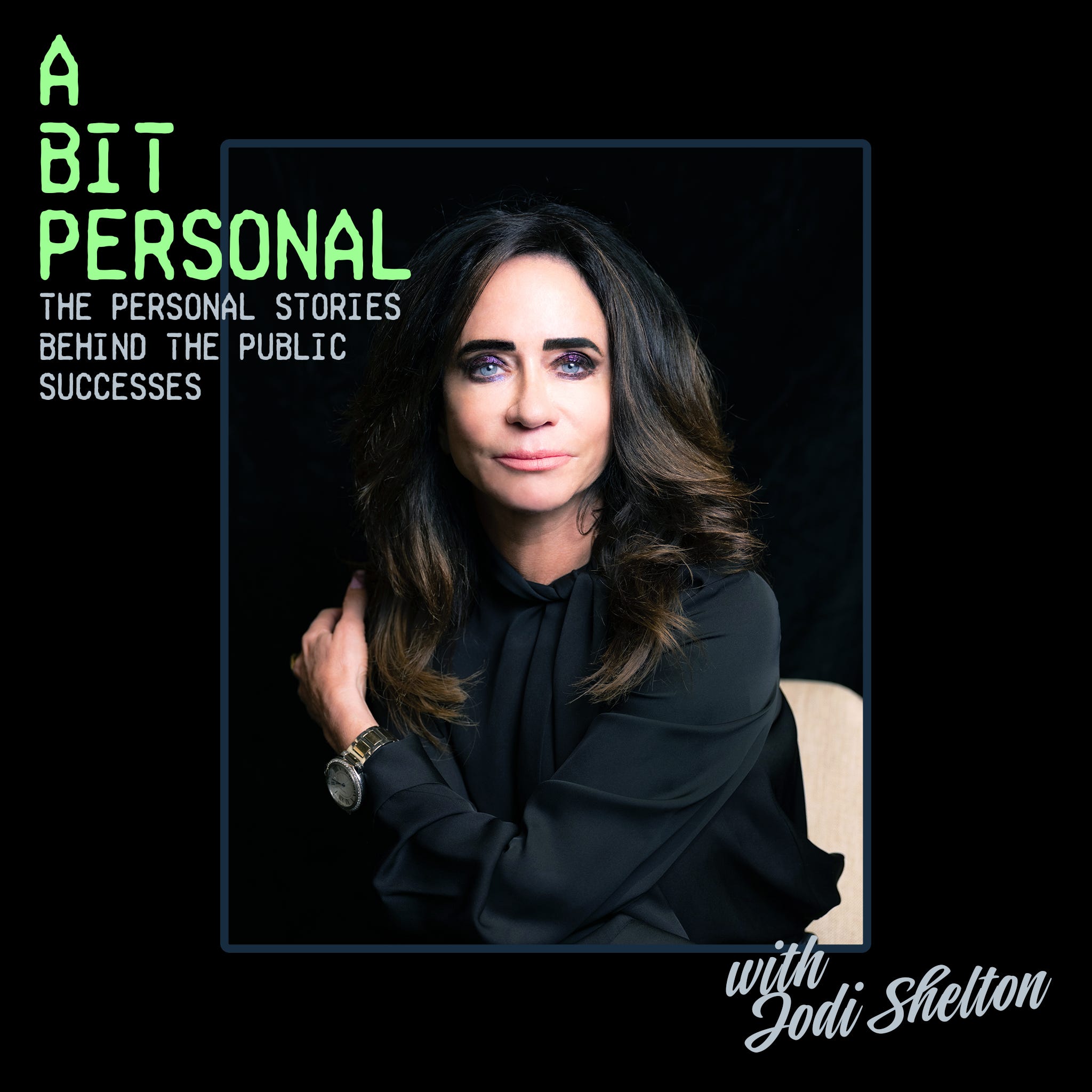
 A Bit Personal with Jodi Shelton
5 Oct 2026 · 1h 6m · 26 chapters
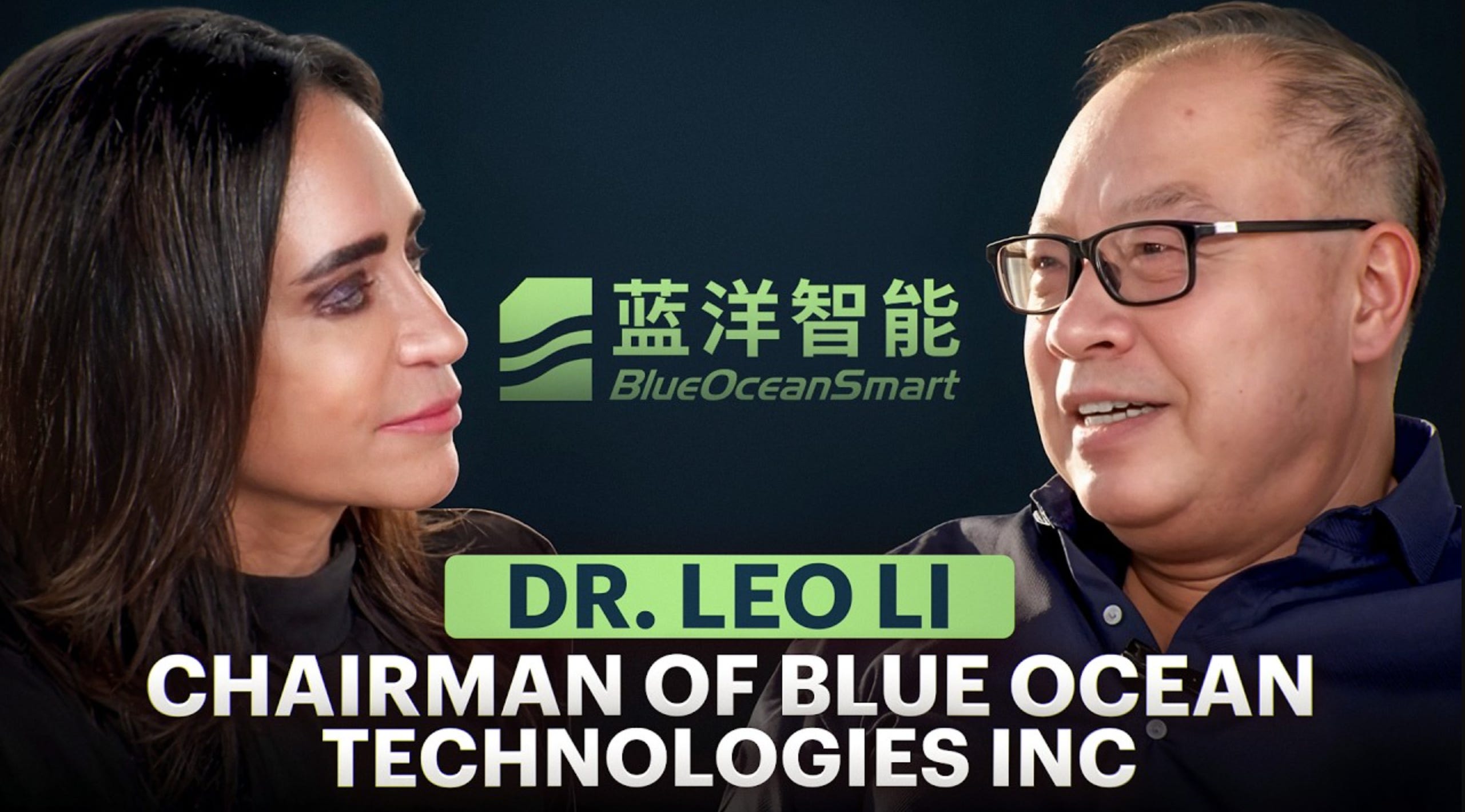
Dr. Leo Li’s life and leadership story—from forced farm labor during China’s Cultural Revolution, to self-studying calculus/physics, to earning a PhD in the US, to building and turning around China’s semiconductor companies, culminating in his role as CEO/Chairman of Blue Ocean Technologies and his views on US-China tech collaboration.
Dr. Leo Li is CEO & Chairman of Blue Ocean Technologies Inc. He previously led Spreadtrum (a NASDAQ-listed chip company) and has worked across major telecom semiconductor firms in the US (GE Mobile/ Ericsson, Rockwell, later Broadcom). He also founded MobileLink, sold to Broadcom in 2001, and later returned to China to lead Spreadtrum.
He credits success to being “semiconductor farmers” (patient, result-driven cultivation). He says the 2008–2009 Spreadtrum crisis was survivable by focusing on one product/customer step at a time. He argues US-China semiconductor decoupling harms both sides and that collaboration benefits innovation and market access.
Spreadtrum revenue fell to zero in 2008; market value rose from about $35M to over $7B; stock rebounded from under $1; sale to Unigroup for $32.5/share with about $1B revenue and $100M net profit. He highlights China 3G (TD-CDMA) strategy and an Intel-funded collaboration (Intel invested $1.5B; they taped out baseband 4G chips).
Written by AI. May contain mistakes.
Explore Dr. Li's experiences growing up during a tumultuous time in China.
“Okay, so we're in Shanghai and we're on the Bun.”
Dr. Li recounts his demanding life working on a farm and its impact on him.
“to now having a very important place on the international stage.”
Discover how Dr. Li taught himself math and sciences amidst educational neglect.
“quite vividly that it is not just a manual work, farmers work always hard.”
Hear about the challenges Dr. Li faced in pursuing higher education during strict regulations.
“Yeah, matter of words, this is, I always remember this, you don't have enough meat, nutrition wise, we eat meat once a month, and then I felt, even today, I felt hungry all the time.”
Dr. Li discusses his move to the U.S. for further studies and the obstacles he faced.
“I mean, what would have been your aspirations if you stayed in China?”
Explore Dr. Li’s initial experiences and challenges after arriving in America.
“And so you got, you were one of the few people that got in university.”
Learn about Leo's experience moving from China to the U.S. and the challenges he faced.
“So I had to borrow the money from the government.”
Discover Leo's early career path in the U.S. including his work in mobile technology and startups.
“So obviously you acclimated at some point to the US, you felt very comfortable, you started your career there, you started your family there, you became an American citizen.”
Explore the reasons behind Leo's decision to return to China and take the CEO position at Spreadtrum.
“However, we also managed to work with Ericsson, later on Sony Ericsson, one of the most popular handsets, T100.”
Explore how AI is reshaping the semiconductor industry.
“As AI and high-performance computing reshape the industry, they're building the infrastructure that allows those ideas to scale responsibly and reliable.”
Jodi recounts her first meeting with Leo Li and the challenges faced.
“So I think that I met you the year that you took over as the CEO.”
Leo describes the drastic revenue drop and layoffs at Spreadtrum.
“And you told me, this was October, November of 2008, that revenues went to zero.”
Discussion on the recovery of stock prices and company value.
“I didn't see the latest things, but I said work one thing at a time.”
How government attention affected Spreadtrum's trajectory.
“So and you know, I think that what people may not understand is that Spreadtrum was one of those companies before the crisis that was viewed as one of the real players that could be a big company in China.”
Leo discusses important contributions to China's 3G technology.
“The world has a WCDMA mostly from Qualcomm, and China has its own 3G standard.”
Comparing Eastern and Western business cultures and their impacts.
“However, at the time, about 2011, 2010, yeah, China 3G was, yeah, China Mobile and so forth.”
Discussion on work ethics and attitudes of different generations.
“However, also, like a Chinese way or Oriental way, for that matter, is more longer-term planning and committed for longer term.”
Insights on Generation Z's work values compared to previous generations.
“Everybody, even in the spectrum, everybody has the copy, because in his book, he said, hard work, you want to improve yourself, enhance yourself, even from the knowledge or skills, or even spiritually.”
Discusses the differences in work ethic and values between Generation Z and previous generations.
“There is one thing almost like Silicon Valley, when they want to be financially free.”
Explores the leadership style of Dr. Leo Li, comparing it to farming principles.
“Okay, so let's switch over to some more personal leadership topics.”
Dr. Li recounts a challenging period in his career and the lessons learned from it.
“what doesn't kill you, make you stronger.”
Discusses successful collaborations between U.S. and Chinese tech companies and the importance of mutual benefits.
“So this was after maybe 10 years of really, really good relationship between the U.S.”
Explore the differences in technology approaches between the US and China.
“US more emphasize hyperscale and data centers and so forth.”
Discuss the necessity of communication and collaboration between nations.
“And I recently, this guy named Dan Wong, who is a researcher at Hoover Institute.”
Engage with quick questions revealing personal interests and experiences.
“well thank you for sitting down with us today Leo it was really a fascinating discussion So thank you.”
Reflect on influential figures in the tech industry and their impact.
“Because when I talk to where I eat and chefs I know and so forth, they say, hey Leo, you are so professional.”

Get the gist, explore an idea or ask about something said.
 Claude
On A Bit Personal with Jodi Shelton, what are the key points of this episode?
Searching your listeningAutomatic transcript. May contain errors.
0:00Jodi Shelton: Hi, today I'm going to get a bit personal with a driving force in China's innovation on the world stage. Dr. Leo Li is my guest today. I met Leo in 2008 when I was in China and he took the helm of Spreadtrim, which at that point in time was a very important Chinese chip company traded on the NASDAQ. However, the company was under a great deal of distress and Leo, under his leadership, grew the market valuation from$35 million to over$7 billion. He credits this transformation with he and his fellow engineers being semiconductor farmers. We're going to learn more of what he means by that statement.
0:40Jodi Shelton: You will find this journey fascinating from the time that he spent on a farm during the Cultural Revolution, teaching himself calculus and physics, to his brave journey to America and his return to China. He's going to tell us about this journey, the risks that it took, the mindset that it took to do something truly transformational.
1:08Jodi Shelton: We are going to get a bit personal with Leo Li today. So are you ready for this, Leo? Got it. It has to be. Okay, so we're in Shanghai and we're on the Bun. So this is an amazing view. You can see Pudong as well as the Bun side. So it's quite beautiful. And I think you know how much I love Shanghai. I love being here. No, this is a beautiful, beautiful place. And then this is actually, this is the best part of Shanghai. Yeah, it is. And I always know that when I'm with you, that I'm going to have the best food and the best wine. And I'm excited about the Michelin star experience tonight. Yeah, two stars.
1:44Okay. All right.
1:45Jodi Shelton: Chinese food. Yeah. Okay. Okay. So we're going to just talk about, well, really sort of any topic you want to discuss, but I'm going to, I want to start with, with your childhood, because I know that you've told me a lot of fun stories, a lot of them, which probably can't be repeated on air, but maybe some can. So you grew up at a very interesting time in China, obviously at the tail end of the cultural revolution, you experienced that. and then you experienced the Reformation and the opening period in China. And so you've seen it all. You've seen the country absolutely transform itself from the Cultural Revolution to building a middle class to now having a very important place on the international stage.
2:30Jodi Shelton: So it must be fascinating to watch. I mean, it's fascinating to watch from an outsider. Which is very true. And I grew up, Cultural Revolution, I think started in 65-ish, ended in 78 or 75, that period, about more than 10 years. And then from elementary school all the way to high school. And actually, that part of the world and that part of the time, actually, very crazy. When I told my kids, right, my experience working in the farm and then not even study in high school or whatever, and people say that de-emphasize the study or learning or education, actually both my kids said, Daddy, you made it up.
3:20They cannot believe that sort of thing. And then it was happening to me. event right and um one thing before I went to college after high school everybody mandatory go to work in farm everyone there's just a no exception I think I work in the farm for more than a year 75 1975 and then I still remember quite vividly that it is not just a manual work, farmers work always hard. It's hard to the extent that unlike today, even to the Chinese farm today, not only they use the tractors and machines and also AI powered drones and everything, right? However then, 75 was no machine and everything done by manually right human being I remember during the springtime you need to plow the field and then the lack of the cattle and horses and then yet there ten or eight of ten of us young kids just after high school pulling a cloud of cloud and it was so hard and yeah and one of the things I hated most or or freedom most rather, was the harvest time, you know, like summer for the wheat and then fall for the rice.
4:46Because the harvest, they don't have a machine to harvest. So you give every young kid a sickle. And then you hand to harvest. This is like the wheat field is endless there. You work at morning 7, 7 o 'clock, and the end of the evening 7 o 'clock, 12 hours solid. There was two breaks.
5:07Jodi Shelton: Okay, wow. Yeah, matter of words, this is, I always remember this, you don't have enough meat, nutrition wise, we eat meat once a month, and then I felt, even today, I felt hungry all the time. And then when I, funny story, when I went to US, right, you know, I didn't know the language and, you know, what's, my American friends, you know, you suffered, and then you're like you don't know the language and you come to us you're away from your family everything right i said actually it's not as suffering as the working the farm because at least the us i'm now hungry so this is a pretty hard experience for me and then really funny because they not only de-emphasize education they want to say re-educate the young kids and youth from the farmers so they literally force you working the farmers not physically to get you strong they rather to brainwash you to make sure you or I don't know think or not to think what you learn from the book really funny the whole thing is just upside down from what common sense was yeah but yet it's everyone in China at the time so that was a pretty difficult and did someone see your aptitude for math and sciences at some point at the time actually the not only the the deemphasize everything.
6:33So I learned math before I took the national entrance exam almost by myself, not through the school. In the elementary school, high school, and so forth, there was not much emphasized on the education and learning part, right? You have to study the revolution, or there was a lot of other crazy propaganda things you need to go through. And yet, even In the school, high school, they send you to the farmers to do the physical labor work. So you just taught yourself? Pretty much, yeah, at the time.
7:08Jodi Shelton: But what motivated you to do that? I mean, what would have been your aspirations if you stayed in China? What was a job for someone who learned math and sciences? That's a very good question. Also, I told myself I don't want to stay in the farm. And then in China, the only way not to stay in the farm at the time, you have to take the natural, get into university, and then you can permanently leave the countryside or leave the farm and then you can change your life. Pretty much through education, through going to university, get you degrees and then get a job and then you're not working the farm.
7:43Don't be hungry again, that sort of thing. So yeah, that's motivating.
7:48Jodi Shelton: So the country at some point in time reinstated the college entrance exam, so that was... I had to thank Deng Xiaoping. Okay. In 1976, they resumed the national entrance exam. Okay. They stopped for 12 years because of cultural revolution. Oh, wow. And then actually everyone for 12 or 14 years of the generation of youth, they crowded, attended the national college exam. that was the kind of a hardest and then the percentage you get into the college was lowest in the history of China it was a very difficult at the time also make more difficult of myself I had to work in the farm remember and then in the meantime had to study and then work in the farm you have to like one sign rises now is the Sun right it's supposed to be working time in labor working time right and then Sun sets and then you can go home to eat and the most of you sleep physically you're exhausted right and then during daytime had to go through the hard labor work and then study during the evening and then from like eight or nine all the way to two o 'clock for that lasted like eight to nine months it was a very i don't even know how i got able to go through that many of my roommates because seven or eight of us are living in one room could not go through this and i said leo you've got to do a great thing i said why because you the only one able to go through this and study and study.
9:23Yeah, it was pretty hard. And so you got, you were one of the few people that got in university. Very few. And also, I got, because you have to, you know, because you're sports and then the University of Science and Technology of China, at the time even better than Tsinghua and Beijing University, but that was maybe the highest or the best school at the time. I was pretty lucky.
9:47Jodi Shelton: So was that experience? Wine times. Oh good. See I always get... cheers. Cheers. It's great to see you, Leo.
10:00Jodi Shelton: Probably not the French wine you're used to. No, I'm a bit better than this. I'm sorry. Okay, so how was the university experience? That was pretty interesting because it was so difficult and so lucky for a few of us getting to university, right? So actually, the funny, we always emphasize on study and learning. And even some of us are sleeping in the libraries. They don't even go back to the dormitory because we want to spend more time to learn. Yeah, that's kind of interesting. So the young kids today, Generation Z, they're in university. They have a good time. You know, it's the same thing.
10:38College is supposed to be fun. Right, right. Completely opposite from us
10:41Jodi Shelton: because we so treasure the learning opportunity for us. We just really don't, nothing but learning. Yeah, that's kind of a... So no wonder your generation of Chinese scientists that came to the U.S., no wonder you guys did so incredibly well and succeeded. There was a hard drive. Actually, the desire or burning desire to not succeed for yourself. It rather, yeah, try to better, not just yourself, but also the more scientific discoveries or engineering breakthroughs or something. And then actually you want to contribute more because the time's limited, and then you literally treasure. And then this is the rarest opportunity for all of us, my generation too, yeah.
11:26Jodi Shelton: So did, so then in 1990, you came to the US? 86. 86. 86, yeah. So what was that decision like? That's another good question. Because China then, I don't know, completely different now. By the way, this place may be the farm field or something. No, no, literally. And China then was not open. It just started to open, right? And then there was not economically was, okay, I tell you, I graduated, I got a master's degree from the best university in China, working in the Academy of Science of China, right? and my monthly salary is 110 renminbi divided by 10 is$11 a month. This is a master degree. It's the best university graduate working there.
12:15The farmer was making more? No, the farmer is actually less. The farmer is about 100 renminbi per year. Oh, gosh. Yeah, for$10 per year. That was my salary, yeah, working the entire year. Anyway, so education, in particular for the PhD or master's degree, I really think scientific, even engineering level, U.S. is far superior, better. So at the time, I think pursuing the PhD, because I also have PhD candidates in China. And then yet I said U.S. is better. However, you know, only have like$11 US dollar per month salary. Where on earth you can get it? To University of the US, right? I applied and then I got into MIT and some others.
13:07However, they asked me to pay the first year tuition, which was like a, MIT was like$30 ,000 at the time,$40 ,000 US dollars for like$11 per month salary. I couldn't afford, much less even for the airline tickets. And then University of Maryland College Park paid tuition and stipend as a research assistant. Okay. So for the first and second and whatever. So I was able to go to, yeah, I was able to go to University of Maryland College Park was because they paid me. Okay. Stanford, MIT, and other. I got enrolled. I made it forever. I could not go. They all asked me to pay the first year tuition, which I can't.
13:56But even go to the US for the airline tickets, it's about$1 ,500 US dollars. I don't have money. My parents don't have money. So I had to borrow the money from the government. Yeah. Wow. And then I paid back after, yeah, got into the university and so forth a year after. Okay. It's 87, yeah, 86, 87. It's the summer I went to, and then 87, I paid back the airline tickets. Wow, amazing. It is, yeah.
14:26Jodi Shelton: So what about, so you show up in Maryland. So what must that have been like? I mean, you came from this, well, first from the farm and then this community where you studied 24-7, a completely closed society prior to that, and suddenly you wind up in America. Yeah, wind up in the U.S. That's crazy, too. I think about now because, again, China is not open. There are no English, not many foreigners and everything, right? And then even foreigners, when you come here, they give you different money. Okay. Yeah. You don't spend the RMB here. They give you different money and everything is different. And also, there's not many chance to learn to speak English at all, you know, in China.
15:07Had you ever met anyone
15:08Jodi Shelton: from America? I met actually my professor later because I was able to present my paper at the International Conference held in Beijing because I was a master's degree graduate and everything. And I was reading my paper. He was down there and he came to me. He liked the work I did. And then he literally said, actually I was able to communicate somehow, able to say I you able I wanted to go to University of Maryland to study the PhD you know and then he become a my advisor and then I say yes and then I'm able to write and to read and write not able to speak and then yeah so that's you even learn how to read and write oh the in college in college that part is not too difficult okay but mostly when you mentioned that when I arrived at College Park Maryland and then this is US and then the first actually my professors in New Yorker you You know, you're in New York City, right?
16:06When they talk, they talk generally much faster than Texas.
16:09Jodi Shelton: Right, right. You should have gone to Texas. Exactly. And then, you know, the Chinese way, almost like Indian, they're knocking your head. He said, Leo, if you don't understand, don't knock your head. But yes, I'm still knocking your head. You do it again. Anyway, it was difficult, not able to speak the language. On top of it, not able to communicate your professor. That was pretty hard. And then people say the culture shock. I literally experienced culture shock. And then, you know, because today the kids in China, right, they know more of maybe MBAs, American culture, not myself even, because the world is more connected today.
16:54Right, so different. And they can travel too, right. But now then, okay, that was the first time for me to take an airplane from here to U.S. And before that, even domestically, there were no number of airplanes traveling and nothing like that. So it was, yeah, it was quite a shock.
17:14Jodi Shelton: Okay, you have to tell the audience the subway story. That was, I think, but now it's pretty funny. However, at the time, it was kind of embarrassing. And that was the first or second week I was in College Park. and then remember I was not able to speak the language right so I walked to the College Park and then I saw Subway actually now and everybody know is even China has many subway stores sandwich shops right I saw the subway I think it might be the underground train station I'm wasn't sure so I went back to Dometri to check the Chinese English dictionary I brought from China and then look at it and it said the underground train station it is for sure a dictionary already said that, right?
17:58So I went into the subway shop and then I asked for, because I know the college park is not too far from Washington, D.C. It's about, you know, like 20 miles or something. And then I said, I want to buy a ticket. I wasn't speaking as clear as I did now from college park to Washington, D.C. Obviously the guy didn't want to sell me. And then I thought because I'm a foreigner, because I don't speak the language, he refused to sell me the ticket. So I, you know, insist upon it and then the back and forth a few times you know finally I found that was the sandwich shop he said this is the subway point to this the sandwich and then I find I didn't know I thought oh my god because even the Chinese English dictionary I brought from China at the time there's no explanation say the subway is a sandwich shop it's subway is you know you go to London it is a underground train station right so I told this no I just went to the college, but I went to the lab, told my professor, he just kept laughing for almost a whole day.
19:00He said, Leo, this is the funniest thing ever. It's funny to you and not to me. It was, anyway, it was a story. I love that story. It was a true story. And then, yeah, at the time, I felt pretty bad, actually. But now, in hindsight. In hindsight, it's pretty funny. Right, right.
19:20Jodi Shelton: So obviously you acclimated at some point to the US, you felt very comfortable, you started your career there, you started your family there, you became an American citizen. I married my wife first and then I went to the US first and later she came to join me. And then my kids were born in Washington DC. I have twin daughters, they were born in Georgetown University High School, medical high school, hospital. And do they come back to China often? At the time, yes. Almost like the summertime, I try to force them to learn the Chinese. They often from me. And yeah, they almost like every summer they come back.
20:06There's parents in Beijing, so they see their grandparents and so forth.
20:10Jodi Shelton: So why did you decide to stay in the US? I think because at the time after I think 1990s I got my PhD and then my professor actually encouraged me to work in the scientific area because my papers thesis are pretty good. He said you should go that route. I'm really good at the, you know, I love math and the thesis I think is one of the kind of theoretical breakthrough. And then actually my professor used my thesis to get, at the time, you know, the Star Wars. A lot of contracts from the defense department. However, I was not able to work it, although it's my thesis or my work. Because I'm, you know, coming from China, I wasn't even an American citizen.
21:00But even the citizens still coming from China, forget it, it's an enemy country. Right. And so he encouraged me to, like being a professor or go to the natural labs to continue the scientific work. However, one of my problems is I don't want to teach. And then I don't have much patience. And then I said I want to go to companies to work, engineering work, solving problems, so forth. So I decided, yeah, because also you asked me why I understand it. because the companies and then engineering work in US is, you know, like levels compared to China in early 90s or 80s, completely different, right?
21:39They're much, much higher levels. And then I work in the, at the time was a GE mobile first, later on sold to Ericsson, so I worked in Ericsson. Yeah, there was like a few thousand engineers and working on the mobile communications, the base stations, and the handsets.
21:55Jodi Shelton: Okay. Yeah, and then, yeah, I worked there to start. I stayed there get a green card and so forth so I decided to stay in US and more importantly also I wanted to do a startup you know I work in the Virginia East Coast you know the East Coast you know for a younger engineer to get a fund or startup impossible right so I thought I need to move to West so at the time I you know I was hired by Rockwell semiconductor at the time. Later on change to connection. It was a defense and also we're doing the first handset, a chipset, baseband chipset for the handset, maybe in the world at the time. Yeah, and that's why now I work doing the engineering work.
22:44I was a very good engineer myself and then yeah and then the US provided the opportunity for a good engineering projects.
22:55Jodi Shelton: So it connects that you were in Southern California initially? Yeah, Newport Beach, Southern California. And I worked for Rockwell for like two years. Later on, we formed the startup. Remember, I wanted to do a startup. Yeah, the startup called MobileLink, doing this similar thing, the baseband for the handset. and later on we sold it to Broadcom in 2001. That was a startup experience. It was difficult too. However, we also managed to work with Ericsson, later on Sony Ericsson, one of the most popular handsets, T100. They sold about 20 million or 30 million. 30 million then was a huge number. We used our chipset and later on we sold it to Broadcom.
23:51At the time with Harry Nicholas and so forth.
23:54Jodi Shelton: He was making a lot of acquisitions back then, right? Exactly. We were like number 23 or something. And everybody was new. When did you acquire? We made it for Broadcom. So you went to work then for Broadcom? Oh yeah, we worked for Broadcom for three or four years. We established, because of my company, we established a baseband chip set, wireless chip set group there. Later on, yeah, and then I came to. I left for a little bit of personal investment and later on came to the spectrum. Okay, so then, I mean, what a big decision to decide to leave the U.S. and come back to China. What did you see?
24:36Jodi Shelton: What was the opportunity that you saw that maybe others didn't at the time? That's primarily actually was the board of Spreadtrum needed a new CEO because it was kind of difficult. They listed in NASDAQ 2007, I think, and then 2008 was a difficult time. And also, because the founders of Spreadtrum was coming from MobileLink, I was helping them to get a fund too, right? And I was one of them helping them too. So then they think maybe Leo's maybe should be the CEO of Spectrum, the board, the director, think that way. And then just having the headquarters right here in Shanghai. So I have to come here.
25:26So primarily mostly because of it. And also I think also my, you know, I was born in Beijing. I was educated here, bachelor's and master's and so forth. So a lot of things I know here. To me also, I know China is, I think, not one of the biggest. It's the biggest semiconductor product market in the world.
25:52Jodi Shelton: Right, right. I think, yeah, we're being closer because I was a MobileLink and BraCon. I come here, wanted to sell my handset to Bird. So I use my chipset and everything. So I know this is closer to customers, closer to market, actually will be good for you as a company. So when they said, you know, they were asking me if I want to be the CEO of a spectrum, I say, okay, no, yes. And then I come here. So that's primarily the reason from the spectrum. And then second part is more for the market, for the closeness to the customers and so forth. But coming back to China, I mean, it must have been just a completely different country than the one you left.
26:30Exactly, exactly. So I know that because every, you know, I come here for the customer visit and so forth. I know that. However, stay here permanently long. Also, when I came, because my kids was high school, he said, you know, only until the kids graduate from high school, then you can be the CEO. Because the CEO here, you don't have time to go back to U.S. My kids are U.S., right? They're in high school. So I didn't have a guts to really tell my family. So they read it from news. They said, Leo, how come you be the CEO of Prospectron? You said until the kids graduate. He says, no, graduate. It was almost like half of one year.
27:10I said, no, don't worry. It was only temporary. It was only three months. It turned out it was more than three months. Anyway, yeah, it was a little bit gutsy decision. I had to be myself here and then, yeah, coming back to China. But still thinking back, I think it's still the right decision personally to me, professionally too.
27:28Jodi Shelton: As technology pushes towards new limits, some of the most important breakthroughs happen at the foundations of modern computing. Silicon Box is working at that edge. They focus on advanced semiconductor packaging and chiplet integration, helping turn ambitious architectures into scalable real world systems. Their work addresses a challenge leaders across the industry recognize how to move innovation out of theory and into production. What stands out about Silicon Box is their role in enabling what comes next. As AI and high-performance computing reshape the industry, they're building the infrastructure that allows those ideas to scale responsibly and reliable.
28:09Jodi Shelton: To learn more about how Silicon Box is advancing the future of semiconductor integration, visit silicon-box.com. Now let's get back to the episode. So I think that I met you the year that you took over as the CEO. And I remember a meeting with you very specifically. Spreadtrum was in a building and they had a restaurant there. Yes. That I think was a Spreadtrum restaurant. So we met there. Sure, sure, sure. And you told me, this was October, November of 2008, that revenues went to zero. It was zero. No joke. was very hard. And then people really said, Leo, you are just stupid or what? Because, okay, the special was like almost 1 ,200 or 1 ,500 people down.
28:59We laid out all the people down to 500. And then the stock price from$12 or$15 all the way down to 60-something cents under a dollar for almost a year. If a NASDAQ, under a dollar for a year, you delist it, right? And secondly, the value of the company was only 35 million US dollars. I got$40 million cash. For 500 engineers,$40 million, about four months to, that's it. Yeah, and then they said, are you crazy? This is like a dead end, right? You bury yourself for something, being the CEO. But I told them that, I said, okay, it's a zero, revenue is a zero. Doesn't matter how bad I'm doing for the company, cannot create a negative revenue.
29:41So it's still maybe opportunity. I didn't see the latest things, but I said work one thing at a time. That was pretty hard. Morale was down, and then people think this is the end of the world, and then Leo comes and you cannot save the world either. So that was a pretty gully decision.
30:02Jodi Shelton: Right. And to be honest, it seemed like the end of the world. I remember so well in March of 2009, we had a board meeting at Broadcom. Yeah. And an analyst came in and kind of went around the table and heard everybody's thoughts. And he's like, OK, here's my projection. We're going straight up from here because you guys have so overcorrected. You're so negative. It is. And by the way, that was the lowest day for the Nasdaq. And it did solidly go up from there. It solidly from there. But not going straight line, of course. That's my story. It's so much better a straight line. No, really funny because it was under$1, right?
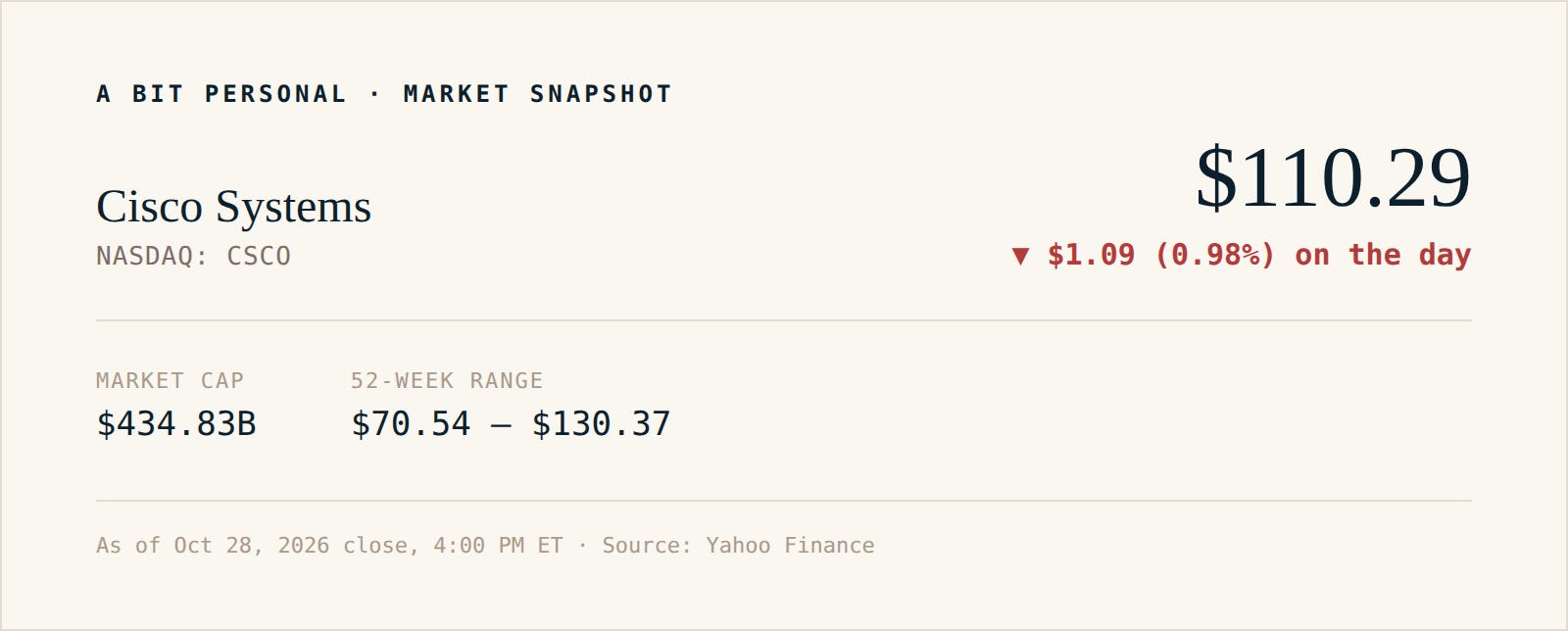
30:41I remember in 2009, February, it was$0.65 or$0.67. And then after the CEO and then the dollar, mainly some customers and partners, they bought the stock. And$1 is pretty cheap, right? Right. So they went to like$2 or$3 and sold it. And then they kept going up. And then they said, Leo, how on earth do you keep making stock going up? They want to buy back or they want to make more money. But you know, but you're going like a zigzag. But a general trend is going up multiple times. Yeah, make a long story short, it was$0.65. And then when I sold the company to Unigroup, it was$32.5. Okay. Yeah, that was like 30 or 40 times multiples.
31:30And revenue when I sold to Unigroup was$1 billion. Net profit was$100 million. Yeah, that was pretty cool.
31:38Jodi Shelton: Okay, yeah, very cool. So and you know, I think that what people may not understand is that Spreadtrum was one of those companies before the crisis that was viewed as one of the real players that could be a big company in China. It's the company, even much better than Huawei's semiconductor units. We were the number one, no number two and three. Number one, we listed the NASDAQ, we successfully deal with the handset for the market, most of the great markets. However, that was very big and also the entire government. And then President Hu Jintao visited spectrum and then Wen Jiabao, the prime minister visited the spectrum three times.
32:34So the country focused on this. And yet going down the hill was pretty embarrassing and bad for the country. They desperately needed a platform, semiconductor in particular, for the country.
32:51That's why they didn't give too much financial support, but this is more still a market-driven business. But the business was getting better and better. And yet we made a very striking contribution, I think, for the country, for China, because I doubled down on the China 3G. China 3G was a TDA CDMA. The world has a WCDMA mostly from Qualcomm, and China has its own 3G standard. and then we actually I know there is an advantage for me you know close to China everything so I put all the resources the focus on that so the end of the our products for the TD and CDMA the best in the world even Qualcomm licensed my IP this is the opposite Qualcomm usually extended the high quality whatever however for TD and CDMA we're the best and then that was very good for the for the China, for China, for the China 3G, we call it, yeah.
33:54We push to help the China 3G moving forward, yeah, competing. And now it's 4G or 5G, whatever, right? However, at the time, about 2011, 2010, yeah, China 3G was, yeah, China Mobile and so forth. We started a high margin and then, yeah, no competitor, including Qualcomm and MediaTek. We're the one.
34:17Jodi Shelton: Okay. Yeah, pretty cool. So that moved the company forward. So I think it's always interesting to watch China executives because you manage in a very, quote, Chinese way, but your investors, your customers, many of them Western, so you're obviously very comfortable with Western culture, Western business dealings. So you think that that gives you an advantage? What does it what do I mean by Chinese way? That's very this is a kind of a yeah This is a kind of a very interesting question and also a very good question because If you say what is the Chinese way my answer actually is you have to talk to whoever see in my generation There is a one type of Chinese way and talk to generation Z.
35:06This is completely But in general you have to like extract contrast between the two the Chinese way is more emphasizing on the collective, you know, the effort, the teamwork, respect the authority, hierarchy, type of things. And then, you know, individually, it's less, right? You're more on the group or for the country or something. On top of the even very interesting for communication, China is more, let you second guess what I'm saying, even for like what we're talking about i don't tell you what exactly one little more hold back you know second guessing and then to hint it or something this is a more typical traditional chinese way don't show your cards so to speak and yet american is more straightforward right and uh and then more individualism or emphasize individual rights and then don't respect the authority as much as right right or follow the order like Japanese or Chinese yeah and so the cultures still strikingly different but for me I think I just said I I manage the US team even the mobile link of startup or broadcast I have a team obviously big team in US imagine them also have teams here in China and also in Taiwan in in Japan and in India, but brought on time.
36:34Also, even Mobulink, I have teams in San Diego, also the Silicon Valley, and both of US and Chinese. I've got larger engineering teams here in China. My approach, I'd say more embracing or makes a hybrid of both. Usually, I don't know purpose for Americans are more emphasizing on teamwork you know and the main contribution with others and look at all the bigger pictures for Chinese I literally tell them straight communication is a must you know you don't you don't do this the second-guessing and so forth and longer term gold they say this Chinese way but anyway American way is more like because I was a public company CEO or the quarter-to-quarter driven and hard driven and objective innovation.
37:30This is kind of like hard. However, also, like a Chinese way or Oriental way, for that matter, is more longer-term planning and committed for longer term. So I can do both in a way. I think if you make both, I think it will be better than just the one. And also, if you talk about Western culture, you have to say, what is U.S. culture and what is European? because I have a team in the US, European as well, right? That's also quite different. But personally, I still like US way or American's culture, engineering or business culture more dedicated and strike for the gold. European, I work with, you know, there's no overtime working.
38:14I have a customer working with Ericsson and Siemens Mobile. After 5.30 or 5 o 'clock, we want to work. Oh, we have to travel to Germany. And that's so difficult. And I said, no, nobody worked. And then you had to get a VP approval. And also you have to get a security guard with you. After 8.30, you have to leave the building. You know, this is like, I said, hey, I'm helping you to design the handset for God's sake. You know, we travel there to want to work, want to overtime. They don't want to.
38:48Jodi Shelton: No 996 there. Forget it. This is a clock, clock. Very, very interesting. I work with Ericsson, really funny. He said, oh, if we work one hour a day, one hour from 5 o 'clock, so I can take from the Christmas and to the New Year, the entire period off. So they think that way. Ericsson is the biggest company in Sweden, Swedish company. I worked there for like six or five years. How does Europe ever compete against China? I don't think they can. Yeah. Yeah, they're not able to compete. Forget about the US or even European people, because I have a personal investment, and I mean, they are tech terms and so forth.
39:32The funny is that, Leo, my company actually work overtime. This is a statement. They want to impress me. So work overtime is kind of like a taboo or something in Europe. So if you don't work hard, there's no free lunch, right? How can you compete?
39:49Jodi Shelton: Yeah. Here in China, we mentioned the Generation Z or younger generation or my generation. We want to work, right? We just strike the goal. I mean, it's like, however, people here are more, you know, lifetime balancing, having fun. They don't think work is fun. That's the key word. Right, right. Yeah. So is work fun? In Spectrum or even the startup company, I always ask them to, I don't know, you know, Matsu Inamori, the Japanese businessman, philosopher, and then he named like a god of business management or something, and he's about passion for success. Everybody, even in the spectrum, everybody has the copy, because in his book, he said, hard work, you want to improve yourself, enhance yourself, even from the knowledge or skills, or even spiritually.
40:46you going through the hard work and the hard work is almost like a Religious practice or something right and then to better you better yourself to make you more Use not just useful of better for the mankind. This is the the spiritual Process you need to go through is through the hard work. Yeah, and then I I just give it to, but I'm not, you know, in the marathon, I'm not quite sure how convincing to Generation Z.
41:18Jodi Shelton: Okay, so let's talk about Generation Z because there's recently a survey in the U.S. that said only 2 % of Generation Z have the work values that hiring managers are looking for. 2%. 2%. My God, almost zero. I know, 70 % believe in purpose over pay. And so tell me about the Chinese engineers. Are you seeing that in Generation Z? My company, we didn't hire as many Generation Z. Mostly people in charge or something in the 70s, 80s. They were like a main force. I'm the oldest one in the company. But still, 70s and 80s, I think it's still, I think, like 70s. There is one thing almost like Silicon Valley, when they want to be financially free.
42:11They want to be wealthy or something. There's one of the Silicon Valley thing, right? I want to own the private jet or whatever. In particular, you see sudden wealth popped up in a lot of places. So you are driven at least partially by that, right? However, for Generation Z, they don't see that. I think I discussed with other people, you know, say, hey, Generation Z, their life is being much better. Like my life, I told you, I work in the farm, hunger, and this, and that. It's always hardship with you all the time. Yeah, you see the difficulties, you want to be, you know, you're always in the surviving mode.
42:58And yet Generation Z, they don't see that. When I talk to my kids, my experience, I just told you. And how old are your girls? They founded in 92, so they were 30-something. Not Z anymore. Yeah, but I think that they are similar to Generation Z, but not to the extent, right? They say, Daddy, everyone among us, yeah, hate work. The Berkeley graduates, they work, and later on, they get an MBA from Chicago.
43:28Jodi Shelton: Okay. Very good. And then Booth, right? and then also MIT Sloan. And then after that, they work in McKinsey and then Amazon. Now both of them work in startup, AI startups. They work very hard. I mean, generally harder than the Z. But still, the point of view, similar to what you said, the Generation Z, at least my kids, I don't think it belongs to 2 % either. From the point of view. But they work hard. they still want to make sure they are valuable for others and so forth. This is more what I taught them. So yeah. Right, right. But not Z. What do they think of all that you've accomplished? I think it's good for them.
44:13Yeah, I think I kept telling people talk to me on this one too. How do you educate your kids? I think more like lead by example. So one of the things that when they discuss with you, you know the kids of Southern California, You know the universe of Southern California? My son went to USC. Yeah, they say, Daddy, Berkeley, Southern California. I'm really strong. Usually I don't force them to. I say my strong advice to you, go to Berkeley. They're enrolled in bioengineering schools. Engineering school, Berkeley, you know I'm very, very tough, right? And then actually they listen to my advice. Actually, they were like number one, number two in school because I probably sent them to more American kids, not with the Chinese and Indians.
45:02And then Berkeley, they said, my God, you Chinese ruined the curve because Chinese people coming from Medellin, they were so good in math and so forth. Berkeley is a very tough school. There is like a math class of 200 or 300 people, and a lot of people cannot even go through the engineering and then change their major or something. But they stick through. and yeah so I think my way of doing the more not just kept talking to them which actually they don't want to listen anyway they're more lead by example and show them the result but they're thinking back when I talk to them they still think my advice ask them to go to Berkeley engineering and later on the business MBAs and so forth I think it turned out it's good career path for
45:46Jodi Shelton: them right and they they live in Silicon Valley San Francisco and both of San Francisco. One is working in Silicon Valley, the other just San Francisco. AI startups. I think now it's everywhere in the U.S. Yeah. Okay, so let's switch over to some more personal leadership topics. So how would you describe your leadership style in a couple of sentences? That's a very good question. I never even thought that way. I mean, in a couple of sentences. Or a paragraph. Yeah, right. Long story. No, I'm just joking. They were, I think, in particular spectrum, I was, you know, myself, I thought that there's a farmer's style.
46:36You use the farmers as an analogy, right? Now I know why you use that. You see? Because not only physically, I work in the farm. Also, I told people, I said, hey, farmers is more 100 % or 200 % result-oriented, right? Because you get what you see, what you planted, right? And then you do everything. There's no fuzzy, no nonsense for the next year harvest. And yet, it takes longer time, too, right? It takes almost a year to grow the crops. and for that matter I think it's more grounded you know practical and then result driven I think that's more customer oriented I think if I say anything about myself forget about the engineering geniuses or how good I good at engineering I think that's a rather second part I think first part is more result oriented customer treatment I also use of what a CEO of a Huawei Ren Zhengfei said to his people, he said, I also took to my engineer, what he said was, the money your wife wants to spend is with a customer.
47:47Go get it. In other words, so that he links your family with your work. Okay, that's very, yeah, it's very interesting. I think very good, right? This is what Ren Zhengfei said. And then I always use words to my people. I said, you know, this is, if I say, if I say, this is what I said, they don't listen. So I say, This is. But anyway, Huawei practice the same language. They're very hard customer results. So if you make one sentence, I think that should be the one.
48:20Jodi Shelton: So do you have any mantra or quote or anything that you live by? That's another good question. No, I think if I say anything I said, no, it may not be even right. But I say, OK, what kind of mantra? what doesn't kill you, make you stronger. This is what German philosopher.
48:45Or what is the other one? I think that one is pretty good. Or JFK is for a person, how many times they kind of do knock down, but how many times you come back again, stand up again, that sort of thing.
48:59Jodi Shelton: Okay, so let's talk about that for a moment. So talk about a time that was the most challenging in your professional career and how you, you know, first of all, sometimes you have to just pick yourself up, but sometimes you have to actually take it as a lesson and say, okay, I need to pivot. I need to go a different direction. So maybe give an example of both of those. I think the first one, I think I already said that some of them is more spectrum early than like 2008, 2009 stage of the spectrum. That was like almost four months to live, right? That's only$40 million to spend. And then there's zero revenues and the people's morale is so low, not just low, it's so low that people think there was no hope.
49:44And yet, at the time, I'll be the CEO, right? That was a pretty desperate situation because I could be the one, you know, like drive the company to grind. And that was a pretty dire and bleak situation.
50:04to pick you up, I think I didn't think too much during the time. Now I'm thinking back. It's more, I just more focus on the new products, hiring new people, just one step at a time instead of, yeah. I even think, didn't think of the mantra I just told you. Anyway, at the time, you don't think too much. You're more focused on solving the issues. And then you bury with the work. and then actually you feel better because sometimes with small steps of solving the problem and a small success that make you more thinking the hopeful things instead of looking the whole picture. Maybe who knows, right?
50:45Yeah, you say, oh man, I got four months to, you know, money to spend and then maybe after, what if I think four months after I'm dead or, you know, whatever? So if you think that way, actually the you you actually doing will be quite could be off from the you know things you wanted to do so I think a more focus on the solving the problems the engineering issues the business use all customers one at a time successfully to satisfy yourself and that make you think you are hopeful and then again you know you're I need to make you stronger doesn't really kill you but actually I don't even say that but I'm just doing the things one at a time and making sure moving forward which results actually it was always the so-called success the two things one is accumulated you know hard work and so forth the second sometimes also the luck or something to try for it too yeah I think I was pretty lucky I'm not sure it's luck okay so just a few more
51:50Jodi Shelton: questions. So you became the GSA chairman in 2017. Okay. So this was after maybe 10 years of really, really good relationship between the U.S. and China. True. But I think that in the U.S. sometimes the, well, especially the government looks back on it and says, okay, yes, but you lost so much IP over there. You, you know, China forced you to do things you didn't want to do. So can you give an example of a cross-border partnership collaboration that worked in two ways? One, it created something, so innovation. And then secondly, that both parties benefited. True. I can give you, okay, after I sold the company to Unigroup, right, and then I worked with Intel.
52:39BK was the CEO then. you know Intel invested$1.5 billion cash into Spectrum, 20%. So on the board, on the share, and then more than that, we work very closely with Intel teams, engineering at top level. So the plan was to use the Intel x86. Nobody used a handset. So BK said, Leo, you've got to use this. And the Intel foundry, 14 nanometer. So I put like 200 or 300 people closely work with Intel. and then tape out the baseband 4G chips with the CPU, not arms. CPU was Intel 86. And Intel Foundry, we successfully tape about a year and a half. We tape out our chips. Later on, sold one or two million, actually in high demand in China market, and the automobile and the handset.
53:32Intel's own team didn't even tape out. Yeah. Okay. So it was kind of a close relationship. relationship I think it was 2015 at the time, 2017, before I left of 2017. And then yeah, that was at the time, and then I think during that I was the chairman of GSA, right? But I think we worked together, I think I tried to promote, I get more people to join GSA, Chinese companies, CEOs, and then actually I told them that, even I say that today, I But still, semiconductor-wise, China still plays a catching up game. Not, you know, like whatever press say, or independents, I agree, however. I think compared with the industry's engineering levels and so forth, in particular for AI, I think China is still back behind.
54:23I think both sides have a lot of learn. And then also China, like I said before, earlier this conversation, China is the biggest semiconductor product in the world. You don't want to miss the market for US companies, right? In particular, something you tape out, you spend engineering, you want to sell, you want to create the volume. Without China, I mean, where does customer sales come from? Not just the US. Europeans, forget it. It's going nowhere. They don't buy many products, right? And I think this creates trouble for US. On top of that, I think, okay, US politicians or some people said, oh, if you sell China for the, you know, whatever advanced chips, you know, they will enable.
55:11However, if you don't that, they do it themselves. You force the Chinese to do it by themselves, right? If you sell them that, they say, hey, this is very better than ours. We use this. And then not only create the sales for the US companies, also will slow down their own development. Right, right, right. Actually, it's such an easy thing. Why don't they see it, right? I really blame both sides, politicians, for their political reasons. They're trying to separate for their own goods. I don't think it's good for the country, both sides. And then, in particular, for semiconductors, they're interconnected.
55:48I don't think it's right. But, you know, it's a little bit about both of us. Yeah. But for GSA, we tried our things, right? You may remember where you would have the lobby to US government, try to make sure the understanding and the more collaboration of both sides and so forth. China and US are different, right? US more emphasize hyperscale and data centers and so forth. China more on the vertical markets and industrial applications. For that, actually, kind of a lower tech chip maybe works. And then just for AI, hyperscale data centers, I know the China chipsets compared with NVIDIA's, even AMD's, it's much, much, you know, not performance, much lower performance.
56:33However, China's, you know, electricity generated China 2.5 times U.S. so they can power this. And one of the problems with U.S. is that they don't generate enough power for the data centers and so forth. So, yeah, there are always pros and cons for doing this. To me, I still want them to work together. And as an American citizen, it's kind of a, you know, use English words, between hard places, rock and hard places. I have a startup of Blue Ocean doing AI chips. Being American, I mean, for here, some of the projects, more government or some big business related, Actually, everybody knows me, but he also knows, Leo, you're an American citizen.
57:20You better give up American citizen. Denounce it so I can buy your products. I said, yeah. And also for U.S., you know, many of my investors are American-based VCs, right? So they say, Leo, I cannot invest anymore because the government won't allow me. Legally, I'm in trouble too. So for that, I say the more myself, I said for China operation, I'm more resigned from the leadership of China operation than the local people taking charge. I'm more focused on outside China, Europe, US and so forth. So that's kind of like being America. You remember, we were the chairman of the GSA. say we can benefit or embrace both worlds, right?
58:11And then help to not just interconnect it, also take advantage of different markets or technologies or people's change. Even the spreader side, I hired quite a few people from Broadcom to join the team here in China or U.S. as a spreader team. Actually, for the people, you want the different talents, right? And then to transform the business. to benefits of working together. However, now it seems like impossible. Yeah, and then like IBM and then Microsoft, they all close out their R &D centers here in China. I think it really, for US point of view, I really think agree with Bill Clinton, that kind of idea.
58:56You work closely, you impact, influence them in the Western way, if you had to say that. If you totally separated, decoupled, I think you create a much more misunderstanding. And then what's the outcome, the consequences? Maybe the war or something. It's not very comfortable, not very good thing for both countries. That's my opinion.
59:19Jodi Shelton: And I recently, this guy named Dan Wong, who is a researcher at Hoover Institute. So he talked about how that in the US they're really just not very curious about China. and then American citizens in general. And then he also, I don't know if you know who Zach Dykewald is, but he studies the younger generations in China. And he was talking about how modernization among young people in China, modernization does not mean westernization. So it seems like China's going one way and the U.S. is going another. And it's problematic. Very problematic. And also we talked about before this, like say Donald Trump administration take 10 % of ownership in India.
1:00:04This is very China government thing. It's not American free markets and the capitalism alike, right? Right. So, yeah, we talked about Generation Z. When they travel to U.S., in particular to Europe, I think infrastructure is so old. It's not very good. You know, they think this society here is much better. So, yeah. I really still back to what I keep saying the communication collaboration should be happening and it's good for both countries
1:00:39Jodi Shelton: well as long as we keep up this kind of dialogue we work on our level that's right we're diplomats in our own way we cannot control the other part all the white noise well thank you for sitting down with us today Leo it was really a fascinating discussion So thank you. It's totally my pleasure. Okay. Okay, Leo, you thought you were done. Yeah, no. I was lying. Okay. We're going to do what we call the last tape out. So just a few quick questions. Okay. It's a very semiconductor word. Yeah. The last tape out, exactly. Okay. So if you weren't doing this job in semiconductors, what would you be doing?
1:01:16That's a very good question. I think I might be doing quantum computing, math, deep math related, that type of thing. I mean, that's my personal interest, by the way. But quantum computing, I think, is also one of the breakthroughs down the road. And then, yeah, doing the more... Using quantum could be solving the difficult or impossible mathematic problems. That could be the one, yeah. Yeah.
1:01:44Jodi Shelton: We still have time. True. Yeah, we'll see. I thought you were going to say a sommelier or a food critic or something. That's along the way. So actually, even some people approach me for a similar food critics position or something. Because when I talk to where I eat and chefs I know and so forth, they say, hey Leo, you are so professional. You know, because some of the even Michelin chef that they drink or eat much less than at night, I've been exposed to this. That's my personal interest. But anyway, yeah. But that's always happening. So, including tonight. That's right. Okay. Okay, so what is one of your biggest pet peeves?
1:02:22That's a good, another, I think for pointed, unorganized, long meetings, I really hate meetings. And then I'm not a very patient one. So I really rather spend one on one with engineers solving problems instead of with the big meetings that many people involved for nothing or for, you know, for show or for PPT or something. So that's the thing I really don't like.
1:02:46Jodi Shelton: Don't waste your time. No. Okay. Okay, so this is interesting. If you had to be 25 years old again, and you could either be 25 today or 25 then. So with all the pressures on people today, which would you choose? Today, yeah. I think in particular for AI, today is more enabling technologies or tools for you. I mean, you can be even younger, not 25, even 15-ish. When you have AI tools, you can do a lot more things than like my time, like when I was 25 years. Actually, that was like, yeah, just right after the farms and everything. That was pretty slow going, right? I think now is absolutely the best time.
1:03:25Jodi Shelton: So tons of opportunities for young people. So what is your go-to productivity hack when you're feeling overwhelmed? Anything special that you do? Drink wine, good wines, great wines that make you happy. Okay, so what is one of your things that you do in a daily routine that no matter what, you've tried never to miss? I never thought that never to miss exercise. Okay. Yeah, in the morning. Usually, including this morning. So, yeah, you know, doing the exercise, it doesn't matter, gyms or others. My knees are not very good. I don't do much jogging, but it's just, you know, weight lifting and then, you know, swimming in particular.
1:04:08So it makes you feel good. You're heart rate pumping up, and then you'll feel good. So that usually I do everything.
1:04:14Jodi Shelton: It re-energizes you, right? Exactly. Right. Okay. Let's see. When is the last time that you did something fun outside of work? Because for you, work is fun. Yeah. So the drink wine is also part of work. Usually when I go to, I go to Europe, France, I think, yeah, when I travel, go to Loire valleys and then yes we see the the castles and so forth that was like a month ago or weeks ago yeah i don't know you can kind of call it fun yeah i don't know i try to think it's all because i meet with the investor business i don't know how to change this boat yeah well i guess the good news is is that you have fun doing yeah i i enjoyed it yeah okay so last question who's the smartest person you've ever worked with or come across?
1:05:08I think Jason Huang is, yeah. Oh, I'm not quite sure smartest, but he's, because I had, you know, he has sour sushi and then his own restaurant, right? I think 2010 to 2011, at the time he wanted to use a GPU in my handset, the baseband chipset. And the entire night, not only the good food and wine and so forth, we talked about the neural, Because I told him that, hey, neural network phasology logic in early 80s when the US, I was interested. I said, you know, AI, you know, he was pumped up the whole night to talk about it. So I think that Jason Huang's success, actually, it's not necessarily because of GPU or something, because he's really into that.
1:05:50Yeah, he really enjoyed it. And there was a focus a long, long time ago, supercomputing, GPUs, solving the problems. That was, you know, 2010. So, much of it, not now. Now, it's a result. But rather, yeah, he's very focused and enthusiastic and very smart. Yeah.
1:06:09Jodi Shelton: Okay. All right. Fair enough. Okay. Now we're really done, for sure. So, cheers. Cheers. Thanks. Thank you.
In this episode of A Bit Personal, Jodi Shelton sits down with Dr. Leo Li, CEO & Chairman of Blue Ocean Smart System (HK) Limited, a titan of the semiconductor industry and a pivotal figure in the globalization of the chip ecosystem. As the first chairman of the Global Semiconductor Alliance (GSA) from mainland China, Leo has spent his career at the intersection of two worlds, leading massive growth and fostering international collaboration.
While the industry often focuses on technical specifications, Leo joins us to share the human side of his legacy. He reflects on the "builder’s DNA" he forged working on farms, the resilience required to hold 14 patents, and the leadership philosophy that drove Spreadtrum from $70M to $2B in revenue.