
In short
A Book with Legs - Episode Summary: Brett Scott - Cloudmoney
Podcast Overview Title: A Book with Legs Host: Smead Capital Management Description: The podcast explores value investing through unique literary discussions, featuring authors whose works have influenced investment decision-making.
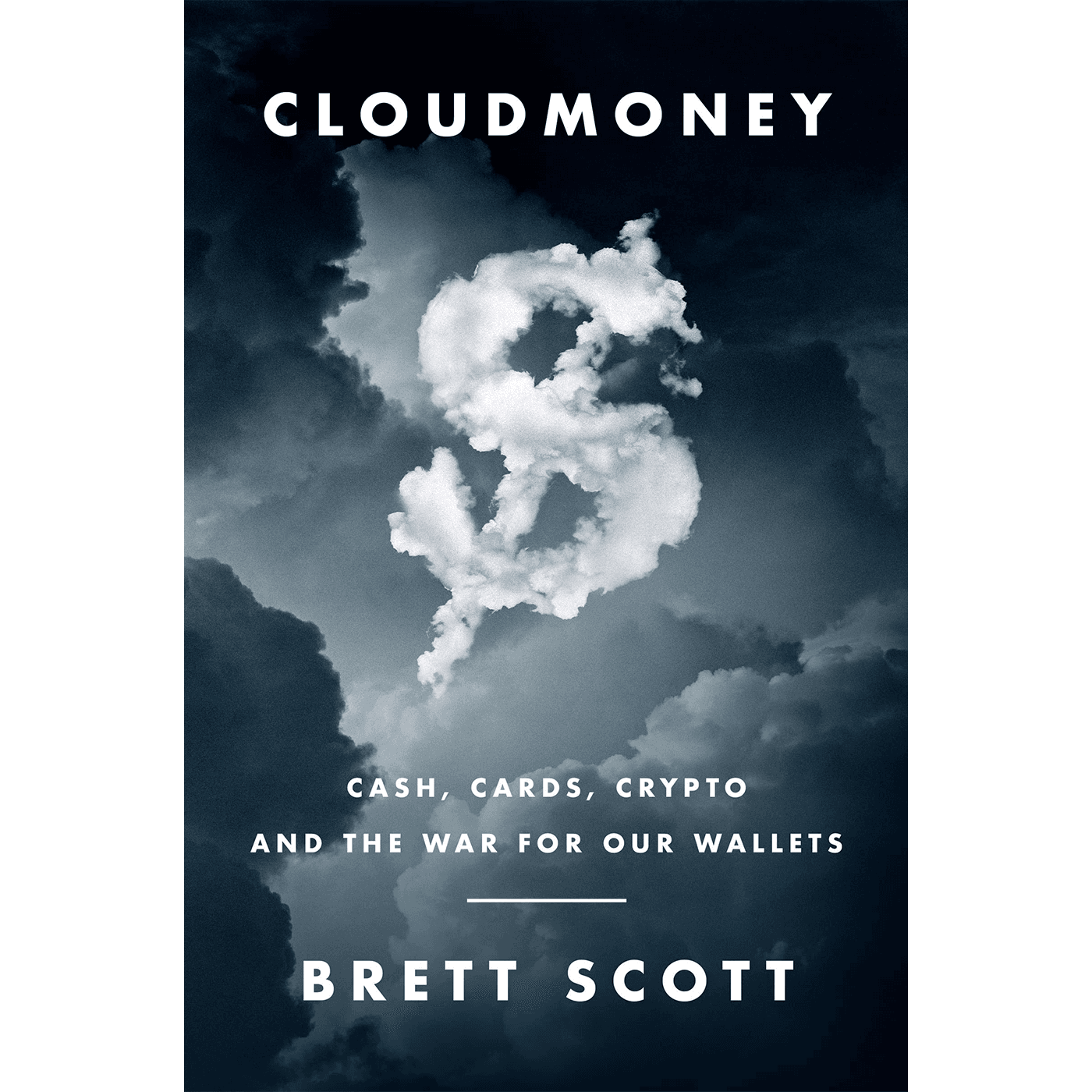
Episode Details Episode Title: Brett Scott - Cloudmoney Episode Description: Cole and author Brett Scott discuss Scott’s book, *Cloudmoney: Cash, Cards, Crypto, and the War for Our Wallets.* The episode explores the implications of a digital monetary system and the diminishing role of cash in contemporary finance.
---
Key Concepts & Discussions
Introduction to Brett Scott
- Background: Economic anthropologist, financial activist, and former broker.
- Previous Work: Authored *The Heretics Guide to Global Finance* in 2013.
- Current Focus: Analyzing the impact of digital finance and the cashless society.
Motivations Behind *Cloudmoney*
- Inspiration: A reaction to the prevailing narratives in fintech that glorify automation as revolutionary.
- Main Argument: The fintech industry often claims to innovate but primarily automates existing financial systems without meaningful change.
The Symbiosis of Big Tech and Big Finance
- Observation: Big Tech and traditional finance are not adversarial but rather work symbiotically.
- Critique of Revolution Rhetoric: Many fintech companies perpetuate myths of financial revolution while merely speeding up existing processes.
The Role of Cash in Society
- Cash vs. Digital Transactions:
- Cash provides anonymity and non-judgmental transactions.
- Digital systems often come with surveillance, exclusion, and dependency on centralized entities.
The Importance of Balances of Power
- Cash as a Stabilizing Force: Maintaining a cash system provides a counterbalance to the vulnerabilities created by digital finance.
- Resilience Against System Failures: Systems that only lean towards digital payments can lead to significant societal problems during crises (e.g., failures during disasters).
Perspectives on Digital and Cash Systems
- Criticism of Digital Payments:
- They can lead to social exclusion, surveillance, and loss of local economic interactions.
- The argument that digital payments are universally better is flawed.
Societal Implications of Cashlessness
- Cultural Impact: The push for a cashless society can disproportionately affect working-class populations who rely on cash for transactions.
- Political Dynamics: Cash usage crosses political boundaries, with some conservative factions rallying against cashless initiatives.
Future of Money
- Alternative Currency Movements: Advocates for exploring alternative currencies beyond Bitcoin, emphasizing the need for hybrid systems that can embrace both decentralization and dynamic financial practices.
- Caution Against Hegemony in Crypto Narratives: The dominance of Bitcoin in the alternative currency domain can overshadow other innovative systems.
---
Key Takeaways
- The conversation reflects on the critical balance needed between cash and digital systems to maintain a healthy economy where all participants can thrive.
- There is a call to action for individuals and policymakers to reconsider the implications of moving towards a cashless society without adequate safeguards.
- The interplay between societal values, technological advancements, and monetary systems requires ongoing scrutiny and critical engagement.
---
Conclusion This episode of *A Book with Legs* offers a thought-provoking discussion on the future of money as influenced by societal, technological, and economic forces. Brett Scott's insights challenge prevailing narratives about the benefits of a cashless society and emphasize the necessity of understanding the underlying power dynamics in our financial systems.
---
Further Reading
- *Cloudmoney: Cash, Cards, Crypto, and the War for Our Wallets* by Brett Scott
- Subscribe to Brett Scott's newsletter at brettscott.substack.com for ongoing insights about monetary systems.
Listener Engagement For feedback, suggestions, or book recommendations, contact the podcast via email at podcast@smeadcap.com or on Twitter at @SmeadCap.
Written by AI. May contain mistakes. Listen to the episode to check what was said.
Transcript
Automatic transcript. May contain errors.0:02You're listening to A Book With Legs, a podcast presented by Smeed Capital Management. At Smead Capital Management, we advise investors who fear stock market failure. You can learn more at SmeadCap.com or by calling your financial advisor.
0:21Welcome to A Book With Legs podcast. I'm Cole Smead. I'm the CEO and a portfolio manager here at Smead Capital Management. At our firm, we are readers and book junkies. It can be said that leaders are readers, and we believe books provide us a great source of information for filtering what is and isn't important for us as investors. Investing is the last great liberal art and the best way to spend a lifetime of learning. This podcast is for readers, thinkers, business-minded people, and investors who want to grow their knowledge from great authors and their writing. Charlie Munger often talks about using multiple mental models and analysis.
0:54Our aim for this podcast is to help listeners test Munger's theory in business, markets and people does it matter when you pay with cash card iphone or bitcoin we will delve into this with brett scott to talk about his book cloud money cash cards crypto and the war for our wallets a little background on brett brett is an economic anthropologist financial activist and former broker in 2013 he published the heretics guide to global finance hacking the future of Money. Since then, he's spoken at hundreds of events around the globe and has appeared across international media, including BBC and Sky News.
1:33He has written extensively on financial reform, digital finance, alternative currency, blockchain technology, and the Cashless Society for various publications. He's also published the Altered States of Monetary Consciousness newsletter. He has worked on financial reform campaigns and alternative currency systems with a wide range of groups and is a senior fellow of the Finance Innovation Lab in the UK. He is joining us today from Berlin. Brett, it'll be fun to think about the use of cash versus credit and chips today. I'm glad to have you on the podcast and glad you could join. Great to be here, Cole.
2:07Thanks for getting me on. So to kind of start us out, teach us why you wrote Cloud Money. What inspired you to kind of go at this subject in the way you did? Sure. Yeah, there's a few reasons. The primary among them is that in 2013 I published a book called The Heretics Guide to Global Finance. Which came out of my experiences. I worked in over-the-counter derivatives, OTC derivatives, a little bit. But I also had a political background. So I was interested in writing a book that would help people in civil society, just like ordinary people who weren't finance experts. I was interested in creating a book that would help them understand the financial sector, but also to think about how you kind of sort of challenge the financial sector and build alternative forms.
3:00And so that came out in 2013. And I noticed at that time, it was just after the financial crisis. And there was still a lot of the kind of maybe like anti-bank or anti-financial sector sentiment around. The Occupy Wall Street movements had been occurring and all this kind of stuff. But at that time, a lot of the big tech firms were still considered to be basically good. It was still the kind of like don't do evil, um, Montra of Google. Yeah. Period of Google's history. Right. And, um, and a lot of the tech firms are kind of trading upon this idea that they represented a kind of new world of positive innovation.
3:46Whereas, you know, that could contrast with the kind of stagnant, you know, corruption of the banking sector. Right. And, um, in London where I was, there was the fintech sector, so financial technology sector is very big, right? And a lot of the fintech firms were trading on that as well. So they had this idea that what they were doing is going to revolutionize finance by kind of updating it and so on. And I basically became aware that a lot of the fintech rhetoric was basically not really about revolutionizing finance. It was really about just automating finance. And those are two different things.
4:24Sure. In the history of capitalism, stuff gets automated all the time, right? It's not particularly revolutionary. It's quite normal, actually. So the fintech sector was really just automating standard finance, trying to make it faster, and yet was sort of cloaked in a kind of revolutionary rhetoric. And so cloud money partly comes out of me being exposed to that a lot, because at the time when I put my first book out, there was a lot of this kind of like, a lot of the people in the tech sector thought of themselves as being kind of like the type of person I was speaking about in the book in terms of like, you know, building alternative systems.
4:59Sure. Right. And so, yeah. And so even cloud money is really at a meta level has been looking at how actually, you know, big tech and big finance really are kind of symbiotic. Sure. Rather than, rather than in some kind of competition with each other. And then, you know, another sort of aspect and I'll sort of try to keep this short, but I also come from an economic anthropology background. Economic anthropology tends to have a much stronger grasp of money than economics does, because a lot of economic anthropology was involved, you know, going into non-capitalist and non-Western societies and looking at how they actually did, you know, economic life.
5:41whereas lots of economics basically sort of took a capitalist money system for granted and generate all this sort of mythology around money from that. So economics has tended to be very uncritical and quite unimaginative when it comes to thinking about money whereas the sort of anthropology tradition has a much richer tradition. And I started to notice that the way people were describing stuff like cashless society was totally inaccurate and also quite plagued with all sorts of mythology. So cloud money kind of like looks at that a lot as well, how the sort of automation of finance is, you know, leading to the sort of demonization of a cash system, which I guess we'll go into.
6:25But that the public frequently is ill-equipped to understand what's happening because they're using these kind of very sort of flawed models of understanding money. Well, yeah, to your point, I mean, when I think of fintech, I actually don't even think of the term much in a U.S. context, because even though it's used, I feel like that became like the ultimate buzzword in London post 2009. It's kind of like bankers are bad. Fintech is good. We're the savior. We're the revolution. But it really was just to your point, it was kind of like a it was London's reply to bad banking in effect. Right. It was it was their outlet.
7:00It's partly also because, bear in mind, the US is so dominant internationally in terms of it's by far the most powerful economy. And it also dominates the entire sort of innovation rhetoric via Silicon Valley. And if you're in London, the sort of startup scene is not nearly as well-funded or well-developed like every other country. Um, so actually the sort of competitive advantage that startup entrepreneurs in London had was to try and, you know, leave their job in banking and to try and sort of like apply a Silicon Valley style of thinking to it, which often basically involves pasting a digital interface over something.
7:44Correct. I think you gave a wonderful analogy. I think the analogy you used, I think you said it would be like being Martin Luther raging against the Pope while praying to the same God and reading the same scripture. It's not as big of a departure as people would think. Yeah, I think in the book I was maybe using that in the context of the sort of crypto world, which is the sort of secondary outspring of the sort of fintech stuff. but maybe the metaphor that's slightly that I use more directly in the book full of the fintech world was a lot of the revolutionary rhetoric is a little bit like an iOS developer claiming that they're going to kind of overthrow Apple exactly you know this kind of thing they're using the underlying systems of Apple and to build you know the underlying operating systems to build apps and it's not going to displace that system right and so a lot of the fintech fintech revolutionary sort of rhetoric was all about we're going to displace the banking sector despite the fact that they had to interface into the banking sector didn't have banking licenses were required to use the banking sector all the time um they sort of have this kind of like double think going on what's your point like using robin hood as an example robin hood was a wonderful interface for a U.S.
9:07broker-dealer, ultimately. Okay? And it was very fun to interface with them. It was a great app. It had all kinds of bells and whistles, etc. And I remember Robinhood was pushing to where they didn't want anyone to have one-day settlement on securities. They wanted to push to same-day settlement. Now, the reason why they were doing that wasn't because they were trying to revolutionize the industry. It would just require less capital for them to be a broker-dealer. In other words, to your point, the same rules applied with this quote-unquote startup exciting fintech company. Yeah, you know, in general, and I'm not trying to say that there weren't forms of, you know, disruption going on, or there aren't forms of disruption going on, but, you know, a lot of the time there's a bias in much of the world towards fixating upon change rather than looking at what stays the same, right?
10:06So all the innovation press has journalists constantly trying to sort of tell you what's new and so on, right? They don't really have any incentive to tell you what stays the same. And by and large, a lot of the stuff stays the same, right? So we have this kind of problem in our sort of storytelling in society. But, you know, occasionally there's sort of some relative rearrangements of power to some extent in these big systems. But on average, they kind of stay the same. So, you know, Robin Hood sort of disrupts some kind of aspect of the sort of surface appearance of the system and yet replicates many of the same principles.
10:48Sure. Well, to your point, I mean, you point out, and this is, I think, in your introduction, you talked about the 1984 Apple Super Bowl commercial, which is viewed to this day kind of like a revolutionary advertising campaign. It was really kind of like fighting against the power structure and systems that were at that time. Think of like IBM, for example. It was saying we're not going to be IBM. But isn't Apple now part of that power structure? And therefore, to your point, what was revolutionary in 1984 is now, you know, not today. Yeah, absolutely. I mean, any sort of historian of capitalism could point to a thousand other examples of exactly the same process repeating itself, like basically on autopilot, right?
11:37Every single industry that's sort of semi-new claims to be engaging in a revolution. then they become an incumbent and then they become the target of next the next wave of people who are claimed to be launching a revolution sure right it's it gets pretty boring after a while once you start to sort of see it um you know albeit you know i'm imagining in sort of your role with sort of stock advisory and that kind of stuff you know part of your sort of job and i don't actually i don't presume to know all of your job but you know would be to some extent to sort of try and pick out which of those might actually sort of create some kind of disruption versus those that will sort of just fizzle away, you know?
12:11So yeah, there is, there is interesting dynamism happening, but when you take a sort of step back and look deeply, often it's a lot, um, it's quite predictable. Over time. Yeah. I completely agree. And also I think, I think the other thing you do a really good job in this book is you talk about the different incentive structures of the different parties, like to your point, and we'll get into this more later, but the government has a different incentive than the banks do and the credit card companies do and these technology companies do. They all have different incentives and different interests.
12:42One of the things I don't want to skip over, though, Brett, is can you teach our listeners about your background, your upbringing, because I found this very interesting lens for you to take your readers through in your view of the world. Yeah, I mean, I grew up in South Africa at sort of the tail end of the apartheid regime. I don't know how much your listeners know about the apartheid regime, but basically it was, if I was being blunt, it was a fascist police state, a police state that basically was authoritarian, right? And that's what I grew up in. And apartheid kind of had all these sort of hard-coded legal policies of racism, basically, which were often designed to enrich various business owners.
13:35All right. So you sort of just force cheap labor to work in the mines for like various like big business owners. So that was my kind of background as a sort of white South African. And if you're a white South African, you're taught that you're supposed to like support that. But I was always a bit of an outsider. So I naturally developed a sort of distrust for kind of conventional thinking, because I was surrounded by a very uncritical acceptance of the status quo. But rather than maybe facing that in South Africa, I kind of projected it internationally. And so I had to look at the big structures of power internationally, to the whole global financial system and so on.
14:23My dad's like a military guy. So I have experience in the kind of world of mercenaries and all this kind of stuff. You know, this is quite common in Southern Africa. But it's, yeah, you know, I'm like, it also kind of the South African background gives me quite a lot of experience of like maybe non-Western ways of seeing economies as well. I think a lot of people who are based in very like highly industrialized kind of capitalist societies and stuff don't realize that there's whole sections of the world that don't really operate on those principles. You know, there's whole sections of South Africa that actually are only partially integrated into markets.
15:06To your point, I think you explained as an example, I mean, just having reliable power is a unique thing in some of those parts of the world versus, to your point, in a Western context, you would never think about that. Yeah, infrastructure. And this is a huge part of the world, right? I mean, we're talking about like more than 50 % of the world's population doesn't have all these like things that many people than big Western cities take for granted. Sure. So a lot of the kind of rhetoric of, for example, endless digitization, which is a sort of standard part of mainstream rhetoric right now, doesn't really make sense once you leave certain places like in the big cities.
15:48Sure. And yet that's such an incredibly prevalent ideology because overall, the overall global economy is dominated by particular players who have that agenda, right? So regardless of whether the agenda is realistic, you know, in the future, right now, it doesn't matter, you know, the belief system will get sort of forced down everyone's throats, regardless. And I totally, so I'm going to ask you a question, I want to come back to that, But I want to ask you a question in this because you have a line in your book. You say, you know, as you're talking about, you know, where this, you know, is pushing, you say, quote, finally cast anyone who rebels as an irrelevant and out of touch Luddite stuck in the past who need to be cajoled along or rescued, end quote.
16:40You're presenting this in obviously like Orwellian terms. You know, I guess was Orwell right about the Luddites? or do you look at it differently than Orwell? What did Orwell say about the Luddites? Well, the Luddites were the losers. I mean, they were going to be left in time. And what I find remarkable about Orwell is that, no, the Luddites didn't win or didn't lose. They became the farmers with more land, right? They weren't replaced by the robots. They actually enlarged their wealth. Just not everybody wanted to be a farmer. So I look at it in a different term, But I just wonder, do you do you look at this as like a winners and losers game?
17:22Do you look at it as a positive sum game? How do you look at the Luddites? It depends on where you like the scope of your vision and your kind of political ideology to some extent. Right. Sure. So if you are kind of like more conservative, free markets kind of person, like you're probably going to have a natural tendency towards believing that like attempting to hold back progress is like counterproductive right like you're going to be like well in reality what will actually happen is you'll you know the workers at one point feel threatened by the fact that their bosses are trying to buy machines sure right from other workers who built those machines and they're going to try to use those machines to replace their labor right so if you're the particular laborer that's sitting there in a factory and suddenly your boss turns up one day with a bunch of new like machinery you of course feel threatened now in reality that person's life is going to be heavily disrupted right but the theory at least in a kind of like sort of more positive kind of like view of like economic expansion will be well somehow what will happen is this person will like reskill themselves and like find a new job as like a machine operator.
18:39And that's been the sort of standard line of anybody who's kind of like pro sort of like market progress. Right. And, you know, there's versions of that may or may not be true, depending on the particular situations. Right. But in general, part of the question, if you look at sort of if you're more like a Marxist, right, which is kind of like more the sort of background that the intuitions that I have, right, is that like, well, that may be the case, but like, But in general, the capitalist system at some point starts to eat itself. There are limits to that process. There's limits to the amount of automation you have before you start to undermine the very structure of markets, which is what would be called in Marxist theory, the contradictions of capitalism.
19:24It's like the point in which workers are not getting enough income to buy the products pushed out by the system. Right. So, for example, in Silicon Valley right now, this is the reason why they're starting to have these debates about UBI, universal basic income. They're like, oh, damn, we're like undermining the system through extreme amounts of automation. This is going to undermine the entire structure of employment in the economy, which is going to then cause like a drop in demand. So we better then like find a way to like prop that up through UBI. So in general, this is the kind of like thing that's going on in the background.
19:57This debate is a huge debate. Right. But the important point is sort of like for like my book is that I'm not trying to like make some definitive answer for like who's right or wrong in that. What I point out, though, is that what we can definitely see is that there's a very specific ideology that's by far the most dominant in the world. Sure. Which is the idea that automation is inevitable, unstoppable, and will sort of naturally bring benefits. And that's sort of the standard ideology that you find. And right now, at this particular point in time, that narrative takes the form of the digitization narrative.
20:42Because digitization is the main form of automation that's now going on. Okay, so politically, the digital transition rhetoric is completely unchallenged. And when it comes to the monetary system, that rhetoric expresses itself as this anti-cash position. So cash is a kind of offline, non-automated, non-digital form of money. and if you're sitting in a system that's trying to expand and automate and accelerate, it naturally will start to generate certain pressures that will lead to a kind of anti-cash position, especially among the powers that be, even if ordinary people don't want that. Sure.
21:29So there's a very long way of going. So there was an article in the Wall Street Journal. This was like in the last, I want to say it was about three weeks ago. to your point that was talking about people who still want to prefer to use cash. And they were interviewing these people and explaining that there is a contingent of society that still prefers to use cash all the way up to where some people are militant about it, where they will do nothing else. And it was interesting to think about because I think you discussed some of the black market activities that come out, but I think about a lot of gray things.
22:03I'll give you an example, and you could add on this. It's like the fall of 2020, the pandemic's going on. We were going to take our travel trailer RV to go for a weekend to go do something, and I had a flat tire. So I get to the tire place to get the tire replaced. There's a big line, Brett. It's exactly what you don't want on a Friday when you're going to get out of town for the weekend. And so what do I do? I pull out the almighty dollar, and I say to the guy, listen, I'll pay whatever it costs to get this fixed and tell it whoever in your service base can help me right away I have a$50 bill with their name on it well miraculously Brett it was done within 15 minutes okay now to your point it was outside the system right it never got accounted for on the books of that business the government probably never collected taxes on it etc but it got me done what I needed done right away so I look at those kind of things and say there is still a premium for dollars to get things done pronto.
23:05But to your point, to do scalable transactions across the economy, there isn't. Is that a fair difference in the debate? Yeah. Okay. So the first point that I would stress is that, and look, I'm always going from a kind of like meta political economy kind of like perspective, right? At least that's one part of how I think so at a meta level if you look at the global economic system as a huge interdependent structure all right that's kind of a gigantic mesh you say okay there are certain forces that emerge in large-scale interdependent networks okay that sounds kind of maybe like a bit like abstract but like you know Adam Smith would have called it the invisible hand correct it's like a weird strange strange invisible forces that seem to push on you from nowhere you can't identify where they come from what is basically talking about is you're stuck in a gigantic interdependent structure that you can't see and the actions of other people are influencing you all right and they but you can't see where it's coming from right now like those types of forces if you look at like if you zoom out to a global a global you know sort of scale you see they're often not really under the control of individual people right no individual person believes they have the power, for example, to halt the march of automation.
24:34All right. It's totally out of the possibility of the average person. So in reality, those forces are generated elsewhere, either by other people or often by large players that have more power relative to others in the system. Including governments. Including governments, including corporates. I mean, the attack on cash has been largely corporate driven for a long time, but there are state actors involved. Right. Now, if you're looking at, you know, so the automation type of stuff is sort of coming at a structural level. But a lot of human beings, you know, we're biological creatures. We like, we're slow, you know, we like to hang out and, you know, whatever you like to do, sit by a fire, like smoke weed or like, I don't know what you want to do, like, go on a trip somewhere.
25:21People don't behave like Amazon does. You know, Amazon is a gigantic inhuman entity controlled by like shareholders who don't know each other and who basically like, you know, you have these types of like sort of inhuman scale structures that really are the sort of main powers in the global economy and their agendas don't really match up to the agendas of ordinary people often. Sometimes they do, but not really, right? And so a lot of human beings say like, you know what, I actually like the informal ability, for example, to use your example, you know, to like slightly speed up my like, um, sort of, uh, you know, car repair, but yeah, by, by, by using the sort of informal kind of offline type of money, but at a structural level, the big plot powers that be, and this doesn't only include the state, it includes a big companies like to automate.
26:09Um, they hate that kind of stuff. Right. That represents a type of part of the economy that can't be controlled. old. Well, correct. So to your point, though, and you're hitting at a chord, though, so it's not algorithmic, which to your point about automation, automation is mathematical by nature. Okay. And when I show up and say, hey, here's a 50, cut me in line, that is random. That is decisive. That is human. And at the same time, it wouldn't fit the process and equation that's at hand for how most transactions would go on yeah so so like if you want to see how how the sort of cash the cash thing plays out it's often what's going on is there's like um different like parts of the equation so you know in the u.s it's sometimes kind of hard to tell because there's quite still quite high cash usage in the u.s but if you go to a place like the uk um england you know, like the cash system is basically imploded.
27:12All right. And what you'll see is what happens is that you will have an initial vanguard of people who basically do like automation. It's often your yuppies, you know, the people that like hanging out with their MacBooks and stuff and they're kind of like to be sort of aspirational. So they like to sort of see themselves as cutting edge and stuff. And they often will uncritically accept automation. It's like Silicon Valley people. They have this uncritical acceptance of techno-utopian automation. Those people exist, especially among younger people, partly because, bear in mind, in each generation in an economy, younger people are always trying to differentiate themselves from older people, partly because they're going through all their awkward identity formation processes.
28:04I agree. Teenagers are always trying to like show that they're not their parents. Right. So if you're a marketer at a company, this is your most vulnerable type of your population to a target. And firms always target the target teenagers. This is one of the main ways, main sort of wedges that you use to drive new technology. because they often don't have the political awareness as well. And you can just sort of very quite easily kind of like push stuff into their sort of peer pressure or sort of force them to use Instagram and this kind of stuff, right? Exactly. So you basically have those parts of the population that start to use the new thing and these kind of like people who perceive themselves as cutting edge.
28:42But what will start to happen is that maybe I'm trying to think of a metaphor. You know, imagine you're going down a river, right? And you're in a raft. It's like a white, you're like white water rafting, right? You might love the process of going down that river and be embracing that process. But in the end, the reason that the raft is going down the river is not because you wanted to. The reason it's going down is that the system, the river is pulling it down. All right. Insofar as your desire corresponds with the action of the raft, it's incidental. All right. So the way I think about this is that there are structural forces at play in the global economy that are pushing cash out.
29:30Insofar as you happen to be a person who likes Apple Pay, well good for you. You happen to be going along with the grain of the system. But if you're not, the system's not going to change course. If you're a person who says, I actually demand to use cash, the system doesn't care. The system will say, no, you can't. All right. So if I go to London right now and I look at, for example, a train ticket machine, quote unquote options that are available to me are all digital payments. There is no option to use cash, which basically means my demand to use cash is not going to be reflected in the market choice structure.
30:05All right. And the reason for that is that it goes against the grain of the system. All right. Whereas the digital ones don't go against the grain of the system. So this is what's happening to lots of people in places like London. Increasingly, you basically just forced, regardless of whether you want to use cash or not, right? And so all the sort of folklore and mythology that say the reason why this is happening is that ordinary people are choosing to move away from digital payments. It's very shallow, right? What's actually happening is a kind of a structural process. So let's ask a cost-benefit question because I was thinking a lot about this during your book.
Read the full transcript
30:40So, by the way, first off, I think the Oyster card system sucked too, just so we're all on the same page. So, let me ask you this. So, there are, as you talk about in your book, there are incentives that like a credit card company, to your point, or Apple would have for me to go use Apple Pay or tap my credit card to go into the London underground, okay? Now, let's say I was going to use cash, okay? there are structural costs to cash that we might not pay attention to but are present in other words i can give them money but once the machine loads up with a bunch of cash someone's got to draw that cash out and so here in the united states a company like loomis would show up to collect all that cash with like former military people former police whatever they are i think you touched on this a little bit in particularly other countries how they have to do this in more cash-filled societies, but there are costs to cash too.
31:38I guess my question is which cost is greater? Is it greater to power data servers with electricity to store the information for the cashless transactions, or is it more expensive to have the armored vehicle pick up the cash and take it to its destination? Okay. Well, there's a, like a superficial way of answering this and a more like a more surface level way of answering this. Right. Well, for a start, this idea around the cost of cash is heavily debated. Okay. All right. So if you're an anti-cash person, you will try to argue that cash is highly costly because the infrastructure required to uphold the cash system, for example, those Loomis trucks and stuff, is relatively costly compared to, for example, the fixed costs of providing digital systems.
32:28But like many things that cost a lot, there's often a reason for that and often it's because they have better quality. If I've got like high jeans that cost more than my polyester shirt, it's because the jeans are better. So there's a reason why it's useful to keep the cash system running. Because if you do not have the cash system running, fine, you might have the slightly lower fixed costs, arguably, of the digital systems, but suddenly you unlock a ton of way bigger sort of societal costs, which I guess economists would often euphemistically refer to as externalities. Basically you have, and this is where all the sort of negative sides of the cash of society comes out, And I can go through those from you have like societal surveillance, censorship, huge resilience problems in your monetary system, like exclusion.
33:32But perhaps most profoundly, the actual digital money that we use, and this is where having a knowledge of the monetary system starts to become important. The actual quote unquote cashless systems themselves are both psychologically and legally dependent upon the cash system. Agree. So this is where this becomes very complex because let's say you have some economist who comes in and says, okay, well, we've done a cost benefit analysis and actually on net the digital systems are cheaper. Therefore, get rid of the cash system. In so doing, they will undermine the cashless systems. All right. The two are tethered together.
34:14Let me interject because I agree with where you're going, but let me give you an example. Okay. I have a fear. here's my fear Brett I am afraid I will forget how to write okay now here's why because I know that the brain's activity is higher when you're using your hands and therefore can we have great writing if we don't have someone writing to your point right in other words they're integrally tied to each other the power of the hand and your thinking with your writing is actually superior to typing and the question is will we damage our thinking by typing sure yeah well look if you want you know i think it's an interesting an interesting example and actually there are sort of um it's a it's almost a paradox or a contradiction i don't know which one yeah i mean it was one one sort of like side point to make about this which is you know I don't want to go down this this this like rabbit hole necessarily but a large part of digital ideology is if you hang around in Silicon Valley you see this all time there's this kind of like disgust some extent of like the human body all right and and like a lot of the sort of like sci-fi around this is sort of imagines like you know detached minds that sort of like exist in cyberspace singularity etc yeah yeah yeah and this is basically just like a new formulation of like mind-body dualism which has existed for a very long time right and you know mind-body dualism imagines is like a fundamental separation between like the mind and the body and that somehow the mind is better often correct that which was which is how the greeks viewed the world they thought the mind was better if you were a laborer you were worse etc yeah yeah and it's it's kind of like bs but like it's very prevalent right um and if you ever look at like ai rhetoric it's all about basically this they sort of like hyper they sort of like you know romanticize like the mind and then the perfect rational mind and as you look at all if you go and google images you type in ai you see all these pictures of these like blue brained networks you know it's always really weird like space kind of like thinking right yeah actual actual human beings are not like this yeah right and and actual human beings are tactile all right a large part of our um our intelligence actually comes from our body all right it doesn't come from our mind it comes from like feeling things and so on and emotions and this is very unpopular if you in sort of like tech circles or even in economist circles you know like so so the important point you know one of those there's a big case we made just the fact that the tactile nature of cash and these various things has important psychological effects all right you know actually if you go if you hang out if you go into like a visa's website You know, Visa obviously benefits massively from a decline in cash usage because they coordinate the digital systems.
37:10You know, Visa actively has a website called The Benefits of Going Cashless, where it tries to basically convince shops to stop accepting cash. And one of the reasons it gives is precisely that human beings basically spend a lot more with digital money, up to 20 % to 40 % more. And there's a bunch of studies that actually show this. All right. And part of the reason that people struggle to conceptualize what's happening when it becomes digital. Right. So you have these in some ways it accelerates spending processes, which is if you're a person who's trying to promote endless growth, maybe that's something you want.
37:47But from an actual individual human beings perspective, it's like how you become deeply indebted. All right. And this kind of stuff. So there's a big one of the big approaches I take when I'm looking at this issue of cash versus digital money is to try and move away from the dualism. Right. And so like, you know, many of our systems that we value in society actually have multiple or multimodal. For example, the transport system, the mere fact that Uber happens to be convenient to you doesn't mean that you get rid of your bicycle system, for example. Bicycles are technically slower and so on, and yet people love bicycles and they're actually incredibly efficient and convenient in many situations.
38:35The way I would talk about cash is like the public bicycle system of payments. right I'm not going to use it for certain types of like you know international transfer or something yeah it's incredibly useful and it keeps a balance of power in the monetary system and this concept of a balance of power is extremely important to understand with money because when many people are thinking about for example the US dollar or the pound they imagine that it's a single currency but it's not a single currency it's an ecosystem of currencies that have the same name, issued out in different layers by different players in different forms.
39:12So the US dollar system has thousands of issuers. The core issuers are the Federal Reserve and the Treasury. But then there's a whole second layer of money issued out by the banking sector. And in the book, I'm using the metaphor of digital casino chips. Basically, what those banks do is they will take in state money, all right, but issue out casino chips, basically. Digital casino chips, which is what you see in your bank account, right? Your record of account, yeah. Yeah, your so-called cashless society is basically a society where you become dependent upon bank-issued digital casino chips, all right?
39:53And there's a third layer of players that plug into the bank system. So, for example, PayPal, it issues a third layer of money. All the so-called stablecoin systems right now basically plug into the banks, or at least a bunch of them do. And so you've got to see the money system as having these multiple layers, and each layer is built upon the previous layer. The most important politics, if you're interested in monetary politics, is between layer one and layer two. Because most people imagine that the state is in control of the money supply, but it's not really. The money supply is largely controlled by the banking sector.
40:31The state, via institutions like the Federal Reserve, have some ability to, they can issue money, but largely it's the banking sector that issues most of the money via the process of extending loans. And that's the sort of second form of money, which is these kind of digital casino chips. Well, Craig, and also when you think of the term shadow banking, that was excess capital being created out of credit outside of even the banks, but was still under the purview of the Federal Reserve. Yeah, and you could sort of think about the shadow banking sector as a kind of fourth layer of money. This is a stylized account I'm giving, but it's quite useful to think about money in layers like this, right?
41:13And some of the best thinkers of money do think about it in layers. So let me ask this question because you touched on it earlier, and I don't want to leave it too far. Talking about credit cards and debit cards, can you explain the type they get? What is the fee amount that's typically drawn on a transaction from a credit card or a debit card? And like you pointed out, the UK is much more prevalent in digital payments. What would you tell people are those fees as a percentage of transaction, let's just say? I mean, I don't actually know the specifics. It sort of shifts to different platforms in different countries, right?
41:46And it also depends on how big your business is. And it's like, so offhand, I can't really tell you exactly what those are, but they can be like a number of percent. Right. And the question is, like, does your cash handling, if you're a small business owner, this is of importance to you. Right. To some extent, you're like, well, the credit card company takes a certain amount. But, you know, having to get like, you know, deposit cash into the bank is also is a type of cost. Right. And you get widely different perspectives on which is the most costly. by depending on what type of business you're looking at.
42:21But I don't have all these different figures to hand right now. One of the important things, again, looking at that resilience question, is that, let me give you a very crude example of this here to just illustrate this. I was at a music festival in the UK recently where it was supposed to be a cashless festival, right? They put a bunch of people into a field, all trying to use their mobile phones, It's like 10 ,000 people all trying to use their mobile phones with the local mobile phone tower and stuff. And, of course, it cut down the whole system. So all the cashless systems, which basically involved trying to communicate with the banking sector, failed.
43:06The beer tent, which would have been making thousands and thousands of pounds per hour on stuff, was turning away hundreds of people because it couldn't process their payments. Now, technically speaking, they might have said to me, well, you know, my cost of, you know, my card transactions was, you know, X. But in reality, it was 100 % was the cost in that situation. So if you're a business owner, contingency planning is very important, which is why many businesses actually have these multiple forms. But also many business owners actually fear that they're going to exclude customers if they start to refuse cash, right?
43:44And so you'll notice that especially among working class populations and sort of poorer neighborhoods, people would never refuse cash. All right. And this is why the whole kind of like vanguard of like cashlessness is often these kind of yuppie sort of like bougie places where basically they're able to exploit the fact that people, one, won't rebel and two, basically abort into the big tech and big finance. Right. Well, by the way, you use the term bougie. It's one of my favorite terms. But to your point, I mean, I touched on this earlier. I think of like a bougie 32 year old single male or female in the UK who is has no kids, has no responsibilities.
44:24What's going to happen this weekend? That's all I really care about. And that's like your perfect cashless consumer. You know, it's not like they got to take kids to school or do anything outside of like, what am I going to do at my work in my home? And but then as you add complications, like I think you talked a lot about when hurricanes come, what do people do? they go get cash quickly it's like the old saying is like there's no atheist in a foxhole um there's also no cashless person in a hurricane yeah if you want a quick rundown of all the basic like problems it's quite it's i can i can do it you know like the first the first thing to like get in mind with this is to start to think about this balance of power question right um and because this this basically enables you to understand all the problems of cashless society All right.
45:11So let's use that bicycle versus Uber metaphor. All right. The typical digital ideology tells you that what cash is, is a horse cart. All right. And that what digital systems are is some kind of sports car. Right. There's some kind of natural upgrade occurring. Right. Really, the way to think about it is that cash is a bicycle and the digital systems are like Uber. If you look at the difference between those two systems, one runs on public infrastructure, the other one runs on private infrastructure that's built on top of public infrastructure. One you have autonomy, with some limitations, and the other one you have dependents.
45:52So you're dependent upon a third party entity to get you somewhere. Now if those are in balance, they can both be positive. This is what balance of power is about. It's about preventing the worst parts of different systems emerging by sort of balancing them off against each other. So if you're interested in creating a resilient system you want balances of power because it sort of prevents negative stuff emerging. It's when you have a lack of that balance that it becomes a problem. So actually if for example you live in a totally cash economy it might actually be desirable to have digital systems come in because it'll sort of create some new forms of resilience in that system.
46:32But if you totally get rid of cash, now you have the opposite problem. You've got new and dangerous forms of problems that emerge. And you can easily work these out through the simple thought experiment of imagining if Uber was the only way to move. You would have a massive centralization of power. You'd have colossal resilience problems in your society. If that system goes down, your entire ability to move basically collapses. Well, yeah, you'd have never-ending peak pricing. Yeah, you have huge exclusion problems. All right. If you can't access the system or if you don't want to access the system or if you pushed off the system, you can basically be prevented from moving.
47:12All right. And you also have an attack on localization. And this is one of the most things that's often not appreciated. You know, this kind of goes back to your point about your tire change. That thing you did there was a very localized interaction. Correct. If you and most digital systems involve centralization, right? You have to go via some distant entity to deal with somebody who's right in front of you. So basically every single local interaction becomes a way of empowering some distant centralized entity. In this case, whatever that entity is. And similar with these cashless systems, the digital systems, is basically if you are forced into those systems, and that's the only means of payment, you've got massive surveillance problems, you've got massive censorship problems, You've got massive resilience problems.
48:01You've got a huge attack on economic localization. And these are the main problems that emerge when you don't have that balance of power in place. So a large part of my book is I'm not saying, hey, you've got to constantly be using cash all the time. Sure. I'm saying you've got to maintain that balance of power, otherwise serious problems are going to emerge. The main problem though, and this is awkwardly, I won't go on too long about this, but going back to that thing I said earlier, the sort of like Marxist term, the contradictions of capitalism. One of the problems that private firms, for example, the banking sector and Amazon, etc., they all have individual incentives to pursue automation.
48:46All right. Correct. Yeah, they can make a lot of money from it. Yeah, no question. Exactly. They cut their costs. They can boost their revenues, etc., which, you know, take market share investment model looks positive. Right. So for them and their individual myopic perspectives it makes sense for them to attack the cash infrastructure close down atm stop small businesses using the using you know branches say you have to use digital banking etc right it makes sense for them and their basic job is to sort of convince people to do that and if you're a bit slow they kind of like try to like you know slowly wean you off or nudge you onto the digital systems right yeah and that's what they all do um and because they all move in that same direction they feel emboldened they don't feel like they're actually going against something They'll be like, well, you know, all the other companies are doing it, so we also feel entitled to do this as well.
49:31All right. But what they do in the process is they undermine that balance of power. All right. Which if you go back to my structural description of money, which has these layers with each layer built on top of the other layer, you'll see that the digital layer. All right. Is these sort of digital casino chips issued up by banks. All right. And if you know anything about a casino chip, you'll know that if you remove the ability to redeem that casino chip for cash, right, the casino chip ceases to have any meaning, right? So if I go into a casino and I know I hand over cash and they give me those chips and then I come back later in the night and say, can I have my cash back?
50:13And they say, you know what? No, I just keep the chip. I'm going to start to have serious doubts about what that chip is. Okay, so actually legally and sort of psychologically the digital units are predicated upon people believing they can be redeemed back for state money. Now when you have all these individual firms who are slowly undermining that ability to do that, it actually ends up screwing them over, right? Because the very basis of the stability of the financial sector is partly predicated upon the public believing in the second tier money. And this is the reason right now why there's a bunch of debates emerging about the so-called central bank digital currency, which is basically the central banks have worked out that there's a huge structural problem emerging in the monetary system because of the decline in the cash system.
51:02And they're having to now experiment with issuing a kind of new form of layer one digital money, which is causing a bunch of consternation because the banking sector does not want the state to compete with it via a new form of digital money. Well, let me add one more thing on this, because I think you're I think you do a good job of this throughout the book where what works in the UK doesn't necessarily work in India, doesn't necessarily work in Bangladesh. So I grew up in Seattle. I was born and raised in Seattle. And in downtown Seattle, they had this idea that because Europe widely adopted bike lanes, that Seattle should too.
51:46And so they did. They took a lot of the downtown city streets, put in bike lanes, got rid of roads. Now, to your point, it made the system more dependent on bike lanes. Now, here's the great irony to this quote unquote deemed transition, call it a carless society, kind of like a cashless society, right? What ended up happening is no one goes to downtown. It's a ghost town now. So in other words, we did all this work to make it carless and there's no use. So to your point, does the model that we're pushing cashless, is it, you know, this local aspect that you talked about is so important to the transactional nature of our economies?
52:28Yeah, I mean, in my metaphor, I'm using bicycles to refer to cash, right? Correct. Because remember the balance of power thing, right? If you have an all-cash economy, you have problems. If you have an all-digital economy, you have problems. Correct. So the interesting thing is to try and create the balance, right? So you're now pointing to the opposite extreme, like you've somehow destroyed the entire like motor industry or something. Correct. Seems implausible, but like it's a possibility, right? Well, it's a possibility, but because to your point about diversification, this applies to other like analogous things.
53:05So for example, and you touched on, I think you almost touched on this and I'd love to ask you this question. Can a, let's use your yuppie because your yuppie is a good picture, okay? That yuppie believes in a cashless society. At the same time, that yuppie believes that carbon is terrible. Aren't those antithetical statements? They actually have a huge logical disconnect, don't they? I mean, people are always contradictory, right? I mean, not all yuppies think that. There's lots of like right-wing yuppies. There's an embarrassment... Not in the UK. I mean, they're not even really left-wing. I mean, they're kind of like sort of centrist liberals, right?
53:46Yeah. So they're not like Marxists. Yeah, I agree. They're kind of like center left, right? which is what in the US you'd call liberal. So I mean there's an interesting thing going on politically like with my position is left-wing, straightforward. Yes, very obvious. Now interestingly though there's a very strong conservative support for pro cash stuff so actually a lot of my work has a cross political ideal. Actually like tomorrow morning I'm supposed to be going on to like GB News, which is one of the most right wing like news stations in the UK. Right. We're considered part of the new populist right.
54:32Right. And what's interesting that there's been these types of reshuffling going on into the political ideologies. Right. Where a lot of like topsy turvy stuff is happening. Right. And so a lot of kind of your sort of urban middle class. who are often on the sort of vanguard of technology tend to be sort of like centrist liberals, to some extent. Not talking about Peter Thiel, who's massively right-wing. But he's part of the Silicon Valley establishment who is very pro-digital payments. And very libertarian, to your point. In other words, there's this kind of big lie in tech that we're libertarian, we don't need the government.
55:14But again, if someone reads your book and thinks about the power structures and the incentives, No, no, they're very beholden to the government. In fact, they like the government system because it's a power structure that works for them. Isn't that fair? I mean, all of Silicon Valley is built upon government funding. I mean, it's basically part of the military industrial complex, right? And that's always been the history of Silicon Valley. But they would never admit that though. It's all their own ingenuity. No, of course not. It's not part of the ideology, of course. That's inconvenient, right?
55:39Yeah, I agree. But de facto, all the research that gave rise to technologies comes from radar research for military stuff. Exactly. All that kind of thing. So the reality, this is quite standard in most capitalist systems, is that the state and the market operate in complex symbiosis. I come from a more anarchist way of thinking of the world, which also partly comes from anthropology, which is that in sort of standard, like old school 1980s thinking, they try to make this distinction between the state and the market. it. But it's largely like an illusion, right? The states and markets operate in very complex interrelationships with each other, and they often can't exist apart from each other, at least at a large scale.
56:25So Silicon Valley has all this complexity. A lot of these guys who claim to be libertarians in Silicon Valley are basically more than happy to work for the state. Well, that's Palantir. You did a good job in your book explaining Palantir. It's government funded, They bought the equity. They got the client. I mean, it's all government funded. This is why politically, when you're looking at the cash system, it's quite complex because actually there is a lot of sort of, let's say, people from more humbler parts of the economy who at some points might be considered, you know, quote unquote, left wing, depending on the situation.
57:01But other points become what's called right wing, depending on the situation. Right. Sure. I don't like to sort of label people as being somehow having an essence, a political essence. Often what people have is like a situation that they try to respond to with by taking on a particular ideology. Sure. All right. And what's been happening recently is that lots of people who are actually quite sort of historically more on the left have been sort of drawn more into the kind of populist right. Right. And so my cash work, I would I see a lot of that happening. You have lots of people who are basically don't like big tech and big finance and stuff.
57:33right but have kind of now taking on lots of the sort of more like conspiracy way of thinking and they're like taking in lots of the memes that follow up or go around the sort of right and so actually a lot of people who are you know pro-cash have sort of taken that on and that's i got to work with that right um interestingly what's been happening recently if you're interested in this debate as a sort of updated version is that because many governments now are being pushed towards experimenting with CBDC, the traditional political right has suddenly got a new kind of vigor towards being pro-cash because they suddenly see this possibility for a state version of digital money.
58:19Whereas the historical thing we refer to as cashless society is actually a private sector. Correct. Outcome. So there's an interesting, like a weird mixing going on right now. So if I go to London and I see these, there's lots of these pamphlets you find being left around, but people who are concerned about cashless society because they can't use cash. And so they'll see these pamphlets that have been put out, which says, hey, it says lots of stuff that I say, right? Hey, this is a big problem. It's dangerous and so on. But then it will have a link to a website that tells you that the world's run by like a cabal of Illuminati and stuff like that, right?
58:58And that's what's happening, though. The conspiracy opportunists are very, very good at exploiting public fears, right? Without giving very coherent structural accounts of what's actually occurring, which is, again, this is politics. And so, because I think it's really interesting. Like, I think you're striking at an incredible thought in your book. As I walked away asking myself, back to the yuppie, it's like, okay, the yuppie wants to go cashless, but as you point out so well in your book that cash to society is effectively a massive accounting ledger you know recording the credits and the debits of the system overall that's ultimately fed in the dollar system to the fed and what that is stored with is it sits out on servers as you very well pointed out that are heavily guarded might add um but what powers those servers are energy and the most readily abundant form of energy in the world is carbon based so the person wanting to go cashless is actually like a carbon bull and they might be really worried about climate change at the same time.
1:00:02And it almost seems like it's, you know, it's, uh, it, it, it's not paradoxical. It comes off as though it's ironic, doesn't it? Sure. Yeah. But again, bear in mind, people have compartments in their brain that have different ways of processing different information. Sure. So, and this is why the same types of of like cognitive dissonance occur all over the political spectrum, right? So it's not particularly surprising. And there's often different sources of those sort of belief systems. Sure. So let me ask you a question on the card side, because I think this debate, it hits at exactly what you're getting at.
1:00:42So I don't know if you've seen this, but I want to mention it. So are you aware of what Bill Ackman's been doing with Visa and MasterCard here in the recent year where he's out funding a lawsuit against Visa and MasterCard for taking payments for porn websites, so like Pornhub, for example, because he's arguing that they are exploiting women and they're profiting from the exploitation of women. And I found this like an interesting case study in reading your book because on one hand I could argue that I could see how people could be censored or survey, like this is surveillance because ultimately the government could come in and say, I can see the transactions you're doing on your credit card.
1:01:24At the same time, on the other side of the coin is this exploitation of women that Ackman's pushing against. And it's interesting also because like Visa and MasterCard are involved, but American Express will not take payment for that. So how do you look at something like that where, you know, to your point, it's a very sensitive subject. There's obviously people that are gonna have views on both sides. How would you fall on a subject like that where there's this surveillance and yet at the same time humanitarian issue? Yeah, I mean, like, again, most things in society have these types of, like, contradictory elements to them, right?
1:01:58And this is partly why the balance of power arguments are important. How do I fall on that question? I mean, I personally don't have a particular, I'm not, like, a massive porn fan, but like I'm not like sanctimonious or like moralistic about it. Sure. It's not my thing that causes me the most like you know consternation in society. Yeah you don't wake up in the middle of the night worrying about it. If you're a person for example that's the thing that you really like exercises you then of course you could try to apply pressure to the monetary system or the payments process to try and stop that thing and historically people from all over the political spectrum could try to do this.
1:02:43This doesn't only apply to payments. It applies to divestment campaigns of all sorts. There's lots of moral groups that will try to stop companies buying tobacco companies, people buying shares of tobacco companies, or if you're more environmentalists, to stop people buying fossil fuel companies. The same principle applies. You can basically use these large-scale structures to try and strategically cut off flows of capital to particular parts of the world that you don't like. Sure. And that's the kind of debate that's like part of normal politics, right? And so on the porn one, I'm not going to have a particular...
1:03:20You don't got a dog in a fight. Yeah, yeah. Well, let me start asking another question. Yeah, but it's like part of the question is like, and again, this is tricky, right? In society, the reason why big monoculture digital systems are a real threat is that most societies, what we call at least social progress, depends on there being a zone of deviance, a gray zone. All right. So for example, let's take South Africa where I'm from. There was a time when, for example, interracial marriage was technically illegal. So if you are having an interracial relationship, you're thrown in prison. Now, from my perspective, that's a pretty damn massive case of overreach on the part of a moralistic, racist government.
1:04:20Sure. So in that case, the legal system does not represent my morality. So in many cases, people have legitimate reasons to stand against what is technically legal. But if you have these huge digital systems, what you tend to have is a kind of like this black and white. You suddenly have this power to monitor, at least you have a far greater power to monitor whether the current version of morality as encoded in the legal system is being followed. to sort of stamp out all that gray area stuff. But if you think about what's happening, you know, historically, a large part of what we call progress entails legalizing parts of those gray zones, right?
1:05:04This is kind of a long, long and turgid way of saying you want to keep a degree of like informality in your society. You don't want everything to be running through giant formal systems. Sure. Right? Because if you end up being on the wrong side of the people running the formal systems, And that could both be, you know, a kind of like right wing dictatorship or a sort of left wing dictatorship, depending on, you know, what your vision of a nightmare is. You basically don't want any of those parties to have that ability. Right. And this is why this whole balance of power stuff is important. Well, it makes me think of like Napster as an example.
1:05:38Right. Napster was a deviance in the market in the early 2000s. Right. It was effectively handing out free music via the internet. And to your point, that deviance was allowed for a season, then was prosecuted and put to bed. But interestingly, the deviance did cause people to ask the question, what if I could get my music from the internet? And today, we do. So to your point, that deviance had its path and had its ending. So let me ask you another question because, again, this gets into the incentives, structures, power structures, government, private sector, etc. How do you look at something like Section 230 then, right?
1:06:16Which effectively takes all the liability off of the hosting businesses or any business hosting internet content and pushes that away from them. In other words, the government's saying you're not liable. It's putting the government and them together. In effect, how do you look at something like that in this power structure? I don't have enough knowledge of that to have a particularly coherent opinion. Give me some more detail. Well, Section 230, it's a law that was written years ago, to your point earlier, where it protected Internet businesses from the content posted on their websites. Now, why?
1:06:57Because back then, the government wanted the Internet to proliferate. To your point, it was in the U.S. best interest. It was in many people's best interest, but the government could get information out to people a lot quicker by reducing the cost of proliferating data. Now, as we talked about, like say porn, for example, there are a lot of externalities to a rule like that, which is that now someone has a lot of power, a lot of cash, and not a lot of liability. Is that, to your point on kind of the discussion of cash versus non-cash, is that the balance that's needed in society? And I mean, even though like you pointed out, you know, you consider yourself a Marxist on some level.
1:07:37I mean, to be completely fair, Brett, I consider myself like your classic right wing evangelical Christian. And yet I would agree with you that the balance of power is out of whack, which is to your point earlier about this idea where you're finding people on the left and the right agreeing. Yeah. I mean, look, people are always going to disagree because the world is contradictory. and basically at some level everybody's right and wrong right so and that's a kind of a hard point maybe like convey but at some level I'm I'm not just like a Marxist I'm probably I probably have quite strong sort of like Buddhist types of principles or existentialist kind of principles which is basically like the world is fundamentally contradictory sure as a default starting point yeah right now in a lot of a lot of Western philosophy that's sort of kind of like people that weird people are out they don't quite know how to deal with that they're like well that's either one thing or something else isn't it it's like no the fundamental reality of the world is contradictory now if you really believe that right you might have political ideologies but you also prepare to understand that they don't represent the whole and everlasting truth of everything all right now in our current sort of like state of debate in politics you're kind of like disincentivized from having any kind of nuance or like contradiction in your thinking, right?
1:09:03Correct. Yeah. But that's how I see reality, right? And so I come from a Christian background and stuff. I'm not a Christian now, but like I come from a Christian background, right? I understand the dynamics of like Christianity. I understand the dynamics of conservatism and stuff. But I can understand in certain positions those things make sense, right? And sometimes it's useful to have that. And what I'm interested in when you're looking at systems level stuff is, again, how do you enable human beings to be contradictory human beings? And a lot of that entails basically creating these types of balances of power and not attempting to try and create final states of being.
1:09:50Now, if you think about, for example, like Silicon Valley ideology, a lot of it's about creating, if you like, sort of a singularity thinking. Like Ray Kurzweil, for example. We will all become a gigantic kind of like super intelligence that will somehow like transcend all boundaries. I mean, it's total BS, right? It's like a unhinged... California is the model for the world. Yeah, it's an unhinged ideology. technology all right and it will very quickly butt up against the reality of of humanity which is that we are not um sort of like digital gods existing in a cloud we're like physical beings that walk around the streets i agree well not only not only physical beings but to our discussion just a second ago we're physical beings that are spiritual which is what the technology can't ever be which is part of its problem so so i'm gonna i'm gonna quote a line from your book because i This is touching right at what you're getting at.
1:10:45I mean, this is just perfect. The dollar or cash allows for humanity. Quote, the notes roam without concern for what neighborhood they find themselves in. They can be rolled up to snort cocaine in a fashionist's soiree or be used to buy nappies in a corner store. The note is non-judgmental, a kind of every man serving rich and poor alike. for anyone who distrusts institutions that do not automatically protect them, cash offers some breathing room, end quote. Now I'm teasing when I say this, but were you speaking from experience on all these things? I mean, I'm personally not really a cocaine fan.
1:11:24Um, but yeah, I mean, I'm, I'm, I'm like, uh, to some extent, yes. Um, I'm also, I'm not very sanctimonious about, I'm not very moralistic about most things in society. Interestingly, if you want to get real about this in the public debate, a lot of the anti-cash people who are a typical innovation journalist or whoever it is, that sort of has taken it on, those people love to have the ability to use cash to buy illegal substances. Correct. Correct. They work great in black markets and gray markets. Yeah. They basically, people like black markets, right? And you can be as moralistic as you want about it, but it's a reality.
1:12:13You can try to stamp out black markets, but they'll just spring up somewhere else. For example, they're springing up heavily with all the crypto systems, right? So a lot of these types of ideas, the ideological ideas, are often sort of like out of touch with not only the reality of human society, but the reality of the very people who channel them. And that's kind of like a subtle point. A lot of people who claim to believe in digital ideology, often when you watch them and how they actually act, they don't. They actually like a lot of non-automated stuff and they rely upon a lot of non-automated stuff.
1:12:50but they happen to have some kind of incentive or some kind of like a way of thinking about things that cause them to romanticize sort of the digital world and so yeah I'm not there's definitely a bunch of like gray activity that occurs with the cash system just like with any systems like the digital systems as well and I'm not I'm not out there to be like I don't believe that society should try to eradicate all of that. You can try to minimize that, right? But you never want to try to eradicate that because when you try to eradicate, um, all forms of deviance, it's basically like, you know, you know, you, you try to get rid of some kind of like bacteria in your stomach by, you know, dropping some, you know, trying to nuke it with some very powerful antibiotic.
1:13:38And then you like destroy all the positive bacteria in your stomach as well. Yeah. Well, it's a, it's a, it's, it's Newton's third law for every action. There's an equal and an opposite reaction to your point yeah and to finish that metaphor actually the toxic bacteria then just mutates into a new form so you're not you don't even achieve what you're trying to achieve all right and this is what the kind of stuff you know i often come across these people you know i once for example in like an fbi agent um in italy was going on this big like rant to me about like how the scum in society use cash all right um and in his vision like you know um digital systems who could be like a kind of like cleansing agent to clean the scum out of society well because he has no sin obviously he's sinless right yeah he's basically like it's like a fascist viewpoint right but like he you know he is it's it's not only is it wrong but it wouldn't even work right and this is this is let's pick up on that because you're i think you do a really good job explaining that this is different in different hands and different governmental hands um how do you see a cashless society in America versus your view of a cashless society in, say, China?
1:14:50Well, that's a big question. I mean, like the, I mean, in terms of how it would play out. Yeah. In other words, like, you know, what would be the government's interest in China that's different than the government's interest in the U.S.? Well, I mean, you've got fundamentally like different political structures in these countries, Right. Like, you know, both China and the US are part of the two biggest players in the global capitalist system. All right. One of them happens to have a much more centralized structure. Right. That has much more direct control over its corporations. And the other tries to sort of like pretend that it doesn't like the sort of separation between the corporations and the state.
1:15:30Right. But in reality, the US is constantly like promoting its corporations overseas constantly. Right. So both of them are locked in a kind of like kind of great power sort of struggle with strategically involves the state trying to promote the corporate interests at some level. Right. But do you look at surveillance and censorship the same way in each country? No, no. So what I'm saying is there's different part of the same overall structure. Right. I'm not like a I'm not like a kind of bog standard sort of libertarian that sort of somehow imagines the U.S. is a free country or not libertarians necessarily do that but sort of romanticize the u.s somehow and then look at look at china somehow being the sort of epitome of like everything that's wrong with the world they're part of the same structure overall right one has much higher levels of centralization at least explicit centralization um but then again the sort of morality or the population in china is very different as well all right so there'll be much higher levels of surveillance in china the de facto are much higher levels of surveillance in china um but But if you go to China and you sort of like poll people, they don't respond in the way you think they're going to respond.
1:16:39Right. There is be a certain sort of emergent kind of progressive part of the middle class that does have values similar to the U.S. perhaps. There's whole sections of China that basically say, OK, it's fine. Right. The government's kind of like a daddy that sort of like helps us progress in the world. Right. And so that's the situation right now. I think going forward in China, there's going to probably be an emergence over time of a kind of like democracy movement. But right now, there's a very heavy like state intervention. So they won't even admit Tiananmen Square. I mean, like you can't if you can't even find it.
1:17:13Of course. And so, yes, any kind of new digital technology offers new vectors of power for for the current government in play. right in china and this is one of the big concerns about digital technology more generally is that historically with states states are like you know kind of to some extent they're constituted by the people that make them up all right um yeah i mean so one of the one of the problems in like sort of very let's say crude libertarian thinking is that the sort of state is imagined almost like an alien invader that comes out of space and sort of enslaves you. All right. And it's imagined that it has - But you vote for him every year.
1:18:01Yeah. But you sort of imagine that it has an external power source. Like it's getting its power source from its home planet somewhere and then it's using that to like enslave you. Right. In reality, the state's power source is you. All right. And so there's a structure that you're part of and you don't perceive yourself that necessary have power within it. But of course, the politicians themselves often don't perceive themselves to have absolute power either. There's a big sort of structural process going on. And so to some extent, and even people like Machiavelli, and they're sort of writing about states, note this in the book, The Prince.
1:18:37It's like, you have power, but you don't have that much power. Don't overplay your power, because then your base will turn on you and remove your power. We could find out if Putin's doing that right now, for example. Yeah, exactly. Right. And so, so the, but you know, the question, and that's historically the case, you sort of believe that like to some extent, even with authoritarian systems, there are these sort of processes going on where there still has to be some degree of accountability going on. And one of the big concerns with the proliferation of digital tech more generally is whether rulers who happen to find themselves at the top of a kind of pyramid structure get new and far more powerful tools to maintain that position, which they didn't have in the time of Machiavelli.
1:19:23all right well to your point i mean like how is i mean think of these bitcoin transactions that the fbi or the u.s government are able to track now that they weren't three years ago or four years ago or five years ago yeah yeah sure lots of the you know this thing that goes back to the whole kind of like connection between state and market and in reality if you look at a country like the US, all the big tech firms and stuff benefit hugely from the sort of underlying structure of like the US and its military and stuff. Right. And where and the US government simultaneously benefits hugely from some of the new technologies of the tech firms are building.
1:20:08Agree. And a lot of those and a lot of those technologies are pushed forward, not because there's some avert agenda on the part of the tech company to like enslave you it's because they make profit right by kind of exploiting your short-term interest to the detriment of your long-term interest so they'll be like oh well you can save a little bit of time with this thing here and then you sort of become as you sort of adopt that and especially if you're in like a frenetic society you're very prone to sort of adopting these sort of short-term solutions but as you do that they ratchet up the level of dependence in the systems now you basically can't operate unless you use these systems and once that happens you then have this ability for example states to then exploit that right so all right now all the frontiers like smart homes and smart cities and like quantified self where you got like you know little wrist fitbits and stuff all of these are basically new forms of like digital technology reaching into the smallest parts of your life and once you become dependent upon structures like that.
1:21:13For example, imagine an insurance company says, you know what, we're going to up your insurance premiums unless you wear a Fitbit to give us data. It's such a pain to use those apps. I totally agree with you. It's just my mind blows. So because also you talk about like some of the tech libertarians, like the ideas of seasteading and kind of building your own civilization as though the US government's going to let you go out into their seawaters and, you know, let you put your island up, which you give an example in the book where someone tried to do that and that got shut down pretty quickly. Let me, let me, um, cause as you could probably tell, I could go on for hours on this.
1:21:48Cause I think it's an incredibly fun debate, an incredibly awesome dialogue for thinking about like to our discussion earlier, it is human. Um, we're not algorithmic. We, we don't think of ourselves perfectly as we are. Um, and yet we're spiritual at the same time, which is an oddity in and of itself. So from your book, is there anything else that we haven't discussed that you do think should be mentioned to our listeners? Maybe in just very brief terms. Part of what the book is doing is to try and prevent a more dystopian version of our system emerging. Gotcha. So I have an inherently sort of critical view of these sort of large-scale corporate capitalism, right?
1:22:36But, and I'm not like romantic about sort of cash, for example. I don't presume that somehow it's all like holy and so on, right? What I'm interested in is saying, look, this is a system we have. How do we prevent a worse version of it emerging? All right. And part of that involves protecting these balances of power saying, you know what? Like protect the cash system. It's important for our humanity, right? But it doesn't necessarily have an idealistic part to the book. I'm not sort of like being like, oh, I have some utopian plan for how to make society like ideal or something. Right. I agree.
1:23:12And so, but one thing, if I was to channel some of my more idealistic side, which is maybe for a different book at some other time, I'd say one of the things I'm particularly interested in is, you know, the realm of alternative currency. And in the book, I do look at things like Bitcoin and the sort of crypto movements, but I'm very skeptical about, um bitcoin for various reasons what bitcoin sort of tried to do is to sort of set itself up as a kind of antithesis to the existing system all right and in broad terms the two key features of our multi-layered money system is that it's hierarchical um we might say centralized to some extent sure and it's also dynamic it expands and it contracts all right and if you look at bitcoin and it sort of set itself up to attack both of those.
1:24:05Say we're going to try to create some kind of non-hierarchical decentralized system, but it's also going to be static. It's not going to have an expansion and contraction. It's not going to pulsate. It's this very sort of static view of money. All right. You know, this is Veracca's hard limit on the number of units, and it's quite like puritanical, actually, right? It's got a very sort of like austere way of thinking about the world. and it's sort of set up as an apparent sort of antithesis to the normal monetary system in reality what's happened with bitcoin is it's sort of been just kind of absorbed into the standard system as an object to be traded like any other right um and i'm actually interested in the realm of like experimentation with money about how you sort of hybridize elements from both of those systems so to say like okay can we have um alternative currency that's moves away from the static vision of bitcoin the kind of hard money way of thinking but maintains the sort of decentralization aspect so so sort of more horizontal kind of like credit systems with people issuing ious and stuff and so my more idealistic side works on that kind of stuff to say you know um and then i'll have a piece coming out about that soon.
1:25:27And I think it's quite interesting. So I would encourage people to sort of get involved in sort of thinking about alternative currency, but I'd sort of also like warn them against getting maybe captured by the Bitcoin narrative, which has been quite sort of hegemonic in the alternative currency space. There's a lot more interesting things happening. To your point, there's a framework issue. And I think that's one of the better part of your books is your book is that you explain the just the pure framework shortcoming. And by the way, your use of the word puritanical, I find very interesting, because our dollar bill was created by Puritan Massachusetts to effectively step away from the coinage rules of the King of England at the time.
1:26:14Dror was speaking about that. So yeah, so I find that to be interesting. This has been just a fabulous conversation, Brett. I've totally enjoyed it. I was going to ask you, where can our listeners follow you going forward? I have a newsletter, which is brettscott.substack.com. The title of the newsletter is Altered States of Monetary Consciousness. So I basically use that to sort of, it's a kind of a, you know, a kind of quite fun, but focused newsletter on thinking differently about money. Sure. And so it has some quite big pieces on there where I help people sort of understand CBDC or understand, you know, cashless society and stuff like that.
1:26:57And I put out pieces from time to time, but sort of quite irregularly. But when I put them out, they're quite big and sort of well, quite deep pieces. so that's worth following I mean I'm also on Twitter Twitter's become pretty I feel like it's gone downhill what's your Twitter handle? it's called Suitpossum it's a bit of a long story behind that name S-U-I-T-P-O-S-S-U-M awesome but yeah I am on there and I do try to respond to stuff Brett this has been an absolute pleasure for our podcast listeners go buy a copy of Brett's book, Cloud Money, to think about the players and our current financial system and what their incentives are.
1:27:43Brett's book will teach you a lot also about other systems outside the United States via his experiences and people he's met. And he might even teach you who the bad actors may be. If you've enjoyed our discussion with Brett, go to Apple, Spotify, wherever you get your podcasts. Give us a review rating, a recommendation for other podcast listeners. For our existing listeners, If you have a great book that you'd like to recommend, email podcast at SmeadCap.com. That's podcast at SmeadCap.com. You can also send suggestions to us at Twitter on our handle at SmeadCap. Thank you for joining us for A Book With Legs podcast.
1:28:19We look forward to the next episode. Thank you for listening to A Book With Legs, a podcast brought to you by Smead Capital Management. The material provided in this podcast is for informational use only and should not be construed as investment advice. You can learn more about Smeet Capital Management and its products at SmeetCap.com or by calling your financial advisor.
From the publisher
“Does it matter if you pay with cash, card, iPhone, or Bitcoin?”
Cole and author Brett Scott delve into that question when discussing Scott’s book, Cloudmoney: Cash, Cards, Crypto, and the War for Our Wallets. Scott’s work explores the idea of how a digital monetary system has resulted in anti-cash messaging. The conversation covers the players in the current financial system and how cash is no longer king.


