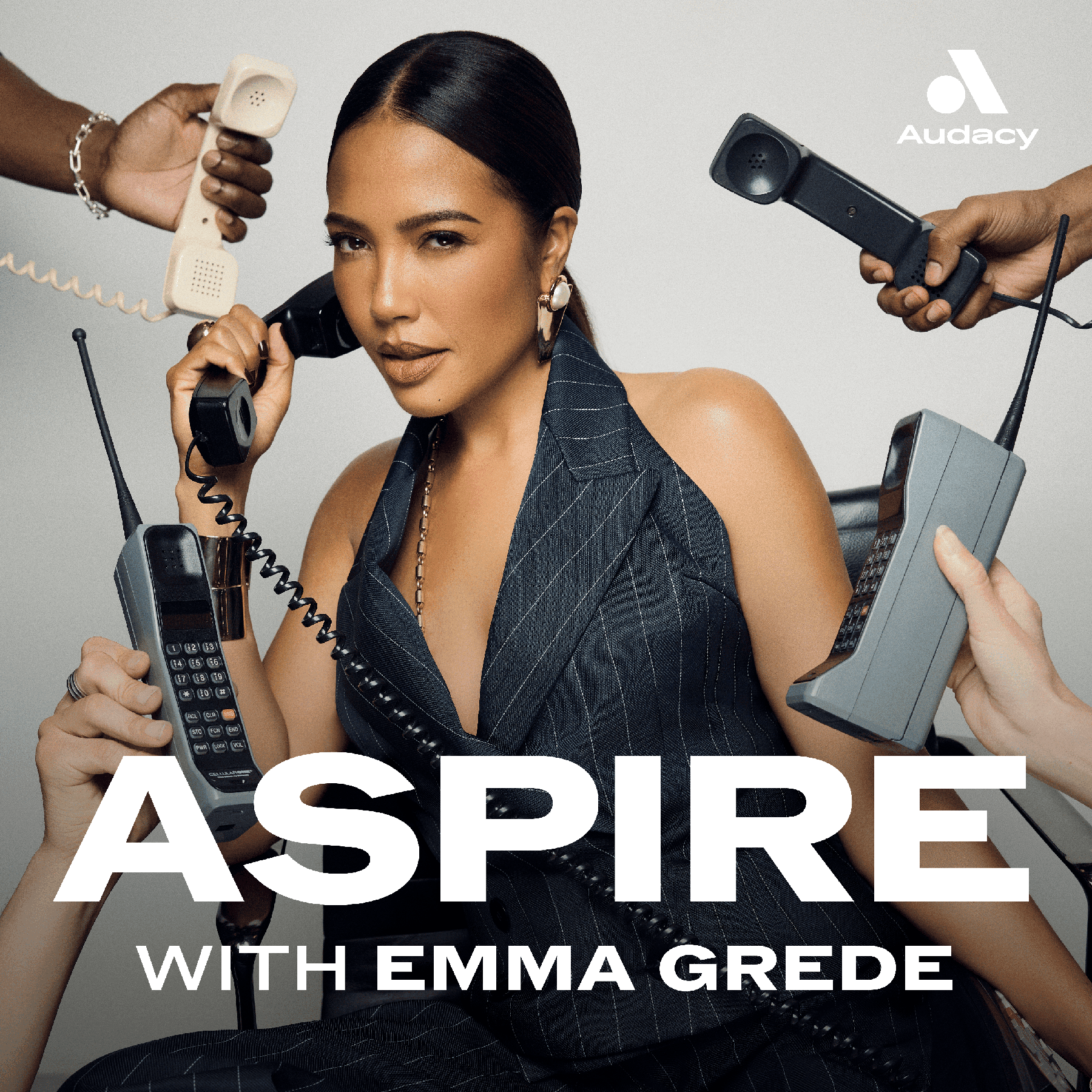
In short
Jackie Aina discusses how to turn creator influence into business ownership, what it takes to stay mentally resilient as your public image changes, and the practical realities of building and funding her fragrance brand Forever Mood (including retailer partnerships and vendor mistakes).
Guest backgrounds
Jackie Aina is a long-running beauty creator and professional makeup artist (17 years in content creation; started on YouTube teaching makeup). She’s Nigerian (family background referenced) and co-founded Forever Mood with her husband Dennis, who has investment banking/finance experience.
Key claims
- “Personal Jackie” must be protected; don’t take others’ perceptions personally.
- Influencers can be professionals/entrepreneurs; “influencers don’t belong” is a flawed debate.
- Audience size alone doesn’t build a business; product + business fundamentals matter.
- Starting a brand requires starting from scratch versus collaborating with legacy brands’ marketing machines.
- Retail success can’t be the only channel; diversify to avoid being beholden to one retailer.
Notable examples
- She began with collar-up YouTube makeup content to keep privacy.
- She realized she was serious around year five; later quit/fully pursued after making substantial tax-free income in Kuwait (~$70k; “balling”).
- Forever Mood was self-funded; launch costs were about a quarter-million; initial inventory sold out in four hours.
- A white-label manufacturing/incubator partnership failed due to lack of transparency and required untangling over a year.
- Sephora partnership required operational scaling and calendar planning; she credits Sephora’s support and 15% pledge infrastructure.
Written by AI. May contain mistakes. Listen to the episode to check what was said.
Chapters
Tap a time to open that second in VOThe Journey of Change
0:44 to 2:28
Jackie reflects on how success changes relationships and personal identity.
“I am so, so excited to get into this chat today because if I know anything about you, it's that you don't hold back, my love.”
Balancing Personal and Professional Life
2:28 to 3:56
Discussion on the challenge of separating personal life from public persona.
“But as someone who's built their career, you know, primarily and in the beginning on being an influencer, like, you know, your whole thing is that you're authentically you, that we're getting to know you.”
The Evolution of Content Creation
3:56 to 5:24
Jackie shares her journey from makeup tutorials to business insights.
“Like I was a professional makeup artist.”
Realizing the Business Potential
5:24 to 7:37
Jackie discusses the turning point when she recognized her platform as a business.
“How would you send me a PR mailer and not think, this is not even remotely her color.”
Cultural Influences and Heritage
7:37 to 9:12
Jackie talks about her Nigerian background and its impact on her career.
“I was like, I'm gonna figure out this YouTube thing.”
Lessons from Early Adulthood
9:12 to 10:50
Reflections on the challenges faced in early adulthood and their lessons.
“I'm not one of those people who look it, babe.”
The Changing Landscape of Beauty and YouTube
10:50 to 12:54
Jackie discusses the shift in the beauty community and her role in it.
“Jackie 15 years ago was like, I'm going to do this and I'm going to do everything.”
Building Community Through Authenticity
12:54 to 14:01
Importance of community in Jackie’s work and the shift in social media dynamics.
“was when the girlies started like doing makeup And so I was like, oh, what's, what's this?”
The Pure Joy of Community Building
14:01 to 15:14
Discover the significance of genuine community in social media and its impact.
“But the community, like I actually missed out about social media.”
Adapting to New Platforms
15:14 to 16:36
Learn how the landscape of audience building has evolved with different platforms.
“How has it changed to actually build an audience?”
Show all 31 chapters
The Journey from Influencer to Business Owner
16:36 to 17:42
Explore the motivations behind transitioning from influencer marketing to entrepreneurship.
“Sorry, like I just feel like anything can be a community.”
Understanding Brand Partnerships
17:42 to 20:06
Gain insights into structuring brand deals and the shift towards owning your own brand.
“But I think it's really interesting because you really want to kind of take this visibility that you've grown and turn it into value, I'm imagining.”
The Transition from Collaborating to Creating
20:06 to 21:31
Discuss the significant differences between working with established brands and launching your own.
“And I want to really understand how were those brand deals structured?”
The Reality of Building a Brand
21:31 to 22:33
Understand the challenges of starting a brand with a strong personal following.
“About collaborating with somebody else's brand, versus starting something yourself.”
Navigating the Early Days of Your Brand
22:33 to 24:20
Learn about the financial and operational challenges faced when launching a new brand.
“What happens if you get X out of the business?”
Partnerships and Transparency Issues
24:20 to 28:00
Explore the dynamics of partnerships and the importance of transparency in business.
“But it's like, they don't think because it's me and because I have a lot of followers, they see the business, like they see me and the business interchangeable.”
Lessons from a Failed Partnership
28:00 to 31:00
Learn about the challenges and lessons from a business partnership that went wrong.
“Like everything's already in place, whatever.”
Navigating Retail Partnerships
31:33 to 35:31
Gain insights on the dynamics of retail partnerships and operational changes.
“I'm trying to understand where the company kind of is now.”
Building a Community-Centric Brand
35:31 to 37:43
Explore the importance of community over personal branding in business.
“I think personal detachment is really important.”
Financial Literacy and Empowerment
37:43 to 40:18
Understand the impact of financial literacy on business success and personal growth.
“because as much as you can say you love perfume, most consumers, and I don't say this to be insulting.”
Navigating Business Equity
40:18 to 42:01
Learn crucial lessons about equity and the importance of informed decision-making.
“what has been critical to protecting your longevity?”
Understanding Equity and Team Dynamics
42:01 to 43:31
Learn about the nuances of equity agreements and team collaboration in business.
“I think I didn't have a big understanding of like what they were asking for.”
Navigating Social Media and Personal Branding
43:31 to 45:50
Explore the challenges of maintaining social media presence during personal crises and brand evolution.
“because there is so much support, but at the same time, it's a lot of working parts that sometimes are not always moving together.”
The Impact of Cultural Events on Business
45:50 to 47:20
Discuss how cultural events, like George Floyd's death, influenced the support for Black-owned businesses.
“I love all these like cleaning tutorials and I love home decor, but I've never really like, cause people on YouTube do not like a pivot.”
Building a Sustainable Brand Post-2020
47:20 to 50:40
Understand the challenges and strategies in maintaining brand momentum after initial success.
“I see it in many, many things that I'm involved with and invested in that they had this like unbelievable kind of start trajectory or uplift in their business that fell off in an unbelievable way.”
Pursuing Passion Beyond Expectations
50:40 to 52:51
Learn about following personal passions and breaking away from societal expectations in business.
“Definitely being a global fragrance brand.”
Legacy and Future Aspirations
52:51 to 56:03
Explore the importance of legacy in business and personal goals for the future.
“Your parents weren't dreaming of YouTube for you.”
Aspirations and Milestones
56:03 to 57:51
Discover Jackie Aina's thoughts on career aspirations and the concept of letting go.
“It's not being thought about in the same way.”
Rapid Fire Round Begins
57:51 to 58:34
Jackie and Emma engage in a light-hearted rapid-fire question session.
“Okay, we're going to move to rapid fire.”
Beauty and Skincare Opinions
58:34 to 1:00:35
The hosts discuss beauty routines, skincare opinions, and preferences.
“Okay, what's the last thing you do at night?”
Impactful Literature
1:00:35 to 1:01:20
Jackie shares a book that influenced her life and their reflections on it.
“Well, what makes you think I read, Emma?”
Transcript
Automatic transcript. May contain errors.0:09So today I'm talking to Jackie Aina and I am so excited about this conversation. For all of you creators out there who dream one day to have your own business, this is a conversation about how you turn influence into ownership and that visibility into viability for a business. She really does not hold back. If you know Jackie, you know she doesn't. It's an amazing conversation and I cannot wait for you guys to see this one.
0:43Jackie, welcome to Aspire. Thank you for having me. I am so, so excited to get into this chat today because if I know anything about you, it's that you don't hold back, my love. I don't, girl. You don't. I sure don't. You don't. Well, don't here. That's not why we have you here. I'm like, dang, am I in trouble, Emma? Absolutely not. Quite the opposite. All I need you to do is just tell the truth and you're going to make all my dreams come true today. It's all I can do. I love it. Jackie, you have been in the content creator business for 17 years. I really want to know what's changed most about Jackie over the years.
1:20The things that they don't tell you about becoming successful is that, you know how people oftentimes times say like, oh, you've changed. I don't find that insulting anymore because I've actually realized in my personal experience that when you build something great, it's actually the people around you that change. They don't want to admit it though. The way that they perceive you completely changes. So I've had to, in a way, remove personal Jackie from what I do as a business. Like personal Jackie is locked away and tucked and harbored and sheltered. That's for like my man, my family, my loved ones.
1:58But sometimes, girl, even family, like things change, like people change. You have to, you have to keep your personhood intact for yourself. But I've learned that like the stuff that I experienced is not personal. And the less I take things personal, the better I am at like mentally and emotionally handling this job. And I'm proud of that because I didn't think I could do it, girl. I really didn't think I could do it. I'm changing my question number two already, because I, first of all, I didn't expect you to say that. Really? But as someone who's built their career, you know, primarily and in the beginning on being an influencer, like, you know, your whole thing is that you're authentically you, that we're getting to know you.
2:38So how have you managed to lock a part of you away? I come from actually like a really good advantage because when I started my channel, my first ever social media was YouTube. Well, when I started doing this as a career, it was YouTube. But I was teaching people how to do makeup and I was only talking about makeup. So if you really think about it, you're watching my videos. You only see me from the collar up. You have no idea who I'm messing around with after hours. You have no idea what the rest of me looks like. You have no idea where I live. You have no idea where I sleep. You don't know what my house looks like.
3:11So it was very easy to keep just that side of me. Like it was always strictly beauty and I kept it that way for a long time. So it was very easy as I started to realize like, oh, this social media stuff is like, we're really becoming like the new celebrities. I really, I didn't really sign up for that. But you had that awareness. You felt like we're becoming the new celebrities. Yeah, very early on. I would say probably like year five. Interesting. And it was like a little bizarre for me because I was like, I don't know if I love that, but okay, like, sure. Well, I feel like there's just so much debate around where influencers belong and where they don't belong.
3:47Where do you stand? And is there anywhere that you don't want to see an influencer? Well, technically, no, because before you were an influencer, you're still a profession. Like I was a professional makeup artist. So you're for damn sure not going to tell me I can't work behind the scenes too. I happen to have followers, but I'm still a working professional. And there's so many people like, technically someone could say you're an influencer, not by trade, but like by way of what you do by posting and sharing what you do. Like you do influence people, you do ads on your content. So like you're technically doing that too, but you're still a brand founder and entrepreneur first.
4:22So I think it's a bit odd to say influencers don't belong in certain spaces because it's like, well, if you have a profession, but you happen to be an influencer, then how can you technically, it would be like telling a plastic surgeon that they don't belong in the operating room if they're also, if they also have 2 million followers. It's like, how does that, I don't know. That doesn't really, I think you're right. Everybody's kind of an influencer in a way. You don't buy it. No, I mean, you don't want to have the conversation. This has been my job for 17 years. It's like, you don't want to debate this with me, honey.
4:53It has been your job for the longest time. But obviously algorithms change, right? And your relevance has really remained. And so how have you managed to stay relevant for 17 years? So to go back to your original question is I'm not just the content. Like I teach people valuable skills. I really centered, for a long time, I really centered like education. So like product education, how to's, like people were really coming to my channel, my platform to learn something. When we would talk about stuff like colorism or getting a launch and having it look ashy and showing that on camera and then being like, why could you not think of hire like as a multi-billion dollar or whatever conglomerate or brand?
5:43How would you send me a PR mailer and not think, this is not even remotely her color. That became part of your niche. Like you would call people out if they were doing things that seemed where there was a lack of thought. That would be your thing. You'd be straight on them. Yeah, kind of. Because like, I mean, we should state the obvious, you know? Like, I don't know. You see, it's a little awkward. At what point did you realize that it was beyond content that you actually had a real business? Honestly, this kind of gags people, but like five. Really? Really? Because I think the perception was so different, right?
6:15I feel like a couple of years in, you were like such a go-to and such a name, but like five years before you were taking it seriously or you had the money to just like make that your thing. I think it was like, okay, I should probably get like a manager. I should probably get like an agent. Like I should probably have representation. And also I think year five, it was like, what am I even doing with this? Like, girl, is this a hobby? You have these$100 worth of cameras and lighting. What are you actually doing with this? Like if you can't quit your day job, this is still fun. But like, I think you should decide one way or other, like we got to do something with this because otherwise it's like a waste of time.
6:53What was the moment for you when you decided, all right, it's time to quit and it's time to make this my full-time job as a content creator? Probably when I was living in Kuwait. So when I was living in Kuwait, I was making, well, at that time, I was balling girl. Like I was making money. Spill the takeoff. Tell me what you're talking about. This was the most money. What kind of money are you talking about? This is actually so sad. Like, I don't even want to say the dollar amount. You better say the dollar amount. Don't be coming on a spire and not talking about the money. It was a lot of money for me.
7:20But a lot of money for you is a lot of money. It was also tax-free, though. So it was like, it was a cute little moment. You know, like, cute. We're talking like, you know, a couple of hundred grand. Not even that much. I was like 70. Okay. That was balling to me. Wow. Yeah, that was like really good. So when I was living in Kuwait and I was making like tax-free money, I was like, I'm gonna figure out this YouTube thing. I need to figure out, like, I need to, like, this is fun, but I really need to hanker down. And also I was still doing professional makeup, by the way. So I was still a working freelance makeup artist.
7:53And I was also doing makeup in Kuwait as well. But I was like, I need to invest in my creative path. Like, I really need to put my best foot forward. I feel like I'm not gonna be able to sleep at night if I don't at least try to pursue this on a serious level. Not just for fun, not just as a hobby. So it was that year. Yeah, it was like 2000, it was like 2012. And then I decided that I was going to put a bunch of money aside. And in order to like make my family happy, because half my family is Nigerian and they're like super, very academically driven. So in my head, I thought, OK, in order for this to be like legitimized and like not embarrassing, like I have to have some type of credentials.
8:28I have to have something. So I was like, I'm going to go to cosmetology school and I'm going to just that's going to be like my legit. It's going to feel like I'm legitimized in a way. Right. So that's what I did. I was in Kuwait. I had this job. It was a contract. So it was like one year. And then when my contract ended, I came back and I had saved like 15K. Yep. And it went straight into my education. And I went to Vidal Sassoon in Santa Monica and I became a licensed cousin's Hodges. I love that you mentioned your heritage and your background, because I think maybe being the eldest of seven to a part of your Black and Nigerian family, how do you think that prepared you to actually run a business?
9:07I feel like now that I'm like pushing 40, Emma, like I'm turning 40 next year. This is crazy. Well, I'm gagged though. I'm not one of those people. I'm not one of those people who look it, babe. No, listen, I'm excited. Like I already know it's going to be like Jackie four point. This is like my ninth life. So 40s is really about to be popping. But I genuinely feel like I'm at an age where I'm, I have a better understanding of what my familial position, how it both bettered me. And also in some ways, like I'm like, wow, like I shouldn't have taken on that much when I was so young. So I'm like more self-aware of that now.
9:43And I think part of that comes from probably like getting older. You're just like, wow, like I was kind of messed up. Like it made me who I am, but like, damn, like why did I have to go through all that? You know, it's kind of crazy. Say more. What do you mean? Just like the whole concept of like adultifying young black girls. But I don't think when I was younger, I was able to recognize that. No way. I think it was just like, oh, you know, like that's just. And then also like black women, like we really carry strong, especially when you're younger, as like a compliment. When you're young, everybody wants to be like more mature for their age.
10:13Everybody wants to look older, be older, give more responsibility. It's like such a flex, but not looking back. I'm like, I missed out on a lot. Like it makes me like kind of sad. I think I'm truthfully able to be a better leader now because I'm now recognizing actually I should not do everything. Like I have no business doing everything. I'm doing a disservice to everybody around me if I try to take on too much all the time. Yeah. So I don't want to do everything. I don't want to be looked at as somebody who's invincible and can take it all and handle it all. No, I can't. Like, I'm able to, like, say, that's not my portion.
10:47That's too much for me. Or you know what? Like, and this is very the antithesis of Jackie 15 years ago. Jackie 15 years ago was like, I'm going to do this and I'm going to do everything. And I'm just like, actually, I don't want to do everything. And I'm like, cool. Like, I'm cool with that. Jackie, give me the highlight. real, right? So it's like you go to Kuwait, you come back. Give me the quick version of your trajectory. So my graph line really looks more like that. I'm going like that. You're like, it's a dip. It's backwards. But that's even useful for people to understand. No, I'm telling you, from the outside, it feels like this.
11:23But I guess when you're in it, that was anything but. Emma, I'm telling you, I've had like nine lives. Like people are really like, you're only 38 they're like how the hell did you accomplish all that and I'm like yes like I was in the trenches like you don't understand you were in the trenches because I read some stuff about you and I was like no way first of all you were married young right I was married young you were married young 20, 21 stupid married and unmarried quickly we're just gonna go boom boom done that was when I started my YouTube channel though well you know it led to something yeah the doing and undoing literally so I think I think a part of that, like at the time, what was really unique for me is because I was like so unhappy at that time, I was searching for a creative outlet.
12:11And so YouTube gave me that. The sad thing is, is like that was at that time, the only people that were nice to me were people that were online, literal strangers. It was like I was that down bad. And wait a minute, at what point were you in the reserves? Because I feel like didn't you spend like eight years? you were married and a makeup artist in the reserves out here disappointing the Nigerian family because you just wanted a doctor I mean there was a lot going on so take me back to what YouTube was like in 2009 because I don't think that you can even compare to now no it's completely different now it's a different world it's completely different now the makeup world was really niche it was you were just kind of like at the whim of like whatever was viral like it was kind of a thing but then 2008 was when the girlies started like doing makeup And so I was like, oh, what's, what's this?
13:00Like the girlies are like putting it on. Like, oh, this is a community. Cause I was the oddball in my family. Nobody was a glam girl at all. Like it was strange. Like it was very strange, but you know, because I was the oldest and I knew that my parents needed me. It was like, not too much boo. Like, don't let me wear this lipstick. Let me do what I'm doing. Exactly. So I was kind of like the creative one and coming on YouTube, I was like, wow, I didn't know people love makeup as much as me. So I really, really took to it, but I didn't see a lot of darker skinned women. So what I was basically doing is I was taking looks that I would see like white women doing or like Asian women were doing with like lighter complexions.
13:40And I was like interpreting it on my skin tone. Got it. And so my friend would tell me, why don't you film that kind of stuff? And I'd be like, girl, bye. Like, I'm not like, I was just not interested in being on camera whatsoever. But then eventually, like considering how sad I was like offline, I just was like, you know what? I haven't really got much else better to do. So why not? Why not? Yeah. So I just started exactly like that. But the community, like I actually missed out about social media. The community aspect was so much more pure. And I think there's something to be said about doing something where you have no idea you're about to make money off it.
14:20Very different motivating factors. Totally. So I really like vibed with people because there was no incentive. I really love the community building aspect of it. That has always been the focal point of why I enjoy this job. And also why you're so good at it. Because I think that shows, right? It's like you actually build a real community. And people often ask me like, what is the test? How do you know if you build in a community? It's when they're talking without you. And I think that you have this group of people that were just like like obsessed and infatuated with you and what you were doing.
14:54And they went off and had their own conversations. And like we had conversations together. And to me, that's like the real spirit of community building. You were sparking conversations and then they were happening outside of your platform. You were informing a kind of like a generation and a whole group of women into thinking about things and having conversations that maybe they weren't having. At what point did you actually start making real money? You're six. You're six. Yeah. Okay.
15:28How has it changed to actually build an audience? Like what's the difference between when you were doing things in 2009 to like now in 2026? So to an extent, I think I probably experienced this joining TikTok because you know, on TikTok, they don't care who your mama is, who your daddy is. They don't care if you're a neppo baby. They don't care if you have 14 million followers on YouTube. You better earn your spot here. And we want to hear your voice and we want to know why, like, why are we following you? Every platform is very different. Like they have a very different point of view and they have a very, I think they require a different type of voice depending on what platform you're on, if that makes sense.
16:05And you can, how do you ascertain that? How do you figure that out? You honestly just have to like fumble. You have to flop. You have to post things that don't work. You have to post things that do work. I will tear all this shit up and start from scratch. Like I don't care. I literally do not care. I love this. All right, so tell me what this looks like when there is like a new platform. So it's like, talk to me about TikTok. You are just going to literally test and learn and tear it up if it doesn't work. Why not? Nobody is above learning something new. Nobody is above 30 views. Okay, if only 30 people, talk to them 30 people, boo.
16:3930 people is better than nothing. Sorry, like I just feel like anything can be a community. Two comments. Hey girl, how are you today? When people like message me and they're like, how did you, this is like one of my favorite things to talk about, by the way. But like, we were like, how do you grown eyes? How do you grown eyes? And then I just go on their page and I'm like, all right, well, 1 ,500 people watched your video. You only had 10 comments. You didn't respond to none of them? Girl or sir, you couldn't talk to 10 people. What are you going to do with 5 ,000? Please try getting a video with 10 ,000 comments.
17:12How are you going to handle that? No, you need to talk, boots on the ground. Talk to people. Like if you just genuinely enjoy talking to people, you're not really going to care if it's 200 ,000 views or 13 ,000 views. So here we are. You have this unbelievable career. You do a lot of really impressive brand deals and partnerships. You grow the platform. You really get to like this unbelievable presence on YouTube and as an influencer. And you decide that that's not enough for you. It's never enough. It's never enough. But I think it's really interesting because you really want to kind of take this visibility that you've grown and turn it into value, I'm imagining.
17:56I feel like there was a point in my career where I really felt as a consultant, like I was making money for everybody else but myself. I was taking the consultancy check and everyone was making millions of dollars out of my ideas. And I was like, wow, I need ownership. Was there a similar turning point for you? Like when you decided to set up your brand, like at what point were you just like I gotta do this I don't have a choice yeah it's so crazy because what you just described I've never heard anyone else talk about it like that because that's how I felt too and I don't fault it because I do think it's like in my instance it would be like collaborations which in a way is kind of consulting with the brand right because you're creating a product but it's that my name's on it and I'm like the talent associated with it yeah you's like oh I sold that much interesting love that for me and it's very gratifying, but it's also like, wow, that makes me feel good.
18:48And it also, I think, speaks to what I'm capable of. Now, unpopular opinion, I don't necessarily think this means everybody needs to be an entrepreneur. I don't believe that, especially if you don't feel led to starting a brand of your own. However, I was always a fragrance girl. And when we started Forever Mood, I actually thought, you're probably going to laugh at me, But I actually thought it was going to be like a passion project. Like I thought you didn't. I didn't center fragrance in my content. Right. And there was something else at the time I was working on that would have been more aligned with what people would have expected of me.
19:29Yeah. And it was like right before COVID, like me and me and my husband, Dennis, we were just like meeting with manufacturers and having very like bottom level blase conversations about Forever Moon. It didn't even have a name at this time. This was like 2018. But genuinely, I thought it was going to give like hobby. I thought it was going to give like passion projects. Fun. Really? Nothing about this is fun. Like I love it, but it's my girl. I was genuinely so naive, so naive. And I also thought this is going to be like practice for the other thing that I was working on at the time. But at that point, and I want to kind of go back almost before we go forward, because you had done a lot of big brand partnerships.
20:14And I want to really understand how were those brand deals structured? Like, were you making enough money out of those or were you really just getting paid a one-off fee and then like having to walk away from those things? Some of them were royalty structured. So some of them were both actually. They'd be like a flat fee and or royalty. but the biggest ones that I've done were like Two-Face and Anastasia Beverly Hills. So they were structured slightly differently, but yeah, most times they're like a sum and then you go off and do your thing. Because what I'm trying to understand is were you making enough out of those that you could have almost continued to do that?
20:49And what was the impetus to really start something yourself? Just creative control. Right. Like not feeling like I'm always giving a part of me to someone else. And I think, you know what? I think also just looking at the state of... the business background that I've experienced myself, like working in the military, working corporate jobs, working in retail. I'm like, well, you know, if I don't like how bosses treat their employees and how they, you know, other companies that get criticized structure their companies and there's something that I feel like I can better, like I can do that with my own.
21:26Totally. You know? What do you think creators need to really understand about the difference between the two things? About collaborating with somebody else's brand, versus starting something yourself. Well, this is the lesson I have to constantly remind myself. When you collaborate with a brand like Too Faced that's backed by an Estee Lauder, they have a built-in marketing machine behind them. All you have to do is say, I like this and they snap their fingers. It's global. It's everywhere. When you start your brand, yes, I have my voice. I have influence. I have people who are going to support me authentically and organically.
22:03but you genuinely start from scratch. Because it's like, I don't have Two-Face money. I don't have Scylla. I have money, but it's definitely not anywhere near the capabilities of these legacy brands that have been around for decades. Yeah, and a following alone doesn't build a business. I try to say this all the time. Like, it doesn't matter. No matter if you have hundreds of millions of followers, tens of millions of followers, a million followers, a hundred thousand followers, it's like, it's product and a business. Exactly. Product and a business. And like, does the product fill a void? Does the product revolve around you?
22:38What happens if you get X out of the business? What happens if you get canceled? What happens, you know, like what? I don't think people think that far ahead. What did you have to unlearn in the transition from influencer to business owner? Probably this, what we just said about the marketing thing. When I'm talking about a new product launch, today I could be talking about Maybelline. Next week I could be talking about Patrick Ta. but if I'm always talking about Forever Mood, sometimes people are going to be sick of it. So I can't be the number one marketing person in a way. I have to be really strategic and I have to be really smart with how much I talk about my brand as a founder because otherwise people will get like fatigued.
23:16Yes. Well, because nobody follows you to hear your business updates. Exactly. Right? And I think that that's why influencers as a platform are kind of an imperfect system because we follow, I don't know, the rock to follow the rock, right? Not to hear about Terra Mana or whatever it is. Do you know what I mean? And so it's almost like this imperfect system. And in a way you have to look at your grid and be like, okay, then I'll talk about it there and there and there. And for a brand, you need to be always on. A brand needs every day. A brand needs, you know, constant contact with its audience.
23:50It is a bit of an imperfect start, but it's a start nevertheless. It is. But you know what? I'm so glad you said imperfect start because when I start something, the average consumer who's aware of me and knows that I have a lot of followers and knows that I'm successful is going to expect kind of like the Amazon rollout. Yeah. And it's like, but I'm still like, even I literally had to explain to someone, hey, we are still a small business, technically, legally. Like we are still a small business. In every way. But it's like, they don't think because it's me and because I have a lot of followers, they see the business, like they see me and the business interchangeable.
24:27They think six million followers is like six million in revenue. I don't know what it like kind of trips with people. So when you start something, if you're somebody that is like new to the industry, not a content creator, doesn't have a lot of followers, you know, you get a little bit more like, okay, they're a new brand. They're still working out the kinks. But girl, if you have six million followers, you better figure it out. You better figure it out yesterday. I don't want to hear none of that. Well, because there's also, you have people watching you. So let's talk about - Watching everything.
Read the full transcript
24:54Let's talk about the start because Forever Mood, you decided to start and you weren't thinking about it as like this big business. How did you fund it? Did you have to go out and raise capital? Did you self-fund? What did that look like? Because I feel like I read something somewhere in my research that was kind of along the lines of, it was kind of difficult for you to raise because there had been like complexities with maybe things that you'd said in the past or done in the past or brands that you've worked with in the past that made it even more difficult for you as a black woman to go out and raise the capital to start this brand.
25:28Now, I don't actually, like, I can't prove that, but sometimes I do feel like, hmm, are you punishing me? Did I drag one of your brands? That's fine. I ain't going to stop though. No, I'm just kidding. But no, we are fully self-funded up until now. Still fully. We have not chosen to be self-funded or you felt like it was just impossible to raise capital. We've had conversations, but like nothing has really materialized just yet. I'm sure one day it'll probably happen, but we fully took a good chunk of money to start it. And it's so, it's crazy because one, it was way more expensive to launch the brand than we initially anticipated.
26:14And then because, I don't know if I'm supposed to say this. Don't say it if you drive go comfortable saying it. It was like a quarter of a million. Yeah, that's it. I mean, it's a lot of money. It was a lot more than I thought. It's a lot of money and it's not a lot of money, but I think it's really important for people to understand because it was your money. But also it was like my neck on the line. This is what I'm saying. It's your money. It's your reputation. And it's not like you have like a lot of quarter of a million to just put into things willy-nilly. So it would have meant an enormous amount to you.
26:41So this was like money that you had basically made that you were then investing in yourself. Okay. Okay. Right. Collectively, too. Like it wasn't, I don't think that some was like the first week, you know what I mean? Like collectively, like within the first year, probably. Yes. Well, because it drips. That's how it goes. Yeah. I know. I know. But also we had to completely restructure because when we started the business, Emma, like what we thought was supposed to be or was going to be like six months of inventory basically sold out in four hours. Which is a good problem, but a problem nevertheless.
27:16less. So frightening. Yeah, frightening. I looked at Dennis and I was like, close the laptop. Please. I literally felt like I was going hysterical because I was just like, there's no way. You must have at the same time been like so, so happy. I was so scared. You were scared. So tell me, what did the business look like in the beginning? Like, what did you do? It's you and it's Dennis. And talk to me about the product and how you started. We got introduced to like, like a, I guess you could say like an incubator, like a manufacturing company. So they already had been creating candles for themselves.
27:49They had their own brand and then they were doing it for other companies. And they were like, yeah, we'll just like, do it for you, white label. So like, okay, great. Like I can pick all the fragrances, I can customize. And they were like, yes, absolutely. We already have the team in place. Like everything's already in place, whatever. So it was a good arrangement until it wasn't. and I will say it was a great start. Okay. What wasn't good about it? Because I feel like this is the trap that people walk into, right? It's like somebody knows something you don't know and they can provide something that you desperately need and you're like, great, let's go.
28:24But what did that look like when it went wrong? When it went wrong, it became very apparent that there was a severe lack of transparency about things they should not have been not being transparent about. Costs. A lot of things. It would be like, oh, we're capable of doing this. And then they were very much not. So we ended up like, it's like a divorce because you go into business directly with them and you're married and your finances are intertwined and your day-to-day lives are intertwined and you're friendly with their employees. And then when we decided, okay, okay, I think it's time for us to just amicably try to work our way to something that has a bit more structure in place.
29:11Oh my God, it's not just like a month of going your separate ways. It took us like well over a year. To untangle yourself. Untangle, yes. And then we had a warehouse with them that we went into business with, with a five-year lease. Oh, oh. What do you wish you'd have done differently? Not that. Not sign that contract. we would not need that building. But isn't it so, it's so hard in the beginning because you're trying to find a trusted partner. I mean, look, what I've done in the past and I've had good suppliers and vendors and bad supplier and vendors. And I would say almost every business that I've had that's been successful has started with a vendor partnership, a supplying partnership that has just stood the test of time.
29:57And it's so interesting because I remember it like it was yesterday with Good American. And still to this day, we are almost nine, 10 years down the line. I am still making, I'd say 20 % of our assortment with the factory that we started with because they were an amazing vendor and amazing supplier. But you don't always know what questions to ask. You don't always know how to vet that person. You don't always know the personalities that are involved. So I guess you guys just fell foul to an experience. What do you chalk it up to? Yeah, well, yes. And also like most of my background was working with like beauty and cosmetics.
30:36So asking my fellow founder friends, they would, you know, they didn't have as much knowledge to pass along in terms of working with fragrance, candles specifically, vendors and that aspect. So we just kind of had to like take a bet. But you know, I gotta take my own advice. Like I was never gonna launch if we didn't make that mistake. And so listen. It got you out. It got you in the market. Yeah. You had an amazing start.
31:07Ready to level up? Chumba Casino is your playbook to fun. It's free to play with no purchase necessary. Enjoy hundreds of online social games like Blackjack, Slots, and Solitaire anytime, anywhere with fresh releases every week. Whether you're at home or on the go, let Chumba Casino bring the excitement to you. Plus, get free daily login bonuses and a free welcome bonus. Join now for your chance to redeem some serious prizes. Play Chumba Casino today. No purchase necessary. VGW Group. Void word prohibited by law. 21 plus. TNCs apply.
31:42I'm trying to understand where the company kind of is now. Like, because you're at Sephora. Yes. Like, which I'm sure for you must have been like the dream. It was something that I was like excited about. But I knew very early on that I did not want a retail partnership to define who we were. I'm actually glad that we did this because initially I was like terrified of doing this. But Dennis was like, we should like wait until we kind of understand, like we find our own footing first before we like just get thrusted. Because Sephora actually, Sephora was like knocking on my door years before we started working on Forever Mood.
32:19Because they heard I was working on other things and they were like, we just want to know what Jackie's working on. They were like excited and eager to work with me, which I really like because they really do put their money where their mouth is. Their commitment to really putting the 15 % in the 15 % pledge starts even before the products exist. Like they don't play. They do not play. No, it's the support and it's the infrastructure. It's the mentorship. It's the guidance. It's the, you know, the seminars and the meetings and the get togethers and the advice. It's like they really walk the walk and talk the talk.
32:50They for sure do. And I'll give them full credit for that. And I know not everybody has the same experience, but I think in the grand scheme of retailers that really put their money where their mouth is and support founders, they really, really do it. What did getting on those shelves actually require for you guys? And what changed operationally after you were InstaFora? Ordering way more product. So that was like a big adjustment because it was like, well, yeah, like we get high volume orders on our D2C website. but like it's different when you're in a retailer. Way different. And then also, you know, Sephora, they want you kind of like on a calendar.
33:28So, and they're like two years out sometimes and it's like, whoa, girl, we're trying to recover from the last six months, boo. Like, can I catch up? Like it's, it's a - You're a baby business. You're a baby business. Activated inside a monster. And they're ready to go. One thing I love about Sephora though is they love, you know, they love it in the kitchen moment. So they love sitting down being like, we just want to know what you're working on. Like, we just want to know what's on the pipeline. So that's really exciting. And that has allowed me to think a lot more forward in terms of launches and stuff and to be way more proactive.
34:01It definitely felt like it lit a fire under us because we had to quickly learn how to adjust to work around the retail calendar, retail. Has it been lucrative in what you imagined it would be? I went into it not expecting it to be that, no. And in fact, I did not want that to be the majority of our business. And to this day, it's still not. Say more about that. Why not? Because I need ownership, boo. Like I need to like, I need to know that people are coming for us. So the byproduct of going to a Sephora is like, you love us and it happens to be a Sephora. But I want the customer who's pulling up and buying.
34:37Because if it's out of stock on Sephora, if your product's not that great, you're not going to be excited enough to like go straight to the website and order it. But when I like something, if it's sold on an Ulta, if it's sold on a Nordstrom, I'm finding that product. Of course you're finding that product. I also think it's a really good note for anyone that's building a brand that a single retailer destination brand is not a brand because then you're at the mercy of that retailer, right? And that has nothing to do with just Sephora. It's the same if you're just Nordstrom or just Ulta or just anything.
35:08It's like you have to have a diversified offering. And I think that we could name countless brands that have all their eggs in one basket, meaning that they are entirely beholden to one retailer. And guess who runs those brands? The retailer. And you have no leverage. Not the owner, not the founder. And so that is just a recipe for disaster. Talk to me about what you think the recipe is for a successful creator brand, given what you know and where you are. I think personal detachment is really important. So the answer to this will probably vary depending on who you ask. But, you know, some people love being front and center and the face of and the name of.
35:47And I don't think that's a bad thing, but I do think that comes with challenges because then you quite literally are the brand. But I and Dennis, my co-founder, really wanted the community to be the brand. What's your aim? Like, what are you trying to build? What would you wish for this brand? I don't need a billion dollar valuation. I don't care. Like my standards are lower, Emma. Like, honestly, I don't care about that. I don't. Yes, I think that more founders shouldn't care about that. I don't really care about that. I think it's wild where we are right now because most businesses don't get billion dollar valuations.
36:25Most businesses are not unicorns, but that doesn't mean you can't make a really good living, employ people, have a nice life, make money off of them. Like the two things can be true. You can have a business that's not worth a billion dollars and it's still be a great business. A great business that you can pass on for generations. I want to continue to build a company and a brand that really fosters a healthy work environment, that centers community, that also centers luxury, that's still attainable and aspirational. Because that was also the thing that really motivated us to start Forever Mood is I felt like everything was either too kitschy kitschy or like way too out of reach.
37:10And there was nothing in between. Yeah. I really wanted fragrance to be like a little less stuffy. Like fragrance, you know, like back in the day when we would buy fragrance, we would go to the mall and you'd have this like strange man with pants that were too damn tight, putting a little fragrance on a little blotter and being like, smell this. And it's like, girl, bye. Like, I'm just trying to go to Zara. Can you please get out of my face? You know what I mean? Like, it's not fun. There's nothing like, I don't even know what, what are you selling me? And I wanted to create a completely different experience for the average fragrance consumer.
37:38And I feel like we've done that really well. And I want to continue to do that because as much as you can say you love perfume, most consumers, and I don't say this to be insulting. I'm saying this like factually, like have no clue what it means if I say something is ylang, ylang, like they don't know what that smells like. They know it smells good. Yeah. That's why the name of the brand is Forever Mood because every single thing we launch really centers, like, how does it make you feel? Is there any part of you that cares about the money? Like, forget the billion dollar brand thing. Like, how focused on building a real business that is worth something or brings you money, are you?
38:22I love money. That's the best part. But it's definitely not... I don't think that's the motivating factor in general. I think if you're motivated by money, you'll just do anything. Like, you won't have no standards. You'll just do anything for a check. Is it important? Hell yeah. Especially as a woman, like some people were like, oh my God, you're so... Poverty is traumatizing. I ain't going back. So I'm going to put every single thing in place to make sure that if I'm not, especially if I'm not enjoying this, because this job is hard, kind of make money. Yeah, like I'm going to... I like money.
38:59I don't feel bad about saying that. I mean, I'd be a billionaire. I mean, oh gosh, every day. I feel like, especially with content creators, you know, like you're supposed to be relatable. You're supposed to be humble. And those are great things, but that's not the only part of me, you know? I know, so listen, I don't think it's just for content creators. I think it's more specifically for women. You know what's so crazy? Like you're made to feel really bad when you're poor because you made poor decisions. You weren't leveling up in life. You probably didn't have the ideal education. You also can't pay rent.
39:31You're constantly cursed. and I didn't grow up in a household where I was raised around a lot of financial literacy. That's why I loved your episode, Melody Hobson, because I live for like, teach them young. Like, yes, girl. Like, I really respect that. That was the exact opposite of my upbringing. But you're made to feel terrible when you come from a certain, especially in this country, when you come from a certain socioeconomic status, it's all you, you just haven't worked hard enough. You haven't done this. And then you make money. I'm still supposed to feel bad, girl. a buy, please. I've already, I've already, I told you I came from the trenches.
40:07I'm not going back, but it's like a mental thing in a way. Cause it's like, it's your fault if you're poor, but then if you make something of yourself, you're a terrible person. Absolutely not. Absolutely not. What do you think when it comes to kind of like financial and legal lessons, what has been critical to protecting your longevity? Because again, you've been in the business for a long time. Do you think there were things that you learned or things that happened that have kept you safe and have kept you like where you are in a good position? I have to say, shout out to my man, girl, because his background in investment banking and his background in finance in general has truly opened my eyes to so much.
40:49I remember there was a time where I was going to give away a really big equity share of the business in exchange for working with someone who at the time, because I didn't understand what that really meant. Like a staff member, you mean? Kind of, yeah, basically. And it was huge. It was like 40%. And what they were requesting - What were you thinking? Why would you have done that? I thought it was like, oh, well, if I work with them, is that not? Dennis was like, hell no. And then I was like, okay, well, what would be more sensible? like 20 %? And then he was like, okay, what's 20 % of$400 million?
41:37Do you think that's worth what this person is doing for you currently? And I was like, no, not really. And I was like, oh, that's really like, it really came. And you know what? He also didn't make me feel embarrassed for like not knowing stuff like that. Fair. Because I didn't know, like I genuinely, this was before we started, by the way, this was like before the brand existed, but I didn't really understand what equity meant in the long run. Like I didn't understand. I think I didn't have a big understanding of like what they were asking for. Like they were trying to sink their teeth into me.
42:13And he was just like, no, it doesn't work that way. And now these conversations, instead of them being like, should we talk about 20 % equity? It's more like 0.5. That sounds fair. I'm like, oh, okay. Yeah. All right. Maybe we're hiring a consultant and like, some of these consultants, they make a lot of money. They make a lot of money. Hundreds of thousands. But let's talk maybe what an equity share could look like, you know? So that is the invaluable stuff that I've been able to learn over the years. Thankfully, just being able to do this with someone who knows better and understands like, what these parts, like what does this stuff actually mean?
42:56And what are you giving up? You know, What is this person really asking for? Do you have a team around you? Because I'm assuming more in the influencer days, you would have had a manager and an agent and a publicist. What does that look like now? And what has the shift been from the content creator days to you being a founder? It's really scary. There's a lot of teams. There's a lot of teams within teams. There's a bunch of different mini teams around me. And as of recently, I've had to learn that, okay, a lot of these teams are not communicating with each other. and we got to be all on the same page.
43:29It was really an adjustment for a while because there is so much support, but at the same time, it's a lot of working parts that sometimes are not always moving together. So I feel like the past two years, I've been learning how to like, okay, let's make sure that the machine is like all, everybody's writing in the car together. And who runs your business today? My business as in me, myself? Both actually. Who runs like when it's you, yourself and when it's Forever Mood? I mean, it's essentially me and the teams that work around me. So me, like I have editors, I have a producer, I have a, like I said, editing team.
44:07They're all working around me and they're all working in support of me. Right. Basically. And then in the business, are you the CEO of the business? No, hell no. Dennis is pretty much like operations manager, CEO. And it'll be probably like that for the foreseeable future. Yeah. Am I wrong in thinking that there was a pullback around your social media presence at some point? Yeah. This came up earlier, right? Yes, girl, this was necessary. I was going through a midlife crisis. So it was like 2020. It was the year we started Forever Mood. And obviously the world was shut down. Nobody was leaving their houses.
44:48Nobody was going anywhere. The world was in like a state of crisis. So, and then also like nobody was wearing makeup. So it just felt out of place doing YouTube tutorials at this time because it just felt like a little weird. It felt a little inappropriate, you know? But then I still had my audience being like, no, this is escapism. Like you should still keep uploading, but it just didn't, it didn't really feel appropriate. And then that was when I realized, oh, I've actually like never taken a break from YouTube ever. And that's not normal. Like at that point, cause this is 2026. At that point I had been on YouTube for over a decade.
45:31Wow. And I never, never taken a break. What is never taking a break? Like you're uploading how much, how frequently? No more than two weeks. Wow. So here's what happened. I took a year off from YouTube, but then I'm a creative person. So I still wanted to do something, but I was like, okay, well, I love all these like cleaning tutorials and I love home decor, but I've never really like, cause people on YouTube do not like a pivot. They do not like a rebrand. They don't like when you do, girl, go put that damn lipstick back on. Like, I don't care what vacuum cleaner you're using. I didn't ask. So I never really felt like I had the freedom to do something different.
46:10But then I was like, oh, okay. well, you know, like, what if I started a separate Instagram account where I can do everything non-makeup related? And that's what I did. And this is, this is lavishly. This is lavishly. Lavishly. Lavishly, yeah. So in 2020, I was like, you know what? While I'm not doing YouTube, let's just do something different. And it was also, I think it was also more cathartic than I realized at the time because I wanted to start doing more luxury content. And I went into it knowing, okay, this is going to rub some people the wrong way. And that's okay. You don't have to be for everybody.
46:45But I think at that point, I had already acknowledged, like, I don't really want to be for everybody. Like, it's okay, you know? And also, like I said before, like, I'd always been the makeup girl. So I kind of feel like, well, you weren't married to Relatable Jackie anyway, because I always just talked about makeup. Totally. So this feels, I feel like I'm allowed to kind of go out there. Yeah, you're allowed to evolve. You're allowed to change. Yeah, I do feel like I was allowed to do that. I think starting that separate Instagram account was like, okay, let's keep my core audience intact. And for everybody else who wants to dabble in something different, I can do it.
47:18You got something new over here. We got something new over there.
47:30Talk to me about, I think it's such an interesting time in history, actually, that you started Forever Mood because it was like post George Floyd, this unimaginable thing had happened and the ripple effects of what that meant in our country from a political and economic point of view, but more in culture and specifically in business and black business was kind of unimaginable. And I've spoken to so many brands. I see it in many, many things that I'm involved with and invested in that they had this like unbelievable kind of start trajectory or uplift in their business that fell off in an unbelievable way.
48:16Did you experience any of that? First of all, nothing could have prepared me for the uprise of support like that. Like I had never seen anything like that. But I'm going to be honest with you, Emma, as quiet as it's kept, most people don't really credit the way that they should. I genuinely feel like, and you know, people can disagree, but I genuinely feel like the makeup community was kind of like years ahead on that specifically. I agree with you. I agree. Definitely. You mean, you mean like black creators supporting black, black, like, like prioritizing. It's not a, it's not a debate. I think that there's actually data support in it.
48:54The kind of lifestyle wellness, beauty, makeup community as a whole was way quicker than anybody else. Years before. And people before Fenty, like some people say that Fenty, I'm like, no boo, we were at grounds that like, it was actually like, everything that led up to Fenty, that's why Fenty did so good. I remember one time it was me, it was another creator, Alyssa Ashley, another creator, Alyssa Forever, if I remember correctly, we started this thing called the Bomb Challenge, Black-owned makeup brands. And we literally had to explain to people like, hey, like Black-owned makeup brands are not just for Black people.
49:29We started that conversation in like 2016, 2017. It was that early. I think it was like 2016. Before 2020, before. So actually like 2020 was just kind of like catapulting. It was actually kind of like gratifying to see because it was the first time I've seen non-Black people really say I'm prioritizing spending, you know, from a Black founder. And it was just like, oh my God, like that became our norm in a way. So. But it came and it went, right? I think it's some, for some reason, I don't know what it was about 2020 that it peaked like that and then dropped down so bad. And it was just like, we were doing so good.
50:05We were doing so good. And to answer your question, we experienced definitely not as severely as a lot of other brands. But yeah, of course, naturally, like, yeah, we definitely got. And we also remember we launched in 2020. So we had that meteoric rise. And then all of the stuff that had been happening socially, politically in 2020 had drove people to want to like reactionarily support brands. But that's like, I don't want that to be the only reason. I don't want you to just be giving me a pity. I want you to like the product. Do you like the product? Do you like the product? So how are you thinking about building and stewarding this brand?
50:43Towards what and how in the future? Definitely being a global fragrance brand. Continuing to disrupt the niche fragrance space, because that's what we are. We are a niche brand. Great space to be in. It is. You can launch weird stuff. a tomato candle and people like, yeah, listen, there's a community for everybody. Oh, for everybody. For everybody. And also I think that your space has become really competitive, but what it's shown is that there's so much room for, and when I say alternative, I mean like the non big box, big brand fragrances, right? Like outside of a Calvin and a Dolce and a Chanel and a Dior, like people want their, They're more individualistic in the way that they come to, you know, wanting to show their, you know, personalities.
51:35And I feel like you have a brand that's in a space that is growing like so quickly. There's so much appetite for it. So you really can build whatever type of business you want. I feel like we're in the like, if you know, you know era. Right. Okay. Do you want to be in the if you know, you know era? Well, I mean, like, what I mean is like, oh, like if they were a scent, people are very into like, this is like my signature. It's gate cap. Totally. It's like, it's not a brand that's on every shelf. So people are kind of like into that vibe right now, especially in the, you know, fragrance girls at our core.
52:09Sometimes we were a little snobbish about our signatures, what we love. And it's really fascinating to see that because the opposite of that is like, oh, buying the fragrance that's like wildly popular. But if anything, I feel like now people are like, no, like I want it to be a secret. We're definitely not a secret, but you get what I'm saying. I get it. Is it going to plan? Is this what you imagined when you were back in your influencer days or even when you like decided, right, I'm done with this influencing, I'm taking a break. Is this what you imagined when you said, I'm going to start a business?
52:43I never thought that this one would be the one to take off like this at all. but that was when again that was another like big milestone for like younger Jackie who's always had to like put everyone else first who's always had to like do what my parents told me to do or do the respectable thing like go to college because also I don't think you mentioned this but like I was supposed to go to school and be a pharmacist I dropped out of college at year two I think I just assumed because yes girl that was my 50th life I think I imagined I was supposed to go to med school. I was supposed to be a pharmacist.
53:19Your parents weren't dreaming of YouTube for you. Child, they were dreaming of that white coat booing it. No. You were like, no, that's not what I'm doing. No, absolutely not. But starting Forever Mood was the first time I really did something that I just wanted to do. It wasn't expected of me. It wasn't necessarily something that people were asking for. They were asking for something completely different. Yeah. They were expecting. No, you were supposed to just have a makeup brand. I was supposed to have a makeup line, And of course, and I was like, no, I'm actually going to do this. Just kidding.
53:51I'm going in another direction. I'm going to do this. And even if it feels like I still want to do it, I just want to try it. I just want to say that, like, I need, I will sleep at night knowing that I did my childhood dream. Because my literal childhood dream was having a perfume brand. How do you think about, and listen, you're extremely young, but how do you think about - Extremely young. I'm not that young, Emma. You are young, girl. It's pushing 40. You're not young and I'm not young. We're young. I wonder what kind of legacy looks like for you. Beyond the business, the product and the platforms, how do you want to be known in the grand scheme of things?
54:30In the fragrance world, which is largely still ran by white men, I want to see more Black voices because Black people are obsessed with scent. We interact, we're obsessed. don't be the person everywhere on a kids everything socially don't be the person that shows up to wear without deodorant black people gonna flame you yeah we're like obsessed with scent we're obsessed with cleanliness like all of it and I want my legacy to continue to stamp like the black voice black point of view on fragrance doesn't mean only for black people obviously but it's like this is what it's your point of view it's my point of view it's like my storytelling.
55:15Yes. You know what I mean? Like, I didn't see a lot of that in the fragrance space in general. So I'm a huge fan, by the way, I'm going to shout out Chris Collins because his brand is like, oh my God. It's beautiful. And he really makes sense for not just Black men, but like it literally is like from a Black person's nose. Like, beautiful. The storytelling, Harlem Candle Company, Harlem Perfume Company. Oh, I love Harlem Candle Company. Like, can you think of a little more blacker, like part of the U.S. than Harlem. Like I just, I love the storytelling and the point of view, but make it for everybody.
55:52But like, this is what aligns with me. It's about distinction. It's about having a point of view and doing something that feels like it comes from a place that is not there. It's not being thought about in the same way. So that gives you huge distinction. So what do you still aspire to? Definitely having a global brand. I don't see me wanting to work forever. I think that eventually when Forever Mood gets to like a certain milestone, personally for me, I would be okay with letting it go. I'm definitely not one of those people that's like, work until you die. Like, no girl. It's not me. I'm like, work until you die.
56:29You are a workaholic. I can never imagine that I will not have a job. I mean, I'll be doing something, I'm sure. But like, eventually, I don't. But you're like, no, I want to like. I want it to be for fun. Yeah, facts. If that even is a thing. I want it to be with them. Do you have a number? Is there like a place, a space, a number? Give me the number. Give me the number. I can't because then - Give me the number! Come on. Just the glimmer. Like, tell me where you're - Where is your head at? Where would you be satisfied? You'd be like, that's satisfying. I can't say it on camera. I'm going to make you tell me after.
57:03I can't. I'm too African for this question. I'll tell you. Girls. Bad girl. Like, I can't say it on camera. Okay, can I just tell you why? Even if you don't say it now I have a number I want you to start saying it Let me just tell you When I had my first company In my 20s In my head I said If I could sell this thing For 20 million I would die I'd be so happy And it came true Wow By the way The company was not worth it Secondly of all I don't even know Why 20 million Like I don't know I don't know why that was the number. Sometimes, you know, when you say these things. Okay, fair. You create a plan for these things.
57:45Okay, fair. And you work towards these things and then they happen. So I'll get the number out of you off the camera. Okay, fair. Okay, we're going to move to rapid fire. Oh, I love a rapid fire. Yes. I'm the worst at rapid fire. I say every day. I didn't realize you're dyslexic. My husband's dyslexic. Really? This is crazy because I feel like that's really an entrepreneur superpower. Apparently it's just been recognized by LinkedIn. Dyslexic thinking is now officially a skill. I think it's a skill. I think it's a skill. All right. What is the first thing you do in the morning? I do not go on social media and I put on a sermon.
58:20So either Pastor Stephen Furtick or Sarah Jakes Roberts. One of the two. Yeah, me too. She's a magical girl. She's incredible. Like a magical woman. She really is. Watch this space, babe. Okay, what's the last thing you do at night? I eat popcorn. Do you? I do. I need to stop, actually. And people are like, microwave popcorn has carcinogens. No, first of all, microwave popcorn is - I don't like stovetop. No. I don't care if it's short in my lifespan. Oh, wait a minute. You don't like stovetop? No. But you like just out of a packet, just the ready popped pop. I don't care if it's GMOs. I don't care.
58:56No, sometimes. Listen, I eat a lot of bacon. I think that you could have one bad thing. No, because it's like you said the GMOs. It's like, it's a carcinogenic. I'm not giving up bacon. I like bagged popcorn, microwave, meat down. It's one thing. It's one thing. One thing. Okay. One's got to go. Blush, mascara, or lip liner? I have good lashes, so mascara. Bye. But not lashes, though. I can still wear my lashes. Yes. You still get your lashes. She's still got a full face. Strategy, okay. What's the last beauty product you used to the very last drop? It's actually expired. So I had to throw it away.
59:30No, it was a concealer. Concealer. It was starting to burn. I was like, oh girl. Time to pack it up. It's like time to go. I don't want to drag them. You know what though? If it was tingling, it's probably made with like not as many preservatives. So that's probably what it was. Yeah, it was a concealer. And I shouldn't have been using it anyway. It was empty. So it was that milk concealer. It's a good concealer. Okay, fine. It's a good concealer. It was good. It's a good concealer. What's an unpopular skincare opinion that you have? Oh, this is hard because it's like person to person. So I prefer mineral sunscreen.
59:59I prefer the ashy one it's really bad Emma I can't I know I can't but hear me out though zinc oxide if you have oily combination or acne prone skin is incredible for your skin whenever I wear a chemical sunscreen I always break out really? every time you're gonna walk around with that like ashy face? I have to well you know what it's great underneath makeup so that's how I get away with it okay fine so then you just slap the makeup on over it but I'd rather have an ash film over my face that I can wash off at the end of the day than have dark marks because it works better. Okay. What is a book that changed your life?
1:00:39Well, what makes you think I read, Emma? No, I'm just kidding. I really, I really actually like Anastasia Suarez's memoir. Oh, you do? I really did, yeah. I haven't read it. I have it upstairs and I will read it now because you said. Yeah, she's gone through some grit. Like, damn. She's a superwoman. Yeah, she's insane. in the best way possible. I love her. But it was a really good book. Okay. I really enjoyed seeing her from the bottom story. Oh, yeah. It certainly was from the bottom. Yeah, I had no idea she was leaving. She escaped the communist country. It was some real tea in that book. No, she did.
1:01:14I mean, now that's a journey. That woman has been on a journey. Yeah. Amazing, my darling. Thank you so much. Thank you. Loved every second. Thank you.
1:01:27If you're loving this podcast, be sure to click follow on your favorite listening platform. While you're there, give us a review and a five-star rating and share an episode you loved with a friend. We'll be so grateful. Aspire with Emma Greed is presented by Odyssey. I'm your host, Emma Greed. Executive producer, Ashley McShann, Derek Brown, and me. Our executive producers from Odyssey, Leah Rees-Dennis, Asha Saluja, Lauren Lagrasso. Producer, KK Sublime. Stephen Key is our senior producer. Sound design and engineering by Bill Shultz. Angela Peluso is our booker. Original music by Charles Black.
1:02:03Video production by Evan Cox, Kurt Courtney, Andrew Steele, and Carlos Delgado. Social media by Olivia Homan, Catherine Bale. Special thanks to Brittany Smith, Sydney Ford, my teams at The Lead Company, and WME. Maura Curran, Josefina Francis, Hilary Shuff, Eric Donnelly, Kate Hutchinson-Rose, Tim Meekle, Sean Cherry, and Lauren Vieira. If you have questions for me, you could DM me at aspire with Emma Greed. Greed is spelled G-R-E-D-E. That's Aspire, A-S-P-I-R-E, with Emma Greed. Or you can submit a question to me on my website, emmagreed.me.
From the publisher
Jackie Aina has been building in public for 17 years. She didn't just grow an audience, she helped define what it meant to be a Black woman with a voice in the beauty industry. But influence was never the end goal.
After nearly two decades as one of YouTube's most recognized creators, Jackie took $250,000 of her own money and started a fragrance brand. Not a makeup line — a fragrance brand. Her childhood dream. The first thing she ever did that nobody asked for.
In this conversation, Jackie sits down with Emma to talk about what it really takes to go from influencer to founder and why the two have almost nothing in common.
Jackie shares:
-
Why six million followers doesn't mean six million in revenue — and what creators get wrong about turning an audience into a business
-
How she self-funded Forvr Mood with $250K, sold out six months of inventory in four hours, and nearly had a breakdown closing the laptop
-
The vendor relationship that looked like a smart start and took over a year to untangle
-
What she had to unlearn about being "the strong one" — and why doing everything is actually a disservice to everyone around you
-
Why she deliberately didn't build a makeup brand, and what it meant to finally do something just for herself
What's something you've outgrown — even if other people still expect that version of you? Drop it in the comments. And subscribe to Aspire with Emma Grede so you don't miss what's next.
We'd love to hear what you think. Please take this survey to help us make the show better for you: emmagrede.com/survey