In short
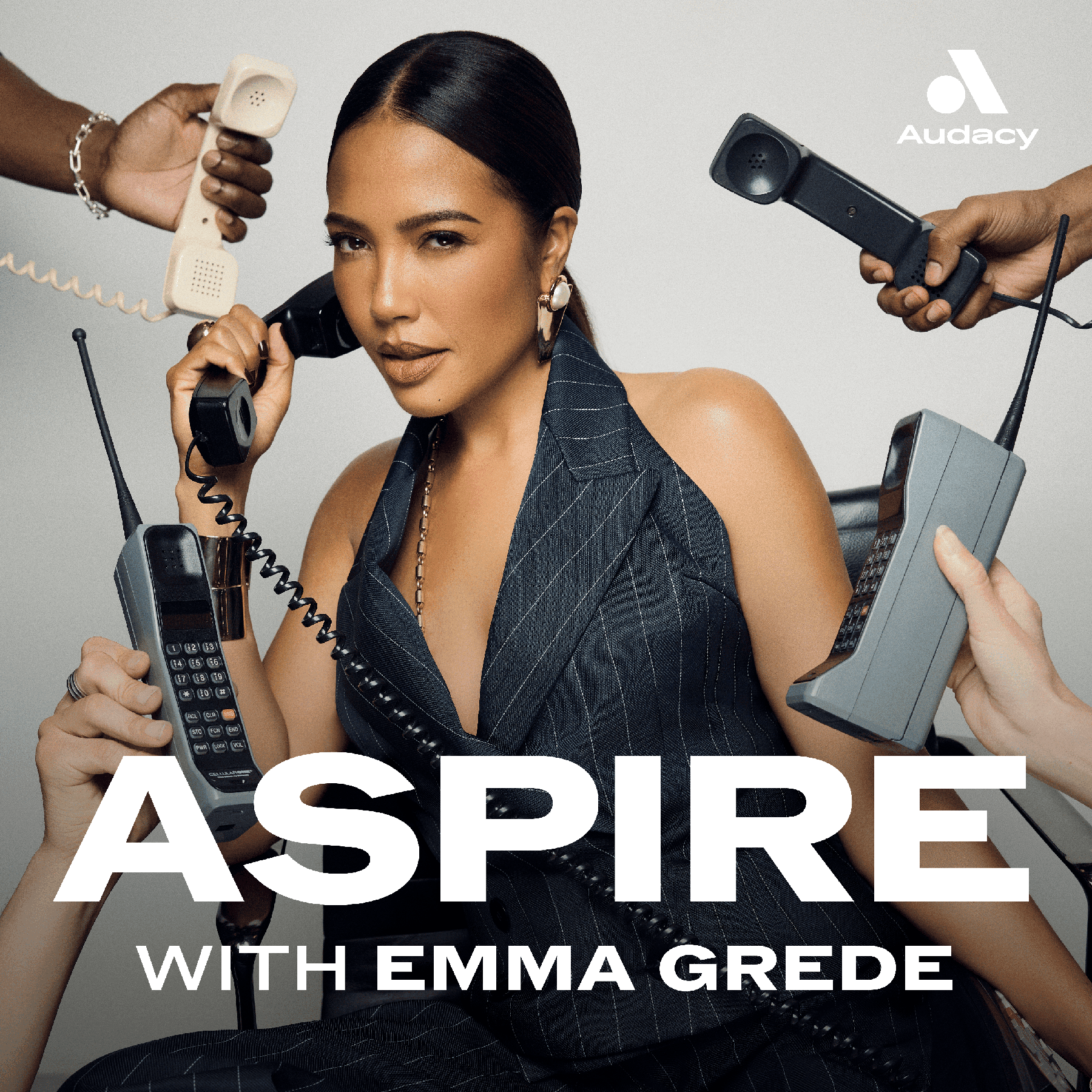
Aspire with Emma Grede: Episode Summary and Key Insights
Episode Title The Aspire Playbook: How Lucy Guo, a Rebel Girl in a Man’s World, Became the World’s Youngest Self-Made Female Billionaire
Episode Description In this episode, Emma Grede interviews Lucy Guo, the world's youngest self-made female billionaire. Lucy shares her journey from a young computer hacker to co-founding Scale AI, a tech powerhouse acquired by Meta, and her insights on entrepreneurship, resilience, and the creator economy.
---
Key Themes and Discussions
- Introduction to Lucy Guo
- Background: Born in Fremont, California, to immigrant parents from China.
- Early Interest in Tech: Became a coding prodigy at 12 and learned to hack to regain control over her finances at a young age.
- Education: Studied computer science and human-computer interactions at Carnegie Mellon University.
- Entrepreneurial Journey
- Early Ventures: Participated in hackathons and co-founded her first venture, Nomit, which aimed to deliver food from local restaurants.
- Teal Fellowship: Gained recognition and funding, which helped her connect with other young innovators.
- Scaling Up: Co-founded Scale AI, utilizing her skills to push boundaries in the AI and tech industry.
- Challenges and Resilience
- Setbacks: Discussed being sidelined from Scale AI and the emotional toll it took.
- Reinvention: Managed to bounce back with the launch of Passes, a platform for monetizing creator content.
- Monetizing Passes and the Creator Economy
- Creator Empowerment: Passes allows creators to monetize their followings through various means such as merchandise, events, and one-on-one consultations.
- Focus on Depth: Emphasizes depth over breadth in creator engagement, seeking to foster authentic connections.
- Advice for Aspiring Founders
- Authenticity: Maintain genuine relationships with creators and prioritize transparency in business operations.
- Learning and Adaptation: Constantly learn from the industry and adapt strategies for growth.
- Navigating Leadership and Growth
- Leadership Style: Described as blunt but hands-on, encouraging her team to engage in all aspects of the business.
- Emotional Retention: Focus on building emotional ties with creators to ensure loyalty and trust.
---
Key Takeaways
- Importance of Education: Lucy emphasized the value of education and learning from failures as critical to success.
- Community Support: Having a network of successful individuals can be highly beneficial for learning and growth.
- Women in Tech: Acknowledged the challenges women face in tech but remains optimistic about the future due to increasing female representation.
- Valuing Freedom and Choices: Lucy discussed how financial success has allowed her to prioritize personal happiness and freedom over societal expectations.
---
Personal Reflections and Future Aspirations
- Pride in Achievements: Lucy expresses that while she is proud of her accomplishments, she is even prouder of her personal growth and the ability to pursue what makes her happy.
- Future Goals: Plans to further explore the intersection of technology and social issues, particularly in the realm of human trafficking, and to build a more equitable future for creators.
---
Conclusion Lucy Guo's journey is a testament to resilience, the power of community, and the importance of authenticity in the entrepreneurial landscape. Her insights serve as empowering guidance for aspiring founders and creators navigating the evolving tech landscape.
Written by AI. May contain mistakes. Listen to the episode to check what was said.
Transcript
Automatic transcript. May contain errors.0:09Meet Lucy Guo, the world's youngest self-made billionaire, a coding prodigy at 12, co-founder of ScaleAI at 21, and if you haven't heard of ScaleAI, you will soon. Meta just acquired half the company for$14 billion in cash. Pushed out from the billion dollar unicorn she co-founded at 24, Lucy roared back with passes, the platform turning the creator economy upside down. Today on Aspire, Lucy's getting real about the founder mistakes nobody tells you about, the future of creator success and exactly how to pick yourself up when life knocks you down. If you're a creator or an aspiring founder, you will not want to miss this episode.
0:55At its core, entrepreneurship is about vision, resilience, and the courage to create something lasting, even in the face of enormous challenges. Bao, artist at war, tells the remarkable true story of Joseph Bao, whose creativity and determination became his greatest tools of survival. Imprisoned in a Nazi concentration camp, Bao was a gifted artist who risked his life to save others by forging documents. Even in the most impossible circumstances, he remained a creator, an animator, a poet, and a romantic. His story is proof that ingenuity and imagination can be acts of resistance. The film also tells of one of history's most extraordinary love stories, Joseph Bond with Rebecca, a woman whose bravery matched his own.
1:39Like the entrepreneurs who turn vision into reality, Bao shows how creativity, resourcefulness, and the will to build can endure even in the face of destruction. It opens September 26. Visit bowmovie.com to watch the trailer and learn more. You can also sign your organization up for group screenings. Again, that's b-a-u-movie.com. Every entrepreneur has that moment at 2am when they're wrestling with a problem that won't let go. Maybe it's restructuring a partnership deal, maybe it's figuring out international expansion, or maybe it's debugging a code that's blocking your launch. That's where Claude becomes invaluable.
2:16AI that thinks through problems with you. Upload your contracts, financial models, or business plans. Claude analyzes documents up to 200 pages instantly. Need to research market trends? Claude searches the web and synthesizes findings with citations you can verify. But here's what's different. Claude doesn't just give you quick answers. It works through complex problems step by step. Ask clarifying questions, spots issues you might miss. It's built for people who care about getting the right solution, not just any solution. Whether you're building the next billion dollar brand or solving technical challenges, Claude matches your level of ambition.
2:56Try Claude for free at claude.ai slash aspire with Emma and see why the world's best problem solvers choose Claude as their thinking partner.
3:10I'm so happy you're here, Lucy. We have got so much to talk about. I have to say you are one difficult person to do the research on. There is so little out there. Really? Yes, yes. You're like a mysterious enigma of a person. But there's one thing that I do know about you, my love. And that is that you are the world's youngest self-made female billionaire. Say it again. Say it again. It's insane. And I have so many questions for you. I'm here for them. So many. But I feel like we kind of have to go back a little bit so that I can understand. First of all, like how did you get here and where did you come from?
3:45So take me back to you. Where were you born? So I was born in the Bay Area. I came from my two brilliant parents. They immigrated from China to get here. They're both electrical engineers. So shout out to them for, you know, their IQ points. And it started off really young because they had immigrated. They had the mindset of newcomers essentially. And they were extremely frugal. They emphasized education, etc. And I learned to really value education and money early on. Do you have siblings? I have a little brother. What about to your parents? Are you close to them? I talk to them, I would say, at least a few times a week now, which is nice.
4:17So nice. Yeah, it's definitely gotten a lot. Like, I've been able to get closer to them after, you know, moving on from college, etc. And like really understanding why they were so strict as parents. Yeah, getting through those teenage years. Were they super strict with you? They were absolutely tiger parents. I love that. What did that look like for you as a kid? Let's see. My parents put a key logger on my computer so they can monitor everything I was doing on the internet. And that's actually probably like how I kind of got into computers. Whereas I had to figure out how to get this key logger off of my computer.
4:43No, did you figure it out? You could press like arrangement of keys on your computer to get into like the admin account and then just delete the key logger. And you figured this out at what age exactly? Oh, this one I probably figured out, I want to say like maybe third grade. Wow, that's something. All right, so you were destined for this life. What did you study at school? I studied computer science and human-computer interactions. And where did you go to school? Carnegie Mellon. Okay. Yeah. So you were like, immediately, you're like, computer science, that's my jam. You knew that about yourself.
5:13I actually didn't, which is funny because I had been coding for so long at this point. How'd you get into coding? Tell me that. I get it. Because if you grow up in the Bay Area, like, I guess there's a proximity thing of like, a lot of people being around you. But you know, how do you even start coding as a young woman? It was completely not from outside influence. Essentially, my parents were taking away my cold, hard earned cash. I was like, man, like I need to figure out how to like make it so that they can't just steal my cash in my hiding places. I was literally putting it in Harry Potter books and it would disappear.
5:44And I'm like, how are you finding this? So one day I discover PayPal. I was like, okay, amazing. I can have money on PayPal. So I literally go to Home Depot. I get a Visa debit card. I open up a PayPal account and then voila. And I'm already playing Neopets at this point. And I'm, you know, on these online forums. and I see this entire like black market economy where people are able to buy and sell neopoints, neopets, et cetera. And that's when I start diving deeper and learning you can create bots to essentially get these items by cheating. Wait a minute. You were creating bots at what age? I was like in second grade, second grade, third grade.
6:23What are you talking about? No way. So you were really entrepreneurial from the very beginning. I think so, yeah. I was getting sent to the principal's office for selling like Pokemon cards and colored pencils on a playground. I think I got sent in too because I was like, well, what are we doing in school? Why are we learning the alphabet? Like we're smarter than this. I just love that. All right. So super entrepreneurial kid. You're trying to figure out ways to make money. You end up studying computer science. So what was your first foray into entrepreneurialism? Yeah, I would say it was probably the Teal Fellowship.
6:55So I was going to a lot of hackathons, which are these like 24 to 48 hour coding competitions. You're going to have to slow down for me. A hackathon? What are we doing? What is a hackathon? Yeah, so there are 24 to 48 hour coding competitions. A lot of universities hosted them. There'd be different prizes for like best use of like AWS or best use of Firebase, for example. And then I was just going and competing and making apps. It's actually where I started learning how to really do like iOS engineering before it got popular. And I figured out pretty early on, the easiest way to win a hackathon was just create an iOS app and make it pretty.
7:27So I was doing this for like every hackathon I was going to and I just - And were you winning? I was winning. I don't think - What were you winning? Like, what do you win? You win cash. I won a lot of iPads. I had like a six iPad collection at some point in time. It was pretty great, honestly. And then the Teal Fellowship took notice that I was winning these hackathons. And they're like - For those of us who don't know, what's the Teal Fellowship? Yeah. So Teal Fellowship was started by Peter Teal to essentially make a point that you don't need college to be successful. So he was giving 20 kids under 20 years old$100 ,000.
7:55And again, for those that don't know, Peter Teal, the legendary, legendary investor. and so he has a fellowship and essentially the fellowship is to prove that you don't need to go to college to be successful. Yes, so he was investing or like giving grants out to all sorts of different kids from research scientists to entrepreneurs. I guess his team took notice of me winning all these hackathons. So they're like, hey Lucy, like you should apply to the TAIL fellowship. I didn't really have an idea so I just used a hackathon project that I had made like the week before and then submitted it and ended up getting it and then I was suddenly surrounded by a bunch of other like-minded people who had dropped out to really create something bigger.
8:34One person in my class actually was the founder of Ethereum. So I know that was like probably my biggest financial mistake of my life. Dumb! You had the opportunity to invest. He literally was on the couch telling everyone like, oh, you should join Ethereum's presale. It's like 30 cents a coin. And I was just like, who are you? Some of the fellows actually put in money and I heard one of them like bought an island or something. I can imagine. Yeah, no, I didn't get it. How did you feel amongst that group of people for you? Was that immediately a time when you felt like, I'm comfortable, these are my people?
9:09Did you feel like a fish out of water? Because I'm imagining you were one of very few women or am I getting that wrong? You are not wrong. I was one of very few women. Overall, I would say it was a mix. Like I felt accepted by some people and there was definitely a few fellows who told me like, oh, you only got the fellowship because you were a woman. You only got this internship because you were a woman. They probably gave you easier questions, etc. And that was extremely frustrating. Yeah. I was just like, you went to a worse college for computer science. It's not my fault you didn't go to the number one CS school in the country.
9:41Did it ever get to you? Did you ever let that like pierce your, you know, your mind? Did you ever think, oh, maybe it is because I'm a girl, but I'm here? I never let it pierce me. And I think this is because, like I said, I did go to like the best. I think I'm biased. I do think that like CMU, probably like CMU, MIT, Berkeley are like just tied for third in computer science. I think it just frustrated me because I understood very early on that I would need to fight harder to get the same treatment as my peers. Absolutely. Yeah. And here we are. And here we are. And here we are. Yeah. We could say so many things to them, but I'll be polite for the start of this conversation.
10:18So I heard that you've had like a tough time with your parents or you had a tough time when you initially said that you wanted to go and become an entrepreneur. I think that you didn't speak for a while. Can you tell me about that? Yeah, I mean, I think that they immigrated from China to give their kids a better future, right? So they really gave up everything. They gave up their family. They entered a new country, had no friends. And for me to drop out of college was a sign of disrespect. It was kind of just saying like, I don't care about the sacrifices that you made to give me a better life.
10:47So they were obviously extremely upset and they just didn't talk to me for a while. They're like, okay, fine. You think you can make it like you're on your own? Like you get your own health insurance. You get your own phone. and you get like X, Y, and Z on your own. And I was like, well, like crap. But it actually turns out that like for a time period, my dad was sending me a bunch of emails that all look the same, just going like, why would you do this? Like, you're not thinking, like make smarter decisions. Don't be dumb. And they just all look the same. So I had like, I don't know, a hundred emails in my spam inbox.
11:16I didn't see for a while. Yeah. So maybe he was trying to communicate with you in his own loving way. Exactly. No, I understand that. So talk me through how you started your first business. Because you're obviously like a bit of a wonder kid. You have this like thing happening. You win the fellowship. And how do you even start to think about starting your first company? I mean, it was kind of expected after winning the fellowship, right? So the first company was a complete failure. But it actually came out of a hackathon idea where at a hackathon, we built this app called Nomit, which was essentially like DoorDash before DoorDash existed.
11:52I looked it up and we actually created this app before DoorDash was founded. So that was kind of cool to see. It was essentially like a two-sided marketplace where, you know, restaurants, like you could order from restaurants and order a food item and then it would get delivered to you by a courier. So that was the idea of it. By the time the fellowship had started, I believe DoorDash may have existed or Uber Eats or something similar. So I was like, okay, how do we make this unique, right? Wow. And the idea was that people would be able to cook and then sell the food they cook to other people.
12:22Started off at college campuses. So went straight to Carnegie Mellon because it's just high density, right? Like a kid could deliver like 100 meals in an hour if they wanted to because you just go door to door. It did pretty well. We had people making$100 an hour like selling in like food to students. And you're just a student at this point. No, I had dropped out. I was already at TFL. Okay, so you'd already dropped out. And then what happened with that business? Oh, it was never a business. It was just a hackathon project. Okay, it was just a project. Okay, so it was just a project. So then the business was where we did a little twist where people were cooking themselves and selling it to people.
12:57Got it, got it. I see. And what happened with that company? Yeah, so it turns out there's just a lot of legal issues with that from like, you know, food poisoning. So the way to legally do this was to have a centralized kitchen, but then that defeated the point of being able to cook in your own kitchen. The laws were changed. I'm not exactly sure what the exact laws are nowadays, but over COVID, they changed the laws so you could make money cooking in your own house for like a certain amount of people. And what role were you playing? Like at this point, when you're starting to think about new ideas, like you're the coder, you're the tech person, like what are you doing?
13:29I would say I did some of the coding and all the design. Oh, really? Okay. So interesting. And is that kind of where you felt most comfortable or it's just like what you knew at the time? I would say it's where I felt most comfortable because I always think that the best co-founder pairs are an engineer and a designer. And then I would always make sure to pair myself up with an engineer that was better than me. And then I would just take on the role of doing some of the easier engineering work. And then I'm doing all the product design work. Got it. So how did you know that that company was ultimately going to fail?
14:00Well, when we realized that people were going to get food poisoning slash someone told us, you know, what you're doing is illegal. You were like, hmm, okay. I did some research and I was like, oh yeah, like this is actually legal. And then I think someone afterwards popped up and did the same thing and then got shut down because it just like, they thought that they could be like Uber, you know, and just ask for forgiveness later. And it just didn't happen. Did it feel like a failure? Like, how did you take that first failure? I didn't really take it too hard. I was like, okay, cool. Like this didn't work out.
14:31Let me like do some more learning because I felt like I could still learn a lot more about just like how to create products and launch products and actually like see larger results. So I decided to go work at a company. And I think like afterwards, I went to Quora and Snap, where I believe I learned a lot there. So you took like a more traditional job. Yeah. How long do you work in those places? I want to say a total of maybe a year and a half. Yeah. And then I just got the itch to build something again. So it's so interesting that you took that year and a half. Were you plotting and planning for your next startup?
15:05Or was it really for you about, you know, A, did you need the money? Like, did you need to, did you feel like you needed to like land somewhere and learn something? Like what was the impetus to go into a more traditional job? I would say it was to, like, I knew I wanted to build another startup eventually, but I felt like I could do more learning, especially because I felt like I went into the first one without a lot of knowledge, right? Like all I had was school and then I had these hackathons, but I didn't really like actually work on a product before or like a startup product. I guess I like technically worked on products, but I was like, okay, I want to join a proper startup that's fast growing and see what it looks like.
15:45So that's when I decided, okay, let's learn a little bit more before I build my next company. Were they good experiences? They were great experiences. Yeah. I think I learned a lot, especially because Cora and Snap are so different culturally that I took parts I liked about both of those cultures and then put it into my own companies. I love that. All right. So talk to me. First real company. What happens? First real company. Oh man, it's a journey. It actually happened entirely by accident. We went through two pivots before we landed on Scale.ai. We were building ClassPass for clubbing. Terrible idea.
16:16ClassPass for clubbing. That feels very you if I know anything about you. Oh my God. I was just like in my head. I was in LA. I was, you know, working at Snap. So I was a cool kid. Needing to get into all the clubs. I was more so just like fascinated by club culture where I was like, wow, okay. Like these promoters are just bringing girls into clubs for free, but there's a giant line outside. What if we could get a guy, guys and girls to pay memberships and then we just connect them to these promoters that already are getting paid and bringing people in for... Sounds like a good idea to me. Terrible idea.
16:51Anyhow, long story short, I mean, I think the core problem really is, I mean, outside the fact there's not enough money in the industry, like even the largest clubbing apps just don't make that much money. The people that like really want to go to a club that badly already know the promoters. Totally. Like it's not that hard to find out. It's so true. They'll figure it out. Exactly. And our promoters find them because they make money from bringing people into the club. Amazing. But why do you say it was a pivot? Because you took the same, you took the same business and just like reshuffled it?
17:20No, we were just like, we need to work on something else. So I was like, let's work. But same team? Same team. Yes. And then ended up building a healthcare app called Ava. And the idea was like, we would find you the best doctor for specific medical procedures you needed. So let's say you needed a root canal, a jaw surgery, et cetera. we would find you like the best doctor for that. Also a bad idea because young people generally don't have medical problems. So they're not going to need to use this app. Older people don't know how to use technology. And there's going to be a retention issue because when you need these things done, like they're very like one and done, right?
17:52It's not recurring and no one's going to be using an app for something that's not recurring. Like what might have been better is like Botox, but that wasn't a thing back in the day. Now that could have been. But that's really interesting to me because you're kind of like rinsing through like, Like, okay, here are the things that didn't work and these are the reasons. But how long did it take you to actually discover and to make those pivots? Like, were you in these business? Oh, like a week. One of two weeks, yeah. Wow. Yeah, I'm very quick with that where I think that like when you launch an MVP and there's just no traction, you just pivot.
18:18Like, there's no demand in market. Amazing. Yeah. So there's no ego there. Nothing of like you being like, I'm going to make this work. Because these are not ideas that you're particularly passionate about. It was like a means to an end. Yep, exactly. Okay. So then afterwards, where it's, okay, like we wish there were something where if you click the button to book an appointment, someone would call doctors for us. And we're living with our YC roommates and then Panache, who's one of our YC roommates, is like, oh, you mean like an API for humans? And at this point, I had already built a lot of viral apps on Product Hunt.
18:50And I realized that that was extremely controversial because you're dehumanizing humans by saying like, oh, like we'll just make them into an API. So in my head, I was like, oh. Okay, you're going to have to explain to me, what is an API? So the way an API works is you can like send in a request and then you get like a callback back. What's an example? So like for scale specifically, someone can send a request in, like label this image and label all the cars on this image. And then we would send back the image that's labeled. But immediately that triggers to you, you're like, okay, that's not necessarily such a great thing.
19:21I mean, I think that immediately it sounds dehumanizing to me because it's like, oh, we're just going to like code humans essentially. And I thought that that was a controversial tagline. And I was like, I think it will go viral. Let's build out the landing page and let's build out an MVP. So we built out this like super rudimentary MVP API where essentially I was sending over the callbacks manually. So whenever we got an API request, I would get a Twilio call, which is also another API that's like, hey, like wake up and like do this task. And then I would literally just like send it back myself.
19:54So that was funny. And then, you know, just that picked up the attention of investors because I was right. It did hit the top of product hunt, which is this list of like new products that are launched per day. At that point in time, it was very popular. Like VCs were perusing the site daily trying to find new companies to invest in. So when it hit the top of product hunt, we had like every single VC reach out. And at the same time, we were, you know, like mass emailing every single YC company. Like, oh, we have this API for humans. Is there anything you would want a human to do for you? and the crew ends up being one of our first customers and that's kind of how like scale blows up.
20:28So talk to me about the beginning of scale. This is you and a couple of partners at the time. Yeah, so it started off with me and Alex Wang. Yeah. And then immediately after we like got our term sheet, I call up two friends from college, Kevin and Zee Xuan and they just were like, yeah, like we'd be down to work with you. Zee was my CS little from college and then Kevin was my roommate but also my TA. So I knew they were like very good because I had like known them for a long time. And like they were the top students at our college. So they come on and join. And then I also call up another Teal fellow, actually.
21:00His name's Jared. I actually invested in this company. He's great. Yeah, he was down too. So that was just like all of us working. That's so crazy. All right. So you've already got a term sheet. So you'd raised a little bit of money right from the beginning. Oh, so I guess like we had YC money and then we accepted$100 ,000 of angel money. And then we got a term sheet for a series A, like right at the very beginning. So talk to, okay This is the bit that's like crazy Because I feel like for the large majority of us We've all been talking about AI for like not that long But when you talk about founding scale This is like how long ago?
21:35This was in 2016 2016 So let me just think about me In 2016 I am like just starting good American Thinking about like denim with you know reinforced belt loops And you're out here already starting an AI company I just want to contextualize it for people because I just don't know that that was, it certainly wasn't the conversation outside of the Bay Area then. It was like the preserve of very, very few in a very small community, but you were in it. Like you were right there at the beginning. Honestly, a lot of people, like there's a lot of stories out there. I think it was entirely luck there because what had happened was we were going to take over the BPO industry and we're like, okay, we're going to take over Mechanical Turk.
Read the full transcript
22:20We thought we were going to dominate like phone calls where we're like, okay, companies spend tons of money on phone calls. We're going to be better at it. And then we realized very quickly that it's hard to quality control with phone calls. And when Cruise comes along with a self-driving car market, we realized we have structured data and someone outside of us actually points out and they're like, oh, you have structured data. You can actually use AI on this to reduce the amount of humans eventually. And then it like clicks and they're like, oh my God, we have structured data. We should pivot into an AI company.
22:51So that's what it goes from like scale API to scale AI. Oh my goodness. Did you know that you were onto something really big? I would say with the amount of money being poured in and the, yeah, I would say yes. I would also though say that like we were actually really worried like during fundraising, we're like, oh, we can't put like a real market cap here because Mechanical Turk wasn't actually that large of a market from the research we had done. So we're like, oh, if we put that like mechanical Turks market cap is only like 1B, no one's going to invest. So we just completely ignored the market cap.
23:23Yeah, question. And everyone just assumed it was a large market cap. It was wonderful. Because like, I guess like, so in the very beginning, we didn't really know how big it could be because yeah, like we literally couldn't find a market cap. Did that phase you at all? Like the level of like unknown that was there? Were you like, oh my goodness, I don't know what I'm doing. I've never raised money before. Like, because it feels like everything happened to you, like super quickly. Like one minute you're in a hackathon, the next minute you're like trying to figure out a valuation for a company that's like north of a billion.
23:53Like where does the, where I'm trying to understand, like as Lucy, this girl that is doing these things and you're one of very, very few women, like where does that come from in you that you felt, yes, I can do this. I'm going to go out and raise this money and everything's fine. I think that entrepreneurs are all a little crazy because you have to be a little crazy to decide I can build a multi-billion dollar company. So I'm going to take VC money and just do it. I think I just believed in us. And I was so surrounded by people that had done it before that it wasn't like an impossible thing. For me, everyone I was surrounded by had done it.
24:29So it was just like, well, they can do it. Why can't I? Yeah. Yeah. No, it's really interesting because I think there is something about that magical community. Exactly. You know, being an outsider, you feel that. Like you feel it in California. You feel it like the minute you get to San Francisco and it doesn't matter which table you're at, like who you're meeting, like what it is. It's like there is somebody there that's done something extraordinary, probably at a very, very young age. And so I guess it just gives you the feeling that you can. Yeah, I mean, I think they say that you're like, you know, the average of the five people you're hanging around with most.
25:01And when those five people have all started unicorn companies, like it almost feels like you're failing because you're not doing it, right? You're like, where's my million dollar company? Exactly. I just find it like unbelievable. So you never underestimated yourself? No, I never did. I mean, like I would say I was always frustrated because I felt like I was being underestimated being a woman, but I never really underestimated myself. What were your experiences in those early days that made you feel underestimated? Oh man, I mean, everything. Like by the time I had made it to scale, I was actually very confident.
25:35but I would say from the TL fellowship everyone's saying all this stuff I had some guy spreading a rumor how I slept with like every employee at Facebook and I was just like like I had only kissed a person at this point in time so I was just like you're like no me I was just like what is going on and then at this point in time like I was still closeted but like rumors of my bisexuality because I was like seeing a girl during that period of time it was like circling around the Bay Area and like some people were just like dude she's gay Like, what are you talking about? What are you talking about?
26:07It was frustrating because people were like trying to make stuff up. So talk me through a little bit of that journey. So Scale AI, you started, you raised this like money. How much did you raise out the gate? We raised 4.5 for our Series A. 4.5 million for your Series A. And at this point, there's just like a real handful of you. Yeah. Do you remember that time, that early time at Scale AI? Tell me what that first year looks like for you guys. I would say the first year was very do things that don't scale. So for example, with every single pilot that we were doing, we were labeling the data ourselves, which was absolutely wild.
26:44I would get really insulted when people come back and be like, oh, the data was like bad quality. So we're not going to use you guys. And I'm like, I label the data. I know the data is right because it was like categorizing things. It's like, okay, cool. Like here is an image of Obama. Is this political? Is this like a meme? Is this what? And like, obviously, like, you know, I was checking the right boxes because it was just easy. That's what you did today. And that was how we were winning contracts because they like, you know, they want to make sure the quality of the data is good enough before they like trust you with the rest of their data.
27:14It was very, very manual. Do things that don't scale. I remember I was sleeping in the office. I was, you know, building up the scaler team. So the team in the Philippines that was labeling things and just training them and like being online 24 seven because they were working completely different hours sometimes as well. And I would just be in the office till like late where I was like, I don't really feel like going home. Like I just am going to stay here. Exactly. What motivated you at that point? Did you have a point to prove? In general, I don't like losing people money. If I take something from someone, I want to like give back 10x, right?
27:48So at that point in time, I was just like, okay, like I, I mean, I would say yes, I had to prove to my parents. I wanted to prove my parents wrong and like I could build a company and I had taken money from people. And when you take money from people, She's like, you got to win. You got to win. You don't even have a choice. So talk to me about when it starts to go a little bit sideways, because obviously you were kind of sidelined out of this company that you essentially co-founded. I'd love to understand like what happened and how you got pushed out. I'll say what I can like legally say, I guess.
28:16Thank you. Thank you, my love. Yeah. So the tension started arising, I would say, when we like started having like very large differences in the roadmap. I really wanted to focus on the scalar side of things because I was the one, you know, interacting with the people in the Philippines daily. And I kind of was close to them. Like they had a, like, they had a special place on my part. And they were just like, like there's not enough tasks for us to do. Like we need to make a living. We're not getting paid on time. Why are you undercounting our hours? Like I worked four hours. Why is it only saying that we work two hours?
28:48Stuff like that was happening. And it was just not a priority to fix because the priority was sales. Where it was like, if a company was like, I want to label like, let's say LiDAR data, right? Like we would shift entire roadmap to building our LiDAR labeling tool. And this just kept happening where we would shift the roadmap constantly to win these contracts. And we weren't focused on making sure that scalers are getting paid on time, that they were getting paid the right amount, et cetera. And so you have essentially like a difference of opinion on the way forward with your business partner.
29:20And then it just became like very, there was a lot of friction because we were constantly arguing where I was like, you're not getting enough contracts. So the scalers don't have enough work. And he's like, well, maybe you should make the scalers more efficient. And I'm like, well, it's really hard to keep them on and not want to take a full-time job when they only have like 10 minutes of work. Did you ever realize, were you like, okay, this situation is untenable. Like something's got to give here. There was a time when I realized that. And that was when I had reached out to actually Jared, who I had mentioned earlier, who was an early employee or contractor at Scale slash my Teal fellow friend slash actually my old co-founder of Namit.
29:55I like a lot of things. Slashes in your life. Yeah, so Jared, I reached out to him and I was like, hey, like, actually, I want to leave. Like, I want to build a company with you. Let's just like figure out the timing of when I'm going to leave. I'm more interested in emotionally what it means because I think that we talk a lot about business success and you have been unbelievably successful and there's so many great things to talk about. But just understanding how and what failure does to someone, right? Because it's very difficult to have a business with that much promise. And essentially have to leave it.
30:28And so tell me more about like, not necessarily what happened, but how you felt and how did it transpire? Because you end up out of the company that you founded. I just kept on getting frustrated by the day. And every single day that I was there, I was looking more for, I was looking very optimistically. Like I was very excited to start this company with this new person. So when it finally happened, quite literally the next day, I called him up and I'm like, okay, cool, let's build the company together. And then he quits his job and I feel bad I had to get him his job back because I was like, I'm tired.
31:02I need to like go on a sabbatical. Yeah, you're like, I might need a break after this. But I did renegotiate. I helped him renegotiate like a higher offer on him when he like - And what about your own renegotiation? Were you worried? Were you covered? Were you like, okay, I'll be fine if I leave this company? Because obviously, scale is what has made you the youngest female self-made billionaire. I always think about it as like, you know, like when you're an early angel investor, you literally just put in a check, you do nothing and then if the company blows up, you make a lot of money. Yay. I felt like, okay, like I invested my time and my resources into this company.
31:33I gave it everything that I could emotionally give it. And diversification is great. That was literally my mentality where I was like, diversification is great. I mean, that's just like so emotionally mature. I would have wanted to murder someone. Like, well, just because like understanding the how high is high, you're a huge part of like, you know what's happening in that space. You could see the runway. was there no part of you that was like bitter? I think there's a specific someone who told my co-founder that I thought he should get fired. And I would think I was bitter about like who I thought told him that because I was like, I thought there was like a certain level of trust.
32:12But I also did look back on my text messages and I had told someone like, hey, I'm going to tell this person how I feel. An employee had asked me to go to somebody and tell them. And then I was like, you know what? Like I will, but I think I'm going to like, it's going to get back. So I guess like deep down, I didn't know, but like, I guess I still did it because I didn't really, like, I wasn't sure. I was probably like 50-50. So when it did get back or it felt like it got back, I never like, you know, received confirmation. It was just like a series of events happened. Did you feel betrayed? I felt a little betrayed.
32:41Yeah. So I would say like the most I felt was like betrayal, but then at this point I was already so frustrated and I was like, okay, cool. Like I'm excited to like diversify and like work on something I'm passionate about. Good for you. I mean, it's pretty amazing. What do you think this experience took you about power, about equity, about protecting yourself as a founder? Like what did you learn? I think the main thing I learned is that like, you really do need to find someone that you get along with in all aspects. And if not, it is better to be a solo founder. I truly believe that that like whole, oh, like solo founders do worse is not true.
33:13To find like an equal-ish partner, you can hire someone and just give them enough meaningful equity that they are basically your co-founder. Totally. No, I couldn't, I couldn't agree with you more. Do you think the situation would have gone down differently had you been a man? I'm actually not too sure. Like potentially, yes. Potentially, yes. But it was just, it was so much friction on just like difference in roadmaps. I think the situation would have been different if like I were CEO, he were CTO. Because at the end of the day, even if you are a 50-50 partner, as a CEO does command the respect of like your board.
33:46And I have learned this as an investor where I'm like, okay, if like I could love the co-founder, Like I could love the COO, CTO, but if the CEO wants them out, like I will support the CEO. Yes. That's it. That's just how it breaks down. What do you think that you learned that you would want other female founders or other founders just more generally to know, given your experience? I would say like, just be very, very careful. I'm like who you start a company with. They could be like so brilliant, but if there's that trust factor there, and I think trust is built through working with someone previously, along with just like years of time where you get to know, like, are you guys going to get along and be able to talk through arguments?
34:26Or will you guys just argue all the time? There's no solution. And then I would say just speak up more, like stand your ground. I think that a lot of female founders can be timid sometimes, right? I definitely was timid during like my roles, at least at companies where like I would speak up, but like when I'm speaking up and like eight dudes are like, get back down. I actually do get, I did get back down and like, I shouldn't have. I think it's easier said than done though. It's so much easier said than done. It's, and I also think so much of that comes with age, wisdom, experience. It's like, you're in like this incredibly male dominated space where seemingly lots of people know more than you.
35:05And also like, you're making it up as you go along. It's not like there was a big blueprint there for what you guys were doing. And so, I don't know, I feel like you can be forgiven for some missteps. Yeah. But you know, what's so impressive about you, Lucy, is what, what are you, 28? Oh, I'm 20 now. Oh, stop it. Wait a minute. I'm going again. She's aging. What are you, like 30? Okay, but I think what's so impressive about you at 30 years old is that you keep getting back up. Like, it's so unbelievable that you've had, like you've had the career of a 65-year-old, you know, like in such a short space of time.
35:42So explain to me how Passes works for those that don't know, because I know that so many creators are out there and people at different levels. Like, is there a barrier to entry? Like, give us the full spiel. I want to know everything about Passes. I want to know how you get in, how it works. Like, who is it for? The full, give me everything. Yeah, definitely. I would say Passes is for creators that either already have a fan base or think they can build up a fan base. Yeah. And does that like when you say a fan base, is that 10 ,000 followers? Is it 100 ,000 followers? Is there a barrier to entry?
36:14So we typically look for 100 ,000 followers across platforms. We do make exceptions. For example, like psychics. I think that psychics really generate a lot of business from word of mouth. So even if - That's not the least that I did not expect you to say. I had to like, that's just a place that you're like, wait a minute, psychics are amazing. Yeah. I love psychics. That's like the funny thing. I'm so logical, but like I have - And then she's like, but psychics. Psychics. But it's weird. Like I'm in LA. I have a lot of friends that are into this type of stuff. I got it. I get it. I get it. Yes.
36:45So like, I think like, for example, it's psychics, the barrier of entry. Like we would accept someone with like less followers because as long as they bring in like three customers and those customers have a great time and you know, we push traffic to their page, they're going to like have a snowball of referrals. Totally. Like there's one psychic we put on that quite literally can't get an appointment for two months now. No. Versus before, I would be able to call her up and she'd be able to give me an appointment. And how much money is somebody like that making? She's making like a few thousand a month.
37:13Yeah. It's very cool to see.
37:21I used to think I needed a full drawer of makeup and at least 20 minutes to look presentable in the morning. But then I tried Merit and now I'm done in five minutes. Merit is a minimalist beauty brand that's made to simplify your routine. It's for people who want to feel put together without spending a ton of time or energy. Their products are clean, vegan, and so easy to use. You genuinely can't mess them up, even half asleep. Lately, I've been reaching for Flush Balm every morning. It gives me the most natural-looking flush, and it blends like a dream. The Minimalist is another go-to. It's part foundation, part concealer, and it evens out my skin in seconds without feeling heavy.
38:00And great skin serum? my skin just looks better and more hydrated every time I use it. Merit has made my mornings feel less rushed and more effortless, which I didn't really think was possible. It's time to simplify your morning. Head to MeritBeauty.com and get their signature makeup bag free with your first order. Swapping for natural options is a must if you want to feel good and glow from the inside out. And Primarily Pure has harnessed the power of natural ingredients in their complete line of non-toxic beauty products. They're rooted in time-tested traditional perspectives that honor ancient wisdom, animal-based products, and clean living education to guide you in creating non-toxic rhythms and transformative results in your daily life.
38:46They are wildly passionate about providing research-backed, results-driven products without compromising your health. Backed by thousands of five-star reviews and unbelievable before and after photos, their products are proven to create positive change in your skin and sense of wellness. From skin, body, baby, hair, and home, and you can't forget their cult following natural deodorant and tallow skincare products, Primally Pure products are handcrafted with real raw ingredients to optimize your results and your overall health. Use code ASPIRE to get 15 % off your Primally Pure purchase. That's www.primallypure.com and use code ASPIRE at checkout for 15 % off your order.
39:41I want to understand like how the platform works. So let's just say I'm a creator. I have 180 ,000 followers on Instagram and I want to monetize my following. I don't have a brand. I come to passes and then what happens? Yeah. So passes is focused on depth versus breadth. So you would just sign up for passes, apply to be a creator. We would approve you. And then we have all sorts of monetization features for you to make money off of from live streaming to one-on-one calls. So for example, you could charge a hundred dollars a minute if you wanted to, to give advice on like how you build skims. And then we have merchandise.
40:15Giving me ideas, girl. Yeah. We have merchandise. So you can create merchandise. You don't have to keep inventory and you can sell it or you can keep inventory similar to Etsy and sell it on our platform. And we even have ticketing. So if you wanted to create like exclusive events for your fans. So you're basically creating almost like a back-end infrastructure for a talent or a creator to have a whole business. They could create a tour. They could have the merchandise. They can sell tickets to whatever they want. So you could have a one-to-one phone call, like whatever it might be. You guys are essentially facilitating that and then what?
40:50Taking a piece of whatever they make. Exactly. So we've built a suite of tools and we're continuing to add on to this toolbox to help you monetize your brand. And eventually we're going to be building in fintech tools to help you manage your money as well and like grow that money. And how are you doing it differently? I think how I'm doing it differently is taking a very tech angle and a 360 approach to it. I do think that in general, and this is what I've learned in scale, the best tech wins at the end of the day. I think tech driven culture beats sales driven culture. Oh, I love that. You think a tech driven culture beats a sales driven culture?
41:20Especially when it comes to tech platforms. Although I could use a pointer from you for the sales driven culture. Listen, you don't need anything from me. I'm investing in you. I mean, like straight away, someone was like, do you want to invest in Lucy from pasties? I was like, sign me up. How much money will she let me put in? That was my only question. I was like, what does it take? Like, just get me closer to this girl. So like from day I was like, I need to hire the best engineers, right? So like my CTO is a competitive programmer. He's incredible. MIT Dropout. All our engineers are really incredible.
41:49So that's great to see. And I think from a just like 360 angle, I had become friends with a lot of creators. And I really do believe creators are like the new entrepreneurs. The interesting about them is from their brand, they don't have the typical customer acquisition costs that like I would have. I either were like, I want to start a hair brand. Totally. It would just flop, right? And I'm sure you've seen some of that with your brand. So much. So I was like, cool. Like they could literally sell anything to their fans from like content to live streams, to one-on-one calls, to merchandise. I think there's an opportunity to like essentially create unicorn creators with passes.
42:23We've already created creators that are making millions of dollars a year. Wow. Yeah. What was the insight for you that led to passes? Because I think everybody's been talking about the creator economy for so long and that there's going to be more and more creator billionaires. But what was it that for you was like, I have to do this? I think over COVID, a lot of things happened. I became friends with creators who were getting brand deals and I was telling them like, hey, you guys should be receiving some equity into these brands. Like, you know, take less cash, get equity. I was frustrated by the amount of managers that were telling them to take the cash and not the equity.
42:55I wonder why that happened. I know. I wonder why. I wonder if a manager can commission equity. Yeah, exactly. They can't commission equity. So that was actually the original idea I was thinking about working on. But then I very quickly realized that creators won't listen to you until you make them money. So I was like, okay, how can we make creators money? I was looking at creator celebrities, a great brand. So, you know, Kylie Jenner with her lipstick, Kendall Jenner with 818, Jake Paul with better, Logan Paul with prime, et cetera. And I was looking at friends when I'm like, buy me a coffee, Patreon, et cetera.
43:27And I was like, these platforms don't have enough features for creators to monetize and different creators monetize in different ways. Like some creators are going to monetize off of live streaming, which like Patreon doesn't even have. Others monetize off of phone calls, which is actually me, to be honest. Like I have people offering me$100 a minute to get advice on like fundraising, which I don't take because I like giving that stuff for free. But you could. Yeah, but I could. And you created the platform for it to happen. Yes, and then I did throw up like memberships I didn't think people would buy to like get, you know, like that included is like a 30 minute call with me and people are doing it just to, I've actually made like tens of thousands of dollars off passes without like advertising it.
44:05But that's absolutely unbelievable. And what is the average? Like when you think about allowing all of these creators to monetize their following, like what is the average creators are making? I would say it's all over the place. We can't really talk about the average or the median. Our retention rate, I would say, is 100 % at like$5 ,000 a month or above. Wow. And we have more than a handful of millionaires. That's unbelievable. Which must have been the aim at the beginning. You were like, okay, like we need to make a bunch of these creators millionaires because that's what's going to attract more and more creators to the platform eventually.
44:38Exactly. Yeah. When those stories get out. It's interesting though, because I think our creators are very like privacy focused. Really? Yeah. Because they like care about being relatable to their fans. Fair enough. Yes, of course. Yeah. Like these stories are there, but it's more so like we tell them and like they paid off their house. They like paid off school, et cetera, which is cool. No, which is like so cool. So when you started past this, did you go again to that route? you were like, okay, I'm going to raise VC money. This is going to be a huge thing. Like, how are you thinking about the business and the potential for passes?
45:10So when I was building passes, I was running a VC fund, actually. It was called Backend Capital and HF Zero. We were, I was essentially living with a bunch of founders. And I realized that if I were to start another company, my LPs would be very angry at me unless I gave them some equity. So I not only gave equity to like the fund itself, so every LP gets a stake in passes, but I also allowed the LPs to invest. And very quickly, like just through text message, like didn't have a name, didn't have like a pitch deck, et cetera. I ended up raising$9 million over a few days. So - By reputation alone.
45:46Yeah, by reputation alone. So then - Yeah, because it's not nothing. I mean, you say it like that. Yeah, a couple of text messages, but you're the girl that's done so many things that it's your reputation, your ability to start stuff that's allowed you to be, okay, in a place where you can text, where you have the people that you can text and where they will write back to you and give you the money. Yeah, it was very quick. I was pleasantly surprised. Like I hopped on like maybe two phone calls total. You make it sound so easy. I love that. And so how's the company going now? Like how long has it been and what does it look like?
46:17Yeah, so we launched in December 2022. I can't give exact numbers, but 2023 to 2024, we forexed in growth and we're hoping to see some good growth this year. So yeah. No doubt. Yeah. You're happy. Here's my estimation without numbers. I think if you're still there it's going okay it's going okay that's what I think if you haven't done a hop skip and a jump I feel like we'll be alright yeah I love that it's so funny alright so I want to talk a little bit about like the recent news because I feel like what happened you know it's like sometimes you go on your feed and one piece of news just like dominates it and that piece of news around you as the youngest female self-made billionaire and I will say it my aim is to say it 20 times in this podcast it's okay yeah I'll keep saying it for you Because it's hard for you to say it yourself without sounding like a total jackass.
47:04But did you know that? Did you know that that news, piece of news was coming? Were you expecting some big windfall? Okay, so I actually had no idea. It's very funny. I knew it was like happening, but I get a text message from a Forbes reporter who I talked to, like with, like we literally text all the time about different things, like random stuff. So she just asked me, she's like, oh, so like technically at this share price, doesn't that make you a billionaire? And I was like, I literally don't realize it's a story. So I text back. LMAO, but it's all on paper. This was a quote she wanted to include on the article.
47:37And I was like, can you make it sound a little bit professional? Like at least replace LMAO with ha-ha. Something. Give me something. Give me something. I was like, I didn't know it was on the record. But isn't that part of you and part of your charm that you haven't, like, you know, you're still exactly who you are. I'm not PR trained. I'm not PR trained. But when I met you, I was like, I think you need a PR. I was like, would you like a PR? And can I give you one, please? No, every reporter, every person that goes on a podcast with every journalist, they're like, you know what we love about you?
48:09And I'm like, what? And they're like, you're clearly not PR trained. So you're more authentic and you say things. And I'm like, I say things I'm not supposed to say. That's what you're saying. Basically. I would like to pretend it's our one. But you know, there's some, listen, I think that we're in a time where everything is so sanitized, right? Where we never feel like we're getting the truth. And there's something so refreshing and brilliant about you because your skill and your knowledge and how incredibly smart you are and everything that you've worked for is undeniable, right? No one can take that away from you.
48:39But I do think partly what's so fascinating about you is your openness. And I think that as a female founder, I don't know, I just feel like there's just so few people telling the truth and telling the truth about all the successes they've had and all of the failures that they've had. So I personally like love that you come and you tell your story and you do it in a really kind of like, you know, loosey goosey way, literally loosey goosey, because that's helpful. That's what other people can learn from. And so I really appreciate you coming here and being so open because otherwise, like we don't know, right?
49:13It's like, you don't know what you haven't heard and what you haven't had exposure to. And so I think you're doing a massive service to a lot of other girls that would walk into a situation like the one that you had. So I'm going to say no media training for Lucy. Thank you very much. Oh, thank you. What do you think like creators are missing in monetization right now? When you think about the future of passes, like where's it going? I'm really excited about the fintech tools personally. I think they're missing everything when it comes to actually managing and growing their money. And I saw like something unique happen over the last few years, which is that creators were literally getting GP carry because they were able to get into deals where creators will just be like, oh yeah, like, well, like, I'll tweet about your product or I'll be best friends with you or I'll invite you to cool parties.
49:56Like, literally anything. They could say anything and the founders would be like, oh, that's amazing. Like, yes, you can invest. And I do remember this being even true for us. Like, there was one celebrity I think we really wanted and we didn't get them. I don't think we got them. This is our scale. I don't think we got them. But like, we were like, well, like, I guess if they're willing to like be friends with us, we'll let them in. We'll just let them in. Yeah, exactly. So I think there's like opportunity in terms of being like, you know, the next early investor in the next Uber, for example, and like where that generational wealth can grow because we've really created a lot of accredited investors.
50:29And they just like, the number one question I get asked is, how do I turn my past as income into past as equity? And how do I manage my money? That's the number one question. That's one of the number one questions. That's so interesting because that must be such a shift. You know, I started my career in like talent representation, doing commercial deals for talent. And it was never the question. It was always about the quickest check, like, you know, most amount of money for the least amount of work, quickest check. And that really changed in the kind of 10 to 15 years that I was in that business.
50:54Like toward the end, people, you know, talent woke up to the fact that they could take equity and that would one day be worth something for them. But it's taken a really long time to trickle down from A-list talent level to creators. But you're saying that's actually happening now. Creators are getting equity. So I think it's happening because either they're dating someone who's like very knowledgeable in a space, which we've seen. And like we've seen them negotiate, like trying to like, please, my boyfriend says that should be a good idea. And others that like see how much money they're making on passes.
51:24They're just like, I need a piece of this company. I think enough stories have happened where, you know, celebrities and influencers are making hundreds of millions, billions from owning a portion of a company that when they are personally seeing a company work for them, they really want to be a part of it. That's been really cool to see. And I think that like we can really help build that generational wealth there. Other than that, I think there's some other interesting things we can do. For example, we have tons of data on how many super fans a creator actually has, whether they're in a high-value niche.
51:56So, for example, golf and how much their fans are willing to spend per month. So you can imagine that we have a golf creator that we know has 10 ,000 fans willing to spend$300 a month. There are some pretty interesting things we can build out. And I guess once you've got that information, you understand what the benchmark is for a golfer. you can then speak to other golfers and figure out how do you monetize their followings too. What do people or what should creators be thinking about now? If somebody has a growing following and they're thinking, okay, this is less of a side hustle hobby for me.
52:30This could be my career. What is your recommendation to creators right now? Yeah, I think my recommendation is immediately just start creating more content. I think too many creators worry about their content being perfect versus just trading out as many pieces as possible. And I think from what we've seen, at least, as long as you turn out as much as possible, like you will do well and you will continue to grow your following. I think they should immediately - I'm getting really stressed out because my social girl's sitting over there and I'm like, but I don't look good in that thing. And she's like, just put it out.
52:56This doesn't matter. Nobody cares. Nobody's looking at you. And I'm like, but I don't - It's so annoying that you just said that by the way. Yeah, I mean, like we see this and there's just like a drastic change in earnings. One, they don't put out enough content, right? And it could be the shittiest content, but if they put out enough, they will make much more money. And I even see this with the creators on the breadth side, where they're, you know, on Instagram, Reels, TikTok, etc. The ones that are posting every single day are the ones that are gaining new fans constantly and making money. I think immediately after, like, you should really figure out your niche.
53:29And I would suggest them to go into niches where brands pay more. And is that so prescriptive as it used to be? Because it used to, you know, like, again, back in the day, it was like fashion and beauty and cosmetics and CPG and then automotive. Like, it was like very, very prescribed. It feels like it's much broader than that to me now. I think it's, some of it is still very prescribed. It can be broad, but it's like a very select few influencers that are, I almost want to say are like mini celebrities themselves, right? Like there's literally a group of like what I would say are cool influencers that maybe have between like 1 to 10 million followers.
54:02And then there are influencers that have like maybe 20 to 30 million that aren't considered as cool. And I think a lot of it is like them getting to know you as a person versus them liking your content. When they get to know you as a person, they like start stalking you. They want to know everything in your life. They look at your Snapchat and like zoom in on the background, look at the mirror and they're like, oh my God, like so-and-so is with so-and-so. Yes. Versus when they just like you for your content, like you're not getting that. So you're not really getting that super fan treatment. And I would say like Taylor Swift is someone that's like a great example of someone that like really has super fans that like really care about her as a person versus there are a lot of other celebrities that, you know, have huge followings.
54:39I would honestly say like, And I apologize to like all my music friends, but like DJs are a great example of like a group of artists where like everyone knows their music. They're like, you know, in the top 10 on Spotify. But no one cares if like - What they have for breakfast. Yeah. Or like no one cares like who they're getting dinner with. Like they're not getting paparazzi the same way. So easy. You're right about that. Because they're making like a gajillion dollars. They're paying to like hundreds and thousands of fans, but then nobody's interested. Like we don't care. Like you need to market your personality.
55:10personality and like be super authentic because you'd be creating great content, but if they only like your content, but not like you as a person, you don't have that super fan base that is going to like buy anything that you release. Yeah. It makes a lot of sense to me. When you think about what matters for influencers, like follow account over engagements, like what metrics actually matter now? Cause I feel like it changes all the time. So I actually think the biggest metric is you see if they have a subreddit or if there's like different online forums that have created threads of them because that's when you know that like you have a like dedicated fan base that's literally talking about you on discord telegram reddit etc which shows super fandom and they're like stalking your every move and they're looking to see whether you actually like like they care about your personality versus i would say likes and comments like even comments which is what everyone talks about they like your content like i'll comment on something where like i like the content but like i won't even know who the person is totally yeah that's very interesting so it's all about where else are people actually talking about you.
56:10Yes. That is completely fascinating. Like you have fan pages because they're talking about you on fan pages. I mean, I do, but I'm sure I know some people that do. You definitely have fan pages. That's crazy. Yeah. Wow. I never even thought about that before. What do you think smaller creators need to know? Like if you are someone, again, you have like a pretty small following aside from, okay, you've got a post with regularity. You have to be super authentic and let people in. Like what should creators be doing if they actually want to create a business out of being a creator? I think they want to create a business out of being a creator.
56:43Well, first, you really do have to get like some sort of following unless you throw ads. You could throw ads and release a good product and throw ads. But like being a creator isn't going to help you as much. I think collaborations are key. So you want to find creators that are like slightly the same following as you to start because they're going to be the ones wanting to collaborate. And then, you know, like you'll each benefit from that mutually. But then as you continue you're growing and following, you can start collaborating with larger and larger creators. And sometimes you'll get lucky and an extremely large creator would be willing to collaborate with you even though you have a smaller following.
57:13And then that's when you start growing that base. And then as long as like while you're growing that base, you're showing them your like authentic, true self and you're being very personable so they can get addicted to like you as a person and not just your content. You should be able to like start getting customer acquisition without any cost to it. Also, if you just become friends with a bunch of creators, like they'll post your product for free. That's what happens. Yeah, exactly. That's what happens. I see, I mean, I see that like that happen all the time and we've used that so many times in the business.
57:39It just makes sense because most of these people are all friends together. And then I also think that, I mean, like, I don't want to say stalk someone, but I think that you can just DM people, say like, what's your address? How do I ship you a present? Don't ask them to post. And like, if they like the product, they're just going to post. Nine times out of 10. Yes, they do it. Like I get so much random stuff. And like when I actually like the product, Like I'll post without them asking. Yeah, of course. From your perspective, like what's changing? Because it feels to me like what worked a year ago doesn't work anymore.
58:09What are the smartest creators doing right now? I would say the smartest creators right now, and I may be biased, are actually building their like super fan communities. Some creators are actually starting their own Reddit threads and actually like, you know, posting on their Reddit threads as fans to get that started. No. But like... Savage, I love that. If you think about it, like let's say you have like a million followers, but you only have like a hundred real fans, right? But like those hundred real fans go on to Reddit and try to find you and they don't find you. So there's nowhere to talk about you with other fans.
58:41That's not a great situation versus if you plant that, you can really start growing that like super fan base. And then like people feel more normalized. It's like, okay, cool. Like there must be something more interesting about this person. So I really do think the smartest creators, they are building that super fan community and they are monetizing off of it. And the smartest creators are taking equity from brands, which I've said this before, but it's just such a huge loss. Like if you believe in a product, it is worth taking less cash for equity. We had creators where like, we literally tried to give them free equity and their managers were like, they didn't even change the cash value.
59:16They just like told them not take the equity. I'm like, so you're just taking less over all. Back to those managers again. But you've said past these is about ownership. Are you doing what you wanted to do with that company? Like if you created the platform that you intended to from the beginning? I believe so. And we're continuously building new tools for them to like have even more ownership over their fans. We're very transparent when they like ask us for data. We like give them as much data as possible. We have like creator success managers that work with all creators above$5 ,000 a month or more.
59:48And it's like you're literally your personal guide that you can text all the time, but also give you reports like, oh, okay, cool. Like Monday at like 6 PM is your best post time. Um, we're creating like AI tools to help them price their content so they can like optimize. That's one of the hardest things. Oh, it's been like, like our initial model has already been 2X earnings, which is incredible. So that was always the thing, you know, it was like, I remember like when I used to do this for a living, but it was honestly like how much you were going to pay for somebody or you'd get a brand to pay for someone as long as a piece of string and often the first number that came out is like the deal would orientate itself around there and you didn't know if you could get 10 times as much or exactly if you completely you know overpriced it you would never ever know that kind of stuff
1:00:34Lately, my social feeds are full of wellness hacks that are kind of questionable. Like, should I really be taking olive oil shots every morning? Or is red light therapy the cure for everything? I'll stick to an actual professional thank you. And with ZopDoc, it's easy. ZopDoc is a free app and website where you can search and compare high quality in-network doctors and click to instantly book an appointment. Filter by insurance, location, speciality and ratings from verified patients. and then you can see their actual appointment openings. Choose a time slot that works for you and click to instantly book a visit.
1:01:10Appointments usually happen within 24 to 72 hours and same day visits are often available. We use it here at Aspire and you should too. It makes taking care of your health so much simpler and so much less stressful. Stop putting off those doctor's appointments and go to zocdoc.com slash Aspire to find and instantly book a top rated doctor today. That's Z-O-C-D-O-C.com slash aspire. ZocDoc.com slash aspire. I'm so ready for fall, mostly because it's officially layering season. And Macy's VIP fall fashion preview sale is the perfect way to update your wardrobe. Right now, you can take an extra 30 % off top brands plus 15 % off beauty.
1:01:57So it's just the perfect time to grab pieces you've been dreaming about. I'm going to snag a few pieces from Good American, of course. I just know I'll be wearing them nonstop. There's something for everyone in this sale. Women can shop over a hundred brands of clothing, handbags, and accessories. And ladies, don't worry about your little ones. Kids' prices are just as low. Finally, to my beauty lovers, you'll get 15 % off favorites like YSL and Armani. The Macy's full VIP fashion preview runs September 25th through October 5th. Shop in store or online at macy's.com and get ready to step into full style.
1:02:39Where do you see passes fitting into the ecosystem three to five years from now? Because obviously I feel like creators aren't going anywhere. The kind of pie is only getting bigger and bigger. Where do you want to see passes specifically? I would say like three to five years from now, I almost think Paxless can act as like a creator's manager or agent. This goes back to AI. I like it's advancing at a very like fast speed, right? And I do think in the future, what we're going to be seeing is creators like both sell their likeness. And like, I think Paxless is going to be a really great platform for brands to be able to work with like an AI version of a Paxless creator to like AI agents essentially like negotiating for creators.
1:03:20Wow. Which I think will be super interesting. And I don't think this is like necessarily going to like wipe out the manager business, but I think what it's going to do is that like instead of working with like only 20 creators managers now have the time to work with like a thousand creators and then they can take a smaller percentage so more money goes into the creator's pocket because they're working with so many more creators at least that's like my ideal future clearly not the agency's ideal future are there more traditional like the Hollywood agencies onto what you're doing like are people sniffing around passes and trying to understand it a little bit more I mean we work with agencies yes I think that like we coexist very peacefully I think that like agencies are actually going to really enjoy when AI agents help them negotiate because theoretically like if you can work with a thousand creators even if you're taking a smaller percentage you're making more money thousand creators yeah exactly you're making more money and I think that like creators are going to like right now I think there is a fear of AI from creators because they're like oh they're going to steal our data they're going to replace us like we're going to no longer be needed I mean there's a fear of AI from the creators the non-creators from all of us hopefully you're going to make us feel much less fearful when I ask you all my AI questions but when you look at the creator landscape like who do you think is killing it when you if you were saying like this is like the best in class creator like who who are those people like creators themselves oh I mean like I definitely think Alex Earl is crushing it crushing um and the reason being like I think she like is betting on herself so for example with Sip Margs I got that like um I got the deal flow and when I looked at it I was like she is going to crush it.
1:04:50She owns a lot of equity in SIT Marks. So good job, Alex Earl, for taking the equity. Good for her. She listens. Exactly. And I heard that like she's crushing sales, right? So that's amazing. I think eventually she will like actually build her own brand. I mean, she, yeah, and she should build her own brand. I mean, she did something for my husband's company, Frame, and she just crushes. I mean, there is no limit to what that girl can sell and how many eyeballs she can bring into anything. Yep, exactly. And like a lot of it is because she was like, you know authentic on internet. She wasn't able to like, she was able to show the good and the bad and people started becoming obsessed with her as a person, not her content, which is what makes creators unique.
1:05:28I think that the Paul brothers, like they're very controversial, but like they have crushed it there. I do kind of credit myself for Jake Paul though. I'm not going to lie. You do? Give me more of that story. How are you taking credit for Jake Paul? I helped host the party where Jeff and Jake Paul met and Jeff is his venture partner and And Jeff is the one, you know, that like essentially helped Jake build W and with Better, like that's my friend Joey Lovey's company. And I think that like that happened because of like that whole trio. I'll give it to you. Exactly. I'll give a little bit of credit there.
1:06:00You are fully responsible for Jake. I'll give a little bit of credit there. But like he's done a really good job of taking his brand. And like so many venture studios now are like trying to find creators like Jake to work with, where they're like, be the face and we'll give you 50%. Right. And that actually works out really well because then they have way less marketing spend that they need to do. And especially if it's a good product, like obviously you can't release a bad product because people will just shit on the creator and then it'll flop. Totally. If it's a good product, like people are going to continue to buy it.
1:06:28Yeah. And there's so many great products out there. So what do you see as red flags in the creator economy right now? Like what are people not talking about enough? I think people are not talking about the fact that like your following can be like ripped away from you at any time. like there's that whole TikTok scare. Yeah, like you don't own your following. You don't own your following. I think with TikTok, people like really started freaking out. We're like, oh crap, what is going to happen? But also on top of that, like even if let's say you didn't have to worry about that, if you're just relying on brand deals, like I've had creators tell us that it is like the most inconsistent income they have.
1:07:04No doubt. You can literally like, let's say you had consistent brand deals. Like you knew you were getting 10 brand deals a month. I've had creators that told me that like they had to take a fast food job because the brands didn't pay on time. Like they're like 12 months late, et cetera. And this doesn't only exist in the creator industry. It exists in like the modeling industry, for example. Of course, of course. But it's just like very unfair, I'd say. Yeah, and there's still an element of it that's like a bit wild, wild west, right? Because there's so much smoke and mirrors. There's no like, I mean, a lot of the big traditional Hollywood agencies, the WMEs, the CAAs, the UTAs have got creator divisions, but they're not as established as the, you know, like the motion picture divisions or whatever.
1:07:40So there is just so much murkiness there still. Yeah. And then also on that note, I have a lot of people that hate me after this one, but just don't sign 360 deals. Like I've seen so many creators sign these like crazy 360 deals where the manager is taking 20 to 30 % of everything they do. It's like if they decide they want to like start a brand, like let's say they're like, I'm going to start a marijuana brand. I don't know. Just saying. And it blows up and the manager had nothing to do with it. They're still taking the 20 to 30%. That's just like unbelievable naivety. But again, that comes because who do you have, right?
1:08:15If you're a girl and you live in the middle of the country and you start, you know, kicking off and you have half a million followers, like who's advising you? And then an agency sweeps in and you're like, well, this feels good. You know, they're offering X, Y, and Z. So don't sign 360 deals. I love that as a piece of advice. Yeah. And then also I've seen so many managers literally steal people's money. So I have to say, be careful about that too. Well, that's why you're building all of these like tools, right? I mean, that's what you're doing at Parsons. It's like you're actually essentially going to allow creators to own any monetization that they have.
1:08:46To have visibility on it, to take control of it and to maximize it. Exactly. Full transparency. Full transparency. Pretty amazing. Yeah. Really amazing. All right. Now here's what I want to understand. Because you are the AI lady, which is how I go around. I'm like the AI lady, like, you know, that billionaire AI lady girl. I want to talk most, I want to talk about AI. I want to understand if you, I mean, first of all, there are so few women in AI. Like, why is that? And do you think that like, you know, the, I guess the first kind of tech revolution that women are going to be left behind? Because when I, just as an example, when I go around my office and I ask people like, what AI tools are you using?
1:09:28What apps did you download? Like, you know, it's like, I'm trying to gobble up the information. I am speaking 90 % to the girls, right? It's just like not the preserve of the girls. Why do you think that is? And are you concerned about it at all? Yeah. So, I mean, I think it all comes down to education and culture. So at least when I grew up, I was told that like women would not be engineers, essentially, which is very interesting because I grew up in the Bay Area, right? But when you have that, and then when you have a lack of female founders because of that, then generally investors, like you become an investor after you cash out from your company, for example, or like even if you fail at your company, venture funds love hiring failed founders as well.
1:10:11They typically like successful founders more, but I have seen failed founders like get hired at venture funds. When there's a lack of female investors, you have a lack of everything else. And I think the core problem comes down to like, traditionally there has been a lack of female investors because there have been a lack of women that study computer science. There's been a lack of like female founders. There's been a lack of, it's just like, it's a cycle. I'm more optimistic for the future because like when I went to go volunteer at a hackathon, I think it was an Apple store or something. It was like 50%.
1:10:41Now you volunteer at the hackathons? Yeah. I like that. Yeah. I'll be like 50 % woman. And I'm like, and they're kids. Amazing. That's so cool. And they'll be like, you know, 10 year old kids. And I'm like, it makes me more optimistic for future. And I'm also more optimistic for the future because there's now a push for more female investors. I mean, such a push. Exactly. Especially as the data shows that like female founders actually do better. They do better. And I suspect - Their results are better. Their results are better. And I think the results are better because there's a higher bar for a woman to clear.
1:11:10And I always say that like if you take two kids from MIT, one's a male, one's a female, the male's going to get the funding. But if you take like two VP of engineering from like OpenAI, the female's going to get the funding. Now that like there's a push - That's fascinating, by the way. Yeah. Yeah. But you can think about it like, I think that's true. Yeah. Totally. Everyone wants diversity, but everyone's like, yeah. We do. And listen, you know, it's so funny. I had Carly Kloss on this podcast and she has done this incredible initiative, Code with Klossy, for years and years. And, you know, I know Carly through fashion and it's always been around.
1:11:41I don't think I'd understood the full extent of what she's doing. She's put 20 ,000 women through courses and introduced them to coding and is introducing them to AI. And I'm like, that to me just feels like such a good way of like spending your money, such a good use of resources. What is your advice to women at, you know, the start of their career or women just coming out of school? What would you say to anyone that wants a career in this kind of space right now? Yeah, honestly, if I were to give like a very, very practical advice, it's build up your resume. I think that you will have a higher bar to clear.
1:12:17And unfortunately, that is just how society works, but have comfort in knowing that once you clear that high bar, you will actually be more desired because every single person wants to invest in the female founder. They just look down on women a little bit more. Like they just assume you're worse when you don't have that resume built up. But then when you like show proof, they can't deny that you're good. And then they'll be like, okay, cool. Like this person is obviously clearly talented. I want to invest in women. So let me invest in them versus there's going to be more doubt when you're newer.
1:12:47And then if I were - And it's by the way, fantastic advice because I think it's absolutely true. It's absolutely true. Definitely. And then from like a very tactical standpoint, at least if you're in tech, what I would personally do is go work, get at least one large company name on your resume. It doesn't have to be a public company, but like Stripe, right? Like Stripe is huge. It's large. It's well-respected. And then go to a startup. See the startup for like one to two years. Ideally choose like a series A startup where you've de-risked it, the like upside is still very high. And there's probably enough engineers that they built a reputation amongst the culture of the company and then go off into your own thing.
1:13:25First of all, that is like such tremendous advice. So you're like, go to a really big company, not necessarily a public company, but like a really big one. Get that year on your resume. Then go to a startup, post series A so that there's a little bit of, you know, foundation there. Do a couple of years there. Then number three, go off on your own. Yep. And then if you choose a Series A company, you should just email every single VC out there and just be like, hey, I'm looking for a job. What are your best portfolio companies that are Series A? And like VCs want to funnel their resources into the best companies.
1:13:53So they're only going to be telling you like who they think are going to be like the Series B contenders. Very smart. Yeah. So then you risk it even more. You're pretty much guaranteed some like liquidity. No, but you're absolutely right about that. I mean, I was looking at the stats and some of them are really quite scary, right? 29 % of AI professionals are women. One in five global AI leadership roles are held by women. Just 2 % of venture capital funding went to women. I mean, it goes on and on and on and on. But what you're actually saying is once you've got the experience as a woman, so once you've done the work, once you've got a little bit of a proven track record, you're actually in a better situation than a man would be because you're a woman.
1:14:34So it's just about that initial two, three years of experience that you need to get. I definitely think so. And I think the reason why we're seeing those stats now is because that was the past. And now the trend is shifting towards like industries becoming friendlier to women. At least I think. I can be very wrong, but based off like what I've seen and what like both as like, you know, I was a female GP and I fundraised and I was like, okay, cool. Like they have so many funds dedicated to just like so many LP funds dedicated to just investing in female GPs. I went to Accol and I was like seeing kids literally all want to study computer science and like 50 % were women.
1:15:10No, they really do. And it's starting young. Like the eight-year-old girl's like, my little kid wants to do a coding summer camp. She's like eight years old. And I was like, oh, okay. Yeah. Like we're seeing a little bit of delay and like the woman being able to get that resume because it does take like, you know, what's called three years to get up there. But once you have that resume and like let's call it like another three-year delay and AI is just only now becoming hot. I think in the next five to 10 years, we're going to see that percentage balance out more. At least that's what I hope.
1:15:46Ready to level up? Chumba Casino is your playbook to fun. It's free to play with no purchase necessary. Enjoy hundreds of online social games like Blackjack, Slots, and Solitaire anytime, anywhere with fresh releases every week. Whether you're at home or on the go, Let Chumba Casino bring the excitement to you. Plus, get free daily login bonuses and a free welcome bonus. Join now for your chance to redeem some serious prizes. Play Chumba Casino today. No purchase necessary. VGW Group. Void word prohibited by law. 21 plus. TNCs apply. Look, we get it. You can hardly go anywhere or do anything these days without hearing AI this or AI that.
1:16:23And if you're like most people, when it comes to AI, you're impressed but have a few concerns. But what if AI was used not as a tool to replace people, but as a way to help understand people better? AI from SurveyMonkey is designed to do just that. From crafting the perfect survey, which is harder than you might think, to analysis that digs deep, finds patterns and surfaces trends quickly. SurveyMonkey's powerful suite of AI capabilities makes it faster and easier than ever before to get insight from real people, helping you make confident decisions for your business. Try it today at surveymonkey.com slash Emma.
1:17:06So what are the five practical ways that we can all start using AI today? Like if it's in business, in content, like what are the ways that you would say, like start using AI right now? I can say that like I personally use it for like marketing. So for example, AI is trained on the past. Like you feed it information and it's only as good as what you feed it, but it happens to be very good at looking at patterns. Let's say it read like every single TikTok video script that went viral, right? Like it's going to be able to recreate something for you that will go viral. So in terms of like creating scripts and like marketing, I use it for that.
1:17:41I've used it for content generation, obviously, in terms of just like even marketing images. For example, when I have, you know, like a new icon or something I want to just create, it's easier to just have AI I generate it and then just give it to a designer and be like, okay, cool. Can you like finish the last 5 % of it? I haven't heard, so I haven't done this myself, but I find it very interesting. I had a friend use it to create an entire business. He basically asked ChatGPT, like, hey, I have$50, like make me a profitable business. And it literally did the research, found like a random niche that she created a website around with a$50 budget, bought hosting and a domain name.
1:18:18And then long story short, step-by-step plan makes$5 ,000. a month now. That's crazy. That is so crazy. So the point is we should just be using it. We should just be using it in every single way. Every single aspect. Yes. Like just know that like it's only as good as like what it's trained on. It just happens to be trained on a lot of stuff on the internet. I think one example is doctors, for example, like everyone's like, oh, like, well, doctors go away. No, doctors won't go away because AI might be better at detecting cancer, but it might not be trained on like the latest clinical trial. And that doctor is going to know what the best treatment plan is.
1:18:55So I don't think AI is taking over, but it gets you like 80, 90 % of the way there. And then you can use your brain to solve the really hard problems. Yeah. I mean, it's so interesting because I had a dinner in San Francisco a couple of weeks ago and I sat around with a bunch of people that you would probably know. And, you know, the conversation was like, what is going to happen, right? Like how concerned are we? And I think the general consensus in the AI community is there is a lot of concern. Where do you think we're going to be in 10 years? And are you worried? I'm not necessarily worried.
1:19:27So for me, I think that AI is going to be acting as our co-pilot so we can use our brains, like I said before, to solve the really hard problems. Like it's going to solve more of the mundane tasks. I do think that like some jobs are going away, but new jobs are being created, right? Like, for example, we've created an entire industry of like lower level tasks for labeling because we're going to constantly need to label data to make the AI better because AI is only as good as the data that we provide it. Prompt engineering is a new job where people are literally being hired to get the best output from the inputs that they provide AI.
1:20:02So I'm excited to see like where it shifts. And I've also named, you know, like the example of AI agents and like agents aren't necessarily disappearing, but more money is going to be able to go to a creator and they're just going to be able to work with more people. I think this is going to be happening in pretty much every single industry. Where I think people are nervous is can it create like a larger dichotomy in the world economically? For example, like, are we going to be able to like have chips that are implanted in our brains and like there will be super humans that will be able to create it?
1:20:30Or can AI get very smart and like be able to map a genome sequence to the point where like, you know everything about like your embryo and are the people that can afford this going to be able to create super babies that's the scary shit that people are talking about right is there going to be data warfare are we going to have some like weird you know China America situation is there going to be biochemical like I feel like those are the things that people are very concerned about like when does it get too much when does it get out of our control I want to talk to you about But just again, kind of going back to this idea of being in such male dominated spaces constantly.
1:21:08Do you think that you've taught yourself strategies or did somebody teach you like how to navigate some of these conversations and some of the things that come up? Because again, you are, you know, you're back in those rooms. You have raised a lot of money for passes. You've got this incredible company that's doing great things, but it only gets more difficult from now. So I'm just interested to understand like how you feel coming into those rooms as Lucy at 30 years of age. Yeah, I think at Lucy at 30 years of age is a lot more confident. I am not nearly as worried. I think that like I've learned a lot just through observing others around me.
1:21:45Like I'm very lucky to have so many brilliant people that I'm surrounded by. All really different industries from tech, which is where I learned, you know, like how to fundraise very, very quickly to real estate and music, which is how I've been able to manage to get free artist passes everywhere. But it's probably a mix of just being like, yes, like people tell me advice, right? But then I also just observe. I'm like, okay, cool. This is how you get it. Let me take those learnings and try to apply it myself. Yeah, absolutely. Do you feel pressure from other women in business or more like women in tech that you almost have to be like a bit of a role model or is that a trap that you resist?
1:22:25I don't see myself as a role model. You don't? Yeah, everyone always tells me. There's not that many of you though. Yeah, I mean, I get told it and I just like, I kind of, like my way of saying thanks for saying that is I always try to give my time. So if there is a female founder that needs advice or really any founder that needs advice, I'll always be happy to pick up the phone and give them advice on like how to get into the YC, their advice on their product. You see that as like a duty, like a responsibility though. I understand you don't want to be thought of as a role model, but you're clearly giving this information and speaking to founders.
1:22:57Like for what reason? I mean, I like seeing people win, like when Hayley Bieber. Yes, I love that. Such good news. I was just like, hell yes. Like, you know, they were like, oh, Lucy's like, you know, the youngest female self-made billionaire. I'm like, no, Hayley's next. Hayley's younger than me. Let's go, Hayley. That's amazing. You're ready to have your crown taken. No, literally. It like makes me so happy when other people do really well. So I just, that. I feel like why keep that advice? Like it's not, it's not hurting me if I give it, right? Like whatever. Like let's have one go in. And there's a real need, right?
1:23:29Because I think there's a way that you speak. There's a level of honesty. There is just a reality of the experience that you've had uniquely that only you can tell. So I think it's like hugely, hugely valuable. I want to talk to you about money because you obviously have like a different type of wealth now. How are you coping with that? What are you doing with your money? Like what is happening? Well, I mean, I think people don't realize, like, my money is, like, illiquid, right? Like, have I thought about making… All of it? Pretty much all of it. You haven't divested any of it? I mean, I have, like, eight figures, like, liquid.
1:24:02It's not nothing. I mean… It's not nothing, but, like, it's not, like… But you're not sitting on, like, billions and billions of dollars in your bank account. No, I'm not sitting on billions of dollars. Like, can't… Could I have it? I planned, like, a little shopping trip after our chat today so we could go and, you know… I'm done. Rodeo it. So you're not, it's not like you're sitting on a mountain of cash, but you've taken some money off the table. I'm very comfortable. Pretty much. I have no liquid cash in my bank account. I put it all in a stocks. They're all in investments. And I just pretend like it doesn't exist, which right now I actually do because I'm down a lot from year to day.
1:24:34But the way I think about money is more so like, should I diversify more? Like, should I take another 100, 200 off the table? Right. So then I can just be very comfortable. Be very, very comfortable. So all of your money right now, you have invested. Yes. And that's how you're living. Yes. You're living relatively modestly from a relatively modestly from a lifestyle point of view and you are chucking everything into investments. Yes. And who advises you? I work with JP Morgan right now. Yeah. Same. And in France. JP Morgan's great. And you take like, you know, information from friends and put into...
1:25:08Exactly. Okay. Amazing. Is it working out? I mean I would say given that it's probably my fault that the portfolio is down so yes I would say it's working out is there anything that you're doing with your money that would surprise people um apart from partying hard but I don't think it's that surprising if I know you what am I doing I'm really just not doing anything really yeah I'm really not doing anything do you have a relationship to it though? Has it given you a comfort level? Has it changed the way that you think about maybe your future business endeavors or, you know, like passes or anything?
1:25:51Yeah. So I do think it's changed the way on how I think. Like one of the reasons I like decided to start passes is because consumer is one of the hardest challenges to really tackle. And I've always optimized for learning every step of the way I've made decisions, which is probably my other piece of advice to founders, like just optimize for learning and you never go wrong. but I don't feel like I need another like I want another win but I want a challenge right and it felt like I didn't need an obvious win yes because I think b2b enterprise is much easier to win in because it's brute forceable versus consumer is not as brute forceable so I think it gave me the freedom to think about that I have like the options where it's like okay cool like let's say that I want to like strike a large deal or like throw a huge party in the name of passes but I don't want spend company money, right?
1:26:35Like I can put in my own money to like throw an event and promote my brand without spending company money, which is really nice, you know? I do a lot of things like most founders are like expensing everything, right? And I don't need to do that. So I can actually put the money into like good use, which I think is better. Wow. So I think it's afforded me that. I think that the biggest change in my life with money is I just get a lot more things for free. people won't like to hear that shit i know and it's just like you know like there's that whole argument where people are like oh when you're well like wealthy people spend less money um and it's more it's more expensive to be poor there's that saying it's more expensive to be poor and i fully agree with that like i just like am surrounded by so many like i'm surrounded by different type and group people now and because of that like i just get offered things for free it's like oh you want a flight to like new york come hop on my private jet for free or it's like oh, like you want to go to Coachella?
1:27:32Here's free artist passes. I posted that I liked chili oil on my Instagram account and I have chili oil. Yeah. I had someone sent you a lot of chili oil. Yes. Several brands, several brands actually sent me a lot of free chili oil. Is there any sense of, okay, so, so tell me this because I understand that and I can imagine this then at a certain age, if you're 30 years old and people are chucking like free flights and come here, come there, like that's very alluring. But is there any part of you that feels a sense of responsibility? with that money? Or is it like, no, this is about investing and looking after me and my future?
1:28:06I would say in terms of responsibility, I've always wanted to get in the nonprofit world. I technically have set up a DAF, but I'm not liquid. So I mean, like the idea is that like eventually I would want to grow that money and then invest. I've debated whether I wanted to create my own nonprofit or invest in a nonprofit because I think a lot of people are like, I'm going to build my own nonprofit, right? But then they actually don't really know how to run a nonprofit. So you're seeing like, Like, you know, like Bill and Melinda Gates obviously have their nonprofit, right? But there are also other people who just decided, like, my time is best spent making a lot of money and donating it.
1:28:40And I think I'm, like, at that point where I'm, like, thinking about, like, do I want to start my own? Do I not? I'm exploring. So I'm talking to, like, some nonprofit boards right now because I want to, like, kind of learn more about that world. What's your area of interest, do you think? Human trafficking. So I— Where does that come from, Lucy? Where does it come from? So I really thought about this. And I think part of it could be from when I was growing up and I went to China and my parents would really point at these kids and be like, those kids were kidnapped and trafficked. And the kidnappers chopped off their arms so they could go beg for money and give it to the kidnappers.
1:29:11And I was like, holy crap, right? And I think that not enough people have used technology to help solve this problem. And I can go on and on about that. But I actually think AI will really help tackle human trafficking. And there's like interesting avenues. So like Thorne is doing like some interesting stuff with tech. And I'm like, okay, cool. Like there's different angles that you can take. I think eventually I would want to like do something combining tech and human trafficking. It's just, is it better to like donate to something like Thorne or is it better to just do it myself? Well, you have plenty of time to figure it out.
1:29:39And then you've got to get that money out as well. So you know what to do with it. So the first thing is nonprofit board and to figure it out. There you go. I have no doubt that you'll work it out, my dear. I wanted to really ask you about the more outwardly facing media part of, you know, your job or the role of being a female founder, does that, does that matter to you? Do you find, do you think it's useful? I mean, you're already in this kind of crossover business with like being involved in the creator industry. Like, how do you feel about that? Because I think that we hear so many people say, oh, you know, like as a founder, it makes so much sense for you to, you know, have a media face and presence.
1:30:15And then you get the other side of it, which was like so many funds or so many investors are like, I do not want to see you and, you know, your private life out on display. How do you feel about that? I would say like before passes, I probably would have preferred privacy, but now I'm doing passes. I think that it's actually very important for me to be very out there. Part of the reason why a lot of creators join passes is because I think it's a really relationships driven business and being able to put my face and like my personality to the company is why they like trust us, right? I'm super close to a lot of our creators.
1:30:48They're welcome into like the office anytime. We actually turned into creator studio, which is so cool. So we see them all the time. Yeah. They're like, you know, filming podcasts, like doing photo shoots, et cetera, creating a music studio in there. But because it's such a relationships driven business, I think emotional retention is something that does exist within the creator economy. I think it's very important for me to be out there and like really continue to get to know our creators and like let them know like, Hey, this is who I am. This is the brand. Like we're trustworthy. We care about you because if there were no face of business, we're just a tech platform.
1:31:18Totally. Yeah. What do you say to anyone though, that would say, oh, but I'd like you to have like a different image because you are like very you, right? It's like you're out, you're in a pizza, like, you know, you're not, you're not making any apologies to anyone. Let's say that. I'm really bad at faking it. So I think that like immediately it'd be very obvious that I've turned like inauthentic and then we would lose trust. Right. And we lose trust. Horribly off brand. Yeah. I want to talk to you a little bit about leadership as well. So, I mean, do you feel like you have leadership style or you've developed your leadership style over the years?
1:31:52Is there anything that you've done that I just wonder, like, are you a particularly harsh leader? You feel like someone who doesn't mince their words very much. I think I'm very blunt. In terms of harshness, I don't think I'm harsh, but that is like to be determined. I think like my thing with leadership is that I believe that like all leaders need to do IC work, you're not going to be able to know how well your like team is doing unless like you've done it yourself. Right. And I think too many companies and like too many leaders, they just try to delegate. And I don't really believe in delegation per se.
1:32:26I'm like, if you have like five minutes free, nothing is below you. Like go answer that like customer support ticket. This is something that like… You still do that now? Oh, I always… Like literally when like… If I see that something has gone unanswered for 10 minutes, I like jump in. I'm very good at multitasking. But yeah, I'm just like, I think that it is so important to just continue to like be in the weeds. Yeah. I just don't believe in delegation. So I tell all my leadership team like, Hey, like, yes, you have to spend time like doing things that leaders do, which is like managing your team, figuring out like who's being efficient, who's not giving feedback.
1:33:02But I know that you do have like five, 10 minutes in a day sometimes and I see you delegate. There's no need to delegate. It takes 30 seconds. It takes 30 seconds to do it. Just do it. Because for example, if you're a customer support lead, right? If you don't know how the product works, you won't really be able to understand if someone's underperforming because they're taking an hour to answer a question. If you know how the product works, you'll understand like that question could have been answered in 30 seconds. So this person is just, they're not doing their job. Yeah. And it's the only way you know is by having done it yourself.
1:33:36Exactly. Do you think, I mean, there was something I read where you said you hadn't played by the rules. What's a time when you've been a bit disruptive or destructive, do you think? Oh man, I always say ask for forgiveness, which I would say has worked out sometimes and hasn't worked out other times. Like one example is obviously like, you know, when we were like, let's do the food delivery thing without looking up any of the laws. I think another example is we're working on paying a lot of European taxes right now. Because we were just like, okay, cool. Like, let's do this. We earn money. Yeah, it turns out European sales taxes are a lot of money.
1:34:13And we're backtracking all of that right now to be quite honest. It's like, you learn. You'll catch up with you eventually. We're constantly learning. But I think that like, it's important not to let all the… Like Uber would not exist if they like, play by the rules, right? They ask for forgiveness after. And I think that even like for us, it's like, cool, we got a lot of European creators. We didn't play by the rules, but it let us move faster. And now, yes, we're having to pay a few fines, but I think it was worth it. How much of that like Silicon Valley mythology, you know, like what happens in those companies actually impacts what you do and how like your style of running a business?
1:34:53I think a lot, honestly, like I look at companies and founders I admire and I'm like, okay, cool. Like this is what you did. like here's what I like that you did and here's what I don't like and let me follow this path from everyone like choosing investors so like how I hire etc I think that Silicon Valley culture like when you see companies build fast and like be able to take customer feedback and implement it within a week or even an hour sometimes like I think that's wild yeah that's stuff like I I very much a learn you have to do where do you think you um I just wonder because you mentioned earlier, like basically like always learning.
1:35:28Like where do you learn? Where do I learn? I think I just learn from the people around me. I enjoy learning about different industries personally because I feel like I know so much about tech. And what are you doing? Are you taking meetings? Are you just like having a lot of phone calls with people? I think I just meet a lot of people, like a lot of new people really through random networks, even through Instagram, if I'm being completely honest. And I just ask them a lot of questions and then, you know, vice versa. They'll ask me a lot of questions. You learn about a different industry, you become friends and And it's just fun.
1:35:56It's just fun. And you've had your fair bit of controversy with pasties. And I guess that's just part of being a founder and running a business. How do you feel, you know, because I think about all of these tech companies and how they feel about what is their level of responsibility. How have you squared that away with what you're doing now? I would say you should always just like try to fix things, especially like tech. There's always going to be people trying to get around rules, et cetera. And you should just try your best to like solve it. You're never really going to be able to solve everything, I think.
1:36:28But as long as you're putting in your best effort, that actually matters a lot. Yeah, it really does matter. How do you think about the balance of growth and ethics? Because when you're in a business like you are, like you see something, you fix it immediately. But sometimes, you know, I'm assuming you just let things go because you're like, it's more important to grow today. Yeah. If it's like something very, very bad, then that takes priority. So for example, like if it's a security issue and we think that like a bunch of our creators are like, compromise for some reason, that's going to take priority over growth.
1:36:57Like we will pause everything to solve that. So in that sense, yes, if it's like a smaller issue, like it is, we're very creator first. So if it's like, I guess that's a better way to put it. If a creator is having a problem, all resources go to solving it. Like even if it's like one singular creator, who's like, I didn't get my payout today. I don't know what's going on. I need to pay rent. Yeah. We stop everything to like solve it. So in that sense, like every creator matters to us. But if it's not like creator facing, we'll probably prioritize growth. Totally. Do you have any type of like meditative or spiritual practice that you use?
1:37:32Yeah. So I would say berries is actually my meditation. It's at the only time my like brain completely shuts off. And from what I hear, it's because I'm like performing an athlete level where like, I'm literally just not thinking anymore. I think that's a form of meditation. People tell me it is. In terms of like just spiritual activity. I don't know. Psychics. Psychics. Back to the psychics. Does that count? Are your parents so proud of you now? They are proud. Yeah. I think it's a mix of proud and like, you know, Asian parents always just be like, do better. Even now? Oh yeah. I think my dad sent me like a hundred texts and I'm just like, dad, I love you too.
1:38:08At least you're answering the text now. That's the main thing. Are you super proud of yourself? I think that I am happy. And I think this is what a lot of successful people will say, but like they are always trying to do more, right? Like they're never, and then very competitive with myself. So I just want to continue to be challenged and like beat those challenges. If I were to be honest, like the only thing I'm like really proud about is winning number one in the various all-stars competition because I really broke my body for that. Like that's probably my proudest thing of like, Like I'm more proud of that than this like new title for sure.
1:38:42Well, listen, I will change my introduction. I'm not going to be, I was like. Barry's all-star number one, Lucy. Thank you. Here she is. Literally have to do like three to seven classes a day to get that number one title. I'm really proud. I am going to tell everyone we know that we need to change the way we're talking about you forever. This is amazing. All I have left for you is a very quick, fast round. Okay. Okay, here we go. The rapid fire, I should say. what is the first thing you do when you wake up in the morning? I go to berries. And the last thing you do at night? I answer Slack. Like I answer the last Slack messages I have and I close it out.
1:39:18That is very unrelaxing. What are you currently aspiring for in your business life? In my business life, I would say I'm looking forward to building out the FinTech tools and I really want to build our first like passes unicorn creator. So for those that don't know, you know, like a creator that's like worth a billion dollars. Yeah. Yes. Yeah. Let me know who that is and what are you aspiring for in your personal life? I think in my personal life, I guess cheesy, but like find love. Nothing cheesy about it. You know, it's like kind of the time. Yeah. Why not? Maybe that, um, that swipe up will result in something.
1:39:54Who knows? Oh, definitely not. She's like, no girl, that's just a swipe up. I love that. What is something you valued when you were starting out in your career that you don't anymore? I think something I valued when I started off my career, if I don't anymore, was, and I hate to say it, but like praise. I think that like as Teal Fellows, which is like where I'm going all the way back to, like we really felt like we like made it in the world because of all that praise. And then I realized like praise doesn't mean you've actually done anything in your career. but it definitely got into lights all over our heads.
1:40:30Yeah, it would do. What's something that you value now that you didn't back in the day? I think I value freedom. I can't really explain it, but back in the day, I felt like I was like trying, I was doing things to prove my parents wrong and everyone wrong. And now I feel like I have nothing really left to prove except to myself, which feels very freeing because it means I get to work on like whatever I want. With all my previous companies, it was like I didn't care about the idea. I was just like build something big. It could be in anything, right? Didn't need to be passionate about it. And now I get to focus on like what makes me happy.
1:41:04That's a really great answer. You have nothing to prove. Yeah. That's for sure. Congratulations on your success, my darling. Thank you. I'm so happy to have you. It was so fun.
1:41:16If you're loving this podcast, be sure to click follow on your favorite listening platform. While you're there, give us a review and a five-star rating and share an episode you loved with a friend. who will be so grateful. A Spy with Emma Greed is presented by Odyssey. I'm your host, Emma Greed. Our executive producers are Corinne Gilead-Fisher, Derek Brown, and me. Our executive producers from Odyssey are Maddie Sprung-Kaiser, Leah Reece-Dennis, Asha Saluja, and Jenna Weiss-Berman. Justine Dom is our senior producer. Our producer is Kristin Torres. Sound design and engineering by Bill Shultz.
1:41:49Angela Peluso is our booker. Original music by Charles Black. Video production by Evan Cox, Kurt Courtney, Andrew Steele, Carlos Delgado, and Arnie Agassi. Social media by Olivia Holman. Special thanks go to Brittany Smith, Sydney Ford, my teams at Jones Works and WNE, Maura Curran, Josefina Francis, Hilary Schuff, Eric Donnelly, Kate Hutchinson-Rose, Tim Meekle, Sean Cherry, and Lauren Vieira. If you have questions for me, you can DM me at AspireWithEmagreed. greed is spelled g-r-e-d-e that's aspire a-s-p-i-r-e with emma greed or you can submit
From the publisher
Emma sits down with Lucy Guo to uncover the incredible journey of how the daughter of immigrants from Fremont, California, became the world's youngest self-made female billionaire.
Unapologetic and refreshingly candid, Lucy offers practical insights into monetizing your passions, securing the equity you deserve, and maintaining authenticity while chasing your dreams. From being a 14-year-old computer hacker to co-founding Scale AI, a multi-billion-dollar tech powerhouse, Lucy shares how she navigated setbacks—including being sidelined from her own company—and reinvented herself to revolutionize social media.
Tune in for an inspiring and empowering playbook from Silicon Valley’s boldest rebel entrepreneur.
To learn more about listener data and our privacy practices visit: https://www.audacyinc.com/privacy-policy
Learn more about your ad choices. Visit https://podcastchoices.com/adchoices