 Ask ChatGPT
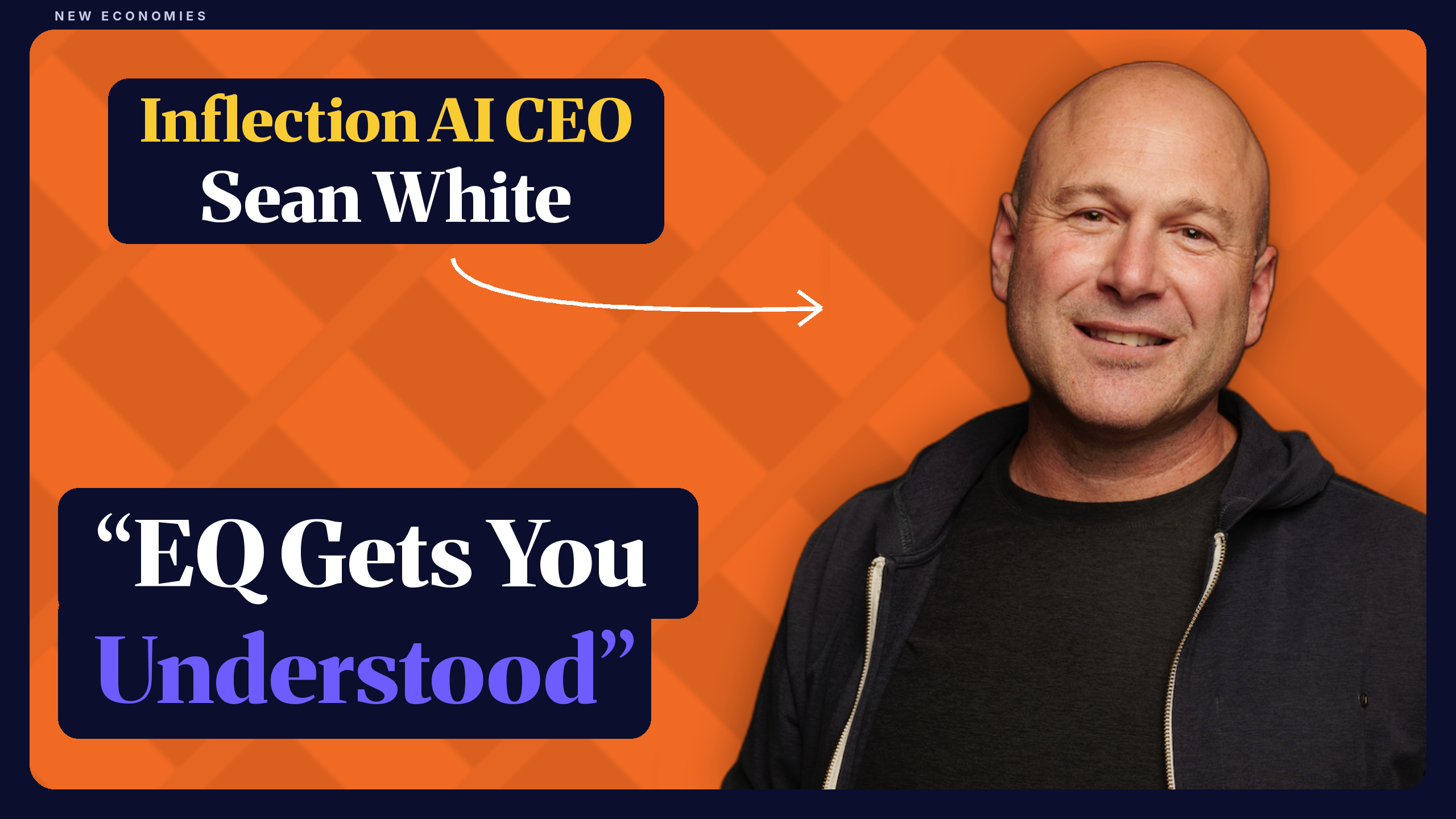

Taneik Athari, co-founder of Whisperflow (Whisper), explains how to grow a voice AI company by deeply listening to users, matching initiatives to organizational capacity, and building an “internal engine” for disciplined execution. He covers scaling from consumer to enterprise, international expansion (including India), and how they manage expensive AI compute via harness engineering and/or building their own voice models. He also shares a roadmap philosophy: dogfood lots internally, launch externally only when users strongly react.
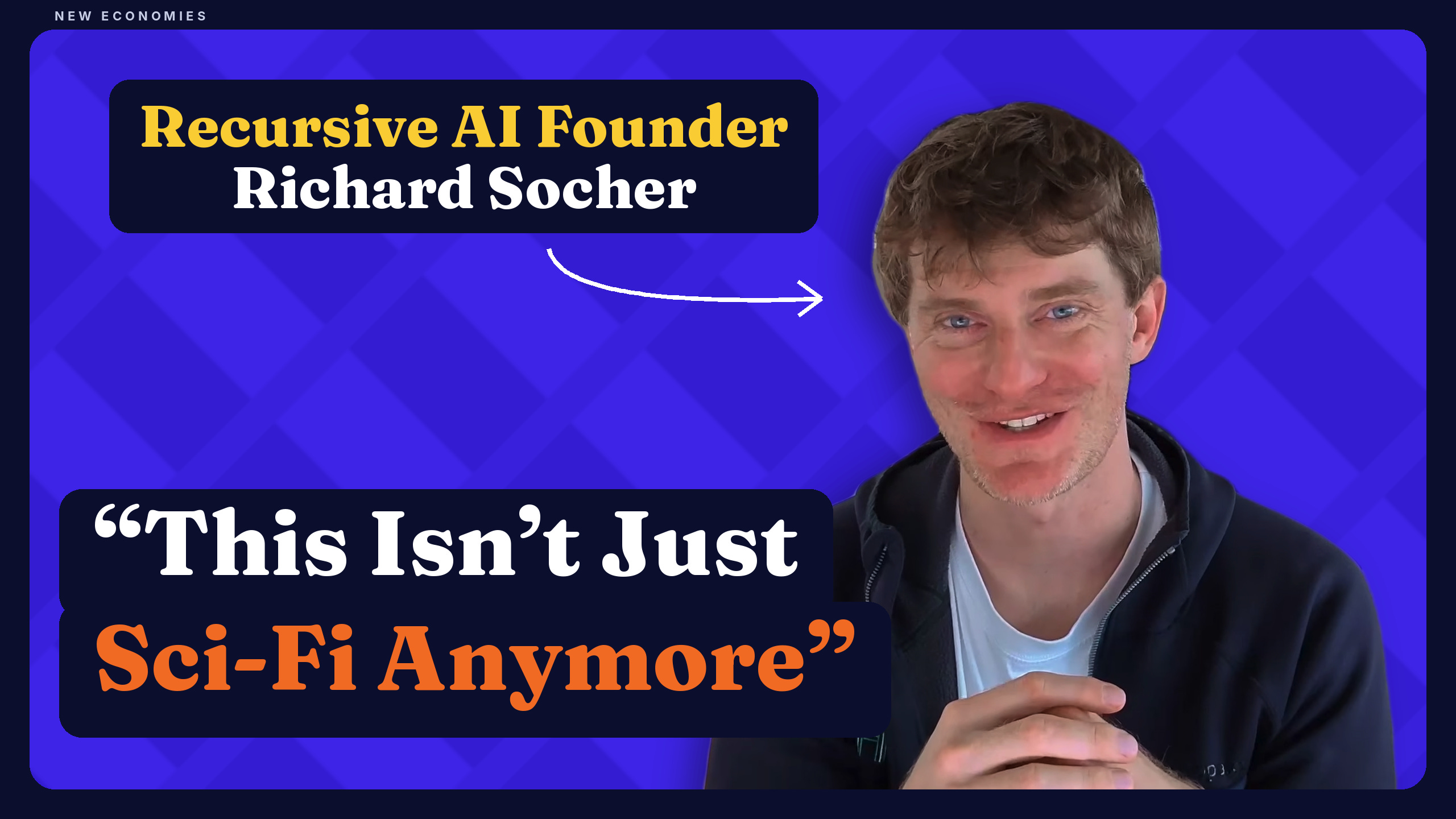
Taneik Athari is Whisperflow’s co-founder. In under two years he pivoted and scaled the company to ~$2B valuation, trusted by 50%+ of the Fortune 500. He leads product, hiring, and enterprise sales motion; he’s also building an AI lab (planned 40-person team).
founders must spend 5–10 hours/week with users; startups fail from distraction; focus must be constrained by capacity; enterprise requires different messaging/pricing than consumer; PLG alone hits a ceiling; trust is the core of “Jarvis”-like voice UX.
Whisper used in 100+ languages across 190+ countries; enterprise customers include Microsoft, Nvidia, Notion, Clay, Klarna, and law firms; India launch tied to voice-first culture and organic usage; “death of the keyboard” and accessibility for dyslexia/speech impediments; transcript editing time (1–2 hours per episode) and potential creator integrations.
Written by AI. May contain mistakes.
Learn why deeply understanding customer needs is crucial for business success.
“I don't believe anybody has built a successful company without listening to customers.”
Discover the challenges and successes Taneik faced while scaling Whisperflow.
“We finally managed this episode, Hafford.”
Explore how Whisperflow adapted from consumer to enterprise sales strategies.
“Company like Whisper, we're scaling at 30x every year.”
Understand the differences between selling to consumers and enterprises.
“And now we have an incredible CRO who is building and leading this entire motion.”
Learn about the unique features of Whisper and how they encourage user adoption.
“What's the one characteristic that you've actually changed from a consumer versus enterprise that's allowed you to scale the sales emotion side of it?”
Discuss the impact of voice technology on accessibility for individuals with disabilities.
“good amount of learning in just how do you build this from scratch like how do we make decisions that are correct for Whisper.”
Hear about Whisperflow's strategic expansion into international markets, especially India.
“about kind of white collar work, but it's the remaining billions of people in the world who get an unreal advantage out of this.”
Exploration of building products that resonate with users in various countries.
“is just creating delightful experiences for people.”
Discussion on the difficulties of pricing and packaging AI models while maintaining user satisfaction.
“I'm British we use a lot of commas because people would love to listen to us, yeah, all day It now knows exactly where I normally put commas.”
Insights into developing new voice interfaces and expanding the AI lab.
“Now the second way you can approach this is say, you know what?”
Exploration of the long-term vision of creating a trusted personal AI assistant.
“And these are some of the best researchers in the world for everything speech and multimodal.”
The importance of user feedback in product development and feature improvements.
“And so the way we get that is first, you need to build a voice input that just works.”
A discussion on potential integrations for creators and enhancements in audio processing.
“Why is it so important to be listening to the audience?”
The crucial balance of focus and capacity in startup initiatives to prevent failure.
“The biggest opportunity also potentially is with creators.”
Insights into how internal products are developed and tested before launch.
“You need to be consistently improving, consistently talking to customers.”
Learn about the iterative approach to product development at Whisper.
“And so there's very little time spent thinking in abstraction of like, oh, what if we could do this?”
Discover the varied responsibilities of a chief of staff at Whisper.
“If I was to join as your chief of staff for a day, this is one of the questions all of our guests and audience and fans love to know about.”
Understand the importance of company culture and communication practices for success.
“But even more importantly, once they join the company, I spend an equal or if not more amount of time with them to help set them up for success, which is like, you do your job incredibly well.”
Explore the challenges of scaling a startup and effective hiring strategies.
“Keeping on track of those guardrails is so important.”
Gain insights into the importance of engagement in modern content creation.
“but just something that needs to be done.”
Learn about the critical role of finance in shaping company strategy.
“And like, as I've been deep in that, kind of with every single part of the script and also kind of acting in those videos, which is so funny.”

Get the gist, explore an idea or ask about something said.
 Claude
On BIG IDEAS BY NEW ECONOMIES, what are the key points of this episode?
Searching your listeningAutomatic transcript. May contain errors.
0:00I don't believe anybody has built a successful company without listening to customers. Because your single job is to figure out something that people want and then give it to them. And so the only way you figure things out is not by having a high ego and being like, I know what people want. And so I probably spend anywhere from five to ten hours every single week with users and customers. Because you need to deeply, deeply, deeply understand the person. And so the key things that I end up focusing my time on is... This is Taneik Athari, the co-founder of Whisperflow. In under two years, he pivoted and scaled his company to a$2 billion valuation and is trusted by over half of the Fortune 500.
0:39And today, he's sharing what most founders miss and the key things you need to focus on to grow your business. Most startups fail because you get distracted. And so most companies, I believe, die by suicide because you make these wrong decisions. My reframing of focus is you need to match your number of initiatives you're driving with the organizational capacity. You need to always remember that if it took five people to build a thing, actually it takes 10 people out of 20 people to build and maintain them. A company like Whisper, we're scaling at 30x every year. Now, what that means is us as founders, we also need to scale ourselves at the exact same rate.
1:17And so the thing you're really focusing on are essentially upgrading the internal engine. When there's a new thing that we want to do as a team, the first question that comes up is, is this aligned with our roadmap? Is this aligned with what customers want next? And do we have capacity for it? And so the first big miss that a lot of companies have is they try to... Welcome to New Economies.
1:51Tane, welcome to New Economies. We finally managed this episode, Hafford. I'm super excited and I'm a huge user now of Whisper is changing the way I work. So thank you so much for creating it and awesome to have you here. Yeah, appreciate it, man. Glad you've been enjoying the product. It's been awesome. But you know, when founders have these magical ideas and moments in creating a product, especially which one is actually kind of been done before. We had this thing called Siri, but no innovation has happened in the last five or 10 years. What was that moment for you for starting Whisper? And what is the current state of the company?
2:27Whenever I'm thinking about anything, which could be a problem or a solution that's coming up, you can articulate what it's meant to do in about one sentence. What Weiss Dictation and Siri and all was meant to do is, I'm going to tell you a thing. Can you please do it? Right? That's what you expect from a human. If a human fails to do that, they're not really good at their job. And so that was the one thing that these systems had failed to do. So even though they existed, I would mostly call them attempts at a solution, but they didn't actually solve the problem because they failed on the one thing they were supposed to do.
3:04And so to me, this felt like a wide space. Now, that was one big problem, which is you are entering into a market where Siri and all these companies are what people know when you think about voice assistants and they have made a really bad trap. so we had to fight this uphill battle of how do you convince somebody that no no no thing you've used so far that's not what it was meant to be try this experience out just once and you'll know exactly what we're talking about so that is what a huge part of the company was about enable being able to acquire new users being able to get more people to be uh hooked on is how do you kind of break through that social negative impressions that have stayed built on for the last 20 years and actually get past that and so today whisper flow is now our 80 person team a two billion dollar valuation company growing 40 percent month over month over the last 12 months as we have now being used in over 100 languages in over 190 countries and this just feels like the beginning how does it feel to be on a rocket ship when you're just getting going and most importantly actually how do you stay very disciplined with your time it feels like absolute chaos uh because mostly what you're what you're doing is right the traditional sas companies you scale at 2x or 3x every year.
4:39Company like Whisper, we're scaling at 30x every year. Now, what that means is us as founders, we also need to scale ourselves at the exact same rate. And so the key things that I end up focusing my time on is not like I need to work now 20 hours a day. No, it's the things that I need to do. How do I do them faster? If I need to learn a completely new skill from scratch, how do I reduce the time from that happening from three months to two weeks? And so the thing you're really focusing on, essentially upgrading the internal engine. What's the biggest skill you've had to learn recently that's changed your way of working or helped you speed things up?
5:21I'll tell you what's been top of mind right now. I change this about every three months. So the thing that's been top of mind for me right now is building an enterprise sales motion. So this was really interesting where we have a consumer motion that's growing. It's got about millions of users. And then we had an inkling of an enterprise motion that we started to see at the end of last year. And so that was something I wanted to capitalize more on. So the last three months, I spent very deep in that. And at this point, we're at a place where we now have about 15 ,000 companies that are customers of Whisper.
5:57this includes more than half of the fortune five and a good number of the fortune 500 and public companies you have folks like microsoft and nvidia and then you have startups like notion and clay you have banks like clarna number of law firms and this is a consumer dna company and what we had to learn very quickly was how do we make it an enterprise company now a slack a notion canva they usually took about four to eight years to make that transition. We did all of that within a year. And now we have an incredible CRO who is building and leading this entire motion. And the B2B area accounts for now about a third of our revenues of the company.
6:47That's insane. What's the one characteristic that you've actually changed from a consumer versus enterprise that's allowed you to scale the sales emotion side of it? The most important thing to realize is you're not selling the same product to the same person. So when you're thinking about a consumer, right? What you want to do is you want simplicity. You want to get a lot more about emotions, right? When you're thinking about the pricing model, like, no, it's just$20. That's it. That's what Chagipity says. That's what Claude says, right? That's all. Now, when you're thinking about enterprise, there needs to be a lot more sophistication.
7:24You're no longer selling dictation. You are selling the fact that their engineers are going to be able to produce code a lot, lot faster. And you are selling to the CIO this vision of how this aligns with their AI transformation. You are looking at pricing now in more sophistication because now you want to tie your cost with the outcomes that you're generating. And so the first big miss that a lot of companies have is they try to sell the same product and the same pricing and packaging with the same problem description to companies. And that's what you usually get in what people describe as the PLG track, which is you're a product-led growth company.
8:11Companies are buying you because your product is great. but that has a ceiling and you grow really fast and then you s-curve into the ceiling but really there's this massive treasure trove of value left for your company to build if you can crack the second part and so when i think about top-down enterprise sales it's a completely different motion completely different way to operate than it was before and there's been a good amount of learning in just how do you build this from scratch like how do we make decisions that are correct for Whisper. Because there's a lot of things unique about our product, unique about the kind of world that we live in.
8:47And so you can't just copy-paste what every single other company has done as of two years ago. I'll be very honest. When I first saw these enterprise and consumer voice dictation apps come to market, especially on the enterprise side, I was like, this is not going to work. People inside companies, they don't want to hear other people talking to their dictation apps, right? But you guys did something quite magical. And for the audience who are listening, who are just joining, if you haven't used Whisper, you essentially press command, you talk to the chatbots, and it will output everything you say into text.
9:23But for the enterprise and for people inside the workforce, people can now whisper. Pretty cool, no? How has that uptake been? It's actually fascinating, right? Because you could be sitting two feet from somebody, and you could just sit and whisper to your computer, no microphone, no nothing else that you need. And it just picks it up perfectly clearly. And what that has done is earlier, so inside companies, people started using whisper a lot, but they would do the thing same with zoom is they would go find a room and then just sit in the room for a few hours, use whisper, come back out to their thing.
9:59Now you just see people at their desk, like lit whispering quietly. And you go into one of these offices, you go into the offices of RAM or Klarna or a lot of these companies and you just see everybody on their desk talking to their computer, which is honestly how I think work should be. Death of the keyboard is in sight. It's kind of the thing we've seen, right? I mean, when I was thinking about the questions for the episode, when's the last time we wrote a letter? That's kind of gone. The last time we used Siri, that's kind of gone. You know, there's like just so much abundance of opportunity but at death of the keyboard do you really think this is going to happen and what timeline do you think we're on i think keyboards are going to become a novelty there's some people who like like precision editing makes a lot of sense there's some people who like using photoshop to edit their photos like go go for it like there's still a world for that but hey for most of us like we have really great filters on instagram and our apple photos and we're just going to use that that is the same thing that you expect to see happen here where why would you do this and type when you can just speak and and you know like you and i there's some people that were in their office and like no like the keyboard is great i'm a fast typer this is fantastic it's like there's a lot of you who've switched over but think about the rest of the world think about your dad or grandfather who's typing like this imagine the level of unlock it creates for them there are 700 million people in the world who have dyslexia or some kind of a kind of a speech impediment and for them you have the way you interact with technology is you literally have to spell out every single word it is the literal worst thing you could do for them And those 700 million people now have an unlock.
11:57And so there were so many people who were, basically you didn't get the same access for so many years, who now you just have opened the floodgates to. And so to me, you could make whatever claims you want about kind of white collar work, but it's the remaining billions of people in the world who get an unreal advantage out of this. I love that so much. I'm actually one of those 700 million people who have dyslexia. I couldn't read and write until I was 14, 15. So I wish this was back in school 12, 13 years ago. But there's also just so many other opportunities, right? People who don't speak English.
12:32You guys just launched in India, did a massive campaign. I don't know how many of these tuk-tuks you hired, but you had basically whisper on the back. What's that story and why you choose India as a second market? A couple of things. One is India was one of the countries where we already saw a very organic uptick in whisper usage. And we were trying to figure out why. And at the heart of it, what we got to is it is one of the countries that's just voice first, right? You see India, you see Brazil. In these countries, people, when you want to have a kind of you have a quick question for somebody, you just call them.
13:11You send voice notes. that is not a very american slash european thing anymore it's really strange i don't know why countries evolve this way but this is what you see happen and so so voice just felt very india and india was one of the countries that i deprioritized for the longest time because the the usual mo was like okay they don't pay but that i saw i saw start to change and that's why you also see a number of companies like whisper and open ai and perplexity all target India as one of their next large markets. For me, it was something closer to my heart because that's what I grew up in. And honestly, building something that my grandparents can use, that my parents can use would be fantastic because one, they would finally understand what I do for a living.
13:59And two, the thing I care so much about Whisper is just creating delightful experiences for people. And if I can create that for my friends and family where I grew up, it's just special. So that's what got me for India. And it's been phenomenal working there. There's a number of other companies that we also launched in, which includes the UK, Australia, New Zealand, and as of two days ago, Canada. And for each country, the goal is like, I just want people in that country to feel like this is a product made for people like that. When Canva launched in Brazil, they called it a gringo product. That's not good.
14:36You don't want to be called a gringo product. and there's I think a lot of learning so this is what my goal was to learn at the start of the year is how do you launch in a new country and just make it feel embedded You know what I love about the product, I've been using it for a few months now and okay it takes like a couple of days for the talk to get used to like how you speak and so on, right? I'm British we use a lot of commas because people would love to listen to us, yeah, all day It now knows exactly where I normally put commas. Our brand, New Economies, is all in caps. It now knows to use New Economies all in caps.
15:16What is the hardest part about building the AI foundational model when the AI compute and credits are becoming so expensive? If we were passing everything through to other models, this would not be a sustainable business. A big part is, as we're building intelligence, you you come upon this really hard question which is actually around pricing and packaging you could throw the most expensive model at all problems and get your users the best experience but then also you're going to be charging them a tenth of what it would cost you right or you increase the price at which point nobody's going to use your product and so you're in this very interesting thing where you're like, okay,$600 gets me this quality.
16:04How do I get this quality for$10? And then how do you demonstrate this as a value to the customer so you can sell it for a little higher? So you have some margin that you make, which is part of building a core business. And that is a big drop. And that is where a lot of intelligence comes in. And that's why this is what you end up calling a lot of harness engineering, is can you take a bunch of cheaper models and get a similar result to a really expensive model for this very specific task? If you can crack that. That is beautiful. Now the second way you can approach this is say, you know what?
16:47We're going to build our own. And that is what we realized in the case of voice. And what we did there is we found that there weren't actually any smart or good models out there that would get the level of accuracy and all that we wanted. And so we were facing a completely different problem where we needed to invent something from scratch. And at this point now, Whisper is one of the leading frontier labs in voice out there. And now I think by the end of the year, we're going to have a 40-person AI lab inside Whisper that is building and shipping advanced interfaces. And this is everything from voice to multimodal to really what the future of human-computer interaction is going to be like.
17:33Wow. What's the size of the team today? Today it's about 15 people. And 40 by India. Yep. And these are some of the best researchers in the world for everything speech and multimodal. When you start to think about all the different types of tools and products you can create around us, I'm a big fan of Superhuman. We just had the founder on the show also who also mentioned you guys. Awesome, Rahul's awesome. And super cool where they're built, right? When you think about the speed of products they're building, I always think this is potentially the route which we could go down. Could you go down the verticalized route?
18:13Is it more hardware? How do you think about building all these amazing products if voice is going to be the new user interface and how we communicate? There's a couple of ways I think about this. So number one is what are we really building towards? And at the end of the day, for me, it's always been Jarvis, right? It's less of what it looks like in the movies. It's more so a system that just gets you. It's with you 24-7 and you trust it. You do things on your behalf. Feels almost like a chief of staff. And so the way we get that is first, you need to build a voice input that just works. It's reliable.
18:47People trust it. then you want it to not just be able to write things for you you want to be able to take actions then you get to a point where whisper is able to proactively help you and this is where it's not just kind of hey i'm going to tell you a thing and you do the thing no whisper is going to help you back because it has learned so much about you and this is really hard right clippy and so many companies have tried to build this and failed and i think we have an approach that could make this work. And once you have all of these pieces together, then the system really starts to feel like companion, concierge, a friend, whatever you want to call it.
19:30But now it's with you. It learns with you. And the most important part underlying everything is you trust it. And then when you get that, the next question is, well, does it continue living on just your phone and laptop or is it with you everywhere? And that is the final piece of it. And so this is the grand vision, right? You can't just guess, jump to the end state because humans change habits one step at a time. You can't get them to completely transform to something else. So now what do you do? Well, our product philosophy is really simple. At this point, there's this that Whisper does and there are a hundred things all around that we can do.
20:12The things that we pick are going to be one, it pushes us in the direction of the vision that we want to go towards, right? So we're not going to build some other random gaming app in the middle. Second is it needs to be something that people expect Whisper to be able to do. And so if you're listening and you're one of the Whisper users, think to yourself like, hey, what's the couple of things that Wish Whisper did that is what we take as feedback and that's how we figure out what's the next thing we want to do because it's always about matching the customer's expectations because the customers always want more from you every single time and a big part of how you deliver an incredible experience to people is you consistently keep hitting that expectation i love that you also tweeted recently around which i think was pretty bold you said one of the things that you don't like about whisper which actually we don't see many founders doing ever.
21:10Why is it so important to be listening to the audience? And what are maybe some of the features products that haven't worked so far? There are so many things. Okay, one, I don't believe anybody has built a successful company without listening to customers. Because your single job as a business, and most people forget that, your single job is to figure out something that people want give it to them and then they give you back what you want which is usually money and the only way you figure things out is not by having a high ego and being like i know what people want and then you go do something like no you need to deeply deeply deeply understand the person and so i probably spend anywhere from five to ten hours every single week with users and customers because I want to I just want to sit beside them I see what their day looks like I see how they use the product I want to listen to them to see what they love what they hate and so when I did that I actually got way more engagement than I had initially hoped for and users are going to see so many of those great things being shipped out from small things like hey the flow bar just stays in the bottom of your screen and for some people it's overlapping with some important stuff that they need to use otherwise.
22:31And so cool, we're going to make it movable. If you're enjoying today's episode, hit subscribe at the bottom of your screen. The guests on the show are getting bigger and bigger and we need your help to grow this channel. So if you're enjoying today's guests or any previous episodes, hit subscribe and I promise you it'll be worth it. Now back to today's episode. The biggest opportunity also potentially is with creators. we always use these like the software we see now or other recording softwares the transcripts are so bad so if whisper could have an integration into all those and clear everything up that'd be amazing this is like all the video editing tools and like when you're getting subtitles and all it's super bad it doesn't take out like all the ums some of the brands will be spelled incorrectly speakers from like different countries where english is not that native language we probably spend one to two hours for each episode just on editing the transcripts to make sure it's perfect.
23:32Are you for real? And you can put it into chat, GBT, you can ask Claude and make sure, I mean, we obviously want to make sure everything's as perfect as possible. But even if it's an hour, we do this twice a week, that's eight episodes a month. 20 hours probably a month, just on transcripts. So there you go. Whisperful Creators. Don't worry. I won't take a royalty. You can have that. A little idea by Ollie at the end of it. Thank you. There you go. But this is really cool. You know, as you think about all these amazing products that I think Whisper could go and create, again, it goes back to the question earlier around you're a very small team still.
24:09How do you stay completely focused? And actually, what does that product roadmap look like internally? The first part you asked is, actually, I think the crux of why most startups fail. Most startups fail because you get distracted. Now, the opposite of distraction is not focus, actually. A lot of people say focus and focus can be misconstrued because what focus lets you do is it lets you say, hey, we're a thousand person company and we're going to focus on this one thing and we're not going to do anything else. And that slowly kills you by you becoming redundant, right? This is what you just see where companies start becoming legacy companies.
24:53So you can focus on the wrong set of things, even though you have a lot of resources. Second, the way people fail is you can have a focus on a broad set of things. As a company, you could be focused on building Jarvis. No, but that will kill you. And so most companies, I believe, die by suicide because you make these wrong decisions. My reframing of focus is you need to match your number of initiatives you're driving with the organizational capacity. That's very straightforward, right? It also does not scale linearly. If you have a thousand person company, that does not mean that you can have 100 initiatives running inside of it with like 10 people each.
25:35That'll be like absolute chaos. But when you start framing things that way, what happens is when there's a new thing that we want to do as a team, the first question that comes up is, is this aligned with our roadmap? Is this aligned with what customers want next? And three, do we have capacity for it? and if not then it actually is a constructive question because then it's like okay if you want to get this new initiative in we need to build the right team for it until we build the team for it we can't start working on it and guess what nobody is opposed to that you don't have people saying no i'm going to do this anyway because it's a very reasonable thing like no this is a fantastic thing we should totally do it but also we can't take people off of the things that we are working right now.
26:21I've done this a couple of times before and it has had a massive impact because the thing is you need to always remember that if it took five people to build a thing actually takes 10 people out of 20 people to build and maintain the thing. Most people forget that. You need to take care of the system. You need to be consistently improving, consistently talking to customers. And so if you're like, nah, you know, dictation is solved. We're going to take the people and go build the next thing, you're going to lose that war very quickly. And so that is the main question that we always keep coming back down to.
26:58And then, and this is the hardest thing for founders, right? You have a great vision. You want to do all of that now because great founders are also impatient. And this is the one thing that adds some more patience back into the mix and lets you be a lot more disciplined with where your time goes towards. Because you could launch hundreds of products tomorrow, right? If you wanted to. I could cloud core everything on a weekend. And they're all going to be shit. It's important. The product roadmap, when a company reaches this velocity, there's obviously so much excitement. There's obviously so much excitement with consumers and your users.
27:38What does the product roadmap look like internally? Do you launch new features once a month? new products once every six months? Is there like a standard whisper DNA? Standard whisper DNA is usually there's new things launching inside the product for dog fooding every single day. We build a lot by testing it out. And so there's very little time spent thinking in abstraction of like, oh, what if we could do this? Just do it. We'll try it out. We'll answer the what if question ourselves. Give it to a couple of people. and start feeling that. So the external product that people see has about a 10th of the features that our internal product has.
28:19Internal product has 10 times the number of features. There's so many more things you could do with it. And then you ask the same question. It's like, are we solving this specific problem that we meant to solve? If the answer is no, like it doesn't see the light of day. The moment that answer is yes. The moment you see somebody light up, the moment half the people in the company tell me that I can't live without this thing, that and then and only then does the thing get launched. You could do so many cool products. Maybe it's like you go down the vertical route. Is it Whisper for doctors, for teachers, industry professionals?
28:53That's one side, right? There are so many apps I use, which I aid, which I think Whisper could completely dominate. Pretty cool. In only a few years. Yeah. Companies less than two years in the working. July 25th is going to be our two-year birthday. July 25th. Yeah. Wow, okay, in two weeks. If I was to join as your chief of staff for a day, this is one of the questions all of our guests and audience and fans love to know about. Actually getting inside the company on a day-to-day. If I was to join as your chief of staff for a week, what would that week look like? And what would you actually get up to on a day-to-day basis?
29:33My life every week looks very different. like week by week looks completely different because i see my role as being fluid and going and solving the most important dumpster fire in the company that is not being taken care of every week that's a completely different thing this week i'm pming a product that i'm getting it ready for launch the week before i was actually deep in engineering for the same product the week before that i was hiring and setting up our new cro for success and kind of shedding everything out on the b2b sales side the week before that i was deep in design for this new product and deep in design is like yeah i'm in figma with my designer and we're just sitting shorter to shorter like five days a week grinding it out and the consistent thing that goes across all of this is usually if you see me in the office i do a lot of one-on-ones with people what i just sit beside them go very deep into a topic and that is usually how we have some some major breakthroughs as a company and then i spend a lot of time with hiring actually because the kind of people that we bring in today like the first 10 people draw your next 100 and the first 100 people draw the next thousand and if you want to maintain the bar you need to be extremely intentional so as we're thinking about these leaders that we're bringing into the company, I spend a lot of time with them to deeply understand kind of how they work, the kind of people we want to bring on.
31:11But even more importantly, once they join the company, I spend an equal or if not more amount of time with them to help set them up for success, which is like, you do your job incredibly well. Let's talk about how this job is done incredibly well inside Whisper, because there's some nuances to how we work as a company, how the culture works, how you interact with other people. And there's something magical about the culture that we've built, which is really important to keep up. And the real problem that this ends up solving at the end of the day is when mostly you're, say you're a founder of a company and you see somebody produce bad work, it's not because they wanted to do bad work, right?
31:53Nobody does. They probably did their best. And so if it still did not meet your expectations, you need to respond to that, not with frustration, but with curiosity. they need to jump and say like okay were you not set up for success was there lack of communication was this a wrong like problem person fit and if you understand that then you can change things very quickly turns out mostly the answer is to do with they are working on a different set of guardrails different worldview than you different maybe they think scope is more important than quality. Or maybe they think timelines are more important than quality, in which case you ship something sloppy, but sooner.
32:36And those are all decisions. There are no fundamentally wrong decisions. There's just different ways of working. And what I realized is if you spend a lot of time upfront doing that, people just do significantly better work. They're much more happy with the work that they do. And then just less communication overhead and more trust across the company. You know, this is such an important lesson for founders as they start to think about building their teams, not just in person, but also globally. Keeping on track of those guardrails is so important. Right now, I think most of you are all based in SF.
33:12But as you start to build a team internationally, how do you think about keeping those guardrails for AI, standards for AI, but also keeping the culture the same? So it becomes super difficult. There's something we've started to come across. What has worked for us so far is we actually have those new folks flying and spend a week at the office every month. That is insanely important. We do a different thing where they send somebody from the office to that country. Most of the people on our team have families and kids. We can't randomly ship them off to a different country. Like that's not going to work.
33:50So we bring them over and then spend those couple of weeks in just pure immersion. The goal is not to achieve something or build something great in that time. No, the goal is for you to just have a deep understanding of how I think, for me to have a deep understanding of how you think. So that when you go back, we're essentially working like a mind meld. And so when we built our UK team or our India team, there's a couple of people in Poland. There's a couple of people now in Brazil who are working at Whisper. This has been the foundational thing that has been really important. And then the next thing to just ensure throughout is make sure people know how to over-communicate.
34:34Because people under-communicate severely on asynchronous channels like Slack and all. And so that has been a consistent push that I have. Nothing half the company is tired of hearing that from me all the time, but that's fine because it's important. And I would rather have them be annoyed at me than be under-communicating. and so that is the the next thing that has helped us attend what's the goal do you think in the next couple years you want to be a couple hundred people or is it just about quality and execution i mean the goal is always quality and execution people is an input to it right and so again when we're talking about capacity if we draw the roadmap and these are the things that we want to build how many people would you need to do a good job of that is really the question and so it's never hiding people for people's sake.
35:23I would any day of the week choose to do something with fewer people if I can, because it adds a lot of overhead and complexity, just the human side of it. And I like keeping things lean, but I think we're going to be a couple hundred people company by the end of the year. Wow. Okay. So you're on 80 now and another 120 would take. It's going to be hard. It's going to be hard to hire that many people with the talent bar that we have. And so that's where we also have to be really creative now on how do you do that? Because there's not too many companies that have had to, one, needed to scale this fast, successfully scale this fast, and maintain their culture while they were doing that.
36:01Exactly. But keep building amazing products and that's going to happen, you know? Yeah. And so I am part excited, part terrified at this new challenge that we've taken up, but just something that needs to be done. You just need to hire some amazing British people who just drink beer all day and have, you know, good chats and the culture will be amazing. I mostly hire the British people for their jokes. We have very bad jokes. I'm very sorry. It's exactly my type. Yeah, exactly. Even though we probably do the best Indian food in the world, better than India itself. Controversial take. We're pretty good.
36:42It's amazing. I was in the UK for a few weeks actually a couple of years ago and I had a blast It's good, no? Yeah, it's fantastic I was in London, I went up to the Lake District spent some time in Scotland I was just roaming around the countryside It's great, I mean I don't live there anymore but we still have great jokes even though nobody understands them It's totally okay I'm really excited for you guys Before we finish, we always have a quick fire round I say a quick couple of questions. Give me your immediate thoughts. This one always is super interesting to understand. There are so many amazing people out there.
37:20If you could pick one person to join your board, who would that one person be and what would you like to learn from them? I would actually love to get Mr. Beast on my board. He understands engaging people like nothing else, which is such an important skill set today because we live in an engagement economy. And I mean, it's less about, you know, if the content is useful or not, that's a separate question. We would want to make a content that's useful, but also that part of engagement, even I've seen like when we've done that well, it has just created massive kind of social conversation. I mean, look at your campaign you did when you guys launched in India, right?
38:05That went wildfire. You could do so many cool things around that. The Porsche video was incredible. and kind of those all hit, I'd say 80 to 100 million views and just massive adoption. But those are also hard to execute on. And like, as I've been deep in that, kind of with every single part of the script and also kind of acting in those videos, which is so funny. I'm such a big introvert. I would have never imagined myself doing this two years ago. I think you should have saw the TikTok fan accounts just be really silly, silly to nay. I don't feel comfortable in front of a camera. It's okay. We're doing it now.
38:44It's great. I know. I know. This is not normal for me. I am, and this is so funny. Like when people see my LinkedIn or they see me in these podcasts, they're like, oh, this guy is great at marketing, all that. I did no marketing, no video, none of these things two years ago. My first video that I made was in October of 2024, four which was the first with for flow launch video and that one we didn't even have a video team so it was me and my brother who shot the whole thing in the office over a weekend and then we were deep into after effects and we just made the video from scratch and now this is again like a part of the job but thama this is actually very i have to push myself to to to get here so this is uh i'm much more comfortable like you know like i would i would wear my hoodie and then just like be coding on my computer.
39:39Like this is normal me. That is you. Hire Mr. Bees, get a couple of creators and set up that fan account. I'll even help you for free. Yeah, let's do that. I could have you start there. Perfect. Well, I mean, I've given you a free idea, right? Whisper Flow for Creators by Oli. By Oli. There you go. What's the one thing you've changed your mind about in the last 12 months and why? How important finance is as a function. It's like a very niche thing. It's pretty important. It is. And it's not a piece of the discipline. Like, throw that away. It's mattered. It's important. But when I think about kind of the CFO role, when I think about kind of finance as a function, it is actually one of your strongest cannons in the arsenal because it lets you, if you do this well, it lets you do a lot more on the marketing side.
40:42It lets you completely change the user's perception of the product based on how you price and package it. ChatGPT feels like a free product. Claude feels like a paid product. That's why ChatGPT got to almost a billion monthly active users. And Anthropic is very, very far from that, even though fantastic product, but very far from that. And if you are able to use those tools well, the trajectory of your company in 12 to 18 months is going to be 5x up or down. And that is the key thing that I realized over the last few months as I've been very, very deep into it. And so a big thing for us right now is hiring an incredible CFO who can be a partner in crime with me.
41:21On this, to both maintain the discipline, but also use this to really build what I call internally just money generating machines. exactly that's what we need don't run out of money keep your eye on the prize and just be good at finance today this has been awesome it's made my day so thank you so much for coming on the show and we can't wait to see you fantastic start to mine this perfect creator is coming soon yeah love it
Subscribe to stay ahead of technology trends. Never miss future editions.
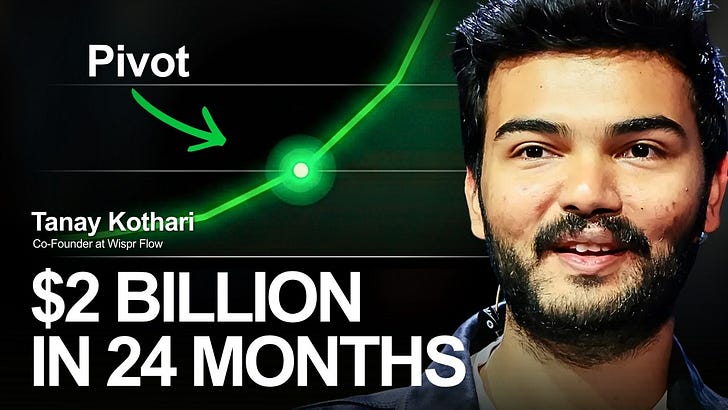
Tanay Kothari, founder of Wispr Flow, joins NEW ECONOMIES to unpack why most startups don’t die from bad ideas but from chasing too many good ones, and why matching your number of initiatives to your organizational capacity matters more than simply working longer hours.
About Wispr Flow
Wispr Flow turns voice into clean text. 4x faster than typing. 85% zero-edit. Speak naturally. Write perfectly.
Watch now: Tanay Kothari - Founder of Wispr Flow
We also get into the future of voice dictation and whether the keyboard is on its way out; how Wispr built an enterprise sales motion from scratch in less than a year, now accounting for a third of the company's revenue and serving more than half of the Fortune 500; the pricing psychology behind why ChatGPT feels free while Claude feels like a paid product; and why Wispr chose to build its own voice models in-house instead of relying on third-party AI providers.
We close on the story behind Wispr’s tuk-tuk campaign in India, how Tanay structures his week acting as chief of staff to the whole company, and a quickfire round covering his dream board pick and a free idea for Wispr Flow for creators by Ollie.
Watch or listen now across YouTube, Apple Podcasts, Spotify, and X
Download the transcript 👇
Timestamps
(0:00) Meet Tanay Kothari(1:50) Why Tanay Started Wispr(4:12) Building a Rocket Ship with Discipline(8:52) Why Now Is the Moment for Voice Dictation(12:27) Launching Wispr in India(14:51) Why Computing Is Still So Expensive(17:48) Why You Must Listen to Customers(24:00) How Tanay Stays Focused(27:00) Wispr's Internal Product Roadmap(29:15) Ollie Becomes Tanay's Chief of Staff(32:58) How to Keep the Talent Bar High(37:10) Rapid-Fire Round
Our notes from this conversation
* Most startups don’t fail from bad ideas, they fail from mismatched capacities.
Tanay’s reframe: the opposite of distraction isn’t focus, because focus can point at the wrong thing just as easily as the right one. A thousand-person company can be laser-focused and still fail if what it’s focused on doesn’t match what it can actually execute. His fix is mechanical, match your number of initiatives to your organizational capacity, because a task that took five people to build takes ten or twenty to maintain.
* Enterprise wasn’t bolted on. It was built from zero in under a year.
Wispr went from a pure consumer motion to a third of total revenue coming from B2B, with 15,000 companies and more than half the Fortune 500 as customers including: Microsoft, Nvidia, Notion, Clay, and Klarna. Companies like Slack and Notion took four to eight years to make that same consumer-to-enterprise jump. Tanay’s team compressed it into twelve months by treating it as a different product, not a repackaged one.
* ChatGPT feels free. Claude feels paid. That gap is the whole game.
This isn’t a throwaway comparison, it’s Tanay’s actual pricing philosophy. Perception of price is one of the most under-used levers founders have, more powerful than the marketing budget behind it. It’s why ChatGPT crossed a billion monthly active users while Anthropic, by his account, remains far behind on volume despite the stronger product.
* When nobody had a good enough model, Wispr stopped shopping and started building.
The team tried routing through other providers first and found the accuracy ceiling too low for voice specifically. So they built their own frontier voice lab from scratch, 15 people today, headed to 40 by the end of the year. The bet is that harness engineering, squeezing frontier performance out of cheaper models, only gets you so far before you have to own the stack.
* The keyboard isn’t dying of old age. It’s being made obsolete by 700 million people who never wanted it.
Tanay’s most pointed number: 700 million people worldwide have dyslexia or a speech impediment, and for them typing isn’t friction, it’s the single worst way to interact with technology. Voice isn’t a UX preference for that group, it’s the first real unlock they’ve had.
* There’s no fixed job at the top, just whichever fire is biggest that week.
Tanay describes his own role as deliberately fluid: one week he’s PMing a launch, the next he’s deep in Figma five days a week, the one after that he’s building out a CRO’s B2B function from scratch. The throughline isn’t a job title, it’s finding “the most important dumpster fire in the company that is not being taken care of” and sitting in it until it’s solved.
* Five to ten hours a week with users isn’t research. It’s the entire strategy.
Tanay doesn’t outsource customer insight to a feedback form. He sits beside users, watches their day, and treats that time as non-negotiable, not because it’s good practice, but because he thinks no company has ever succeeded without it. The line he keeps coming back to: your single job is to figure out what people want and give it to them, and everything else is downstream of that.
Links
Follow Ollie on X - https://x.com/ollieforsythFollow Tanay on X - https://x.com/tankotsTry Wispr Flow - https://wisprflow.ai
Previous episodes include
If you enjoyed this episode, help sustain our work by clicking ❤️ and 🔄 at the top of this post.