 Ask ChatGPT
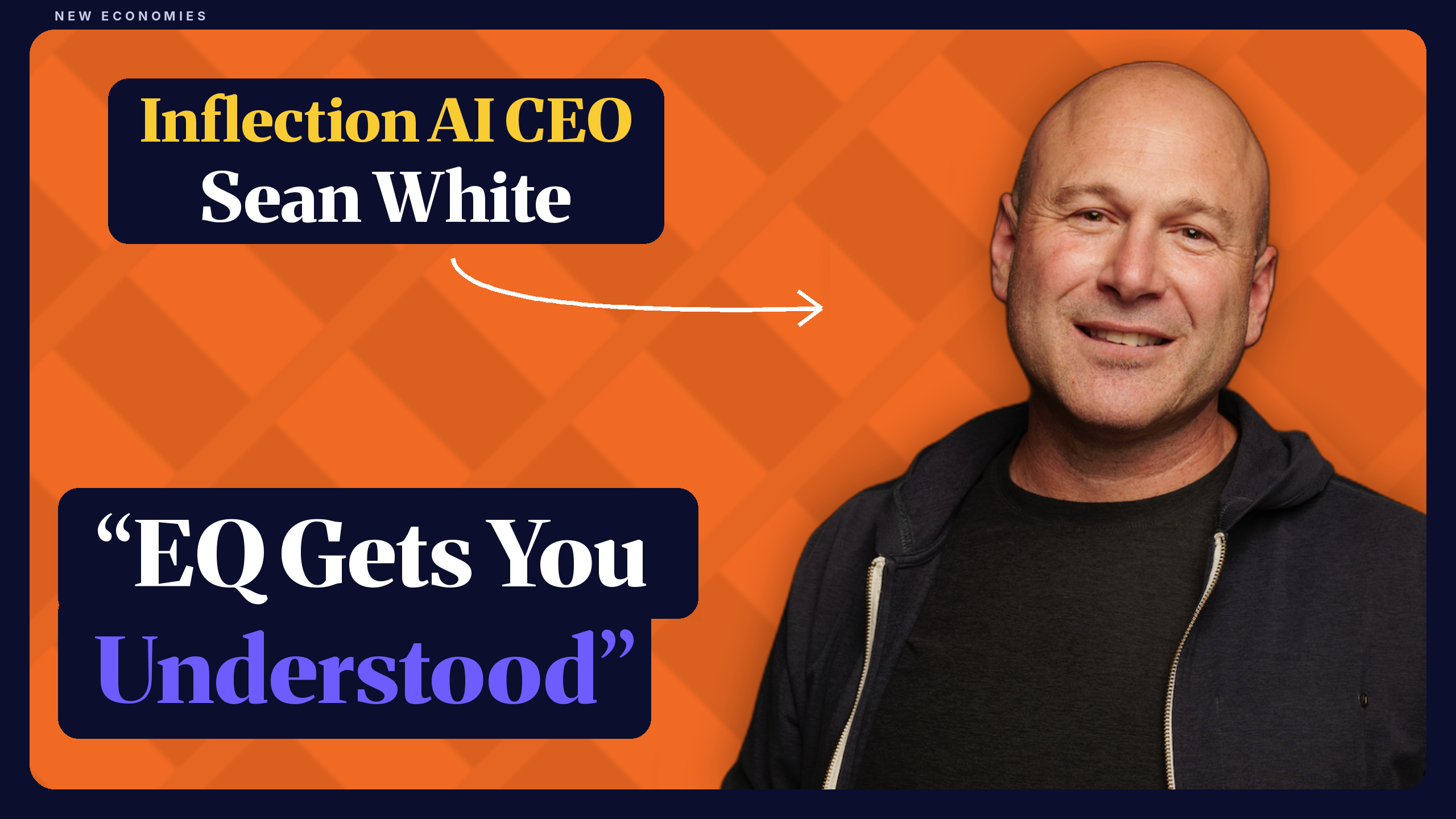

Xero CEO Sukhinder Singh Cassidy explains why “thin AI wrappers” fail in complex, regulated, long-lived software, and what Xero is doing to win via constrained flexibility, customer adoption, and a multi-layer infrastructure/data/app stack. She also covers Xero’s growth, U.S. expansion strategy, and leadership lessons from cost-cutting and layoffs.
Sukhinder Singh Cassidy is Xero’s CEO (nearly 4 years). She previously led StubHub (for eBay) and ran international business at Google (six years). She’s an Indian-Canadian immigrant and has been a founder multiple times.
AI can accelerate “slices” of code, but brownfield systems have tens of thousands of edge cases; success requires constrained flexibility and model-agnostic, cost-vs-efficacy decisions. Xero stays relevant by being infrastructure (regulatory, payments, tax rails) and a system of record, not a thin app wrapper.
Xero’s open app ecosystem (1,000+ apps; mix-and-match with Melio, Ramp, Gusto, Avalara, Bill). U.S. competition with Intuit (QuickBooks cloud shift). XeroForce (custom workflows in a secure environment). 100% AI-powered live customer support coverage.
Written by AI. May contain mistakes.
Learn about the complexities of coding with AI in existing software systems.
“If you are a very thin wrapper of application software, it might be easy to code from scratch the first 50%.”
Explore Xero's growth, revenue, and market positioning over the years.
“I know it's 20 years because I started using the product when I was 18, which was 10 years ago.”
Discuss the challenges Xero faced in entering the U.S. market and its strategies.
“And then I think if you were to think about what we're excited about for the future, well, of course, I think it is, I always say, it is a builder's era.”
Understand how Xero differentiates itself in a competitive landscape against incumbents.
“Why do you think it has been so hard to crack America and any characteristics behind that?”
Learn about the importance of having a focused strategy for startups and established companies.
“But I think the third thing is when you kind of are a challenger in a market, not the native, you have to think about, you know, what you need to do really well and how you differentiate.”
Hear Sukhinder's personal journey and experiences leading up to her role at Xero.
“Melio is an addition on top of that now, rounding out the product suite.”
Explore the essential traits that define successful companies.
“The market for small business digitization is growing all over the world.”
Discuss the complexities of establishing authority and making tough decisions as a new CEO.
“you have to very quickly be either respected or liked.”
Learn practical strategies for handling layoffs and maintaining transparency.
“AI companies are growing today, and especially a lot of these legacy software companies who are also making layoffs, obviously, times are changing, right?”
Understand the unique challenges and responsibilities of leading a public company.
“You know, you're running this huge company, a couple of thousand team members now, you're publicly listed, 5 ,000 people, right?”
Discussion on the importance of focus and value creation in challenging market conditions.
“You know, at the end of the day, I think, remember the word we started with, focus and value creation?”
Exploration of the state of small businesses and their adaptations amidst market changes.
“Why do people operate through all of these circumstances, good, bad, choppy, not choppy?”
Insights on AI integration in small businesses and the varying levels of comfort with technology.
“I don't think the market can understand one SaaS company from another.”
Introduction of AI-driven customer support and the significance of real-time assistance.
“We have, of course, our cloud connector.”
Discussion on the evolving landscape of AI partnerships and the importance of adaptability.
“you can get live customer support using AI.”
Insights on the complexities of integrating AI in software development, especially in legacy systems.
“is great, but also you don't want too much flexibility, right?”
Discussion on how Xero maintains relevance amid evolving technologies and competitors.
“People talk about how easy it is to code accounting software.”
Discover the multifaceted approach to acquiring customers across various segments.
“OK, I don't know what context layer you're using, but if you'd like to, go ahead.”
Explore the immense opportunities for small businesses in the evolving software landscape.
“And I think also, potentially, the biggest opportunity I think for Xero is how do you make these small enterprises, S &Bs, more successful?”
Understand the challenges of customer adoption and the importance of timing in software solutions.
“Like we have to stop and think about the customer's ability to adopt.”
Discuss the evolving role of accountants amidst the rise of AI and digital tools.
“I think, you know, the, something I've been thinking about honestly is there is this whole startup battle on the legal space, you know, you've got like Legora and Harvey.”
Delve into how AI can create new value pools and change traditional markets.
“Take out all the manual work and help them move from somebody who's paid hourly for producing a tax return to somebody who is valued for their advice.”
Gain insights into the daily tasks and priorities of a tech leader.
“But if you are a net adopter and understand what's possible, your ability to do more with this technology and increase your own value multiplies.”

Get the gist, explore an idea or ask about something said.
 Claude
On BIG IDEAS BY NEW ECONOMIES, what are the key points of this episode?
Searching your listeningAutomatic transcript. May contain errors.
0:00Sukhinder Singh Cassidy: If you are a very thin wrapper of application software, it might be easy to code from scratch the first 50%. You know what we have inside of Xero? We have tens of thousands of edge cases in our code. There's so much you can do, obviously, inside of software development and how you code. There are areas or constrained areas where you might rewrite code with AI. But I think in a brownfield area, it's not as simple as like, just let AI write code. That doesn't seem super smart. So when you are a challenger in a market, you have to think about what you need to do really well and how you differentiate.
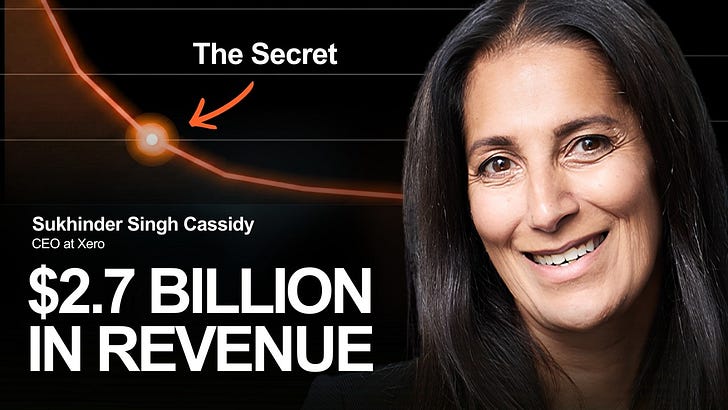
0:30Sukhinder Singh Cassidy: It is a builder's era. And so for us, AI is a tremendous opportunity. But the first and most important thing is to understand. This is Sukhinder Singh Cassidy, CEO of Xero. She's scaled Xero to over$2.7 billion in revenue across 5 million global customers. And today she is breaking down why thin AI wrappers fail and the two things you need to double down on to win in a disrupted market. Almost everywhere in the world, you don't want a team with flexibility. What you want is like constrained flexibility. To my team, I said, hey, first things, just narrow your focus to a revenue number that would make you a US unicorn.
1:04Sukhinder Singh Cassidy: We focused on that number, we got to that number. So I do think it's really about narrowing your scope first. Don't try and eat the elephant. I think that if you just stepped back and you took yourself out of the ecosystem of Silicon Valley, you know what the macro challenge is? We're all busy building. Like we have to stop and think about the customer's ability to adopt. So I think the question we have to ask ourselves It's not just the pace that we can all build at, but what is the pace? Cognitive adoption and comfort with these deals. Stop trying to serve everybody. Serve an area where you can differentiate because a CEO's job is to create value for all constituents, shareholders, customers.
1:40Sukhinder Singh Cassidy: And so while it's amazing to dream big, you need to help people figure out how to. Welcome to New Economies.
2:00So, Kinder, welcome to New Economies. It's awesome to have you here. So much has been happening at Xero in the last 20 years and can't wait to dive in. So big welcome to the show.
2:10Sukhinder Singh Cassidy: Thank you. Thank you. Yeah, you noted it. It's our 20 year anniversary this year. So an exciting time, an exciting history, but an even more exciting future, we hope. I know it's 20 years because I started using the product when I was 18, which was 10 years ago. You've now been at Xero for a couple of years as the CEO. More than a couple, four in October. Yeah, almost four years. You know, so much has been happening just in the last few years. Maybe just help us paint the picture. What is the current state of Xero and what are we most excited about at the moment? Sure. Well, Xero continues to be a great performer, both I think as a business, and we hope also is a backbone for small businesses and accountants.
2:51Sukhinder Singh Cassidy: Obviously, we're going to talk about AI. That's an exciting part of our future. But just to give a bit of a sense of the business, we reported earnings in May. The company grew 31 % year over year. We're up at$2.7 billion. We've given guidance to the market this year that we expect to be in and around$3.7 billion in top-line sales. That's NZ. So, you know, this year should see us, you know, cross almost$2 billion, about$2 billion USD in revenue with the guidance for the coming year. But on a reported basis, we just did 2.7. Last year, NZ, we grew free cash flow to 757 million. NZ, rule of 48.5, as reported, also up pretty materially.
3:34Sukhinder Singh Cassidy: And I just think to juxtapose this, the zero I entered was maybe$800 million USD in sales. So we're almost, you know, well over double in size, approaching triple, was not profitable, was, you know, below rule of 40. And I think the most important stats are the ones I haven't even talked about yet. We serve now over 5 million customers. We announced that number in early July. So 5 million customers globally, including well over a million in the UK. Obviously, ANZ over 2 million. And the U.S. is now our fastest growing region with the acquisition of Melio combined with our U.S. operations. So a lot of exciting stuff in our big markets.
4:15Sukhinder Singh Cassidy: And then I think if you were to think about what we're excited about for the future, well, of course, I think it is, I always say, it is a builder's era. Like we are software builders. We build software to unleash the productivity of small businesses around the world, right? And so for us, AI is a tremendous opportunity. It is an opportunity to build software that multiplies the productivity of our end customer, who's always short on time and managing pretty tight cash flows. We're also excited about payments. You know, the acquisition of Melio added to our organic payments business, which is one of the fastest growing businesses at zero.
4:52Sukhinder Singh Cassidy: And that allows us to help small businesses manage not only their time, which is what AI does, but also their cash flow, which is what all our payment products do around the world. And so I think these two trends are amazing for us and exciting. And of course, our core product continues to be well-loved, well-used, simple to use, and supports both small businesses and the advisors they work for, whether inside the building, you know, like a part-time bookkeeper or outside the building, like a classic accountant and bookkeeper. So, so much more to come, but a strong business, you know, unique tailwinds in financial services and in AI, an opportunity to serve small businesses, you know, at multiple levels of value.
5:35Okay, so two trends that's unpacked. One is the geo kind of expansion. And the second is, you know, now has never been a better time to be able to ride, but it's also never been easier to build. Let's talk about like the geo standpoint. So this company, Amelia, which you mentioned, it'd be helpful if we elaborate there. One of the biggest things I've always been surprised about, to be honest, is although Zero has been around for 20 years, you know, born out of New Zealand, New Zealand's a Kiwi company, getting and cracking America has actually been a lot harder than anticipated. Why do you think it has been so hard to crack America and any characteristics behind that?
6:10Sukhinder Singh Cassidy: I think it's important to note that Zero's organic business over the last four years has grown from 15 % year-over-year growth to 30 % year over year growth, excluding Melio. So we've doubled the growth rate of the business in the US, excluding Melio. And then of course, we bought a very high growth asset. So when you combine the two businesses, the US is now our fastest growing region. So look, I think people want some complex answer. It's often a question of like, what are you doing for the market from the market? And what is the local state of the market, including incumbents? So obviously in the U.S.
6:43Sukhinder Singh Cassidy: We face zero is 20 years old. Intuit is 40 years old and born from the U.S. So, you know, a fierce competitor, you know, who has 100 percent of their attention effectively on that market. Intuit's not known very well outside of the U.S. as being competitive. But inside the U.S., I mean, that is their home territory and they've been added twice as long as zero. So I think it's quite important to understand that. So strong incumbent. By the way, that incumbent was grown on desktop. We came to the market in cloud and we drove the innovation of cloud in the U.S. including QuickBooks moving off a desktop product.
7:16Sukhinder Singh Cassidy: So, you know, Xero's arrival into the U.S. spurred the growth of the cloud market in the U.S., and I think that's an important characteristic. It's still the world's biggest SMB market. We still have lots of businesses that continue to come from paper, and that helps both Xero and Intuit. But we were certainly a catalyst for the movement to the cloud in the U.S., you know, by putting pressure, you know, on the existing ecosystem with a rather innovative way of doing business that we kind of created in New Zealand. But I think the third thing is when you kind of are a challenger in a market, not the native, you have to think about, you know, what you need to do really well and how you differentiate.
7:51Sukhinder Singh Cassidy: And I think that story has been growing for us in the U.S. So what have been the major moves? First and foremost, doubling down on product building for the U.S. from the U.S. So when I arrived, the first thing we did was establish that we will have engineers from the U.S. working on the U.S., along with a deeper product commitment to the U.S. market. By that, I mean a deeper product team and bench from the U.S. competing in the U.S. rather than trying to compete with, you know, partial focus from the southern hemisphere. So very simple tactics. Number two, narrowing our focus. Like stop trying to serve everybody.
8:25Sukhinder Singh Cassidy: Serve an area where you can differentiate it. we identified is zero is easier to use, cheaper than Intuit. By the way, more open than Intuit. What do I mean by that? Very simple. We have an open stack. You want to mix and match zero with Melio? Go ahead. You don't want to use zero, Melio? You want to use Ramp? Go ahead. You want to mix and match our software with Gusto? Go ahead. Avalara, Bill, I can go. We have a thousand apps. And the US is a self-service choice market. So our competitor remains closed. We remain open. I would say we're even more open today than we have been historically. Melio offers its products independently of Xero, which is great.
9:05Sukhinder Singh Cassidy: We also offer the product integrated with Xero because it works so well together, but you don't have to buy it that way. Melio offers a syndicated product where you can get bill pay for small businesses on bank sites. Xero has now syndicated its product and we offer accounting on neobanks like Bluevine. So our thesis to the world is more value, easier to use, more innovative, and by the way, open. And so I think you need to know what your stance is, right? Like as a challenge of what you bring to the table and for whom. And so we also, you know, identified our focus as employing small businesses and their accountants and went hard at it.
9:41Sukhinder Singh Cassidy: So double down on product importance, you know, then we, of course, looked to narrow our focus, understand our differentiators. Melio is an addition on top of that now, rounding out the product suite. Today, we have payments that we fully own. We have Gusto. We have Xero all together in one stack that you can buy from us. And we are continuing to increase our, you know, just I'll say steady execution in this market. This is such an important point around focus and really understanding your customer. You know, I speak to so many of these founders and even like, you know, startups who are going through like a Y Combinator or a Y Accelerator or just being funded, they want to target everyone straight away.
10:22But actually having like a very narrow focus is almost much better outcome long term, right? When you came into Xero, was this actually like a focus on really narrowing down the ICP? And what did that turnaround actually look like?
10:35Sukhinder Singh Cassidy: Sure. By the way, I think Xero, we created focus overall in the strategy. So as you may or may not be aware, but, you know, we're finishing a strategy period this year, or this fiscal year, fiscal 27, but the strategy period began in fiscal 25, three years ago, and we called our strategy the three by three. Three big markets, three big jobs. The US, the UK, Australia as disproportionate drivers of growth among the 180 markets we serve. And we said, payments, payroll, accounting, fill the stack. These three jobs are what customers tell us they want Xero to do. And payments, I mean, payments in, invoicing, we do that, payments out, bill pay.
11:11Sukhinder Singh Cassidy: And increasingly, there are even more payment products you can offer, obviously. But these three jobs, every time we serve a small business, they expect zero to do for them. So I think it's about macro focus. And then within that, of course, what's the USICP? I think it's quite important. I think you also know this if you talk to startup founders. While it's amazing to dream big, when you're attacking something, you need to help people figure out how to sequence, right? So I remember when I arrived at Xero, I arrived to, you know, at least to several, several consulting decks where the ask of the company to a consultant was, how does Xero have 5 million customers in the U.S.?
11:47Sukhinder Singh Cassidy: And I was like, hey, guys, no offense. We have 5 million globally and we're a very good business. You know, I'm like, before we solve for 5 million, how about we solve for, you know, like smaller numbers? In the U.S., half a million, a million customers. I mean, today with meal between Melio and zero, you know, we're already approaching half a million paid subscribers or customers. But I was like, can we just narrow the focus? Like before you solve five million, how about solving one million? You know, how about solving half a million before you solve all that? How about looking at Orpoo? Oh, by the way, before you solve that to my team, I said, hey, first things, just know your focus to a revenue number that would make you a U.S.
12:22Sukhinder Singh Cassidy: unicorn. So I basically is like before you think of anything else, just look at U.S. revenues. This is pre Melio. So at this number, at this run rate in this number, if you were an independent company, you would be a billion dollar unicorn. We focused on that number. We got to that number. So I do think it's really about narrowing your scope first. Don't try to eat the elephant, right? Like just like focus. So I think that applies to zero globally because we have such a big footprint. Remember, we're not just multiple countries. We're multiple products. By the way, we're multiple channels and we're multiple segments.
12:53Sukhinder Singh Cassidy: So you have to increase the focus for sure. It's not normal. The opportunity to run a large company and a well-known company like Xero doesn't come up very much, right? How did this all come about for you? How did the opportunity to join Xero and take on a massive challenge and really turning this darling of a sod-up ecosystem of a company turn around? Yeah, well, I think you hit the nail on the head. I think when you are a CEO, you really, I would say, like to be successful requires not just your execution, but like a good business in a good market with macro tailwinds. And so I think you probably are aware I was a CEO of StubHub, ran that business for eBay, and then it was spun.
13:38Sukhinder Singh Cassidy: And so led the spin, right? And the sale of StubHub. And then I took time off to write a book. And I was in the market for my kind of another CEO opportunity after writing the book. And so I spent almost two years, you know, between jobs, wrote a book for a year, got it published. And then my second year was really turned my attention to the job search. How did I know zero is the right one? Well, let's talk about, you know, characteristics of strong companies. Number one, I said, Macrotel wins. Is the market growing, right? The market for small business digitization is growing all over the world.
14:09Sukhinder Singh Cassidy: Despite the fact that New Zealand has high cloud penetration, all of these jobs I talked about, payroll, payments, you know, accounting, tax. In most jurisdictions we serve, there's still an opportunity to give small businesses more productivity. And we know that AI will now create new business models, but even pre-AI, right? Small business digitization, macro tailwind. Number two, to your point, a product that has like community love, like people love the product. It's elegant software. It's simple to use, you know, it works. And so, you know, you know, obviously I was looking for a product that I, you know, I think people really, uh, grok to three.
14:47Sukhinder Singh Cassidy: I was looking for a customer I can identify with. I've been a founder three times. More importantly, you may or may not be aware, I was a Xero customer long for one of my startups long before I was approached about the CEO opportunity. So when I got the call, I did turn to my husband and said, I've been looking for almost a year. The day I got the Xero call, which I got through a recruiter, I was like, I don't know. I think this could be it. I know the software. I know the product. I'm a user and I have admiration for the company. So I did know Xero. And then the last important important characteristic is I would say, go where your strengths are valued and your values fit.
15:20Sukhinder Singh Cassidy: And, you know, I think that is the magical combination. I think zero is, you know, known to be inclusive, diverse, globally minded. I'm an Indian Canadian immigrant to the United States, by the way, as an immigrant to Canada. And then, you know, immigrated to the United States at Google. I ran our international business for almost six years and grew it to a multi-billion our operation, you know, having to hold China and Brazil and India and Indonesia as a basket of countries, but feeling like maybe I could bridge those cultures and bring the best of tech. So, you know, I saw that also at Xero as an opportunity and an opportunity where maybe I could come and do my best work.
16:00Today's episode is partnered with Hostinger. Hostinger are the perfect tool for builders like you and I to turn these crazy ideas we have into reality. Hostinger provides everything we could possibly want to get going they provide web email cloud hosting and even in today's environment we need that perfect vibe coding tool to turn these crazy ideas we have into reality now hosting are providing our audience with 10 off all you need to do is head over to hostinger.com forward slash new economies or enter code new economies hosting is trusted by millions of builders and they provide everything at affordable prices and it's time for you to get building.
16:35I promise you it'll be worth it. Go and do it. Now, back to today's episode. When someone joins a new company, I think it's one of those things you either have to, you have to very quickly be either respected or liked. I think it's very difficult to be both. Did you have one of those intentions when you went into zero? And what did that look like?
16:56Sukhinder Singh Cassidy: Well, I mean, let's just back up from zero for a moment. I think I've had a good fortune throughout my career for the most part. And I've been very public about the couple of times I didn't, you know, like I think it was a startup called Polyvore for six months and I got out, you know, but over a 30 year career, I spent, you know, the majority of my time at companies where my values fit, my strengths are valued. And what do I mean by that? I mean that, you know, how I naturally show up intense, energetic, engaged, passionate, able to handle many things at once. I went to companies where maybe that stance and capability set was really appreciated, needed, fit the culture.
17:34Sukhinder Singh Cassidy: Some people call me aggressive. I'm like, I'm a go for it kind of person. And so I've always been at places where that was considered overwhelmingly strength, not weakness, if that was. And maybe also what the company needed, right? I've been in high growth situations. I've been in turnaround situations. I've been in challenging situations. I've been in COVID, like where maybe that kind of leadership energy also really fits and helps complement the other cadre of leadership values. I never think you're alone. You're like, you know, you're trying to find your complement with the people you work with, right?
18:08Sukhinder Singh Cassidy: You don't all need to be the same, but together you need to be mighty. So I think that I've had that combination throughout my career. So to come back to your question, liked or respected, first of all, go where you fit, like go where you fit, where your values fit, where you have a sense of, you know, that you can do and be yourself. So I think I've mostly been in situations where I can be myself. Now, I don't know, some people, I hope most people respect my capabilities. I don't seek to be, to your point, liked. I seek to be myself. I seek to be authentic, transparent, tell it like it is, be somebody who cares deeply.
18:48Sukhinder Singh Cassidy: And that's sort of just my leadership stance. And lucky for me, that formula has worked. the reason why i ask this is when you enter a new company right you probably have so many ideas things you want to make better maybe some things you need to like fix pretty quickly i think it was three months into the job you basically had to make the the pretty harsh call right to cut costs and save cash something like seven eight hundred jobs you know had to be cut that's obviously like a really hard call to make as a new ceo who's just coming to the company you're trying to get you know, well-placed, like you said, you're trying to, you know, find your fees.
19:25That's a hard call. Take me back to those three months.
19:30Sukhinder Singh Cassidy: Yeah, sure. Like, look, I remember when I said that one of my leadership values is transparency and tell it like it is. I presume people are smart. I presume people care deeply. And I think that showing respect for people is about, you know, being honest. And so when I arrived at zero, I did, you know, as any new CEO does, I did have a thesis likely from the outside in that we would need to cut costs, but I also wanted to make sure that was correct. So I did, you know, I did, I had the benefit of having three months, you know, sitting with the other CEO before I officially took over. So I did something like, I don't know, I think I met or surveyed with probably over a thousand zeros.
20:11Sukhinder Singh Cassidy: I ran a survey, I did multiple leadership meetings. And then in my first CEO address, the day I started officially as the CEO, three months in, I read back what I heard from zeros. And then, so I gave them an inside out, strengths, weaknesses, and what I heard. And then I gave them an outside in. I said, I also believe that you guys should understand how we're situated relative to tech because our ambitions as we get to the size are to be like best in class, right? Like, what are we here for? We're here to aspire and to build an even better and more awesome company. So let me tell you how we're doing.
20:44Sukhinder Singh Cassidy: And I read back external benchmarks. At the same time, we did work with McKinsey to do a benchmarking of the company's size and scale for its revenues. So we had an inside out and you had two outside ins. One outside in was just me reporting back how we sat against relative SaaS benchmarks, which showed that we were performing well on revenue and performing much less well on efficiency. And meanwhile, we also had McKinsey come and benchmark us with data on the size of our different departments relative to other companies of our scale and size. So you read that back on day one, and on day one, people asked me in all hands, like, are you going to do layoffs?
21:23Sukhinder Singh Cassidy: And I didn't say anything, but I just said, I want, my job is to share with you a picture of zero. And so I think it was maybe an all hand or two later. I think that was February. I think we announced these changes on March 9th. So it It wasn't three months in. It was probably six weeks in. But at that point, I will tell you, I think it was very hard. But Xero's understood the underlying data set that led to that conclusion. I'm like, start how you intend to go, right? I started with transparency on what we were amazing at and what was more challenging. Like I said, tell people like it is. Do it quickly if you're going to make a hard decision.
22:01Sukhinder Singh Cassidy: So I tried to do that. And I'll tell you, the day I announced it, I was definitely a little heartbroken. It was very difficult for me to do. So I teared up a little bit in my all hands, but I was just honest. I'm like, I'm really sorry, but we've got to make this move for the better than a zero. And my Slack messages were filled that night with zeros I'd never met asking me if I was okay. So that tells you something about the company. It tells you its own values, like hard decision. But I had equally people who emailed me and said, hey, are you okay? Hey, I'm sure that was a really hard decision.
22:36Sukhinder Singh Cassidy: I don't respect you making it. People are just checking on me. And that's also zero. So it's a pretty special place. It says a lot about the company culture. But also if we look at the rates AI companies are growing today, and especially a lot of these legacy software companies who are also making layoffs, obviously, times are changing, right? I think this next question is going to be super helpful, I think, for a lot of founders who may have to go through this at some stage. if someone does need to prepare for a layoff what does that actually look like can you take me through that process sure um look first and foremost you know tech goes in boom and bust i like at my own startup yodely i had to do three rounds of layoffs and you know and i was like at the time i was like 29 years old i was laying off people who were my age and my friends you know but i happened to be their boss.
23:29Sukhinder Singh Cassidy: Like it was the first time, I mean, it was heartbreaking, right? But look, I think that the first and most important thing is to understand the cash position or the efficiency position of any company, right? I mean, that is like, it's table stakes, use data, you know, and if you don't have access to the data, get some help, right? Whether it's an outside in, whether it's a part time CFO, somebody to help you assess the situation. Number two, I think that, you know, while you can't maybe explicitly say I need to do a layoff, when people ask you, breadcrumb, Be honest. Say what you can say. Say, hey, I am thinking about this or whatever.
24:03Sukhinder Singh Cassidy: Three, don't delay. Leaving people in an uncertainty for a long time, it's not great for them and it's certainly not good stewarding of shareholder money. Number four, if it's hard, you can still make a hard decision and say, it's hard. I'm making it, but it's hard. I think sometimes people just want to know that you appreciate it's hard, that you believe it's your job as a leader. So I don't know if like being invulnerable is a strength, honestly. I think as a leader, I mostly believe that if you're vulnerable, people and honest, people will respect you more for making hard decisions. So I think you're trying to, you know, follow some basic principles, data, giving people certainty, breadcrumbing if you're not able to sort of, you know, tell people when, just helping them understand the industrial logic or the way you're thinking about things, moving swiftly because I think that is, you know, important for people.
24:56Sukhinder Singh Cassidy: So look, unfortunately, I've had to lay off throughout my career. I had to lay off at StubHub and COVID. We laid off 6 % of the company in like two weeks. I mean, it's, you know, sometimes these are just, these are the cycles of tech in particular. I almost feel, although you always, companies always have to go through those challenging times, right? Some, not all will have to lay off, but some, we're always going to have these challenging times in some degree. I mean, yeah, I mean, it's not always tech. It's not all rosy days, right? But I feel if you have to make a big decision like that, the biggest thing any company can do is actually help those who are being laid off or affected, you know, just feel great, give them all the support they need.
25:42When you did have to make that call, how do you actually think about, okay, is it this department we have to lay off? Do you have to go through name by name? like actually physically and logistically how does it work you do it outside and with data i mean
25:59Sukhinder Singh Cassidy: typically for someone like me to give you a larger company again benchmarking data you know working with hr these are all kind of very normal courses ways to do it i think you can't be data driven and then to your point i think you hit the other one is like as you know as much as possible move swiftly because it's human to do that too. And then thirdly, yes, if you can, you know, try and offer people benefits, help, you know, how people leave you also matters. So while I believe transparency is important, if you can do more for your people, of course, if you can afford to, sometimes, you know, in a startup situation, when people are running out of cash, there is no cash to give people, you know?
26:39Sukhinder Singh Cassidy: I mean, so, you know, what you can do for people is relative to your financial circumstances. but obviously, you know, even if you can help, maybe you can't help with money. You know, there've been companies that have laid off where they, the founder posts a list of the people they've had to lay off and said, these are great people. Like this is a situation of the company. Like this is my list. If any of you can help them find a job, like many people use different tactics to show care and doing what you can for people on the way out. But as I said, that doesn't, I'm going to come all the way back to the beginning.
27:08Sukhinder Singh Cassidy: Your job is also to steward the interests of shareholders and to create value for the company. Do not conflate the two, like the company's job, a CEO's job. You know, the job of leadership is to create value for all constituents, shareholders, customers, right? And do so while creating a great culture. But it's not to create a great culture that doesn't create value. Honestly, I love to get inside a day of the life of your work. You know, you're running this huge company, a couple of thousand team members now, you're publicly listed, 5 ,000 people, right? Which is just insane. Yeah. Just approaching, like this year, we'll do 3.7 billion in revenue, at least, according to our guide.
27:53Sukhinder Singh Cassidy: So yeah, no, it's a large organization. It's a pretty large organization. Let's talk about being a publicly listed company CEO. It's hard out there. Markets are choppy. You know, at the end of the day, I think, remember the word we started with, focus and value creation? I would say be a value creator, be focused, be prepared to make hard decisions, be transparent, be authentic, keep delivering. Good times, bad times, choppy times, like be a consistent deliverer and creator of value and make hard decisions along the way. Well, that's the most challenging part of the job right now for you. I don't know.
28:33Sukhinder Singh Cassidy: Remember, it's also a really fun time. I know everyone loves to look at headlines or whatever. I've been a builder for 30 years. I've been an entrepreneur three times over. I have had the privilege of being at some of the world's best companies. I love leadership and I love tech. So just keep in mind all the things you love about the job in good and bad situations. Why do people operate through all of these circumstances, good, bad, choppy, not choppy? It's because they love what they do and because they think they can have an impact, right? And so what's it like right now? Sure, it's choppy outside.
29:13Sukhinder Singh Cassidy: My job is to keep delivering. It's to remind zeros that this is an era for builders of which we are one, to be clear that the opportunity for our customers has never been larger. And us for them, remember, we serve small businesses. So I know why everybody talks about AI. Their challenge is also figuring out how to use AI to get that time back, money back and better intelligence. It's to democratize access to AI for them. Right. Because, you know, while there's some who can build on Claude, the vast majority we survey them, like are trying to make sense of what AI means for them. And they're going to look to us to help do that.
29:47Sukhinder Singh Cassidy: What a tremendous opportunity. So what's it like out there right now? Yeah, it's choppy. I don't think the market can understand one SaaS company from another. That's okay. I understand our opportunity and my job is to keep our employees focused on that. And as I said, I'm a builder of global tech and I love what I do. I love it. We said earlier at the beginning of the show, it's never been a better time to be a builder, but it's also never been a more challenging time to be a builder, right? What is the state of SMBs out there? We had Eddie Kim, the co-founder of Gusta, also on the show a few months ago.
30:23And both of you do an amazing job of actually looking after all these small enterprises. But at the end of the day, these are very small companies. They have finite resources. Like you said, they're still making sense of everything that's happening. What is the lay of the land for small businesses out there?
30:39Sukhinder Singh Cassidy: Yeah, look, we also just did recently a survey of our customers to understand and kind of start to think about AI archetypes. Here's what I can tell you. When we survey our customers, our cross-section shows an entire range of customers, the majority. The majority are what we would call non-AI native and early in experimenting with AI, the vast majority. Then we have a meaningful minority, which is why we have integrations with people like Cloud. We just announced our integration with Microsoft. Of course, a year ago, we partnered with OpenAI. but our cloud integration shows us what the data also tells us that there's an increasing minority who are very comfortable with AI and they want more from us.
31:22Sukhinder Singh Cassidy: We can see that they're using cloud. We can see that number is growing. We can see that they're trying to build apps on themselves. By the way, we also see that in our app store. We're 4x up on people using our APIs since January on the type of people trying to build software on top of Xero. It's also why we announced XeroForce. So you have this very meaningful adopter minority. Does that make sense? But they are a minority. And so our job is to serve this gamut and meet them where they are. So we have products for the advanced. XeroForce is our newest product. That's about building custom workflows that in our secure environment, using all our infrastructure.
32:00Sukhinder Singh Cassidy: We have, of course, our cloud connector. We have our Microsoft integration, as I said, we have multiple, you know, deals in the AI space to allow them to access Xero securely through these connectors. Then we have a massive kind of, I'd say, swap in the middle where we are pushing AI features that make sense smartly and accurately into our products by creating the right harnesses and context layer, which is so important if you want accuracy on top of those AI features, which is the core of what we do, right? We do tags, we do accounting, we do insights, we do payments. I mean, so to become a system of action, you also need to be accurate.
32:37Sukhinder Singh Cassidy: And so we have a wide swath where we're pushing AI into the product and allowing them to experiment on our, you know, on our core. And then we have brand new services for people who maybe are even behind that. They just want AI chat because, you know, everybody in the world now is learning that like, I don't know, do you use a Google search box or do you use Gemini? I mean, they're becoming pretty interchangeable right now, right? So imagine if your experience as a chatbot. Well, then our job is to make things like Jaxx or customer support using AI work easily for you. We just rolled AI out to 100 % of our customers in customer support.
33:11Sukhinder Singh Cassidy: By the way, we've never had that. We have never had a live offering of customer support in our history. We never had a call center. We'd never had anything. Today, we have 100 % coverage now of you can get live customer support using AI. Never before had it in our history. That's the most basic feature. So that's the gamut we're running right now. When you think about partnering with these AI models, you just mentioned Claude and, you know, OpenAI last year. I feel like, you know, there are potentially more models that are going to come along, right? We just had Reid Hoffman, the co-founder on the show as well.
33:44And we both agreed that, okay, right now there are maybe four or five companies that you can partner with, but actually over the coming years, potentially they're going to be 10 or 15, right? Some will come from the US, some will come from China and so on. How do you think about partnering with AI models in particular?
34:00Sukhinder Singh Cassidy: Yeah, look, the good news for us is, first of all, remember, before there was AI, the AI generative, it was traditional AI machine learning. We've been built on machine learning for like 20 years. So we have data scientists, data engineering, data architecture inside the building. So I think our general stance will, of course, be to try and be model agnostic while using the best model for the task. Now, you're also going to ask me the question about cost. Another consideration here will be cost for the task, right? But it's really cost times efficacy times the task. That relates to the features we built for customers.
34:34Sukhinder Singh Cassidy: It also relates to, obviously, how we're going to use AI to increase our own productivity, right? So this space is evolving so rapidly, as you know. I mean, it's so rapid. It's, like, incredible, right? Yeah. I would say, like, every three months, the context changes. And what you need right now is flexibility while taking advantage of the current state to also have the flexibility for a future state, right? So that's the way we think about it. Do we think there'll be multiple models and even more? Yes. Will we have to optimize which model we use for the cost versus the efficacy of a given feature for our customers?
35:05Sukhinder Singh Cassidy: Yes. Will we have to navigate which model we use internally in engineering and non-engineering for the building of our own workflows? Yes. The answer to all of this is yes. So what is the name of the game? Adaptability, flexibility, constant learning, and thinking about that in your internal and external software stacks. When they're coming to the size of zero, 5 ,000 people, flexibility is great, but also you don't want too much flexibility, right? How do you think about that? Because it gets complicated. Yeah, almost everywhere in the world, you don't want too much flexibility. What you want is like constrained flexibility, right?
35:43Sukhinder Singh Cassidy: To your point. So, you know, we may choose what our primary and secondary models are going to be, right? We may choose what models we use in engineering versus what we give to our citizen builders. We have citizen builders all across the world right now who are building new agents internally to do tasks, right? So I think you do need to give people constraints. By the way, I think that's almost true everywhere. If you gave somebody a blank sheet and said, write me a great story, most people would be like, what? You would have to say, write me a great story of this length about this topic in this amount of time.
36:15Sukhinder Singh Cassidy: And you would get something, right? So the same is true of a company. Like, yes, you want people to be innovative, but they can be more innovative if you also give them the constraints. Exactly, right. There is so much flexibility, but also like just the power of these tools inside companies now is just insane. So many of these founders who I have on the show, you know, now is almost 100 % of code is written by AI. One founder was saying, you know, yesterday, how much code is written by these AI tools now for Xero? Yeah, I think we are very different than a startup that is Greenfield that only ever built code and AI, right?
36:50Sukhinder Singh Cassidy: Remember, like we are a pretty complex technical architecture over 20 years. So we have brownfield code and we have greenfield code. So the answer is it depends, it would depend on the feature and the area I can tell you about features we built today that have been built entirely AI natively. They tend to be in greenfield areas. We're building something from scratch. And then areas where it's not all auto-generated tend to be brownfield, where we have brownfield code, where the founder of Databricks once said, which I think is quite important. If you release code into like a brownfield stack and just let it loose, how do you know it's not malware?
37:26Sukhinder Singh Cassidy: No, really? How do you know? So I think for us, it's about, there's so much you can do, obviously, inside of software development and how you code, you know, releases, QA, there are areas or constrained areas where you might rewrite code with AI. But I think in a brownfield area, it's not as simple as like, just let AI I run right code. I'm like, okay, well, you know, you have, and remember that, remember our software, right? People talk about how easy it is to code accounting software. It might be easy to code from scratch accounting for the, you know, the first 50%. You know what we have inside of Xero?
38:01Sukhinder Singh Cassidy: We have hundreds, thousands, tens of thousands of edge cases in our code. All right. You want to release AI code and wipe out 100 edge cases? That doesn't seem super smart. So I think it's a much more nuanced answer. Is it a boon for product development? Of course, in software engineering. But I think you would find we're taking different slices, right, and thinking about the application of AI to those slices of the code base, to products, to back-end code versus front-end code. it's not nearly as simple as like let's just you know have nobody write any software I think it's I mean it's changing right but also the honestly my biggest concern for a lot of these companies is about how do they stay relevant we just had if you look at like Airtable right last week they got acquired for 1.2 billion dollars enterprise value based on what $450 million in annual current revenue, not a great multiple for investors.
39:04And if you think like Airtable was the most popular product five, 10 years ago, now you're just going to close open AI and it'll do it for you. I'd love to get your honest take care. How does Zero think about staying relevant?
39:15Sukhinder Singh Cassidy: Well, first of all, we're not just application software, right? We are infrastructure. Let's start with the infrastructure layer. We are multiple layers of value. So I think if you are a very thin wrapper of application software, that can easily just be rewritten, right? That's one way to think about it. Remember, we think of ourselves as a multi-tiered stack. So first of all, let's start with infrastructure. We are connected to regulators. We are connected to payment rails. We are connected to banks. We are connected to tax authorities. We have pipes at the below any application software. There are pipes across all our markets to and from, right?
39:54Sukhinder Singh Cassidy: in and out of zero that, you know, collect data, authenticate transactions, authenticate tax, you know, authenticate compliance, you know, hold compliance rules. So there's an entire infrastructure layer. You know, I sometimes, I think I've told the story publicly that I went to Claude to, you know, maybe a year ago to, if I could even go now to try and build a zero competitor and it could build me a skinny wrapper. And then when I was like, Hey, no, I'd like to make this commercial grade. They're like, well, you need to connect to Plagnotely. I'm like, okay, what next? Well, you need to connect to, I'm like, okay, those are all the connections I have at Xero.
40:27Sukhinder Singh Cassidy: So if you're telling me you have to replicate the entire infrastructure stack of Xero, okay, go ahead. Like we, you know, we're going to keep building on that infrastructure. Now that infrastructure also includes regulated payments. So, okay, so fraud, compliance. You want to be, you want to, if you want to go build infrastructure to, you know, have safe and secure payments across 52 states, knock yourself out. That's what we have with Melio. Like, go ahead, replicate all our infrastructure. While you're replicating our infrastructure, we're going to keep building value. So there's the infrastructure layer.
40:55Sukhinder Singh Cassidy: Then there's the data layer. We are a system of record, of course. That means we take in data. We process data. We cleanse data. We aggregate data. We anonymize data. We analyze data. We keep data securely, right? We can expose that data to those people who want to build applications on top of Xero. Okay, then you have our first-party application suite, which is all of that software I'm talking about payments, payroll, tax, compliance, right, in and out. And then, of course, there's secondary jobs we also do. We do that across 180 countries. Horizontally, we serve. We serve several countries very deeply.
41:29Sukhinder Singh Cassidy: And then we keep, of course, updating that software. And now that software also comes bundled with AI. And by the way, that AI is trained on our proprietary data. And by the way, it's trained at scale. So, okay, if you're a startup and you want to train your data, knock yourself out. I'm going to keep training my data at my increasing scale. OK, let's go further. We, of course, let people build other applications on our software, because remember, I said we're an open stack. If you want to build AI-powered software on top of zero, I'm happy to have you do it. By the way, I'd rather you leverage my infrastructure to do it, because it's secure and it's safe.
41:59Sukhinder Singh Cassidy: And it comes with my harnesses, which I think we will invest in based on our data. So you can go build it on plot. OK, I don't know what context layer you're using, but if you'd like to, go ahead. We'll keep building on our infrastructure. Okay, let's go further. Now we acquire customers. We acquire customers across accountants. We acquire them across direct channels. By the way, we acquire them across multiple segments. We acquire them across multiple markets. We're also profitable at scale. We spend money at scale to acquire more customers. Oh, by the way, we also are integrated with all the AI native players who control distribution as well as search, you know, as well as organic brand.
42:35Sukhinder Singh Cassidy: So I'm going to keep spending money to acquire more customers on my stack. And by the way, that stack comes with 20 years of trust and data in what we do. So you can build your startup and I'll keep building my advantages across the stack. I think you made a great point that trust is potentially the biggest mode for these companies. Yeah, like lots of times people ask me about the software startup that is building maybe accounting faster than I am. I'm like, okay, I accept that they can build this thin slice of software faster. They also need to raise the capital to invest in all the rest. They also need to go pay to acquire customers.
43:12Sukhinder Singh Cassidy: They also need trusted data. They also need it to be accurate. They also need it to be compliant. They also need it to work. By the way, they also need it to do multiple jobs because I price my software for multiple jobs in it. So, you know, there is so much more to this and it's why I'm excited for Xero. Like, man, I'm going to keep saying it. What an amazing time to be building software, but not just software, to invest in a vertical stack, right, that has increasing economies of scale. And I think also, potentially, the biggest opportunity I think for Xero is how do you make these small enterprises, S &Bs, more successful?
43:50Sukhinder Singh Cassidy: I mean, think about the business models that are coming. You know, should you be outcome-based, right? Like, there's so many choices. Business models we never had. We never had Xeroforce. It simply didn't exist. It's a brand new offering. So of course there's AI in our current offering. Well, we also would agree that there's so much yet that is, you know, as the pie expands and new pools were created, how do we participate in those pools? So I think that, like I said, I think you can say it's a challenging time. It's also an unprecedented time. For sure. Now I think about there are so many opportunities like for zero, right?
44:24But what do you think is still missing from the pie that you really want to create this year? Yeah.
44:30Sukhinder Singh Cassidy: Well, I think we're on a multi-year journey, so you can't say it's what's missing this year. What do I think is still missing? Look, I think that if you just stepped back and you took yourself out of the ecosystem of Silicon Valley, you know what the macro challenge is? We're all busy building, right? Like we have to stop and think about the customer's ability to adopt. remember i have a whole gamut of products wide power chat to you know what we call auto bank reconciliation which is we'll just do the action for you we'll just reconcile for you you just have to check if it's right right like you're human in the loop to zero force to you know people building on our apis so remember i have the advantage of seeing all the data all the understanding understanding so think what is like there are things that i can't control and i've been a founder, again, three times over.
45:19Sukhinder Singh Cassidy: Do you know how many times I've built software ahead of the consumer curve? Ask me. Yodeling. Oh, yes. Joyous. Yes. Like, ask me. Like, 10 years too early, both times, right? Right, but early. The customer wasn't ready. So, look, I think the question we have to ask ourselves is not just the pace that we can all build at, but what is the pace? Cognitive adoption and comfort with these tools? And I think it's very different to say you're a user of AI because you ask Gemini a question and you get a better answer than search and saying, I am going to use Claude to log into my bank account and perform financial actions on my behalf because I gave it a voice command.
46:01It's very true. I think, you know, the, something I've been thinking about honestly is there is this whole startup battle on the legal space, you know, you've got like Legora and Harvey. We haven't really seen that much happening in accounting. Do you think accountants will still be relevant in the next five years?
46:24Sukhinder Singh Cassidy: Yes, I think they will be. And by the way, you know, people talk about accounting being disrupted and how it might be, how the accountant might be disrupted because what if you can, you know, get all the answers from Claude. Let's remember, and this is my belief as well, if you could get all the answers on everything, do you think it's always black and white? Do you think you want an accountant to tell you, like, should you take that edge case? Should you not take that edge case? Okay, you have your financials. Do you think most small businesses are highly financially illiterate? So Claude spits out you numbers.
46:53Sukhinder Singh Cassidy: Do you think it's going to tell you what to do? And he tells you what to do with those numbers. Are you going to ask anyone? Like, I think let's remember the value of human advice. Let's remember the value of judgment. By the way, let's remember that in accounting, the fastest growing part of the field right now is called CAS, Client Advisory Services. These are accountants trying to move out of task-based work into higher value. Does AI accelerate that opportunity for them? What do you think? Oh, by the way, there's a shortage in the profession in most places where enough new grads are not entering.
47:27Sukhinder Singh Cassidy: So why do they want digitization? To become more profitable themselves. What would they like AI to do? Take out all the manual work and help them move from somebody who's paid hourly for producing a tax return to somebody who is valued for their advice. I agree. We're going to see a lot more of these, right? Hopefully the same with maybe legal architecture, like all of these AI companies, right? Which are enabling them to become smaller with their time. And new pools of value will get created. Some pools of value will get monetized. But the historic lesson of tech is, does tech wipe out markets or multiply markets?
48:00Sukhinder Singh Cassidy: I don't know. Did the car wipe out transportation or multiply local hospitality and travel? I agree. There was this whole debate when AI was coming out. It was like, AI is going to take over our jobs. But actually a graph recently pointed out that the companies which are enabling AI are the ones hiring the most versus the companies which aren't using AI, they're not hiring at all. So it's the opposite, right? I think, come back to that word, you have to be flexible. You have to be an adopter to take advantage of what's possible. So I think if you want to resist the opportunities of AI, Is it possible that, you know, pools of value that you could otherwise transform or grow, you know, you don't attain?
48:44Sukhinder Singh Cassidy: Yes, that's possible. But if you are a net adopter and understand what's possible, your ability to do more with this technology and increase your own value multiplies. So that's also why when people say like, oh, software engineers are going to go away. I'm like, don't be so sure. When software engineers are 10 times as productive, doesn't it mean we can build 10 times as much? Like, what is the opportunity to go build more? It's exciting times, you know. One of the questions I love to ask on this show is, if I was to come and be your chief of staff for a week, what would we be doing together?
49:16And what do those days typically look like for you?
49:19Sukhinder Singh Cassidy: Well, first of all, as many people will tell you, I'm fiercely independent. So I don't need a chief of staff. That's okay. But I do like somebody who can help me think about tasks and projects and needs get done. So if you were with me for a week, I think you'd find that my week is pretty varied, as you might expect, between external facing needs, whether it's something like this or talking to investors or articulating our strategy. You know, that might be, you know, 20 to 30 percent of my time is outward facing, you know, talking to customers, what have you. You know, again, 20 to 30 percent of my time is just core execution.
49:55Sukhinder Singh Cassidy: And that can be from a strategic decision all the way to like, hey, how are we going to make the half on this metric? You know, we're running behind. Like, what do we need to do to get a degree? You know, and then a third of my time is people related. It's helping our people be successful, whether that's one on one, whether that's programs at scale, whether that's, you know, having to manage something difficult like a layoff or whether that's architecting a new system for high performance to keep them at zero, whether that's architecting a system for low performers to help manage, you know, low performance, all of those things.
50:28Sukhinder Singh Cassidy: So it's probably a third, a third, a third, or maybe it's 25, I don't know. You get the picture. And then you'd find it's incredibly varied. And that's the funnest part of my job, just the variety of it. And how do you spend time outside this area when you're not focusing on trying to build? First of all, because I travel so much, I am ruthlessly unscheduled in my private time. The only things that are scheduled, tennis. I love to play tennis. I'm not that good at it, but I play regularly two to three times a week. I love to just be with my kids, right? They're older now. And so my opportunities are sometimes like limited, right?
51:05Sukhinder Singh Cassidy: Like, so like if I'm home for a day, it might just be catching my son as he goes to have breakfast or home in the evening. On the weekends, it's watching sports. My daughter plays water polo. My son plays, you know, basketball. My other son is like, you know, in the city in 26. So I don't get to see play sports, but it's probably time with my family playing tennis. And then anybody who knows me knows me that I treat shopping like a sport. So like, but it's unscheduled because so much of my life is scheduled. So I am pretty selfish with my personal time. I'm pretty clear. I do the things that make me happy and I keep it pretty simple.
51:39Sukhinder Singh Cassidy: You know, my family's healthy. My kids are good. I get to do some of what I love and I go to work and I love what I do. Like my cup is full. I love that. You know, if you're a tennis fan, we just have Maria Sharpe both on the show. so next time you've got a long haul flight you should do that ZeroCon Denver next week I get to interview Andre Agassi so I'm pretty excited about that wow there you go hey this has been amazing what a cool story thank you so much for your time and thank you for coming on the show and we can't wait to see where Zero goes next thank you so much
Subscribe to stay ahead of technology trends. Never miss future editions.
Sukhinder Singh Cassidy, CEO of Xero, joins NEW ECONOMIES to explain why cracking the US took twenty years and an acquisition despite Xero being the more open, cheaper alternative to Intuit, why she treats “respected vs. liked” as a false choice a new CEO has to reject on day one, and why the biggest threat to a twenty-year-old platform isn’t a faster competitor but the capital and infrastructure it takes to replicate what that platform already owns.
About XeroXero is a global small business platform serving over 5 million customers across 180 countries, providing cloud-based accounting, payments, and payroll software for small businesses and their advisers.
Watch Now - Sukhinder Singh Cassidy - CEO at Xero
During this episode, we also cover the strategy behind narrowing Xero’s US focus from “5 million customers” to a single unicorn-revenue number, how a survey of Xero’s own customer base splits into a majority still non-native to AI and a fast-growing minority already building on the company’s APIs (4x since January), and why Airtable selling for $1.2B on $450M in revenue is the cautionary tale for the current market.
As we know, layoffs happen across many companies, and Xero was no exception. Six weeks after joining as CEO, Sukhinder laid off 700–800 employees. We get into how she ran the numbers and surveys, and why she believes accountants will outlast the “Claude will just tell you the answer” argument because human judgment and advice still matter.
We close on why she’d rather be model-agnostic than bet the business on a single AI partner, what a week actually looks like running a 5,000-person public company, and how she keeps a fiercely scheduled career next to a deliberately unscheduled personal life.
Available everywhere you listen to podcasts: YouTube, Apple Podcasts, Spotify, and X
Download the transcript 👇
Timestamps
(0:00) Meet Sukhinder Singh Cassidy(2:17) The Current State of Xero(5:35) Why America Was So Hard to Crack(10:05) Why It's Important to Focus(12:55) Joining Xero as CEO(16:40) Being Respected vs. Liked(22:57) How to Prepare for a Layoff(27:30) Being a Publicly Listed Company CEO(30:07) The State of SMBs(33:30) Thinking How to Partner with AI Models(36:24) How Much Code Is Written by AI?(38:39) How Does Xero Stay Relevant?(42:51) Is Trust the Next Biggest Moat?(43:39) The Biggest Opportunity for Xero(46:00) Will Accountants Still Be Relevant?(48:08) Companies Who Aren't Hiring AI Talent(49:05) Ollie Joins as Sukhinder’s Chief of Staff(50:39) Personal Time Out
Our notes from this conversation
1. Being liked and being respected are different jobs, and she picked one.When we asked during the episode, Sukhinder is direct about it: over a thirty-year career, she’s optimized for going where her strengths are valued and her values fit, not for being liked. That meant walking into Xero, presuming people are smart and honest, and telling them the hard truth on day one rather than sugarcoating the situation.
2. She benchmarked the layoff before she announced it. Three months before officially becoming CEO, she surveyed over a thousand Xero employees, ran an outside-in with McKinsey against comparable SaaS companies, and read the data back to the company twice before cutting 700–800 roles six weeks later. The data made the decision defensible: it didn’t make it easy. She openly shares that she was heartbroken announcing it, and got Slack messages that day from employees she’d never met, checking if she was okay. This can say a lot about the company culture.
3. Cracking America took twenty years because incumbency beats a better product.Intuit is twice Xero’s age, born in the US, with 100% of its attention on that one market. Xero had to double its US organic growth rate, bring on US engineers building for US customers instead of running the market from the southern hemisphere, and narrow its pitch to “easier, cheaper, more open” before the US became its fastest-growing region, helped along by the Melio acquisition.
4. Public company CEO in a choppy market means the job doesn’t change. Her answer to “what’s hardest right now” is basically: nothing new, be a value creator, be focused, keep delivering through good times and bad. She thinks the market currently can’t tell one SaaS company from another, and her job is to keep 5,000 employees focused on Xero’s own numbers rather than the noise.
5. Most SMBs aren’t using AI yet, and that gap is the opportunity.Xero’s own customer survey shows the majority of small businesses are still early in their AI adoption. A smaller, fast-growing minority is already comfortable enough to use Claude for real financial actions: API usage on Xero is up 4x since January. She sees Xero’s job as meeting the whole spectrum, from AI chat for the least advanced to XeroForce for the most.
6. Trust, not code, is becoming a real moat for companies. Her response to a competitor who can build “a thin slice of software faster” is: sure, but can you raise the capital, acquire the customers, get the data trusted, and be accurate and compliant across every job a customer needs done? Ollie points to Airtable’s $1.2B sale on $450M in revenue as the cautionary tale: the product was replicable, the twenty years of infrastructure, data, and distribution weren’t.
Links
Follow Ollie on LinkedIn: https://www.linkedin.com/in/ollieforsythFollow Sukhinder on LinkedIn: https://www.linkedin.com/in/sukhindersVisit Xero: https://www.xero.comEpisode Partners - Harmonic, the go-to startup database: https://harmonic.aiEpisode Partners: Hostinger, a go-to tool for builders: https://hostinger.com/neweconomies. Enter code NEWECONOMIES for 10% off.
Previous episodes include
See all previous episodes here 👉
If you enjoyed this episode, help sustain our work by clicking ❤️ and 🔄 at the top of this post.